The City of Samurai, KANAZAWA ~Authentic Traditions and Aesthetic Values Nurtured by the Maeda Clan~
When people think of Kanazawa, they often picture Kanazawa Castle, Kenrokuen Garden, atmospheric geisha districts, and traditional crafts such as Kaga Yuzen silk dyeing and Kanazawa gold leaf.
Behind these cultural treasures and historic landscapes lies the influence of the Maeda clan, which governed the Kaga Domain throughout the Edo period (1603–1868).
The Kaga Domain was one of the most powerful domains in Japan, with an assessed rice yield of approximately 1.025 million koku, the highest among all feudal domains outside the Tokugawa shogunate. One koku was a traditional unit of volume, equivalent to approximately 180 liters of rice. Drawing on this considerable wealth, successive Maeda lords actively supported scholarship, the arts, traditional crafts, and performing arts.
Cultural pursuits highly valued as part of a samurai's education, including the tea ceremony, Noh theatre, and Kōdō (the art of appreciating incense), gradually spread among merchants and artisans, eventually developing into distinctive aspects of Kanazawa's cultural identity.
Even after the samurai era came to an end, these traditions and aesthetic values were passed down by local craftspeople and residents. Today, Kanazawa continues to preserve cultural practices rooted in the history of the Kaga Domain, including tea culture, Kōdō, Noh theatre, martial arts, Zen Buddhism, Japanese gardens, and traditional crafts.
This guide explores the history of the Kaga Domain, the origins of Kanazawa's distinctive samurai culture, and the places and experiences where visitors can encounter these traditions firsthand.
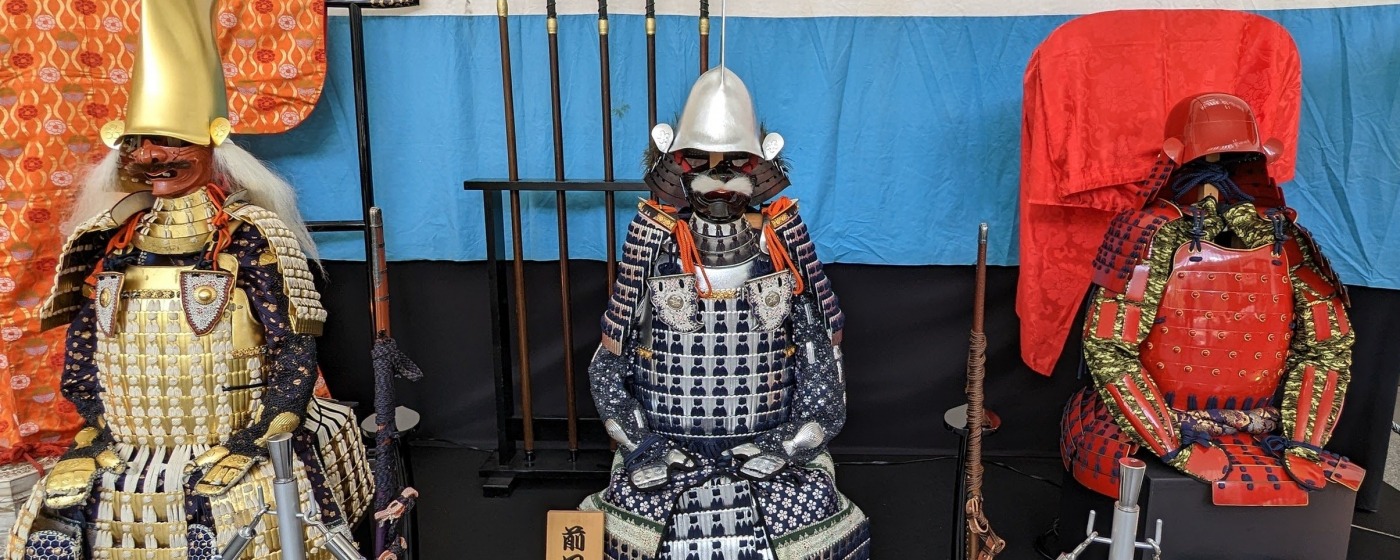
1. Three Historical Foundations of Kanazawa's Samurai Culture
1. The Wealthiest Feudal Domain Outside the Tokugawa Shogunate
From 1639 onward, the Kaga Domain had an assessed rice yield of approximately 1.025 million koku, making it the largest domain in Japan outside the Tokugawa shogunate.
Supported by this considerable economic power, the Maeda clan actively promoted scholarship, performing arts, and traditional crafts.
The economic prosperity of the Kaga Domain provided the foundation for Kanazawa's rich cultural development.
2. A Castle Town Governed by the Maeda Clan for Approximately 290 Years
From 1583, when MAEDA Toshiie entered Kanazawa Castle, until the abolition of the feudal domain system in 1871, Kanazawa developed as the castle town of the Maeda clan for approximately 290 years.
During the Edo period, some domains experienced changes in their ruling families due to political decisions or transfers of territory. In Kanazawa, however, the Maeda clan retained control throughout the period, with 14 successive generations serving as lords of the domain.
The continuity of a single ruling family allowed successive lords to build upon generations of cultural patronage and support.
This long history played an important role in establishing tea culture, Noh theatre, traditional crafts, and scholarship as integral parts of Kanazawa's identity.
3. Historic Streetscapes Preserved Through the Absence of Wartime Bombing
Kanazawa escaped large-scale air raids during World War II, allowing much of the original structure of its Edo-period castle town to survive to the present day.
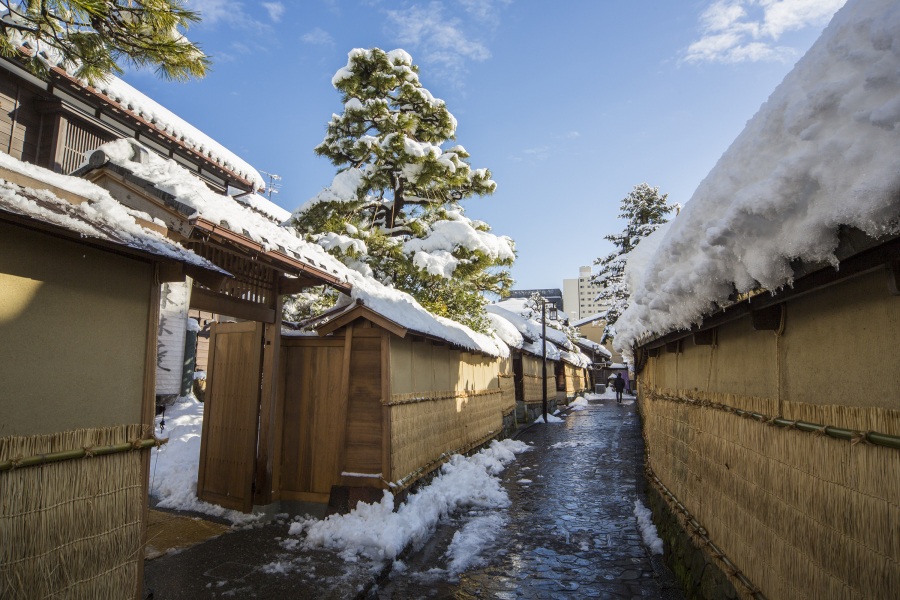
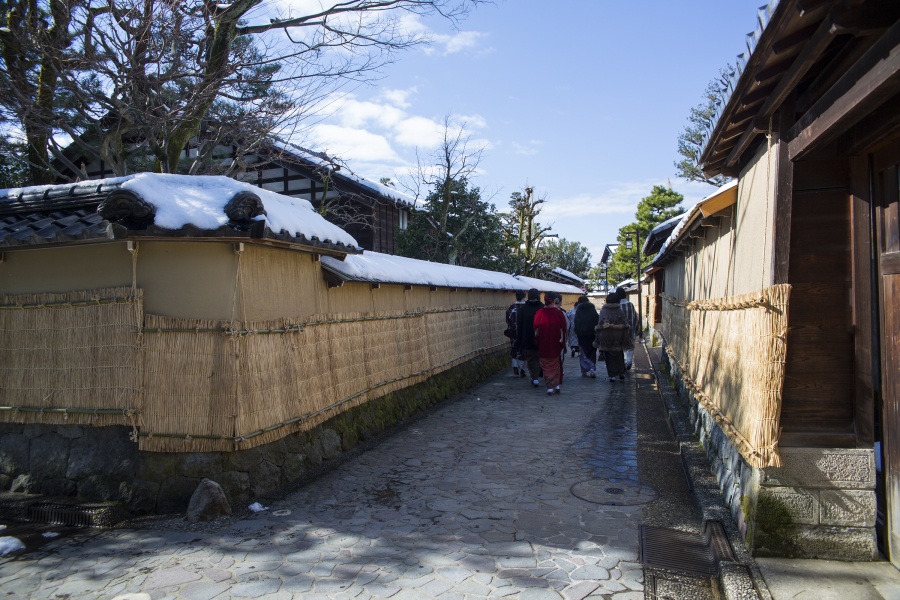
Historic landscapes can still be found throughout the city, including the earthen walls and stone-paved lanes of the former samurai district in Nagamachi, temple districts in Teramachi and at the foot of Mount Utatsu, traditional geisha districts, and irrigation canals running through the city.
These surviving streetscapes and historic buildings allow visitors to do more than simply learn about Kanazawa's history. They can walk through the very places where its distinctive culture developed and experience that history firsthand.
2. The History of the Kaga Domain: From the Warring States Period to a Flourishing Cultural Castle Town
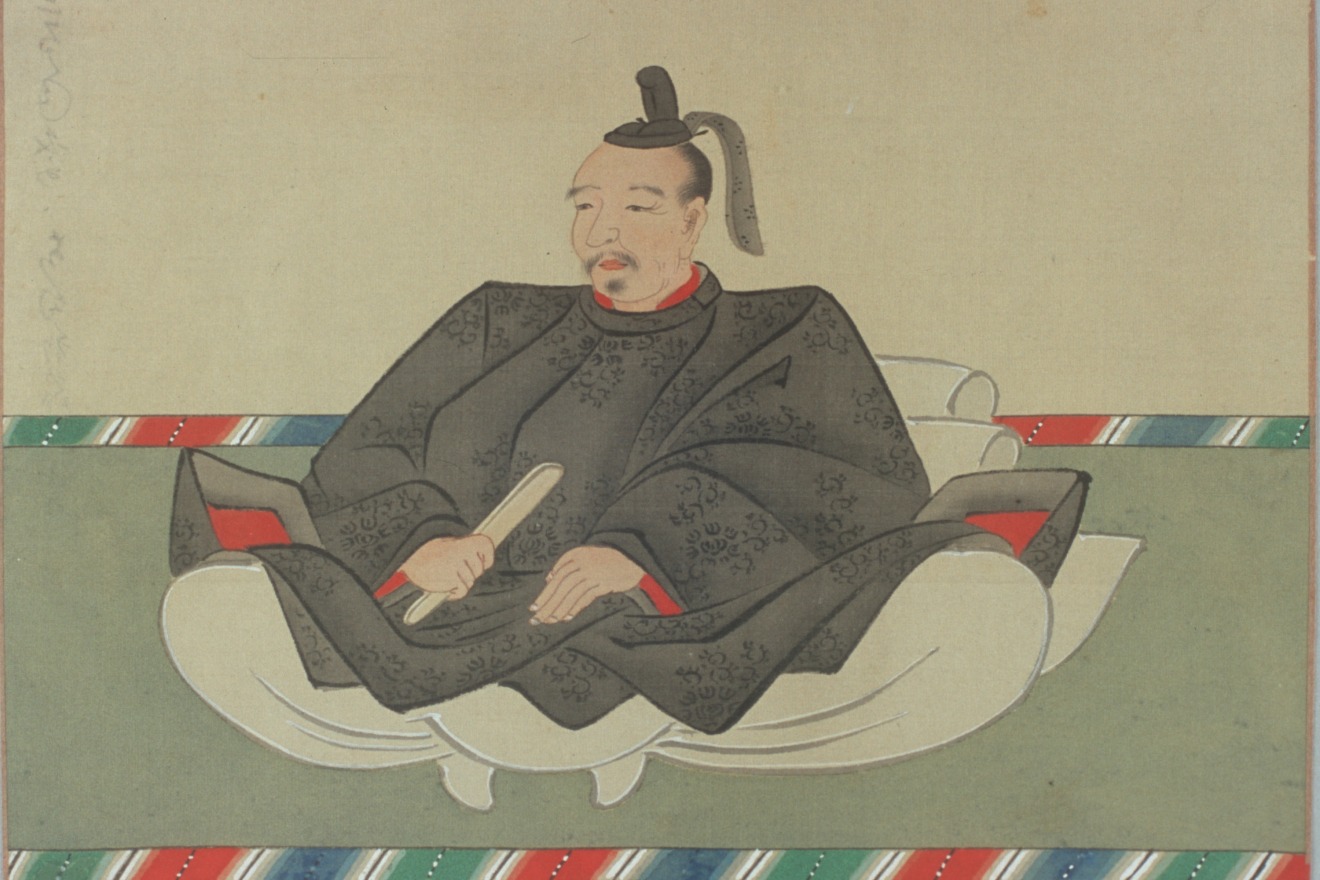
The history of the Kaga Domain began with MAEDA Toshiie, who served ODA Nobunaga and TOYOTOMI Hideyoshi before establishing his power in the Hokuriku region.
Late 16th Century: From a Religious Center to a Castle Town
During the Warring States period (15th–16th centuries), the area around present-day Kanazawa was an important center of Jōdo Shinshū Buddhism. In 1546, Kanazawa Midō, a branch temple of Honganji, was established, and a fortified temple settlement developed around it.
In 1580, the temple fell to the forces of ODA Nobunaga. SAKUMA Morimasa subsequently took control and began developing the castle.
In 1583, MAEDA Toshiie entered Kanazawa Castle, expanded its fortifications, and developed the surrounding castle town, laying the foundations of the Kaga Domain.
The Edo Period: The Flourishing of Million-Koku Culture
Under MAEDA Toshiie's successors, the domain expanded to approximately 1.2 million koku, covering Kaga, Noto, and Etchū (present-day Ishikawa and Toyama Prefectures). In 1639, Toyama and Daishoji became independent domains, leaving the Kaga Domain with an assessed rice yield of approximately 1.025 million koku.
Successive Maeda lords promoted scholarship, traditional crafts, and performing arts, laying the foundations of Kanazawa's distinctive culture.
- Scholarship
The fifth lord, MAEDA Tsunanori, collected books from across Japan and compiled Hyakkō Hishō, a valuable record of traditional craftsmanship and artistic techniques. The scholar ARAI Hakuseki praised Kaga as Tenka no Shofu, meaning "the greatest repository of books in the land."
- Traditional Crafts
The third lord, MAEDA Toshitsune, established the official workshop known as Osaikushō and invited skilled artisans from Kyoto and Edo (present-day Tokyo). This helped develop crafts such as lacquerware, maki-e (gold and silver decoration on lacquer), and metalwork.
- Performing Arts
The tea ceremony and Noh theatre flourished under the patronage of the Maeda clan. These cultural pursuits gradually spread beyond the samurai class to merchants and artisans, becoming part of everyday life in Kanazawa.
Together, these traditions became known as Hyakumangoku Culture (Million-Koku Culture), which continues to define Kanazawa's cultural identity today.
From the Meiji Period to the Present: Traditions Passed Down Through Generations
Following the Meiji Restoration and the abolition of the feudal domain system, the Maeda clan's rule came to an end. However, the skills and aesthetic values developed during the Edo period were passed down through generations of local craftspeople and residents.
Today, traditions such as Kanazawa gold leaf, Kaga Yuzen silk dyeing, Kanazawa lacquerware, Japanese confectionery, Kaga cuisine, tea culture, and Noh theatre continue to thrive.
Samurai culture is not simply a part of Kanazawa's past. It remains a living heritage, woven into the city's traditions and everyday life.
3. Traces of the Old Castle Town: Kanazawa's 400-Year-Old Urban Layout
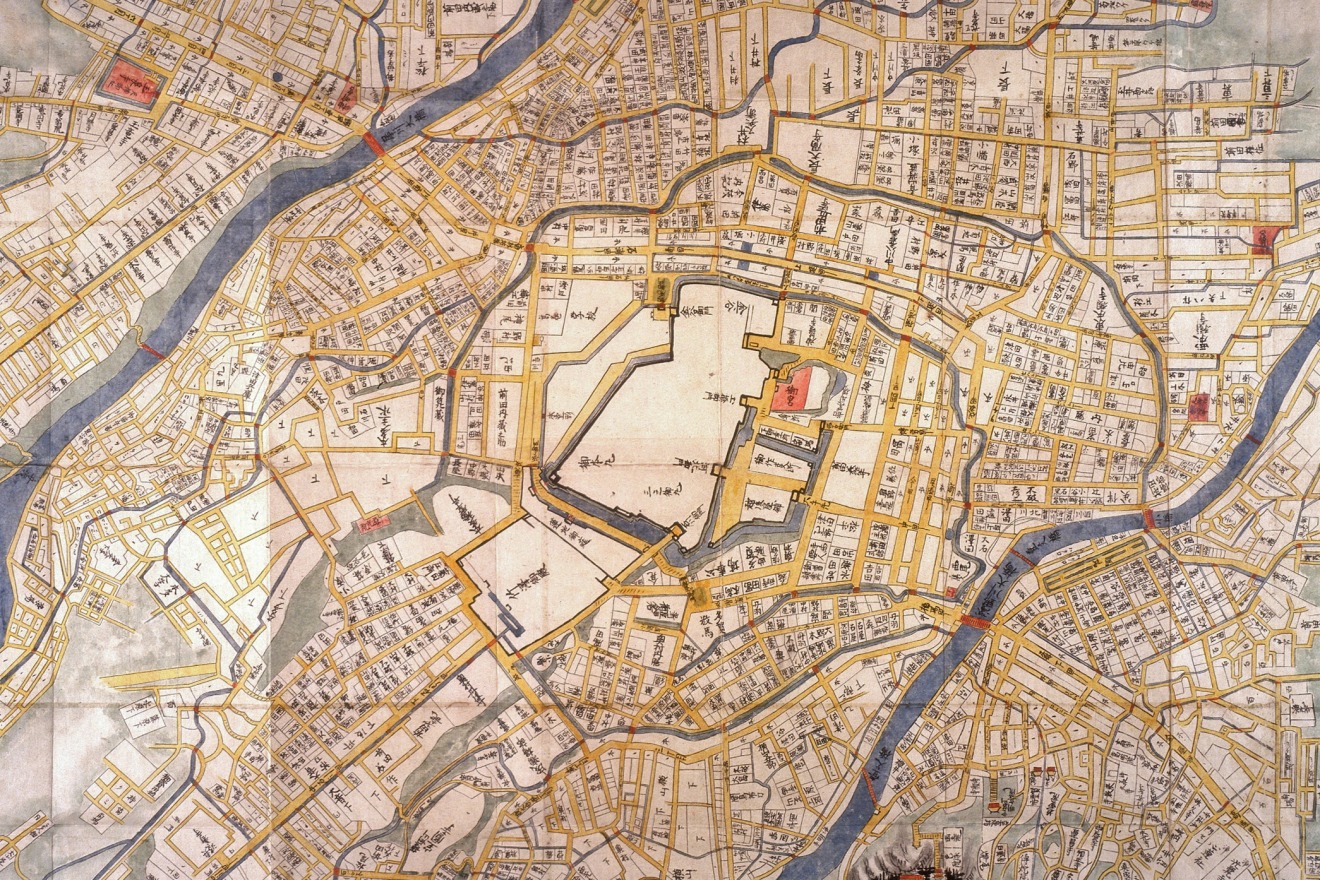
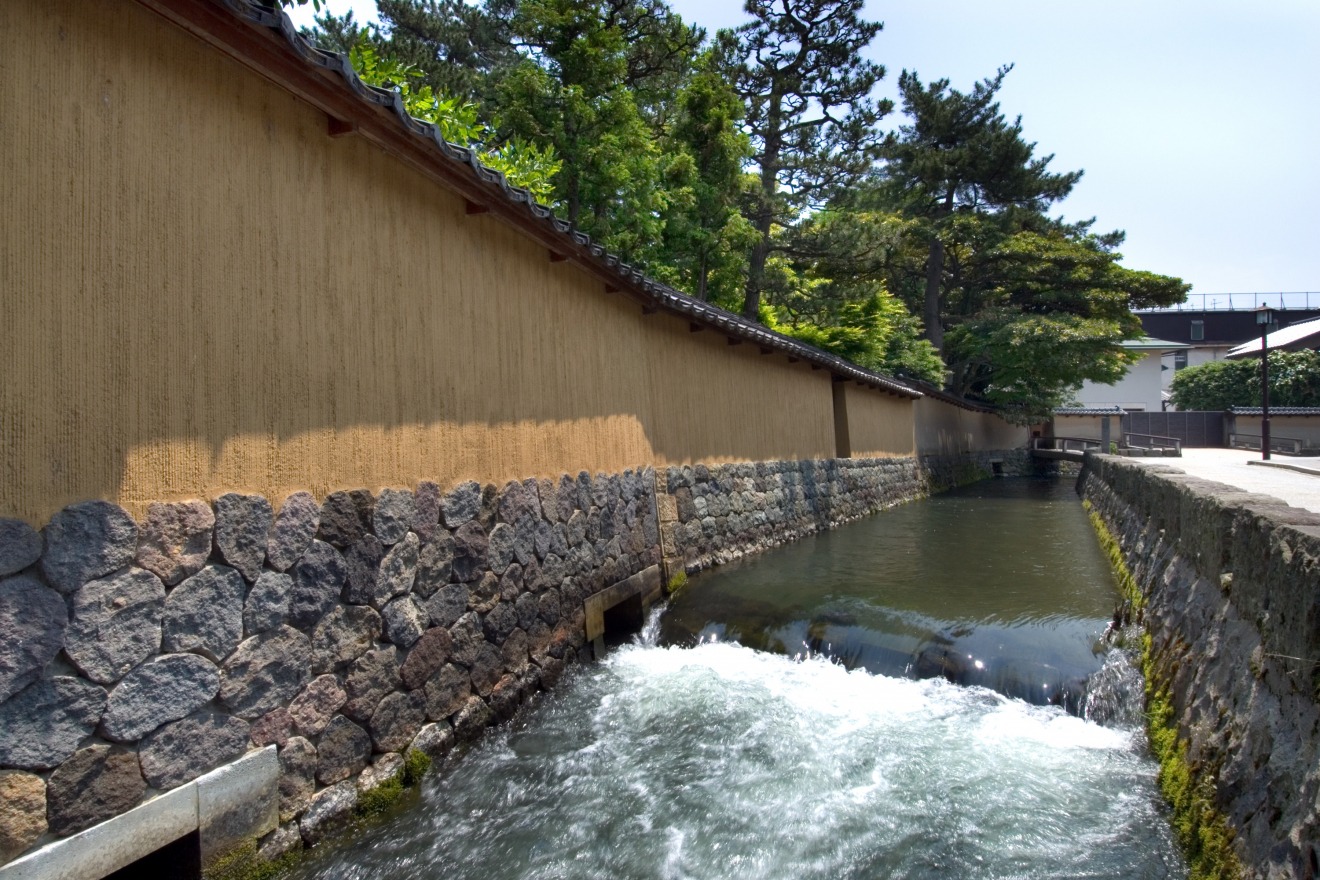
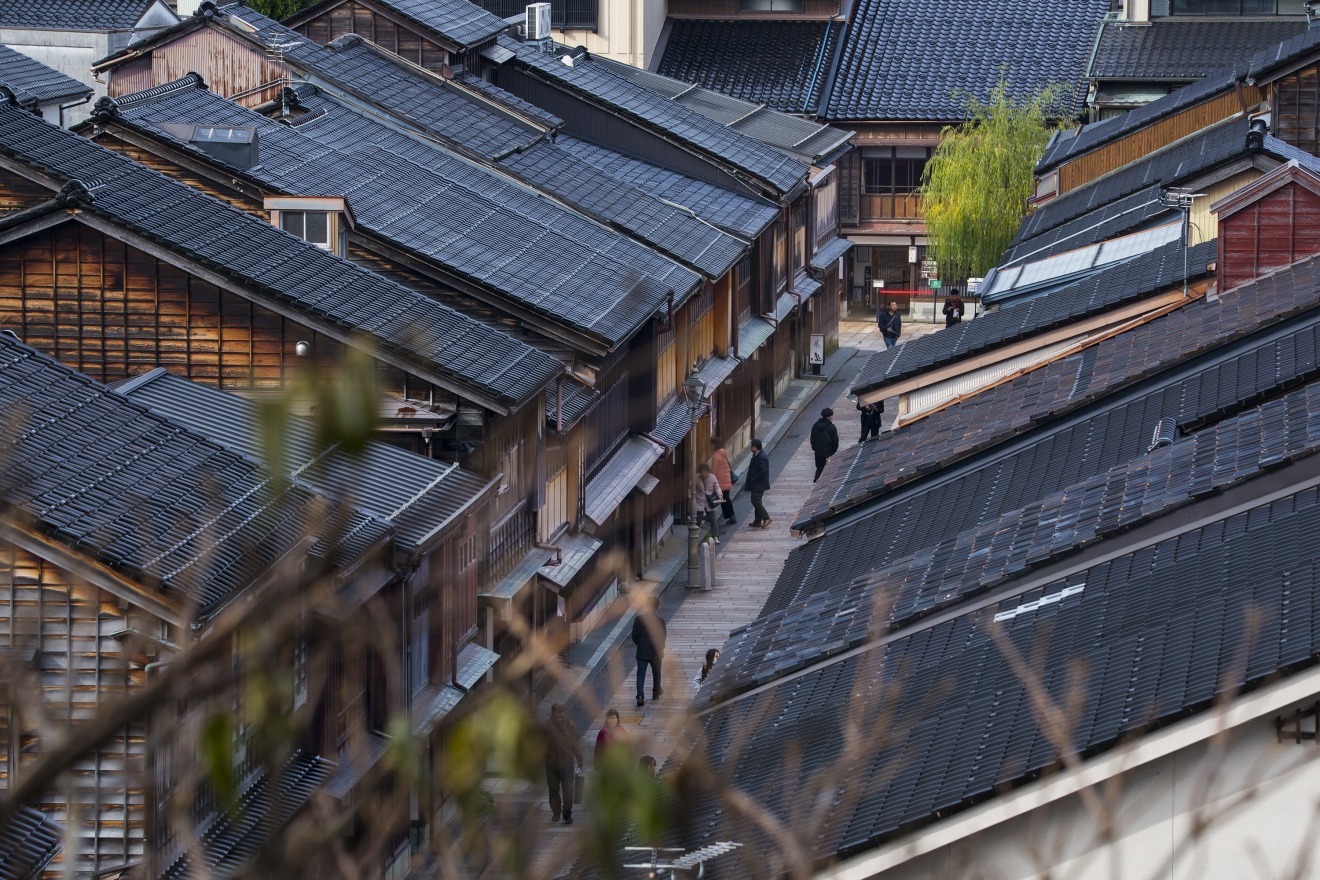
Parts of the original street layout, roads, and waterways developed under the Maeda clan during the Edo period remain in the heart of Kanazawa today.
By comparing historical maps from the Edo period with modern maps, visitors can still recognize the original street patterns and the courses of historic irrigation canals.
Highlights Unique to Kanazawa
- Nagamachi Samurai District: Once home to samurai serving the Kaga Domain, this historic neighborhood retains earthen walls and narrow stone-paved lanes. The Ōnosho Irrigation Canal flows alongside the former samurai residences, preserving the atmosphere of the Edo period.
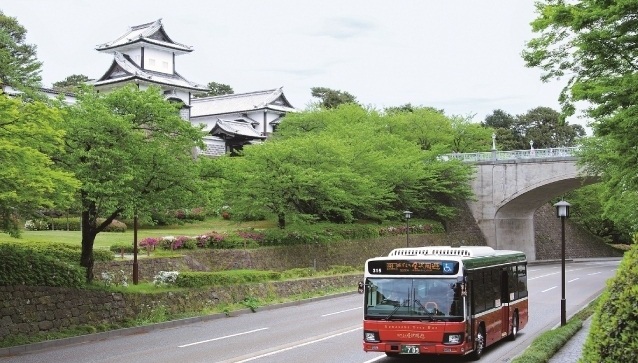
- Kanazawa Castle Park: Once the residence and stronghold of the Maeda clan, Kanazawa Castle features a remarkable variety of stone walls built in different periods and using different construction techniques. The site is sometimes described as a "museum of stone walls."
- Geisha Districts and Temple Districts: Higashi Chaya District and Kazuemachi Chaya District preserve the traditional streetscapes of Edo-period entertainment quarters. Meanwhile, the Teramachi Plateau and the foothills of Mount Utatsu are home to numerous historic temples. Parts of these districts have been designated by the Japanese government as Important Preservation Districts for Groups of Traditional Buildings.
For further information about Kanazawa's historic streets and architecture, visit the "Kanazawa Historical Architecture Explorers" website, published by Kanazawa City.
4. The Cultural Pursuits of the Samurai (1): The Japanese Tea Ceremony — Hospitality and Aesthetic Values
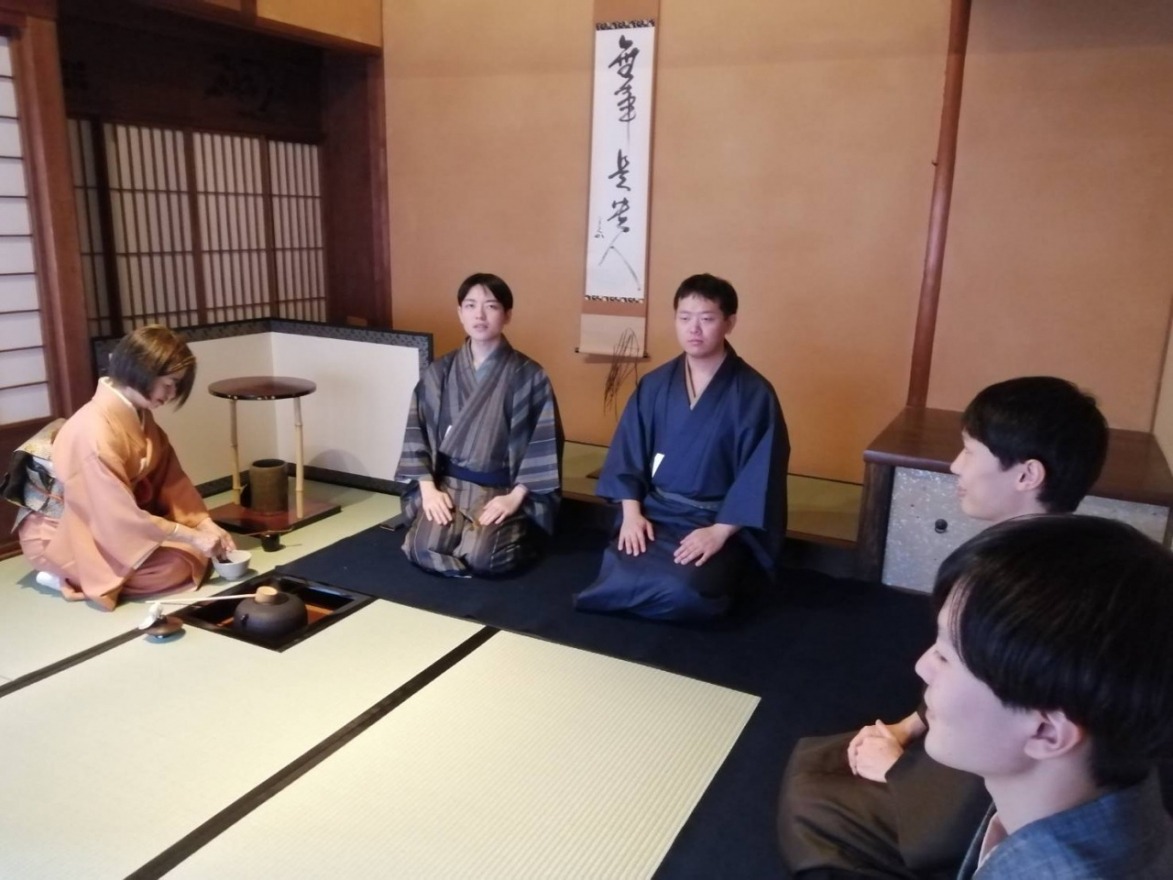
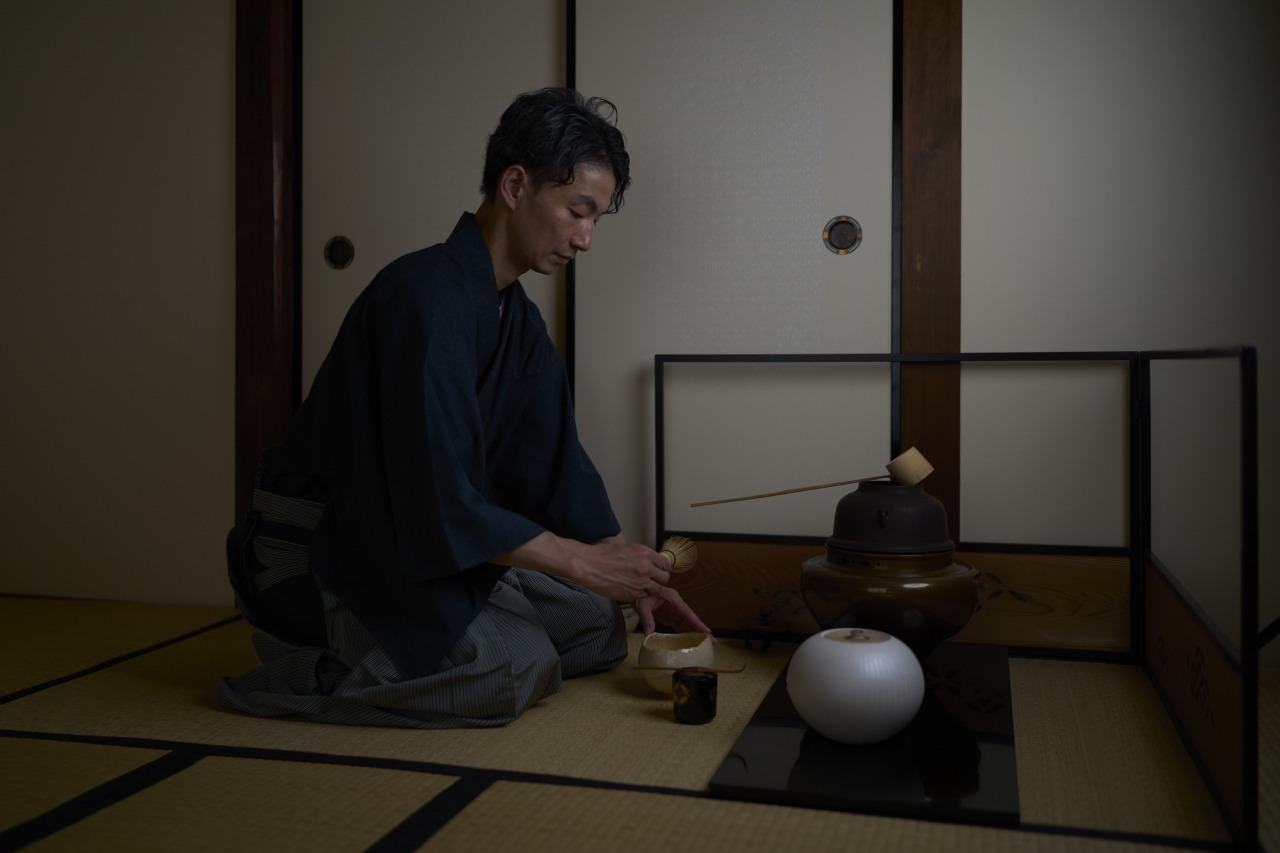
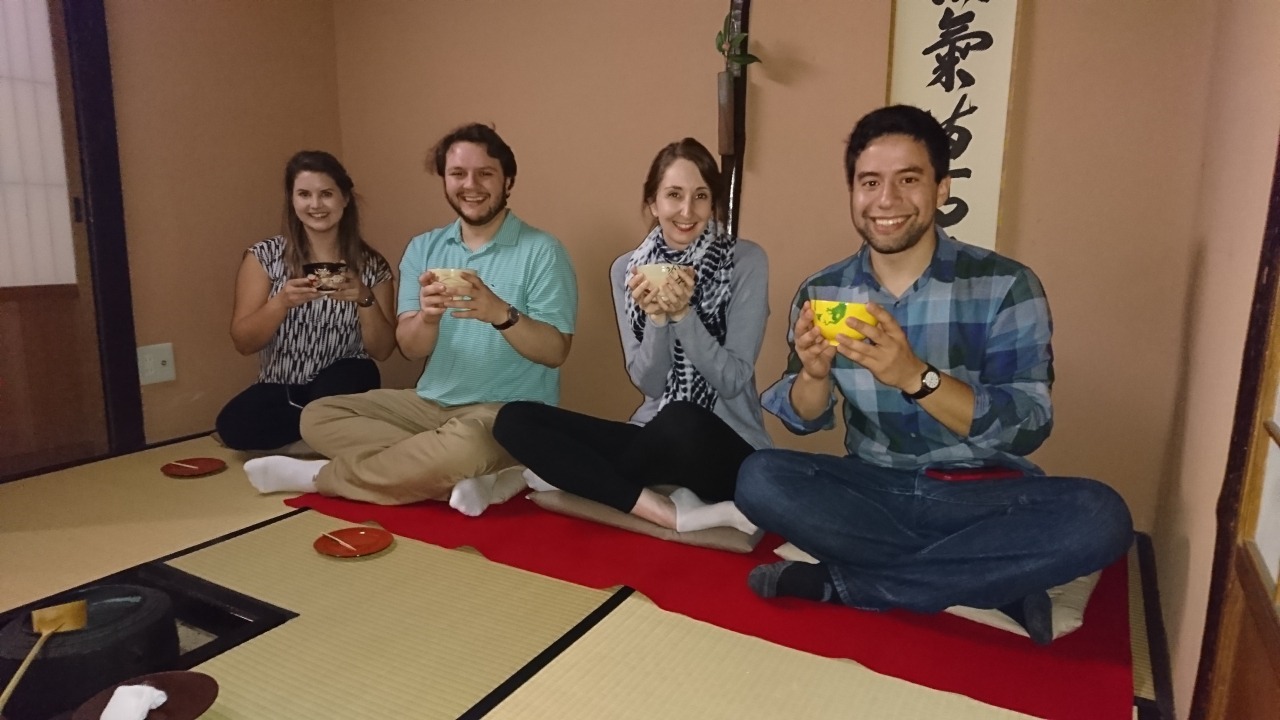
During the Warring States period, the tea culture known as chanoyu was brought to its highest level of refinement by SEN no Rikyū and captivated powerful rulers and many samurai.
MAEDA Toshiie, who laid the foundations of the Kaga Domain, also studied the tea ceremony under leading tea masters of his time, including SEN no Rikyū. He was an enthusiastic practitioner and hosted tea gatherings himself.
In the Kaga Domain, the third lord, MAEDA Toshitsune, valued tea culture and maintained close relationships with tea masters such as KOBORI Enshū.
Later, in 1666, the fifth lord, MAEDA Tsunanori, invited SENSŌ Sōshitsu from Kyoto. SENSŌ was the fourth son of SEN no Sōtan, grandson of SEN no Rikyū, and would later become the fourth-generation head of the Urasenke school of tea.
While serving the Maeda clan, SENSŌ Sōshitsu helped spread the Sen family's tea traditions throughout Kanazawa.
The first ŌHI Chōzaemon, who accompanied SENSŌ to Kanazawa, also established the tradition of Ōhi ware, a distinctive style of Japanese pottery.
Thanks to the support and patronage of successive domain lords, the tea ceremony gradually spread beyond the samurai class to merchants and artisans, becoming deeply rooted in Kanazawa's culture.
What Makes Kanazawa's Tea Culture Unique?
- Urasenke and SENSŌ Sōshitsu: SENSŌ Sōshitsu became the fourth-generation head of the Urasenke school of tea. Serving the Maeda clan, he played an important role in introducing and developing the Sen family's tea traditions in Kanazawa.
- Ōhi Ware: This distinctive pottery tradition began when the first ŌHI Chōzaemon, who came to Kanazawa from Kyoto with SENSŌ Sōshitsu, began making tea bowls using techniques derived from Raku ware. Ōhi ware is characterized by its amber-colored glaze and hand-shaped forms created without a potter's wheel. The tradition continues to be passed down by the Ōhi Chōzaemon family.
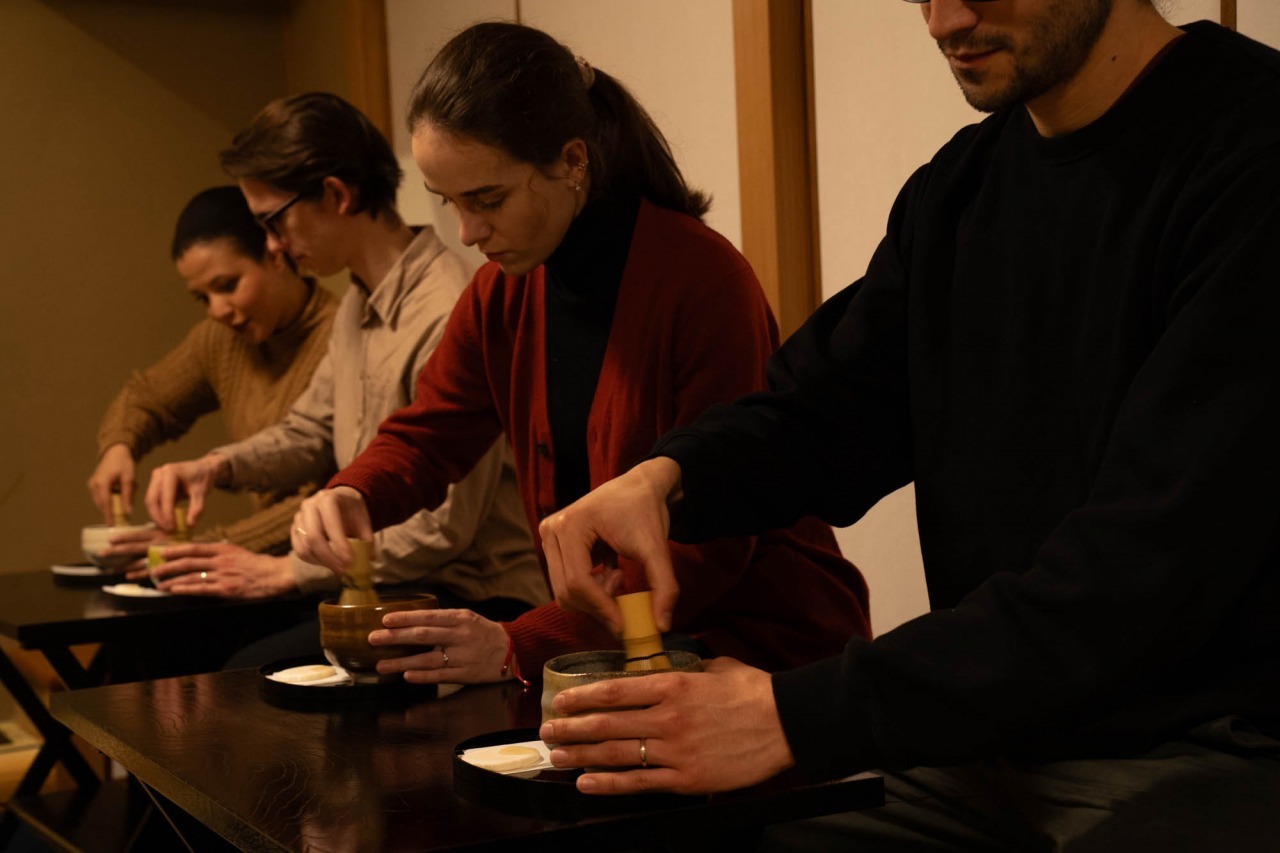
- Tea Culture in Everyday Life: The development of tea culture also encouraged the growth of Japanese confectionery. Even today, enjoying matcha (powdered green tea) with traditional Japanese sweets remains part of everyday life in Kanazawa.
Experiences to Enjoy
- Enjoy a serving of matcha and Japanese sweets, known as teicha, or try jifuku, where you prepare and enjoy your own bowl of matcha. These experiences are accessible even to beginners.
- Reserve a private tea room in a traditional Kanazawa townhouse (machiya) built approximately 100 years ago and experience tea culture in a historic setting.
- At Gyokusen-en Garden, associated with the Maeda clan, visitors can enjoy a tea ceremony in Saisetsutei, considered to be the oldest surviving tea room in Kanazawa. Advance reservations are required.
The Japanese tea ceremony is about much more than preparing and drinking tea. Through the choice of utensils, seasonal decorations, and thoughtful hospitality toward guests, it expresses Japanese aesthetic values and the spirit of human connection.
Why not experience this philosophy in the peaceful and special setting of a traditional tea room?
For more information about Kanazawa's tea culture and matcha experiences in traditional tea rooms, see the following articles.
5. The Cultural Pursuits of the Samurai (2): Kōdō — The Japanese Art of Appreciating Incense
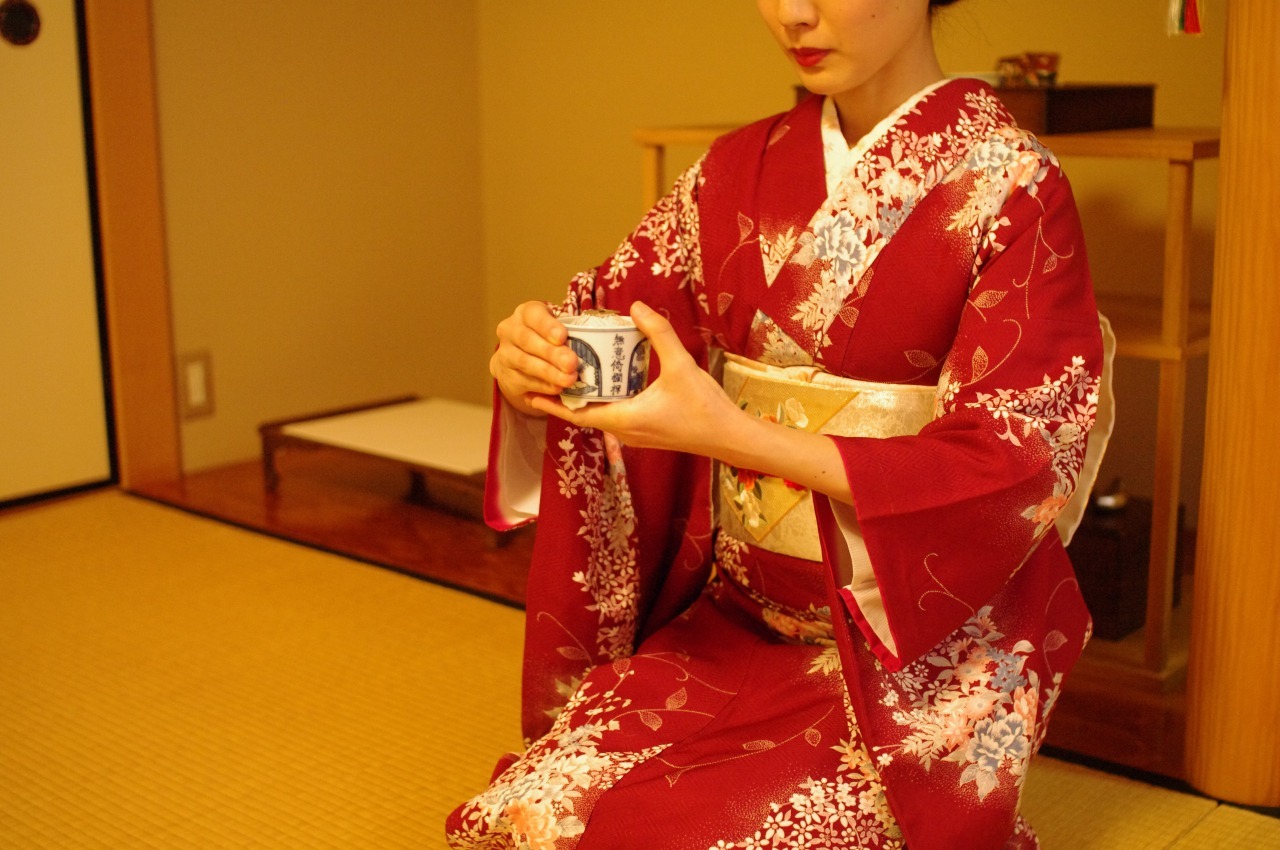
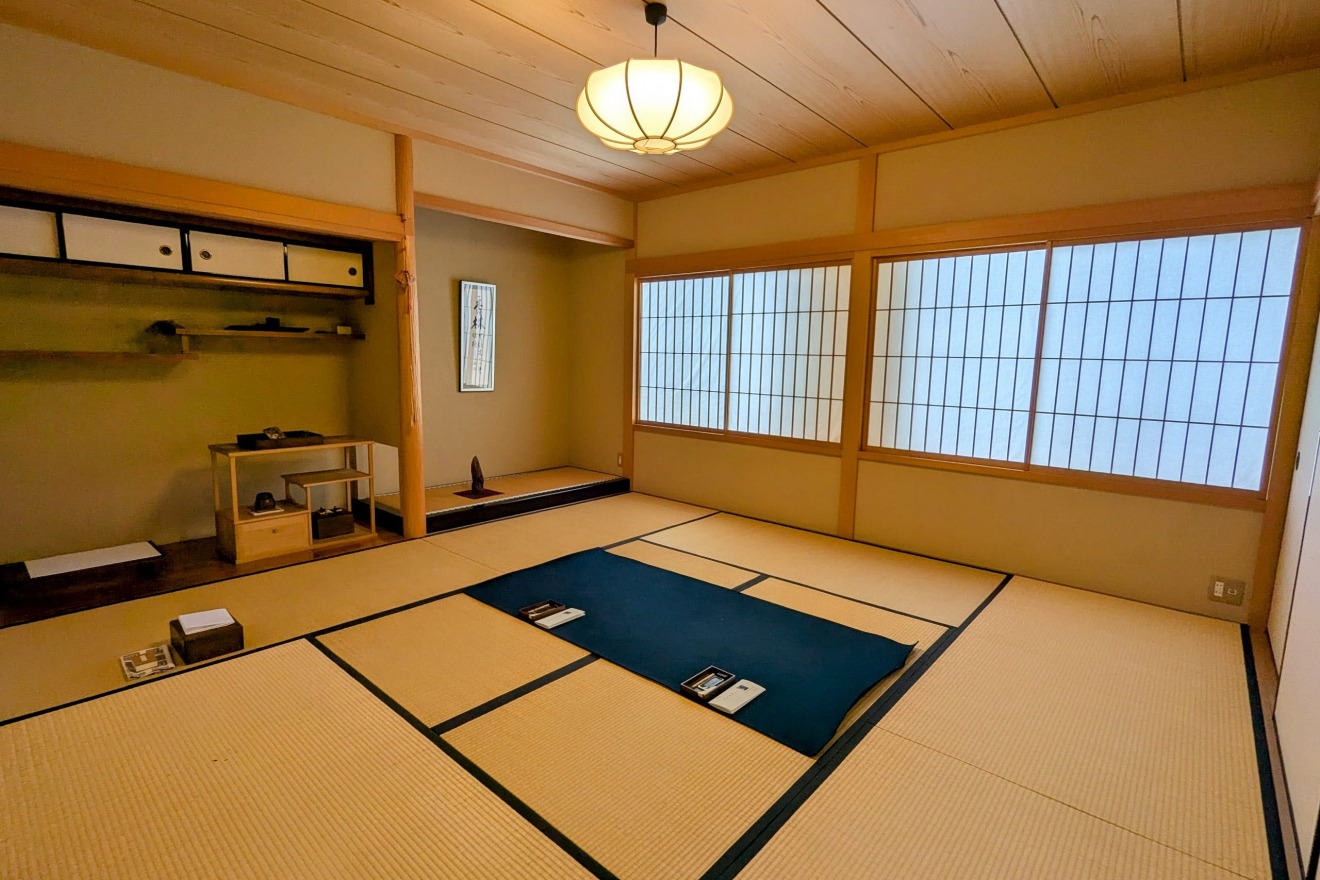
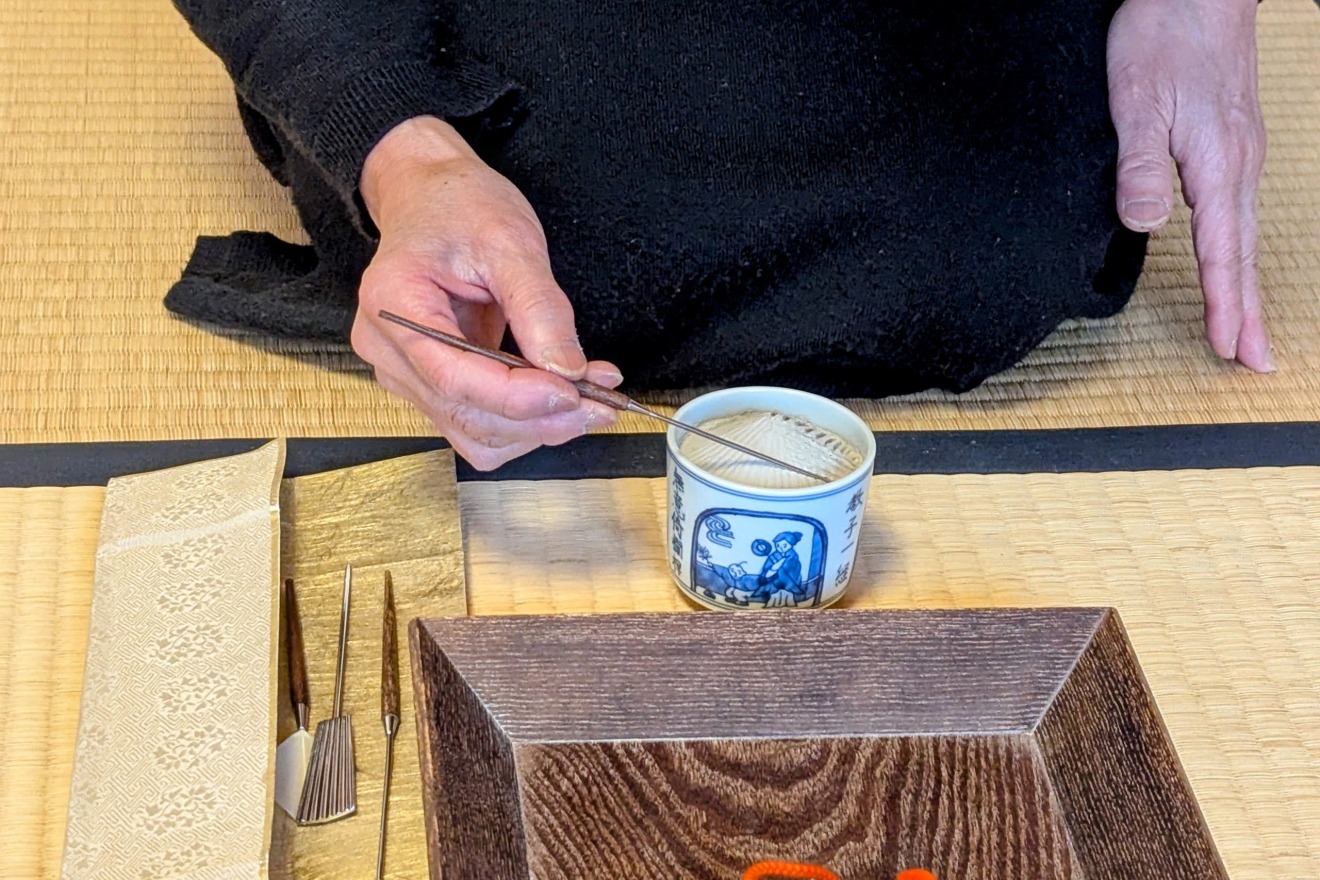
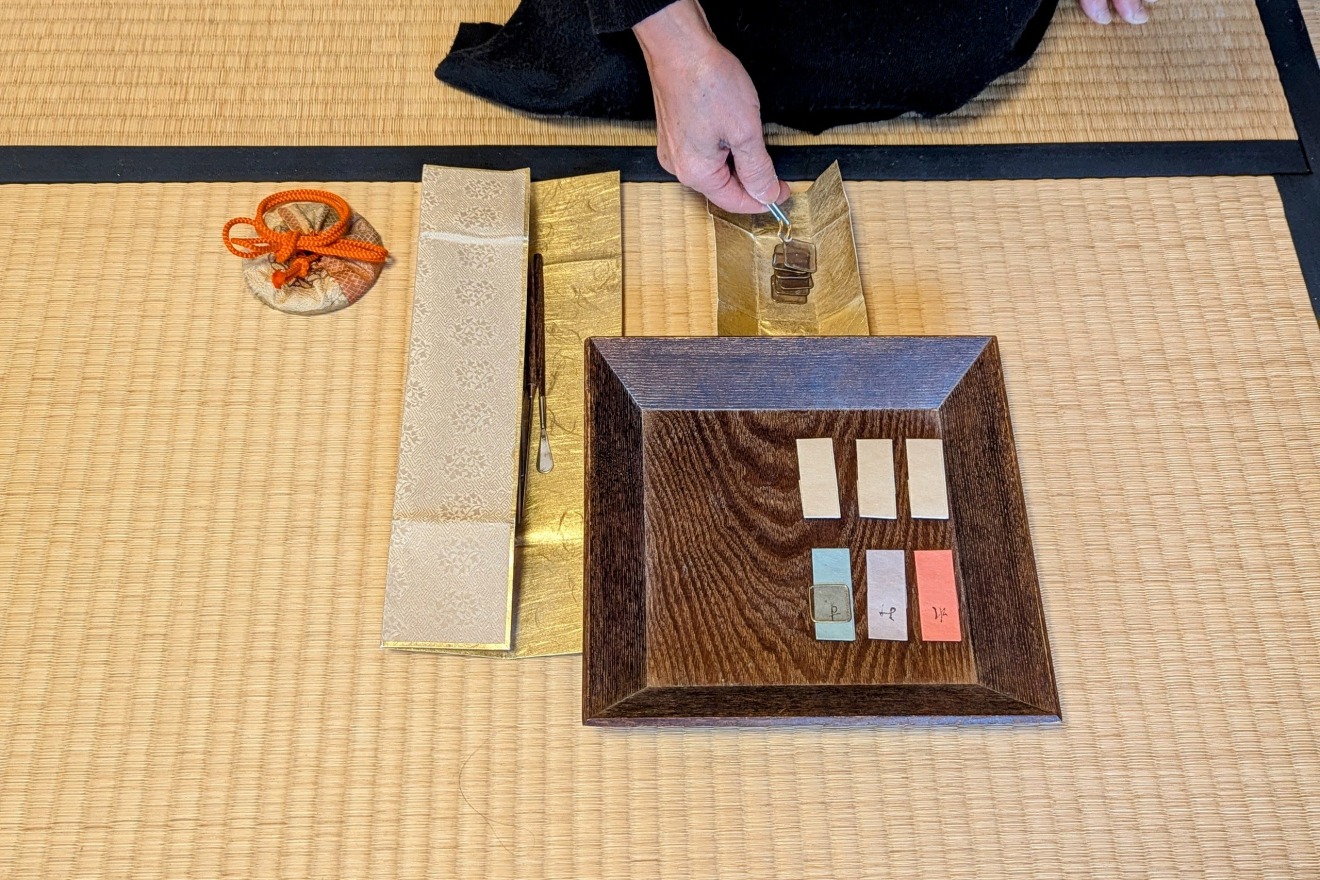
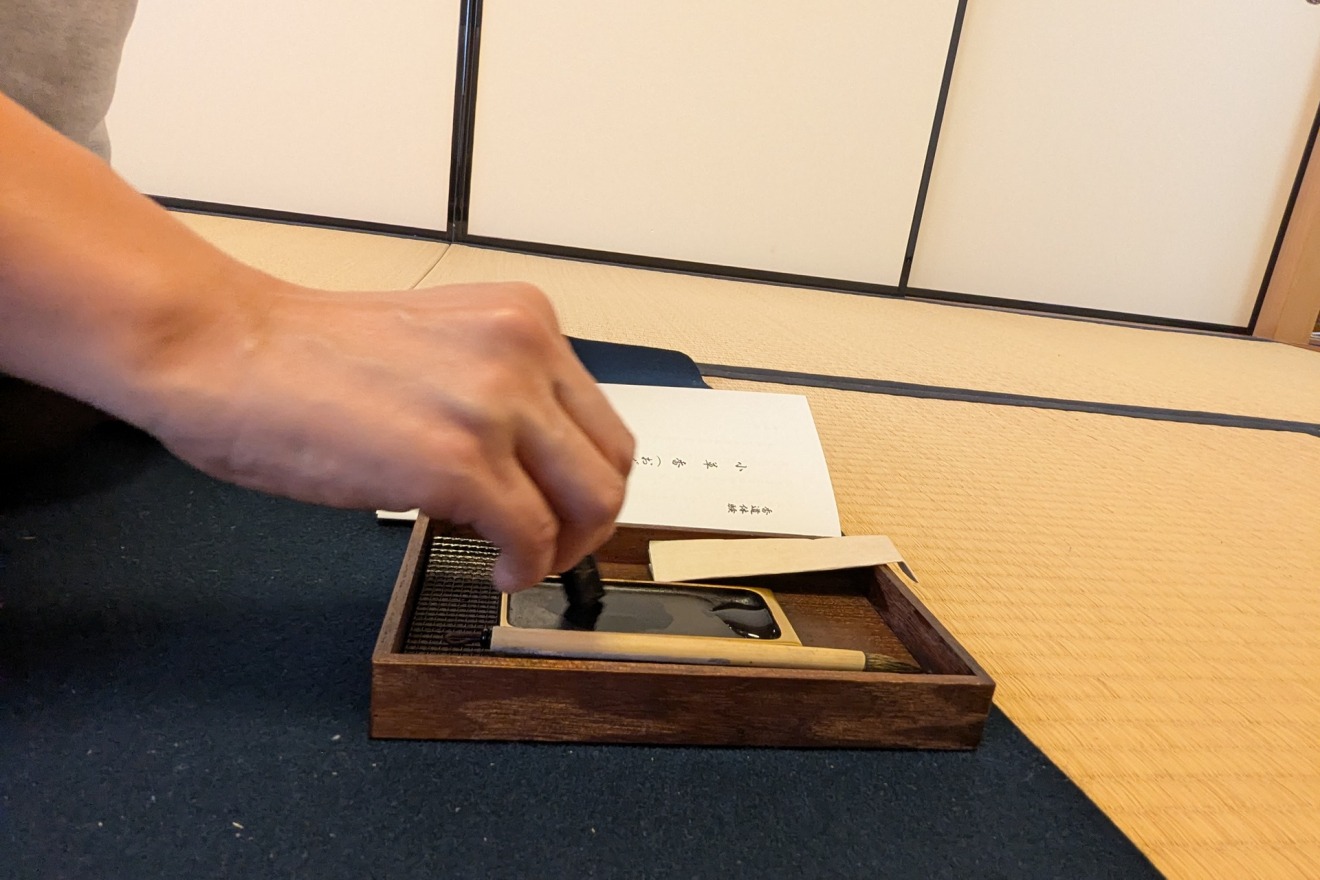
Kōdō is a traditional Japanese art that involves appreciating the subtle fragrance of aromatic wood in a calm and attentive state of mind.
Alongside the tea ceremony and ikebana (Japanese flower arrangement), it is one of Japan's traditional refined arts. Kōdō was systematized in Kyoto during the Muromachi period (1336–1573).
Incense was introduced to Japan along with Buddhism and was initially used in Buddhist rituals and ceremonies.
Over time, its use became associated with aristocratic life, literature, and the cultural education of the samurai. This gradually developed into the refined art of appreciating the fragrances of aromatic woods.
During the Muromachi period, under the reign of the eighth shogun ASHIKAGA Yoshimasa, SHINO Sōshin, a close associate of the shogun, and SANJŌNISHI Sanetaka, a court noble, helped establish the formal etiquette and practices of incense appreciation, including kumiko (incense-comparison games). These practices laid the foundations of modern Kōdō.
Two major schools of Kōdō are Oie-ryū and Shino-ryū. Oie-ryū is closely associated with aristocratic court culture, while Shino-ryū has strong historical ties to the samurai class.
In Kanazawa, where samurai culture flourished under the Maeda clan, visitors can experience the incense appreciation traditions of Shino-ryū.
In Kōdō, the Japanese expression for appreciating the fragrance of aromatic wood is not "smelling" but "listening to" the fragrance.
This poetic expression reflects the idea that one should do more than simply detect a scent. Instead, one quiets the mind and carefully appreciates the subtle fragrance with one's whole being.
What Makes Kanazawa's Kōdō Culture Unique?
- Samurai Culture and Shino-ryū: Shino-ryū is a school of Kōdō founded by SHINO Sōshin during the Muromachi period. With its strong historical connections to the samurai world, it is possible to experience its traditional incense appreciation practices in Kanazawa.
- A Cultural Experience Through Fragrance: In kumiko, participants compare the fragrances of several types of aromatic wood. The experience is enriched by references to classical Japanese poetry, literature, and seasonal imagery.
Experiences to Enjoy
Visitors can experience monkō, the practice of appreciating the fragrance of aromatic wood, and kumiko, in which different fragrances are identified and compared.
Even beginners can discover this unique aspect of Japanese culture while learning about the history and etiquette of Kōdō.
Through fragrances that cannot be seen, Kōdō connects participants with the seasons, nature, and the world of classical literature.
Taking time to appreciate these subtle scents in silence offers a peaceful opportunity to step away from everyday life and restore a sense of inner calm.
6. The Cultural Pursuits of the Samurai (3): Noh Theatre — Kaga Hōshō, Beloved by the Lords of the Kaga Domain
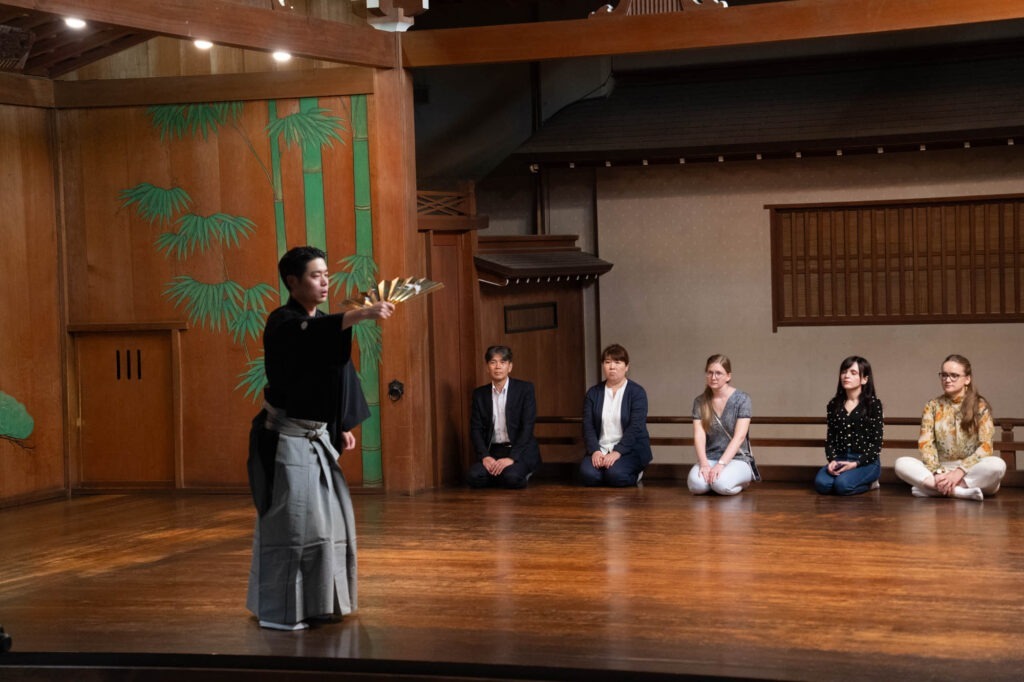

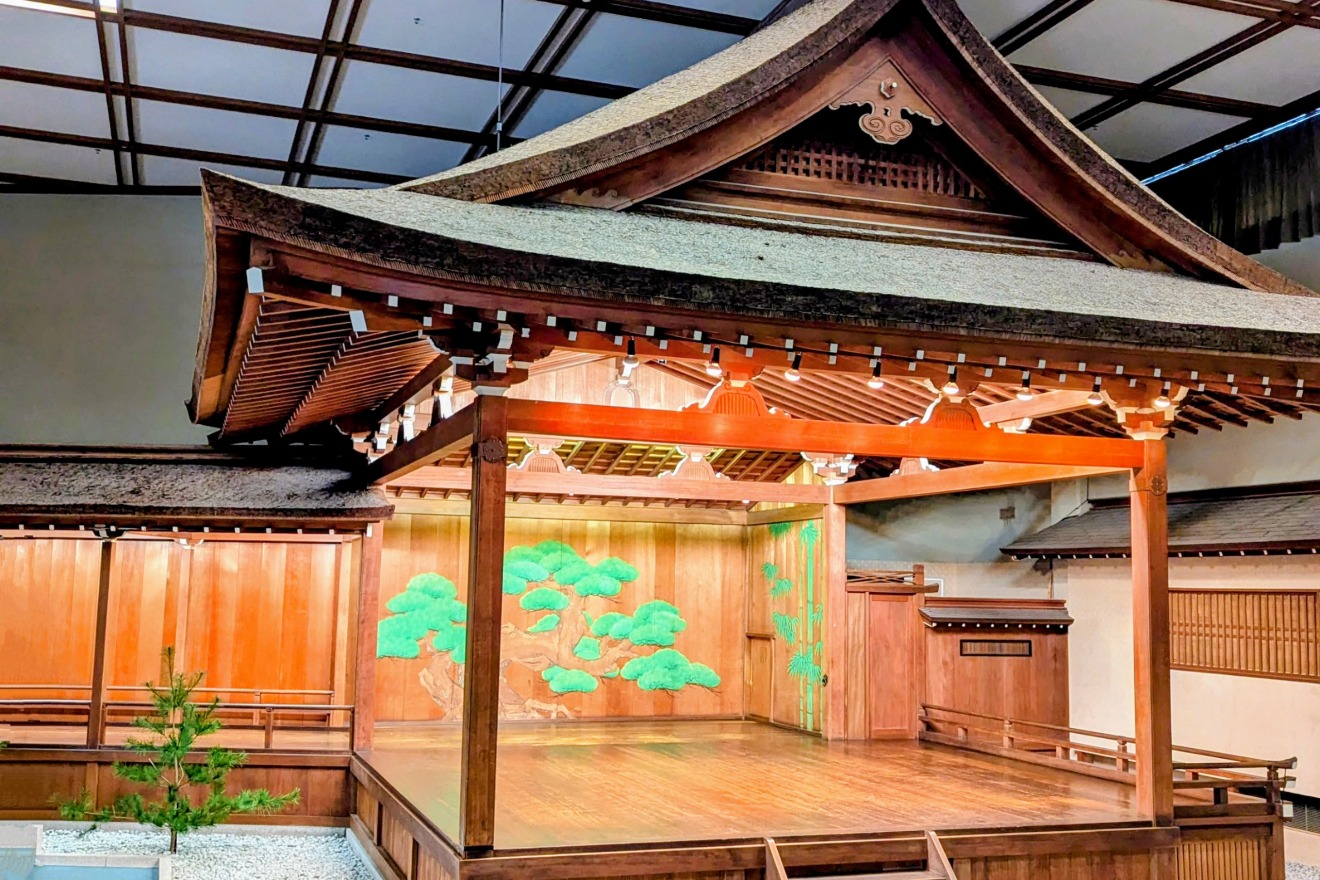
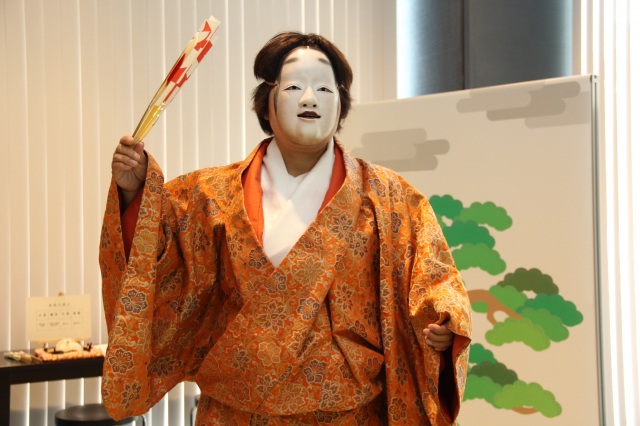
Noh is a traditional Japanese performing art in which stories are expressed through dance and stylized movements, accompanied by vocal chanting known as utai and instrumental music known as hayashi.
Masks, elaborate costumes, music, and dance come together to portray stories drawn from mythology, history, and classical literature.
Its origins can be traced back to ancient Japanese performing arts, and it was brought to its highly refined form during the Muromachi period by KAN'AMI and his son ZEAMI.
During the Edo period, Noh became an official ceremonial performing art of the shogunate, known as shikigaku, and was regarded as an important part of the education of feudal lords and samurai.
In the Kaga Domain, Noh was appreciated from the time of its founder, MAEDA Toshiie. Initially, the Konparu school was the dominant style.
During the reign of the fifth lord, MAEDA Tsunanori, the influence of the fifth Tokugawa shogun, TOKUGAWA Tsunayoshi, who was a great enthusiast of Noh, helped promote the Hōshō school.
MAEDA Tsunanori himself studied the Hōshō style and encouraged Noh performers within the domain to adopt it.
As a result, the Hōshō school flourished in Kanazawa, giving rise to a distinctive local Noh tradition known as Kaga Hōshō.
The Kaga Domain also encouraged Noh and utai chanting among ordinary townspeople, not just samurai.
Some performers from the merchant class were even invited to perform Noh inside Kanazawa Castle. In this way, Noh gradually spread from the cultural education of the samurai into the everyday lives of local residents.
What Makes Kanazawa's Noh Culture Unique?
- Kaga Hōshō: A distinctive Noh tradition that developed under the protection and patronage of the Maeda clan. It remains one of the defining cultural traditions of Kanazawa.
- Noh as Part of Everyday Life: The domain encouraged local residents to practice utai chanting, allowing Noh to spread beyond the samurai class. It is said that chanting became so deeply rooted in daily life that people used to say, "In Kanazawa, Noh chanting falls from the sky."
Experiences and Performances
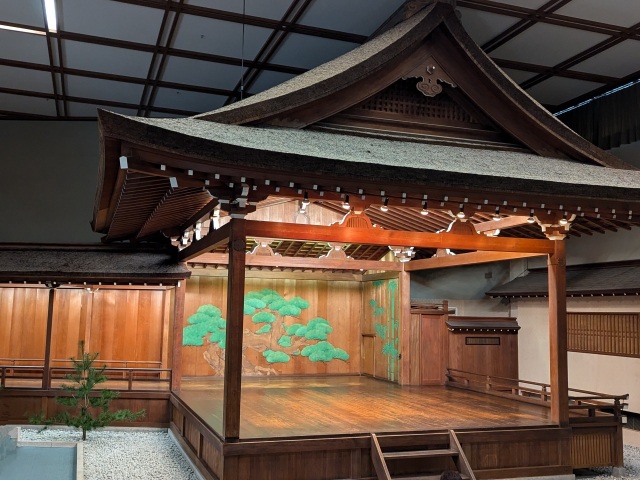
- At the Ishikawa Prefectural Noh Theatre, visitors can discover the world of Noh through performances and facility tours.
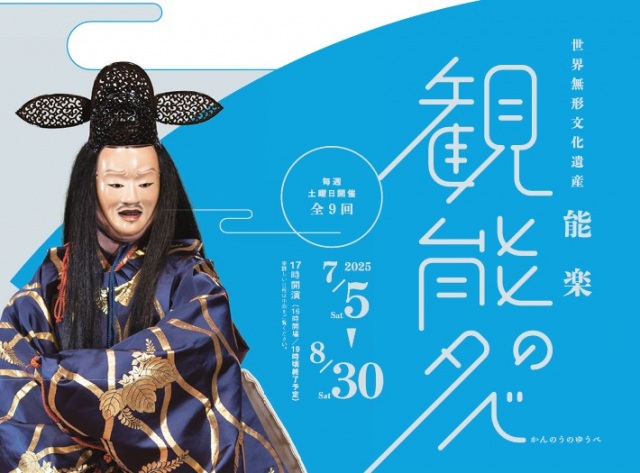
- There are opportunities to watch live performances, including regular Noh performances and the seasonal event known as Kanno no Yūbe (An Evening of Noh).
Noh is an art form that brings together music, dance, and storytelling, passed down through centuries of Japanese history.
Why not experience the world of Noh that was so highly valued by the samurai of the Kaga Domain during your visit to Kanazawa?
7. The Cultural Pursuits of the Samurai (4): Martial Arts — Training the Body, Skill, and Mind
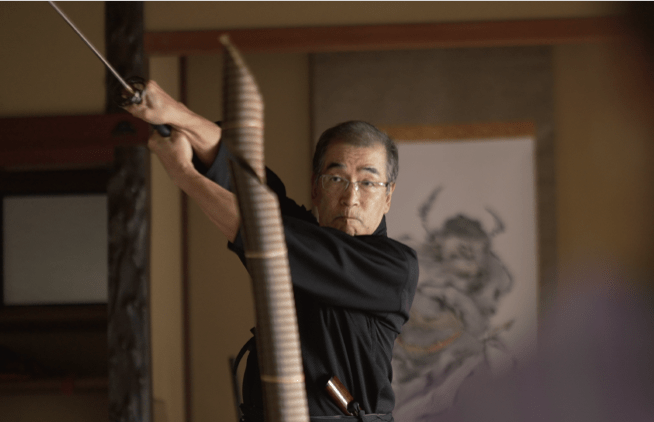
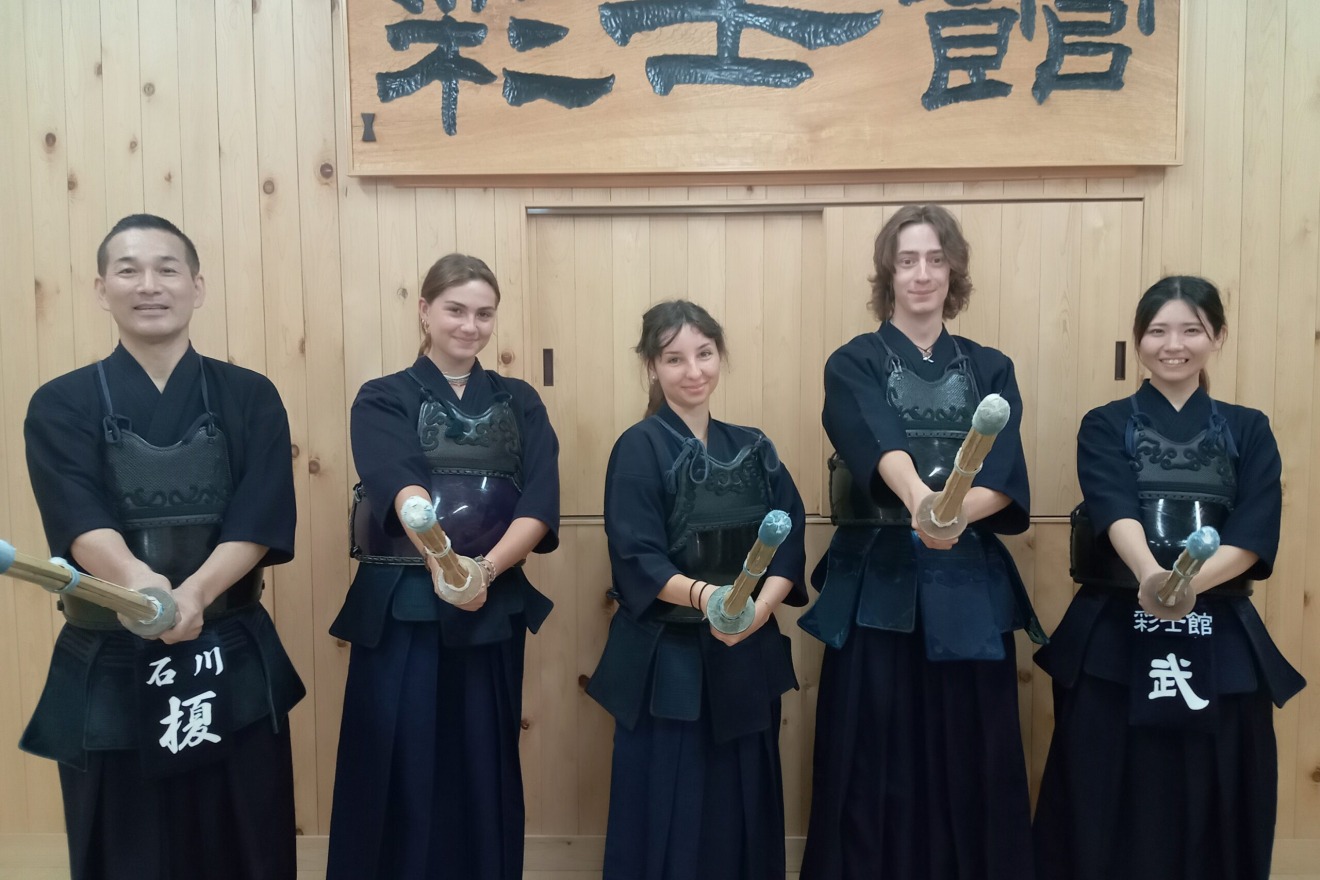
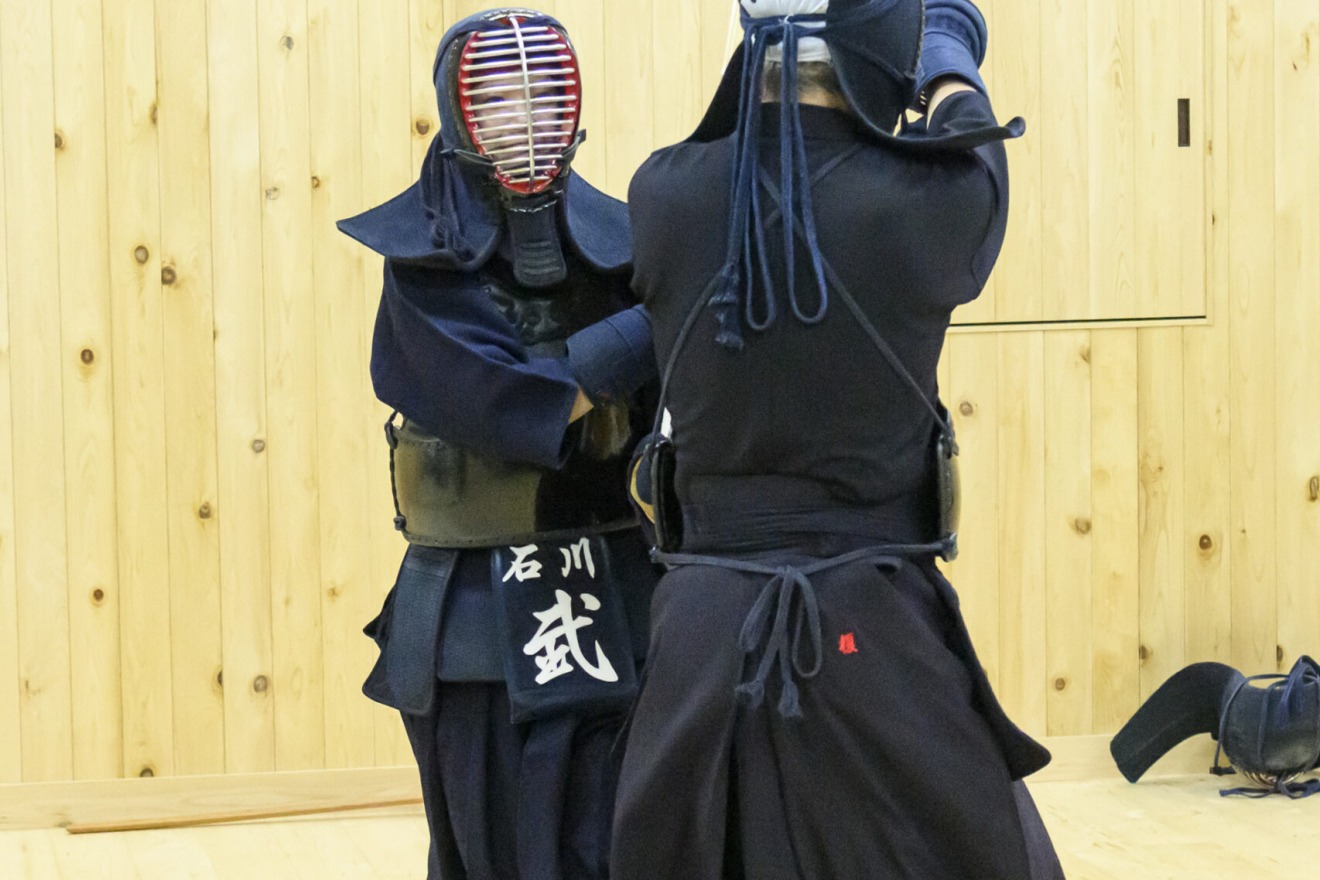
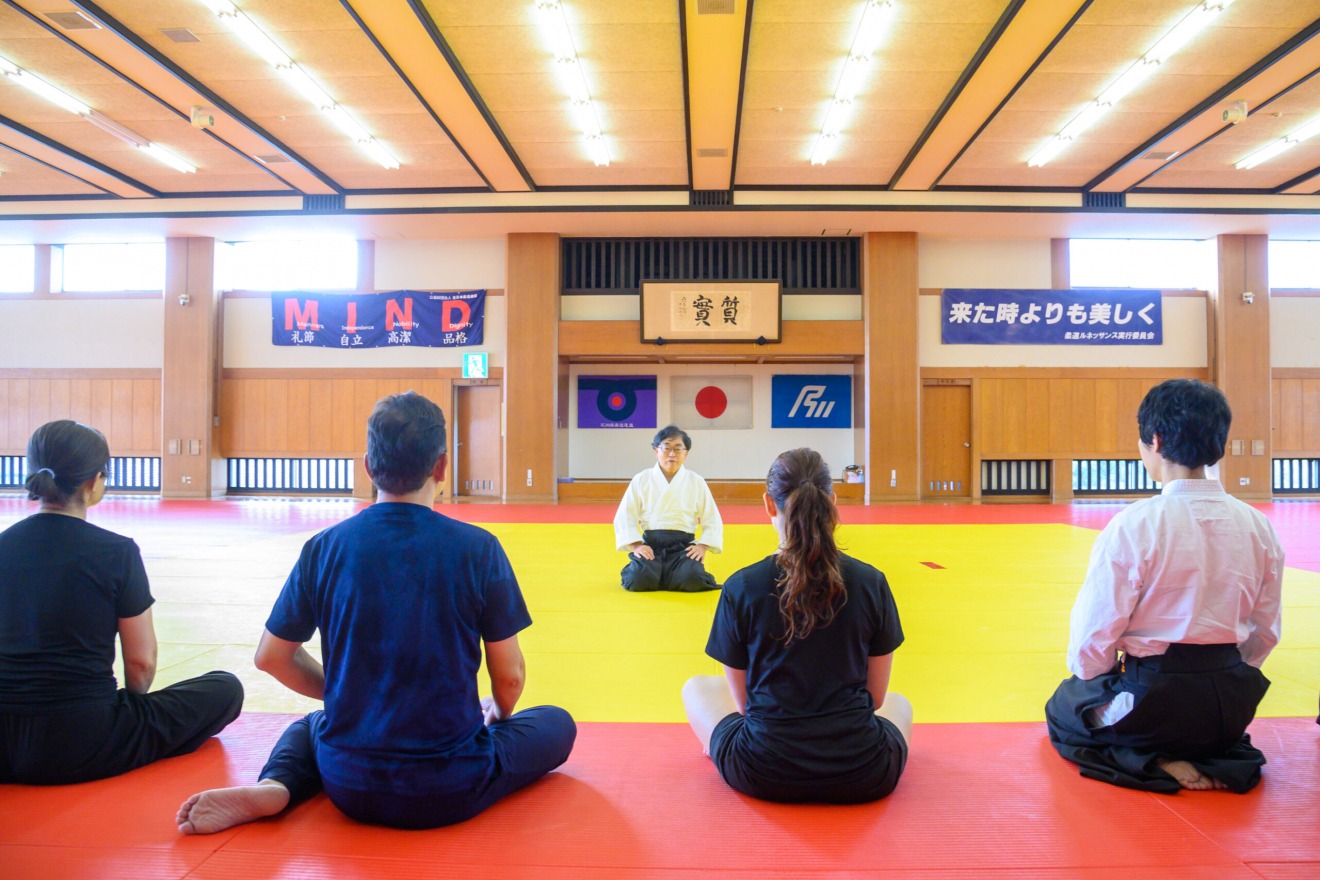
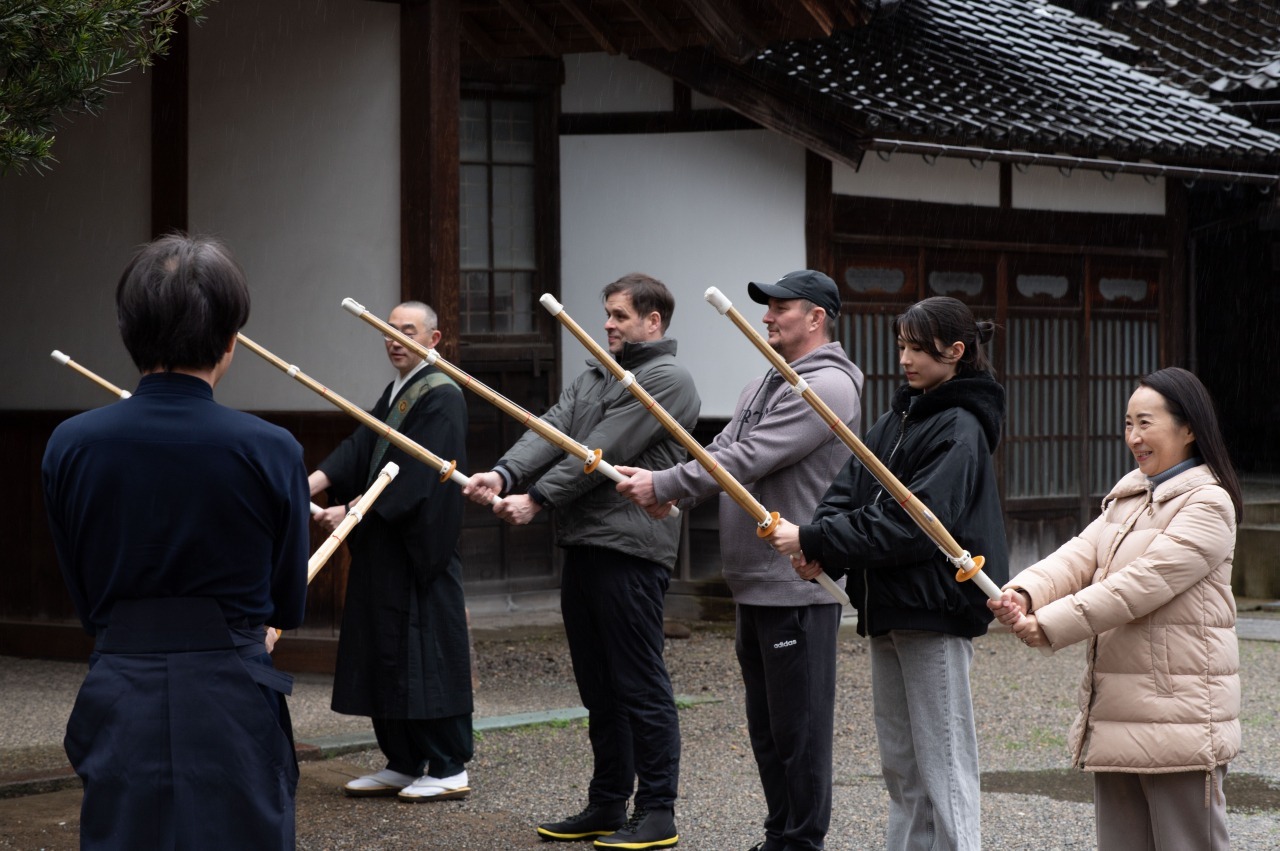
For samurai, martial skills such as archery and swordsmanship were essential forms of training in preparation for battle.
However, samurai were expected to do more than simply master fighting techniques. They were also required to cultivate proper manners, discipline, and mental strength.
Over time, these martial techniques developed into budō, or Japanese martial arts, which emphasize not only technical ability but also physical and mental discipline and respect for others.
This philosophy continues to be reflected in modern martial arts, where practitioners are taught to respect their opponents and observe the principle that every practice begins and ends with a bow.
Kanazawa is a castle town where samurai culture flourished under the Maeda clan. Experiencing martial arts such as Kyūdō (Japanese archery) and Kendō (Japanese swordsmanship) offers visitors an opportunity to discover the discipline, etiquette, and spiritual values that were important to the samurai.
What Makes Kanazawa's Martial Arts Culture Unique?
- A City Where Samurai Culture Lives On: The spirit, discipline, and etiquette cultivated during the Kaga Domain continue to form part of Kanazawa's cultural heritage today.
- A Variety of Martial Arts: Visitors can find opportunities to experience various Japanese martial arts, including Kyūdō, Kendō, and Jūdō (judo).
Experiences to Enjoy
- At Ryūenji Temple and Joshoji Temple, visitors can enjoy activities combining basic Kendō sword movements, incense appreciation, and matcha experiences.
- Through martial arts tourism programs, visitors can learn the fundamentals and etiquette of Japanese martial arts while experiencing this distinctive aspect of Japanese culture.
BUDO Tourism ~Experience Kyudo in Kanazawa, the City of SAMURAI Culture~
8. The Spiritual Culture of the Samurai (5): Zen — A Path to Inner Calm and Self-Discipline
Zen Buddhism spread throughout Japan from the Kamakura period (1185–1333) onward, developing close ties with the samurai class.
The Rinzai school of Zen, in particular, received the patronage of the Kamakura and Muromachi shogunates and gradually became popular among samurai.
Zen places great importance on confronting one's own mind and cultivating mental discipline through practices such as zazen (seated meditation).
This approach to spiritual training is thought to have influenced the development of the samurai's mindset.
However, the spiritual culture of the samurai was not shaped by Zen alone. It was also influenced by a variety of other philosophies and beliefs, including Confucianism and Shinto.
Kanazawa is home to temples associated with the Maeda clan, as well as facilities that introduce Zen philosophy to modern visitors.
Among the city's notable figures is SUZUKI Daisetsu (D. T. Suzuki), a philosopher born in Kanazawa who helped introduce Zen and other aspects of Eastern thought to audiences around the world.
What Makes Kanazawa's Zen Culture Unique?
- Hōenji Temple: One of the family temples of the Maeda clan, founded by MAEDA Toshiie. It is an important place for discovering the history of the Maeda clan and Kanazawa.
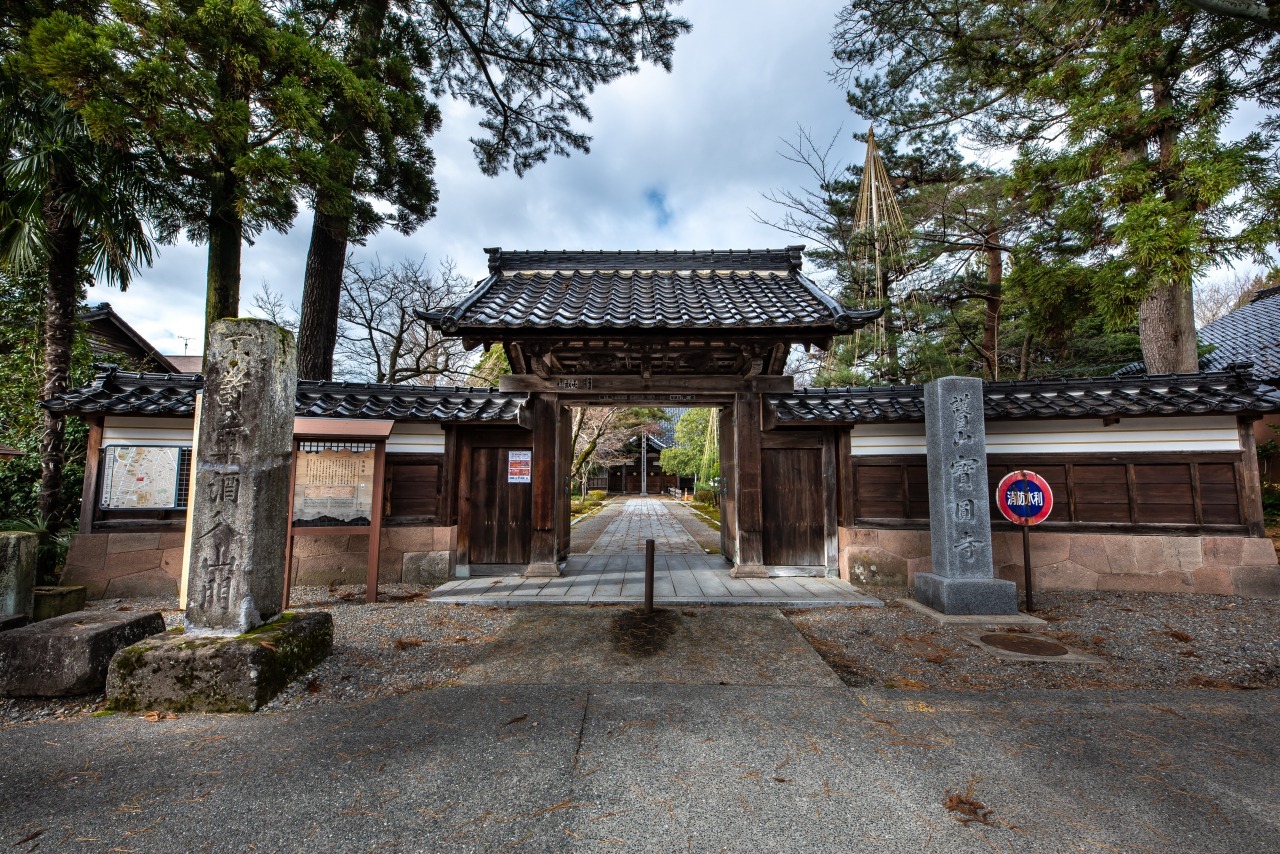
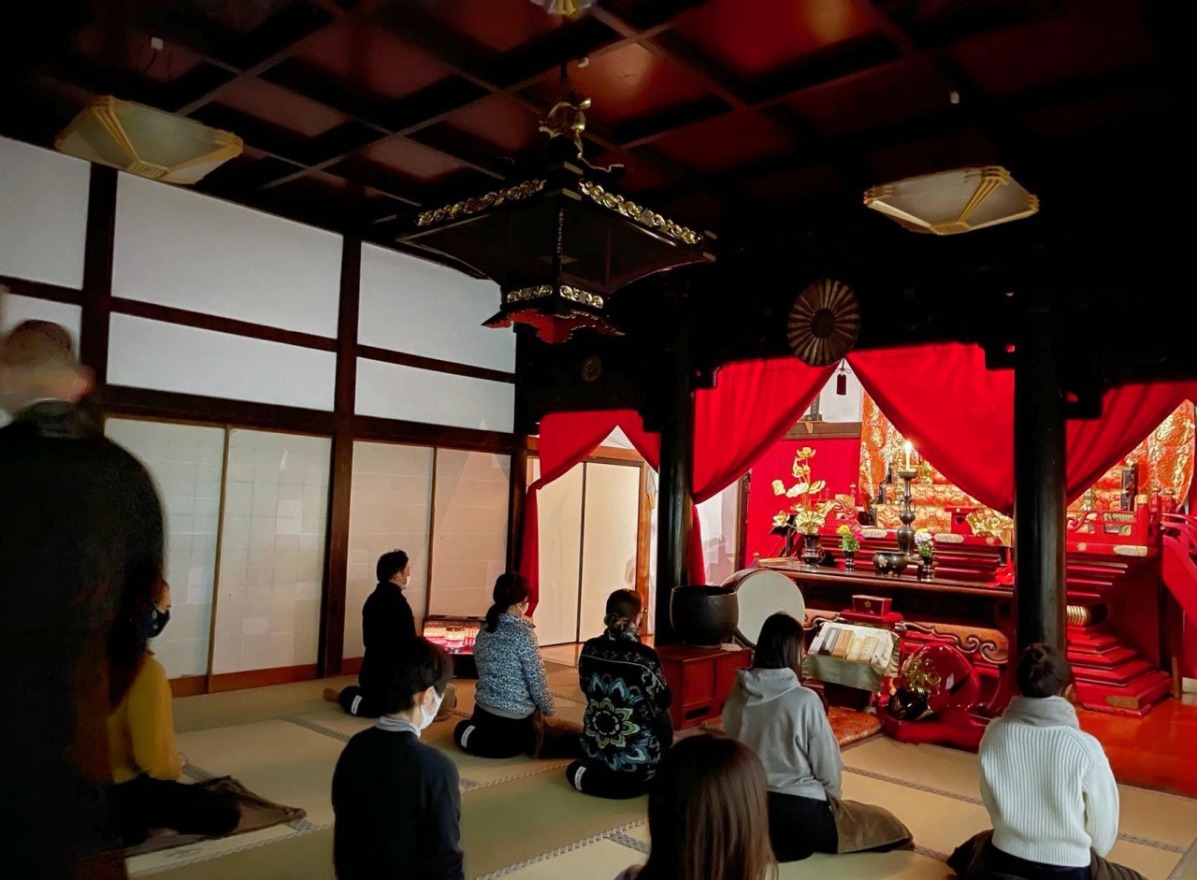
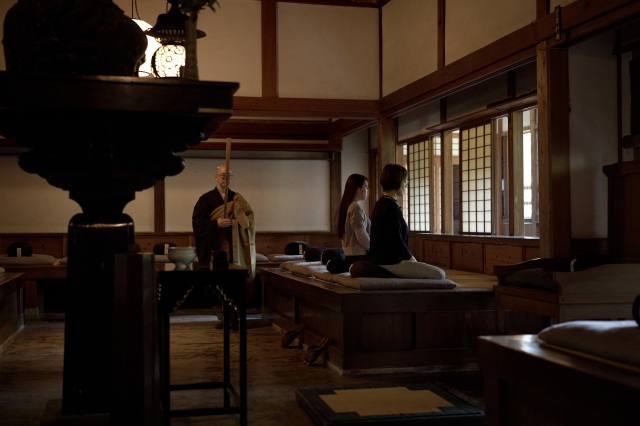
- Daijōji Temple: A historic temple of the Sōtō school of Zen Buddhism, known as the family temple of the HONDA family, the highest-ranking of the Eight Great Families (Kaga Hachike) that served the Kaga Domain. The temple was founded in 1289 and moved to its present location in 1697. Its grounds feature traditional Zen Buddhist architecture, including a main Buddha hall and a meditation hall, preserving the atmosphere of a place dedicated to Buddhist training. Visitors can experience Zen through authentic meditation sessions and regular Sunday meditation gatherings.
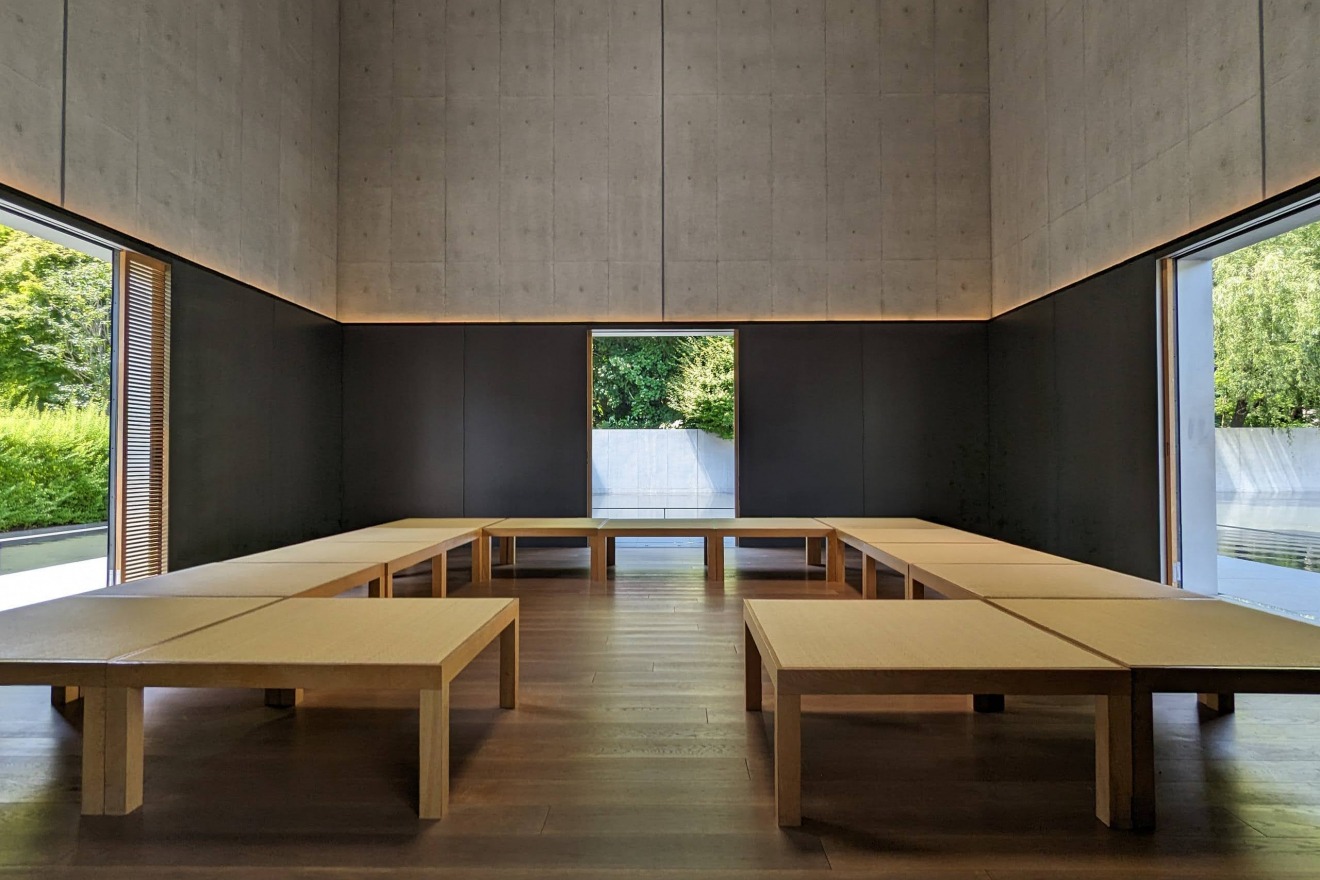
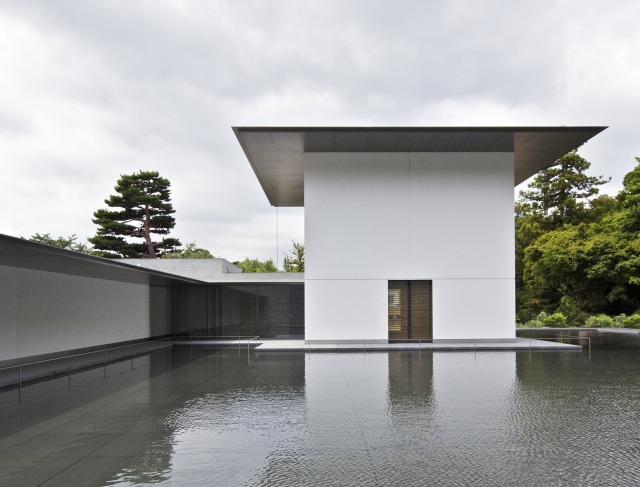
- D. T. Suzuki Museum: This museum introduces the philosophy and achievements of SUZUKI Daisetsu, who was born in Kanazawa. Through its exhibitions, architecture, and peaceful Water Mirror Garden, visitors can explore his ideas and the world of Zen.
Experiences and Places to Visit
- Experience zazen at a Buddhist temple, where you can regulate your breathing and spend quiet time reflecting on your own mind.
- At the D. T. Suzuki Museum, discover Zen and Eastern philosophy through its exhibitions, architecture, and garden.
The appeal of Zen lies not simply in acquiring special knowledge. It is also about sitting quietly, calming the breath, and turning one's attention inward.
Through this experience, visitors can discover a different rhythm of time, far removed from the pace of everyday life.
For more information about Zen meditation experiences and places where you can explore Zen philosophy in Kanazawa, see the following:

9. Gardens of the Samurai
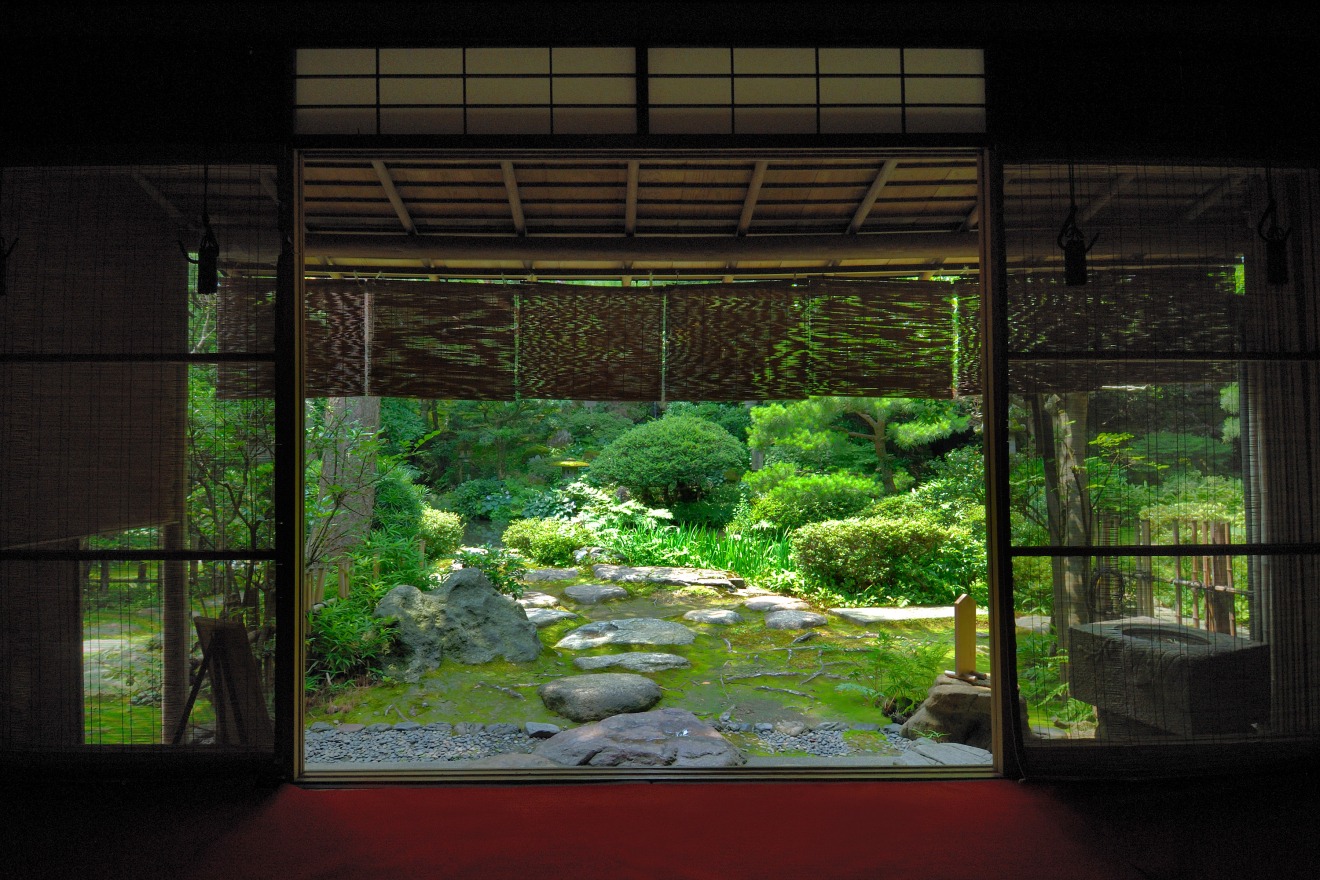
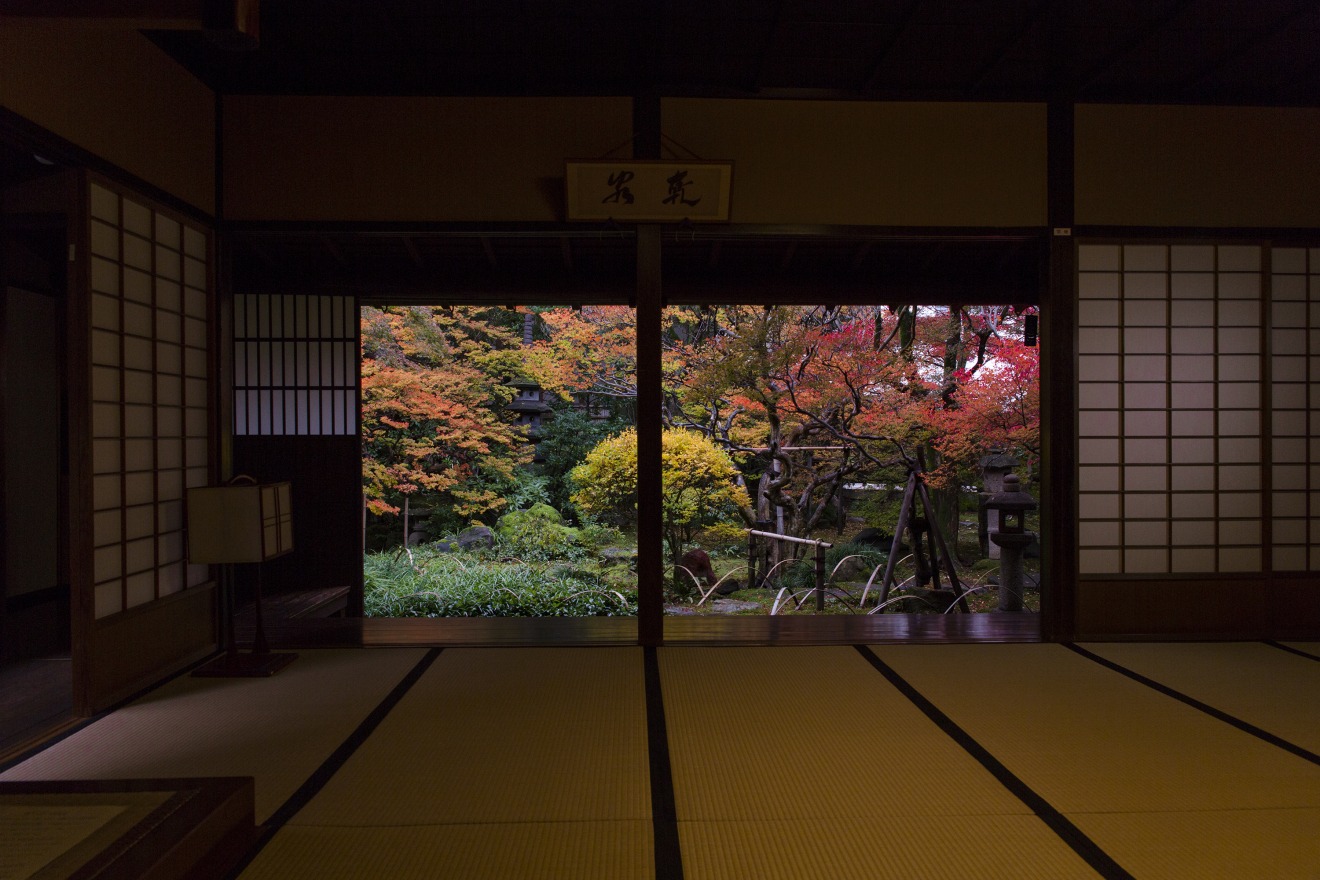
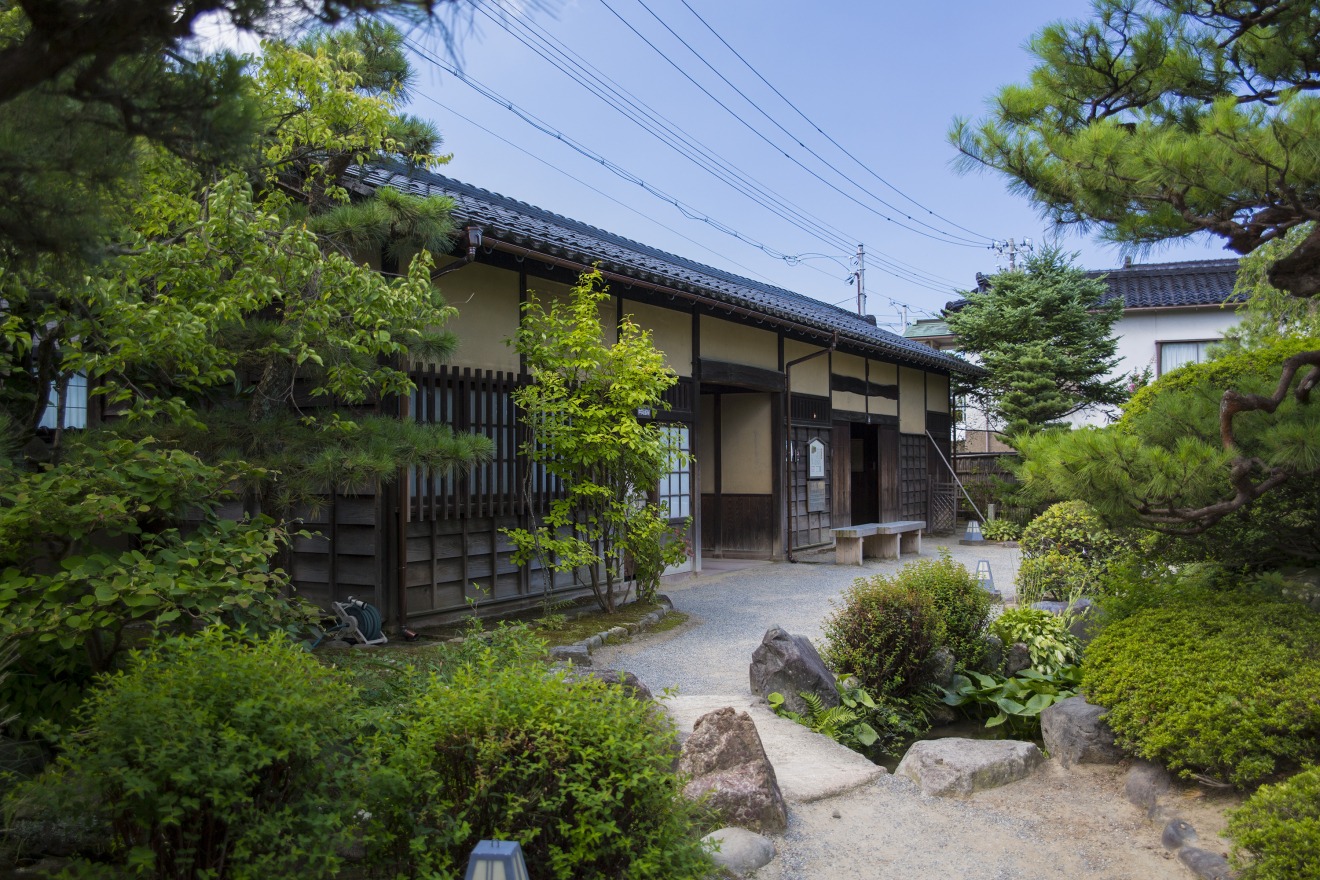
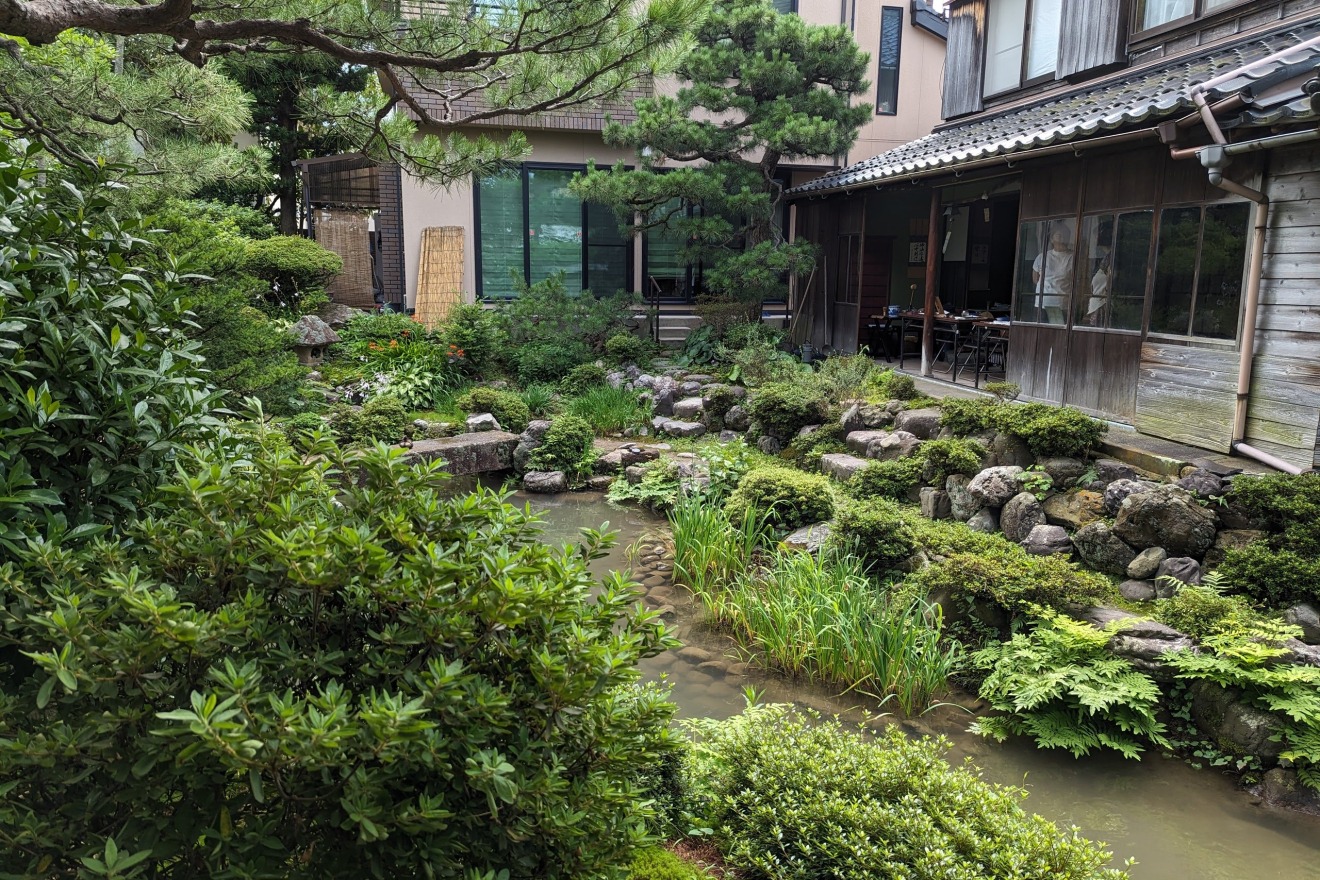
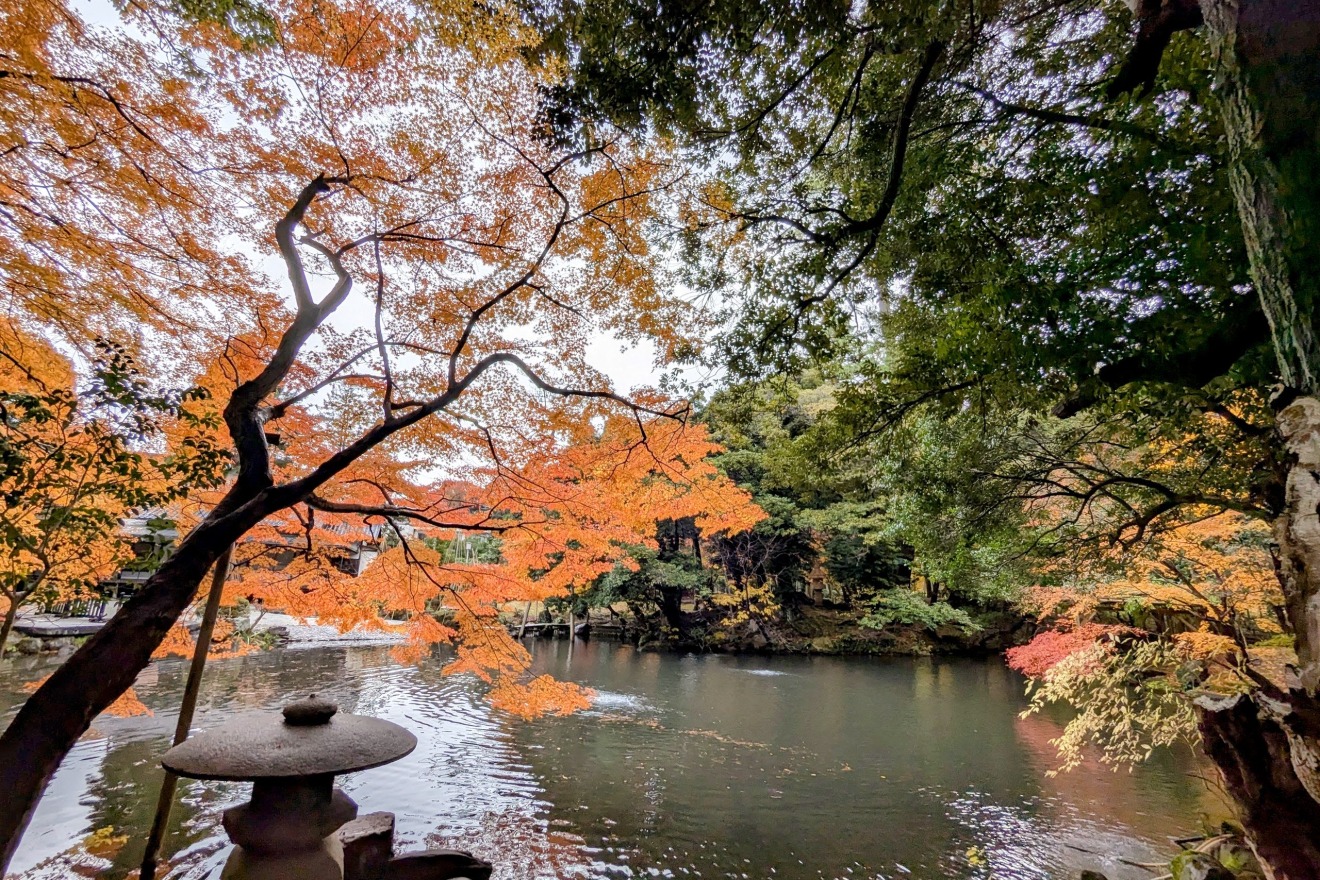
For samurai during the Edo period, gardens were more than places to appreciate natural scenery. They were important spaces for entertaining guests and enjoying the changing seasons.
The size and design of each garden reflected the social status and lifestyle of its owner, whether a domain lord, a high-ranking or middle-ranking samurai, or an ashigaru (a foot soldier of lower samurai rank).
Kanazawa preserves a diverse range of gardens associated with samurai culture, from grand gardens created by the lords of the Kaga Domain to private gardens within samurai residences and even the homes of foot soldiers.
What Makes Kanazawa's Samurai Gardens Unique?
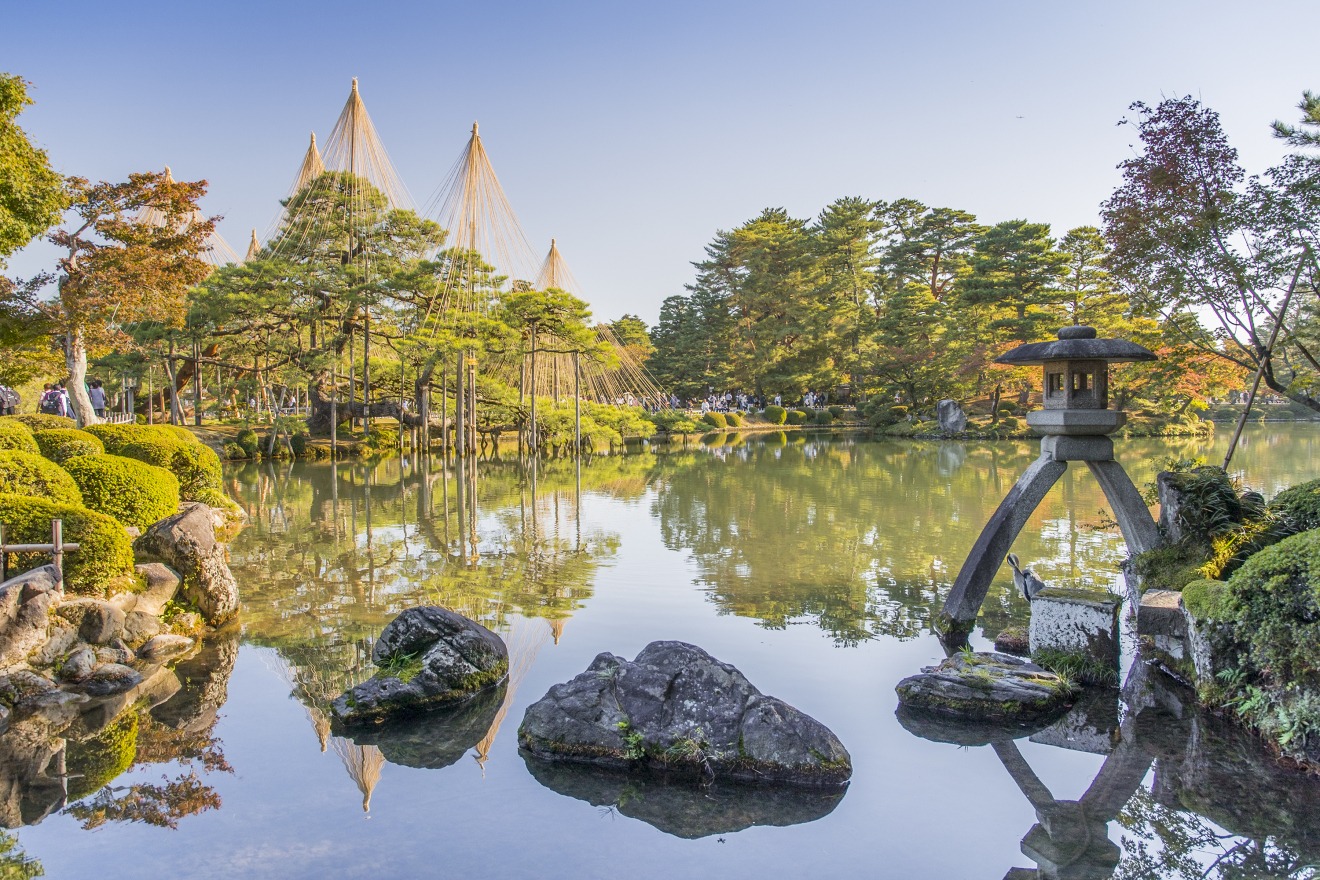
- Kenrokuen Garden: A traditional Japanese landscape garden whose construction began in 1676 under the fifth lord, MAEDA Tsunanori. Originally known as Renchi-tei, it was gradually developed by successive Maeda lords. Today, it is designated as a Special Place of Scenic Beauty by the Japanese government.
- Seisonkaku Villa: Built in 1863 as a retirement residence for Shinryūin, the mother of the thirteenth lord, MAEDA Nariyasu. The building and its garden are both highlights. Its main garden, Hikakutei, is designated as a Place of Scenic Beauty by the Japanese government.
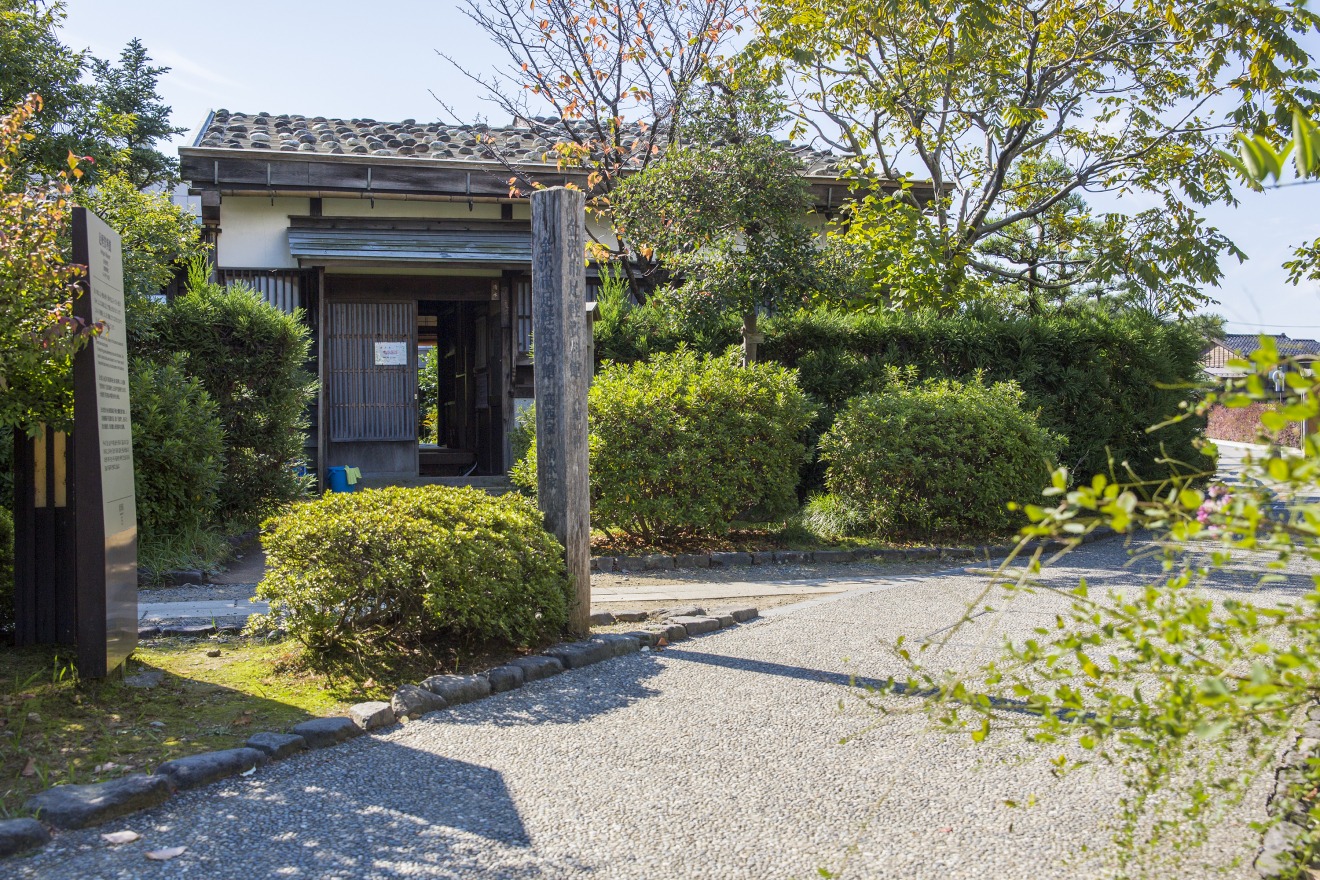
- Nomura Samurai Residence: This former residence of a samurai serving the Kaga Domain is open to the public. Visitors can explore its prestigious traditional architecture and garden, which incorporates water from a nearby irrigation canal.
- Terashima Kurando Residence: The former home of TERASHIMA Kurando, a middle-ranking samurai of the Kaga Domain. The architecture and garden offer insights into samurai life and aesthetic values during the Edo period.
- Senda Family Garden: A garden preserved on the former grounds of the SENDA family's samurai residence. This traditional strolling garden features a harmonious arrangement of a pond, stone bridges, and plants. A small museum dedicated to SENDA Nobufumi, a samurai of the Kaga Domain, is also located on the site.
- Ashigaru Museum: A facility featuring relocated and reconstructed residences of foot soldiers from the Edo period. The gardens contain fruit trees such as persimmon and plum, which served practical purposes in supporting everyday life as well as providing scenery to enjoy.
By exploring these gardens, visitors can discover how garden design varied according to social status and lifestyle, from the magnificent gardens of domain lords to the more modest gardens of ordinary samurai.
The layout, landscaping, and carefully selected plants all reveal the aesthetic values and everyday culture of the samurai.
Why not explore these gardens and discover the distinctive beauty of samurai culture?
For more information about the history of Kanazawa's gardens and how local waterways and topography influenced traditional garden design, see the following:
Kanazawa Garden Culture: A Stroll in a Castle Town
- Kenrokuen Garden
-
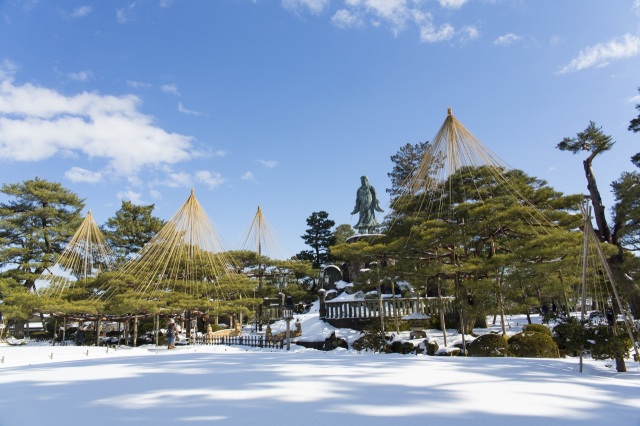
- A Beautiful and Famous Garden in the Heart of Kanazawa
- more
- Seisonkaku Villa
-
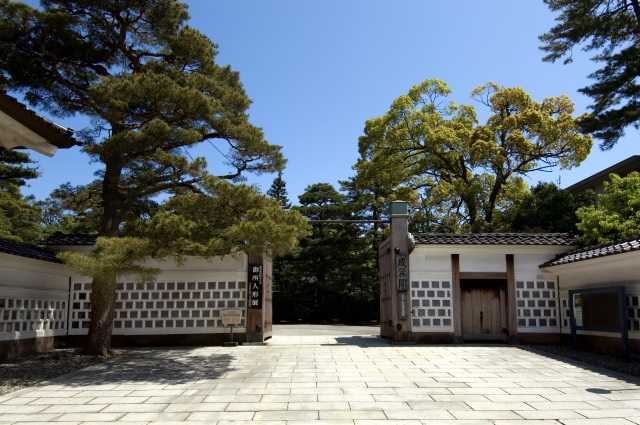
- An exquisite mansion gifted to the lord's mother
- more
- Nagamachi Samurai District – Senda-ke Garden
-

- Now Open to the Public from April 2025! Directly across from the Nomura Samurai Residence.
- more
- Samurai Residence Kurando Terashima's House
-
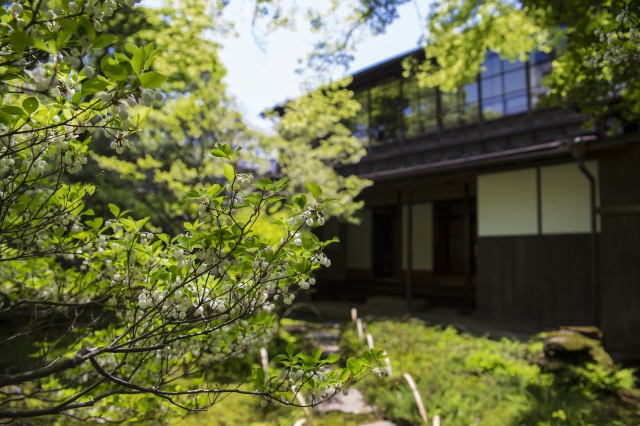
- more
- Ashigaru Museum (Low-rank Samurai Houses)
-

- A glimpse into the life of a low-ranking samurai
- more
- Takada Family Samurai House Remains
-

- more
Discover the Living Heritage of Samurai Culture in Kanazawa
The tea ceremony, the appreciation of incense, Noh theatre, gardens, and traditional craftsmanship — all were highly valued by the samurai.
Passed down through generations to merchants, artisans, and local residents, these traditions continue to shape Kanazawa's daily life and aesthetic sensibilities today.
Visiting Kanazawa is not simply about exploring history. It is an opportunity to experience a living cultural heritage that has been carefully preserved and passed down for more than 400 years.