Kanazawa: A City Where Gardens Tell Stories
An Aesthetic Born of Samurai Culture and the enduring spirit of Hokuriku
Since its founding as the castle town of the Kaga Hyakumangoku (the "One-Million-Koku※ Kaga Domain"), Kanazawa has been miraculously spared from major war damage. As a result, diverse gardens built from the Edo period (1603–1868) to the modern era still breathe throughout the city today.
In Kanazawa, samurai culture, the Way of Tea, and master craftsmanship blend seamlessly. These gardens are filled with a "resilient beauty"—a quiet dialogue with nature. Let’s unravel the secrets of Kanazawa’s gardens, where every step tells a story.
※koku : one koku was considered enough rice to feed one person for a year.
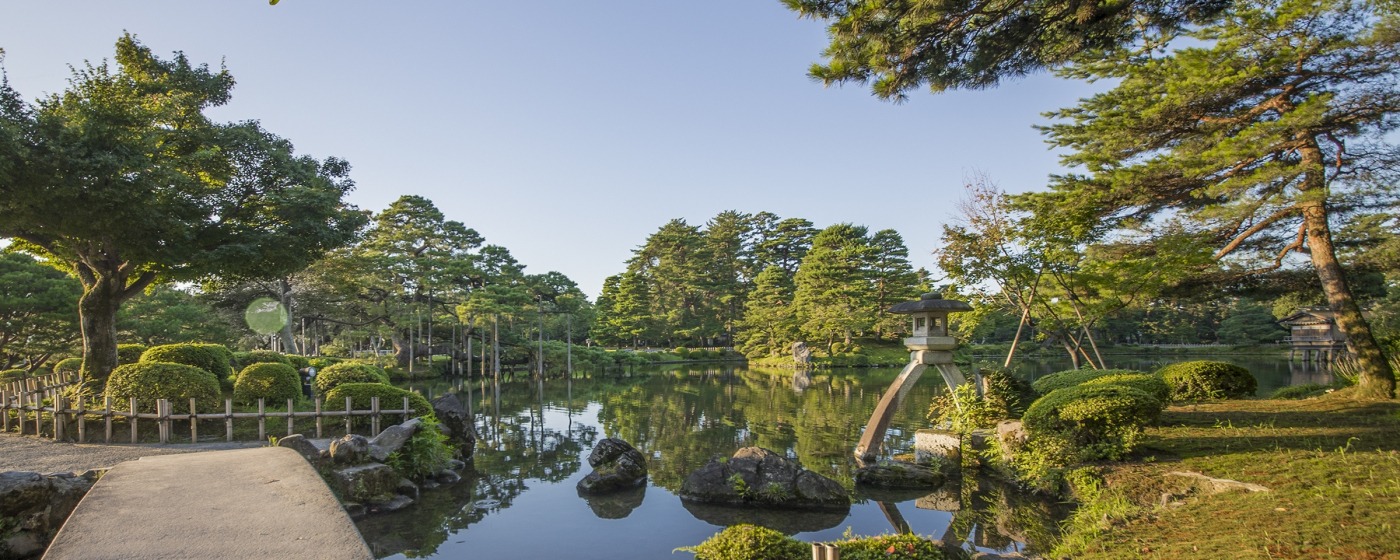
1. Functional Beauty Shaped by the Climate of Central Japan’s Sea of Japan
In Kanazawa, there is a saying: "Even if you forget your lunch box, never forget your umbrella." The region is known for frequent rain and heavy, wet winter snow. Rather than fighting this harsh climate, the people of Kanazawa transformed it into art.
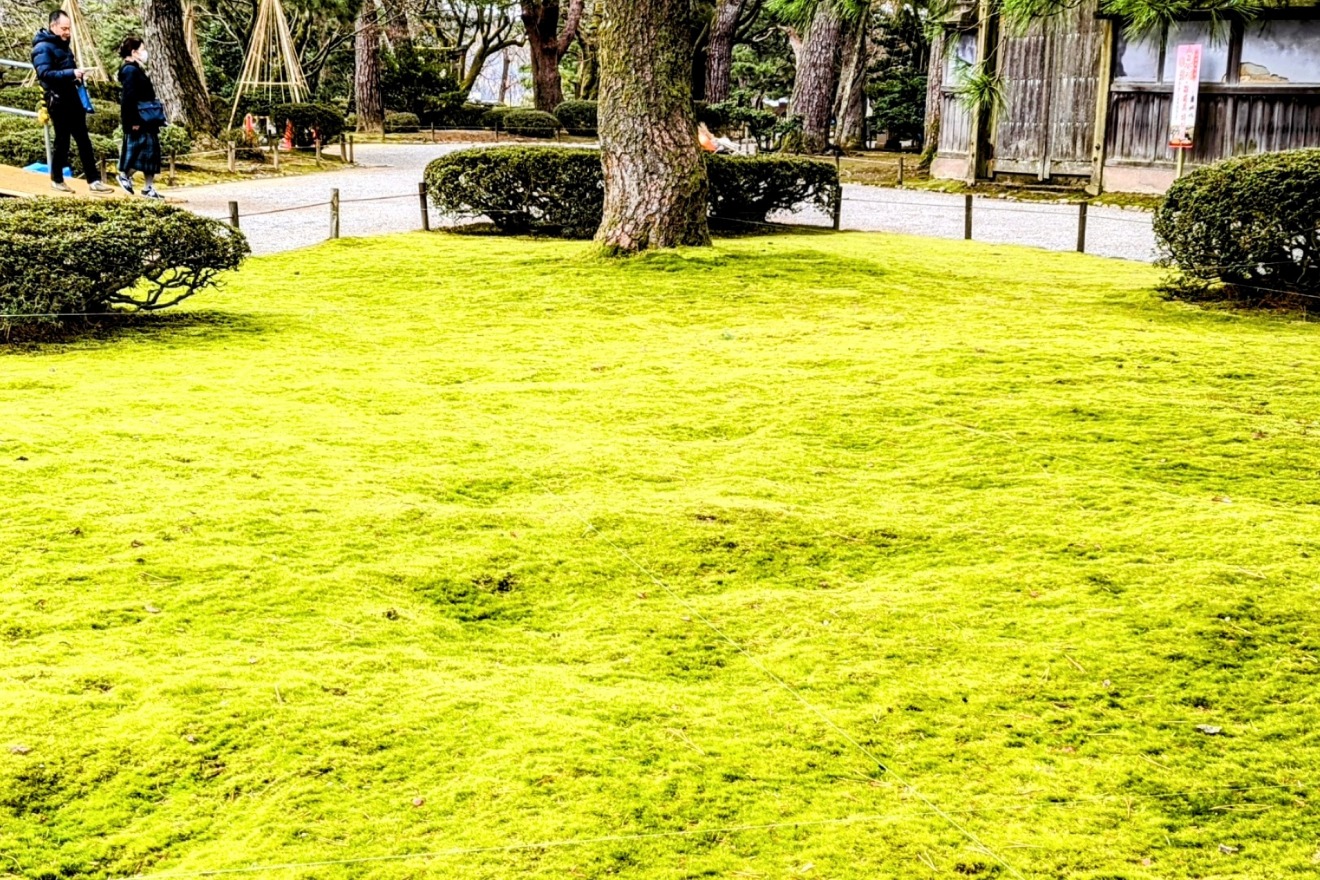
The Glowing Carpet of Moss
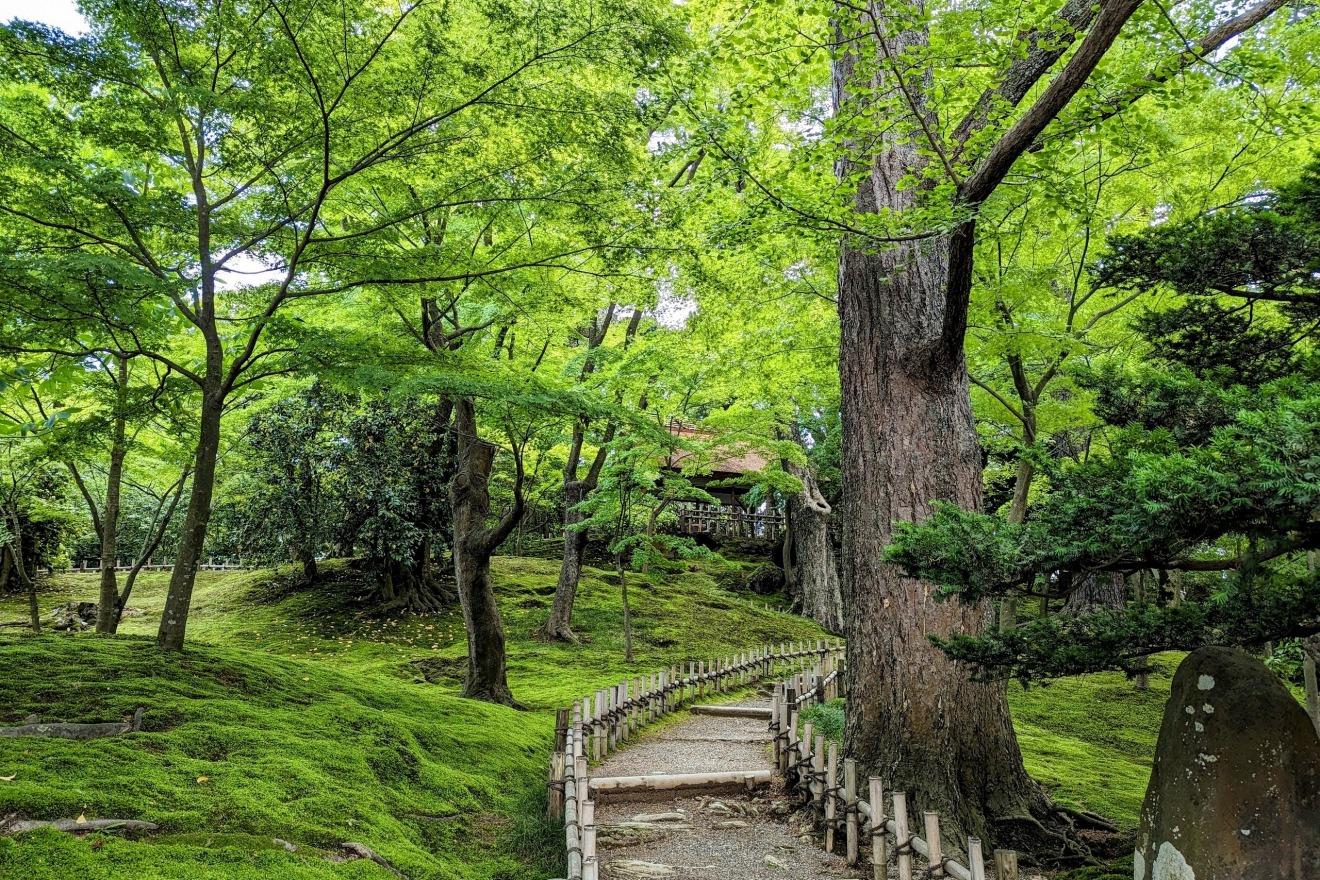
High humidity nurtures the lush moss that anchors the beauty of Japanese gardens. Kenrokuen Garden is said to host dozens of moss species, covering the ground in deep green year-round. The sight of green moss glistening with droplets after a rain is even more ethereal than on a sunny day.
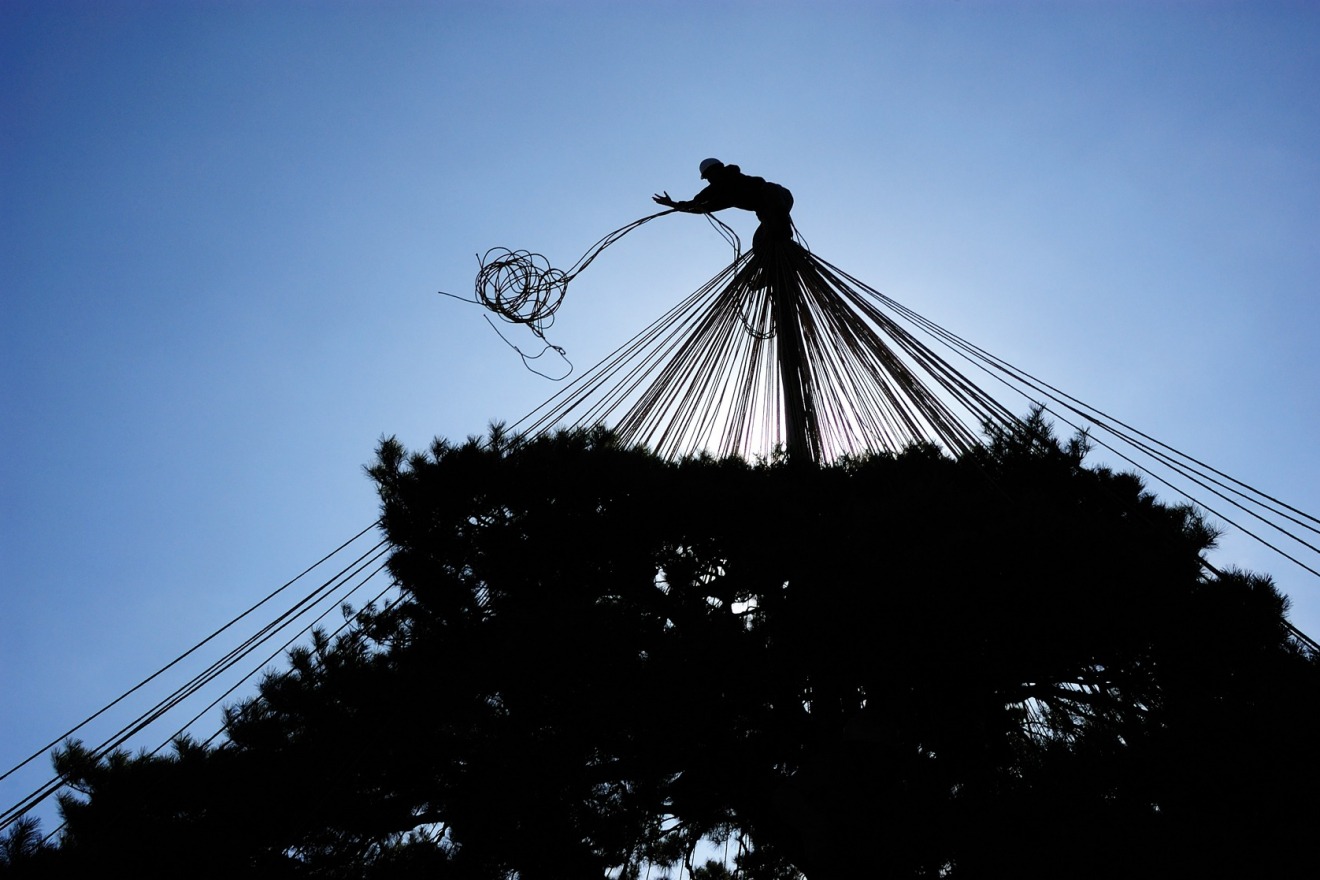
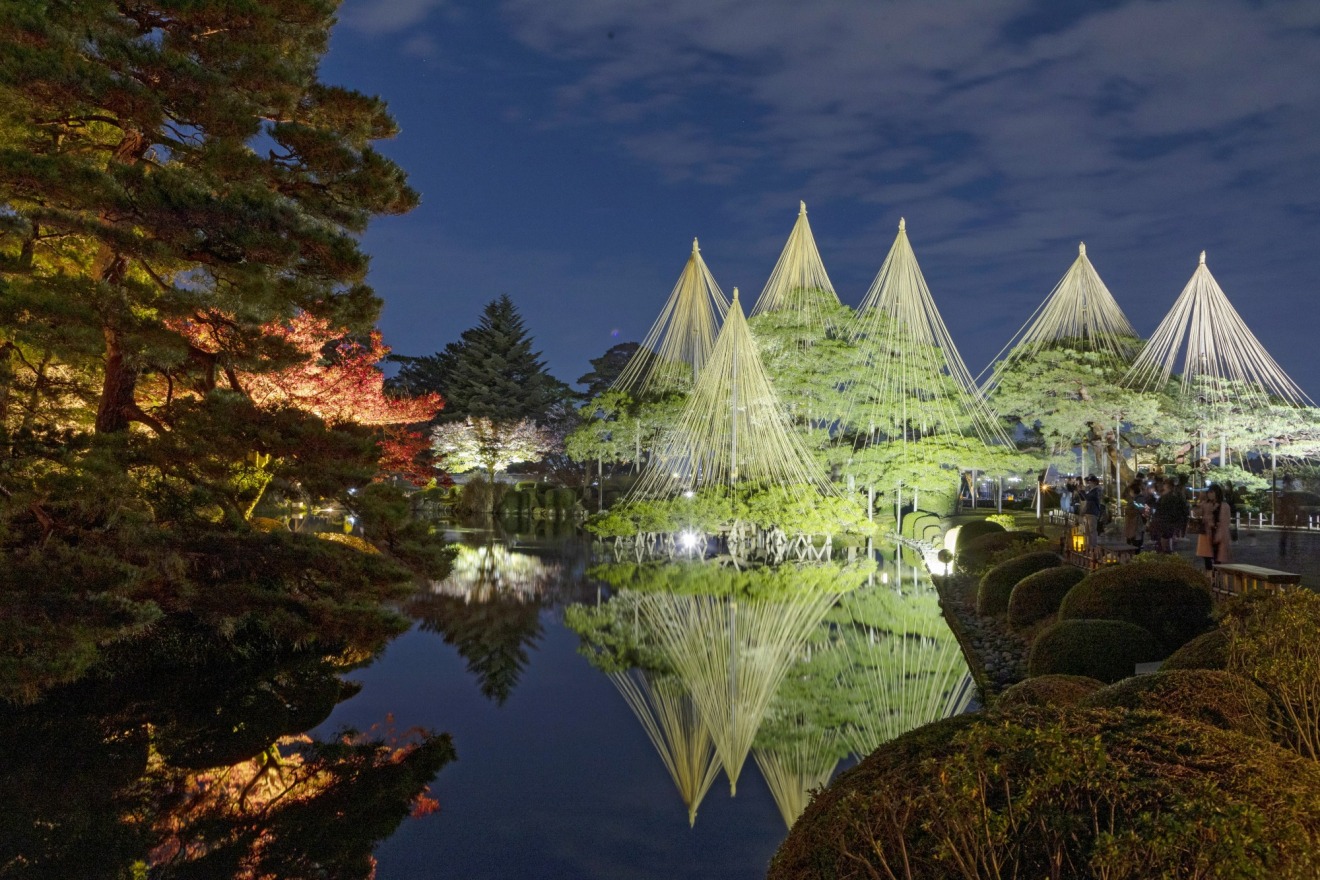
Yukitsuri(Snow Hanging)
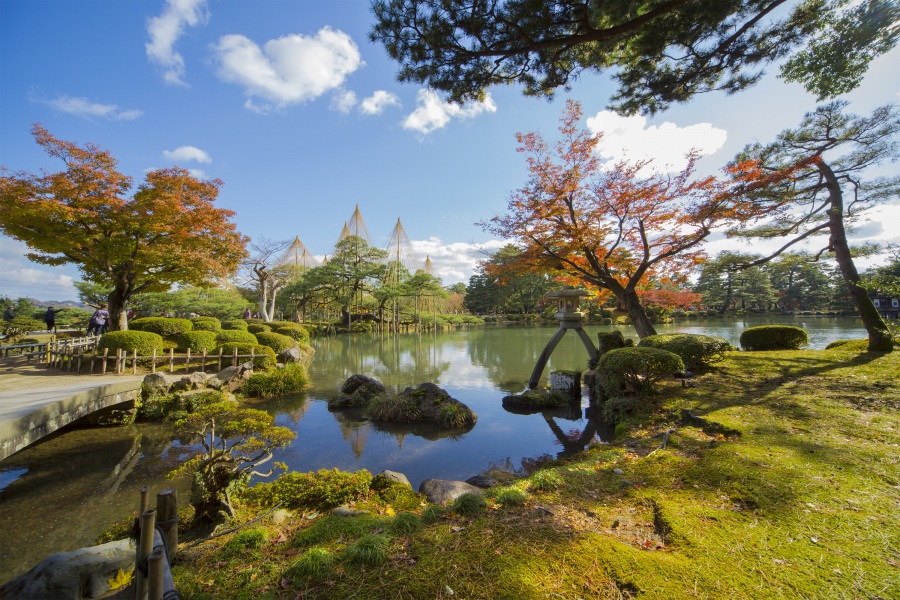
Yukitsuri(Snow Hanging) is the traditional wisdom of using ropes to protect tree branches from being crushed by heavy, wet snow. From November to March, these conical silhouettes appear throughout the city, and it's now cherished as a symbolic form of geometric winter art.
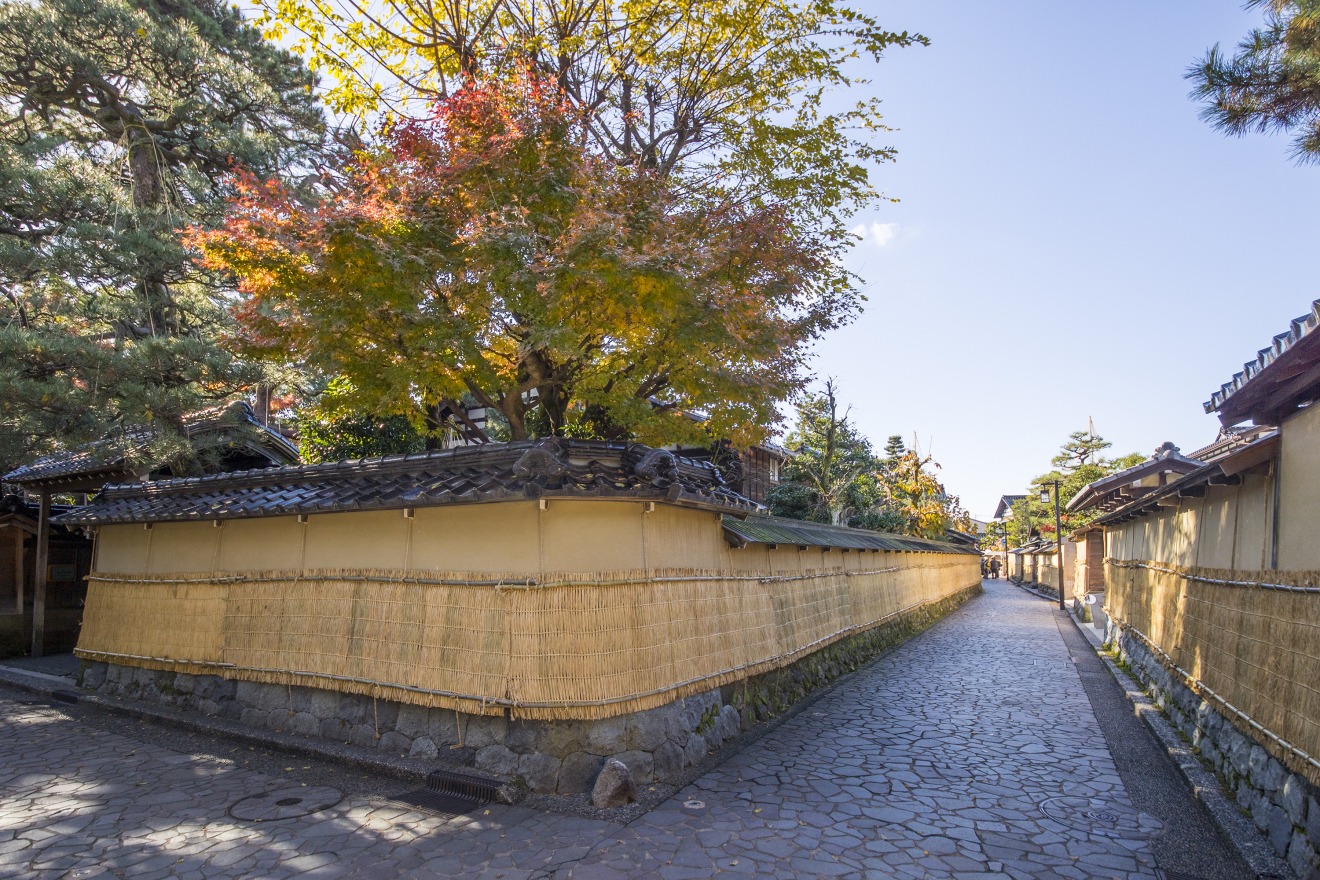
Komogake
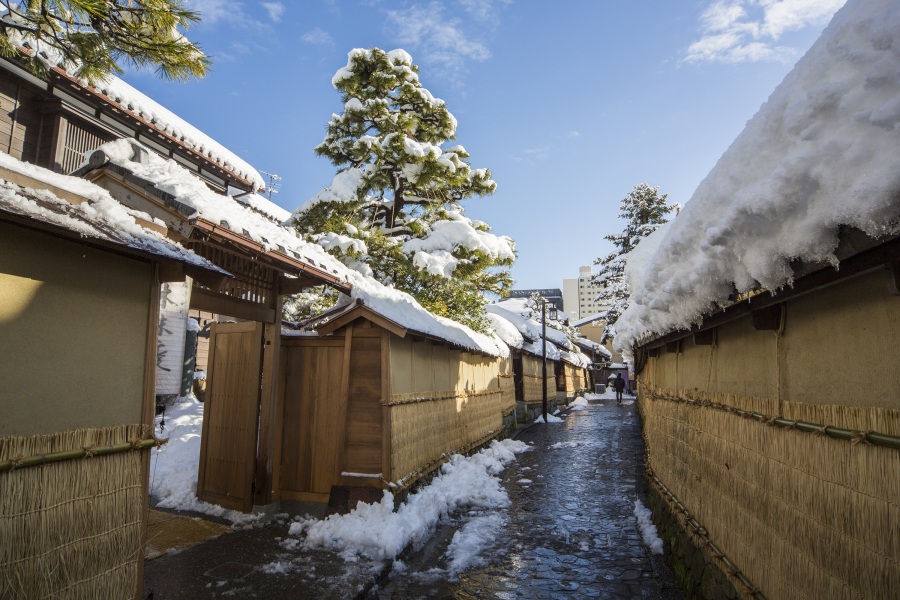
Straw Protection for Earthen Walls to protect from freezing and cracking, straw mats called komo are hung—a classic winter sight. In early December, gardeners skillfully install them in the Nagamachi Samurai District. The warm, natural ochre of the straw harmonizes beautifully with the historic streetscape.
Kanazawa Garden Culture
2. The Lifeblood of the Garden: Water and Topography
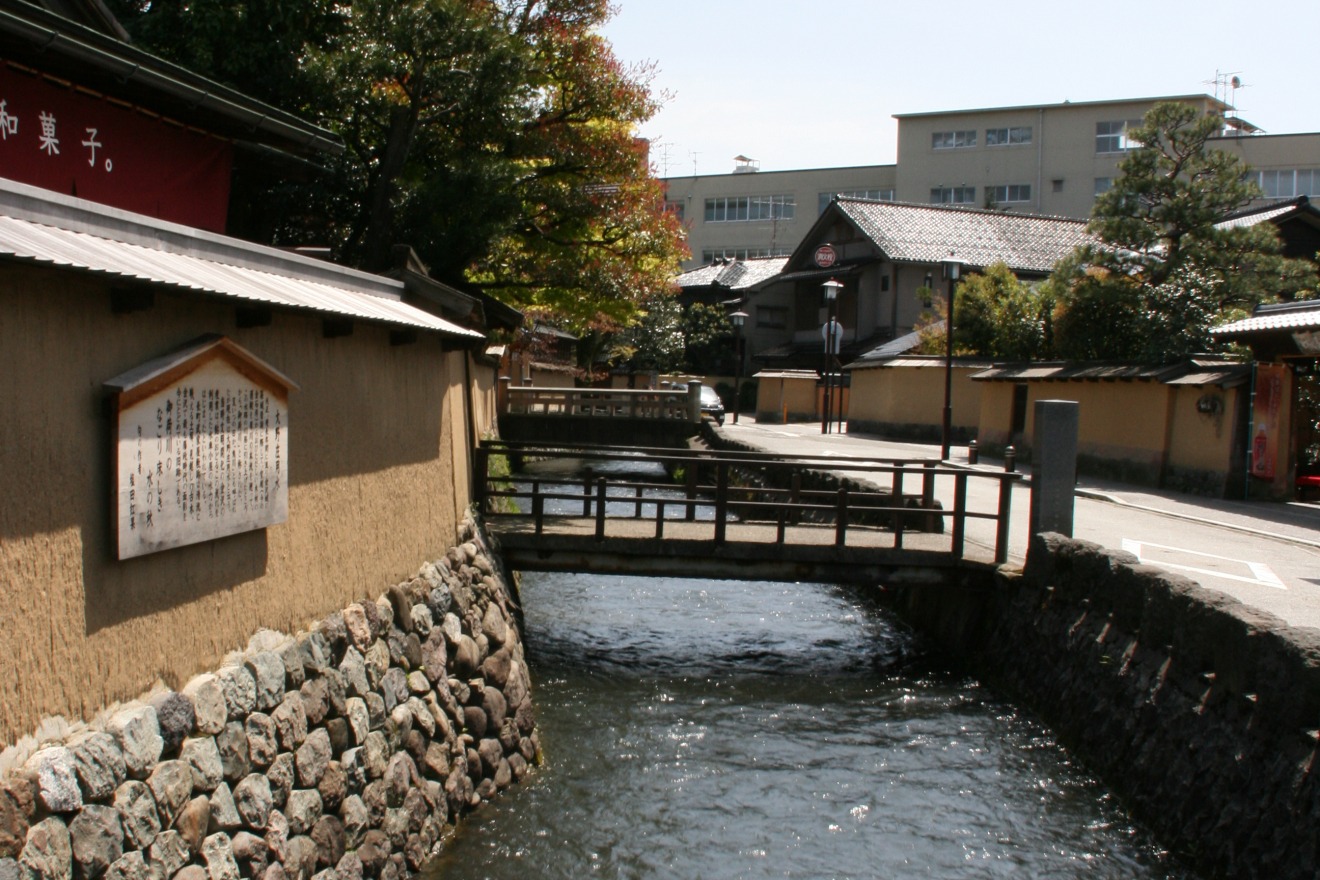
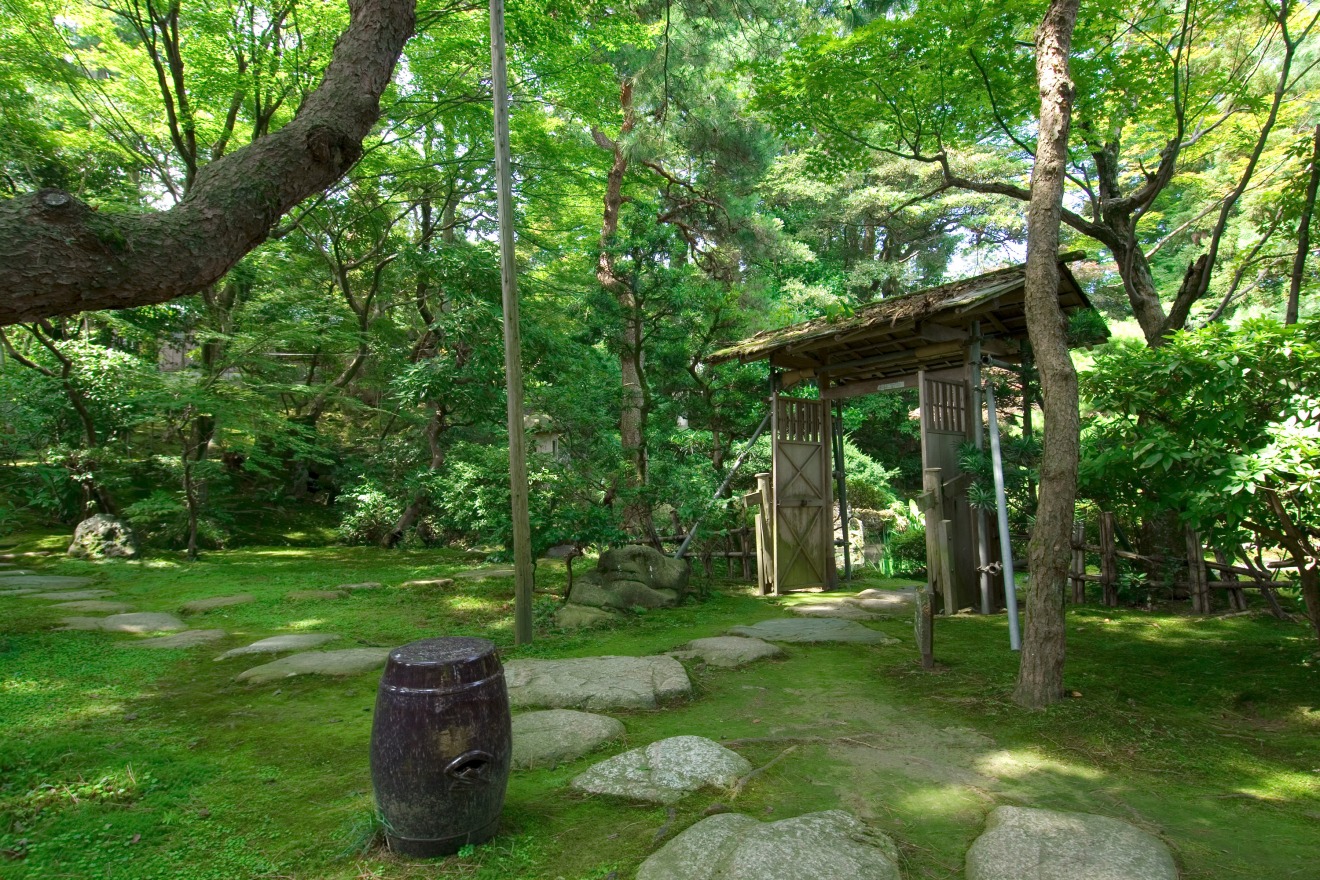
Kanazawa is threaded with 55 historic canals originally used for fire prevention, agriculture, and transport. This water system breathes life into the city’s gardens.
The Science of Kenrokuen Garden and the Tatsumi Canal
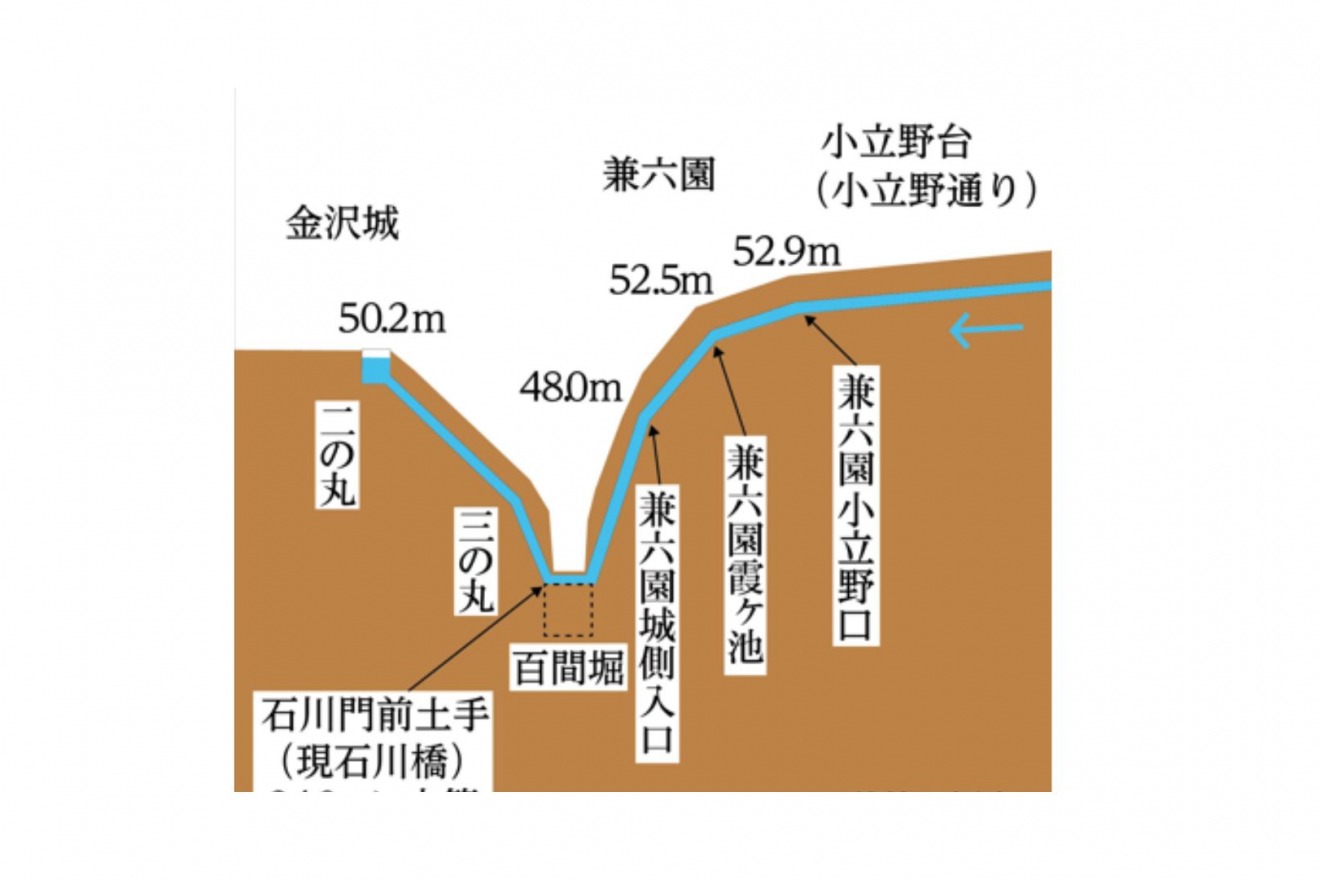
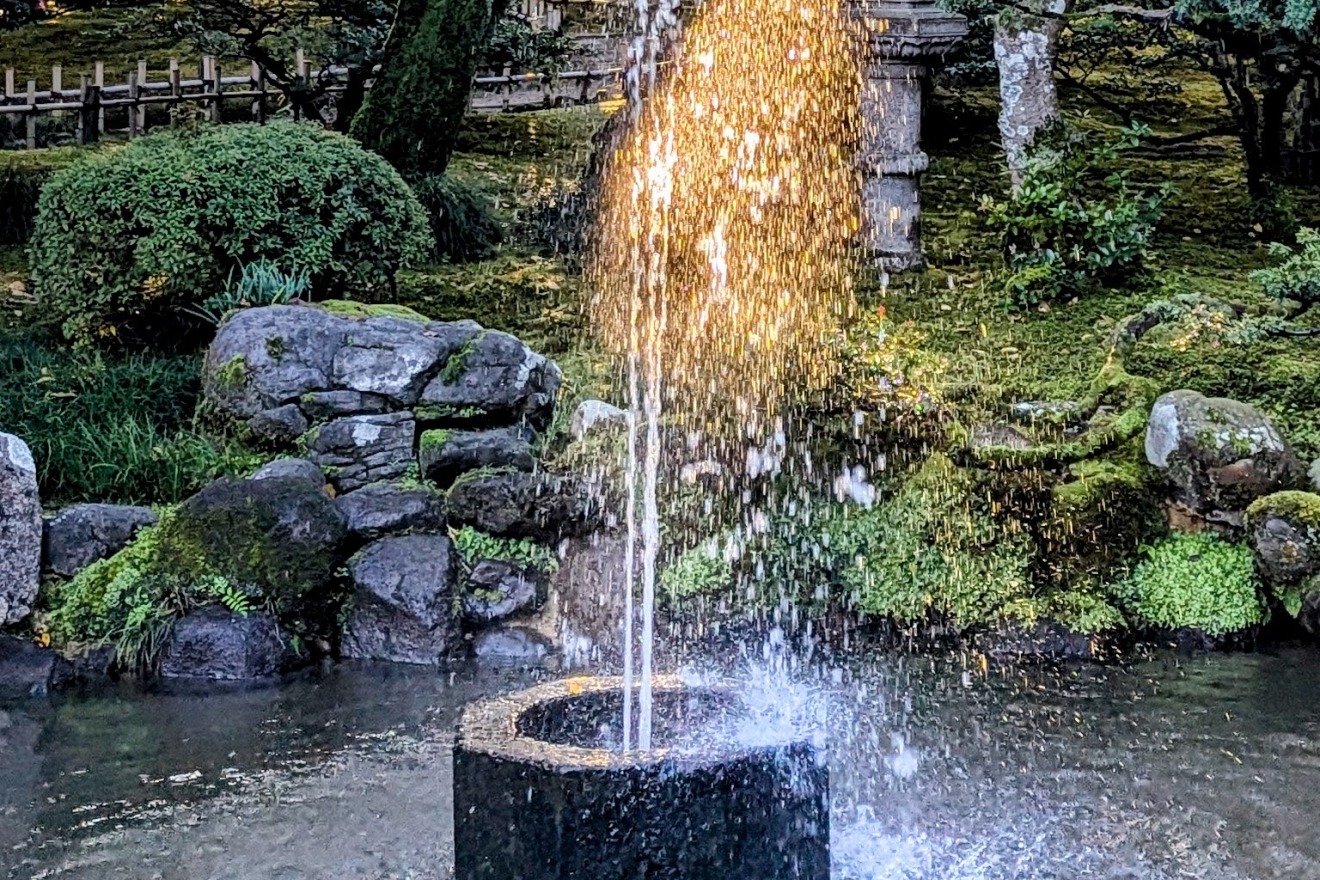
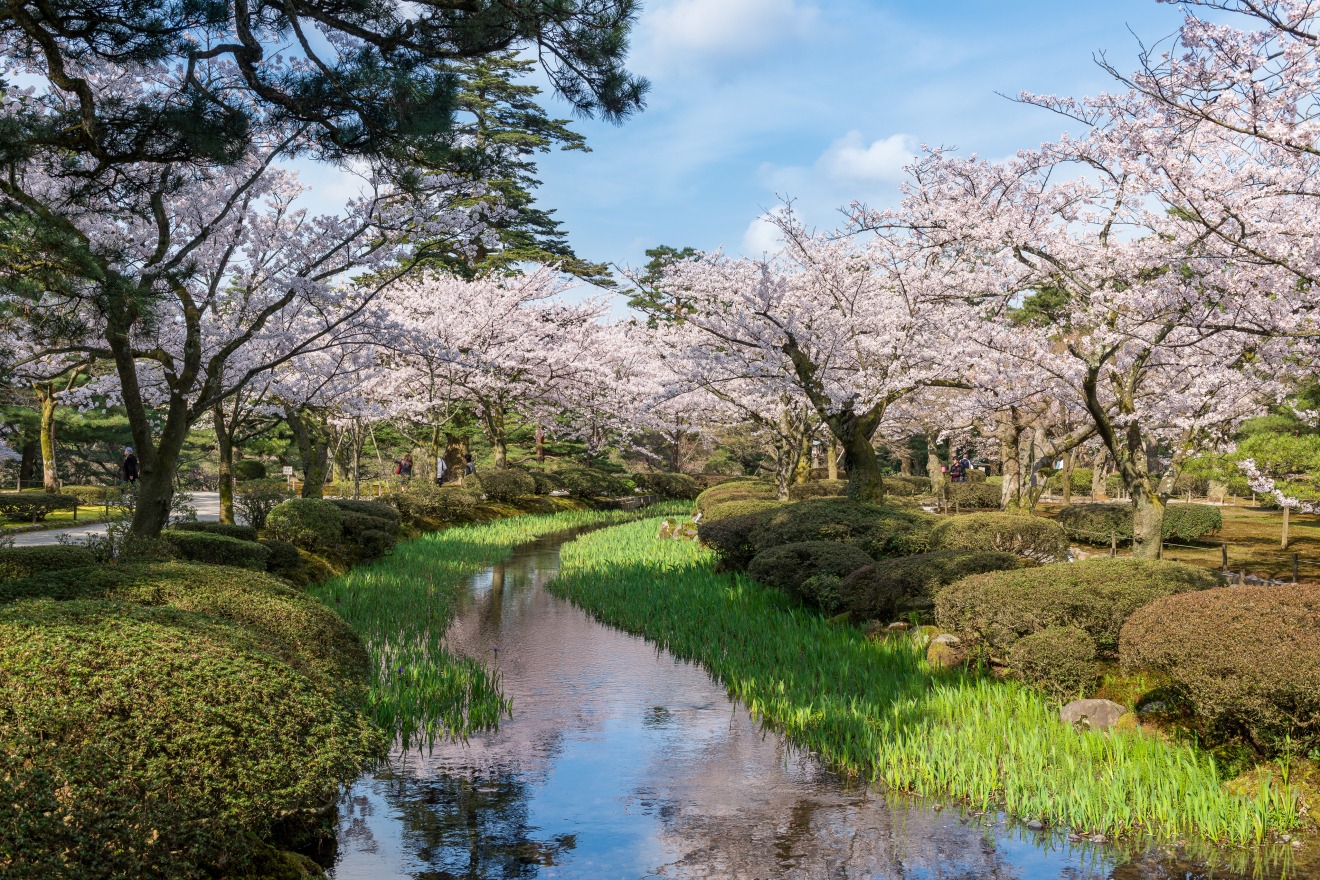
The Tatsumi Canal draws water from the upper reaches of the Saigawa River, over approx. 10km away. It fills the large ponds and flows through the garden as winding streams. The garden’s fountain—said to be the oldest in Japan—operates without pumps, powered entirely by natural water pressure created by a difference in height with the pond's surface.
Onosho Canal and Nomura Samurai Residence
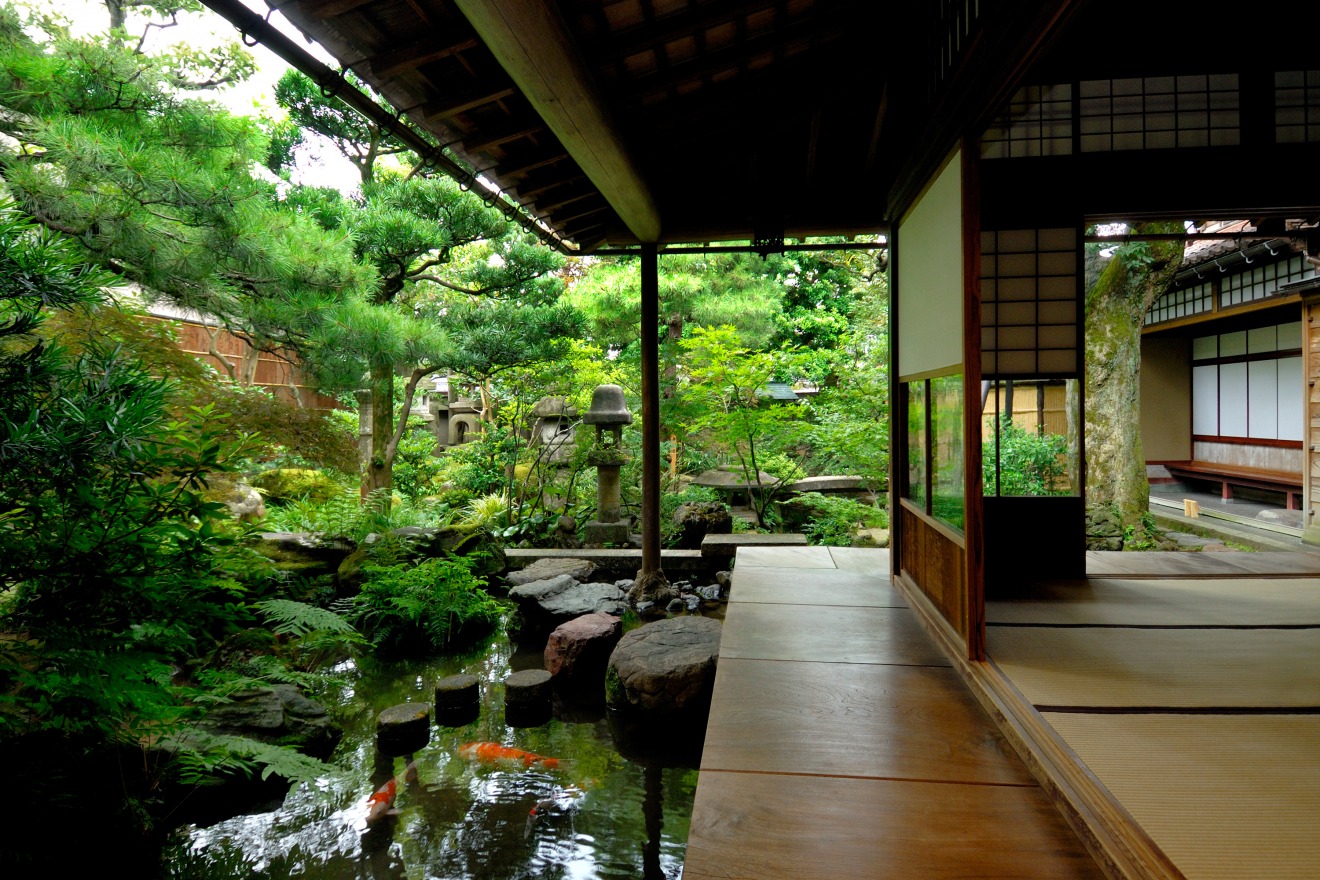
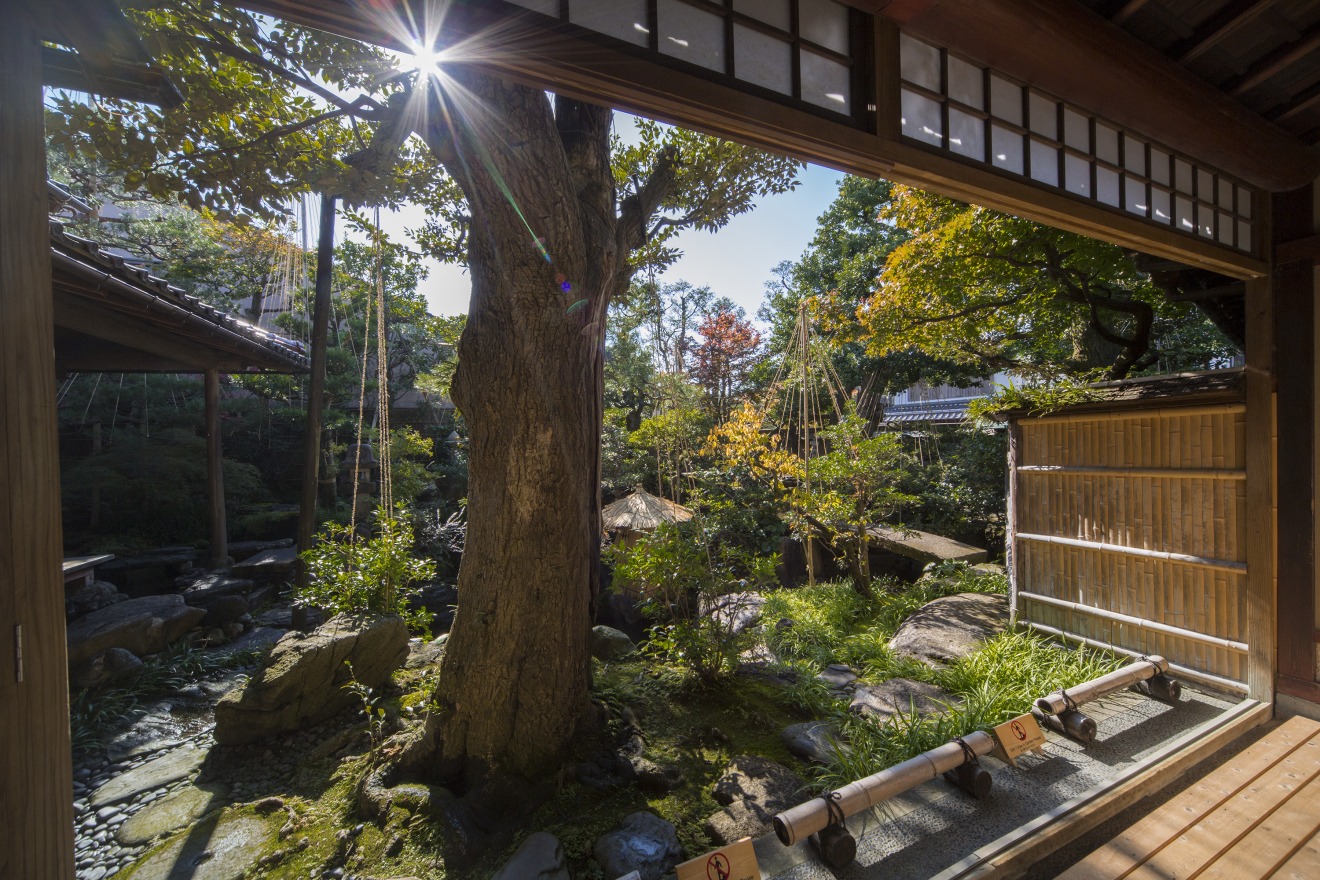
Living with Water In the Nagamachi Samurai District, the oldest canal, Onosho, flows through the streets. The Nomura Samurai Residence (awarded two stars by the Michelin Green Guide) draws this canal water directly into the garden. The design allows the water to flow right beneath the engawa (wooden veranda), creating a magical sensation of sitting directly on the water.
Gyokusen’inmaru Garden
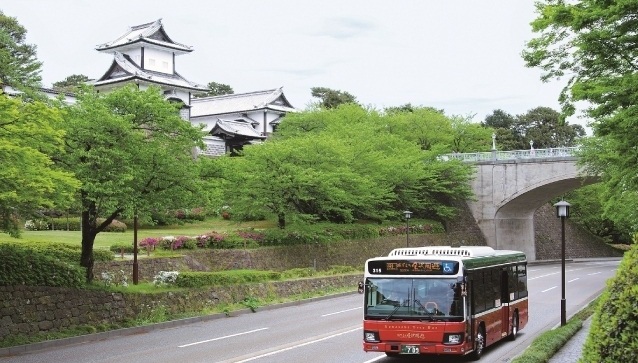
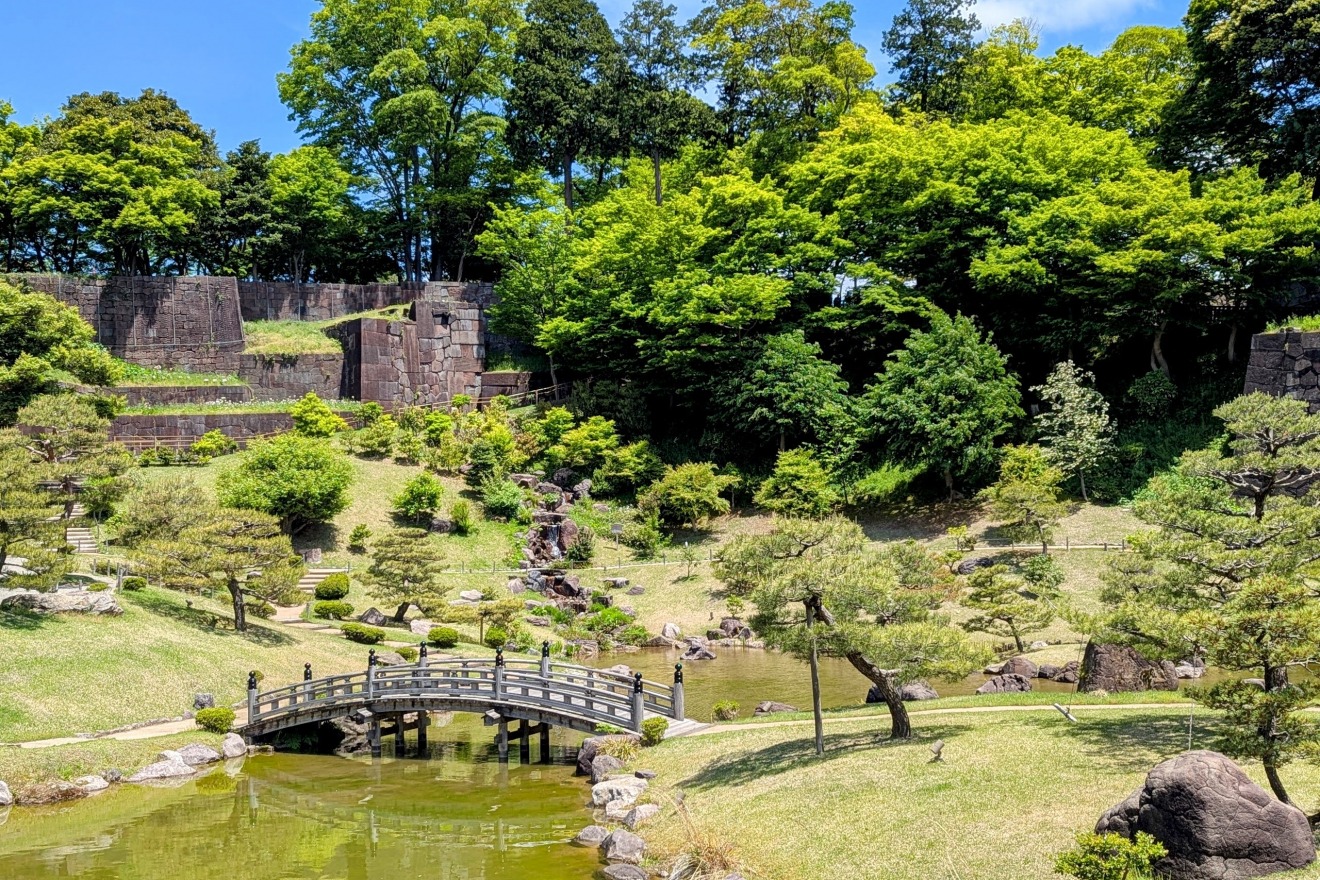
A Dynamic Stone Landscape Located within Kanazawa Castle Park, this was once the private garden of the feudal lord Maeda. It utilizes the natural 22-meter elevation drop of the plateau. The contrast between the powerful stone walls and the quiet pond at their base is a dynamic sight unique to a castle.
Japanese Garden
3. The Aesthetics of the Kaga Domain and Samurai Hierarchy
Kanazawa’s development as a "City of Gardens" is due to the Maeda Clan. As the wealthiest lords next to the Shogun, they chose to display their power not through military strength — which might have threatened the Shogun—but through its culture such as scholarship, crafts, and the Tea Ceremony.
Today, Kanazawa preserves a full spectrum of gardens: from the grand "Lords' Gardens" to the "Retainers' Gardens" and even the "Foot Soldiers' Gardens." This coexistence of gardens across all social classes is what gives Kanazawa’s culture its incredible depth.
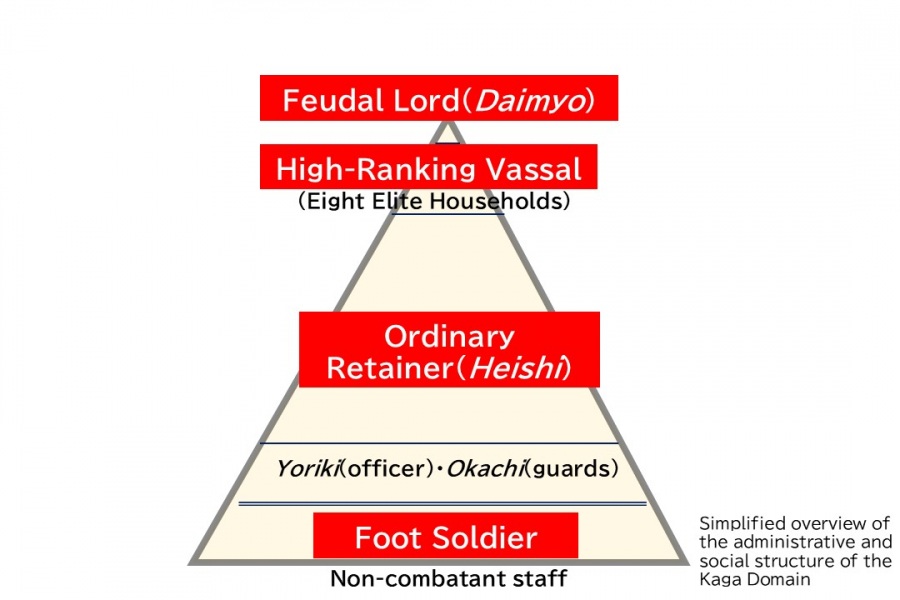
Kaga Domain’s Vassal/Retainer Organization
The hierarchy of the Kaga Domain’s retainers was established by the fifth lord, MAEDA Tsunanori, as a dual system combining military and administrative functions.
Those in the ranks ranging from the "Kaga Hakka (Eight Elite Households)" — the highest tier below the Lord — down to the "Heishi (ordinary retainer)" were granted the privilege of a personal audience with the Lord. The majority of the domain’s samurai belonged to the "Heishi (ordinary retainer)" class, which numbered approximately 1,400 households according to late Edo-period records. Their stipends (land allotments) varied significantly, ranging from a minimum of 80 koku to as much as 2,400 koku. (Excerpted from the information board at the Takada Family House Remains: "Maeda Family's Vassal/Retainer Organizations and Heishi.)
In contrast, the "Ashigaru (foot soldier)" were infantry soldiers mobilized during times of war. While they played an active and vital role in bow and musket units during the Sengoku (Warring States) period, they were positioned as the lowest rank of the samurai class within the social structure of the Kaga Domain.
3-1. The Lord's Gardens: Kenrokuen & Seisonkaku Villa
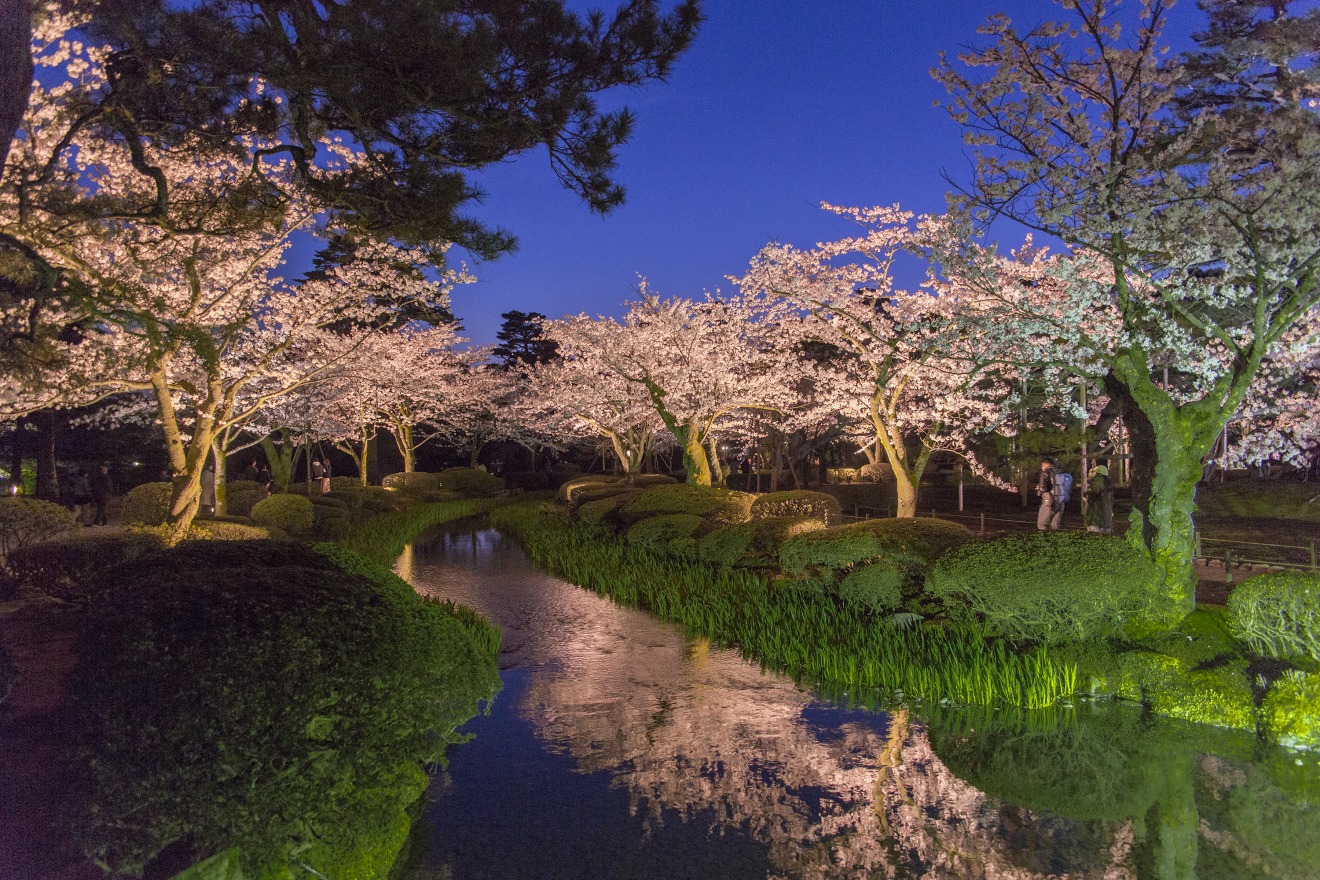
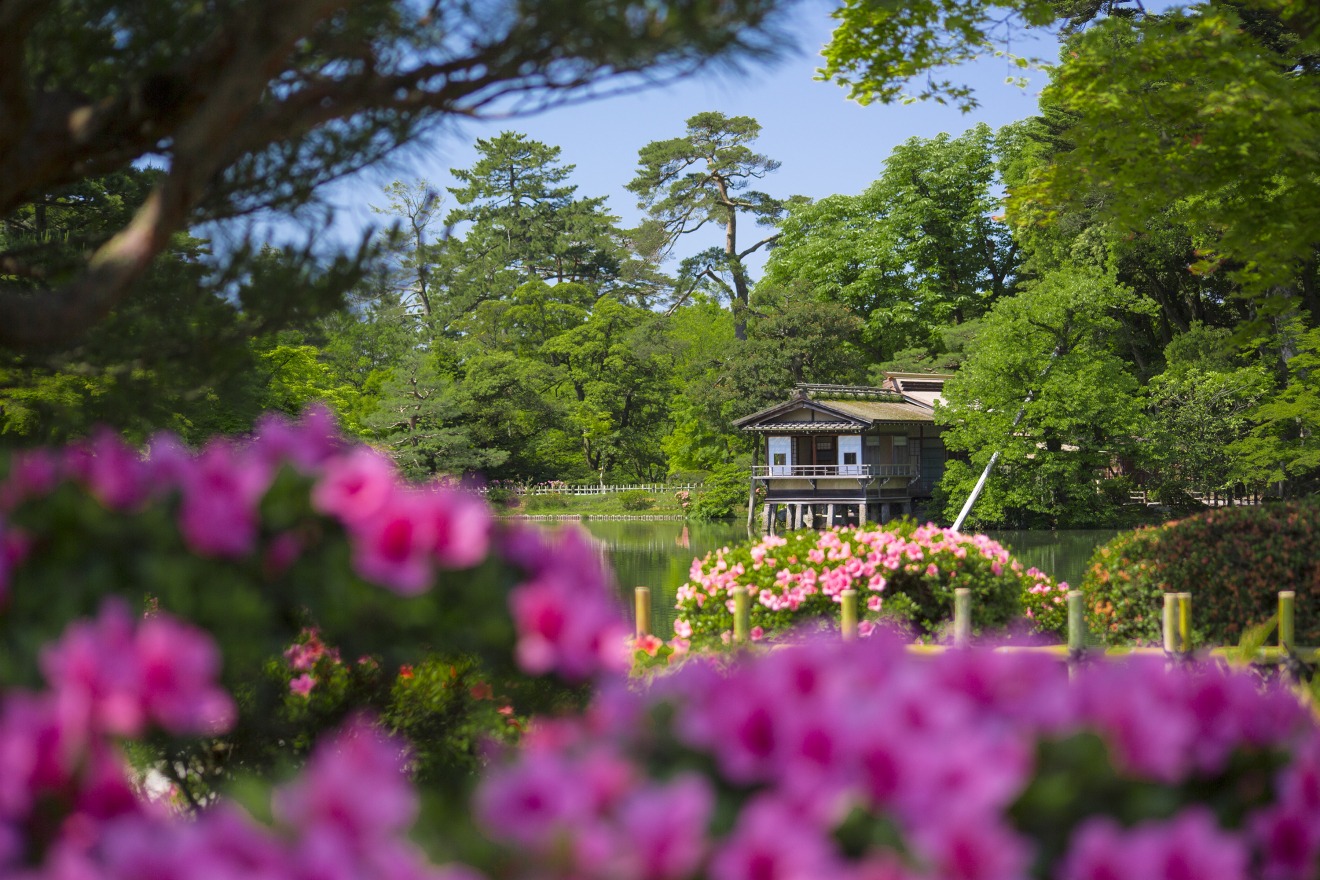
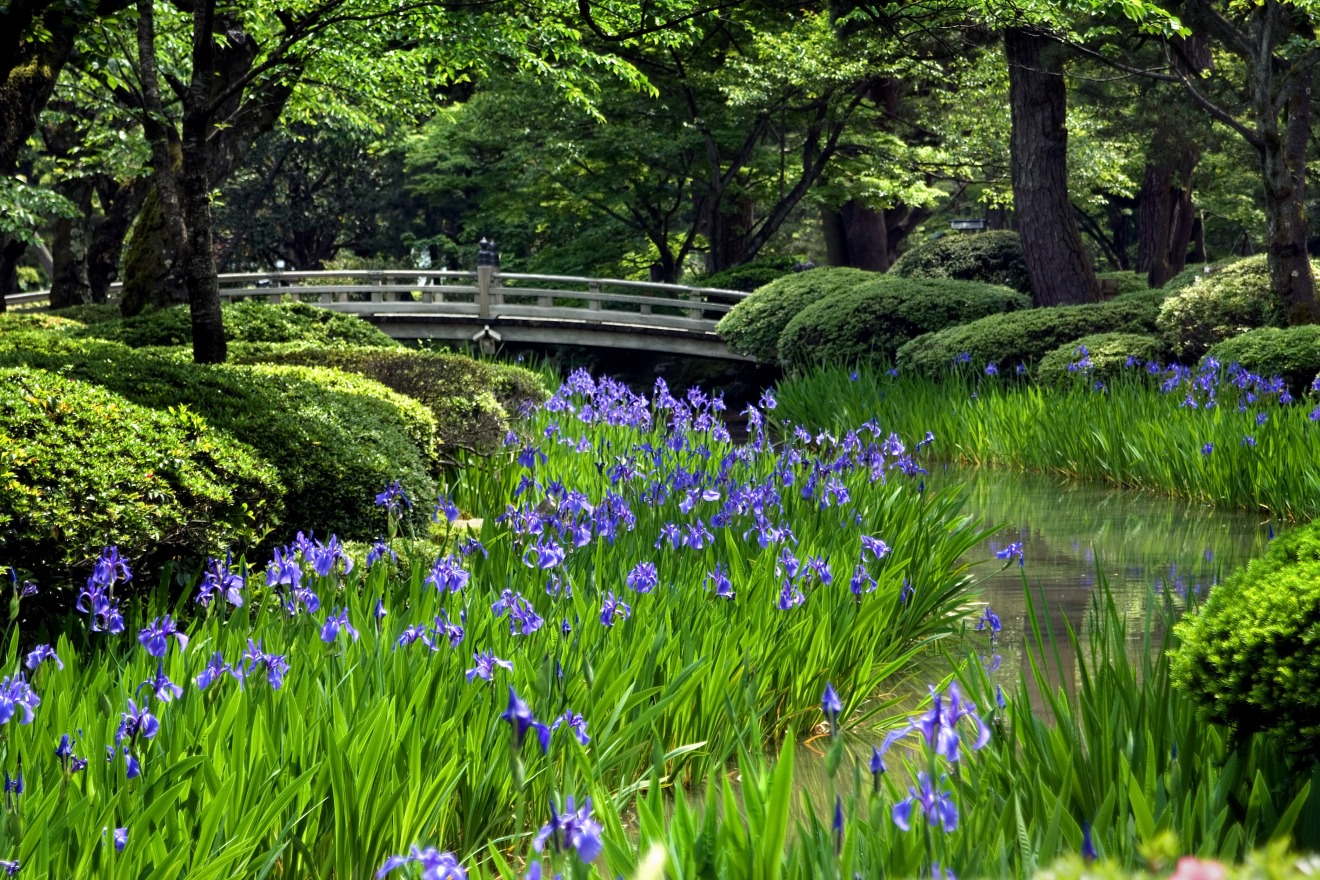
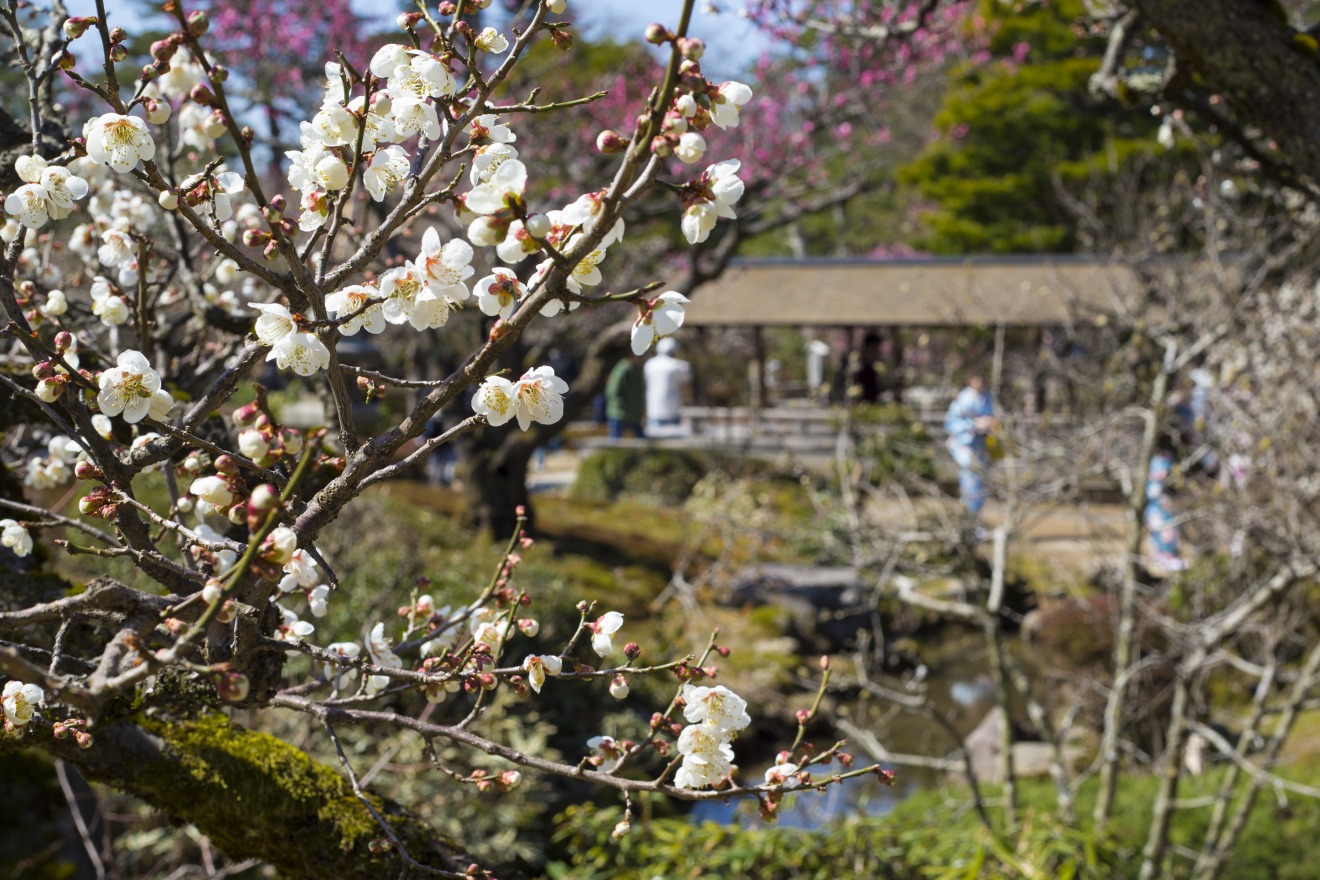
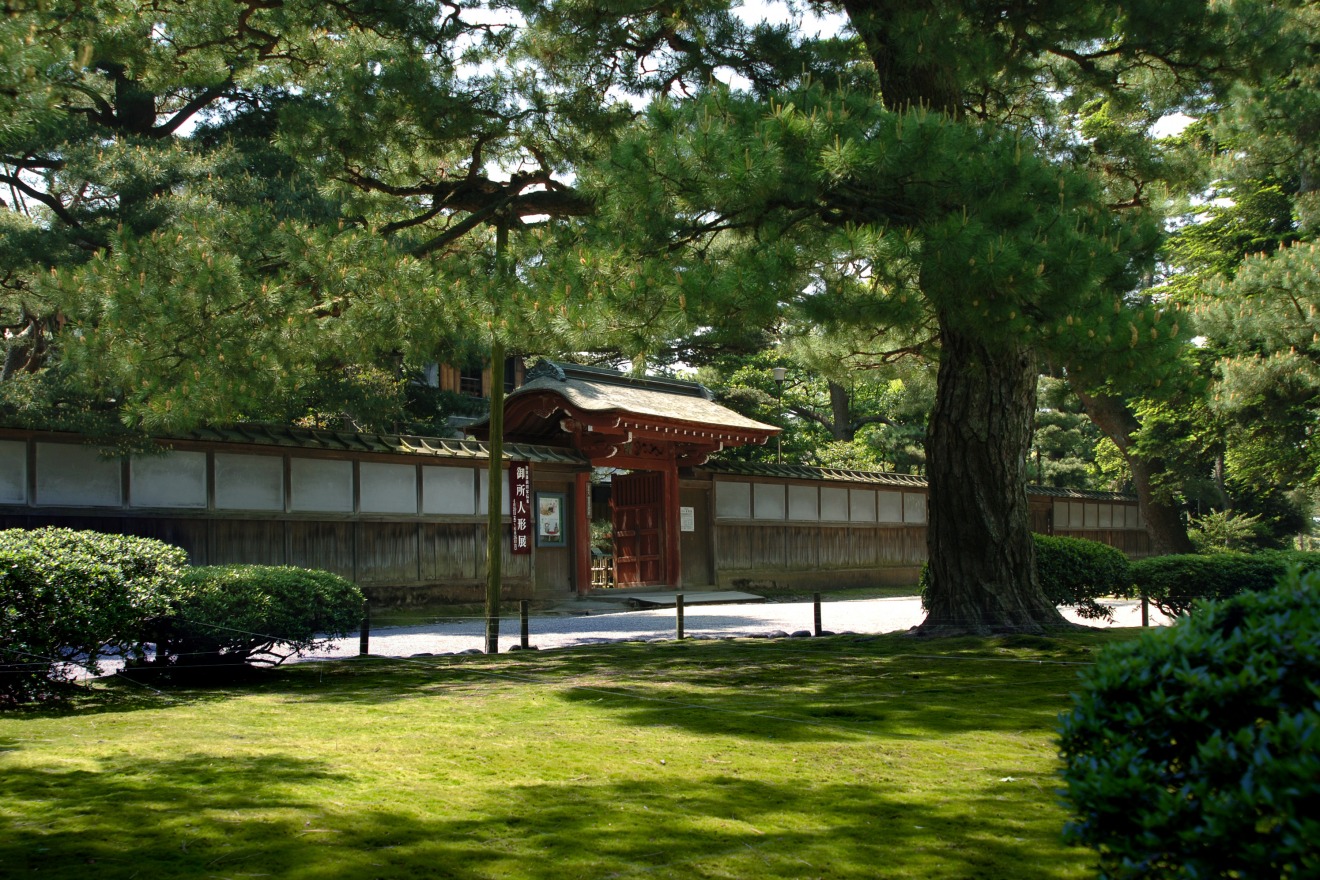
1. Kenrokuen Garden : One of Japan’s Three Great Gardens
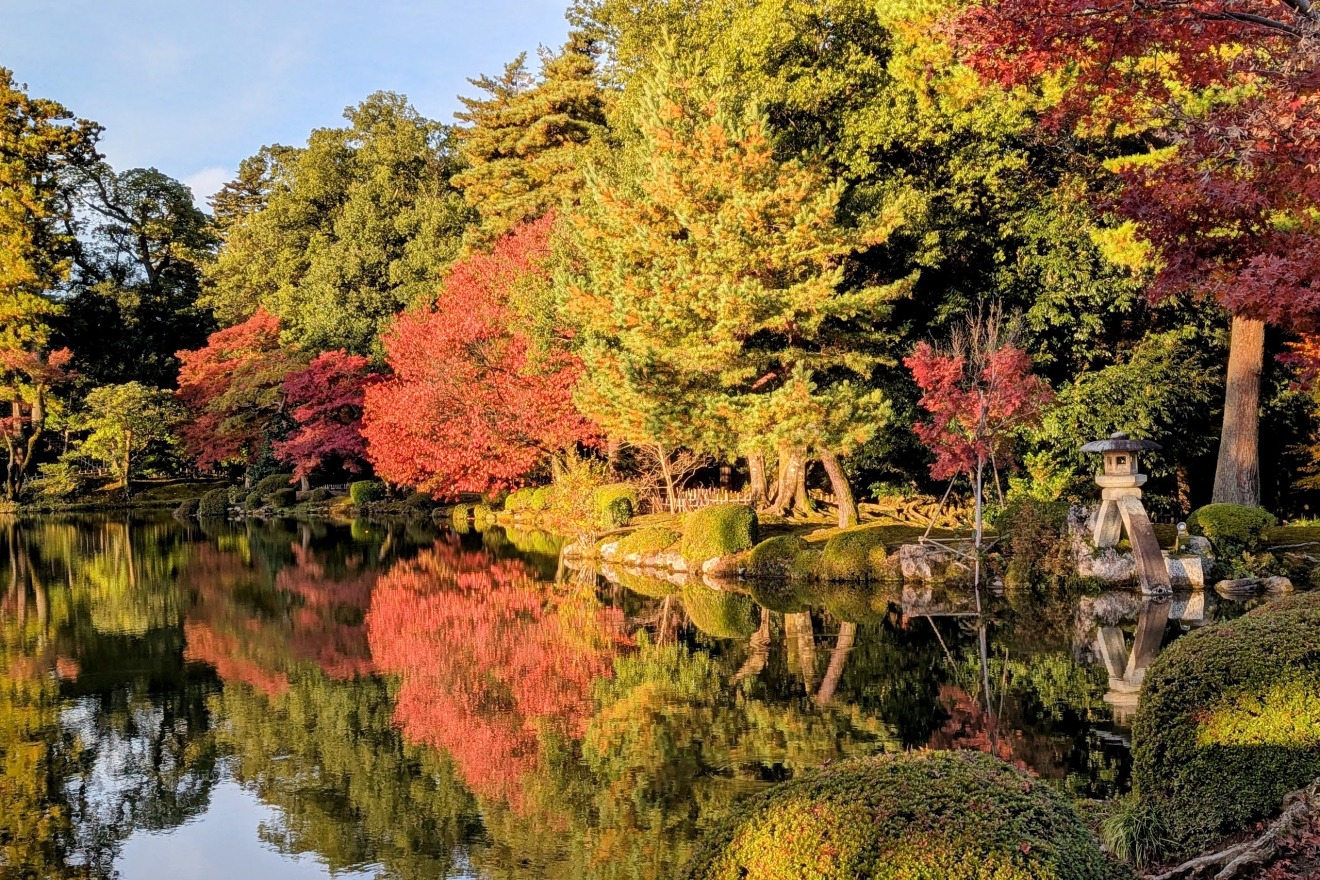
Once a private villa for the lords of the Kaga Domain, Kenrokuen Garden evolved into a grand "Daimyo (Feudal Lord) garden" reserved for the elite. Its true value lies beyond mere beauty, hidden in the sophisticated wisdom and engineering of the Edo period.
Five Perspectives to Experience Garden Culture
■Rokusho(Six Factors)
The name Kenrokuen means “having six factors”: "Spaciousness", "Tranquility ", "Artifice", "Antiquity", "Water sources", and "Magnificent views". Experience the pinnacle of Japanese gardening, which harmoniously combines these six qualities that are usually difficult to find in a single space.
■Yukitsuri(Snow Hanging): Geometric Winter Art (Nov. – Mar.)
The functional technique of protecting branches from heavy snow transforms into seasonal geometric art. It embodies the "spirit of the snow country"—living in harmony with the power of nature.
■A Grand Stage for Hospitality The "stroll-style" (kaiyu-shiki) layout around a pond was designed to entertain guests. The placement of teahouses, water, and trees reflects the refined aesthetics of the "One Million-Koku" Kaga Domain.
■Engineering Supported by Science
400 years ago, the Tatsumi Canal brought water from over 10km away. Even without electricity or pumps, the garden's fountain—the oldest in Japan—operates purely on natural water pressure.
■The Aesthetics of Moss
Dozens of moss species create a lush green carpet. Glistening after rain, this moss symbolizes the "silence" and "accumulation of time" that are central to the Japanese garden aesthetic.
2. Seisonkaku Villa's Garden : The Palace Garden of the Lord’s Consort
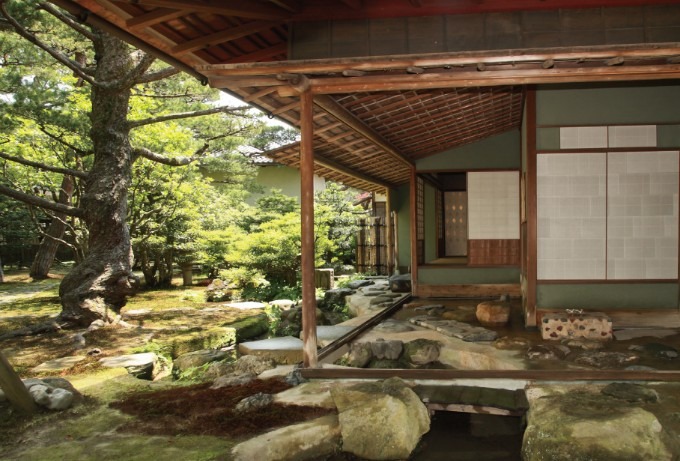
Seisonkaku was built by the 13th lord for his mother and is the only surviving villa for a lord's consort in Japan. The gardens here are delicately designed to be viewed most beautifully from inside the building.
Tsukushi-no-en Garden
■Pillar-less Design: The veranda features a 20-meter span without a single pillar, creating an unobstructed view that frames the garden like a masterpiece painting.
■Stream and Seasonal Plants: Water from the Tatsumi Canal flows through the garden, surrounded by plants like Omoto (Sacred Lilies) and Dodan-tsutsuji (a kind of azaleas). To highlight the chirping of birds, the water sounds are intentionally suppressed—a testament to the Maeda family's deep aesthetic sense.
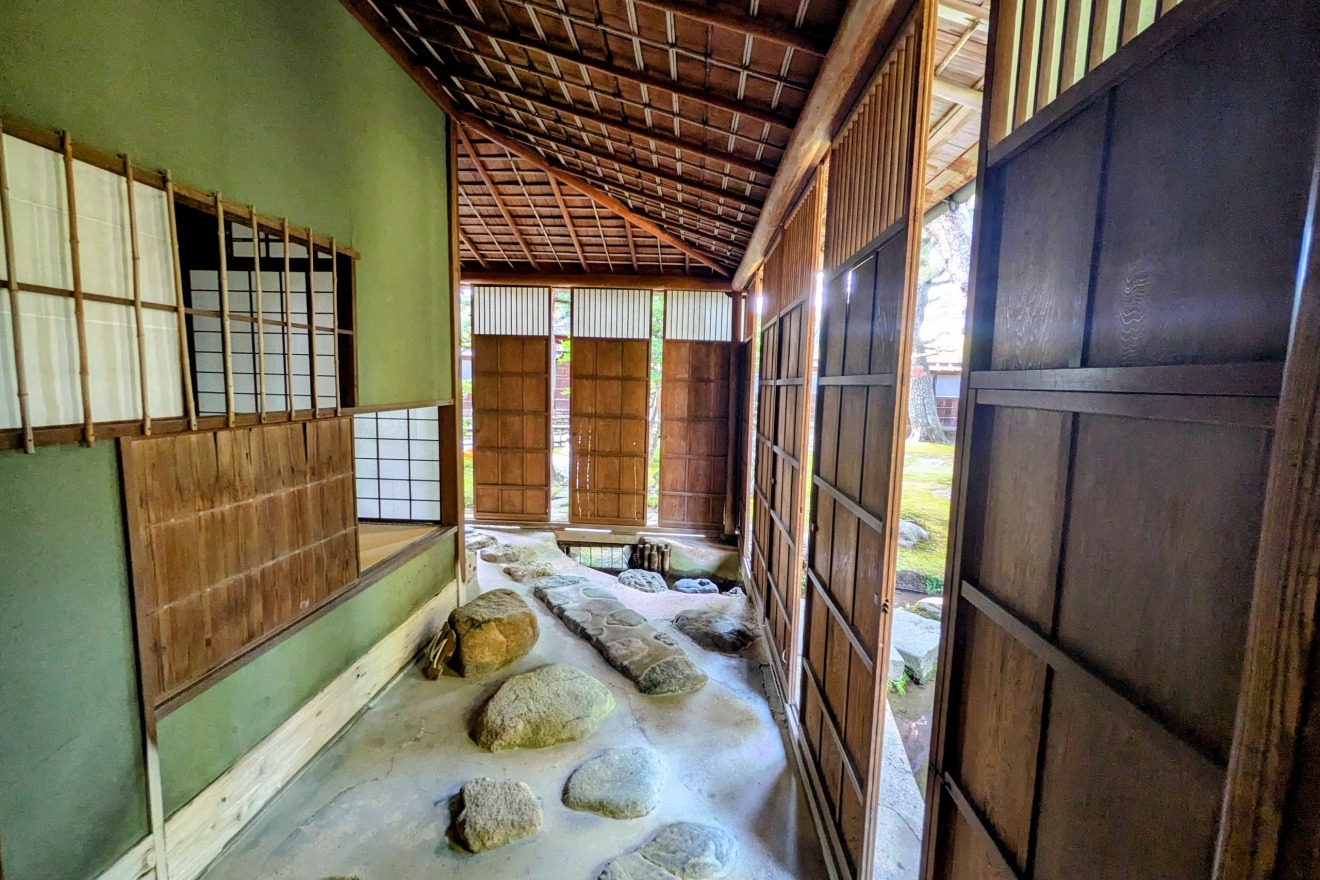
■Hikaku-tei Garden
Design for the Snow Country: The wide veranda is finished in elegant plaster and accented with natural stones.
The Beauty of "Do-en" (Intermediate Space): This earthen floor space can be "indoor" or "outdoor" depending on the sliding doors. In Kanazawa’s rainy or snowy climate, this design acts as a tea garden path (roji), allowing residents to enjoy the garden’s atmosphere while moving between rooms without getting wet.
3-2. The Retainer’s Garden: Shofukaku Garden – A Grandeur Surpassing Even the Daimyo
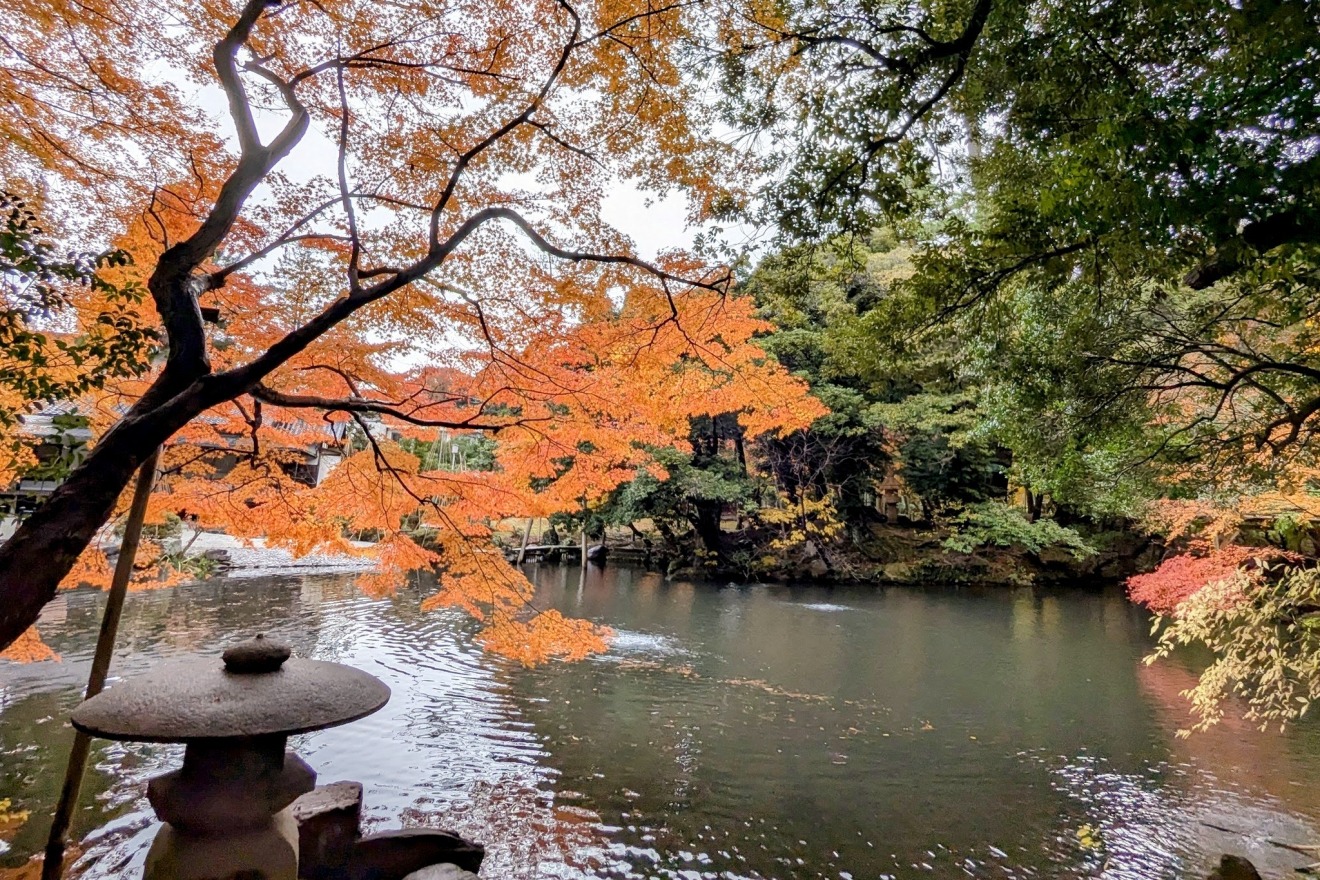
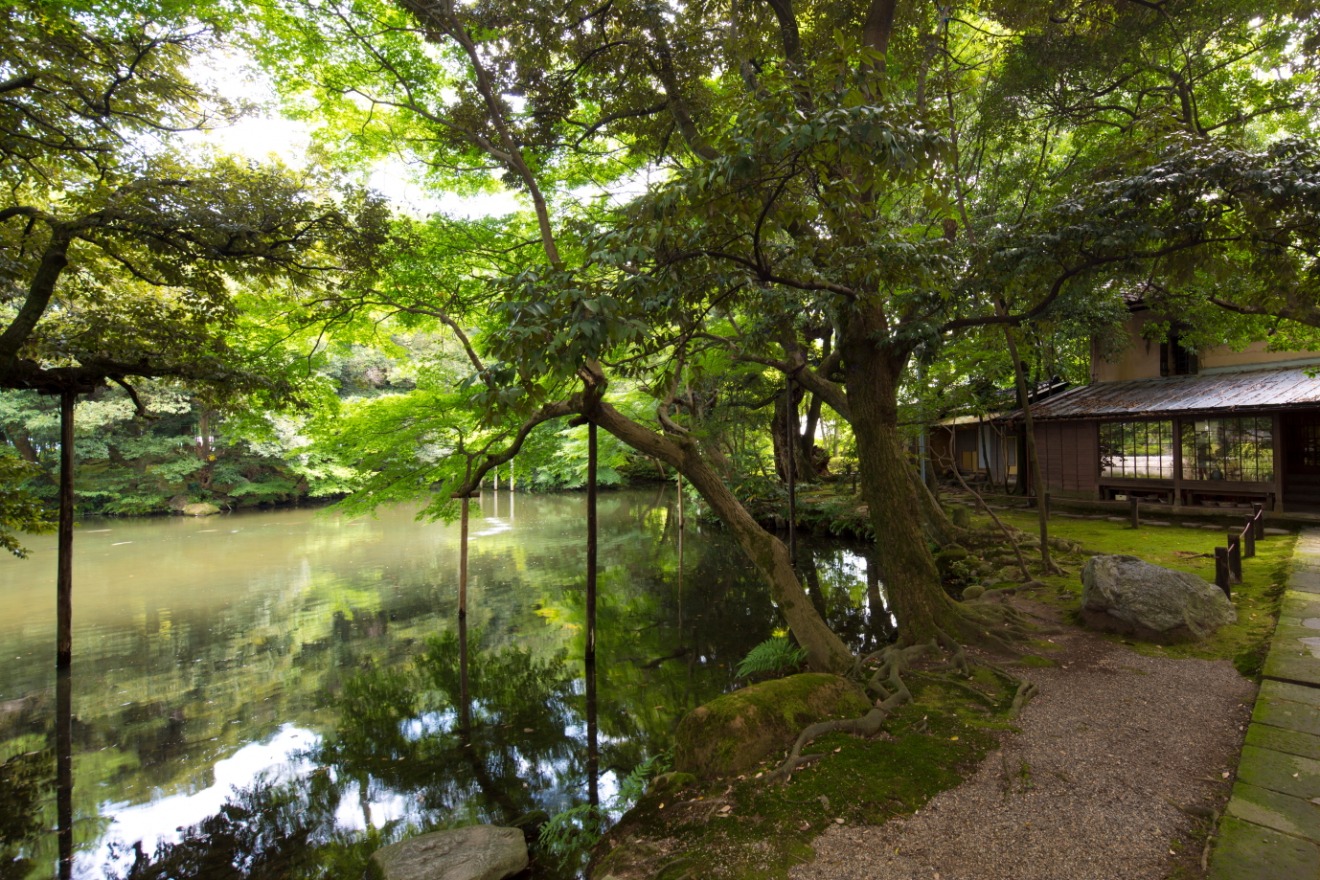
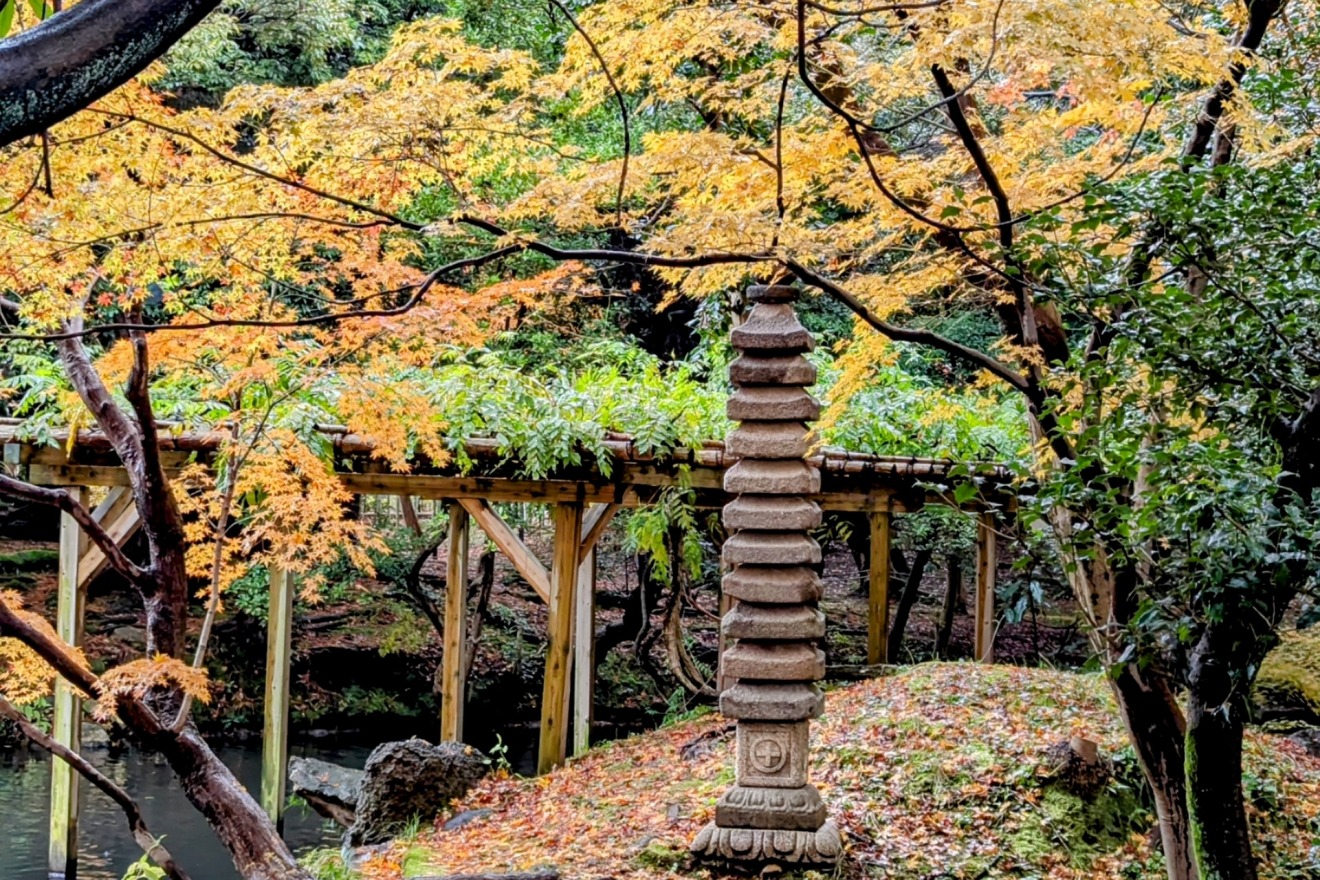
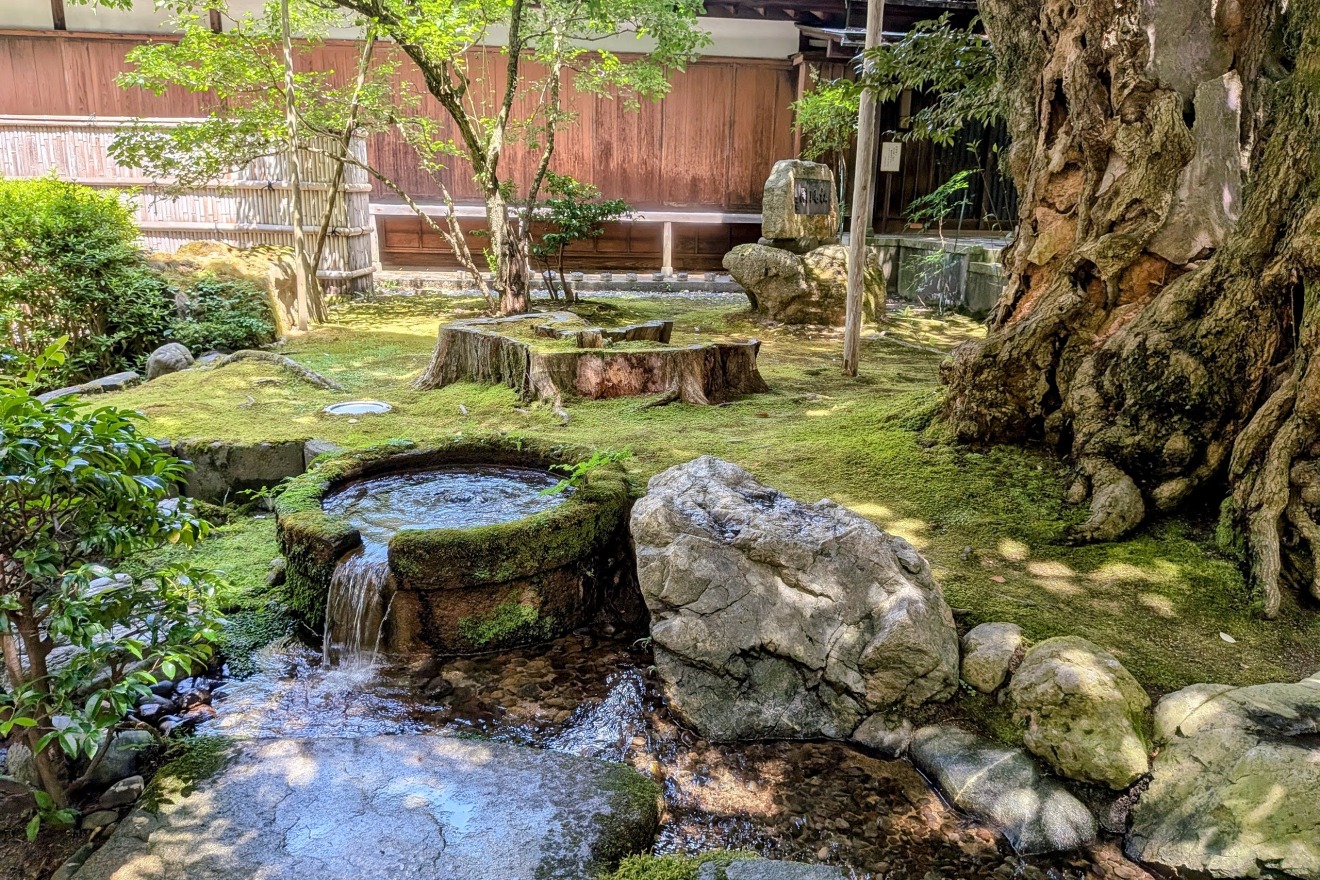
Gardens left by high-ranking samurai embody a unique blend of prestigious status and refined aesthetic taste.
Shofukaku Garden
The Honda clan belonged to the "Kaga Hakka" (Eight Elite Households), the highest-ranking retainers who supported the Maeda lords. Despite their status as retainers, the Honda clan commanded a staggering annual income of 50,000 koku—a salary that exceeded that of many independent daimyo (lords) across Japan.
This garden, located at their secondary residence, is said to have been designed under the guidance of the son of KANAMORI Sowa, a celebrated tea master. The son's service to the Kaga Domain brought the sophisticated tea culture of the time directly into the family's private landscape.
The fact that the Honda clan possessed such magnificent nature within their private estate, reaching the pinnacle of cultural sophistication, speaks volumes about their overwhelming authority without needing a single word.
3-3. Harmony of Life and Garden: The Ordinary Samurai Style
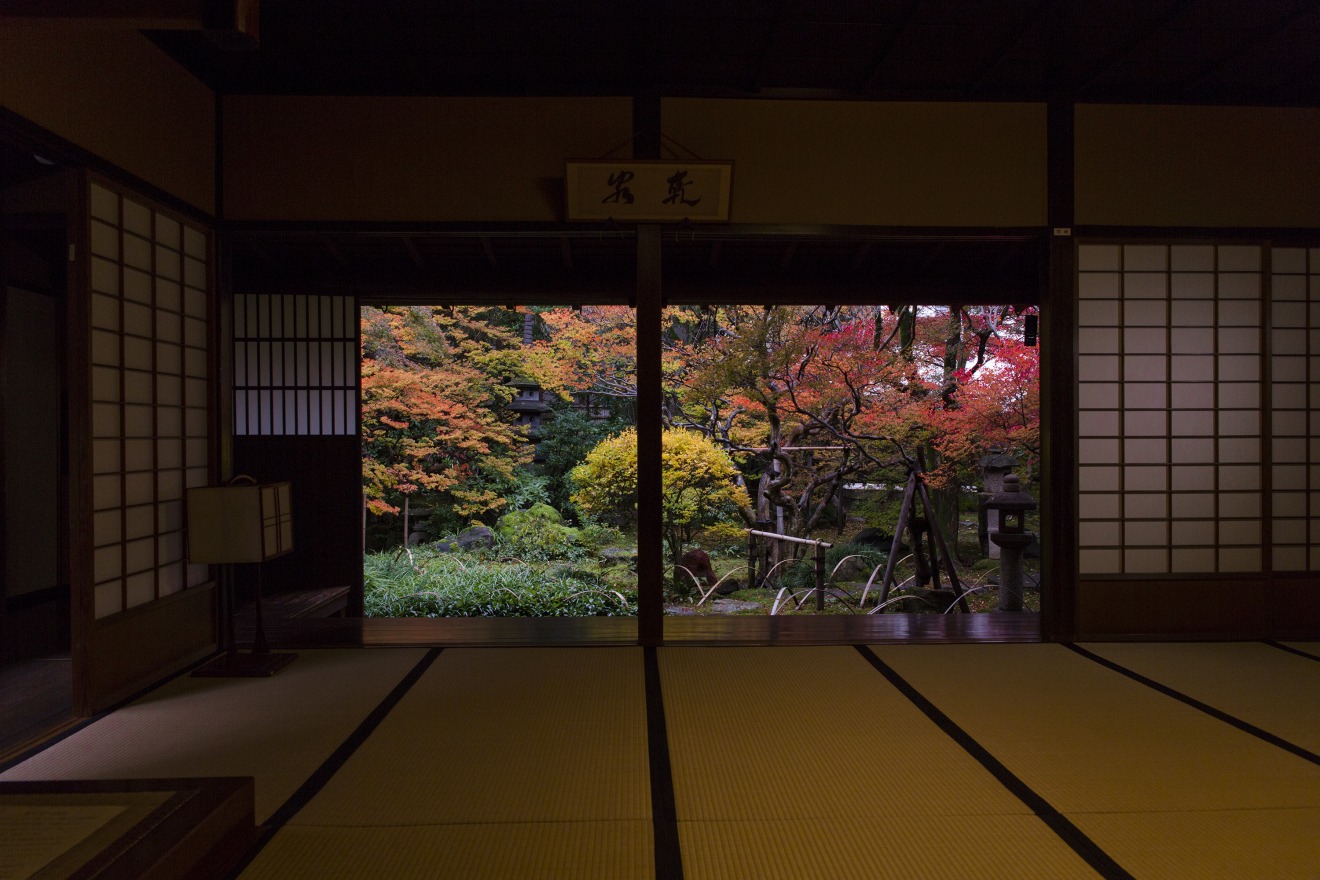
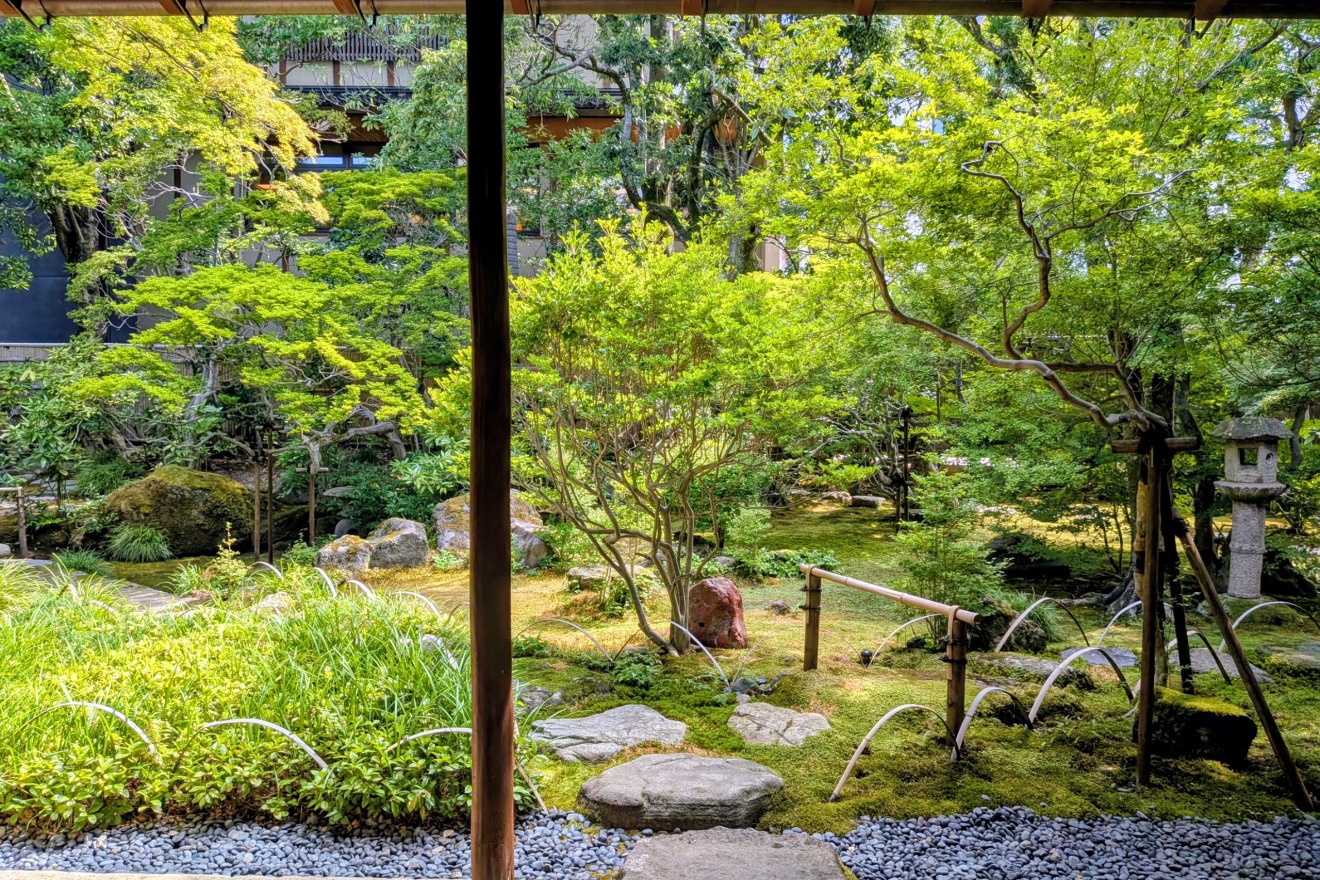
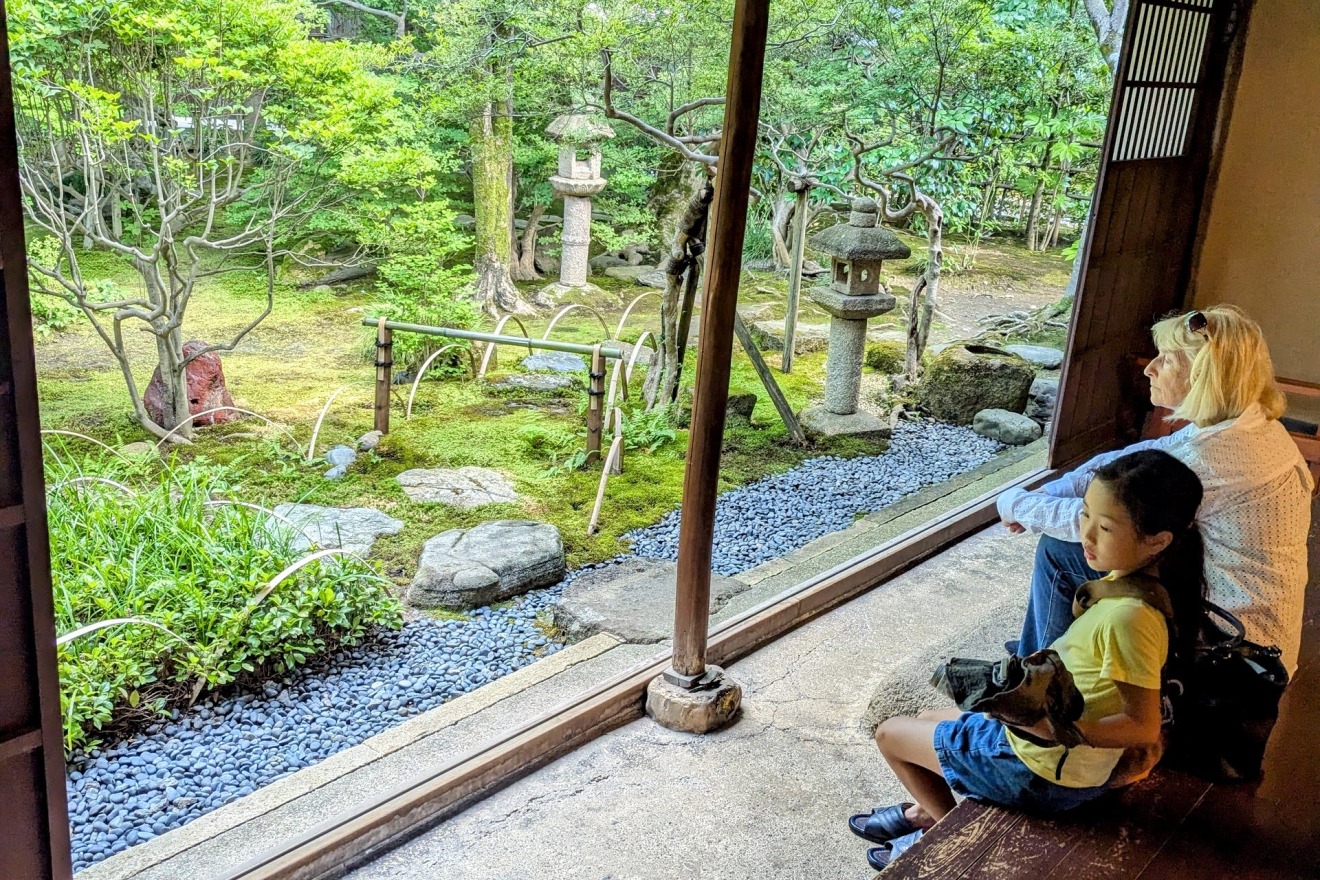
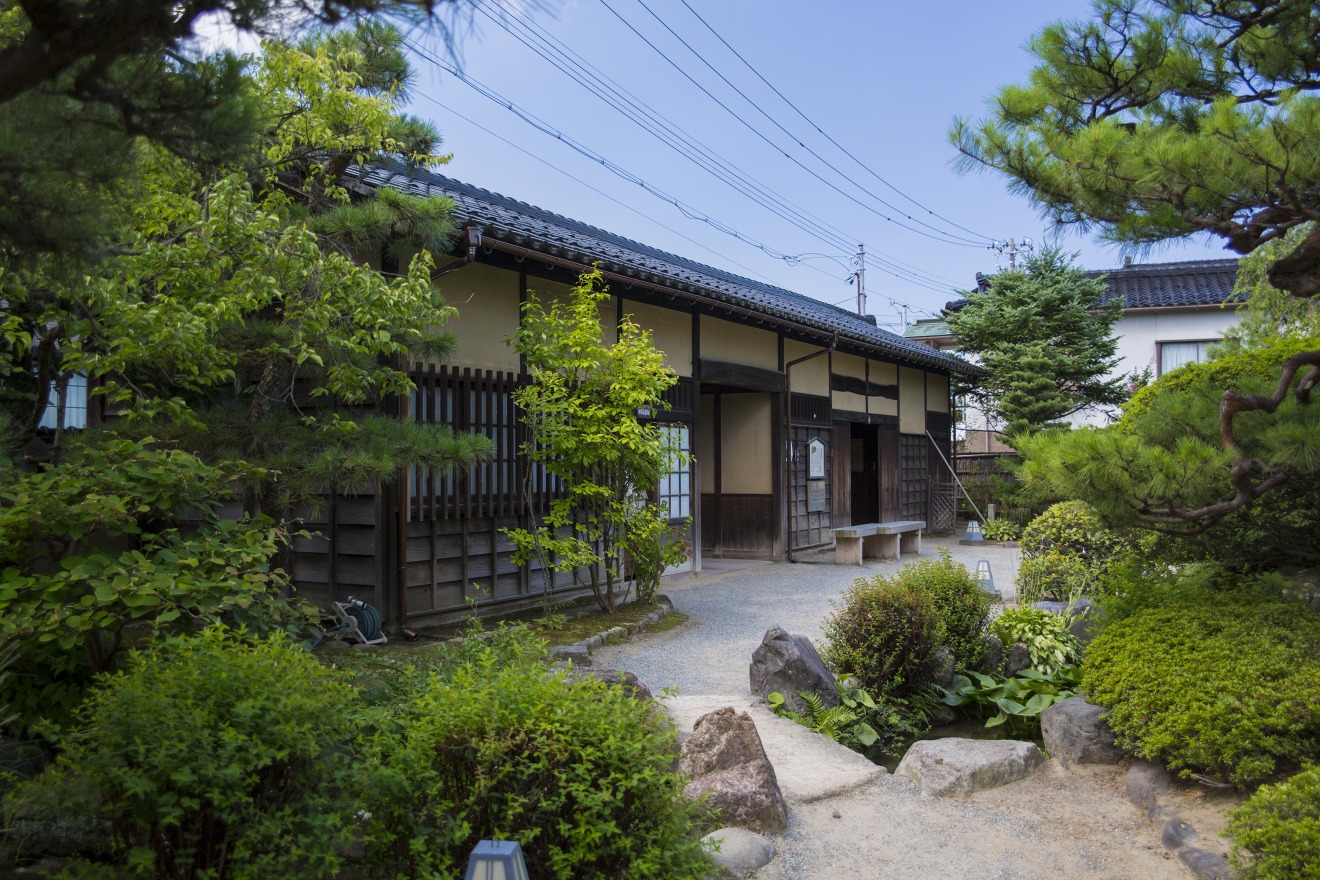
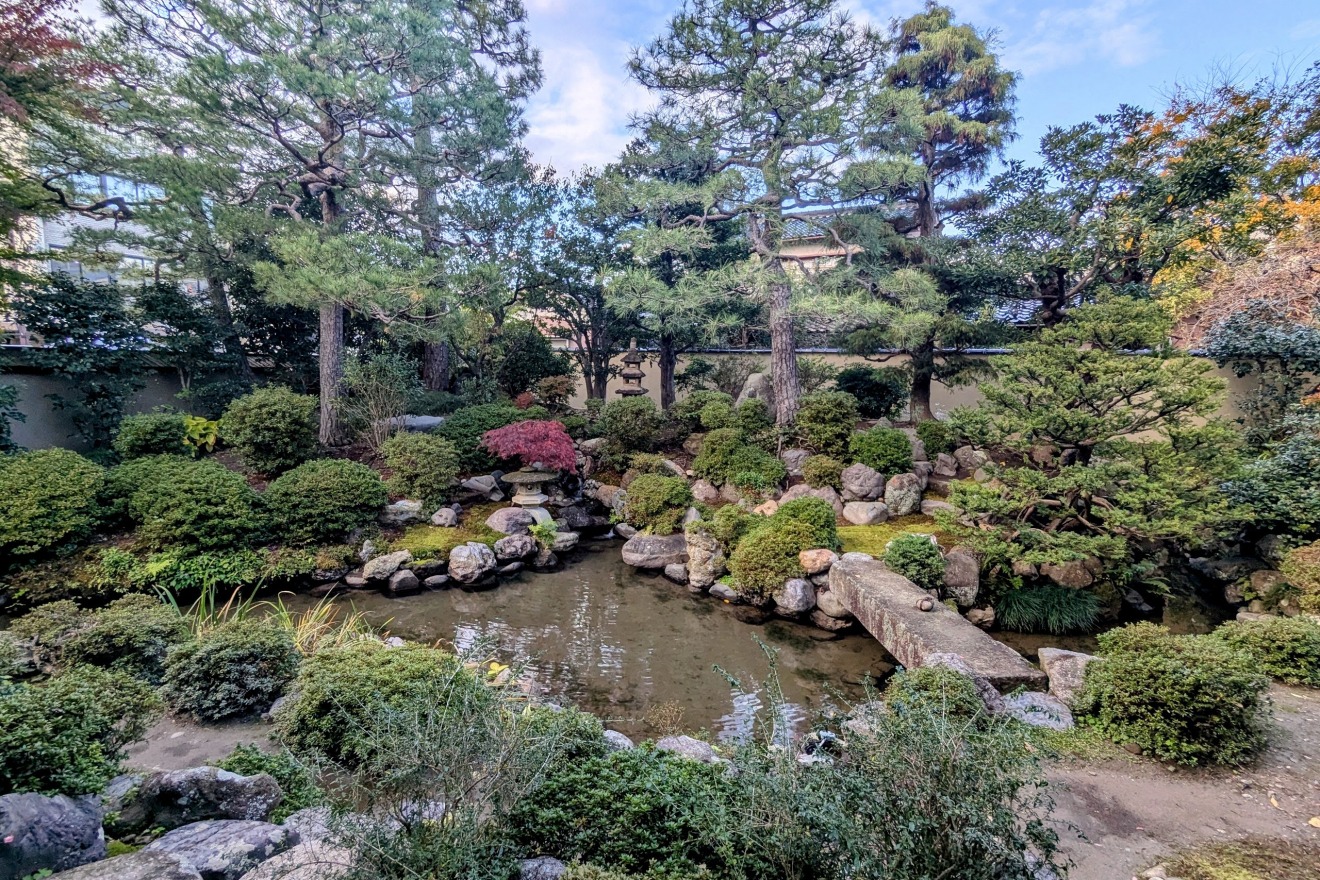
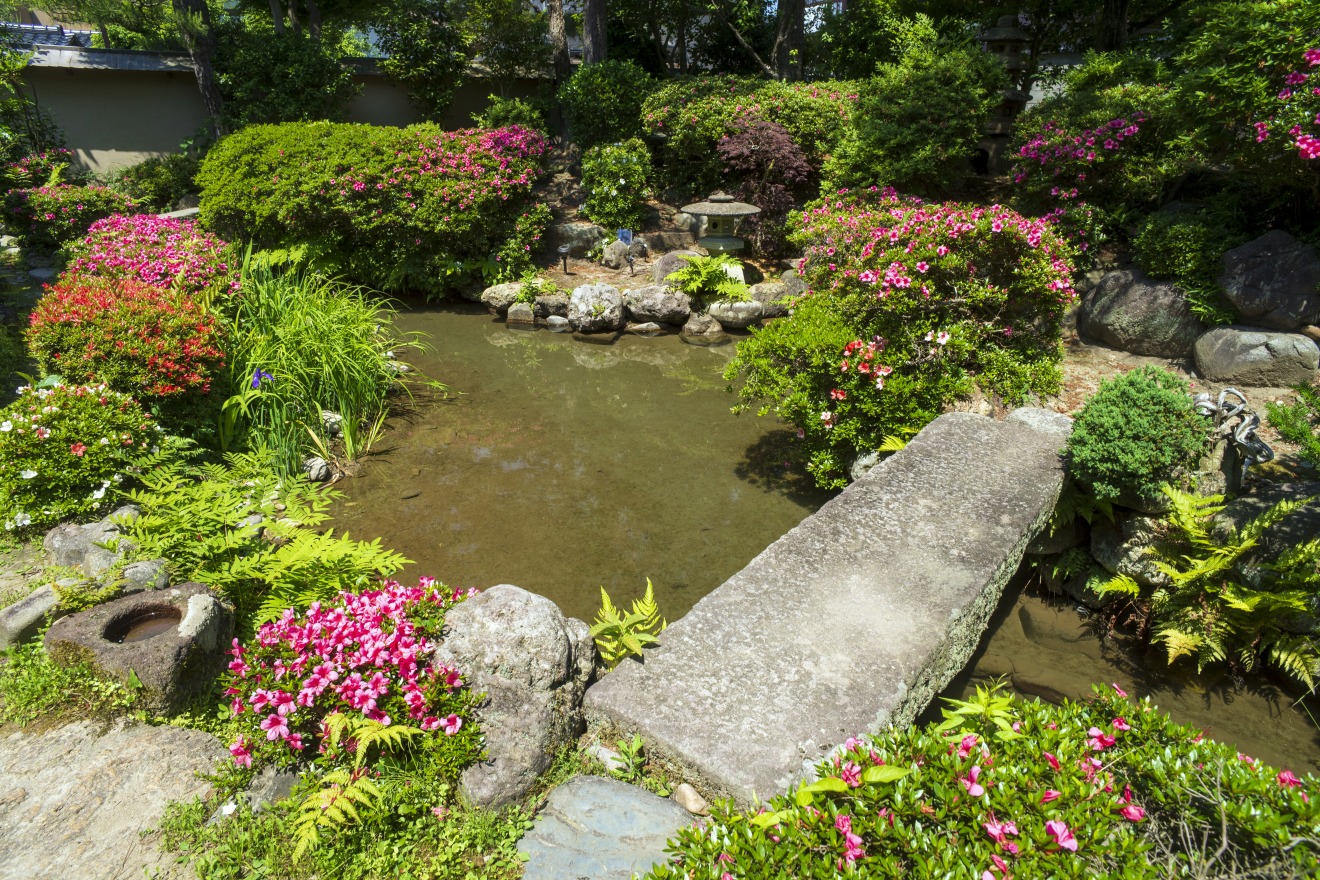
The majority of the Kaga Domain's retainers were Heishi (Ordinary Samurai). Their annual income ranged from 80 to 2,400 koku. As the backbone of the castle town, they devoted themselves to maintaining "samurai dignity and elegance" within their assigned, often limited, residential plots.
Senda-ke Garden: Living with the Canal
Located in the Nagamachi Samurai District, this garden was designed by the samurai SENDA Norifumi. It preserves one of the oldest forms of garden design, integrated directly with the city’s infrastructure: water is drawn directly from the Onosho Canal, circulated through the garden, and then returned to the canal. Small birds and even fish from the Saigawa River visit seasonally, bringing life to this historic space.
Samurai Residense - Kurando Terashima's House: The Aesthetics of a Warrior-Artist
The garden's name, Kensen, comes from its kare-ike (dry pond)—a pond intentionally left without water. This "stroll-style" garden reflects the aesthetic sense of TERASHIMA Kurando, who was both a samurai and a talented painter. While the 300-year-old dodan-tsutsuji (a kind of azaleas) vibrantly color the garden in autumn, the space also served a vital practical purpose. In preparation for natural disasters or famine, samurai often planted "provision trees" for food. Even today, about 200 trees, including persimmon and chestnut, stand as a testament to the samurai wisdom of survival.
Takada Family Samurai House Remains: Prestige in a Limited Space
The striking Nagaya-mon (gatehouse) speaks to the prestige of the samurai class. Centered around a pond fed by the Onosho Canal, the garden skillfully uses winding streams and strategic plant placement to make the compact space feel expansive and grand.
3-4. The Functional Gardens of the Foot Soldier's: Ashigaru Museum
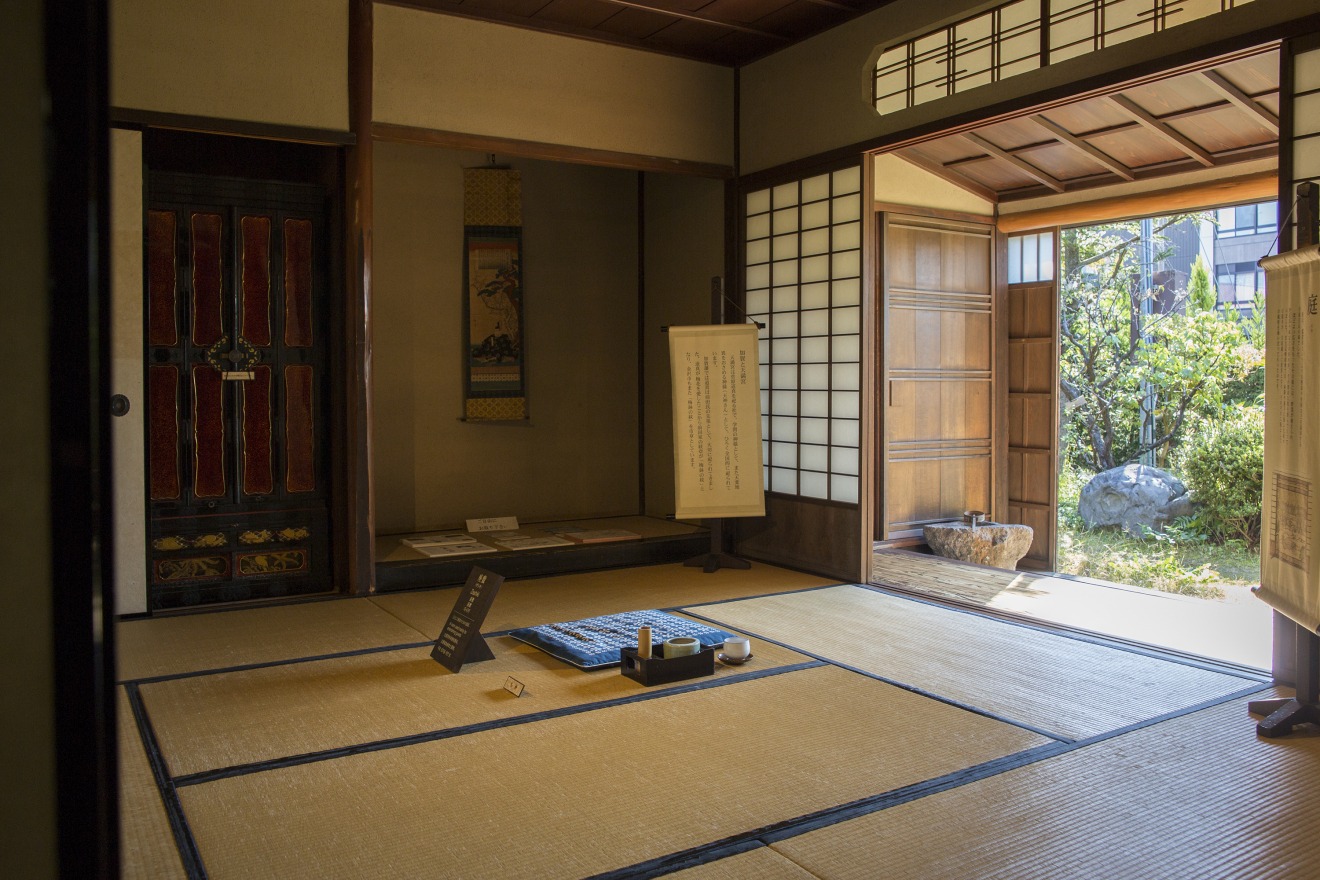
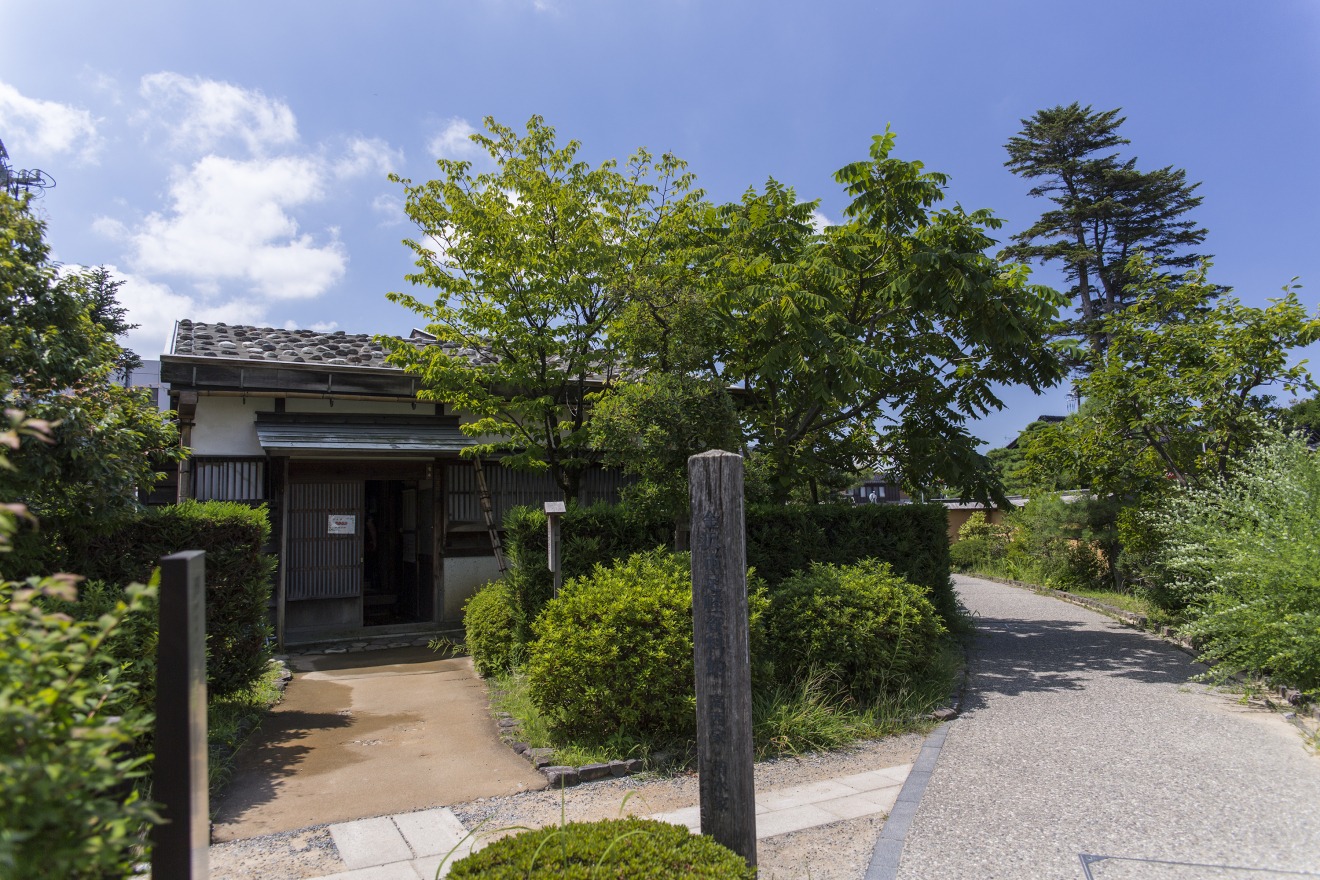
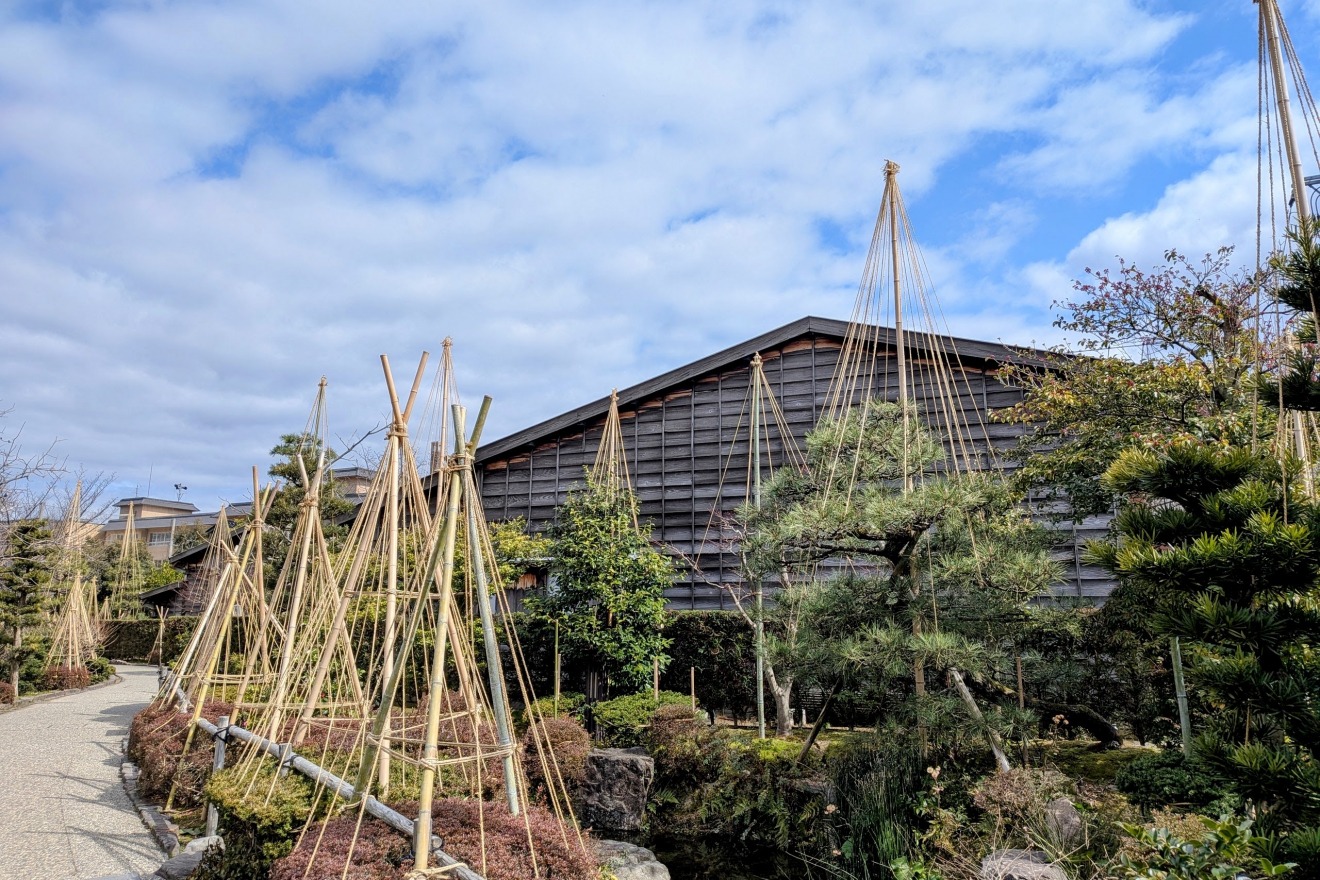
The Ashigaru(Low-Rank Samurai)were the infantrymen of feudal Japan, positioned at the lowest rank of the samurai hierarchy within the Kaga Domain. At the Ashigaru Museum in the Nagamachi Samurai District, two precious Edo-period residences have been relocated and restored. Here, you can get a close-up look at their stoic and practical lifestyle.
The gardens of these lower-ranking warriors were built for survival. To prepare for natural disasters or famine, they planted fruit-bearing trees such as persimmons and plums.
Interestingly, trees with high moisture content, like persimmons and figs, were strategically planted along the borders of the property. These served as a natural firebreak, helping to prevent fires from spreading from neighboring houses. Within the simple beauty of these modest gardens lies a remarkable level of wisdom and rationality for surviving a turbulent era
A Bowl of Tea in the Garden: The Perfect Finale to Your Journey
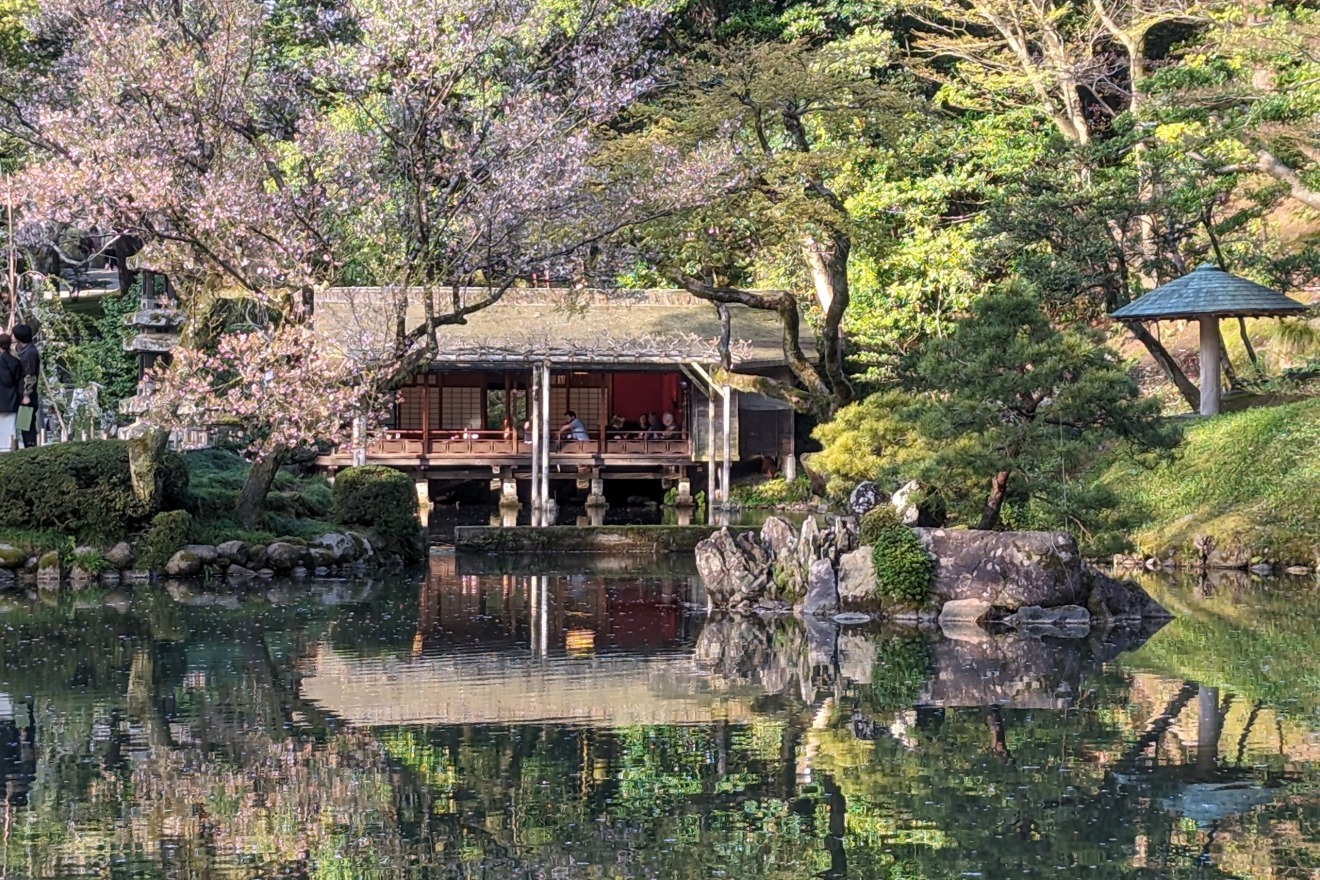
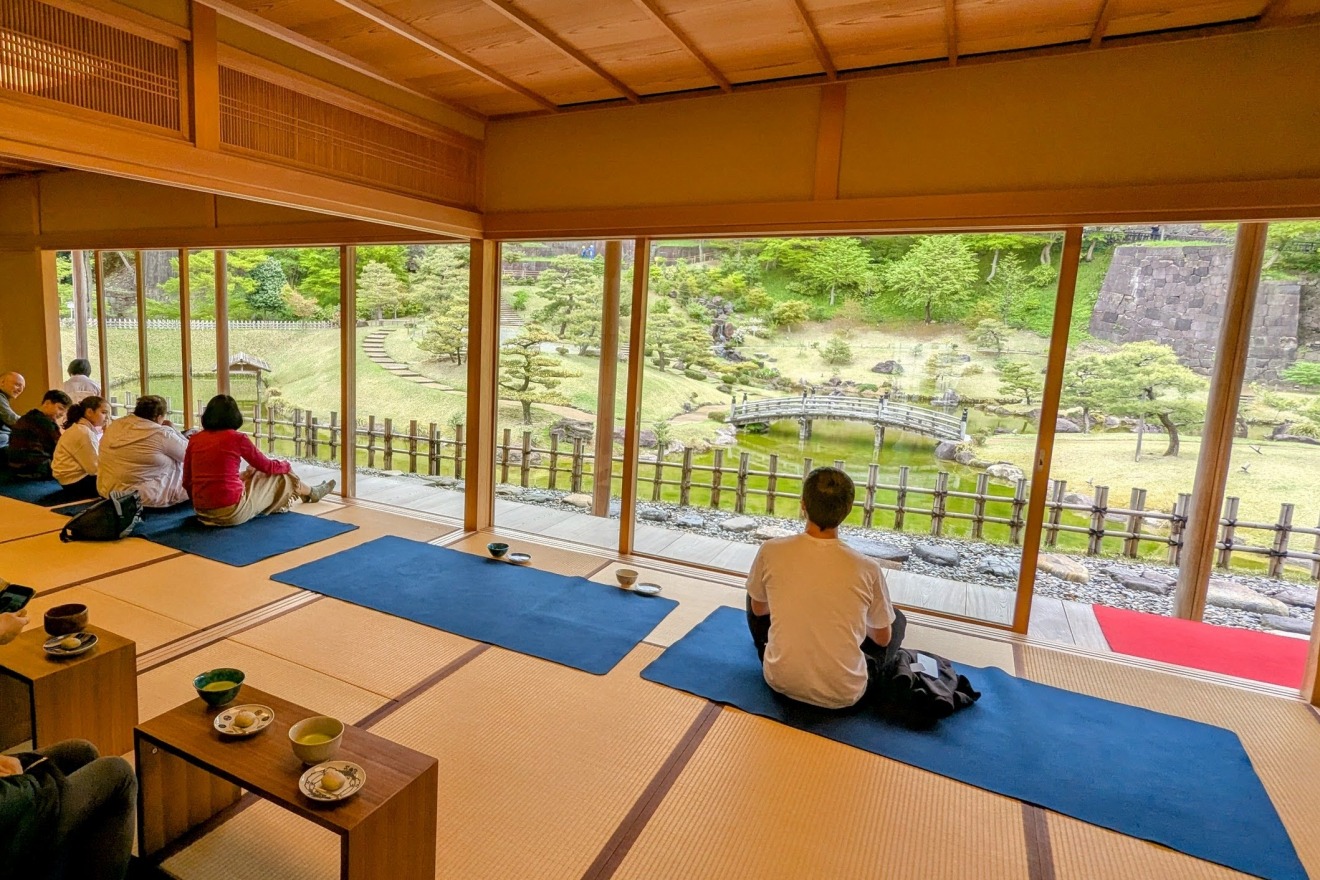
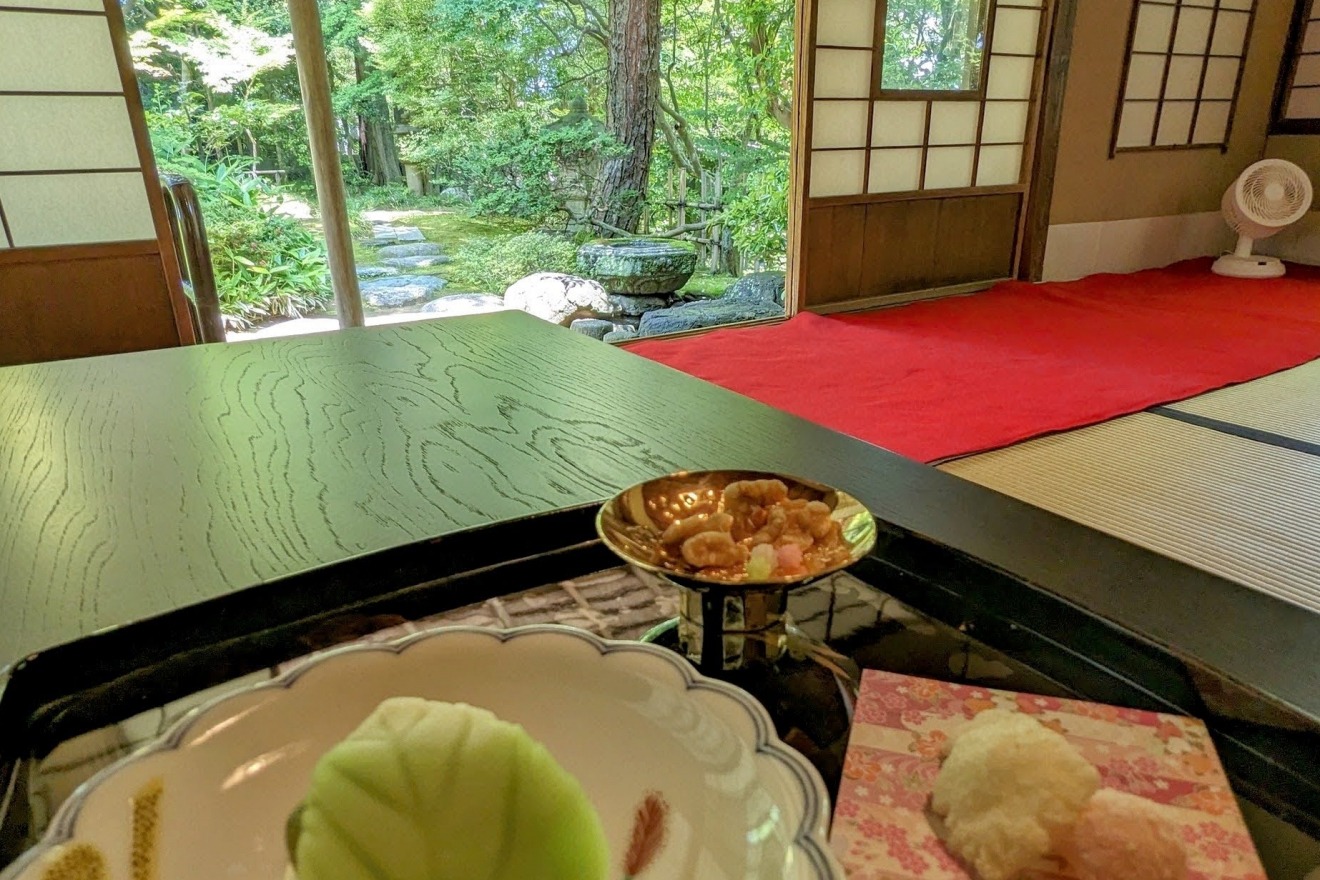
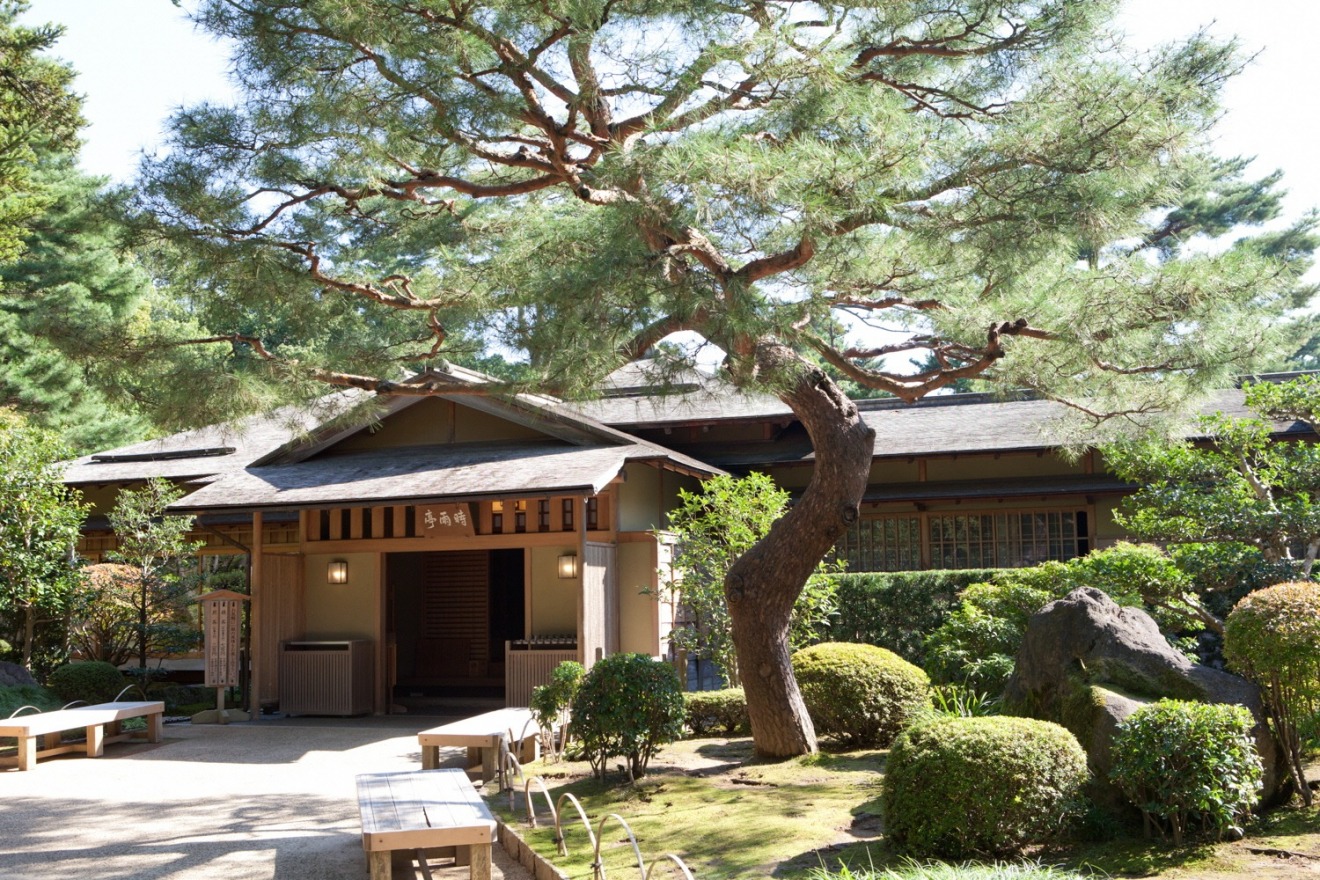
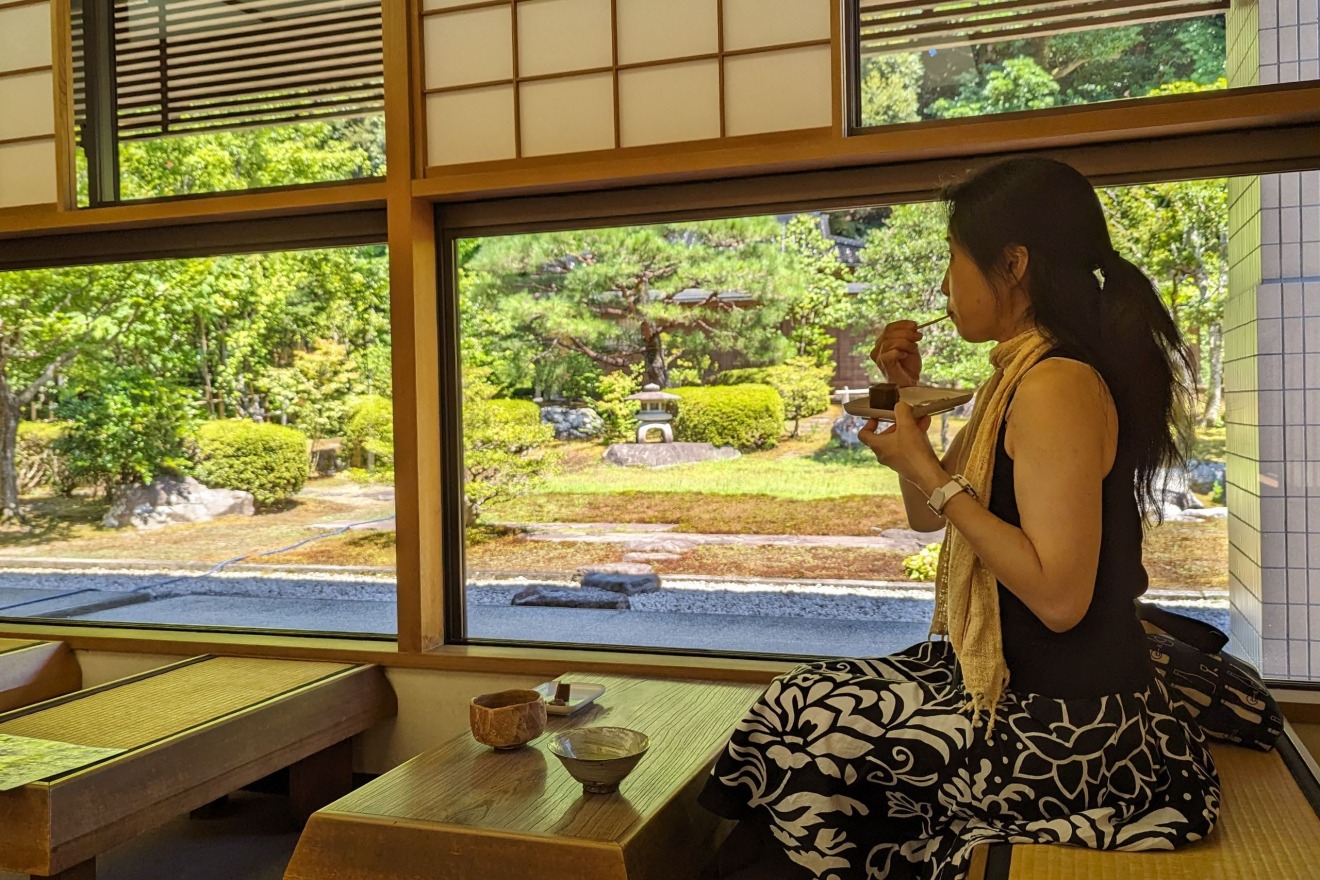
In Kanazawa, garden culture and the Way of Tea (Tea Ceremony)are inextricably linked. Many of the city's most famous gardens feature integral teahouses where you can enjoy matcha alongside seasonal exquisite traditional sweets.
Gazing at the garden while listening to the rhythm of the water or rain is more than just a break—it is a moment of connection with the "Essence of Kanazawa" that has been passed down through the centuries.
Recommended Teahouses
■Gyokusen-an (Kanazawa Castle Park): Located within the Gyokusen'inmaru Garden, this teahouse offers an elegant retreat with a stunning view of the castle's private garden.
■Shigure-tei (Kenrokuen): A faithful reconstruction of an Edo-period rest house that once stood before Japan's oldest fountain. The architecture, designed by the renowned NAKAMURA Masao, is a masterpiece in itself.
■Miyoshi-an (Kenrokuen): Situated by the Hisago-ike Pond, the experience of sipping tea while listening to the refreshing sound of the Midori-taki waterfall is truly exceptional.
■Saisetsu-tei (Gyokusen-en): The oldest teahouse in Kanazawa, said to have been built under the guidance of Senno Soshitsu, the founder of the Urasenke school of tea. A space where you can feel the weight of history.
■Kensen-tei (Samurai Residence Kurando Terashima's house): Immerse yourself in the aesthetics of a samurai-artist. Enjoy tea with special rakugan (dry sweets) shaped like the Terashima family crest while overlooking the garden.
■Nakamura Memorial Museum Teahouse: A unique spot where you can choose your favorite tea bowl from a selection. Enjoy a moment like a piece of art while viewing the lush moss garden.
■Fubaku-an (Nomura Samurai Residence): The view overlooking the award-winning garden from this second-floor teahouse is breathtaking.
■Issei-an: Located on the grounds of the historic "Otomoro" restaurant, this prestigious teahouse once served as a training center for the Kaga Domain's tea masters. Here, you can experience the dignity of "Samurai Tea" while admiring the meticulously kept roji (tea garden path).
Another Story of Kanazawa: What the Gardens Tell Us
A journey through Kanazawa’s gardens is more than just a search for beautiful scenery. It is an encounter with the wisdom of those who learned to love the harsh nature of the Sea of Japan coast, the honed skills and aesthetics of master craftsmen, and the spirit of the samurai who lived with unwavering pride.
Find beauty in the deep, moist green of moss on a rainy day. Witness the functional elegance of yukitsuri (snow hangings) standing tall against the weight of winter snow. Feel the comforting warmth of a bowl of matcha in a quiet teahouse.
When you sense the "quiet passion" that the former masters poured into these landscapes, you will surely discover a side of Kanazawa you have never seen before.