Tea Ceremony and Kanazawa : The Tea Culture That Shaped Kanazawa’s Charm
Kanazawa has a long history of the Maeda family, the feudal lords in this region, cherishing and preserving the tea ceremony(Sado)(Chado) (chanoyu) through generations. This tradition continues to thrive today. Throughout the city, there are many tea rooms (chashitsu), and a large number of people practice the tea ceremony. Tea gatherings (chakai) are held frequently throughout the year, celebrating the changing seasons. Moreover, even for those who have never experienced the tea ceremony, there are many cafes and facilities where visitors can casually enjoy matcha (powdered green tea), allowing them to experience the charm of the tea ceremony in an accessible way.
Additionally, the tea ceremony is closely intertwined with traditional Japanese crafts (kōgei). The tools used in the tea ceremony, the design of tea rooms, and crafts reflecting the spirit of the tea ceremony all come together to create unique artworks. In Kanazawa, this fusion of tea ceremony and craftsmanship has created a distinct beauty that is characteristic of the city.
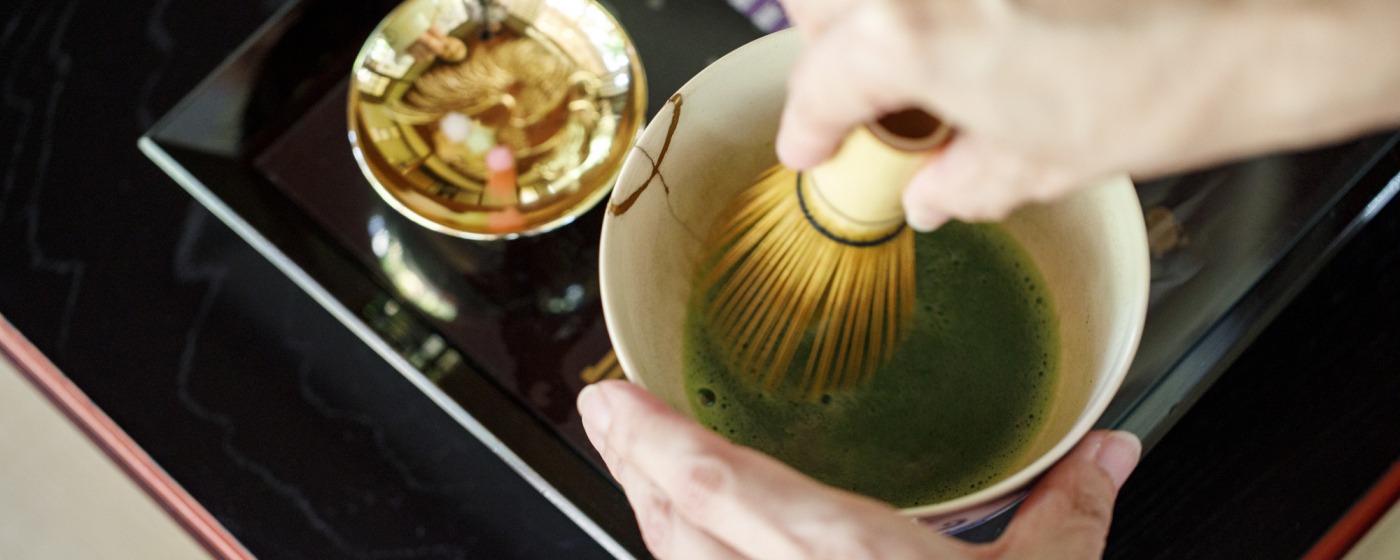
History of the Japanese Tea Ceremony
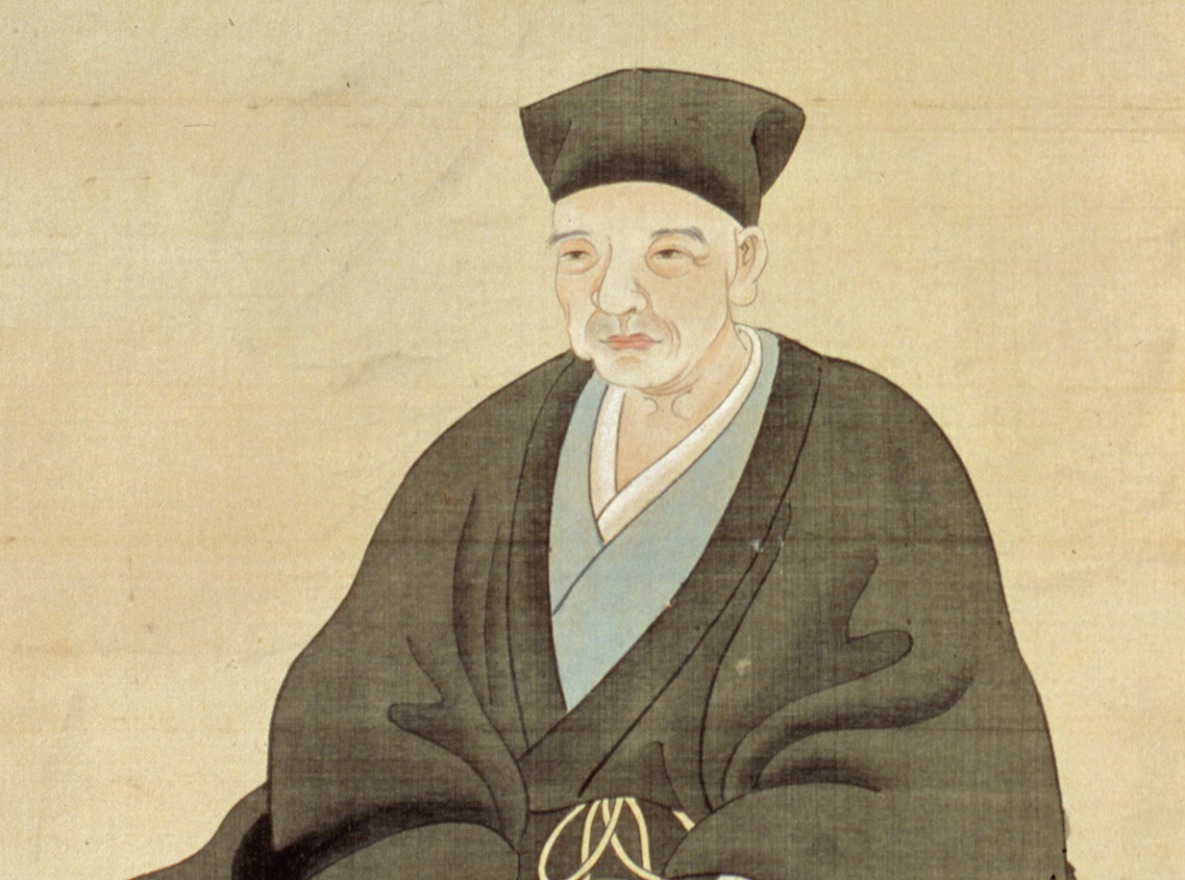
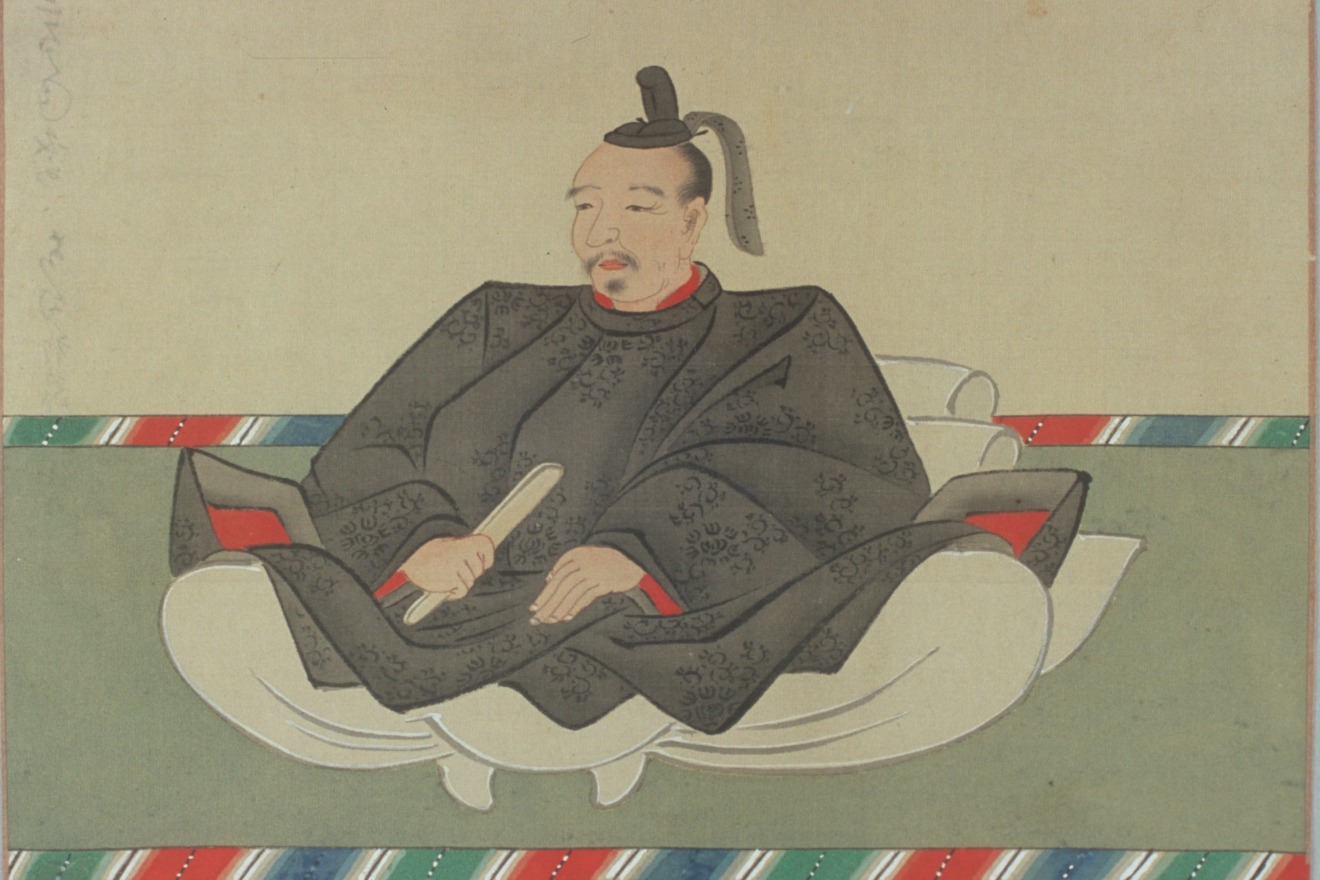
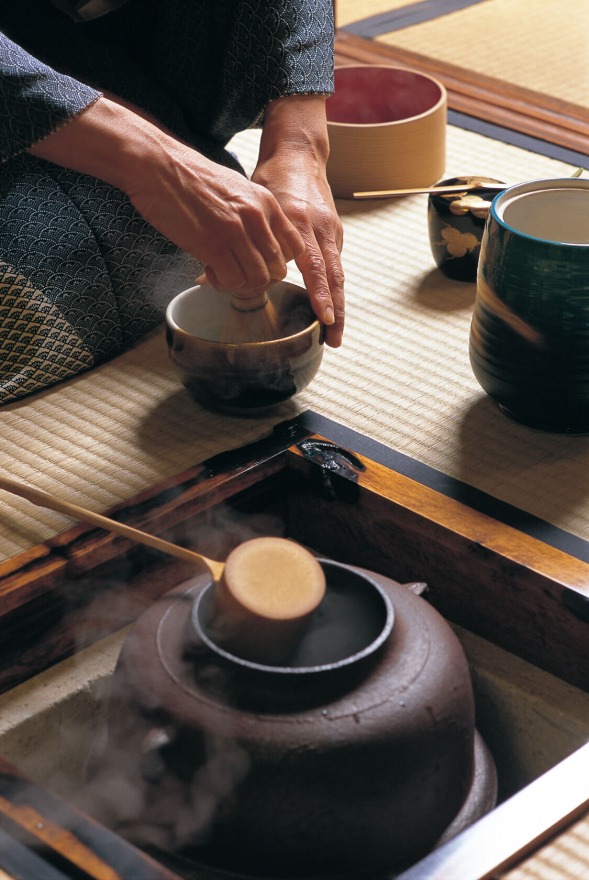
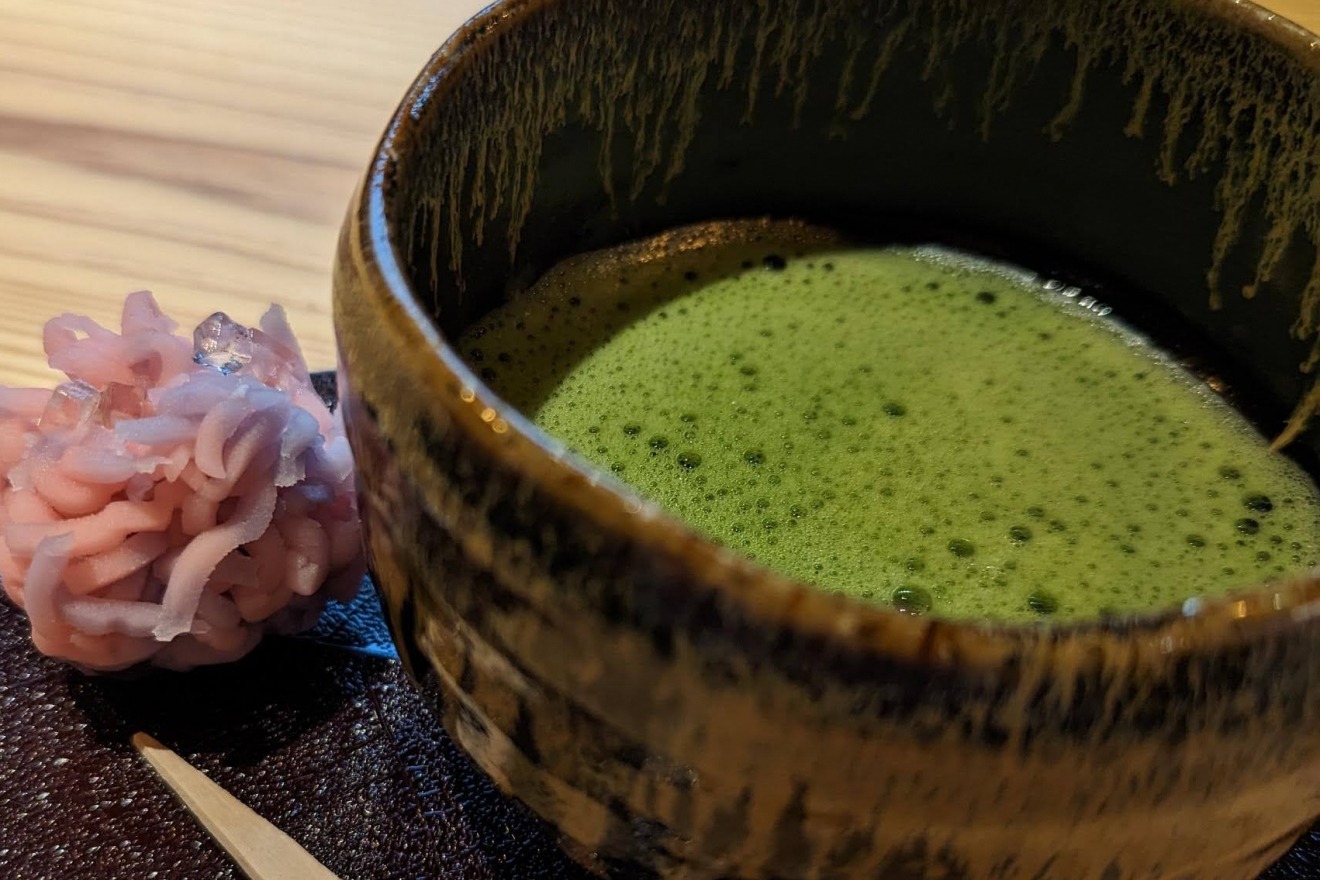
<The Way of Tea in Japan>
Let’s begin with a brief look at how the culture of tea flourished in Japan—leading up to its prosperity under the Kaga Domain.
The Origins of the Tea Ceremony – From China to Japan
Matcha (powdered green tea) was introduced to Japan from China in the 9th century. At first, it was consumed as a medicinal drink. In the 13th century, Zen monk Eisai, founder of the Rinzai school of Zen Buddhism, brought tea seeds back from the Song Dynasty and wrote Kissa Yōjōki (“Drinking Tea for Health”), which described the benefits and preparation of tea. Through his efforts, tea-drinking became common in Zen temples.
From Kyoto to the Rest of Japan
Influenced by Eisai, monk Myōe began cultivating tea in Togano-o, Kyoto. Tea cultivation gradually spread to areas such as Uji, Aichi, and Ise. Over time, tea gained popularity among the samurai class. The “Tōcha” (tea tasting competitions) became a fashionable activity, and during the Muromachi period, a refined aesthetic developed that valued imported Chinese tea utensils known as karamono. This marked the early cultural foundation of the tea ceremony.
The Birth of Wabi-cha
MURATA Jukō, a monk from Nara, was influenced by Zen philosophy through his connection with Ikkyū Sōjun. He introduced a new style of tea that valued simplicity and imperfection—known as wabi-cha. His teachings were passed down to TAKENO Jōō, a tea master from Sakai, who further developed the humble and minimalist style of tea gatherings in a thatched-hut setting (sōan no cha). This tradition ultimately led to the practices of Sen no Rikyū.
Sen no Rikyū and the Completion of the Tea Ceremony
The tea ceremony reached its full expression through Sen no Rikyū, who refined wabi-cha into a deeply spiritual and artistic practice. His tea philosophy spread among both aristocrats and commoners alike. Various tea utensils began to be produced across Japan, especially from the Six Ancient Kilns (Rokkoyō), laying the foundation for regional tea cultures. Rikyū’s tea was cherished by powerful warlords such as Oda Nobunaga and Toyotomi Hideyoshi, and eventually adopted by feudal lords across Japan—including Maeda Toshiie of the Kaga Domain.
Note: The Six Ancient Kilns (Rokkoyō)
The Six Ancient Kilns—Seto, Echizen, Tokoname, Shigaraki, Tamba, and Bizen—are Japan’s most renowned traditional pottery kilns. These kilns have been in continuous use since the medieval period and played an essential role in producing tea utensils for the tea ceremony.
The Way of Tea in Kanazawa
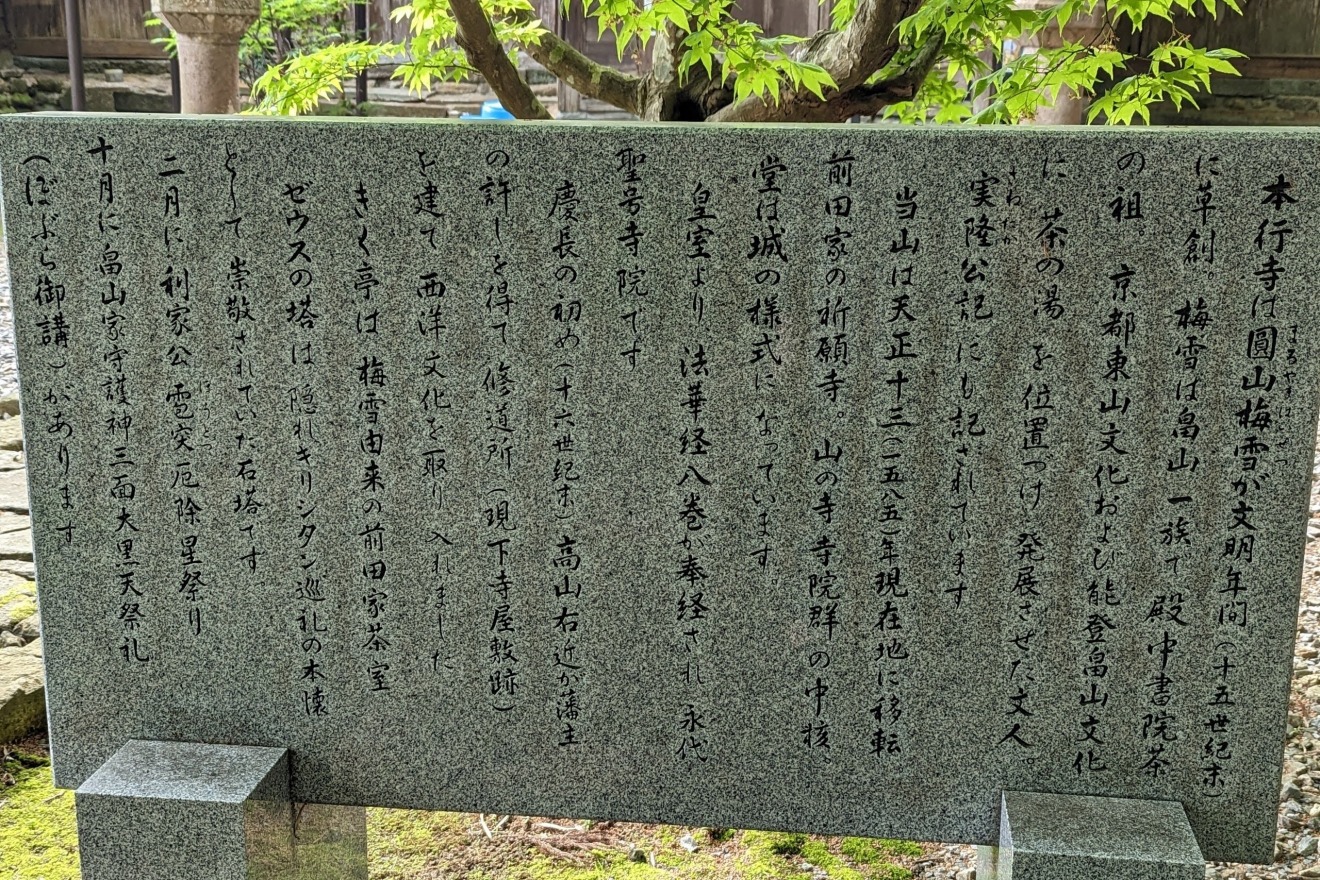
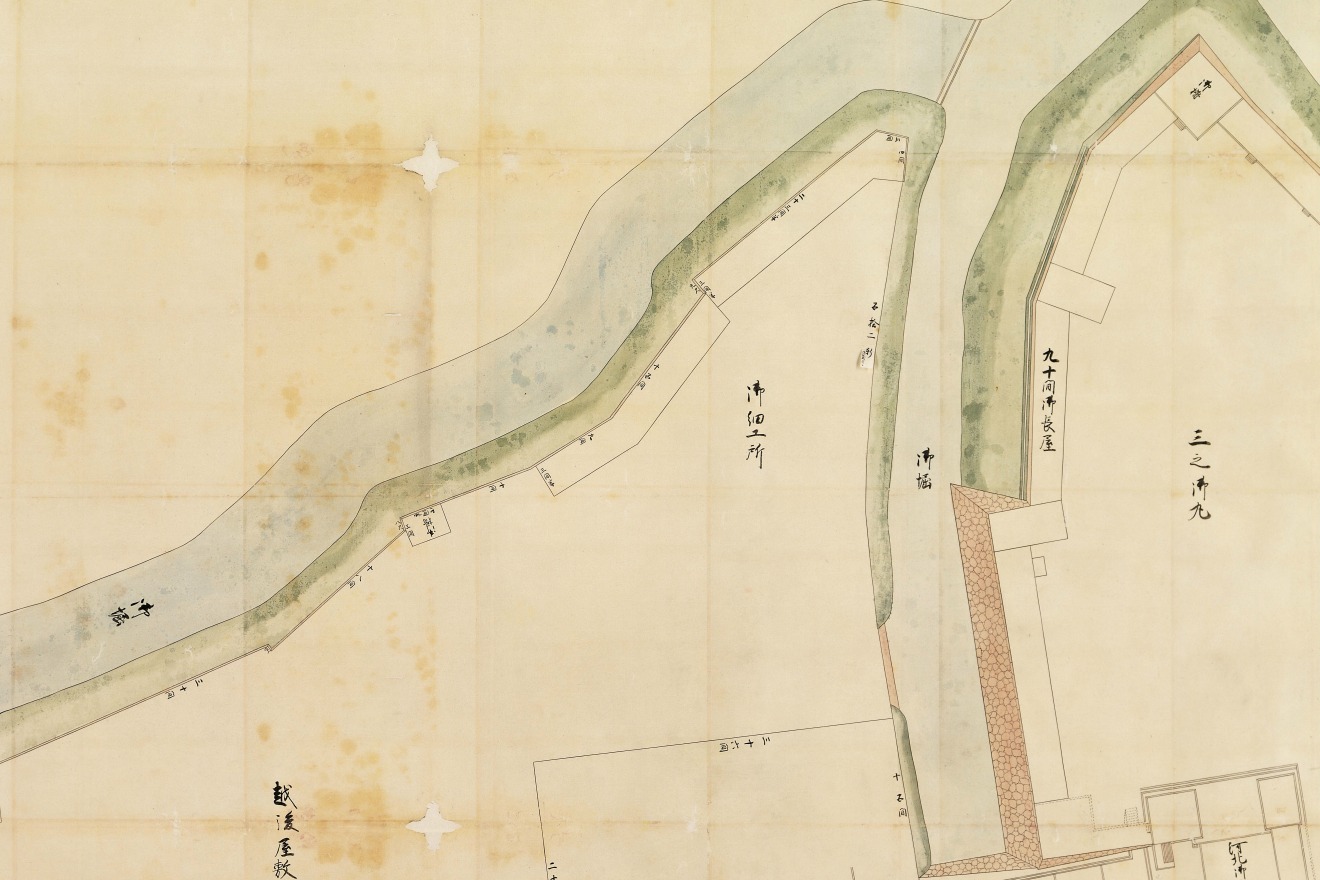
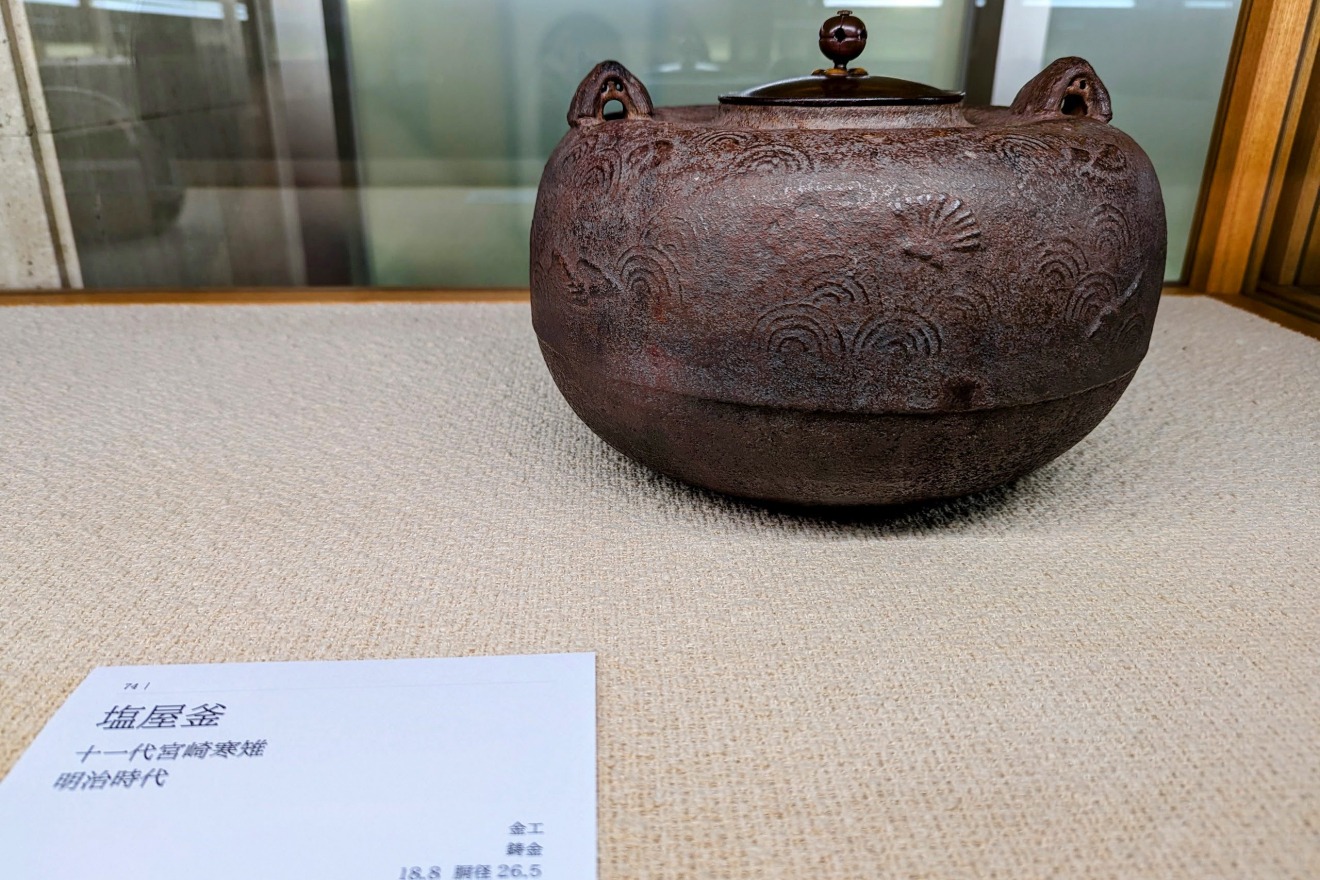
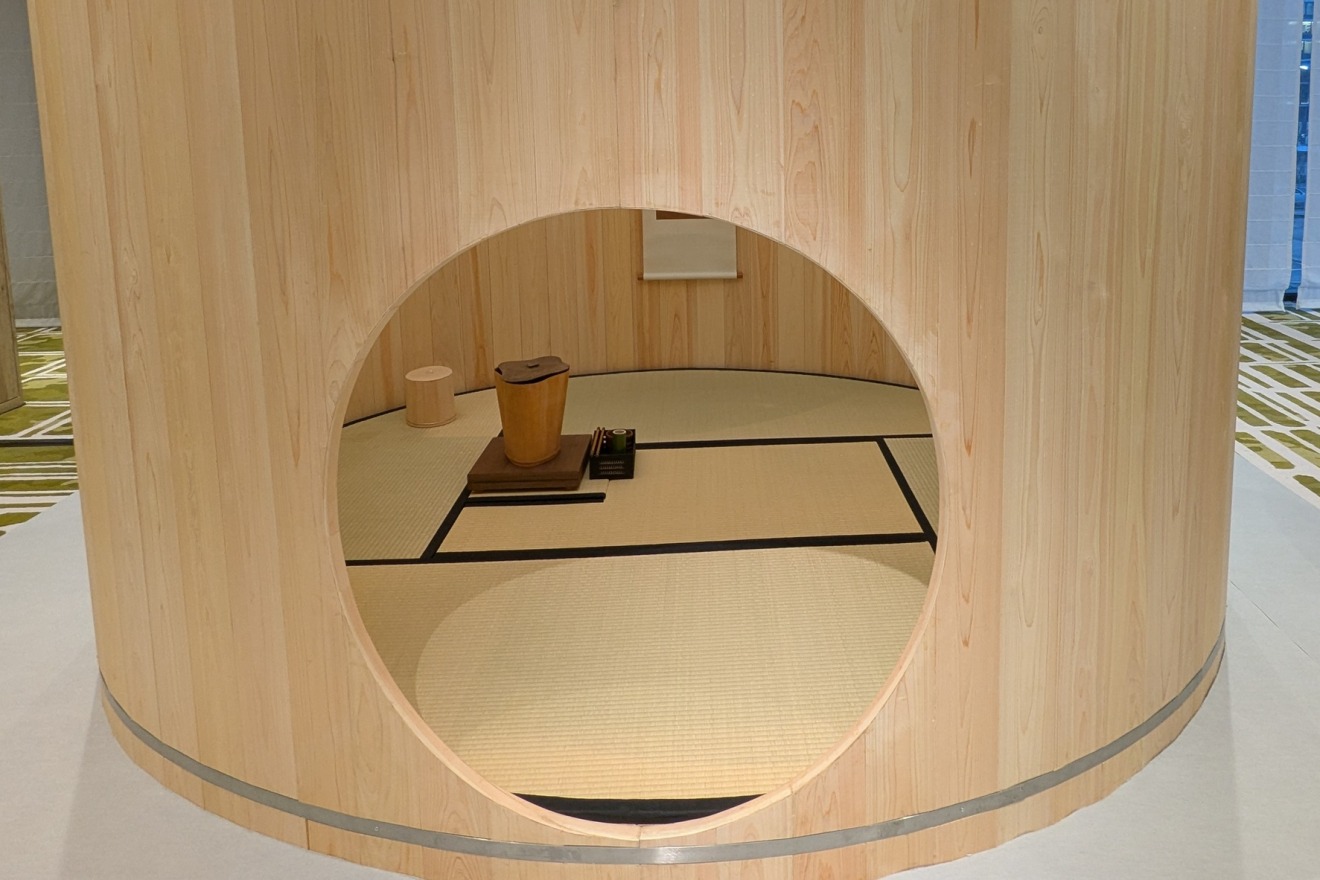
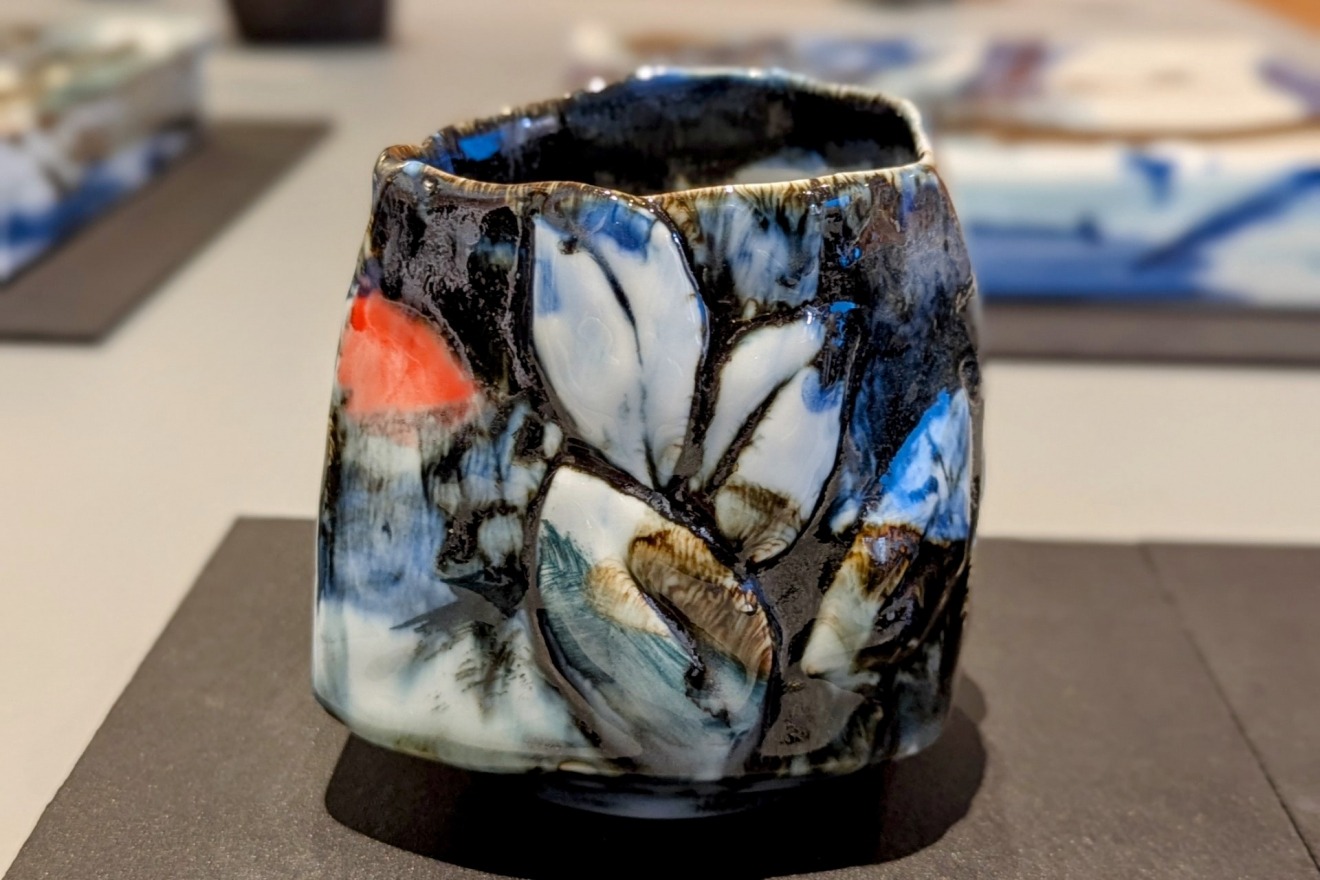
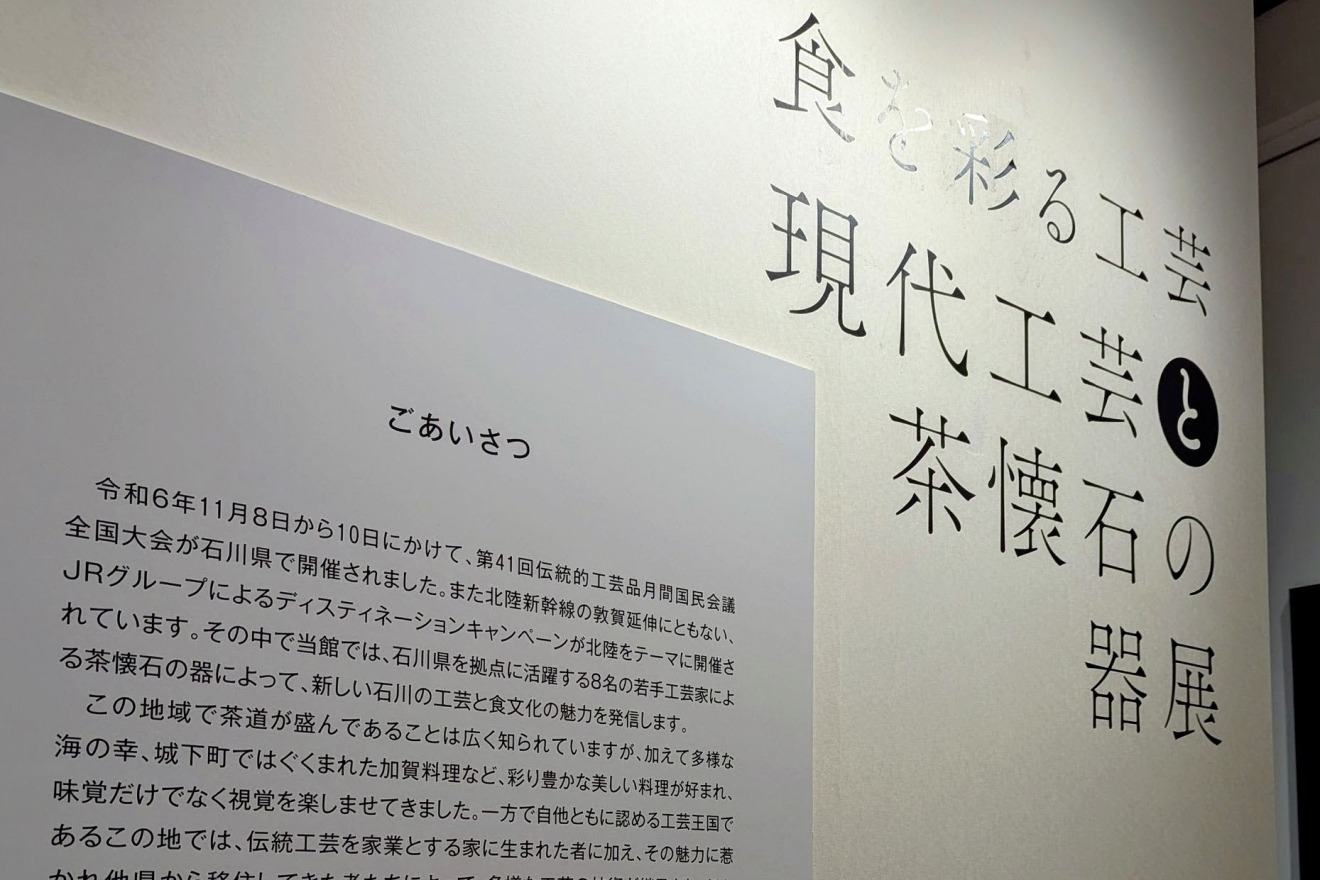
— The History and Living Culture of the Tea Ceremony in Kanazawa —
The tea ceremony (chanoyu or sadō) in Kanazawa has flourished under the strong patronage of the Maeda lords of the Kaga Domain. Even today, Kanazawa offers a unique glimpse into how deeply the culture of tea is interwoven with traditional crafts and artistic sensibilities.
Before Lord MAEDA Toshiie
One of the earliest roots of Kanazawa’s tea culture can be traced to the Hatakeyama clan, who ruled the Noto Peninsula. The tea master MARUYAMA Baisetsu was invited to the region, introducing refined cultural practices from Kyoto, including the tea ceremony. In 1581, MAEDA Toshiie was granted control over Noto and began to develop a keen interest in chanoyu.
Lord MAEDA Toshiie – Laying the Foundations of Kaga’s Culture
In 1583, MAEDA Toshiie entered Kanazawa Castle. He participated in major tea gatherings such as the Kitano Grand Tea Ceremony and hosted tea events even during his military campaigns. Though once known as a flamboyant kabukimono (eccentric warrior), in his later years, Toshiie became a cultured figure who deeply appreciated tea and Noh theater. He studied tea under renowned tea masters such as Sen no Rikyū and Oda Urakusai.
3rd Lord MAEDA Toshitsune – The Patron of Kaga Culture
The 3rd lord of Kaga, Toshitsune, placed great importance on the tea ceremony. He invited famed tea master KOBORI Enshū and welcomed the heir of KANAMORI Sōwa (founder of the Sōwa school), as well as Senso Sōshitsu , the ancestor of the Urasenke school. Sōshitsu traveled frequently between Kyoto and Kanazawa, serving the Maeda clan up to the reign of the 5th lord, MAEDA Tsunanori.
Toshitsune also transformed the castle's repair workshop (Osaikusho) into a facility for producing fine furnishings and utensils. He brought master artisans from Kyoto and Edo (Tokyo), thereby turning Kanazawa into one of Japan’s great craft capitals, rivaling Kyoto and Edo.
5th Lord MAEDA Tsunanori – The Height of Kaga Culture
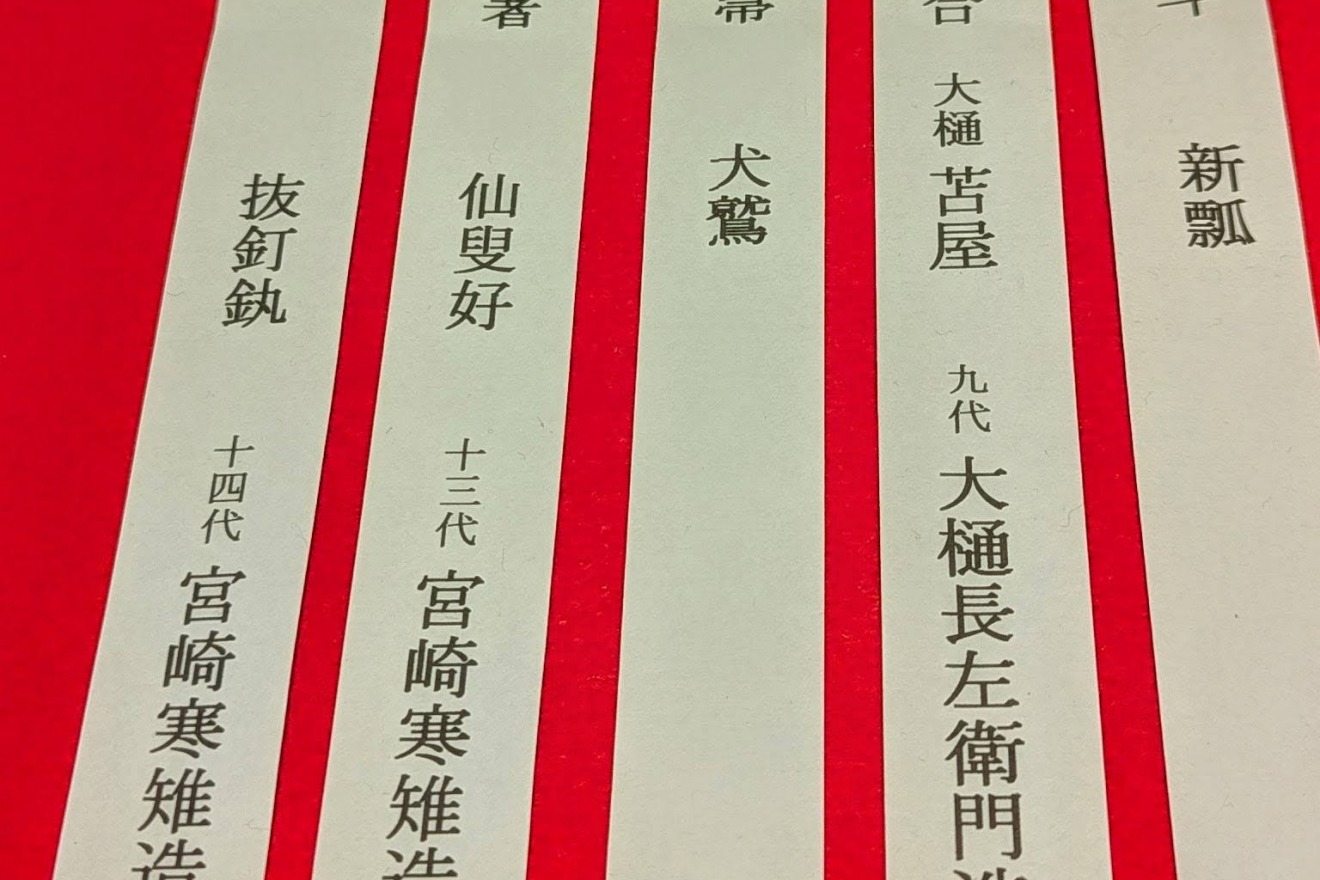
In 1666, SEN Sōshitsu brought HAJI Chōzaemon, a disciple of the fourth-generation Raku potter Ichinyu, from Kyoto to Kanazawa. Chōzaemon was granted land in Ōhi Village, where he founded the Ōhi ware kiln. SEN Sōshitsu also recommended MIYAZAKI Kanchi, a metalworker who became the official kettle maker for the Maeda clan. With support from the lords of Kaga, local production of tea utensils flourished, marking a golden age of tea culture and craftsmanship in Kanazawa.
The Meiji Era – A Flickering Flame
After the Meiji Restoration, the fall of the feudal system led to a decline in patronage for tea culture. However, Urasenke’s 11th-generation master Gengensai and Omotesenke’s 11th master Rōrōsai both visited Kanazawa and deepened ties with local tea practitioners. Gengensai, in particular, stayed in Kanazawa for about 90 days in 1875, teaching tea to many local disciples.
During this period, with the dissolution of samurai households, many tea utensils and art objects were put up for sale. Yet, Kanazawa’s tea connoisseurs acquired and preserved these cultural assets. Figures such as INOUE Kaoru, TAKAHASHI Sōan, and TAKAHASHI Korekiyo—leading tea aesthetes of the time—visited Kanazawa to participate in tea gatherings, keeping the spirit of tea alive.
The Present – Evolving and Deepening Tea Culture
Today, Kanazawa is recognized as one of Japan’s leading cities for tea culture. According to the 2014 Economic Census, it boasts the highest number of tea schools in Japan. In 2023, it ranked first in the nation for traditional sweets (wagashi) consumption—a testament to the local appreciation of tea customs. Ishikawa Prefecture also has the highest number of Living National Treasures in the field of traditional crafts.
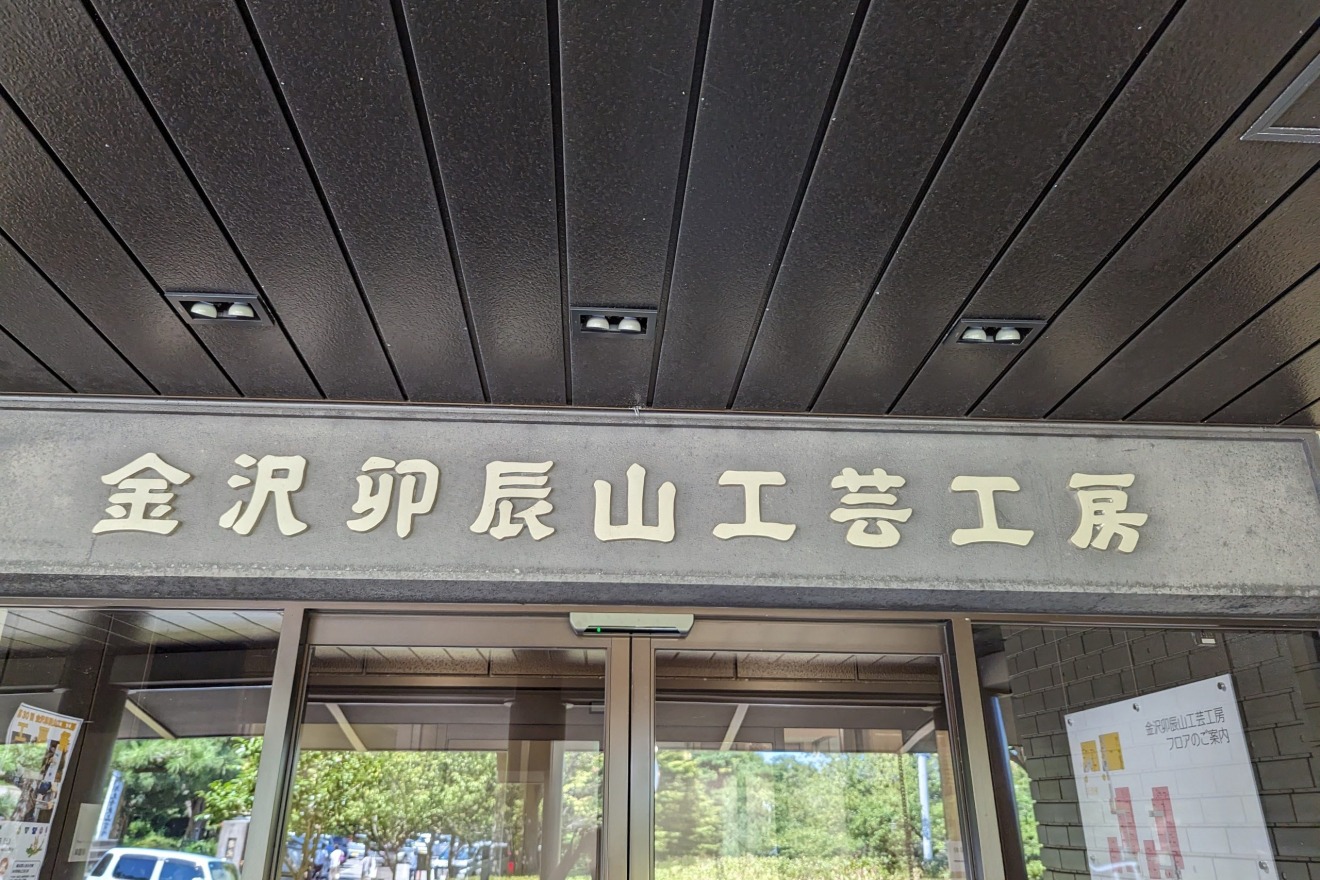
Craft traditions such as Kanazawa lacquerware, Wajima-nuri (lacquerware), Kutani porcelain, and Kaga Yuzen dyeing continue to thrive. Institutions like the Kanazawa College of Art and the Utatsuyama Craft Workshop attract young artists from across Japan, fostering a dynamic and evolving creative community.
Local governments actively support tea culture through initiatives such as the Kanazawa Kodomo Chakai (Children’s Tea Ceremony School), nurturing future generations of tea practitioners. Public tea gatherings are also regularly hosted throughout the year, spreading awareness and appreciation of sadō.
The legacy of chanoyu in Kanazawa enriches daily life and influences the region’s crafts and fine arts. We invite you to experience this cultural richness firsthand. Whether you participate in a tea gathering or hold a handmade teacup, you'll feel the depth and beauty of Kanazawa’s enduring heritage.
Discovering Kanazawa Through the Beauty of the Japanese Tea Ceremony
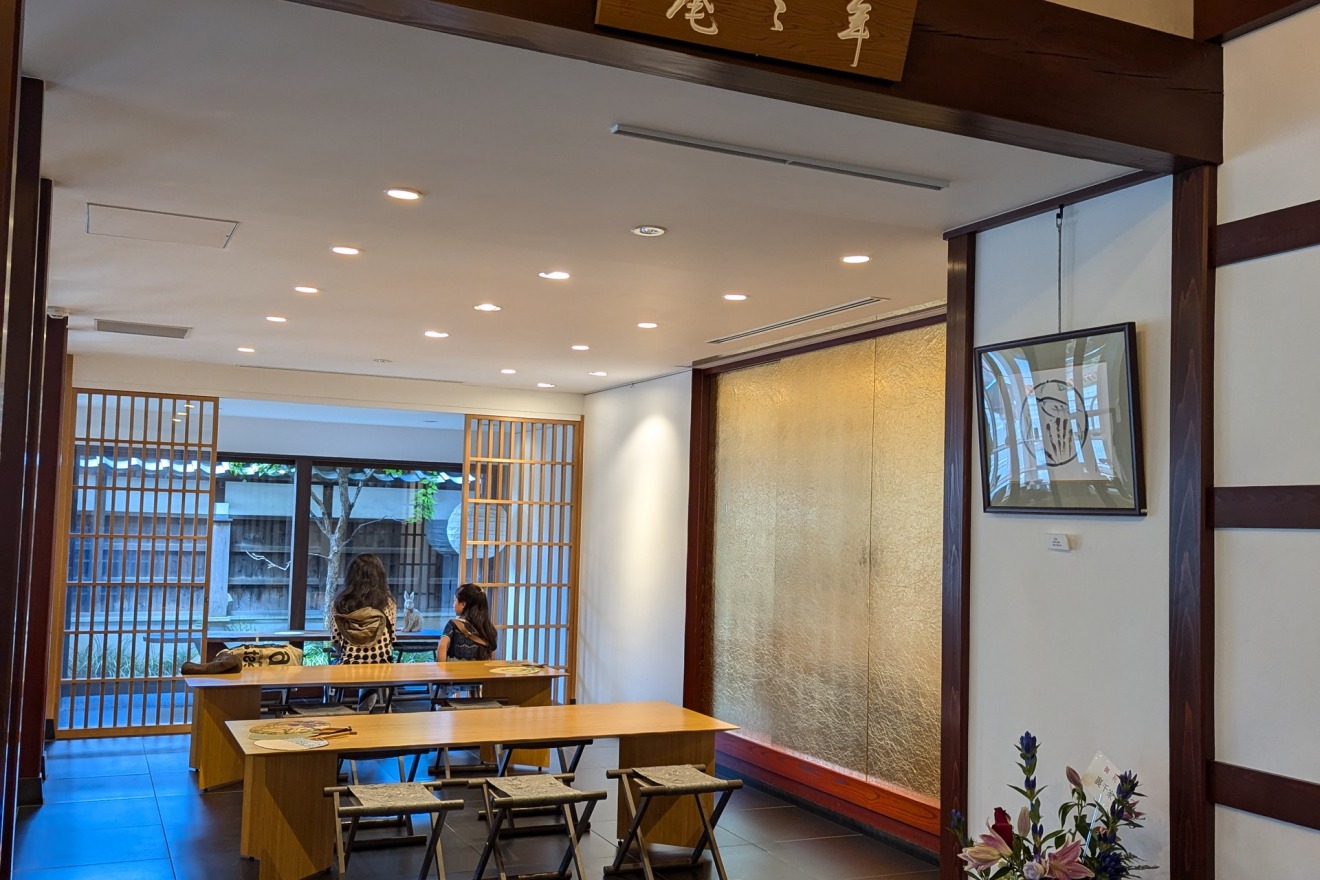
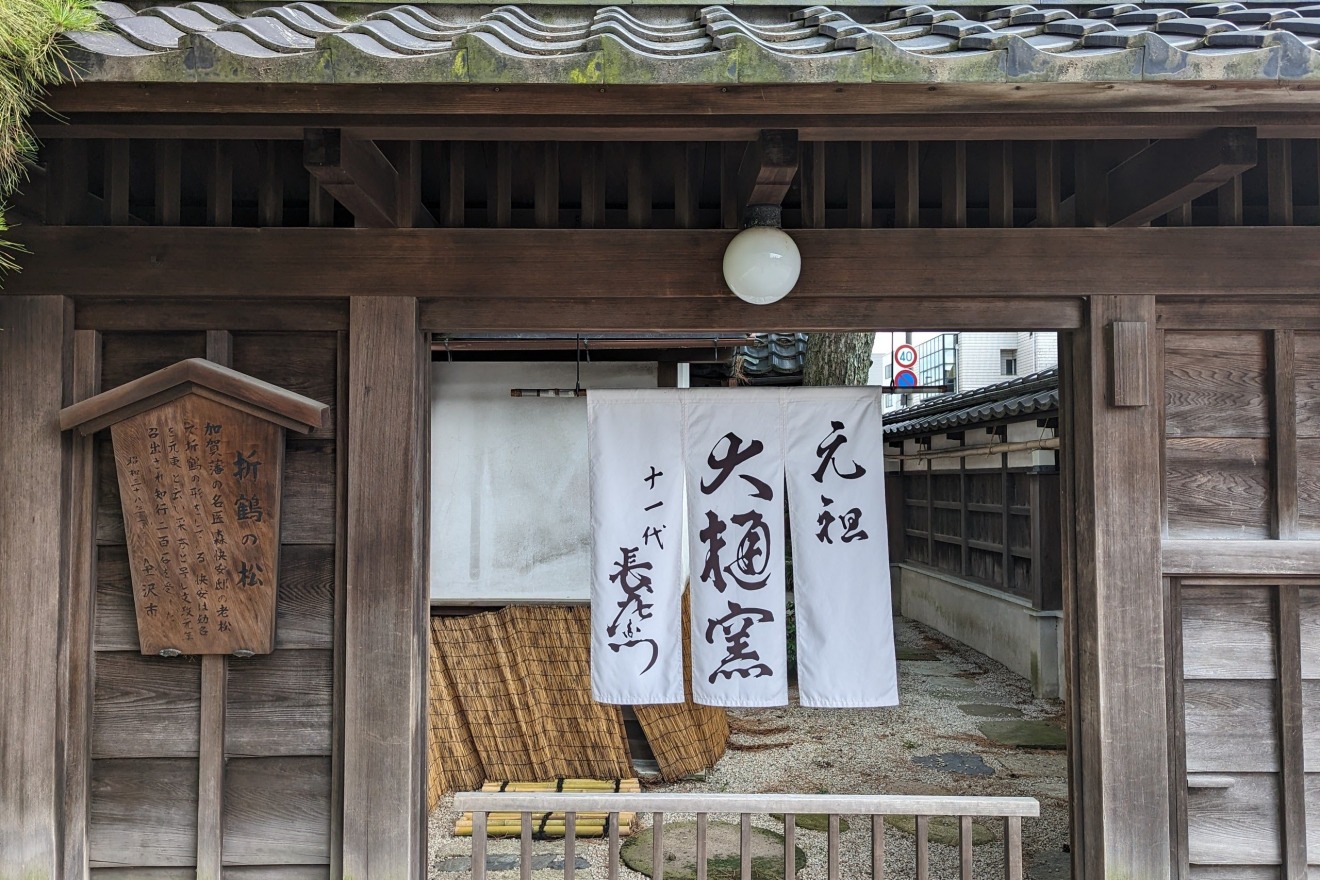
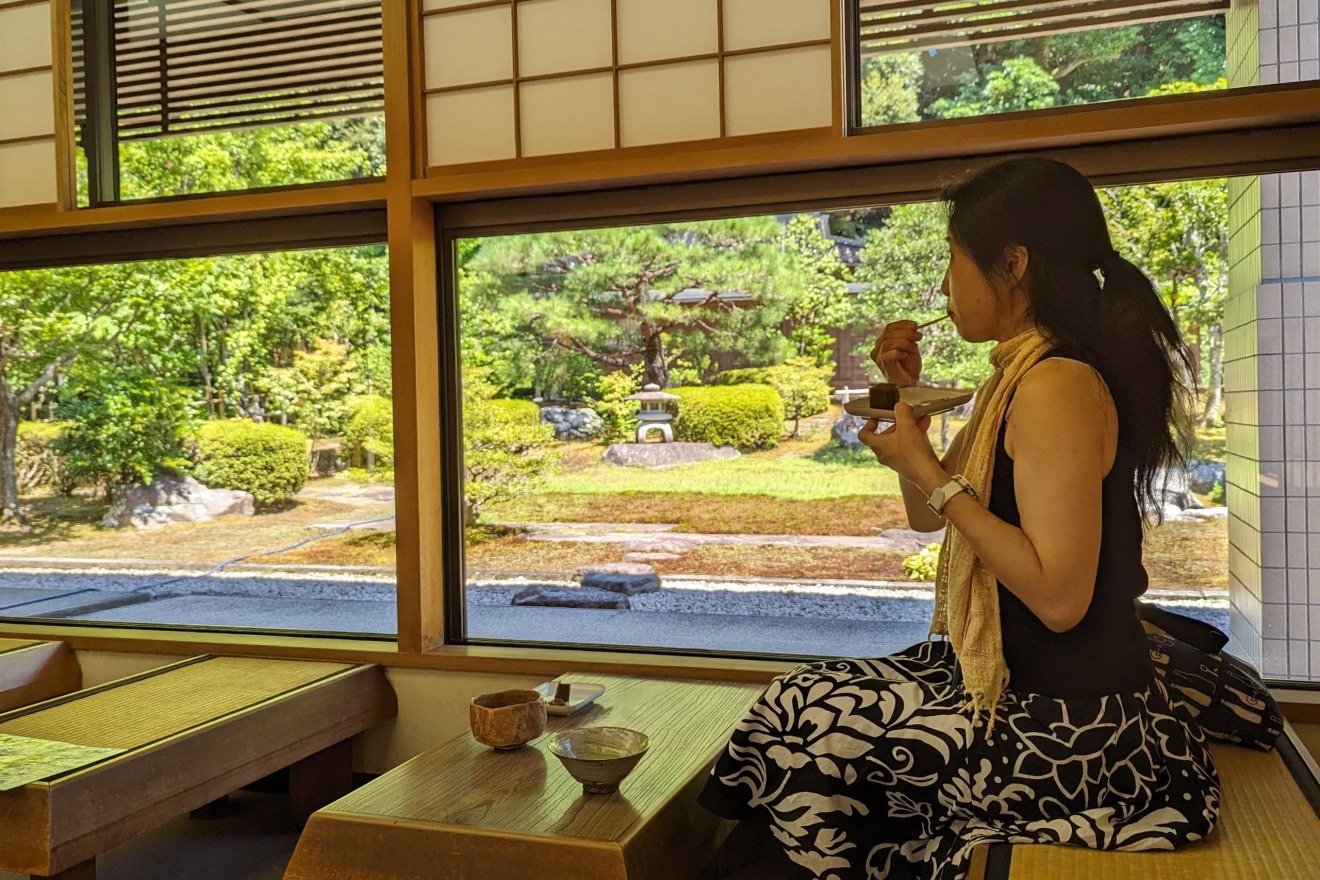
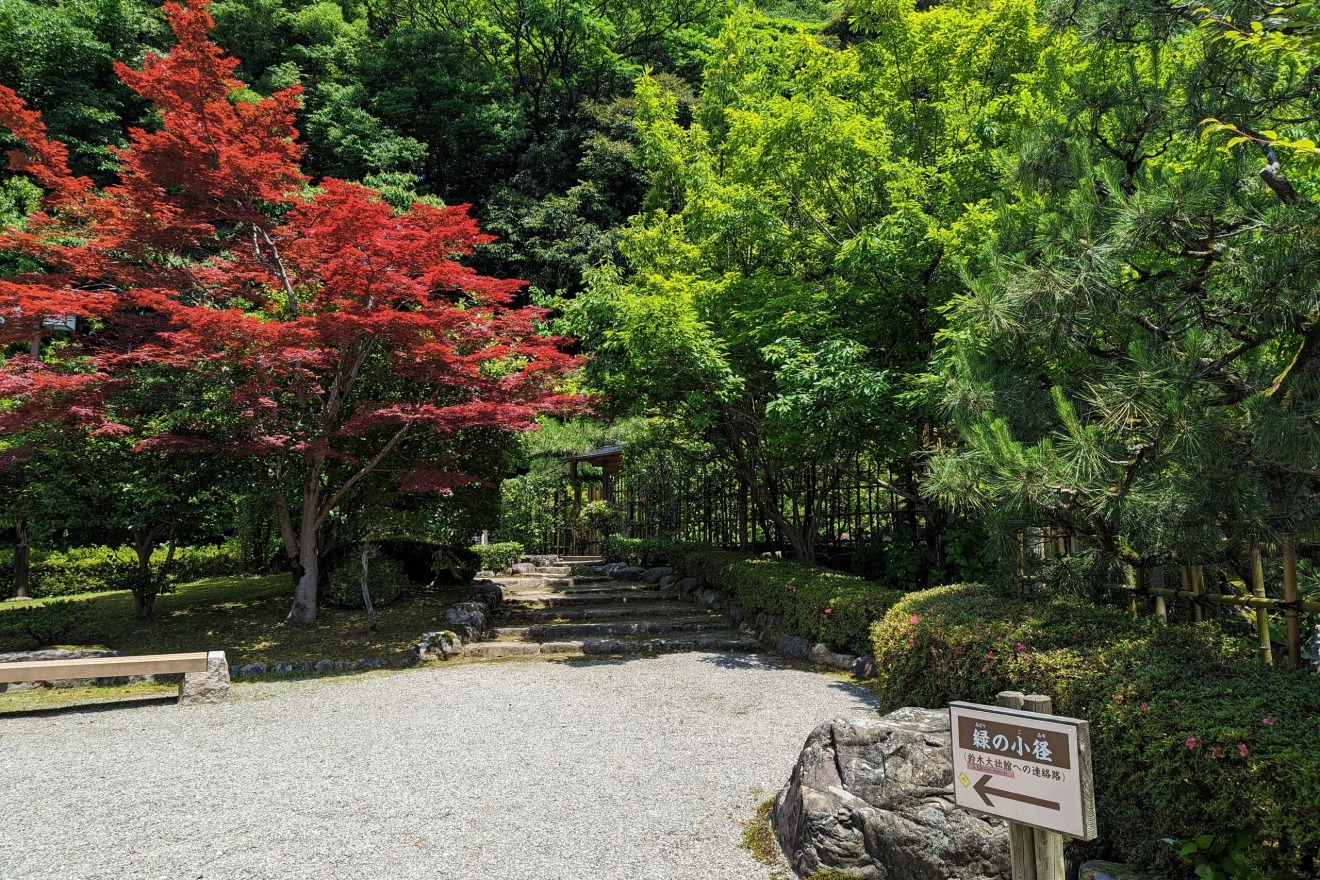
Kanazawa offers many places where you can experience the history and beauty of the tea ceremony. Here are some notable tea-related spots to visit in the city.
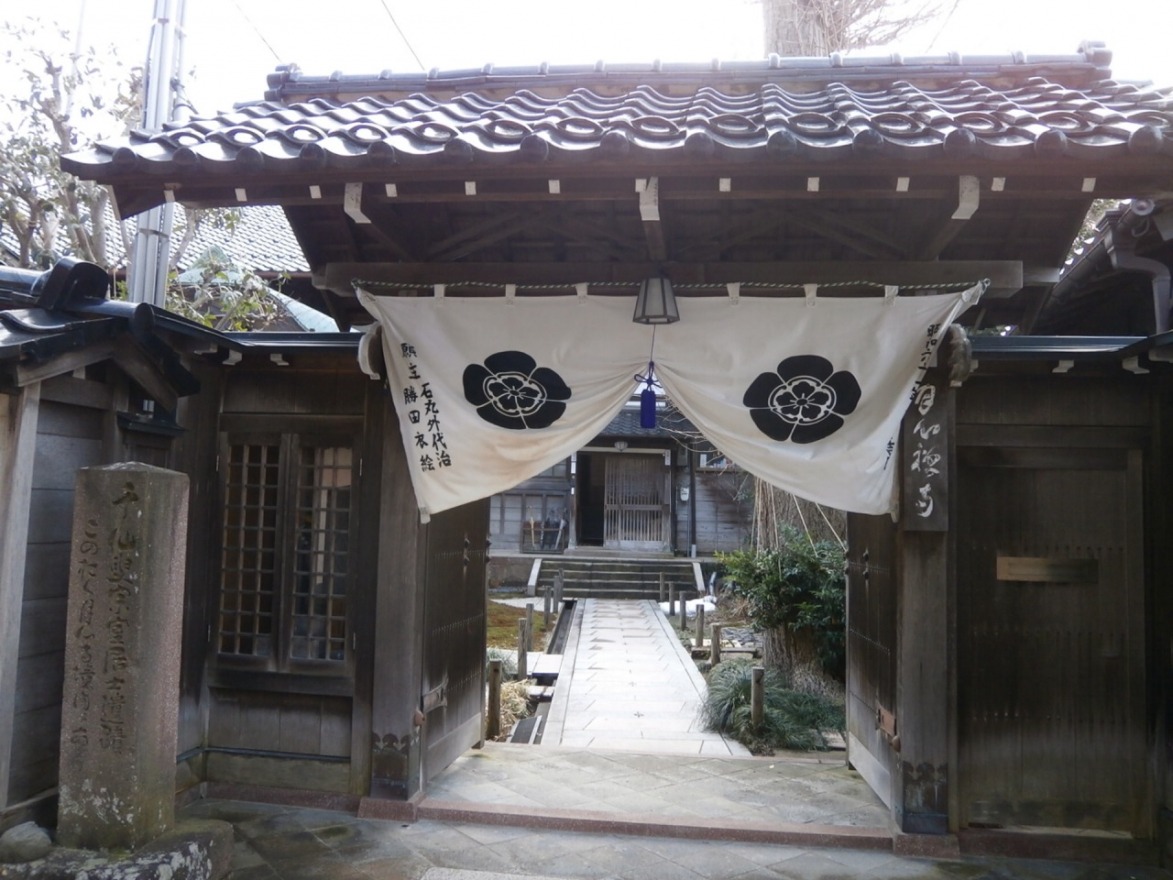
The site of the residence of Senso Sōshitsu (千仙叟宗室居士邸地跡)
This site was once the residence of Senso Sōshitsu, the great-grandson of SEN no Rikyū and the founder of the Urasenke school of tea. In 1652, Sōshitsu was invited by Toshitsune Maeda, the third lord of the Kaga clan, to serve as the tea master. Initially, Sōshitsu lived in Komatsu Castle, but after Toshitsune's death, he was given this land to build his residence. Sōshitsu constructed a tea room called Rōgetsu-an, modeled after SEN no Rikyū's "Kon-nichian." Today, visitors can see the Kōkō-an, with a calligraphy by Sen Genshitsu(15th Generation), and the Shōun-kan, which signifies the deep ties to the Maeda family. (Interior visits are not allowed.)
Location: Ōtemachi 9-5
Note: Only the exterior is open for viewing.
Gesshin-ji Temple (月心寺)
Gesshin-ji is the burial site of Sen Sōshitsu, and every 23rd of the month, a tea ceremony is held in his memory. The temple features several tea rooms, including Chokushin-an, Gyōkū-tei, and Shigetsuken, though they are not open to the public. The temple was established in 1650 by the Sōtō school of Zen Buddhism and is located in an area designated as a traditional building preservation district. It offers a peaceful environment to enjoy the beauty of both nature and history.
Location: Yamanouemachi 1-43
Note: Reservations are required for visits.
Ōhi Museum (大樋美術館)
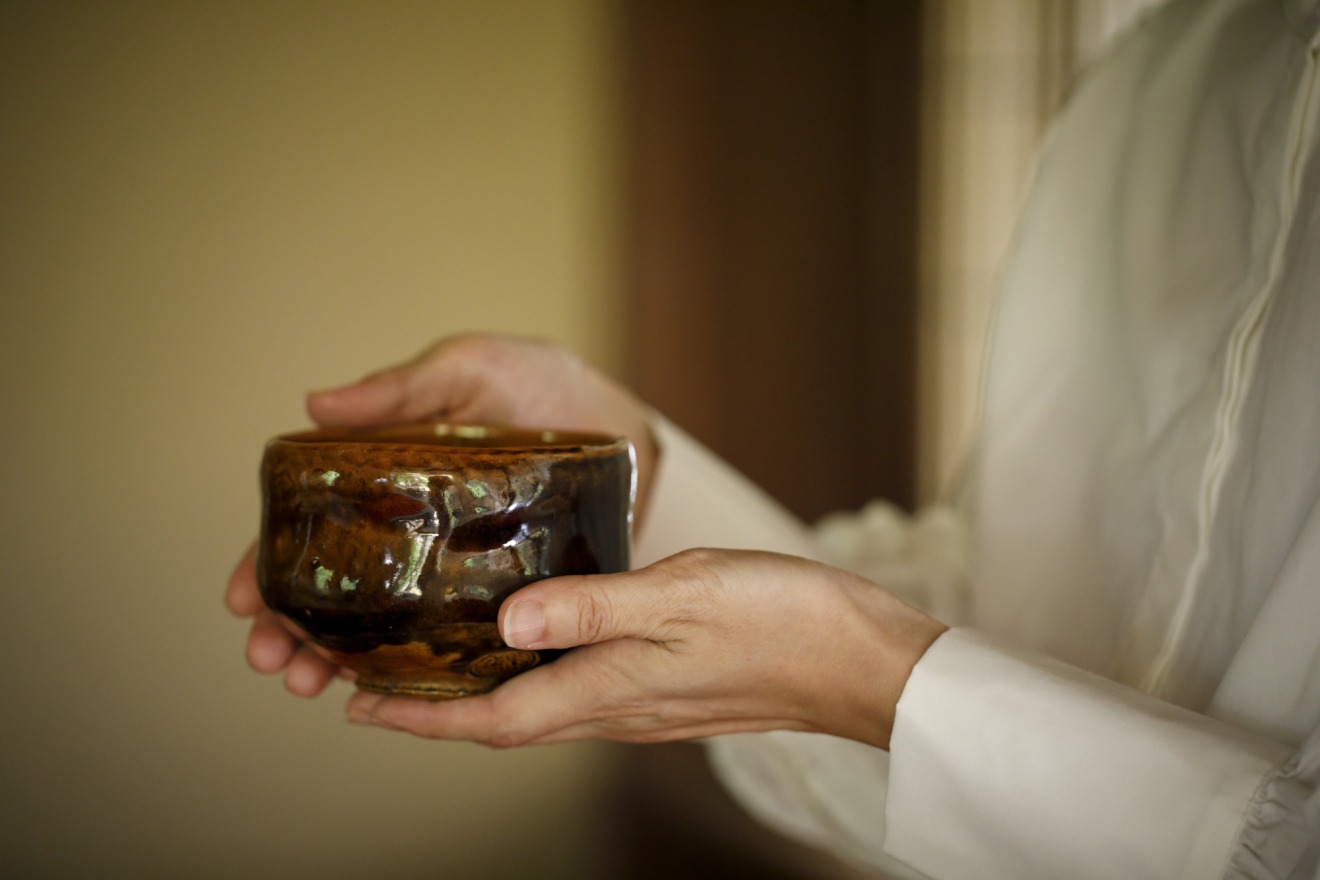
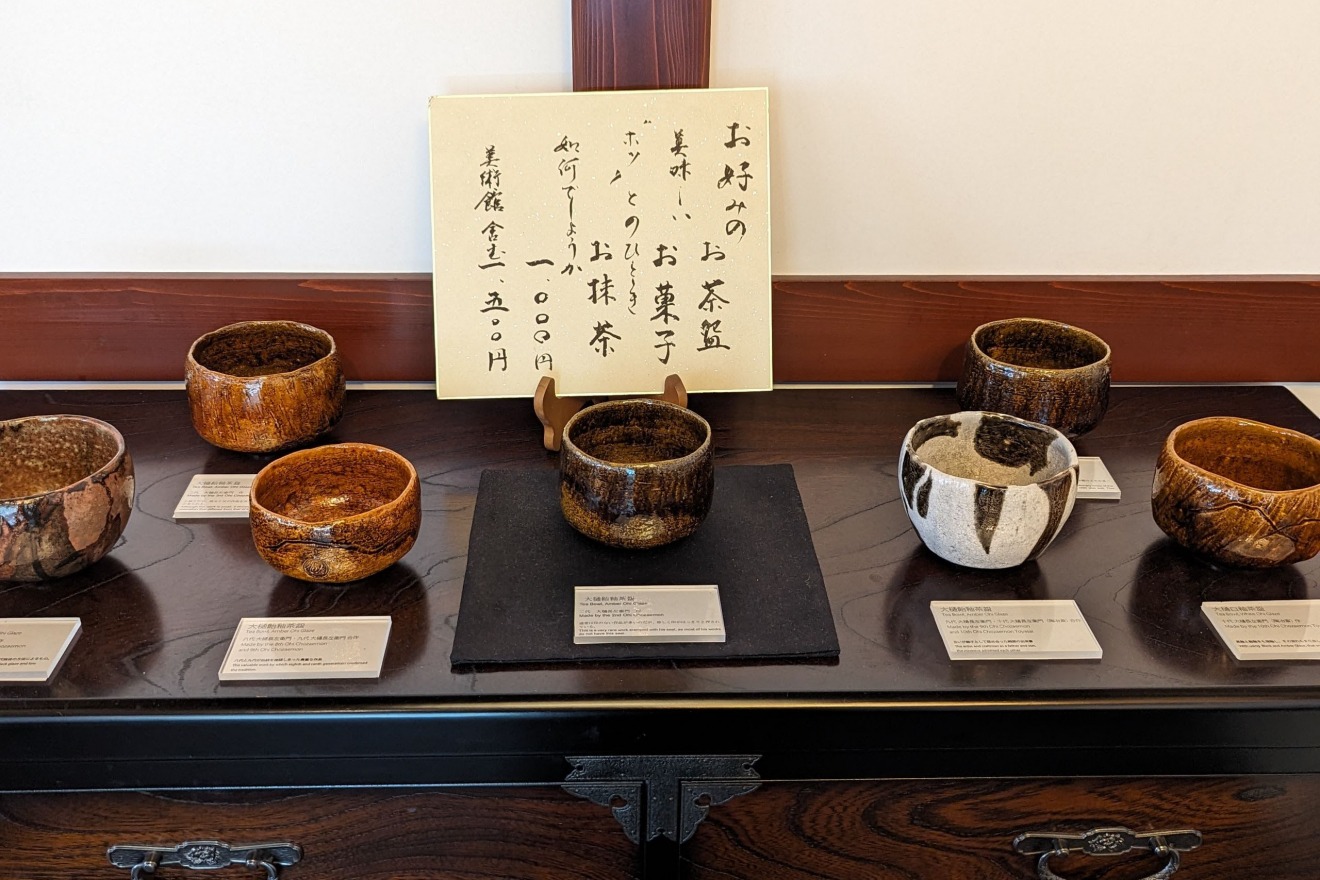
An essential place for tea ceremony culture in Kanazawa, the Ōhi Museum tells the story of the Ōhi Ware. The history of the Ōhi ware begins with Sen Sōshitsu invitation by Tsunanori MAEDA, the 5th lord of the Kaga clan, who later brought his disciple Tōji Chozaemon to Kanazawa. Chozaemon became the founder of Ōhi ware, which is characterized by hand-shaping the pottery rather than using a wheel and glazing it with a distinctive amber glaze. The museum exhibits works of Ōhi ware from its first generation to the present day and offers visitors the opportunity to enjoy matcha in tea bowls made by the successive generations of Ōhi family. The 600-year-old pine tree on the property is also a city-designated cultural asset.
Location: Hashibacho 2-17
Note: Recognized with one Michelin Green Guide star.
Kanazawa City Nakamura Memorial Museum (金沢市立中村記念美術館)
This museum displays approximately 1,000 items collected by Eishun NAKAMURA, a sake merchant. He believed that art belonged to the people, not just individuals, and donated his collection of tea utensils to the museum for public viewing. The collection includes valuable tea utensils, including important cultural assets. Visitors can select a tea utensil to use and enjoy matcha and sweets while learning about the history and beauty of tea culture.
Location: Honda-machi 3-2-29
Note: The museum is surrounded by lush greenery and is connected to other cultural spots, including the Suzuki D.T Museum and the Kanazawa Prefectural Museum of Art.
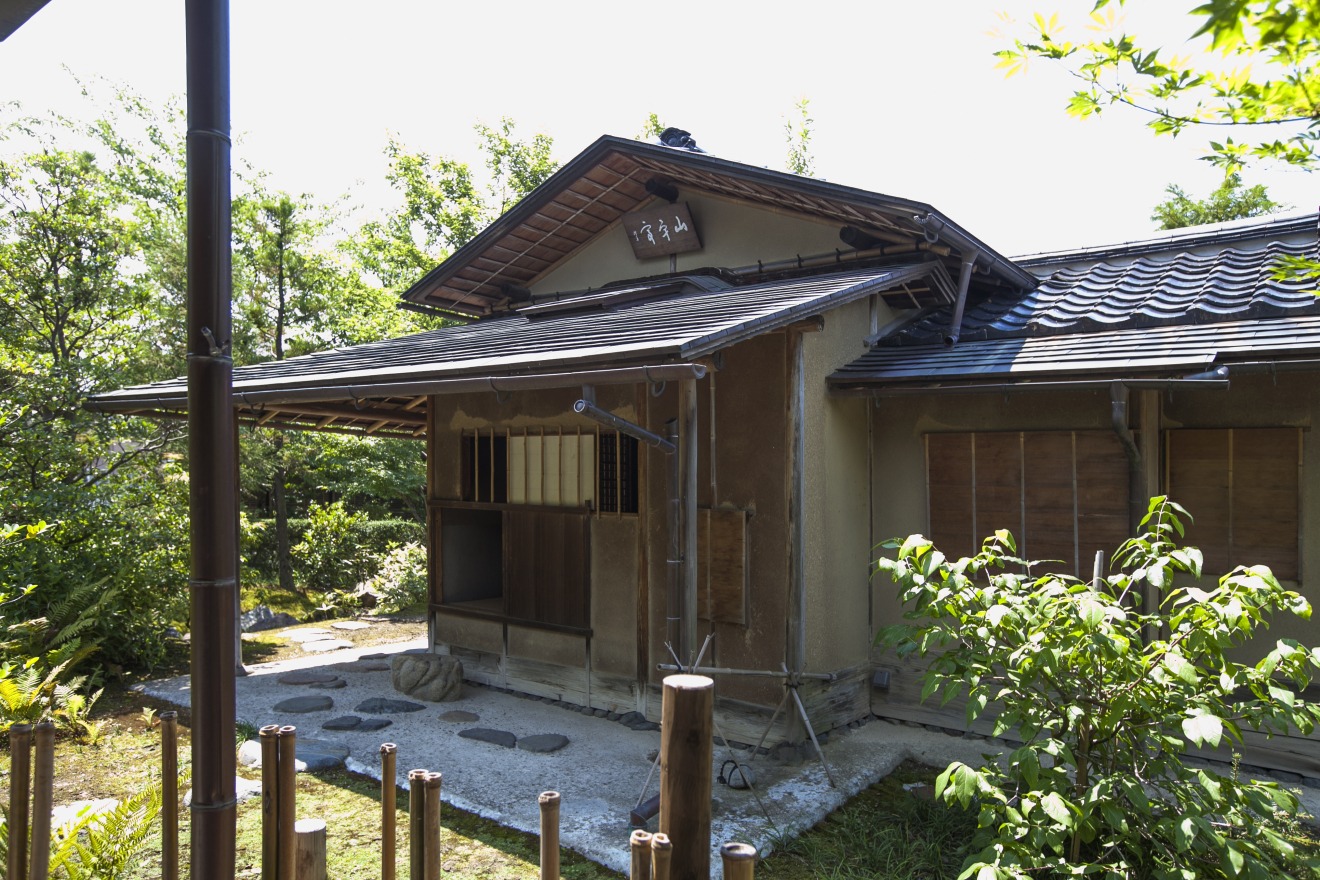
Shōtō-an (松涛庵)
Originally built in the late Edo period as a retreat for the 12th Kaga clan lord, Nariyasu MAEDA(the 13th lord of the Kaga clan), Shōtō-an was later moved to Kamakura (now the Kamakura Literature Museum). In 1936, the 16th head of the Maeda family, Toshinari MAEDA, remodeled it into a sukiya-style tea room, naming it Shōtō-an. Eventually, the tea room was relocated to the grounds of the Kanazawa 21st Century Museum, where it remains today. The adjacent Yama-utei tea room was moved from Takaoka, Toyama Prefecture, in 1951.
Location: Hiroseka 1-2-1 (inside Kanazawa 21st Century Museum)
Note: Free to visit.
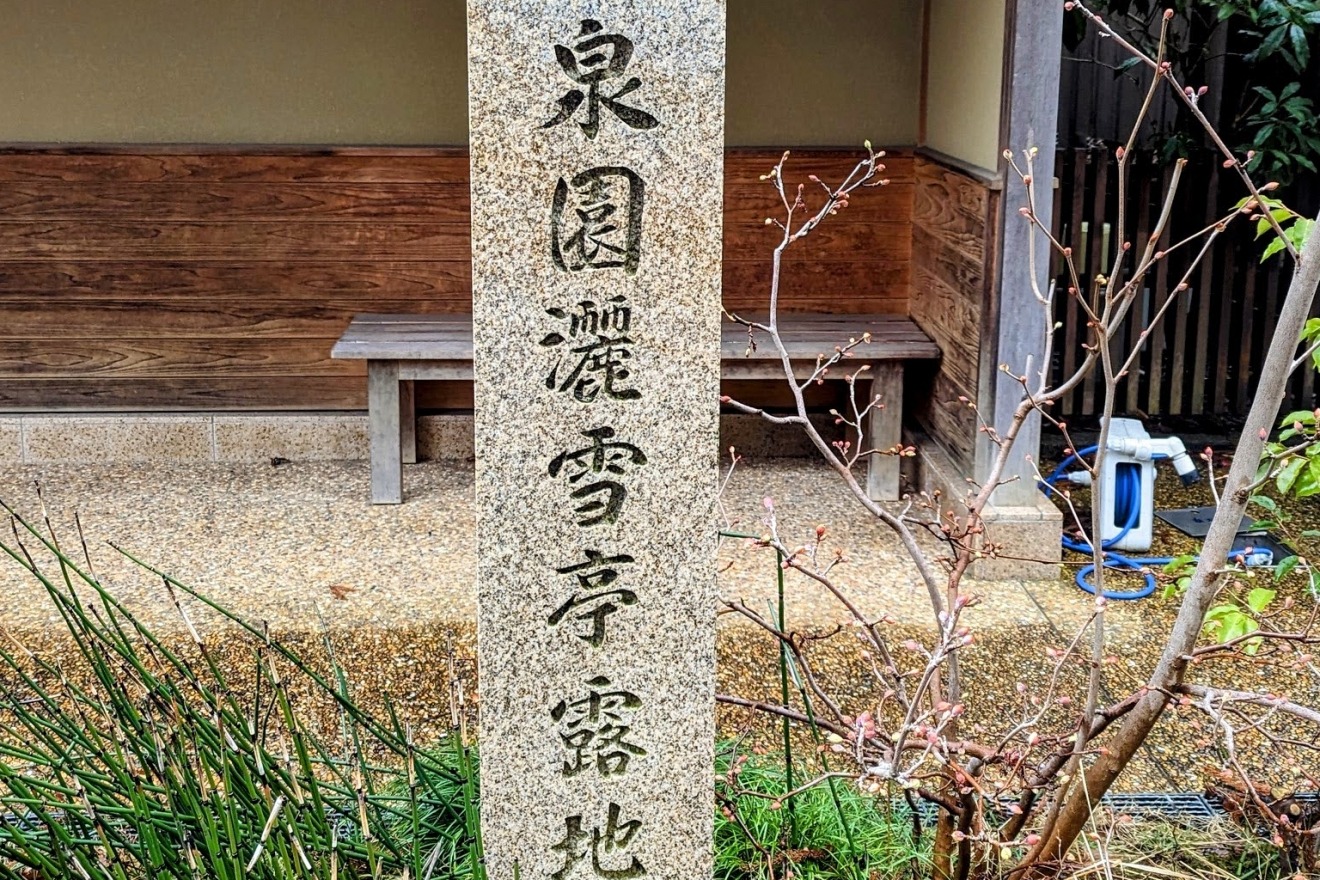
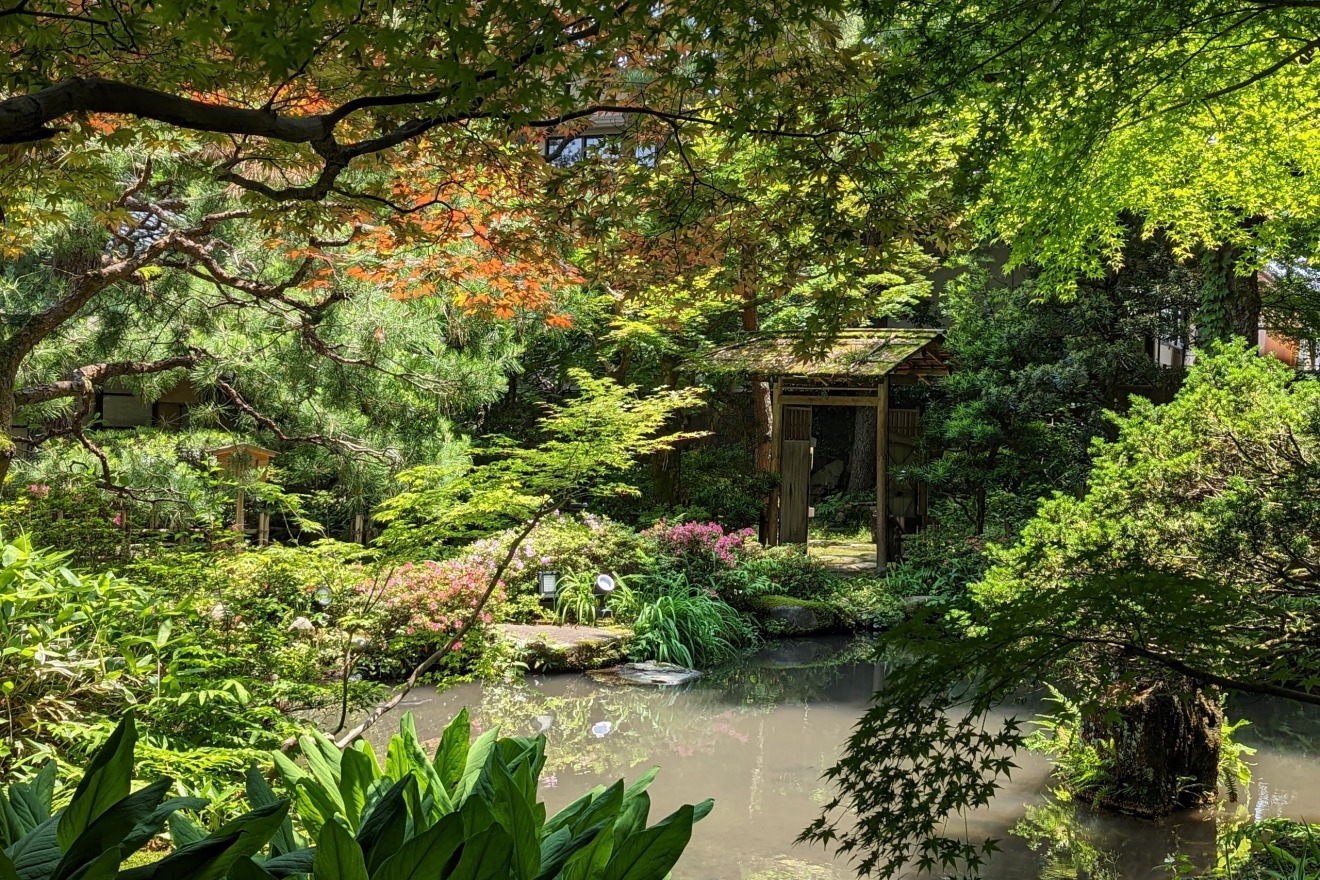
Nishida Family Garden / Gyokusen-en (西田家庭園・玉泉園)
Gyokusen-en is one of Kanazawa’s oldest gardens, predating Kenrokuen Garden by 120 years. Within the garden stands Saisetsu-tei, the oldest tea room in Kanazawa, created under the guidance of Sen Sōshitsu, the 4th generations from SEN no Rikyū. The garden features unique elements like a Christian lantern, stepping stones, and a tsukubai (stone water basin). The garden is designed with varying elevations and leads visitors from the Saishō-tei tea room through different sections of the garden. Gyokusen-en garden was originally built by a high-ranking samurai of the Maeda clan and later became part of the Nishida family property.
Location: Koshō-machi 8-3
Note: Closed in winter. The restaurant Gyokusen-tei offers meals with views of the scenic garden.
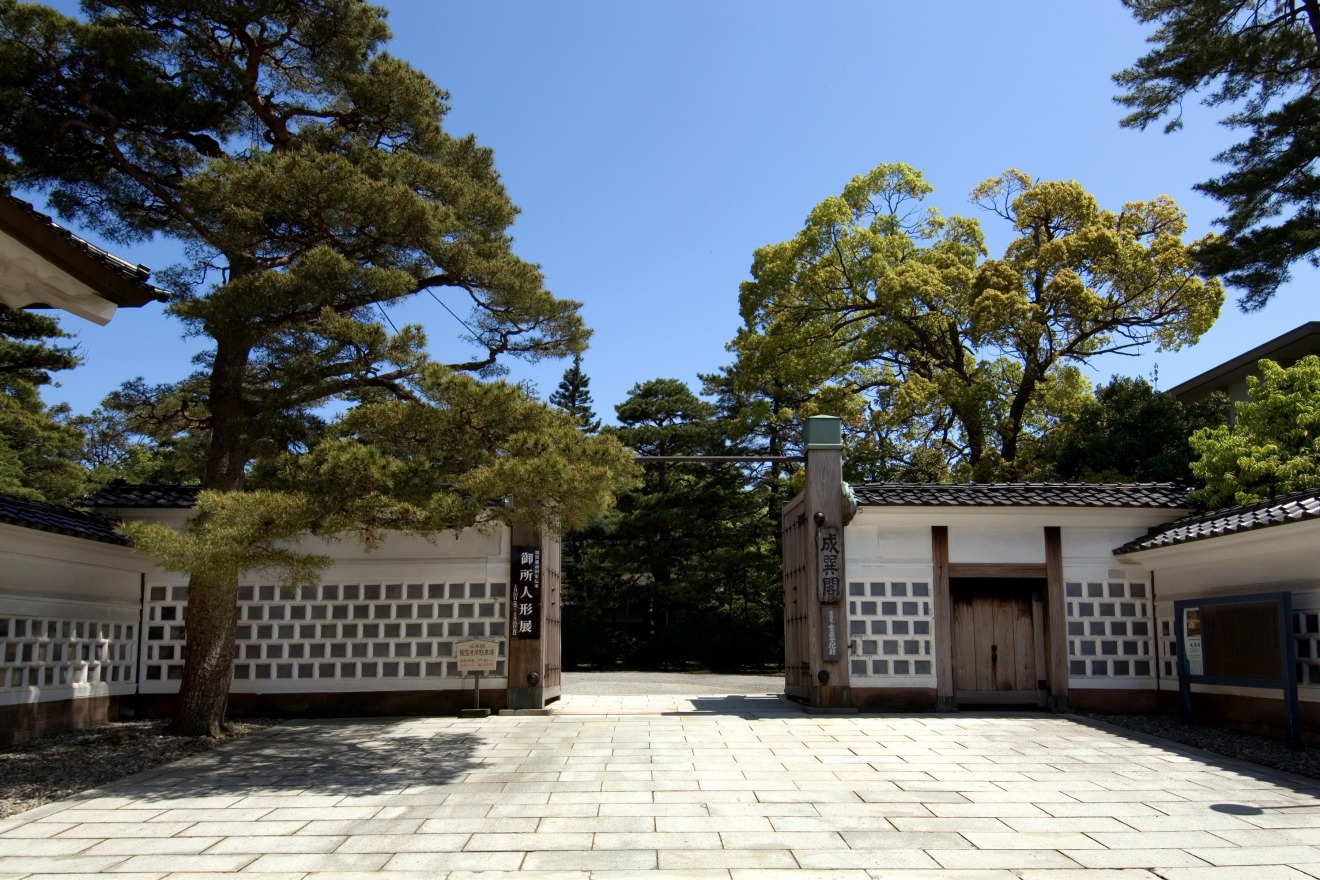
Seisonkaku / Seikōken Tea Room (成巽閣・清香軒)
Seisonkaku was built by Nariyasu MAEDA, the 13th lord of the Kaga clan, as a retirement home for his mother, Shinryūin. It is now a National Important Cultural Property. The architecture blends samurai house style with sukiya-style tea rooms. The Gunjō-no-ma, a room painted in vibrant blue, features rich colors and floral motifs, creating an elegant atmosphere. The Seikōken tea room, normally not open to the public, is part of Seisonkaku and was designed for tea ceremonies even in snowy conditions.
Location: Kenroku-machi 1-2 (inside Seisonkaku)
Note: Reservations required to see Seikoken Tea Room.
Enjoy Matcha in an Atmosphere-Filled Space
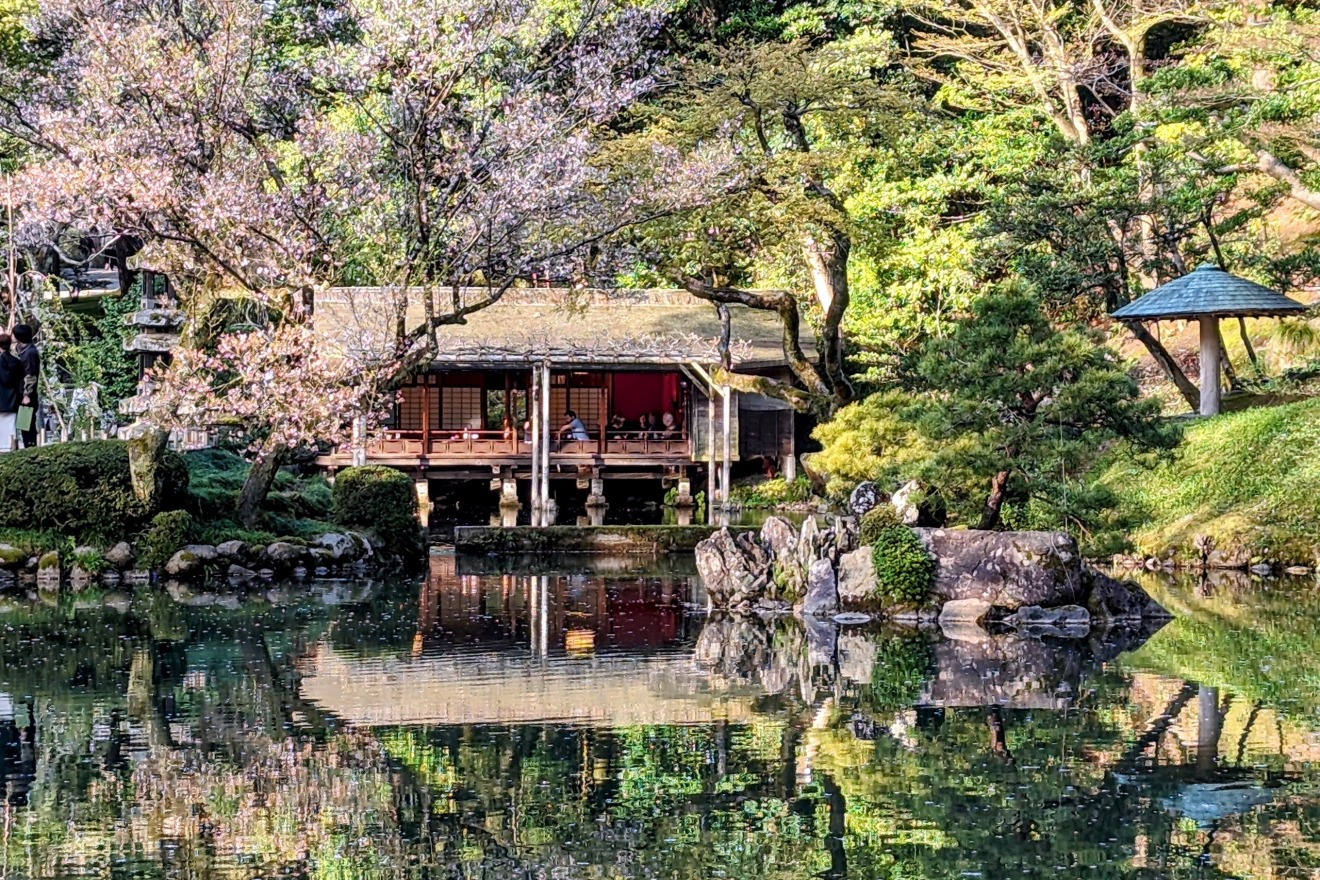
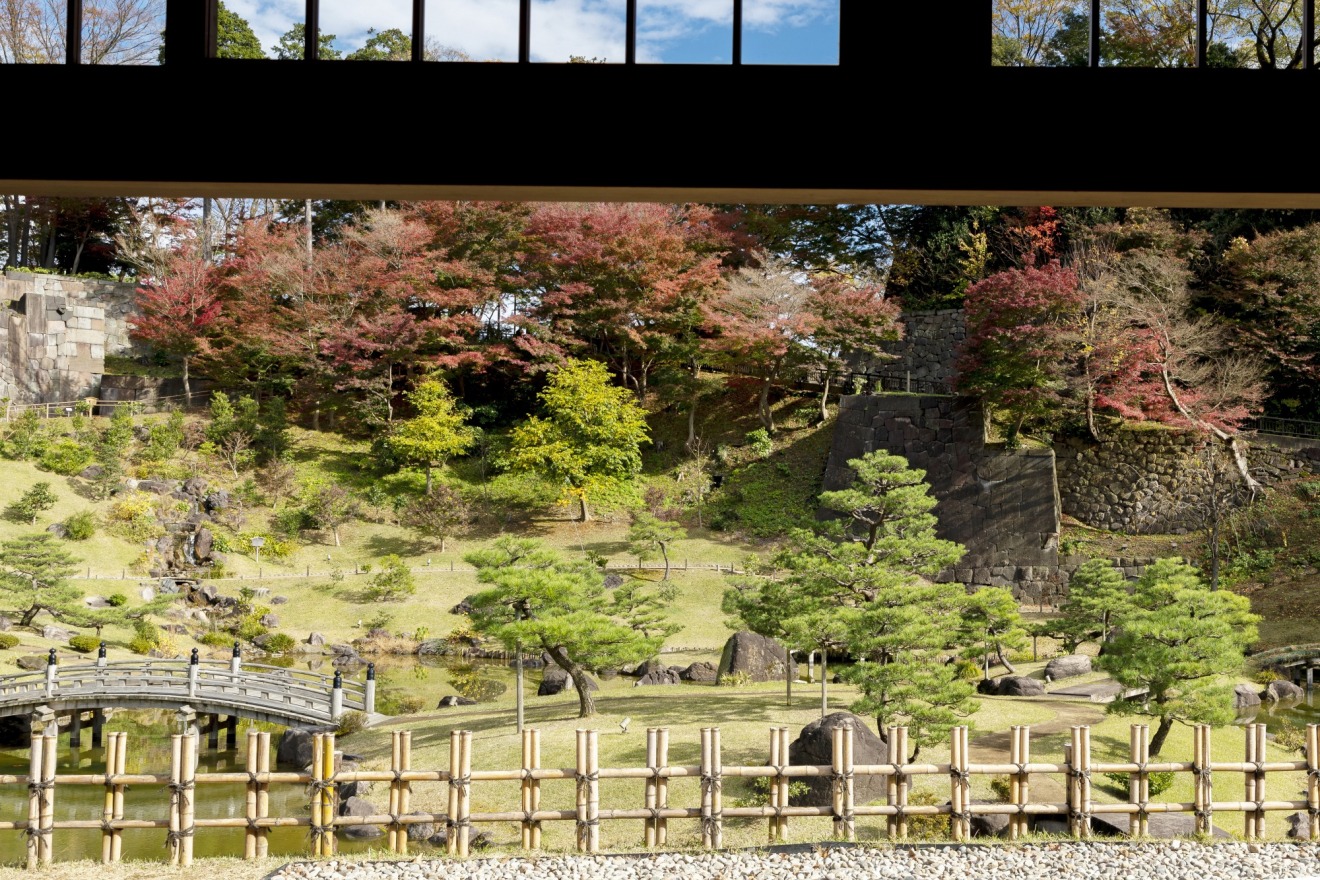
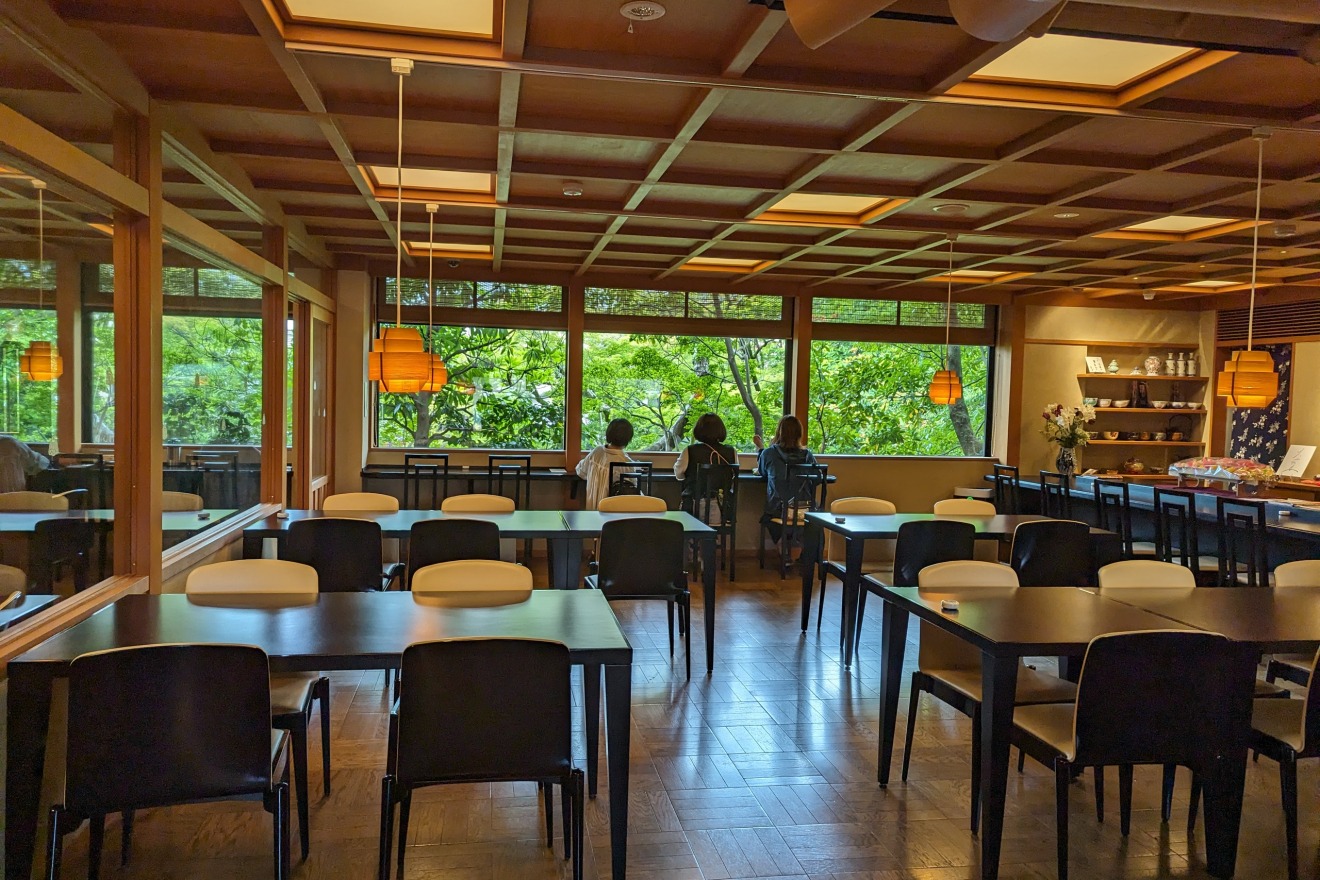
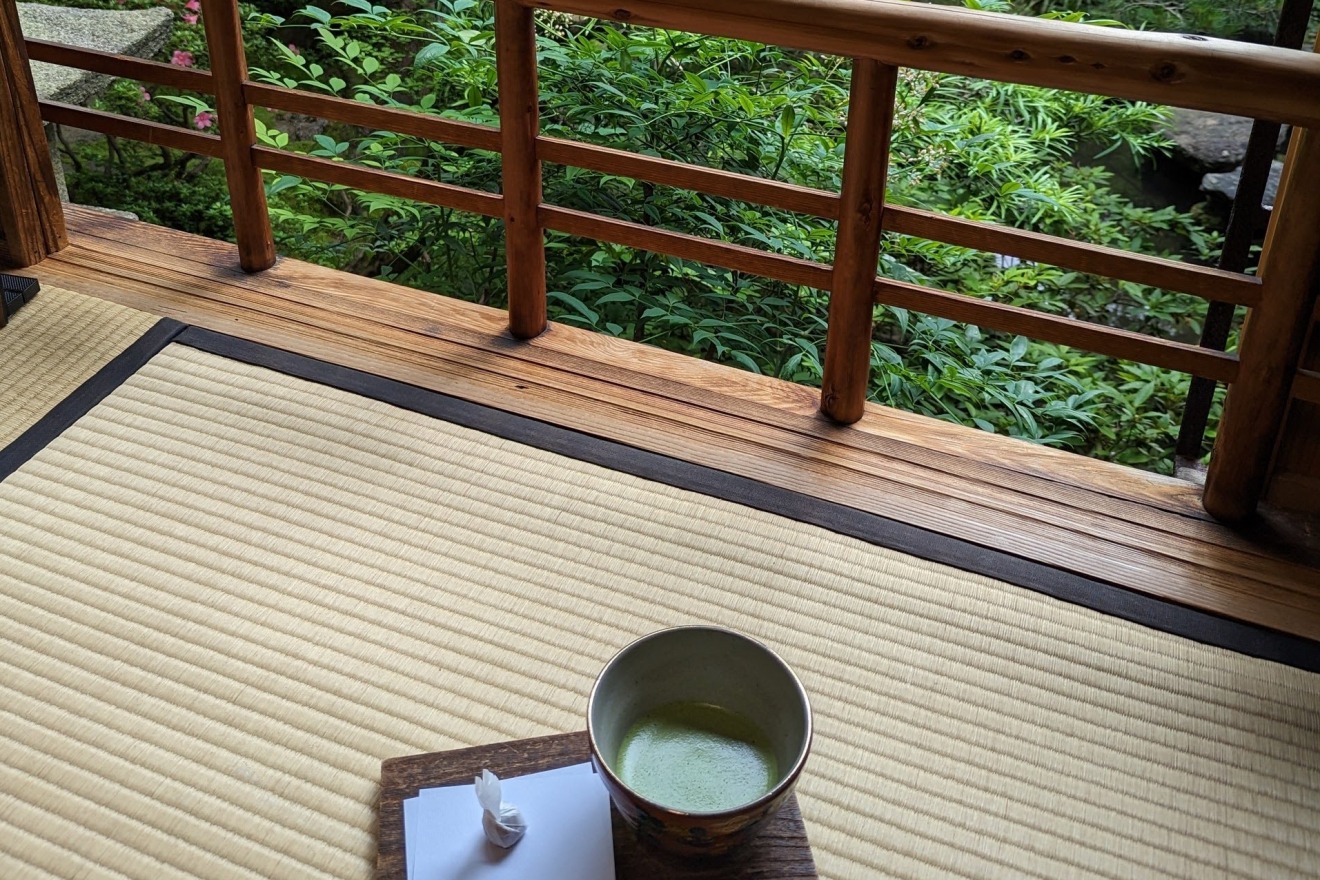
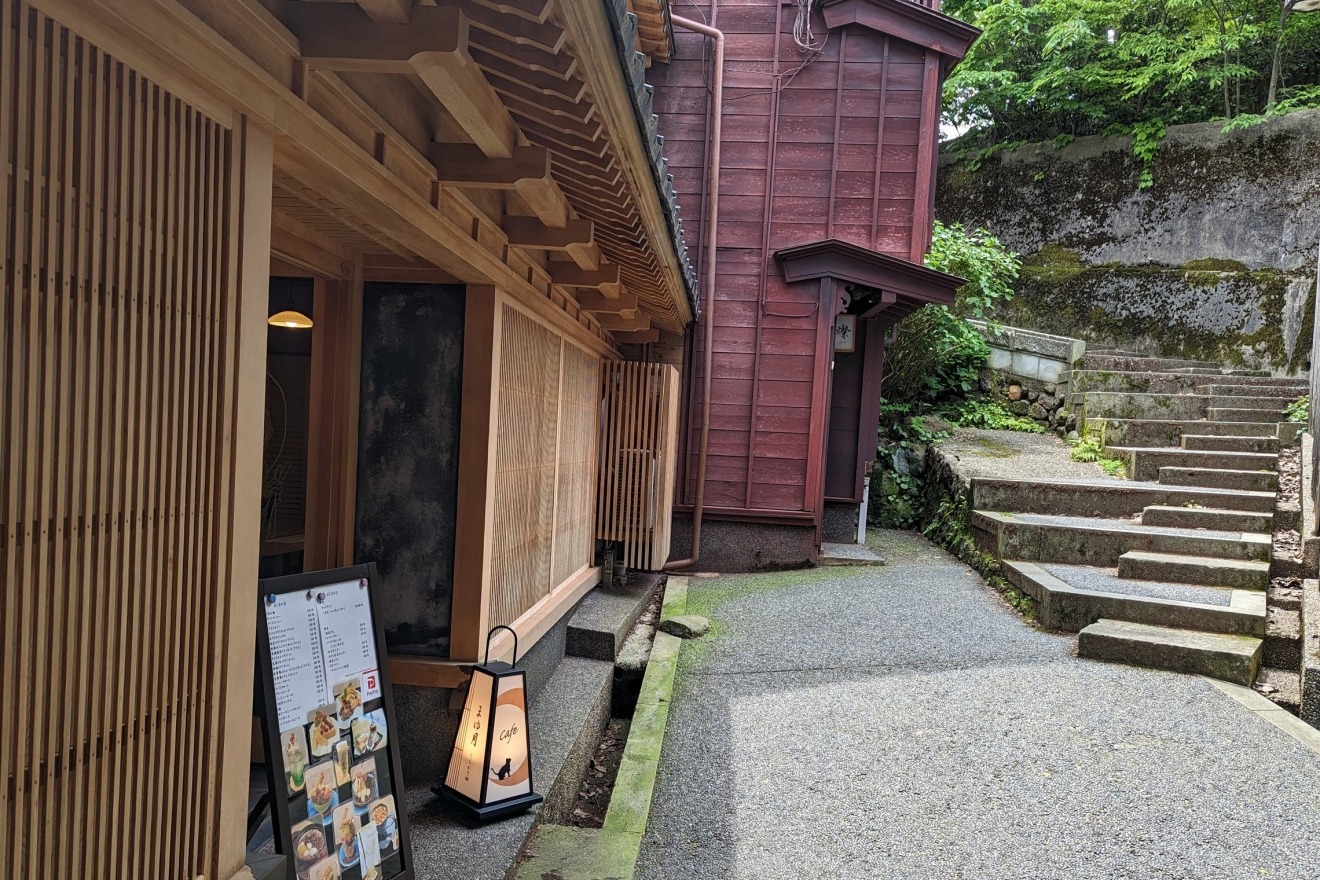
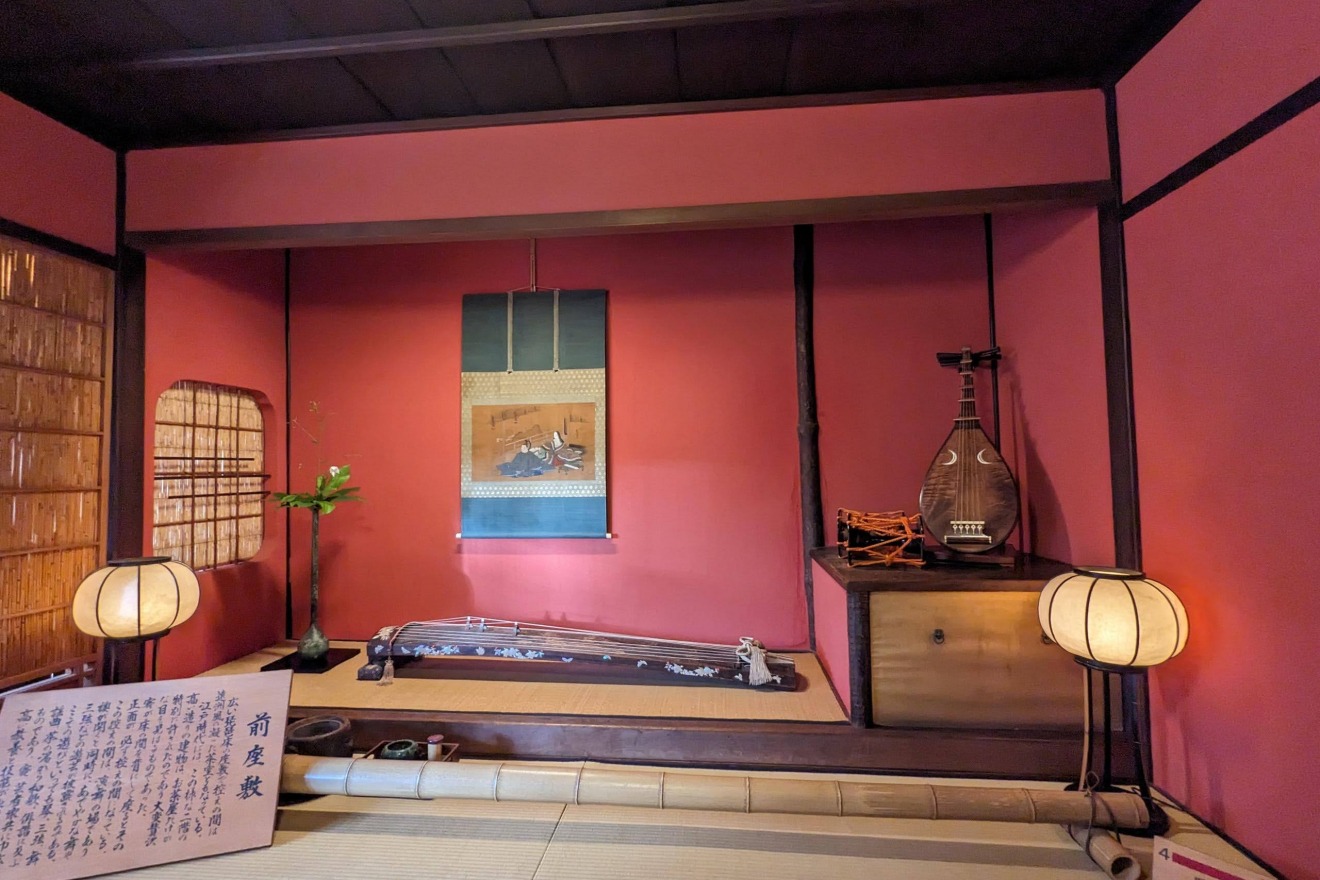
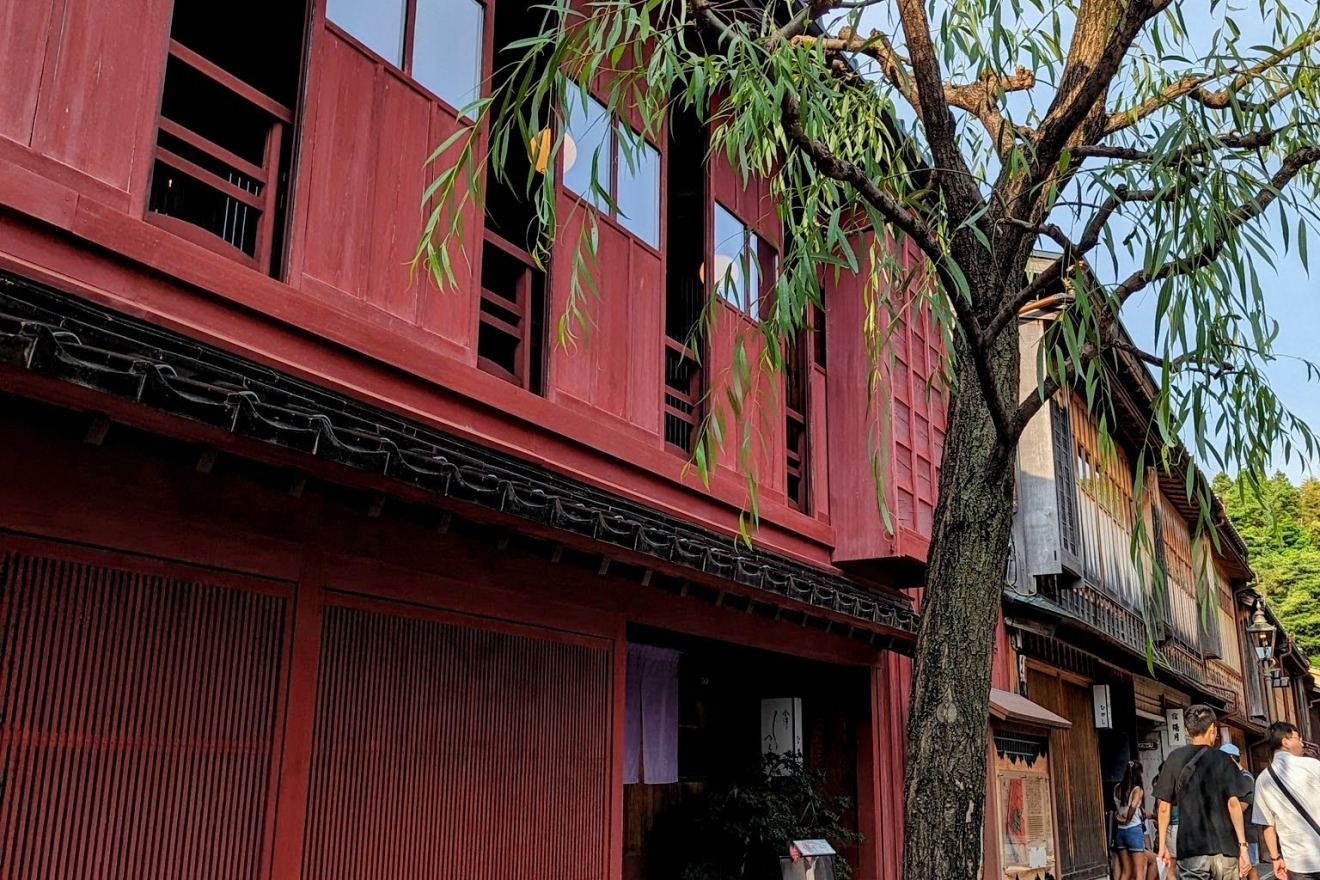
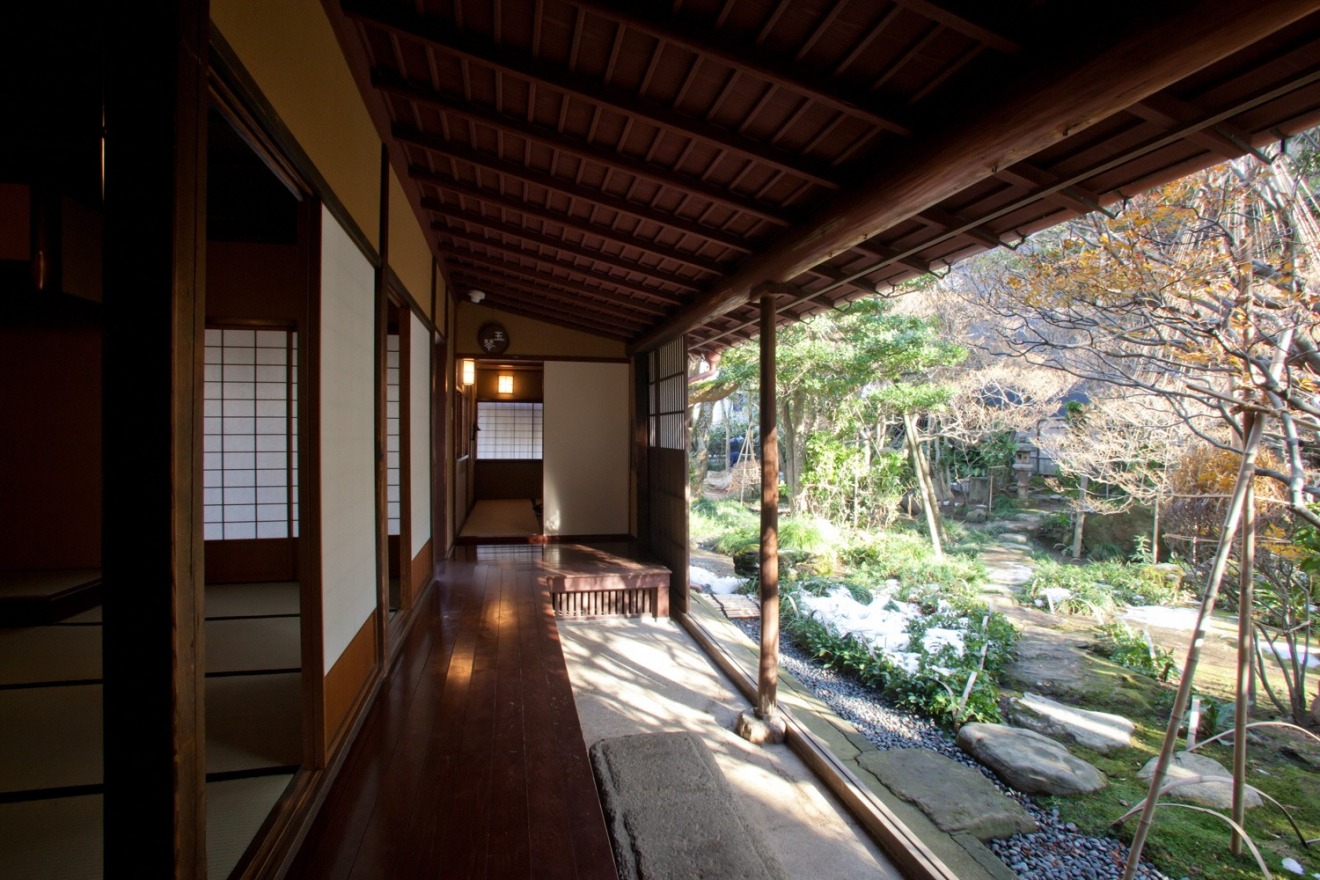
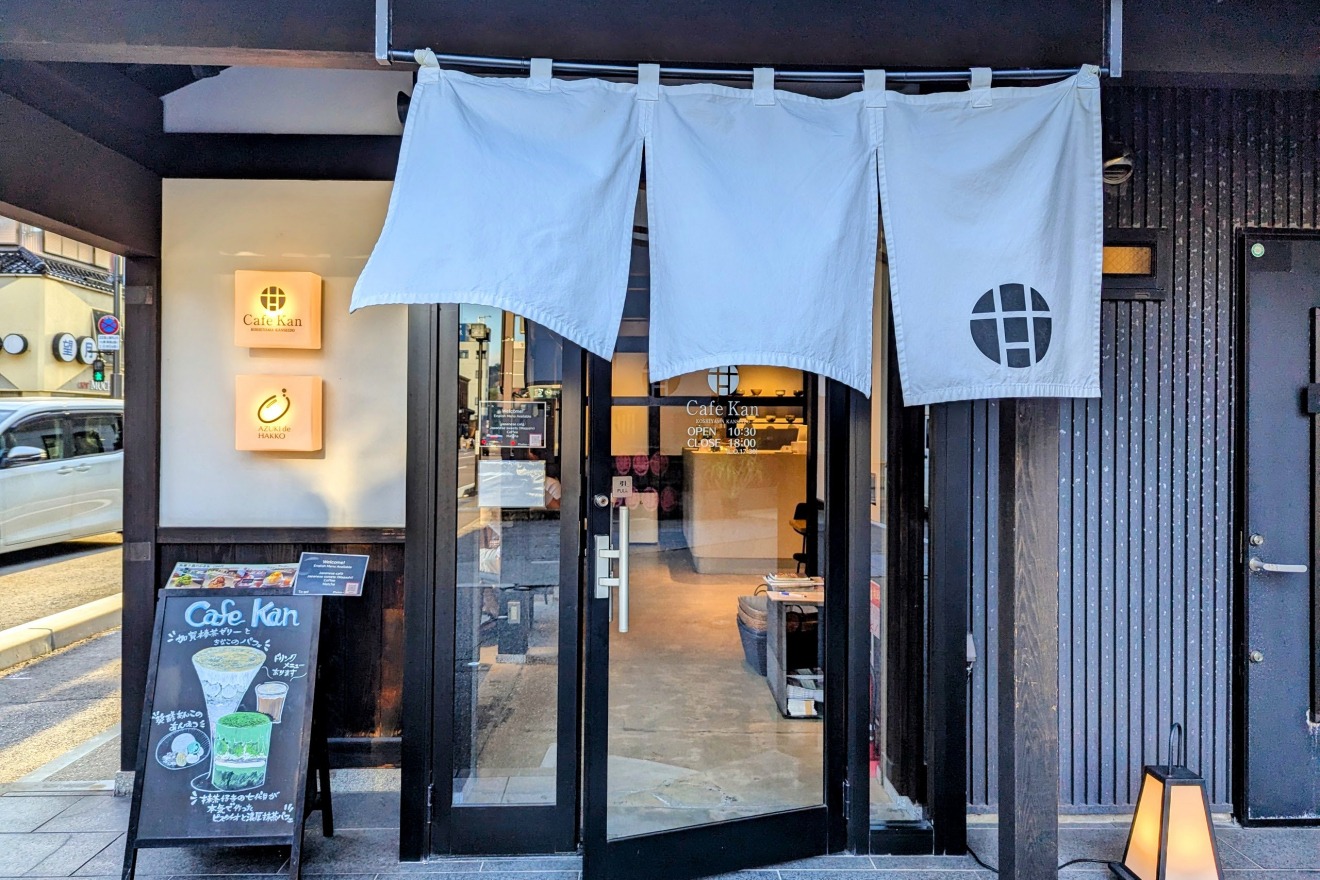
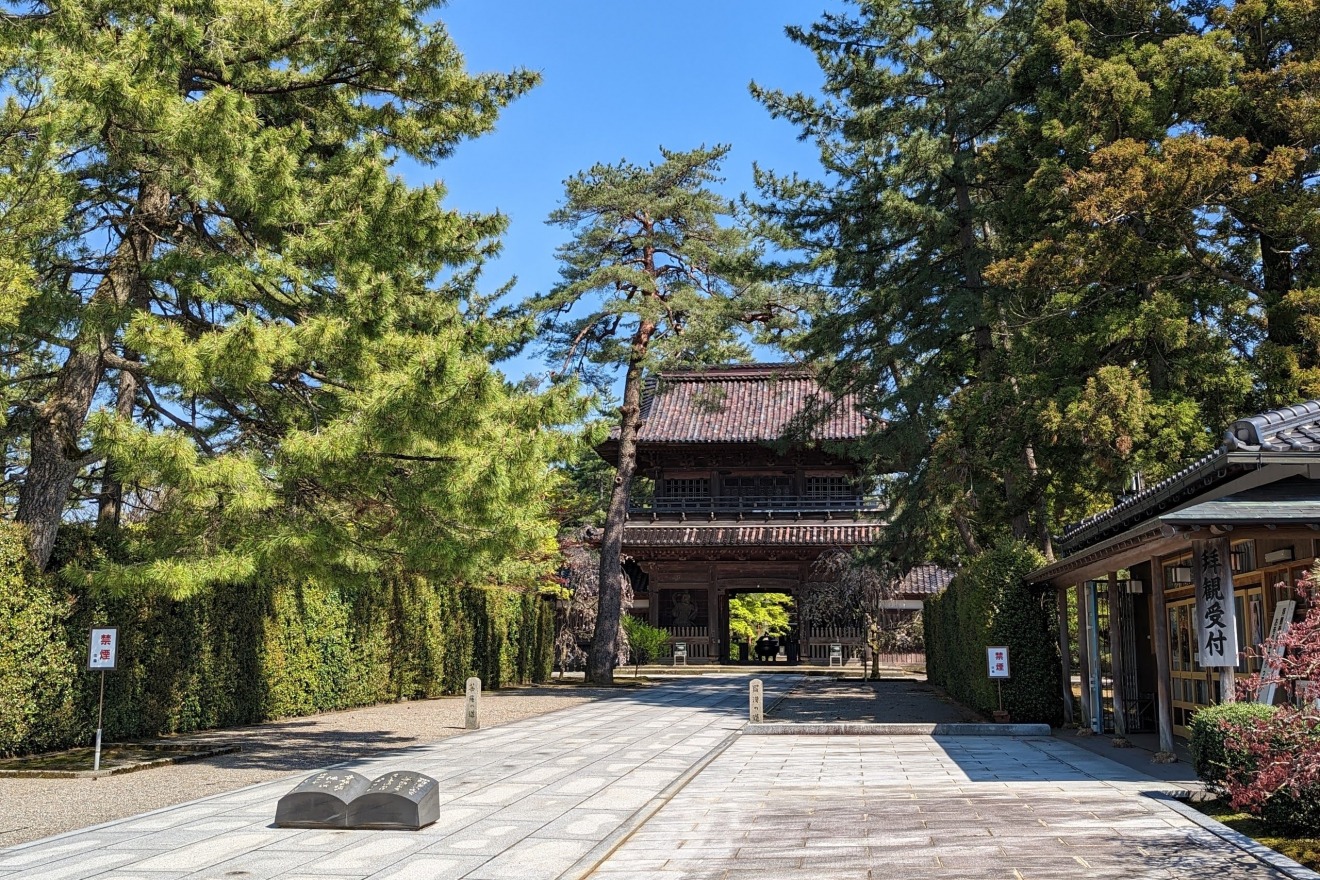
As you walk through Kanazawa, you’ll notice that history and culture are alive in every corner, creating an atmosphere that invites you to slowly savor a cup of matcha. Kanazawa offers many places where you can experience a traditional tea ceremony while enjoying the view of historic tea rooms and beautiful gardens. In this guide, we’ll introduce locations where you can enjoy matcha in a charming and atmospheric setting, organized by area.
Higashi Chaya District Area
One of Kanazawa's most iconic tourist spots, the Higashi Chaya District, is home to traditional wooden houses. In this area, you can enjoy matcha at tea houses and cafes converted from old tea rooms. Take a leisurely stroll through the picturesque streets and enjoy a calming cup of matcha.
Shima "Kansouan": A building registered as a national tangible cultural asset, where you can enjoy authentic matcha while overlooking a beautiful garden.
Kaikaro: A 200-year-old tea house, also designated as a cultural asset by the city.
Cafe Yanagian: A renovated cafe in a building designated as a cultural asset by Kanazawa City, marked by the symbol of the “Mikaeri Yanagi” (a willow tree) of Higashi Chaya.
Kureha: A charming, traditional merchant house, with a cafe on the second floor and a space displaying Kaga Yuzen(dyeing) textiles.
Ohi Museum: In this gallery designed by world famous architect Kengo KUMA, you can select a tea bowl from the Ohi ware collection and enjoy matcha.
Morihachi / Kanazawa Confectionery Woodblock Museum: In the second-floor "Morihachi Tea Room," you can enjoy matcha while looking out over the garden of Terashima Kurando’s Samurai residence.
Kazuemachi Chaya District, Omicho Market, and Oyama Shrine Area
Even in the livelier areas of Kanazawa, there are peaceful spots where you can enjoy matcha. Experience matcha in cultural spaces surrounded by charming streetscapes.
Mayuzuki Kuragarisaka: Located at the foot of Kuragarisaka(Kuragari Slope), leading to the Kazuemachi Chaya District, this former gallery of the late American woodblock print artist Clifton Karfe is known for its unique interior design.
CAFE KAN: A popular and long-established confectionery shop that operates a cafe, offering health-conscious bean paste made from fermented adzuki beans.
Otomoro "Issei-an": The 250-year-old tea room was originally a teaching facility for the tea ceremony of the Kaga Clan, a family renowned for its role in instructing samurai in the art of tea. This tea room allows you to enjoy matcha in a space steeped in history, where the 11th head of the Urasenke school, Gen-gen-sai, once visited.
Kenrokuen and Kanazawa Castle Area
Kenrokuen and Kanazawa Castle are famous landmarks in Kanazawa, and they also offer locations for tea ceremonies. Enjoy matcha while gazing at beautiful gardens.
Kanazawa Castle "Gyokusen-an": A tea room located in the Gyokusen-in Maru Garden of Kanazawa Castle Park, where you can enjoy a cup of matcha while admiring the garden.
Kenrokuen "Shigure-tei": A tea room that was relocated and restored from a historical building in the Edo period, designed by the renowned tea room architect, Masao NAKAMURA.
Kenrokuen "Miyoshian": Located by the Hyōike Pond, enjoy matcha while listening to the soothing sound of the Midoridaki Falls.
Nishida Family Garden "Gyokusen-en" "Saisetsu-tei": A tea room said to be the oldest in Kanazawa, where you can enjoy matcha while overlooking the garden.
The old site of Mr. Kurando TERASHIMA's House "Tea Room": A former samurai residence where you can enjoy matcha along with specially crafted "rakugan" sweets shaped like the family crest of the Terashima family.
Nagamachi Samurai District Area
Nomura Family Samurai Residence "Fumoku-an": From the second floor tea room, you can enjoy matcha while looking out over the garden in a serene, peaceful setting.
Honda no Mori Area
Nakamura Memorial Museum "Tea Room": At this museum, you can select your favorite tea utensils. From the tea room, enjoy views of a moss-covered garden.
Kodatsuno Area
This area spreads from the Kodatsuno entrance of Kenrokuen to the Ishikawa Prefectural Library.
Tentokuin: A historic temple dedicated to the wife of the third feudal lord of the Maeda clan, who was the daughter of the second Tokugawa shogun, Hidetada. Here, you can enjoy matcha along with a traditional karakuri puppet performance.
Try Making Your Own Matcha!
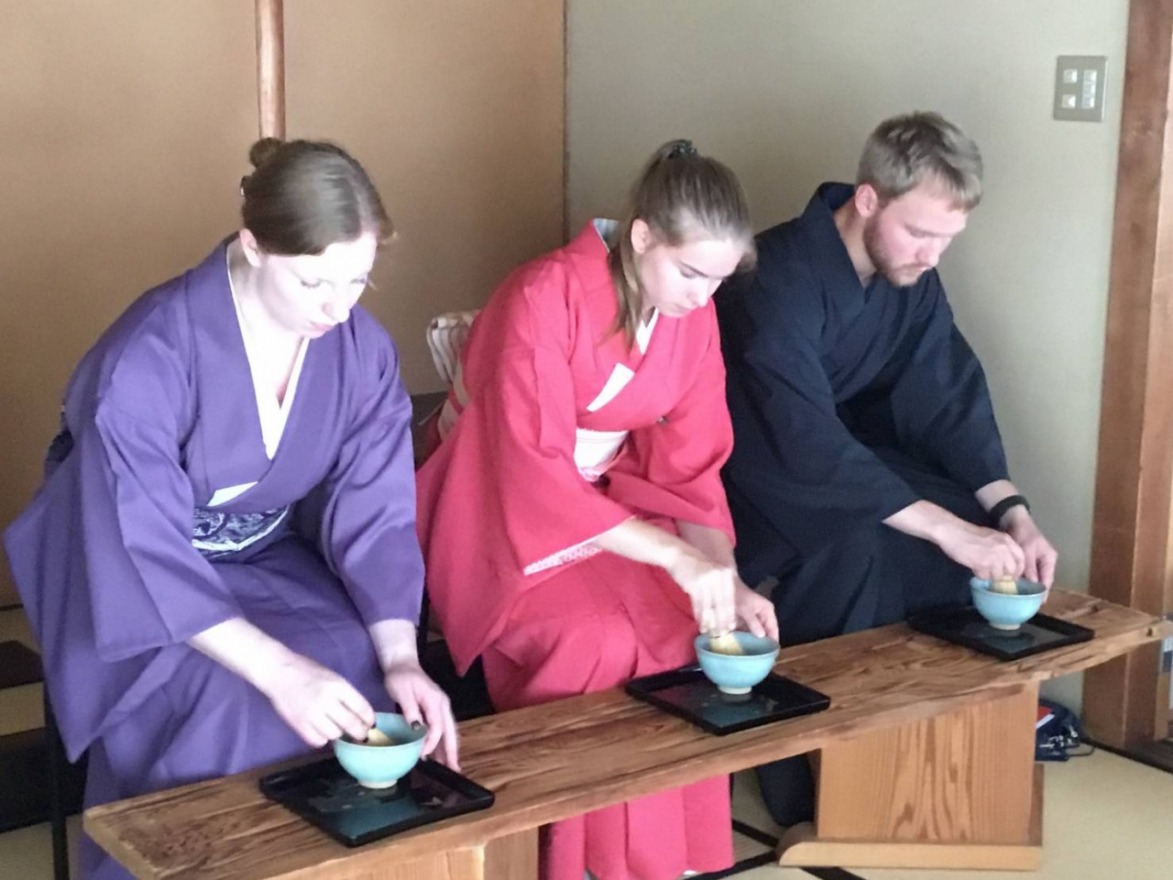
One of the unique and enriching experiences you shouldn’t miss when visiting Kanazawa is learning to make your own bowl of matcha. This activity, known as jifuku(self-serving), is part of the Japanese tea ceremony and allows you to connect more deeply with traditional Japanese culture. Kanazawa offers many beginner-friendly locations where you can enjoy this hands-on activity. With advance reservations, you can participate with peace of mind. Here are some recommended spots to enjoy a jifuku experience in Kanazawa.
Ishikawa Local Products Center
Conveniently located at the base of the hill leading to Kenrokuen Garden, this facility offers a casual self-serving experience. In addition to making matcha, you can also try other traditional cultural activities, such as creating Japanese sweets or applying gold leaf.
Situated in a traditional machiya townhouse near Kenrokuen Garden, Sofuan offers a fun tea ceremony experience suitable for beginners and highly popular among international visitors. The session starts with enjoying tea prepared by the instructor, followed by an opportunity to whisk your own bowl of matcha. Participants will also learn tea room etiquette, such as how to enter the room, greet others, handle the tea bowl, and properly prepare matcha.
Hidden in a quiet alley near Higashi Chaya District, Wa no Jiku Machiya-juku provides a private tea ceremony experience. Here, you can rent an entire tea room and take your time learning the basics of tea ceremony while preparing your own matcha. This is a truly special opportunity to immerse yourself in Japanese culture.
Located in the Higashi Chaya District, Sado Soyu offers an experience that includes both koicha (thick tea) and usucha (thin tea). After enjoying koicha paired with Japanese sweets, participants can savor usucha with dry sweets while appreciating the spirit of the tea ceremony. This is a rare opportunity to try koicha, a rich and traditional style of matcha.
Gyokusen-en's Saisetsutei is Kanazawa's oldest tea house, said to have been instructed by the founder of the Urasenke tea school. Overlooking a beautiful garden, this tea house offers an elegant and serene atmosphere for your tea-making experience.
Located within Kanazawa's famous Kenrokuen Garden, Kenroku-tei is a historic site where feudal lords once entertained their esteemed guests. Visitors can watch a demonstration of tea preparation by the host before trying their hand at whisking their own matcha. The session also includes an explanation of the tea ceremony basics and tools.
Step into the World of Tea: A Chaji and Chakaiseki Experience
Have you ever wanted to experience chakaiseki, the cuisine served during a traditional Japanese tea gathering?
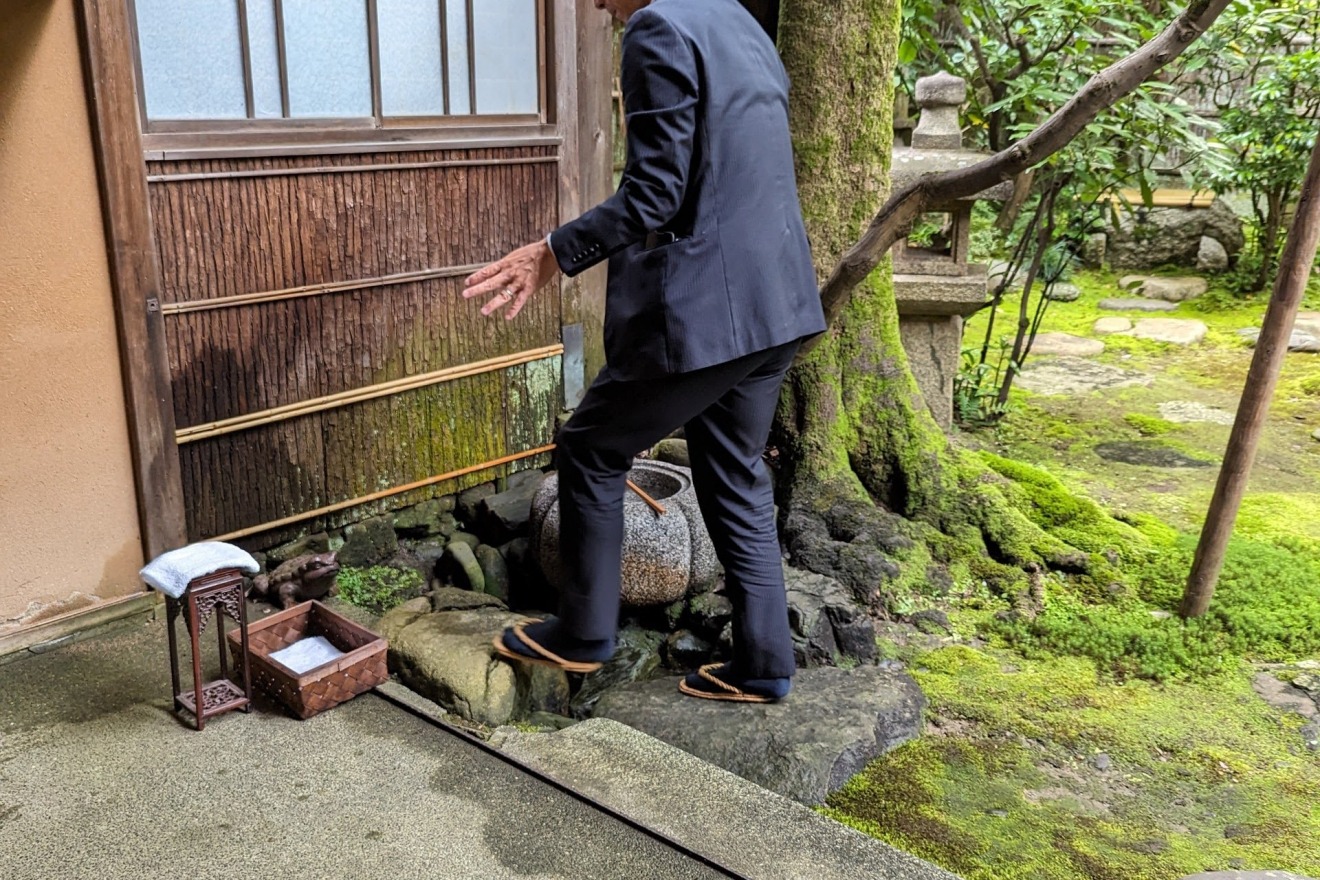
A chaji is more than just a tea ceremony—it’s a highly refined tea event designed for guests to enjoy tea, food, seasonal aesthetics, and heartfelt hospitality.
Chakaiseki refers to the light meal served during a chaji, and drinking usucha (thin tea) is also an essential part of the flow.
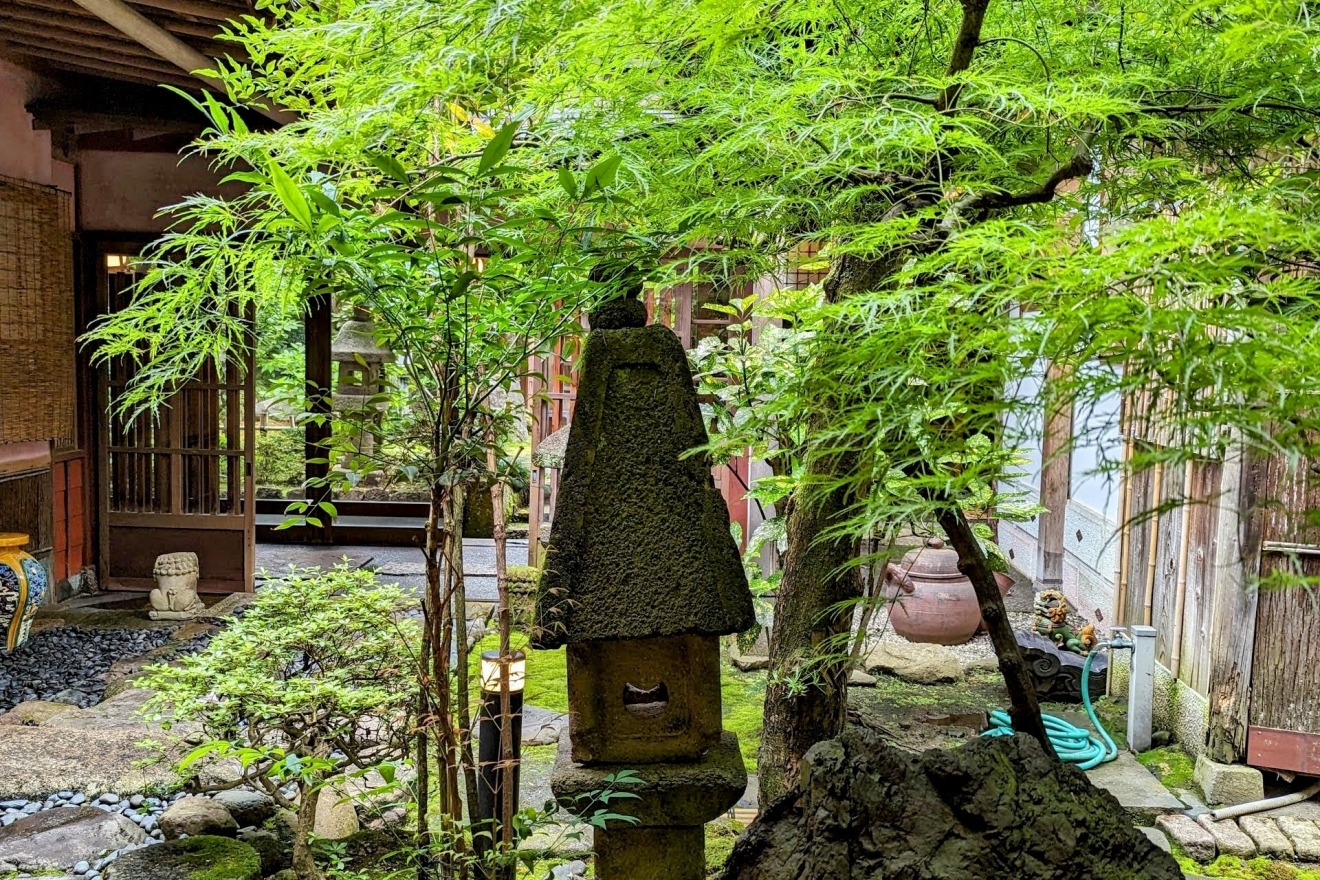
In a formal chaji, the host (known as the teishu) serves both koicha (thick tea) and usucha to the guests, and great attention is given to every element—tea utensils, room décor, the garden view, and seasonal dishes—all orchestrated to offer an immersive cultural experience. These formal gatherings usually take four hours to half a day and require a deep knowledge of tea ceremony etiquette, making them difficult to participate in without prior training.
However, at Otomorou, a historic Kaga cuisine restaurant with a long legacy as the official chef for the Kaga Clan, you can enjoy a specially arranged version of a chaji—accessible even to complete beginners. This plan allows guests with no prior experience in tea ceremony to enjoy the essence of a chaji in a relaxed setting, while savoring authentic Kaga cuisine and learning about traditional Japanese hospitality. It’s a perfect introduction for anyone curious about the world of chanoyu.
A Group-Friendly Experience: Chakaiseki-Style Kaga Cuisine at the Historic Otomorou (Advance Inquiry Required)
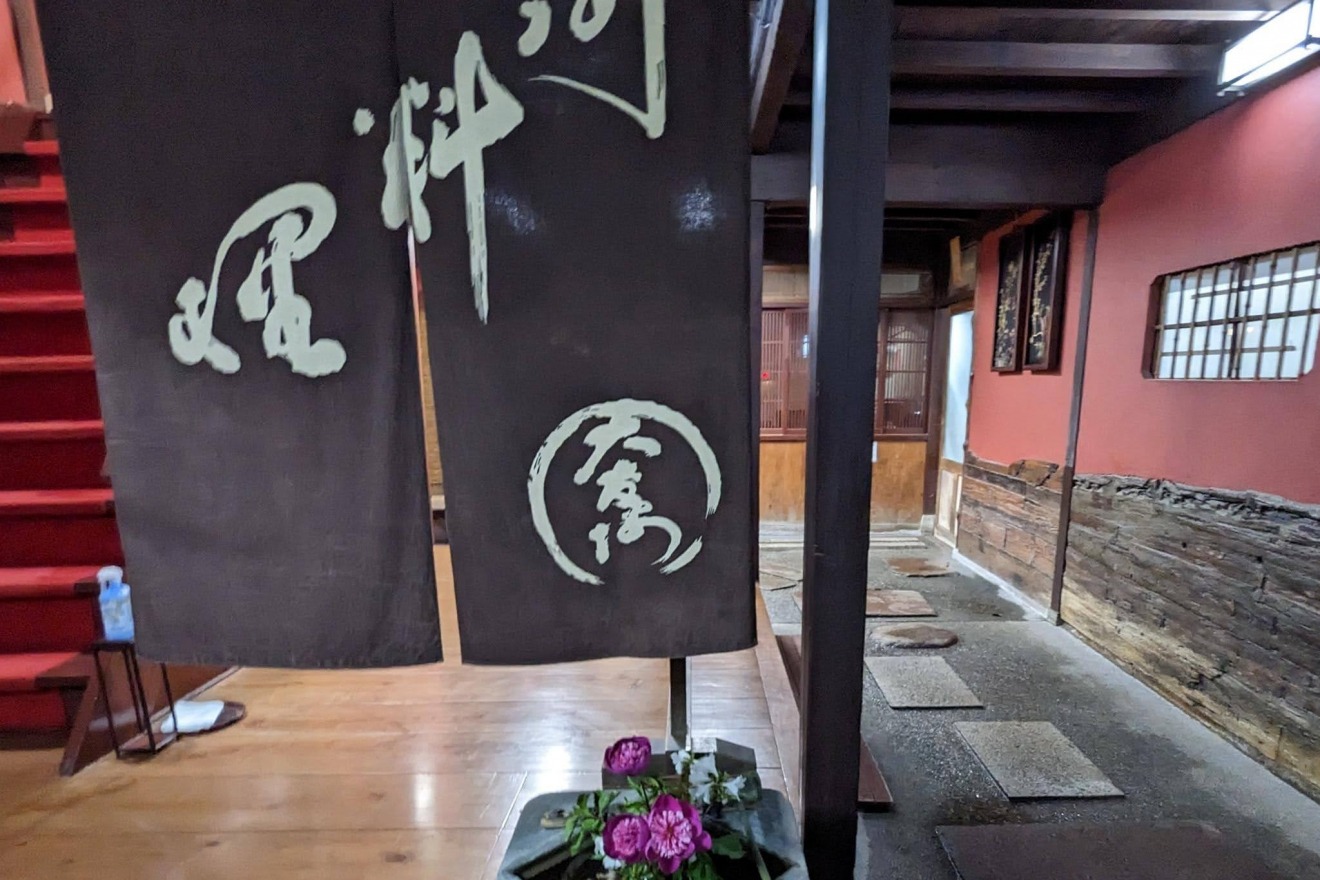
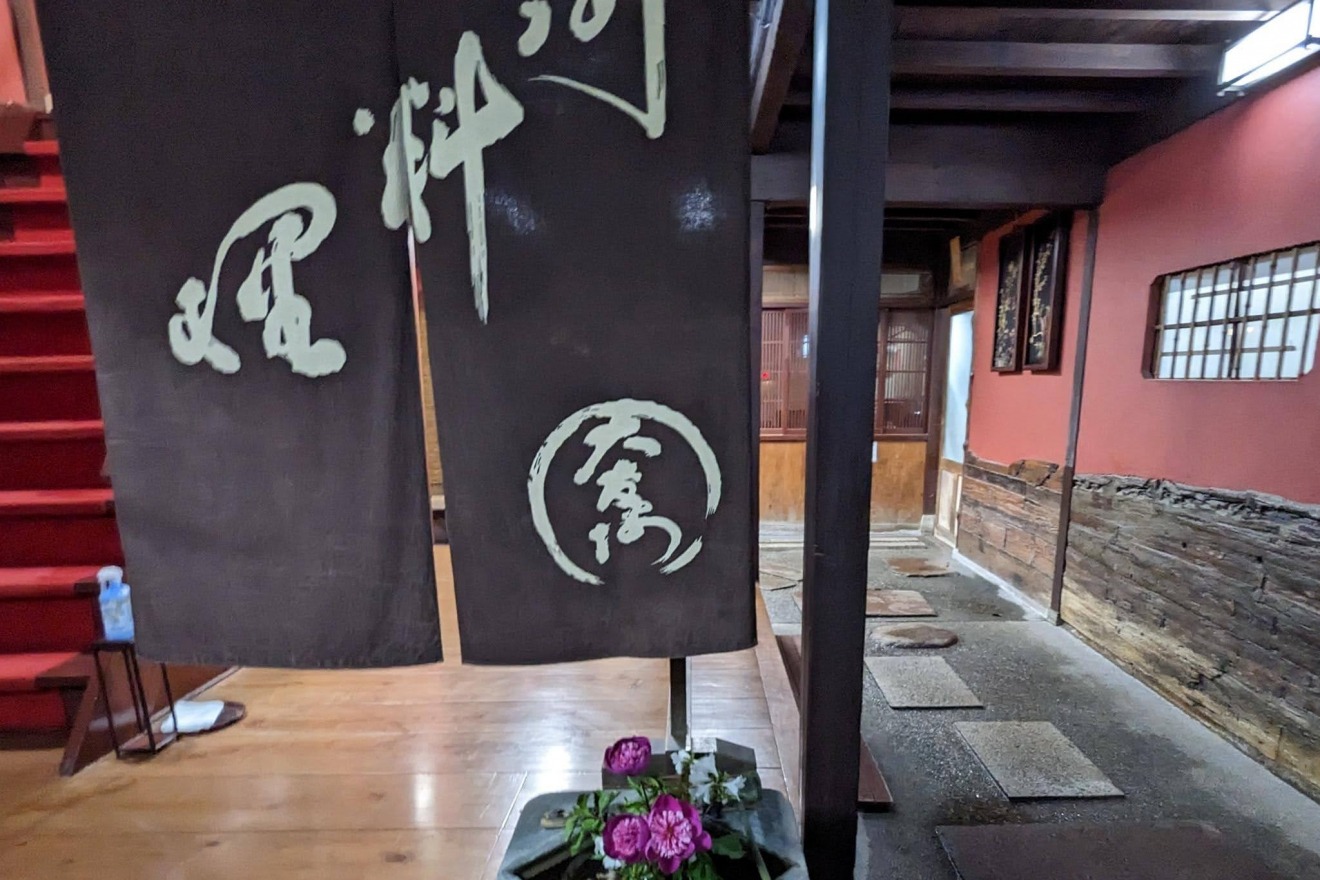
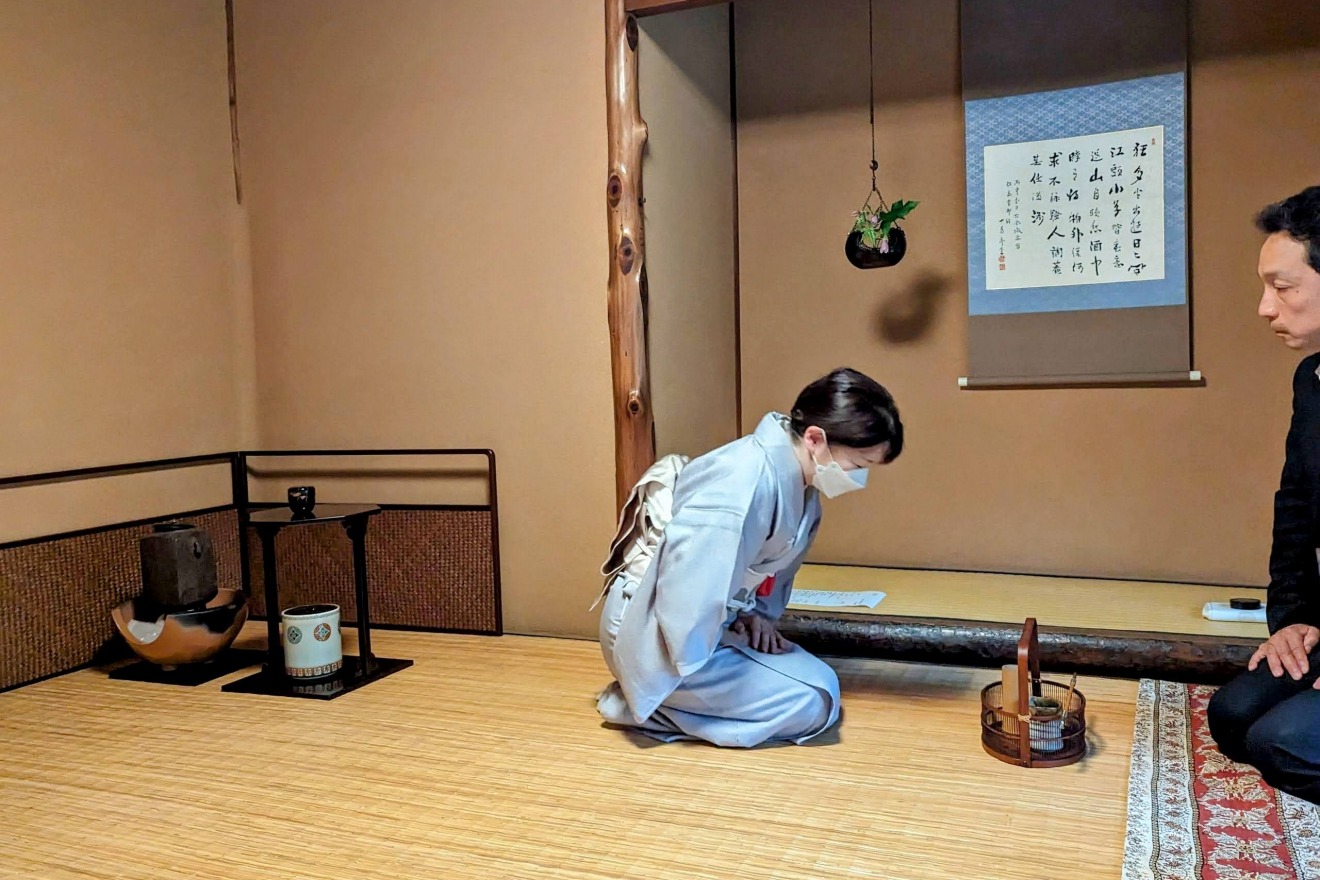
Located in Kanazawa, the historic ryotei (traditional Japanese restaurant) Otomorou offers a unique chakaiseki-style meal in connection with the aesthetics of tea culture. Begin your experience by enjoying usucha in Issei-an, the authentic tea room inside the restaurant, followed by a meal inspired by the time-honored menus passed down through generations at Otomorou.
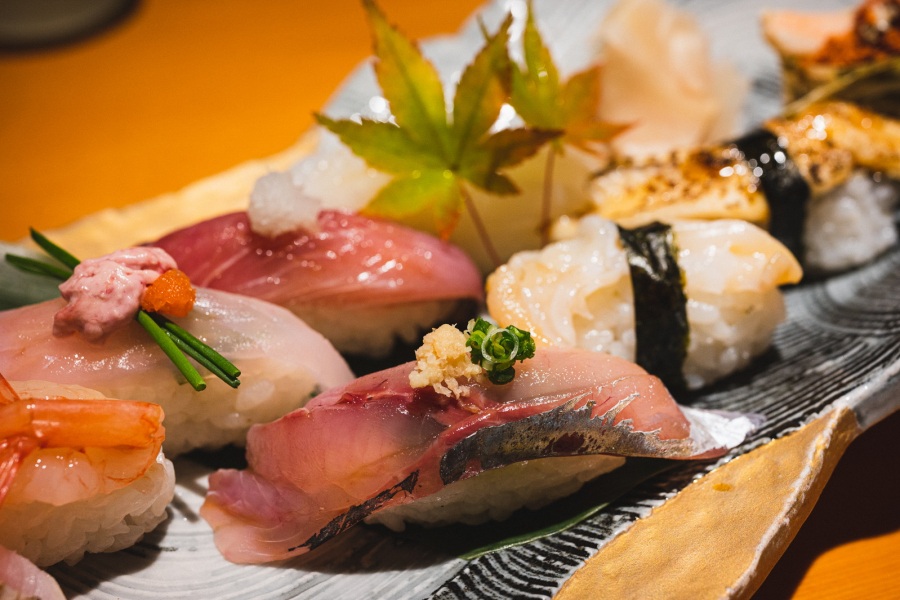
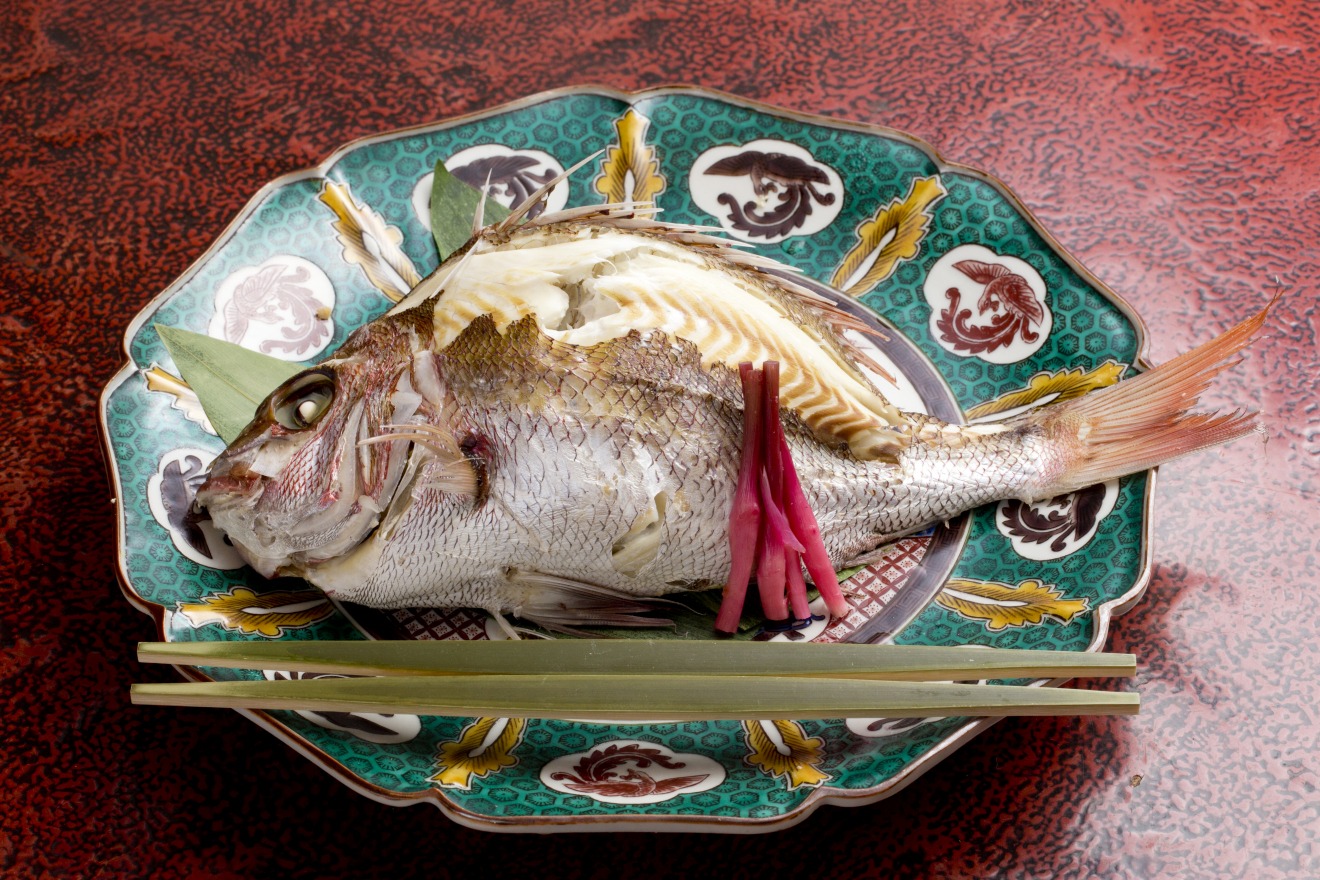
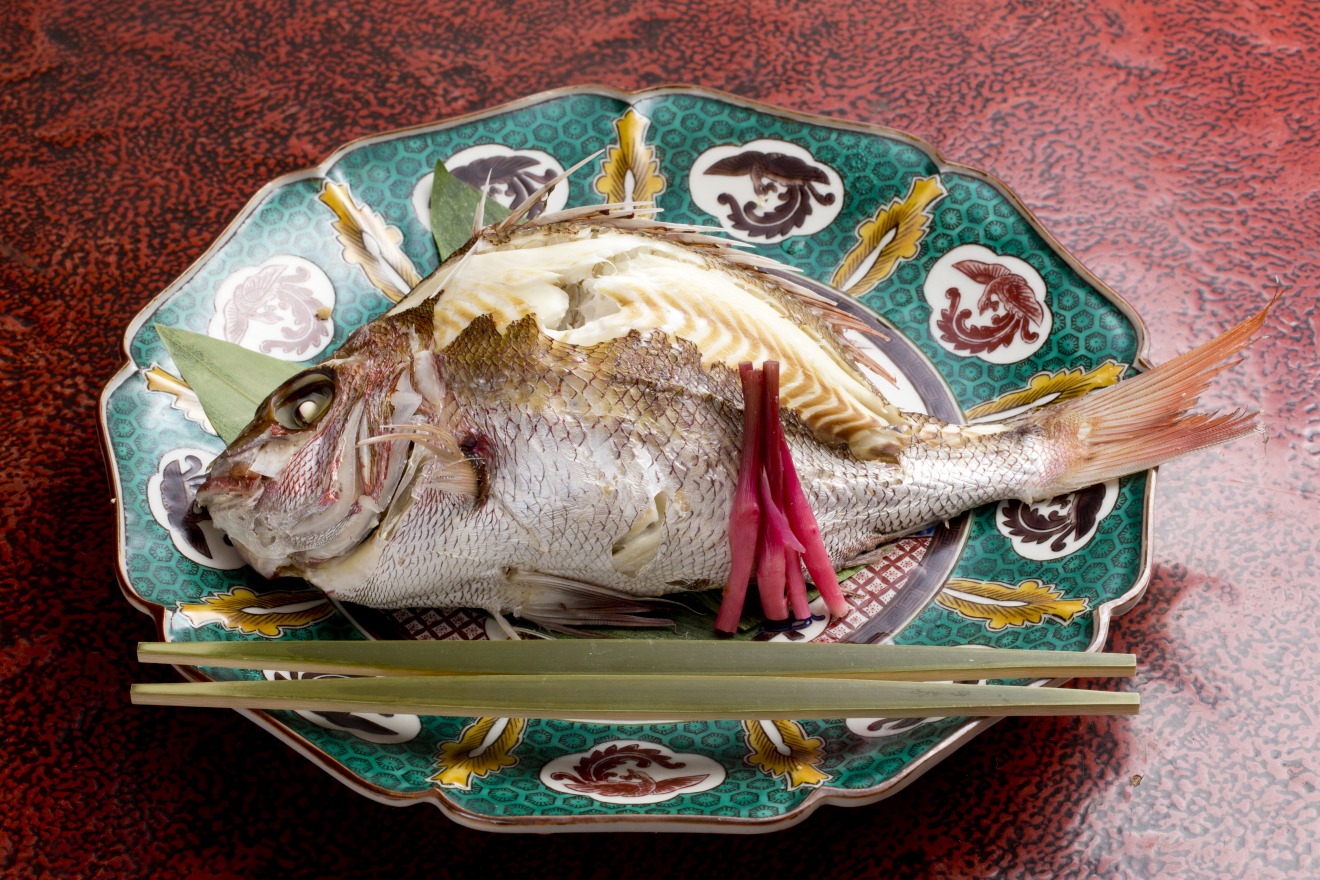
The course features beloved regional dishes such as jibuni (Kaga-style stewed duck) and tai no karamushi (steamed sea bream), offering a deep dive into Kaga’s refined culinary tradition.
While the experience follows the traditional structure of a chaji, it has been thoughtfully adapted to welcome participants with no prior tea ceremony background. Even tea novices can enjoy the formal yet inviting atmosphere, learning about tea culture at a gentle pace. It’s a rare opportunity to feel the depth of chanoyu and the elegant harmony of Japanese hospitality.
Isseian – A Historic Tea Room
This 250-year-old tea room, Issei-an, was originally used as a tea instruction hall for the Kaga Clan and is associated with Yukawa Isseian, a disciple of the 11th Grand Master of Urasenke, Gengensai, who also visited Kanazawa. Since 2020, it has been open to the public, allowing visitors to immerse themselves in the rich tea culture of Kanazawa. The dignified structure offers a direct path into the world of chanoyu.
Chakaiseki-Style Kaga Cuisine
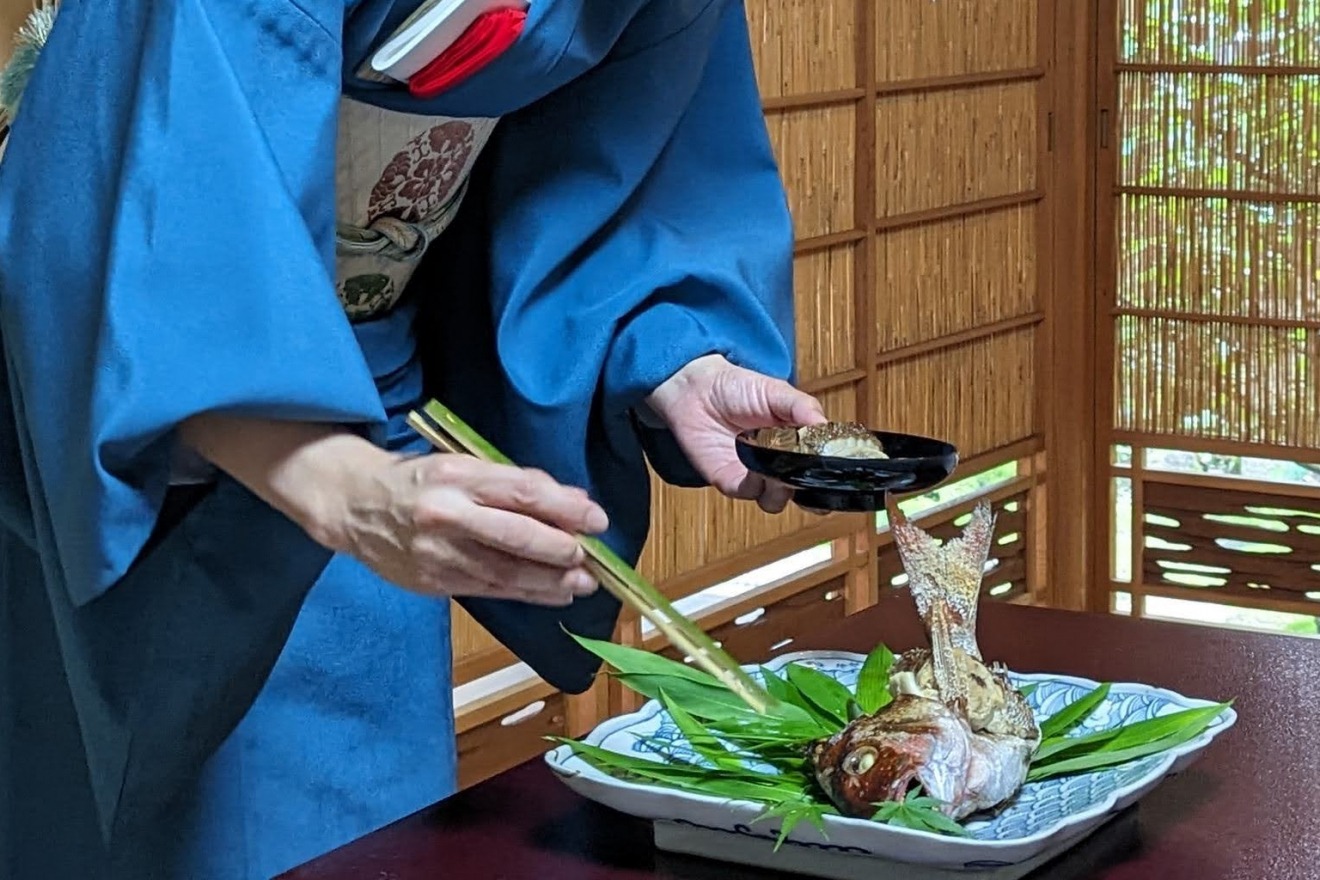
This special course offers a taste of traditional Kaga cuisine rooted in the culinary traditions of the Kaga Clan, all presented in the formal flow of a chakaiseki meal. Carefully arranged dishes featuring the bounty of both land and sea are served, with the wakaukami (young proprietress) elegantly plating each dish.
One of the highlights is the dramatic tai no honezake—a sea bream head served in a large Kutani ware dish. Hot sake is poured over the fish, ignited to burn off the alcohol, and served as a savory broth. This eye-catching presentation evokes the samurai cuisine of the Kaga domain. While staying true to the spirit of tea ceremony, the course is designed to be approachable, allowing guests to enjoy authentic Japanese culinary culture in a relaxed, welcoming setting.
Chaji Kaiseki Cuisine at Tamaru Chaya
An Authentic Tea Gathering Experience Just 5 Minutes from Kanazawa Station
Enjoy a traditional tea ceremony meal (chaji ryōri) in a relaxed setting—perfect even for beginners.
Tamaru Chaya offers an approachable way to experience the refined world of Japanese tea culture.
Tea Ceremony Events in Kanazawa
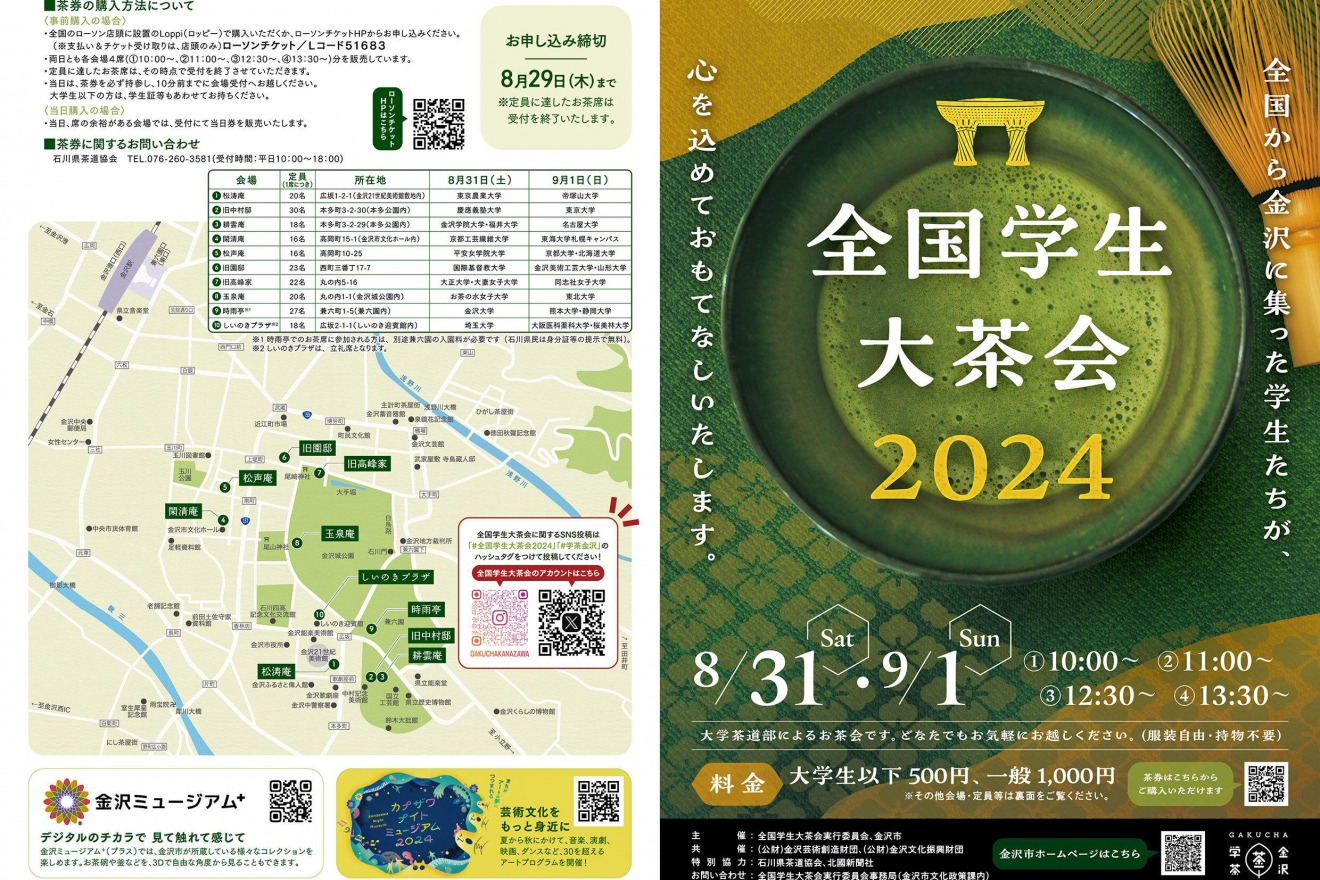
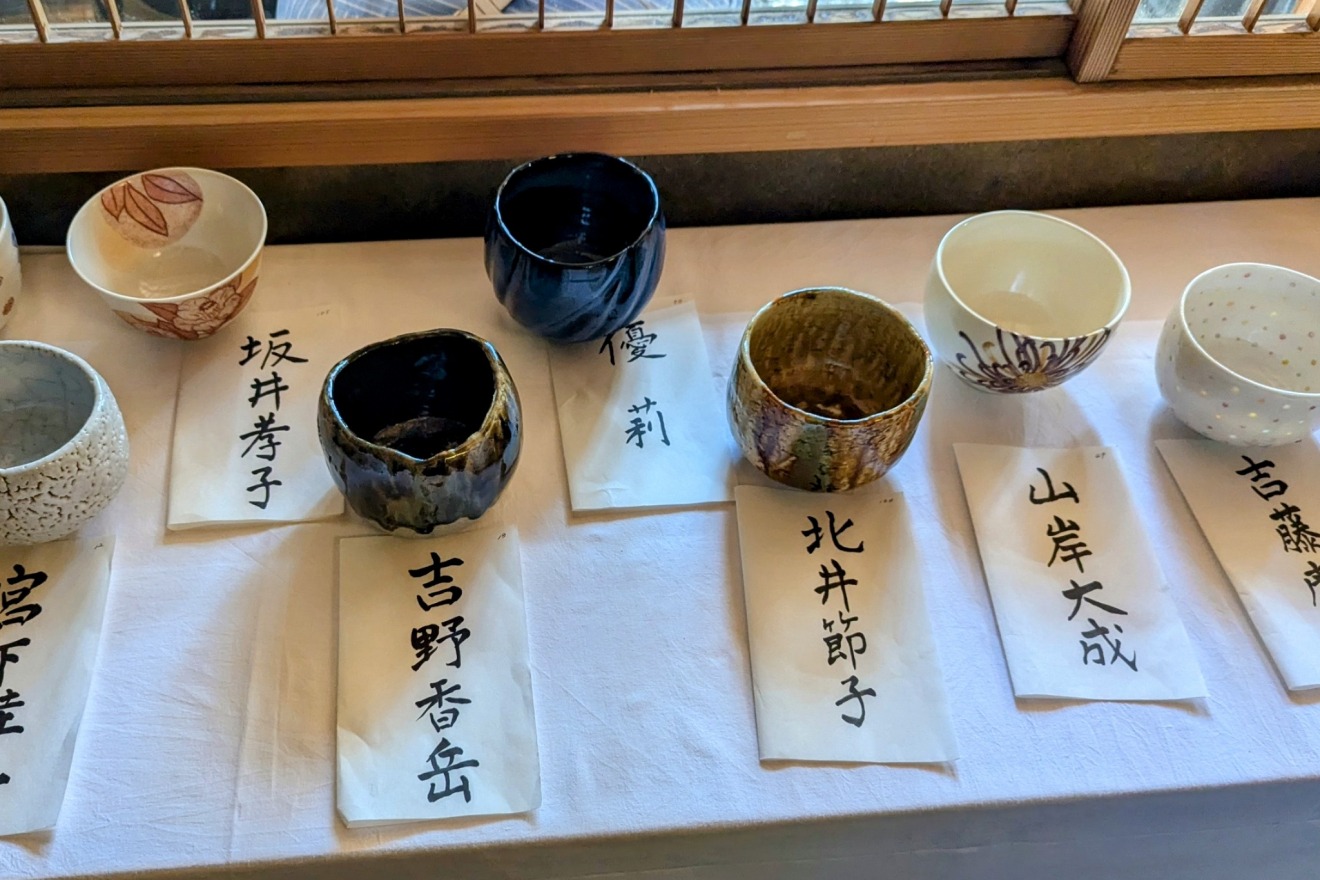
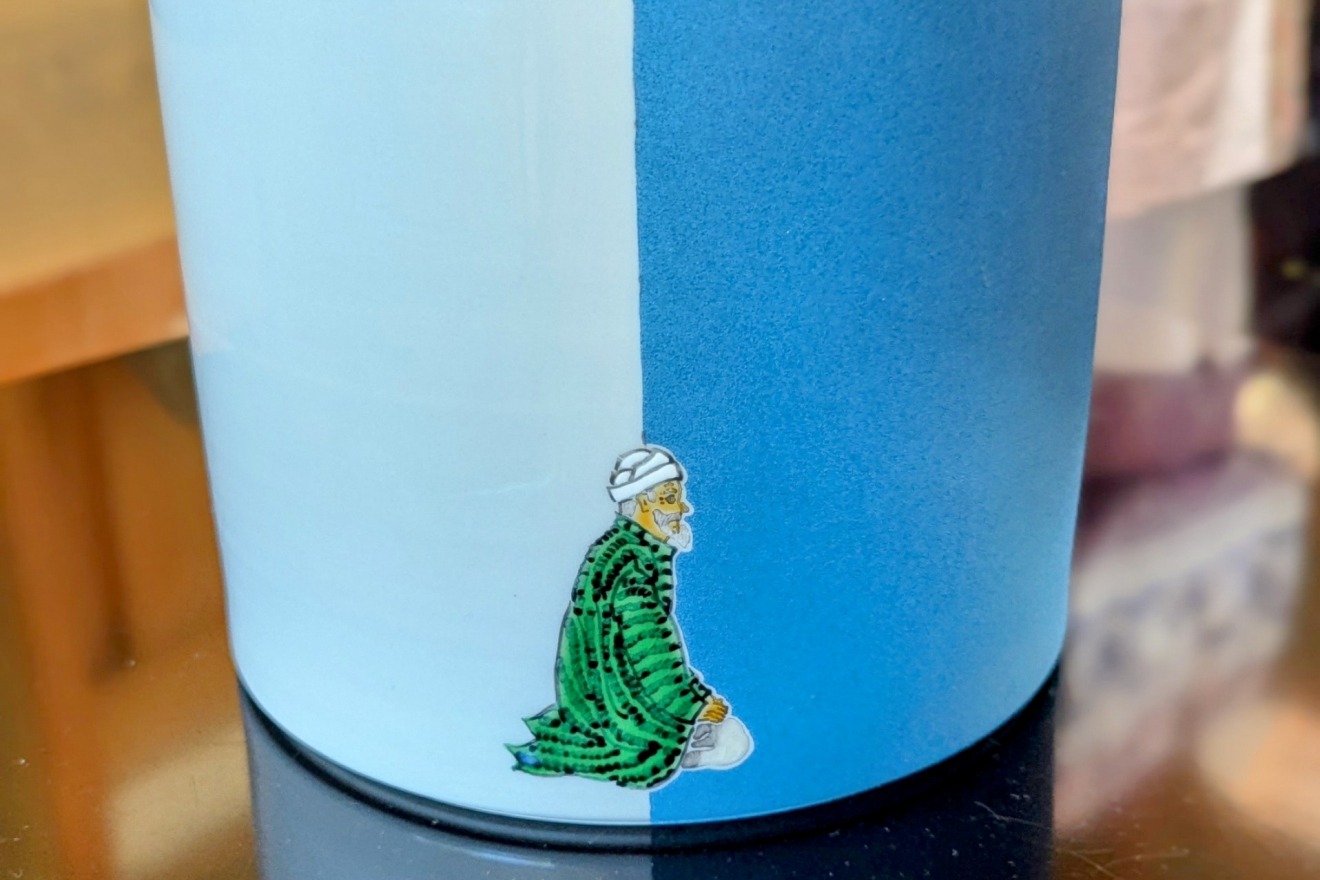
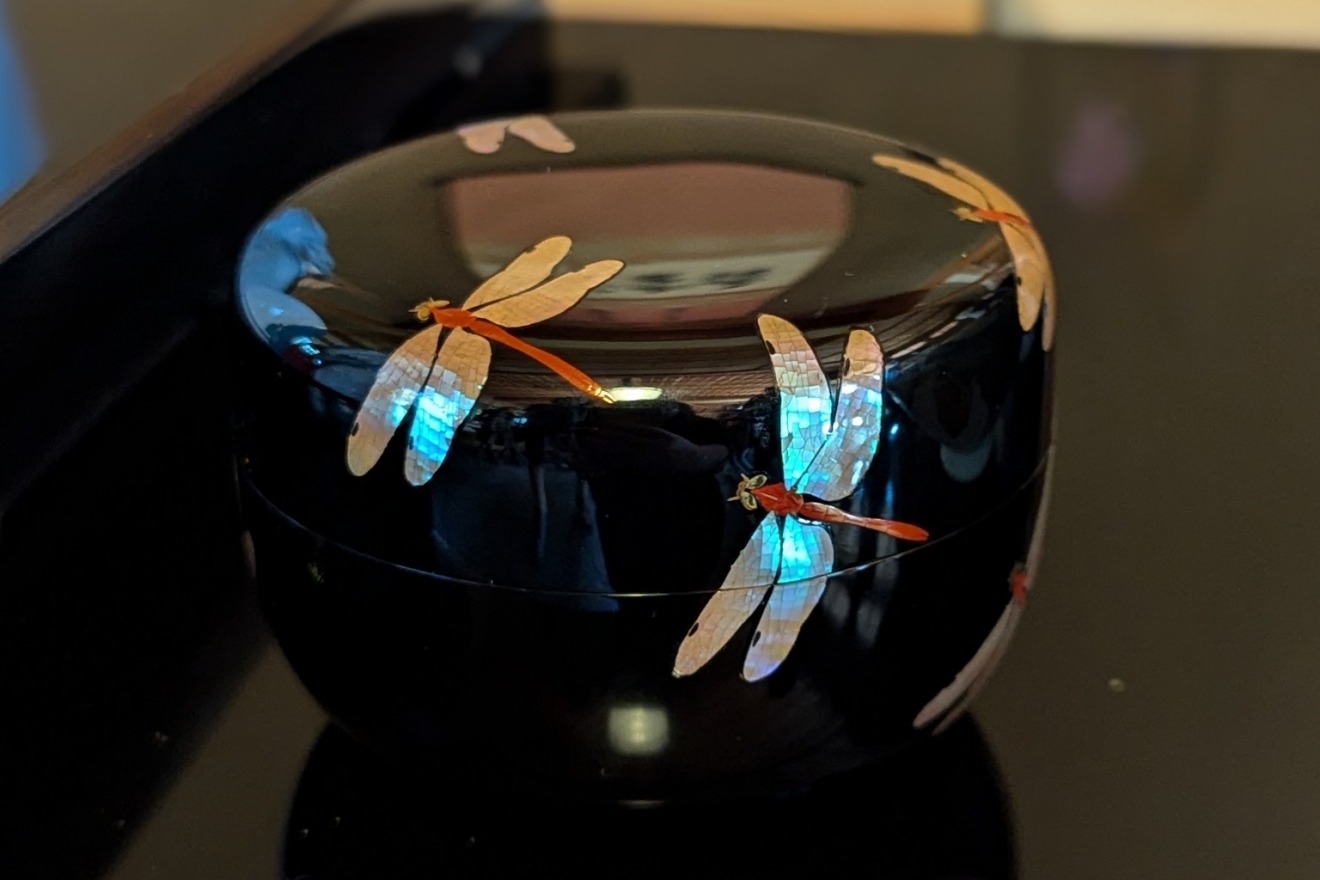
Kanazawa is known as the "City of Tea Ceremony" for its deep-rooted culture of chanoyu (the way of tea). Even if you are not familiar with the tea ceremony, there are many tea gatherings held throughout the year in Kanazawa that anyone can participate in with ease. Why not spend a moment enjoying various styles of tea ceremony in traditional tea rooms and experience the spirit of Japan?
These events don’t require special clothing or tools, and anyone can join. While immersing yourself in Japan’s traditional culture, you can enjoy a luxurious time surrounded by Kanazawa's beautiful tea rooms.
※Note: The following information is current as of 2024, and events may change due to the organizers’ or venues’ schedules. Please check the official website for the latest updates.
Hyakumangoku Tea Ceremony
This tea ceremony is held annually in early June to commemorate the entry of Lord Toshiie MAEDA into Kanazawa Castle, as part of the Hyakumangoku Matsuri (Hyakumangoku Festival). The ceremony takes place at seven distinctive locations around the city and provides a great opportunity to connect with Kanazawa’s history and culture through tea.
Period: Early June, coinciding with the Hyakumangoku Festival
Locations: Former Entei Matsumuka-an, Former Takamine Family House (near Omicho Market), Kenrokuen Shigure-tei, Kanazawa Castle Gyokusen-an, Nakamura Memorial Museum Koun-an, Former Nakamura Residence, etc.
Details: [Link to details]
Held at Kanazawa Castle Park’s Gyokusen-an, the Hyakumansan Tea Ceremony is a fun and unique event for both adults and children. Attendees can take photos with Hyakumansan, the local mascot of Ishikawa Prefecture. It’s a family-friendly and enjoyable event for all ages.
Period: Early August
Location: Kanazawa Castle Park Gyokusen-an
Details: [Link to details]
National Student Grand Tea Ceremony
Held at captivating venues like the 21st Century Museum of Contemporary Art and Kenrokuen, this event features students from university tea ceremony clubs from across Japan showcasing their practice and skills.
Period: Late August to early September
Locations: Kanazawa 21st Century Museum of Contemporary Art Shoto-an, Nakamura Memorial Museum Former Nakamura Residence & Koun-an, Kanazawa Castle Park Gyokusen-an, Kenrokuen Shigure-tei, Shiinoki Culture Complex, etc.
Details: [Link to details]
Kanazawa Castle & Kenrokuen Grand Tea Ceremony
Set against the stunning backdrop of Kanazawa Castle and Kenrokuen, the Kanazawa Castle & Kenrokuen Grand Tea Ceremony brings together 7 tea schools from Ishikawa Prefecture, with different schools presenting their tea ceremony styles each day. You can also encounter newly crafted tea utensils by local artists. This event offers a refined tea experience blending tradition and modernity.
Period: Early October
Locations: Kenrokuen Shigure-tei, Kanazawa Castle Park Gyokusen-an, Kanazawa 21st Century Museum of Contemporary Art Shoto-an, Nakamura Memorial Museum Former Nakamura Residence
Details: [Link to details]
Utatsuyama Tea Ceremony (Held Every Two Years)
The Utatsuyama Tea Ceremony held at the Utatsuyama Kogei Kobo(Craft Workshop) is a truly unique event where you can experience the fusion of craft and the tea ceremony—an unforgettable, one-of-a-kind experience.
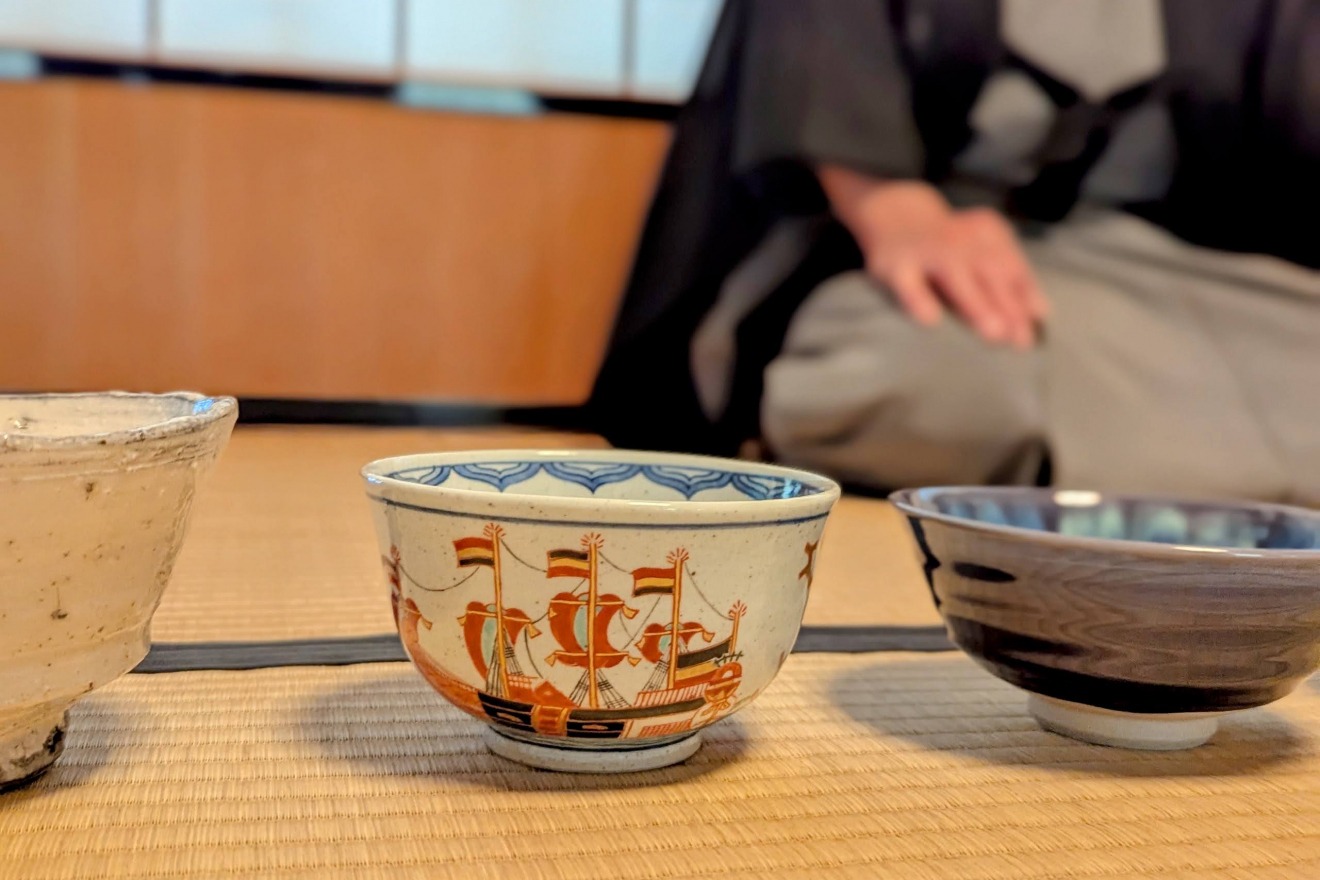
At this event, you can hold and use beautiful, handcrafted tea utensils created by Ishikawa’s master artisans. These exquisite tea utensils, made using various techniques such as pottery, lacquerware, dyeing, metalwork, and glass, are works of art in themselves. You will have the rare opportunity to enjoy tea prepared with these beautiful tools, engaging all five senses. This is a truly unique tea ceremony experience. The event is held every two years, with the next one scheduled for 2025.
Period: Around December
Location: Utatsuyama Craft Workshop
Details: [Link to details]
These tea ceremonies are designed to be accessible to everyone, even if you have no prior experience with tea ceremonies. Whether you're curious about the different tea school styles or the proper etiquette in a tea room, no special preparation or tools are required. You can simply join with no more than casual attire. Feel free to visit, relax in the tranquil atmosphere, and immerse yourself in the tea culture of Kanazawa.