Kanazawa Gold Leaf: Discover 400 Years of History, Master Craftsmanship, and Hands-On Experiences in Japan’s Gold Leaf Capital
Kanazawa is Japan’s leading center of gold leaf production, accounting for more than 99% of all gold leaf made in the country.
Gold leaf is created by repeatedly hammering gold until it becomes incredibly thin—approx. one ten-thousandth of a millimeter. This delicate art has been passed down through generations of skilled craftspeople in Kanazawa for around 400 years.
But why did gold leaf production flourish in Kanazawa? The answer lies in several factors: the cultural patronage of the powerful Maeda clan, the region’s distinctive climate and abundant natural water, and the demand created by Buddhist religious traditions.
Today, Kanazawa gold leaf, known as Kanazawa-haku, is used not only in temples, shrines, Buddhist altars, lacquerware, and traditional decorative arts, but also in food, cosmetics, and contemporary interior design.
In this article, discover the history of Kanazawa gold leaf, the reasons behind its development, the remarkable techniques that make it world-renowned, and the places where you can see master craftspeople at work and try gold leaf experiences for yourself.
1. The Connection Between Kanazawa and Gold: The Legend of Kinjo Reitaku
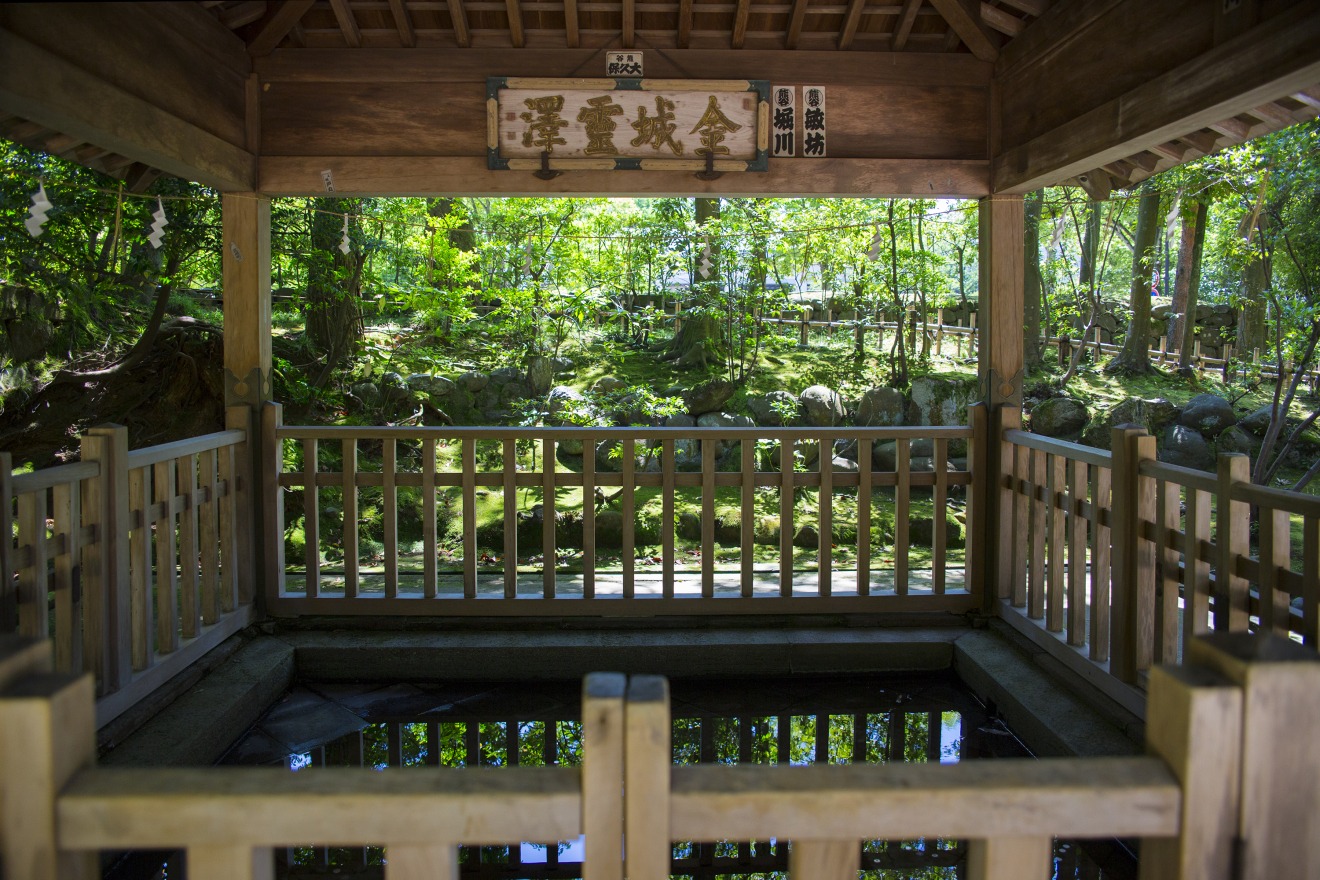
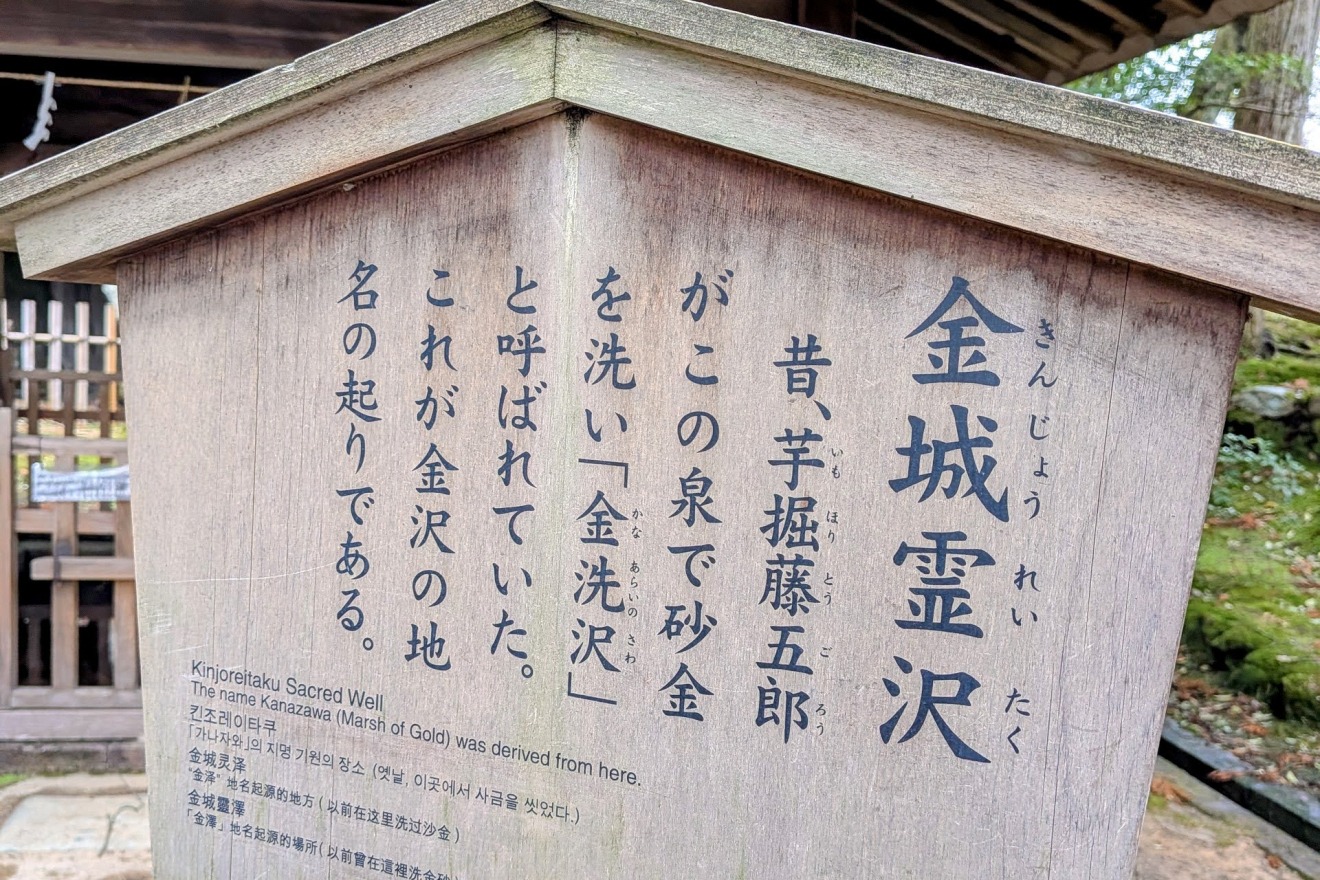
The name “Kanazawa” literally means “marsh of gold.”
The place associated with the origin of the city's name is Kinjo Reitaku, a natural spring located near Kenrokuen Garden.
The Legend of IMOHORI Togoro and the Gold-Washing Spring
According to local legend, a man named IMOHORI Togoro (literally, "Togoro the Potato Digger") once washed potatoes he had dug up in the mountains at this spring. As he washed away the soil, tiny particles of gold appeared.
The spring consequently became known as Kane-arai no Sawa, meaning "the stream where gold was washed." Over time, this name is said to have evolved into Kanazawa.
Although this is a local legend rather than a historically verified account, it reflects the long-standing association between Kanazawa and gold.
2. The History of Kanazawa Gold Leaf: 400 Years of Craftsmanship Since the Time of Maeda Toshiie
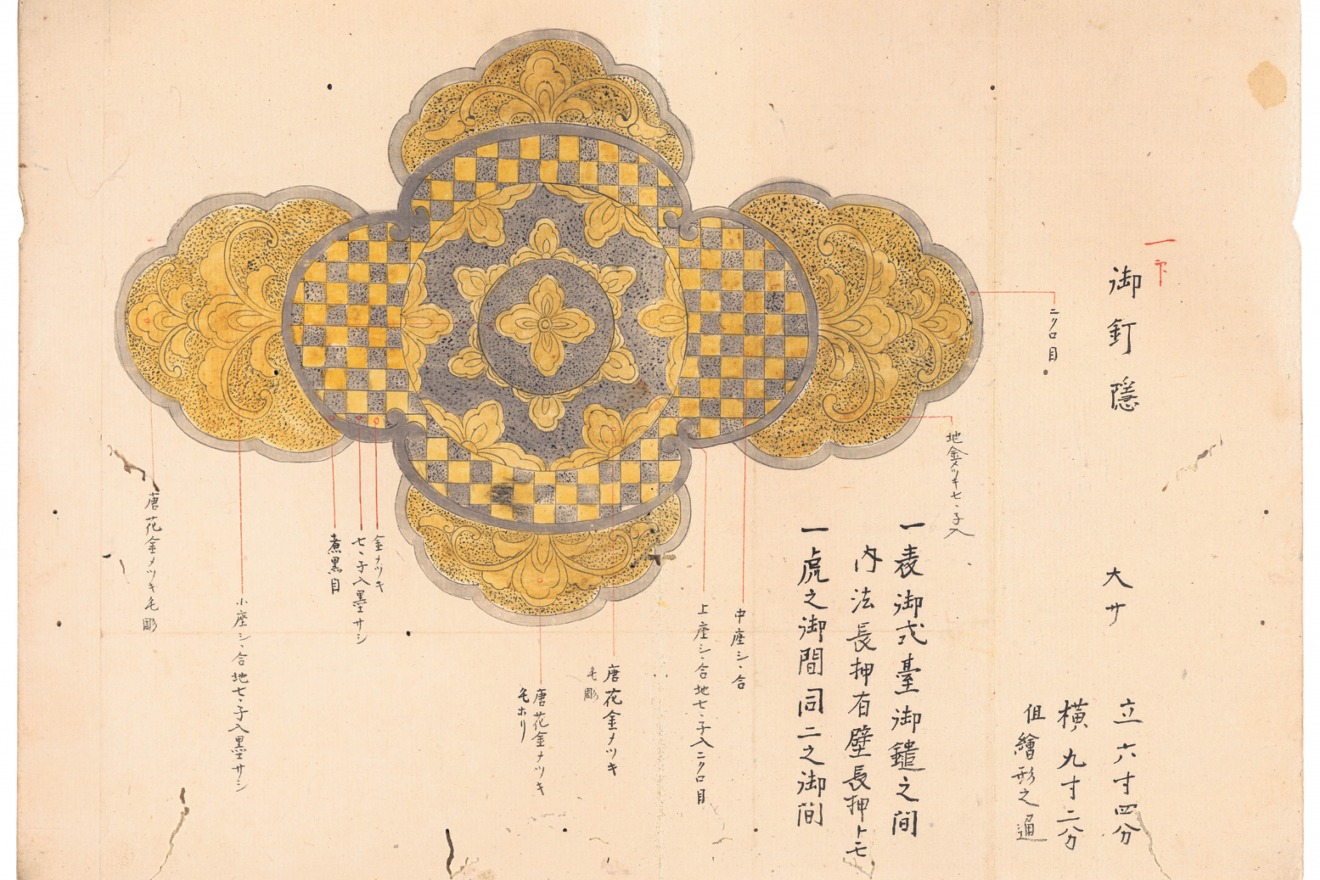
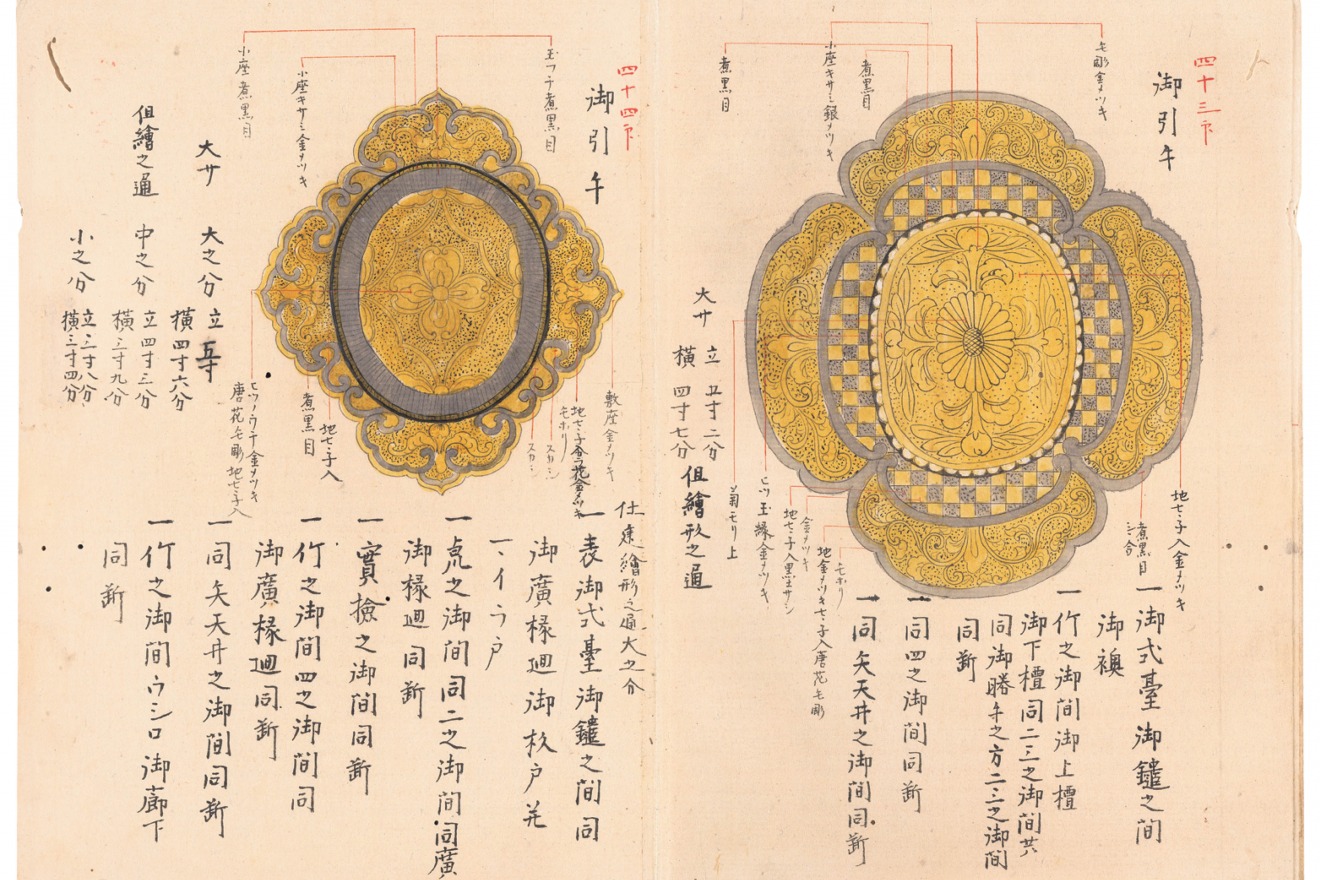
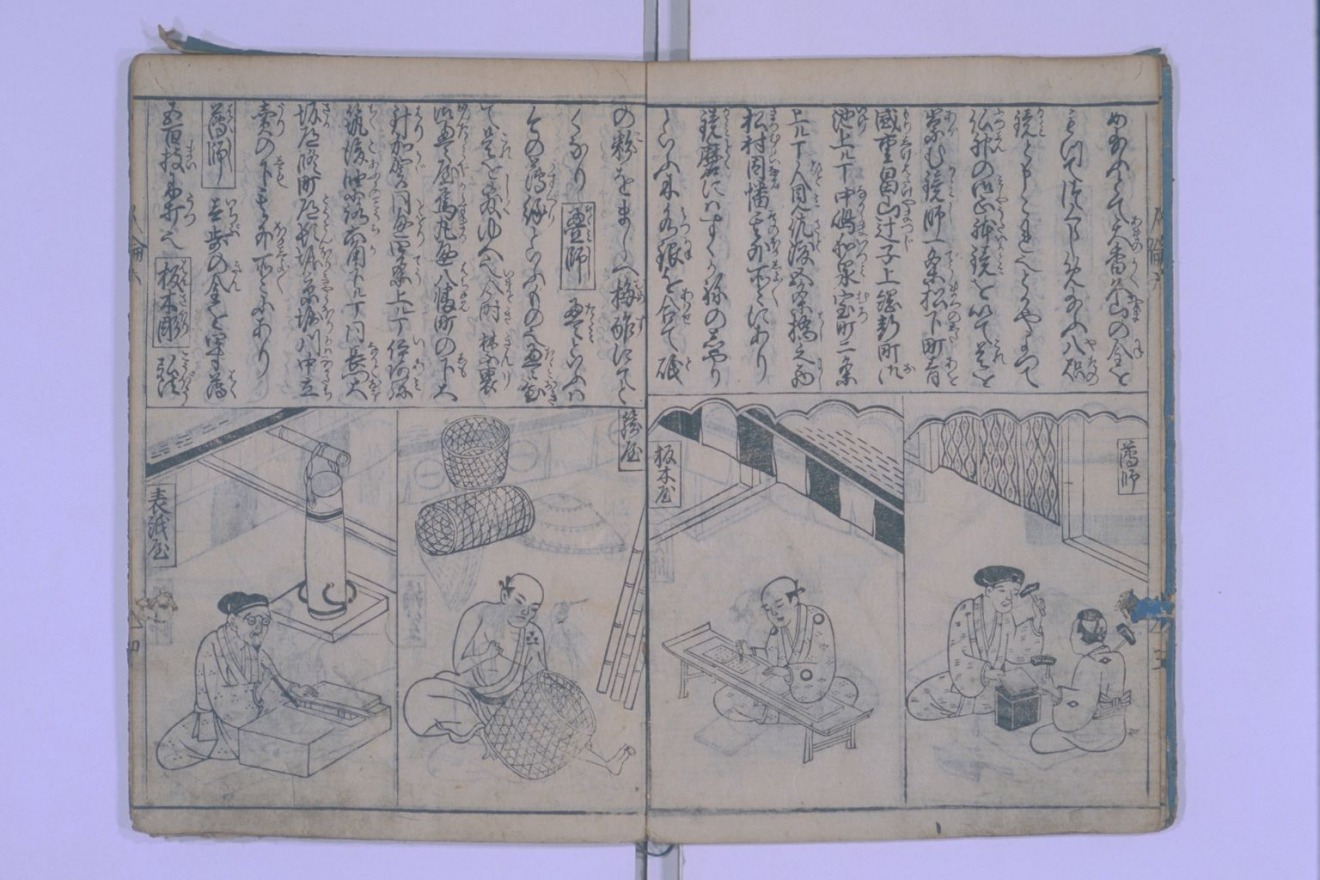
The history of gold leaf production in Kanazawa dates back to the late 16th century.
The Beginning: The Warring States Period (1593)
An important historical document reveals that gold leaf production was already taking place in the Kaga region by the late 16th century.
In 1593, MAEDA Toshiie, the founding lord of the Kaga Domain, sent a letter from Hizen-Nagoya (in present-day Saga Prefecture) to his officials back home. At the time, he was staying there as part of Toyotomi Hideyoshi's military campaign in Korea.
In the letter, Toshiie instructed that gold leaf be produced in Nanao and silver leaf in Kanazawa.
This document provides evidence that metal leaf production was already established in the region by the end of the 16th century.
Restrictions on Gold and Silver Leaf Production Under the Edo Shogunate (1696 Onward)
During the Edo period (1603–1868), Japan was governed by the Tokugawa shogunate, a military government that tightly controlled the production and distribution of gold and silver, partly because these precious metals were essential for making currency.
In 1667, the shogunate strengthened its control over raw gold, silver, and copper. In 1696, it established an official organization known as the Hakuza in Edo (present-day Tokyo) to regulate gold and silver leaf production and sales throughout Japan.
As a result, production outside Edo and Kyoto was severely restricted. Gold leaf makers in Kanazawa could no longer openly continue their trade.
A Turning Point: The Reconstruction of Kanazawa Castle (1808 Onward)
A major turning point came in 1808, when a fire destroyed the Ninomaru Palace, the main residence of the ruling lord within Kanazawa Castle.
Rebuilding the palace required a large quantity of gold leaf. The Kaga Domain therefore petitioned the shogunate for permission to invite gold leaf artisans from Kyoto to Kanazawa to produce it.
Local residents who observed the artisans at work also tried making gold leaf themselves, but initially struggled to achieve the same quality.
One of the local craftsmen subsequently traveled to Kyoto to learn the techniques firsthand and then passed his knowledge on to fellow artisans.
In this way, gold leaf craftsmanship gradually took root again in Kanazawa.
The Restoration of Gold Leaf Production in Kanazawa at the End of the Edo Period
Toward the end of the Edo period, a Kanazawa merchant named NOTOYA Sasuke repeatedly petitioned both the Kaga Domain and the shogunate to allow gold leaf production to resume locally.
Initially, he requested permission simply to repair gold leaf sheets that had been damaged during transportation from Edo. His request was rejected.
Undeterred, he first secured the right to sell gold leaf brought from Edo in Kanazawa.
Finally, in 1864, the shogunate granted permission for gold leaf to be produced in Kanazawa, although only for the repair of Kanazawa Castle and other official purposes of the domain.
The persistent efforts of one merchant helped pave the way for Kanazawa to become Japan's leading gold leaf production center.
From the Meiji Period Onward: Becoming Japan's Leading Gold Leaf Production Center
In 1869, the government abolished the traditional gold and silver control institutions, lifting restrictions on gold leaf production. This allowed Kanazawa's gold leaf industry to grow rapidly.
However, as the number of producers increased, competition over quality and prices also intensified. In 1888, local gold leaf makers established an industry association to regulate quality and pricing, helping build a stronger foundation for the industry.
In 1915, a Kanazawa gold leaf craftsman named MIURA Hikotaro developed a mechanical gold leaf hammering machine. This greatly improved production efficiency and contributed to the further expansion of the industry.
Through generations of technical refinement and dedication to quality, Kanazawa has grown to account for more than 99% of Japan's domestic gold leaf production today.
3. Why Did Gold Leaf Production Flourish in Kanazawa? The Natural Environment and Religious Traditions of the Hokuriku Region
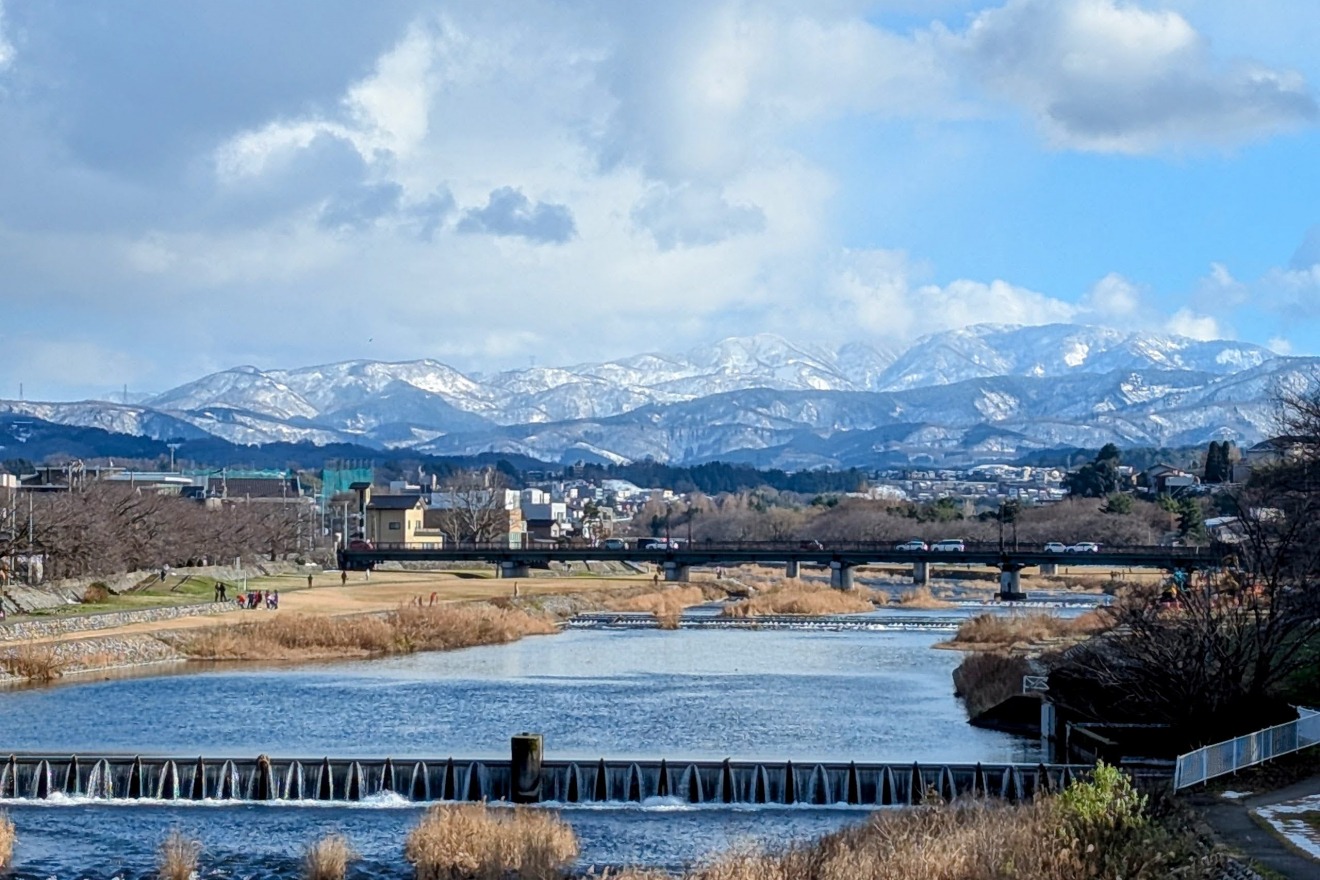
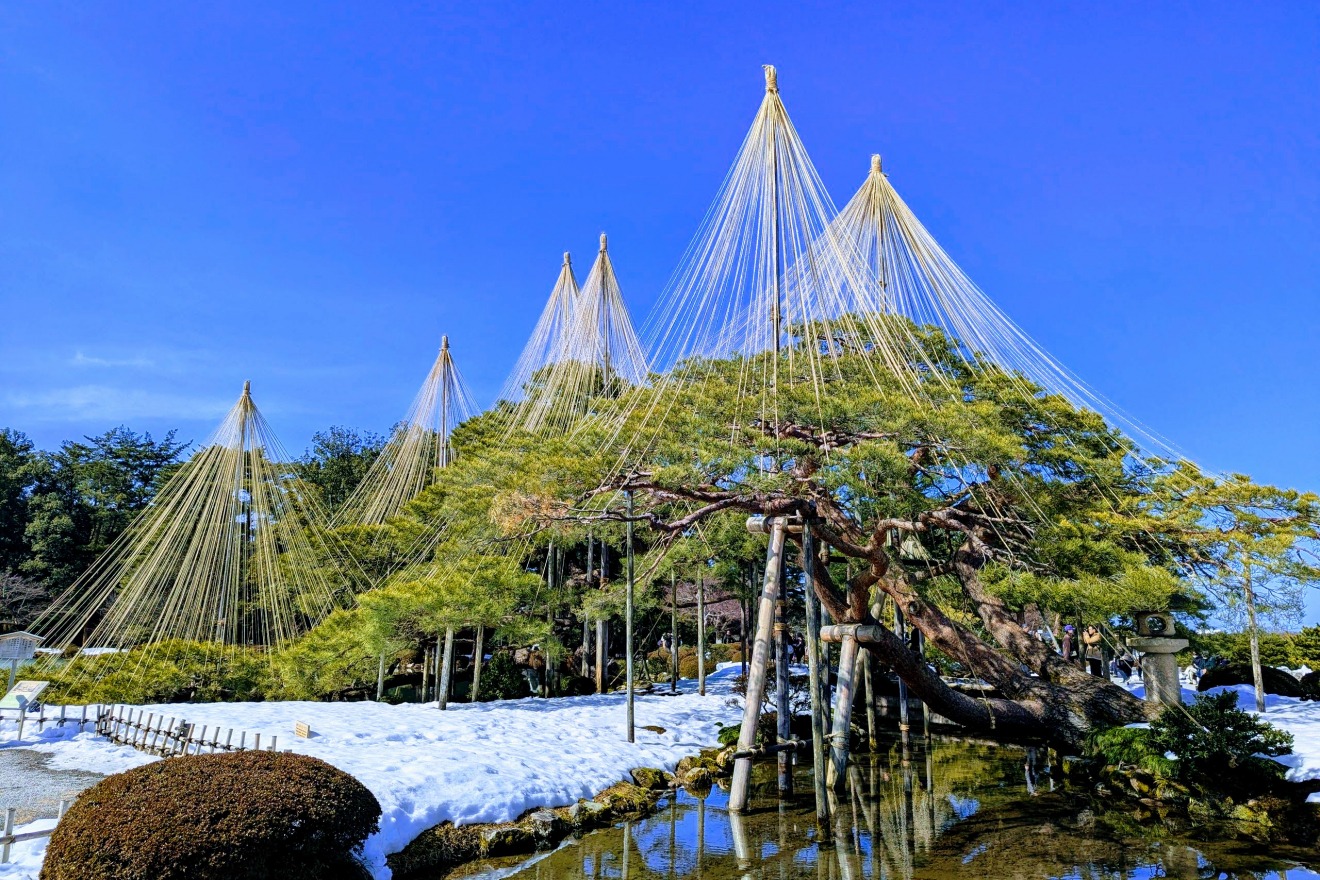
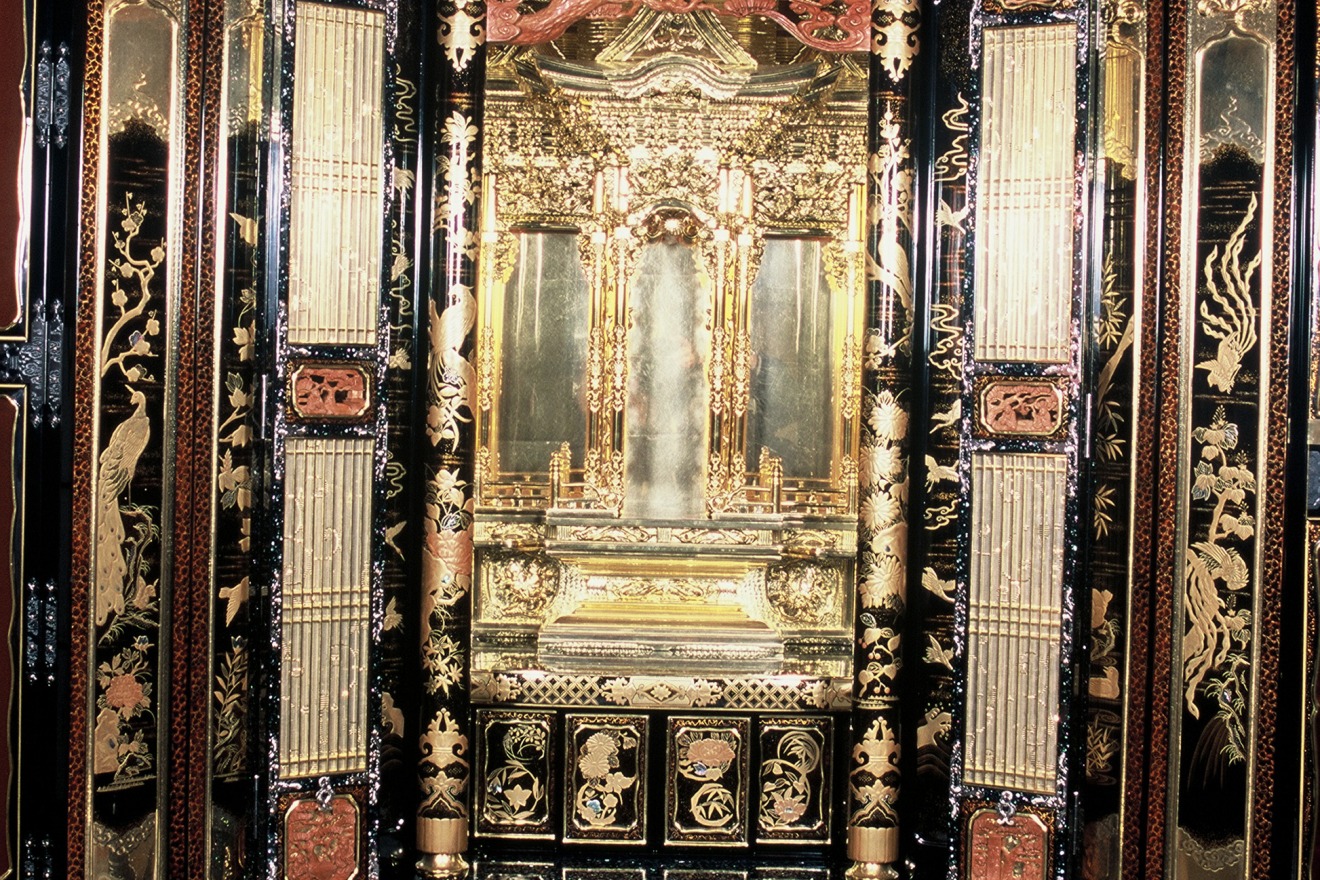
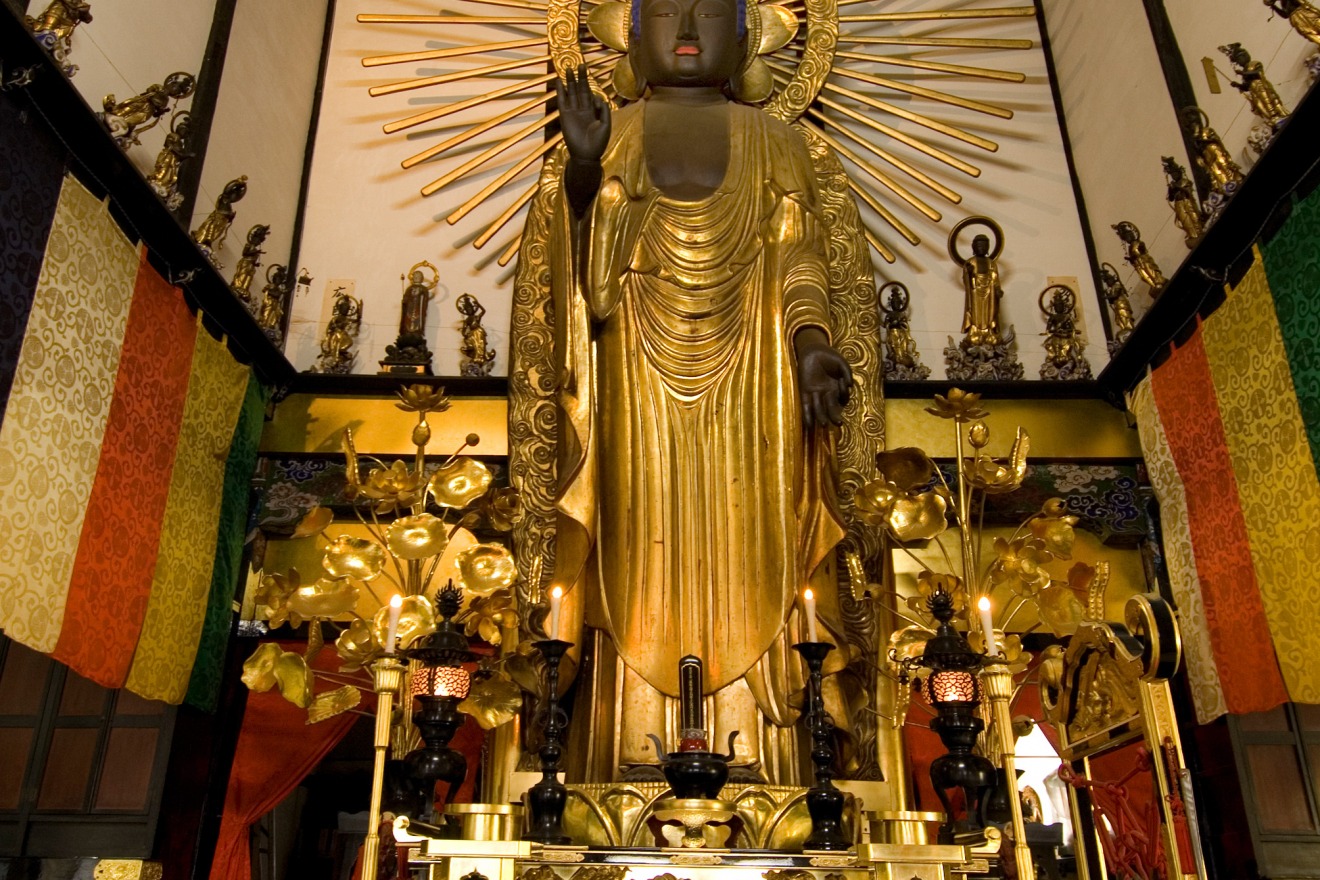
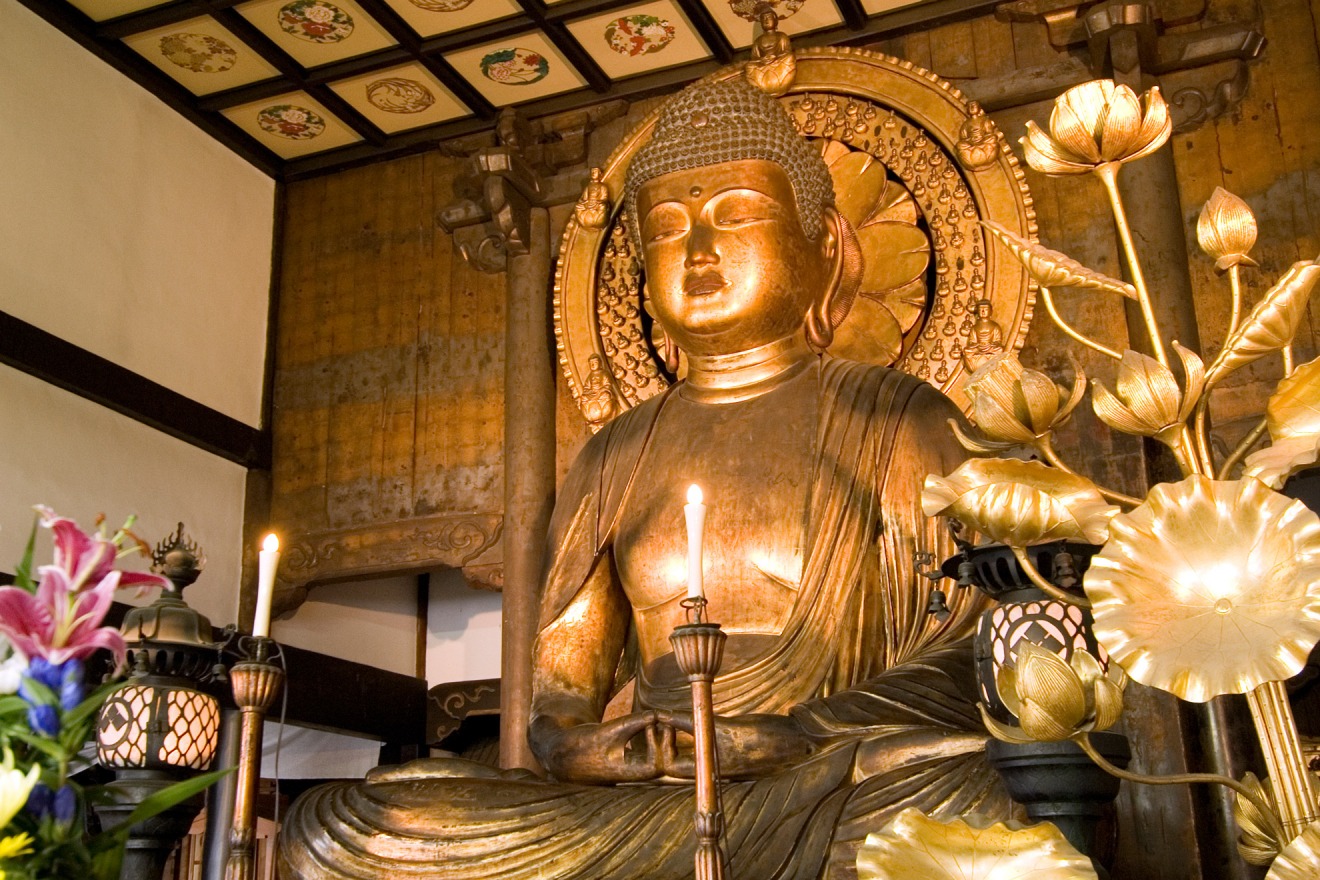
The development of gold leaf production in Kanazawa was shaped not only by the skills of its artisans but also by the region's natural environment and cultural traditions.
The Climate and Water of Hokuriku: Essential to Gold Leaf Production
Gold leaf is extraordinarily thin, measuring approximately 0.1 micrometers (one ten-thousandth of a millimeter).
Because it is so delicate, it is easily affected by static electricity caused by dry air and even the slightest breeze. Handling it requires exceptional care.
Kanazawa has a humid climate throughout the year, with frequent rain and snowfall. There is even a local saying: "You may forget your lunch, but never your umbrella!"—a reflection of how rainy the region is known to be.
This naturally humid environment helps reduce static electricity caused by dryness, making it one of the favorable conditions for handling extremely thin gold leaf.
Another important natural resource supporting the industry is the high-quality water originating from Mount Hakusan, a sacred mountain in the Hokuriku region.
One essential material in gold leaf production is haku-uchigami, a special handmade Japanese paper used to sandwich the gold as it is repeatedly hammered and stretched.
Preparing this paper is itself a highly skilled craft. Special handmade washi paper is treated with water, alkaline plant extracts, and persimmon tannin, then repeatedly beaten and dried to achieve the precise texture required.
The condition of the paper greatly affects how the gold spreads and the quality of the finished leaf.
Kanazawa's humid climate, abundant water from Mount Hakusan, and generations of accumulated craftsmanship have together supported the development of its gold leaf industry.
How Buddhist Faith Created Demand for Gold Leaf
Buddhism has long played an important role in the cultural and spiritual life of the Hokuriku region. In particular, Jodo Shinshu, one of Japan's major Buddhist traditions, became deeply rooted in the area.
Gold leaf has traditionally been used to decorate Buddhist temples, altars, and religious objects.
Its radiant appearance symbolizes the sacred world of the Buddha and the Pure Land, a Buddhist vision of a realm of enlightenment and peace.
The steady demand created by these religious traditions and everyday devotional practices was another important factor in sustaining Kanazawa's gold leaf industry and passing its techniques down through generations.
4. The Maeda Clan's Cultural Patronage: How Samurai Culture Shaped Kanazawa's Aesthetic Traditions
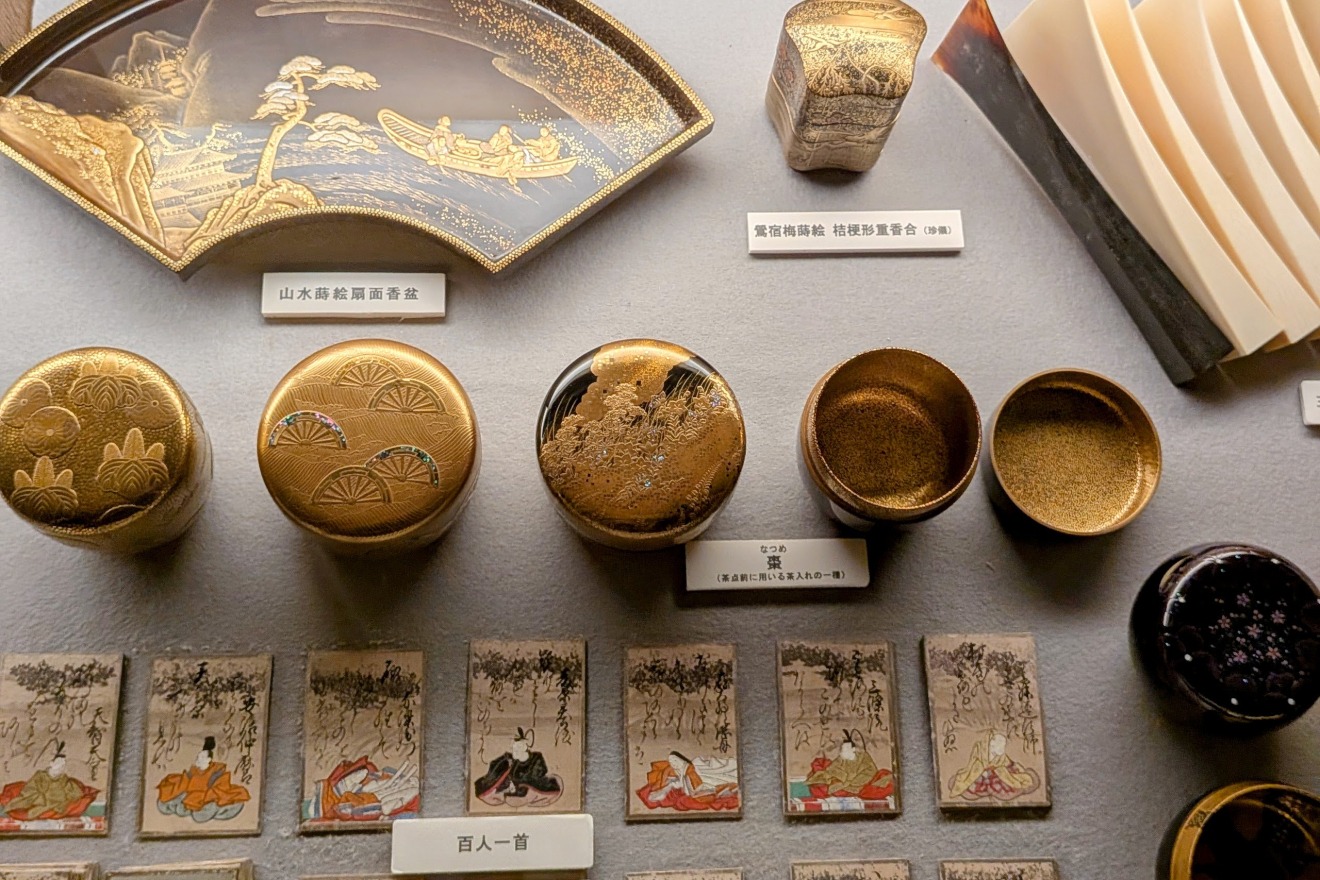
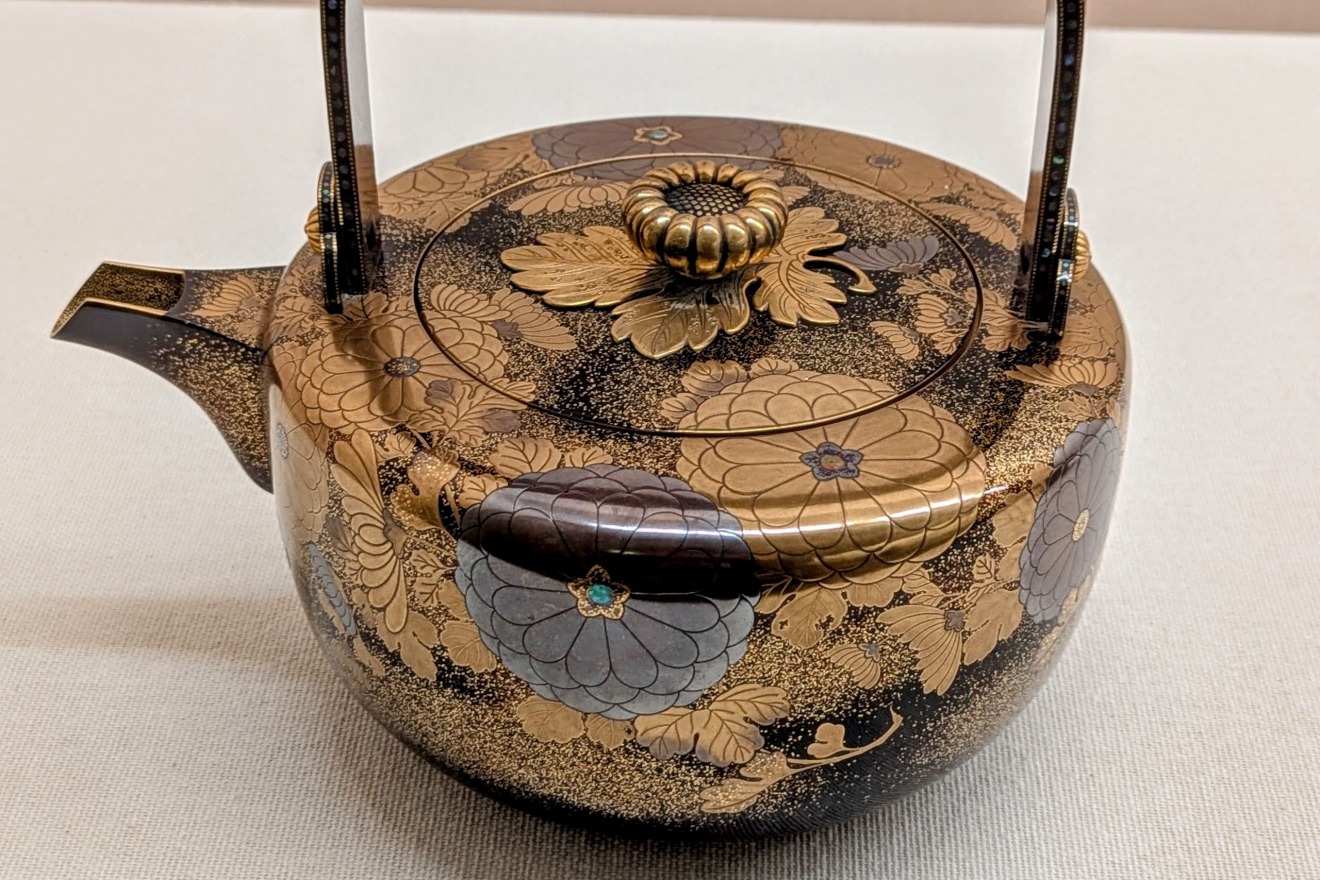
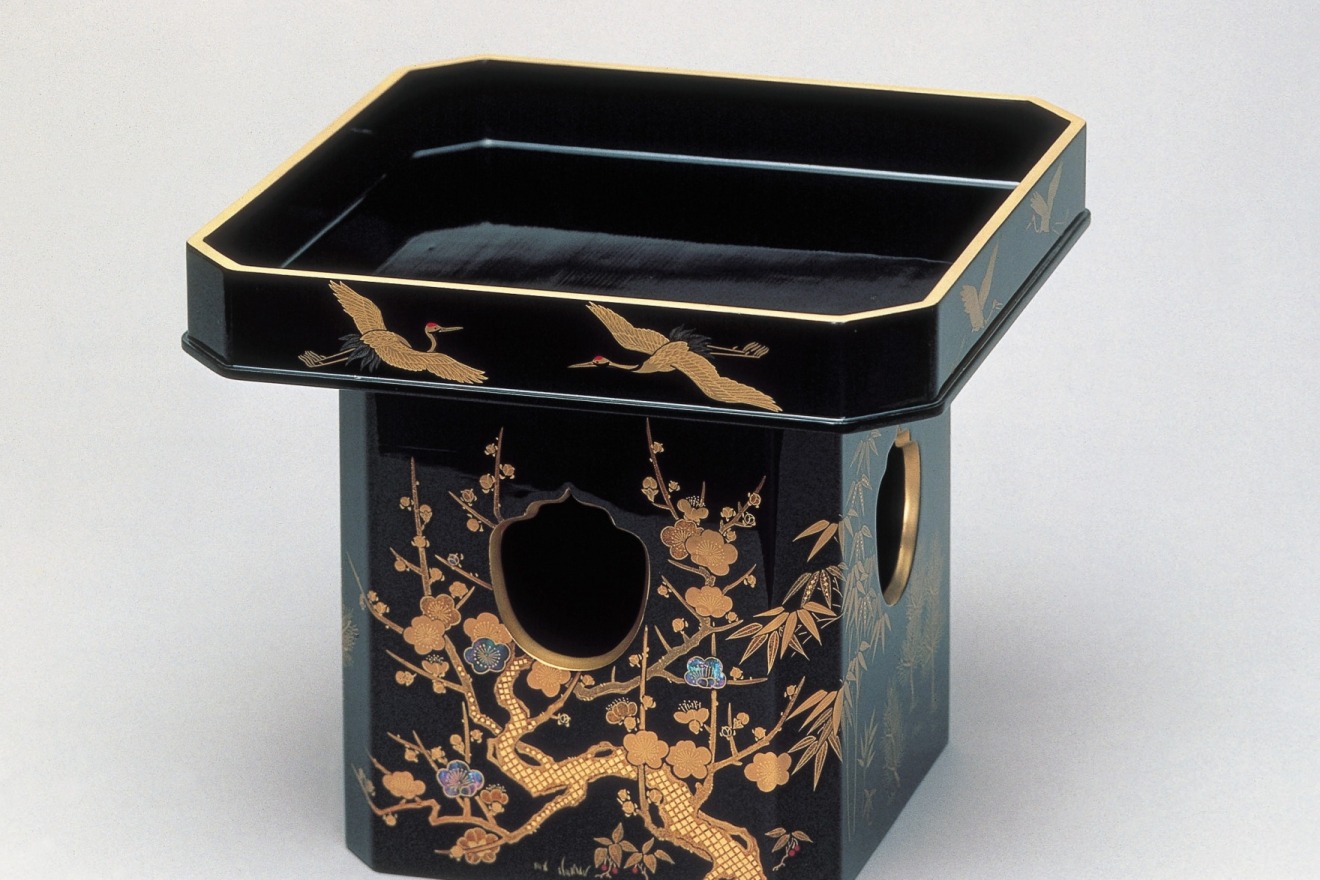
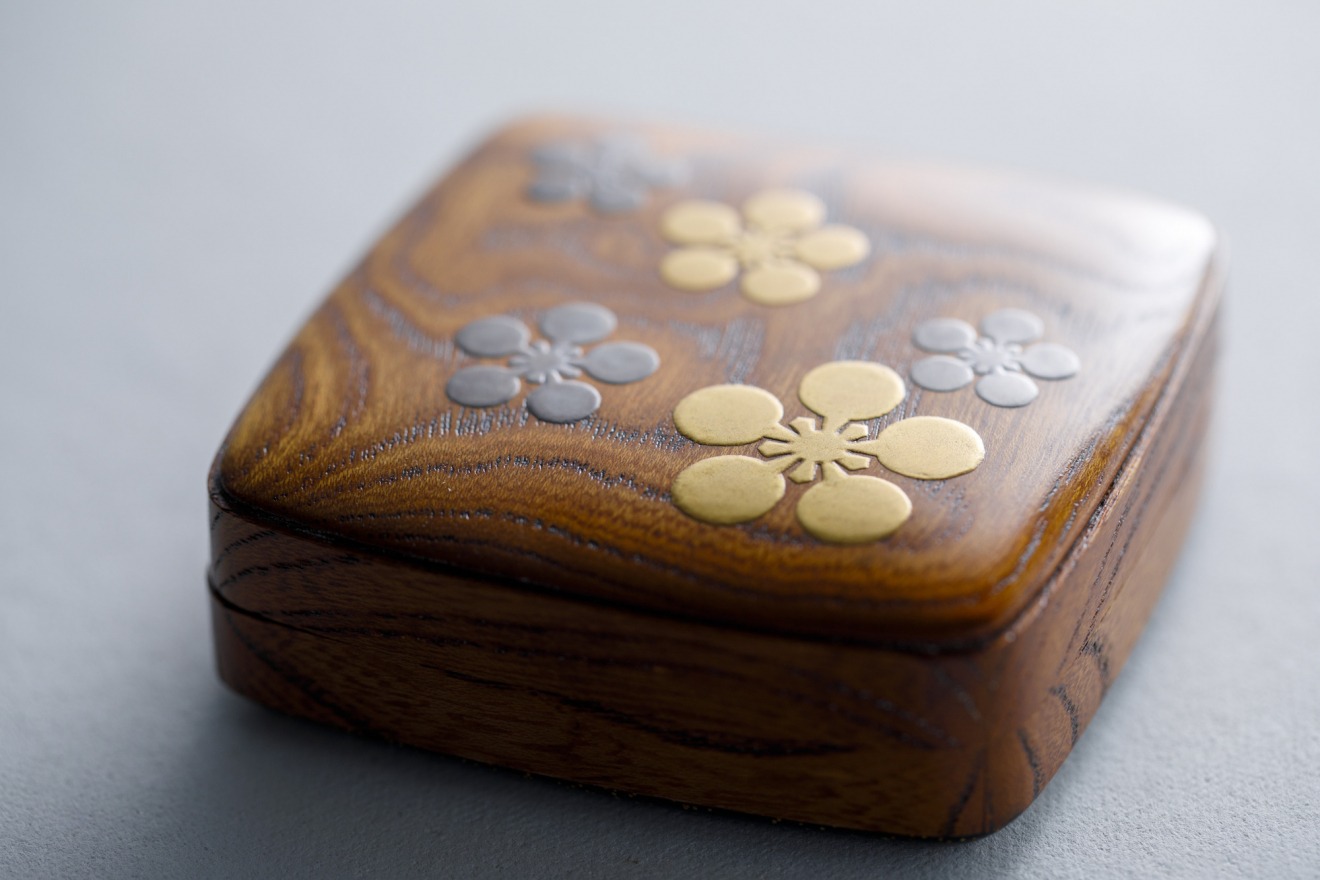
Kanazawa's gold leaf industry did not develop in isolation. Under the cultural patronage of the Maeda family, gold leaf became closely connected with a wide range of traditional crafts, helping shape the city's distinctive aesthetic traditions.
This is techniques blended the strength of samurai culture with the elegance of courtly aesthetics, shaping Kanazawa’s distinctive refined style.
The Osaikisho: The Kaga Domain's Official Craft Workshops
During the rule of MAEDA Toshitsune, the third lord of the Kaga Domain, official workshops known as the Osaikisho were established and developed.
These workshops produced and repaired military equipment and craft objects for the domain.
The Maeda family also invited highly skilled artisans and specialists from Kyoto and Edo, including the Kyoto lacquer artist Igarashi Dohō and the Edo craftsman Shimizu Kyūbei, to promote traditional arts such as lacquerware.
Under this cultural policy, gold leaf became an important material in a variety of crafts, supporting the development of Kanazawa's distinctive manufacturing culture.
Gold Leaf and Kaga Maki-e
One of the traditional decorative techniques using gold leaf and gold powder is called maki-e.
Maki-e is a Japanese lacquer art in which patterns are drawn onto an object using lacquer. Before the lacquer dries, fine gold or silver powder is sprinkled over the surface to create intricate decorations.
Developed under the cultural patronage of the Kaga Domain, Kaga maki-e is known for its elaborate designs and richly detailed decoration.
The technique was used to adorn objects associated with samurai culture, including tea ceremony utensils and writing boxes. The brilliance of gold adds depth and elegance to these works of art.
Kanazawa Buddhist Altars: A Collaboration of Traditional Crafts
Kanazawa Buddhist altars, known as Kanazawa butsudan, bring together the skills of many different artisans, including woodworkers, sculptors, lacquerers, maki-e artists, and gold leaf craftsmen.
Gold leaf is extensively applied to the interior of these altars, creating a magnificent golden space that represents the splendor of the Buddhist world.
Gold leaf is therefore more than a decorative material. It has played an important role in expressing people's prayers, religious beliefs, and aesthetic values.
How Is Gold Leaf Made? The Craftsmanship Behind One Ten-Thousandth of a Millimeter
Gold leaf production involves five main stages.
1. Creating the Gold Alloy: Pure gold is mixed with tiny amounts of silver and copper, then melted at approximately 1,300°C.
2. Rolling the Gold: The alloy is formed into a sheet and repeatedly passed through rollers until it reaches a thickness of approximately 0.05 mm (one-twentieth of a millimeter).
3. Hammering the Gold: The gold is cut into squares measuring approximately 5 cm on each side, placed between special sheets of gold-beating paper, and hammered tens of thousands of times until it becomes approximately 0.1 micrometers thick.
4. Transferring the Gold Leaf: Each delicate sheet is carefully transferred by hand into temporary storage booklets.
5. Finishing and Cutting: The gold leaf is trimmed to the required dimensions.
Two Traditional Gold Leaf Finishing Methods
The way gold leaf is finished and cut determines which of two main production methods is used.
1. Enzuke Gold Leaf: A UNESCO-Recognized Traditional Craft
Enzuke is recognized as one of the traditional techniques included in UNESCO's Intangible Cultural Heritage listing, "Traditional Skills, Techniques and Knowledge for the Conservation and Transmission of Wooden Architecture in Japan."
Characteristics:
Enzuke gold leaf is produced using traditional handmade Japanese paper called haku-uchigami.
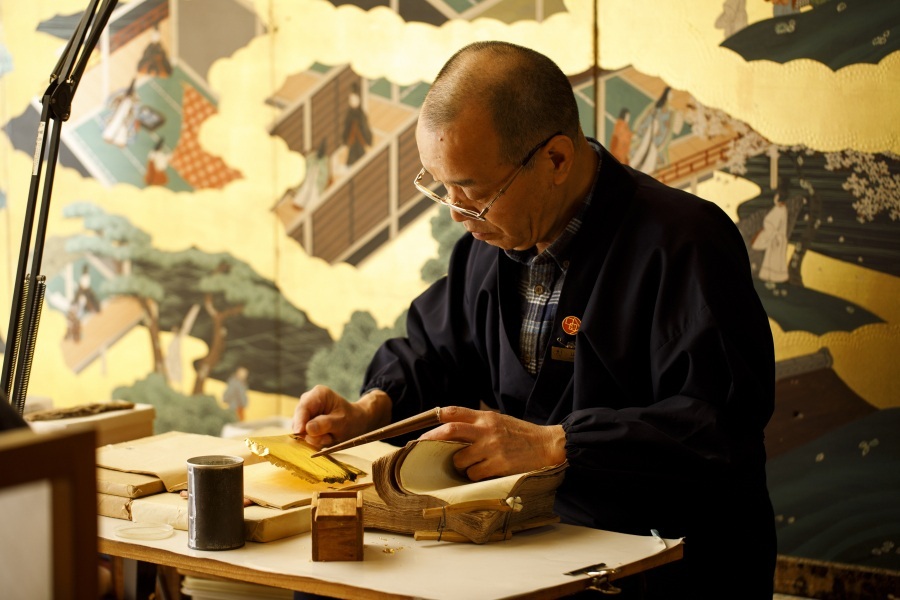
After the gold has been repeatedly hammered and stretched, each sheet is carefully removed by hand. Artisans use a traditional bamboo knife to trim the gold leaf to the required size before placing it between slightly larger sheets of paper.
From preparing the special paper to finishing the gold leaf, every stage preserves traditional techniques and meticulous handwork.
Advantages:
Enzuke gold leaf has a refined, understated brilliance. Its exceptionally thin structure allows sheets to be applied with less visible overlap, making it particularly valuable for the restoration of National Treasures and Important Cultural Properties.
2. Tachikiri Gold Leaf: An Efficient Modern Method
Characteristics:
Tachikiri gold leaf uses glassine paper, a smooth, thin paper that allows for a more efficient production process.
Rather than trimming each sheet individually, the gold leaf and surrounding paper are stacked together and cut to the required dimensions in one operation.
Advantages:
The simplified finishing process makes tachikiri gold leaf more economical and consistent in quality. It is widely used in contemporary crafts, decorative products, and cosmetics.
5. From Kinkaku-ji to Nikko Toshogu: Japanese Architecture and Crafts Adorned with Kanazawa Gold Leaf
For centuries, gold leaf has enhanced the beauty of Japanese temples, shrines, Buddhist altars, lacquerware, and other traditional arts.
Beyond its decorative appeal, gold has also symbolized religious devotion, authority, prosperity, and the sacred world.
Here are three famous examples of Japanese architecture where gold leaf plays an important role.
1. Kinkaku-ji (The Golden Pavilion), Kyoto | The Brilliance of Approx. 200,000 Sheets of Gold Leaf
One of Japan's most famous landmarks, Kinkaku-ji, officially known as Rokuon-ji, is a Zen Buddhist temple in Kyoto.
Its iconic Golden Pavilion is covered in dazzling gold leaf. During a major restoration completed in 1987, approximately 200,000 sheets of gold leaf were applied, using gold leaf five times thicker than the standard variety.
The pavilion is one of the most recognizable examples of gold leaf decoration in Japanese architecture.
2. Yomeimon Gate, Nikko Toshogu Shrine, Tochigi | Gold Leaf That Enhances Intricate Carvings
Yomeimon Gate, a National Treasure at Nikko Toshogu Shrine in Tochigi Prefecture, is one of Japan's most elaborately decorated architectural masterpieces.
The shrine enshrines Tokugawa Ieyasu, the founder of the Tokugawa shogunate, which ruled Japan during the Edo period.
Yomeimon is particularly famous for its more than 500 intricate carvings, brilliant colors, and lavish gold decorations. Its extraordinary detail is so captivating that it is also known as Higurashi-no-Mon, meaning "the gate that can be admired until sunset."
Restoration work completed in 2017 used Kanazawa gold leaf processed in Kanazawa City, Ishikawa Prefecture. Approximately 240,000 sheets of gold leaf adorn the gate, highlighting its magnificent decorative details.
3. Chuson-ji Konjikido (Golden Hall), Iwate | A Golden Expression of the Prayer for Peace
Located in Hiraizumi, Iwate Prefecture, Chuson-ji Konjikido, or the Golden Hall, was built in 1124 by Fujiwara no Kiyohira, the founder of the powerful Oshu Fujiwara clan.
It was constructed to honor those who had died in the wars of the region and to express a wish for a peaceful world free from conflict—a Buddhist vision of the Pure Land.
Both the interior and exterior of the hall are richly decorated with gold leaf, creating a magnificent golden space known as kaikonjiki, meaning "entirely golden."
Nearly 900 years after its construction, Kanazawa gold leaf has also been used in restoration work, helping preserve its brilliance for future generations.
Behind its extraordinary beauty lies a profound prayer for peace, supported by the craftsmanship of Kanazawa's gold leaf artisans.
4. Gold Leaf in Kanazawa's Traditional Crafts
Gold leaf is deeply embedded in a wide range of traditional crafts in Kanazawa.
- Kanazawa Buddhist Altars and Religious Objects: Gold leaf is used extensively in interiors and decorative details to create a magnificent, sacred appearance.
- Kaga Maki-e: Gold powder and other precious materials are applied to lacquerware to create intricate and elegant patterns.
- Kanazawa Lacquerware: Combines the rich texture of traditional Japanese lacquer with the brilliance of gold.
- Ceramics: Gold decoration is used to enhance painted designs and decorative details.
- Folding Screens and Sliding Door Panels: Gold leaf adds brilliance, depth, and elegance to traditional Japanese interiors.
Gold leaf has long been an essential material connecting the skills of different artisans and supporting Kanazawa's rich craft culture.
6. Discover, Learn About, and Experience Gold Leaf in Kanazawa
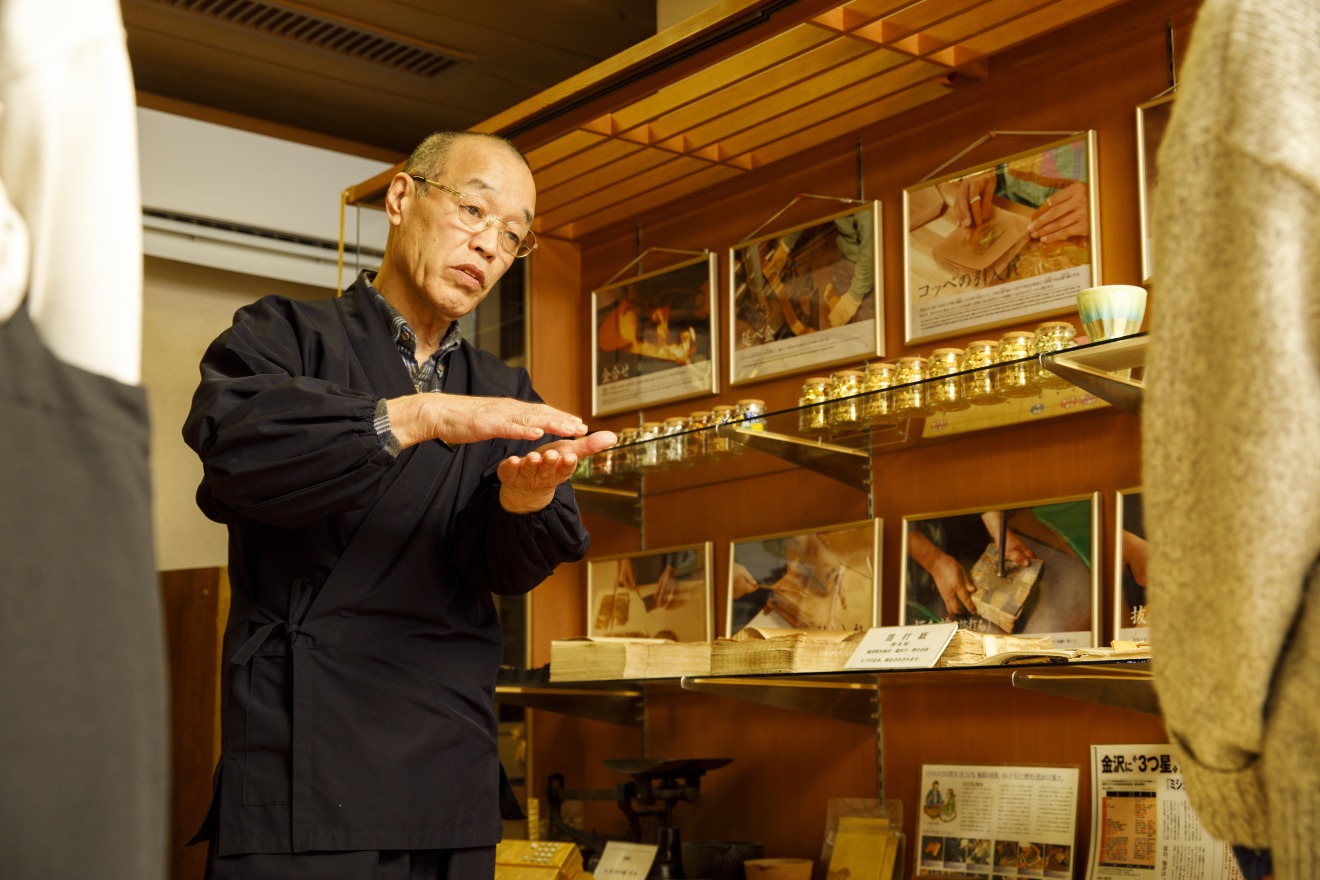
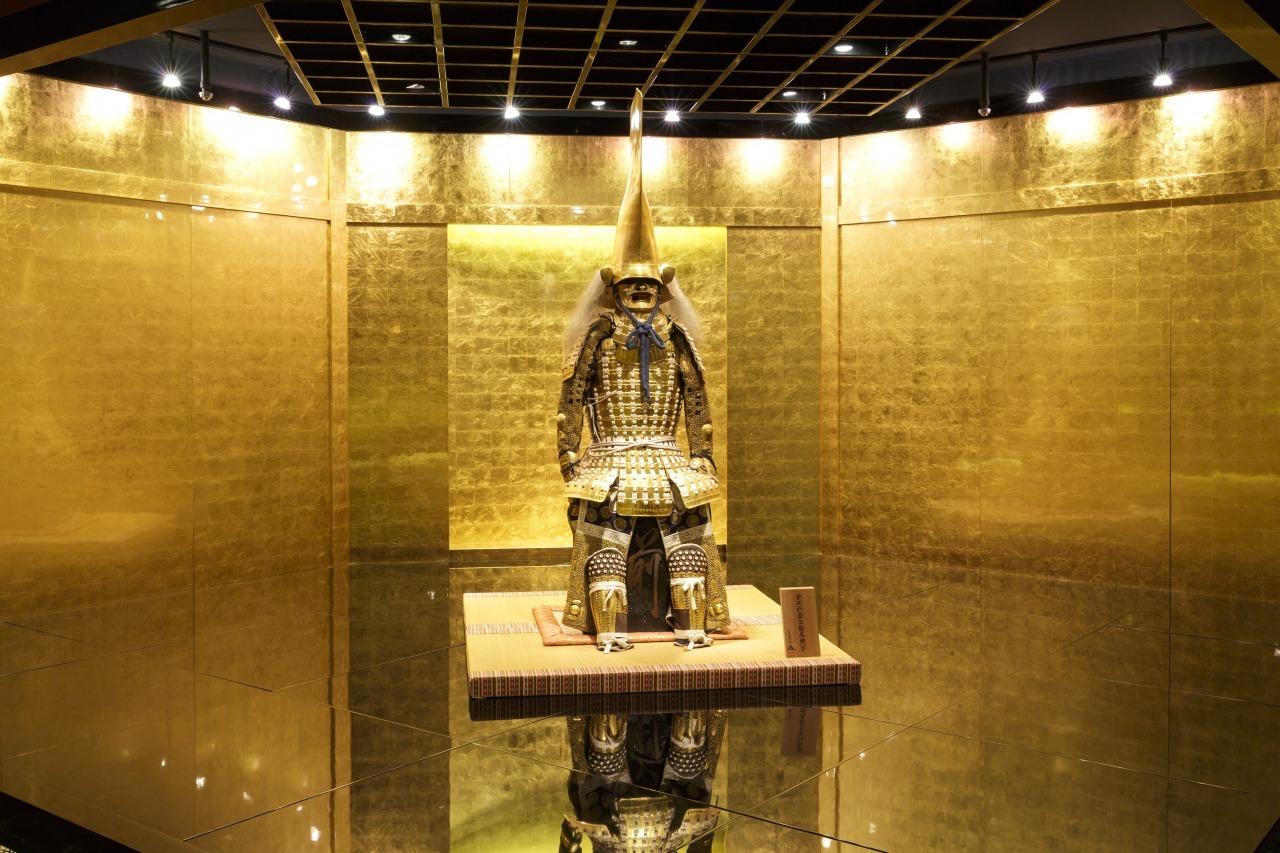
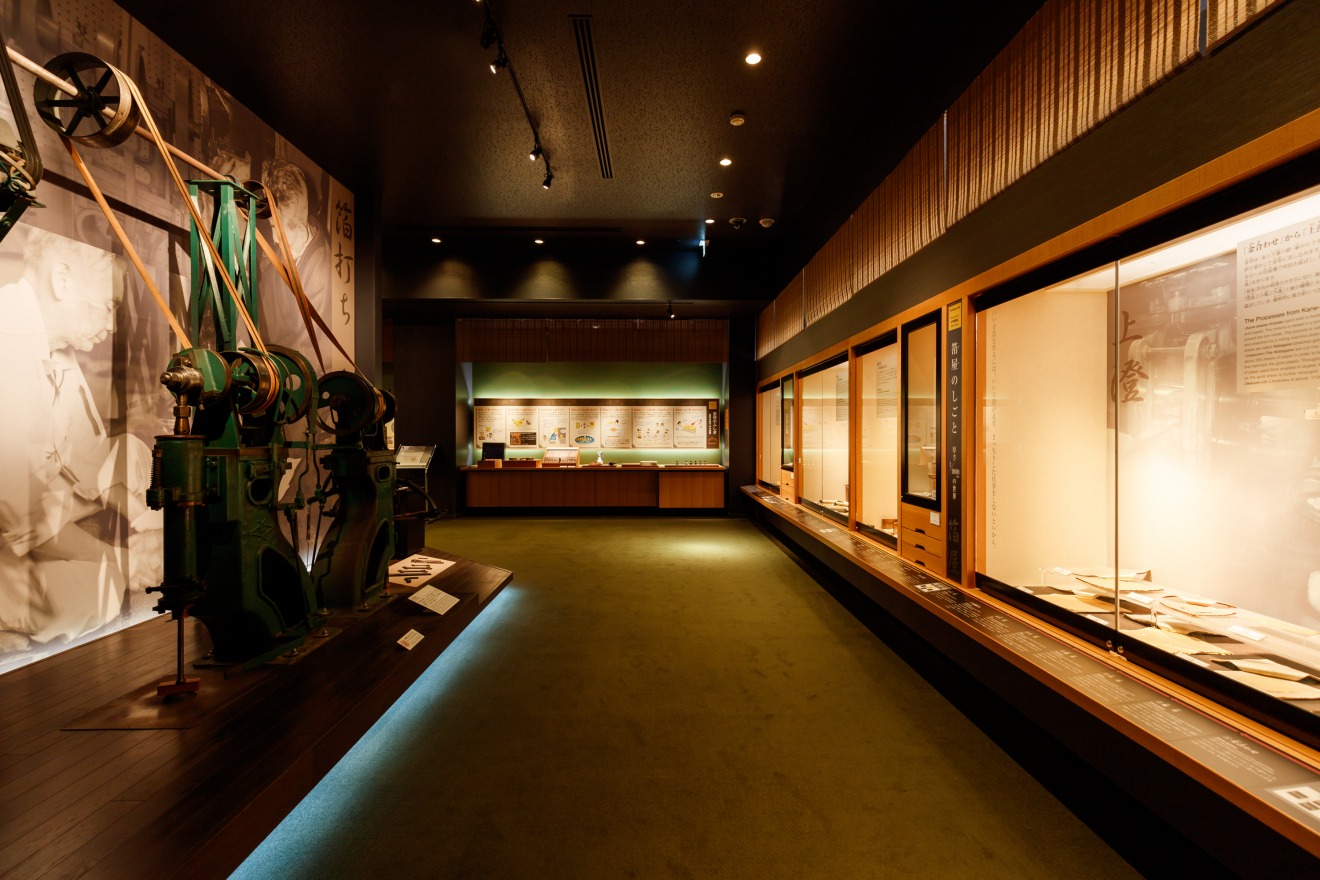
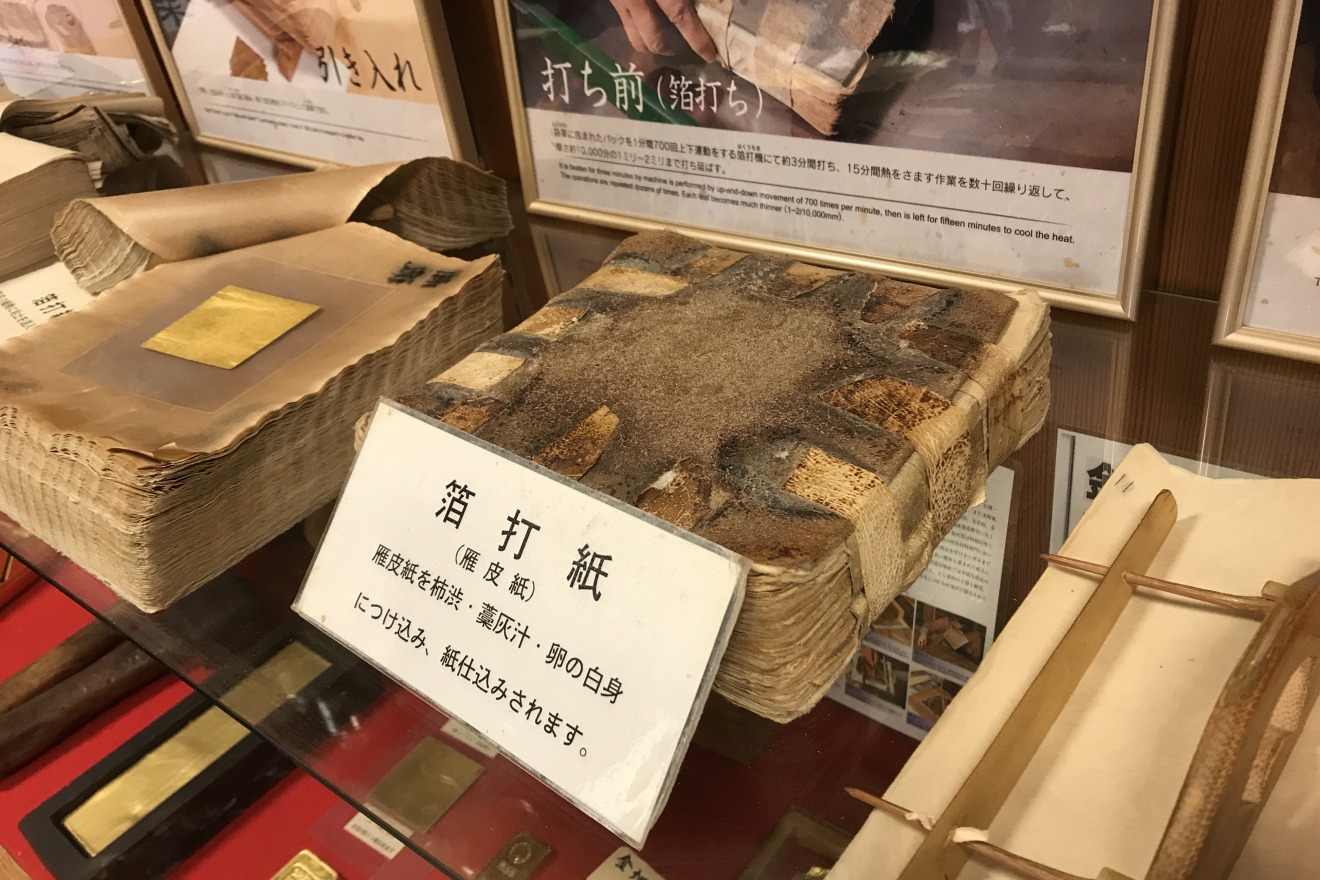
When visiting Kanazawa, why not go beyond simply admiring the beauty of gold leaf and discover the techniques and craftsmanship behind it?
From museums where you can learn about its history to factory tours and hands-on gold leaf workshops, Kanazawa offers a variety of ways to experience this remarkable traditional craft.
LEARN | Yasue Gold Leaf Museum: Japan's Only Museum Dedicated to Gold Leaf
"Welcome to the world of one ten-thousandth of a millimeter."
This is the fascinating invitation that greets visitors to the Yasue Gold Leaf Museum, Japan's only museum dedicated exclusively to gold leaf.
What makes it special:
The museum offers a comprehensive introduction to gold leaf through historical tools actually used by artisans, explanations of the science behind its extraordinary properties, and easy-to-understand video presentations.Visitors can also admire beautiful examples of traditional craftsmanship from the museum's collection.
Recommended for:
Anyone interested in Japanese traditional crafts, the history of gold leaf, or learning about the skills of master artisans before exploring Kanazawa.
SEE | Hakuichi: Visit a Working Gold Leaf Factory Industrial Tourism Program | For Groups
Hakuichi is one of Kanazawa's leading gold leaf brands. At its factory in Utsugi-machi, Kanazawa, the company offers industrial tourism programs that introduce visitors to the actual gold leaf production process.
What makes it special:
Visitors can observe the fascinating manufacturing process, from melting and alloying gold at approximately 1,300°C to the highly skilled work of hammering it into sheets as thin as one ten-thousandth of a millimeter.
Seeing the artisans handle such delicate material offers a rare insight into the precision and dedication behind this traditional craft.
Recommended for:
Visitors interested in manufacturing, traditional craftsmanship, and seeing the production process firsthand.
Hakuichi Industrial Tourism Program
DISCOVER | Hakuichi Hakukokan: From Gold Leaf History to Golden Soft-Serve Ice Cream
Hakukokan, operated by Hakuichi, is a facility where visitors can explore the history and production of Kanazawa gold leaf.
What makes it special:
Exhibitions explain how gold leaf is made and how it has been used in Japanese traditional crafts. Visitors can also enjoy hands-on gold leaf application workshops.
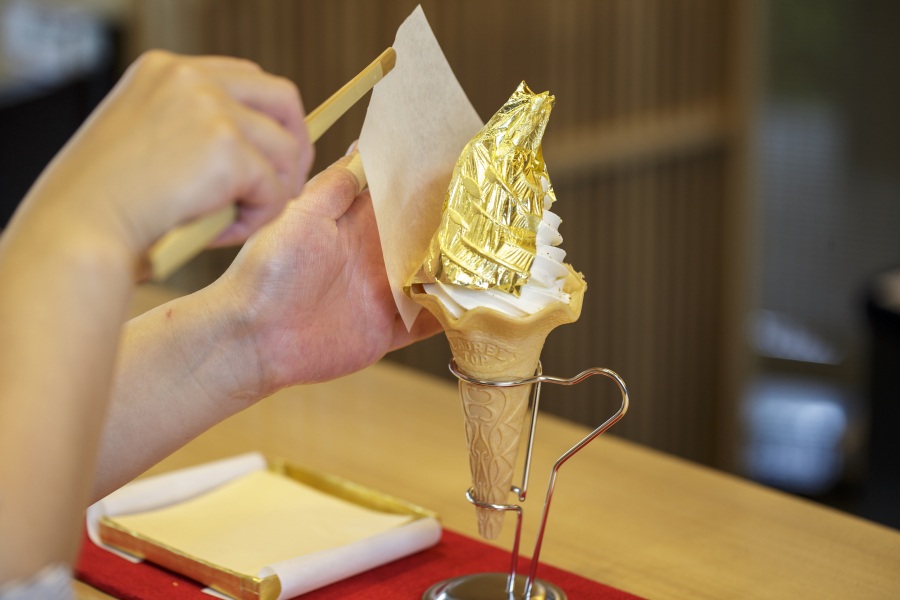
And for a uniquely Kanazawa experience, you can even try soft-serve ice cream topped with real edible gold leaf!
SEE | Kinpakuya Sakuda: Watch Artisans at Work Near Higashi Chaya District
Just a short walk from Higashi Chaya District, one of Kanazawa's historic geisha districts, you will find Kinpakuya Sakuda Main Store, a long-established gold leaf company founded in 1919.
What makes it special:
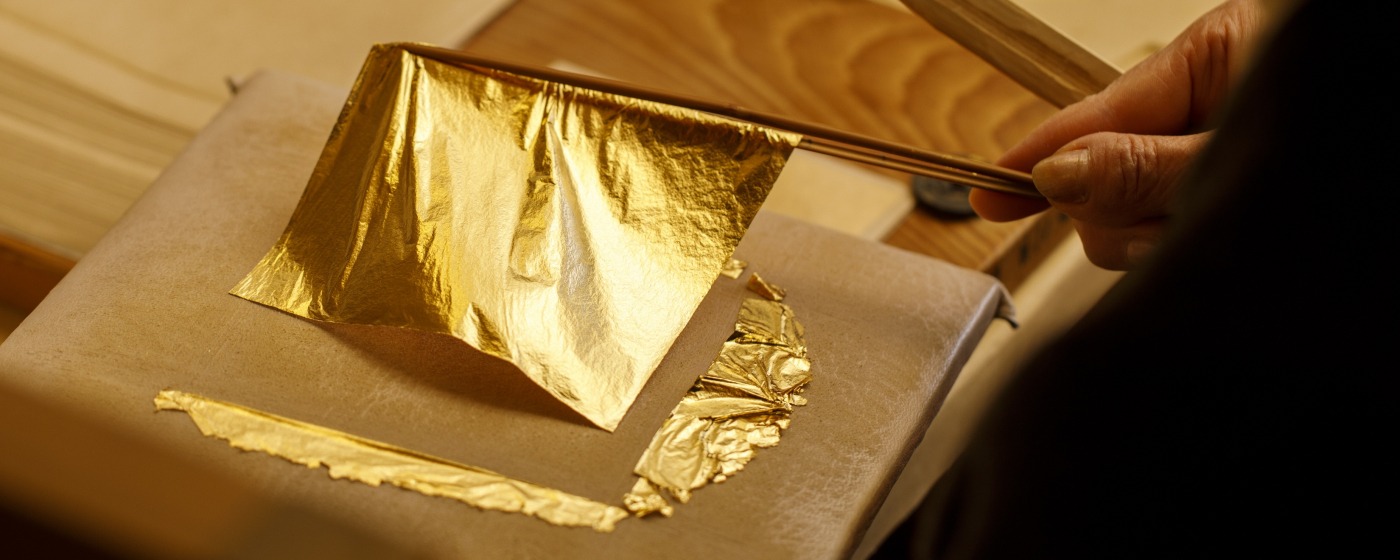
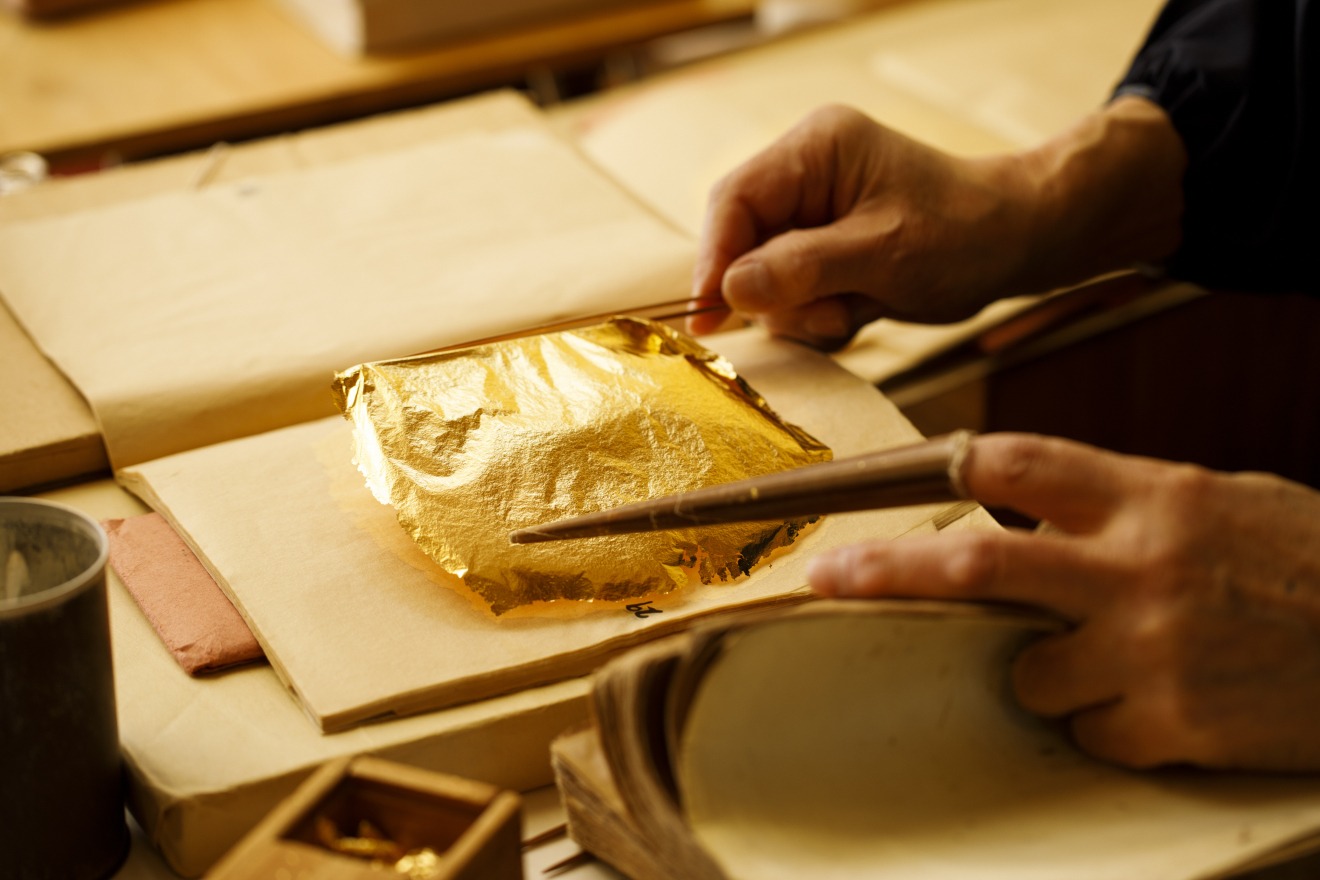
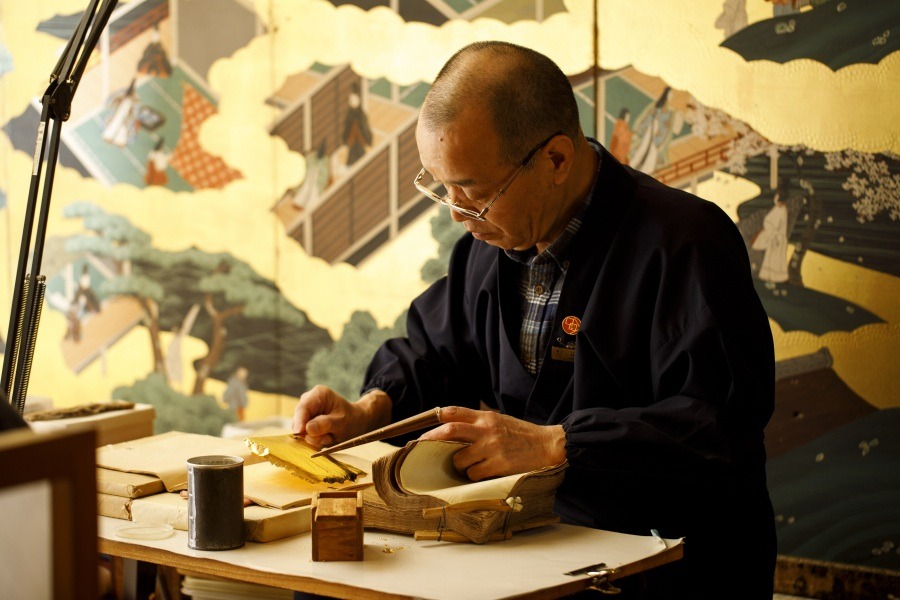
The workshop introduces visitors to the various stages of gold leaf production. One of the highlights is haku-utsushi, the delicate finishing process in which individual sheets of gold leaf are transferred by hand.
Using bamboo tools, artisans carefully move each extremely thin sheet and trim it to the required size with a bamboo frame.
Gold leaf is so delicate that even a gentle breath can send it flying. Watching artisans handle it with such speed and precision is truly impressive.
Recommended for:
Visitors who want to see traditional craftsmanship up close or make a quick cultural stop while exploring Higashi Chaya District.
CREATE | Gold Leaf Application Workshop: Make Your Own One-of-a-Kind Souvenir
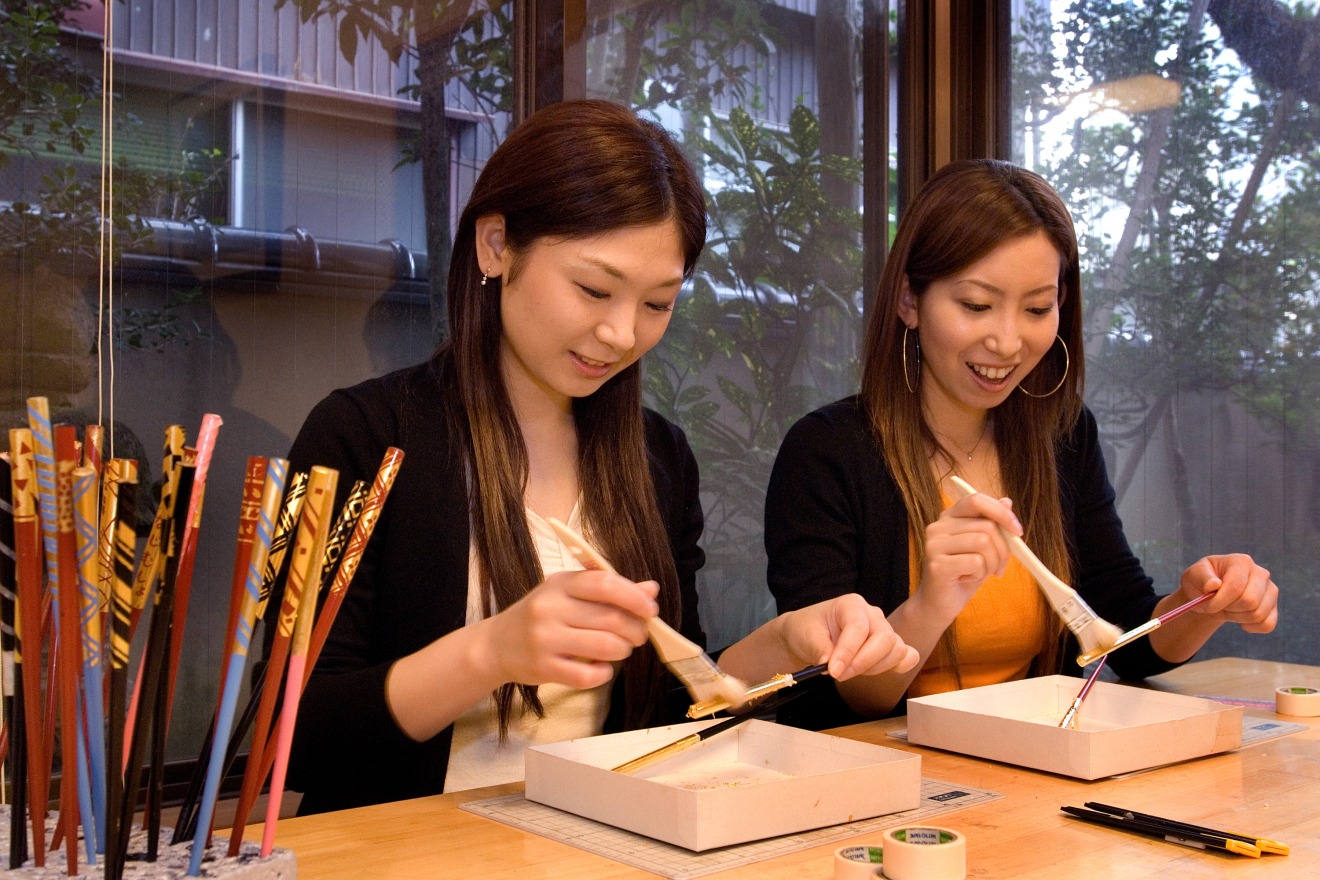
One of the most popular activities for visitors to Kanazawa is a hands-on gold leaf application workshop, where you can work with genuine Kanazawa gold leaf.
What makes it special:
Choose an item such as chopsticks, a small decorative box, a hand mirror, or a tumbler, then create your own original design using gold leaf.
It is a wonderful opportunity to experience the delicacy of this traditional material while making a unique souvenir to take home.
Duration: Approximately 20–45 minutes
Typical price: Around ¥1,500–¥3,000, including materials
Take-home souvenir: Your finished creation can generally be taken home on the same day.
Explore the available plans through the link here.
RESTORE | Kintsugi Workshop at Yagi Studio: Discover the Beauty of Repairing Broken Objects
Kintsugi is a traditional Japanese repair technique in which broken or chipped ceramics are mended with lacquer and the repaired areas are decorated with gold powder.
Rather than hiding the marks of damage, kintsugi highlights them, transforming imperfections into part of an object's beauty.
In recent years, this art has attracted growing interest both in Japan and around the world.
What makes it special:
Kintsugi reflects a distinctive Japanese aesthetic: valuing objects, repairing them rather than throwing them away, and appreciating the beauty of their history.
When visiting Kanazawa, take the opportunity to experience the extraordinary thinness of gold leaf with your own hands—and discover the centuries of history behind it.
A gold leaf experience in Kanazawa is about more than simply making a souvenir. It is an opportunity to become part of a living cultural tradition.
Can You Eat Gold Leaf? The Difference Between Edible and Decorative Gold Leaf
In Kanazawa's cafés and restaurants, you will often see gold leaf decorating soft-serve ice cream, Japanese sweets, and various dishes.
You might wonder: "Is it really safe to eat metal?"
The gold leaf used on food is specially prepared for consumption and is approved as a food additive (coloring agent) in Japan.
Gold is not readily absorbed by the human body and generally passes through the digestive system without being absorbed. Edible gold leaf is therefore considered safe when used appropriately as a food additive.
However, not all gold leaf is suitable for eating. Some decorative gold leaf used in traditional crafts contains small amounts of copper, which is added to adjust its color. Edible gold leaf, on the other hand, is made using gold and silver, or pure gold, and is manufactured and controlled for food use.
Gold itself has virtually no taste or smell, so it does not significantly affect the flavor of food. Instead, it adds a luxurious golden appearance.
Originally a material used in traditional crafts, gold leaf has now found its way into the culinary world. Enjoying sweets and dishes decorated with gold leaf is one of the unique pleasures of visiting Kanazawa.
7. The Deeper Meaning of Experiencing Gold Leaf in Kanazawa
By now, you may have realized that Kanazawa is much more than simply a city that produces large quantities of gold leaf.
Its gold leaf industry has flourished through a unique combination of factors: the cultural patronage of the Maeda family, the natural environment of the Hokuriku region, deeply rooted religious traditions, and the dedication of artisans who have passed their skills down through generations.
Within each sheet of gold leaf, measuring just one ten-thousandth of a millimeter thick, lies centuries of knowledge, patience, and craftsmanship.
That is why taking part in a gold leaf application workshop in Kanazawa is much more than an ordinary tourist activity.
It offers a chance to connect directly with a living tradition: the craftsmanship that has adorned world-famous Japanese cultural landmarks, the techniques recognized as part of UNESCO's Intangible Cultural Heritage, and approximately 400 years of history preserved by generations of dedicated artisans.
Discover the beauty of authentic Japanese craftsmanship for yourself in Kanazawa.