Winter in Kanazawa ★ December-February Travel Guide to Start Your Planning!
Good travel planning starts with getting to know the destination.
Gather information on what clothing and items to bring for the season, seasonal events and experiences you can only enjoy at that time of year, and must-see spots, in order to craft your perfect itinerary.
Kanazawa is full of charm in every season.
Here, we will introduce information to help you enjoy Kanazawa even more, from what to wear and bring, to events and scenery you won't want to miss, and the best seasonal flavors.
Since you're coming all this way, make the most of winter in Kanazawa.
Weather and Clothing
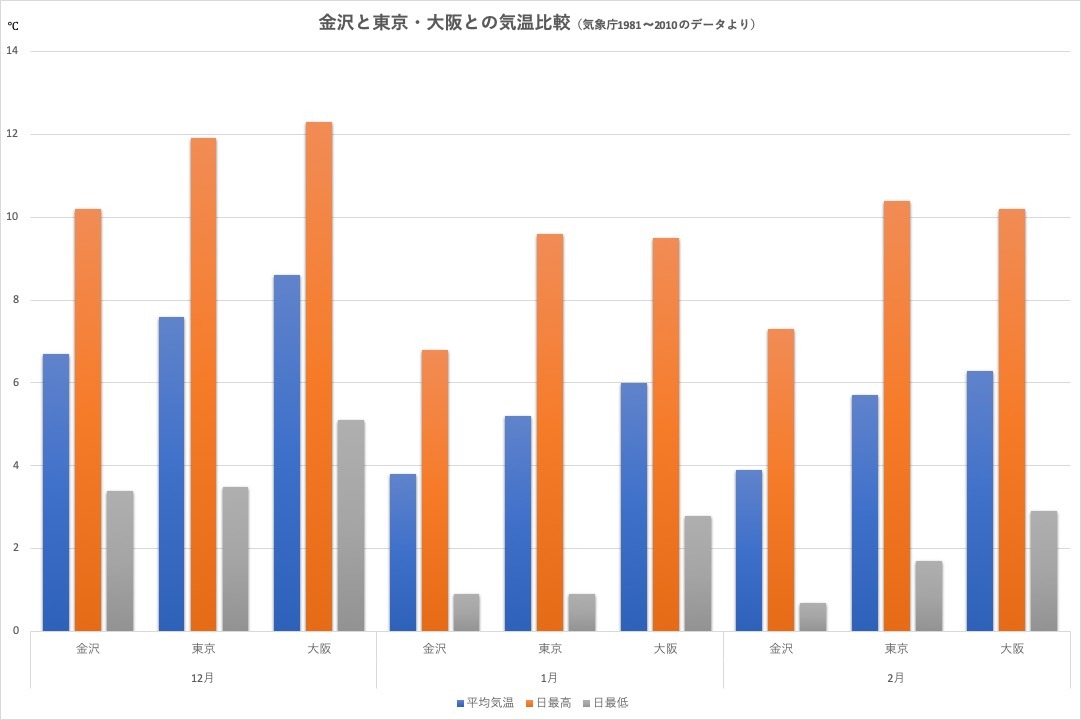
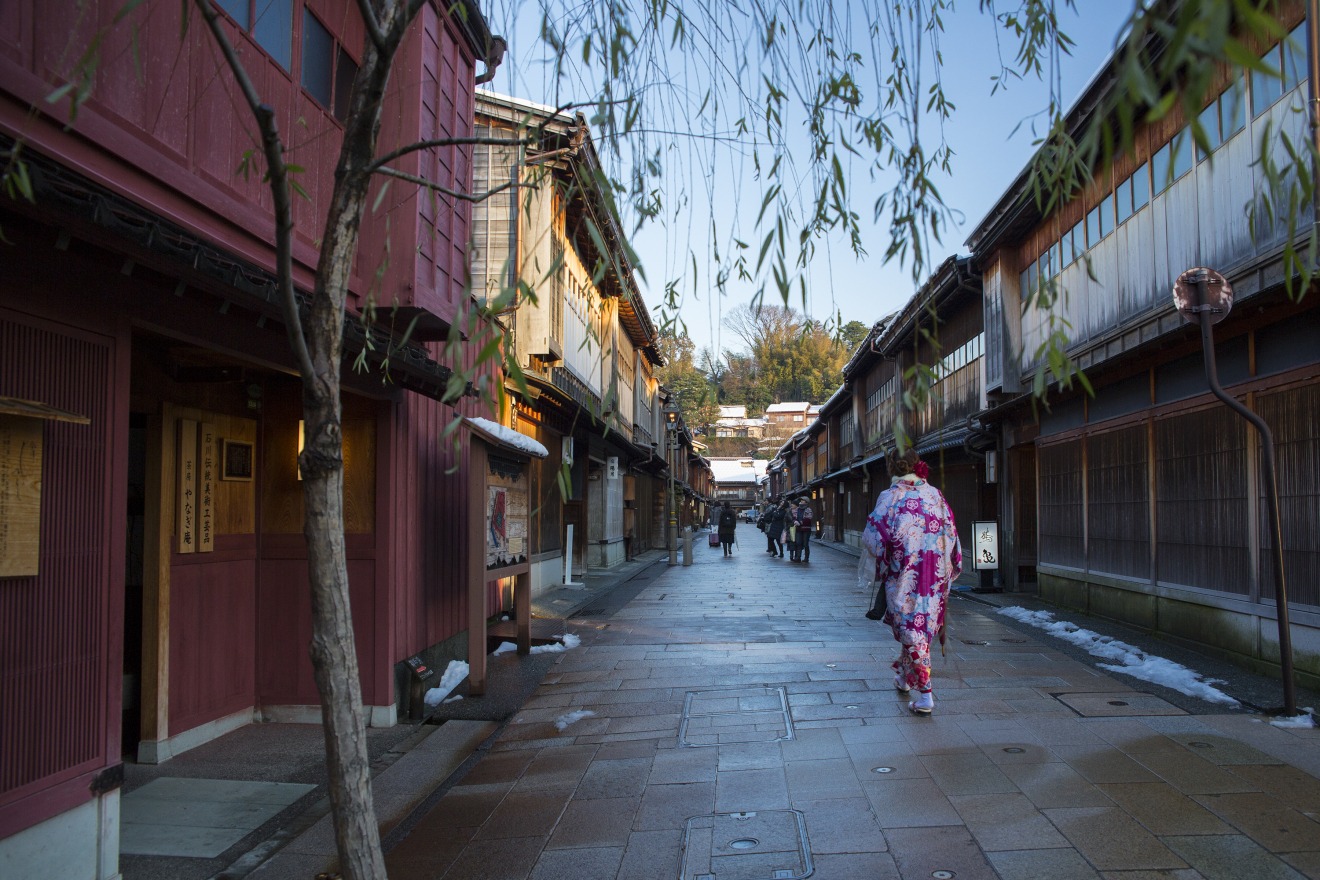
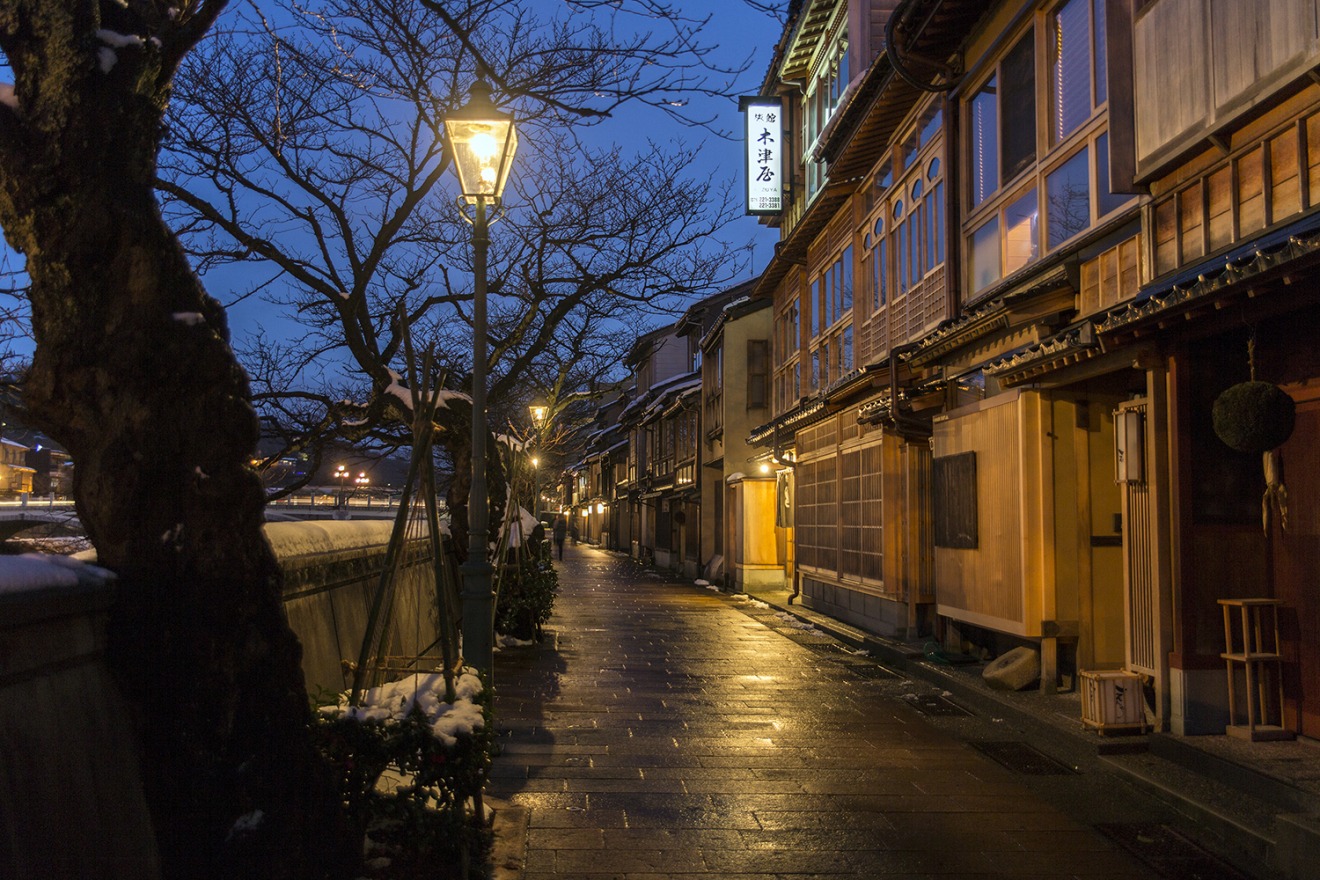
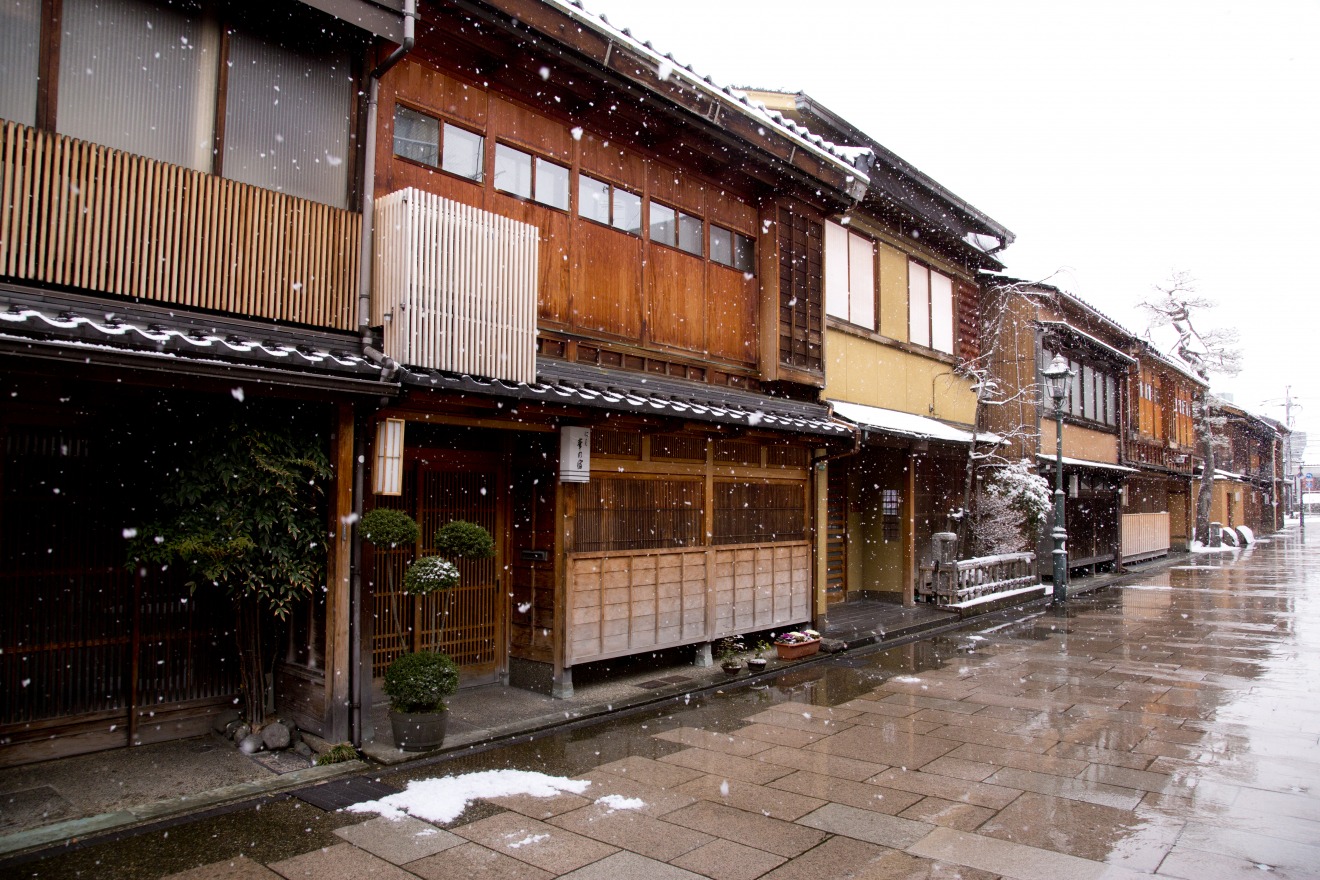
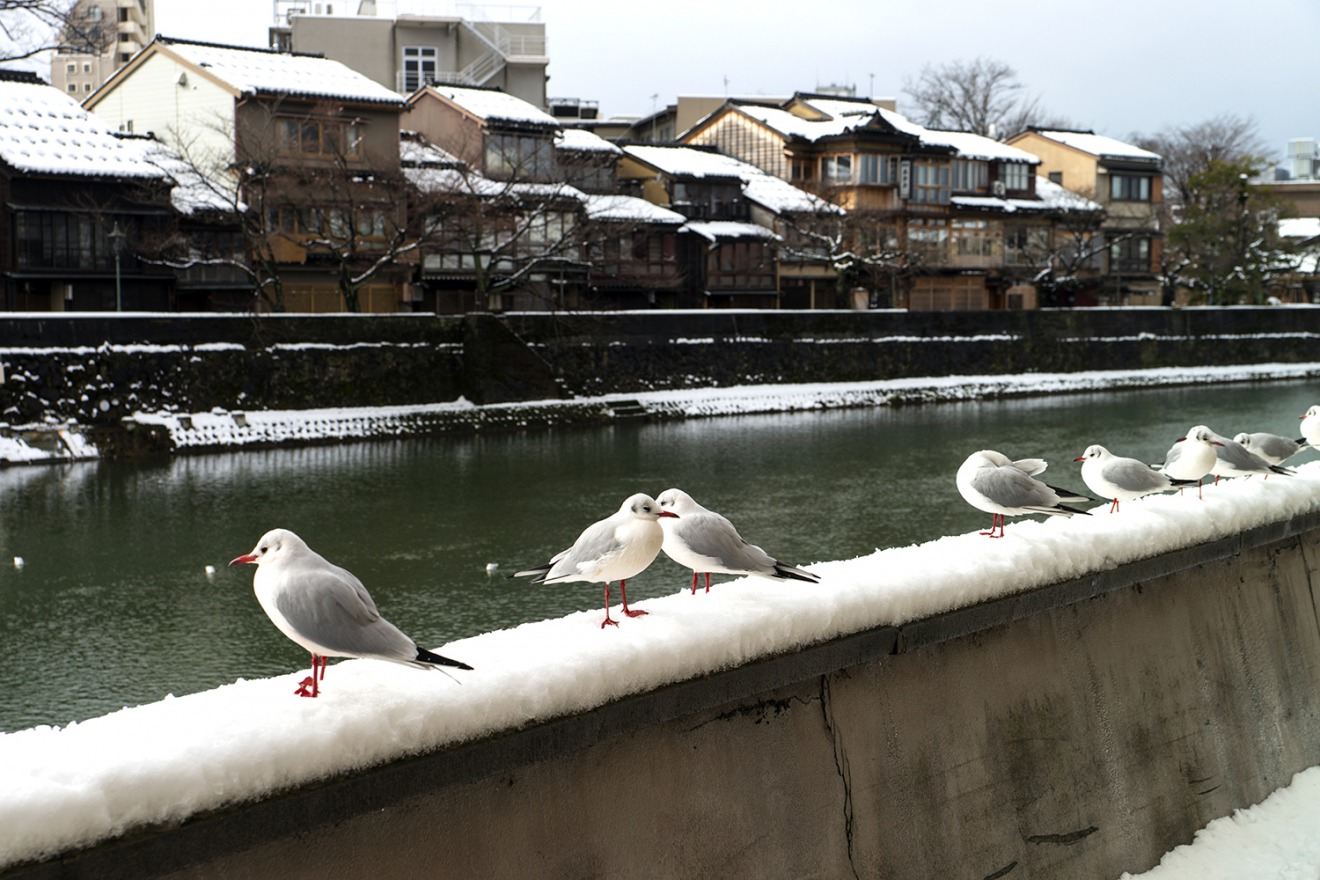
There may be those who worry that winter in the Hokuriku region is cold, but the lowest temperatures in December and January are almost the same as in Tokyo. The highest temperatures remain around two degrees Celsius lower, but the difference is minimal.
However, compared to Osaka, there is a temperature difference of about two degrees Celsius, so it may feel a bit colder.
You don't need to dress as heavily as you would in severely cold places, but as some days become quite chilly, it's recommended that you bring layers that you can take off easily, such as a sweater, fleece, or scarf.
Snow usually begins to fall around late December and continues frequently through February. However, even when it does accumulate, it’s typically only a few centimeters (though occasionally it can reach several tens of centimeters). In the city center, snow rarely piles up for long throughout the winter.
The main roads and sidewalks in downtown Kanazawa are equipped with underground water systems that melt the snow, so you will rarely walk directly on snow. Nevertheless, the streets can still be wet and slippery, so shoes with good traction and waterproofing, such as snowboots, are recommended.
During the winter in Kanazawa, you may hear sudden claps of thunder (called buri-okoshi, or "yellowtail-waking thunder," by locals) followed by hail that turns into snow. This may startle you, but this dramatic weather phenomenon is considered one of Kanazawa's distinctive weather patterns.
<Clothing>
From the beginning of December to the end of February: winter coats and down jackets, sweaters, scarves, gloves, boots (waterproof)
From the end of December to the beginning of February: same as above, but longer jackets are recommended
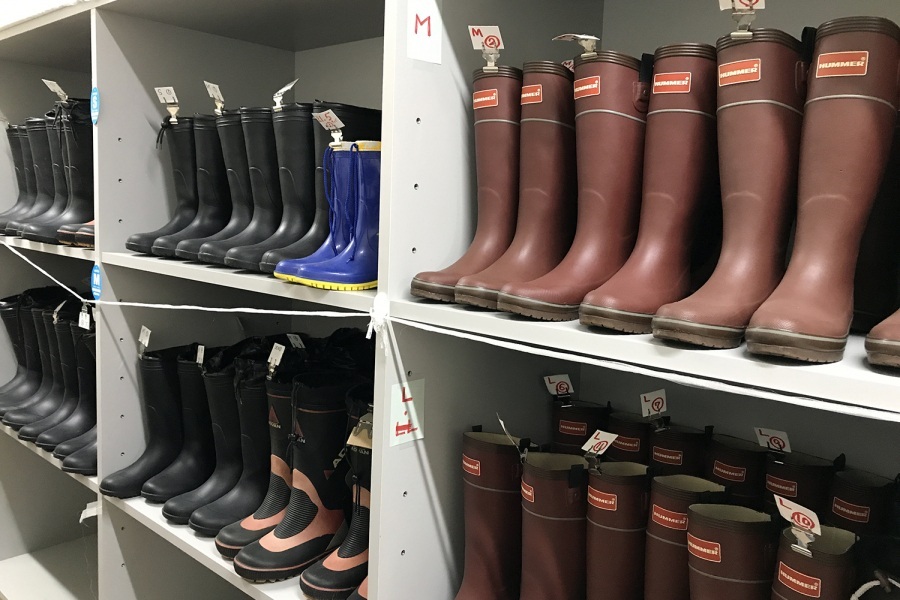
Arriving in heavy snow? Not to worry, rental boots are available.
If you arrive at Kanazawa Station to see snow piling up, don't worry. The Kanazawa Tourist Information Center, located inside the station, offers free rubber boot rentals that anyone can use. Men's boots are available in sizes 24.5cm to 29cm and women's in sizes 21.5cm to 26cm. There may be puddles of water from the snow-melting system, so wearing boots will keep you comfortable and dry.
Don't Miss These Must-see Winter Attractions
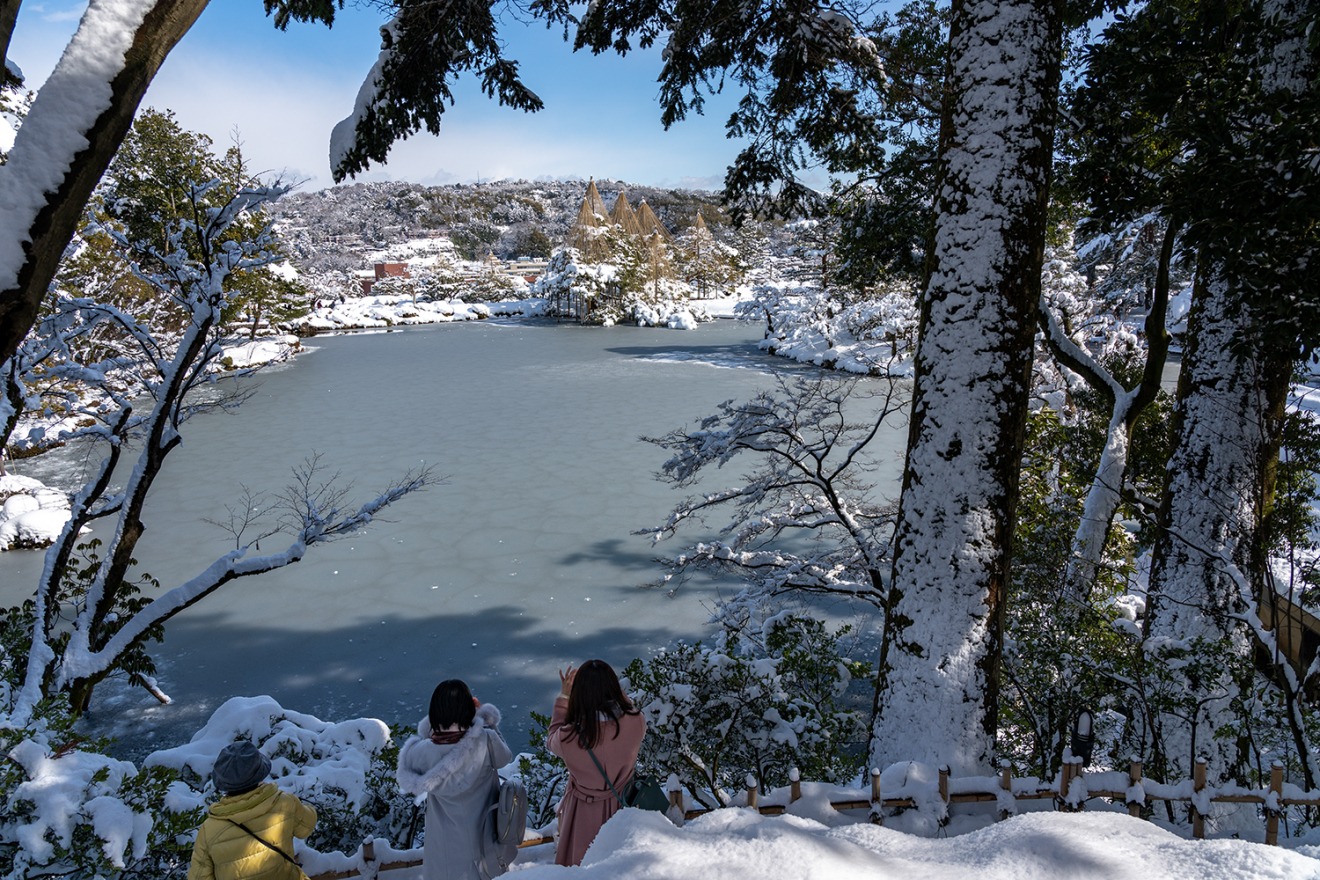
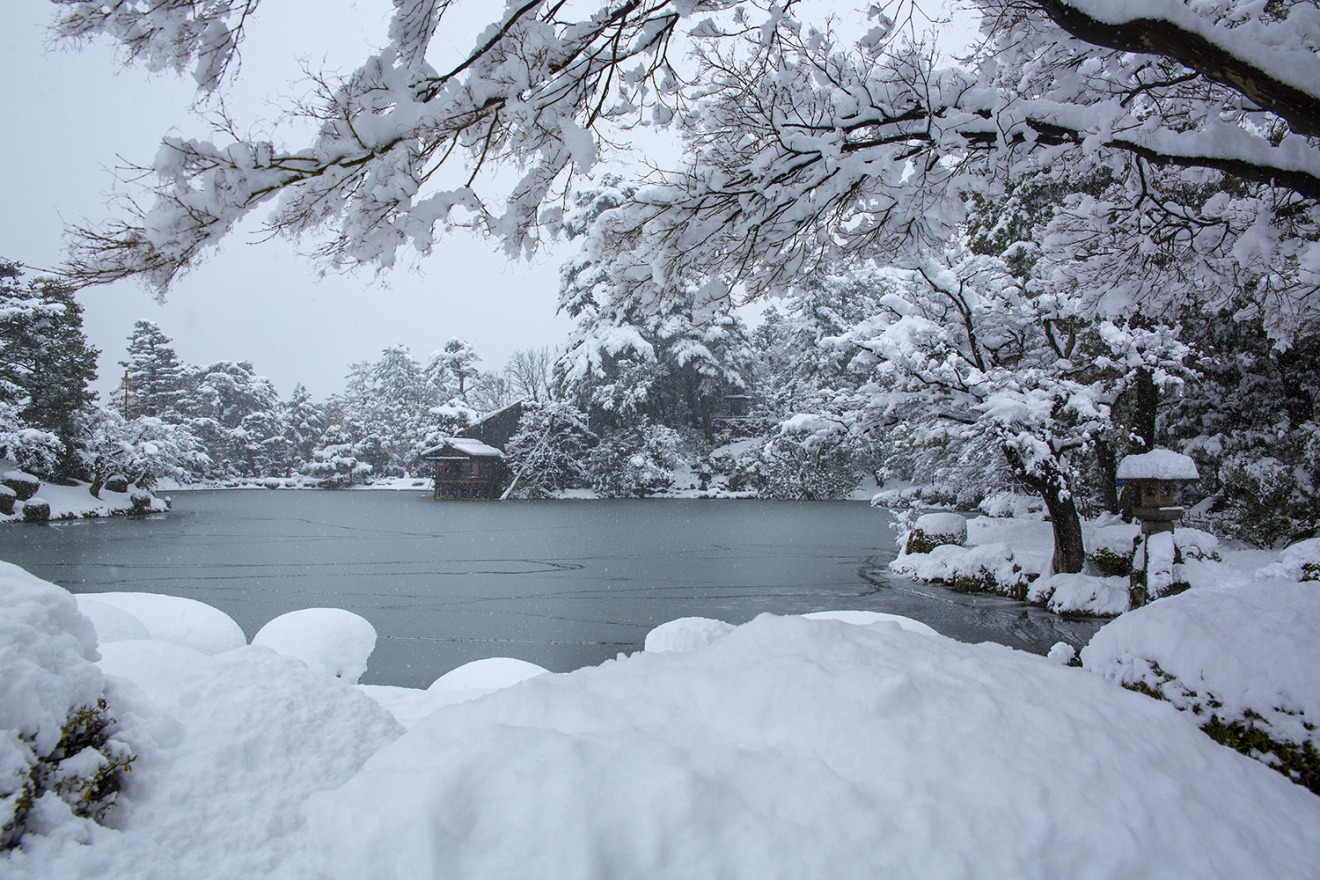
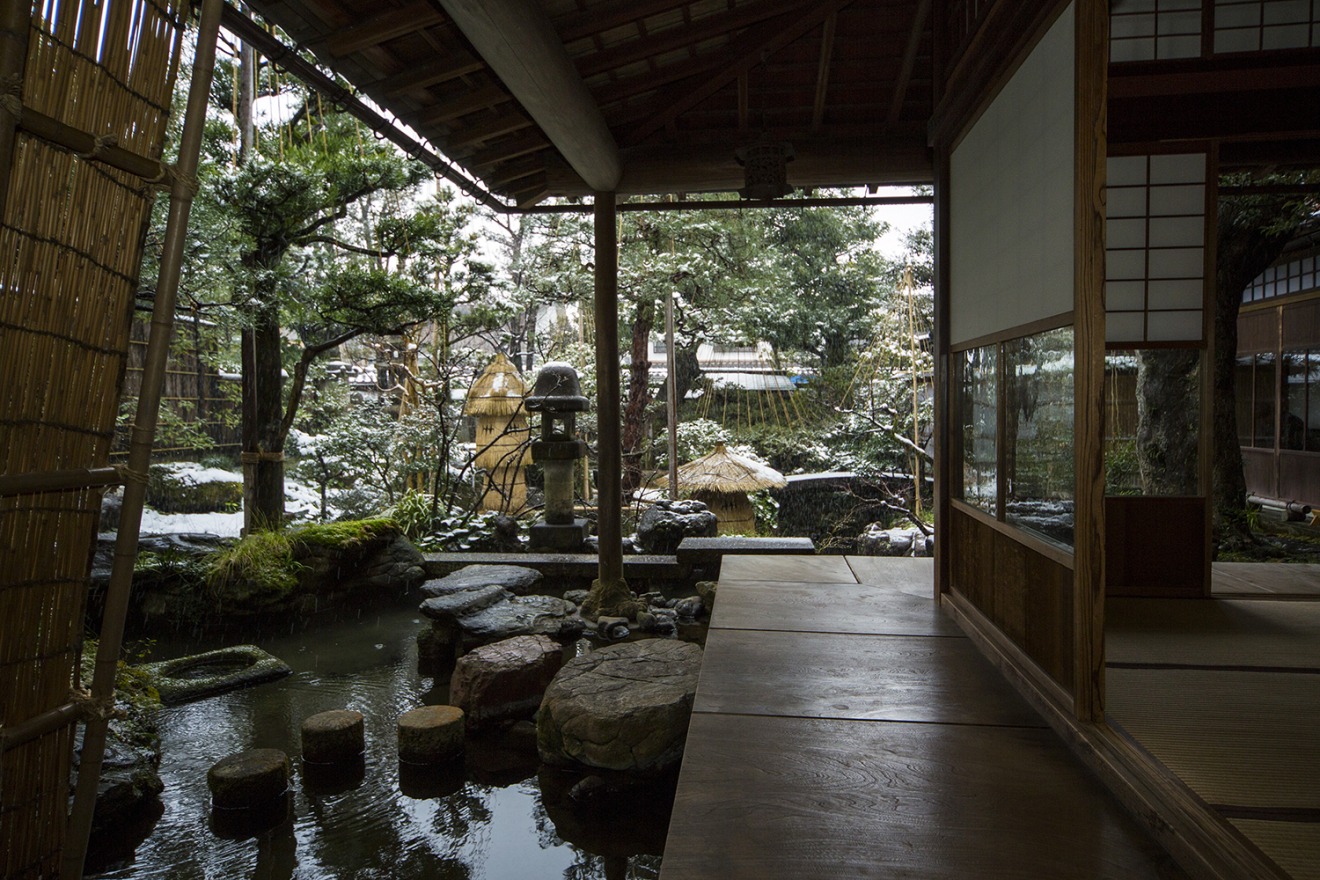
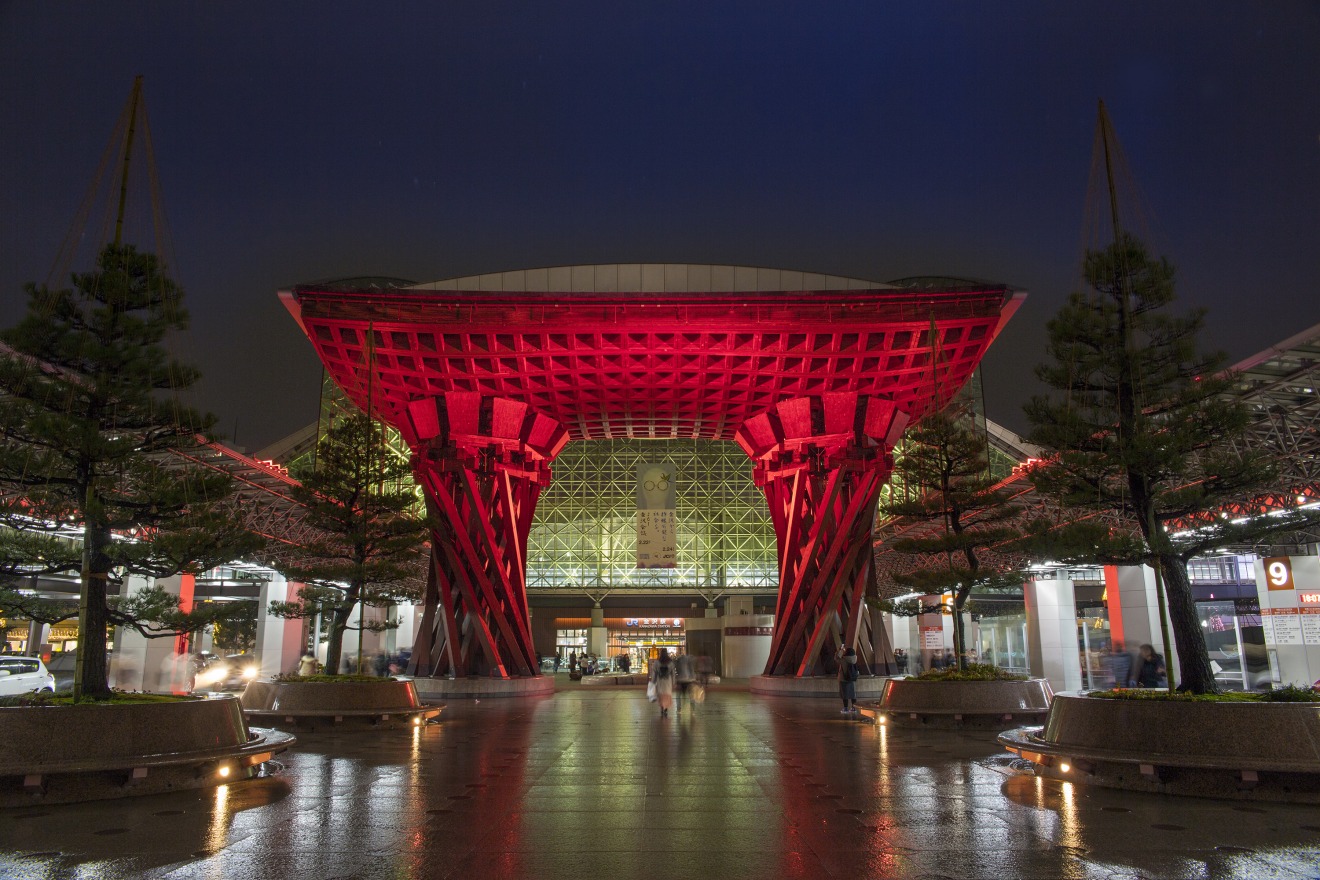
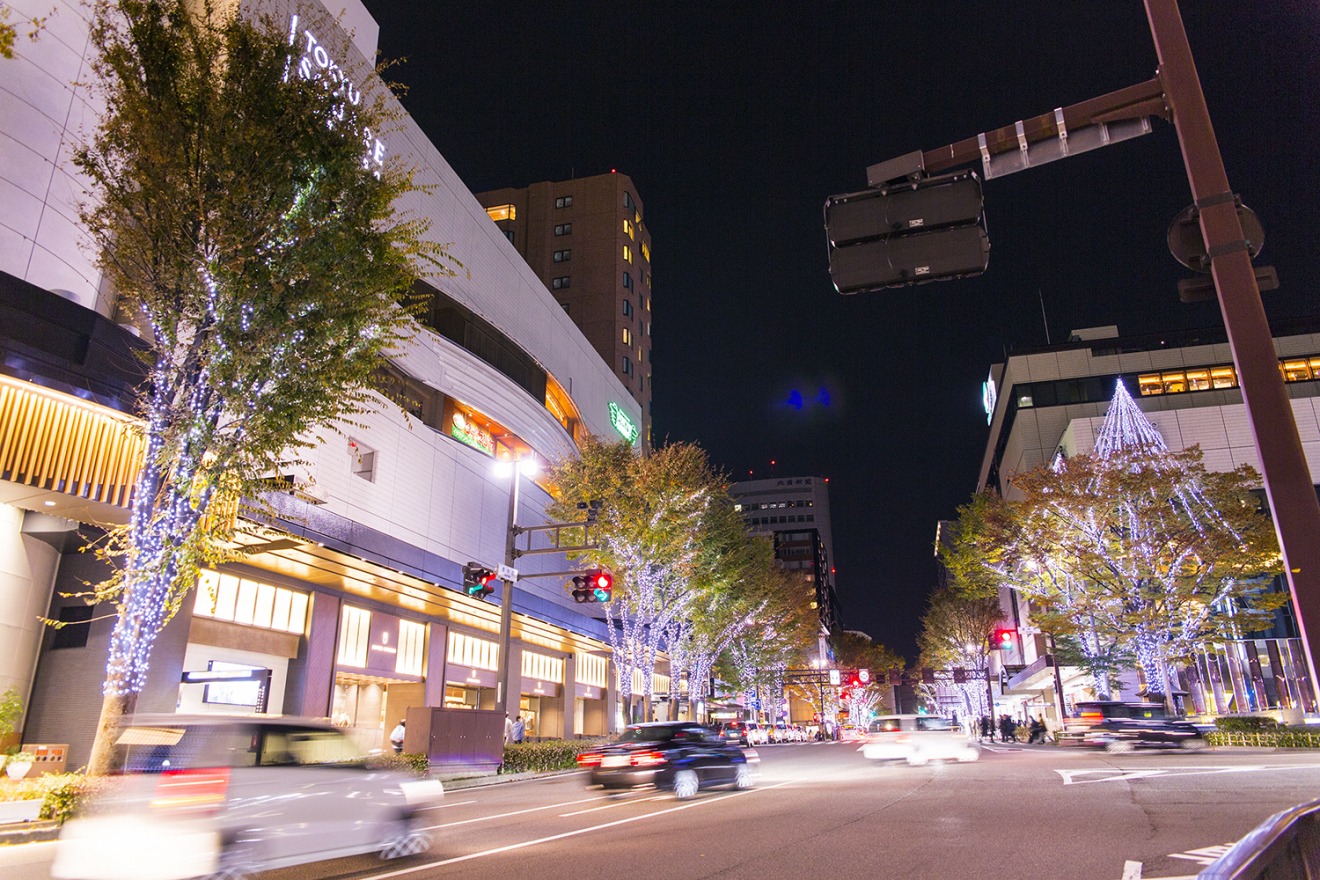
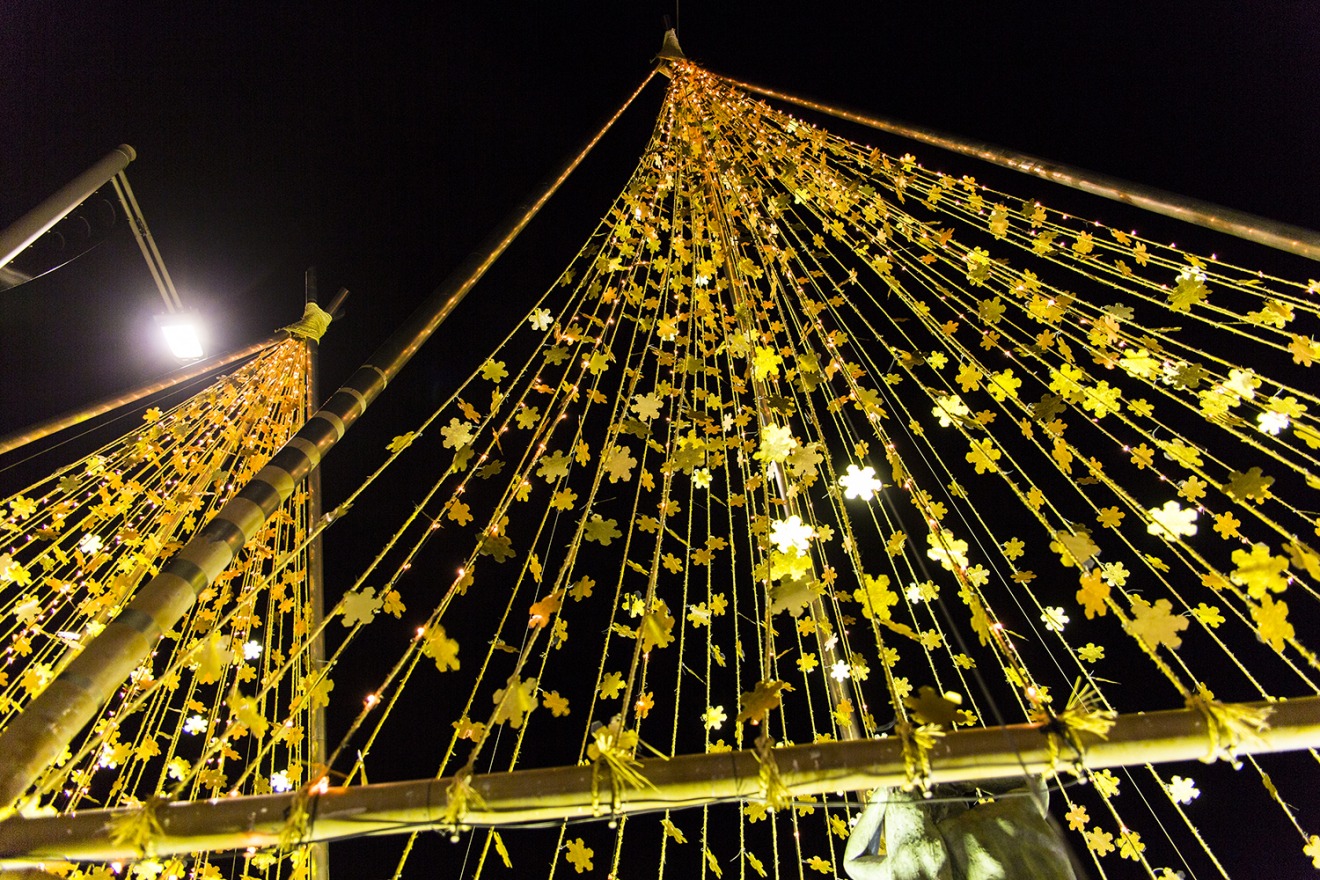
There are unique winter spots in Kanazawa that you simply must see during your visit.
Here are some of the most renowned spots.
If it's your first time visiting Kanazawa in the winter, be sure not to miss these limited-time views!
◎Yukitsuri at Kenrokuen Garden
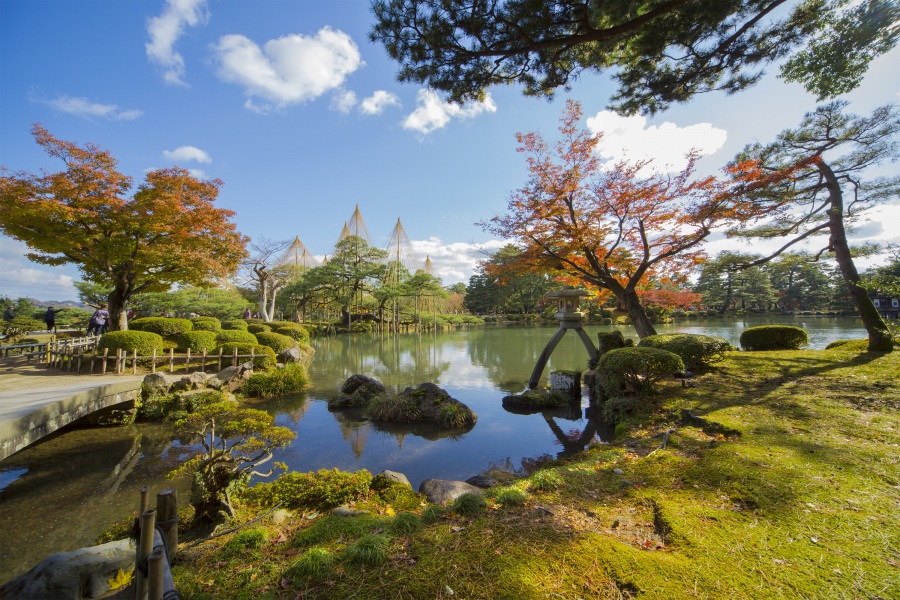
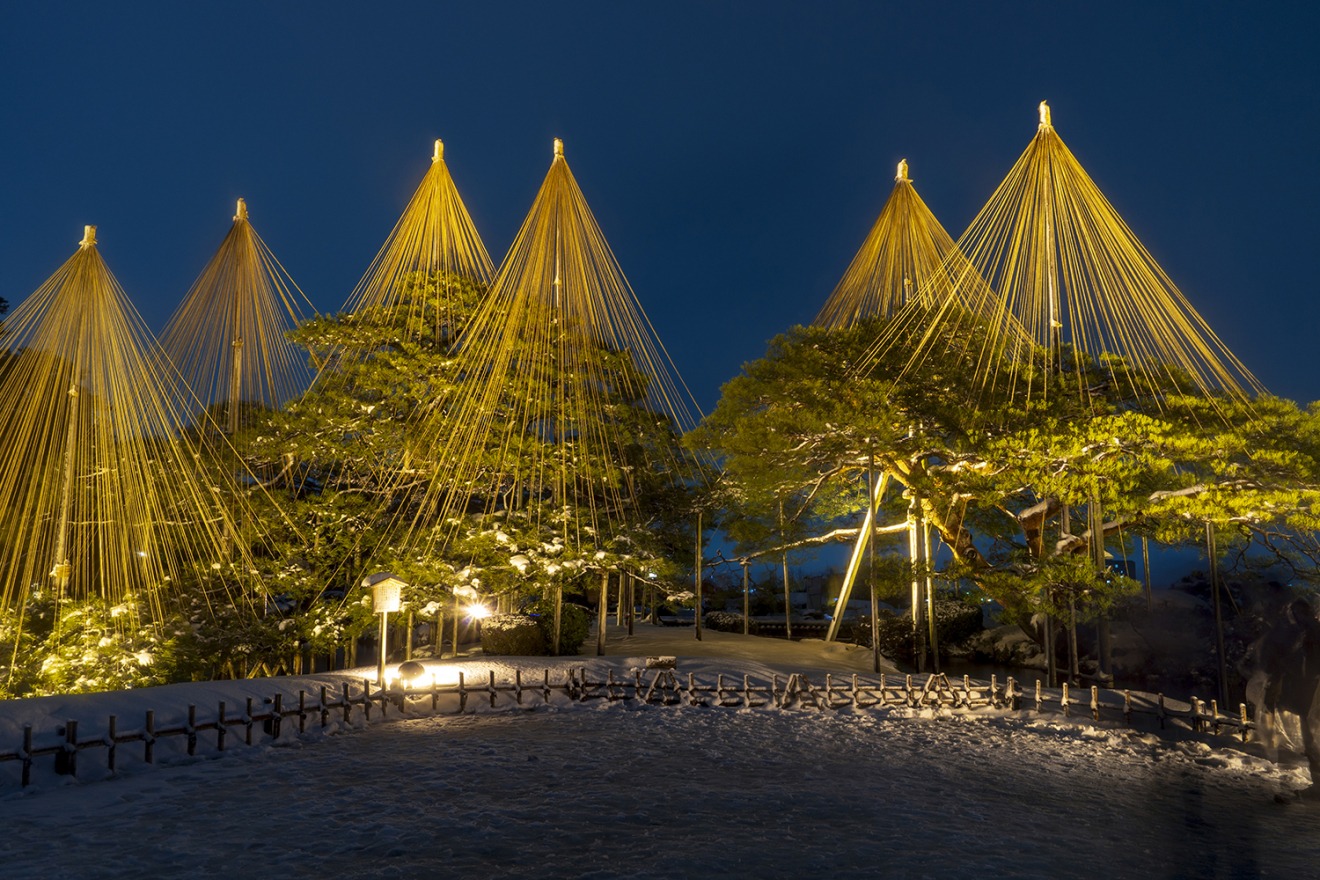
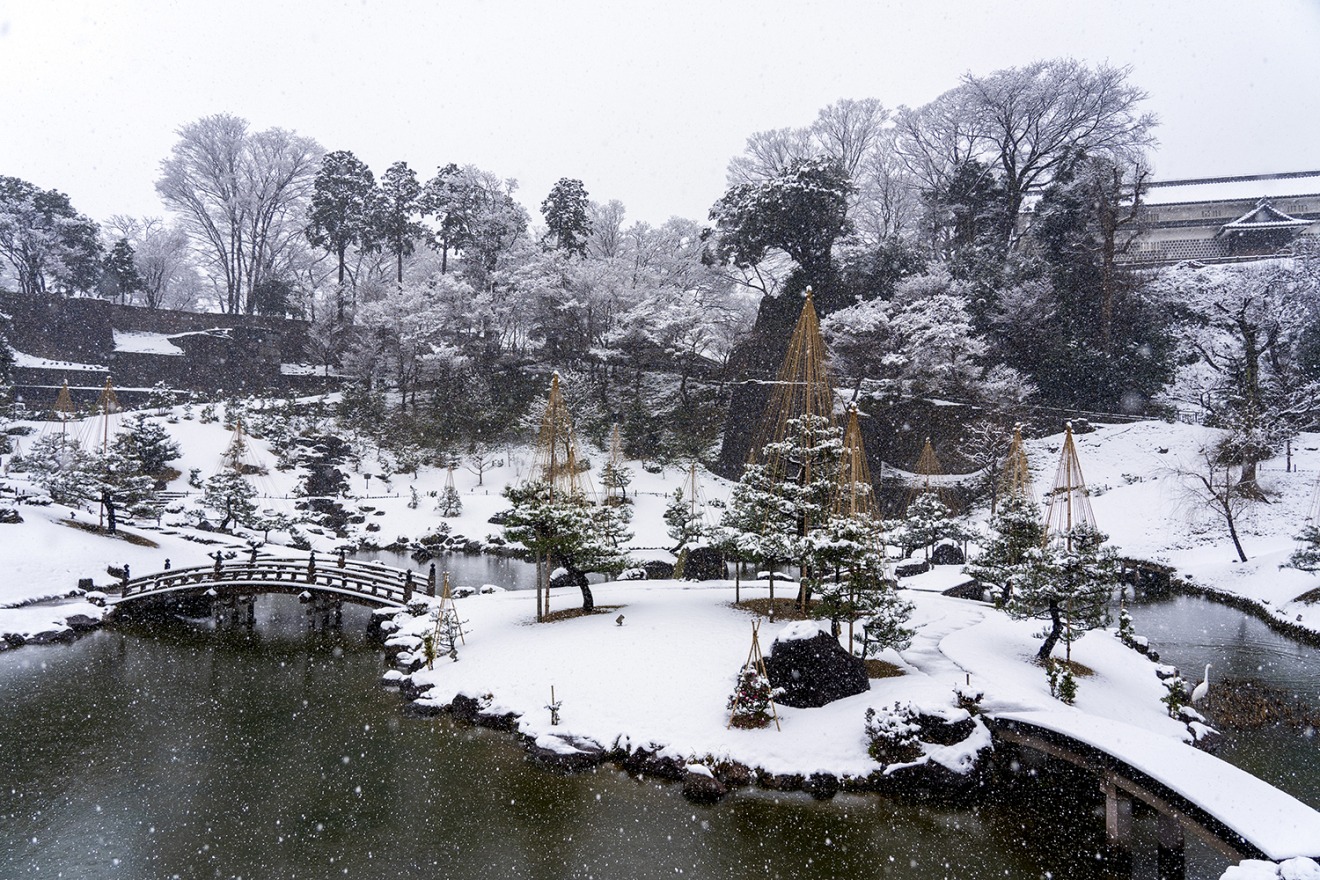
Every winter, yukitsuri, a traditional method of protecting tree branches from breaking under the weight of snow, is carried out in Kenrokuen Garden. The ringo-zuri style, where ropes are pulled in beautiful radial patterns, is especially well known.
At Kenrokuen, the yukitsuri work begins around November 1 and takes about six weeks to complete. The ropes remain in place until mid-March of the following year, allowing visitors to enjoy this quintessential winter scene throughout the season.
In February, the garden is illuminated at night, and the snow-laden trees glowing in the darkness create a truly magical and dreamlike atmosphere. Remember, it can be quite cold after dark, so be sure to dress warmly!
◎Komo Covers at the Nagamachi Samurai District
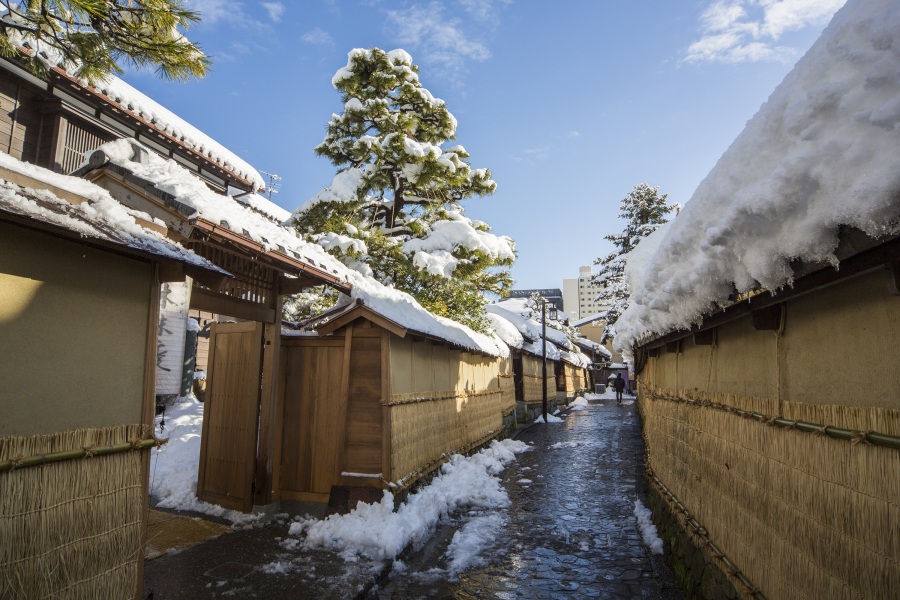
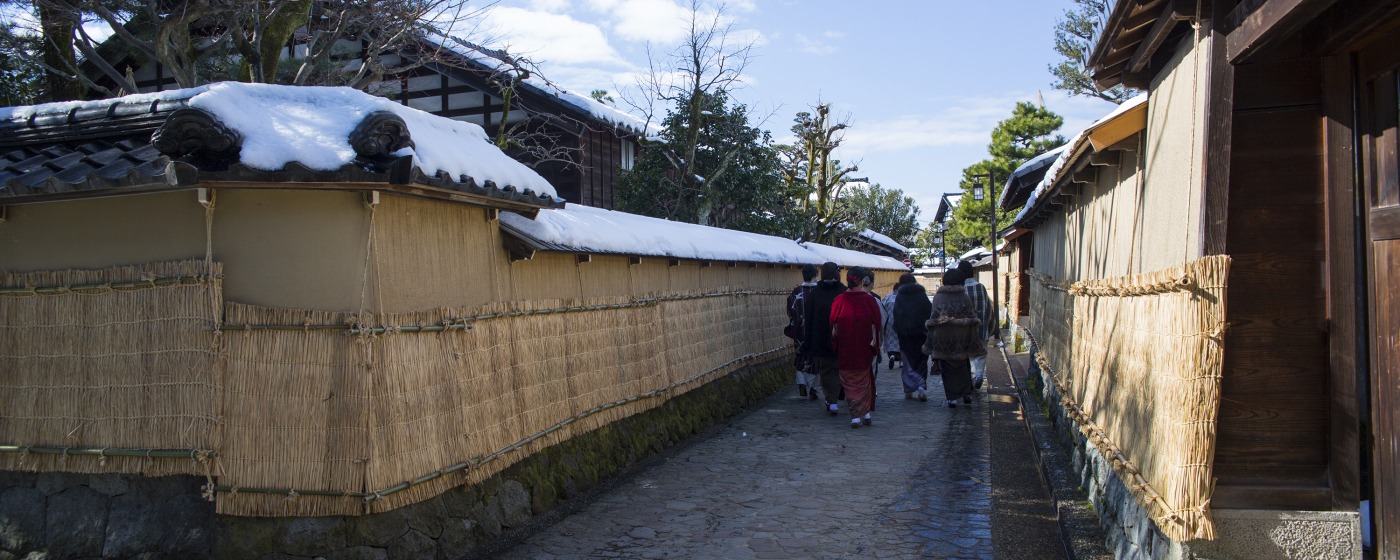
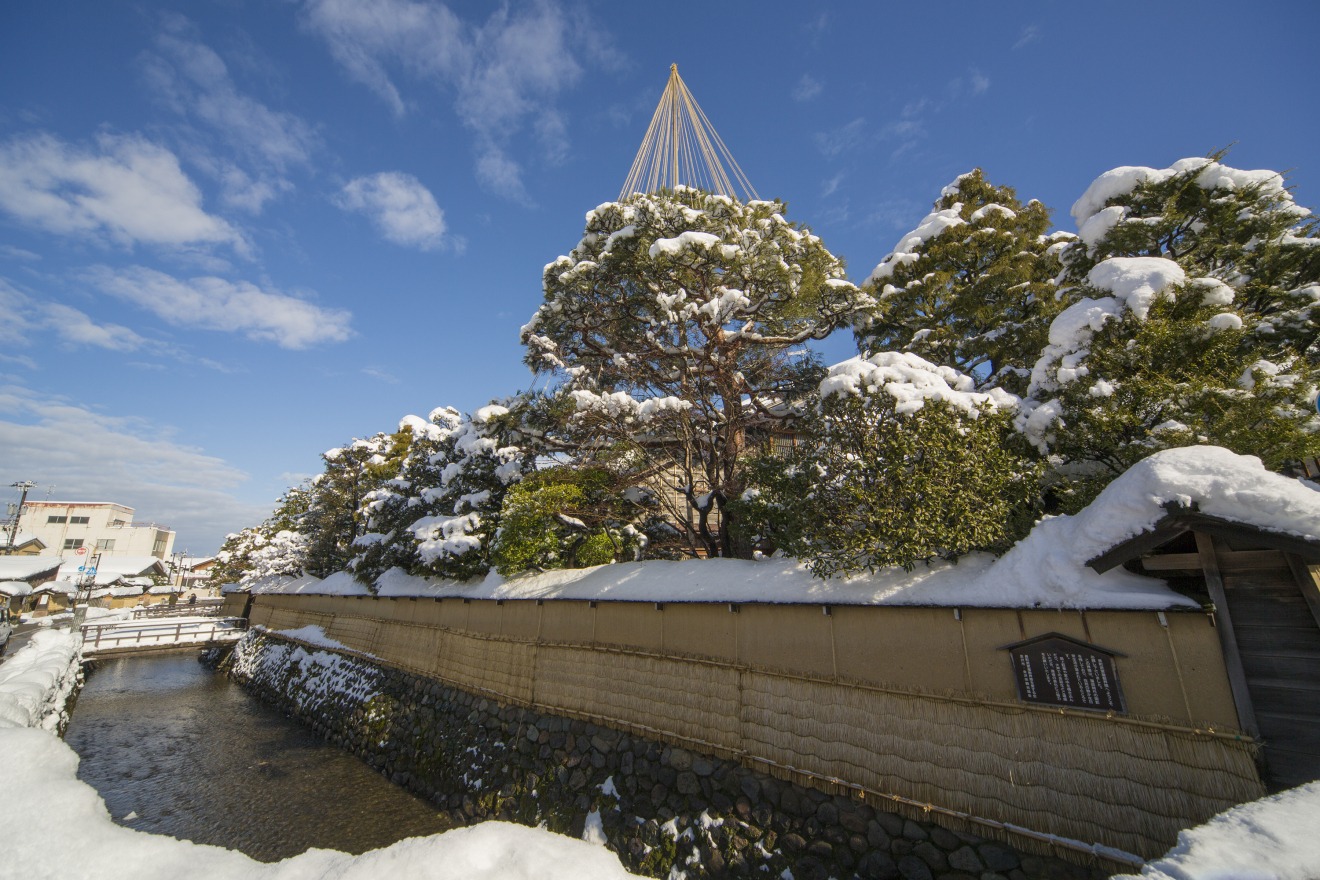
In winter, the earthen walls of Nagamachi are wrapped with straw mats called komo. They protect the walls from damage caused by freezing rainwater and accumulated snowfall.
The sight of the walls wrapped in straw, stretching along the streets, creates a cozy atmosphere. You can enjoy seeing them from early December to mid-March.
◎Nighttime Illuminations in Kanazawa
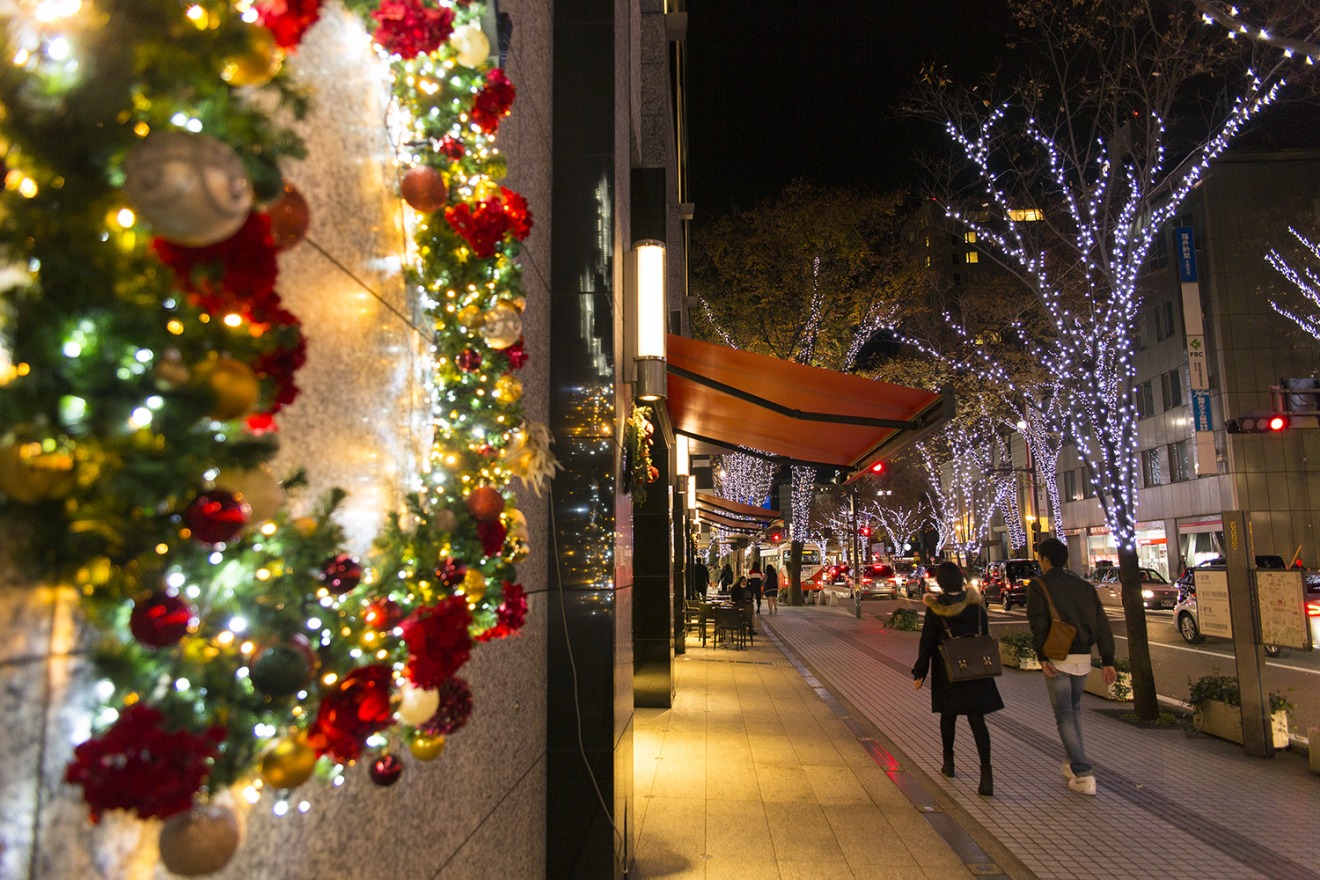
Compared to big cities, these illuminations are small, but they're packed full of Kanazawa's local, idiosyncratic charm to create a sight worth seeing. The lights are set up around three main areas: Omicho Market, Korimbo and Nagamachi, and Katamachi. The atmosphere becomes even more romantic when it starts to snow. The illuminations can be enjoyed until mid-February.
Sample Itinerary: Day Trip from Kanazawa to Gokayama and Shirakawa-go
Head to the Hakusan foothills or Gokayama to see snow!
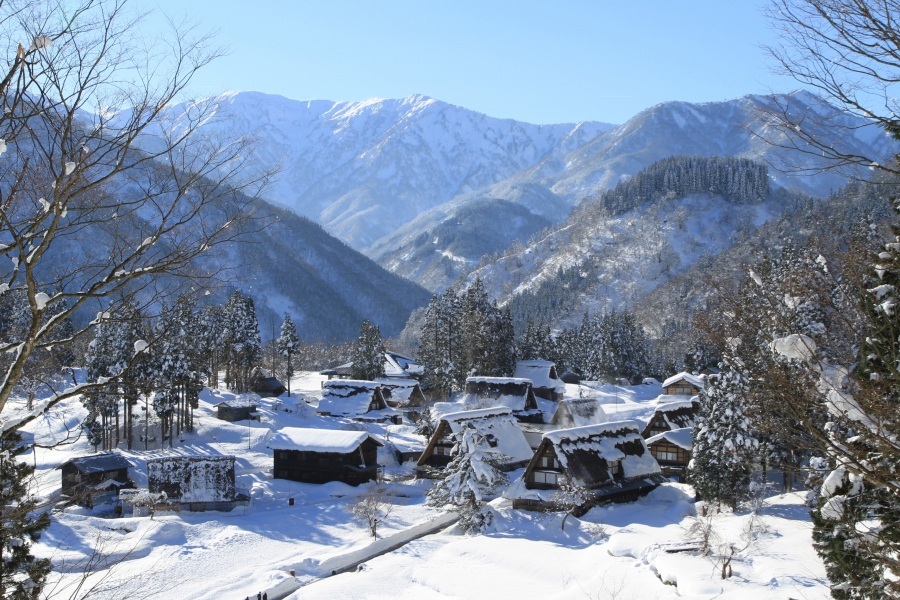
Snow doesn’t usually accumulate much in central Kanazawa. If you’re looking to enjoy a true winter landscape, the Shiramine area in Hakusan City, Ishikawa Prefecture, and the Gokayama area in Nanto City, Toyama Prefecture, are great options. Both are designated as special heavy snowfall regions, where traditional historic houses are completely covered in deep snow during the winter months. Both destinations are accessible from Kanazawa Station by a single bus ride.
Top Indoor Snow-Viewing Spots Recommended by a Local Writer
Kanazawa isn’t usually very cold, but on snowy days, walking outside for long periods can be uncomfortable.
On days like this, we recommend spots where you can enjoy sightseeing from indoors while watching the snow fall outside. Here are some places where you can experience the best snow-viewing.
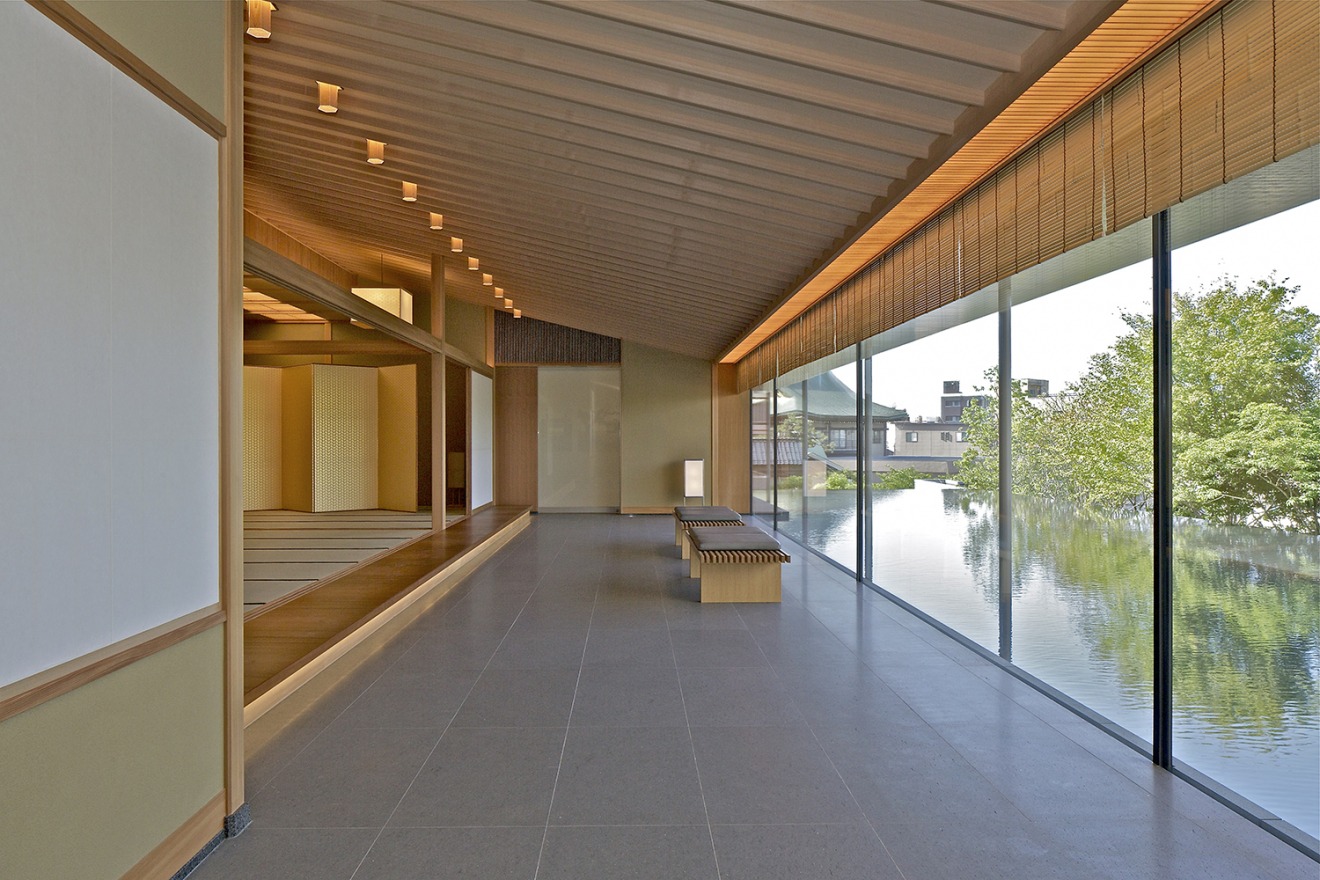
◎D.T. Suzuki Museum – Contemplation Space
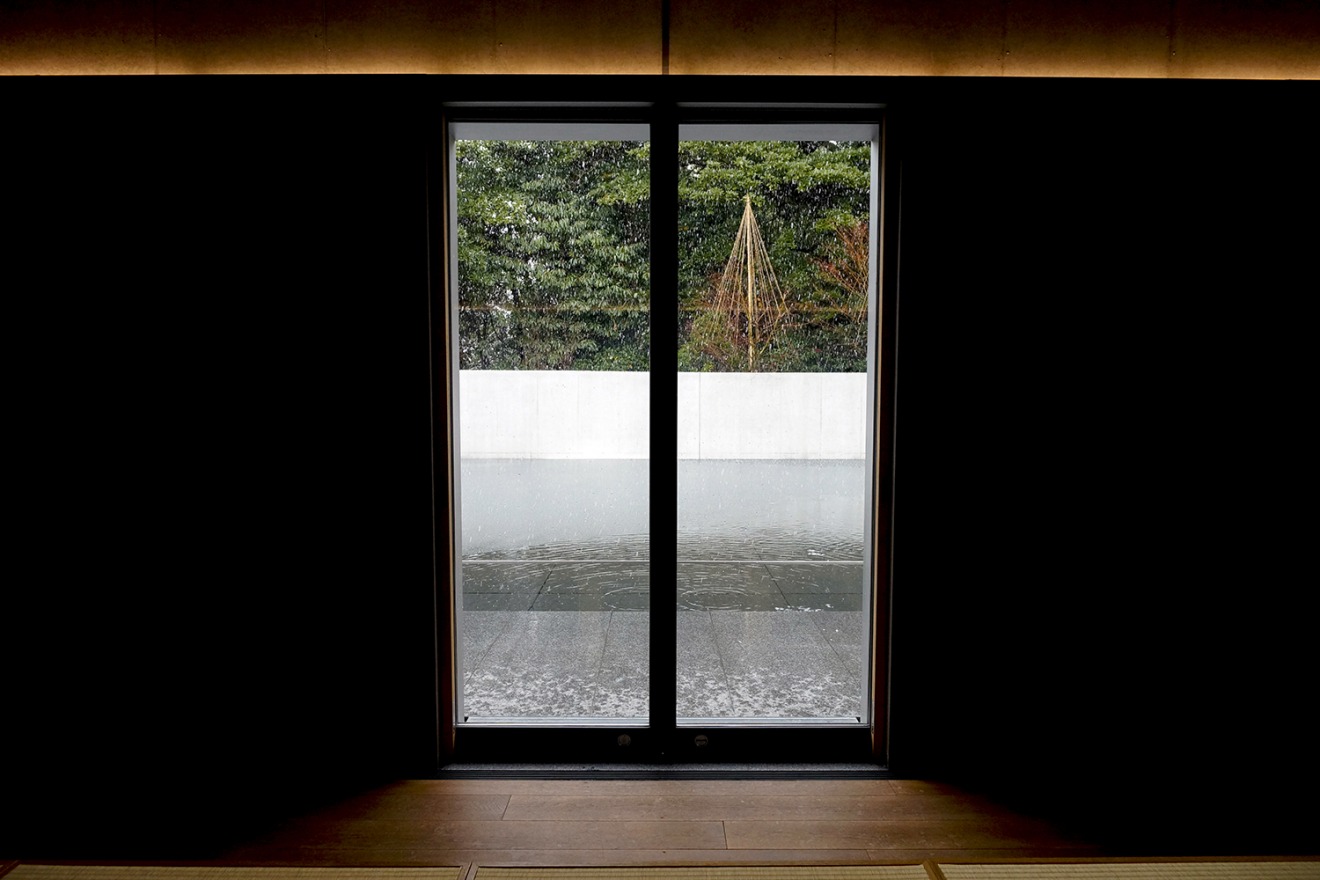
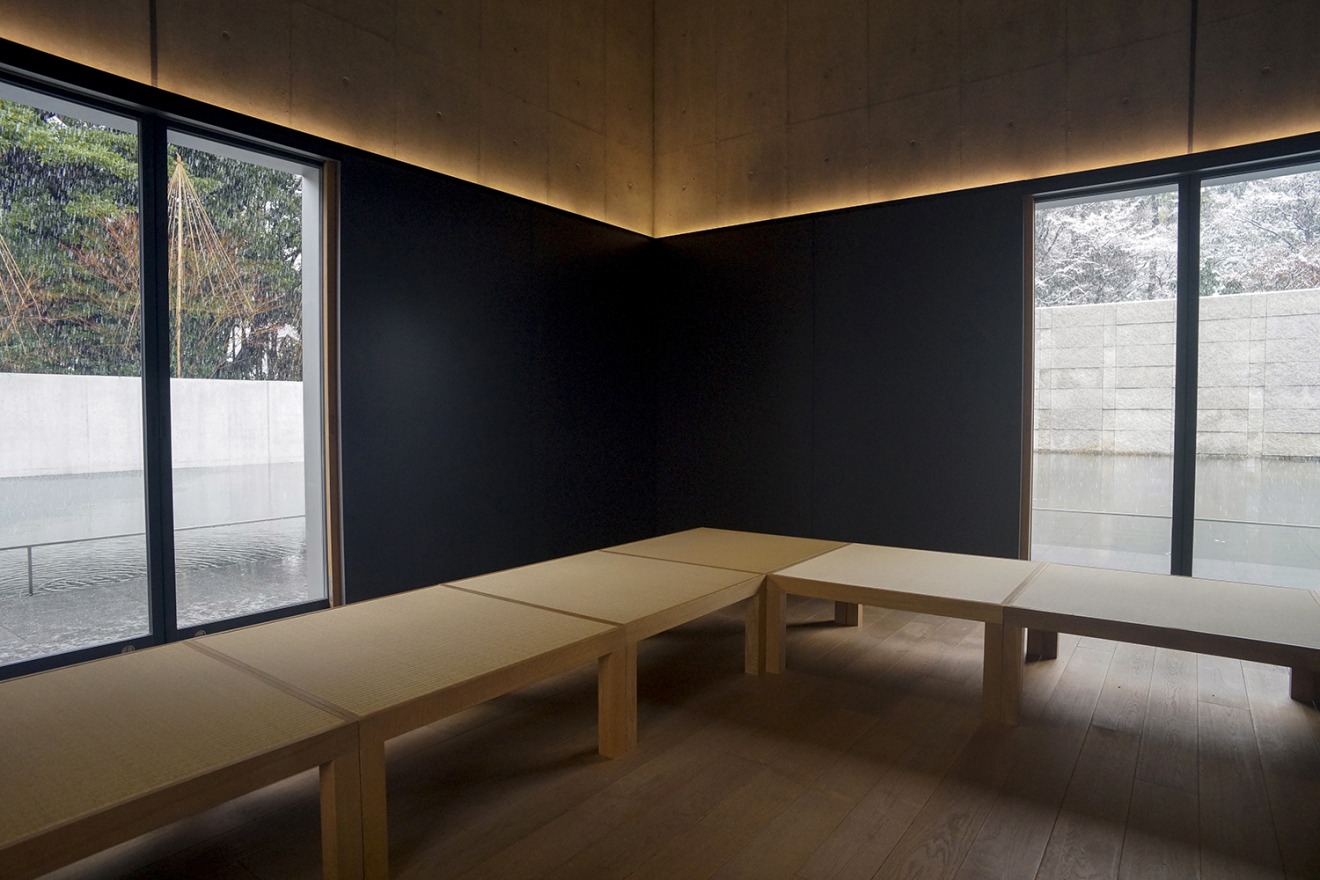
You can watch the snow falling gently over the mirrored pond garden and the borrowed landscape of the Honda Forest from the museum’s contemplation space, where you can quietly reflect and connect with yourself. It’s the kind of place where you could easily spend hours (admission fee required).
Photography courtesy of the D.T. Suzuki Museum
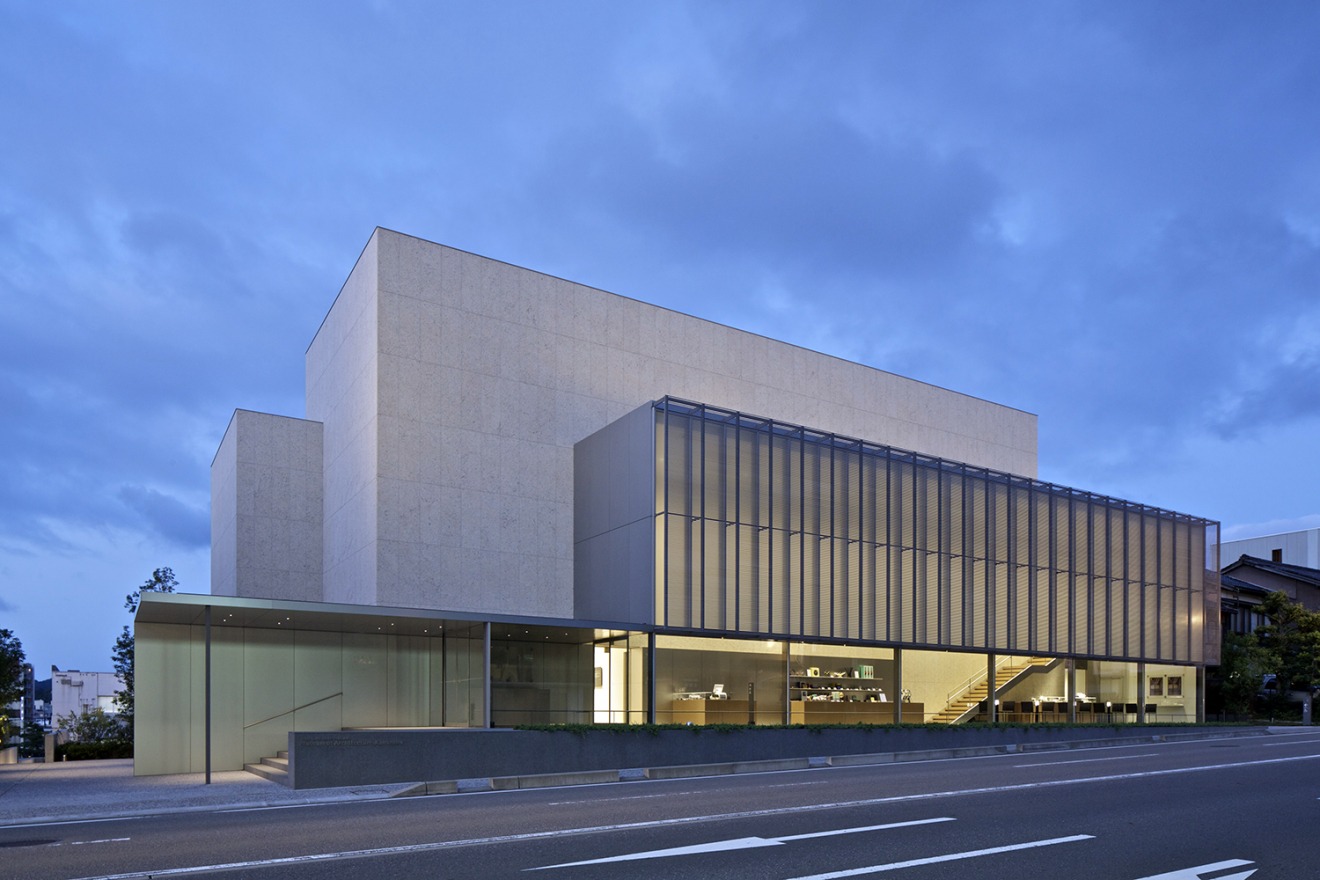
◎Yoshiro & Yoshio Taniguchi Museum of Architecture, Kanazawa
The themes of this museum are architecture and urban planning. Don't miss the snowy view of the water garden from the permanent exhibition room on the second floor (admission fee required).
Photography courtesy of Shunji Kitajima
◎Shiinoki Cultural Complex, Ishikawa Prefecture
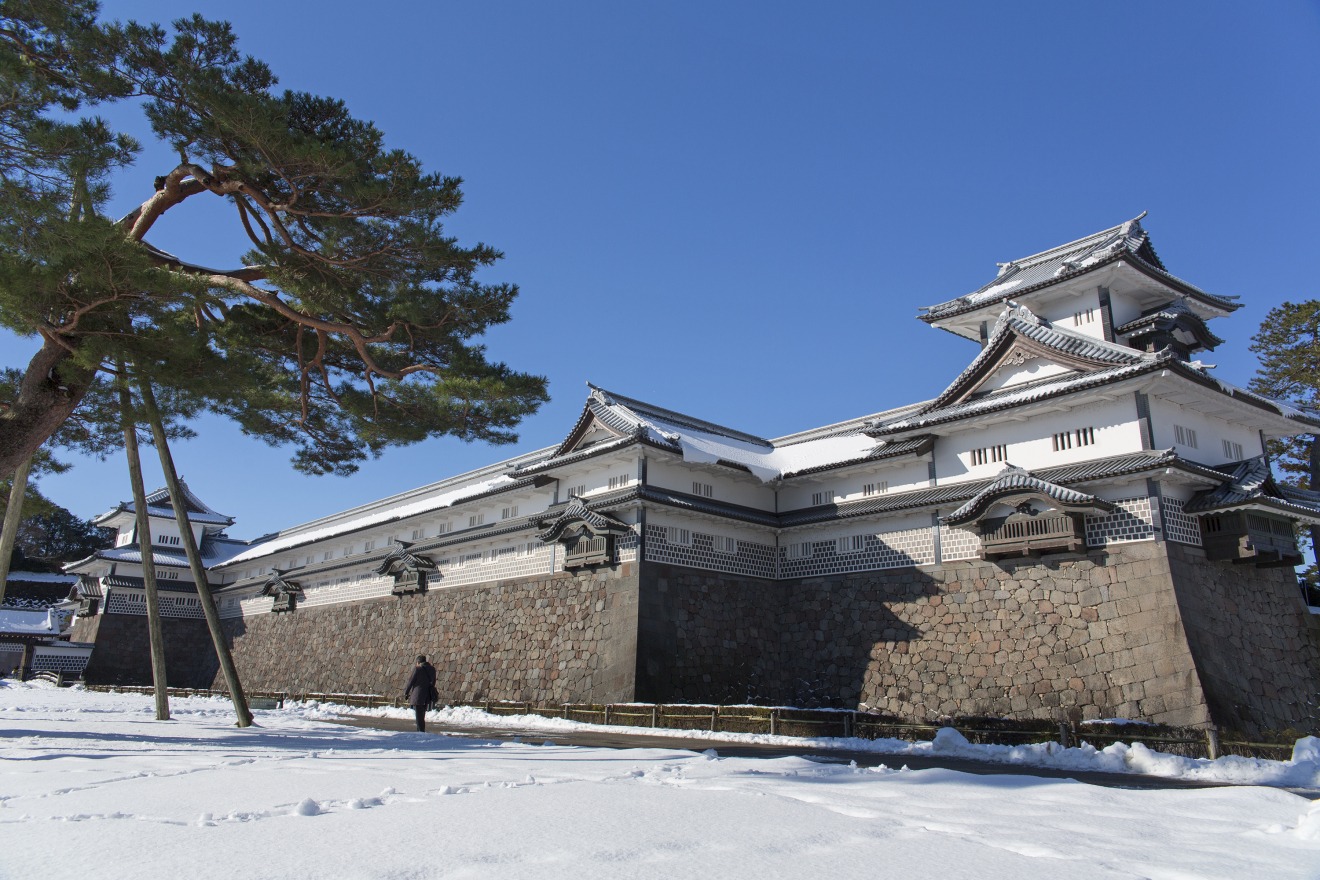
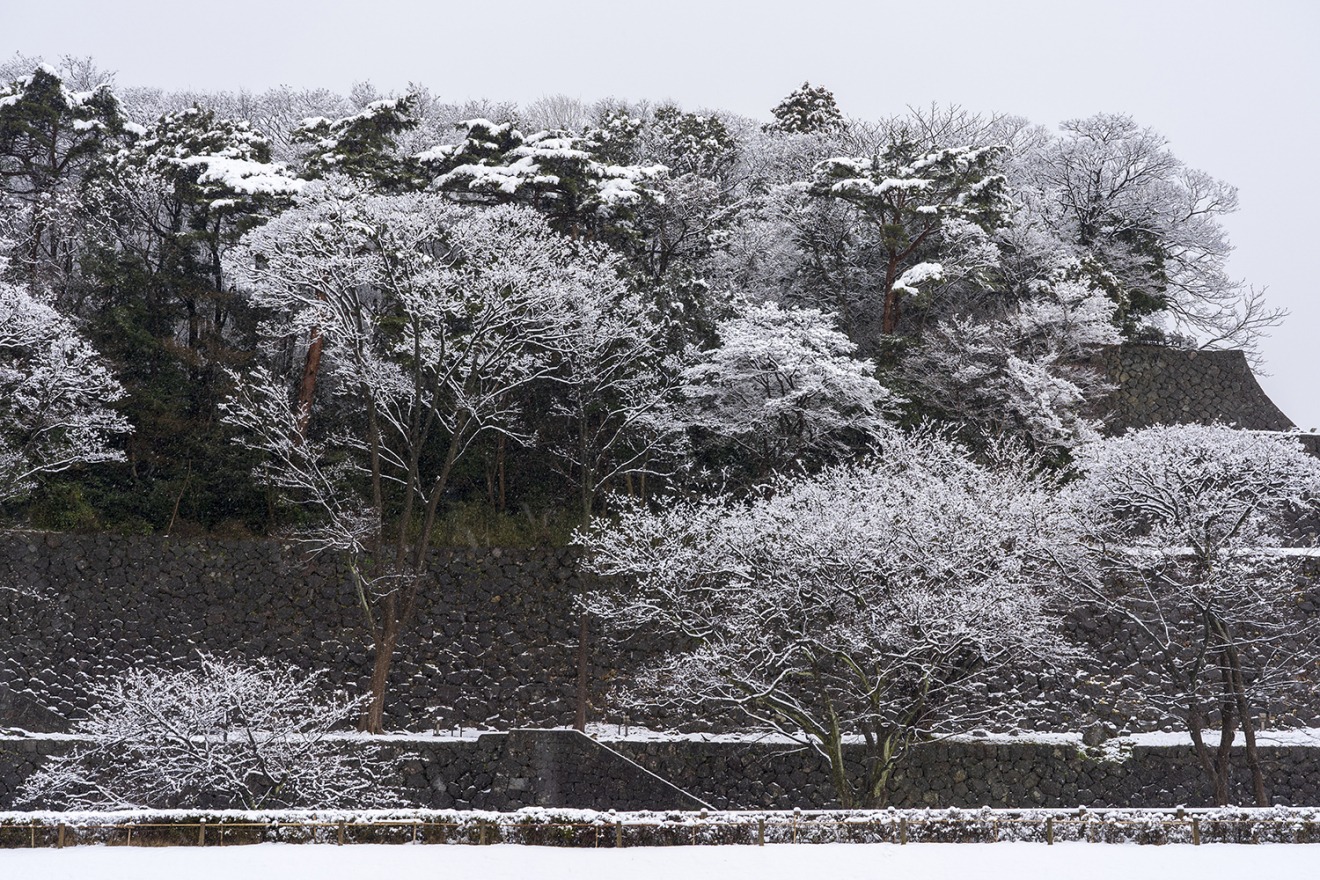
You can enjoy views of Kanazawa Castle's stone walls through the large windows of the first floor Shiinoki Plaza, where you can take a break or gather sightseeing information. It's also great that the plaza is open until 10pm (free admission).
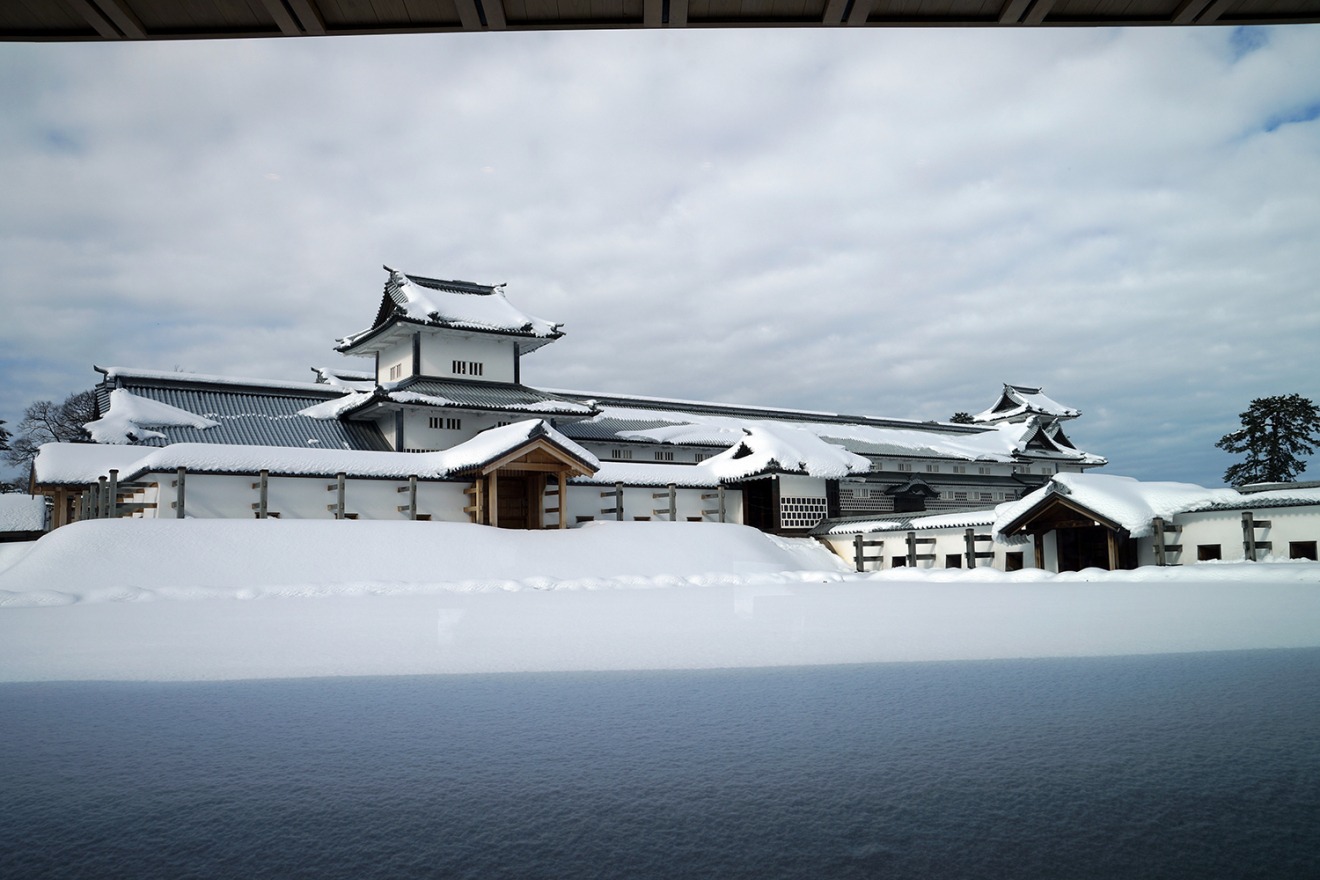
◎Kanazawa Castle Park Tsurunomaru Rest House
This rest house and cafe is located inside Kanazawa Castle Park and has large windows from which you can admire the restored Hishiyagura, Gojukken Nagaya, and Hashizume-mon Tsuzuri Yagara, framed together in a single view (free admission).
◎Kanazawa Castle Park Gyokuseninmaru Garden Rest House, "Gyokusenan"
From indoors, you can enjoy a full view of the garden, with the stone walls serving as a borrowed landscape. You can also experience a traditional tea ceremony for a fee in the Japanese-style room. On weekend nights, the garden is illuminated, and you can admire the lights from the warmth indoors.
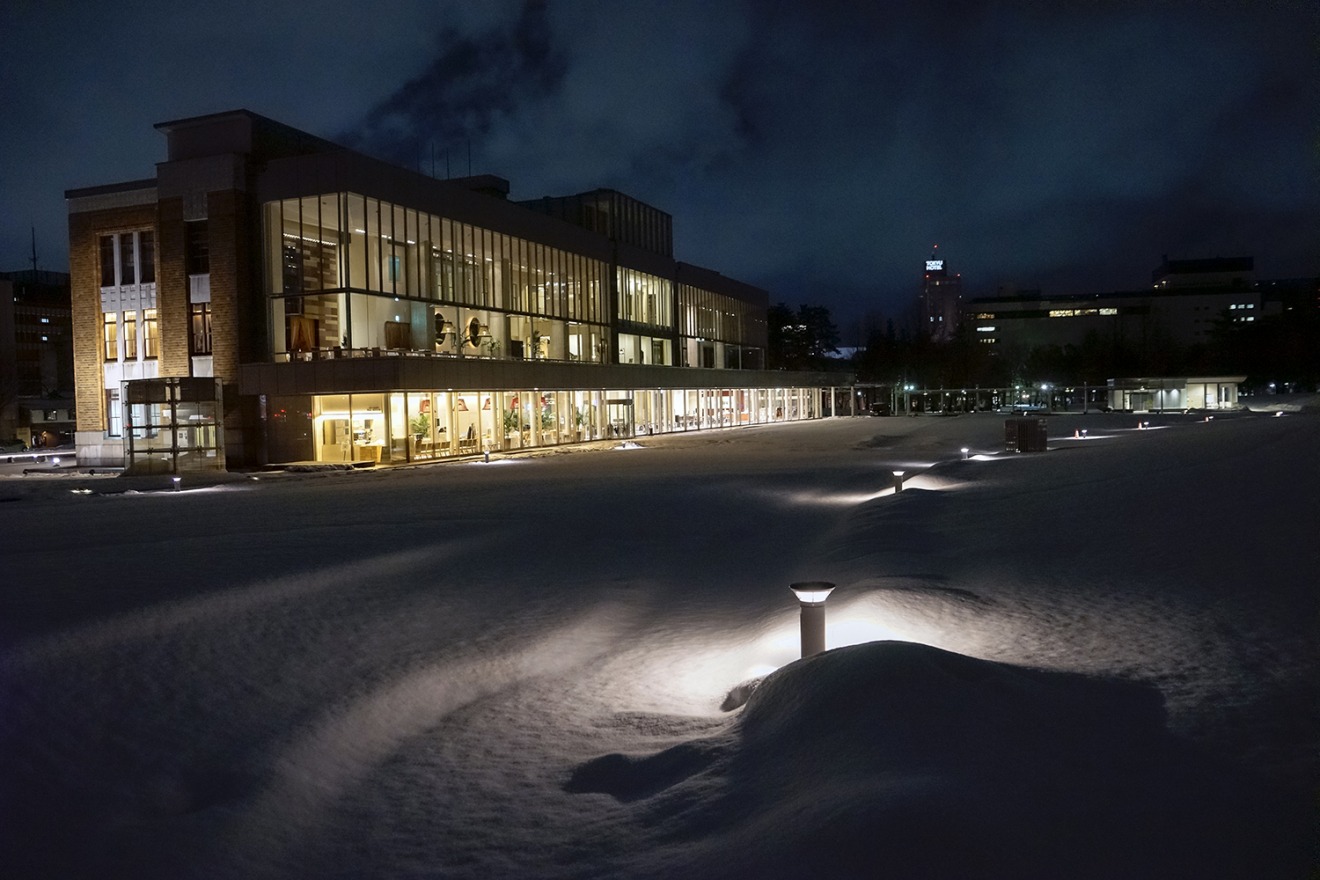
◎Ishikawa Prefectural Museum of History Hot Salon
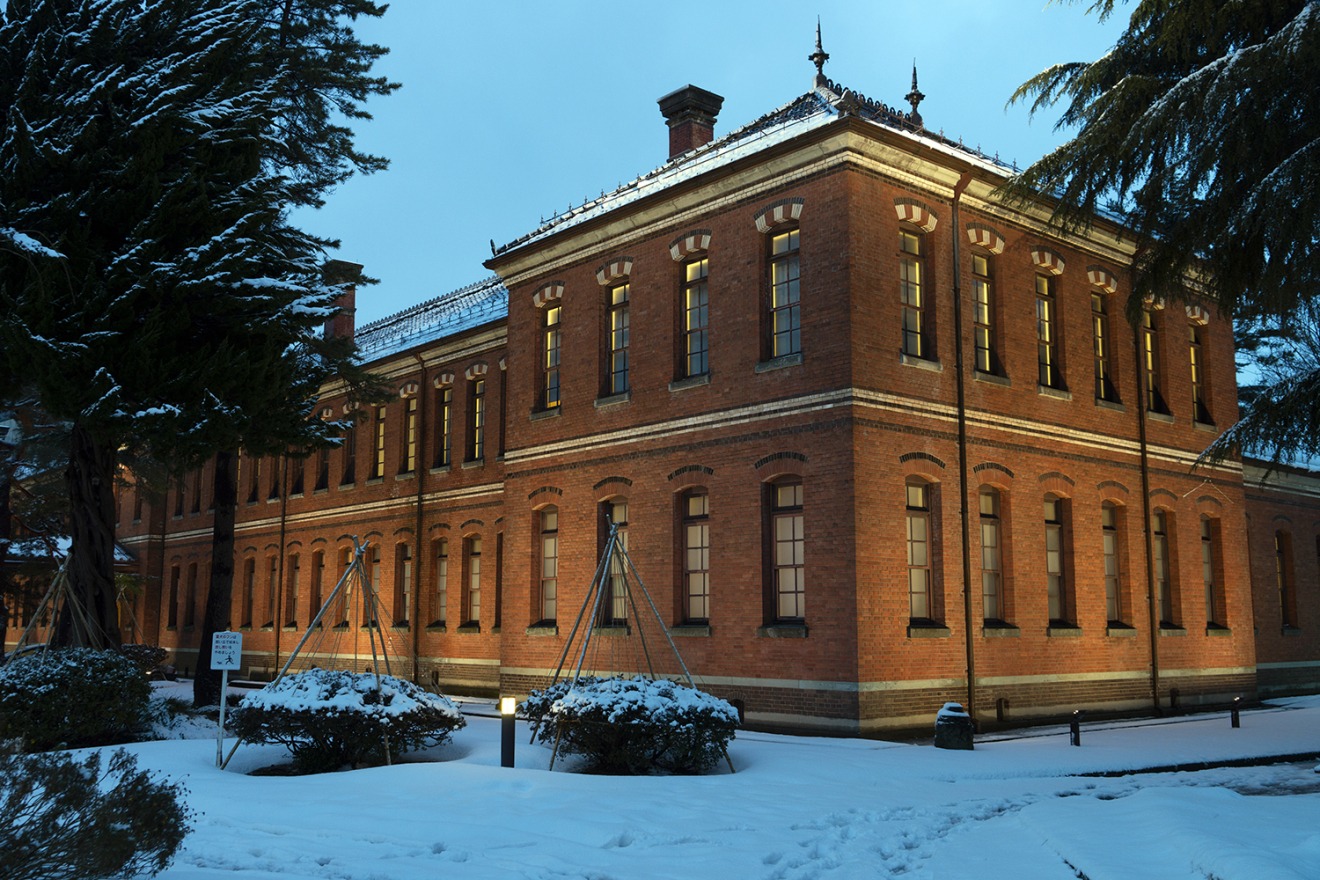
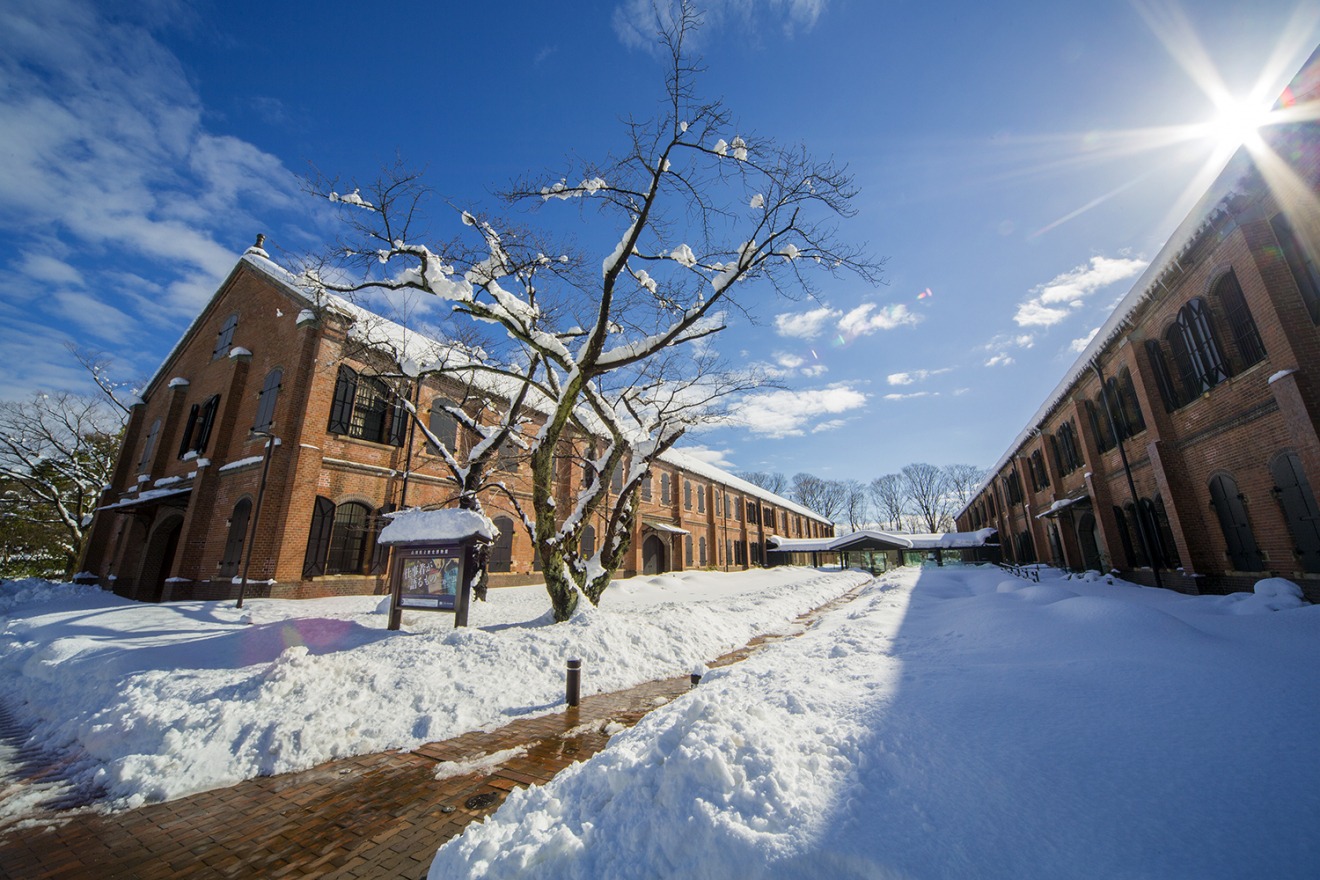
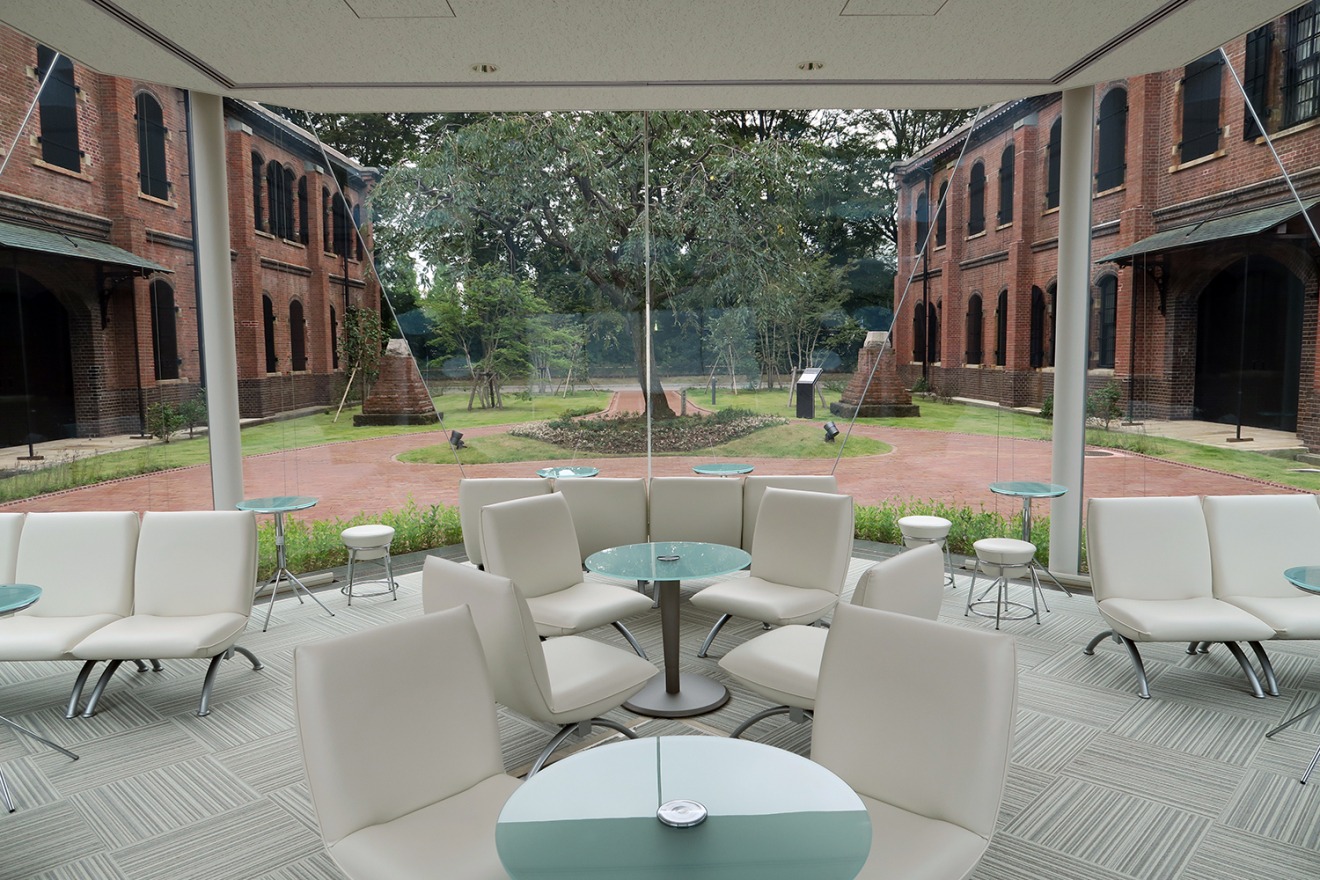
A relaxing salon nestled between the stately red-brick buildings, which are designated Important Cultural Properties. With its glass walls offering great views and a slightly futuristic atmosphere, it’s the ideal location to unwind. You can use the salon free of charge.
◎21st Century Museum of Contemporary Art, Kanazawa
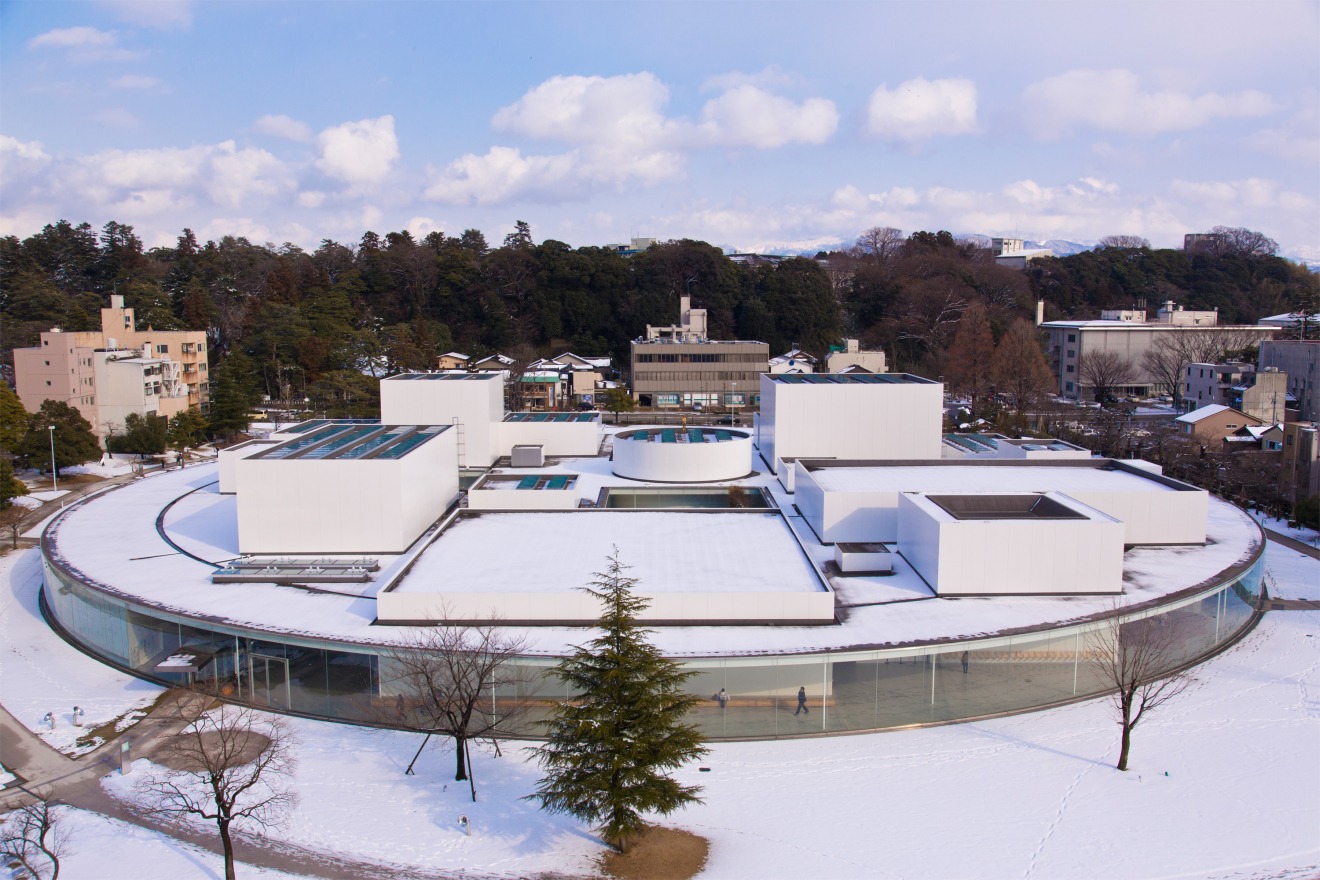
Nicknamed “Marubi,” this circular, glass-walled art museum offers artistic winter views from its free area, which is open until 10pm.
Crab, Oysters, Yellowtail, Oden, Hot Pot, and More! Kanazawa's Winter Flavors
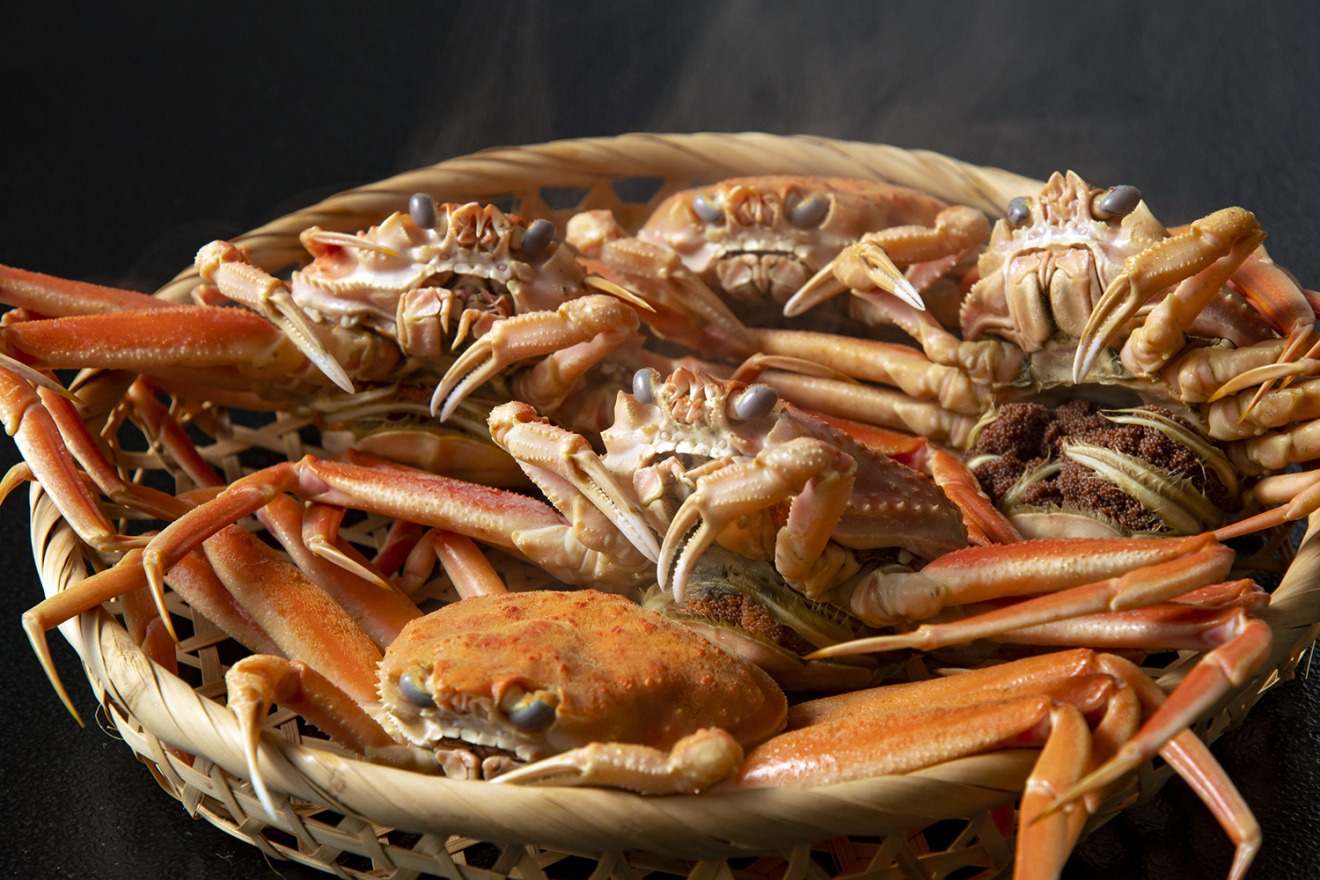
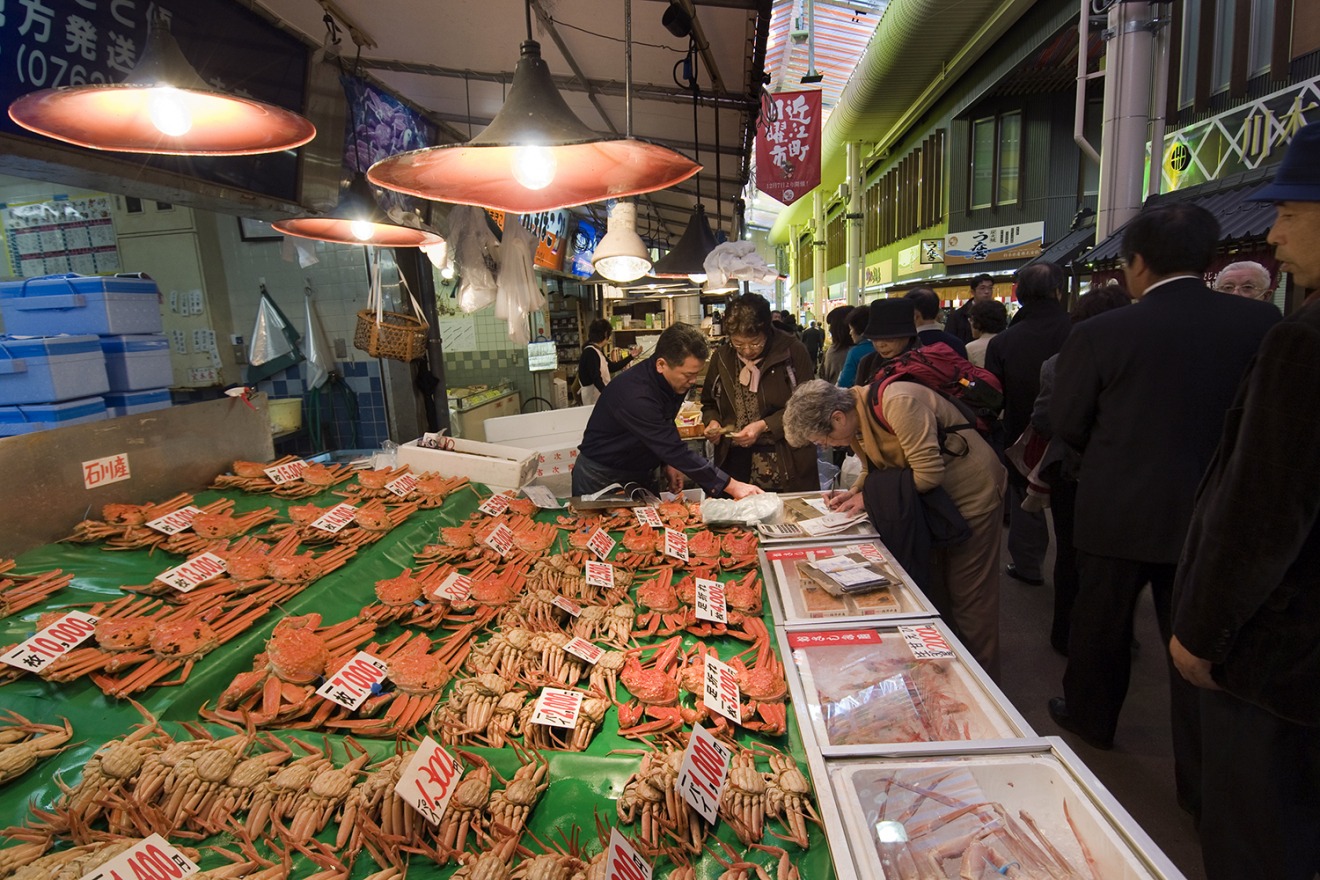
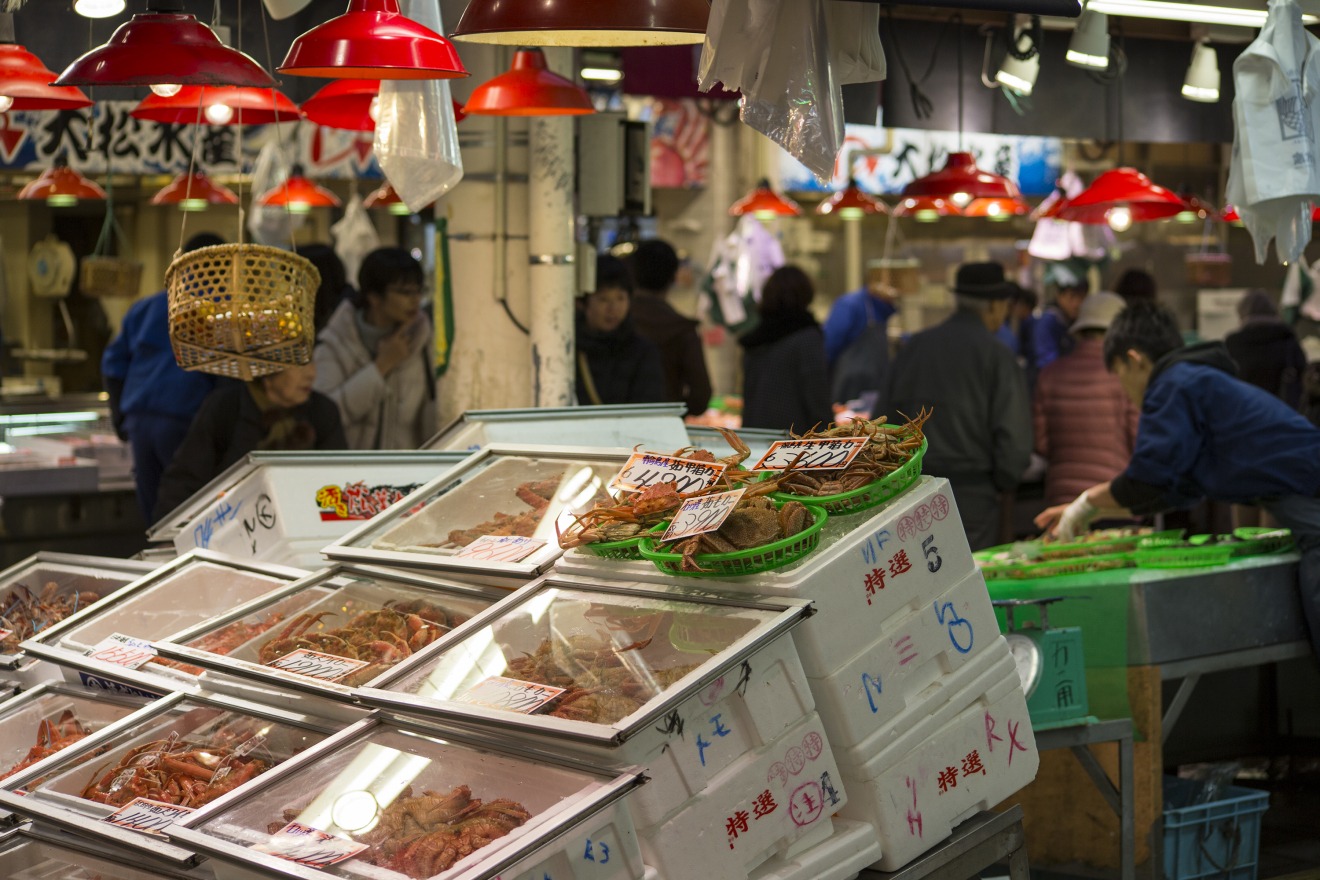
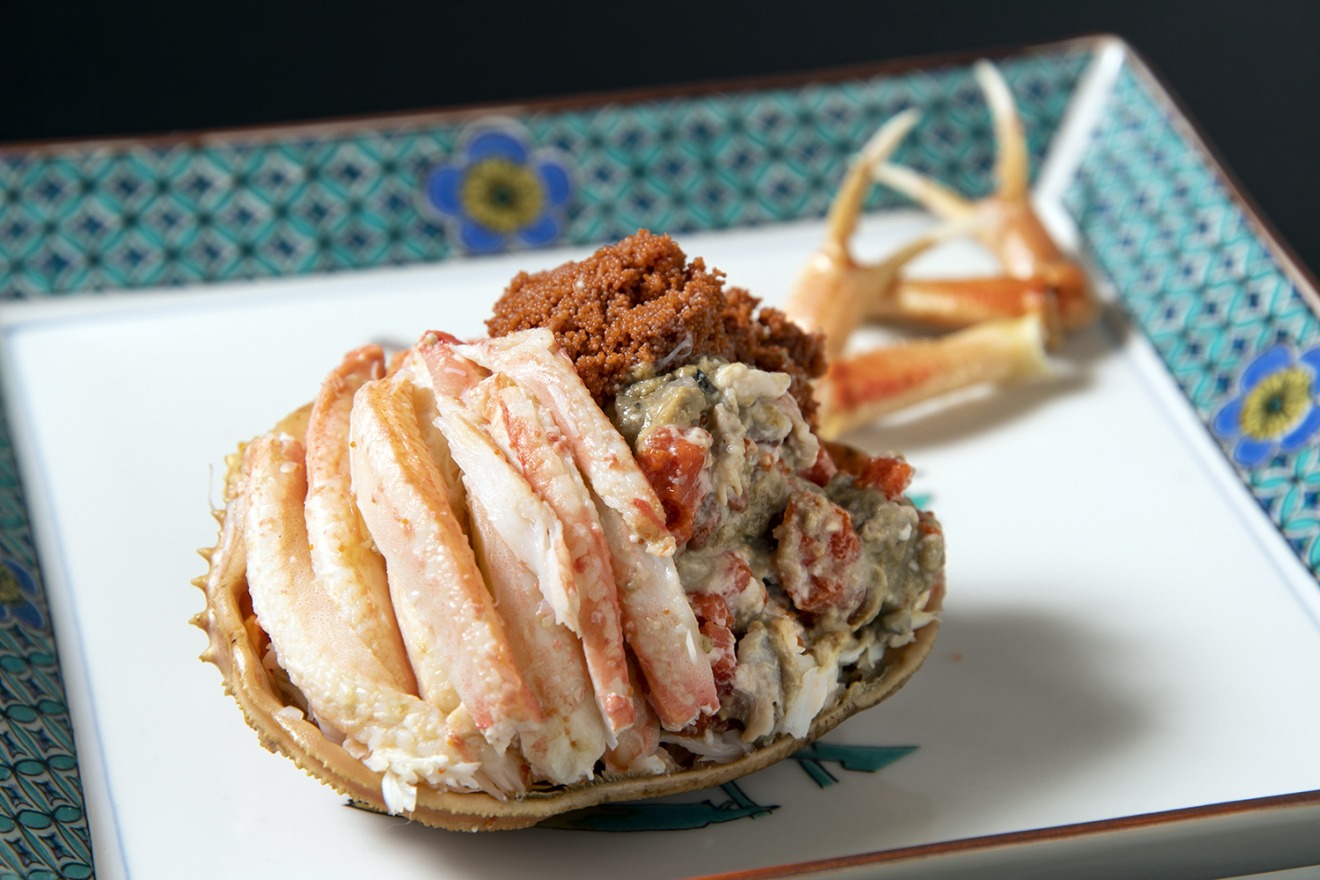
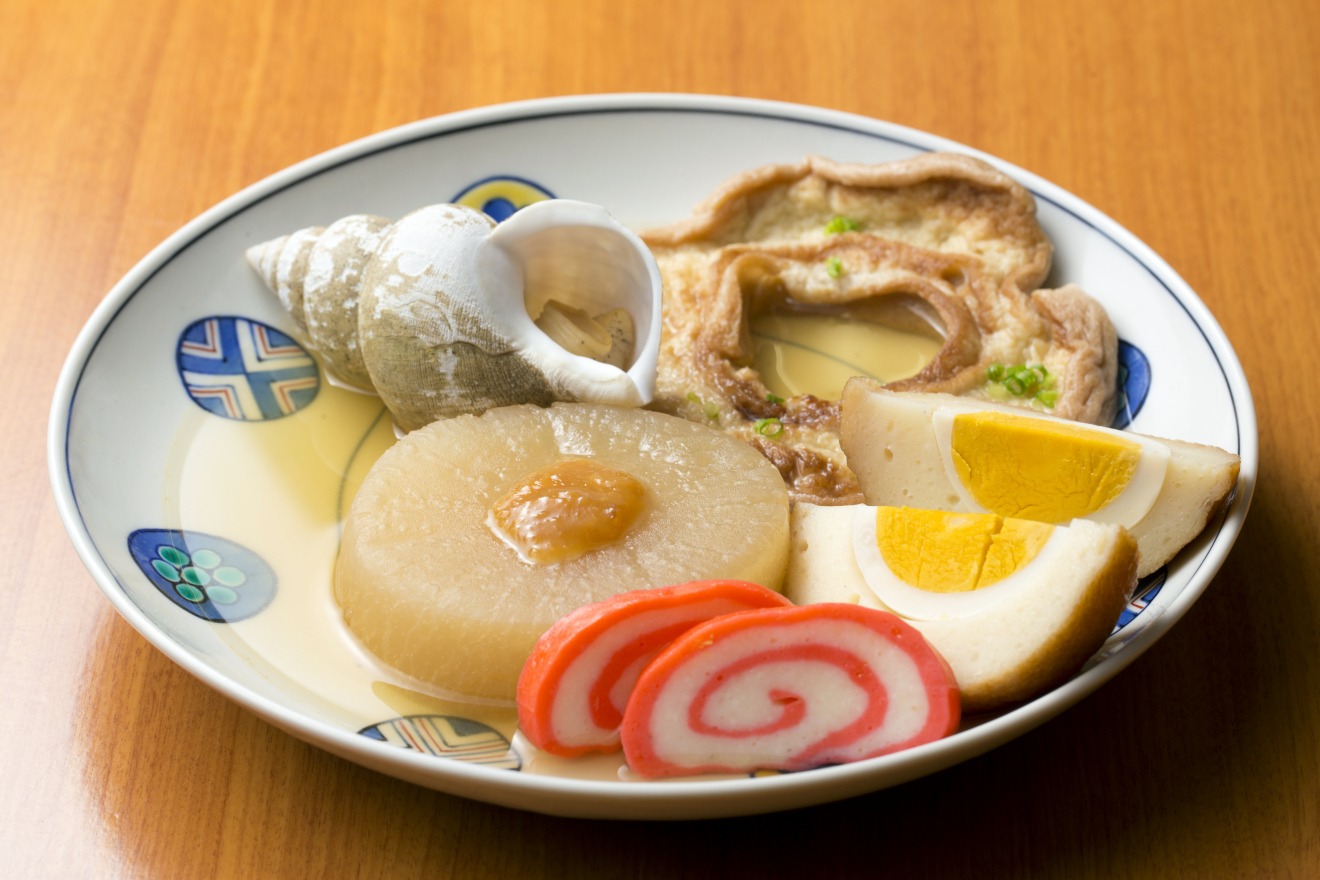
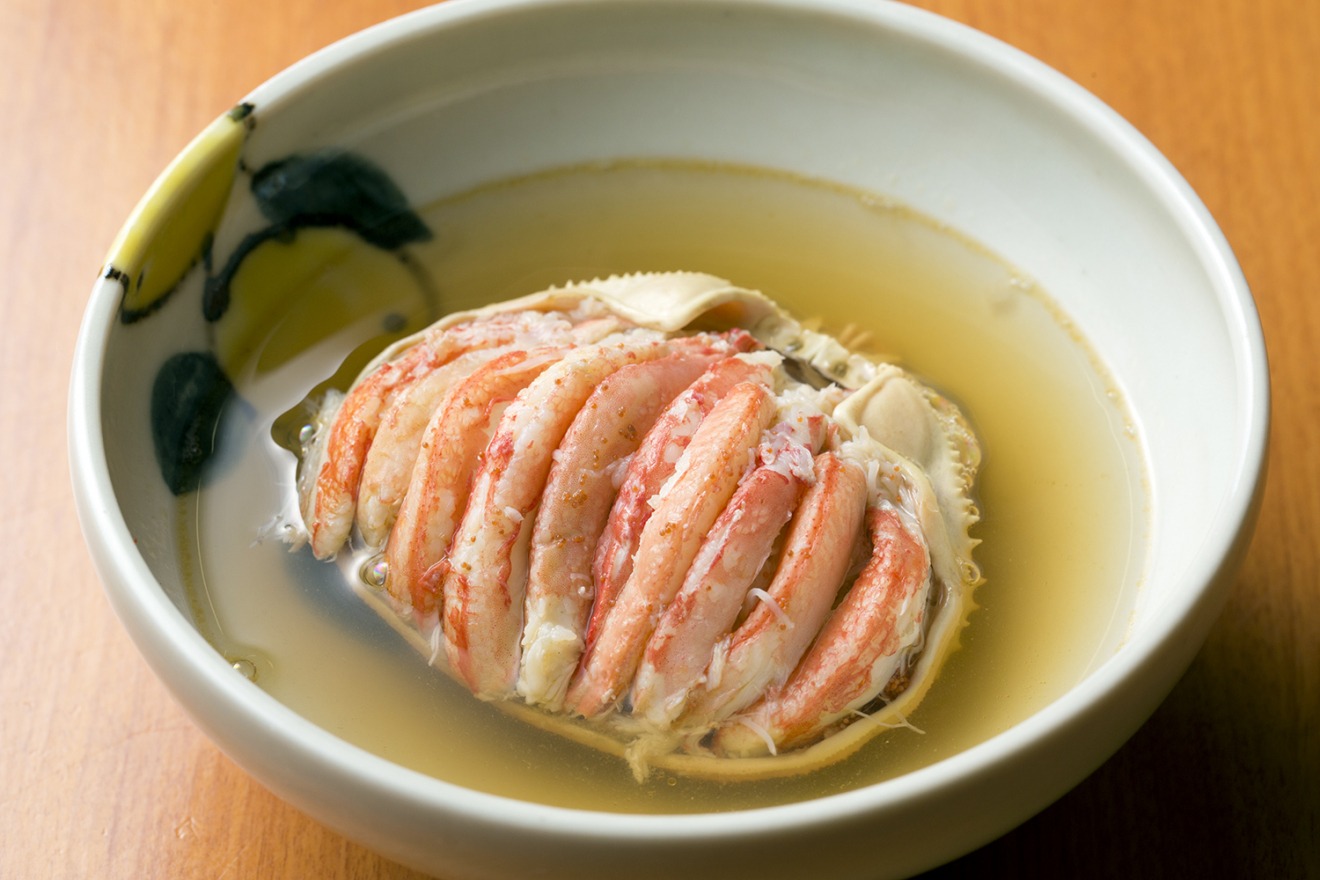
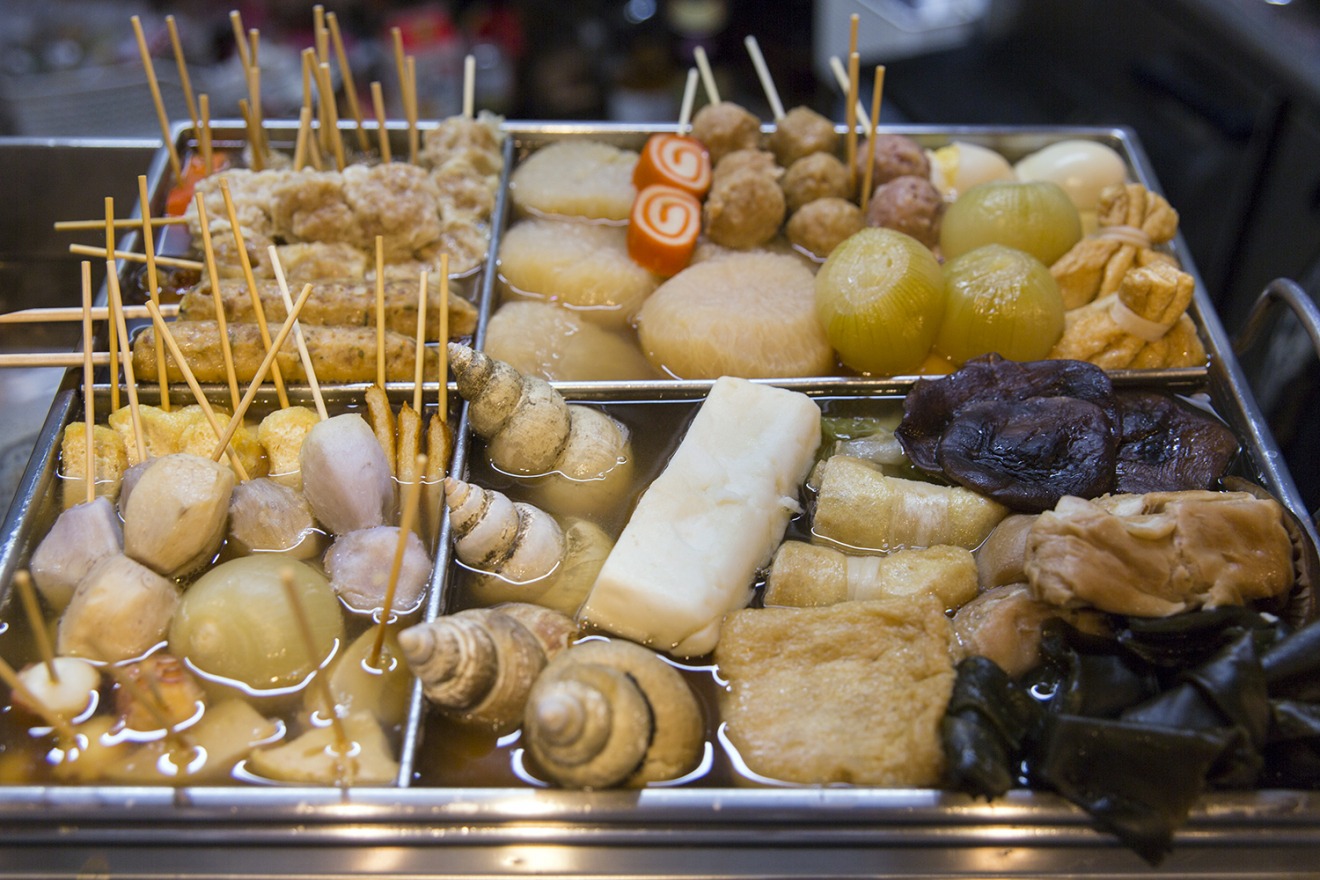
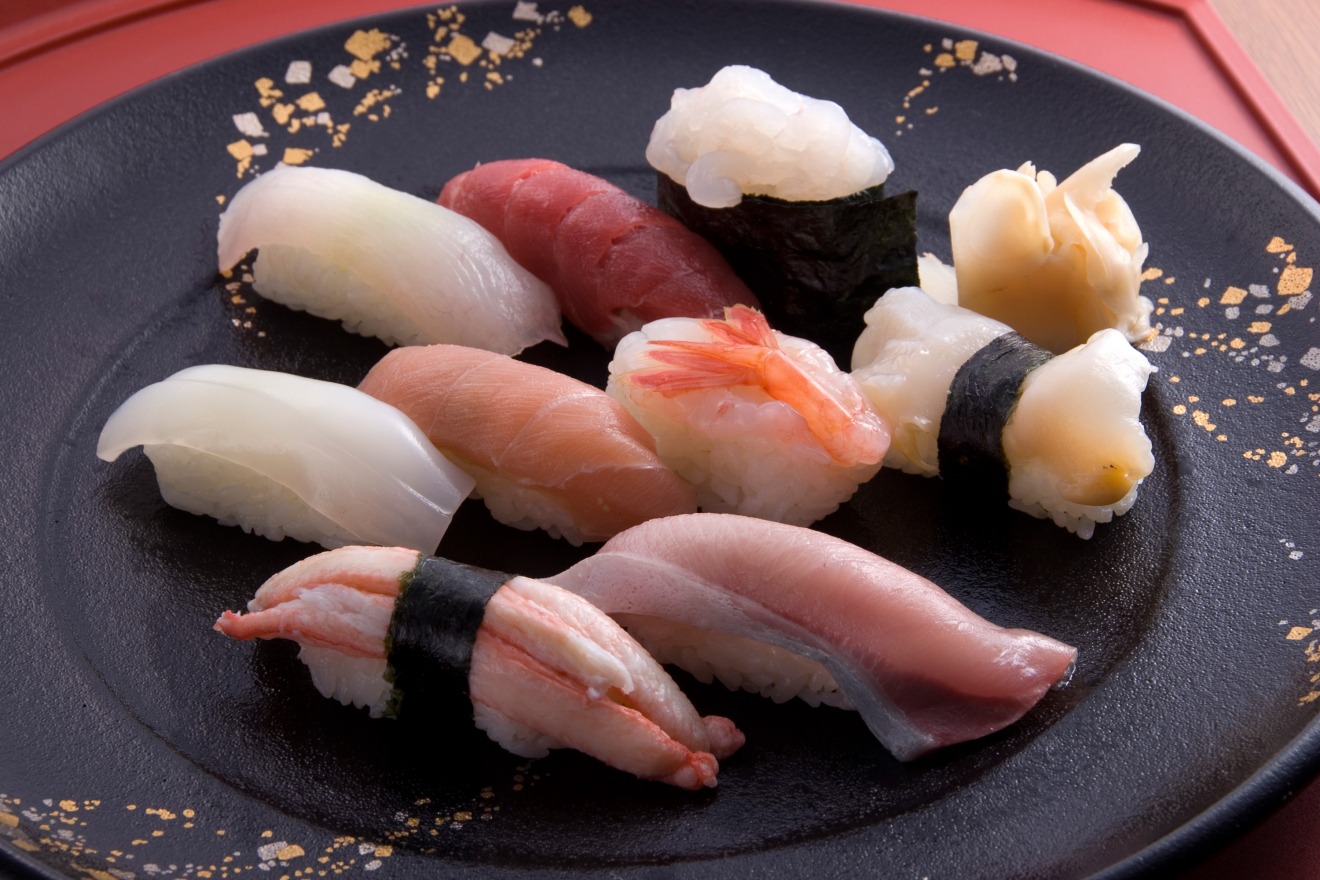
Winter in Kanazawa is full of delicious seasonal treats, namely Kano crab!
The fishing season for Kano crab (male snow crab caught in Ishikawa Prefecture) runs until March 20. However, note that the season for the Kobako crab (female snow crab), which is prized for its rarity and has become increasingly popular in recent years, is much shorter, running until December 29.
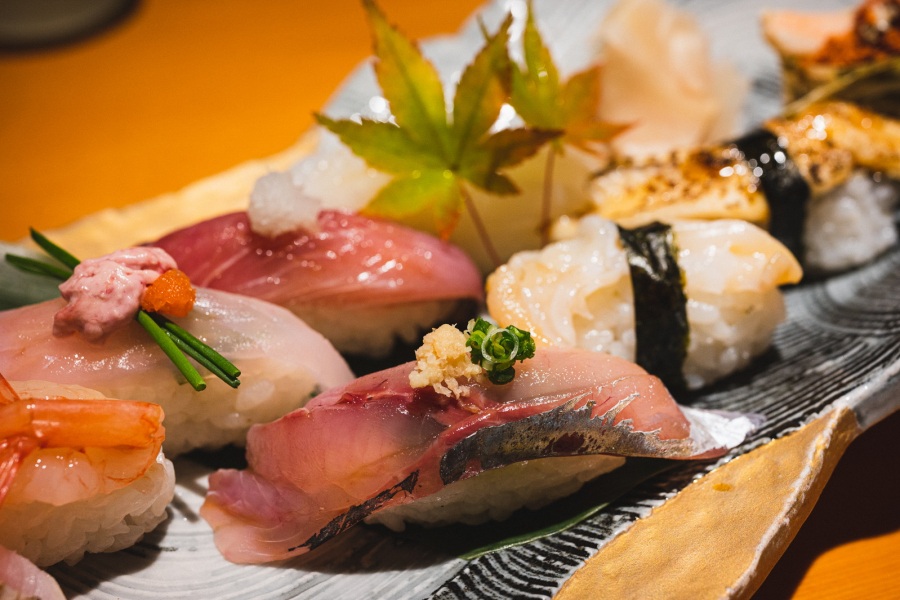
You can also enjoy Noto oysters, which are small but thick and flavorful, as well as cold yellowtail (kanburi) from Noto and Himi, another representative taste of winter from the Sea of Japan, rivaling the snow crab.
High-quality seafood from the region is certified under Kanazawa brand labels: "Kanazawa Amaebi (sweet shrimp)," "Kanazawa Kano Crab," and "Kanazawa Kobako Crab". If you spot these names, be sure to give them a try!
It’s also the perfect season for Kanazawa oden, known for its unique variety of ingredients, and for “Toriyasai Miso,” a popular local hot pot from Ishikawa Prefecture."
Perfect sake pairings.
Ishikawa Prefecture is well known for its thriving sake brewing tradition. Winter marks the peak of the brewing season, when freshly pressed shiboritate sake becomes available. Some breweries even offer tours, a true delight for sake lovers. There are also many spots where you can sample and compare local brands. You may just discover your new favorite sake!
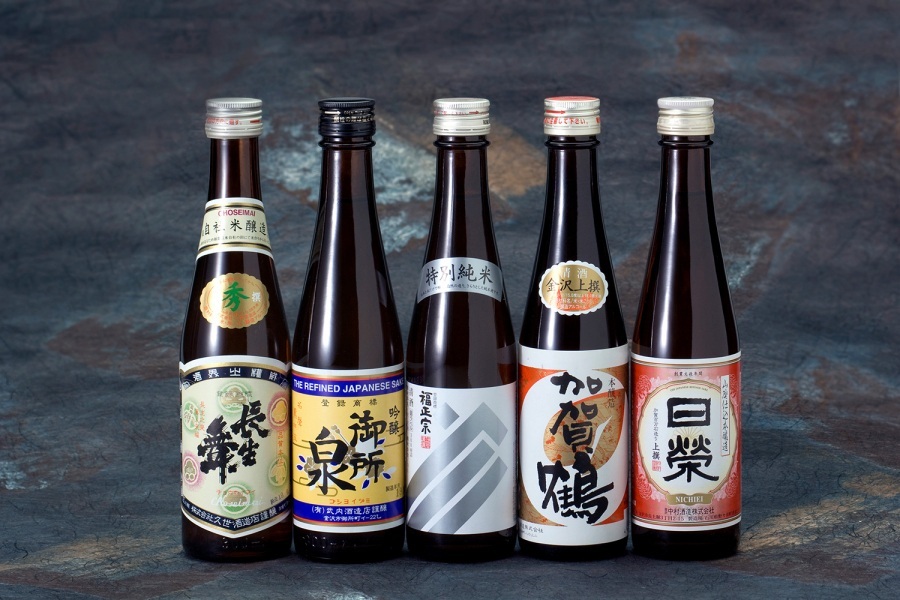
Winter Events in Kanazawa, Ishikawa, and the Hokuriku Region
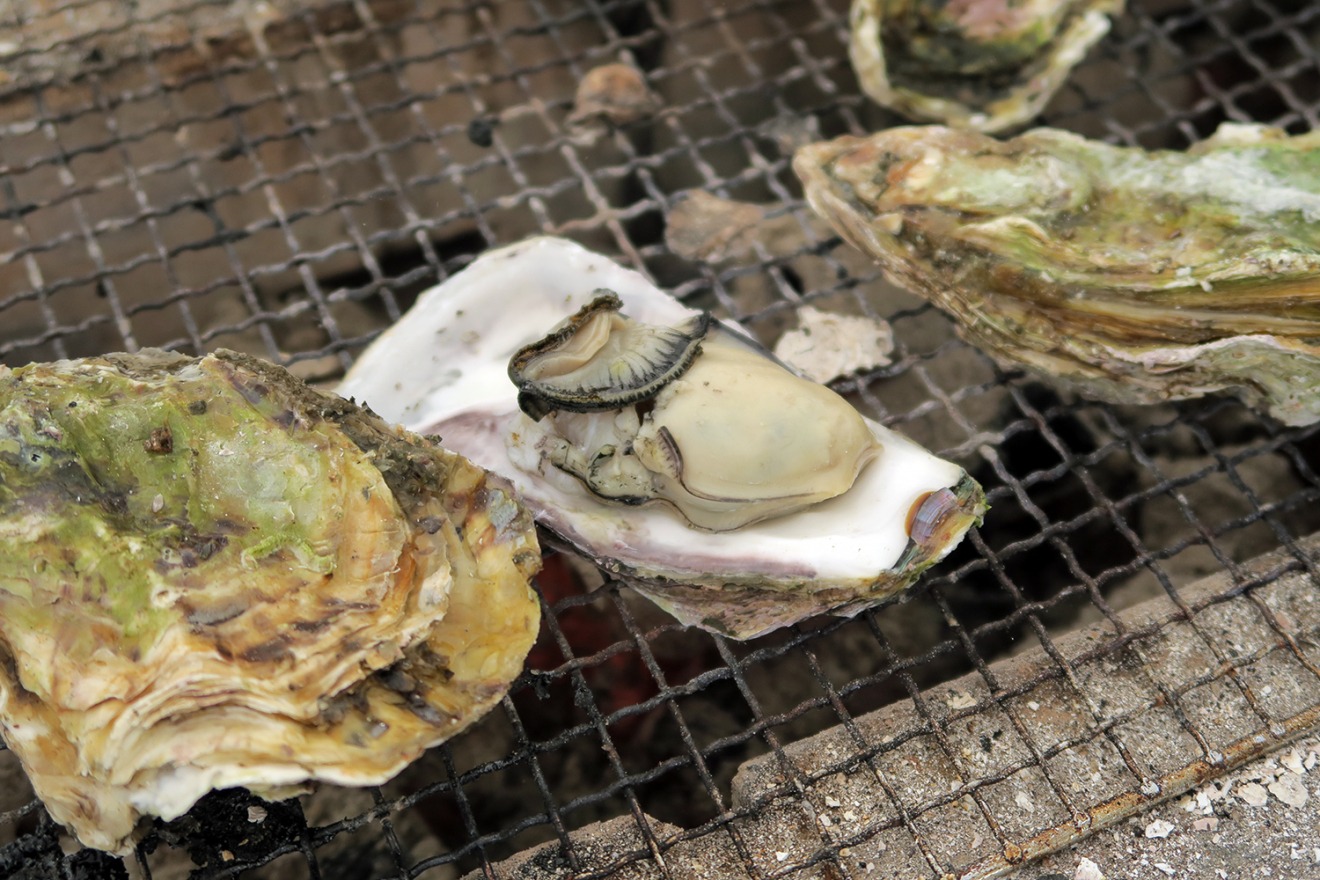
In the wintertime, there are countless special food events in Kanazawa and Ishikawa prefectures, and there are many other activities that you can only enjoy in the winter. We hope you check some out when you visit Kanazawa!
A food event to fully enjoy the unique food culture of Ishikawa and Kanazawa, along with the natural and cultural environment that has nurtured it. It features various programs and activities held at locations throughout the city.
◎Traveling During New Years
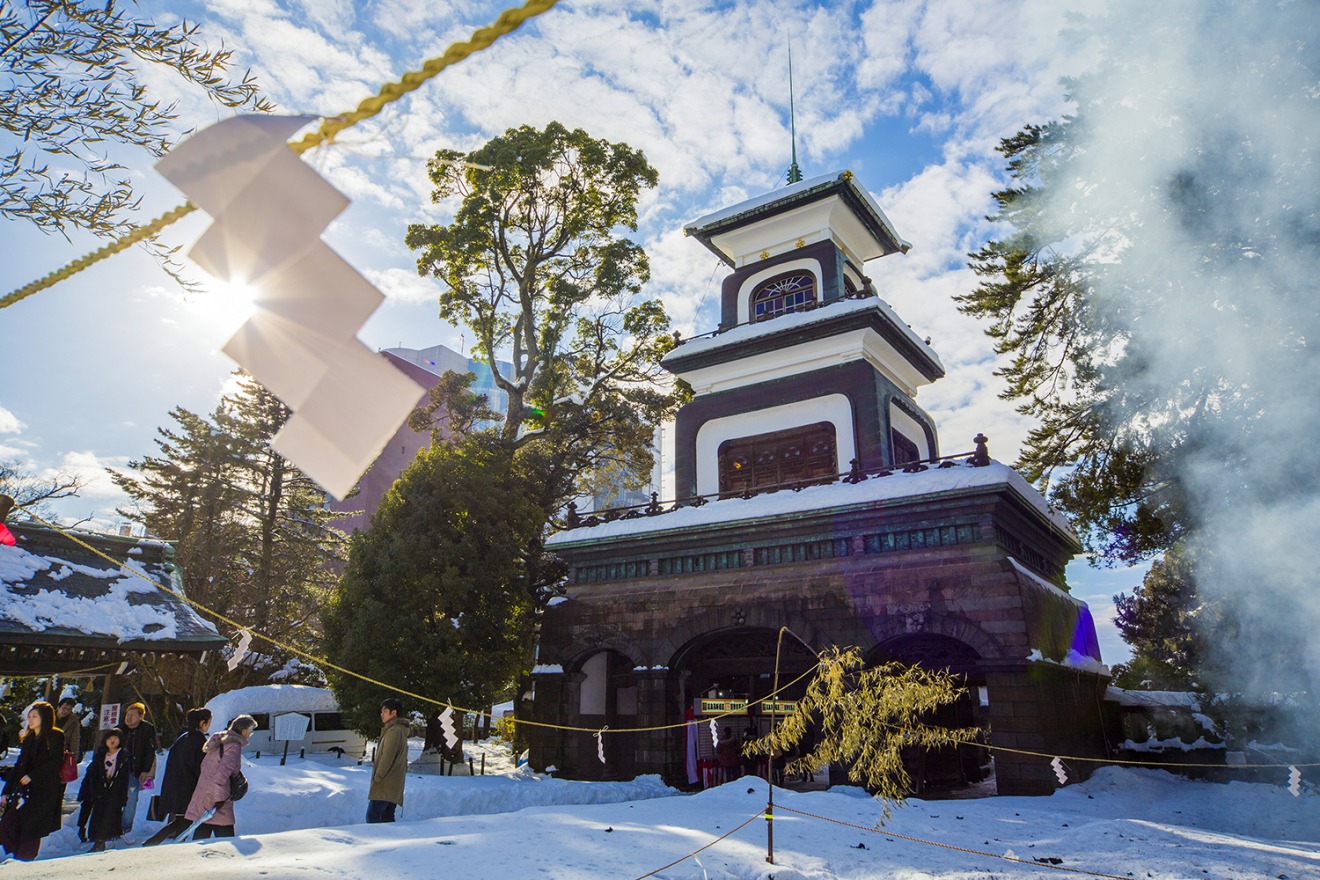
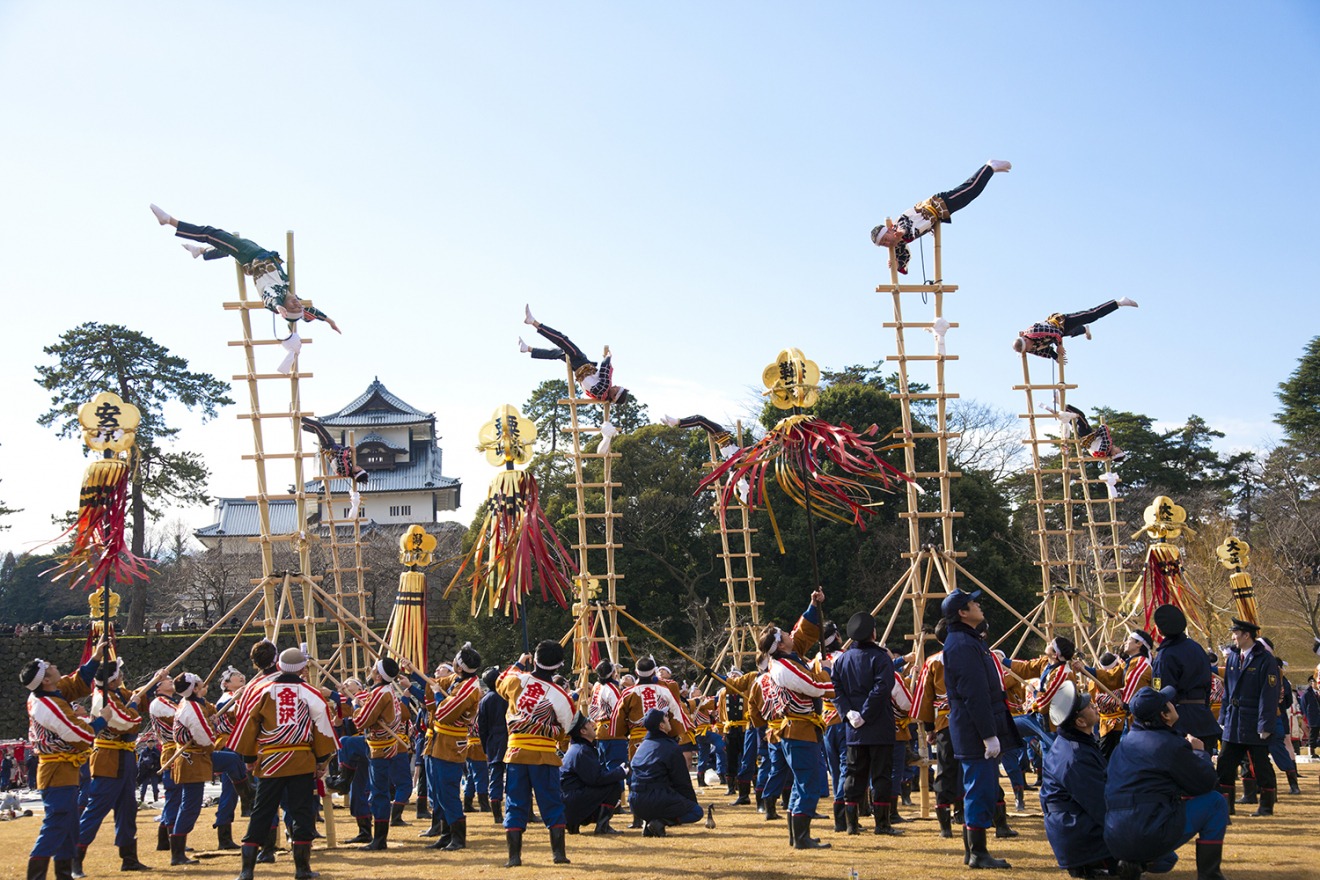
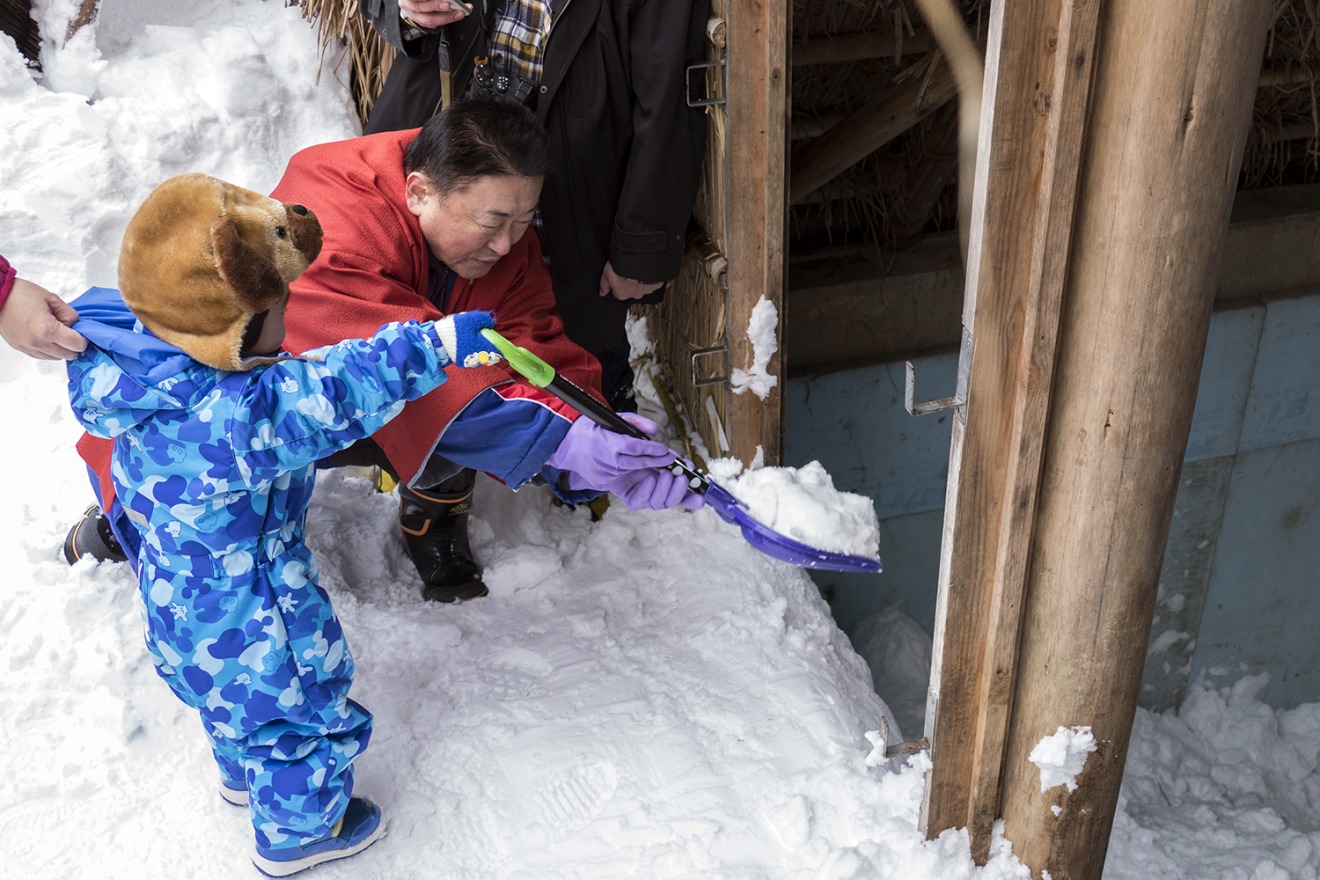
A variety of traditional winter events take place in and around Kanazawa, from New Year’s shrine visits to firefighter parades, Sagicho bonfire festivals, and Setsubun ceremonies.
- ・ Kanazawa City Fire Fighting New Year's Ceremony (Shinmaru Square, Kanazawa Castle Park)
- ・ Setsubun Festival at Utasu Shrine (near the Higashi Chaya District)
※Check the latest information for event schedules and more before you travel
Credits: Hokuriku Writer, Ken Wakai