Kaga Cuisine ― A Culinary Tradition Filled with Seasonal Blessings and Aesthetic Sensibility
Designated as an Intangible Cultural Heritage of Japan
Kaga Cuisine, a traditional food culture representing Ishikawa Prefecture, was officially recognized as a National Intangible Cultural Property of Japan in December 2025.
Japan’s National Intangible Cultural Property designation is a system that protects and honors important cultural traditions that cannot be physically preserved, such as food culture, performing arts, and craftsmanship, and passes them on to future generations.
In the field of Japanese cuisine, this recognition is only the second of its kind, following Kyoto cuisine.
Surrounded by the rich natural landscapes of the Noto Peninsula, which juts into the Sea of Japan, and the majestic Hakusan Mountains, Ishikawa offers abundant ingredients from both sea and land.
From this bountiful environment and the refined culture of the Kaga domain, once home to the powerful Maeda clan (known as the “Kaga Hyakumangoku”), Kaga cuisine was born.
Every dish reflects the region’s natural bounty and aesthetic sensibility, making it a form of culinary art.
What is Kaga Cuisine?
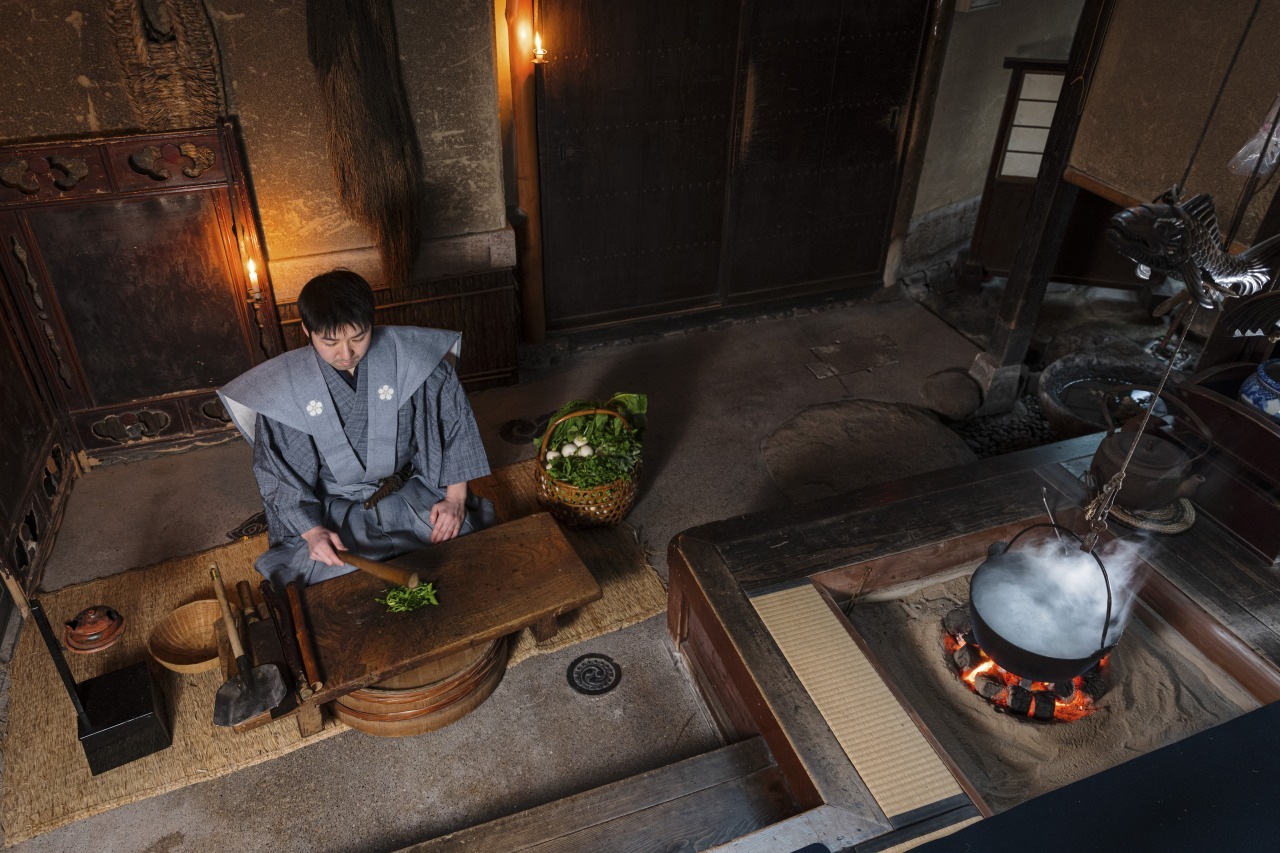
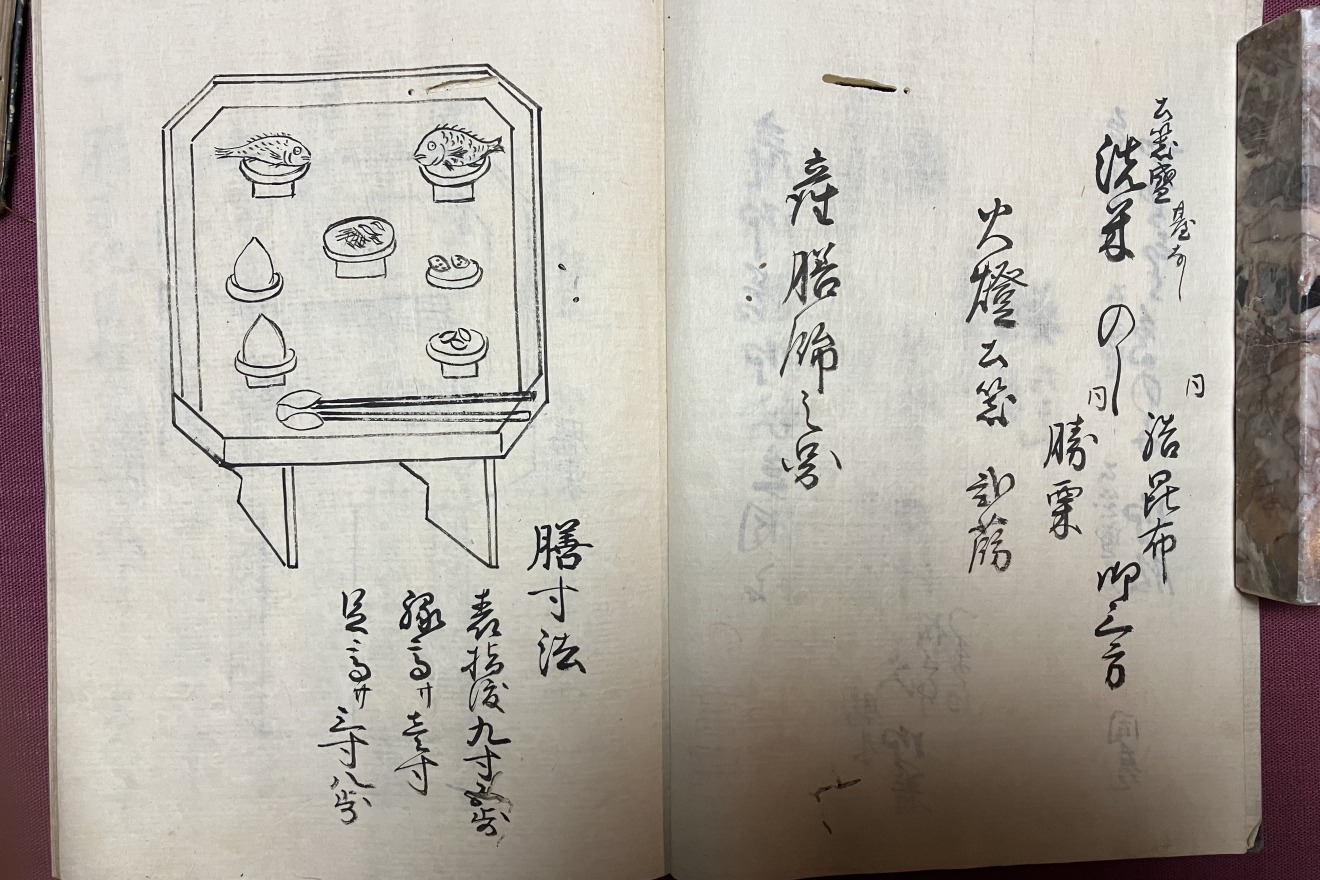
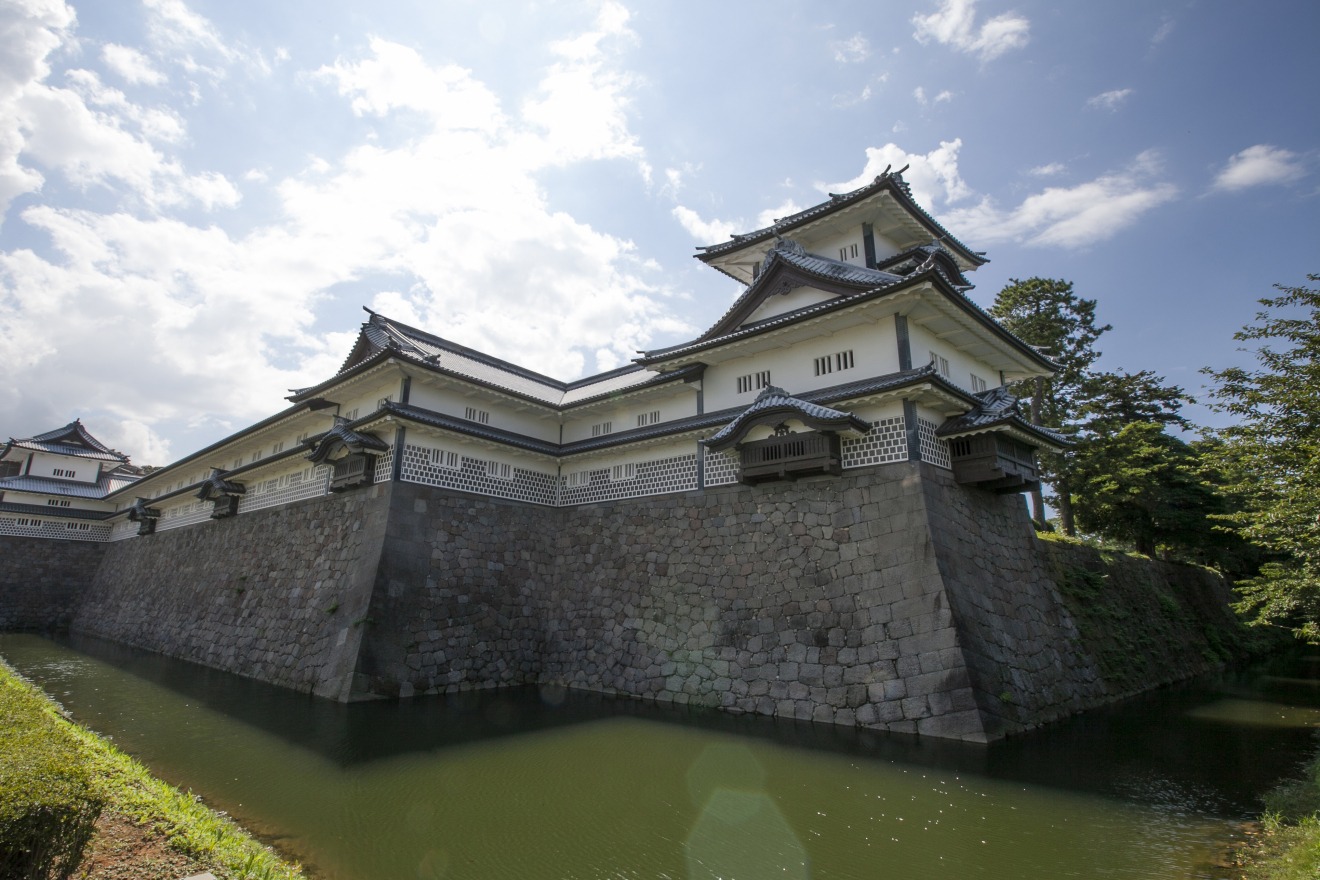
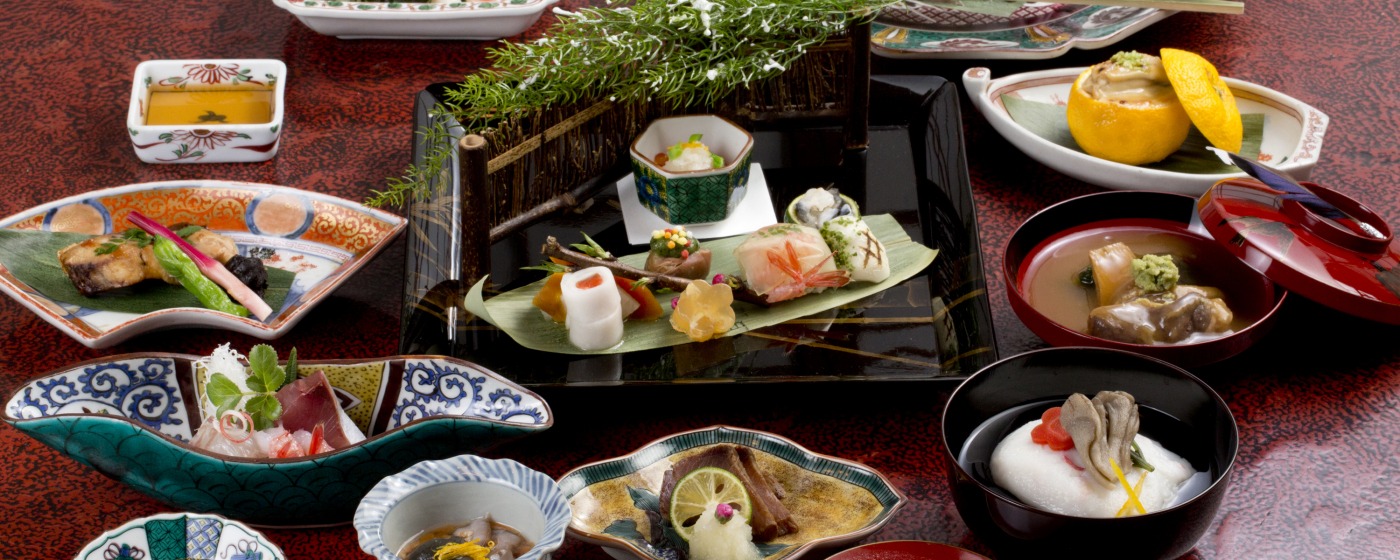
Kaga cuisine is the traditional culinary culture of Kanazawa and the surrounding Kaga region in Ishikawa Prefecture, Japan. It is more than a style of cooking: it is a comprehensive art of hospitality that brings together three elements — cuisine, seasonal settings, and attentive guest service.
Rooted in the history and culture of the former Kaga Domain, this tradition combines seasonal local ingredients, refined culinary techniques, traditional crafts such as Kutani ware and Wajima lacquerware, and the spirit of Japanese hospitality.
On December 18, 2025, Kaga cuisine was registered by the Japanese government as a Registered Intangible Cultural Property. It was the first such registration in Ishikawa Prefecture. In the field of Japanese cuisine, it followed Kyoto cuisine, which was registered in 2022.
Seasonal ingredients, beautifully crafted tableware, flowers and hanging scrolls that reflect the season, and thoughtful interaction between host and guest — all these elements come together to create what can truly be described as an art of dining.
In this article, we explore the history and distinctive features of Kaga cuisine, introduce its traditional dishes and local ingredients, and highlight restaurants in Kanazawa where you can experience this unique food culture.
What Makes Kaga Cuisine Special? Three Key Elements and the People Behind Them
Kaga cuisine is not the name of a particular dish. Rather, it refers to a set of traditional skills and practices that express the distinctive character of the Kaga region through the integration of food, the setting of the dining space, and hospitality.
Its defining features can be broadly divided into three categories.
1. A Food Culture Shaped by the Natural Environment and History of Kaga and Noto
Kaga cuisine makes the most of local ingredients shaped by the region’s natural environment, including seafood from the Sea of Japan and vegetables grown in the area. Its culinary traditions have also been passed down through generations, influenced by the history of the Kaga Domain and the culture of the samurai.
2. An Aesthetic That Balances Elegance with Restraint
Great care is taken to achieve harmony between visual beauty and refinement. This can be seen in the colors and presentation of each dish, the selection of tableware, and seasonal decorations such as flowers and hanging scrolls.
3. Traditional Crafts Incorporated into the Dining Experience
Traditional tableware from the Kaga and Noto regions, including Kutani ware, Wajima lacquerware, and Yamanaka lacquerware, is incorporated into the dining experience. These crafts help create an atmosphere in which the entire setting becomes part of the meal.
These traditions are brought to life through the collaboration of three key people:
1. The Host: Oversees the cuisine, the setting, and guest service, creating the overall dining experience.
2. The Chef: Selects the best ingredients and transforms them into dishes through refined culinary techniques.
3. The Okami and Nakai: The okami is the female proprietress of a traditional Japanese restaurant, while nakai are hospitality staff who serve guests. They welcome visitors and communicate the thought and meaning behind the food and seasonal setting.
The chef prepares each dish, the host creates the setting, and the okami and nakai serve the food with care. Through the collaboration of these three roles, Kaga cuisine becomes a cultural experience that can be appreciated with all five senses.
Kaga Cuisine Registered as a National Intangible Cultural Property in 2025
On December 18, 2025, Kaga cuisine was officially registered by the Japanese government as a Registered Intangible Cultural Property.
The recognition extends beyond culinary techniques alone. It acknowledges the comprehensive art of hospitality that brings together cuisine, the setting of the dining space, and guest service, while reflecting the history and natural environment of Kaga and Noto, the region’s traditional aesthetic sensibilities, and its distinctive craft traditions.
The organization recognized as the group responsible for preserving this cultural heritage is the Kaga Cuisine Technical Preservation Association (Kaga Ryori Gijutsu Hozonkai), which works to pass down the skills and culture of Kaga cuisine to future generations.
About the Kaga Cuisine Technical Preservation Association
The association aims to preserve and further develop the techniques of Kaga cuisine and pass them on to future generations. Membership is subject to requirements that include the following:
-The ability to offer a full-course Kaga cuisine dining experience.
-Operating a restaurant within the former territory of the Kaga Domain, including its branch domains, and serving traditional dishes such as jibuni.
-Actively using locally sourced ingredients.
-Expressing the character of Kaga cuisine through the dining setting and local traditional crafts.
-Having at least ten years of professional experience in Kaga cuisine.
What Kaga Cuisine and Kyoto Cuisine Have in Common
Kyoto cuisine, registered as a cultural property in 2022, is also recognized as an expression of the distinctive character of Kyoto, brought to life through the collaboration of the host, chef, and okami or nakai.
Both traditions are valued not simply as styles of cooking, but as comprehensive practices that combine cuisine with the setting and hospitality.
A distinctive feature of Kaga cuisine is its close connection to the samurai culture of the Kaga Domain and the region’s long history of supporting traditional arts and crafts.
History of Kaga Cuisine: How the Kaga Domain Shaped Kanazawa’s Food Culture
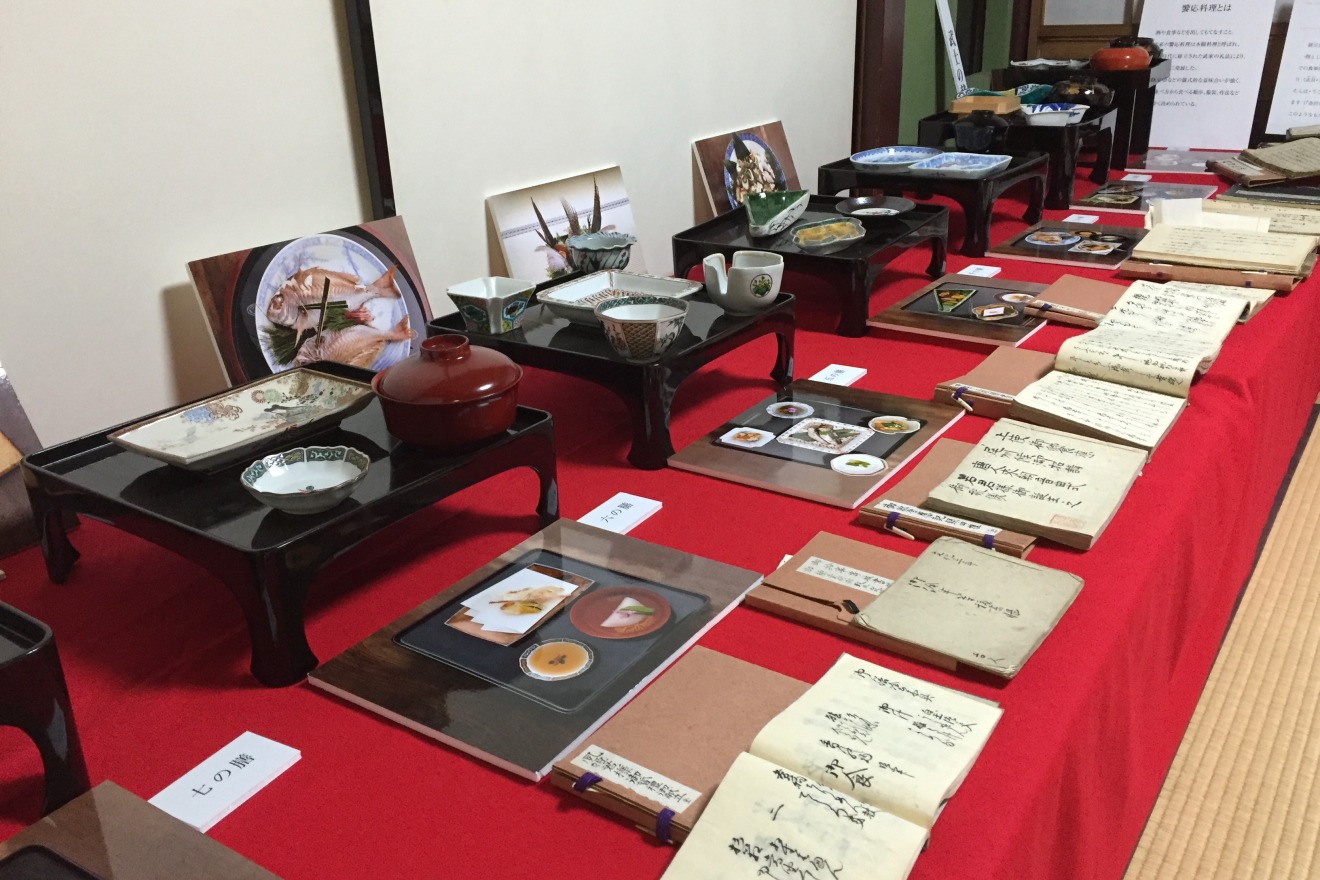
The roots of Kaga cuisine lie in the cultural patronage of the Kaga Domain during the Edo period (1603–1868) and the culinary traditions of samurai society. Its development can be broadly understood in three stages.
1. Formal Dining Traditions of the Samurai Class
In samurai society, great importance was placed on honzen ryori, a formal style of Japanese dining served at ceremonial occasions, and kyōō ryori, elaborate meals prepared to entertain distinguished guests.
These formal dining traditions formed part of the cultural background from which Kaga cuisine developed.
2. Cultural and Artistic Patronage by the Maeda Family
The Maeda family, rulers of the Kaga Domain, invited skilled artisans to the region and supported the development of traditional arts and crafts, as well as the Japanese tea ceremony.
Ceramics and lacquerware flourished, while a distinctive local food culture developed alongside the region’s ingredients and culinary techniques.
3. The Incorporation of Kaiseki Cuisine
From the modern era onward, elements of kaiseki ryori — a refined style of Japanese dining served as a sequence of carefully prepared dishes — were incorporated into the region’s established culinary traditions. Over time, the style of Kaga cuisine that continues today took shape.
The emphasis on aesthetic refinement extends beyond the food itself to the tableware and the interior setting. This sensibility remains an essential part of Kaga cuisine today.
Traditional Kaga Dishes You Should Try in Kanazawa
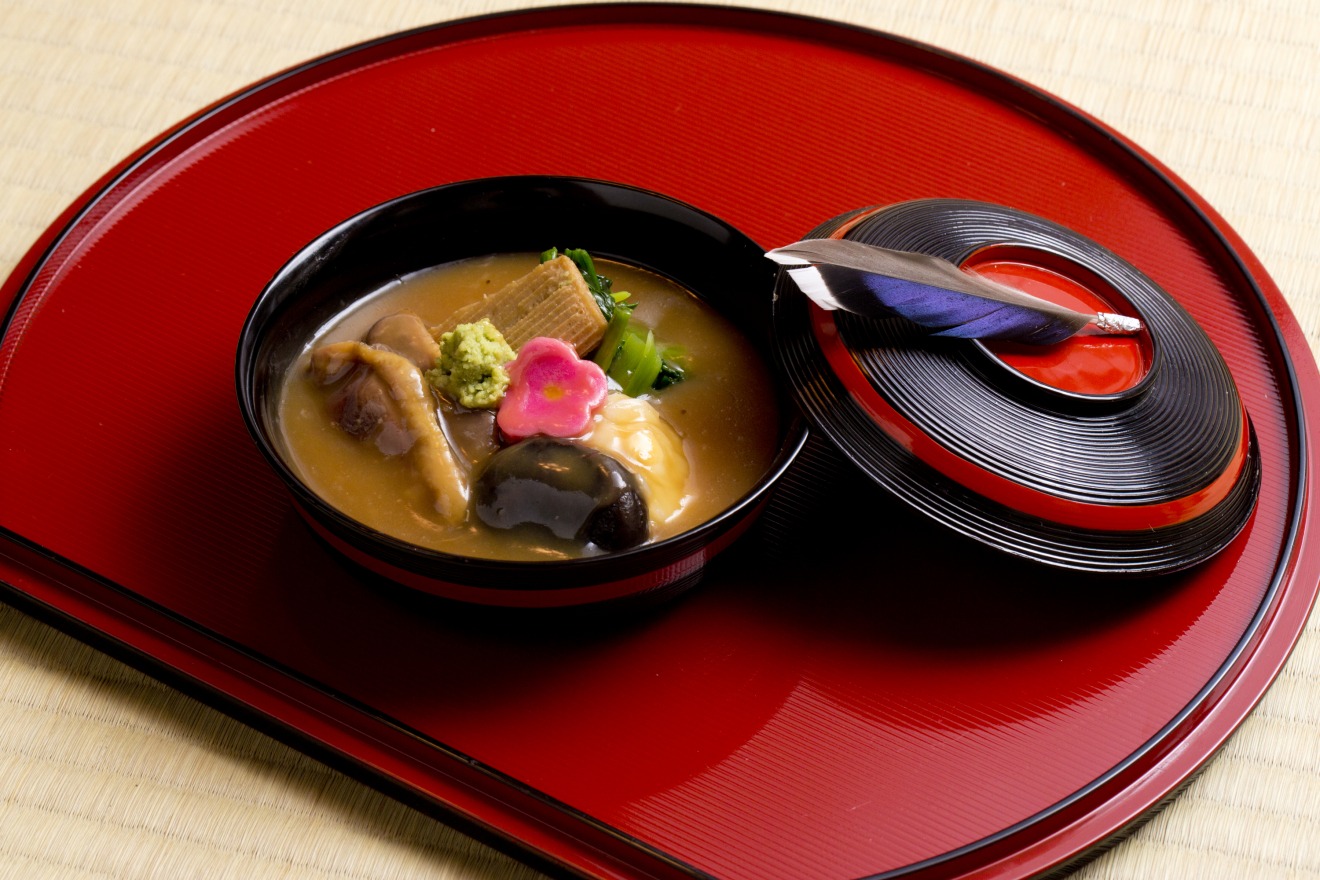
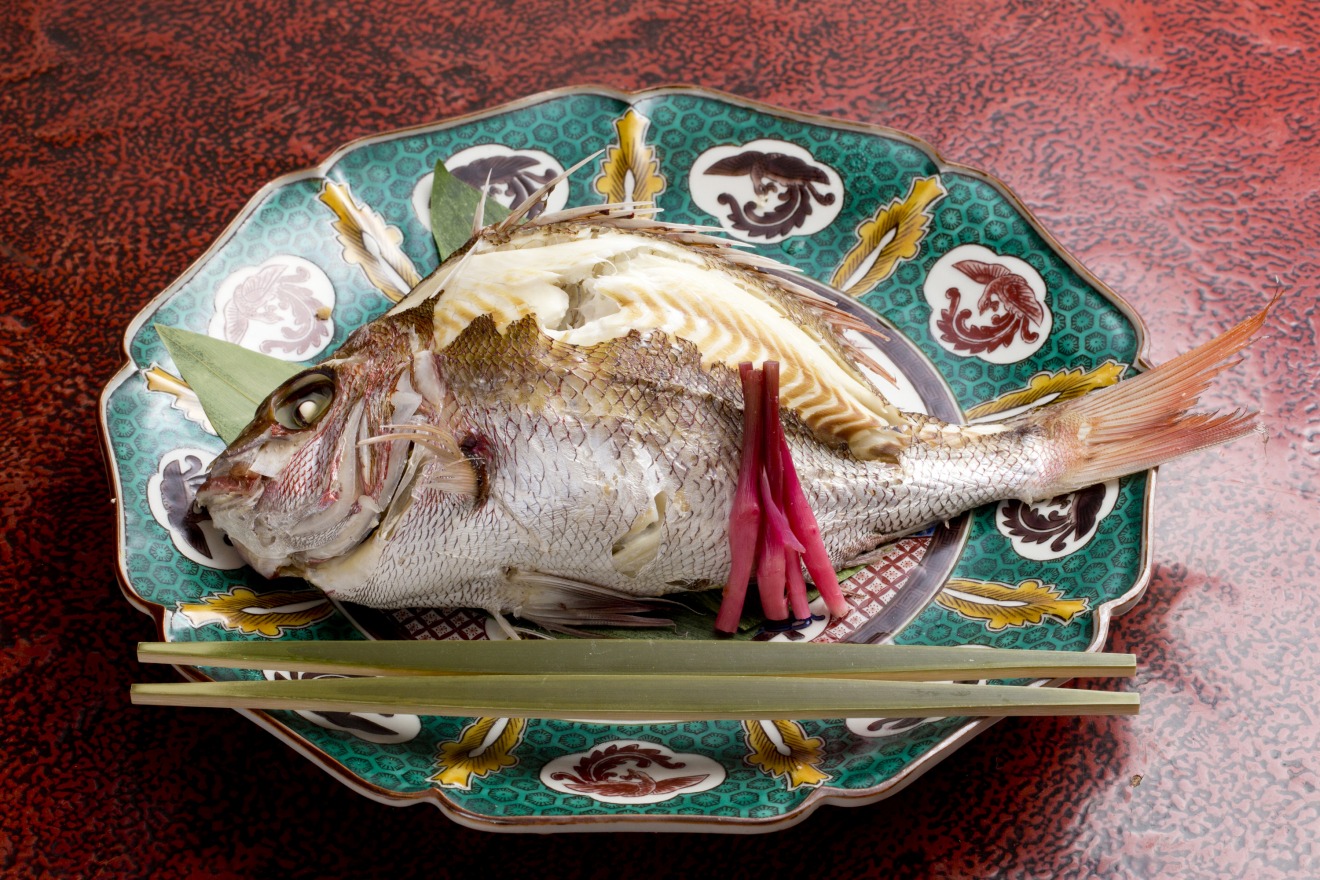
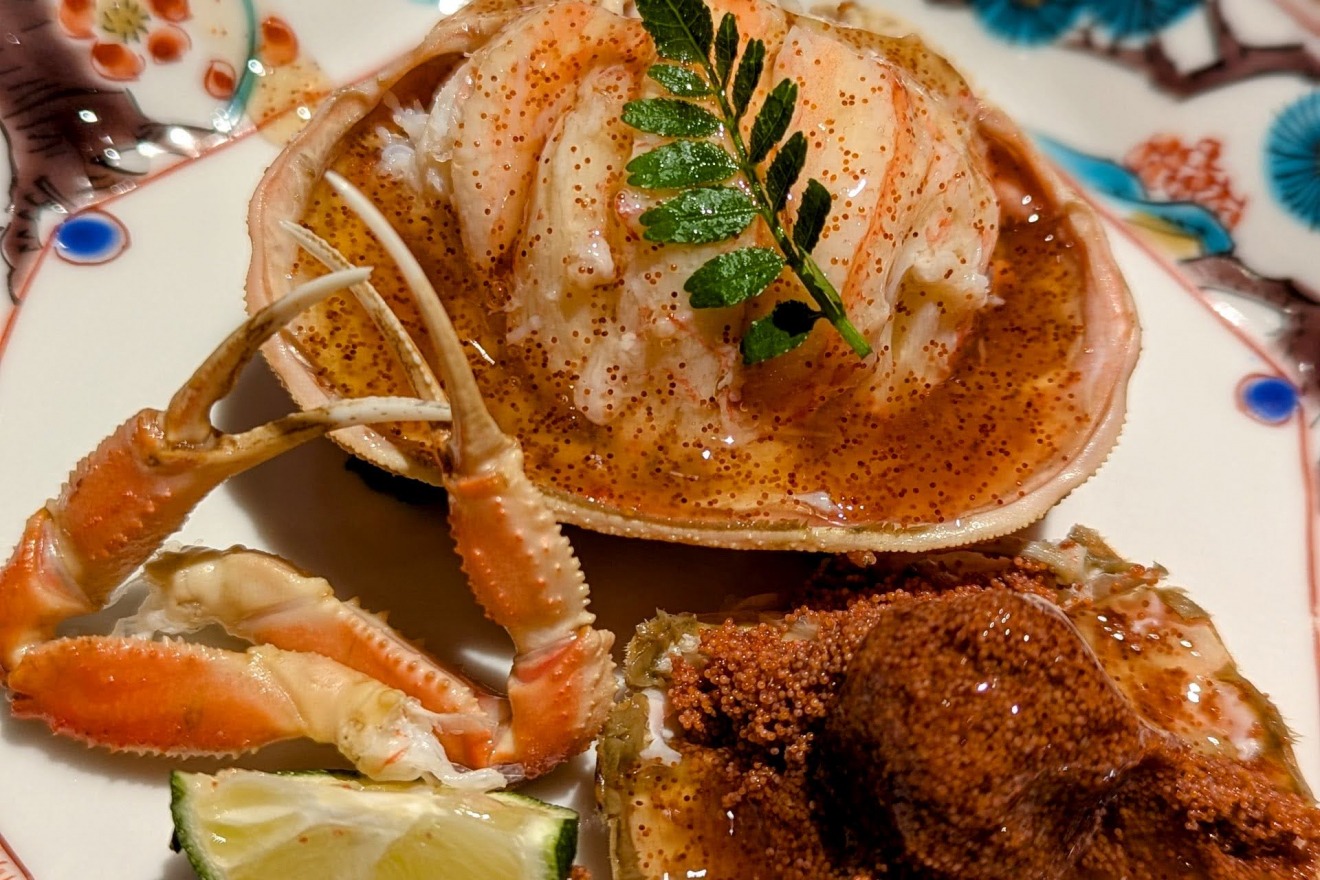
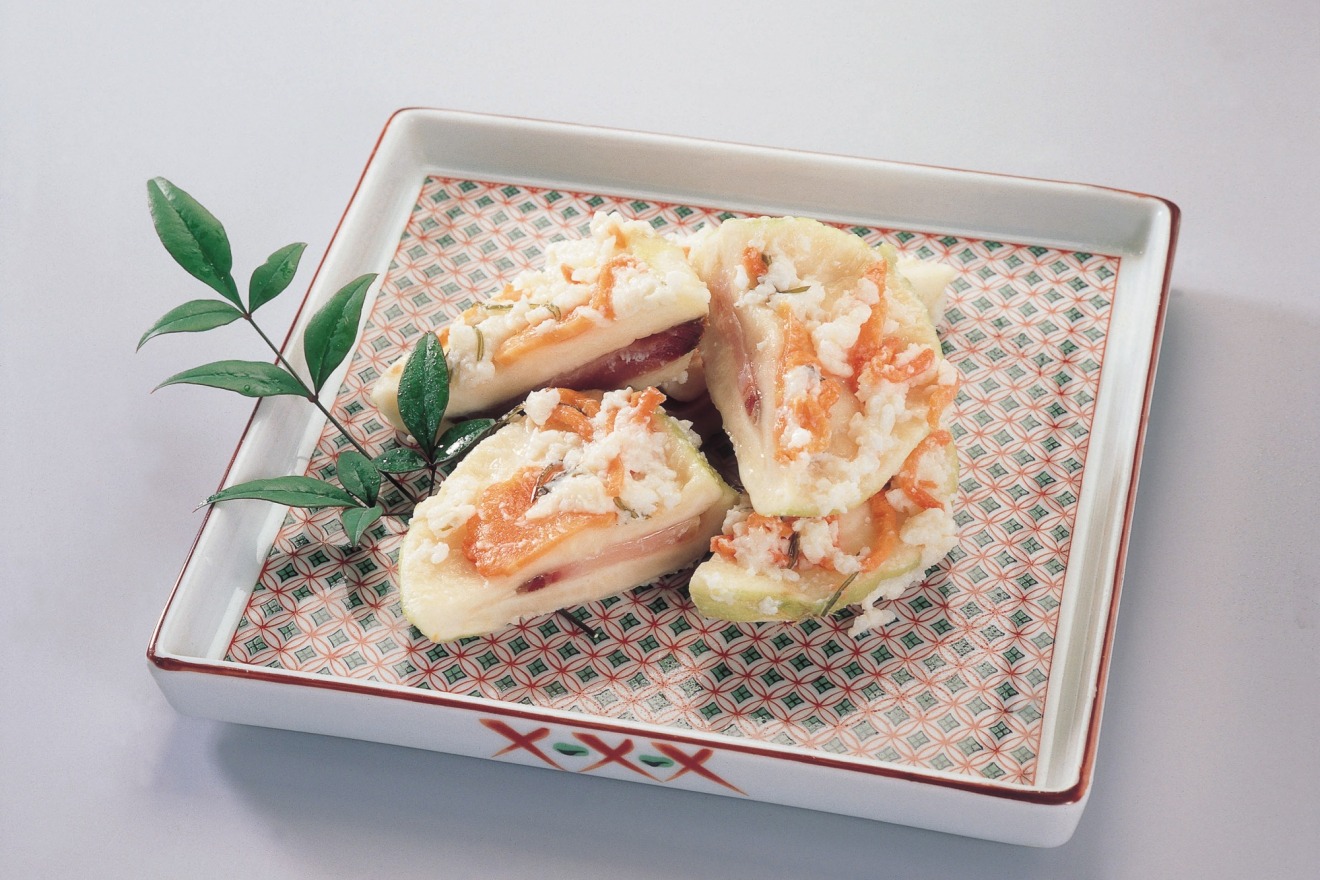
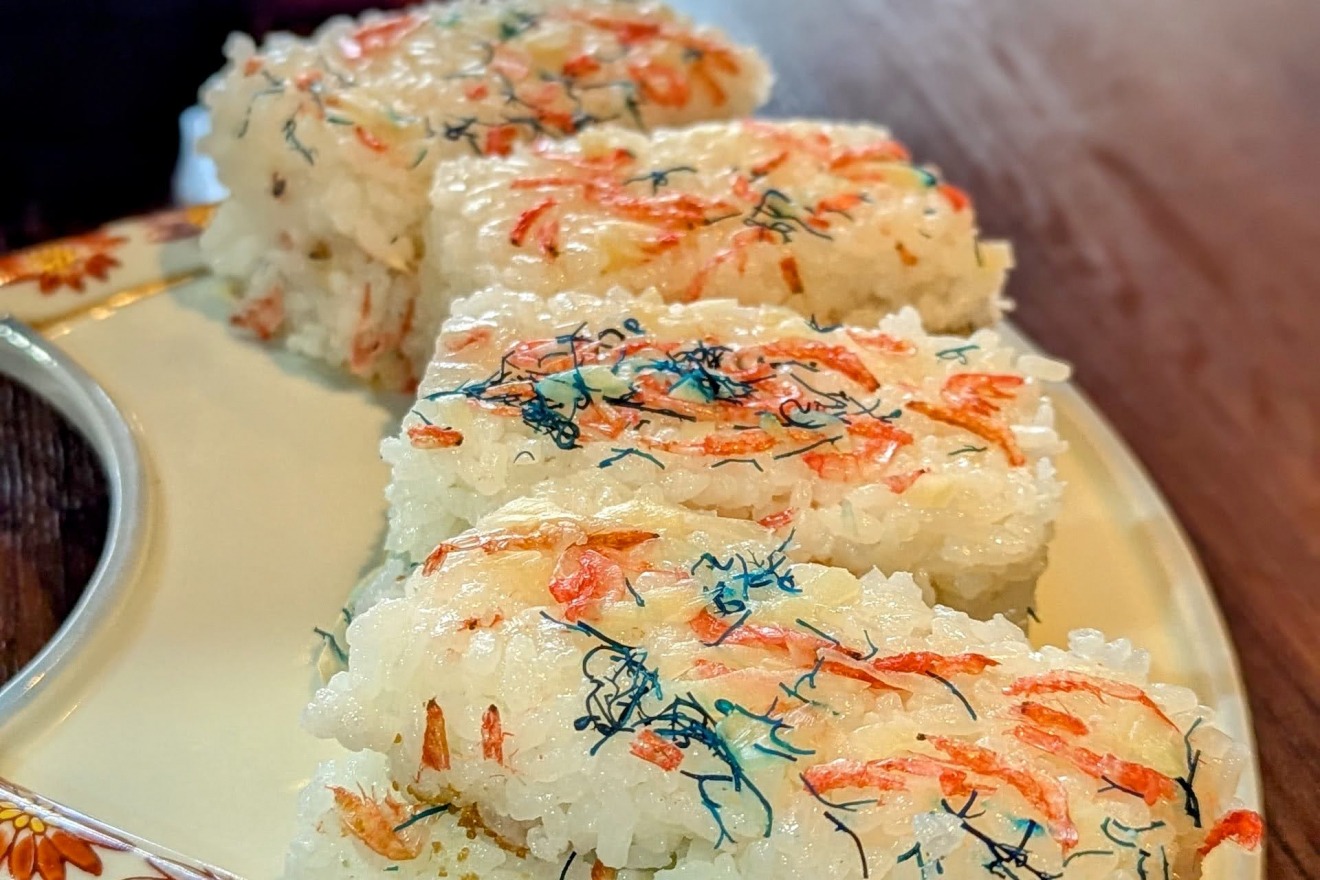
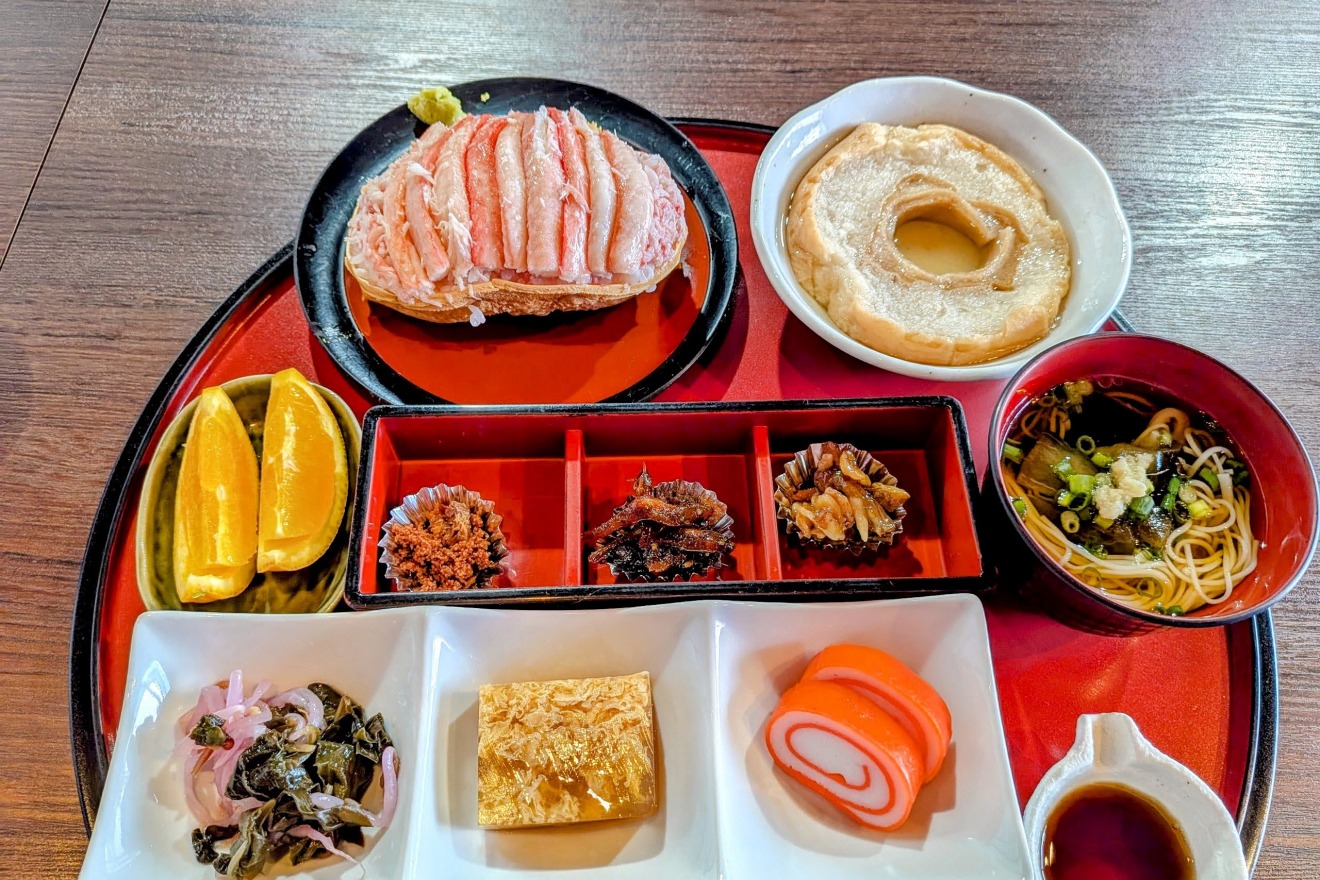
Kaga cuisine includes a wide variety of dishes closely connected to the region’s natural environment, everyday life, and seasonal customs.
Among the best-known local specialties of Kanazawa are jibuni and tai no karamushi. Other traditional dishes and seasonal delicacies also offer a taste of the region’s food culture.
Jibuni
Jibuni is one of Kanazawa’s signature local dishes. Duck or chicken is lightly coated in flour and simmered with ingredients such as sudare-fu (a type of wheat gluten shaped into thin sheets) and seasonal vegetables.
The flour thickens the broth and helps retain the rich flavor of the meat. A touch of wasabi added just before serving provides a refreshing contrast to the mellow, savory broth.
The dish is sometimes served in a special bowl known as a jibu-wan, traditionally associated with Kaga cuisine.
Tai no Karamushi
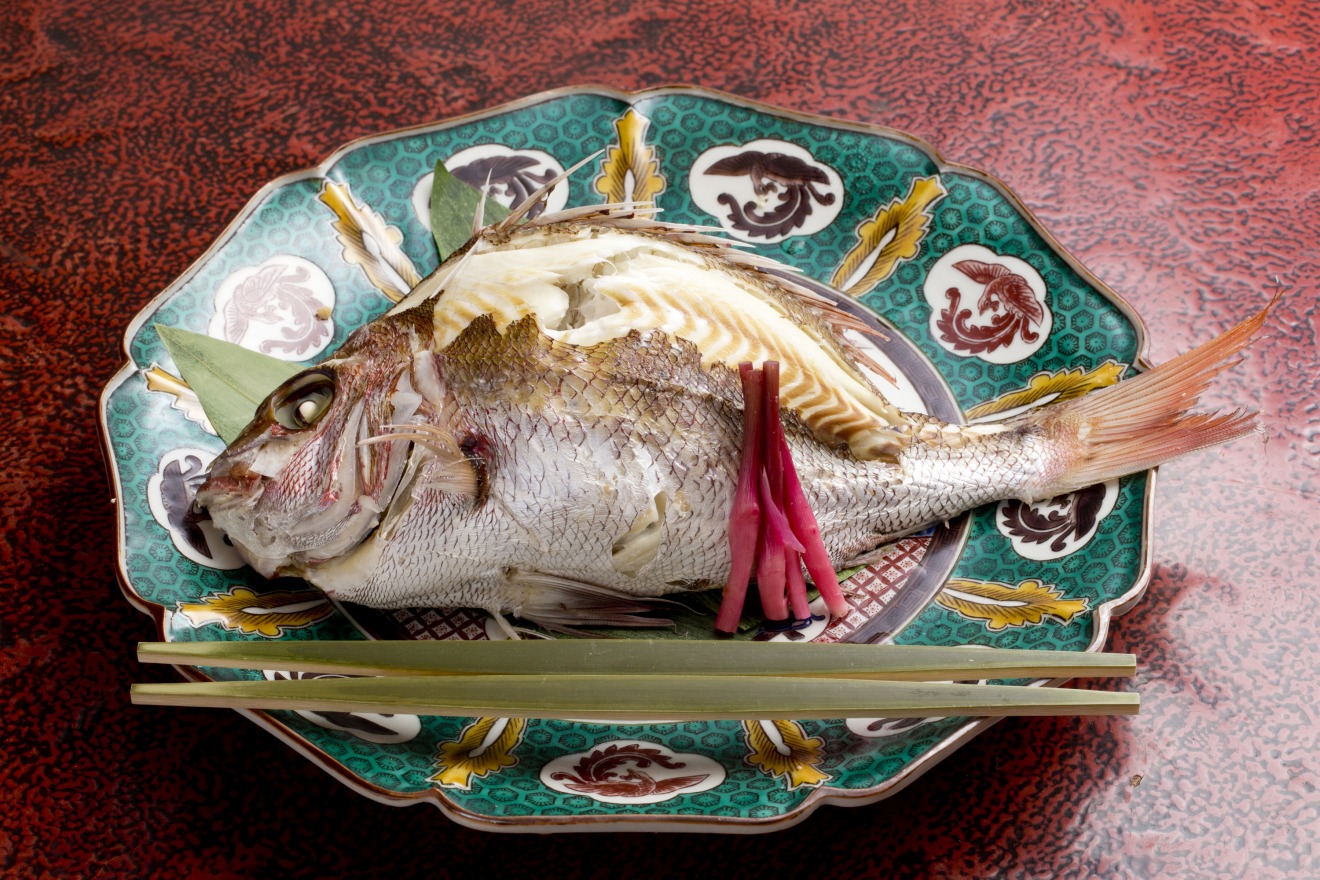
Tai no karamushi is an elaborate celebratory dish made by stuffing a sea bream with ingredients such as seasoned okara (the soybean pulp left over from making tofu), then steaming it.
Traditionally served on special occasions such as weddings, this dish is known for its festive presentation. It is often arranged on a large serving platter and presented alongside beautifully decorated tableware, such as Kutani ware.
Kōbako-gani
Kōbako-gani is the local name for female snow crabs. It is prized for its combination of crab meat, uchiko (internal roe), and sotoko (the external eggs attached beneath the abdomen).
It is one of Ishikawa’s best-loved winter delicacies. As the fishing season is limited, it is a particularly special treat for visitors to Kanazawa during the winter months.
Kabura-zushi
Kabura-zushi is a traditional fermented food from Ishikawa Prefecture. It is made by sandwiching fish, often yellowtail, between slices of salted turnip and fermenting them with rice malt (kome-koji).
Originally preserved as a winter food, it brings together the gentle sweetness of the rice malt, the savory flavor of the fish, and the crisp texture of the turnip.
Other Local Specialties
Other local specialties include kuruma-fu (wheel-shaped wheat gluten), nasu no sōmen (eggplant served with thin wheat noodles), berobero (also known as ebisu, a traditional jellied dish), and akamaki (a local fish cake).
These dishes reflect the diverse food traditions that have been passed down through everyday life in Ishikawa.
Kaga Vegetables and Seasonal Seafood: Local Ingredients of Kanazawa
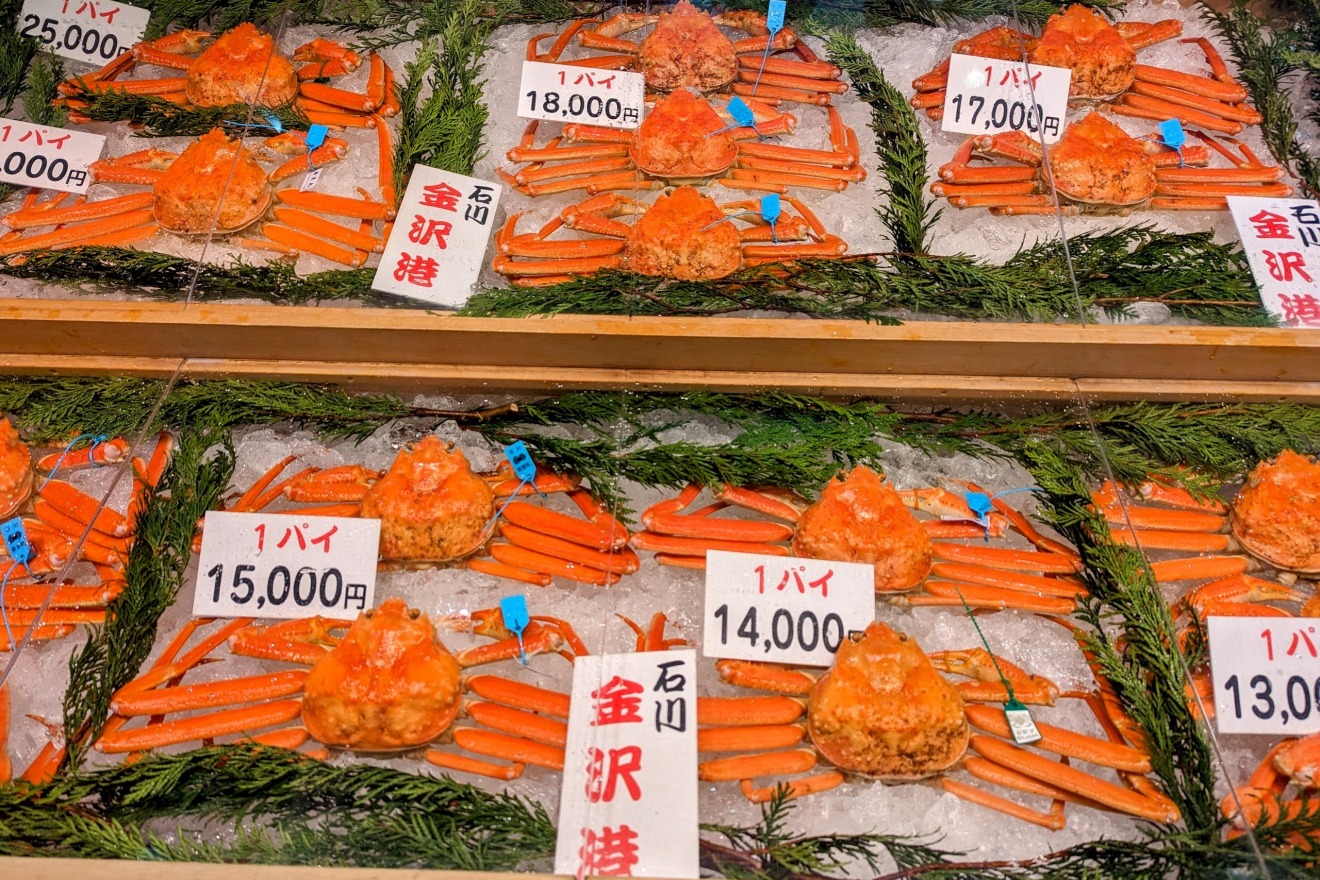
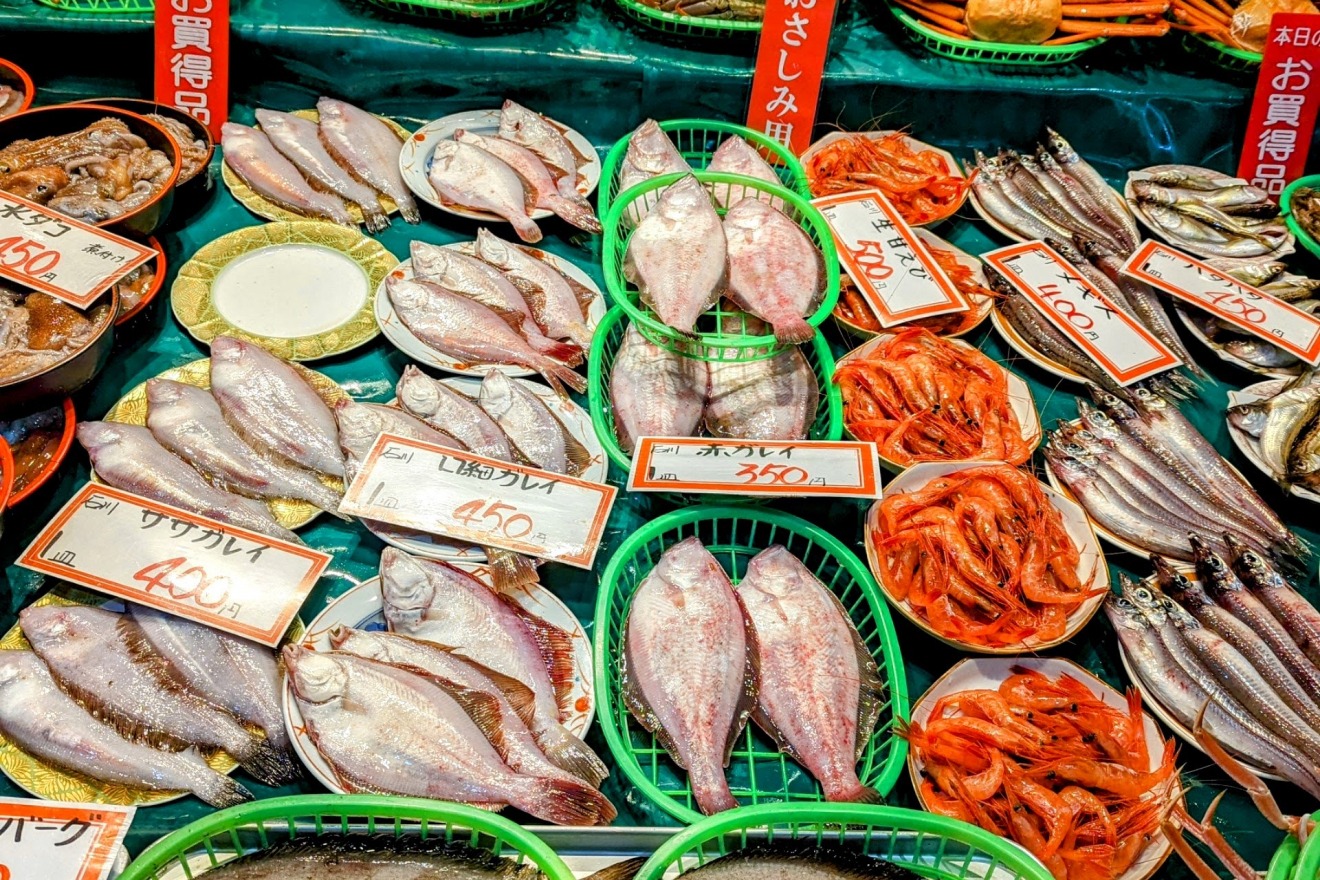
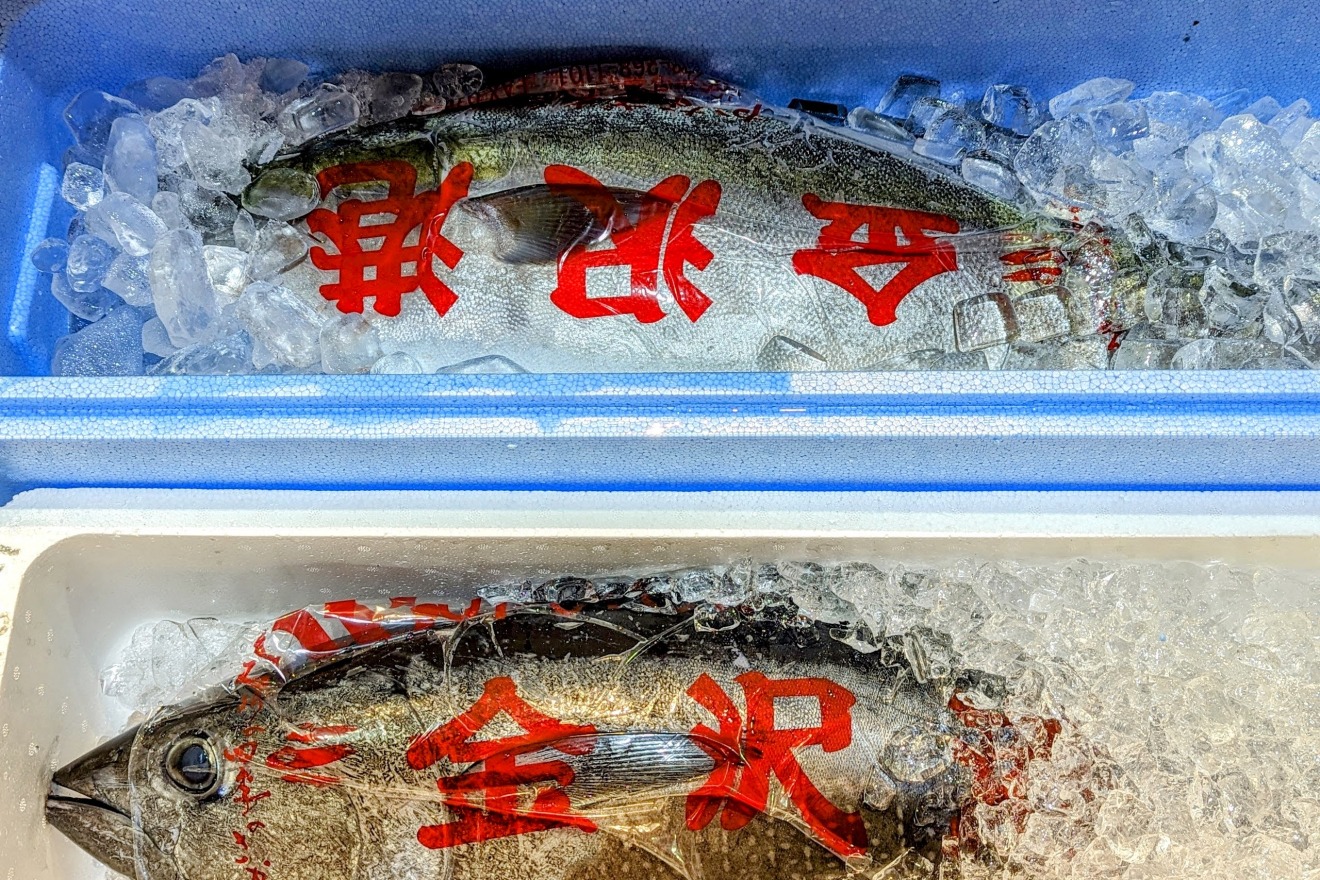
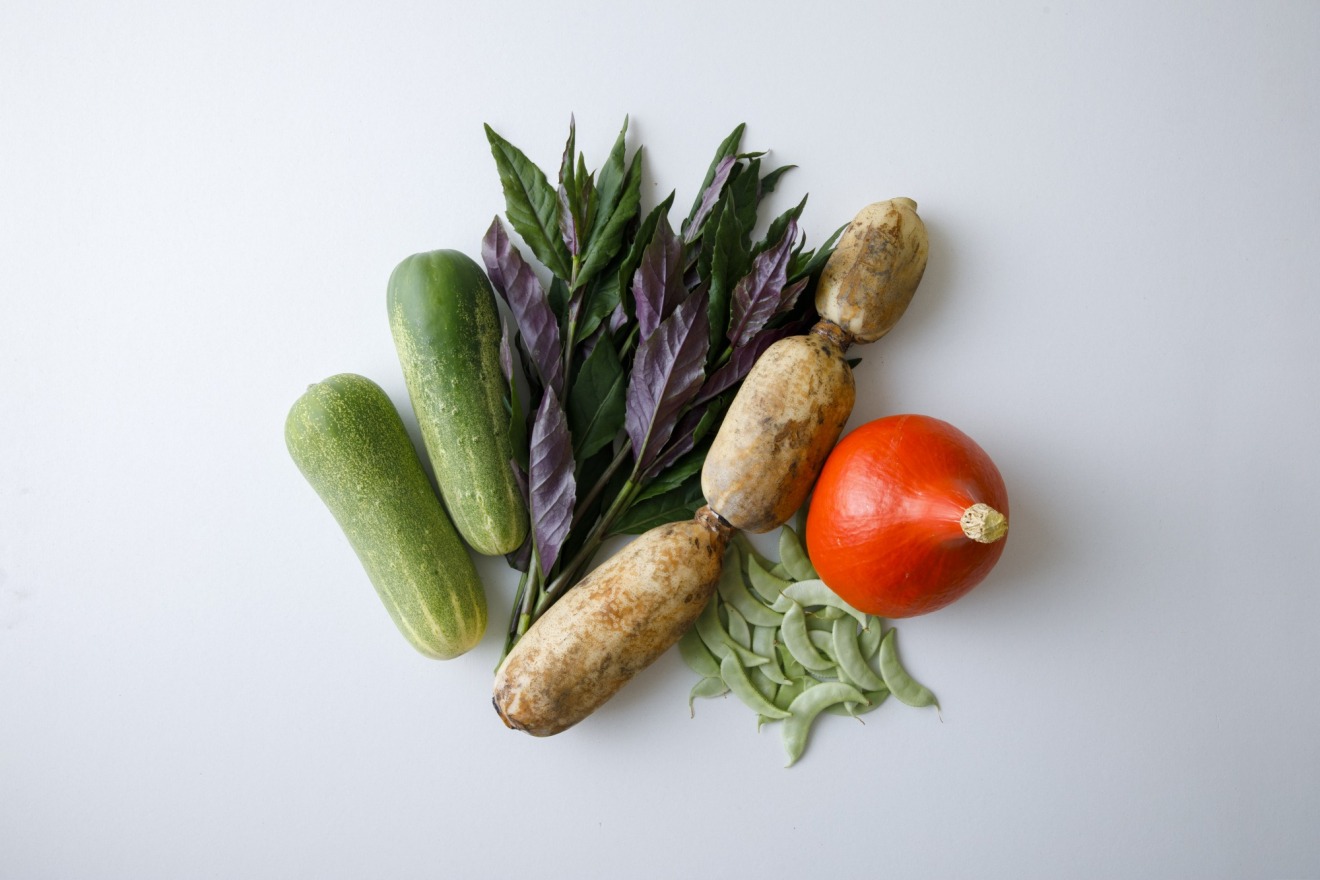
A fundamental principle of Kaga cuisine is to enjoy local ingredients in the region where they are produced.
Locally, these ingredients are often called jiwamon, a regional term meaning foods produced in the local area.
Kaga Vegetables
Kanazawa has a long tradition of growing vegetables that have supported the region’s food culture for generations.
Well-known examples include kinjiso (a leafy vegetable with a distinctive texture), Kaga lotus root, Gensuke daikon radish, and Kaga thick cucumber. These are among the traditional vegetables collectively known as Kaga vegetables.
Each has its own distinctive flavor and texture and is used in a variety of seasonal dishes, including simmered dishes, dressed vegetables, and steamed preparations.
Carefully cultivating vegetables suited to the local climate and soil, and bringing them from the fields to the table, is another important aspect of Kaga cuisine.
Seafood from the Sea of Japan
Ishikawa Prefecture faces the Sea of Japan, and a wide variety of seafood is landed throughout the Kaga and Noto regions.
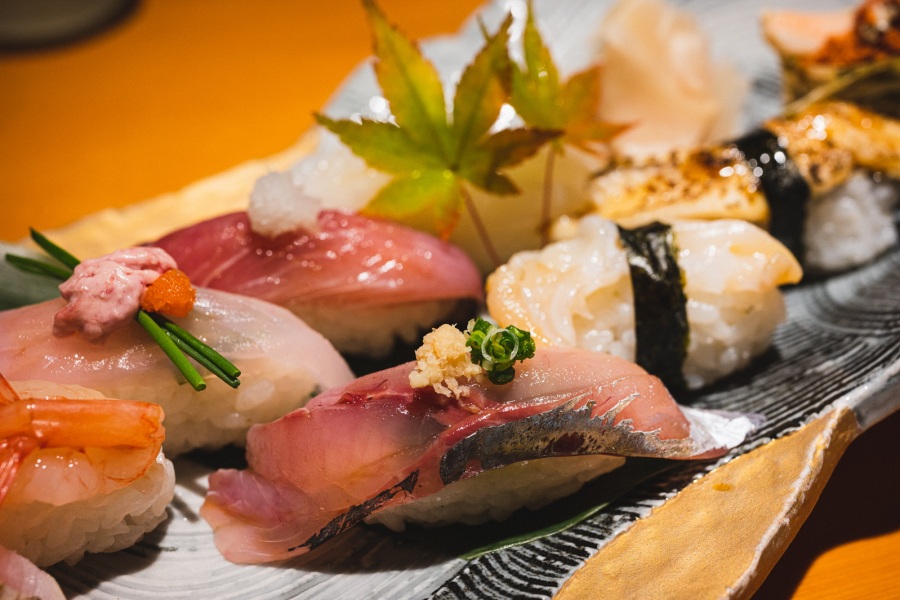
Seasonal specialties include yellowtail and crab in winter, sweet shrimp in spring, and rock oysters in summer. The changing seasons bring different flavors from the sea.
Seafood is prepared in a variety of ways, including sashimi, grilled dishes, and simmered dishes, with an emphasis on bringing out the natural flavor of each ingredient.
The Deep Umami of Traditional Fermentation
Fermentation has long been an integral part of Kanazawa’s food culture. Miso, soy sauce, and rice malt are among the ingredients that contribute to the region’s distinctive flavors.
One particularly well-known example is kabura-zushi, a traditional winter food made through fermentation. The action of rice malt draws out the natural umami of the ingredients and creates its characteristic flavor.
These techniques reflect the wisdom of earlier generations: preserving food through the harsh winter months while finding ways to make the most of seasonal ingredients.
The Beauty of Tableware: The Art of Kaga Cuisine
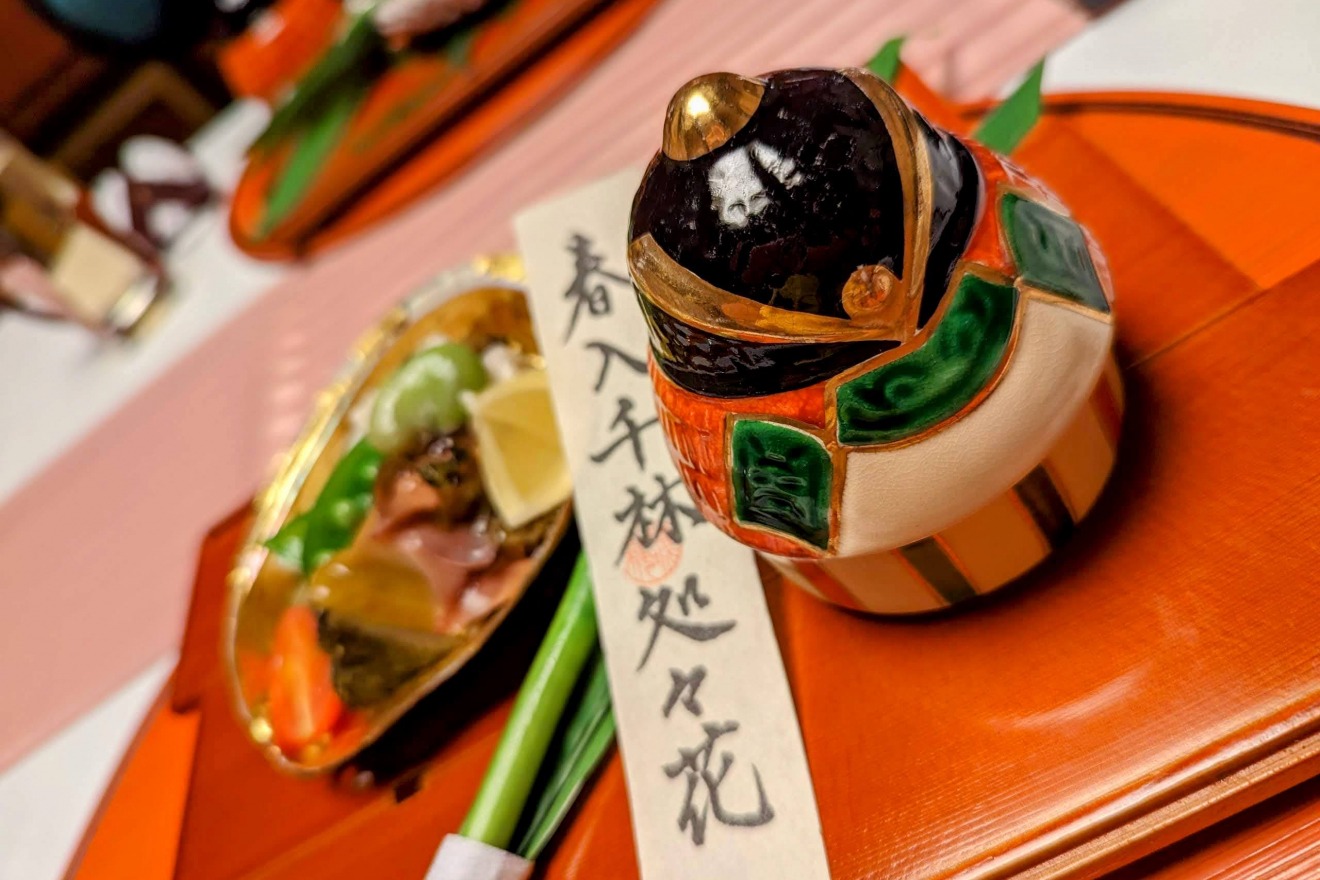
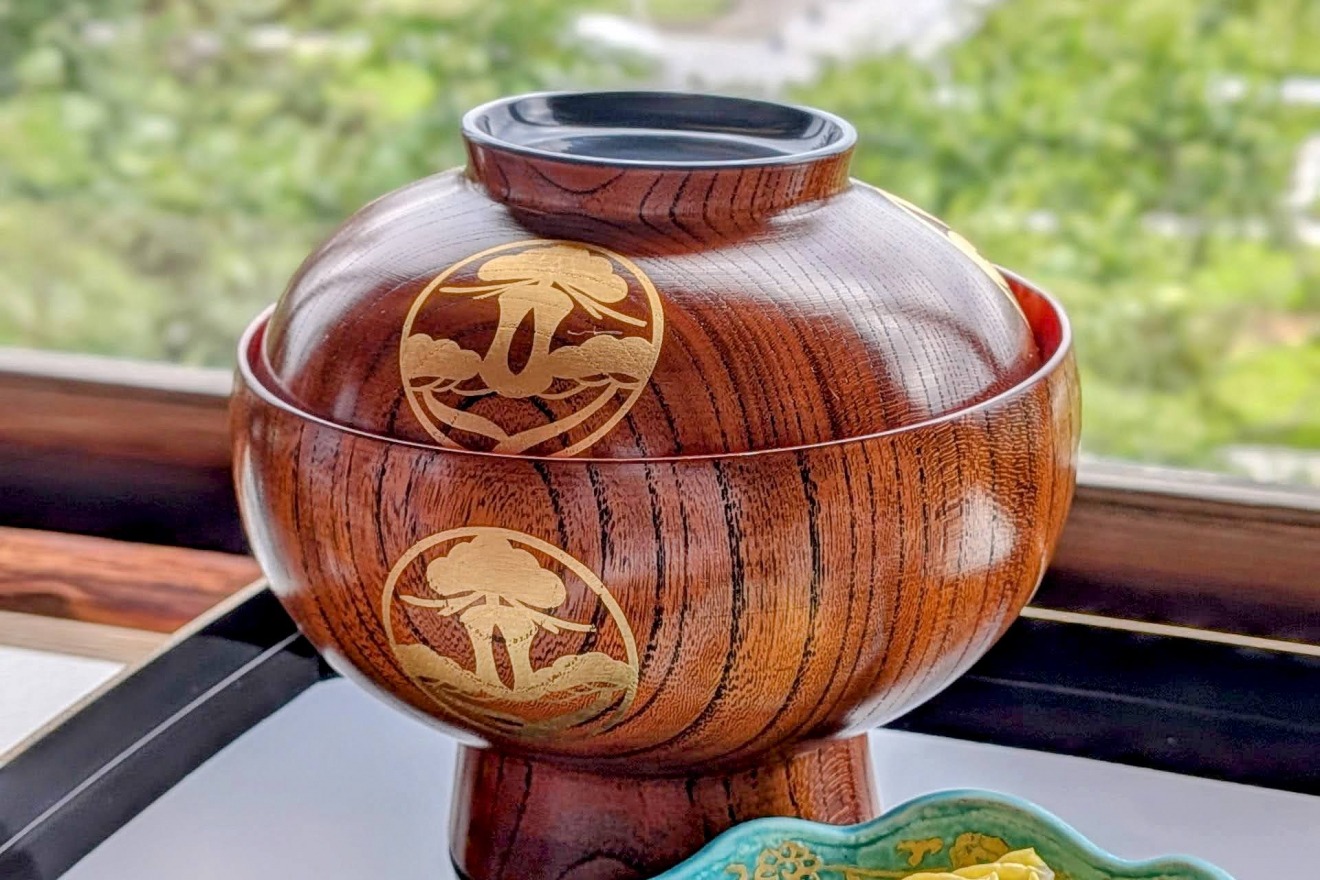
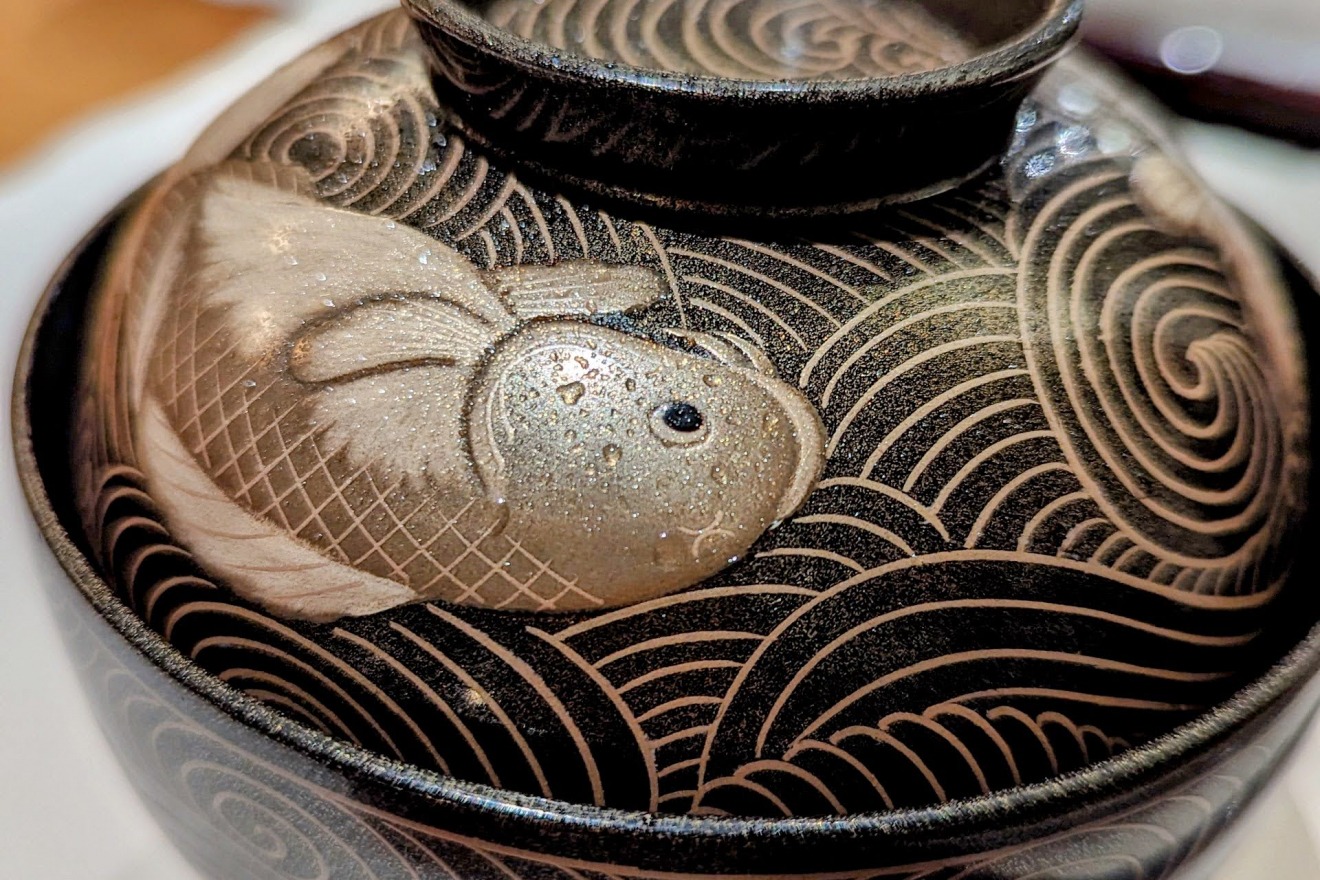
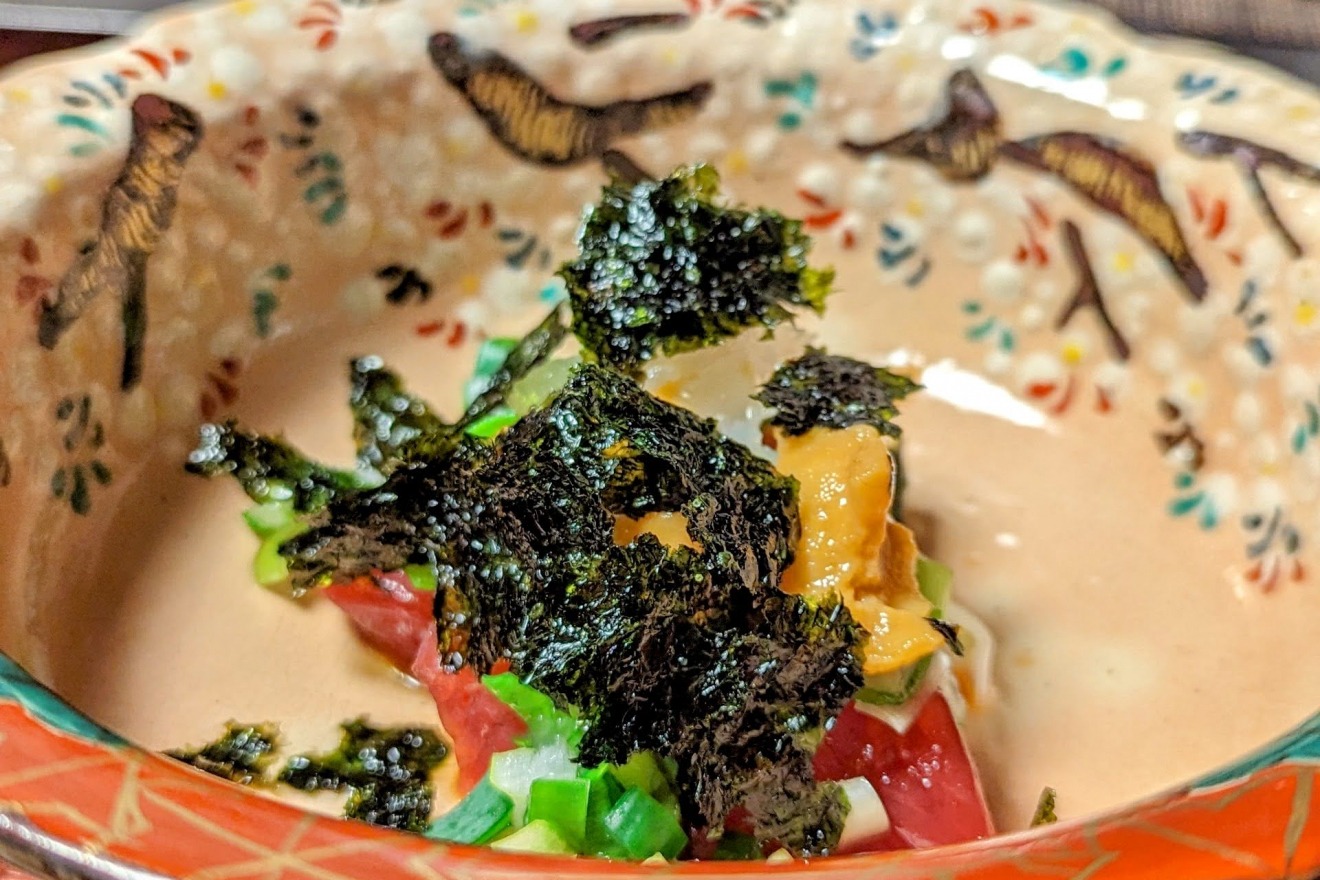
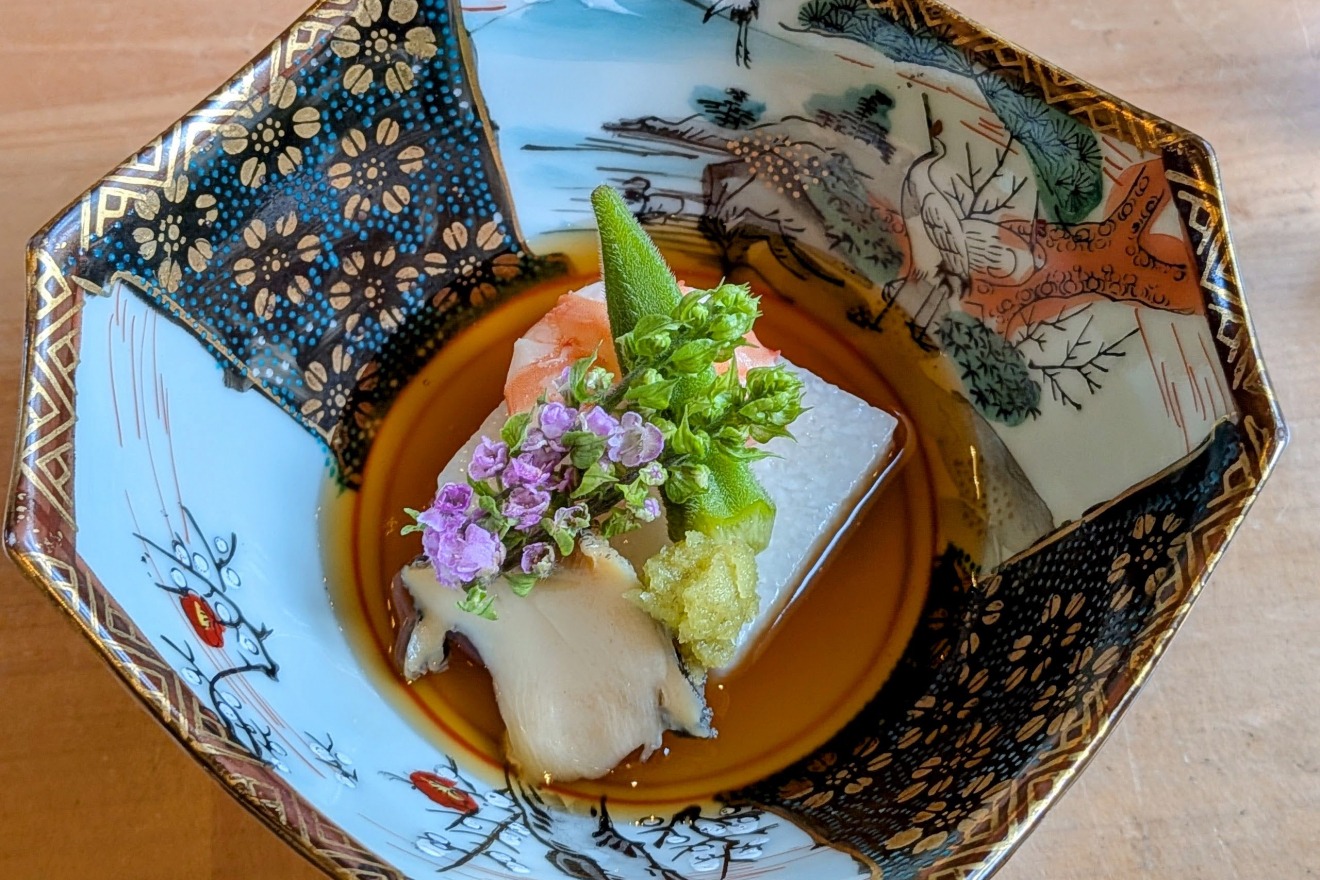
In Kaga cuisine, tableware is carefully selected to complement each dish. The colors, shapes, and textures of the vessels all contribute to creating a unified dining experience.
Three types of lacquerware, together with Kutani ware, are particularly representative of the region’s traditional crafts.
Wajima Lacquerware
Wajima lacquerware is a traditional craft that has been passed down in Wajima City, Ishikawa Prefecture.
It is known for its durability and beautifully finished lacquer surfaces, created through meticulous craftsmanship. Lacquered bowls and trays are used to enhance the presentation of dishes.
Yamanaka Lacquerware
Yamanaka lacquerware developed primarily in the Yamanaka Onsen area of Kaga City, Ishikawa Prefecture.
It is particularly renowned for its woodturning techniques, in which wooden vessels are shaped on a lathe. Artisans create pieces that highlight the natural beauty of the wood grain, as well as vessels finished with lacquer.
Kanazawa Lacquerware
Kanazawa lacquerware is known for its elegant and elaborate decoration, particularly maki-e, a technique in which designs are created by sprinkling gold or silver powder onto lacquer.
As a craft that reflects the refined aesthetic sensibilities of Kanazawa, it adds a distinctive touch to the tableware and interior settings of traditional restaurants.
Kutani Ware
Kutani ware is a style of Japanese porcelain that originated in the Kaga region. It is known for its vivid colors and richly decorated designs, often featuring nature, landscapes, and traditional patterns.
Its distinctive appearance makes it a striking complement to the presentation of Kaga cuisine.
Selecting the right vessel for each dish and considering its color, shape, and texture are all part of creating a harmonious dining experience. This balance between cuisine and craftsmanship is an essential element of Kaga cuisine.
Care is also given to seasonal decorations, such as flowers, leaves, and hanging scrolls. The entire dining space is arranged to express the beauty of the season and the character of the region.
Japanese Hospitality and the Tea Ceremony: The Spirit Behind Kaga Cuisine
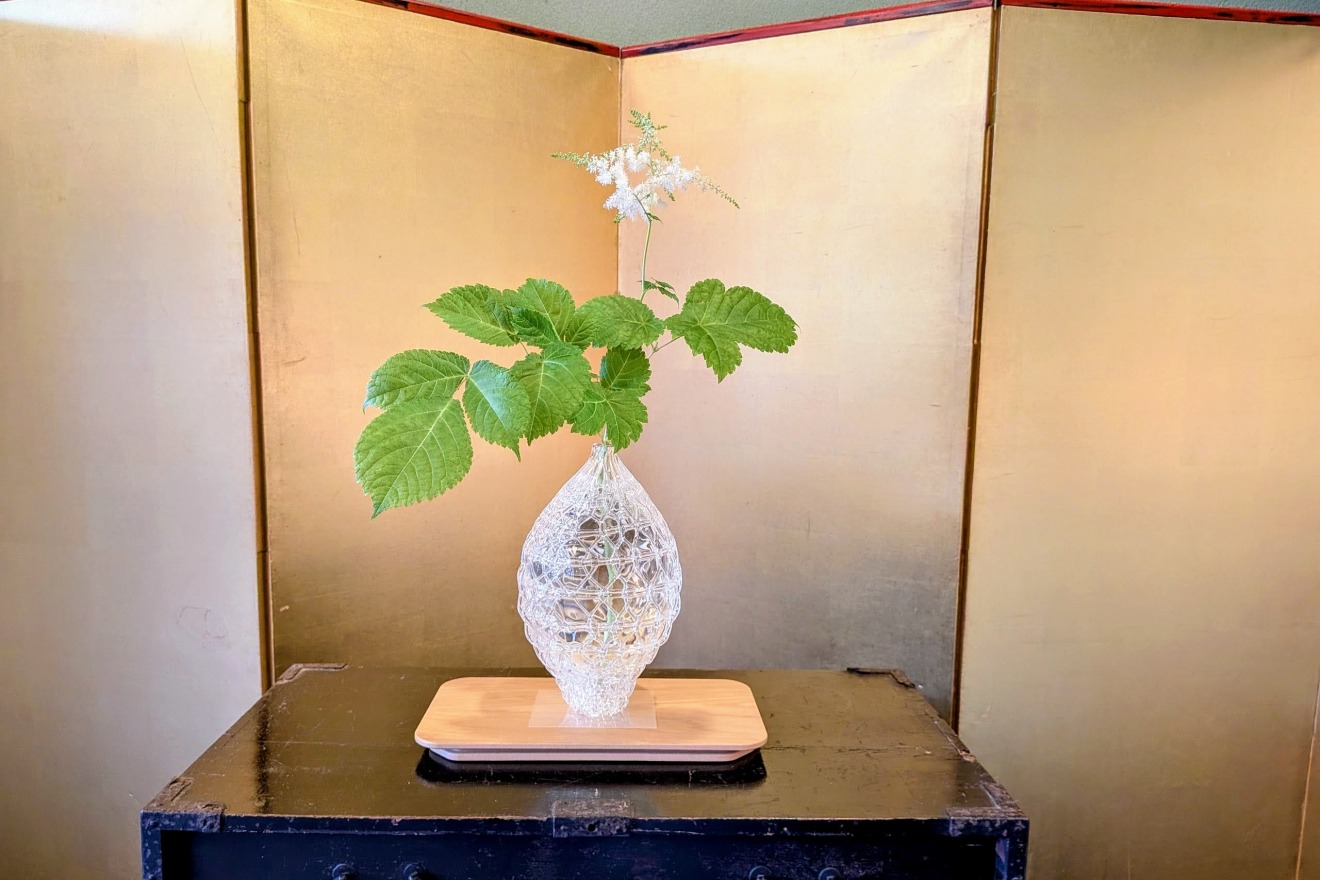
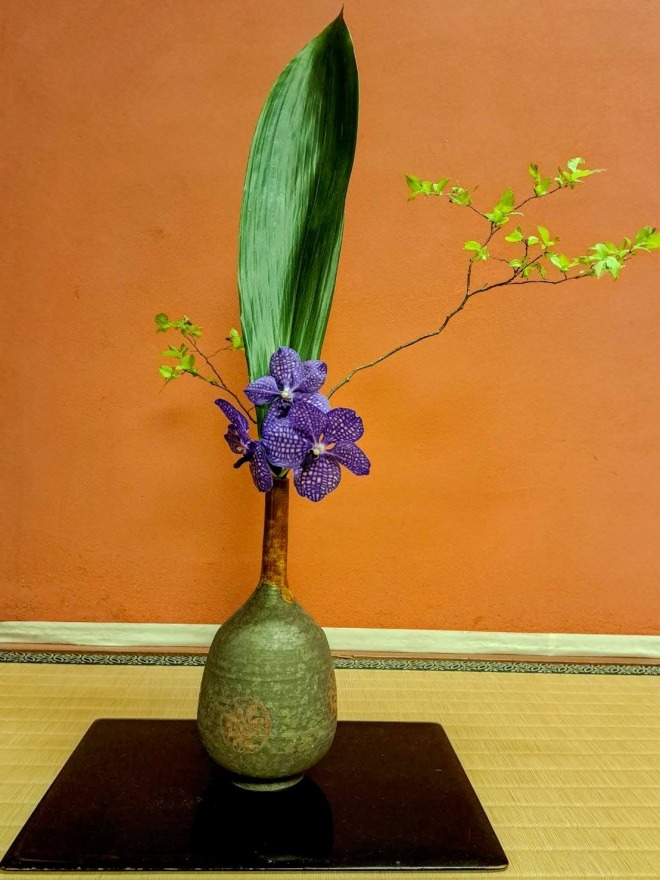
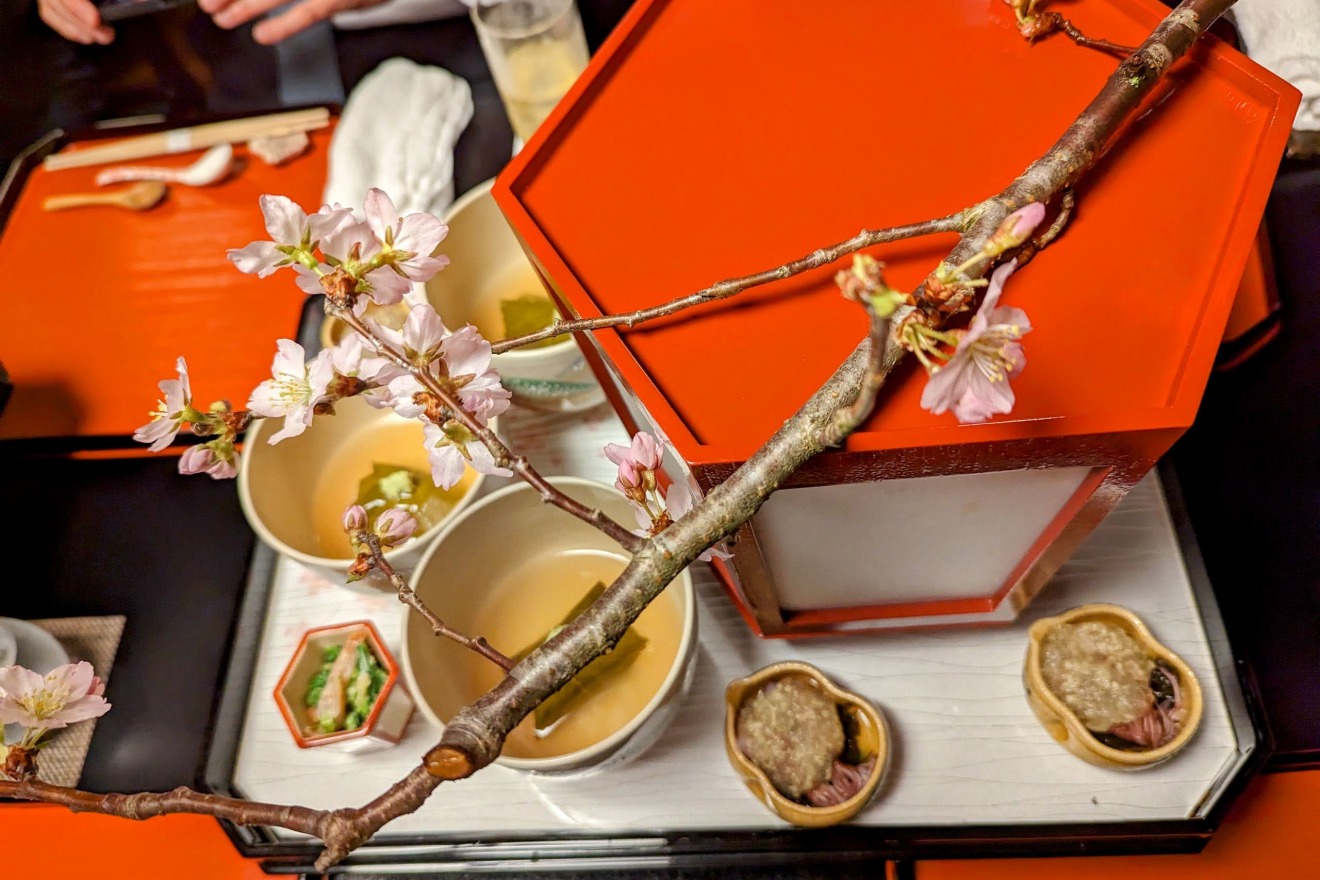
Kaga cuisine embodies a spirit of hospitality that is closely connected to the values of the Japanese tea ceremony.
Particular attention is paid to seasonal decorations, including flowers, leaves, and hanging scrolls. The entire space is arranged to welcome guests and express the beauty of the season and the character of the region.
This approach shares much in common with the tea ceremony, in which utensils, flowers, and other details are carefully selected to reflect the season and create a thoughtful experience for guests.
Every detail is considered: the order in which dishes are served, the choice of tableware, seasonal decorations, conversation with guests, and attentive service. Each element is thoughtfully designed to make guests feel welcome and comfortable.
This hospitality is made possible through the collaboration of the host, chef, and okami or nakai.
The chef prepares each dish, the host creates the setting, and the okami or nakai serves each course with care. Communicating the seasonal and cultural meaning behind the dishes is also an important part of the art of Kaga cuisine.
Through a meal, guests can experience the history, aesthetic sensibilities, and hospitality of the region. This is one of the distinctive pleasures of Kaga cuisine.
Where to Enjoy Kaga Cuisine in Kanazawa
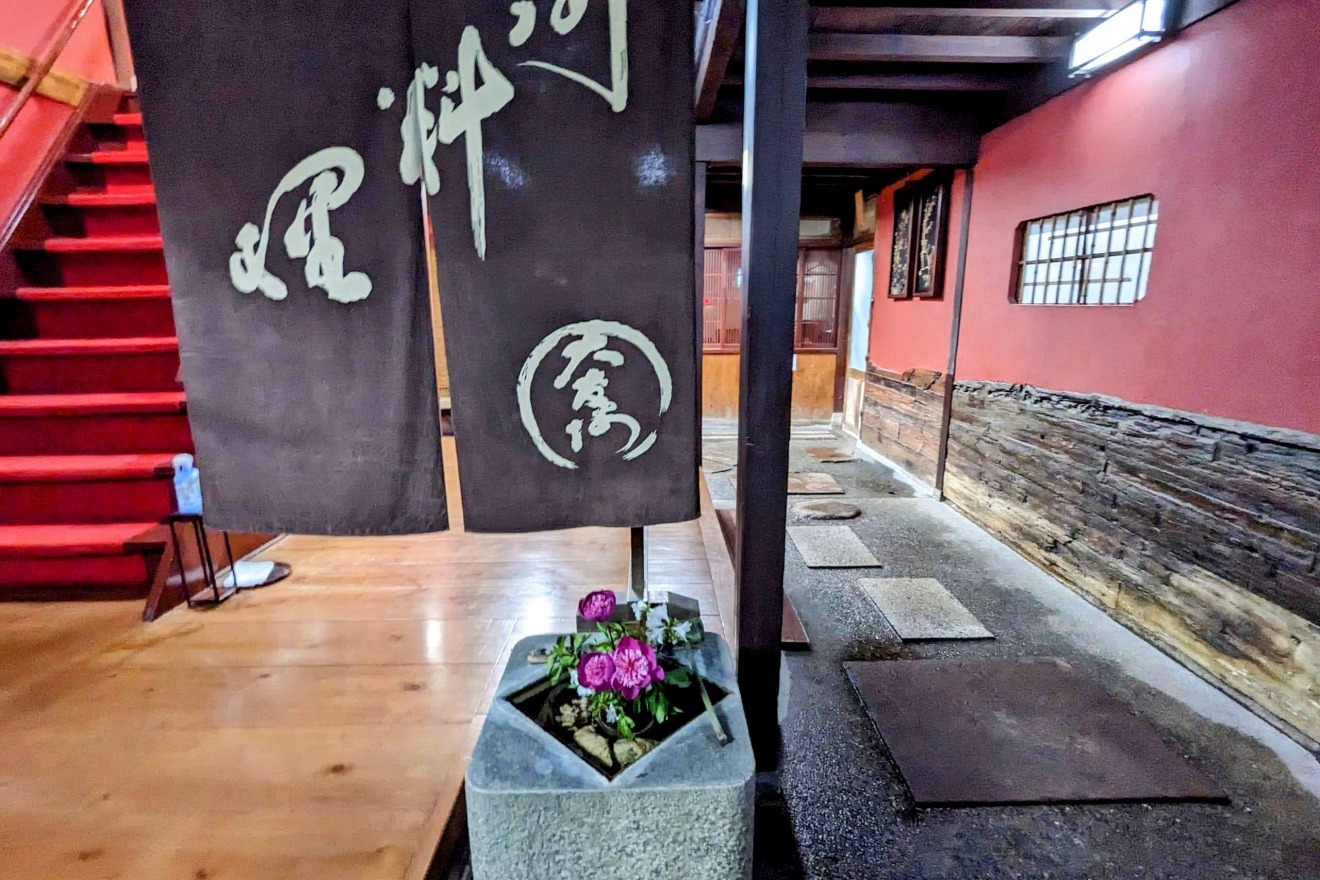
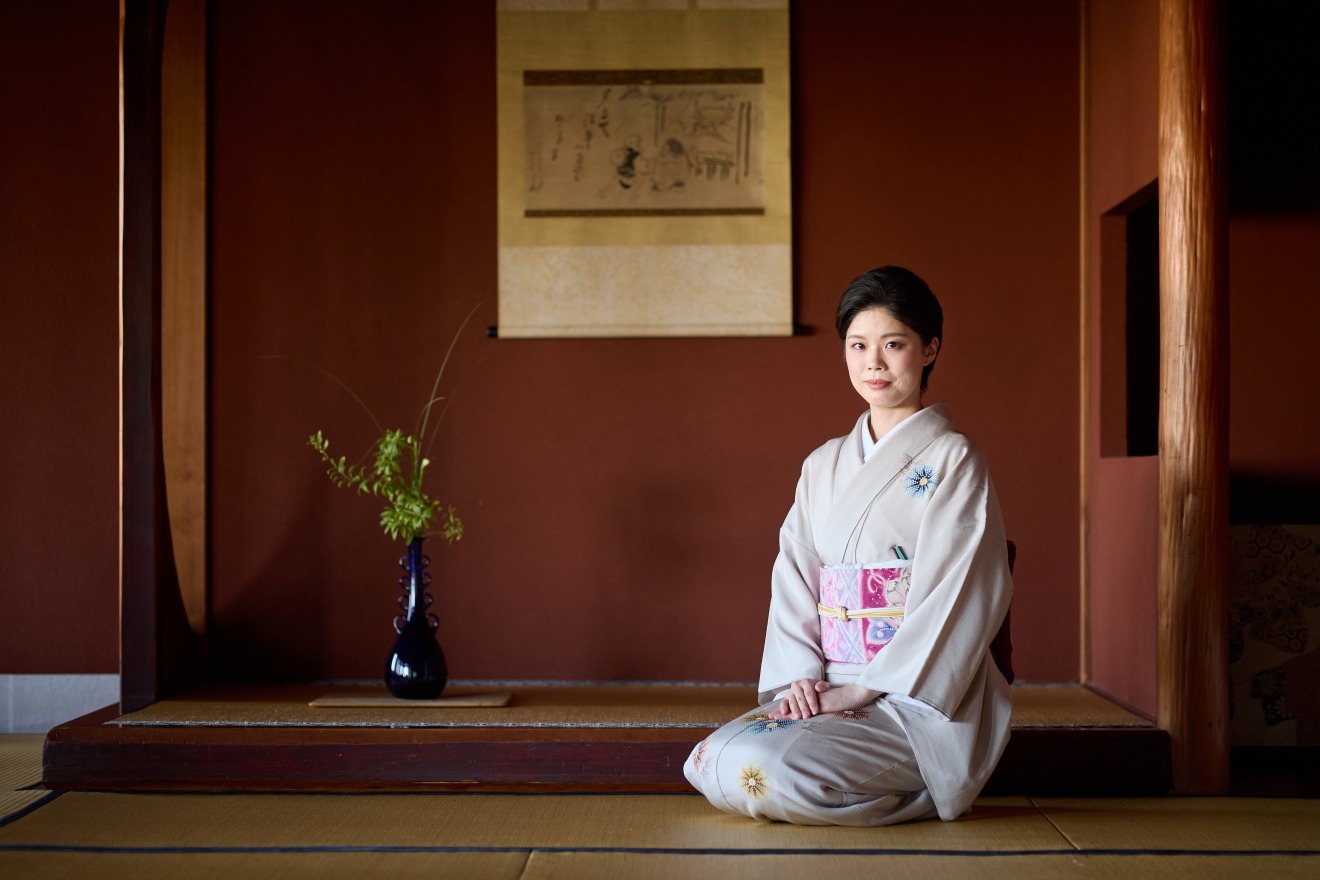
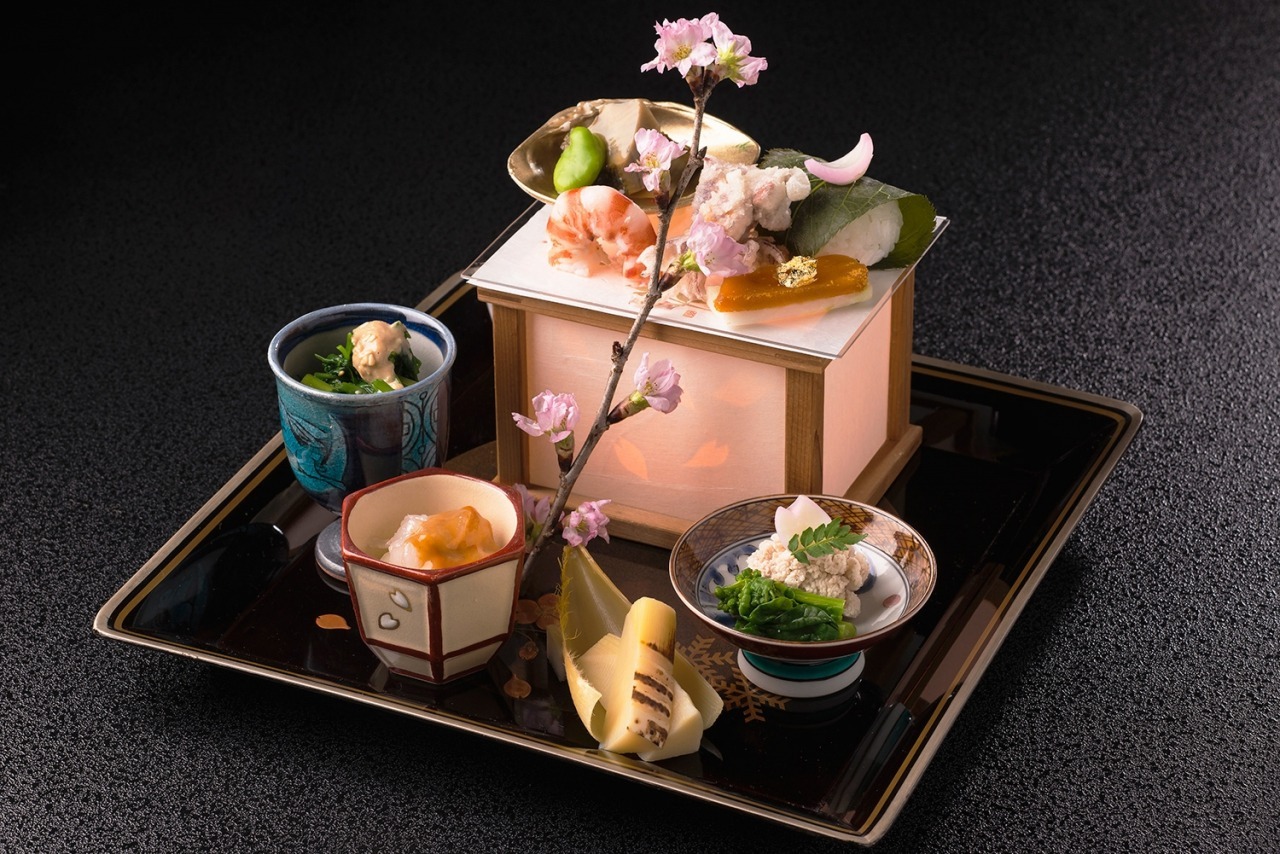
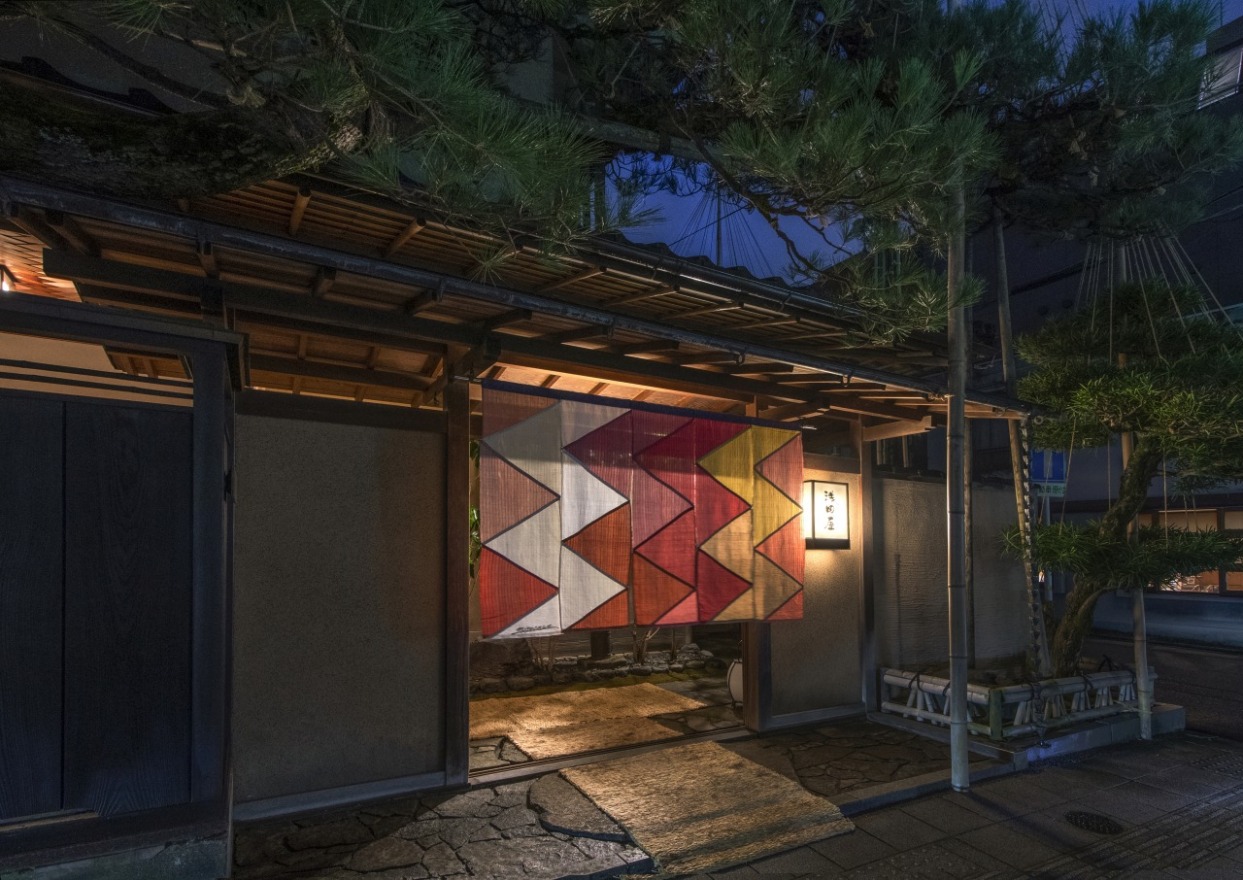
Kanazawa is home to a number of long-established ryotei (traditional Japanese restaurants), Japanese restaurants, and kappo establishments that carry on the traditions of Kaga cuisine.
You can enjoy traditional multi-course Japanese meals in a historic restaurant with a beautiful garden, or experience the chef’s skills at a kappo restaurant, where seasonal ingredients are prepared with care.
The Kaga Cuisine Technical Preservation Association introduces restaurants where visitors can enjoy Kaga cuisine. Menus and dining arrangements vary by establishment, so we recommend checking each restaurant’s official website and making a reservation before visiting.
The following establishments were certified by the Kaga Cuisine Technical Preservation Association as of December 2025.
-Experience the Tradition of Kaga Cuisine at Long-Established Ryotei
・Asadaya (founded 1867, Michelin 1-star)
Founded in 1659 as a supplier of provisions to the Kaga Domain, Asadaya opened as an inn in 1867. It offers cuisine that respects tradition while adapting to changing times. It was awarded one star in the Michelin Guide Hokuriku 2021 Special Edition.
・Ryotei Otomuro
With a history of serving as the Kaga Domain’s official kitchen, Otomorou offers a taste of the culinary traditions associated with the Maeda family and the Kaga Domain.
Founded in 1890 as a traditional restaurant and inn, Kinjoro stands on the former grounds of the residence of Maeda Tsushima, one of the eight senior families of the Kaga Domain. Guests can enjoy Kaga cuisine in an atmosphere that showcases the beauty of traditional Japanese architecture.
・Ryotei Tsubajin (founded 1752)
Founded in 1752, Tsubajin is one of Kanazawa’s historic ryotei. Guests can experience the city’s distinctive hospitality while enjoying its historic architecture, garden, and seasonal interior decorations.
A traditional Japanese restaurant and inn in Kanazawa operated by Kagaya, the renowned ryokan group based in Wakura Onsen. It offers cuisine featuring ingredients from the Hokuriku region, together with warm and attentive hospitality.
A traditional restaurant and inn set in a historic residence. Guests can appreciate the traditional beauty of Kanazawa while enjoying seasonal cuisine.
A long-established ryotei situated on the heights of the Higashi Chaya District. It is known for its cuisine, which is said to have impressed Rosanjin Kitaoji, a celebrated Japanese artist and renowned gourmet. Guests can enjoy seasonal dishes while taking in views of the city.
・Ryotei Honami (Michelin 2-star)
Awarded two stars in the Michelin Guide Hokuriku 2021 Special Edition. Set in a residence dating from the late Meiji period, Hotoh places great emphasis on every detail, from its cuisine and architecture to its tableware and furnishings.
-Enjoy Seasonal Ingredients and Kanazawa’s Food Culture
Offers cuisine that combines the traditions of Kaga with a contemporary sensibility.
Carefully showcases seasonal flavors through dishes prepared with fresh ingredients.
Located beside the Asano River, where guests can enjoy their meal while taking in the riverside scenery.
- Offers local Kanazawa specialties, including dishes made with gori, a regional name for certain small fish.
- A traditional restaurant located beside the Sai River. Its architecture, which makes use of the surrounding landscape, is also worth seeing.
- ・Shogyo-tei
- Situated on a hill overlooking Kanazawa, this restaurant is known for its seafood from the Hokuriku region.
・Nihonryori Seigetsu
Serves Japanese cuisine featuring seasonal seafood and Kaga vegetables.
Offers sushi and multi-course Japanese meals prepared with seasonal seafood from the Hokuriku region.
A traditional restaurant and inn nestled in the natural surroundings of Kanazawa’s inner retreat area.
Offers seasonal dishes that make the most of fresh ingredients and the flavors of Kanazawa.
Places great importance on personalized hospitality, welcoming each guest with a carefully tailored dining experience.
・Goryori Masano
A Japanese restaurant located in a quiet residential neighborhood beside the Sai River.
Values the traditional food culture of Kaga and makes the most of seasonal ingredients.
-Expressing Kaga’s Food Culture with a Contemporary Sensibility
・Kanazawa Yokoyama
Draws on experience gained in both Kanazawa and Kyoto, with particular attention to the selection of ingredients and tableware.- Combines cuisine and culture through the owner’s sensibility, shaped by the Japanese tea ceremony and the Japanese art of incense appreciation.
Carefully prepares each dish, taking into account the condition of the ingredients, the season, and each guest’s preferences.
Kaga cuisine is more than a collection of dishes. It is a living expression of Ishikawa’s history, natural abundance, and the dedication of generations of artisans and culinary professionals.
When visiting Kanazawa, step through the entrance of one of its historic restaurants and experience the harmony of flavor, traditional craftsmanship, and heartfelt hospitality.