Discover Japanese Lacquerware: The Traditions of Wajima, Yamanaka, and Kanazawa
Lacquerware has been part of everyday life in Japan for centuries. Its distinctive sheen and smooth, warm feel come from urushi, a natural lacquer made from the sap of the lacquer tree.
Only about 200 grams of raw lacquer can be harvested from a single tree over one season, making urushi a precious natural material. In Japan, urushi has been used for thousands of years, both to protect and repair objects and to create beautiful works of art.
Ishikawa Prefecture is home to three distinctive lacquerware traditions: Wajima lacquerware, Yamanaka lacquerware, and Kanazawa lacquerware. Each has developed its own techniques and aesthetic sensibilities, shaped by the region's history, environment, and culture.
Why did such diverse lacquerware traditions flourish in this part of Japan?
This guide introduces the characteristics of Ishikawa's three major lacquerware traditions, explores the connection between Kanazawa lacquerware and samurai culture, the tea ceremony, and Noh theatre, and highlights places where you can experience lacquer craftsmanship for yourself.
1. Why Do Japanese People Hold Their Rice and Soup Bowls?
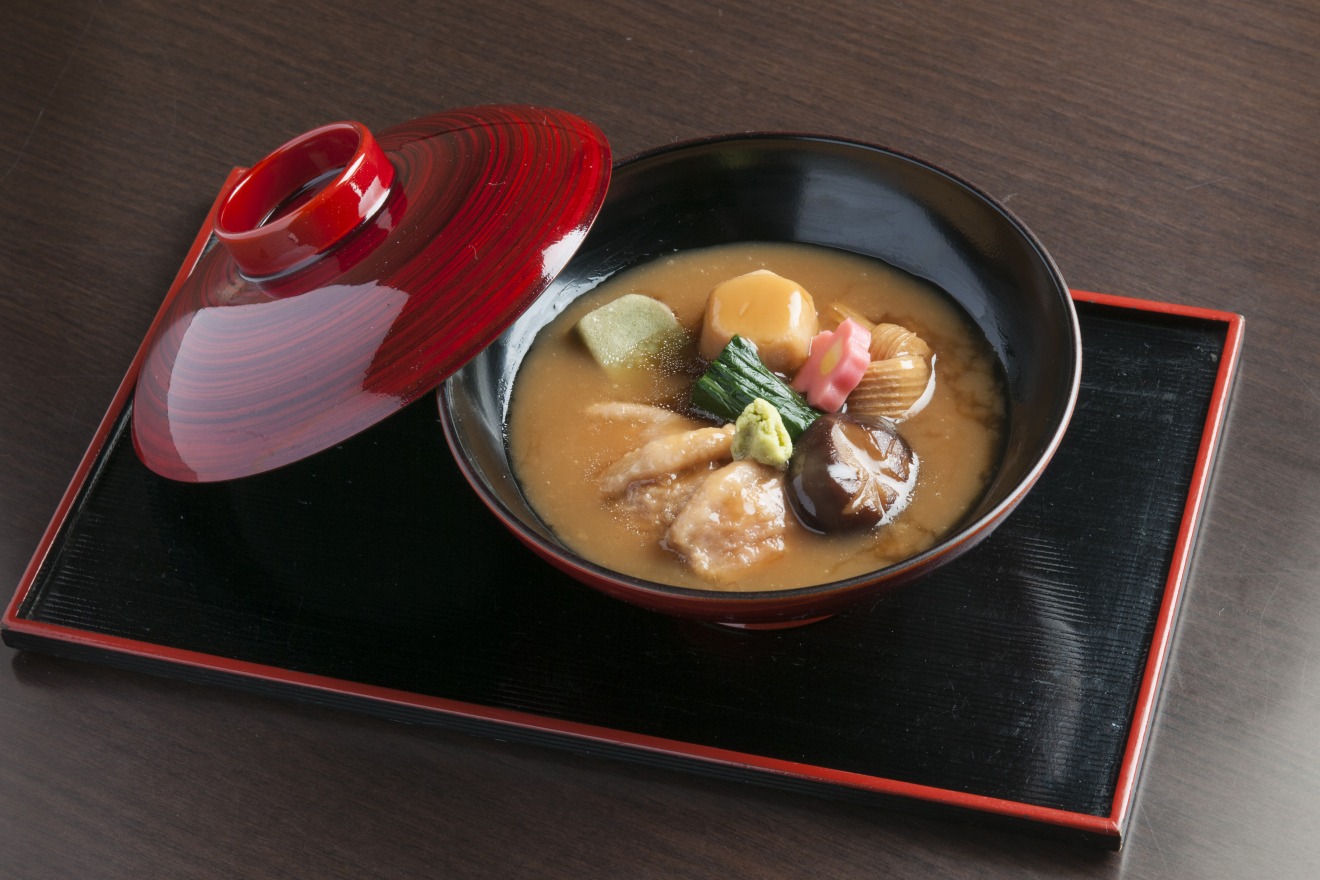
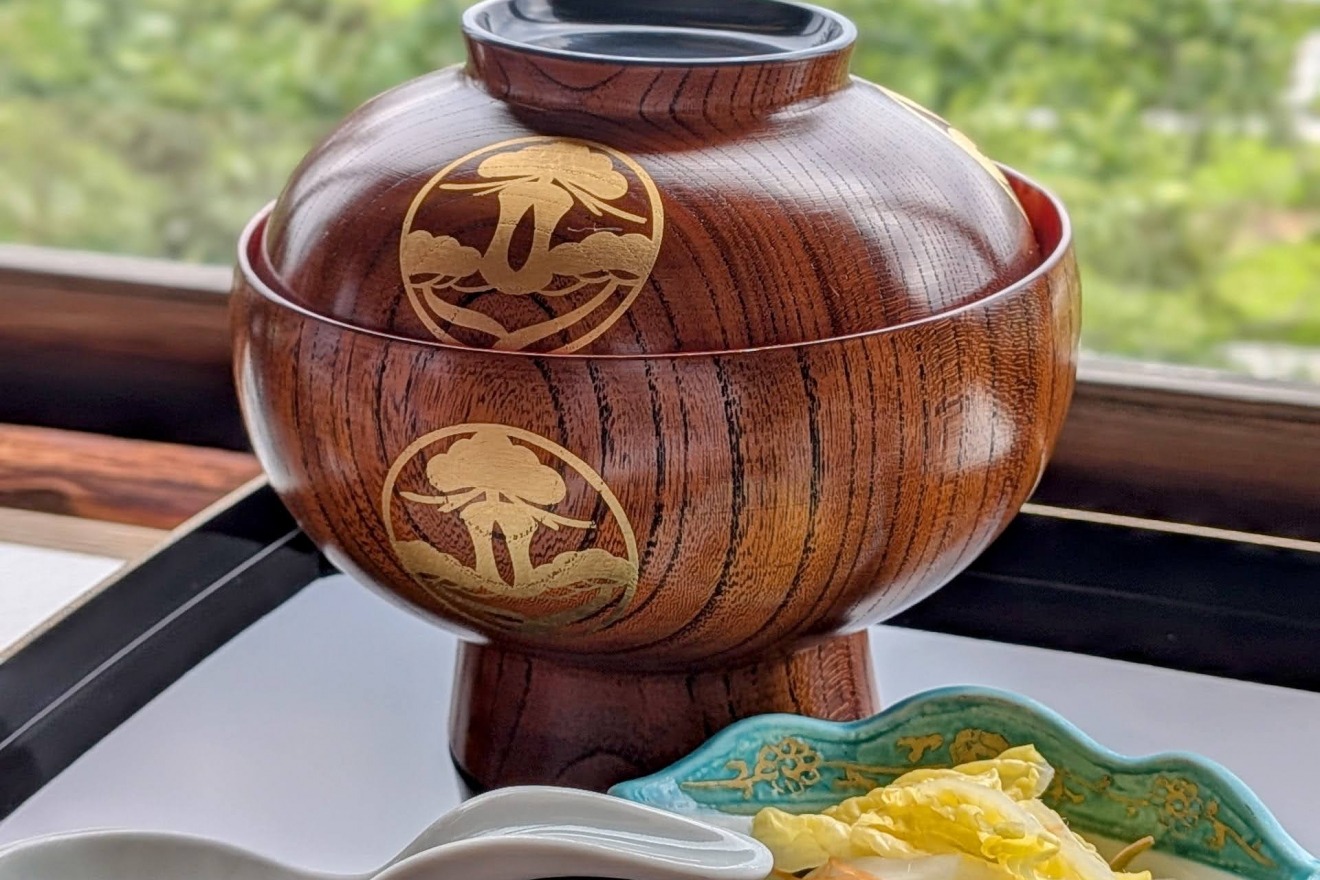
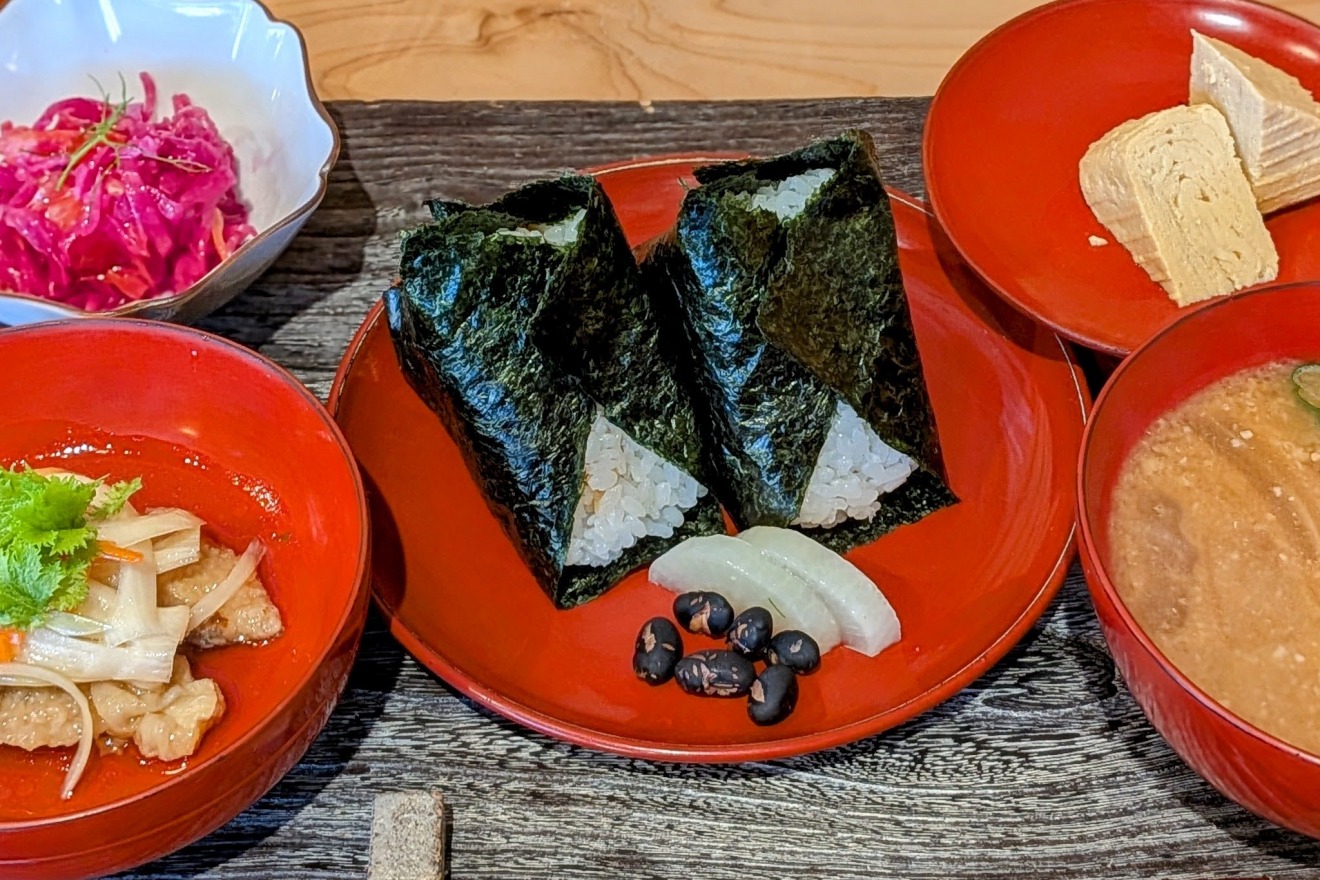
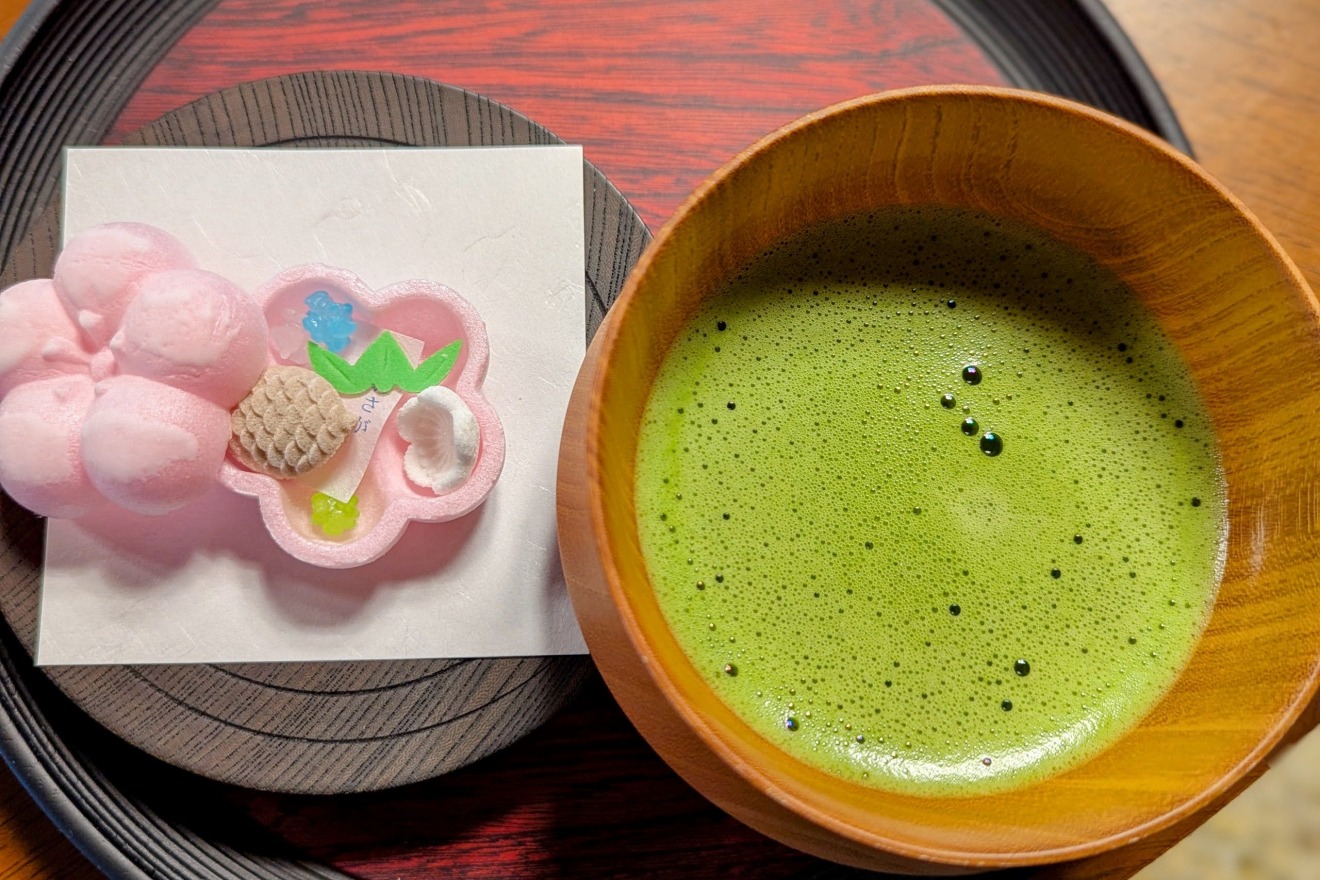
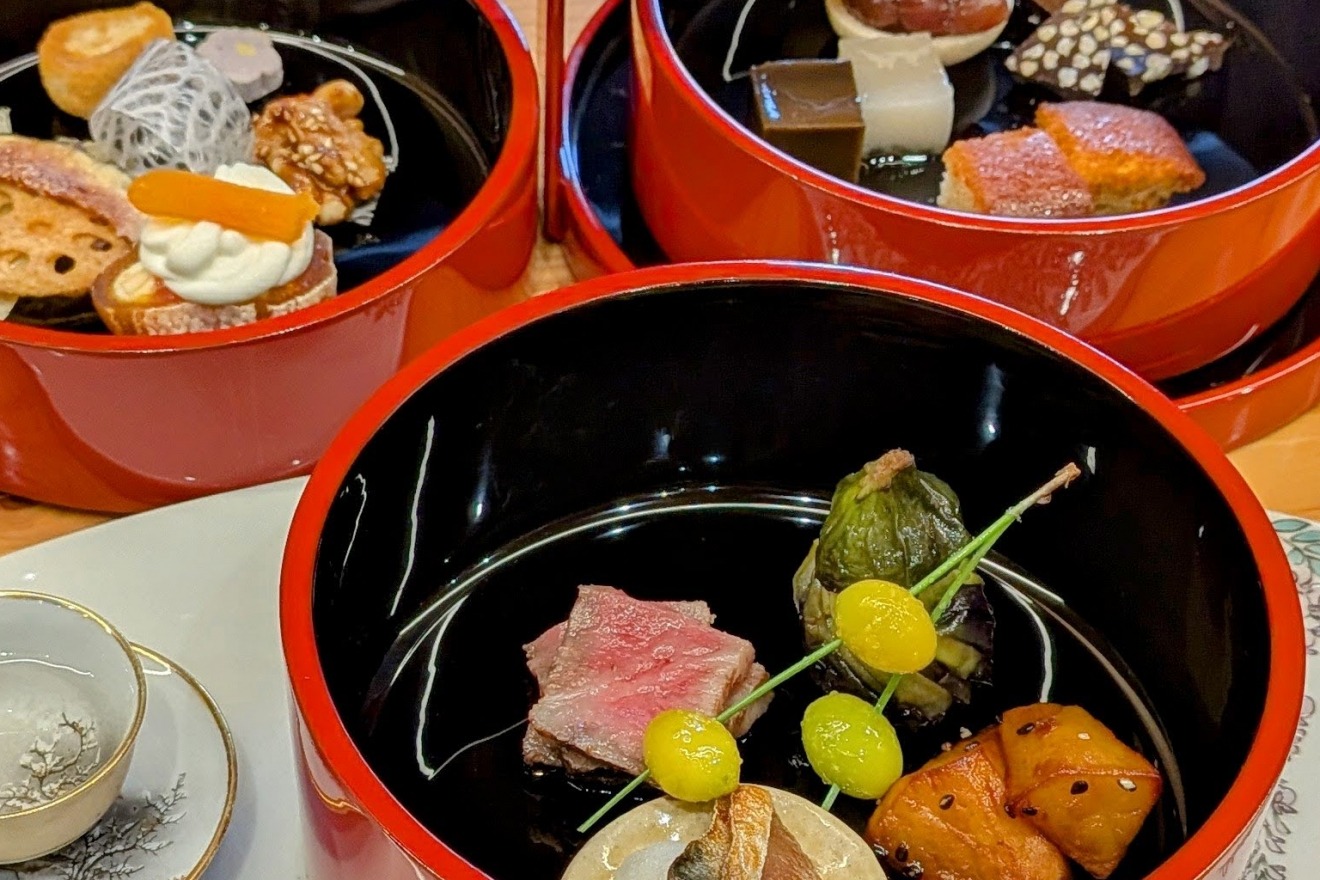
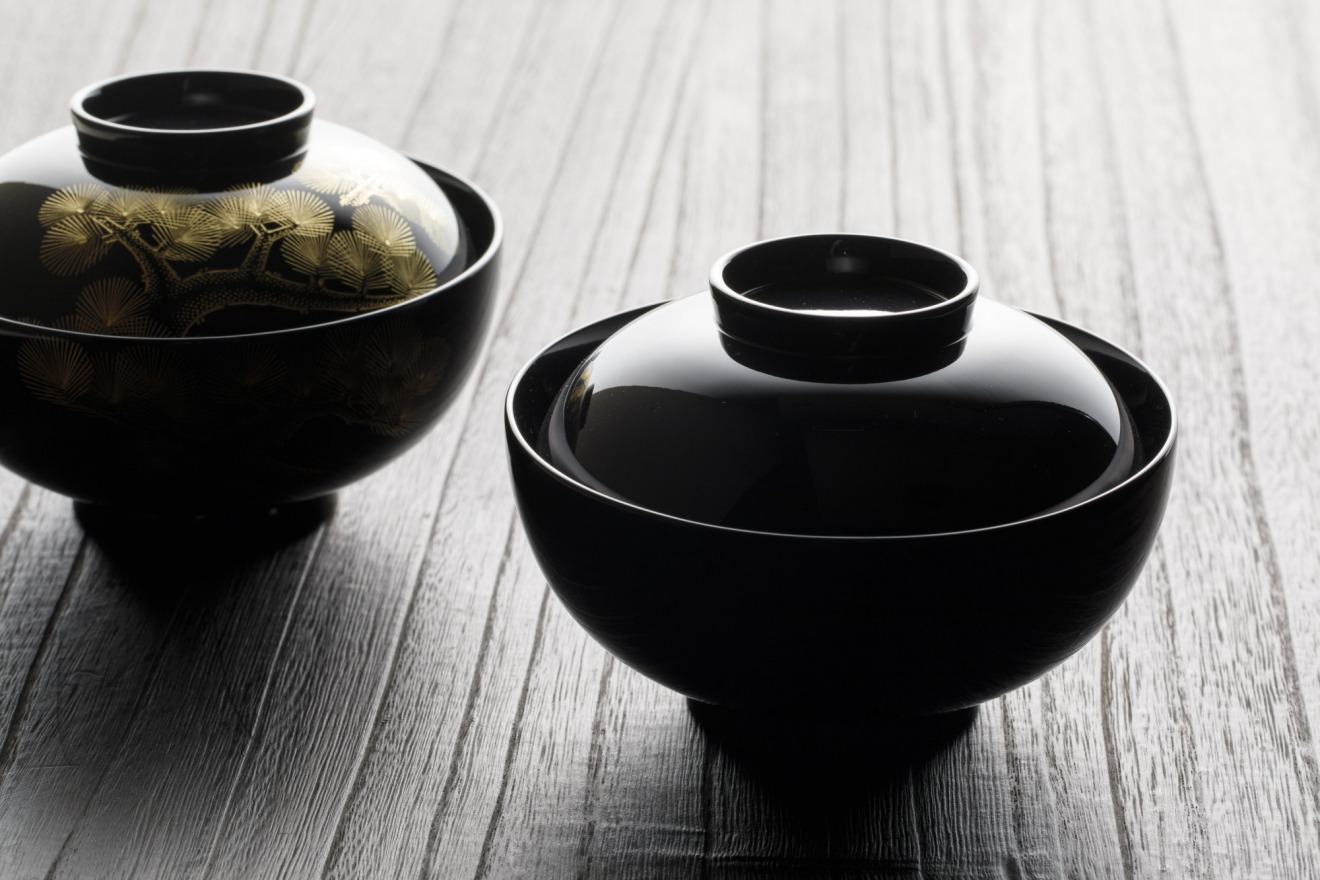
In Japan, it is customary to lift small bowls, such as those used for rice and miso soup, while eating. Traditional wooden lacquerware is well suited to this custom because it is lightweight and wood does not transfer heat as readily as metal.
Lacquerware also has a smooth finish that feels pleasant to the touch and against the lips.
These practical qualities have made lacquerware a familiar part of Japanese dining culture for generations.
2. Why Is Ishikawa Known for Its Rich Lacquerware Traditions?
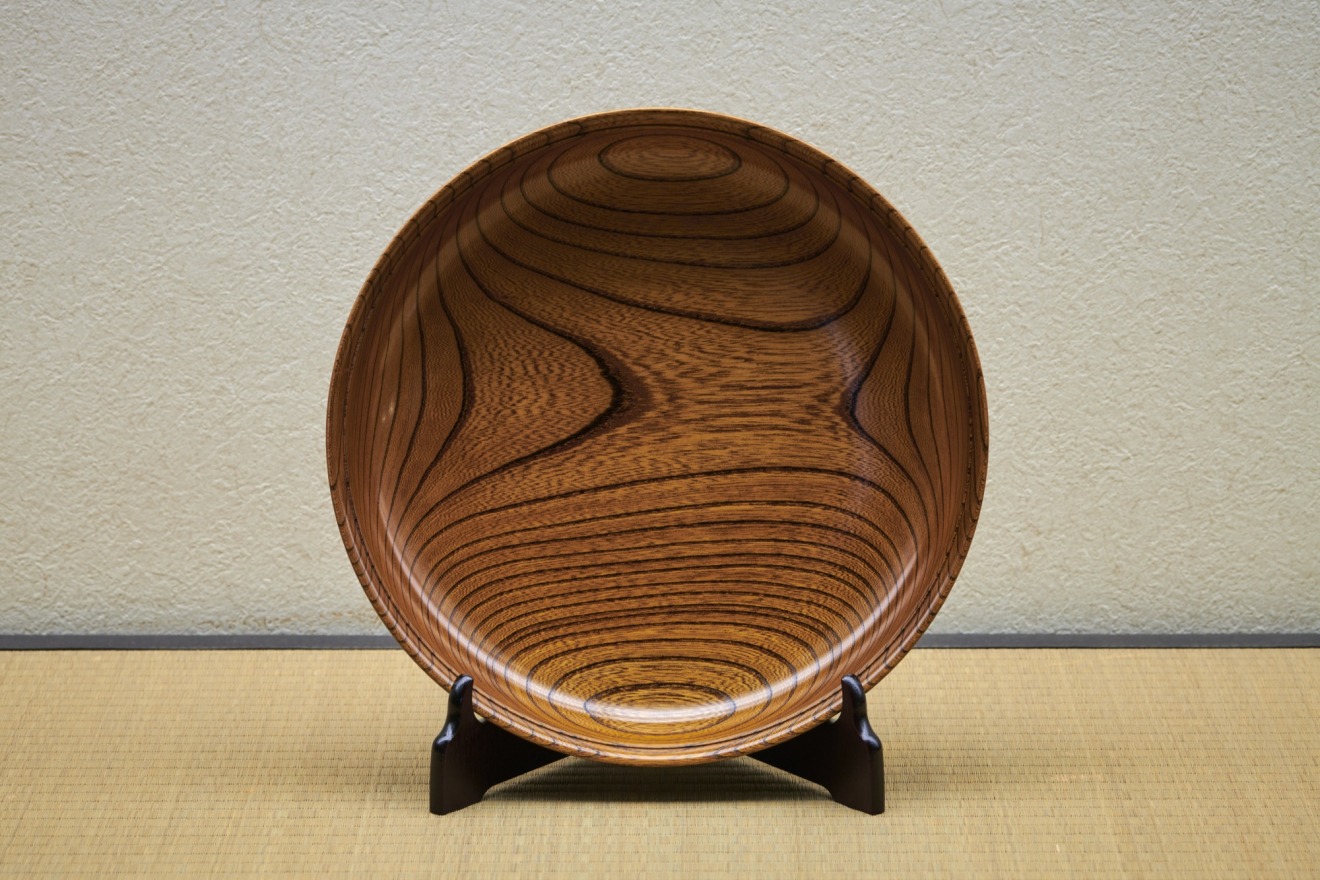
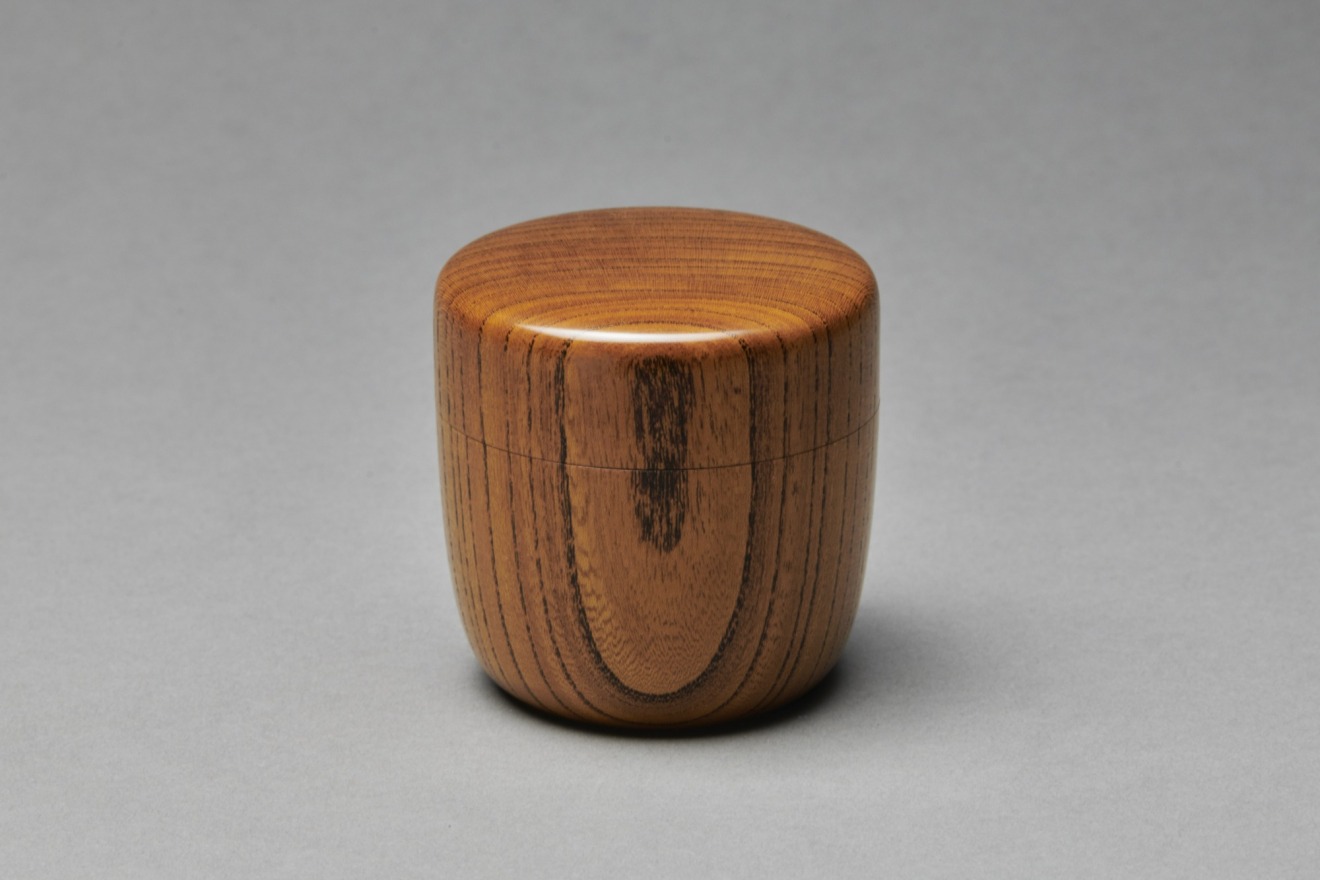
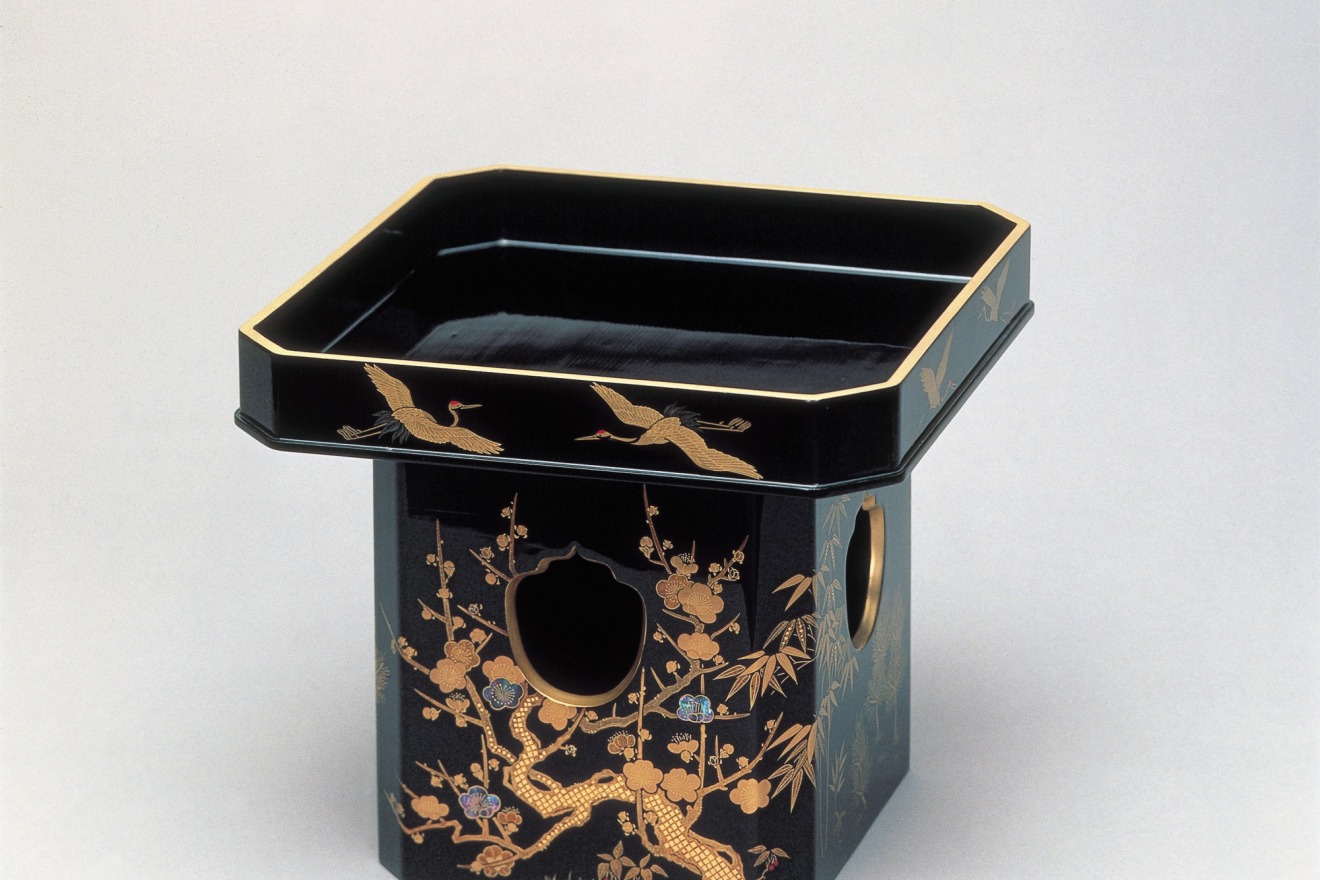
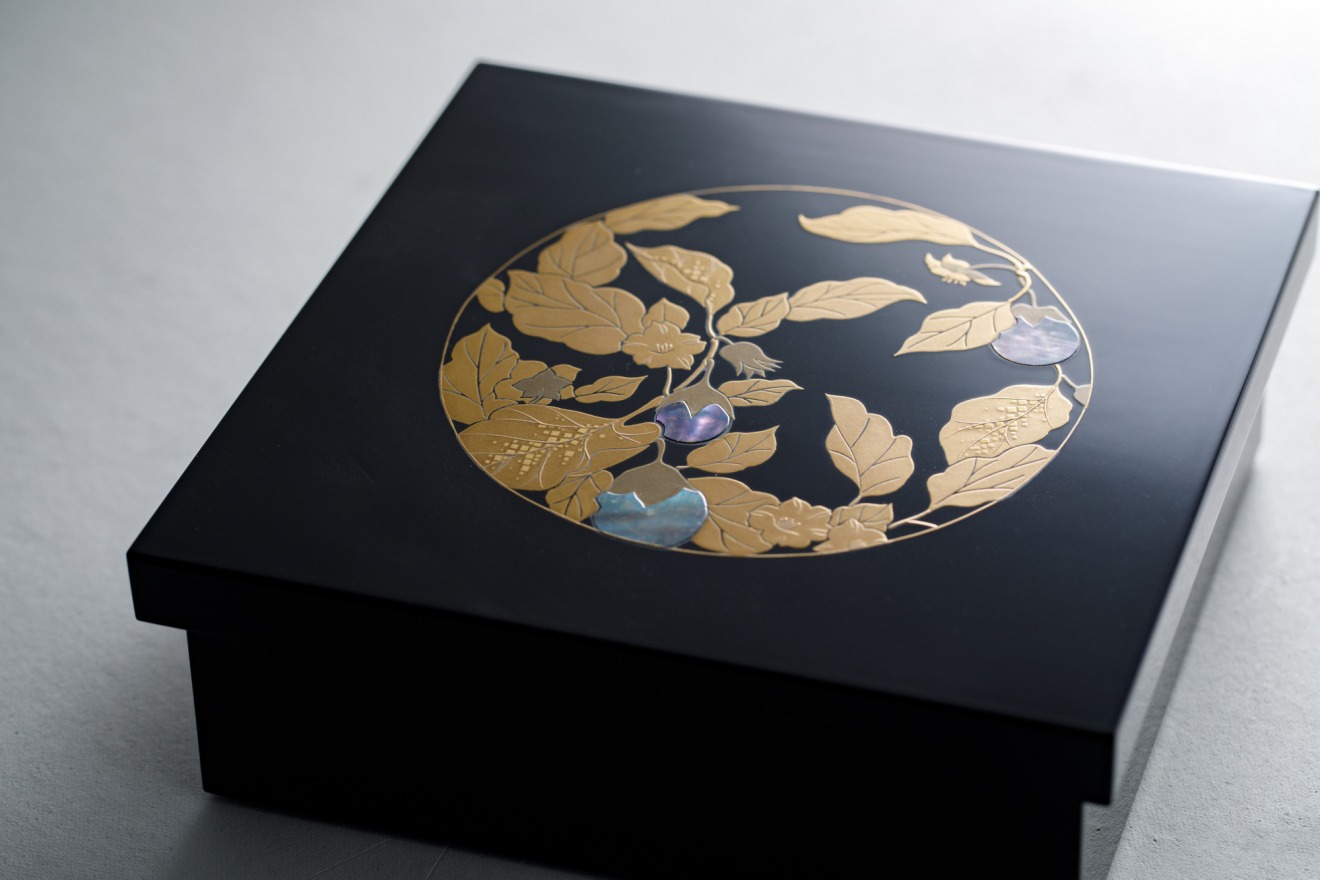
Ishikawa Prefecture has three major lacquerware-producing areas, each with its own distinctive approach to craftsmanship.
2-① Wajima Lacquerware — Exceptional Durability Built to Last for Generations
Wajima lacquerware developed in Wajima, on the Noto Peninsula. It is particularly renowned for its durability and carefully constructed urushi layers.
One distinctive feature is the use of jinoko, a powder made from diatomaceous earth that has been fired and ground. Mixed with urushi, it is used in the underlying layers to create a strong foundation.
The process involves numerous stages of painstaking handwork. The result is lacquerware designed to withstand years of use and, with proper care, potentially be passed down through generations.
Wajima lacquerware is also celebrated for its decorative techniques.
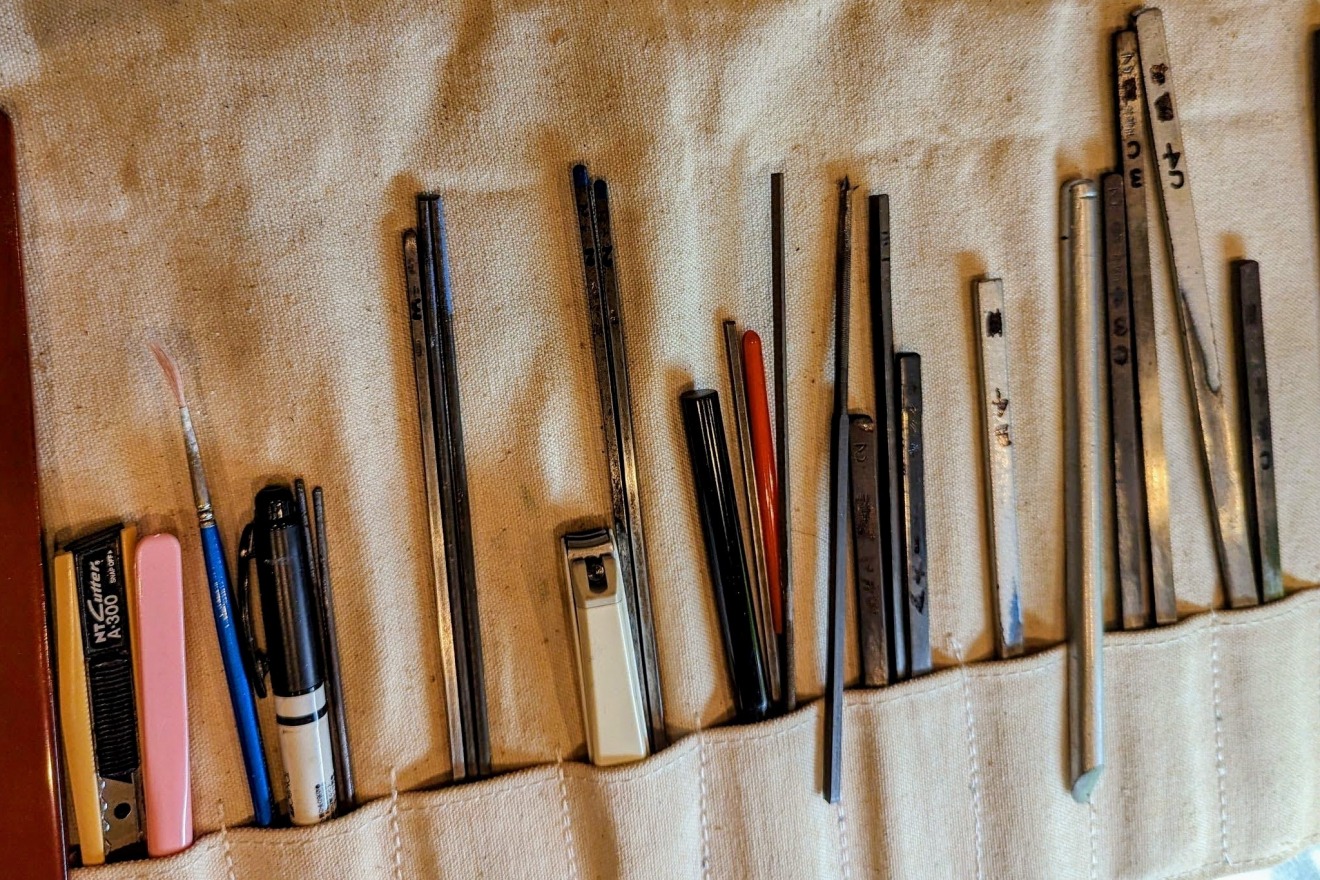
Chinkin (Gold Inlay): Engraving Designs into Lacquer
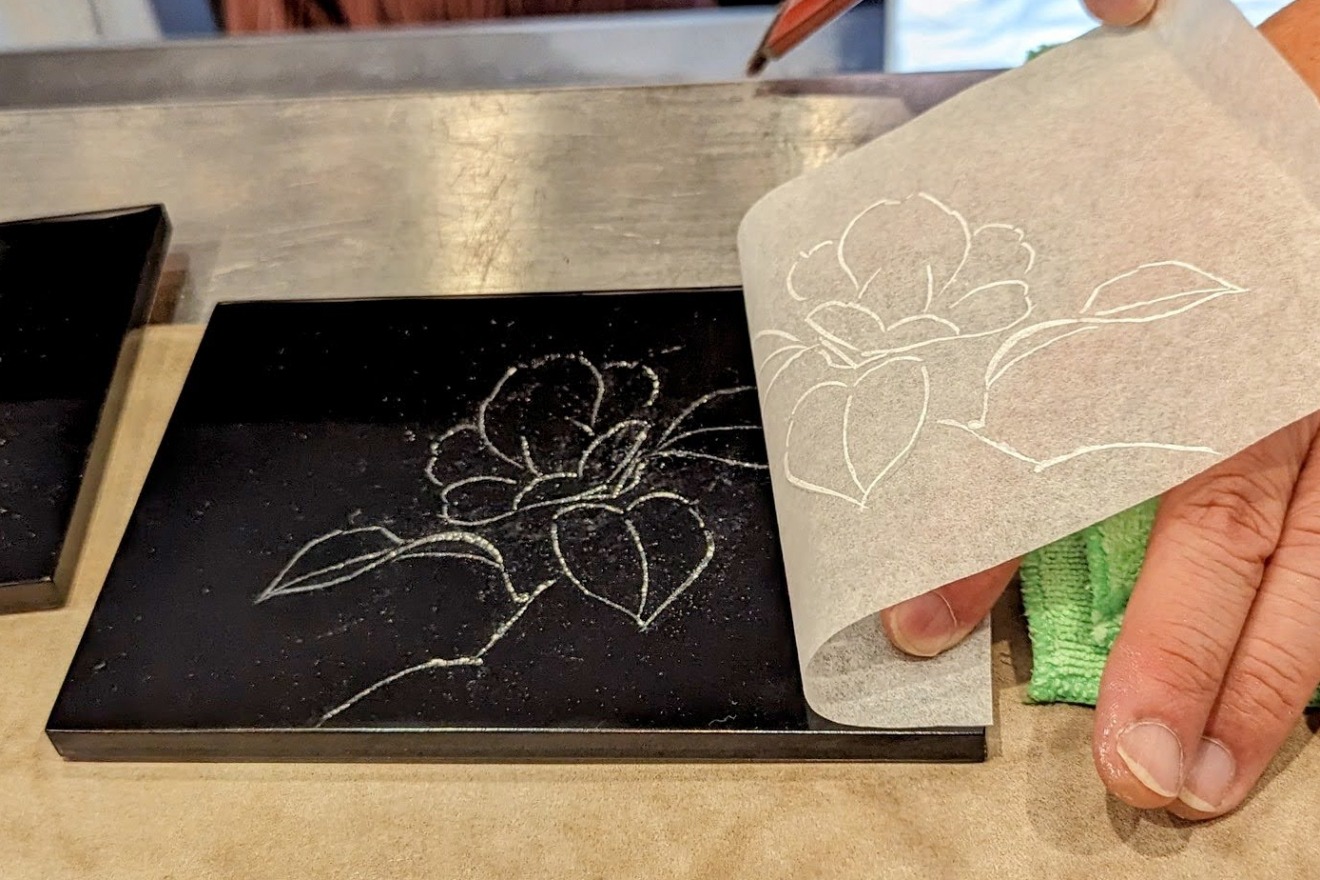
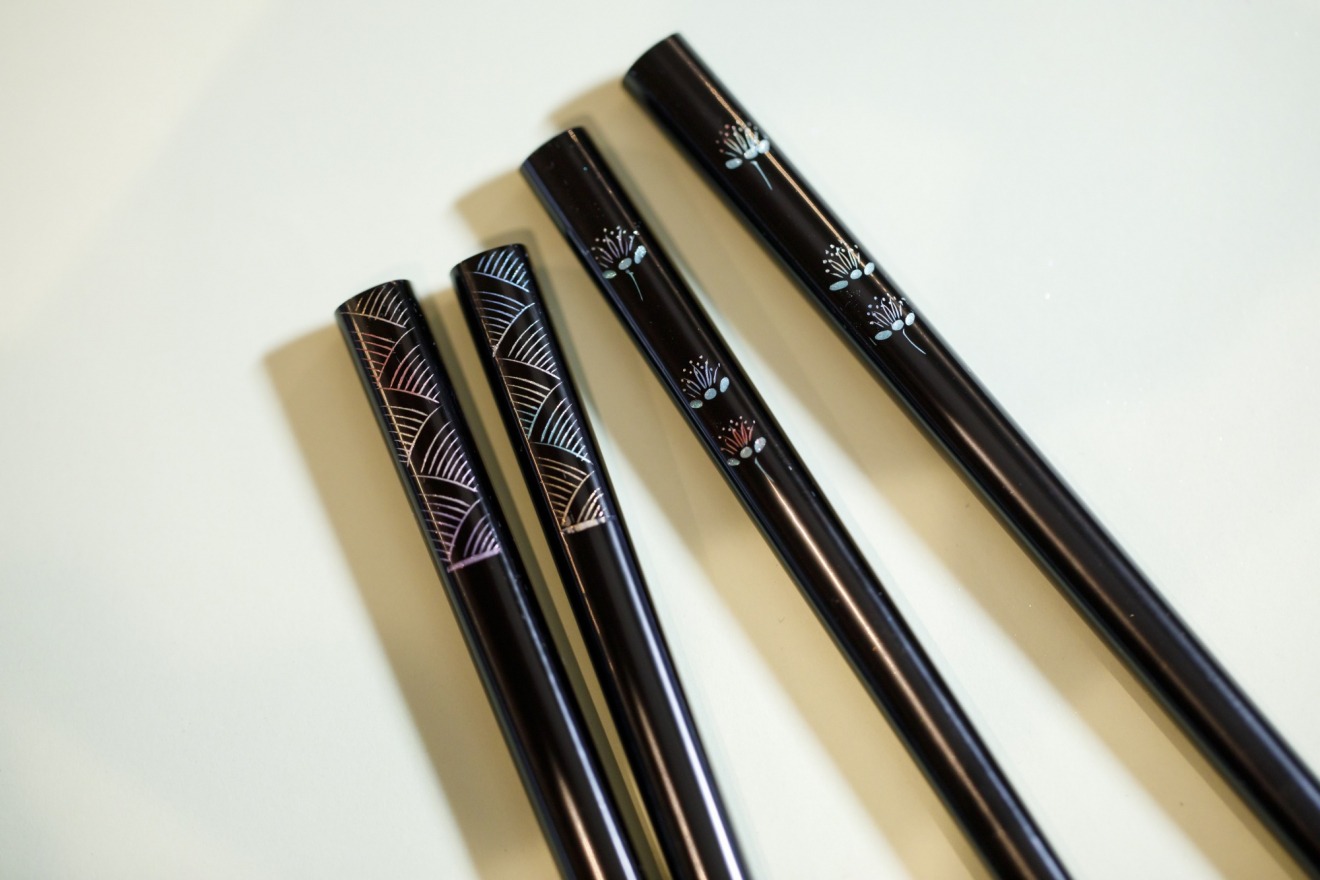
"Chinkin" is a decorative technique in which a craftsman carefully carves fine lines into a lacquered surface using a specialized blade. Gold or silver powder, or other colored materials, is then applied to the grooves to create intricate patterns.
The contrast between the dark urushi and the delicate metallic details gives Wajima lacquerware a distinctive visual depth.
2-② Yamanaka Lacquerware — The Beauty of Wood Shaped with Exceptional Skill
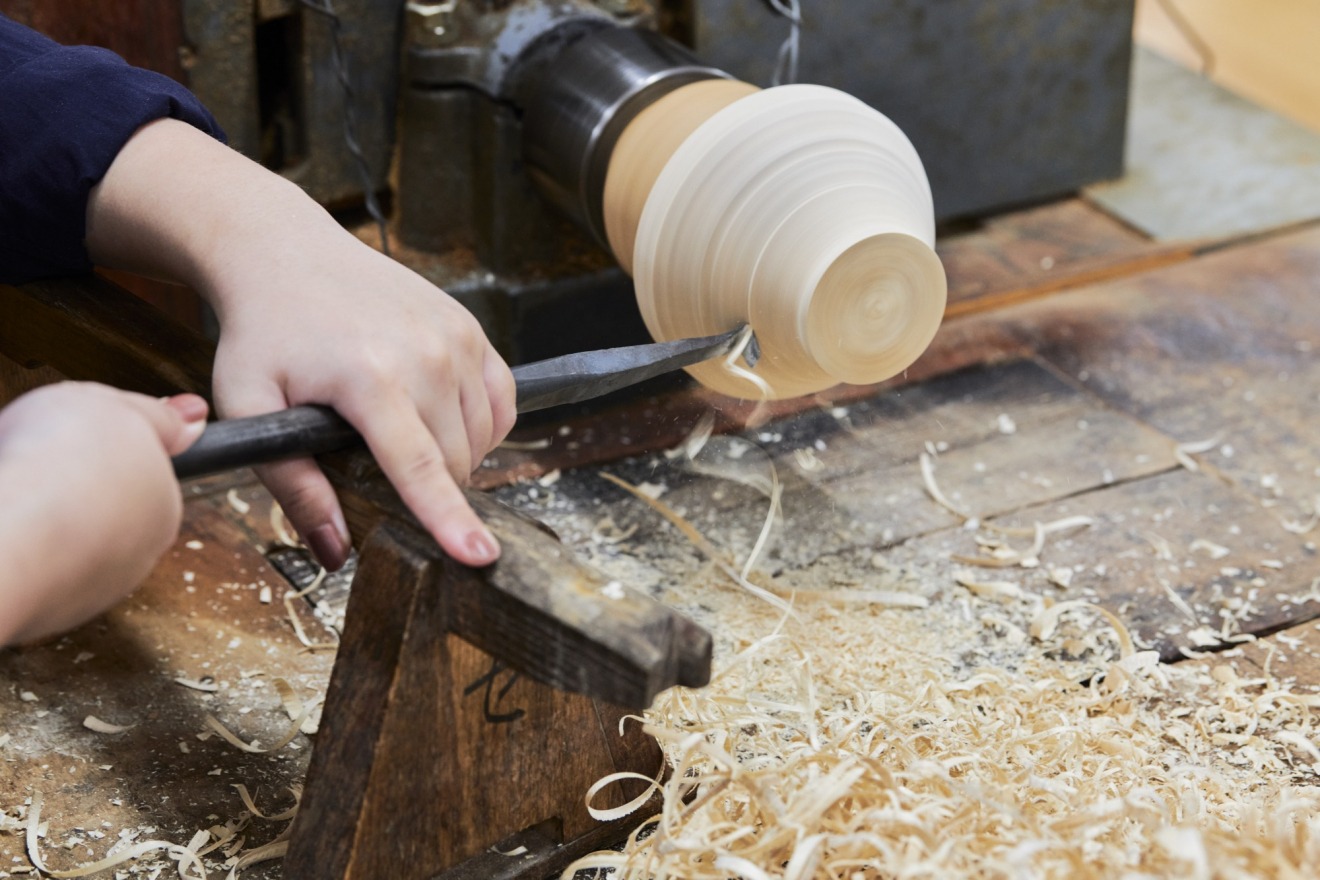
Developed in Yamanaka Onsen, a hot spring town in Kaga City, Yamanaka lacquerware is renowned for its highly developed woodturning techniques. Artisans use a rotating lathe to shape wooden blocks into bowls and other objects, creating elegant forms that highlight the natural grain of the wood.
This technique, known as kijibiki or rokuro-biki in Japanese, requires considerable skill and precision. By carefully controlling their cutting tools, artisans create thin, lightweight forms that bring out the natural patterns of the wood grain. Lacquer finishes and decorative techniques can further enhance the beauty of each piece.
2-③ Kanazawa Lacquerware — Refined Decoration Inspired by Samurai Culture
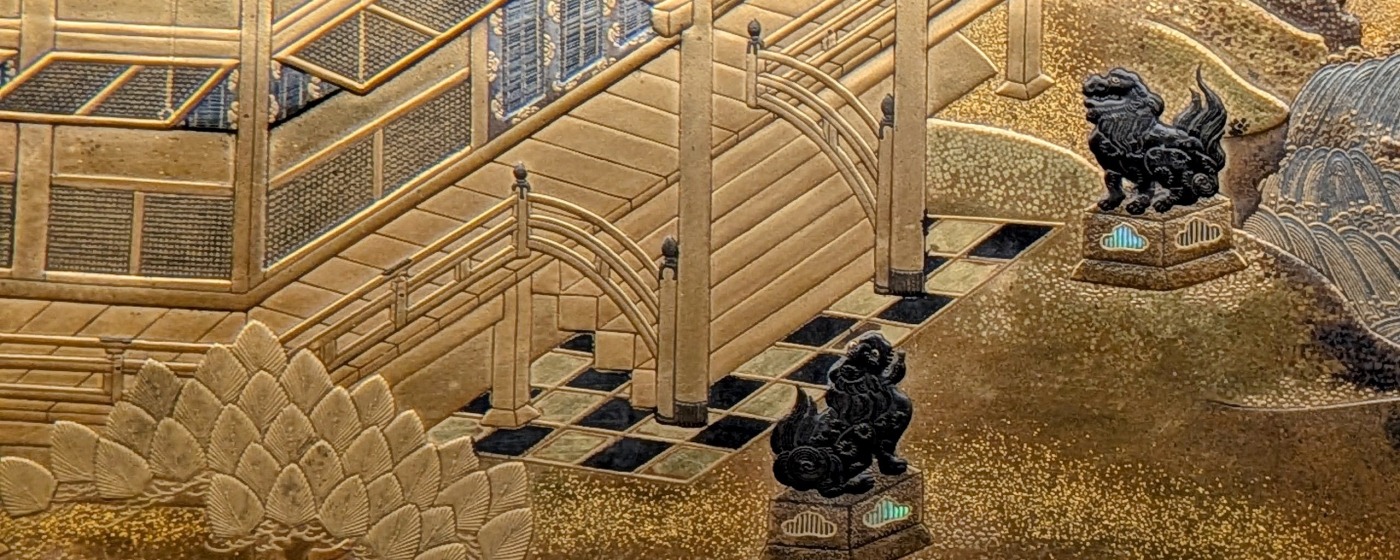
Kanazawa lacquerware developed in the castle town of Kanazawa, where the Maeda clan ruled the Kaga Domain during the Edo period (1603–1868).
Its distinctive character lies in refined decorative artistry, particularly Kaga maki-e, a form of urushi decoration associated with Kanazawa.
◆Maki-e: The Technique of Trapping Light in Lacquer
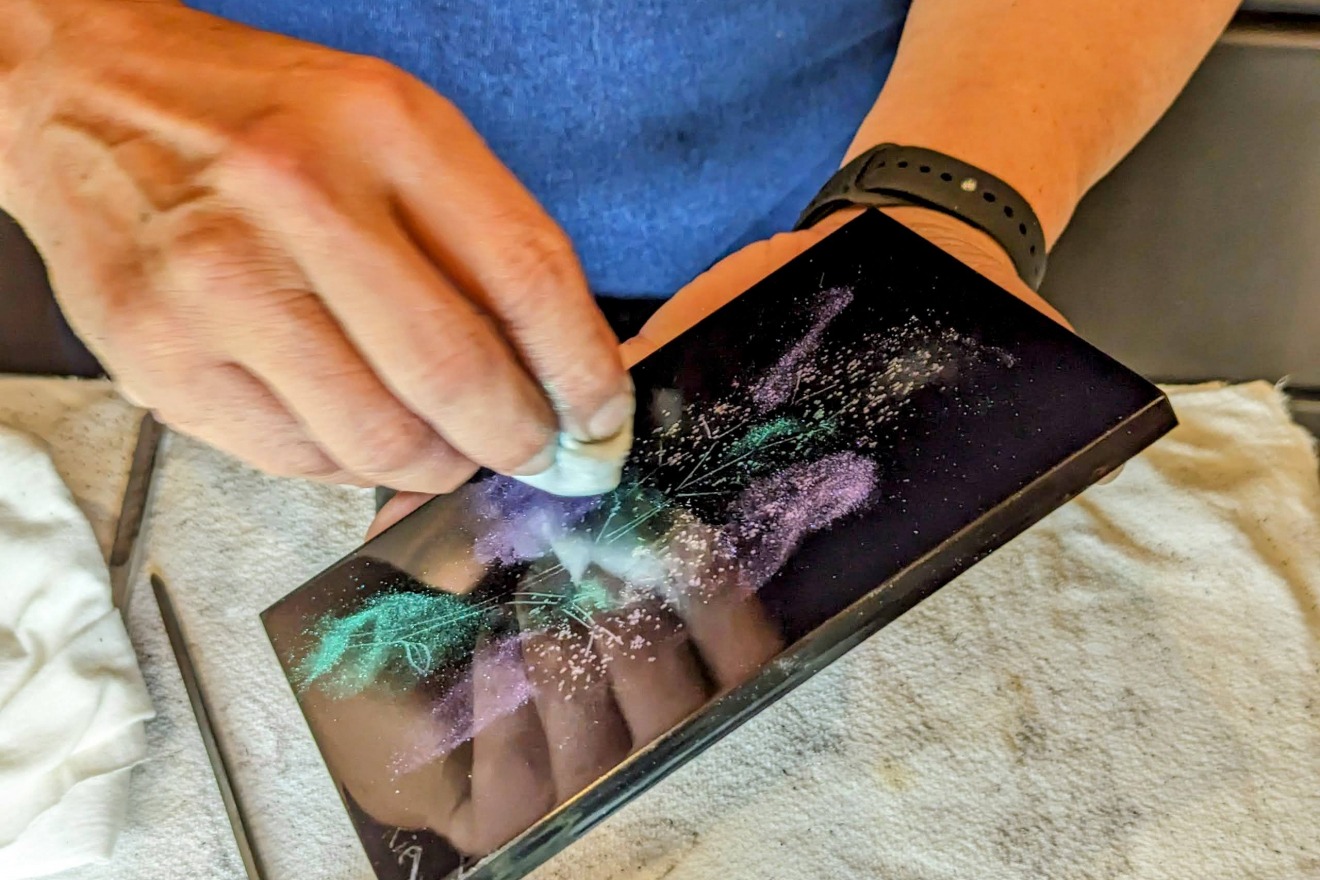
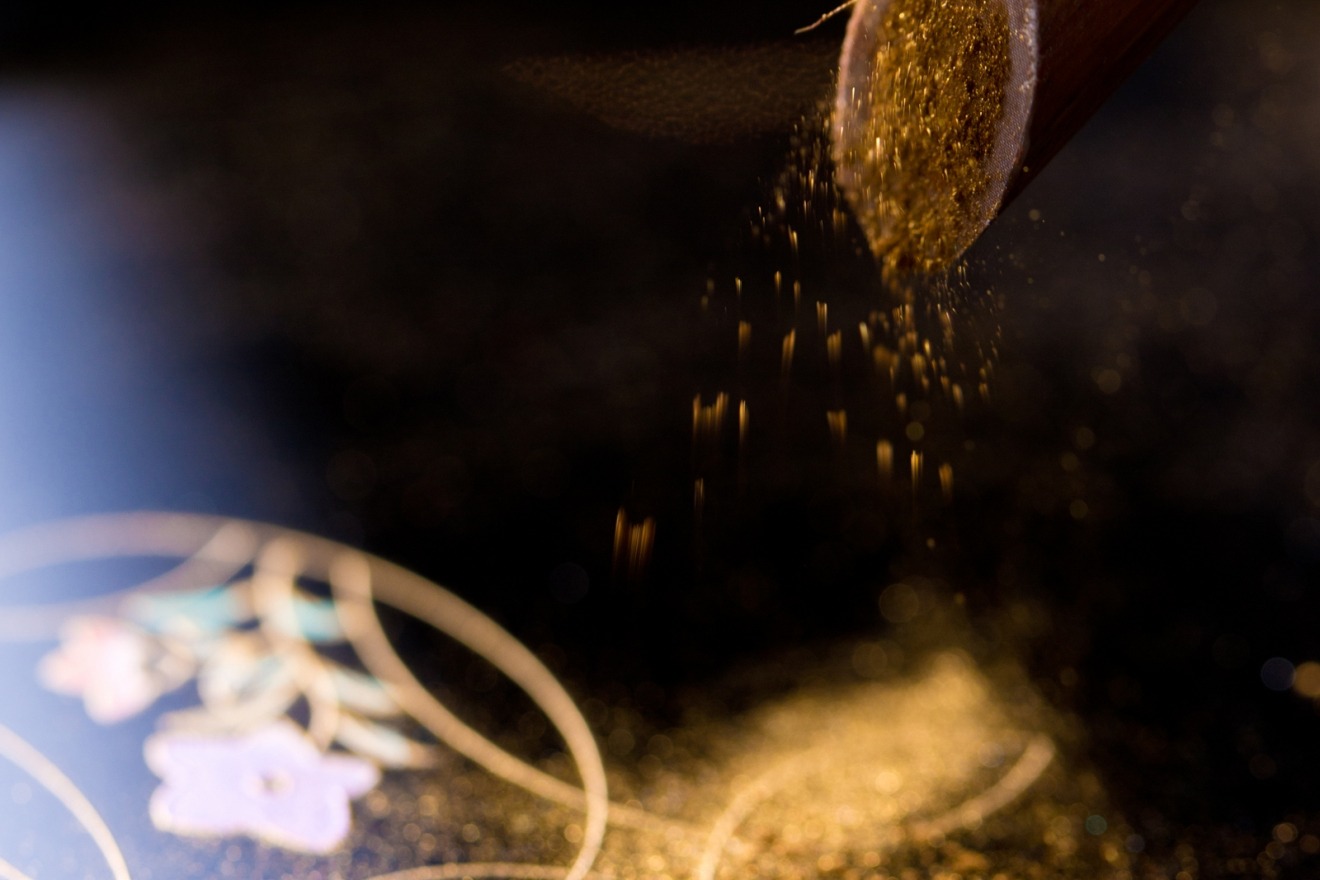
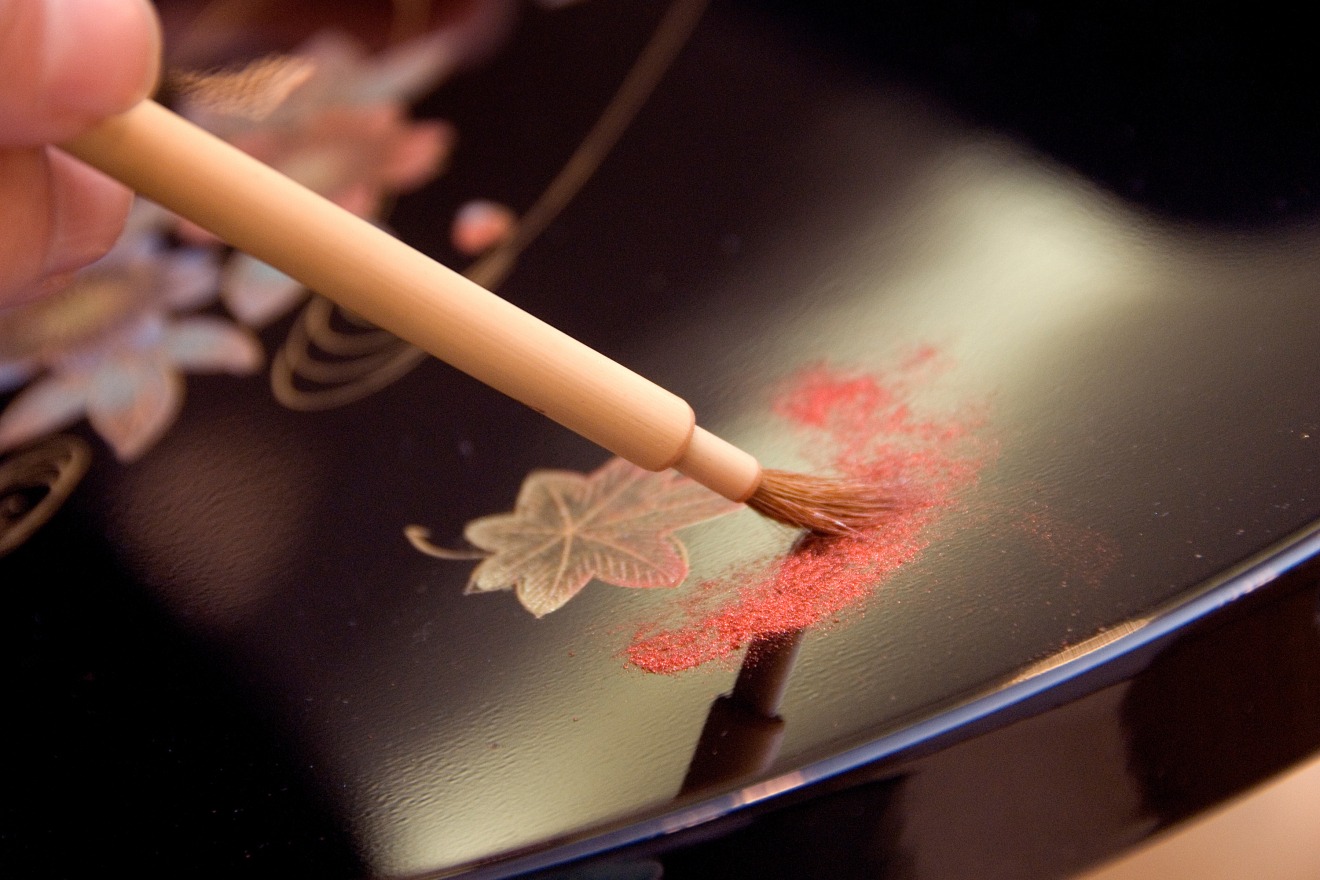
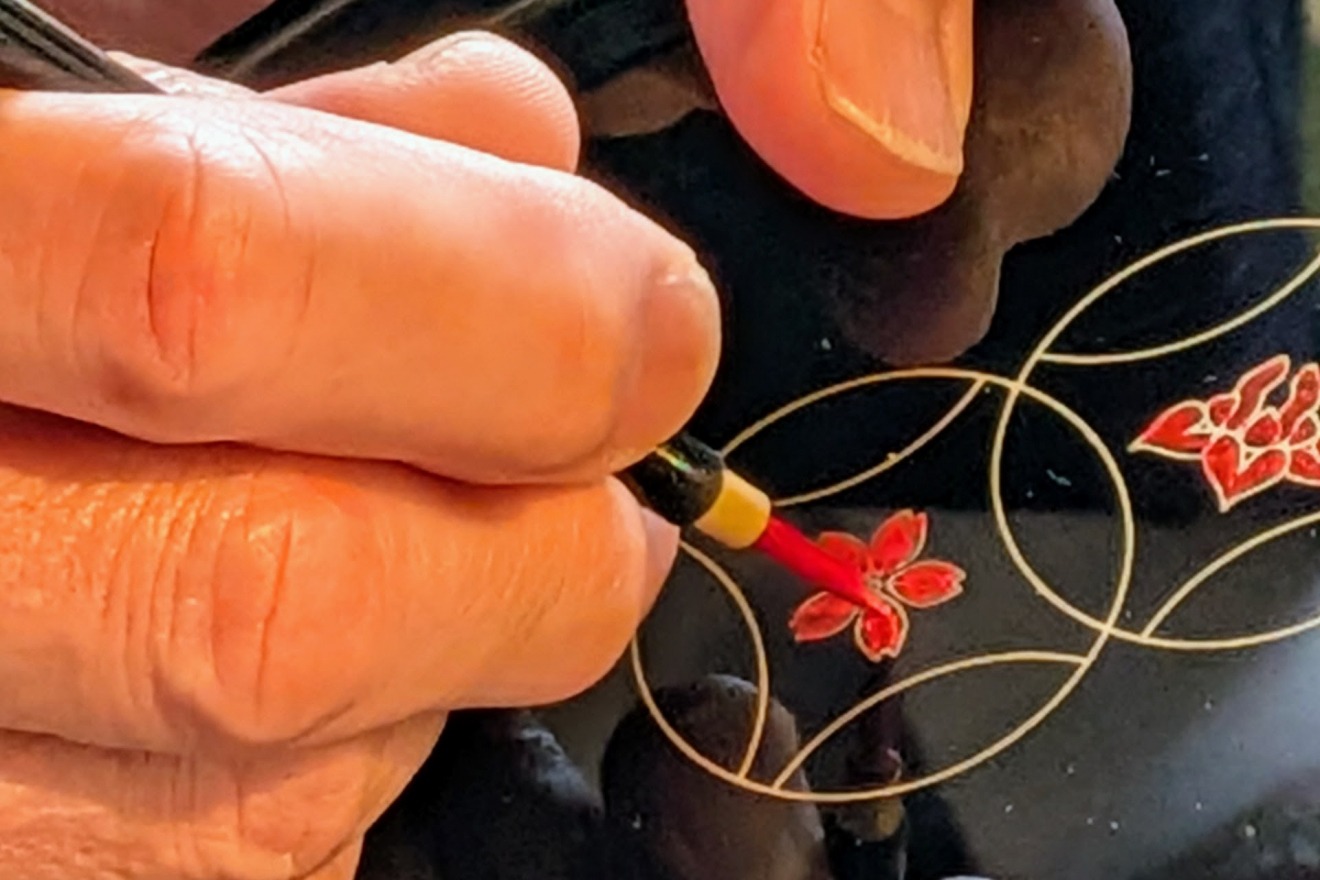
Maki-e is a traditional Japanese decorative technique in which artisans draw designs with urushi and sprinkle gold or silver powder onto them before the urushi hardens.
In Kaga maki-e, intricate patterns and carefully finished surfaces create a distinctive sense of depth and brilliance.
1. Drawing: Intricate patterns are drawn with an ultra-fine brush using urushi as an adhesive.
2. Sprinkling: Gold powder is carefully applied before the urushi fully hardens.
3. Polishing: After further layers of urushi have been applied and cured, the surface is carefully polished to reveal the design.
The resulting effect can be delicate and understated, or richly detailed and elaborate.
Each of Ishikawa's three lacquerware traditions has developed its own strengths. Their differences are not a matter of superiority, but of the distinctive craftsmanship and cultural values each expresses.
3. Kanazawa Lacquerware and the Legacy of the Kaga Domain
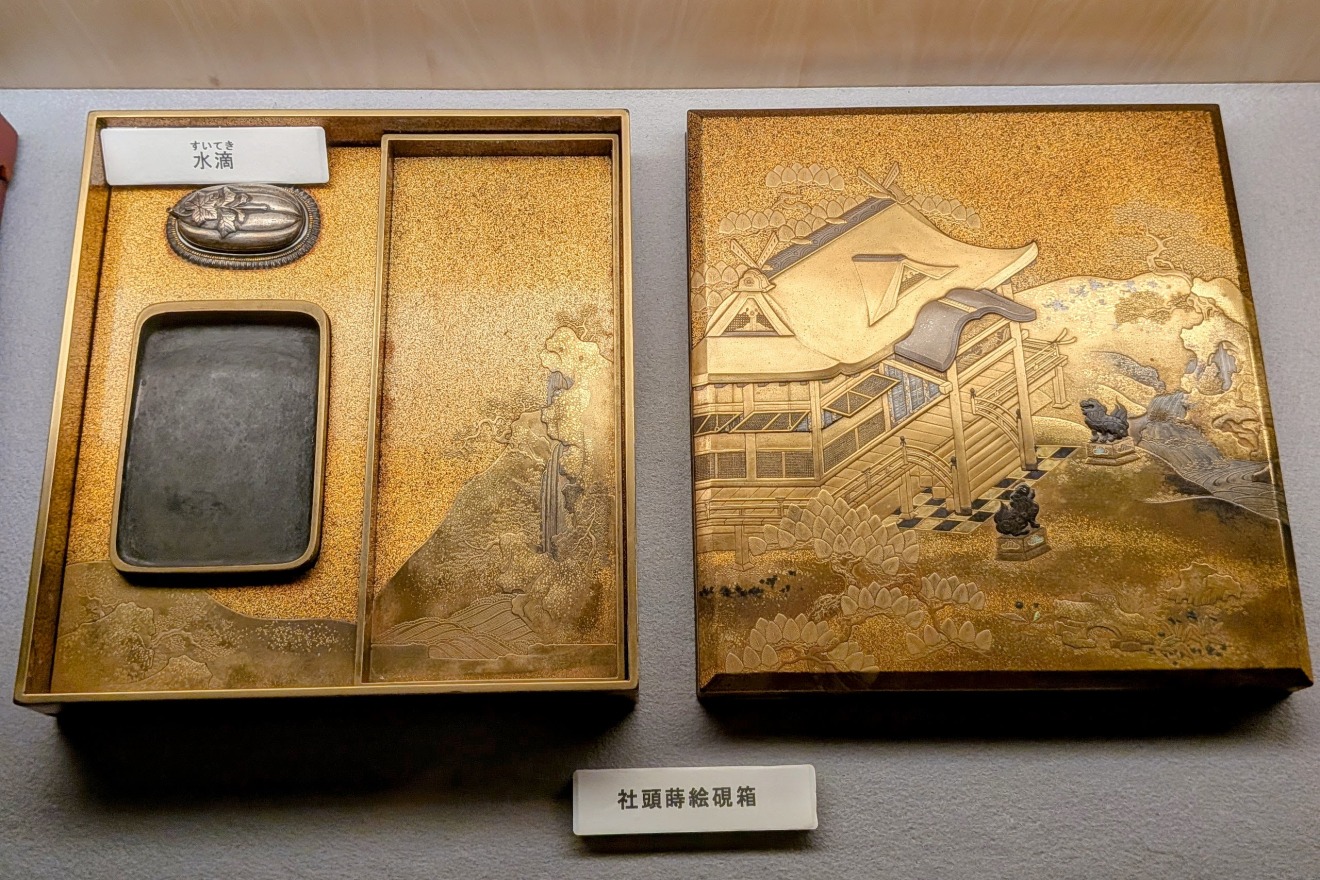
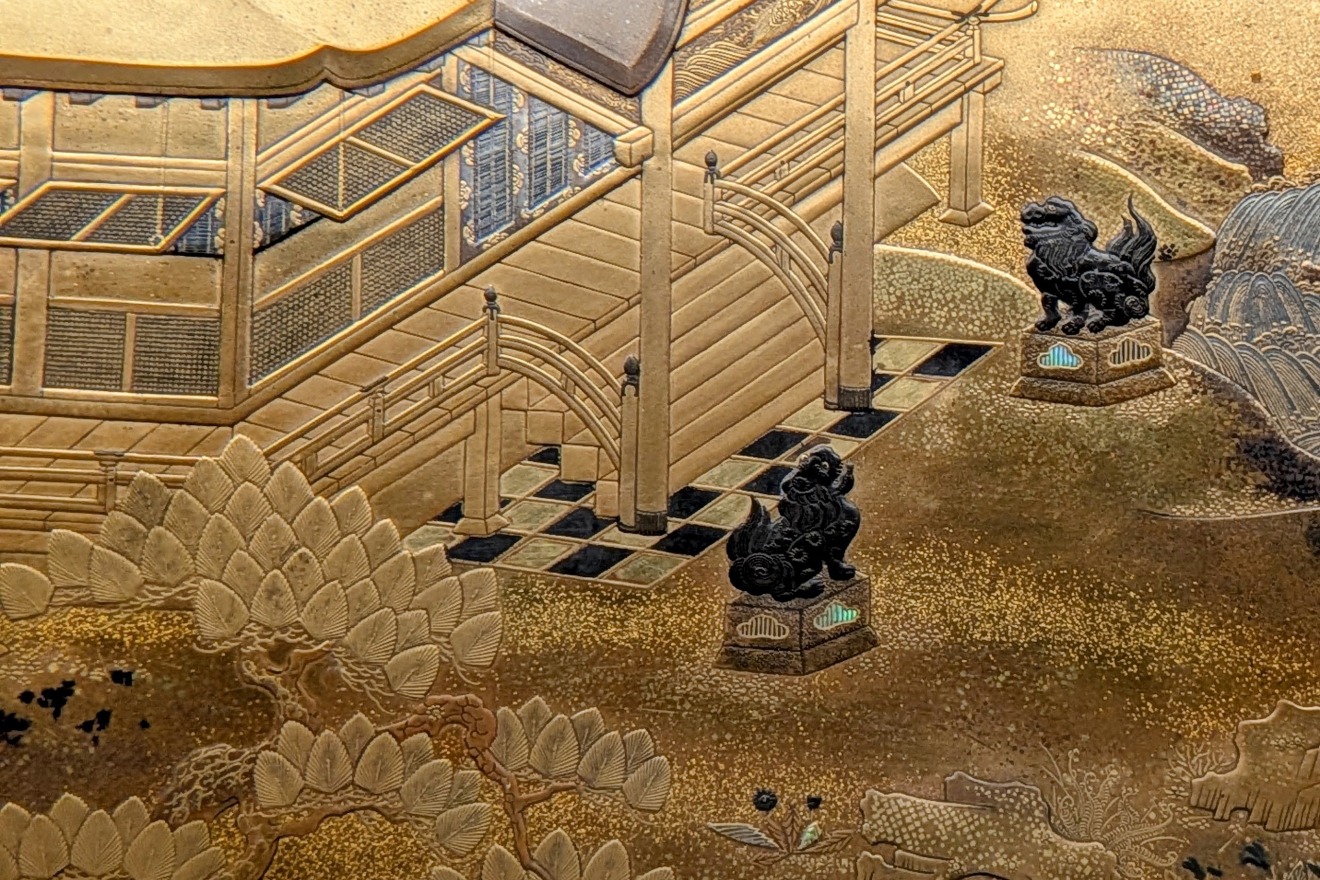
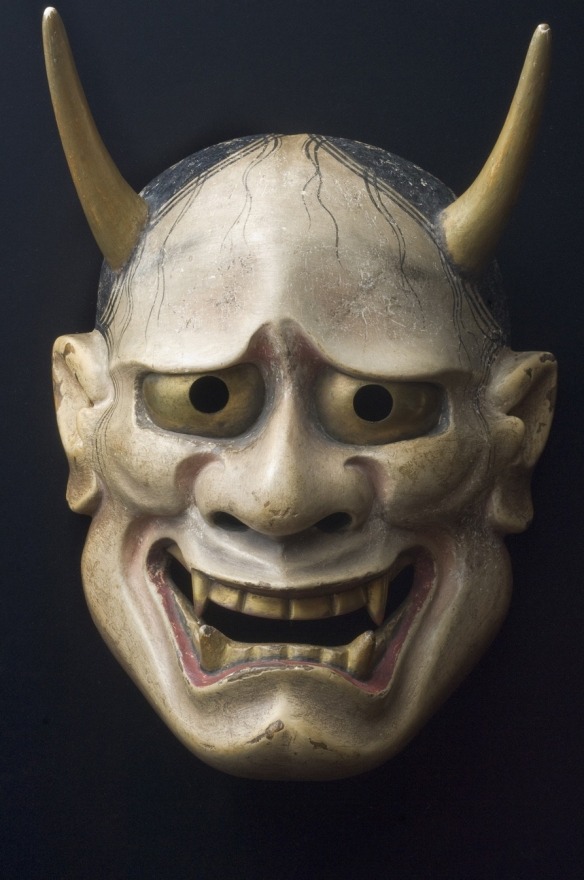
Kanazawa lacquerware is closely connected with three aspects of the city's cultural heritage: samurai culture, the tea ceremony, and Noh theatre.
The Maeda clan and the Development of Traditional Crafts
During the Edo period (1603–1868), the Maeda clan ruled the Kaga Domain, the largest feudal domain in Japan in terms of assessed rice yield.
The clan's patronage of the arts and crafts helped foster a rich cultural tradition that continues to shape Kanazawa's identity today.
A workshop known as the Osaikusho was established within Kanazawa Castle to support the production and development of high-quality crafts. Skilled artisans from other parts of Japan were invited to Kanazawa, bringing new techniques and knowledge.
Through this exchange of skills, urushi decoration developed for samurai furnishings, tea utensils, and other objects used in formal settings.
Kaga maki-e became one of the region's distinctive artistic traditions, celebrated for its intricate designs and refined use of gold and silver.
The Tea Ceremony and a Refined Sense of Beauty
The tea ceremony, known in Japanese as chanoyu or sado, has long been an important part of Kanazawa's cultural life.
Lacquerware is used for various tea utensils, including the natsume, a small lidded container for powdered tea, and the kogo, a container for incense used in the tea room.
These objects are appreciated not only for their function but also for their shape, finish, and decoration.
In the tea ceremony, beauty is often expressed through restraint and subtle detail. A quiet shimmer of gold, an elegant motif, or a perfectly finished surface may be more compelling than an overtly lavish design.
Kanazawa lacquerware reflects this appreciation for craftsmanship and understated elegance.
Lacquer and Noh Theatre: A Living Cultural Tradition
The Maeda clan also placed great importance on Noh, a classical Japanese performing art combining music, dance, and stylized drama.
The clan supported the Kaga Hōshō, a local branch of the Hōshō school of Noh, which became deeply rooted in Kanazawa. The art was practiced not only by samurai but also by townspeople.
Even carpenters and gardeners sang Noh chants as they worked high on rooftops and in trees, giving rise to the saying that utai, or Noh chanting, “fell from the sky” in Kanazawa.
Traditional materials and techniques, including urushi, have also been used in objects associated with Noh, such as masks and musical instruments.
Urushi protects surfaces while giving them a distinctive sheen and texture. In this way, it forms part of the broader craftsmanship that has sustained Kanazawa's traditional performing arts and decorative culture.
4. Experience and Discover Urushi in Ishikawa
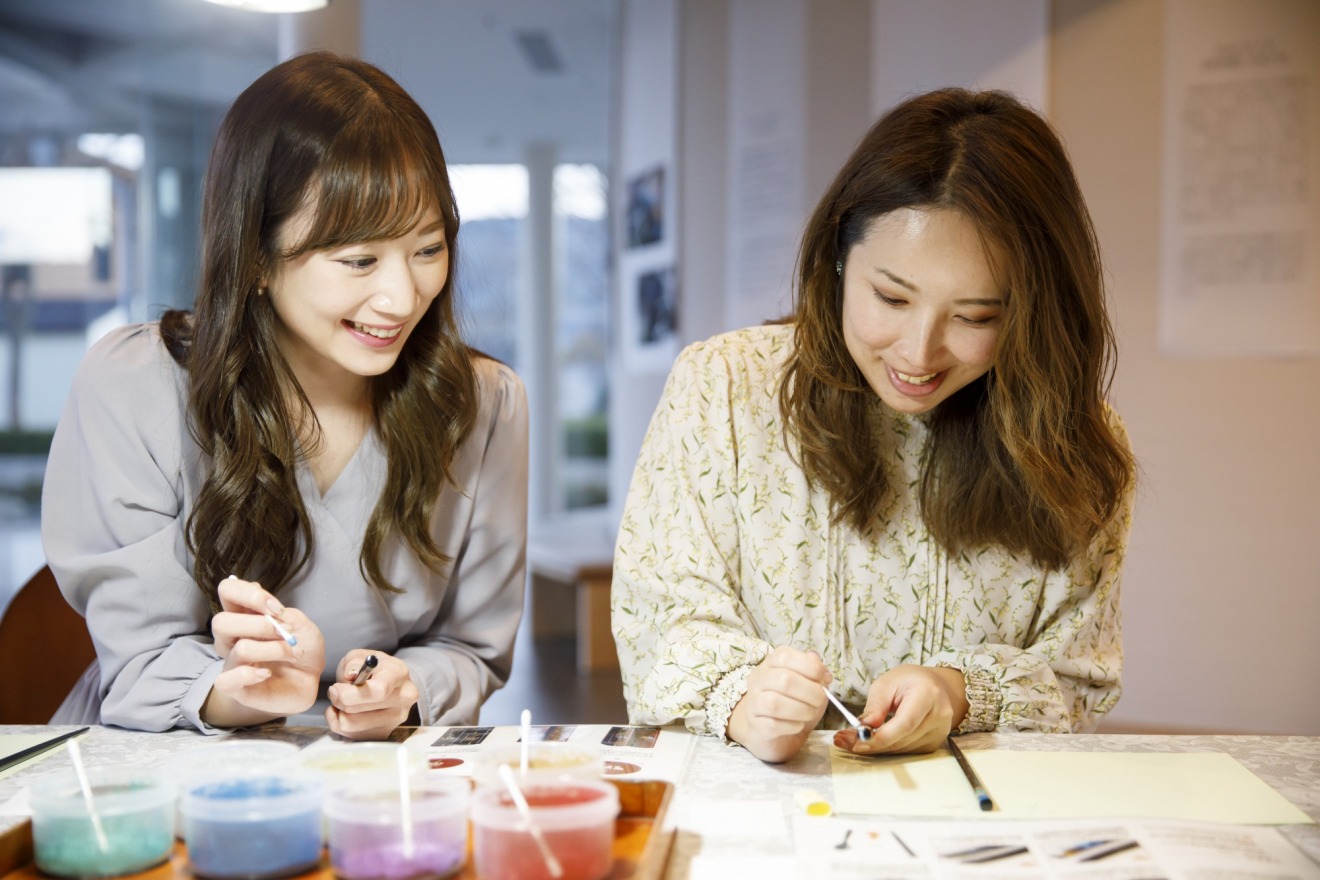
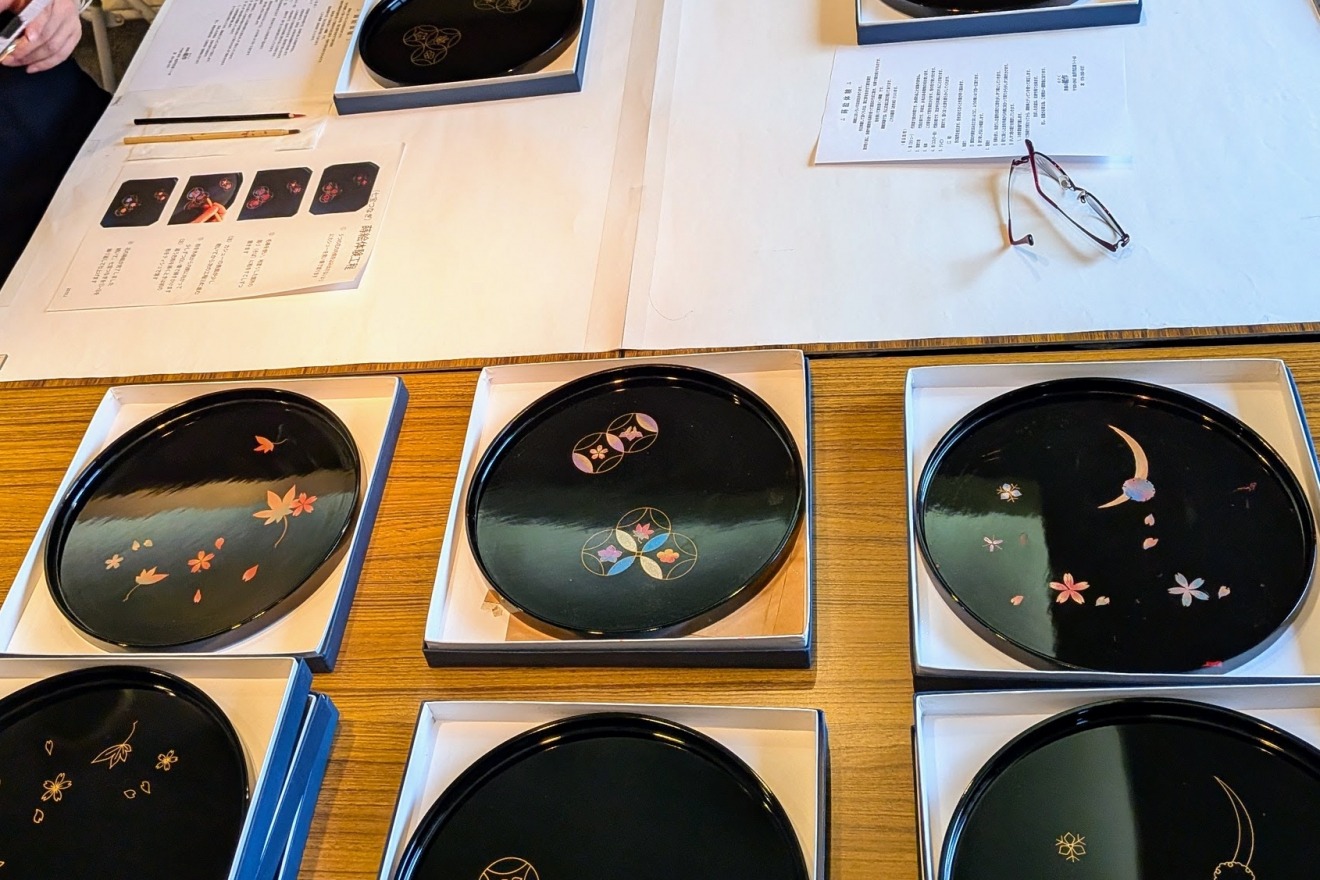
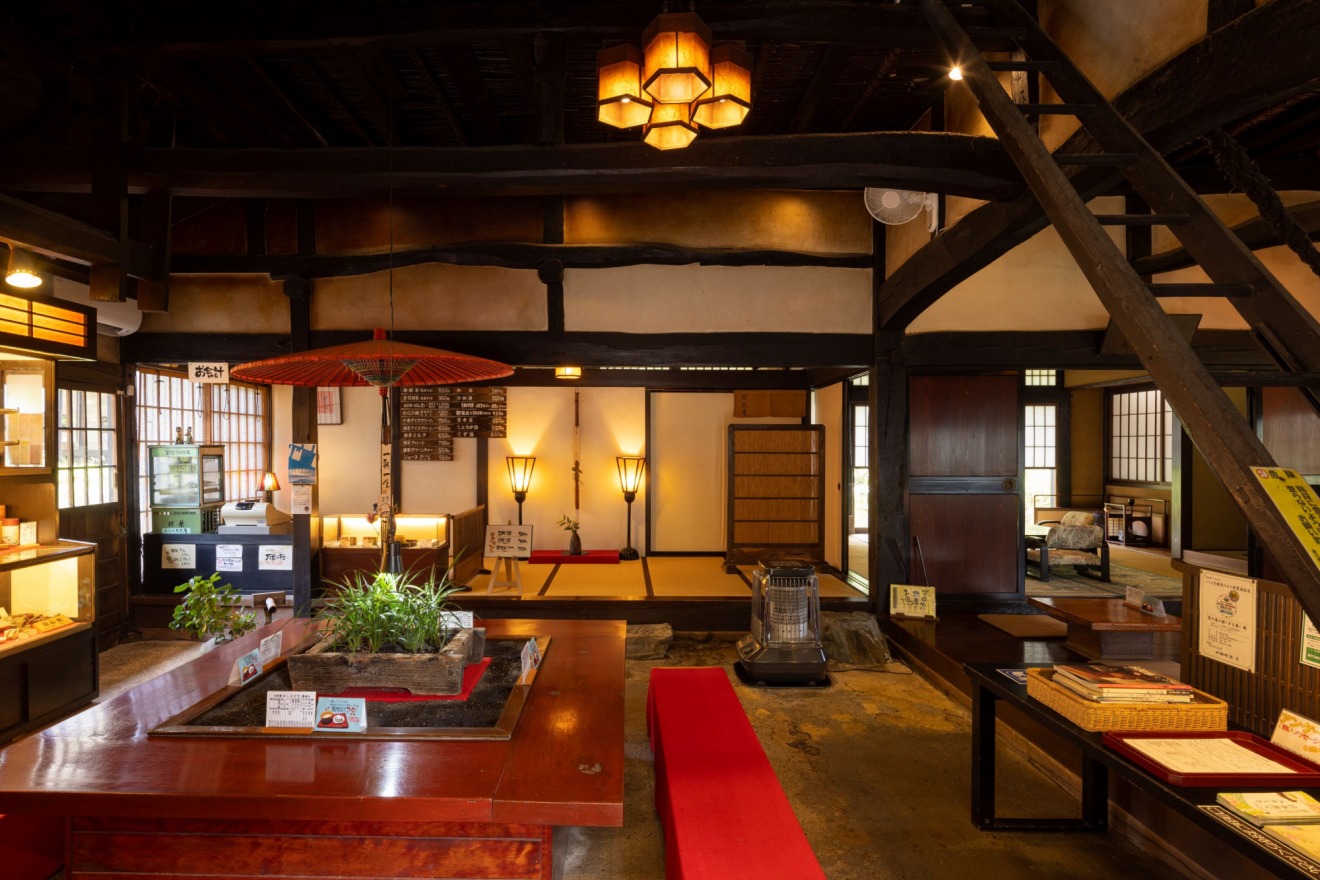
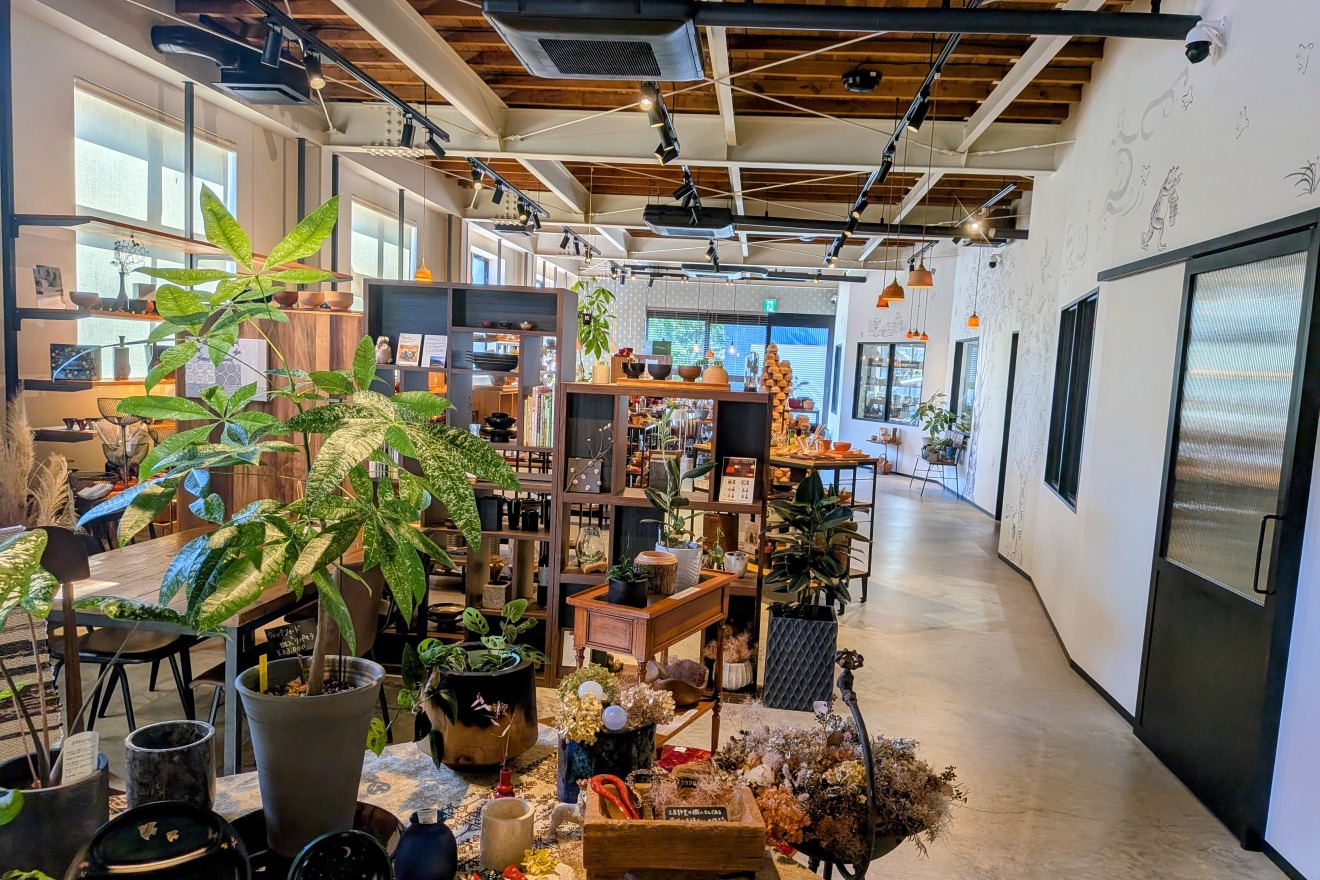
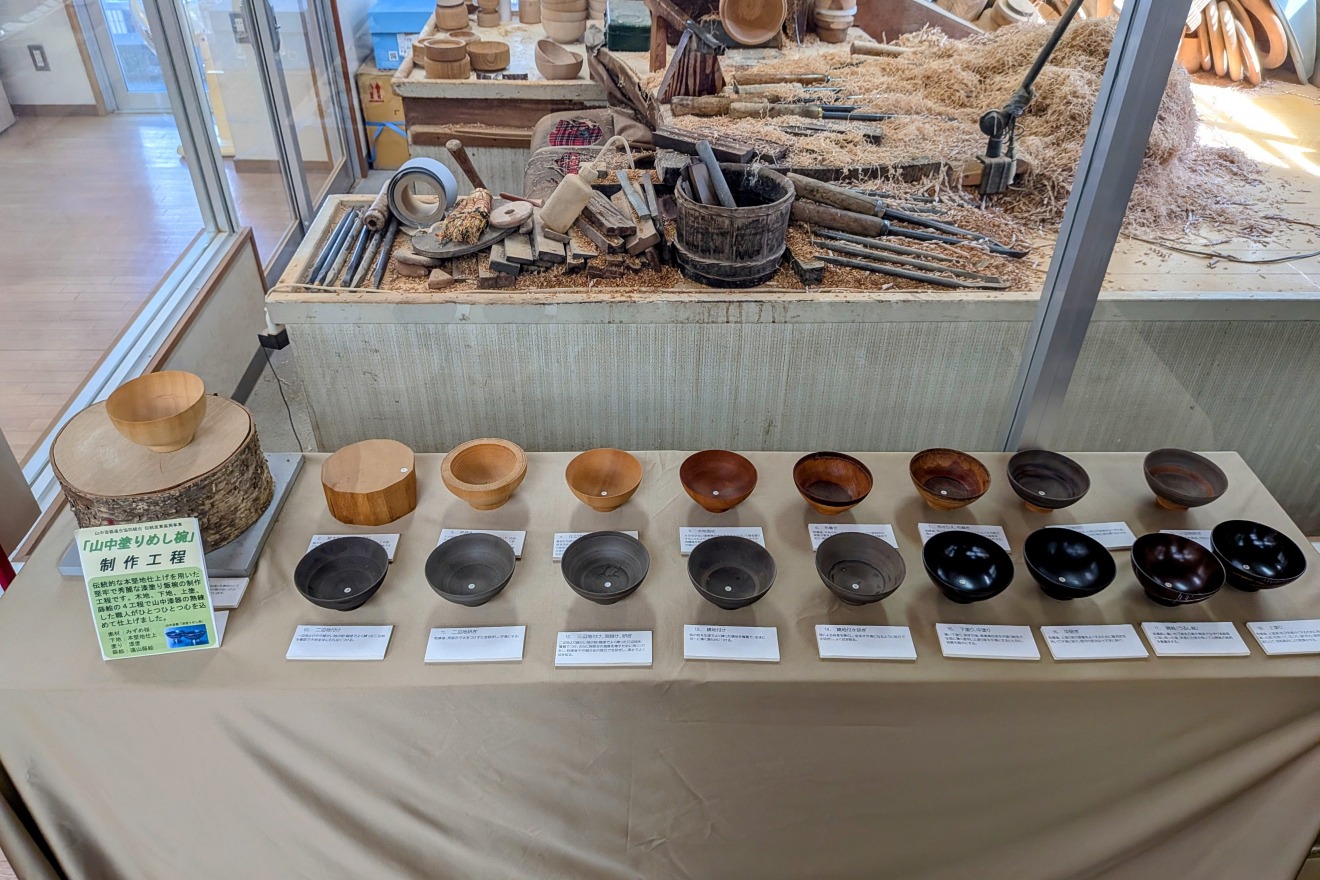
Kanazawa and its surrounding areas offer several welcoming spots where even beginners can experience traditional techniques firsthand.
Visitors can discover the beauty of lacquerware through hands-on workshops and demonstrations of traditional techniques.
【Kanazawa】 Paint with Authentic Brilliance: Nosaku
Founded about 250 years ago, Nosaku is a long-established lacquerware shop that has dealt in lacquerware for generations in the castle town of Kanazawa.
Its collection includes traditional tea utensils, incense containers, tiered boxes, trays, bowls, and sake vessels, offering a range of designs and uses.
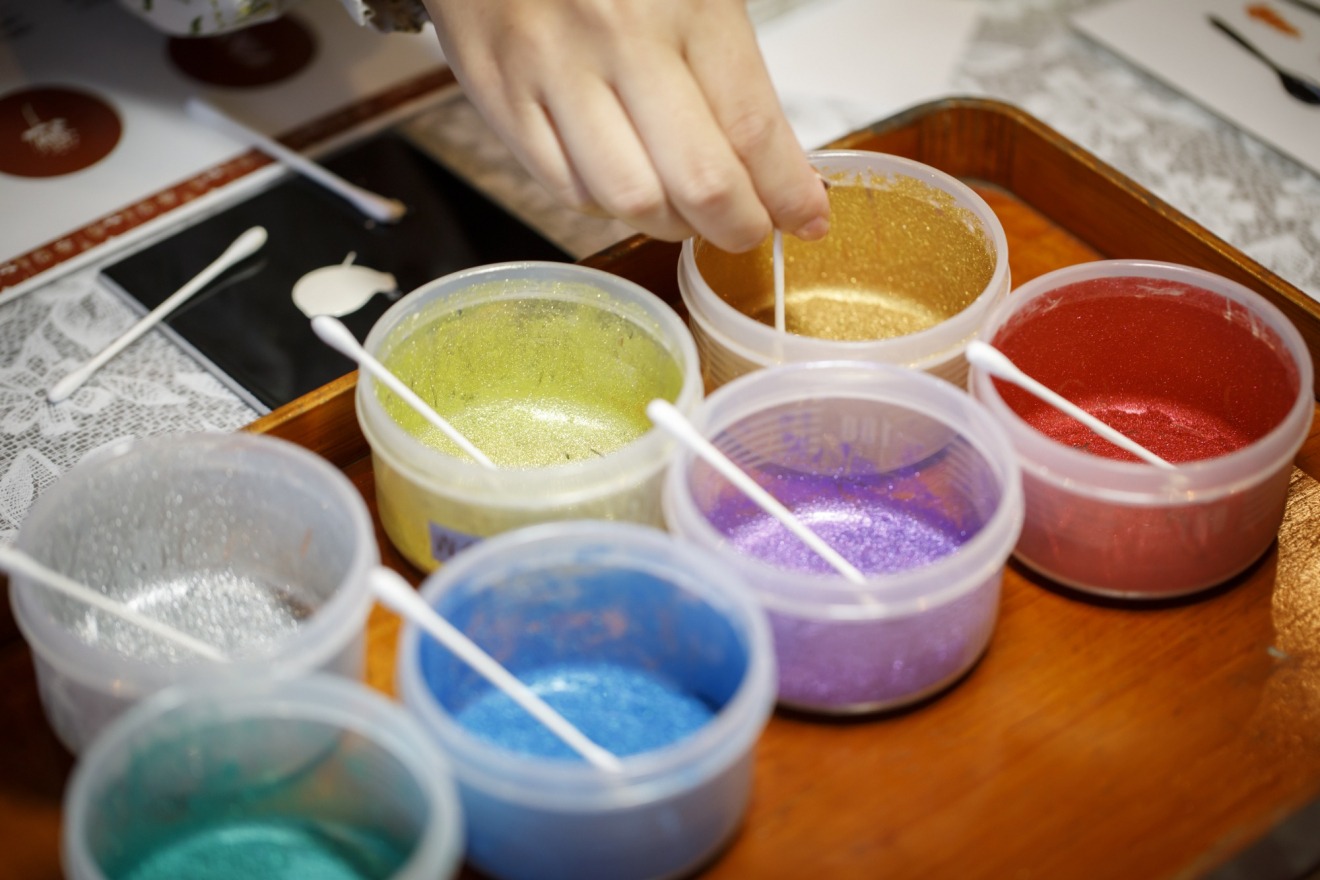
Visitors can also enjoy a maki-e workshop. Participants decorate a wooden tray using a prepared design, adding color and applying gold powder to create their own piece.
The process requires patience and precision. Applying the decorative powder is a particularly memorable moment, revealing just how much care goes into this traditional craft.
A finished piece makes a meaningful souvenir, bringing a small part of Kanazawa's craftsmanship and cultural heritage into your everyday life.
【Kanazawa】Ishikawa Prefectural Museum of Traditional Arts and Crafts
This museum introduces traditional crafts from Ishikawa Prefecture, bringing together works from 36 craft categories.
Depending on the schedule, visitors may also be able to watch artisans demonstrate their skills. It is a useful place to gain an overview of the region's craft traditions before visiting individual workshops.
【Kaga】 Kobo Seikan (Yamanaka Lacquerware)
Located in the hot spring town of Yamanaka Onsen, Kobo Seikan is a workshop that cherishes the beauty of woodturning, the essence of Yamanaka lacquerware.
Visitors can experience woodturning and, depending on the program, lacquer finishing for chopsticks. It is an excellent opportunity to understand how the distinctive forms of Yamanaka lacquerware begin with the wood itself.
【Kaga】 Ishikawa Prefectural Yamanaka Lacquerware Industrial Technology Center (Yamanaka lacquerware)
This facility supports the preservation and development of Yamanaka lacquerware techniques.
Visitors can experience woodturning, in which a piece of wood is rotated on a lathe while it is shaped with cutting tools.
The experience provides a closer understanding of the skill required to produce the thin, elegant forms characteristic of Yamanaka lacquerware.
【Komatsu】 See, Touch, and Create: Yunokuni-no-Mori
Yunokuni-no-Mori is a traditional handicraft theme park set in a sprawling forest in Komatsu City.
Inside charming, relocated traditional farmhouses, you can try various Ishikawa crafts. For lacquer fans, they offer chinkin experiences (Wajima style) and maki-e experiences (Yamanaka style).
【Wajima】 A Hall of Elegance: Ishikawa Wajima Urushi Art Museum
Located in Wajima, Noto, this is one of Japan’s leading museums specializing in urushi art.
The collection ranges from traditional Wajima lacquerware masterpieces to ambitious works by contemporary artists. Here, you can appreciate up-close the profound, dignified beauty created by robust base-coating and advanced decorative techniques like chinkin and maki-e. The museum also offers programs such as "Chinkin Color-Inlay" for spoons and chopsticks.
5. What is Urushi? — A "Living Coating" Born from the Asian Climate
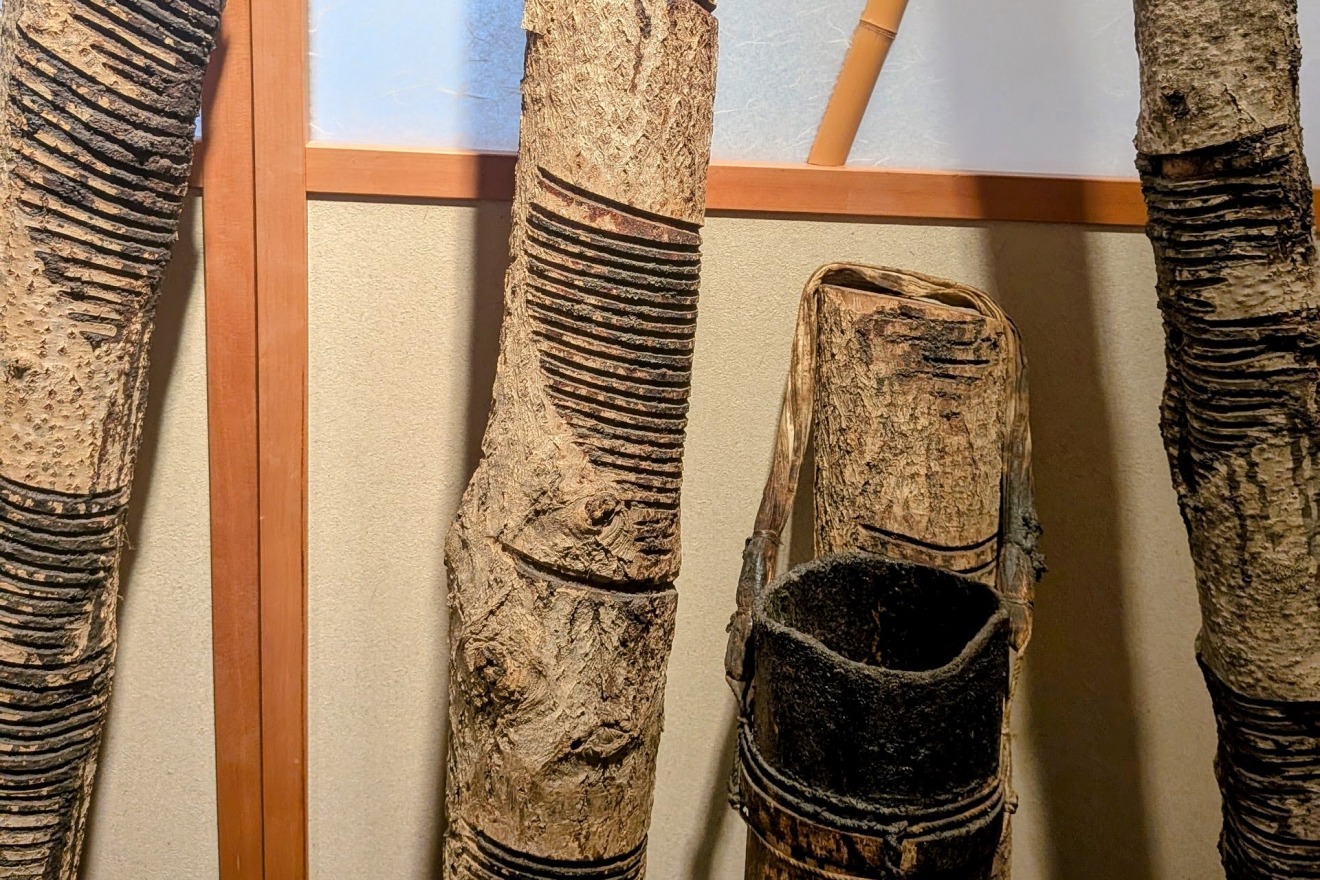
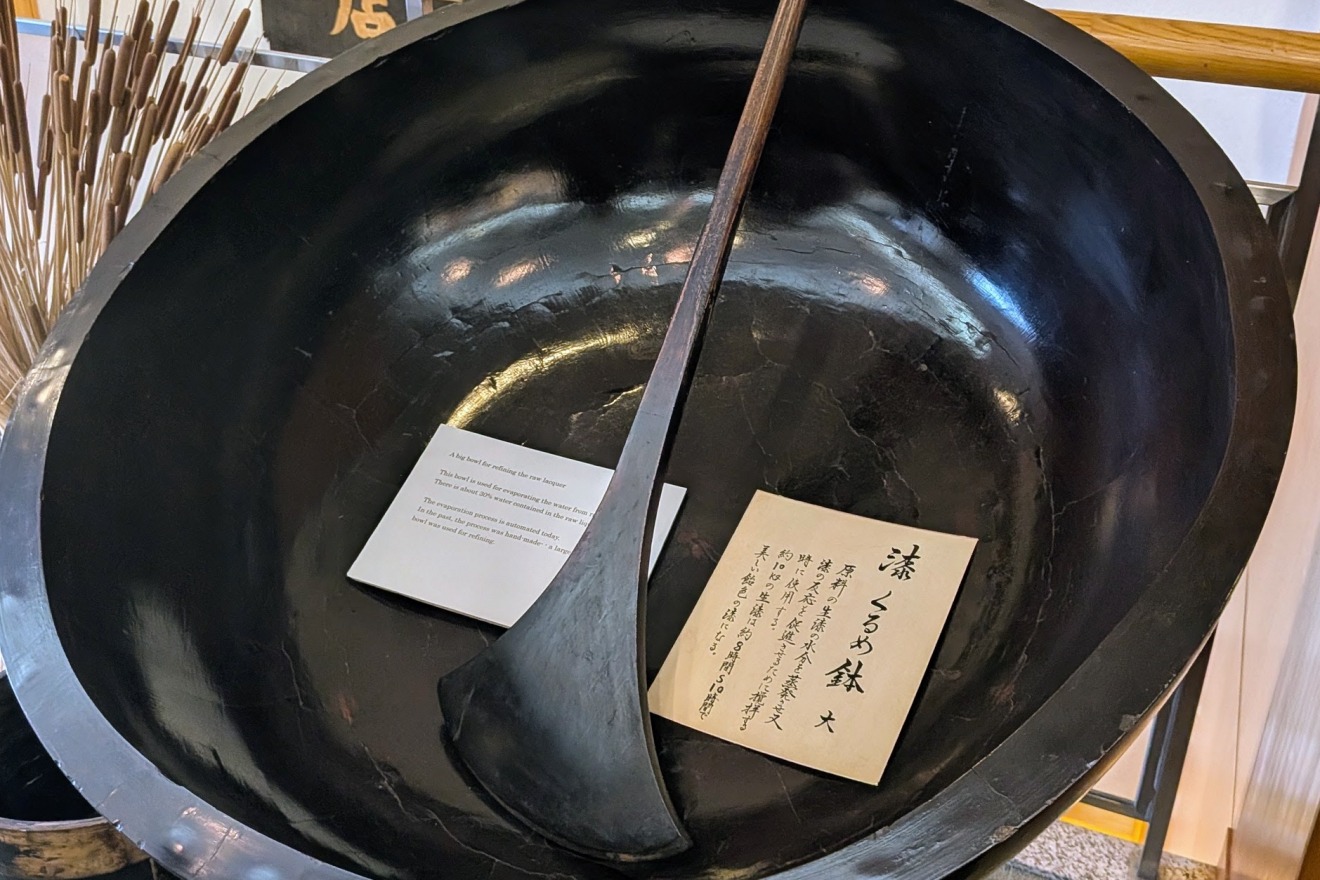
Urushi is a natural sap harvested from the Urushi tree. These trees only grow in parts of East and Southeast Asia, making the material a rare treasure.
Interestingly, the properties of the sap change depending on the region:
Different Trees, Different Types of Asian Lacquer
The composition of natural lacquer varies depending on the species of tree from which it is harvested.
Urushi, traditionally used in Japan, China, and Korea, contains urushiol as its main characteristic component. Lacquer from other parts of Asia, including Vietnam, Thailand, and Myanmar, may contain different compounds, such as laccol and thitsiol.
These differences influence the properties of the lacquer, although the final finish also depends on how the raw material is processed and applied.
The Mystery of How Urushi Cures
Unlike ordinary paint, which dries mainly through evaporation, urushi hardens through an oxidation process involving the enzyme laccase and oxygen. Moisture in the air is essential for this process, so suitable humidity and temperature must be maintained.
Ishikawa, on the Sea of Japan coast, experiences humid conditions during much of the year. This climate has helped support the region's long tradition of lacquer craftsmanship.
However, high humidity alone does not guarantee a good finish. Artisans carefully control temperature and humidity throughout the curing process to achieve the desired sheen, texture, and durability.
The beauty of lacquerware comes from both the natural properties of urushi and the artisan's skill in applying, curing, and polishing each layer.
6. A Brief History of Japanese Lacquerware: From the Jomon Period to Today
Urushi is more than a craft material. Its long history reveals how Japanese people have combined practical knowledge with artistic expression over thousands of years.
1. The Jomon Period: Among the World's Earliest Known Uses of Lacquer
Archaeological discoveries in Hokkaido include lacquer objects dating back approximately 9,000 years. These finds provide evidence of how early communities in Japan used natural lacquer long before the development of today's regional lacquerware traditions (as of February 2026).
In ancient times, urushi served practical purposes, such as joining broken objects and protecting surfaces against water. It was also used to decorate personal objects, including combs colored with red urushi.
From its earliest uses, urushi combined utility with beauty.
2. The Asuka and Nara Periods (6th–8th centuries) : Urushi as the Foundation of Buddhist Art
During this era, urushi became a vital material for Buddhist art. The mystical glow of the "Tamamushi no Zushi" (Beetle Wing Shrine) at Horyu-ji Temple and the delicate, lifelike expressions of the famous "Asura Statue" at Kofuku-ji Temple were made possible by advanced urushi techniques.
The Asura statue was created using a sophisticated method known as Datsukan-Kanshitsu (hollow dry lacquer). In this process, a rough model is first sculpted in clay, and layers of hemp cloth soaked in urushi are meticulously applied over it. Once the shell hardens, the internal clay is removed, leaving a hollow urushi skin. This revolutionary technique allowed for a lightweight, realistic, and fluid expression that was simply impossible to achieve with the heavy wood or stone carvings of the time.
3. The Heian to Muromachi Periods (late 8th–16th centuries) : Golden Artistry and Popularization
Masterpieces such as the Konjikido (Golden Hall/1124) of Chuson-ji Temple in Iwate and the Phoenix Hall of Byodo-in Temple in Uji (1053)—where entire structures shimmer in gold—represent the ultimate fusion of urushi and gold leaf. From the Kamakura period onward, lacquerware began to spread to samurai and ordinary people . It firmly established its status as an essential "tool" (vessel) for Japanese daily life.
4.The Edo Period (1603–1868) : Urushi as a Flourishing Industry
During the Edo period (1603–1868), regional feudal lords (Daimyo) across Japan supported local industries, including lacquerware production.
In the Kaga Domain, the Maeda clan encouraged craftsmanship and invited skilled artisans from other parts of Japan. Meanwhile, Wajima and Yamanaka developed their own distinctive approaches based on local skills and traditions.
These developments helped establish the characteristics that continue to distinguish Wajima lacquerware, Yamanaka lacquerware, and Kanazawa lacquerware today.
By the late 17th century, Japanese lacquerware had become so well known in Europe that the word 'japan' was used to refer to lacquerware itself. European craftsmen also developed a technique known as japanning, inspired by the appearance of Japanese urushi.
This history illustrates the international appeal of Japanese lacquerware long before modern tourism.
5. From the Meiji Period to Today (1868–Present) : Japanese Lacquerware on the World Stage
From the Meiji period (1868–1912) onward, Japan actively presented its arts and crafts at international exhibitions.
Japanese lacquerware attracted renewed attention for its technical sophistication and refined designs, introducing international audiences to the country's craftsmanship and aesthetic sensibilities.
Today, lacquerware continues to be appreciated both as a practical object and as an expression of Japanese artistic heritage.
7. Frequently Asked Questions
Q: How should I choose between Wajima lacquerware, Yamanaka lacquerware, and Kanazawa lacquerware?
The best choice depends on how you intend to use the piece and what appeals to you aesthetically.
- Wajima lacquerware: A good choice if you value durability, carefully layered urushi, and objects designed for long-term use.
- Yamanaka lacquerware: Ideal if you appreciate natural wood grain, elegant shapes, and the skill of traditional woodturning.
- Kanazawa lacquerware: Worth exploring if you are drawn to intricate decoration, Kaga maki-e, and lacquerware associated with tea utensils and fine art.
Each region offers a wide variety of designs and objects. Whenever possible, examine the pieces in person and compare their feel, appearance, intended use, and price.
Q: Where can I experience maki-e in Kanazawa?
Nosaku, a long-established lacquerware shop in Kanazawa, offers a maki-e experience.
Participants decorate a wooden tray using a prepared design, adding color and applying gold powder to create an original piece.
It is an accessible way to learn about traditional urushi decoration while creating a personal souvenir of your visit.
Official website: https://nosaku1780.jp/experience/
Q: What is the difference between Kanazawa lacquerware and Kaga maki-e?
Kanazawa lacquerware refers to a regional tradition of lacquerware, while Kaga maki-e is a decorative technique used on lacquerware and other objects.
In maki-e, artisans draw designs using urushi and apply gold, silver, or other decorative powders before the urushi cures. Different finishing methods produce distinct effects, including hira maki-e (flat maki-e), togidashi maki-e (polished or burnished maki-e), and taka maki-e (raised maki-e).
Under the patronage of the Maeda clan during the Edo period, Kanazawa's urushi arts developed through the work of skilled artisans and the exchange of techniques.
Kaga maki-e is particularly appreciated for its intricate patterns, the subtle brilliance of gold and silver, and the depth created by different layers and finishing methods.
When viewing Kanazawa lacquerware, look beyond the overall shape and sheen. Pay attention to the fine details of the patterns and the way the metallic decoration catches the light.
Q: How can I travel from Kanazawa to the Wajima and Yamanaka lacquerware areas?
Yamanaka Onsen, associated with Yamanaka lacquerware, is in Kaga City, south of Kanazawa. Wajima, known for Wajima lacquerware, is on the northern part of the Noto Peninsula. The two destinations require different travel plans.
- Visiting Yamanaka Onsen
One option is to travel from Kanazawa to Kaga Onsen Station by train, then continue to Yamanaka Onsen by local bus or taxi.
・Kanazawa Station to Kaga Onsen Station: approximately 50 minutes by local train or around 20 minutes by Shinkansen, depending on the service.
・Kaga Onsen Station to Yamanaka Onsen: approximately 20 minutes by bus.
Visitors interested in woodturning and the natural beauty of wood grain may wish to visit a workshop or a lacquerware facility.
- Visiting Wajima
Wajima is farther from Kanazawa, so allow sufficient time for the journey.
Public transportation options include highway buses departing from Kanazawa Station, with a limited number of services each day. By car, the journey takes approximately two hours each way via the Noto Satoyama Kaido, depending on traffic and road conditions.
Check current timetables and road information before departure.
Hokutetsu Bus official website: https://www.hokutetsu.co.jp/highway-bus/noto/
8. Discover Lacquerware in Ishikawa: Objects to Use and Cherish for a Lifetime
Lacquerware is not simply something to keep in a display cabinet. It is made to be used, handled, and appreciated over time.
With proper care, a lacquerware piece can develop a deeper sheen through years of use, becoming part of the rhythms of everyday life.
As you explore Kanazawa's historic streets and travel through Ishikawa Prefecture, take the opportunity to encounter these traditions firsthand.
Visit a workshop, watch an artisan at work, try a traditional technique, or choose a piece that speaks to you.
You may discover that the beauty of lacquerware lies not only in its appearance, but also in the material, the skilled hands that shaped it, and the stories it carries from one generation to the next.
Find your own story of Japanese lacquerware in Ishikawa.
References
・Ministry of Agriculture, Forestry and Fisheries of Japan: “The World of Urushi, the Lacquer That Enriches Japanese Food Culture”
https://www.maff.go.jp/j/pr/aff/2211/spe1_02.html・Ishikawa Prefectural Yamanaka Lacquerware Industrial Technology Center: Woodturning Training
https://yamanaka696.org/woodturning/・Urushi: The Beauty of Asia, Nagatoshi Onishi, Lead Publishing
・Kanazawa Lacquerware Cooperative Association: Traditional Crafts of Ishikawa
https://www.icnet.or.jp/dentou/national/08.html・The Science of Master Craftsmanship, Traditional Mirai Education and Research Center, Kyoto Institute of Technology