The Charm of “Kaga Vegetables” – The Colors of Kanazawa’s Food Culture
Kanazawa is a city renowned for its rich and sophisticated food culture, which continues to fascinate gourmets from around the world. One of the cornerstones of this culinary tradition is Kaga Vegetables. Cultivated through the city’s unique climate and the careful efforts of local farmers, these vegetables are more than just ingredients—they are symbols of Kanazawa’s food culture.
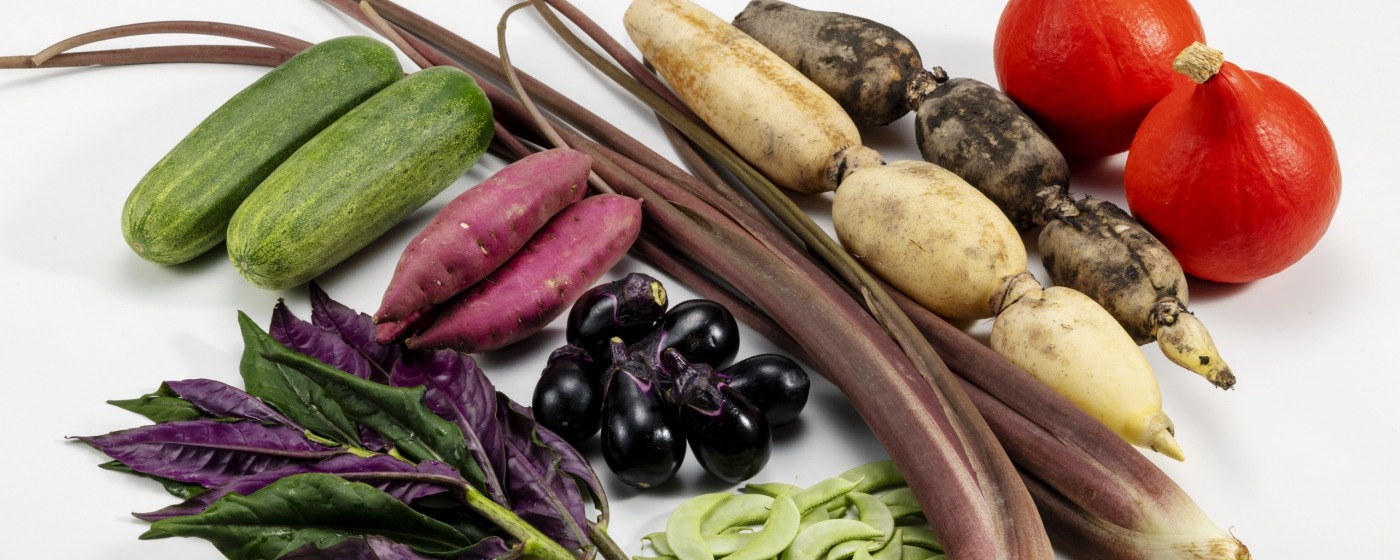
Photo courtesy of Kanazawa City Agricultural Produce Branding Association
▶What Are Kaga Vegetables?
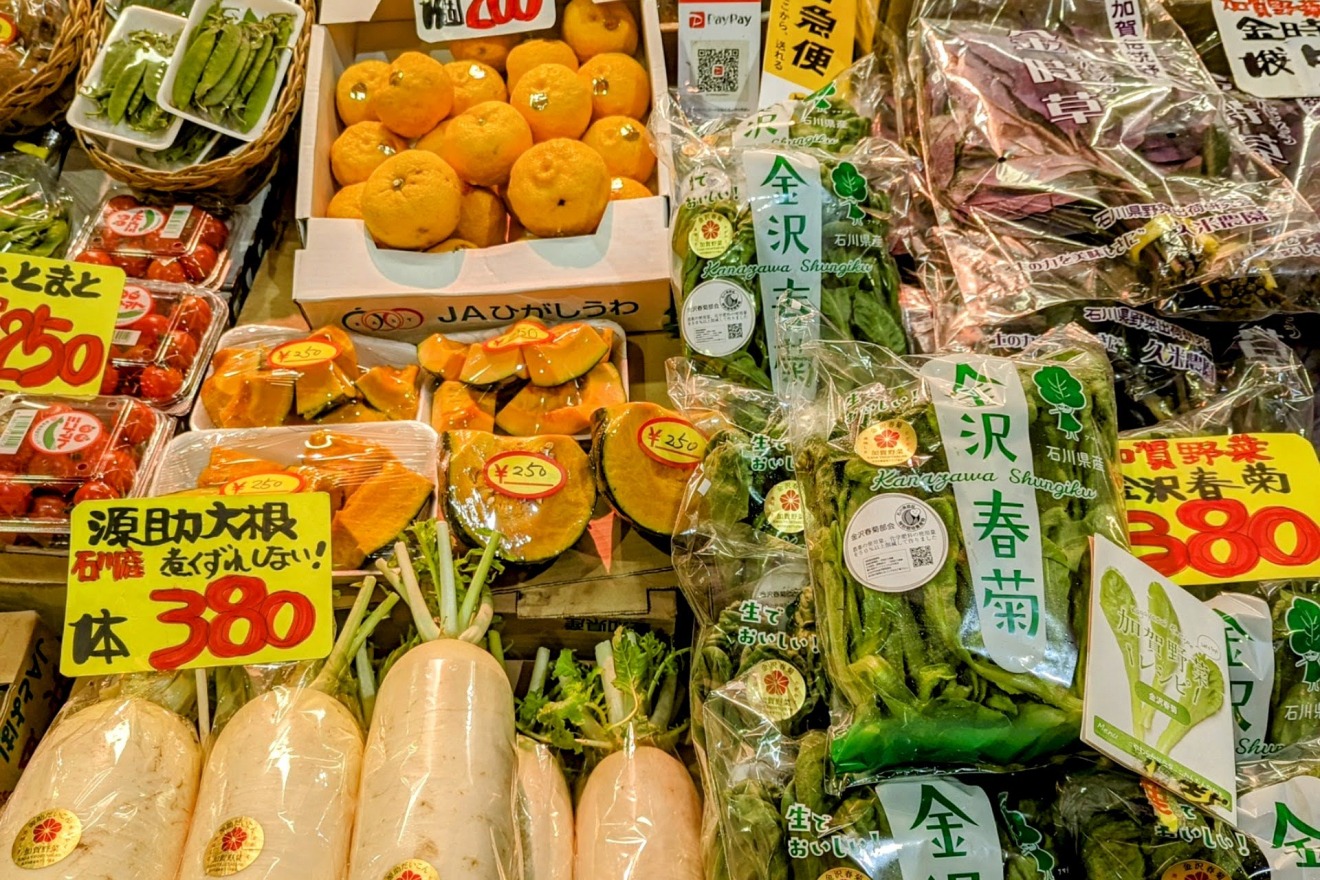
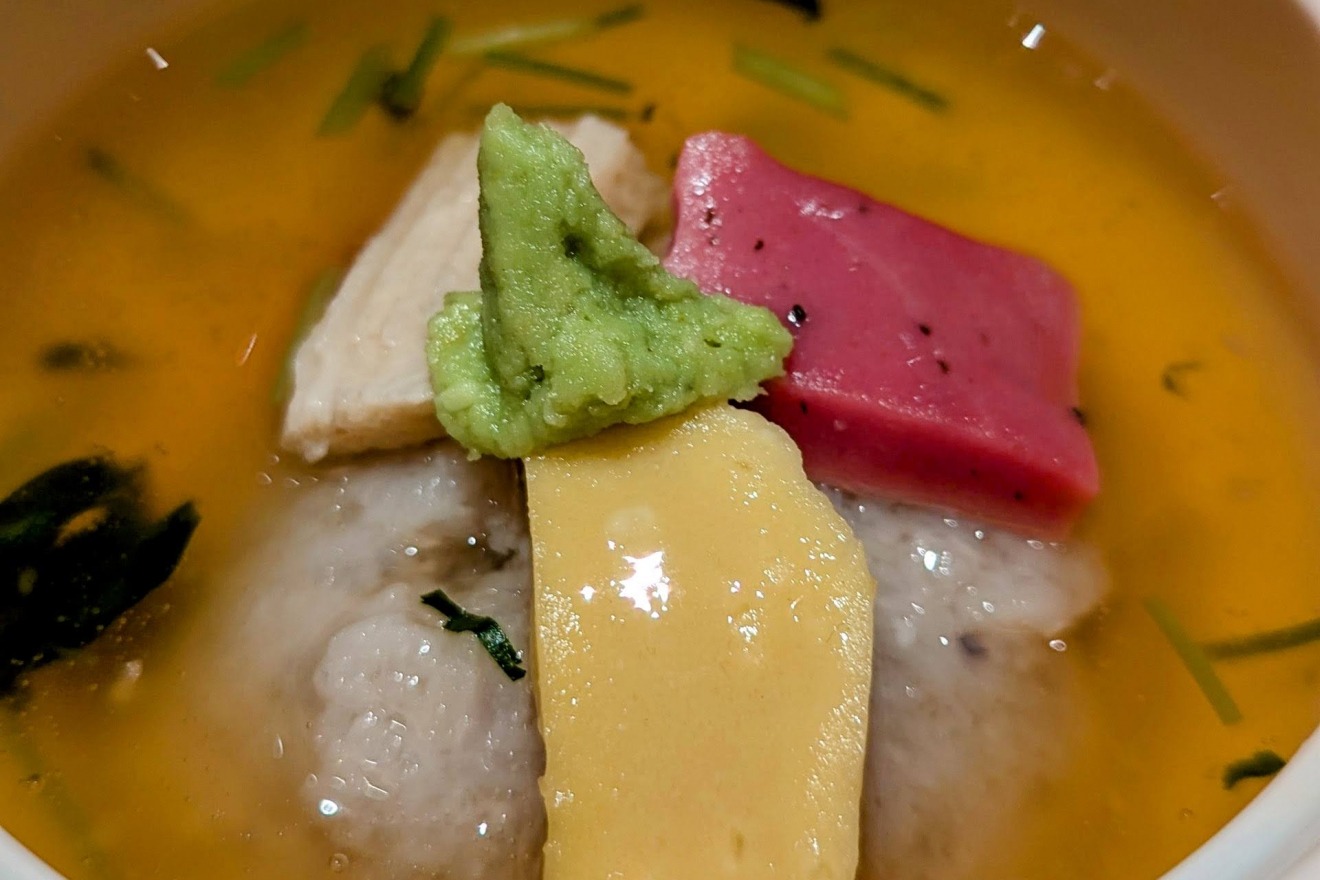
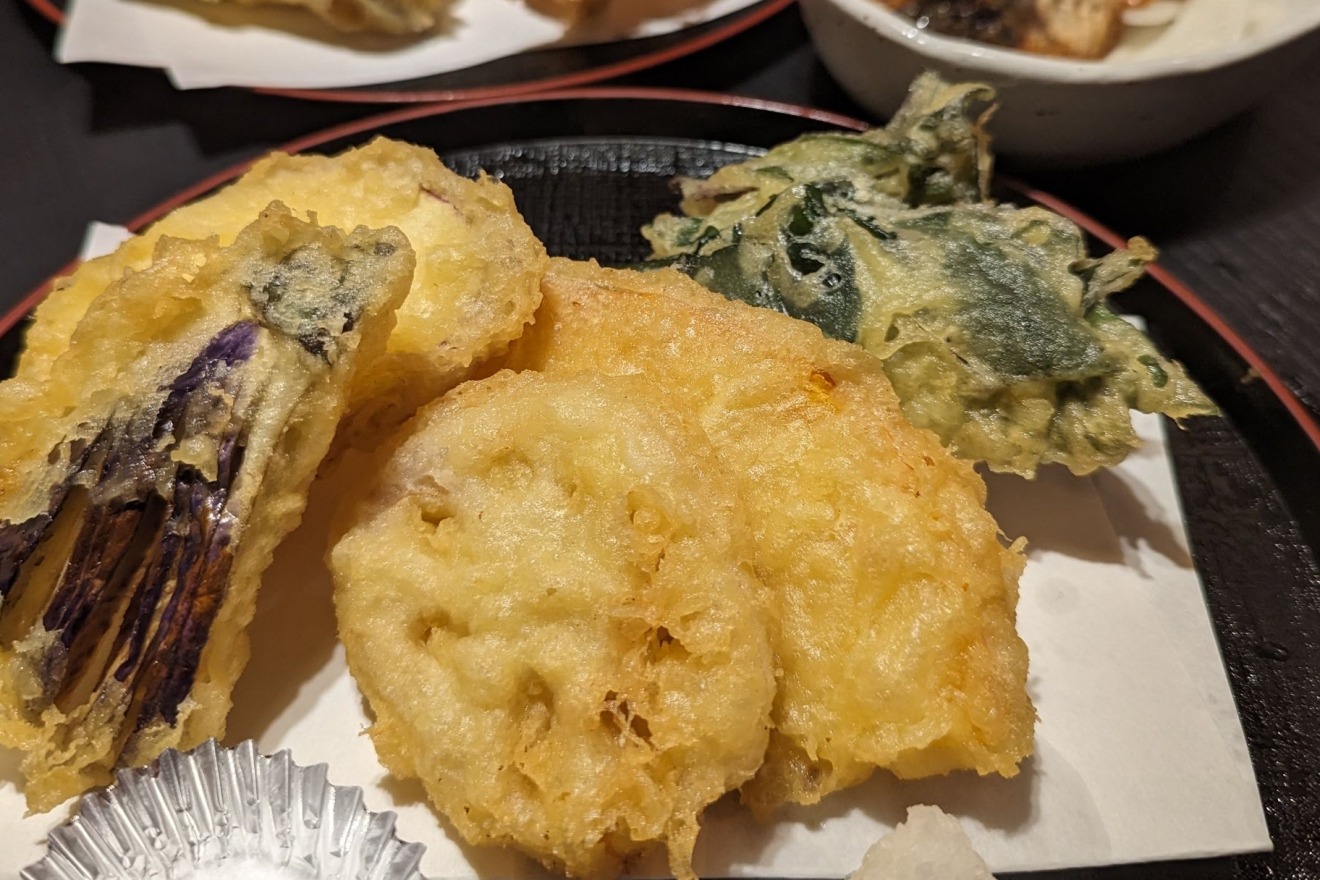
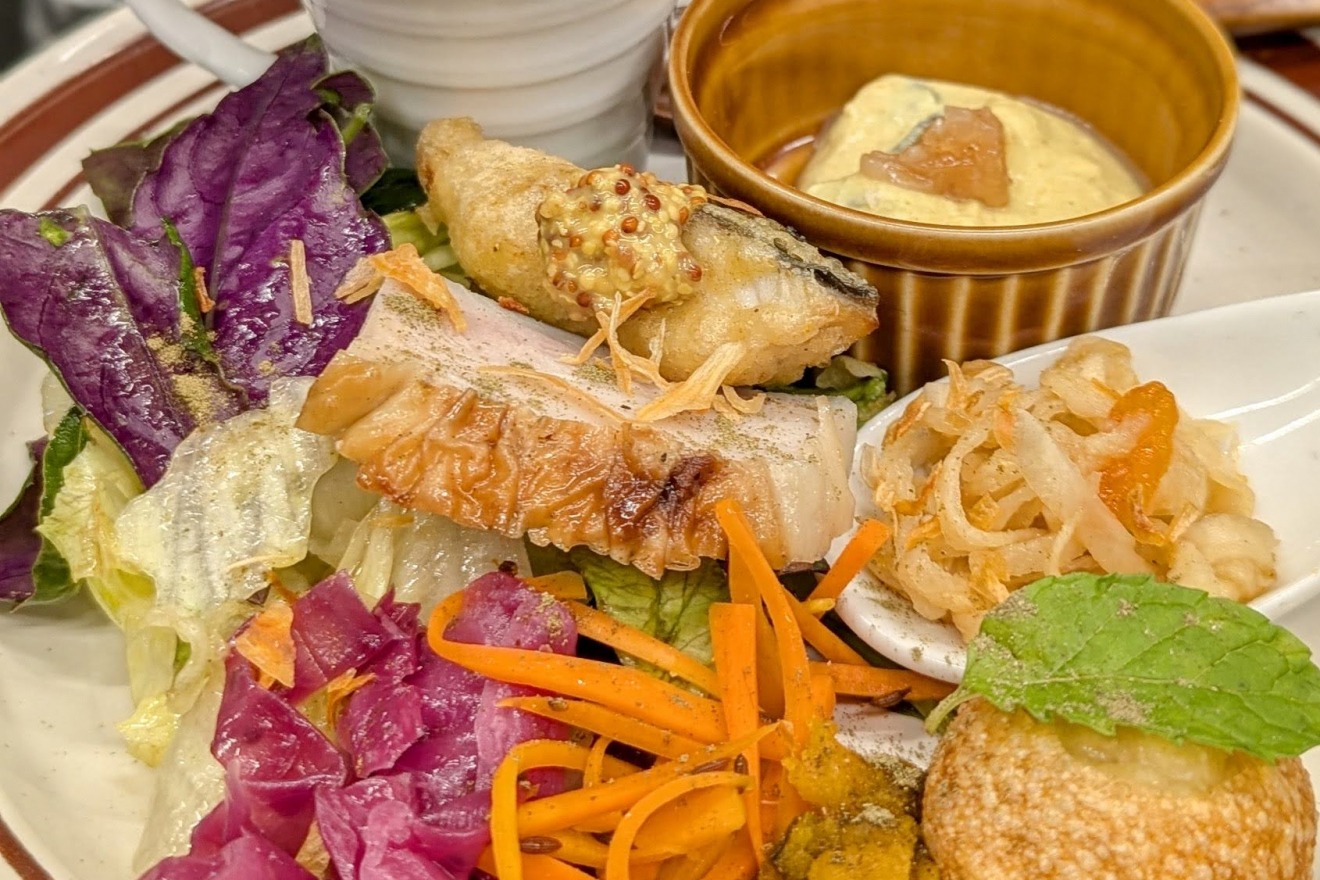
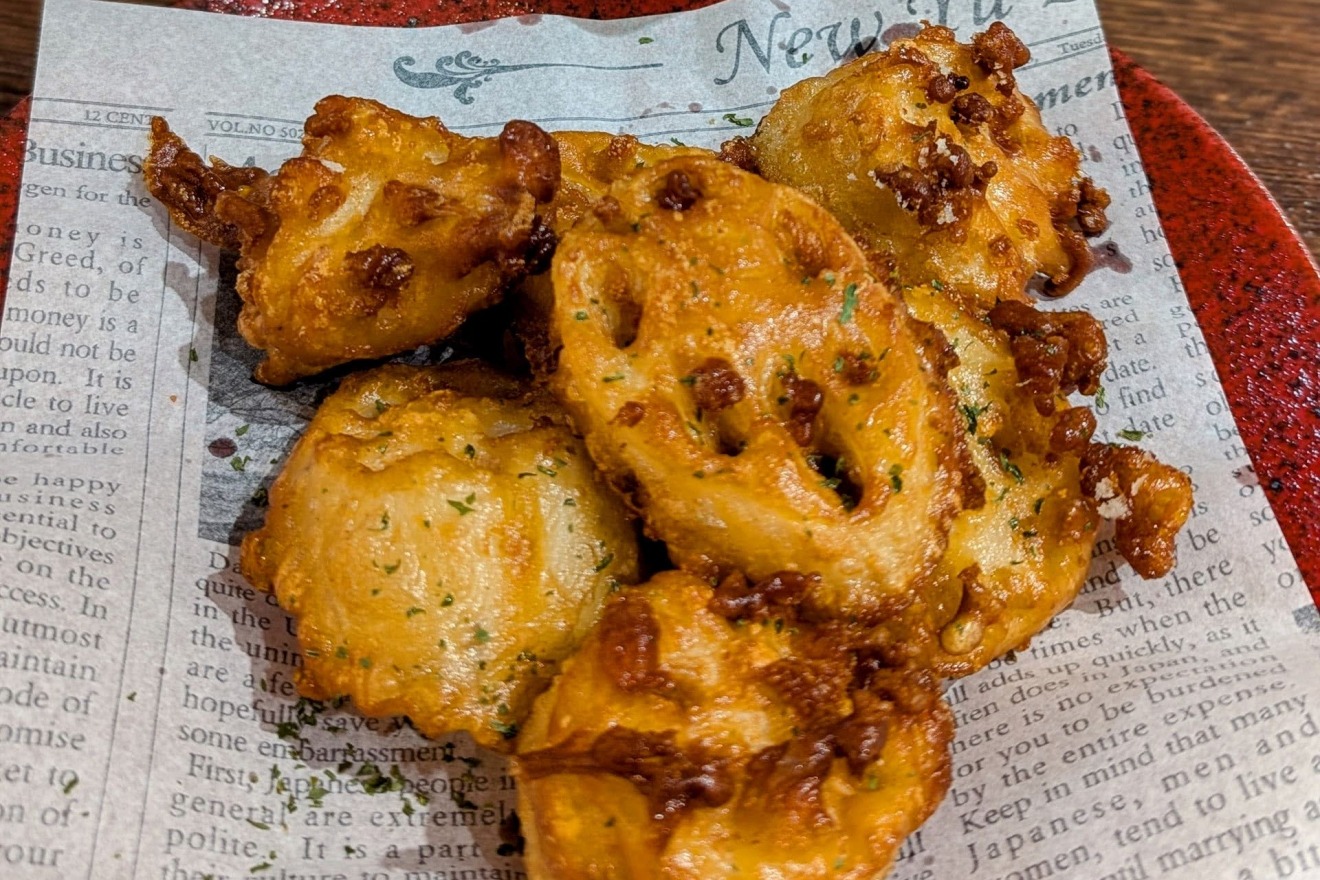
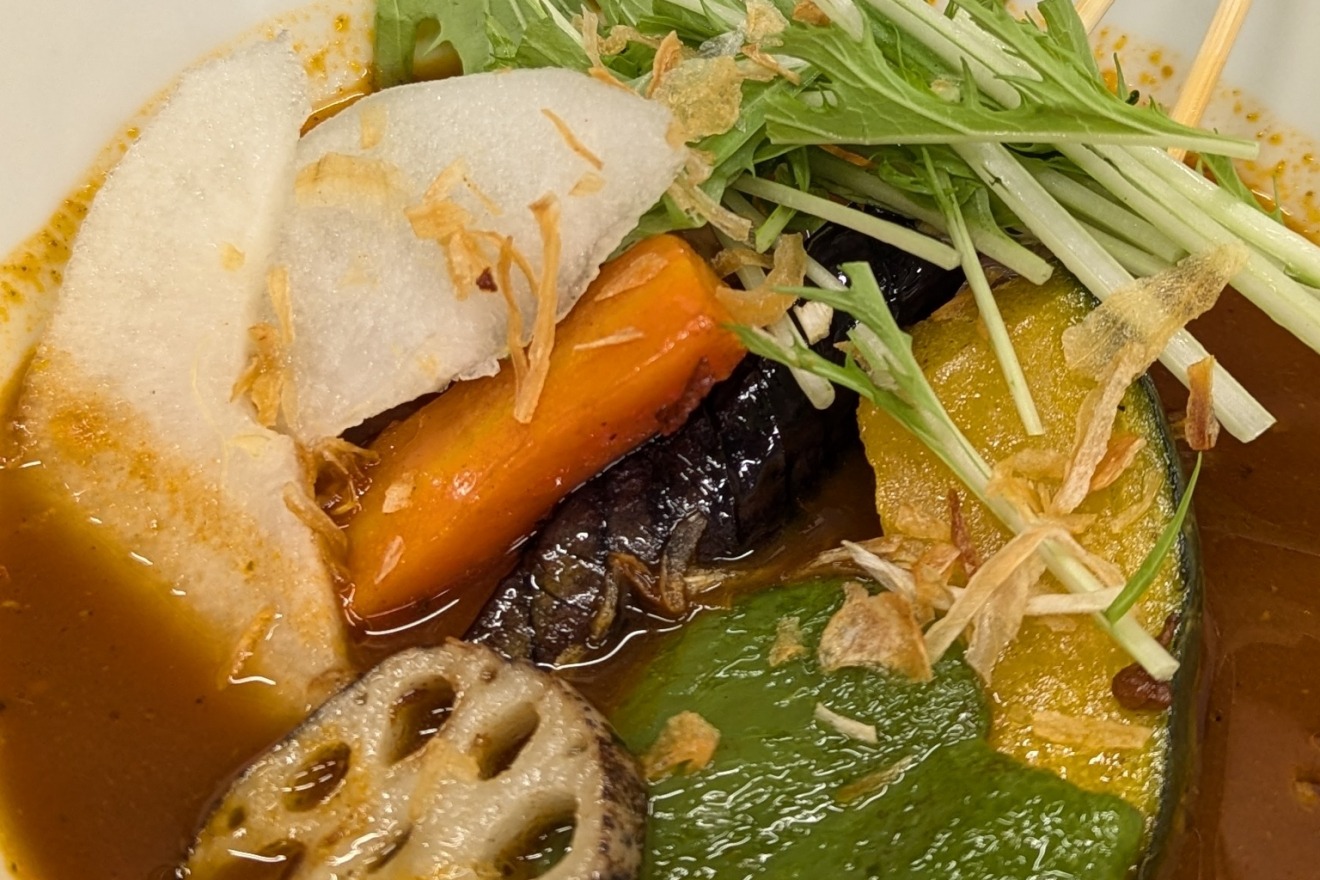
“Kaga Yasai” (Kaga Vegetables) refers to a group of 15 traditional vegetables officially recognized by Kanazawa City.
Many of them have been cultivated since the Edo period (17th–19th centuries).
Over centuries, local farmers improved these crops to withstand Kanazawa’s harsh winters, resulting in vegetables that are not only resilient but also highly nutritious and flavorful.
Kanazawa’s climate is marked by cold, snowy winters and hot, humid summers. Vegetables grown in this environment develop unique tastes and textures that cannot be replicated elsewhere in Japan.
Enjoy Kaga Vegetables in Season
Kaga Vegetables reflect the four seasons of Kanazawa. Their seasonal flavors are often described as “works of art created by nature.”
In the city, many restaurants highlight these vegetables:
Traditional ryotei (Japanese long-established restaurants): Serving authentic Kaga cuisine prepared with time-honored techniques.
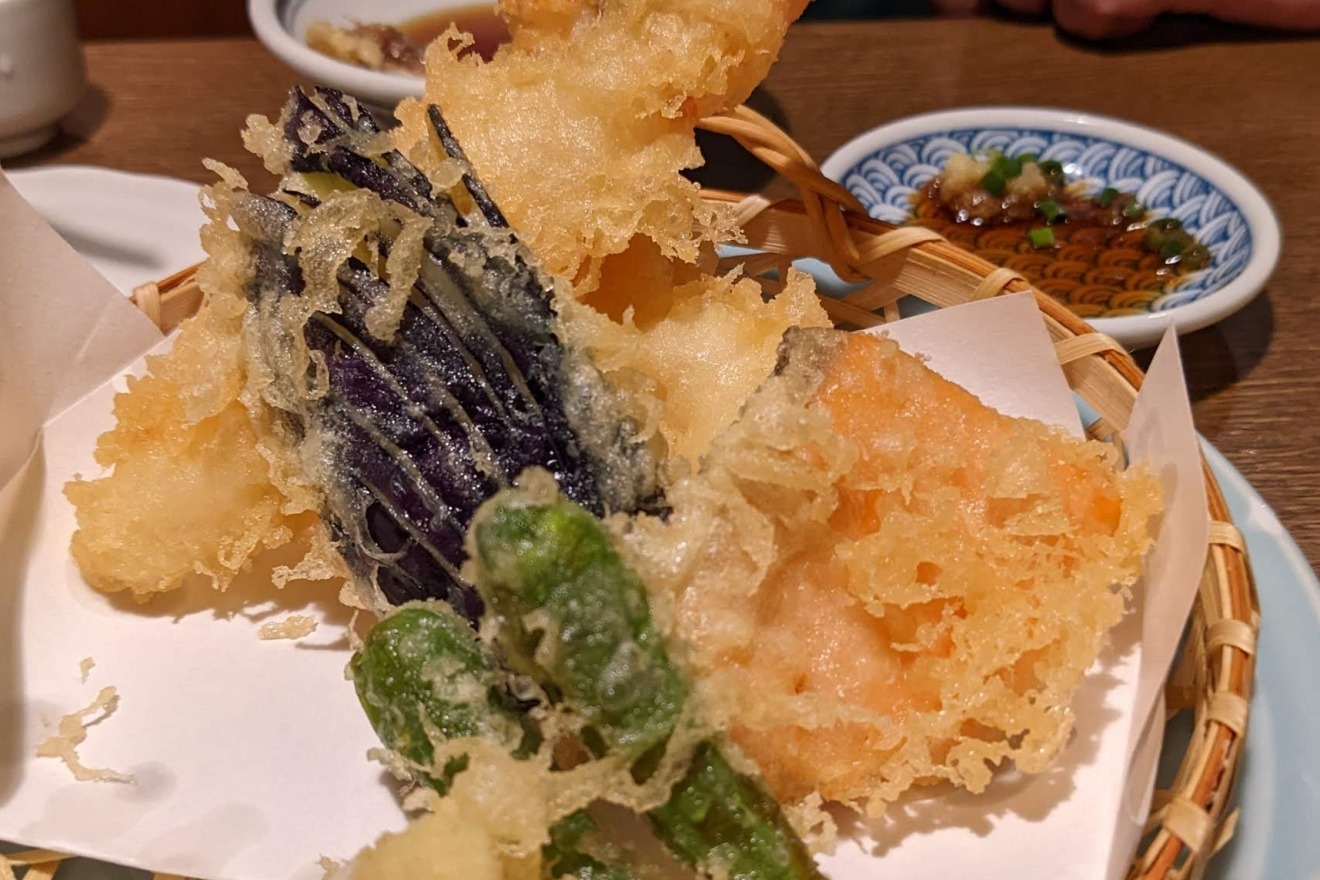
Casual restaurants and izakaya (Japanese pubs): Offering approachable dishes featuring Kaga Vegetables such as tempura, salads, and simmered dishes.
When visiting Kanazawa, make sure to try these seasonal specialties for a truly local experience.
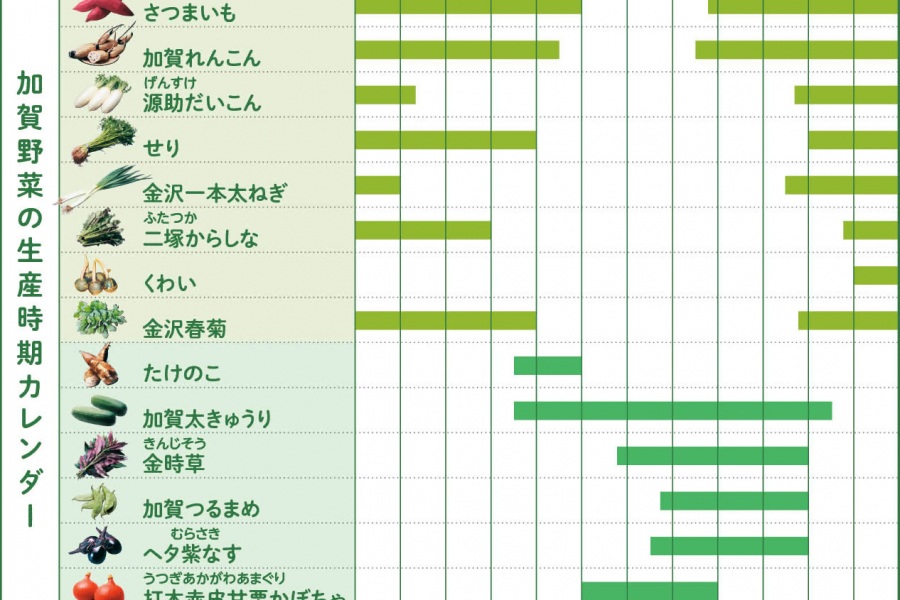
▶Examples of Kaga Vegetables
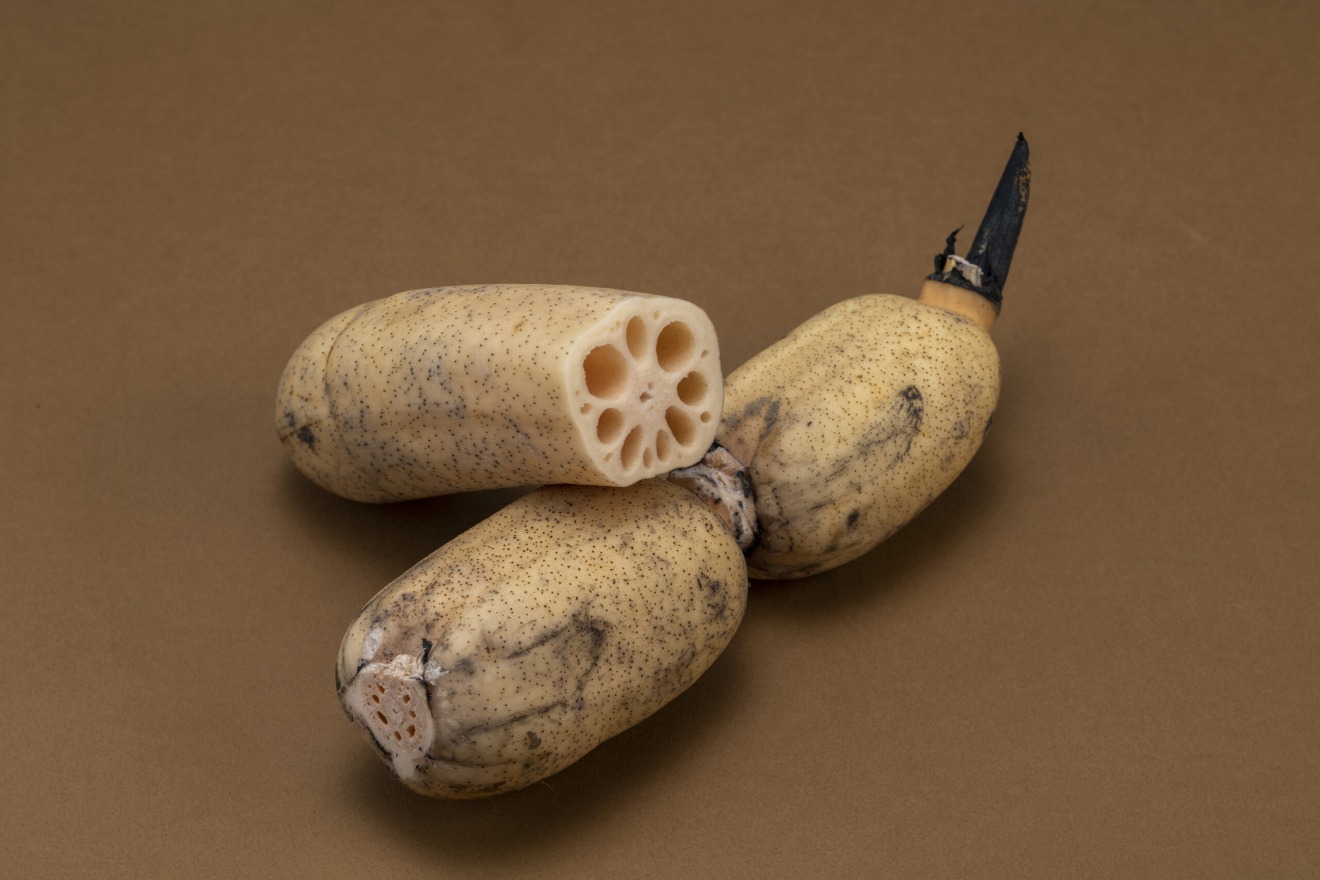
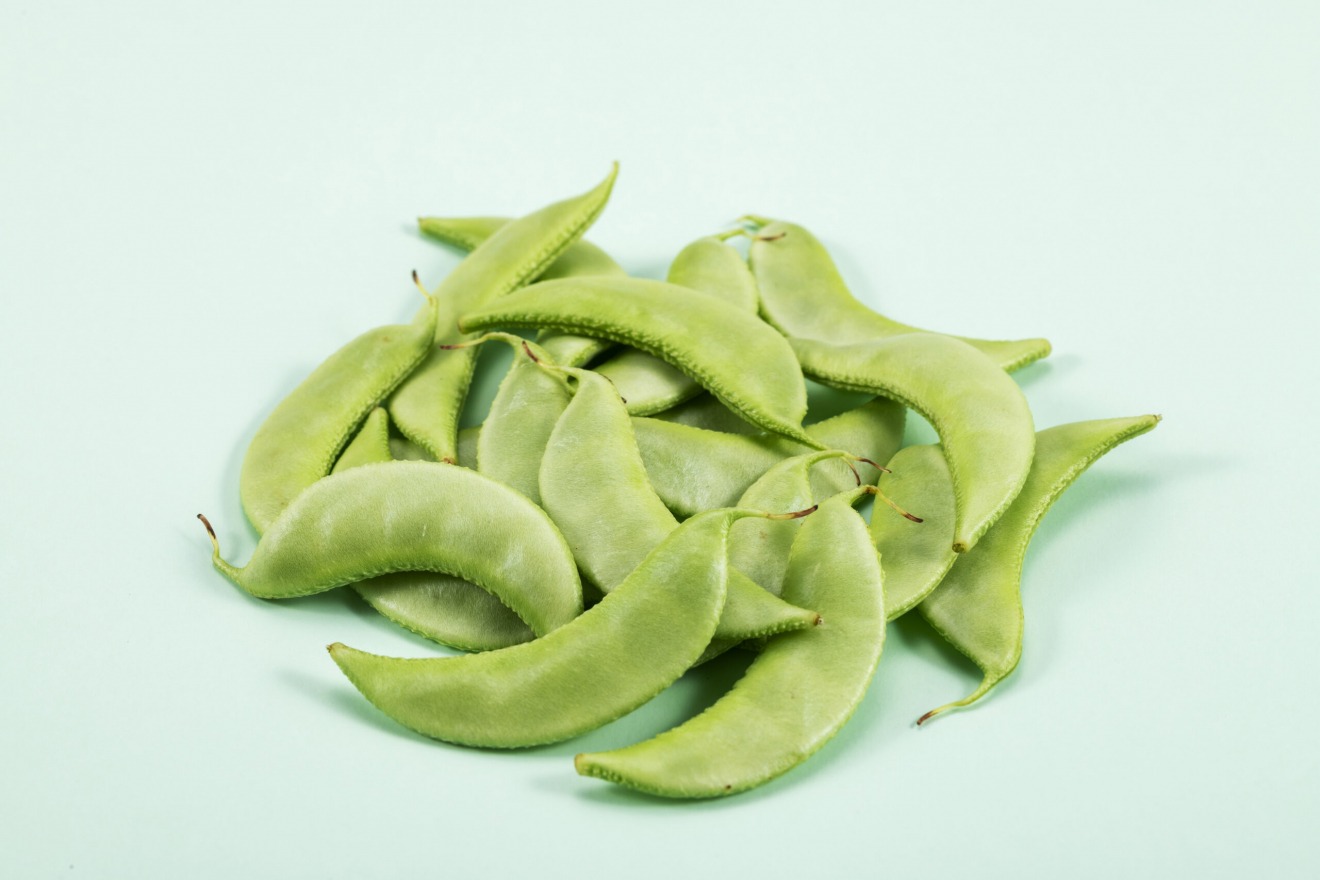
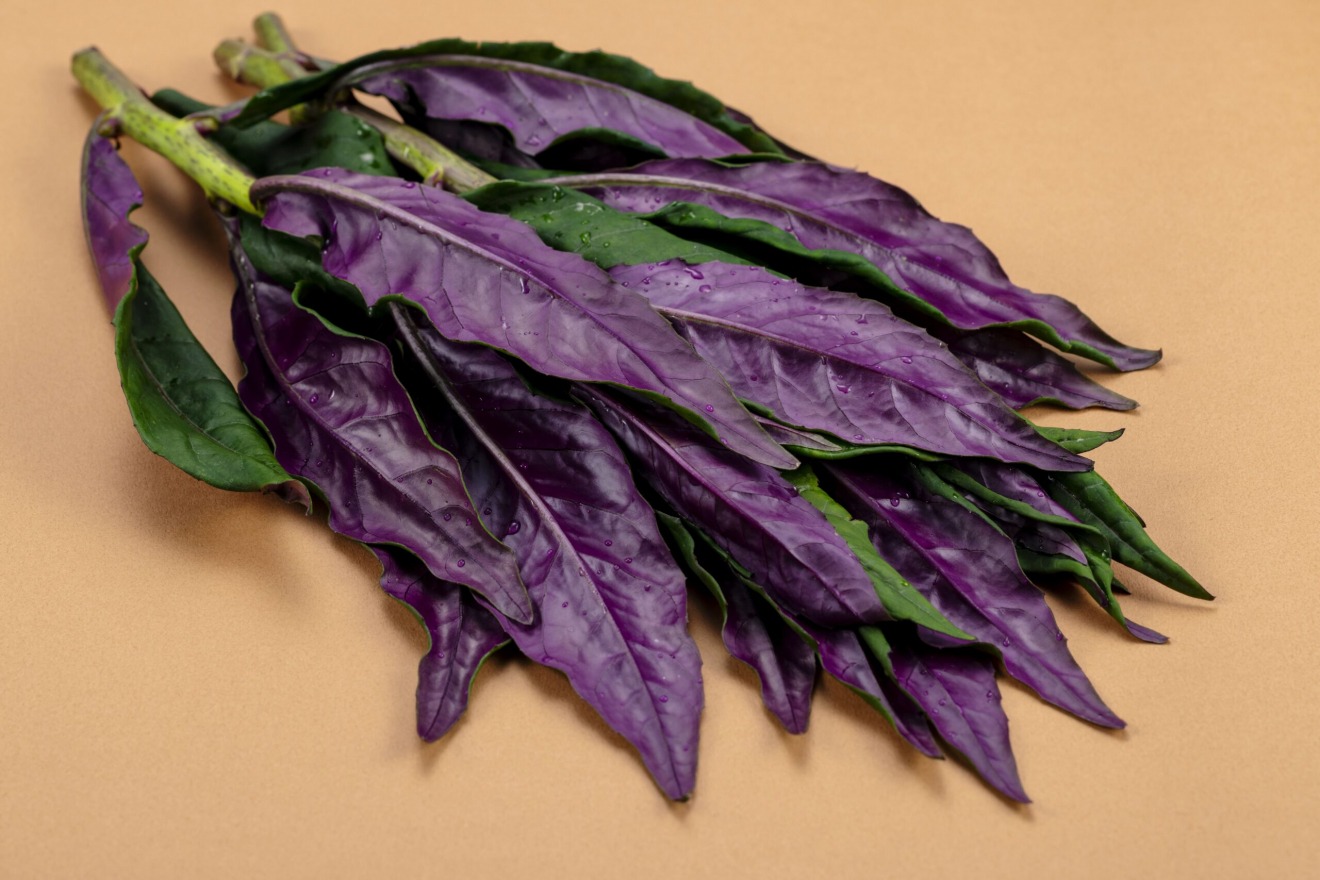
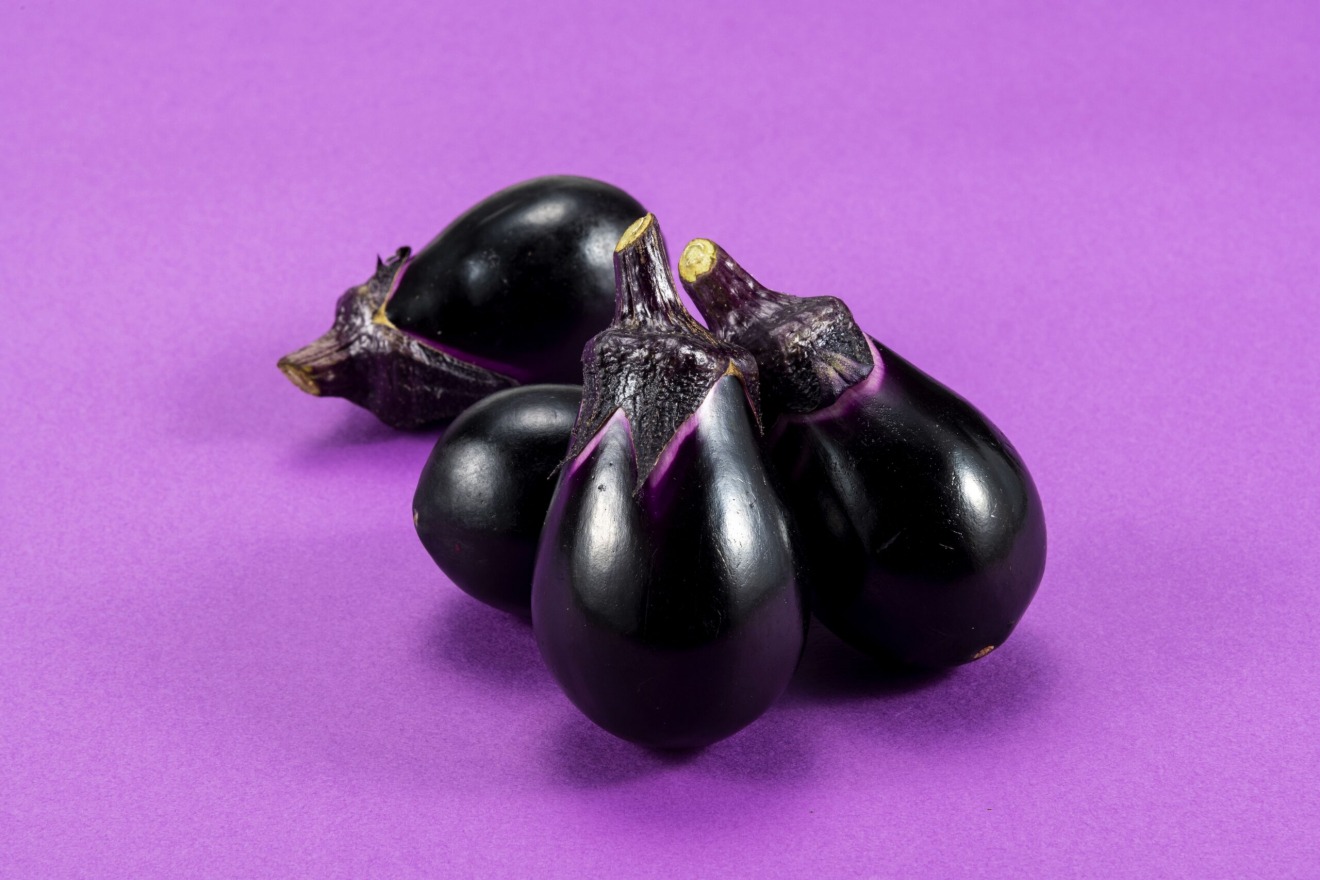
Currently, 15 varieties of vegetables are officially certified as Kaga Yasai (Kaga Vegetables).
Their appeal lies in their diversity and in the unique flavors and textures that each variety offers.
◆Kinjiso (Okinawan Spinach)
A type of leafy vegetable related to Malabar spinach, grown in the Kaga region from spring to autumn.
Its leaves are green on the top and purple underneath, and they develop a slightly sticky texture when boiled.
The stems are tender, while the leaves have a mild sweetness. Commonly eaten as boiled greens (ohitashi), salads, or tempura. Lightly fried Kinjiso tempura is especially popular for its crispy texture and enhanced aroma.
Popular dishes: Tempura, vinegared side dishes (sunomono)
Season: Available year-round
Main production area: Hanazono District
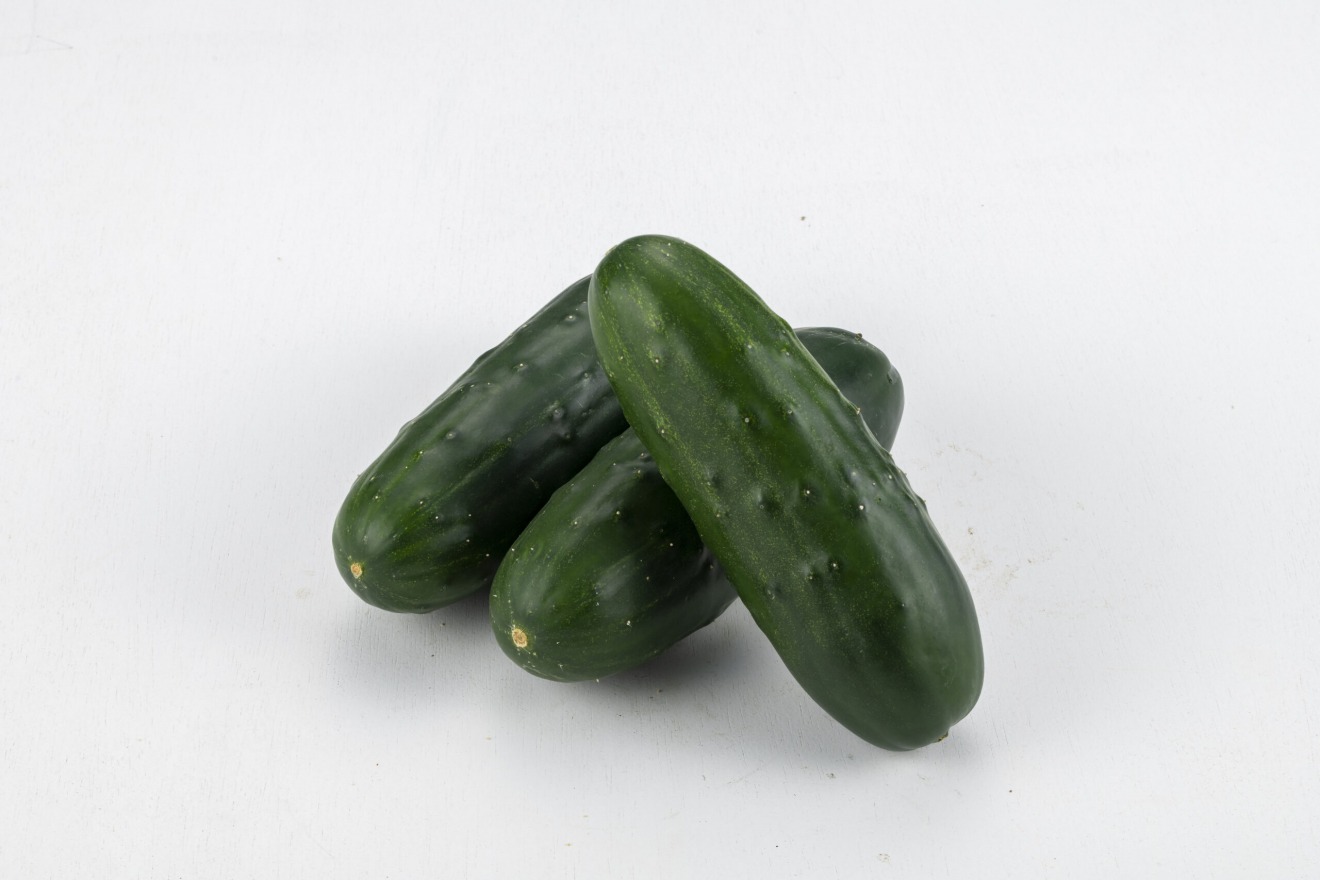
◆Kaga Futokyuri (Big Cucumbers)
About 5–6 times larger than a standard cucumber. Thick, juicy flesh with a pleasantly crisp bite.
It is ideal for simmered dishes with thickened sauces, vinegared salads, or fresh in a green salad. Also enjoyed as pickles.
Popular dishes: Simmered dishes, vinegared side dishes (sunomono)
Season: April–November
Main production area: Yasuhara District
◆Kaga Renkon (Lotus Roots)
A traditional lotus root cultivated in Kanazawa’s wetlands. Its short segments and firm, starchy flesh give it a crunchy yet sticky texture and natural sweetness. Harvested from summer until the following spring.
A signature dish is Hasumushi: grated lotus root steamed with fish or shrimp, creating a delicate, mochi-like consistency without the need for binding flour.
Popular dishes: Tempura, Hasumushi (steamed grated lotus root)
Season: August–May
Main production areas: Kosaka, Kahokugata Districts
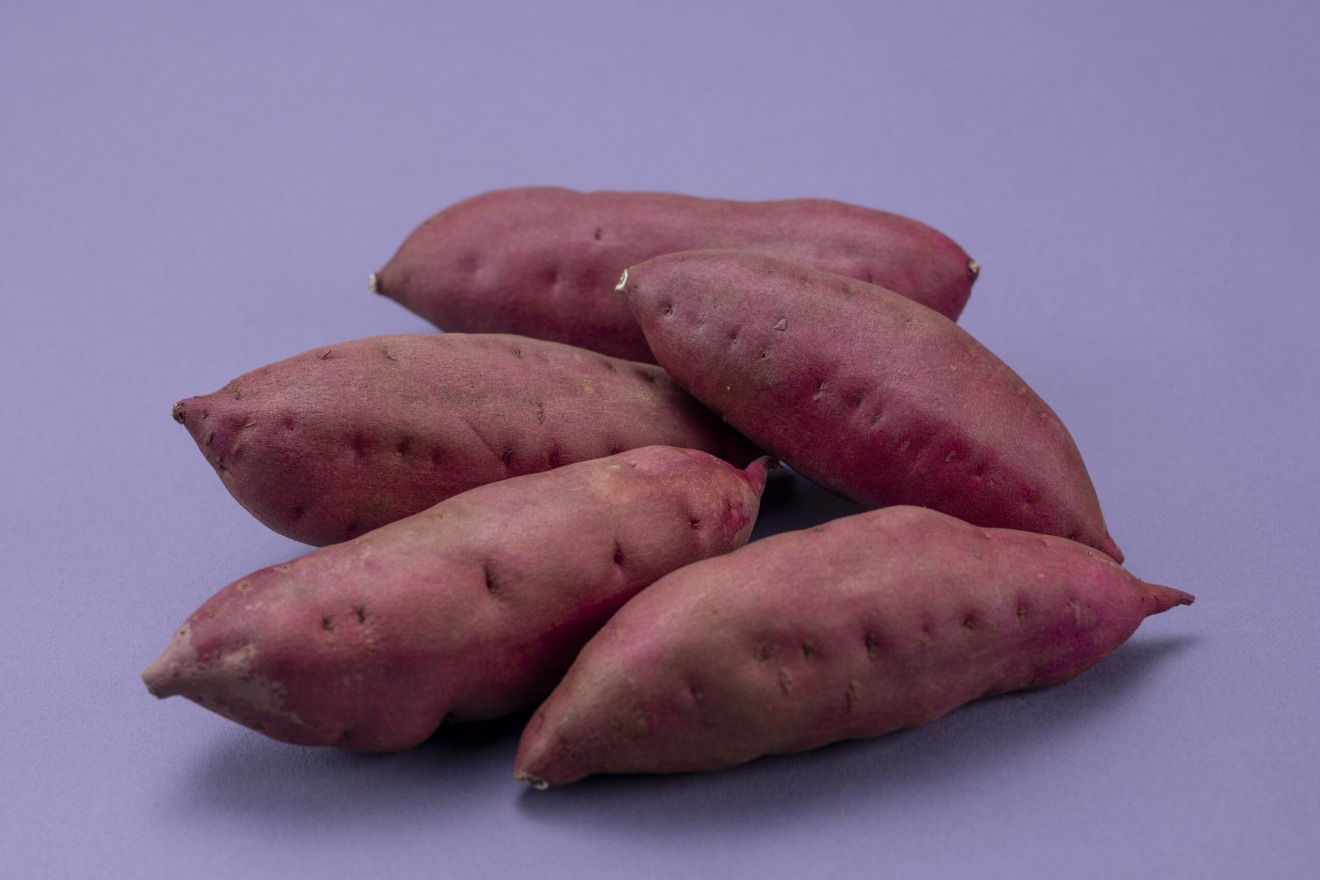
◆Satsumaimo (Sweet Potato)
Compared with other sweet potatoes, these have fewer fibers, stronger sweetness, and a moist, rich texture.
Baked Gorōjima sweet potatoes (yaki-imo) are a beloved winter snack in Kanazawa.
They are also widely used in sweets such as Mont Blanc, pies, and puddings, available at cafés and souvenir shops in the city.
Popular dishes: Tempura, sweets
Season: August–May
Main production areas: Gorōjima, Awagasaki, Ōno, Daitoku Districts
◆Takenoko (Bamboo Shoots)
A symbol of spring, known for their tender texture and natural sweetness. Enjoyed in rice dishes, tempura, soups, or as boiled greens.
Popular dishes: Bamboo shoot rice, tempura, soups, boiled side dishes
Season: April–May
Main production areas: Uchikawa, Togashi Districts
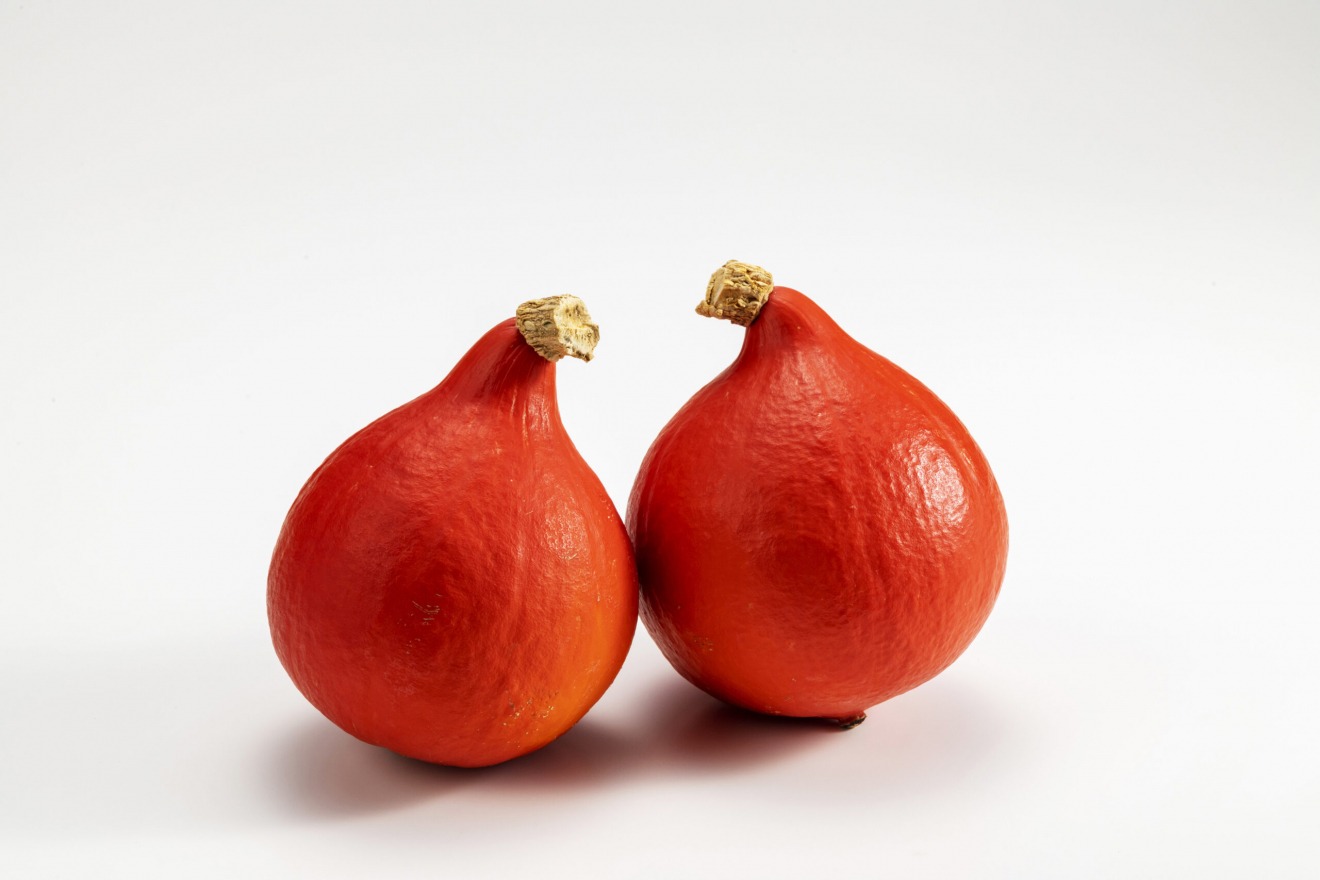
◆Utsugi Akagawa Amaguri Kabocha (Utsugi Red-skinned Sweet Chestnut Pumpkins)
Cultivated mainly in the Utsugi district of Kanazawa. As its name suggests, it has bright red skin and a sweet, chestnut-like flavor. The flesh is rich, sweet, and smooth. Its peak season is autumn to winter, perfect for both savory dishes and desserts.
Popular dishes: Simmered pumpkin, tempura, puddings, cakes
Season: June–August (best enjoyed in autumn–winter)
Main production area: Yasuhara District
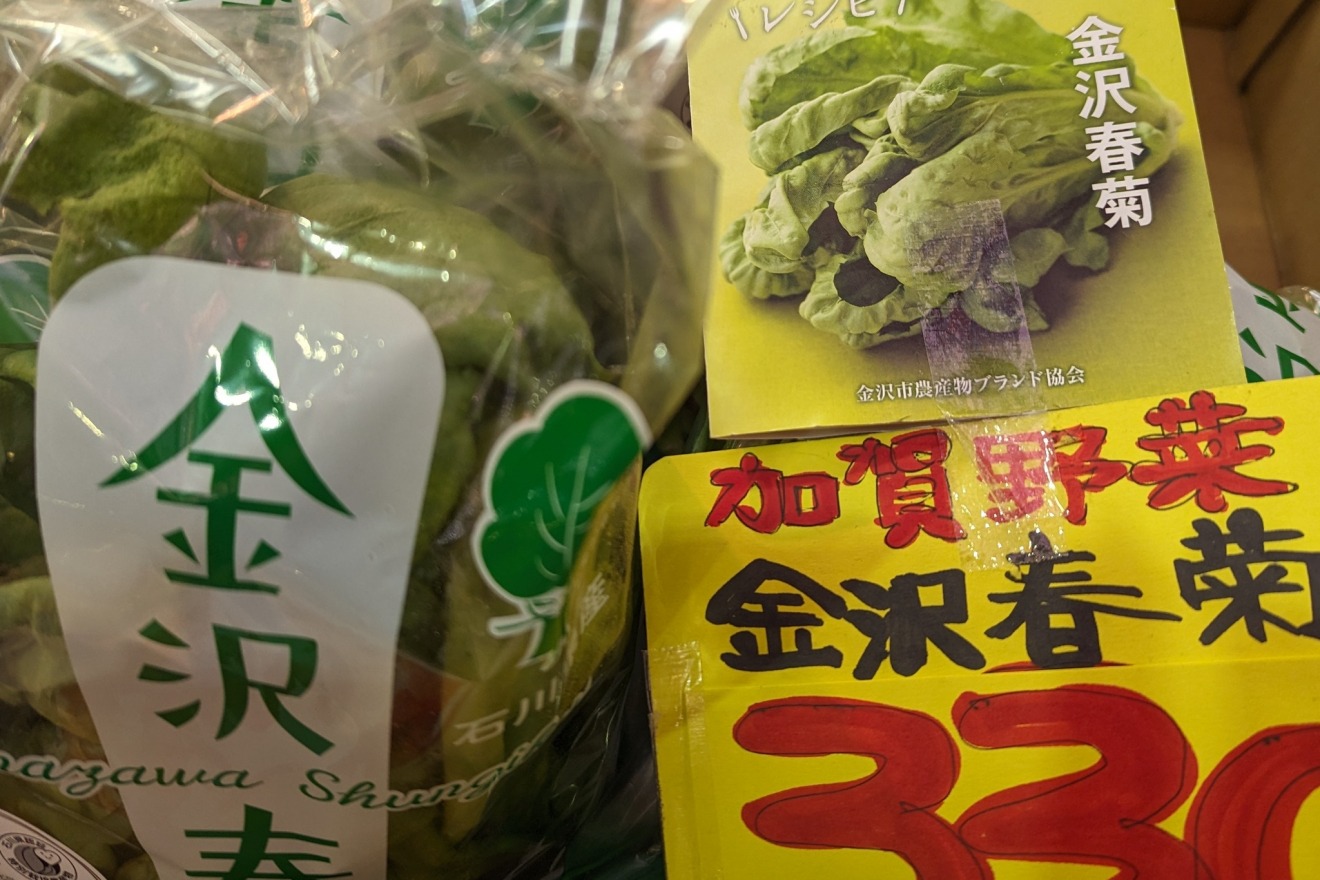
◆Kanazawa Shungiku (Chrysanthemum Greens)
A winter specialty of Kanazawa, grown in the cold winds that enhance its sweetness. Unlike common shungiku, Kanazawa’s variety has a milder flavor, making it enjoyable raw in salads as well as in hotpot dishes.
Popular dishes: Salads, hotpots, dressed dishes (shira-ae)
Season: October–April
Main production areas: Minma, Morimoto, Kosaka, Higashi-Asakawa Districts
◆Gensuke Daikon (Japanese White Radishes)
A daikon radish variety with dense, fine flesh and notable sweetness. Smaller and thinner-skinned than ordinary daikon. Winter harvests are especially tender and flavorful. It holds its shape well when simmered, making it ideal for hotpots and oden.
Popular dishes: Oden, simmered dishes
Season: October–February
Main production area: Yasuhara District
◆Heta Murasaki Nasu (Eggplants)
Small eggplants with thin, tender purple skin and distinctively purple stems. The flesh is firm but softens beautifully when grilled, simmered, or fried.
Popular dishes: Tempura, simmered dishes, quick pickles
Season: June–October
Main production area: Sakiura District
◆Kaga Tsurumame (Wild Soybeans)
Known locally as “Daramame,” this bean has long, slightly large pods with soft skin and large, flavorful seeds. It has a sweet taste and a pleasantly fluffy texture. Commonly eaten as tempura, simmered dishes, or stir-fries.
Popular dishes: Tempura, simmered dishes, stir-fries
Season: July–October
Main production area: Togashi District
▶The Role of Kaga Vegetables in Kanazawa’s Food Culture
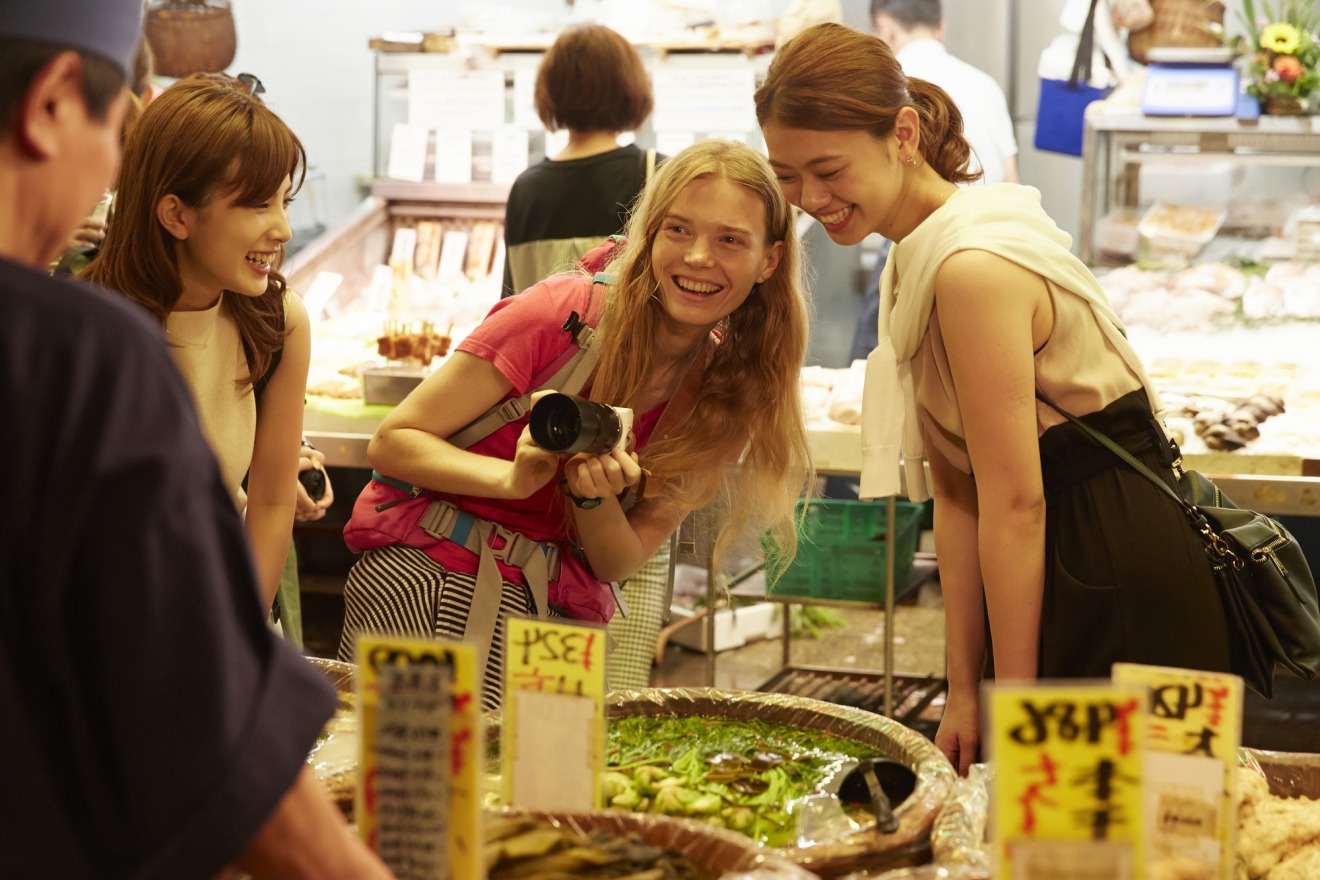
Kaga Vegetables are more than ingredients—they have shaped Kanazawa’s culinary identity in many ways:
◆Seasonal Variety: Different vegetables are harvested throughout the year, from bamboo shoots in spring to giant cucumbers in summer, lotus roots in autumn, and Gensuke daikon in winter, ensuring year-round seasonal flavors.
◆Local Cuisine: Many iconic Kanazawa dishes—such as Hasumushi (steamed lotus root), Jibuni (duck stew), and vegetable tempura—feature Kaga Vegetables as their stars.
◆Supporting the Local Economy: By consuming locally grown produce (chisan-chisho – “local production for local consumption”), Kanazawa supports its farmers, promotes regional restaurants, and strengthens its tourism industry.
◆Environmental Sustainability: Reducing transportation distances helps lower CO₂ emissions. Promoting local produce is also part of Kanazawa’s efforts toward sustainable development.
◆Food Education: Activities such as farm experiences and cooking classes help children appreciate food, nutrition, and the importance of preserving regional food culture.
A Taste of Kanazawa’s Heritage
Each Kaga Vegetable has adapted to the region’s climate and soil over generations, giving them rich flavors and high nutritional value. They are not only ingredients but also living symbols of Kanazawa’s heritage.
When you visit Kanazawa, we invite you to taste dishes made with these unique vegetables and discover the depth of the city’s culinary traditions.