MATSUO Basho in Kanazawa: Retracing His 10-Day Stay Through Historic Sites and Haiku Monuments(The Narrow Road to the Deep North)
MATSUO Basho is one of Japan’s most celebrated haiku poets. His travel diary, Oku no Hosomichi (The Narrow Road to the Deep North), is a literary masterpiece that combines travel writing, poetry, and reflections on nature and human life.
In 1689, during his famous journey through northern Japan, the poet MATSUO Basho (1644–1694) visited Kanazawa, where he stayed for nine nights over ten days, from August 29 to September 7.
Although his diary contains only a brief account of Kanazawa, the travel journal of his companion and disciple, KAWAI Sora, reveals a much richer story. During his stay, Basho met local poets almost every day and took part in several poetry gatherings.
One particularly moving episode was his discovery that KOSUGI Issho, a leading poet from Kanazawa whom he had been looking forward to meeting, had died the previous year. At a memorial poetry gathering held at Gannenji Temple, Basho composed a deeply emotional haiku in his honor.
His visit also strengthened his ties with local poets, including TACHIBANA Hokushi. These connections helped foster a regional school of poetry later known as the Kaga Shomon, which carried on Basho’s poetic tradition.
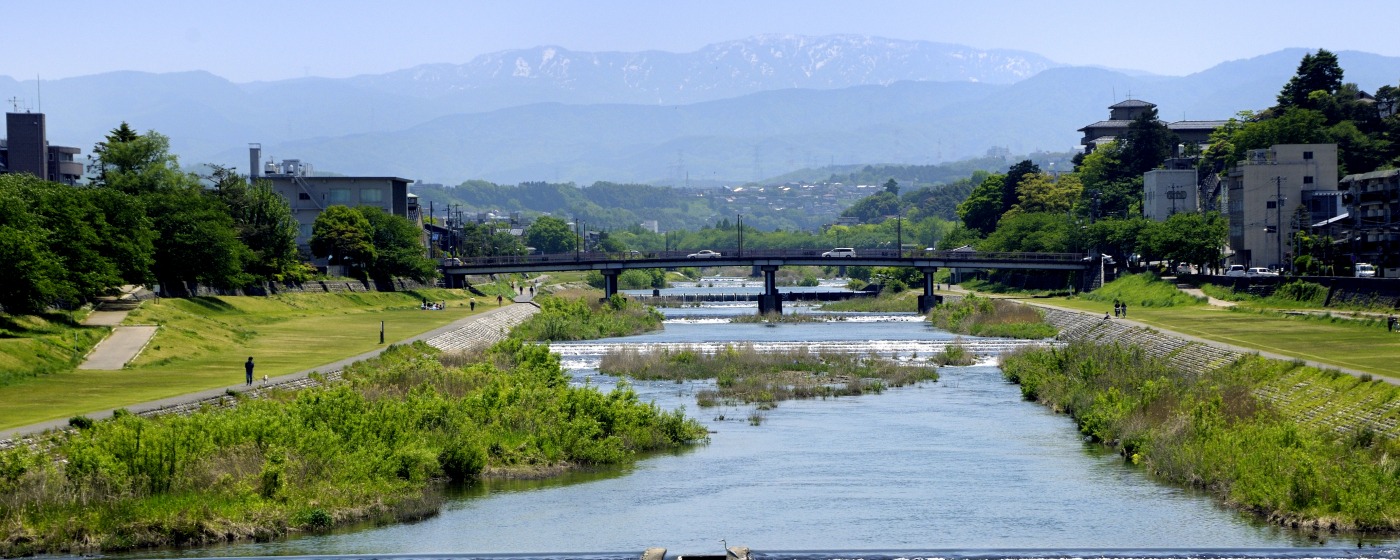
Historic Sites in Kanazawa Associated with Basho
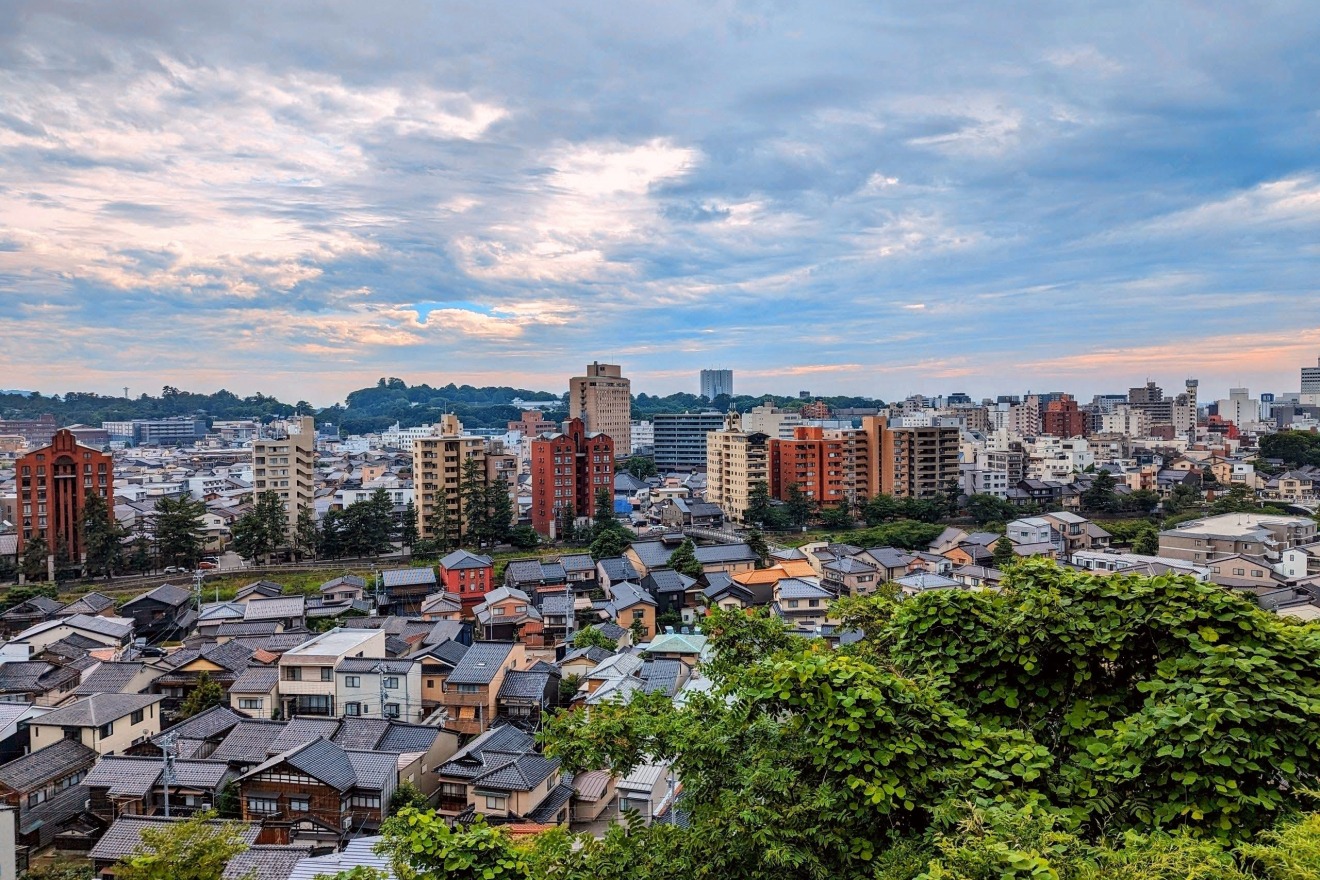
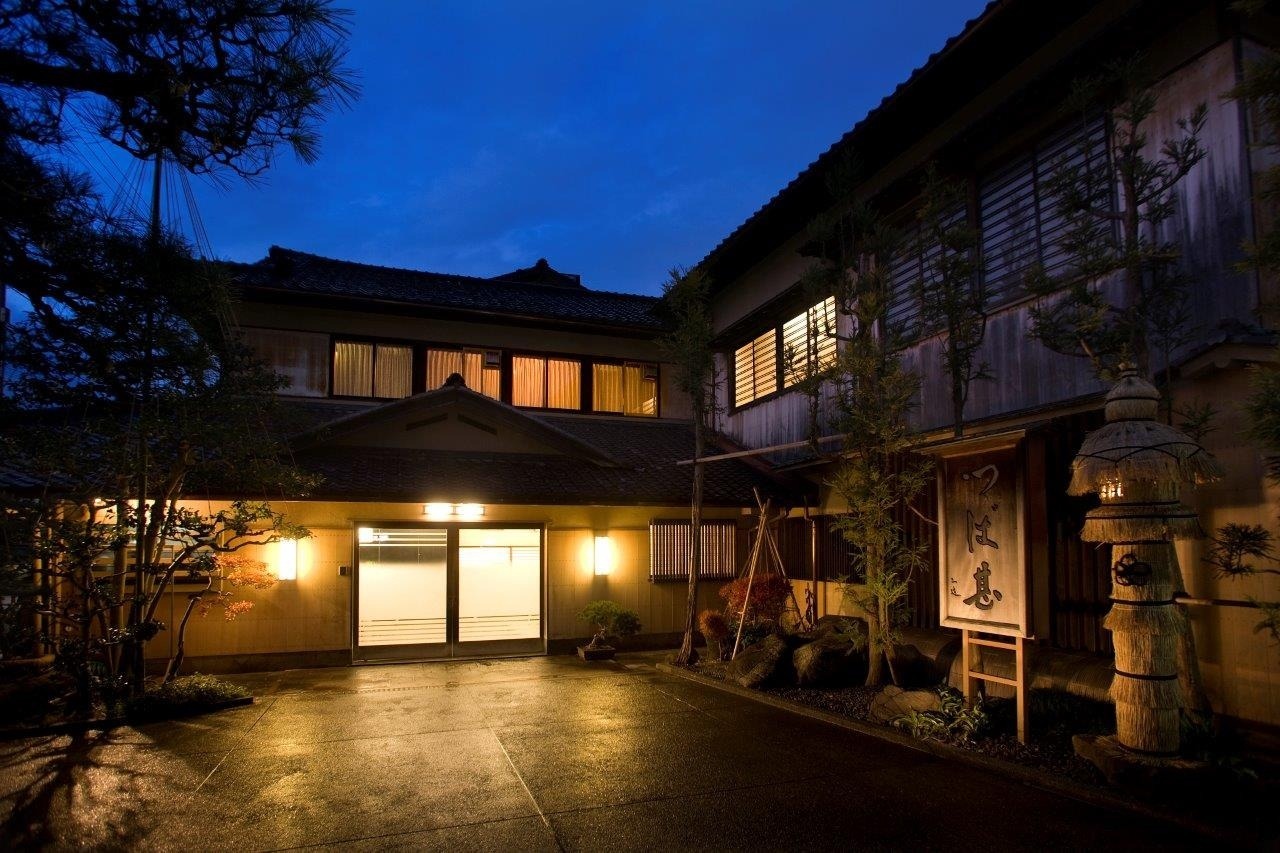
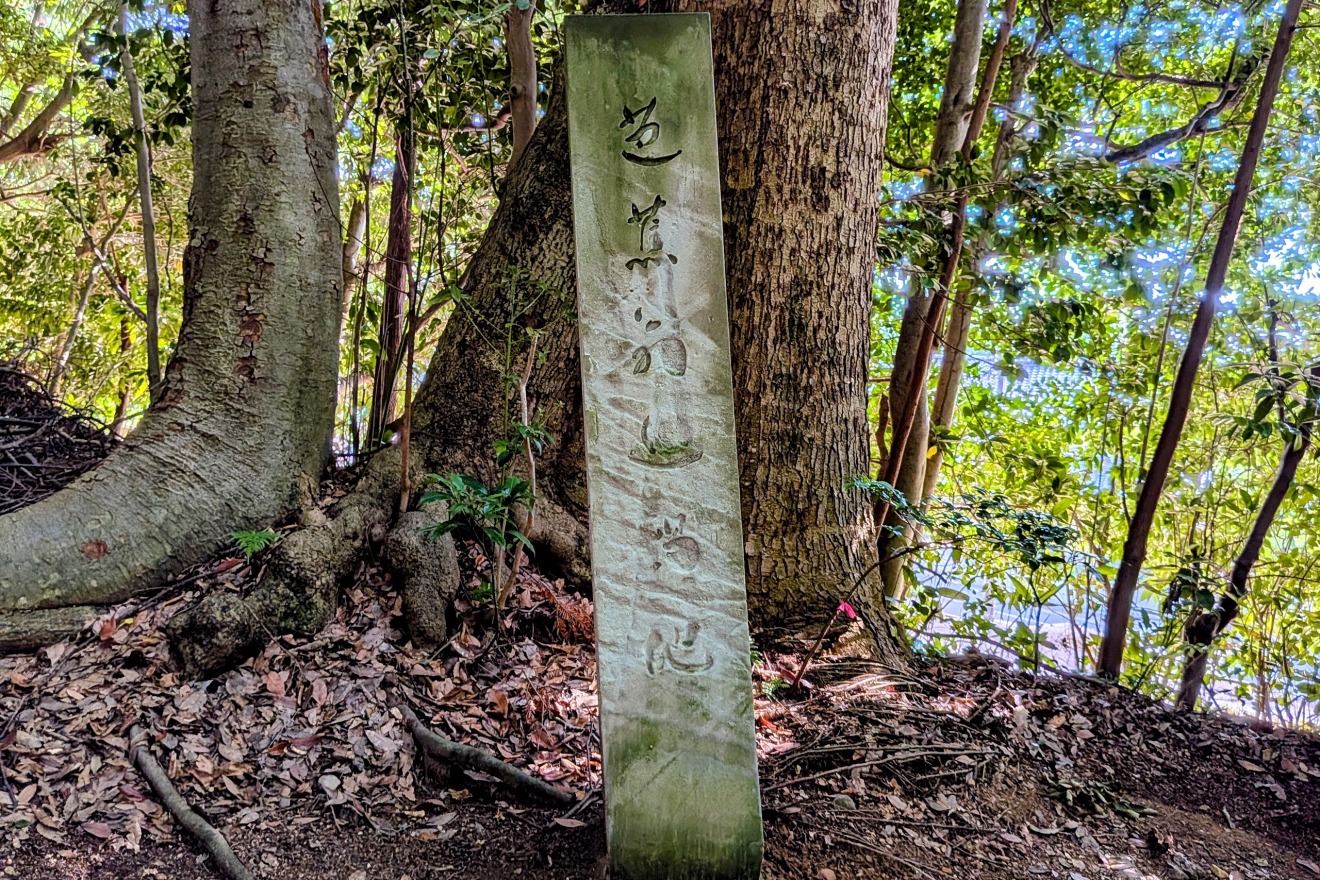
Kanazawa preserves many places associated with Basho and the poets he met. Some are historic temples and former residences, while others are sites commemorating his visits and poetry.
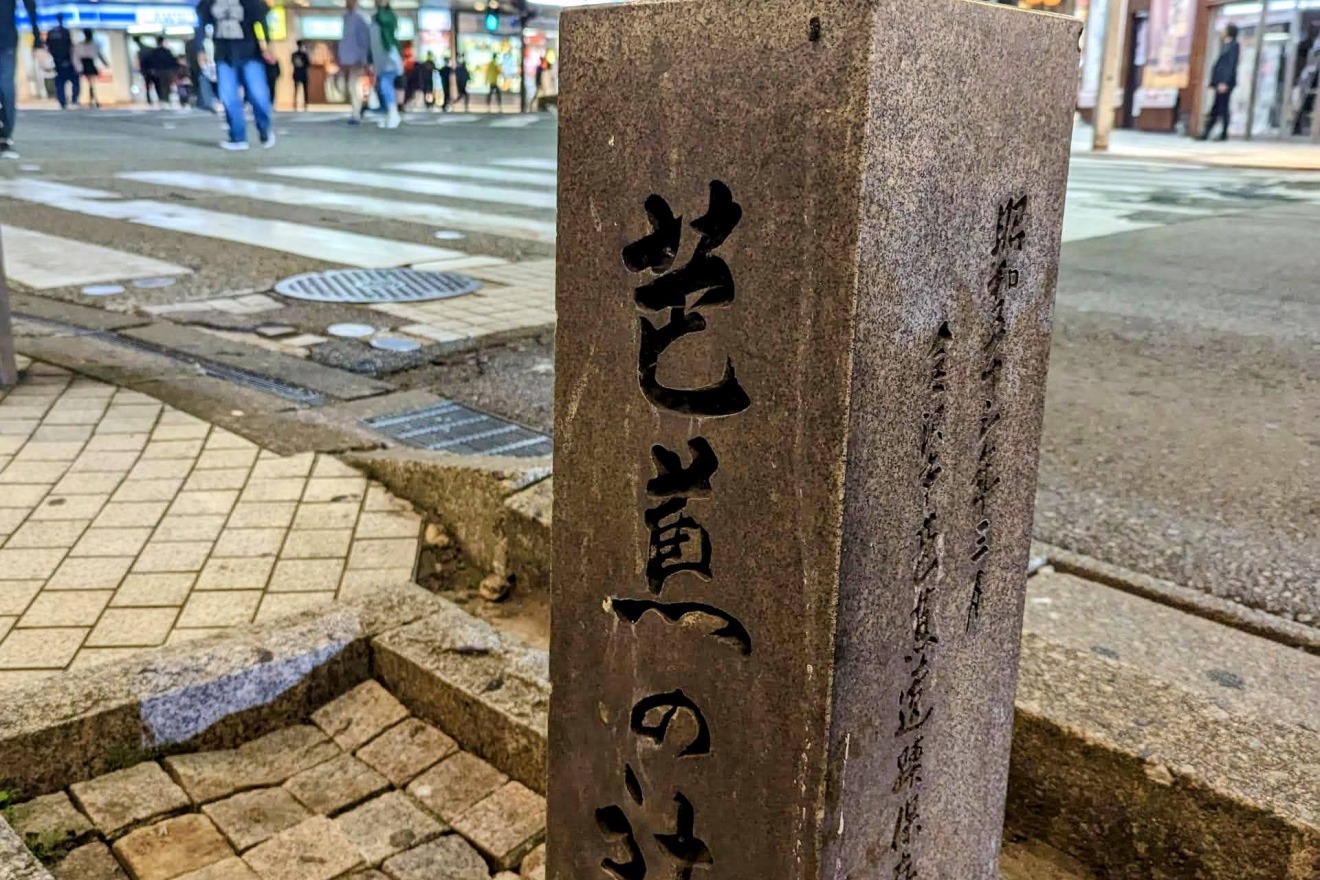
1. Basho no Tsuji – The Former Site of the MIYATAKEYA Residence
This stone marker stands near the former site of the main MIYATAKEYA residence, a merchant family dealing in traditional herbal medicines.
During his nine-night stay in Kanazawa, Basho spent eight nights at two nearby residences belonging to the MIYATAKEYA family: the main residence and its branch, which operated as an inn for travelers.
The area is now a busy intersection in the Katamachi district. Standing here, visitors can imagine what the city was like more than 340 years ago.
Location: 2-2-15 Katamachi
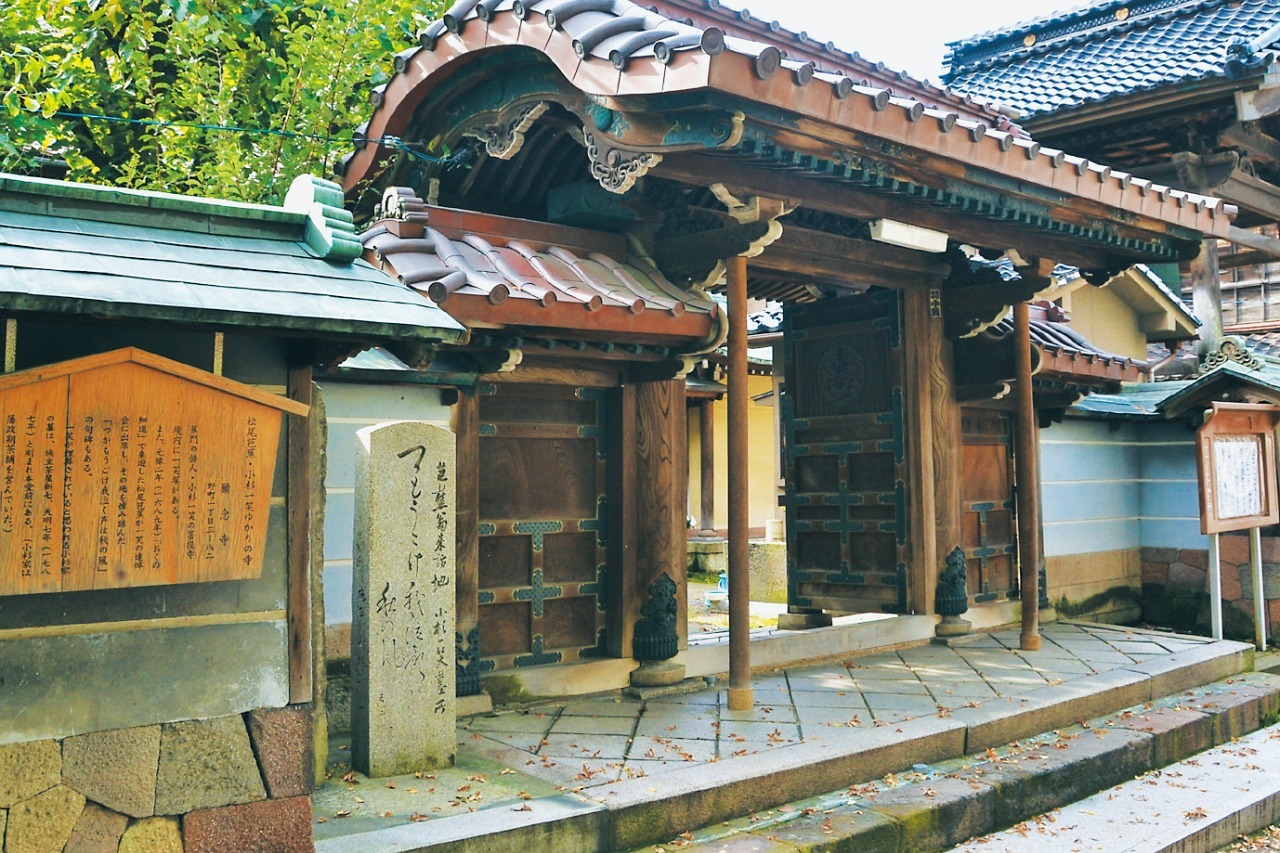
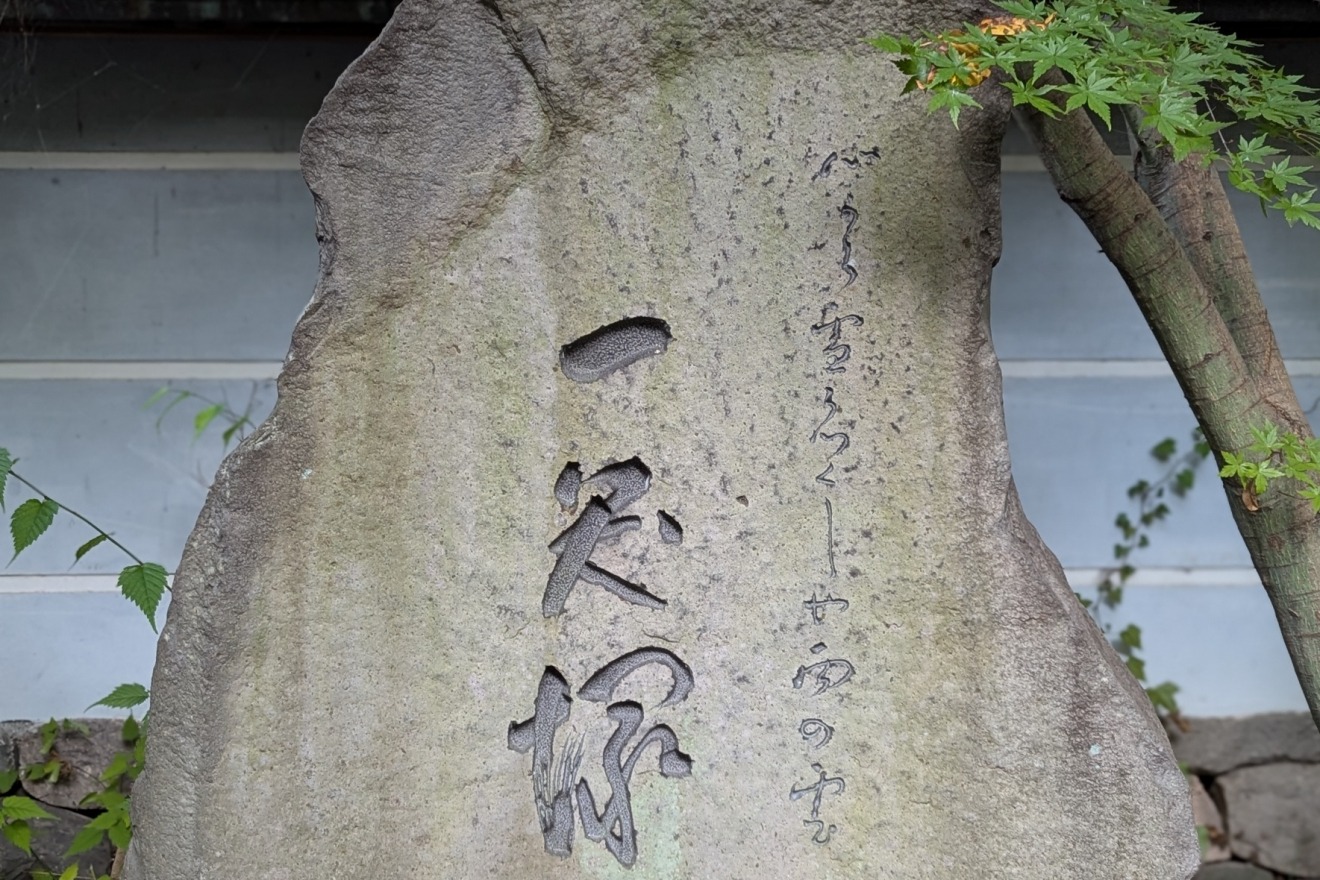
2. Gannenji Temple and Issho-zuka Mound
Gannenji Temple was the family temple of KOSUGI Issho, a prominent haiku poet from Kanazawa.
Basho had been looking forward to meeting Issho, but learned upon arriving in Kanazawa that he had died in December 1688, aged 36.
A memorial poetry gathering was held at the temple on July 22, 1689. On this occasion, Basho composed the following haiku:
Tsuka mo ugoke / Waga naku koe wa / Aki no kaze
"Move, even you, grave mound!
My cries of grief
Have become the autumn wind."
The poem conveys the depth of Basho’s sorrow, imagining his grief so powerful that even the grave mound might tremble.
A stone monument inscribed with the opening words of the poem stands in front of the temple gate. Within the grounds are Issho-zuka, a memorial mound bearing Issho’s farewell poem, and his grave.
Location: 1-3-82 Nomachi
3. The Former Site of Shogen-an
Shogen-an was the hermitage of the poet SAITO Issen, who invited Basho to a poetry gathering on July 20.
13 participants, including Basho, Issen, BESSHO, and Hokushi, composed a collaborative sequence of linked verses known as a hankasen. This form consists of 18 alternating verses.
The gathering inspired Basho’s haiku:
Aki suzushi / Temagoto ni mukeya / Uri nasubi
"How refreshing the autumn air!
Let us each peel
A cucumber or an eggplant."
The poem was a warm response to Issen’s hospitality and the simple seasonal food served at the gathering.
The former hermitage stood around the area where visitors cross Saigawa Ohashi Bridge and walk up Hamagurizaka. There is no monument or information sign at the exact site, but a stone monument bearing the poem can be found at nearby Chokyuji Temple.
Location: Around 5-1-33 Teramachi
4. Koharu-an at Tsubajin Restaurant
Founded in 1752, Tsubajin is one of Kanazawa’s historic traditional Japanese restaurants.
The restaurant houses a small room called Koharu-an, which is said to have been relocated from a building associated with Basho. It is named after the poet KOHARU, who is believed to have welcomed Basho at the main MIYATAKEYA residence.
The restaurant has also welcomed notable historical and literary figures, including ITO Hirobumi and the writer AKUTAGAWA Ryunosuke.
Location: 5-1-8 Teramachi
Please check with the restaurant in advance regarding access to Koharu-an.
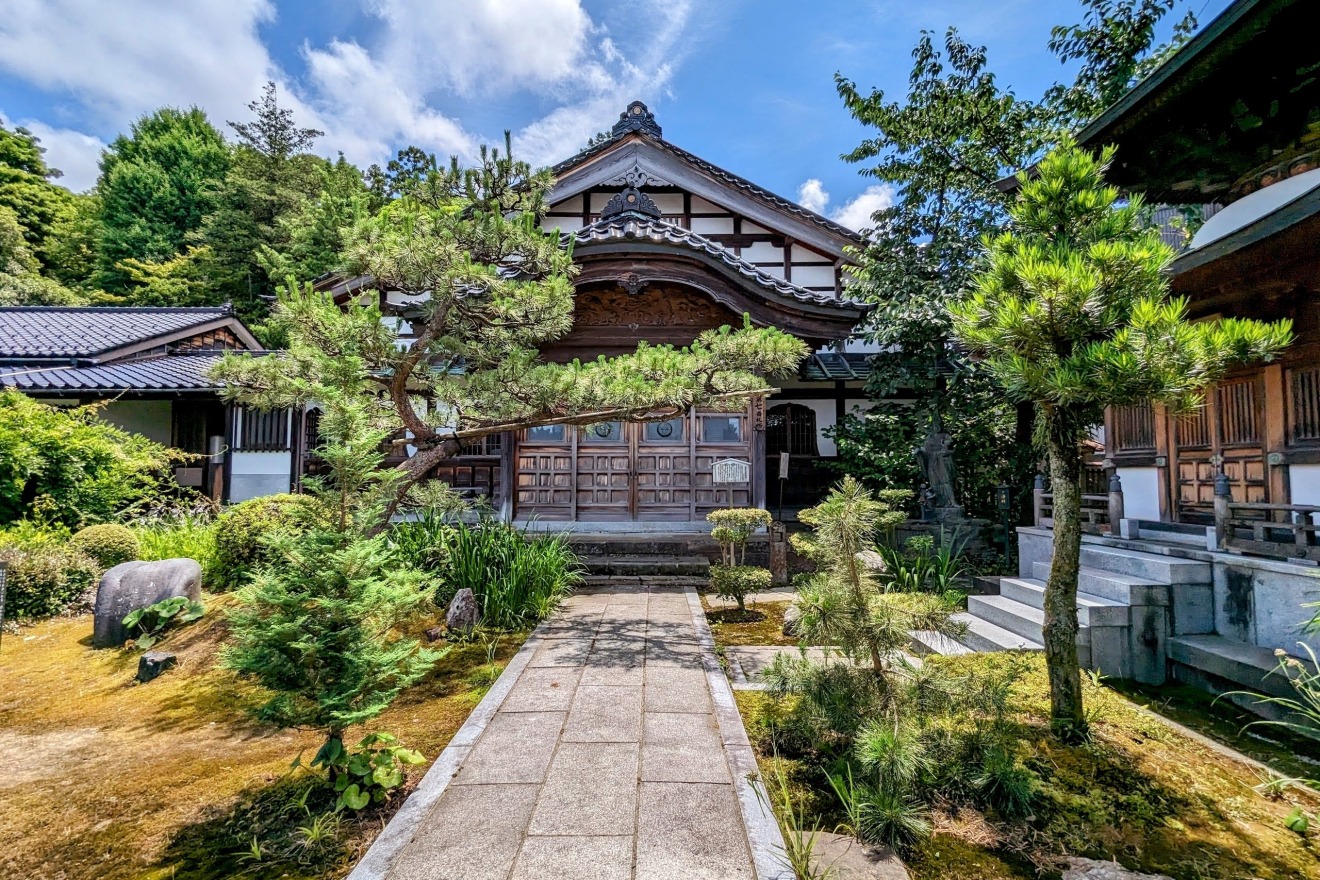
5. Hosenji Temple and the Former Site of Ryokuin-an
Hosenji Temple is located on a steep slope called Koraizaka, beside Utasu Shrine, at the foot of Mount Utatsu.
Nearby once stood Ryokuin-an, the hermitage of the poet KUKUU, which Basho visited on July 21.
A stone monument in the temple grounds bears the inscription:
Chiru yanagi / Aruji mo ware mo / Kane o kiku
"Falling willow leaves—
Both host and guest
Listen to the temple bell."
The attribution of this poem to Basho is disputed.
The temple also offers a beautiful view over the Higashi Chaya District and the Asano River area. The Japanese literary scholar Donald Keene particularly praised the view of the setting sun from this temple.
Location: 57 Korai-machi
6. Honryuji Temple in Kanaiwa
Basho visited Kanaiwa, a historic port district of Kanazawa, on July 23, accompanied by the local poet ONO Unko.
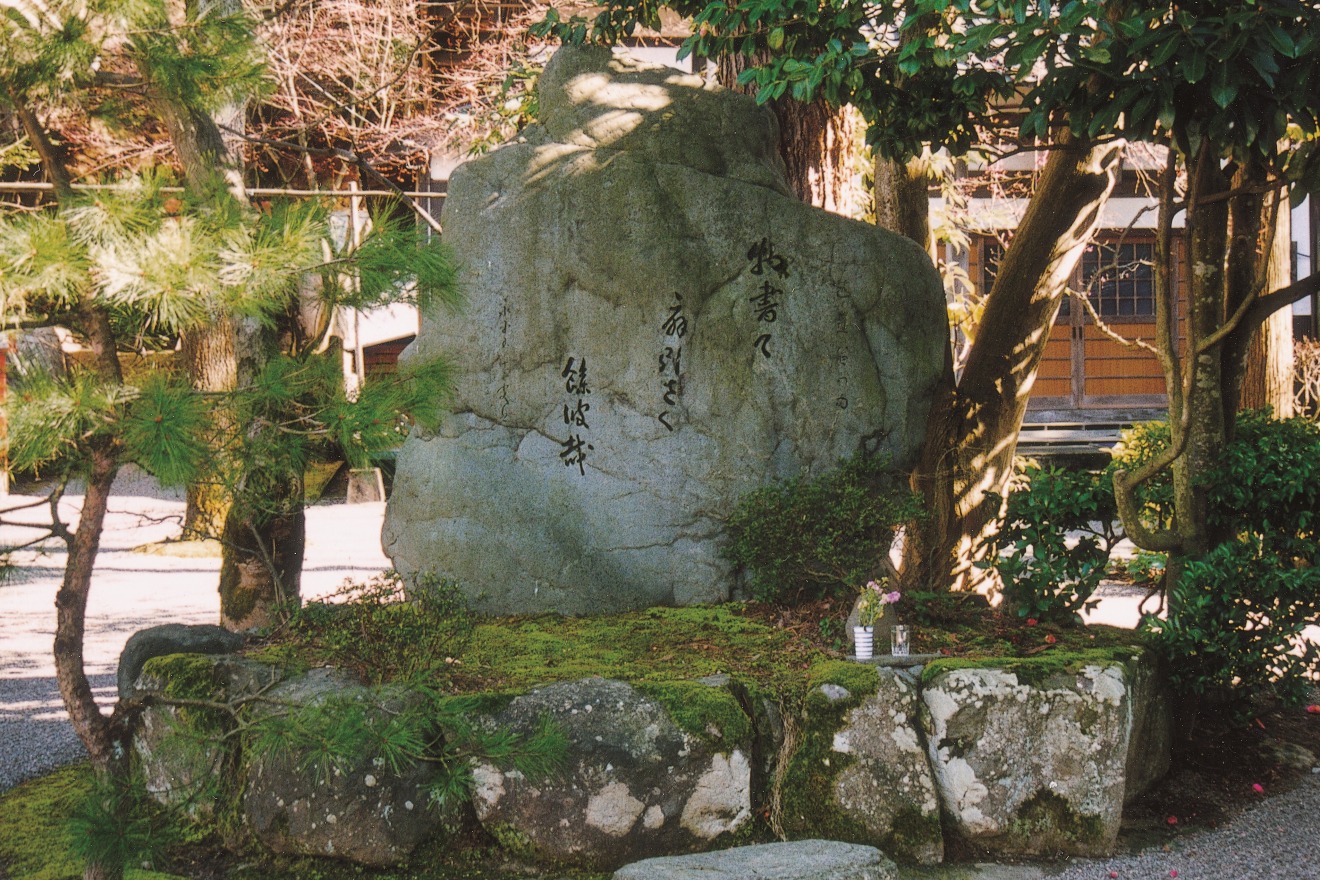
At Honryuji Temple, a stone monument commemorates the following haiku:
Kodai sasu / Yanagi suzushi ya / Ama ga noki
"A small sea bream hangs
Beneath the willow—
How cool the fisherman's eaves appear."
The poem depicts a vivid seasonal scene, contrasting the red of a small sea bream with the fresh green of willow branches.
The temple is also known for the grave of ZENIYA Gohei, a prominent merchant and shipping magnate of the Kaga region.
Location: 3-2-23 Kanaiwa-nishi
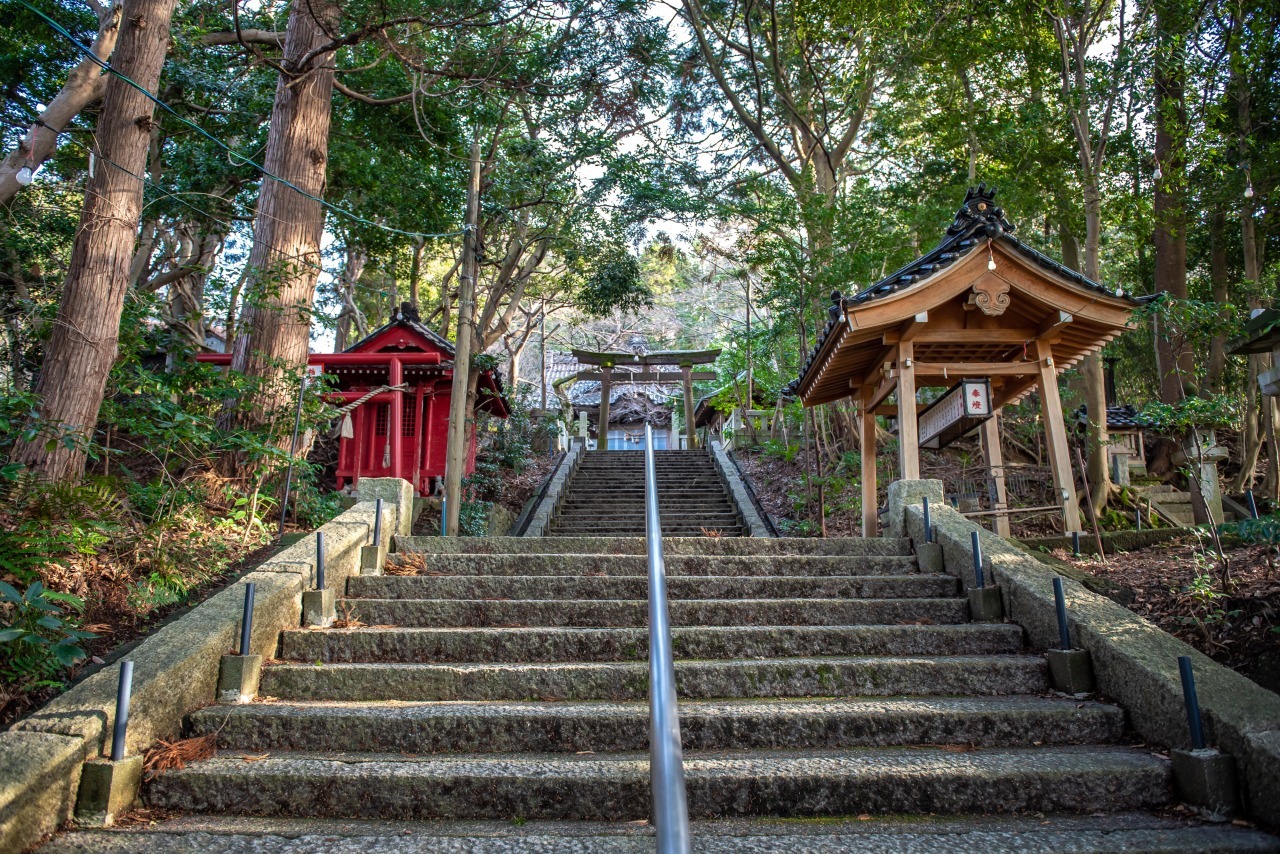
7. Kosaka Shrine and the Basho Monument
According to local tradition, Basho visited Kosaka Shrine and enjoyed a boat excursion in the valley north of the shrine, where a poetry gathering was held.
A stone monument on the shrine steps, erected in 1891, commemorates his visit. It also bears a haiku by his disciple TACHIBANA Hokushi.
The shrine also preserves a statue of Basho said to have been carved by TAKARAI Kikaku, one of Basho’s well-known disciples. The statue is not open to public viewing.
Location: 42-1 42 Yamanoue-machi
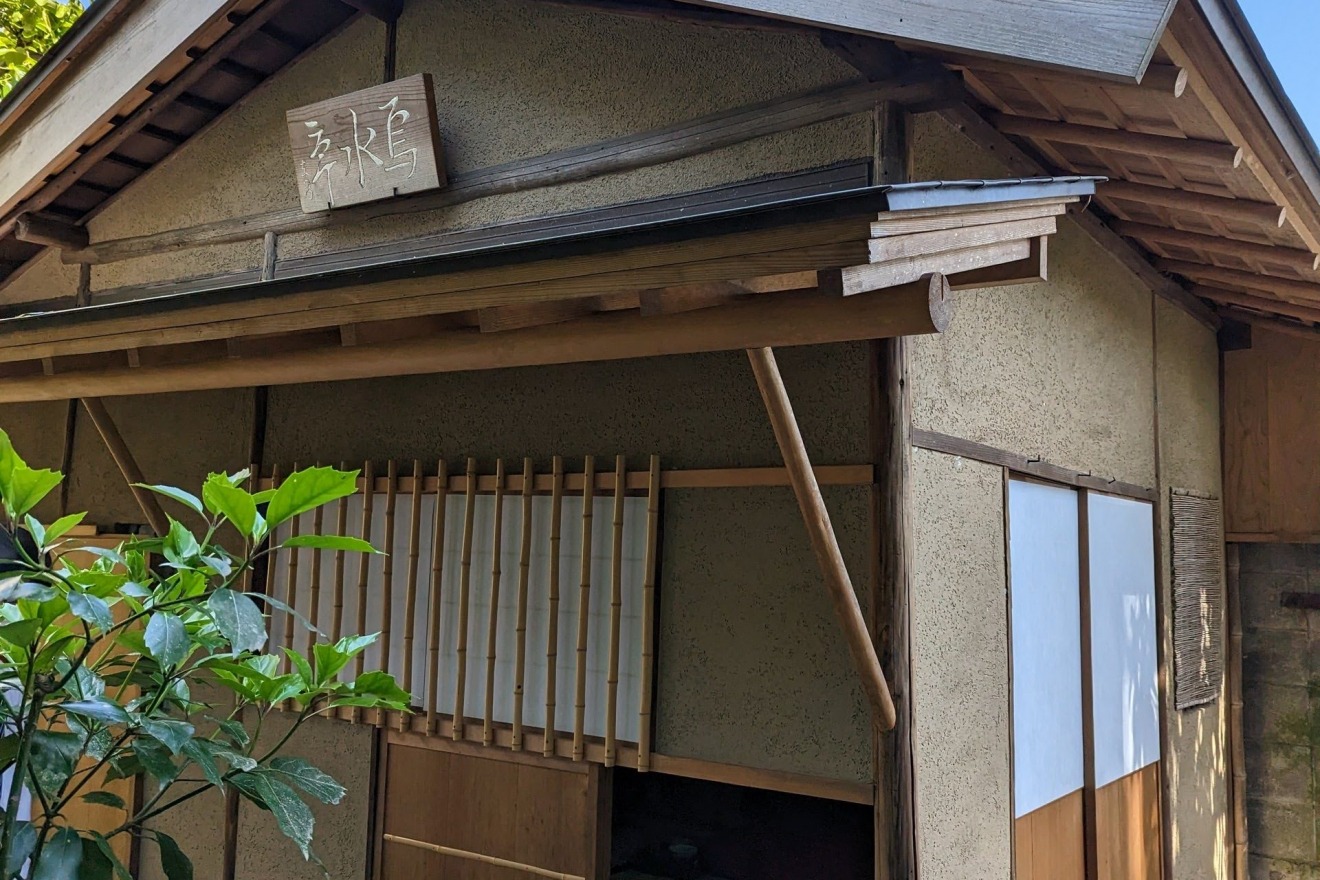
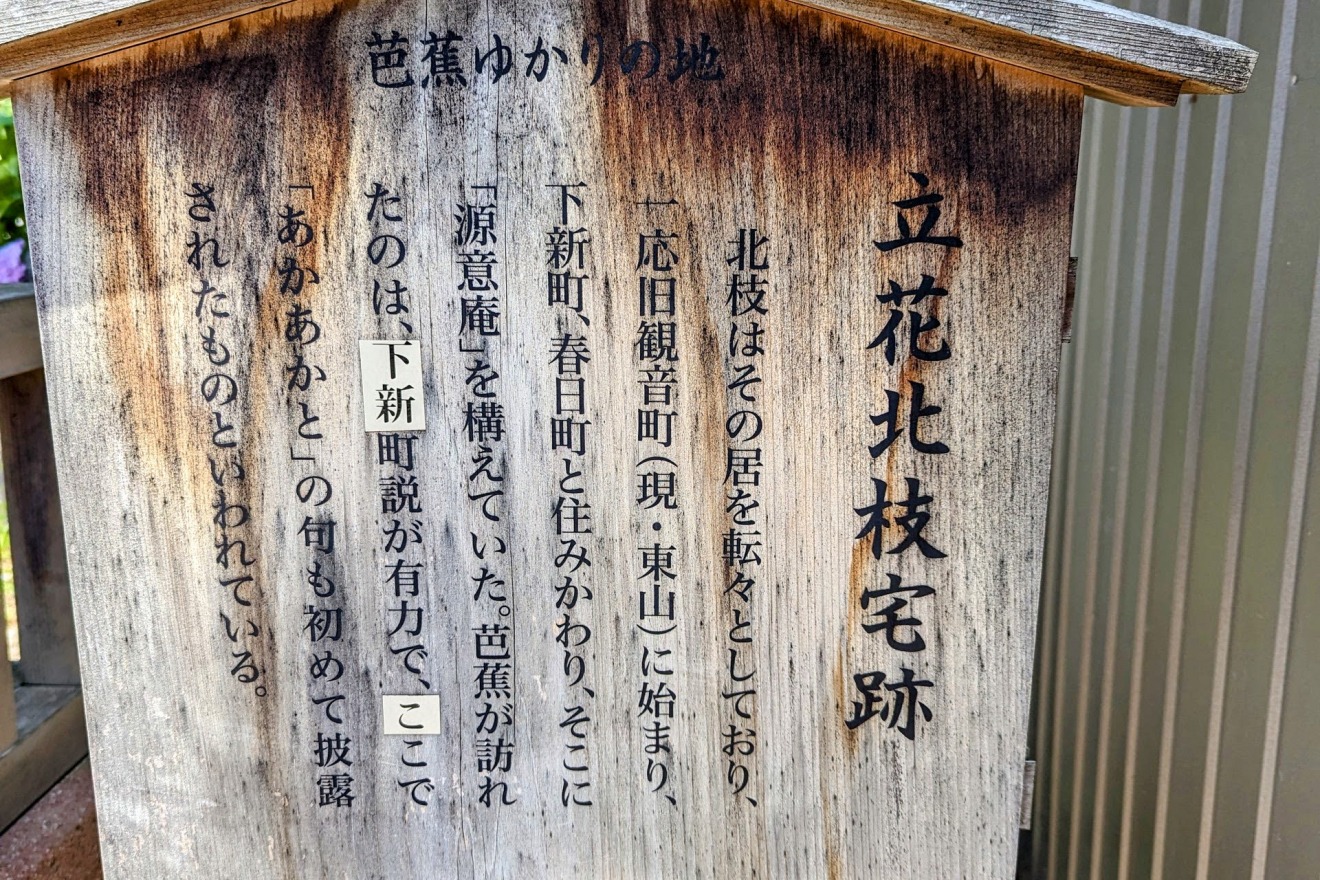
8. The Former Residence of TACHIBANA Hokushi – Genian
TACHIBANA Hokushi was a local poet who worked as a sword polisher. He became one of Basho’s disciples during the poet’s visit to Kanazawa.
On July 17, Basho is believed to have presented his haiku Akaaka to hi wa tsurenaku mo aki no kaze at a poetry gathering held at Hokushi’s residence, Genian.
Hokushi later accompanied Basho on part of his journey through Echizen, in present-day Fukui Prefecture, continuing their literary exchanges.
The former residence is believed to have stood beside Kuboichi Oto Tsurugi Shrine.
Location: Beside Kuboichi Oto Tsurugi Shrine, 6-21 Shimoshin-machi
9. Shinrensha Temple – The Grave of TACHIBANA Hokushi
Shinrensha Temple is the burial place of TACHIBANA Hokushi.
His grave bears the inscription "Cho Hokushi Sensei." A commemorative monument in the temple grounds features one of his best-known haiku.
The temple garden is designated as a Place of Scenic Beauty by Kanazawa City.
Location: 4-11 Yamanoue-machi
10. Renjoji Temple – Associated with the Poet Akinobo
Renjoji Temple is associated with AKINobo, one of the local poets who became Basho’s disciples during his visit to Kanazawa.
According to local tradition, Akinobo once had a small hermitage within the temple grounds.
The temple is also connected with Rukou Shinso, the final work of Kanazawa-born novelist IZUMI Kyoka.
Location: 2-11-23 Higashiyama
11. Yochiin Temple – A Place Associated with Haiku Poets
Yochiin is one of the few temples in Kanazawa that remains at its original location, despite the relocation of many other temples in the city.
It is also said to have hosted KAGAMI Shiko, one of the ten principal disciples of Basho. Four stone monuments bearing haiku by poets associated with the temple can be found within its grounds.
Among them are:
SOZEN, a temple priest active during the Genroku era (1688–1704), who held poetry gatherings with Shiko, TACHIBANA Hokushi, and other poets.
BONCHO, a poet selected by Basho who co-edited the famous poetry collection Sarumino with Mukai Kyorai.
Location: 2-13-20 Katamachi, Kanazawa
Haiku Composed by Basho in Kanazawa
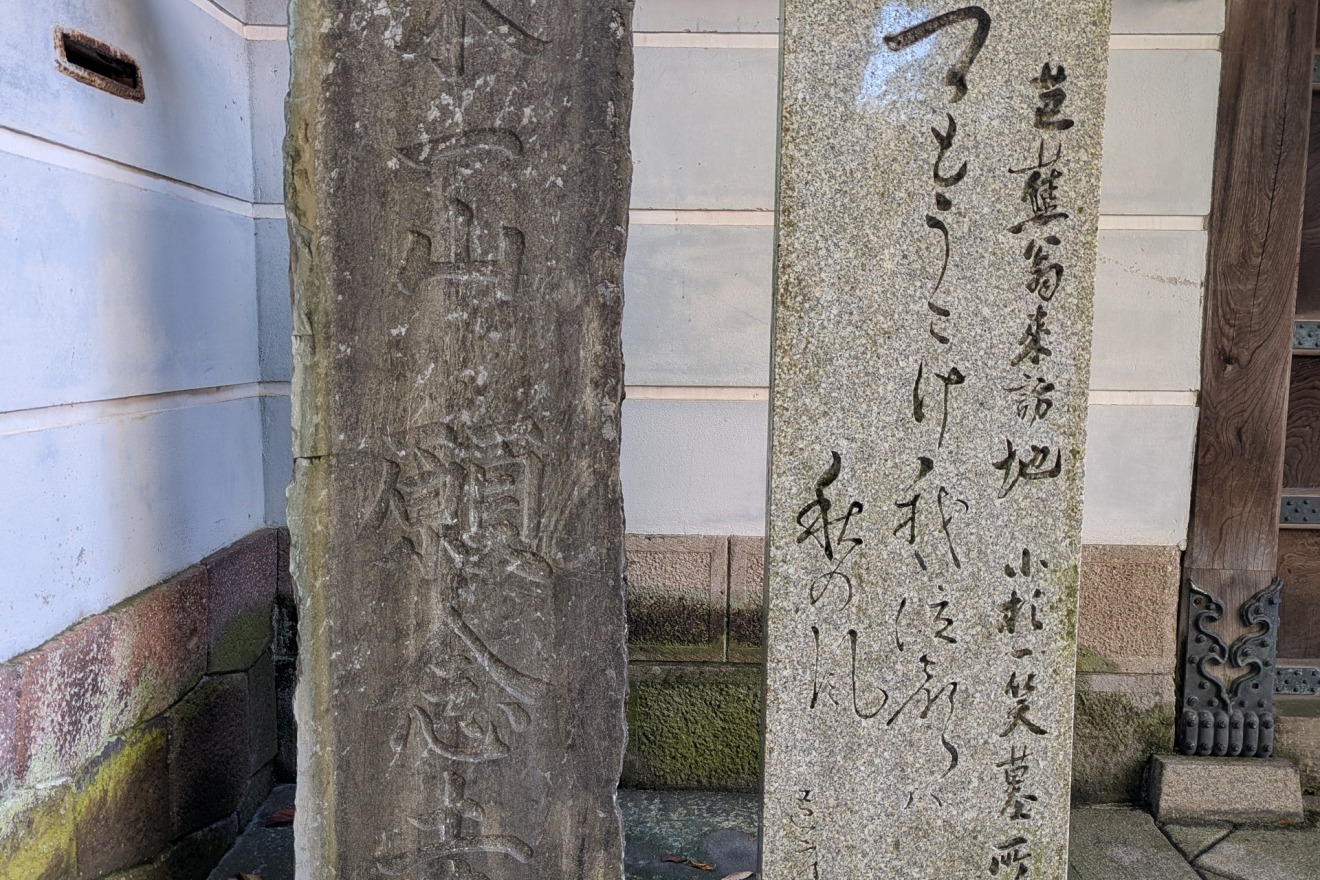

Basho arrived in Kanazawa in late August, when the summer heat was still intense. Several of his poems from this period capture the subtle signs of autumn, particularly the contrast between lingering summer heat and the coolness of the approaching season.
Tsuka mo ugoke – A Haiku of Grief ("塚も動け 我が泣く声は 秋の風")
Tsuka mo ugoke / Waga naku koe wa / Aki no kaze
"Move, even you, grave mound!
My cries of grief
Have become the autumn wind."
Basho composed this poem at the memorial gathering for KOSUGI Issho at Gannenji Temple on July 22.
He had been looking forward to meeting Issho, but was deeply saddened to learn of his death. The poem expresses his grief in a direct and powerful way.
The gathering reportedly attracted around 20 participants, including BESSHO (No-Matsu), KAWAI Sora, KUKUU, AKINObo, TACHIBANA Hokushi, BOKUDO, KOHARU, KASHO, SAITO Issen, and ONO Unko.
Haiku monument: Gannenji Temple, 1-3-82 Nomachi,
Aki Suzushi – A Haiku of Hospitality ("秋涼し 手毎にむけや 瓜茄子")
Aki suzushi / Temagoto ni mukeya / Uri nasubi
"How refreshing the autumn air!
Let us each peel
A cucumber or an eggplant."
This poem was composed at SAITO Issen’s hermitage, Shogen-an, on July 20.
It was Basho’s response to Issen’s hospitality at the poetry gathering. The poem captures the pleasure of sharing simple seasonal food with fellow poets.
The first version of the poem was:
Zansho shibashi / Temagoto ni haore / Uri nasubi
Basho later revised it into the better-known version above.
Haiku monument: Chokyuji Temple, 5-2-20 Teramachi
Akaaka to – The First Signs of Autumn ("あかあかと 日はつれなくも 秋の風")
Akaaka to / Hi wa tsurenaku mo / Aki no kaze
"The sun burns fiercely red,
As if unaware that autumn has come—
Yet the wind carries its coolness."
This poem reflects the contrast between the lingering summer heat and the unmistakable arrival of autumn.
In The Narrow Road to the Deep North, Basho records it simply as a poem composed along the way. It is believed to have been first presented at a gathering at TACHIBANA Hokushi’s residence, Genian, on July 17.
-Haiku monuments in Kanazawa:
Jogakuji Temple, 1-1-18 Nomachi
Kakugenji Temple, 2-8-18 Kikugawa
Along the Saigawa River, near Saigawa Ohashi Bridge
Kenrokuen Garden, near the entrance to Yamazaki Hill
-Other Haiku Monuments in Kanazawa:
Stone monuments bearing Basho’s poems, including verses he sent to local poets, can be found throughout Kanazawa. It is important to note that the location of a monument does not necessarily correspond to the place where the poem was composed.
Jogakuji Temple: Akaaka to hi wa tsurenaku mo aki no kaze
Chokyuji Temple: Aki suzushi temagoto ni mukeya uri nasubi
Nogami Shrine: Urayamashi ukiyo no kita no yamazakura – a poem Basho sent to KUKUU.
Tai Sugawara Shrine: Furyu no hajime ya oku no taue uta – a poem composed in Sukagawa, Fukushima Prefecture.
Kakugenji Temple: Akaaka to hi wa tsurenaku mo aki no kaze
Honchoji Temple: Haru moya ya keshiki totonou tsuki to ume
Honryuji Temple: Kodai sasu yanagi suzushi ya ama ga noki
Ueno Hachiman Shrine: Yama samushi kokoro no soko ya mizu no tsuki
Kenrokuen Garden, near Yamazaki Hill: Akaaka to hi wa tsurenaku mo aki no kaze
Saigawa riverside: Akaaka to hi wa tsurenaku mo aki no kaze
Following Basho’s Journey Beyond Kanazawa
Basho’s journey through the Hokuriku region took him through present-day Toyama, Ishikawa, and Fukui Prefectures. Visitors can follow parts of his route and discover the historical sites, temples, and landscapes that inspired his poetry.
Toyama Prefecture
Kurikara Pass & Hanyu Gokoku Hachiman Shrine
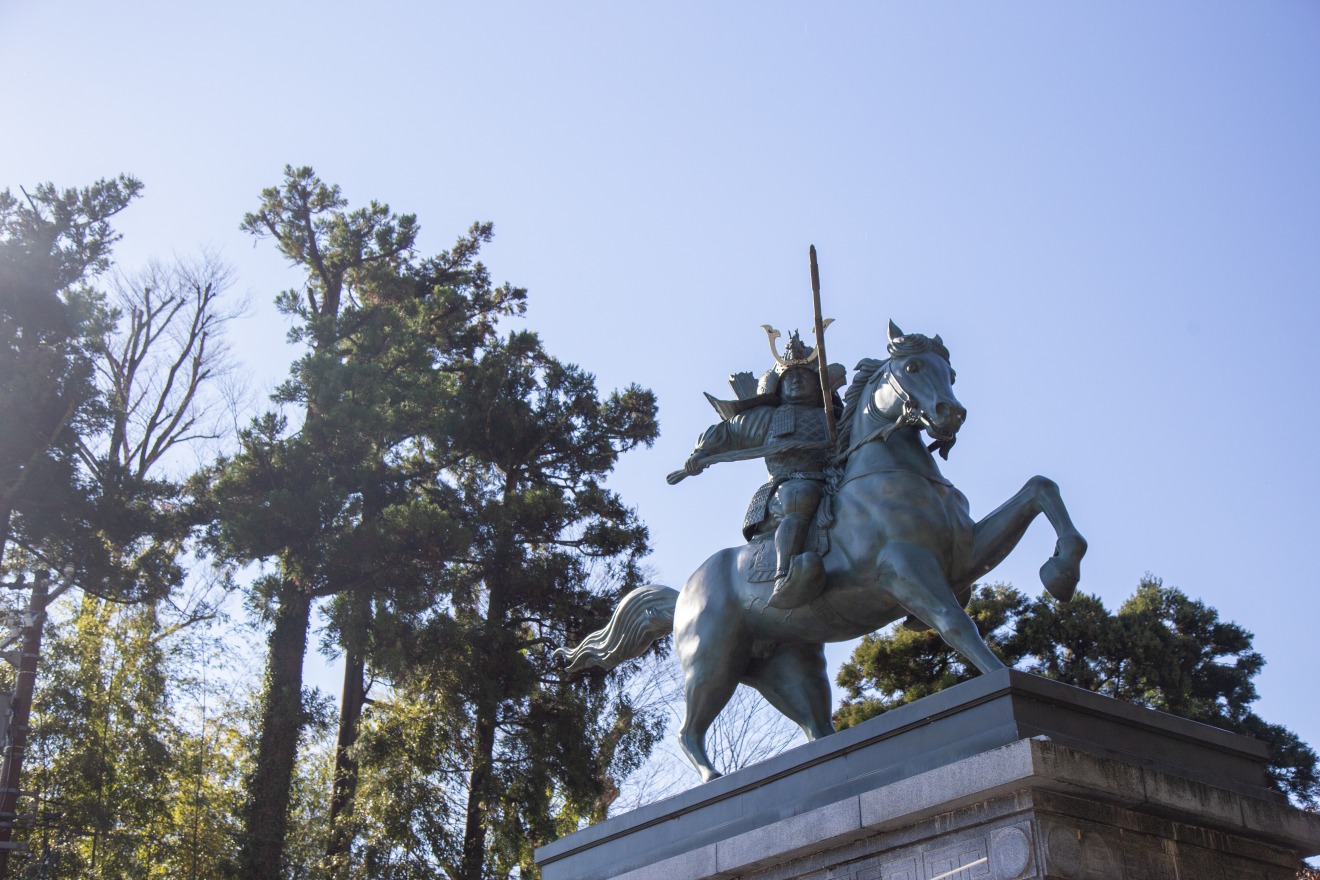
Kurikara Pass lies near the historic border between the former provinces of Etchu (present-day Toyama) and Kaga (present-day Ishikawa). It was the site of a famous battle in 1183, when the warrior KISO Yoshinaka defeated the Taira clan.
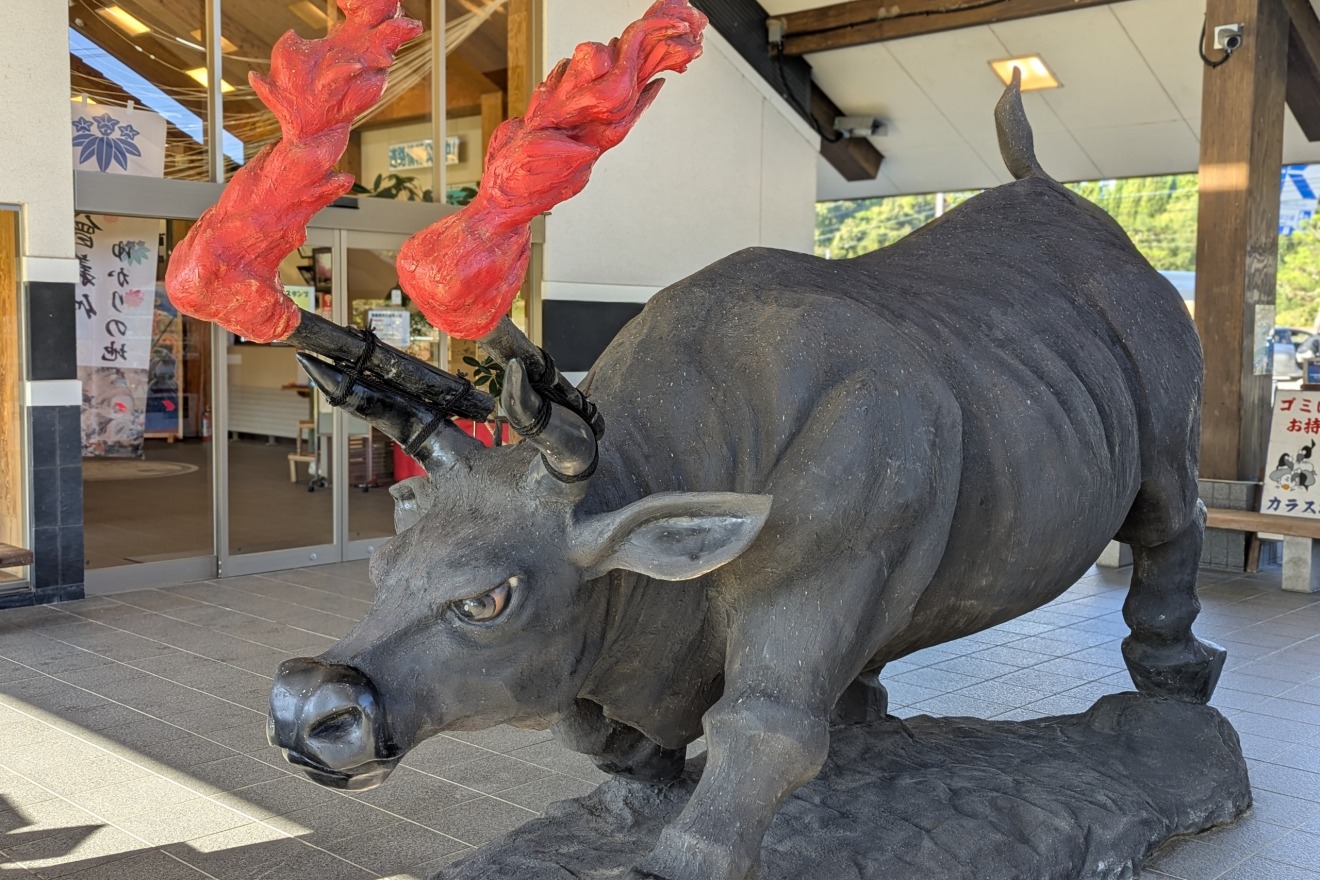
According to Genpei Seisuiki, Yoshinaka prayed for victory at Hanyu Hachimangu Shrine before using a strategy known as the "Fire Ox Tactic." Hundreds of oxen, with torches attached to their horns, were reportedly driven into the enemy army.
Basho admired Yoshinaka and visited the shrine on July 15 before crossing the pass into Kaga. He later chose to be buried at Gichuji Temple in Otsu, where Yoshinaka’s grave is located.
- Location: Hanyu Gokoku Hachiman Shrine – 2992 Hanyu, Oyabe City, Toyama (About 40 minutes by car from Kanazawa Station)
- Kurikara Pass Battlefield Site – Hanyu, Oyabe City, Toyama (About 40 minutes by car from Kanazawa Station)
- Note: The annual "Yaezakura Matsuri" (Double Cherry Blossom Festival) is held from late April to early May, with around 6,000 cherry trees in full bloom.
Ishikawa Prefecture(except Kanazawa)
Tada Shrine – The Helmet of SAITO Sanemori
Tada Shrine in Komatsu preserves the helmet and a fragment of the brocade robe of SAITO Sanemori, a warrior associated with the Genpei War.
Sanemori had once saved the young KISO Yoshinaka, but later fought on the side of the Taira clan and was killed by Yoshinaka’s forces. According to tradition, Yoshinaka dedicated Sanemori’s helmet to the shrine in his memory.
After viewing the helmet, Basho composed:
Muzan ya na / Kabuto no shita no / Kirigirisu
"How tragic—
Beneath this helmet,
A cricket sings."
The poem contrasts the tragic fate of the warrior with the quiet presence of a small insect.
The helmet is preserved in the shrine museum and can be viewed by advance reservation or during the annual Kabuto Festival in late July.
Location: Kamimotoori-machi, Komatsu City, Ishikawa Prefecture.
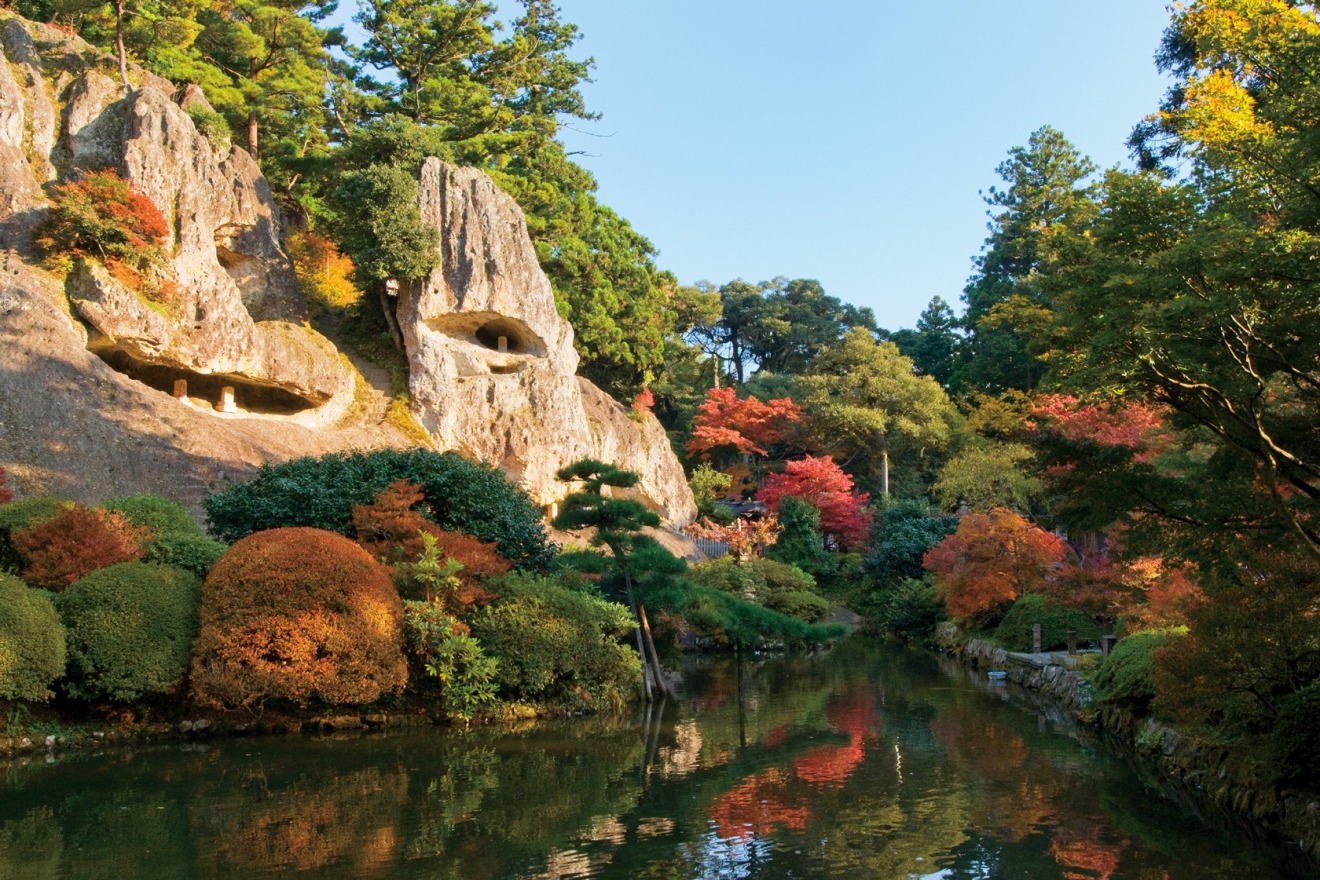
Natadera Temple
After parting ways with Sora, Basho returned toward Komatsu to meet the local poet IKOMA Manko and stopped at Natadera Temple.
Its striking landscape of exposed white rock formations inspired the haiku:
Ishiyama no / Ishi yori shiroshi / Aki no kaze
"Whiter than the rocks of this mountain—
The autumn wind."
The temple grounds, with their unusual rock formations, are designated as a Place of Scenic Beauty by the Japanese government as part of the landscapes associated with The Narrow Road to the Deep North.
Location: Natamachi, Komatsu City, Ishikawa Prefecture.
Kenseiji Temple
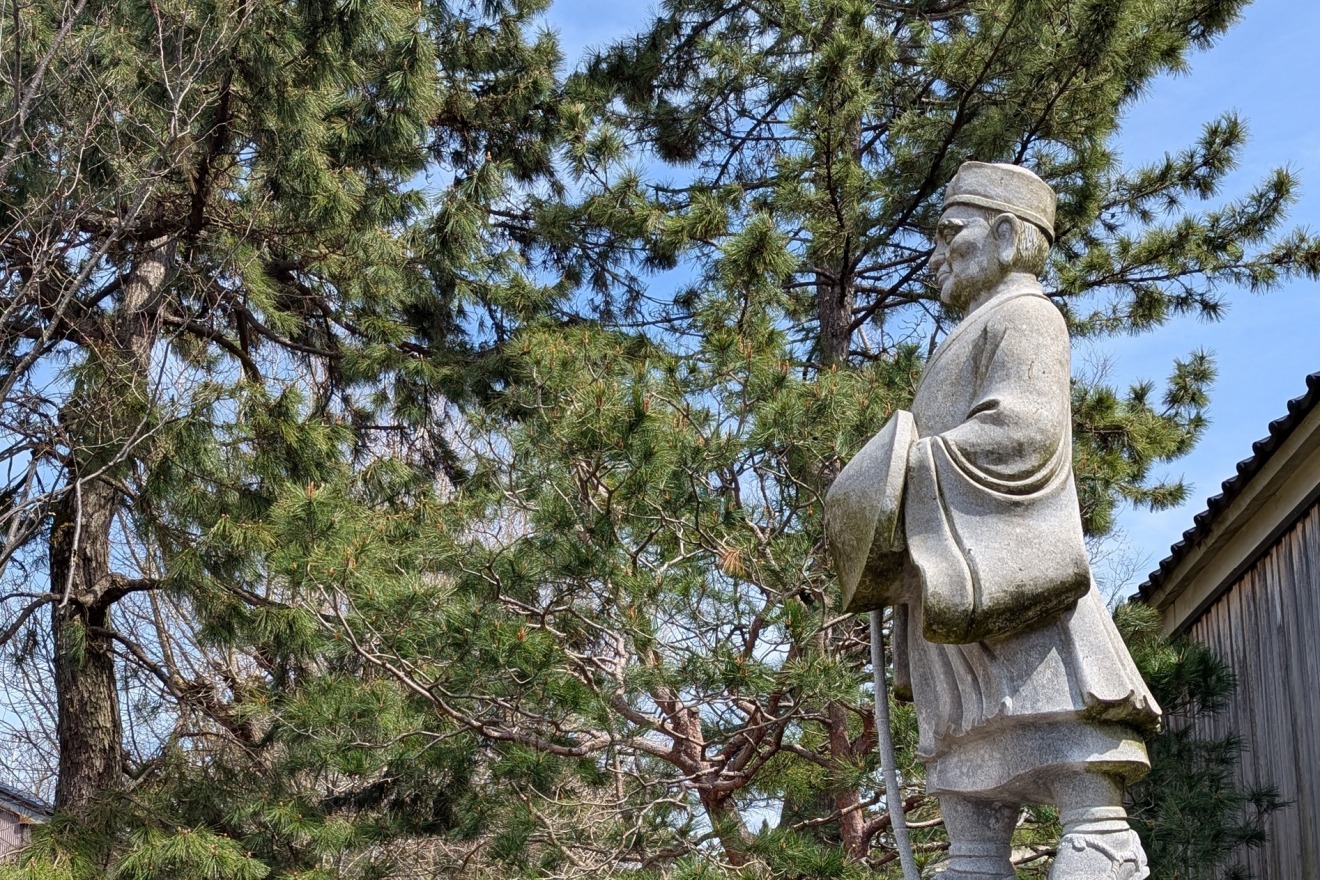
Kenseiji Temple houses a statue of Basho said to have been carved by TACHIBANA Hokushi. At the time of Basho’s visit, the temple was known as Risshoji.
Location: 94 Teramachi, Komatsu City, Ishikawa Prefecture.
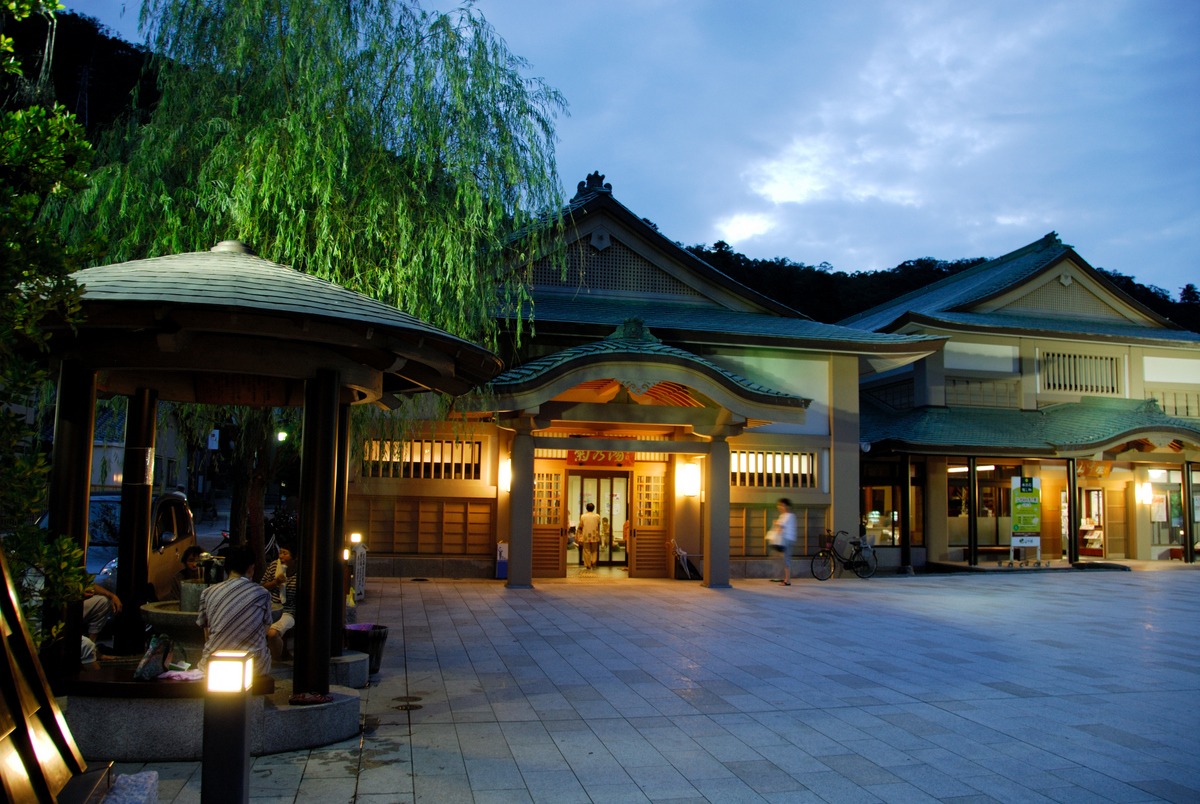
Yamanaka Onsen and the Basho Museum
Basho and Sora stayed at Yamanaka Onsen for nine days. Basho praised the therapeutic qualities of its hot spring waters.
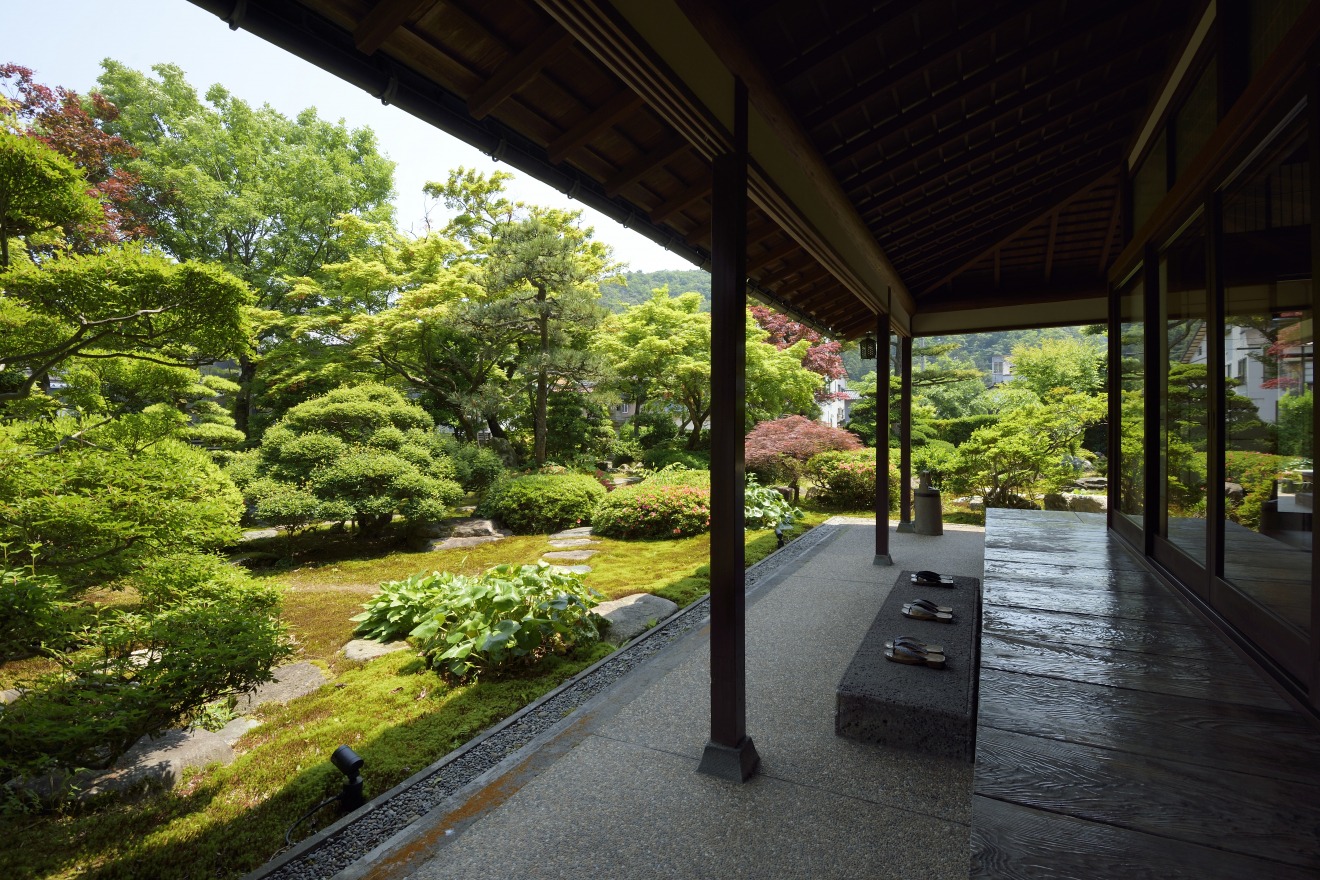
The Basho Museum is housed in a historic villa that once belonged to Ogiya, a former inn adjacent to Izumiya, where Basho stayed. The building dates from the mid-Meiji period and is considered one of the oldest surviving inn buildings in Yamanaka Onsen.
The museum displays Basho’s original writings and historical materials related to haikai poetry.
In The Narrow Road to the Deep North, Basho praised the hot springs, writing that their therapeutic benefits were second only to those of Arima Onsen.
He also composed:
Yamanaka ya / Kiku wa taoranu / Yu no nioi
"Yamanaka—
The fragrance of the hot spring
Is as precious as an unpicked chrysanthemum."
The name of the public bathhouse, Kiku no Yu, is associated with this poem.
Location: 2-86-1 Honmachi, Yamanaka Onsen, Kaga City, Ishikawa Prefecture.
Kakusenkei Gorge, Basho-do Hall, and Domyo-ga-fuchi
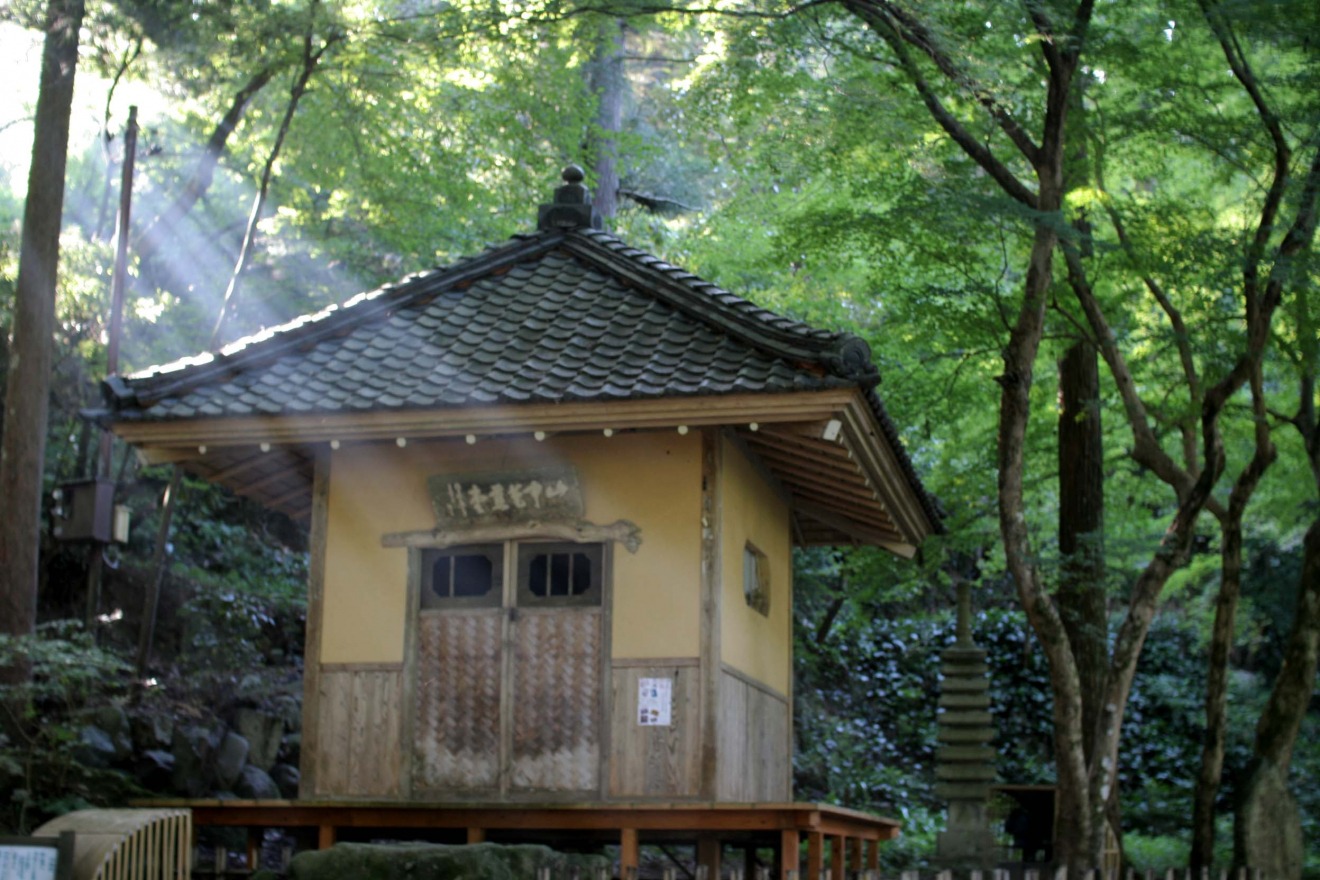
Kakusenkei is a picturesque gorge along the Daishoji River in Yamanaka Onsen. Basho-do Hall, a small structure dedicated to Basho, stands in the area.
Domyo-ga-fuchi, a deep pool in the gorge, is designated as a Place of Scenic Beauty associated with The Narrow Road to the Deep North.
During his stay in Yamanaka Onsen, Basho parted ways with Sora, who had become ill.
He composed the following farewell haiku:
Kyō yori ya / Kakitsuke kesan / Kasa no tsuyu
"From today onward,
I shall erase the words
Written on my hat, now wet with dew."
The poem refers to the words "Dōgyō Ninin" (Two travelers, one journey), which had been written on their travel hats.
Location: Higashimachi, Yamanaka Onsen, Kaga City, Ishikawa Prefecture.
Zenshoji Temple
Sora stayed at Zenshoji Temple for one night before Basho followed him there.
In The Narrow Road to the Deep North, Basho recalls Sora’s haiku:
Yomosugara aki kaze kiku ya ura no yama
"All through the night,
I listen to the autumn wind
From the mountain behind."
Basho reflects that even one night apart from his companion felt like a journey of a thousand miles.
Early the following morning, some young monks asked Basho to compose a poem. He wrote:
Niwa haite / Debaya tera ni / Chiru yanagi
"Before leaving,
I shall sweep the fallen willow leaves
From the temple garden."
The poem expresses his gratitude for the hospitality he received.
The temple grounds preserve stone monuments bearing poems by Basho and Sora, a statue of Basho, and a collection of 500 Arhat statues from the late Edo period.
Location: 1 Shinmeicho, Daishoji, Kaga City, Ishikawa Prefecture.
Fukui Prefecture
Tenryu-ji Temple
After entering Echizen (present-day Fukui Prefecture), Basho visited Tenryuji Temple in Matsuoka to see the Zen priest DAIMU, an old acquaintance.
Here, he said farewell to TACHIBANA Hokushi, who had accompanied him from Kanazawa.
Basho composed:
Mono kakite / Ōgi hikisa ku / Nagori kana
"Writing our final words,
We tear the fan in two—
How difficult it is to part."
The poem reflects the sadness of their farewell. According to tradition, they wrote their parting verses on a fan and divided it between them.
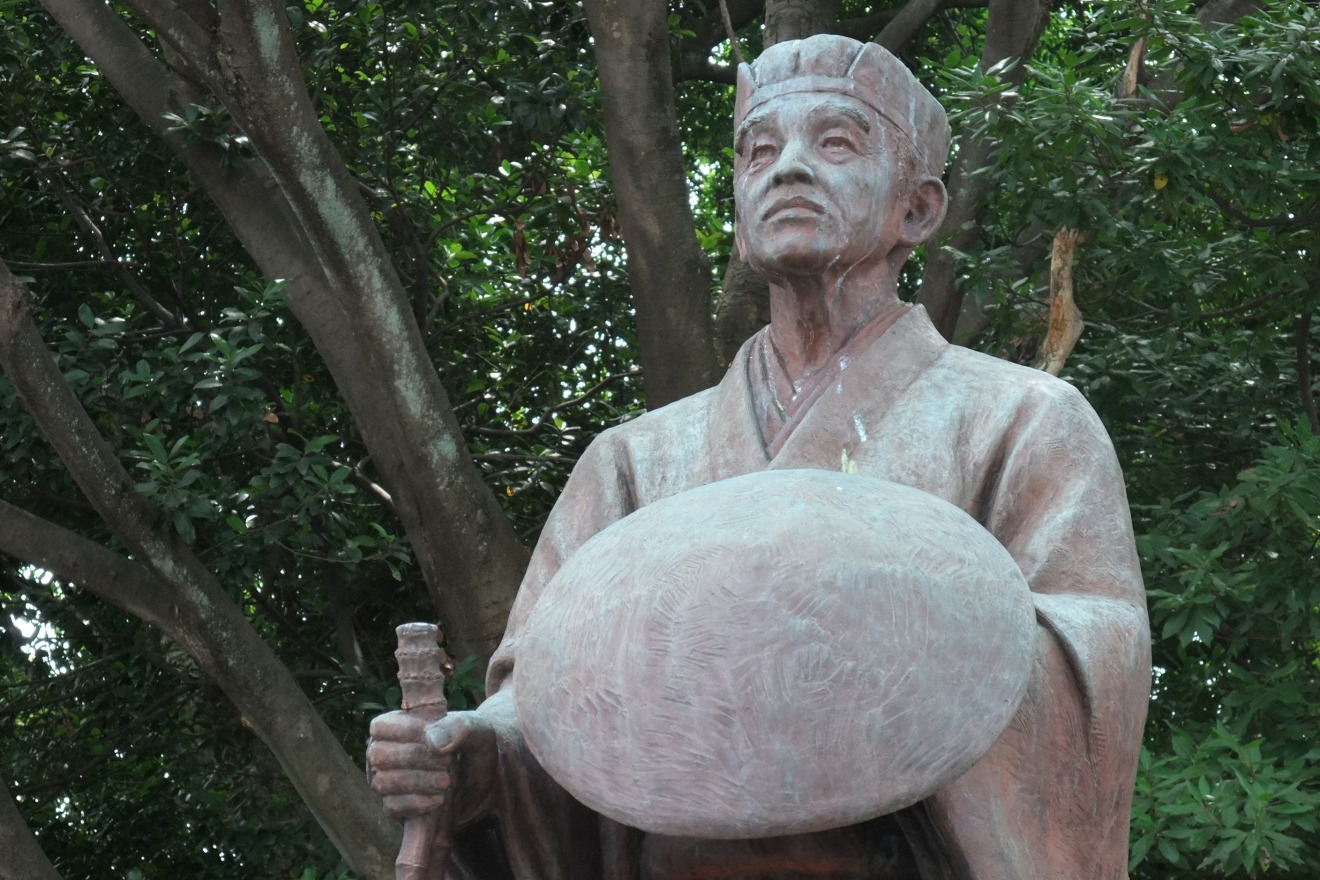
Statues of Basho and Hokushi commemorating their farewell stand within the temple grounds.
Location: 1-64 Matsuoka Kasuga, Eiheiji Town, Yoshida District, Fukui Prefecture.
Kehi Jingu Shrine
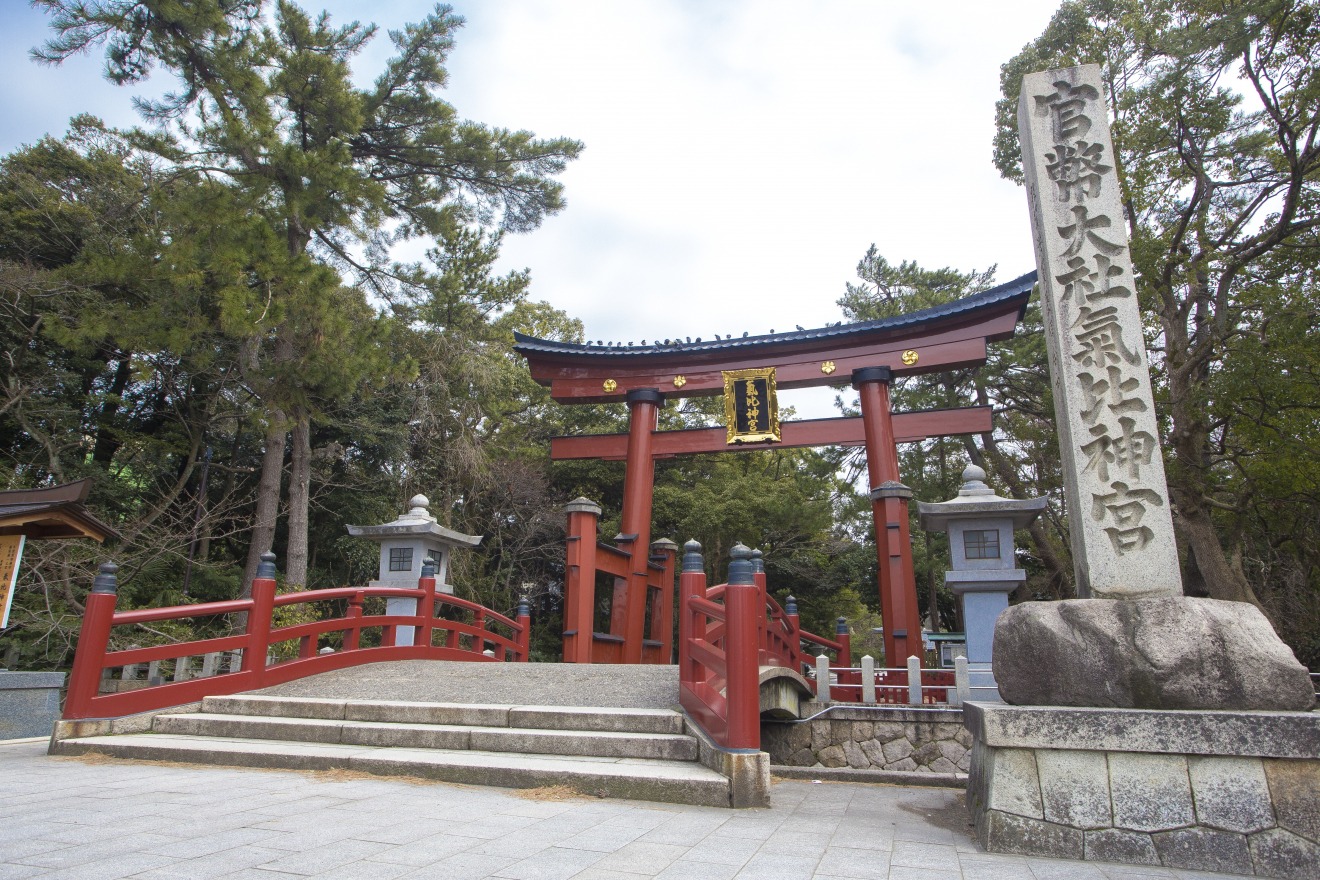
Kehi Jingu is the principal shrine of the former Echizen Province. Its impressive wooden torii gate, approximately 11 meters tall, is one of Japan’s three great wooden torii gates, alongside those at Kasuga Taisha in Nara and Itsukushima Shrine in Hiroshima. The gate is designated as an Important Cultural Property.
Basho arrived in Tsuruga on the evening of August 14. Following the advice of his innkeeper, who warned that the weather the following night was uncertain, he visited the shrine that very evening.
He was deeply moved by the story of the second Yugyo Shonin, a Buddhist priest who personally carried earth and stones to improve the shrine approach.
The white sand illuminated by the moon inspired this haiku:
Tsuki kiyoshi / Yugyō no moteru / Suna no ue
"Clear and beautiful is the moon,
Shining upon the sand
Carried by the traveling monk."
The following day, as the innkeeper had predicted, it rained. Basho then composed:
Meigetsu ya / Hokuriku biyori / Sadamenaki
"The harvest moon shines—
Yet the weather in northern Japan
Is never certain."
The shrine grounds are designated as a Place of Scenic Beauty associated with The Narrow Road to the Deep North.
Location: 11-68 Akebono-cho, Tsuruga City, Fukui Prefecture.
After visiting Tsuruga, Basho continued to Ogaki in present-day Gifu Prefecture, bringing his approximately 150-day journey to an end.
Following his route from Kurikara Pass to Tsuruga offers a wonderful opportunity to discover the landscapes, history, temples, and literary heritage of the Hokuriku region.
Frequently Asked Questions
Q. How long did Matsuo Basho stay in Kanazawa?
A. Basho stayed in Kanazawa for nine nights over ten days, from July 15 to July 24, 1689, according to the traditional Japanese lunar calendar (August 29 to September 7 in the Gregorian calendar).
Q. What are Basho’s most famous haiku associated with Kanazawa?
A. Three particularly well-known poems are Tsuka mo ugoke, composed at the memorial gathering for KOSUGI Issho; Aki suzushi, composed at SAITO Issen’s hermitage; and Akaaka to, presented at TACHIBANA Hokushi’s residence.
Q. Who was KOSUGI Issho?
A. KOSUGI Issho was a prominent haiku poet from Kanazawa. Basho had been looking forward to meeting him, but Issho died in 1688, the year before Basho’s visit. A memorial poetry gathering was held at Gannenji Temple on July 22, 1689.
Q. What was the Kaga Shomon?
A. The Kaga Shomon was a regional school of haikai poetry formed by poets in the Kaga region (present-day Ishikawa Prefecture) who followed Basho’s teachings. TACHIBANA Hokushi and other local poets played an important role in spreading Basho’s poetic tradition throughout the Hokuriku region.
Q. Can I visit places associated with Basho on foot in Kanazawa?
A. Yes. Many of the historic sites can be explored on foot by dividing them into two main areas:
- Katamachi, Teramachi, and Nomachi: Visit Basho no Tsuji, cross Saigawa Ohashi Bridge, and explore the haiku monuments and temples around Teramachi and Nomachi, including Chokyuji Temple, Jogakuji Temple, Honchoji Temple, and Gannenji Temple.
- Higashiyama and the foot of Mount Utatsu: Visit the former site of Hokushi’s residence, Hosenji Temple, Shinrensha Temple, and Kosaka Shrine.
Honryuji Temple in Kanaiwa is farther from the city center and is more conveniently reached by bus.