Discover Kaga Vegetables: A Taste of Kanazawa’s Food Culture
One of the essential elements of Kanazawa’s food culture is Kaga Vegetables, a collection of traditional vegetables that have been grown in this region for generations.
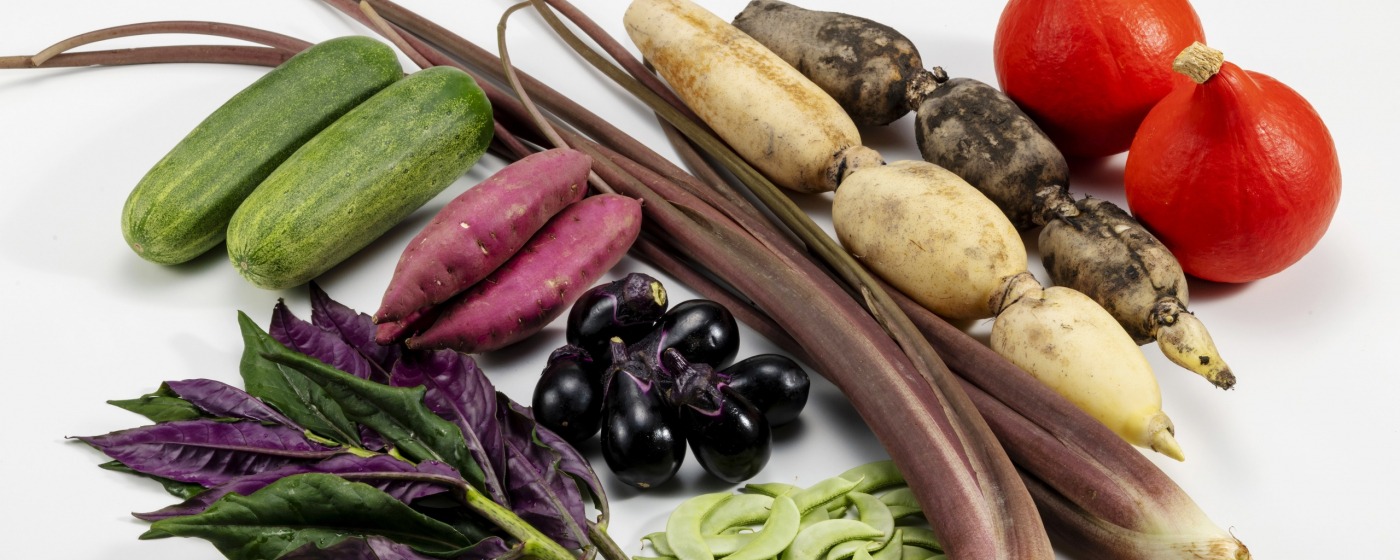
They include Kinjiso (Okinawan Spinach), known for the vivid reddish-purple undersides of its leaves; Kaga Futokyuri (Big Cucumbers), a thick variety with juicy flesh; and Kaga Renkon (Lotus Roots), prized for its firm texture and distinctive stickiness when grated. Each variety has its own unique character.
Kaga Vegetables are more than just local specialties. They are closely connected to the history of Kanazawa, which flourished as the castle town of the Kaga Domain, and to a food culture that values fresh, seasonal ingredients throughout the year.
In this article, discover what qualifies as a Kaga Vegetable, the characteristics of all 15 varieties, when they are in season, how they are used in local cuisine, and where you can find them in Kanazawa.
Photo courtesy of the Kanazawa City Agricultural Produce Branding Association
1. What Are Kaga Vegetables? 15 Traditional Varieties Grown in Kanazawa
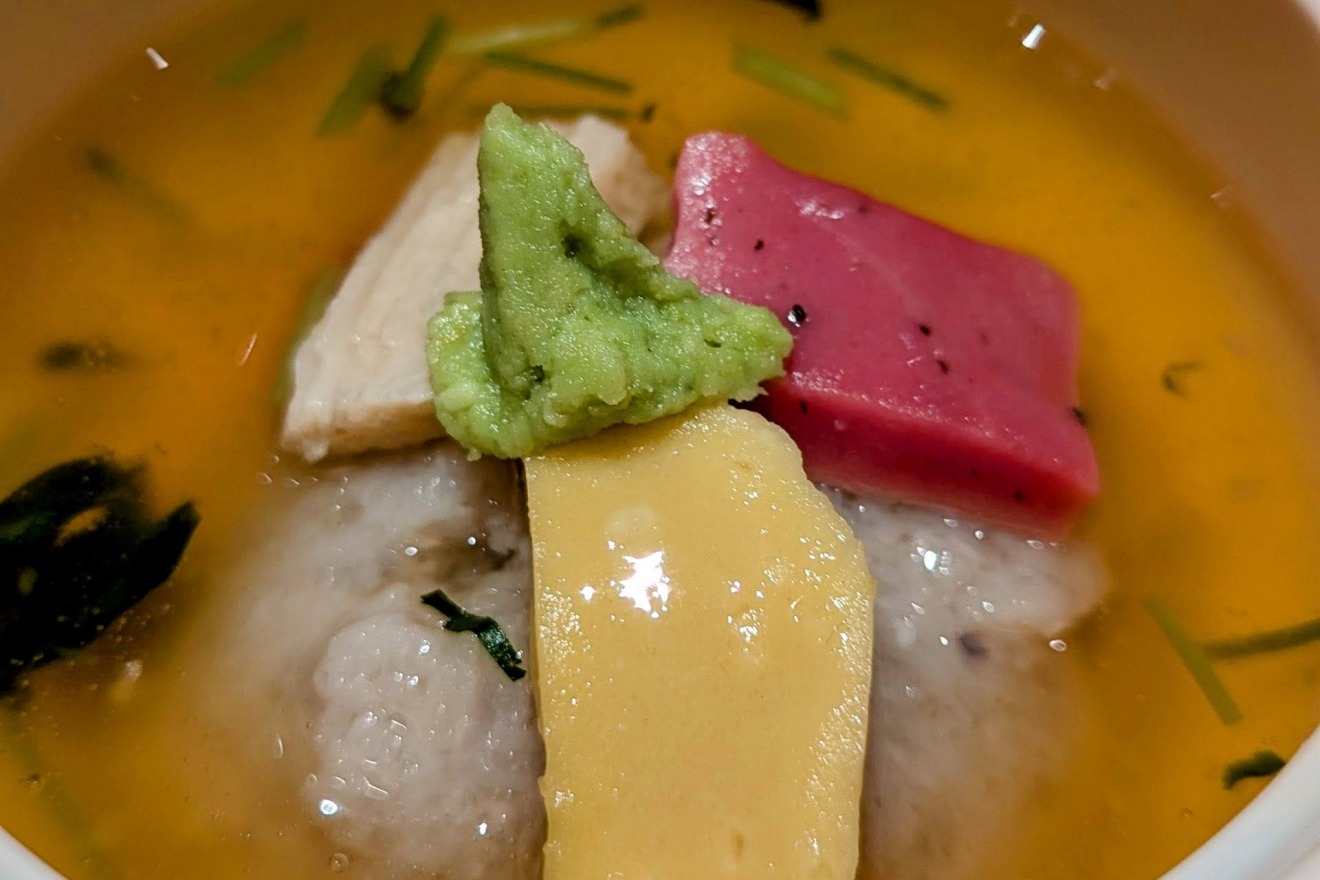
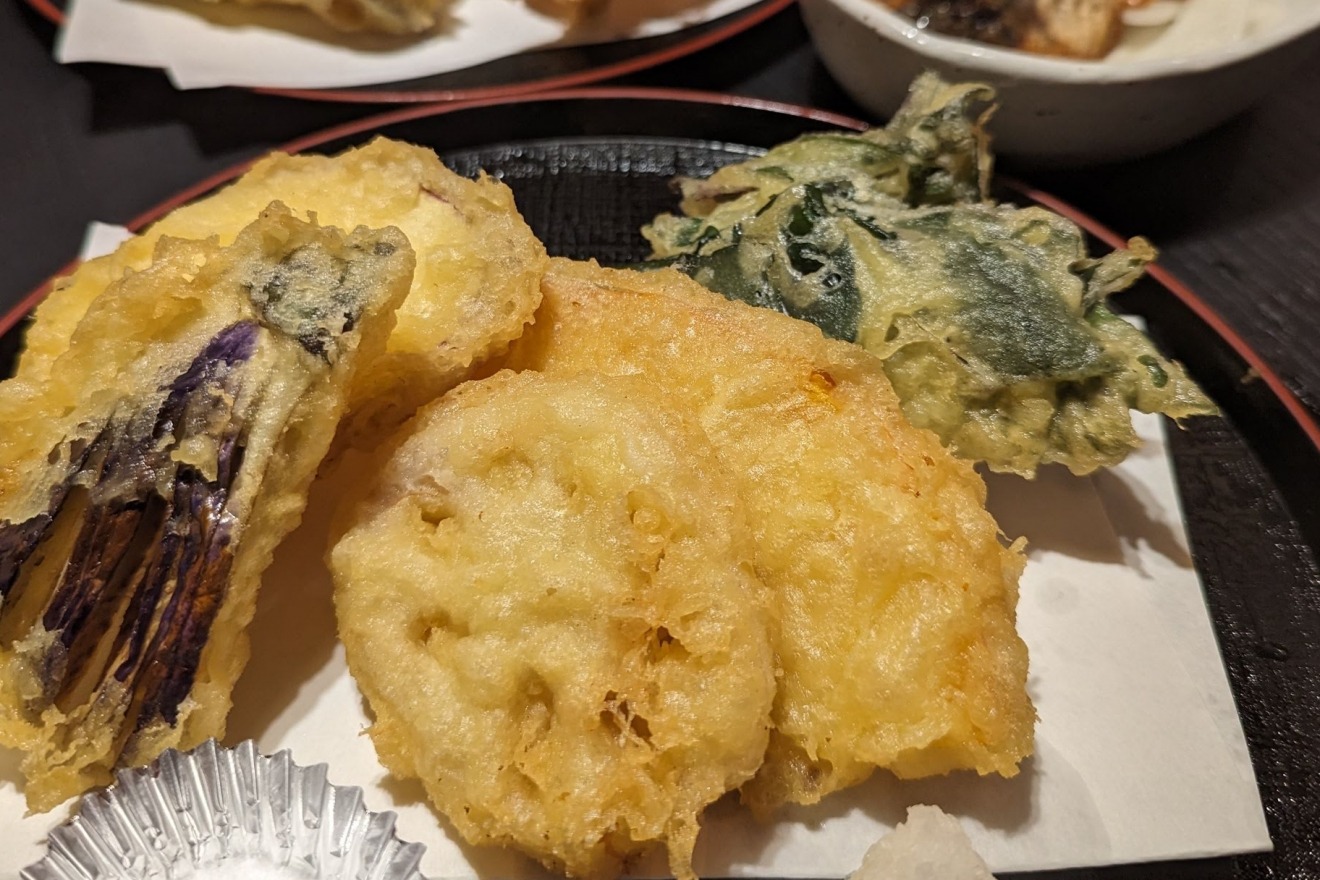
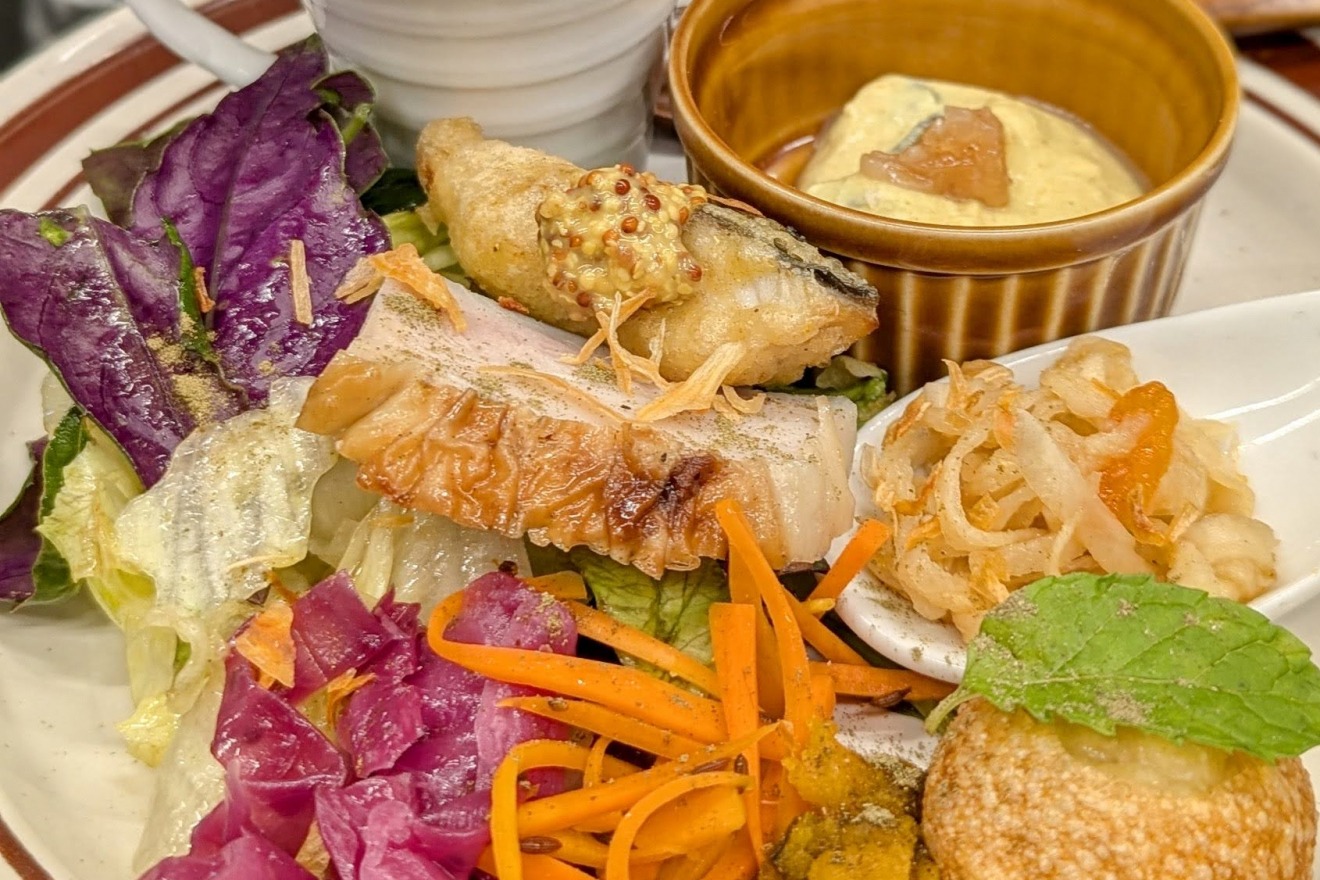
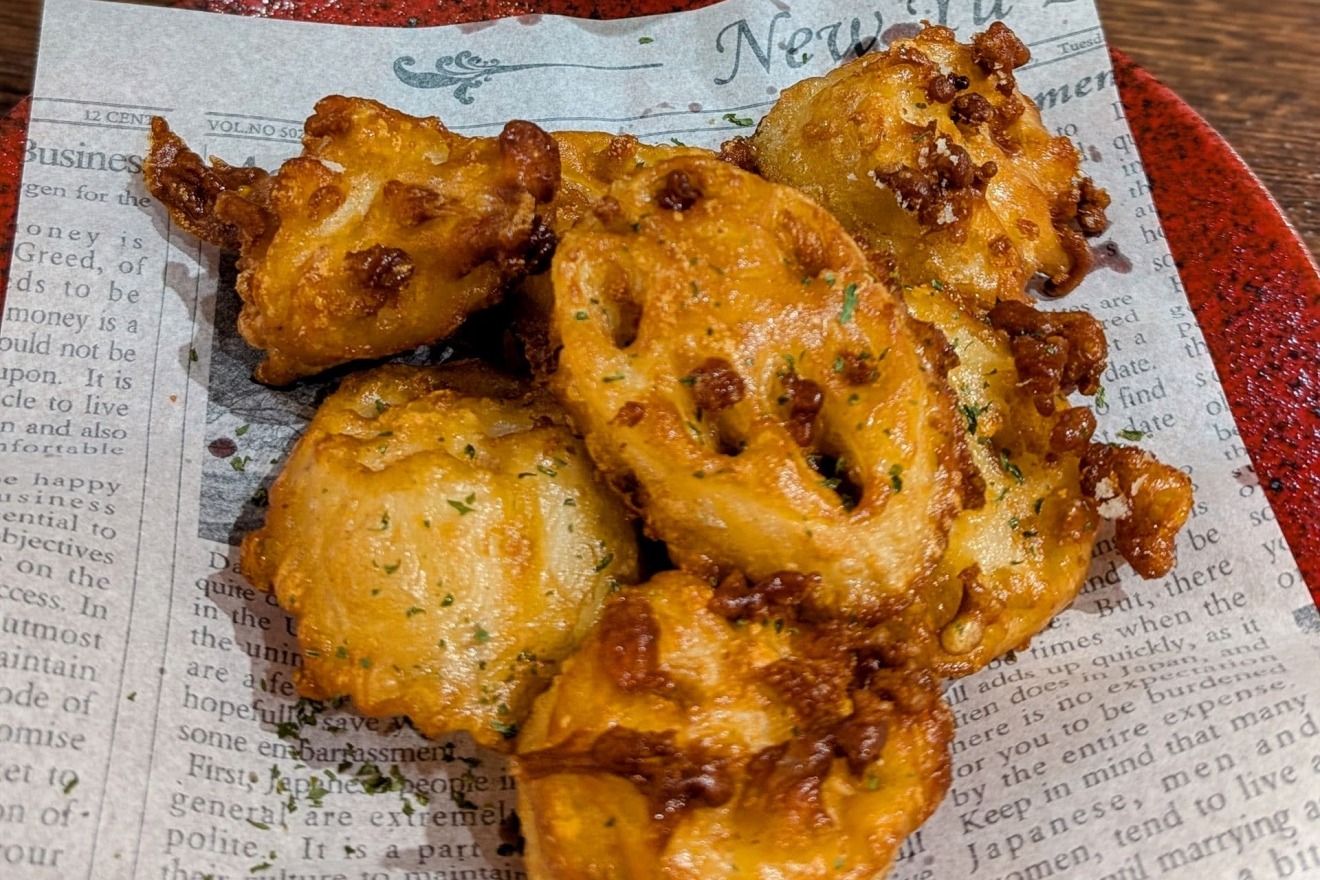
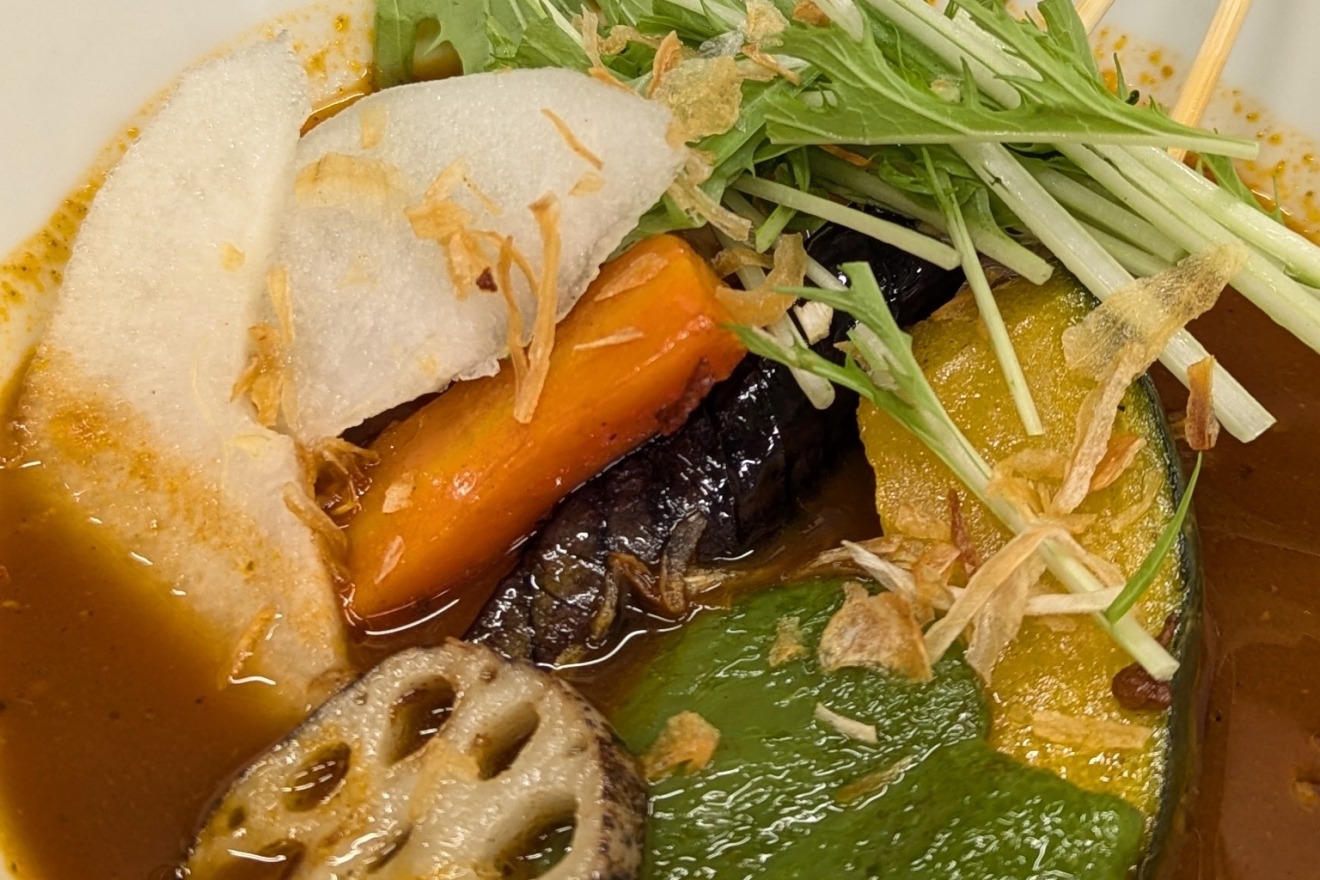
Kaga Vegetables are a group of 15 traditional vegetable varieties officially recognized by the Kanazawa City Agricultural Produce Branding Association.
To qualify as a Kaga Vegetable, a variety must meet the following criteria:
Kaga Vegetable Certification Criteria
1. It must have been cultivated in Kanazawa before 1945.
2. It must still be grown in Kanazawa today.
Today, 15 varieties are officially recognized as Kaga Vegetables.
Local growers and communities have worked to preserve these traditional varieties and their cultivation methods over generations.
Some Kaga Vegetables have distinctive shapes, colors, and textures that set them apart from more commonly available vegetables. Each has its own character, and one of their greatest attractions is the opportunity to enjoy different flavors throughout the seasons.
The 15 Kaga Vegetables
Kinjiso (Okinawan Spinach): Green on the upper side of the leaf and reddish-purple underneath. Develops a distinctive slippery texture when cooked.
Kaga Futokyuri (Big Cucumbers): Thick and plump, with crisp, juicy flesh.
Takenoko (Bamboo Shoots): A spring delicacy with a delicate aroma and rich flavor.
Utsugi Akagawa Amaguri Kabocha (Utsugi Red-skinned Sweet Chestnut Pumpkins): Recognizable by their vivid reddish-orange skin and moist flesh.
Heta Murasaki Nasu (Eggplants): Small, with thin skin and tender flesh.
Kaga Tsurumame (Wild Soybeans): Flat beans with a distinctive shape and rich flavor.
Akazuiki (Red Taro Stems): The reddish leaf stalks of the taro plant.
Kaga Renkon (Lotus Roots): Thick and firm, becoming distinctly sticky when grated.
Satsumaimo (Sweet Potatoes): Grown in sandy coastal soil and known for their fluffy, crumbly texture.
Kanazawa Ippon Futonegi (Large Spring Onions): Thick and naturally sweet, becoming tender when cooked.
Gensuke Daikon (Japanese White Radishes): Short and thick, particularly suited to simmered dishes.
Kanazawa Shungiku (Chrysanthemum Greens): A variety with rounded, tender leaves and a pleasant aroma.
Futatsuka Karashina (Indian Mustard): Known for its distinctive pungent flavor and aroma.
Kanazawa Seri (Japanese Parsley): Valued for its refreshing fragrance and crisp texture.
Kuwai (Arrowhead Bulbs): Traditionally enjoyed as an auspicious food because of its upward-growing shoot, which symbolizes good fortune.
The definition and list of certified varieties are based on information from the Kanazawa City Agricultural Produce Branding Association.
Enjoy Kaga Vegetables in Season
Kaga Vegetables reflect the four seasons of Kanazawa. Their seasonal flavors are often described as “works of art created by nature.”
In the city, many restaurants highlight these vegetables:
Traditional ryotei (Japanese long-established restaurants): Serving authentic Kaga cuisine prepared with time-honored techniques.
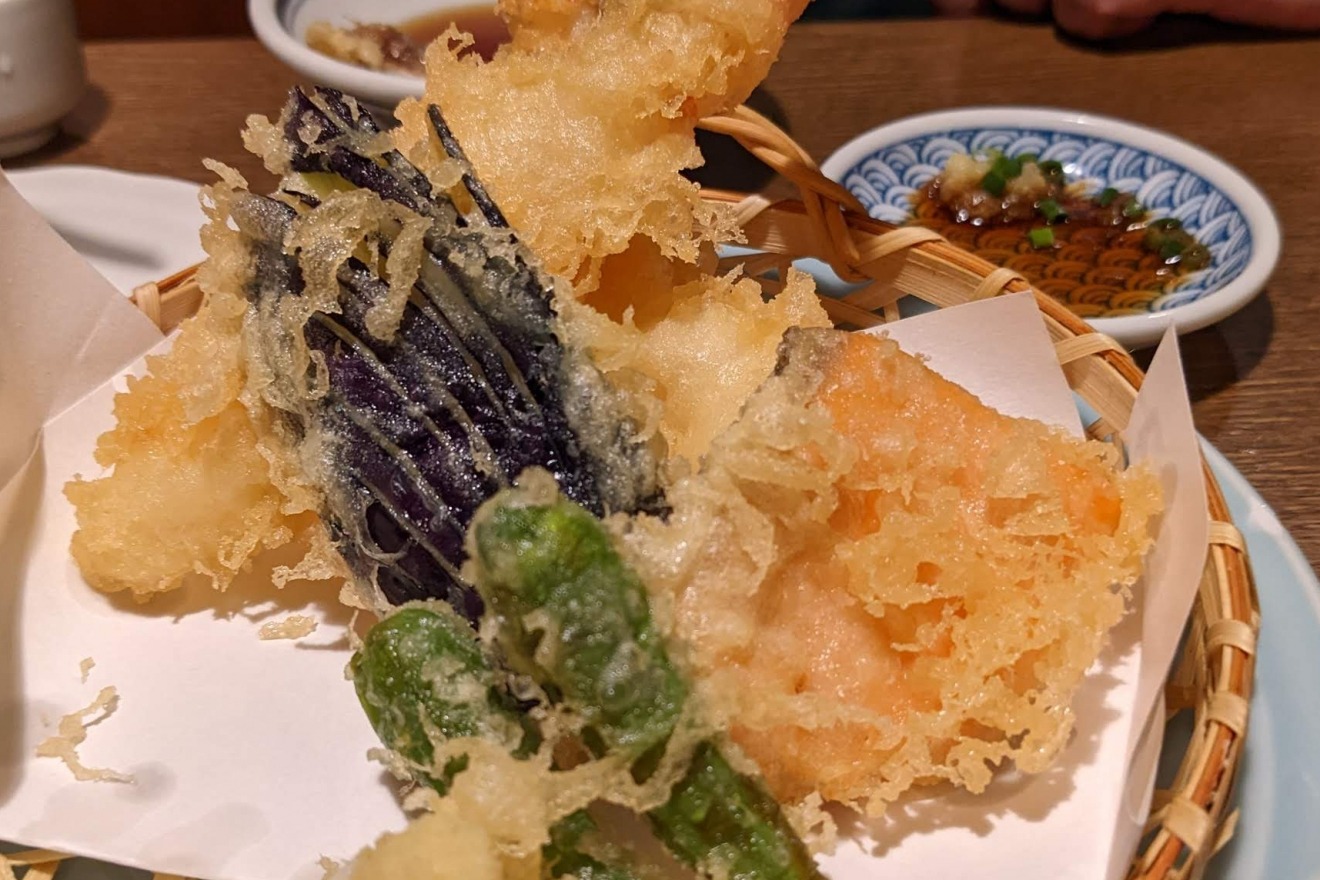
Casual restaurants and izakaya (Japanese pubs): Offering approachable dishes featuring Kaga Vegetables such as tempura, salads, and simmered dishes.
When visiting Kanazawa, make sure to try these seasonal specialties for a truly local experience.
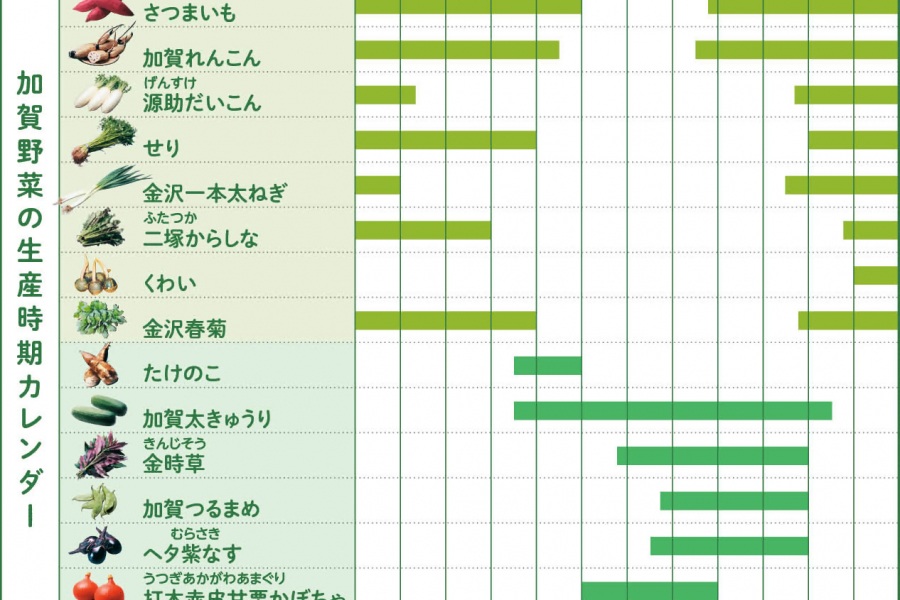
2. Featured Kaga Vegetables
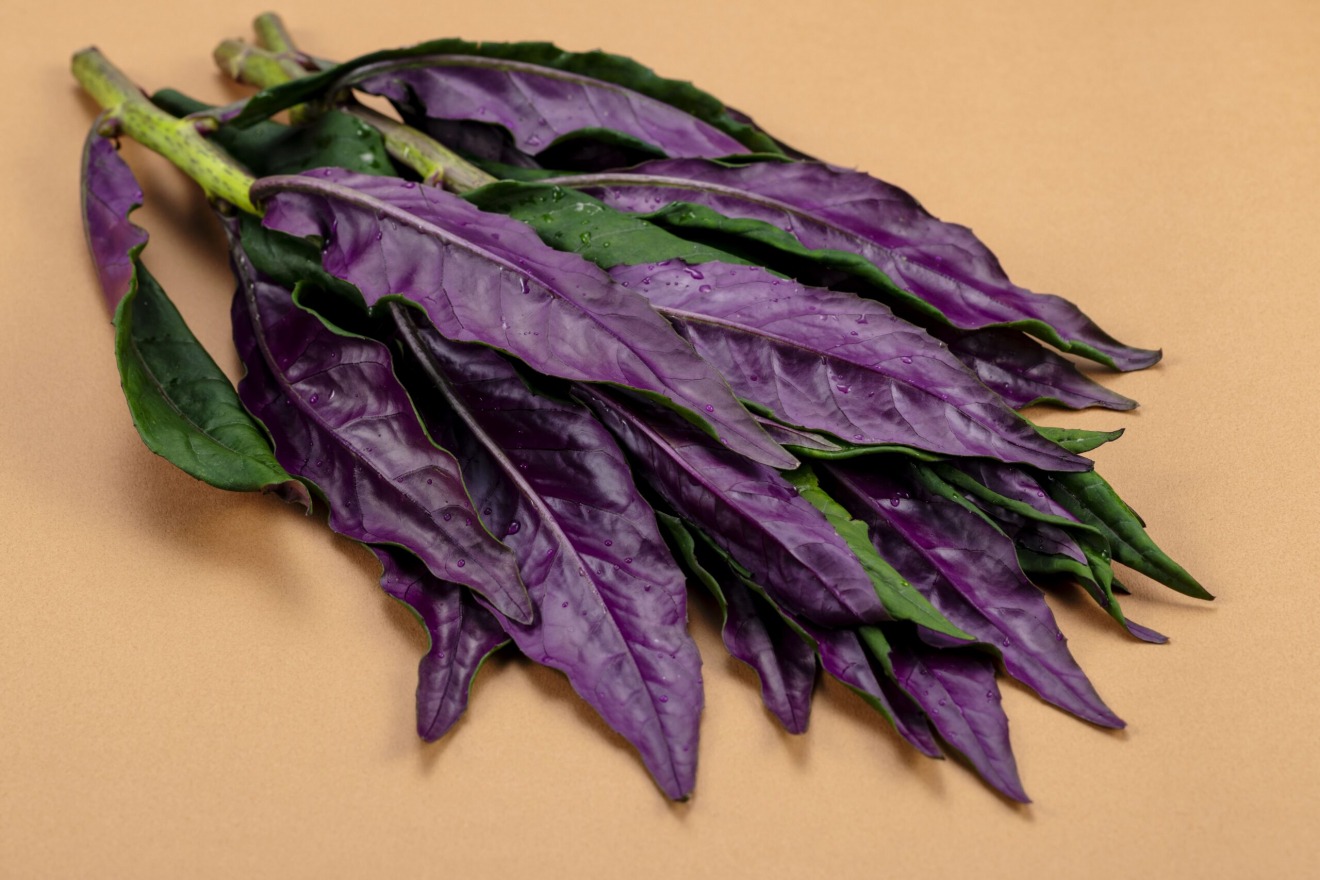
Kaga Vegetables come in a wide range of shapes, colors, textures, and flavors. Here, we introduce some of the varieties that are especially representative of Kanazawa.
The seasons and growing areas listed below are approximate. Harvest and availability may vary depending on growing conditions and the weather. For detailed information about the other varieties, please visit the official website of the Kanazawa City Agricultural Produce Branding Association.
Kinjiso (Okinawan Spinach): Beautiful Purple Leaves and a Distinctive Texture
Kinjiso leaves are green on the upper side and a vivid reddish-purple underneath. When cooked, they develop a distinctive slippery texture. The stems are tender, while the leaves have a slightly sweet taste.
Typical dishes: Blanched greens, dressed vegetable dishes, vinegar-seasoned dishes, simmered greens, and tempura. Tempura brings out their delicate aroma and creates a light, crispy texture.
Availability: Available throughout the year through both outdoor and greenhouse cultivation. Outdoor-grown Kinjiso is generally harvested from late June to late October.
Main growing areas: Yuwaku and Yasuhara
Kaga Futokyuri (Big Cucumbers): A Thick, Juicy Local Specialty of Kanazawa
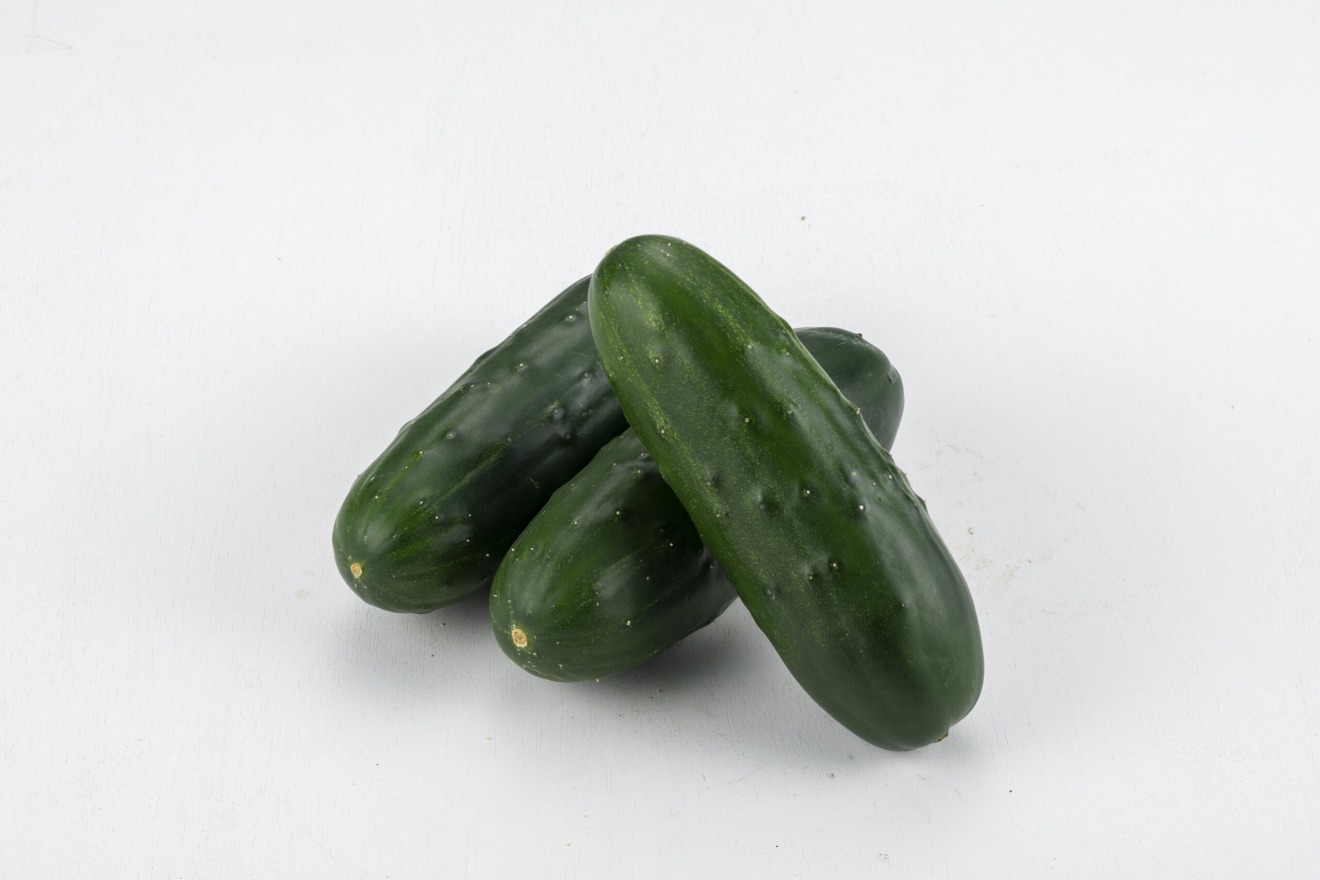
Kaga Futokyuri is much thicker and plumper than ordinary cucumbers. It has thick, juicy flesh and a pleasantly tender texture.
It is commonly peeled and seeded before being simmered or served with a savory thickened sauce. It is also delicious chilled and served in vinegar-seasoned dishes or salads.
Typical dishes: Simmered cucumber with thickened sauce, vinegar-seasoned dishes, salads, and pickles.
Availability: April to around November
Main growing area: Yasuhara
Kaga Renkon (Lotus Roots): Richly Sticky and the Key Ingredient in Hasu-mushi
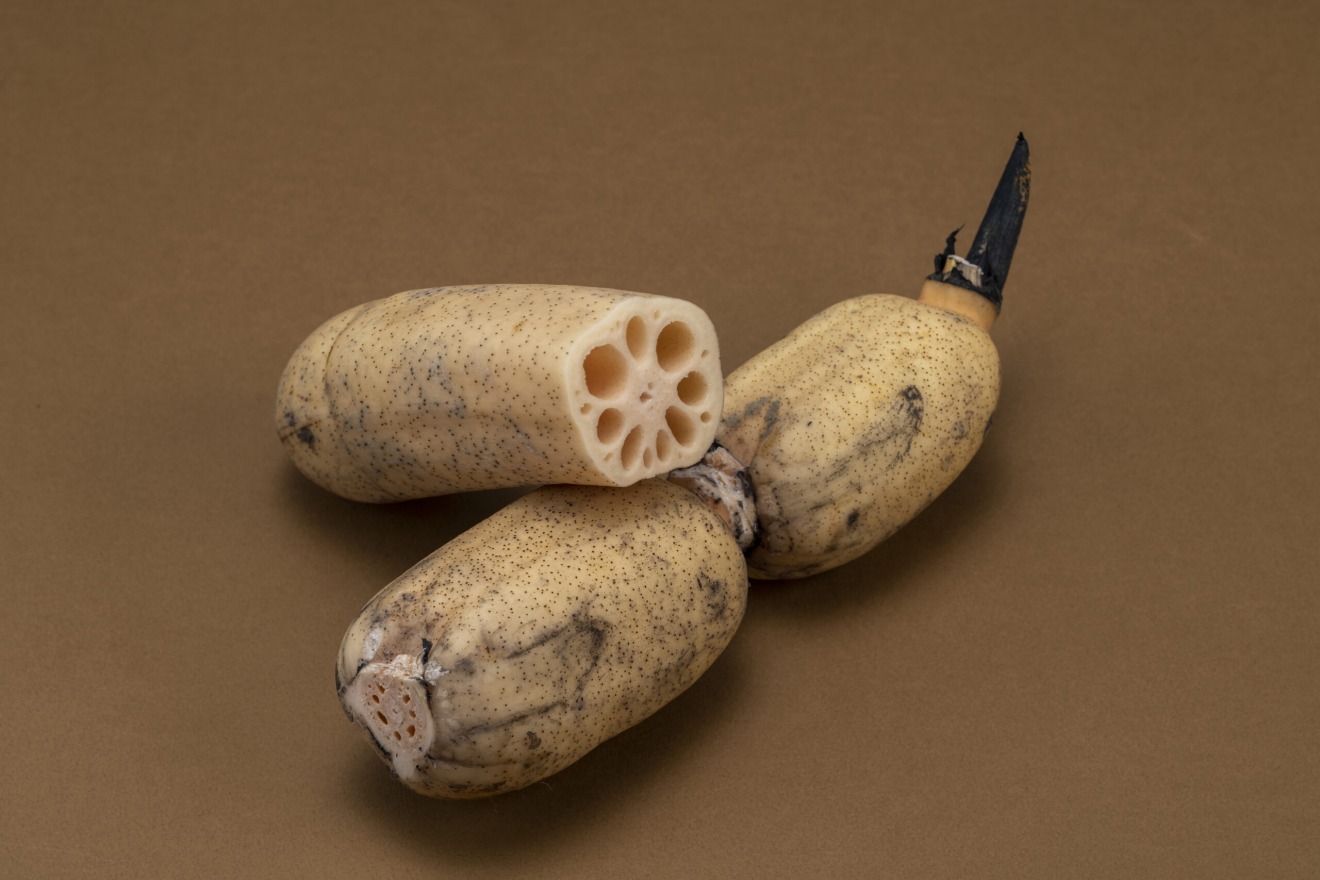
Kaga Renkon is grown in clay-rich soil. It is known for its short, thick sections and dense flesh. When grated, it develops a particularly sticky consistency, creating a pleasantly chewy and soft texture when cooked.
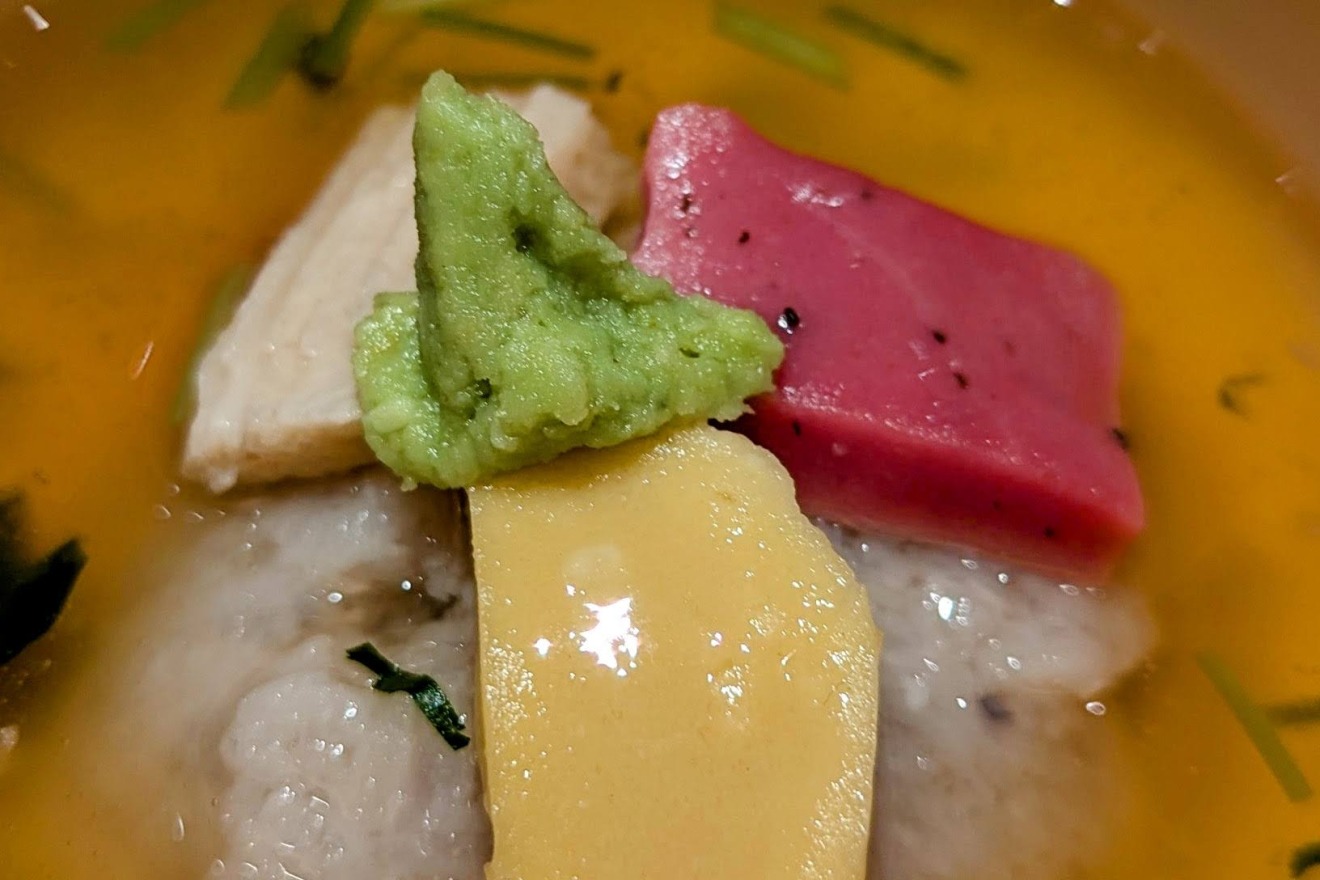
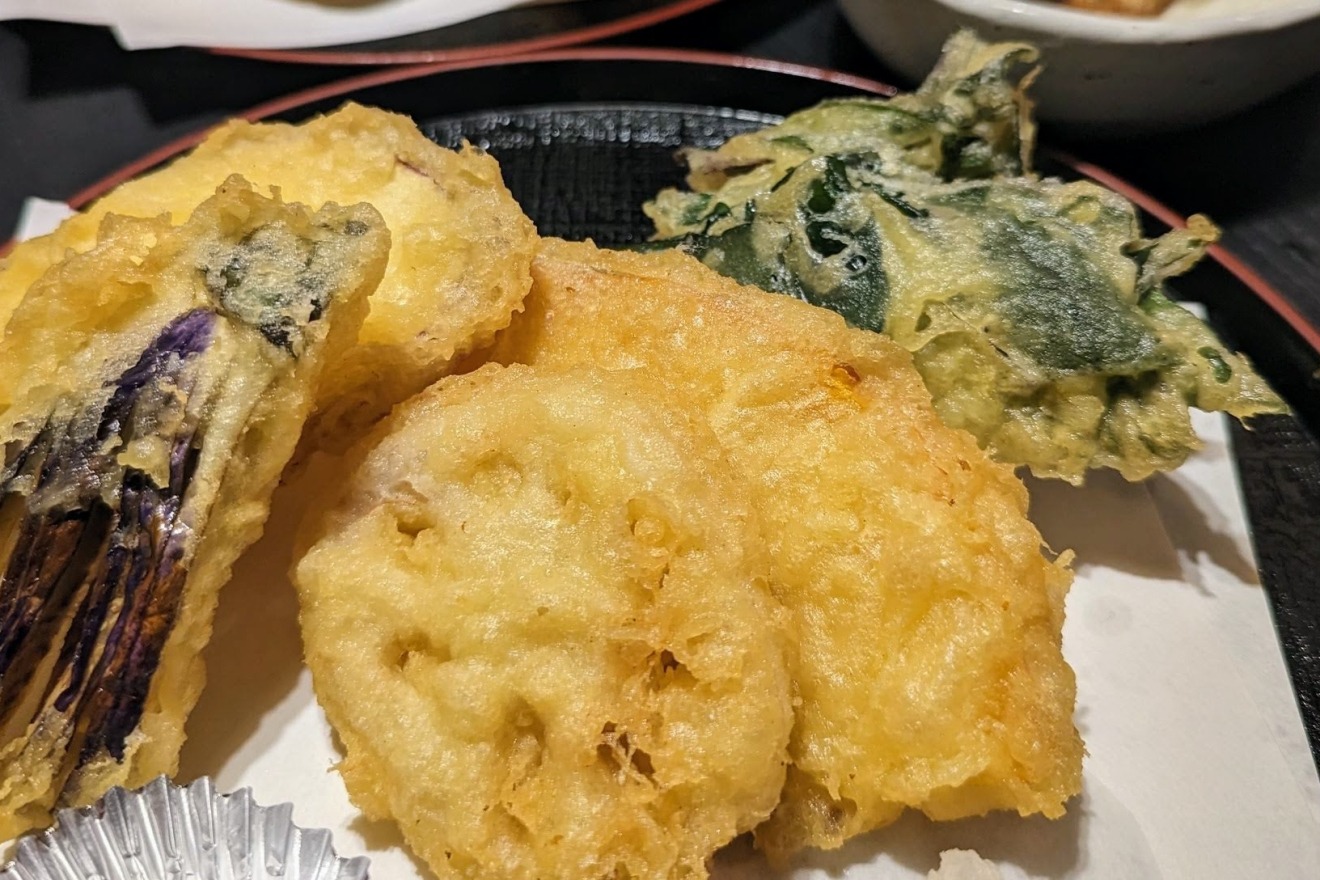
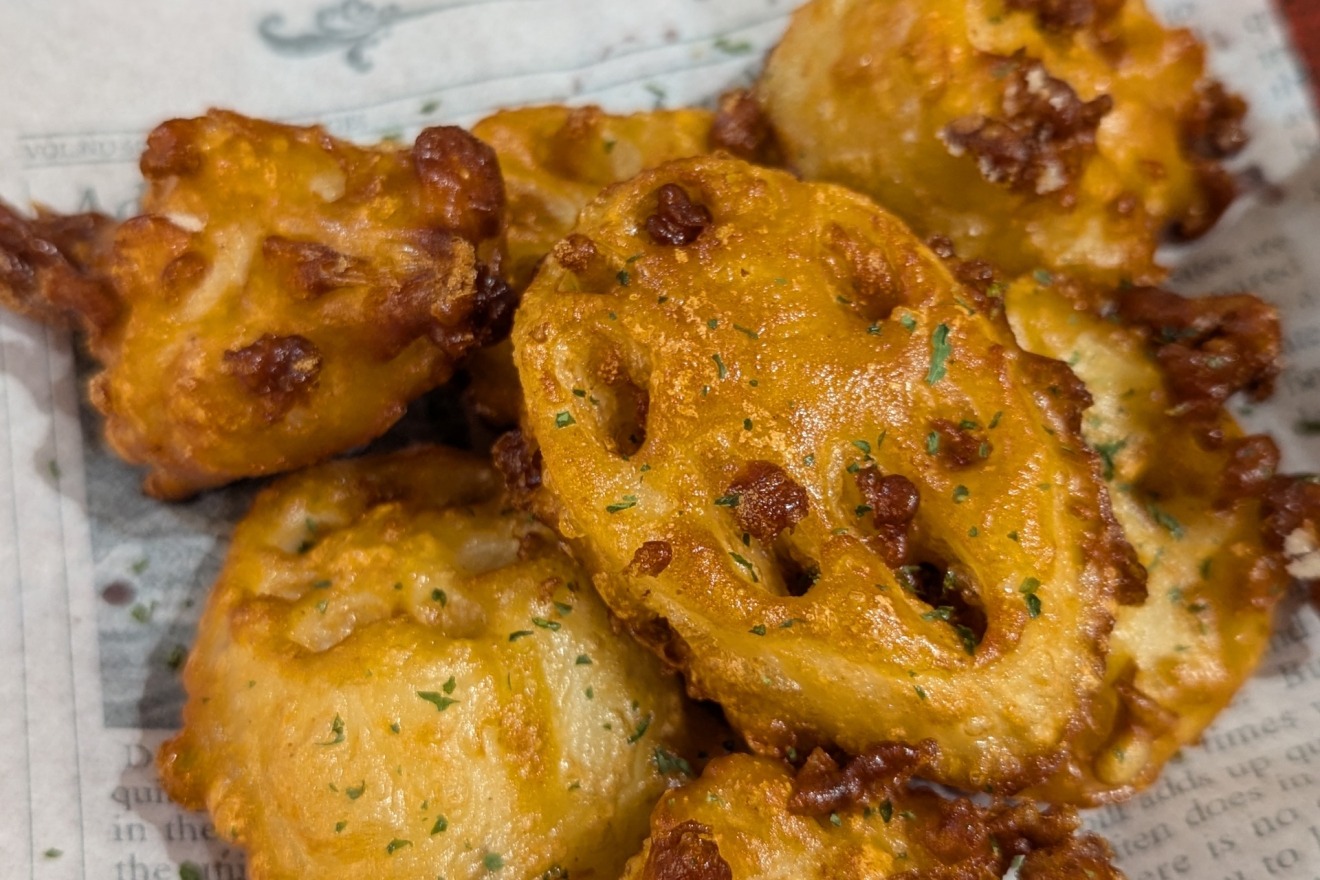
It is one of the signature Kaga Vegetables and is an essential ingredient in Hasu-mushi, a traditional Kanazawa dish. It is also enjoyed in tempura and simmered dishes.
Typical dishes: Tempura, Hasu-mushi (a local dish made by steaming grated lotus root with other ingredients and serving it with a savory sauce), and simmered dishes.
Availability: August to around May of the following year
Main growing areas: Kosaka and the Kahokugata area
Satsumaimo (Sweet Potatoes): Goro-jima Kintoki, with a Fluffy Texture and Refined Sweetness
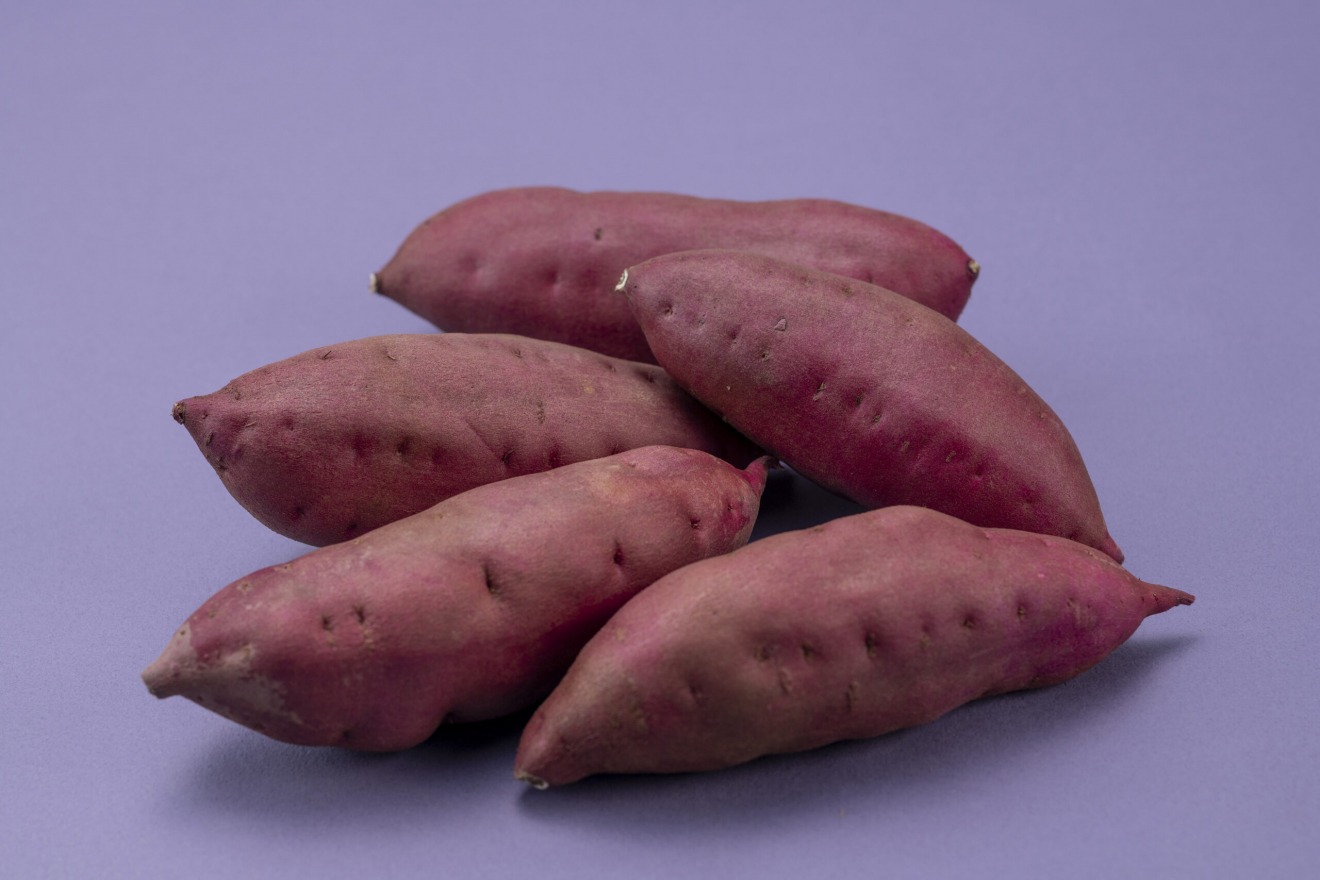
Sweet potatoes grown in the sandy coastal areas of Goro-jima, Awagasaki, and Ono in Kanazawa are widely known as Goro-jima Kintoki.
They are prized for their fluffy, crumbly texture and refined sweetness. In the local dialect, this powdery, pleasantly crumbly texture is sometimes described as kobokobo.
Goro-jima Kintoki sweet potatoes can be enjoyed roasted or steamed, and are also used in tempura, traditional Japanese sweets, and Western-style desserts.
Typical dishes: Roasted and steamed sweet potatoes, tempura, sweet potato desserts such as sweet potato cakes, and other confectionery.
Availability: September to around May of the following year
Main growing areas: Awago, Ono, and Daitoku
Takenoko (Bamboo Shoots): A Spring Delicacy Signaling the Arrival of the Season
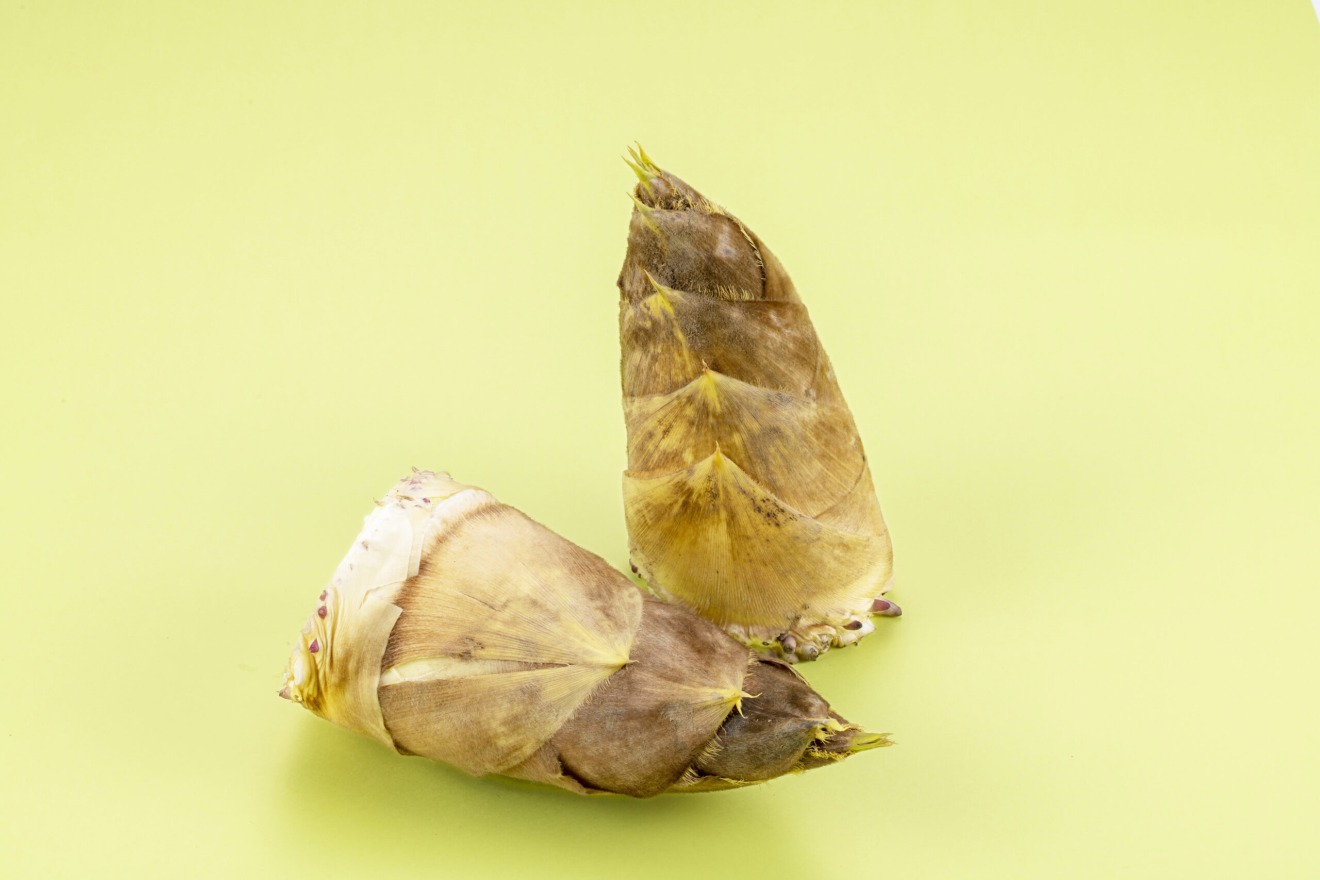
In Kanazawa, bamboo shoots grown in areas such as Uchikawa and Togashi come into season in spring.
They are known for their tender texture and rich, delicate flavor. Freshly harvested bamboo shoots are particularly prized and can be enjoyed in dishes that highlight their freshness.
Popular preparations include bamboo shoot rice, tempura, simmered bamboo shoots with wakame seaweed, and clear soup.
Typical dishes: Bamboo shoot rice, tempura, simmered bamboo shoots with wakame seaweed, and clear soup.
Availability: April to May
Main growing areas: Uchikawa, Togashi, Kinjo, and Nukashi
Utsugi Akagawa Amaguri Kabocha (Utsugi Red-skinned Sweet Chestnut Pumpkins): A Vivid Red Skin and Sweet, Moist Flesh
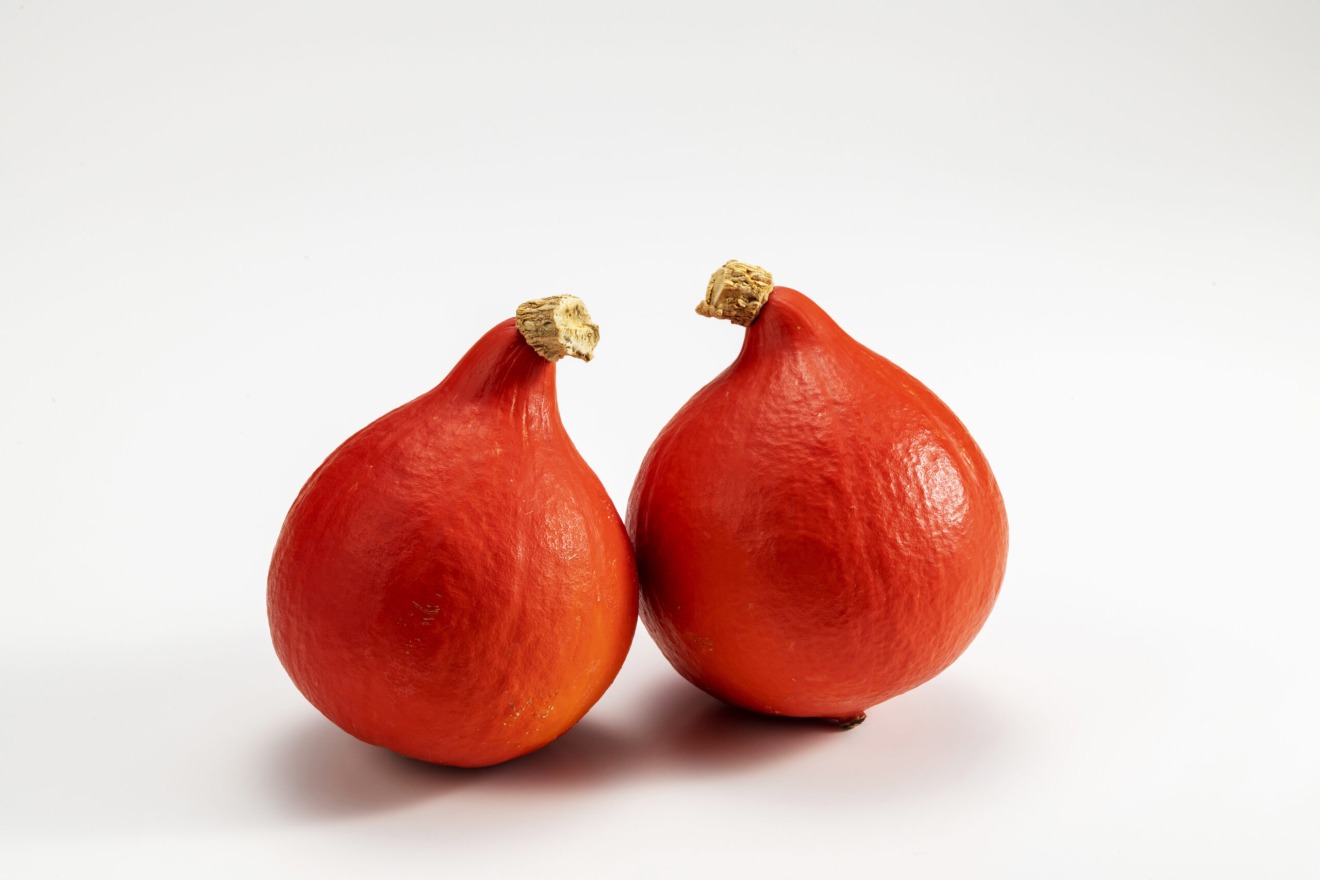
This distinctive pumpkin is easy to recognize by its vivid reddish-orange skin and rounded shape. Its flesh is moist and naturally sweet, with a refined flavor.
It is delicious simmered or made into a smooth soup, both of which bring out its beautiful color.
Typical dishes: Simmered pumpkin, pumpkin soup, tempura, and sweets.
Availability: June to August
Main growing area: Yasuhara
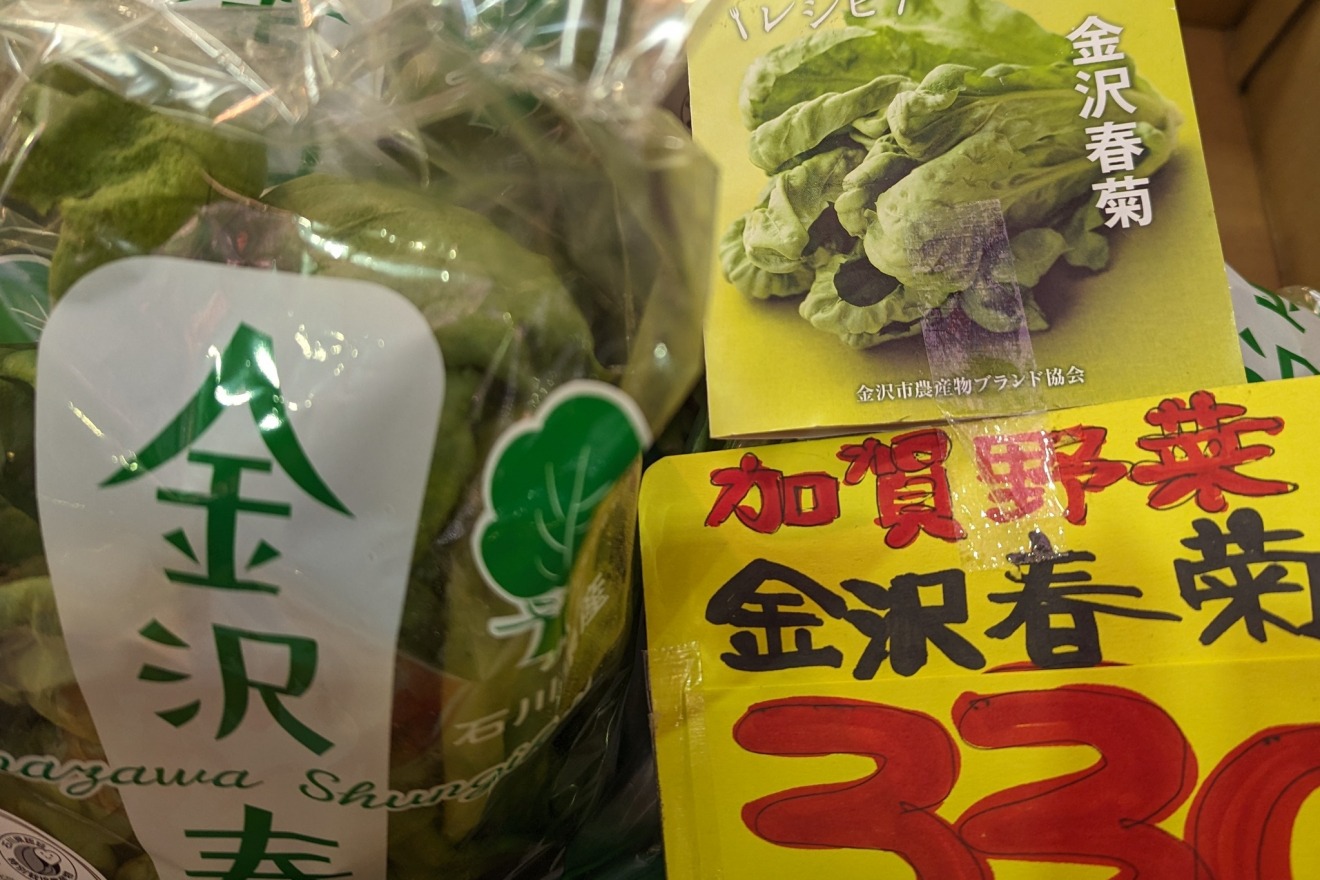
Kanazawa Shungiku (Chrysanthemum Greens): A Mild, Tender Variety Enjoyed in Winter
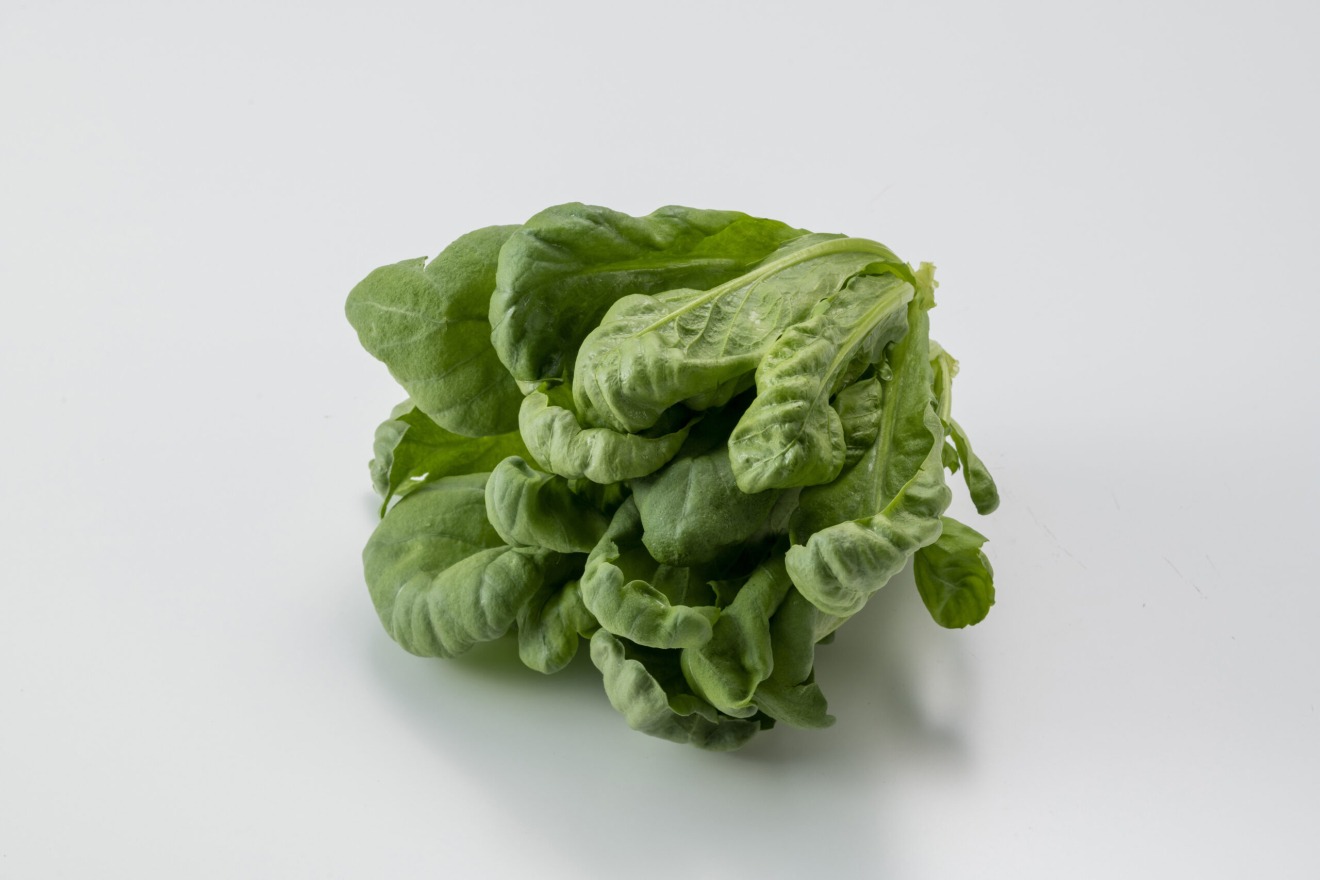
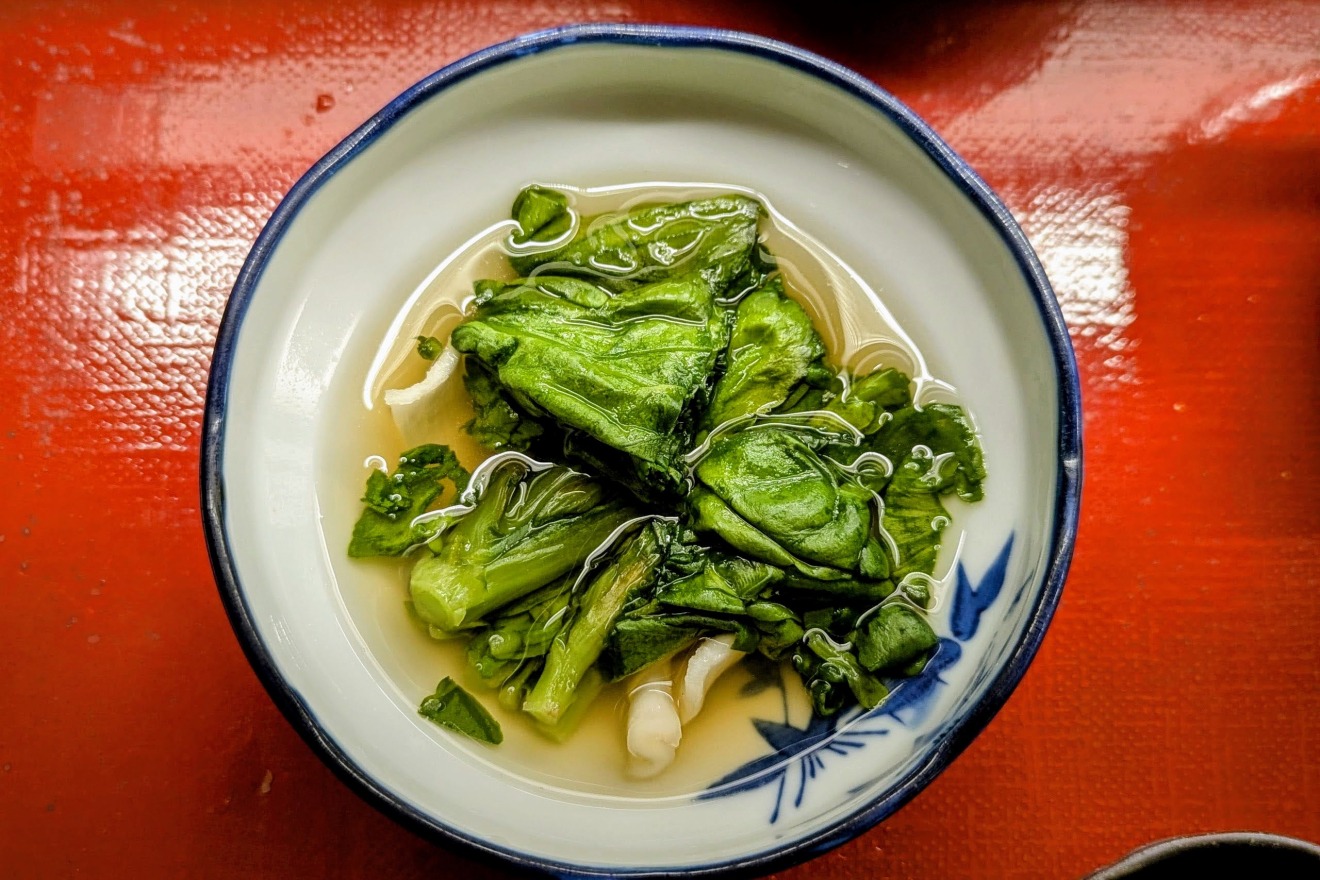
Compared with commonly available chrysanthemum greens, Kanazawa Shungiku has less deeply cut, more rounded leaves.
Its leaves are tender and have a relatively mild bitterness and flavor, making them suitable for eating raw in salads. They are also delicious in hot pot dishes and shira-ae, a traditional Japanese dish of vegetables dressed with seasoned mashed tofu.
Typical dishes: Salads, Japanese hot pot, and shira-ae (vegetables dressed with seasoned mashed tofu).
Availability: October to around April of the following year
Main growing areas: Kosaka, Higashi-asakawa, and the Kahokugata area
Gensuke Daikon (Japanese White Radishes): A Favorite for Simmered Dishes and Kanazawa Oden
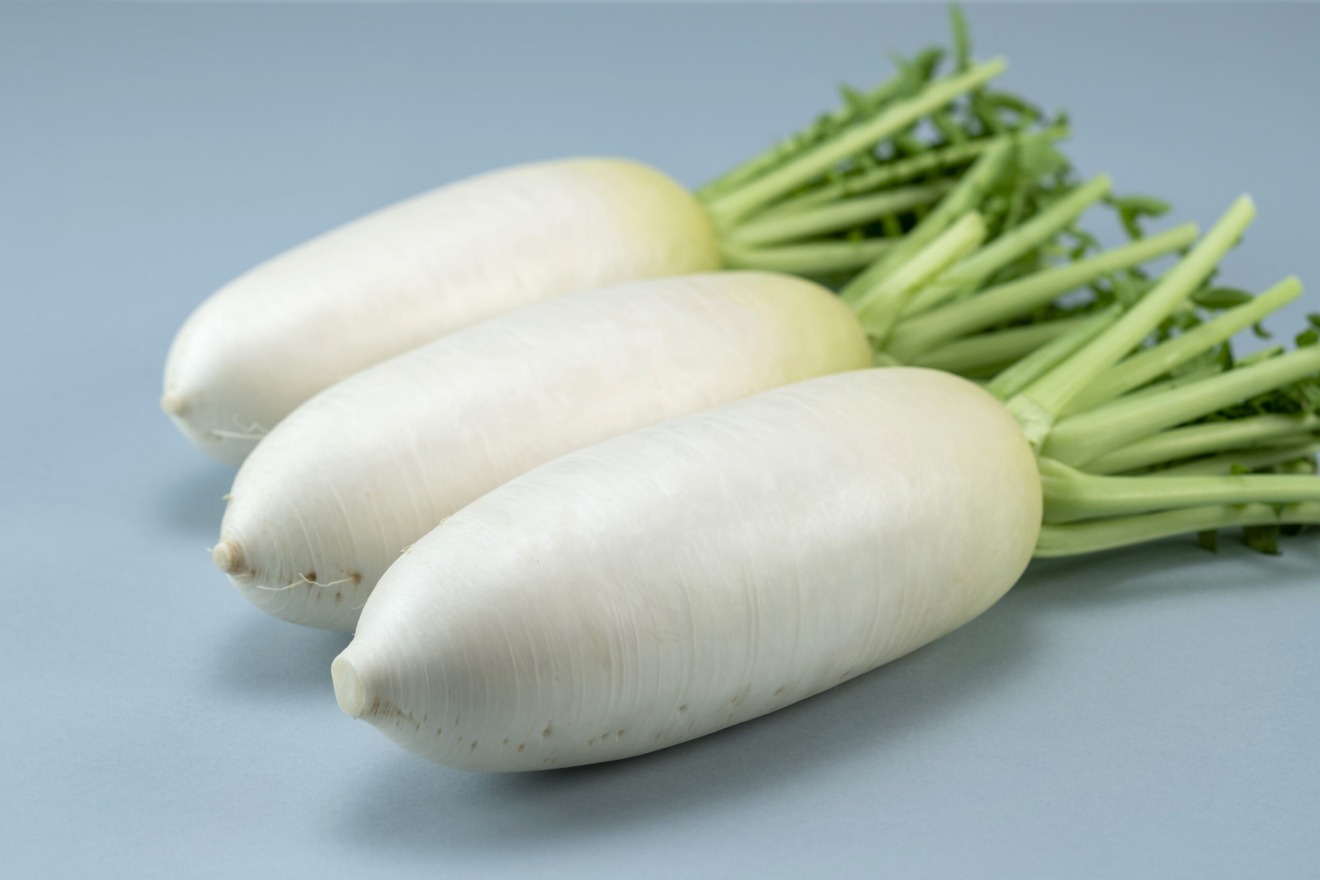
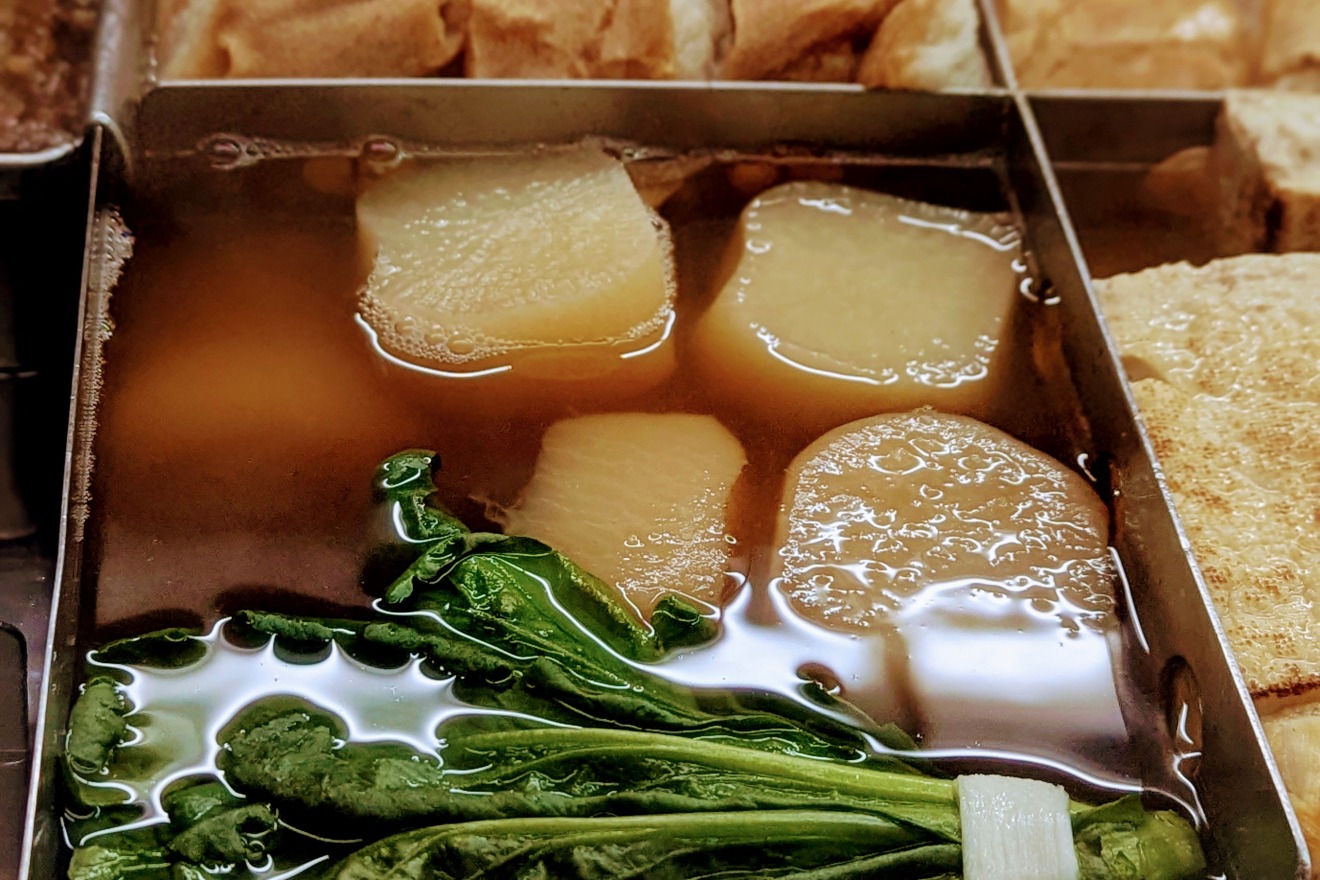
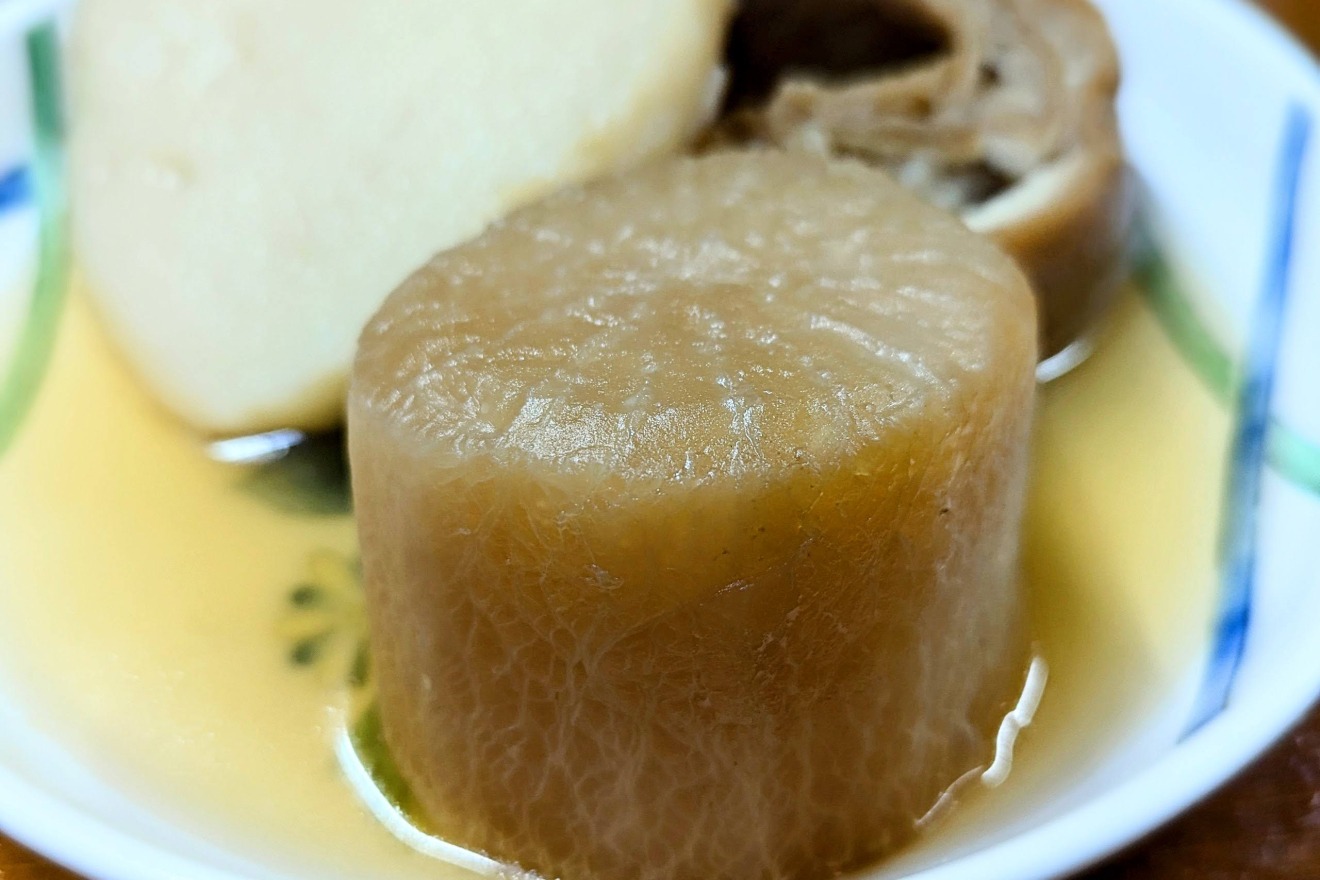
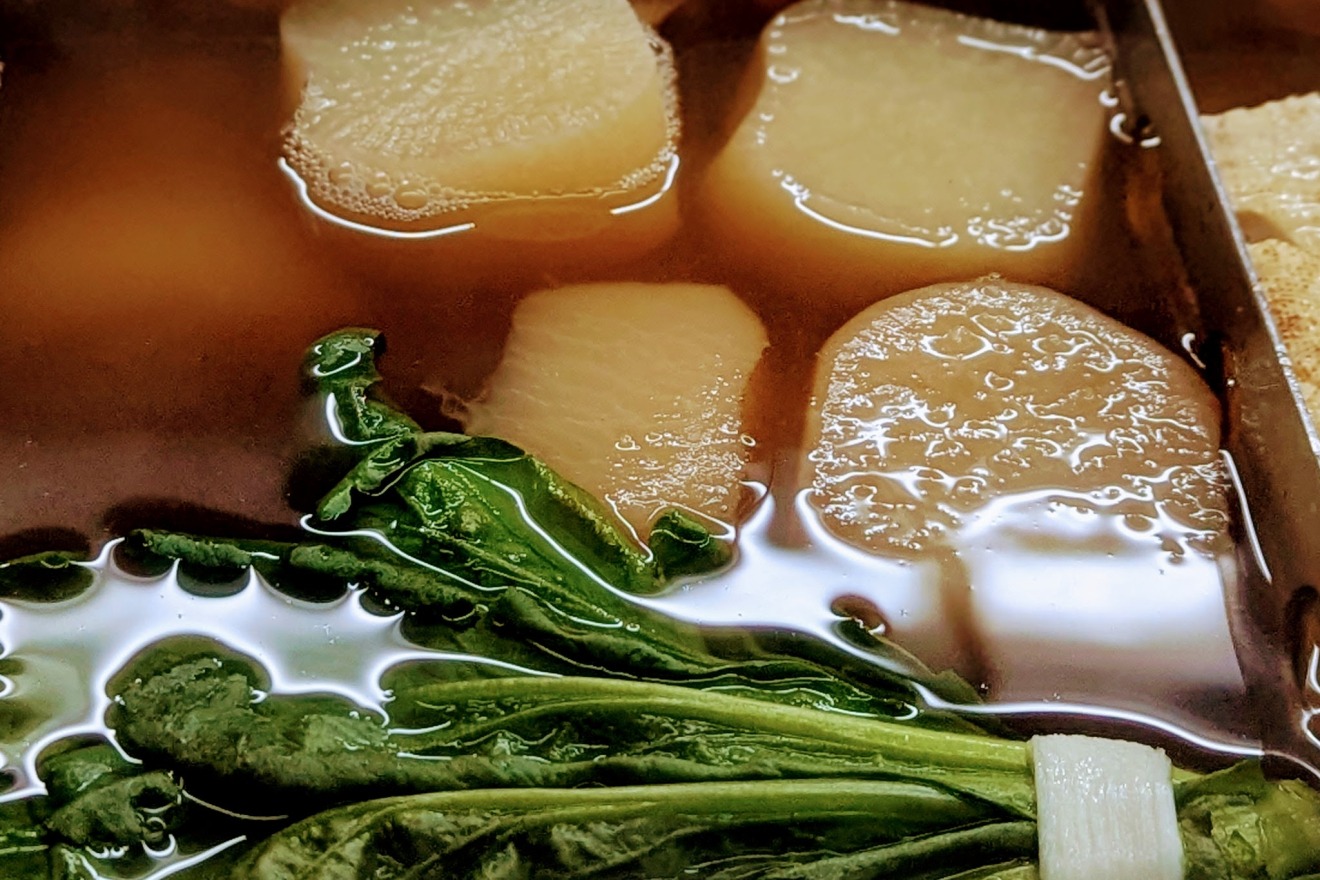
Gensuke Daikon is a short, thick Japanese radish with finely textured flesh.
It holds its shape well when simmered and absorbs the flavors of the cooking broth, making it ideal for simmered dishes such as buri-daikon (yellowtail fish cooked with daikon radish). It is also a popular ingredient in Kanazawa Oden, a local style of Japanese hot pot.
Typical dishes: Kanazawa Oden, buri-daikon, and other simmered dishes.
Availability: October to around February of the following year
Main growing areas: Yasuhara and Awago
Heta Murasaki Nasu (Eggplants): Tender Skin, Perfect for Pickles and Simmered Dishes
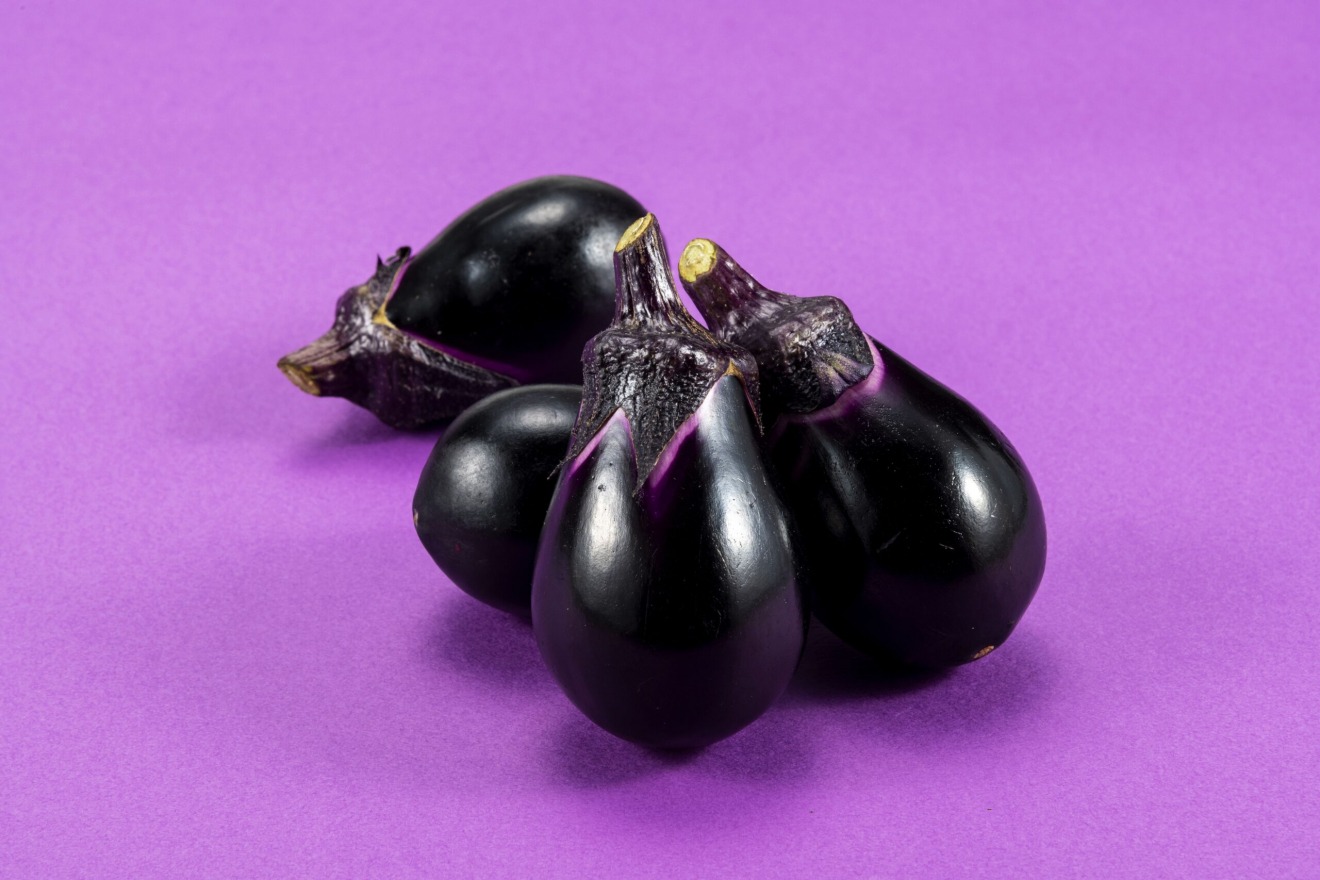
This small, egg-shaped eggplant is named for its deep purple color, which extends all the way to the area around its stem.
Its skin is thin and its flesh is tender, making it ideal for pickling and simmering. It is one of the Kaga Vegetables that adds color and flavor to summer meals.
Typical dishes: Nasu no Oranda-ni (Japanese-style fried and simmered eggplant), lightly pickled eggplant, and tempura.
Availability: July to October
Main growing area: Sakiura
Kaga Tsurumame (Wild Soybeans): Flavorful Flat Beans Also Known Locally as “Daramame”
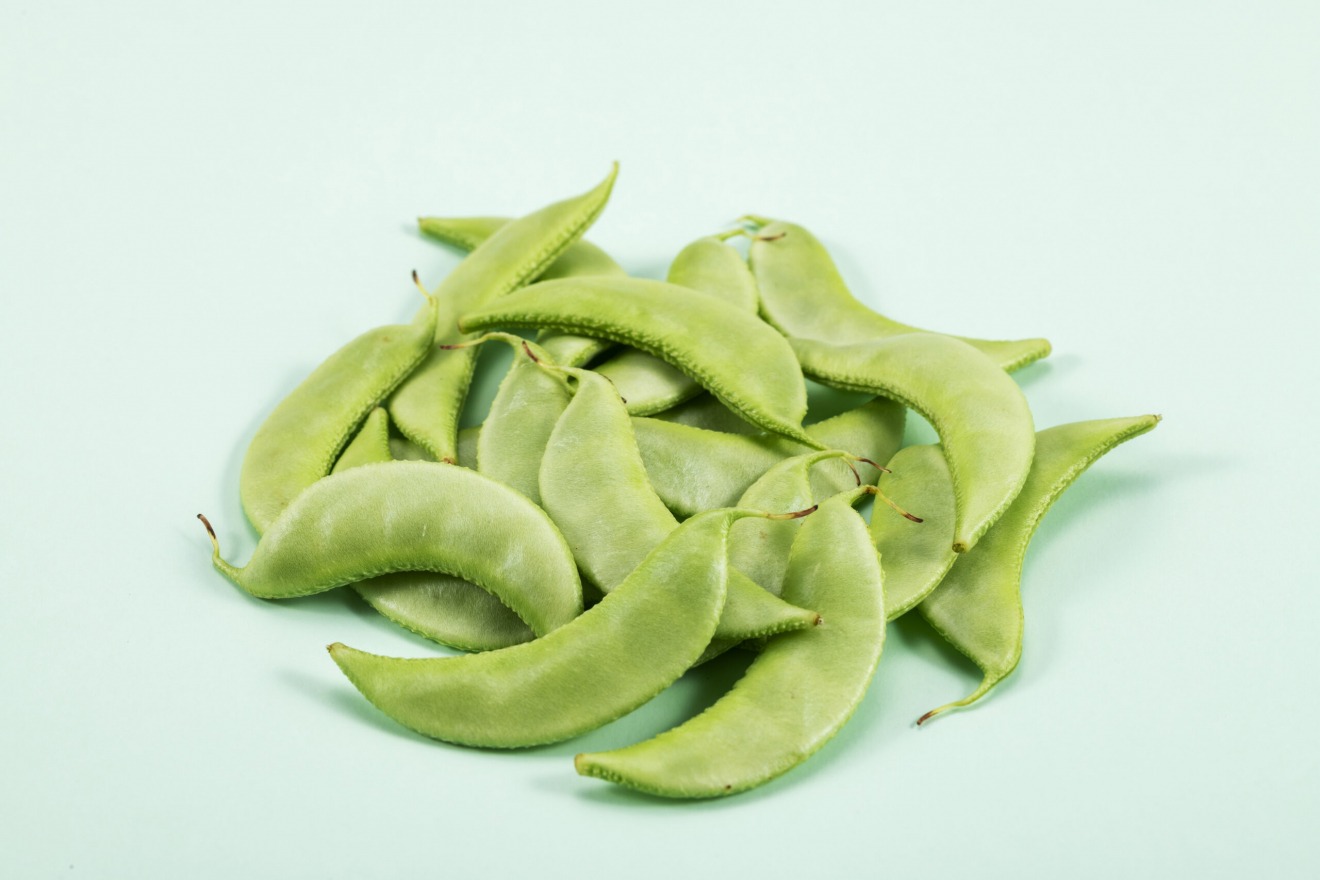
Kaga Tsurumame is characterized by its flat shape and gently wavy edges.
In Kanazawa, it is also affectionately known by the local name daramame. It has a distinctive flavor and can be enjoyed simmered or fried as tempura.
One local way of preparing it is to simmer the beans together with thick, grilled wheat-gluten cakes known as futayaki-fu.
Typical dishes: Simmered beans, beans simmered with futayaki-fu (thick grilled wheat-gluten cakes), and tempura.
Availability: July to October
Main growing area: Togashi
3. Kaga Vegetables and Kanazawa’s Local Food Culture
Kaga Vegetables have long been part of Kanazawa’s local cuisine and everyday meals, helping shape the region’s distinctive food culture.
Their appeal lies not only in the flavors of the vegetables themselves, but also in the traditional cooking methods that bring out the best in each variety.
Hasu-mushi: A Traditional Dish Made with Kaga Renkon
Grated Kaga Renkon is combined with ingredients such as white fish and shrimp, then steamed and served with a savory thickened sauce.
This traditional Kanazawa dish showcases the natural stickiness of Kaga Renkon and its soft, pleasantly chewy texture.
Gensuke Daikon and Kanazawa Oden
Gensuke Daikon is well suited to simmered dishes and oden because it holds its shape during cooking and readily absorbs the flavors of the broth.
It is a familiar ingredient in Kanazawa Oden, a local version of the Japanese hot pot dish in which various ingredients are slowly simmered in a light, savory broth.
Kinjiso in Vinegar-Seasoned Dishes
Vinegar-seasoned Kinjiso makes use of its vivid purple color and distinctive slippery texture. It is one of the dishes traditionally enjoyed in Kanazawa households.
Its refreshing flavor adds a splash of color to the dining table.
In these ways, Kaga Vegetables have been passed down alongside Kanazawa’s food culture, appearing in seasonal dishes throughout the year.
Today, local growers continue to cultivate these traditional varieties, which are enjoyed in restaurants and homes alike. Tasting Kaga Vegetables is also a way to experience the region’s natural environment, everyday life, and culinary history.
4. Where to Find Kaga Vegetables: Omicho Market
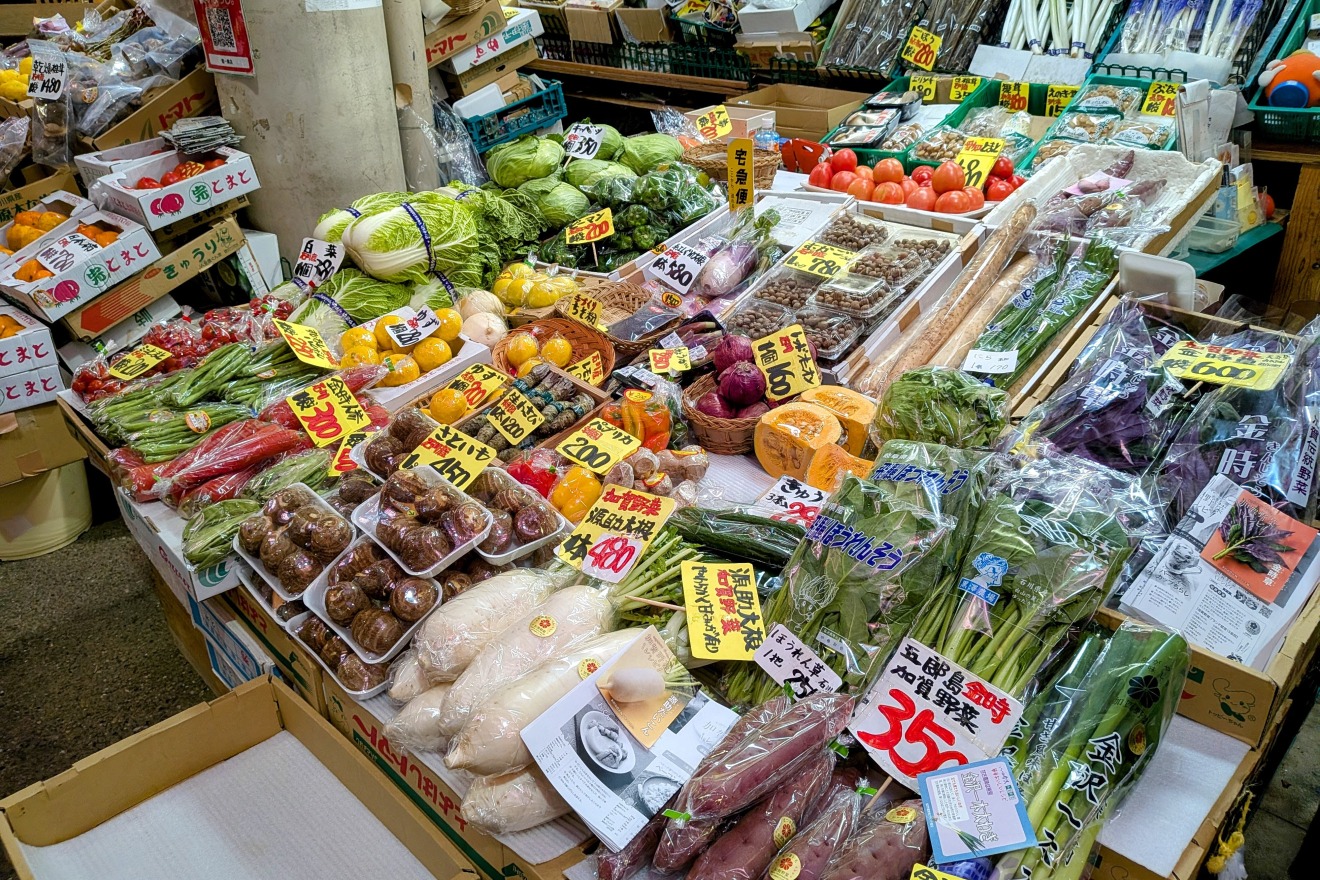
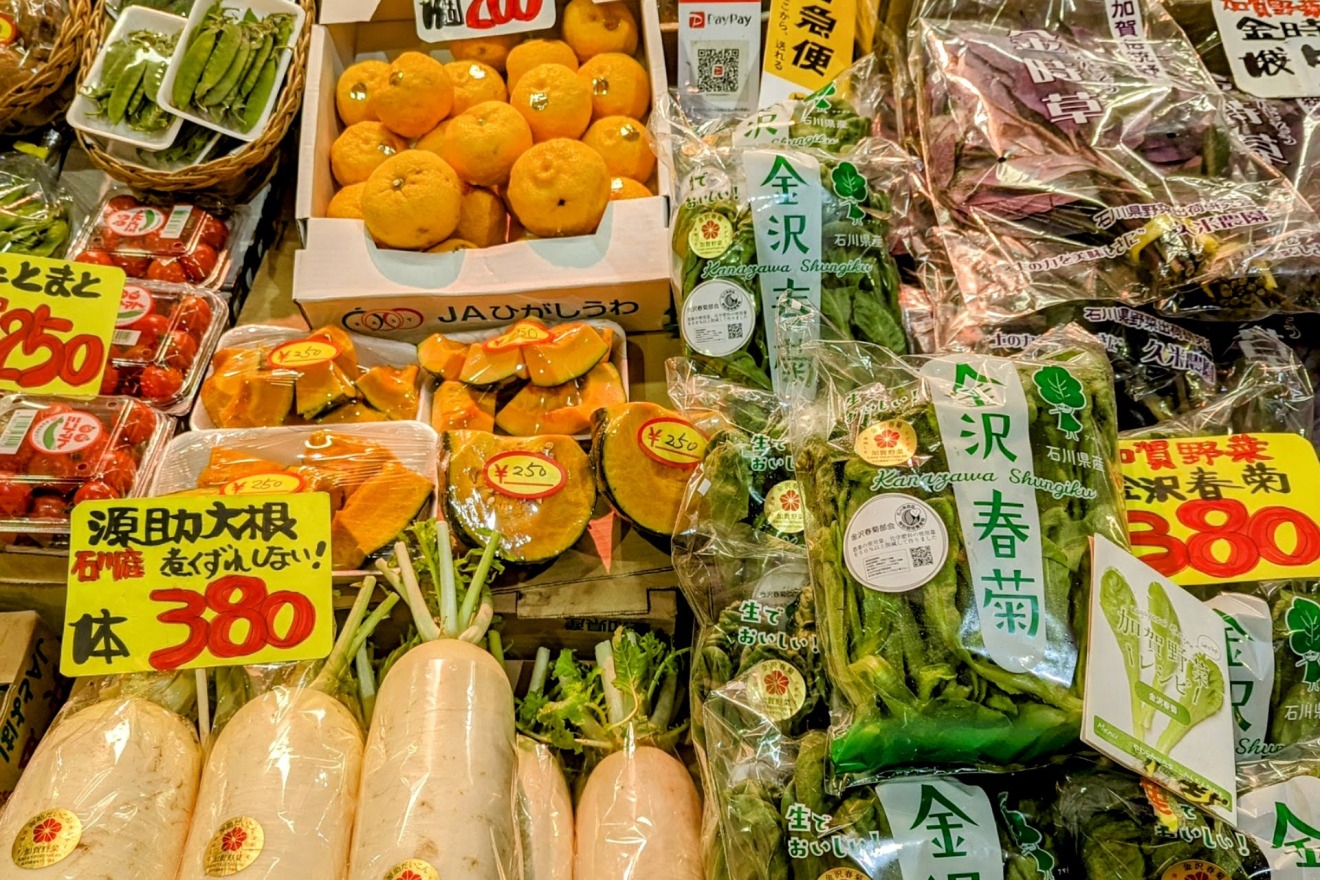
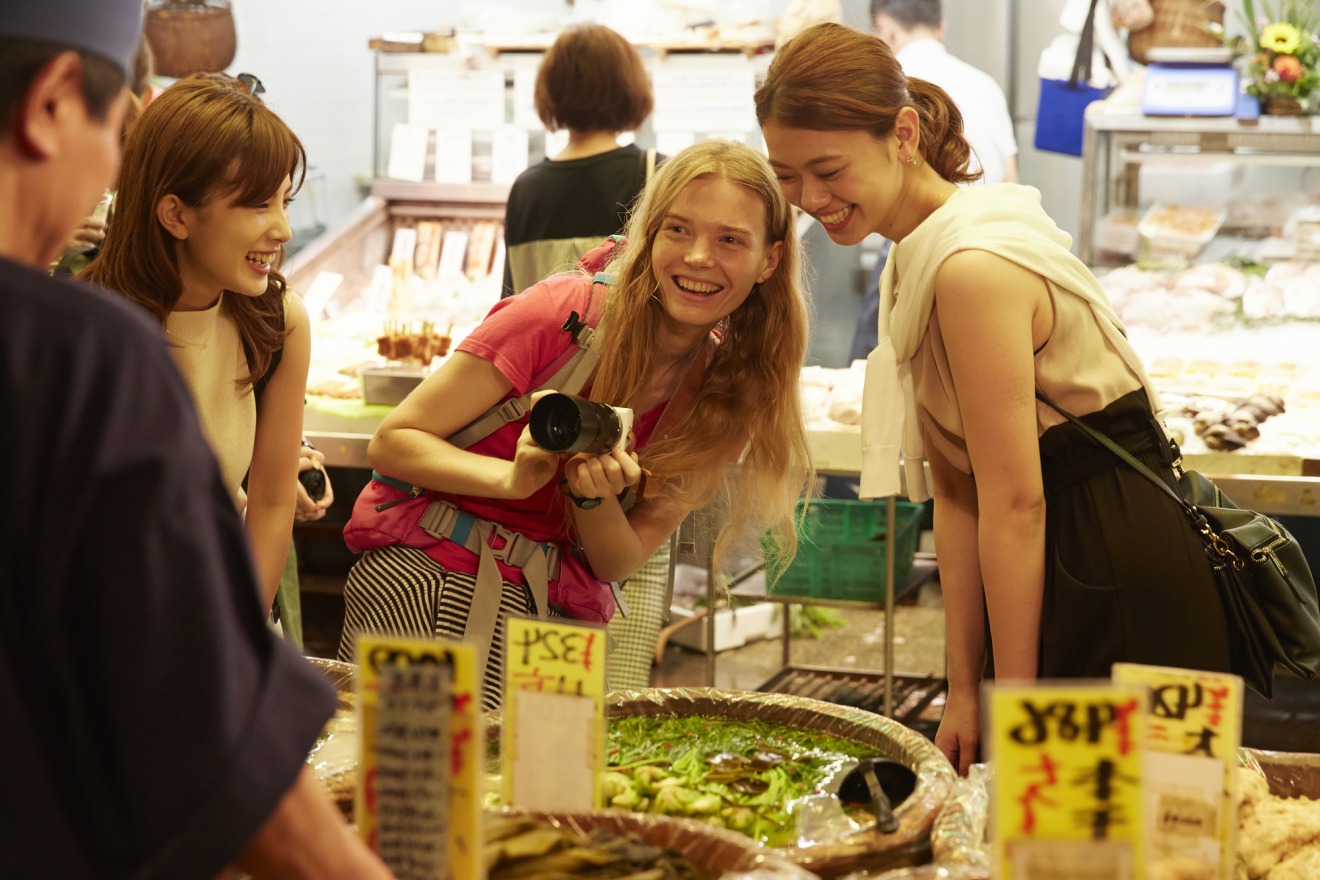
Known as “Kanazawa’s Kitchen,” Omicho Market is a lively market where locals and visitors alike can find fresh seafood, produce, and other food specialties. Some greengrocers in the market also sell Kaga Vegetables.
Depending on the season, you may find Kinjiso, Kaga Futokyuri, Kaga Renkon, Goro-jima Kintoki sweet potatoes, and other varieties on display. Part of the fun is discovering vegetables with unusual shapes and colors that you may not often see elsewhere.
Why not ask the shopkeepers about the characteristics of each vegetable and how it is best prepared? It is a wonderful way to experience Kanazawa’s food culture firsthand.
Greengrocers at Omicho Market Selling Kaga Vegetables
Kitagata Seika – Omicho Main Store
A greengrocer offering Kaga Vegetables as well as a selection of seasonal and locally grown produce. You can also ask the staff about the characteristics of different vegetables and how to prepare them.
Kitagawa Shokuhin
A greengrocer with a dedicated section for Kaga Vegetables. Staff can also provide information about the vegetables and suggested ways to cook them.
The varieties available and their sales periods depend on the season and delivery conditions. If you are looking for a particular vegetable, we recommend contacting the shop in advance.
5. A Food Tradition Preserved by Local Growers
Kaga Vegetables are an important part of Kanazawa’s heritage. Rooted in the region over many generations, these traditional varieties have been carefully preserved and passed down by local growers.
Although lifestyles and the agricultural environment have changed over time, the dedication of growers who continue to protect and cultivate these traditional varieties ensures that Kaga Vegetables remain part of our everyday meals today.
When visiting Kanazawa, we recommend not only trying dishes made with seasonal Kaga Vegetables, but also seeing and selecting the vegetables for yourself at places such as Omicho Market.
Learning about the ingredients unique to a region offers a deeper understanding of its history, daily life, and changing seasons.
Grown by the land and people of Kanazawa, each Kaga Vegetable carries a part of the region’s food culture. We hope you will discover and enjoy these local flavors during your visit.