Kaga Cuisine ― A Culinary Tradition Filled with Seasonal Blessings and Aesthetic Sensibility
Designated as an Intangible Cultural Heritage of Japan
Kaga Cuisine, a traditional food culture representing Ishikawa Prefecture, was officially recognized as a National Intangible Cultural Property of Japan in December 2025.
Japan’s National Intangible Cultural Property designation is a system that protects and honors important cultural traditions that cannot be physically preserved, such as food culture, performing arts, and craftsmanship, and passes them on to future generations.
In the field of Japanese cuisine, this recognition is only the second of its kind, following Kyoto cuisine.
Surrounded by the rich natural landscapes of the Noto Peninsula, which juts into the Sea of Japan, and the majestic Hakusan Mountains, Ishikawa offers abundant ingredients from both sea and land.
From this bountiful environment and the refined culture of the Kaga domain, once home to the powerful Maeda clan (known as the “Kaga Hyakumangoku”), Kaga cuisine was born.
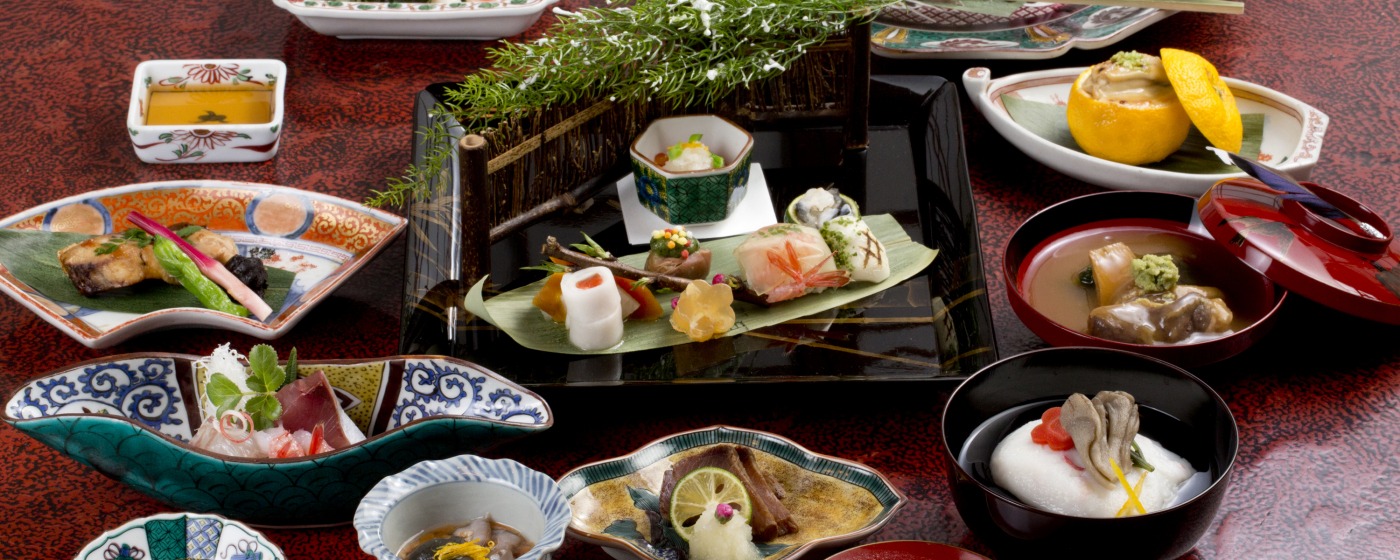
Every dish reflects the region’s natural bounty and aesthetic sensibility, making it a form of culinary art.
What is Kaga Cuisine?
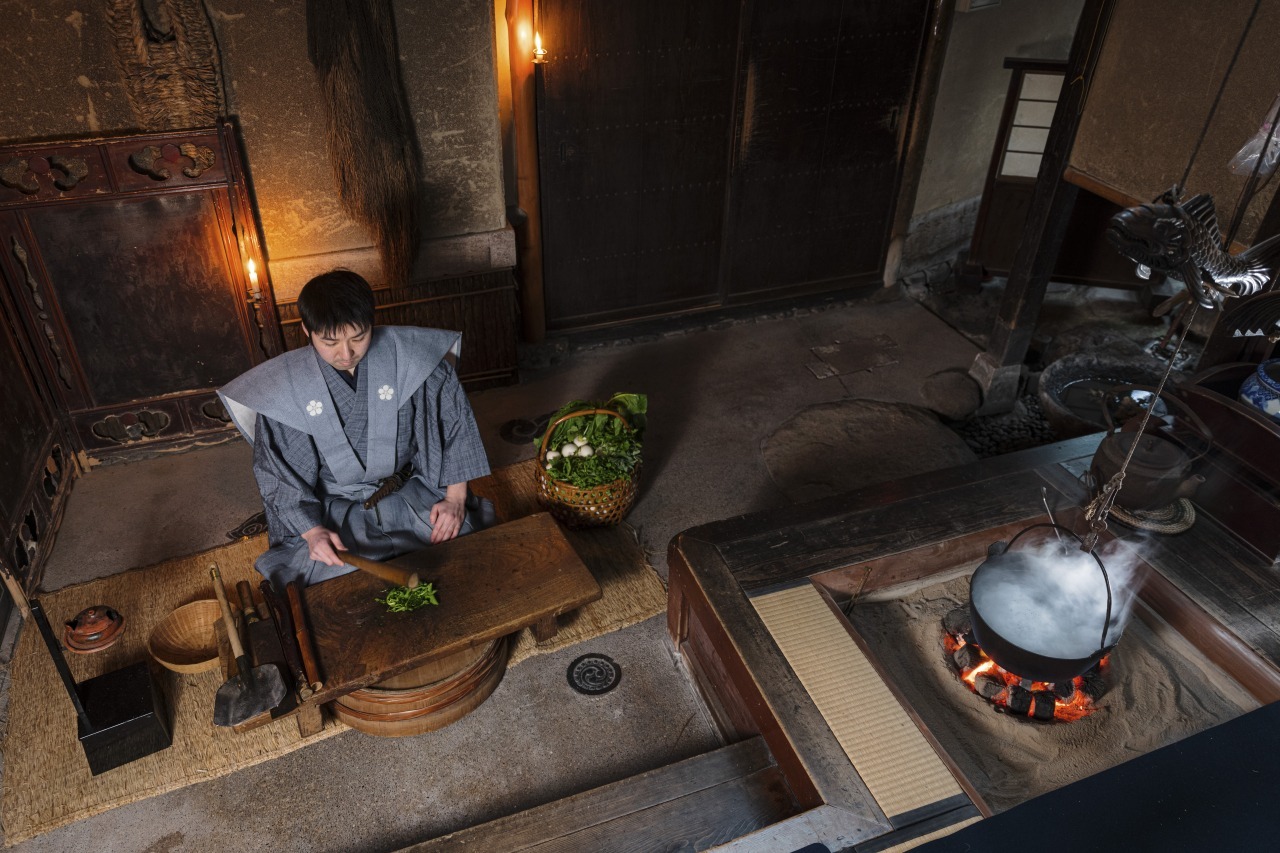
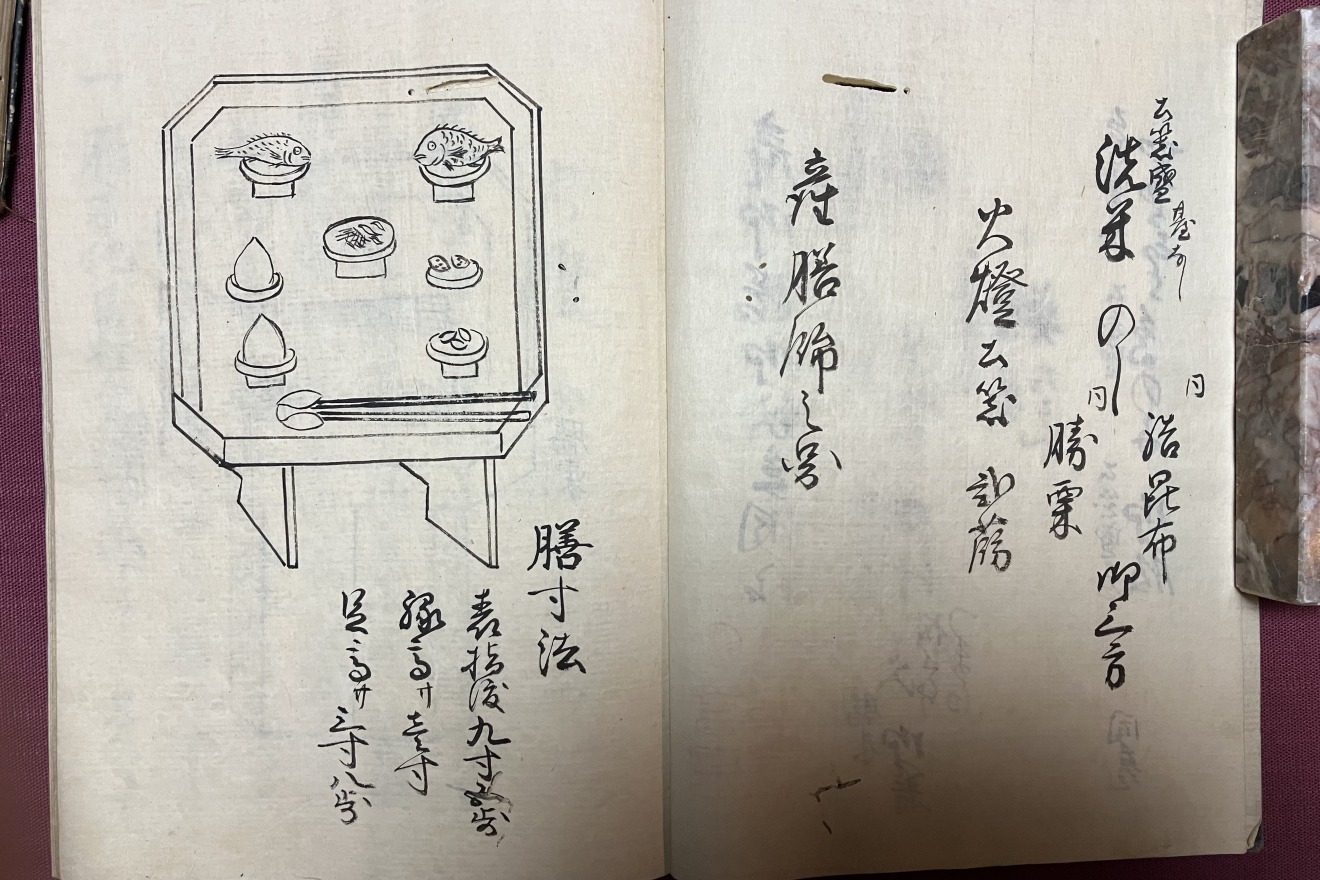
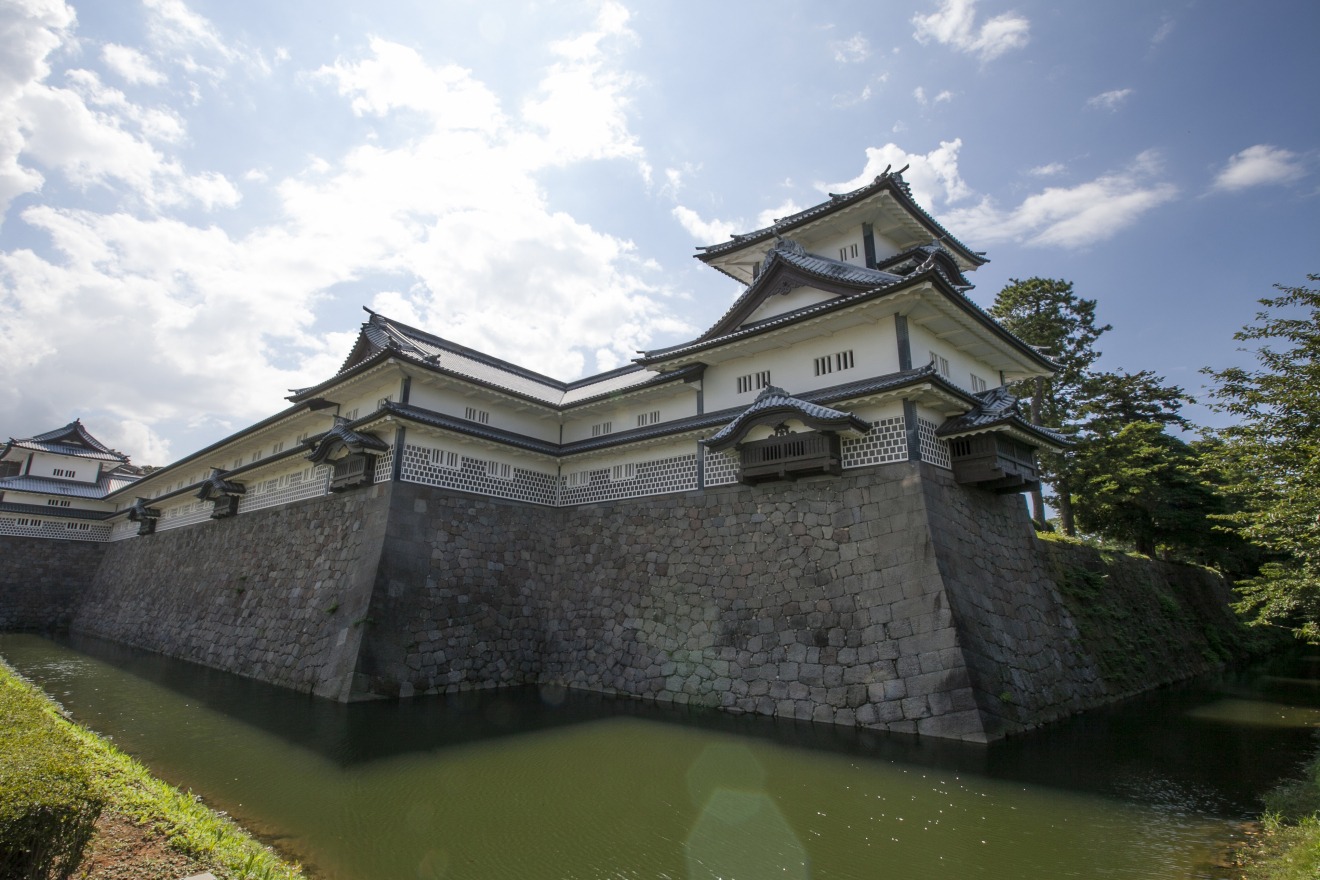
Kaga cuisine developed during the Edo period (1603–1868) within the Kaga domain under the rule of the Maeda family. It was nurtured in a samurai society that valued ceremony, etiquette, and formality.
In Kaga, the abundance of local ingredients allowed the refinement of formal meals called "Honzen-ryori" and banquet-style meals for guests called "Kyōō-ryori." The techniques and flavors of these dishes were polished to perfection.
Under the patronage of the Maeda family, Kaga cuisine was also influenced by broader cultural developments, such as inviting and training artisans and supporting the tea ceremony. This fusion of artistic sensibility and culinary skill created a unique food culture.
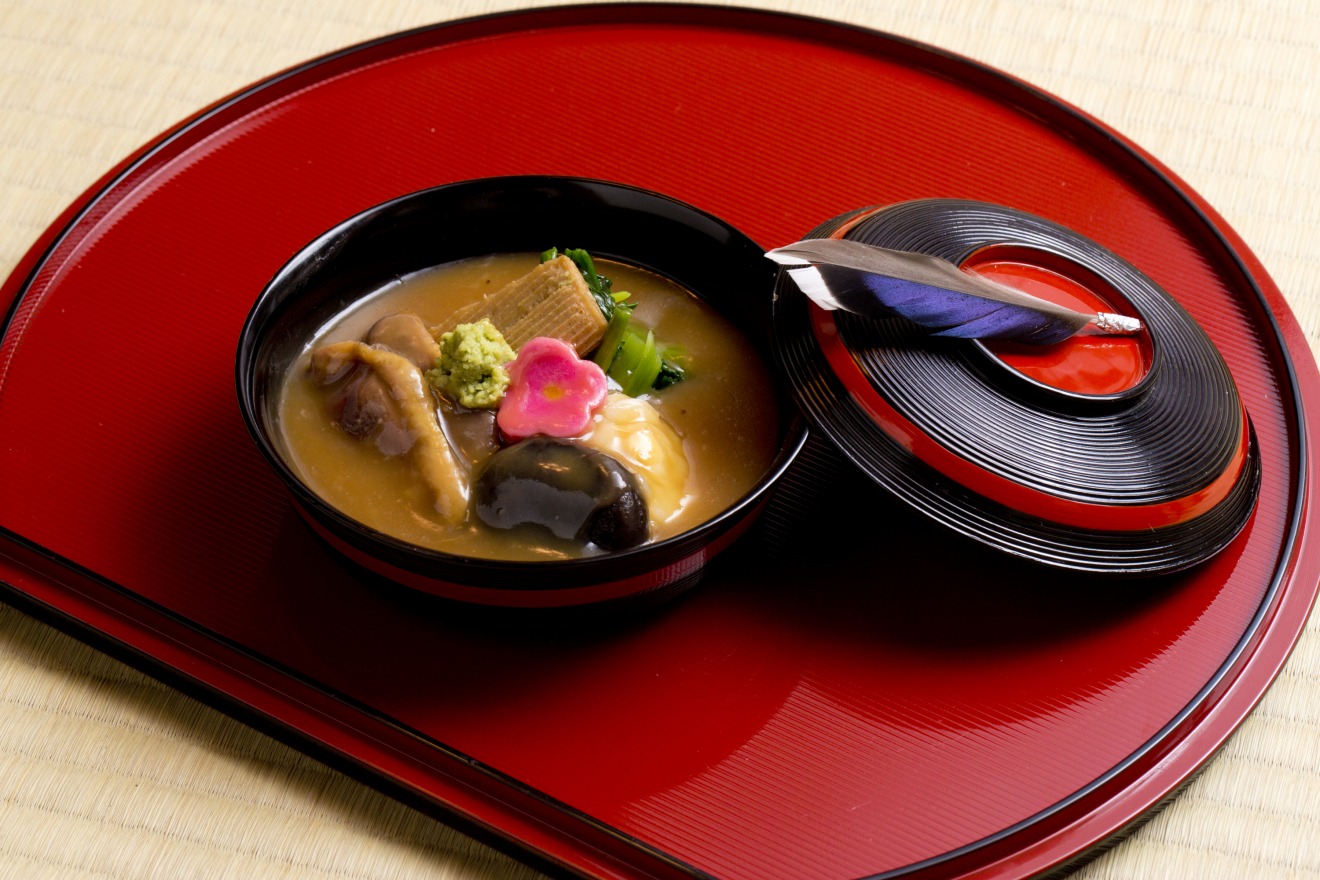
・Signature dishes like Jibuni (a stew of duck and vegetables in a thick broth)
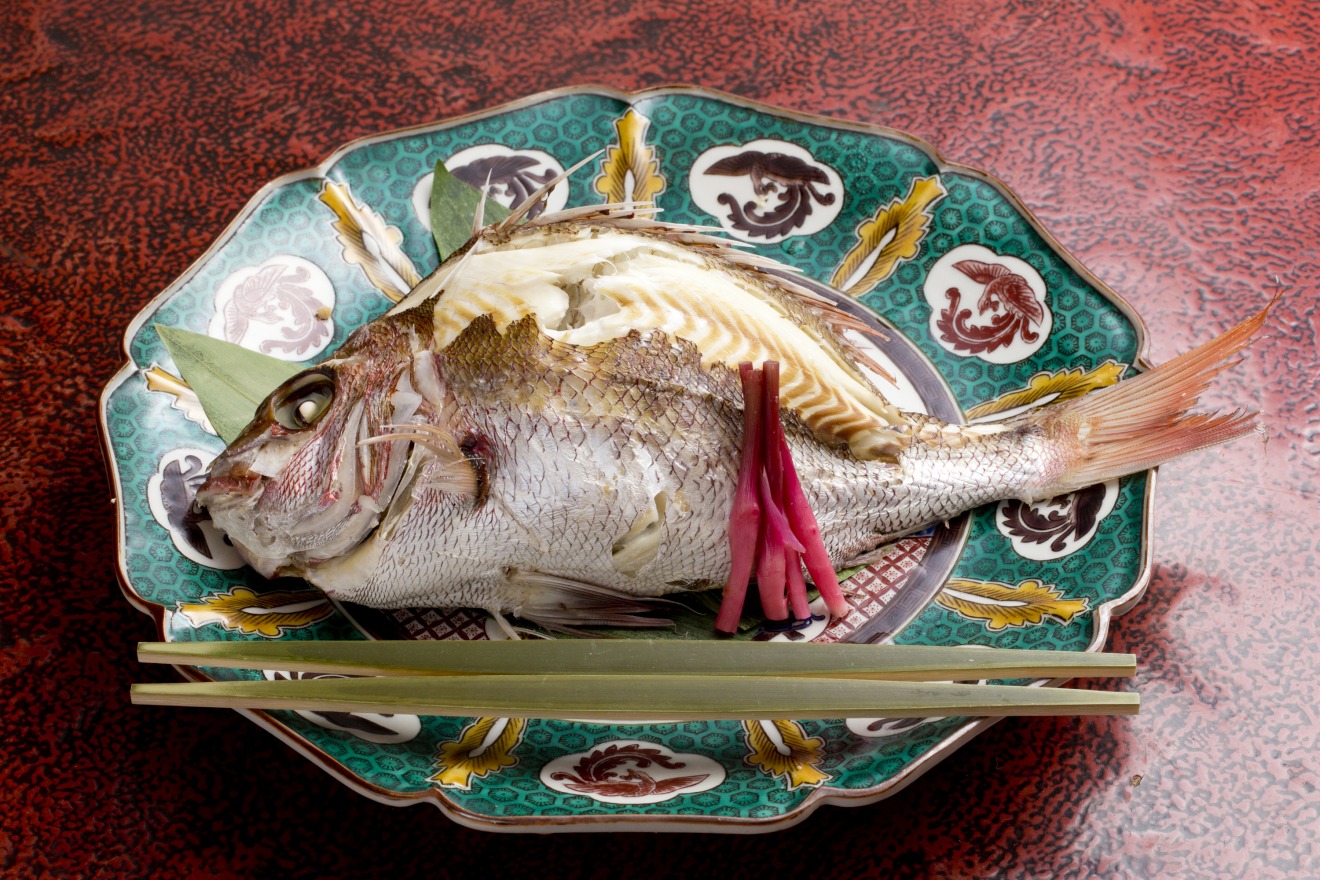
・Exquisite tableware such as Kutani porcelain and Wajima lacquerware
・Seasonal decorations with flowers and hanging scrolls
These elements combine to form a holistic art experience where cuisine, presentation, and atmosphere are all in harmony.
Chefs, innkeepers, and servers dedicate themselves to preserving these traditions, adapting them to modern times while passing down the skills of Kaga cuisine through generations.
A Local Culinary Tradition
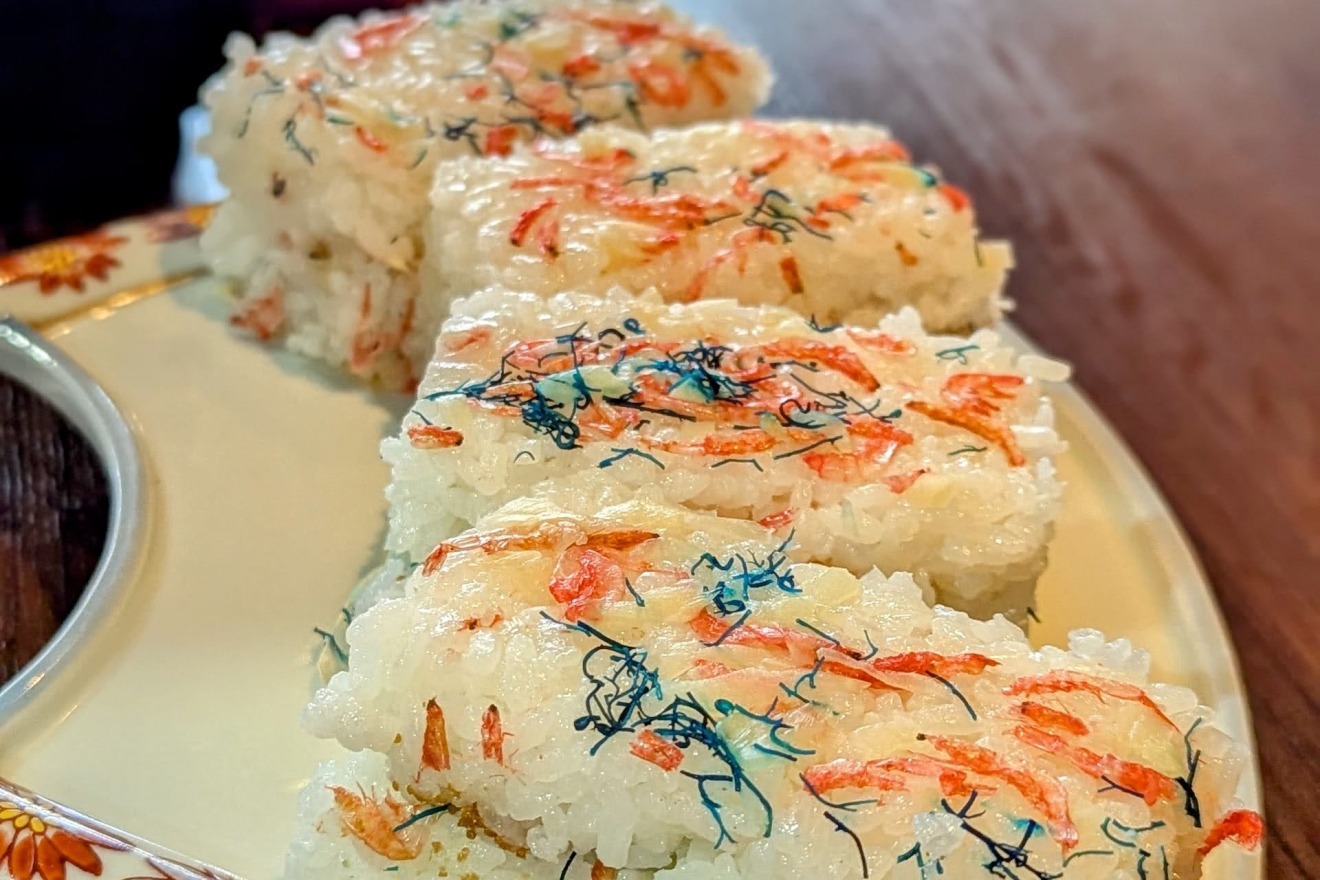
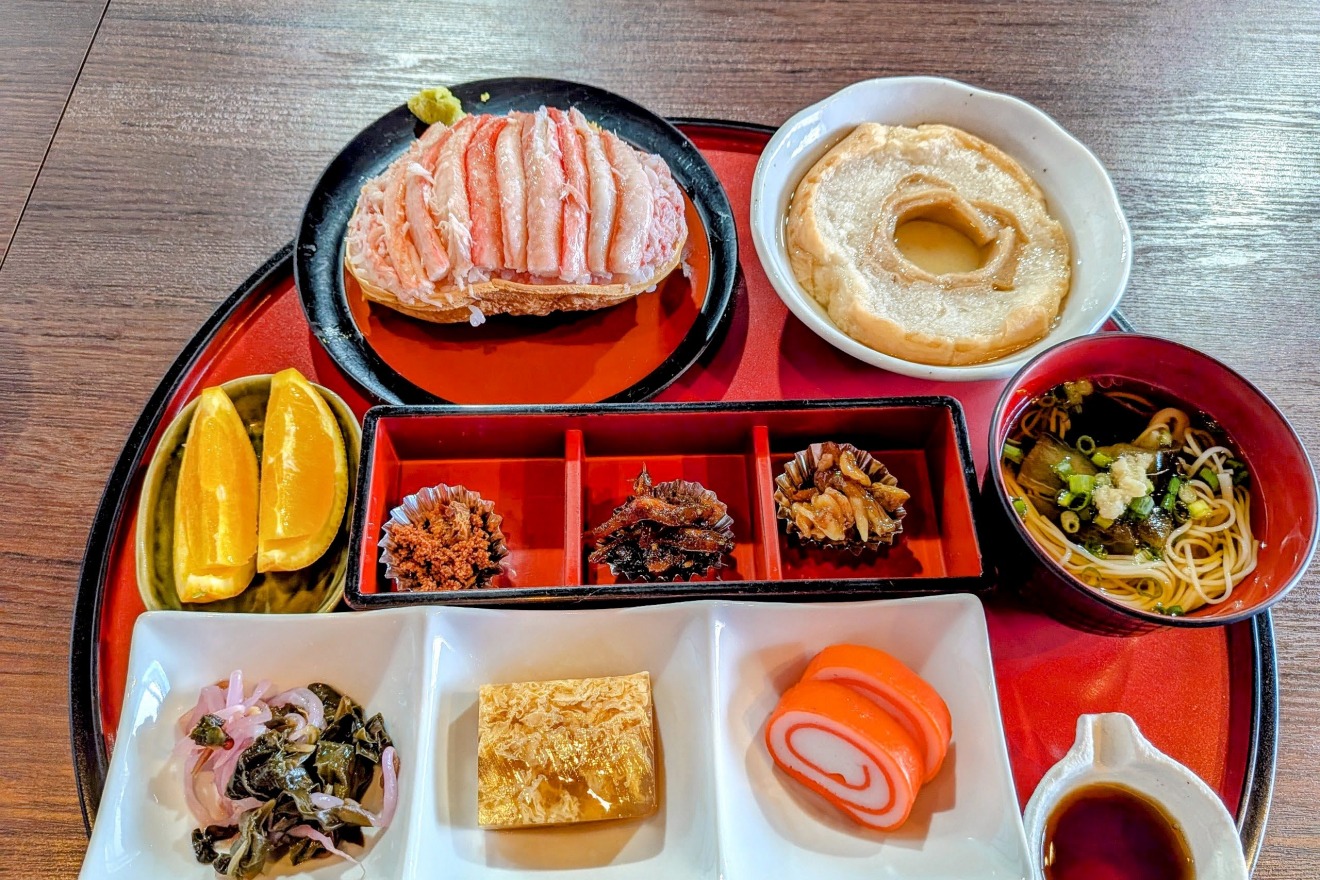
Kaga cuisine is also a regional cuisine, reflecting the climate and lifestyle of Kanazawa and surrounding areas.
While it developed as a sophisticated samurai cuisine, its spirit gradually spread to ordinary households, becoming part of celebrations and seasonal events.
Traditional dishes such as Jibuni continue to be enjoyed today, both in homes and in restaurants.
Local Ingredients and Culinary Ingenuity
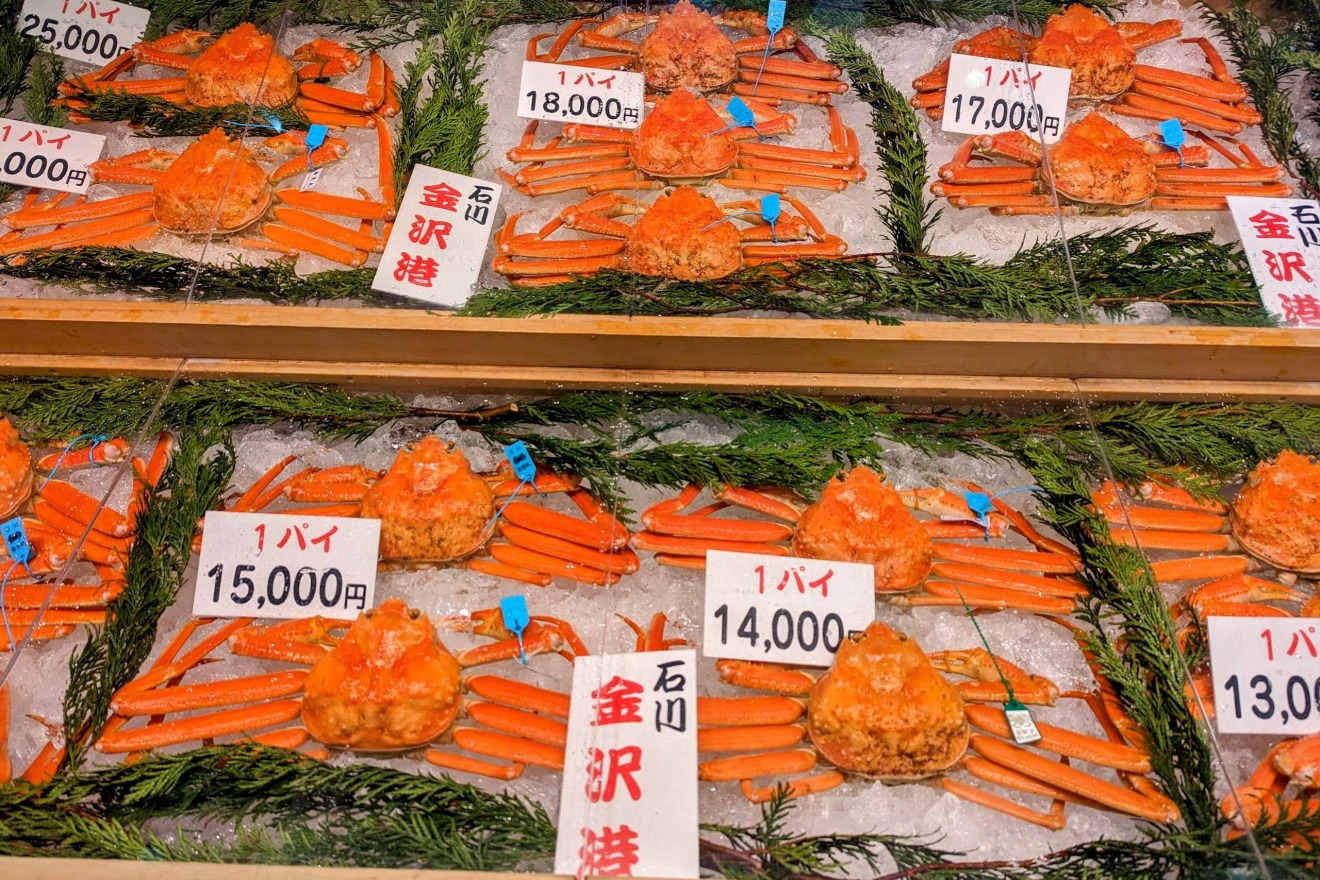
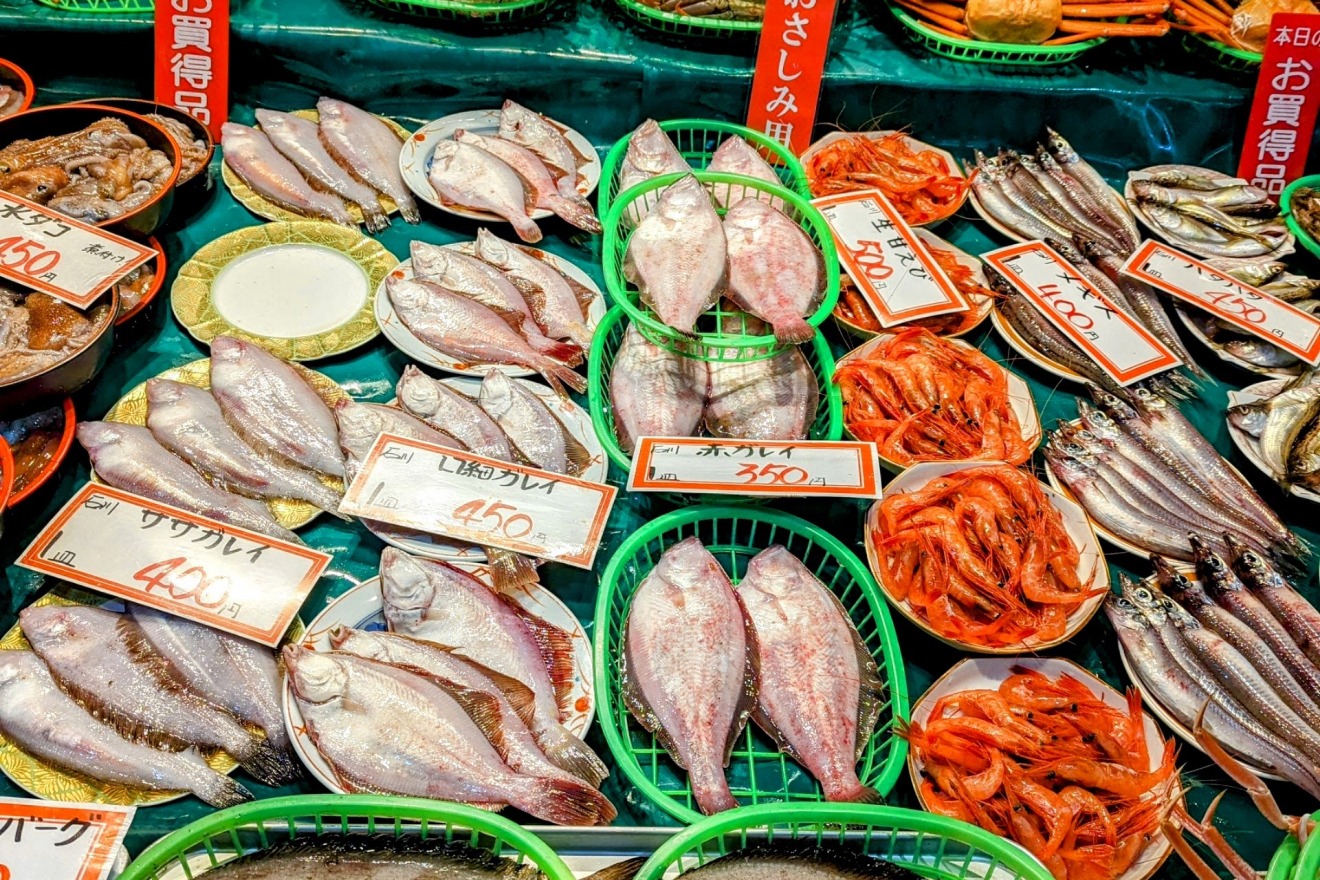
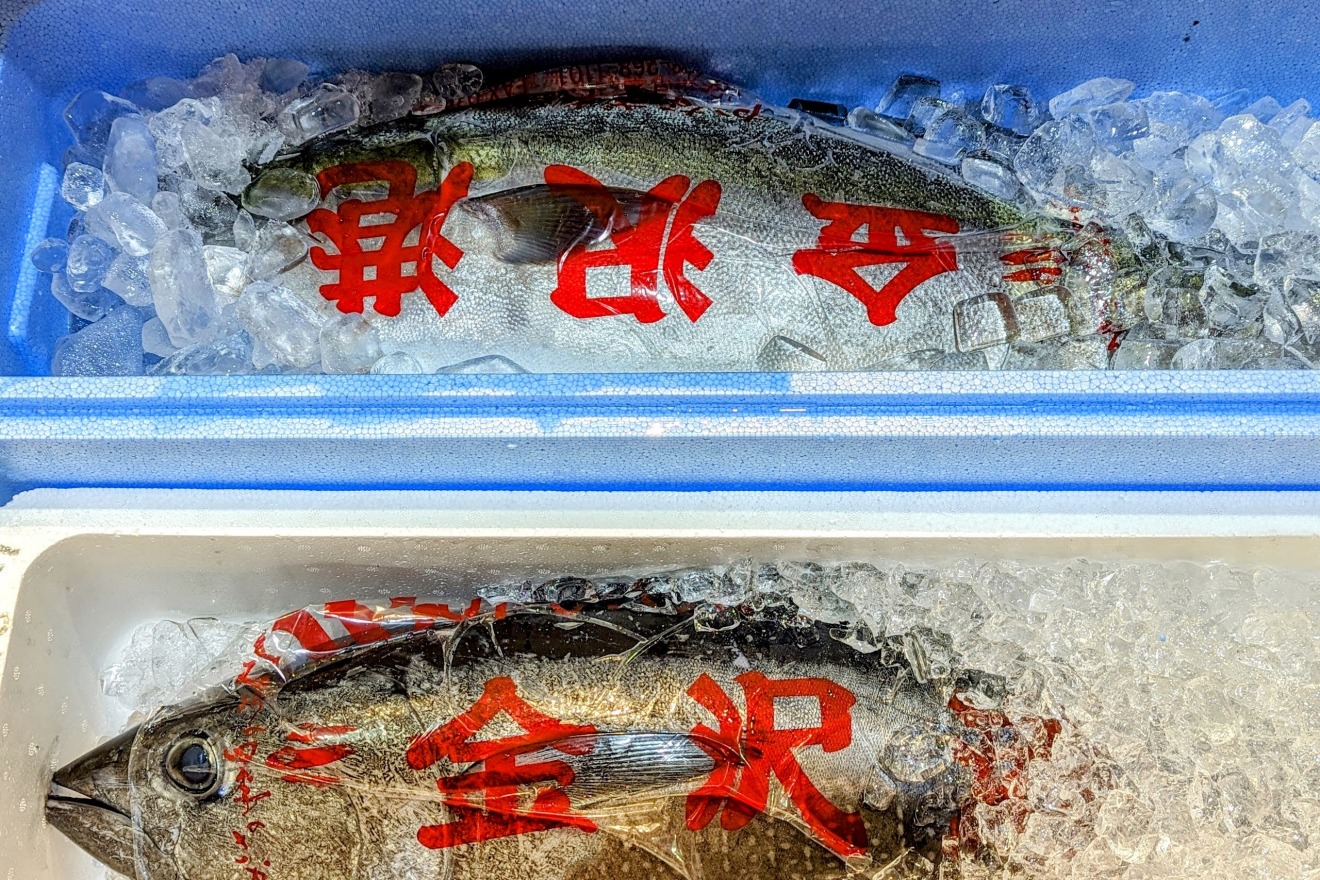
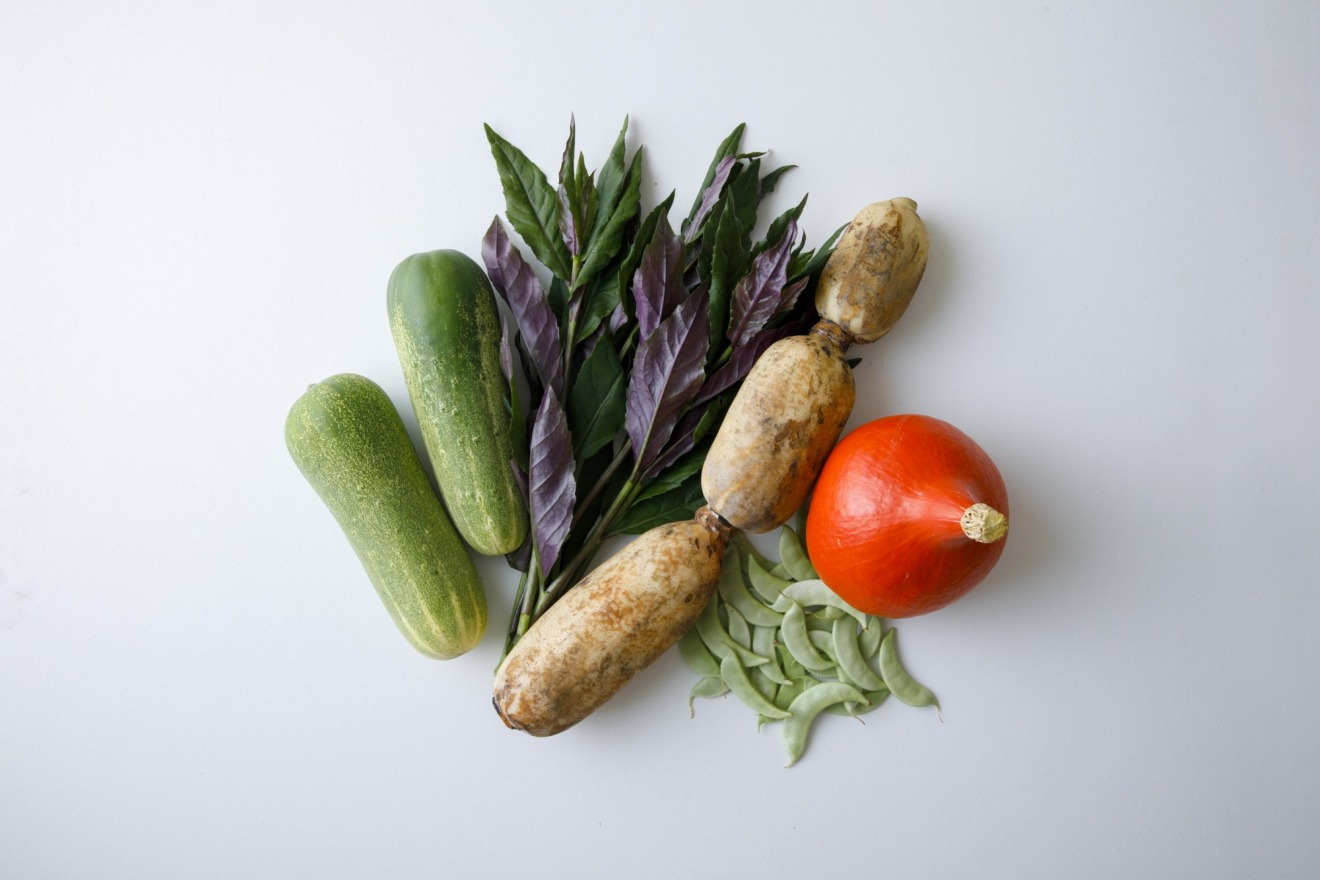
At the heart of Kaga cuisine is the philosophy of “using local ingredients locally.”
・Kaga vegetables: Kinjiso (a leafy green), Kaga lotus root, Gensuke radish
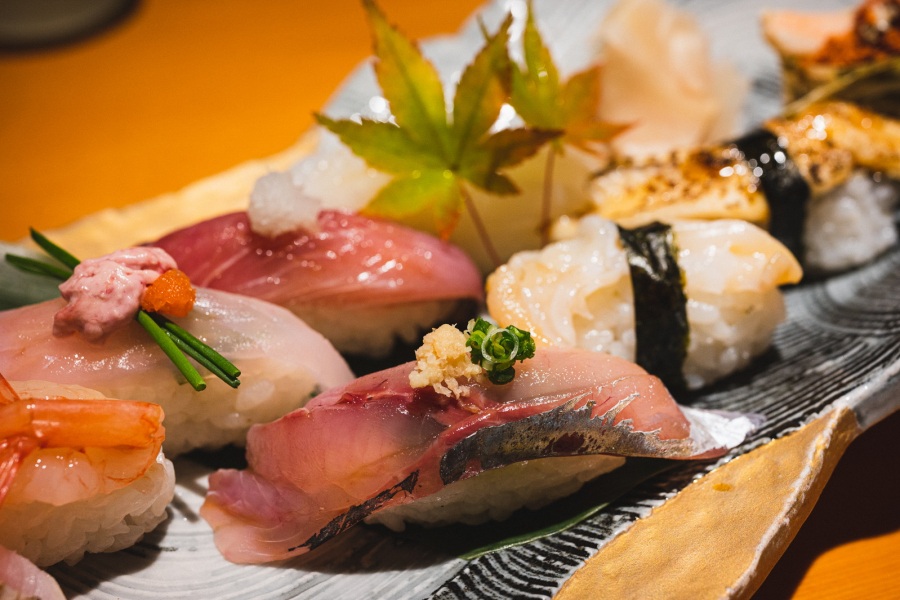
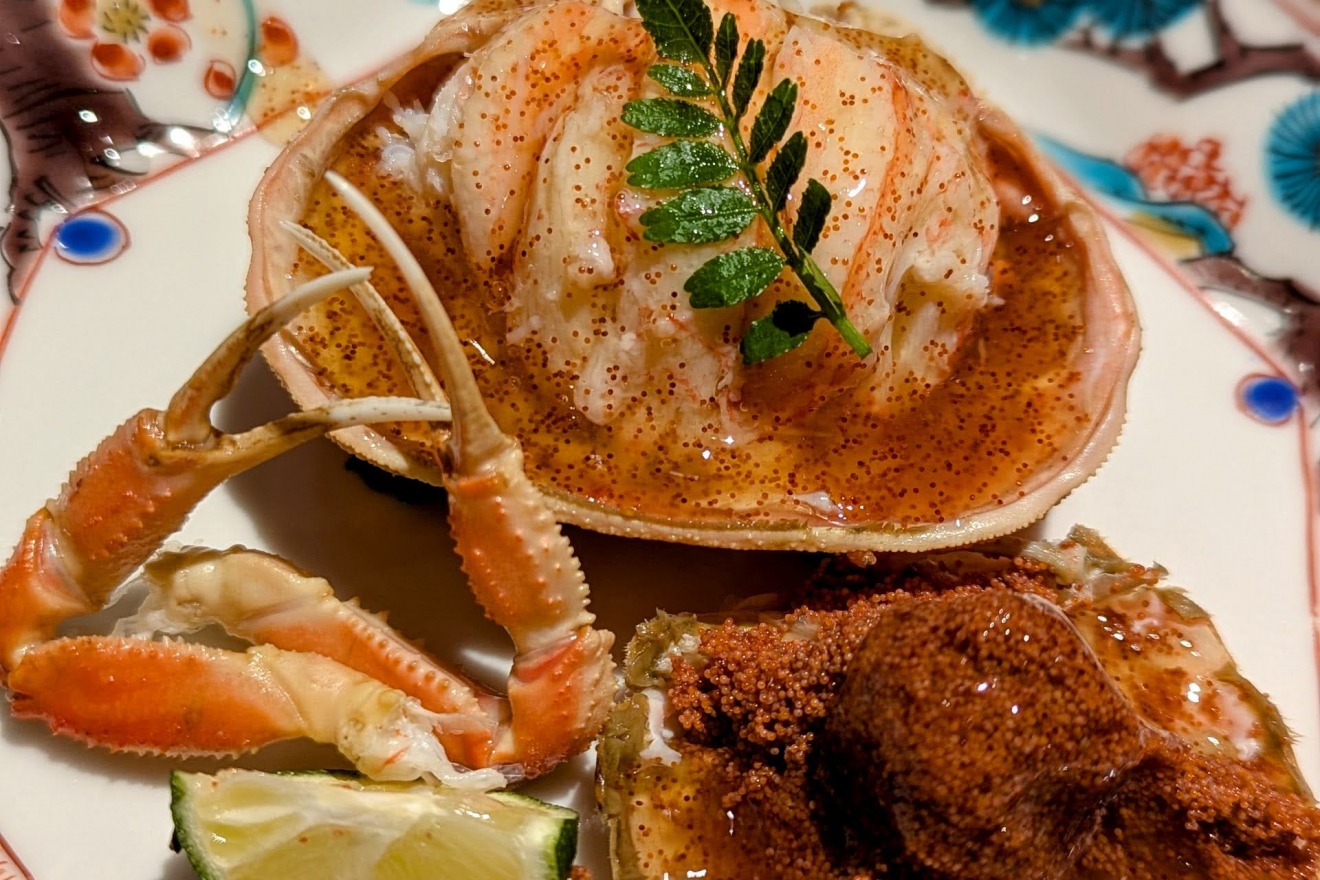
・Seafood from the Sea of Japan: winter yellowtail and crab, spring sweet shrimp, summer rock oysters
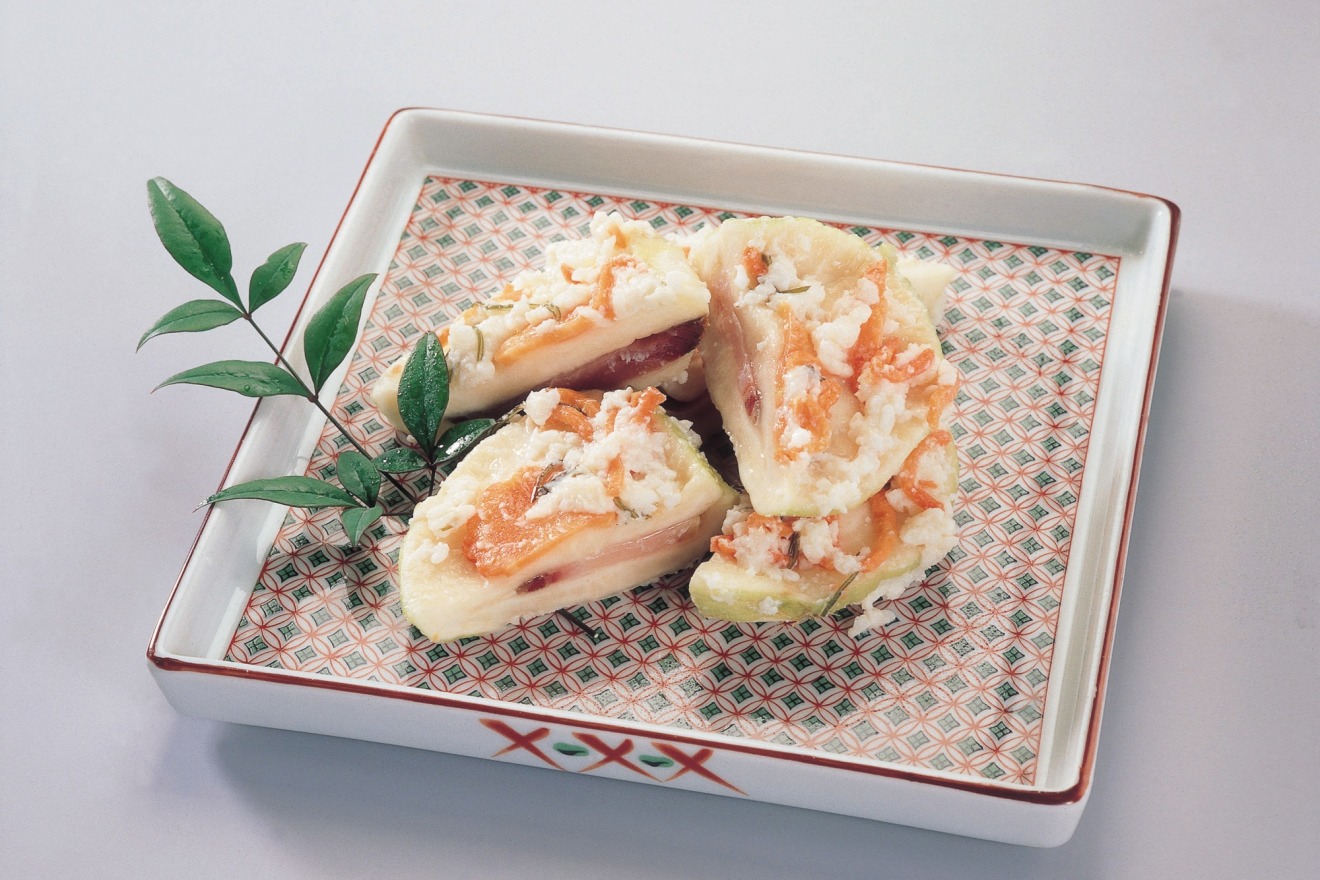
・Fermented foods: miso, soy sauce, koji, kabura-zushi (pickled turnip sushi)
These ingredients reflect the season, add unique flavors and textures, and preserve traditional knowledge for storing and enhancing food naturally.
The Beauty of Tableware
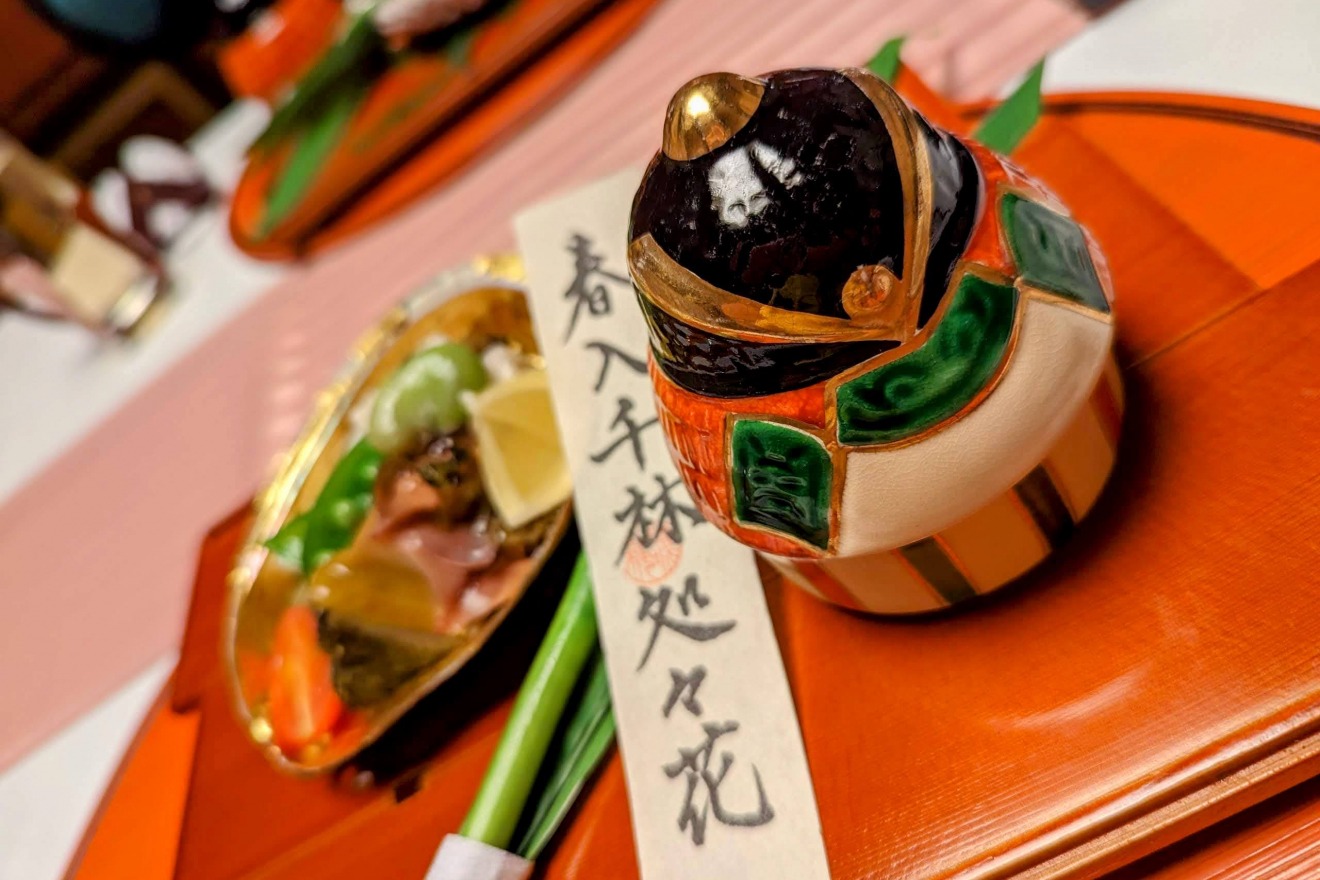
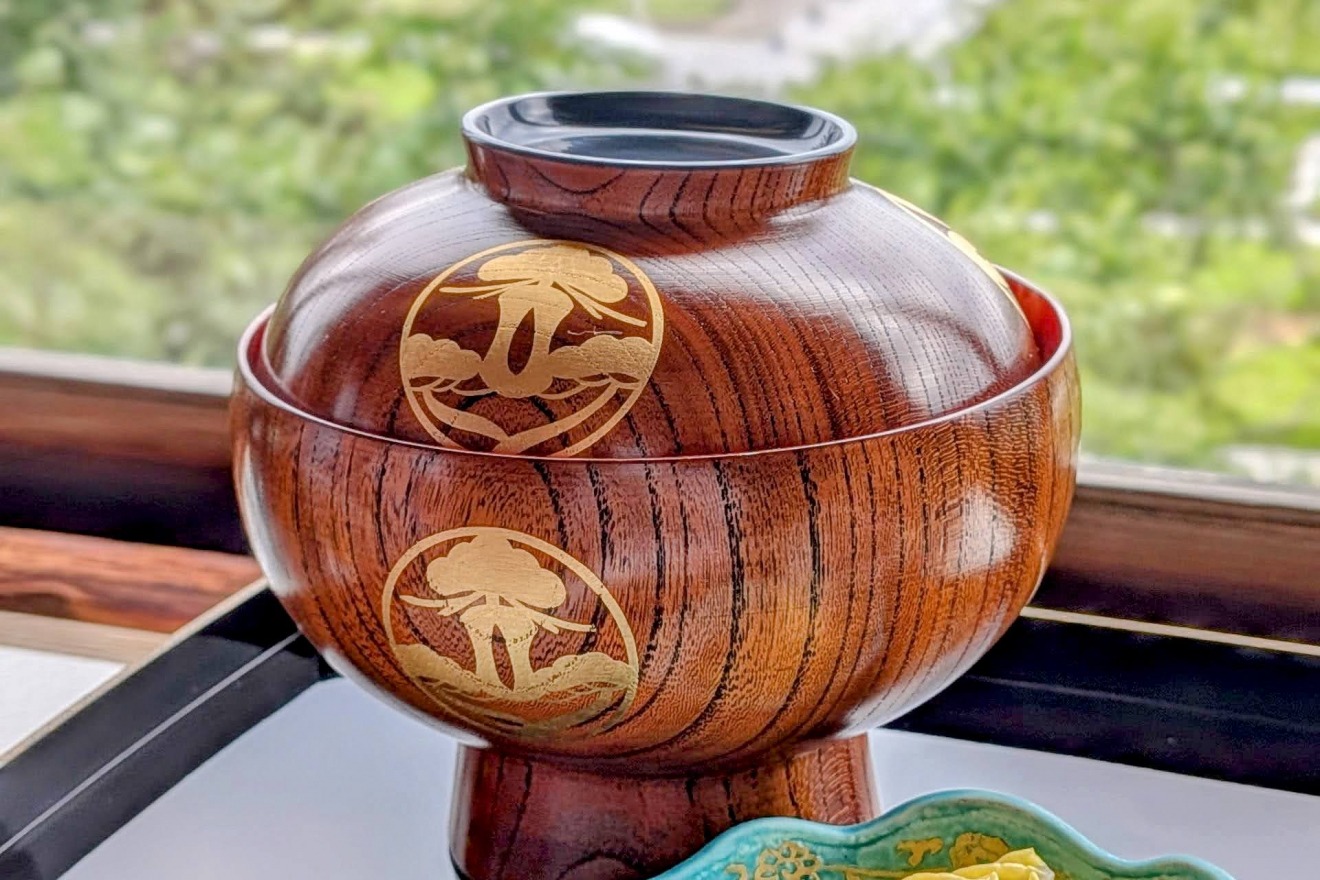
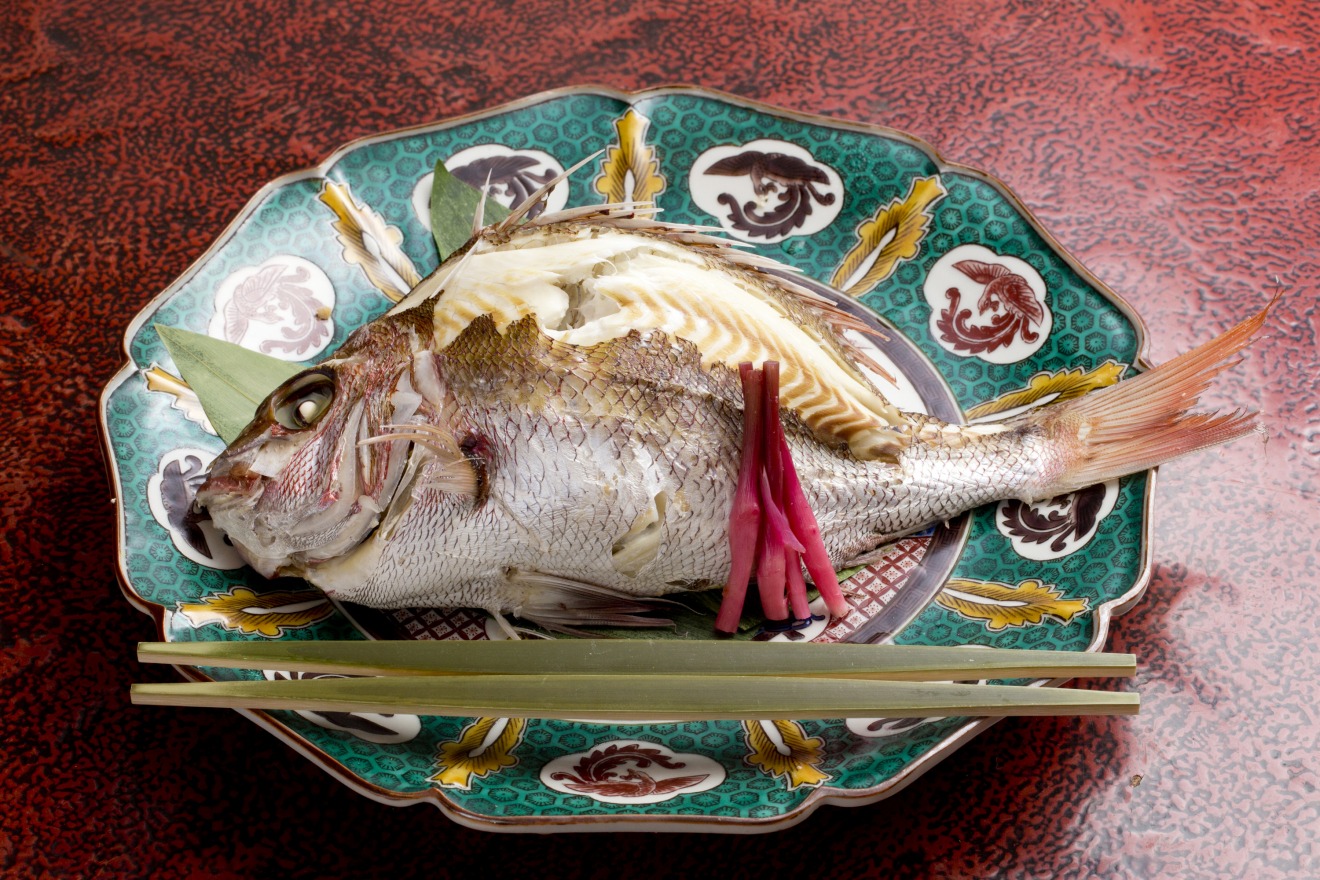
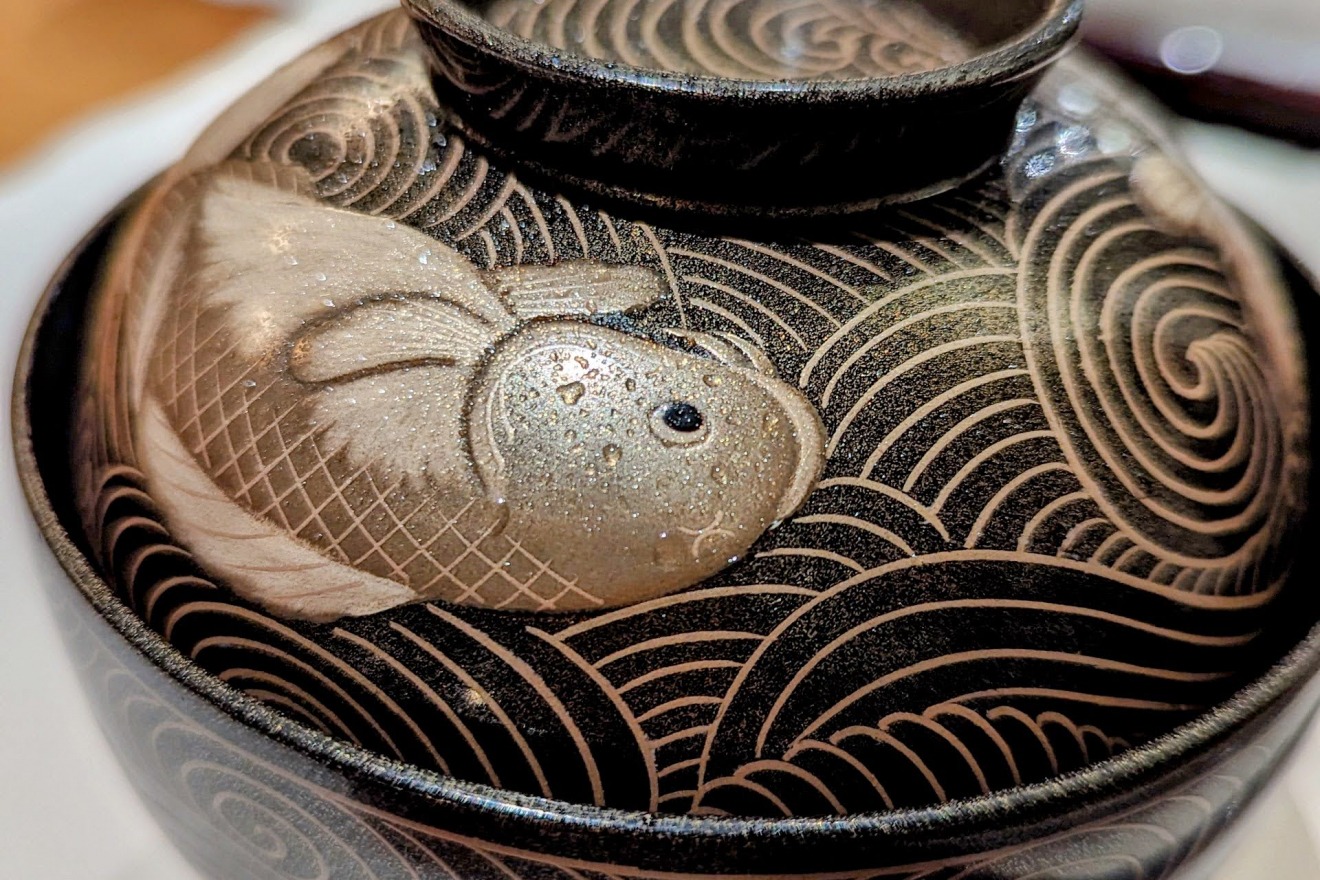
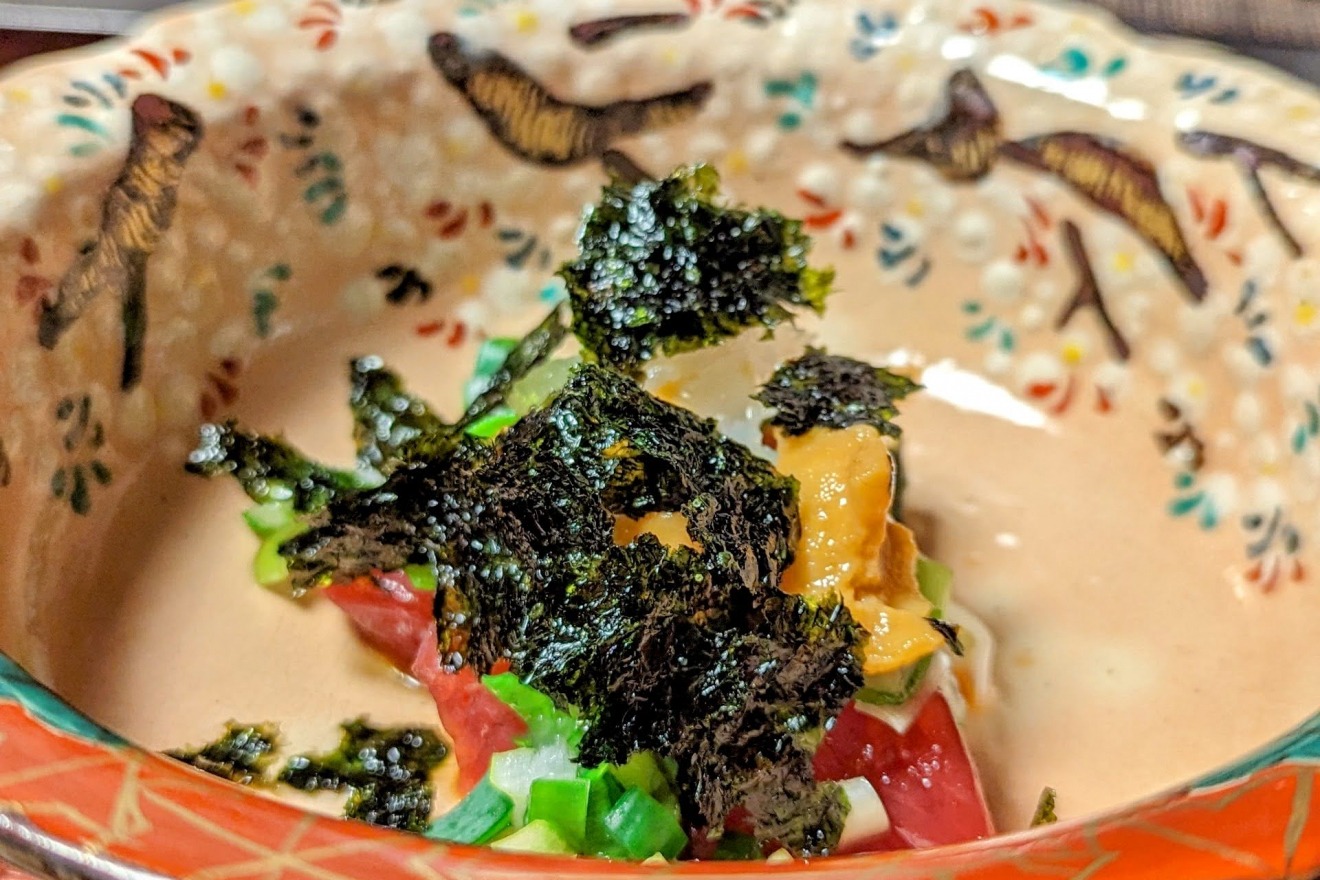
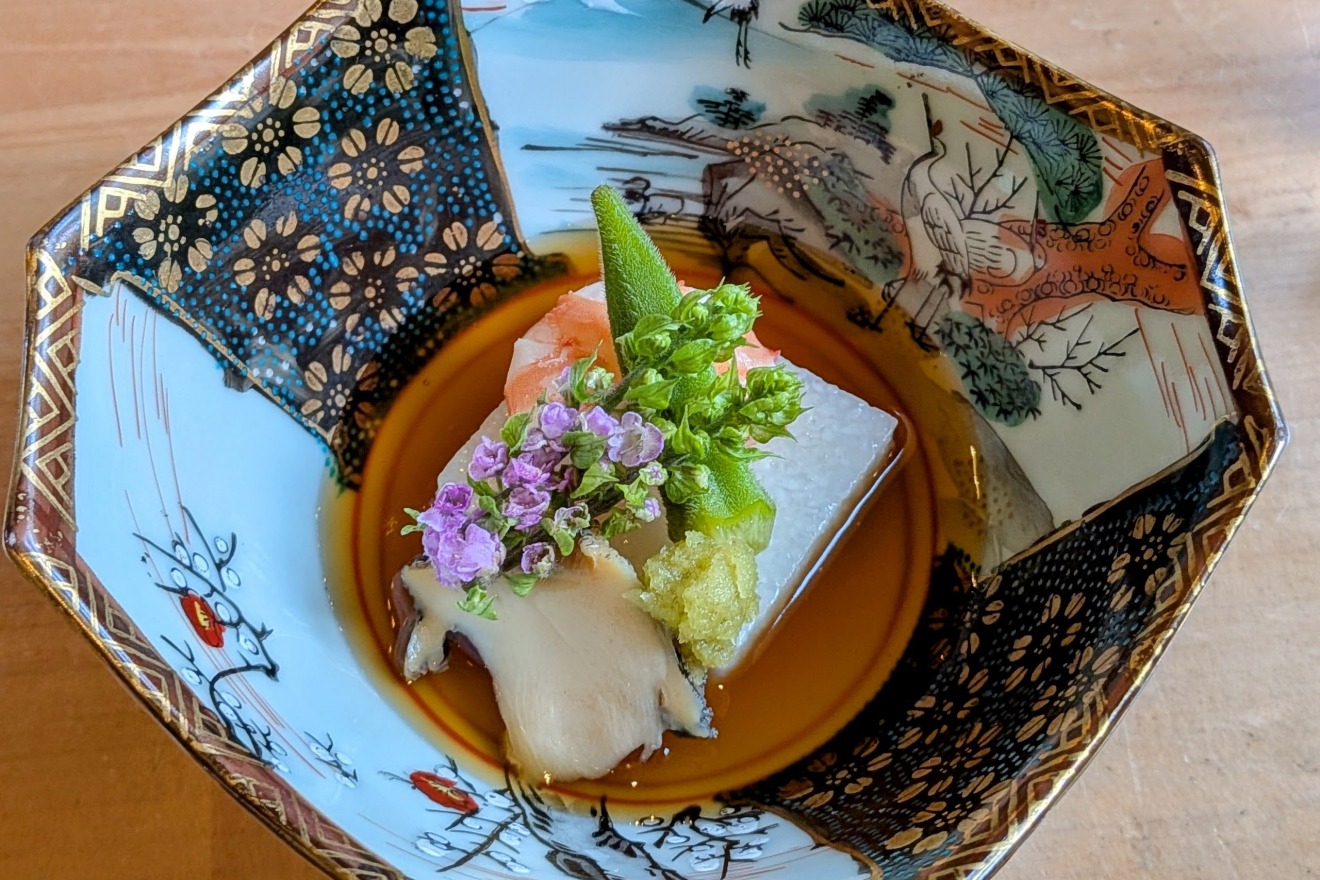
Kaga cuisine is not just about taste; presentation and tableware are essential.
Using traditional Ishikawa crafts like Kutani porcelain, Wajima lacquerware, and Yamanaka woodwork, each dish becomes a visual as well as a culinary experience.
Seasonal flowers and garnishes reflect respect for nature and refined sensibility, creating a philosophy of beauty unique to Kaga cuisine.
Hospitality Inspired by the Tea Ceremony
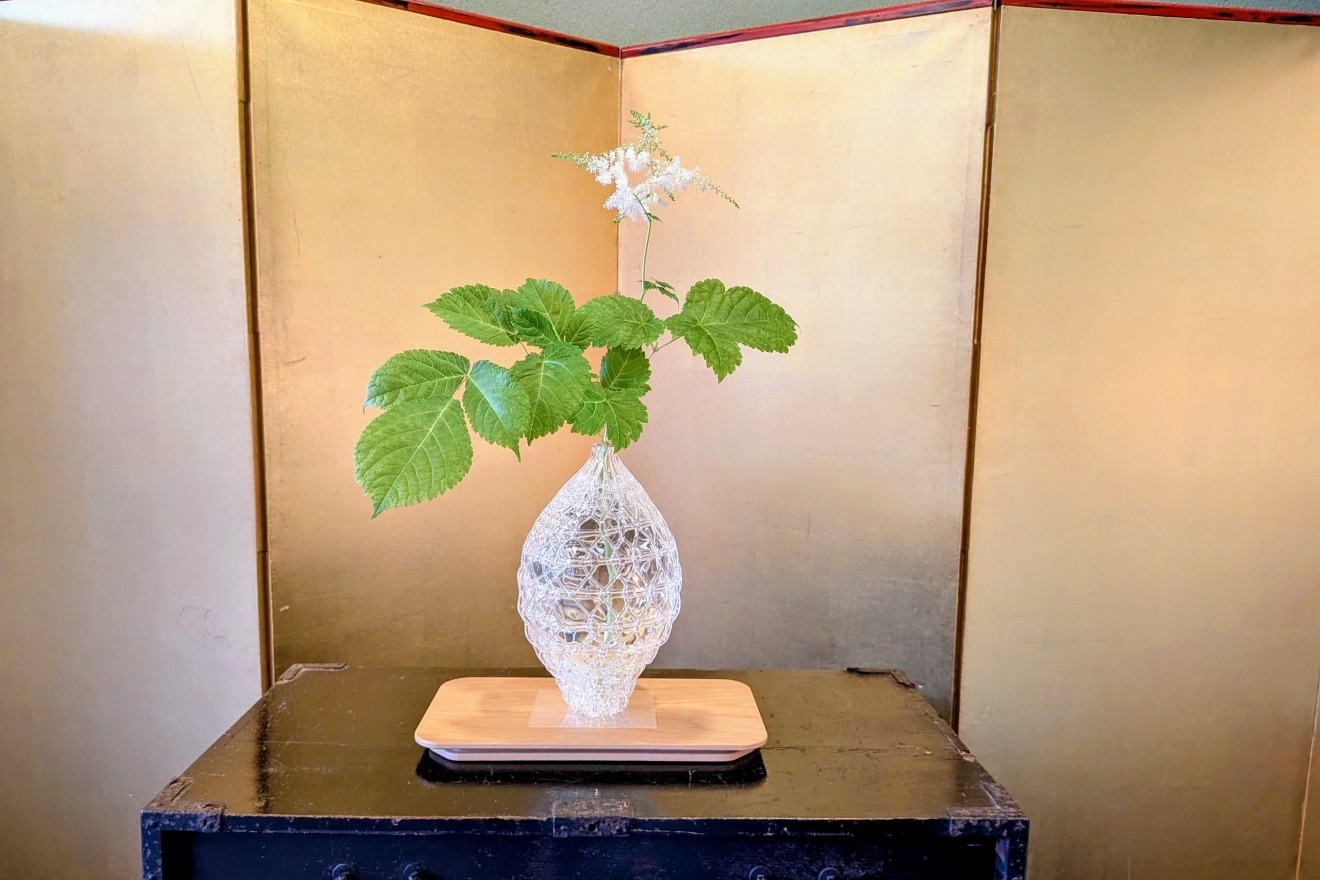
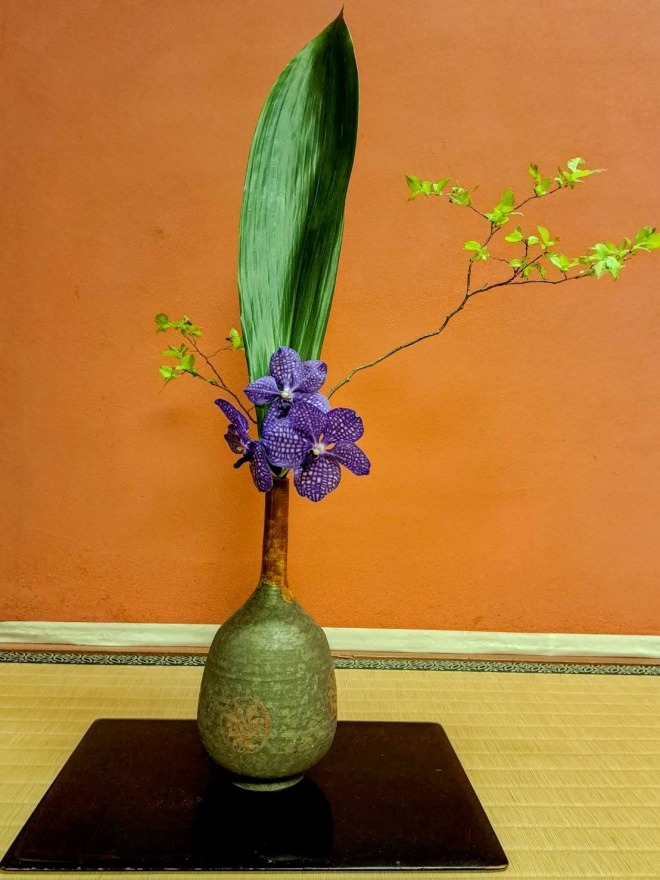
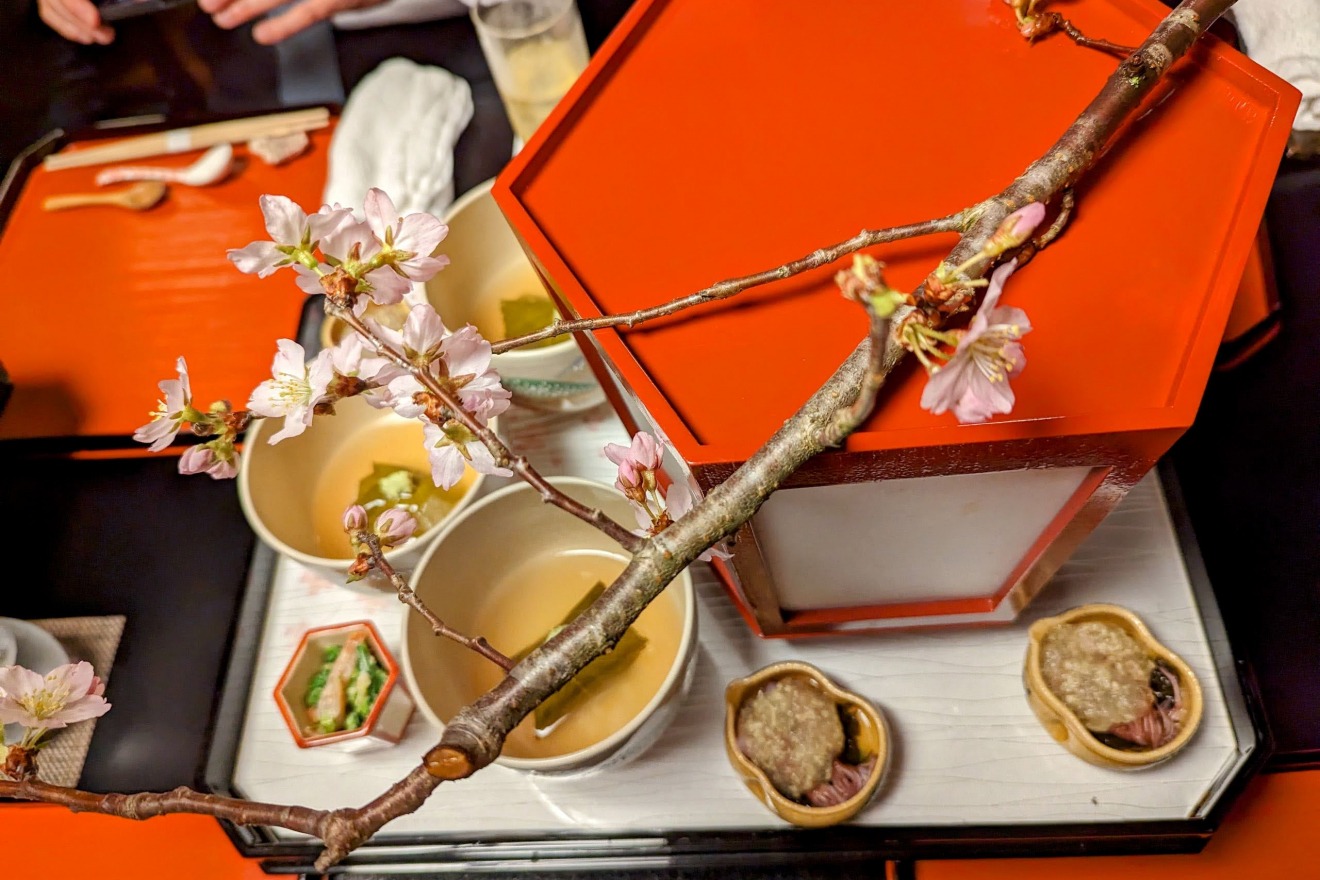
Kaga cuisine embodies the spirit of hospitality, reminiscent of the tea-ceremony tradition (Chakai).
From the first dish to the last, the flow of flavors, choice of dishes, and seasonal touches are all carefully considered. This “ichigo ichie” (treasuring each encounter) approach elevates dining from a meal to a cultural experience.
Where to Enjoy Kaga Cuisine in Kanazawa
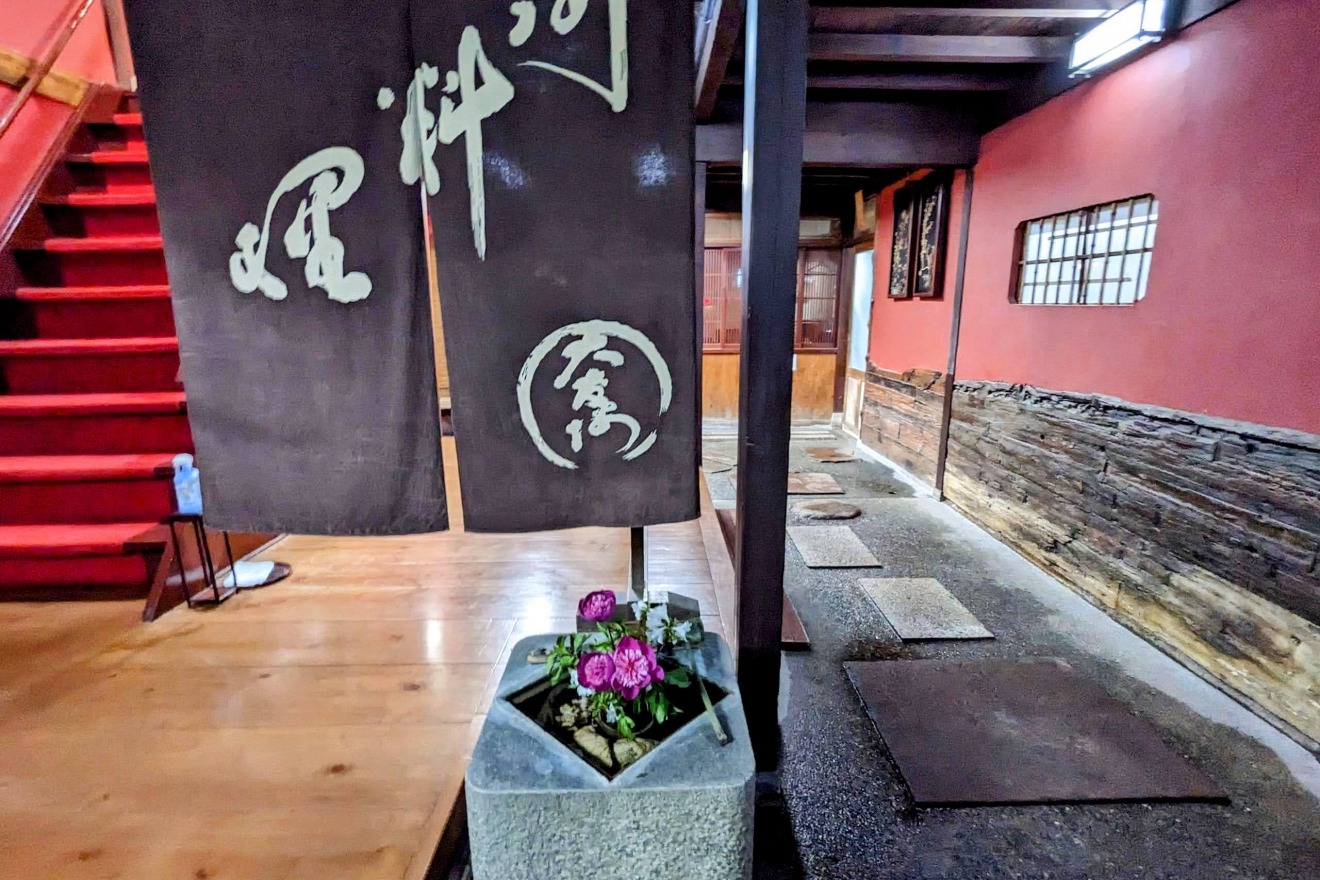
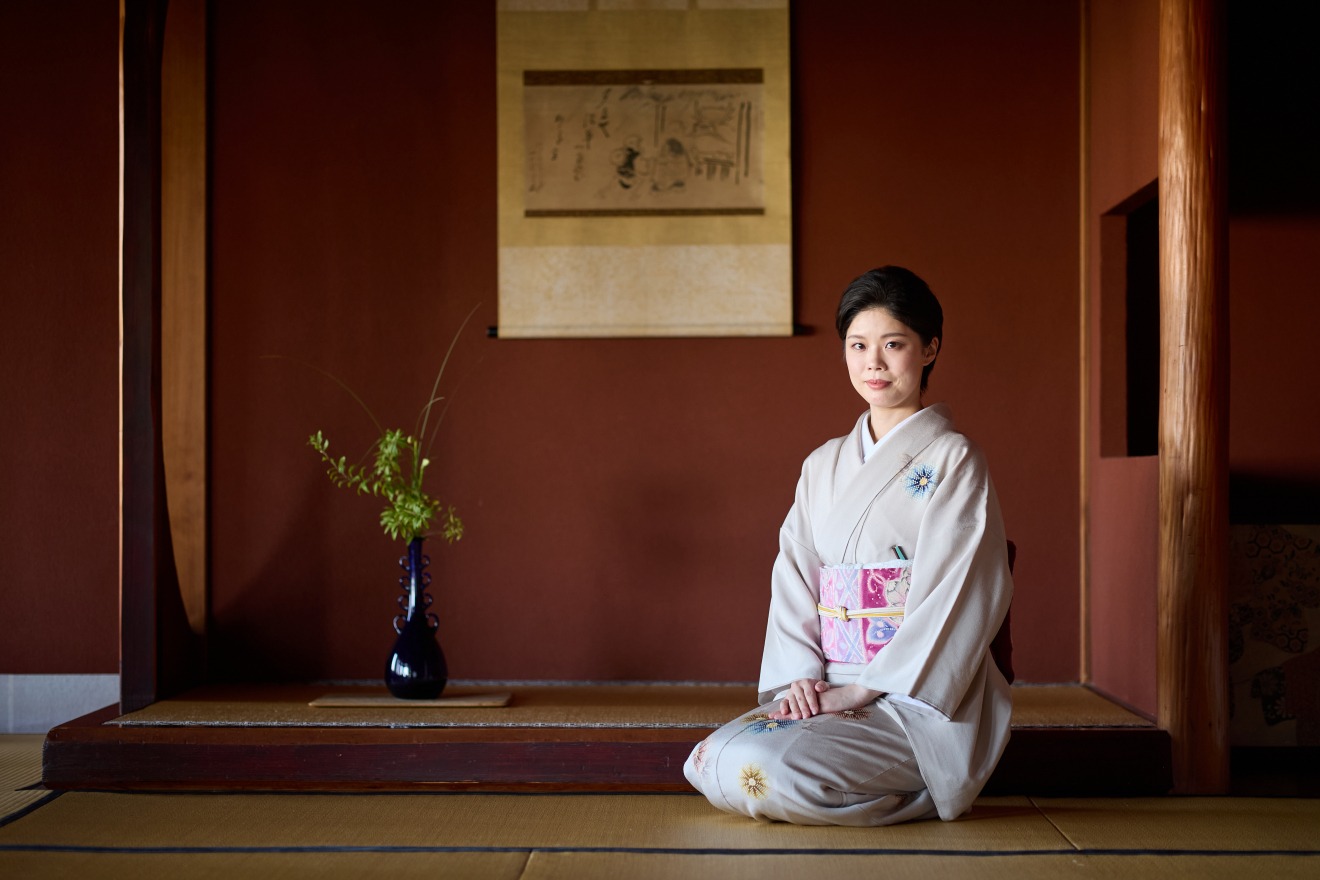
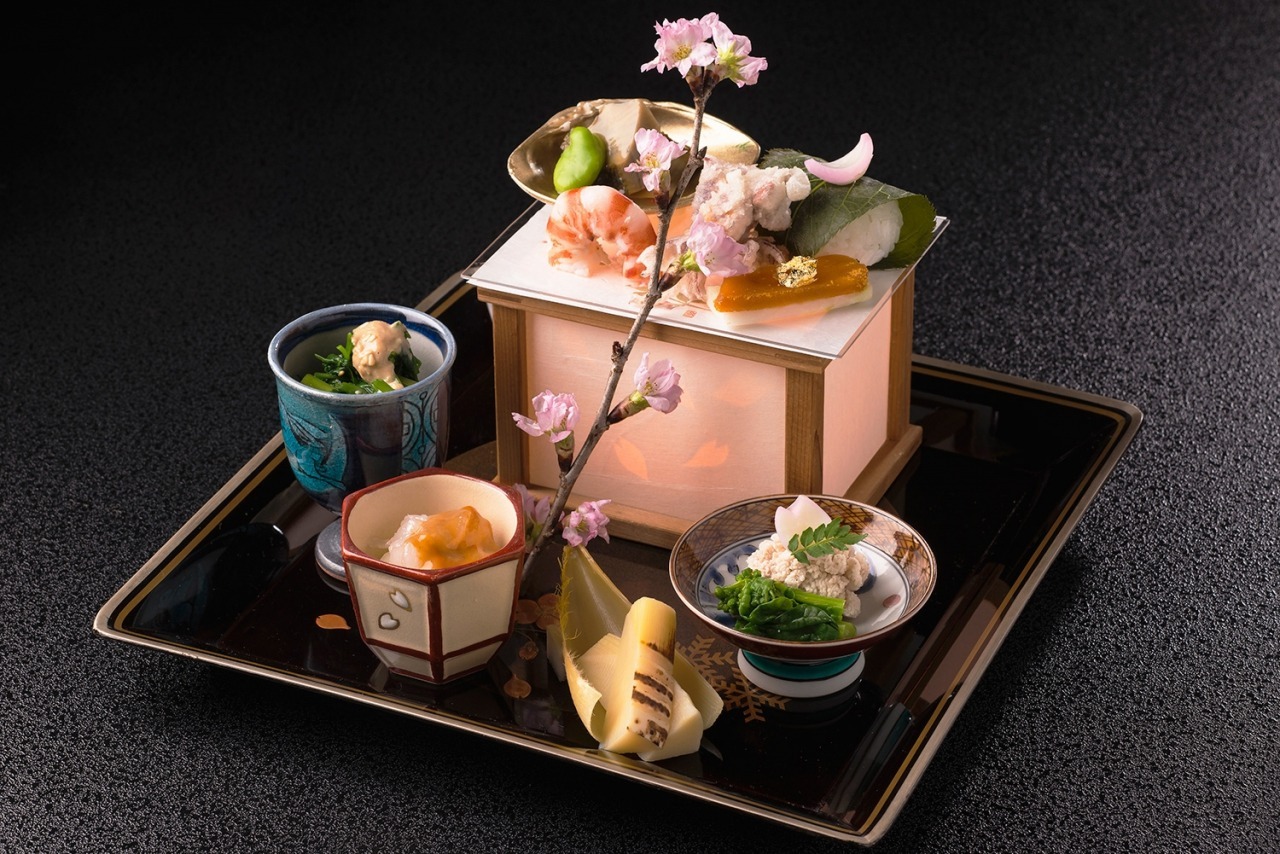
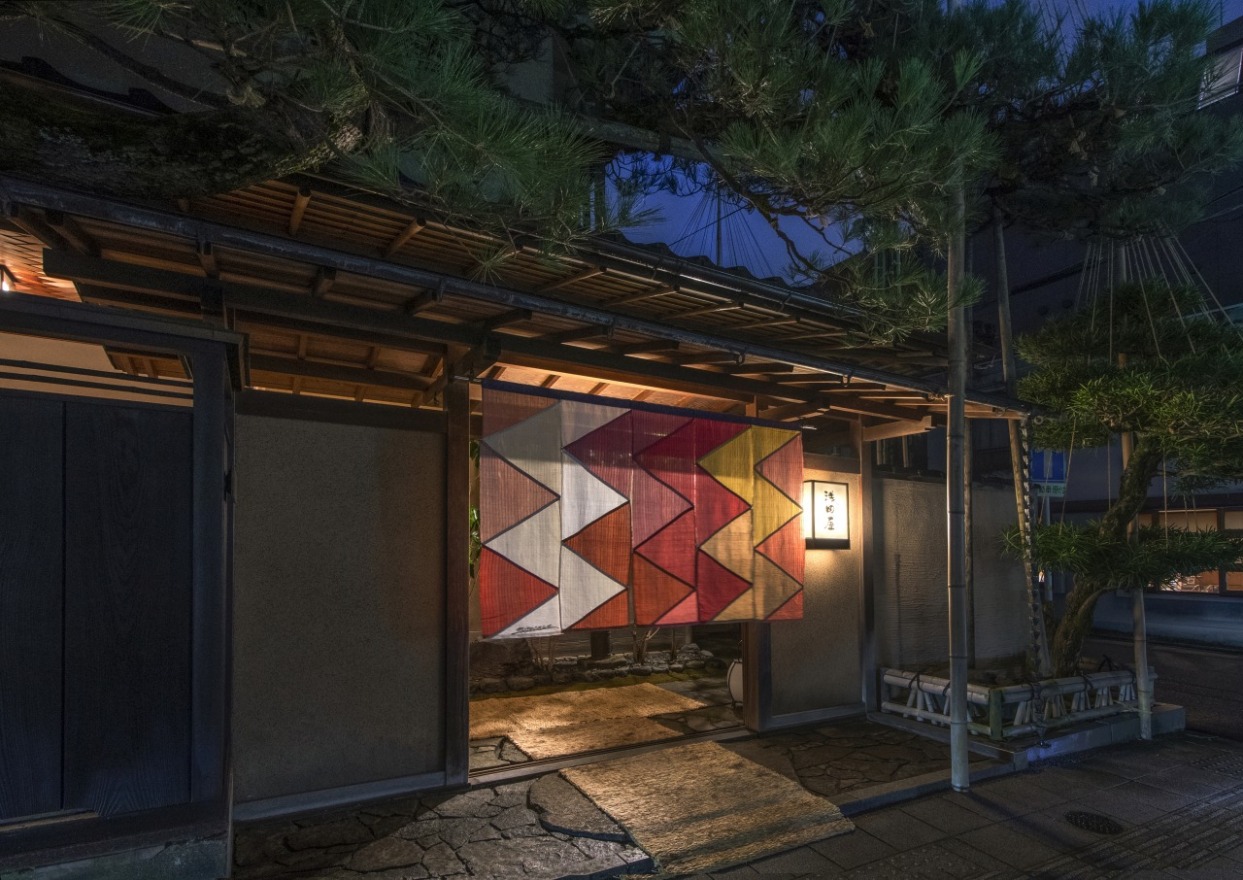
Kanazawa has many long-established restaurants and inns that preserve the traditions of Kaga cuisine.
Representative establishments include:
・Asadaya (founded 1867, Michelin 1-star)
・Ryotei Tsubajin (founded 1752)
・Ryotei Honami (Michelin 2-star)
・Goryori Masano
Kaga cuisine is a culinary art shaped by Ishikawa’s four seasons, natural bounty, and the aesthetic sensibility of the samurai era.
When visiting Kanazawa, don’t miss the chance to enjoy Kaga cuisine at a traditional ryotei or kappo restaurant, where taste, presentation, and spirit come together.