Kanazawa & Takaoka — A Cultural Corridor Shaped by the Kaga Domain’s Legacy of Beauty and Craftsmanship
Kanazawa and Takaoka lie in today’s Ishikawa and Toyama Prefectures, but during the Edo period (1603–1868) they were both part of the vast Kaga Domain ruled by the Maeda clan — one of the wealthiest feudal lords in Japan.
Under the Maeda lords’ refined aesthetic sense, samurai cultivated arts and culture while townspeople mastered craftsmanship. This shared heritage still lives on as a deep appreciation for elegant design and meticulous making.
Traveling between these two cities—connected by history, geography, and craftsmanship—feels like journeying through a single cultural region.
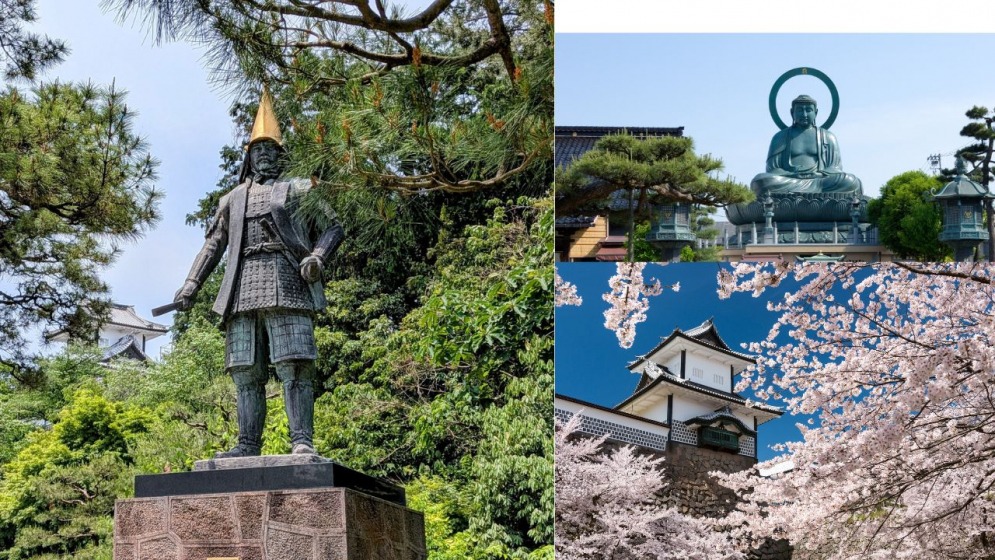
KANAZAWA — A City Where Authentic Beauty is Handcrafted
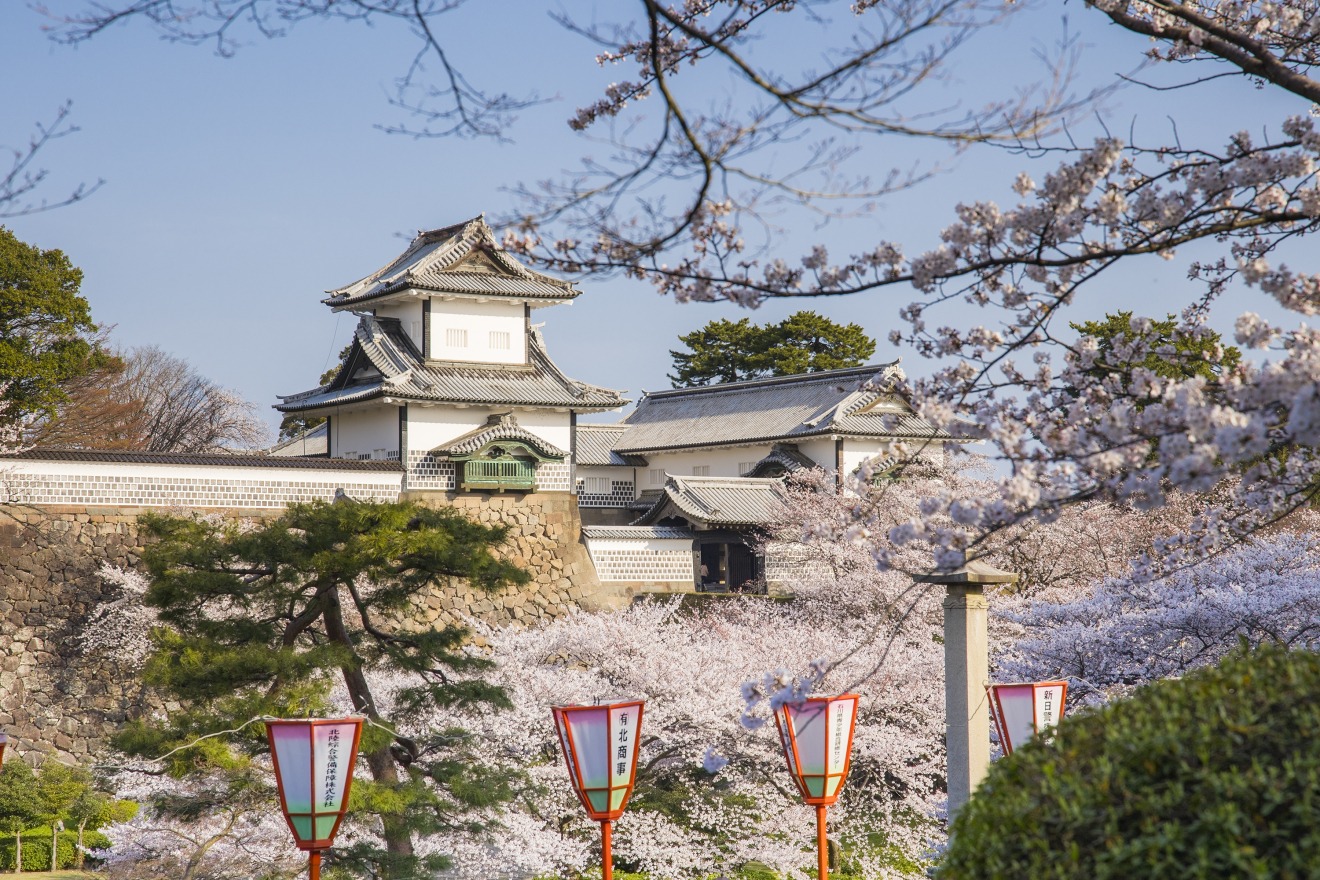
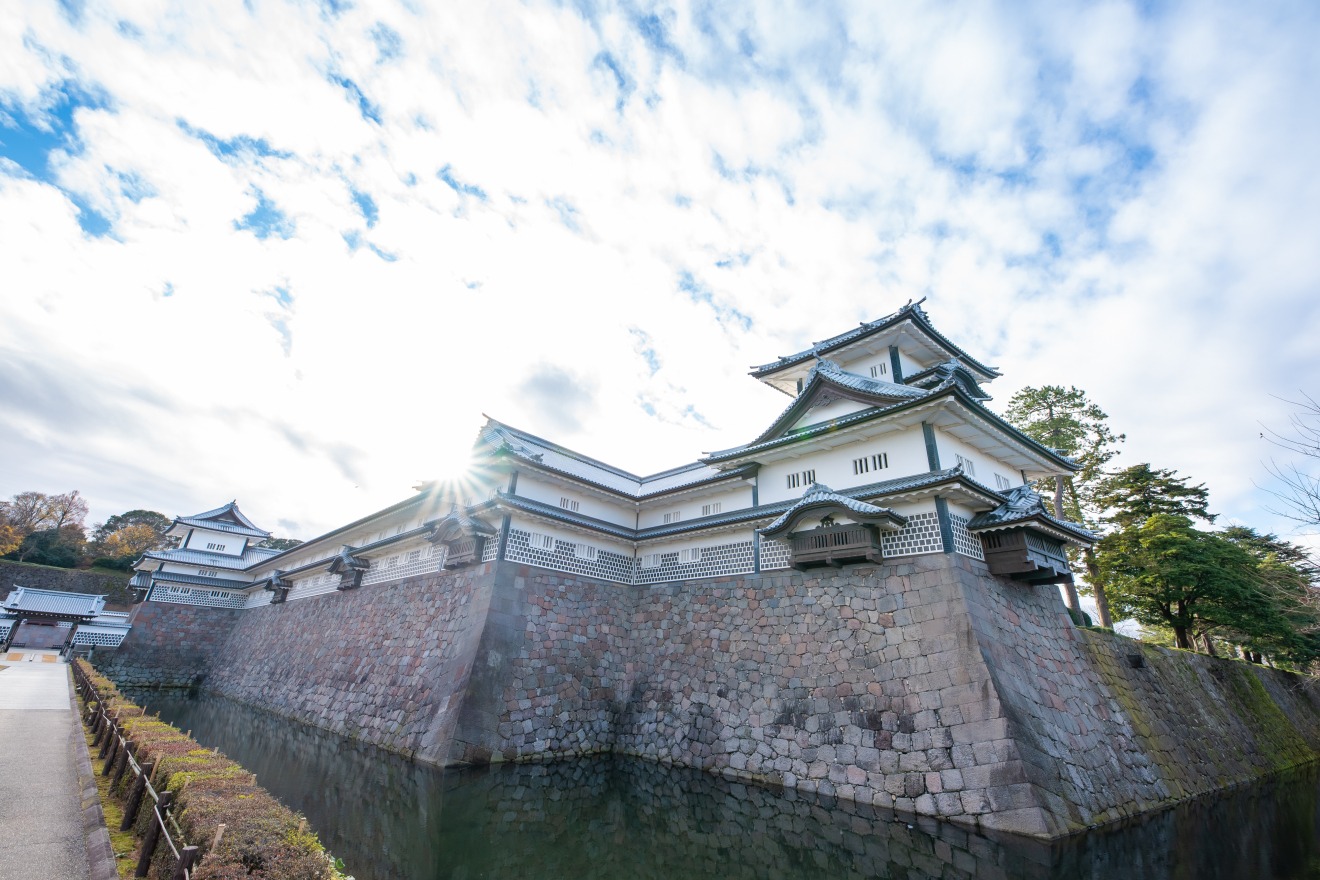
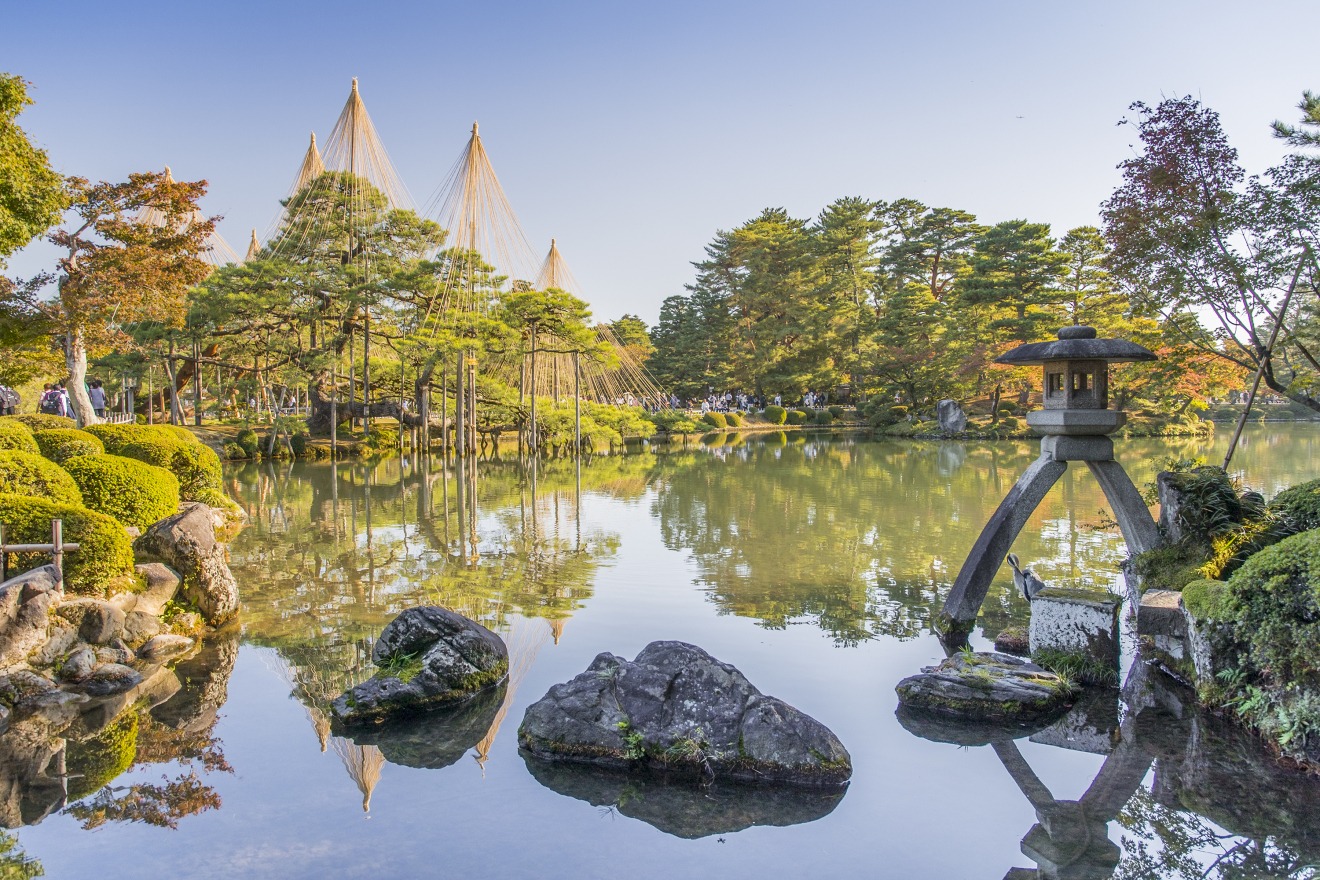
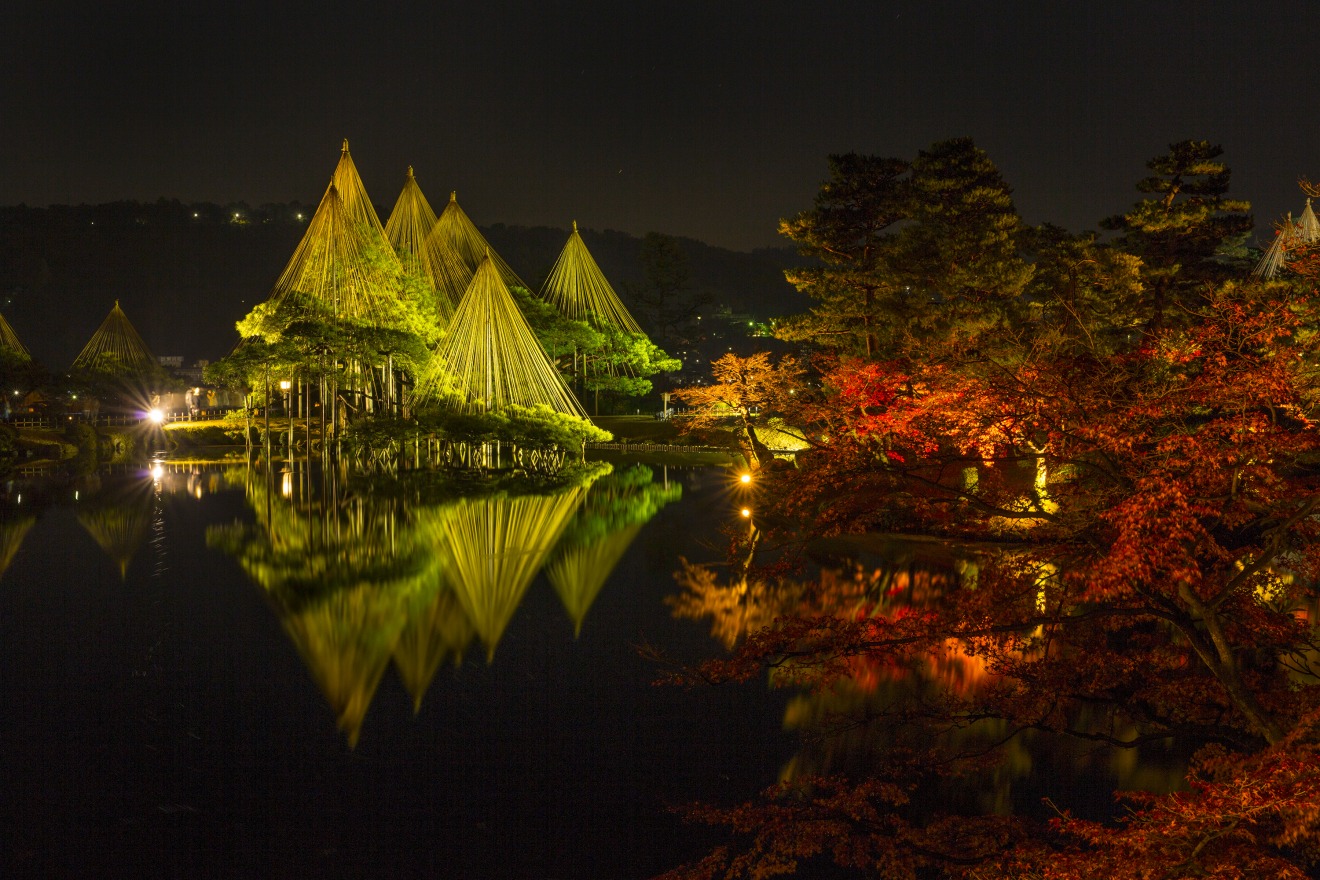
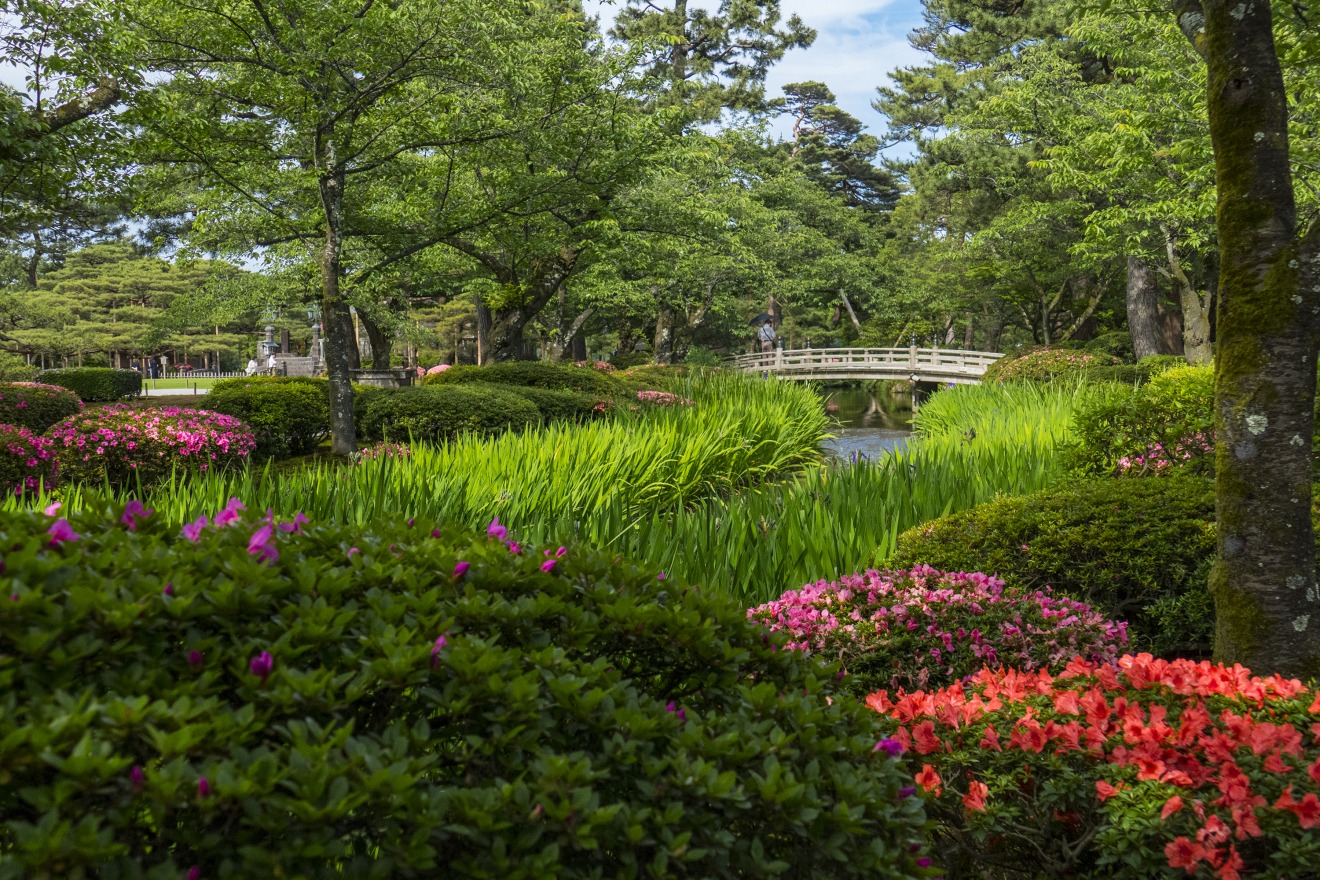
Kanazawa offers countless opportunities to experience real, living craftsmanship—to “see,” “touch,” and “taste” work made with genuine skill.
The beauty of Kanazawa is not ornamental for its own sake.
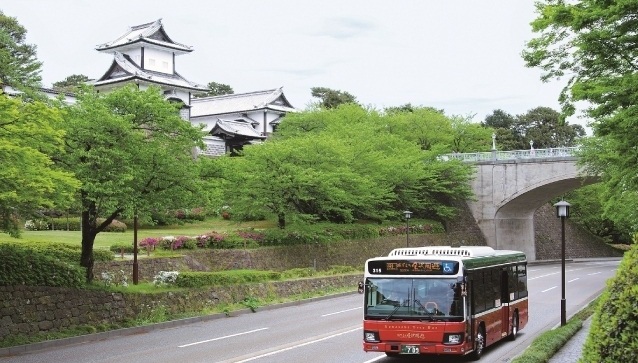
Structures such as the Gojikken Nagaya storehouse and Nezumitamon Gate at Kanazawa Castle showcase the uncompromising spirit of artisans who preserved traditional construction methods for centuries.
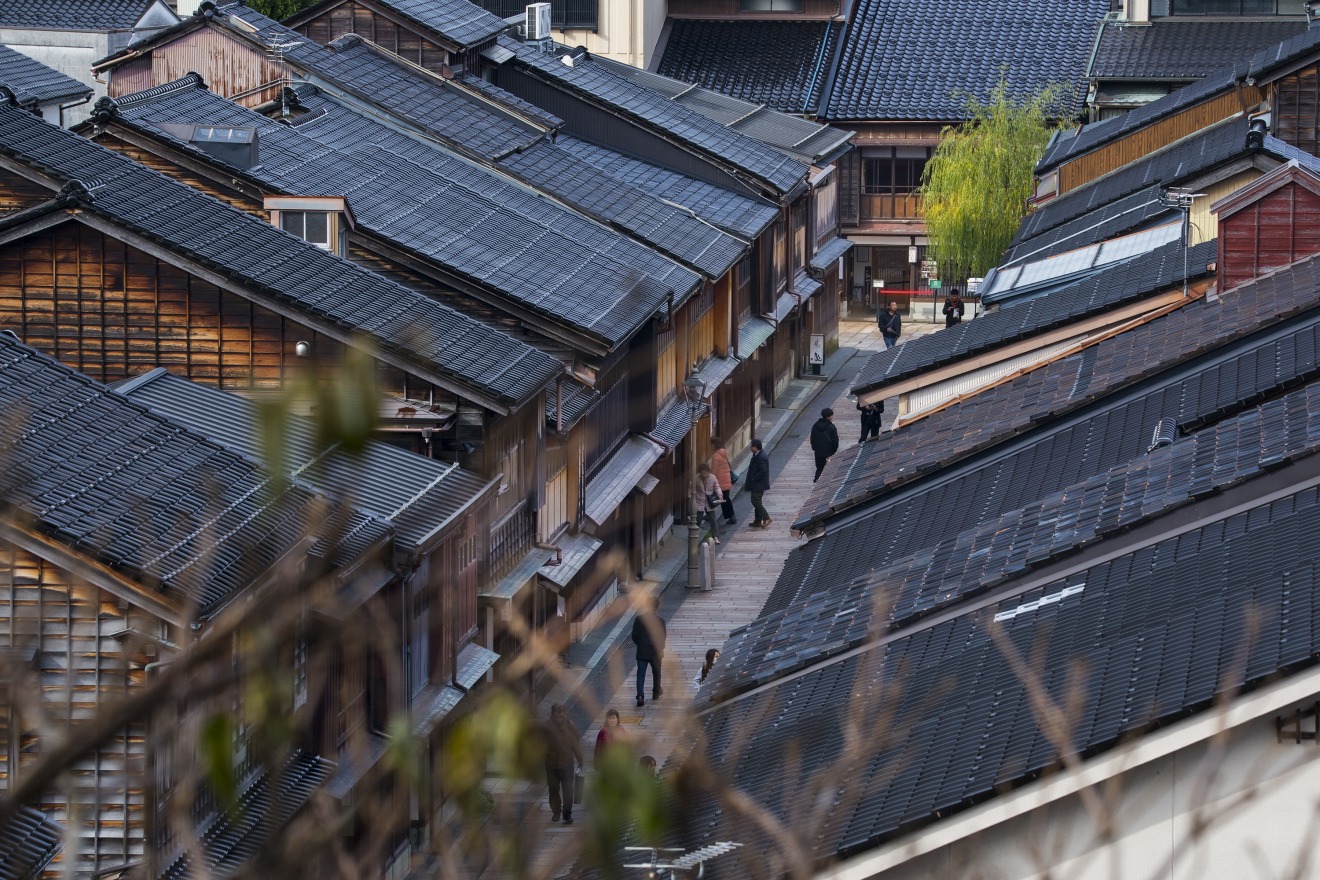
In the historic teahouse districts, geigi (geisha performers trained in traditional arts) continue to refine their craft, adding elegance and grace to the city’s atmosphere.
■ Supported by the Wealth of “Kaga Hyakumangoku”
“Kaga Hyakumangoku” refers to the enormous annual rice yield of the domain—a measure of its economic power.
Thanks to this prosperity, the Maeda clan invested heavily in the arts, crafts, learning, and performance culture, nurturing a tradition of “making things with care and excellence.”
Among the most renowned crafts are:
・Kutani porcelain (Kutani-yaki)
・Kaga Yuzen silk dyeing
・Gold leaf production, for which Kanazawa produces over 99% of Japan’s supply
Kanazawa’s gold leaf is used in the restoration of national treasures, including the Yomeimon Gate at Nikko Toshogu Shrine and Kinkakuji Temple(Golden Pavilion).
Today, Kanazawa is also known as a hub of contemporary craft and art, with studios and galleries where tradition meets innovative design.
Introduction(KANAZAWA -A Heritage of Cultural Excellence-
TAKAOKA — A City of Craftsmanship that Supports Japan
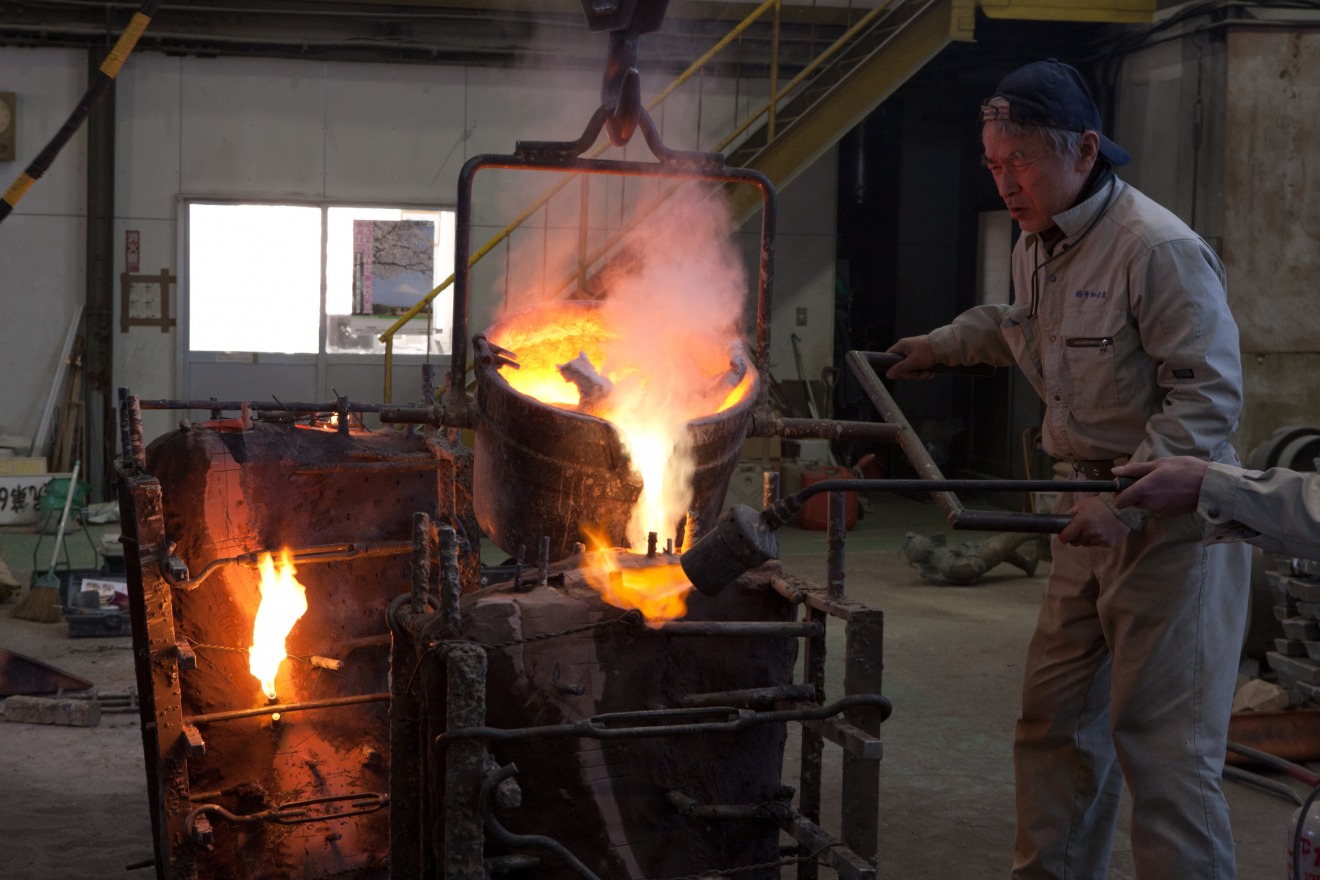
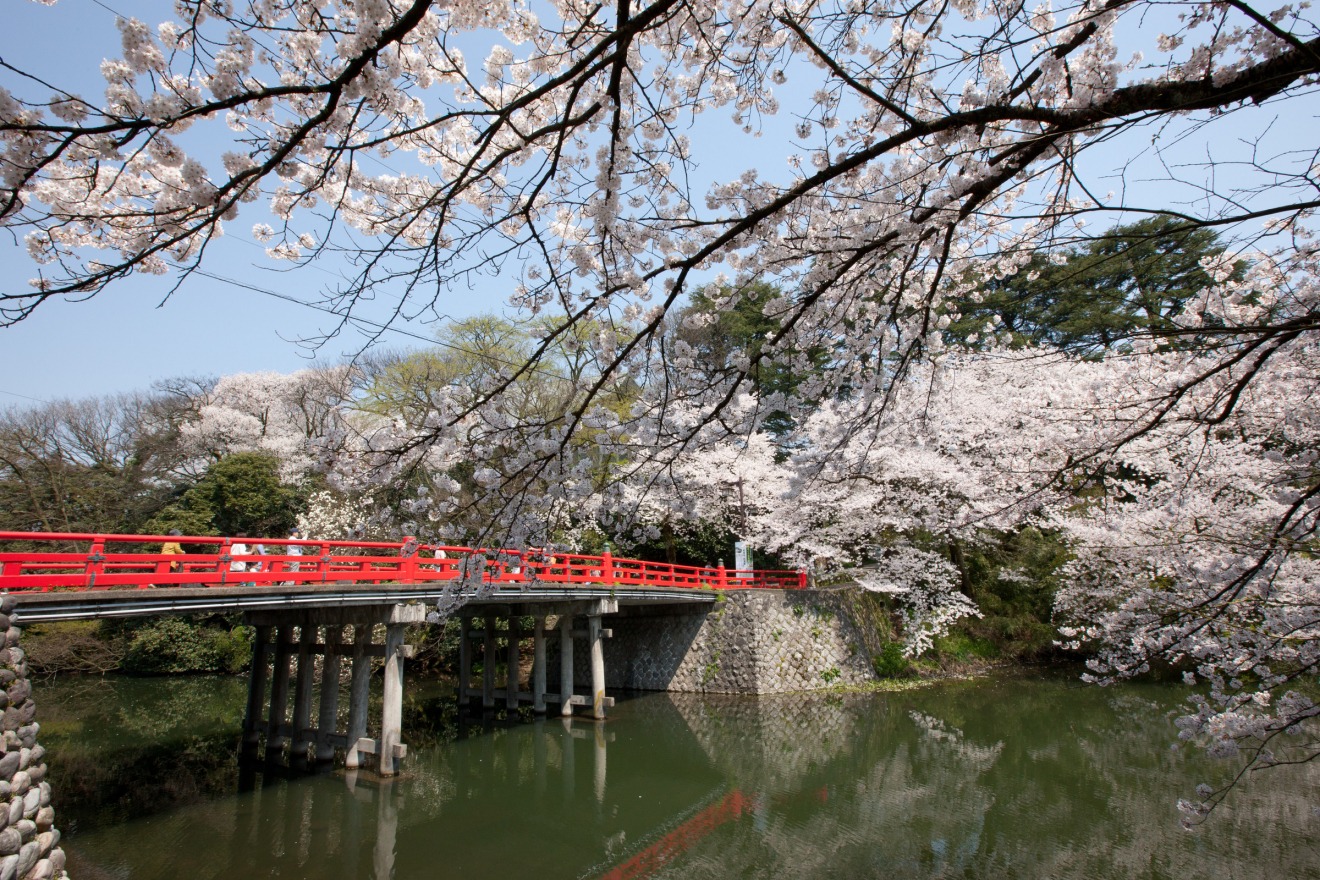
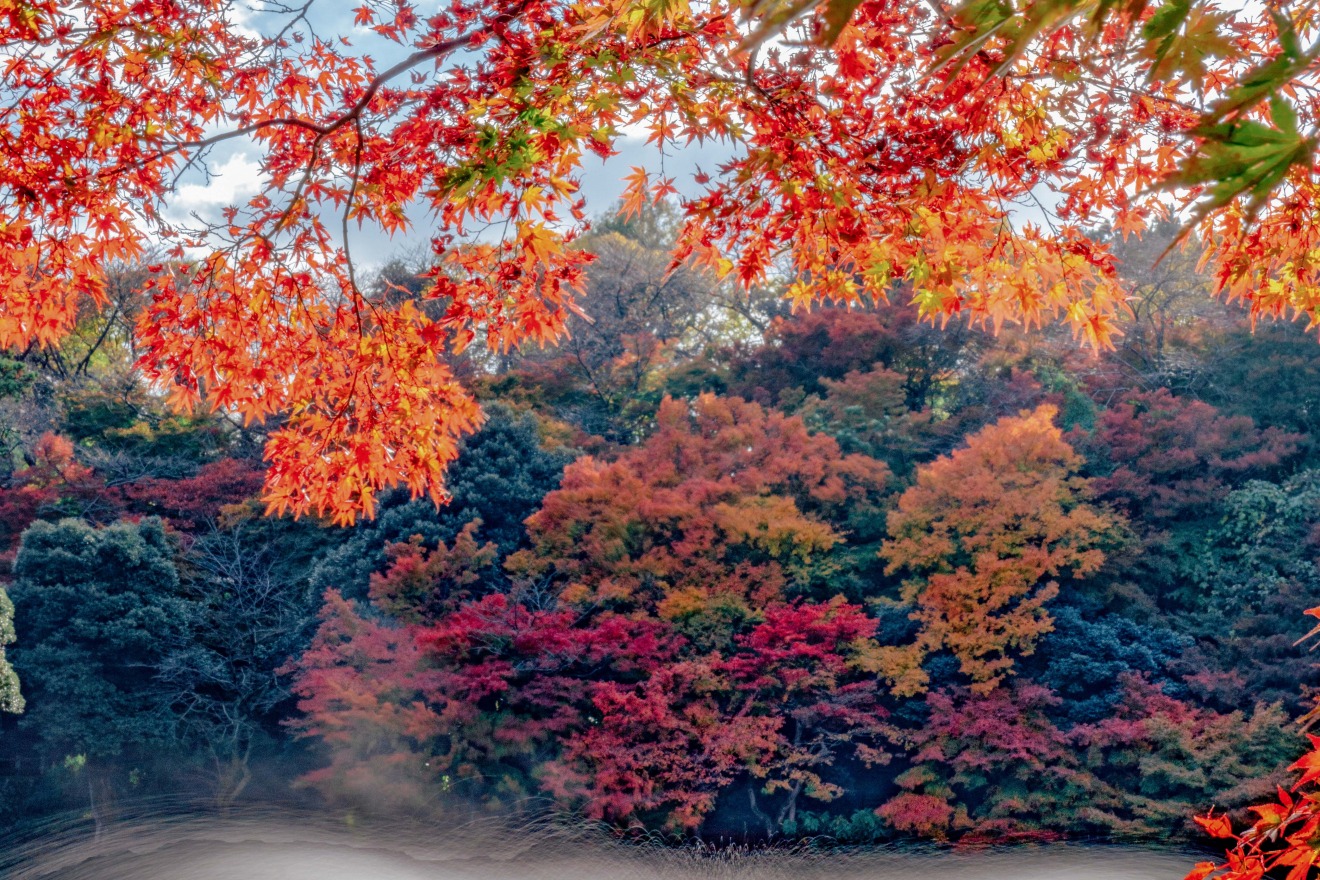
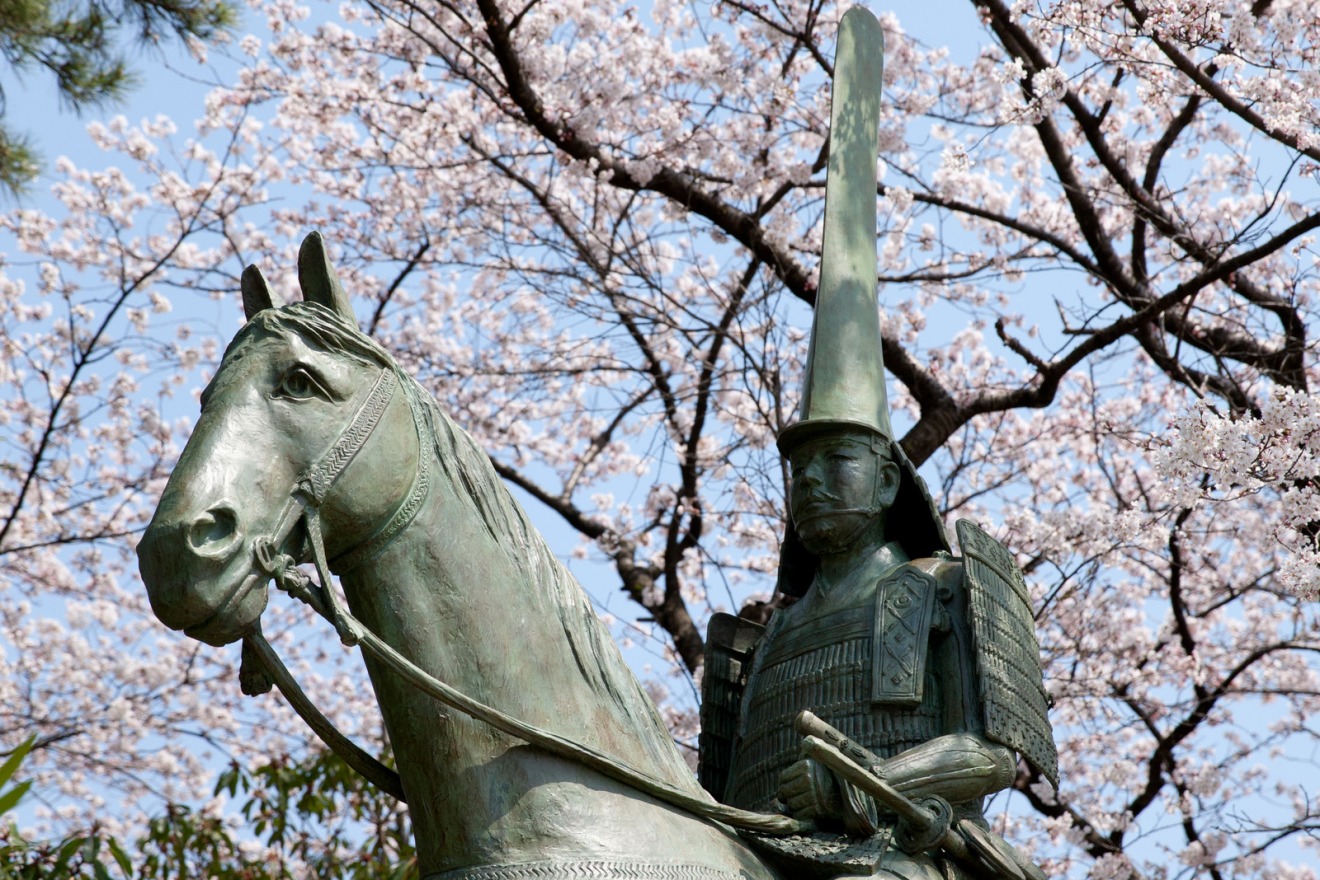
Takaoka was founded by MAEDA Toshinaga, the second lord of the Kaga Domain, as a town of artisans.
Craft traditions such as bronze casting, lacquerware, and metalwork have been passed down for more than 400 years, and visitors can see artisans at work in many studios.
■ Craftsmanship Applied Throughout Japan, Takaoka’s metalworking skills are used far beyond the city:
・Decorative metal elements in Tokyo Station’s domes
・Metal ornaments in the National Diet Building
・Nearly 70% of temple bells (bonshō) in Japan are said to be made in Takaoka
But Takaoka is not just about craft.
With the historic Fushiki Port, once a key stop for the Kitamae-bune merchant ships, and fertile farmlands nearby, the city was a major economic and logistical hub that sustained the prosperity of the Kaga Domain.
In recent years, the metalwork brand "Nousaku" has gained international acclaim for reimagining traditional tin casting into modern lifestyle designs—proof that Takaoka remains a global craft city shaped by both tradition and openness.
Tracing the Maeda Legacy — Two Castle Towns Connected by History
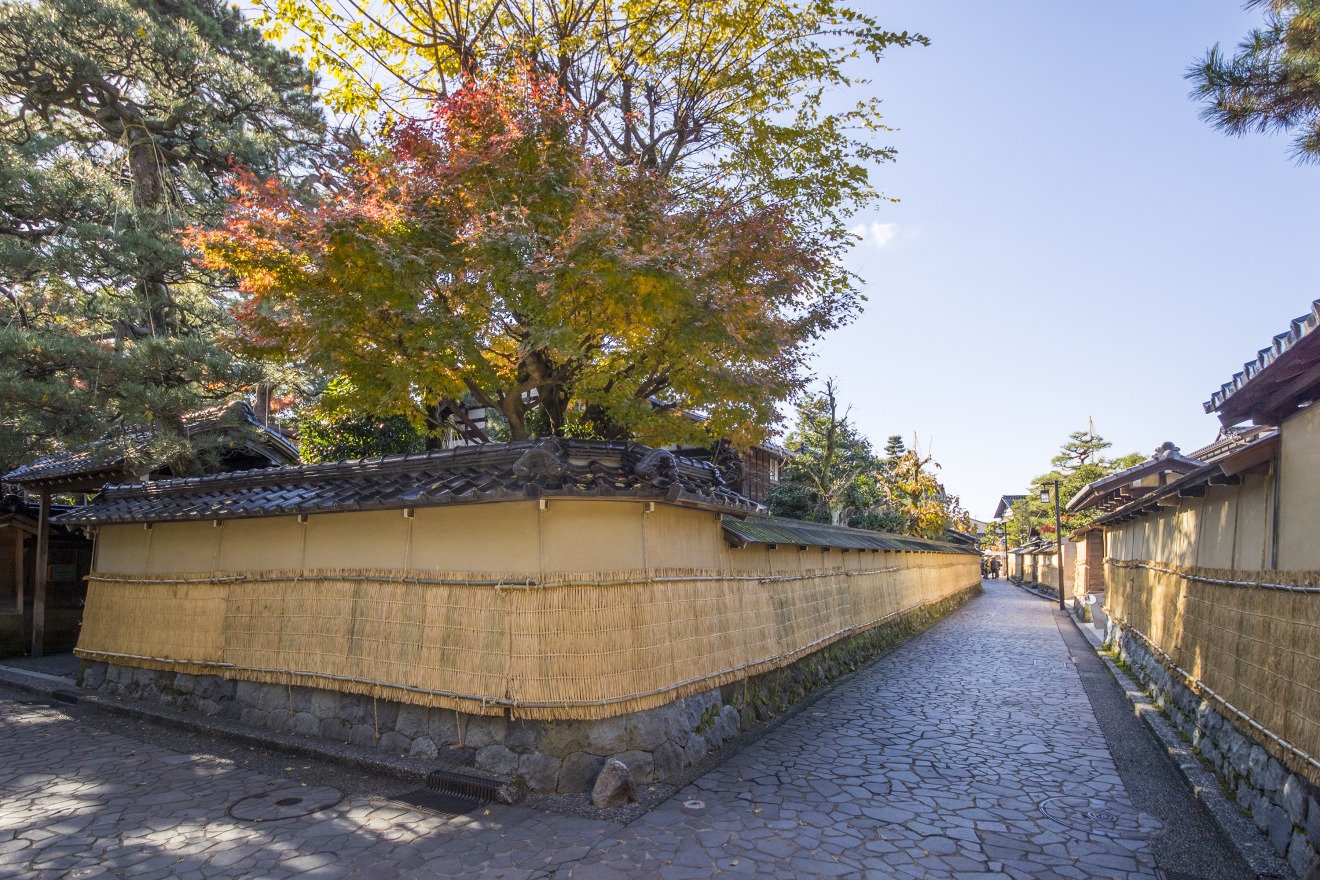
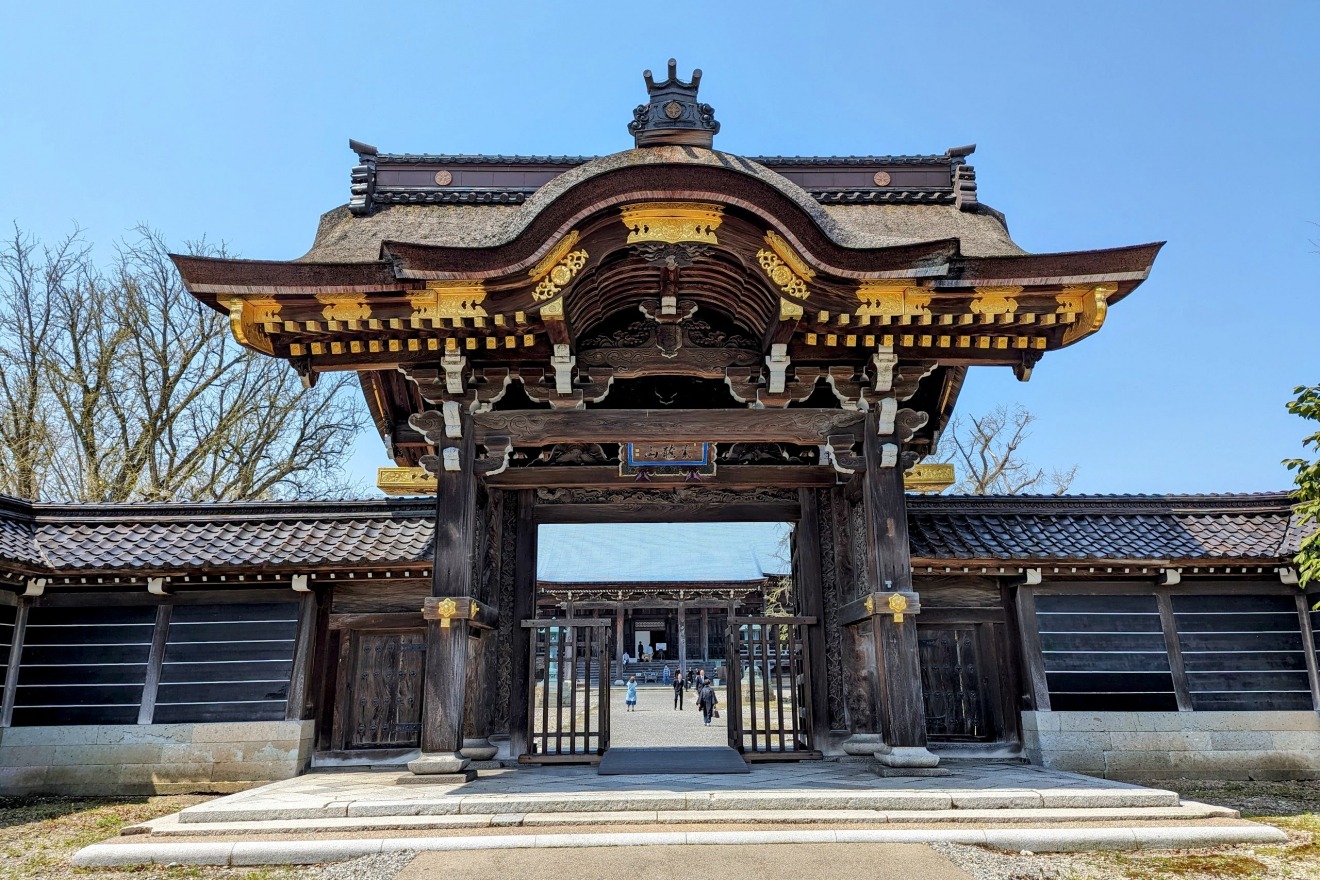
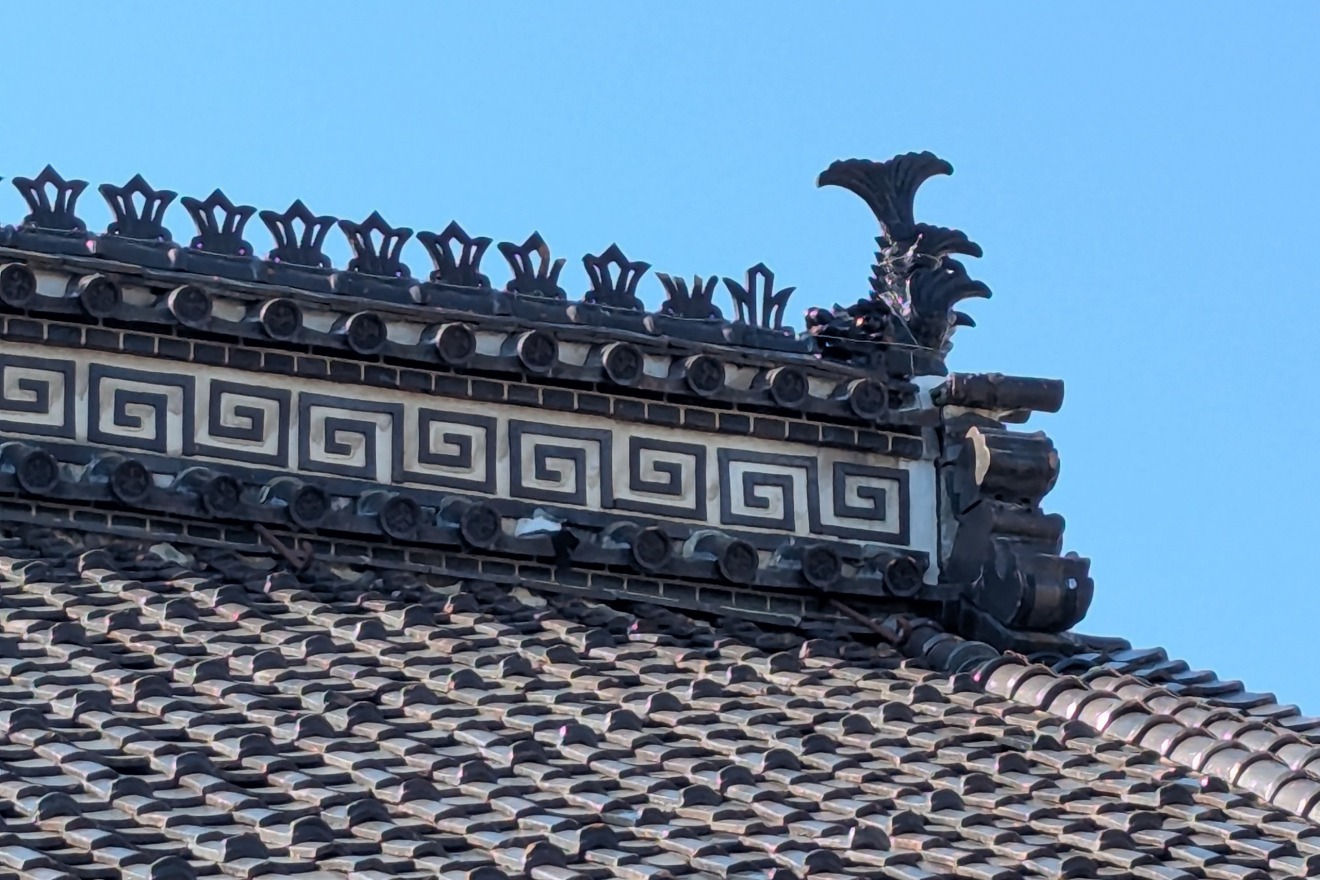
Kanazawa and Takaoka share a distinctive link: both preserve numerous historical sites associated with the Maeda clan.
■ Castles and Gardens
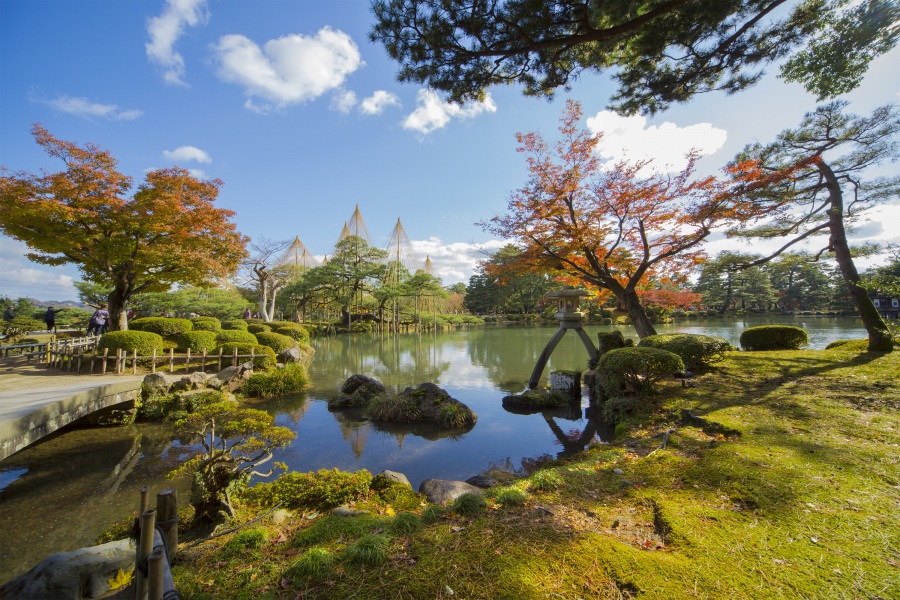
・Kanazawa Castle Park & Kenrokuen Garden
The political and cultural center of the Kaga Domain, representing its refined aesthetics.
・Takaoka Castle Park (Takaoka Castle Ruins)
Built by Toshinaga, it retains the atmosphere of an early 17th-century castle town.
■ Temples Reflecting the Domain’s Spiritual Heritage
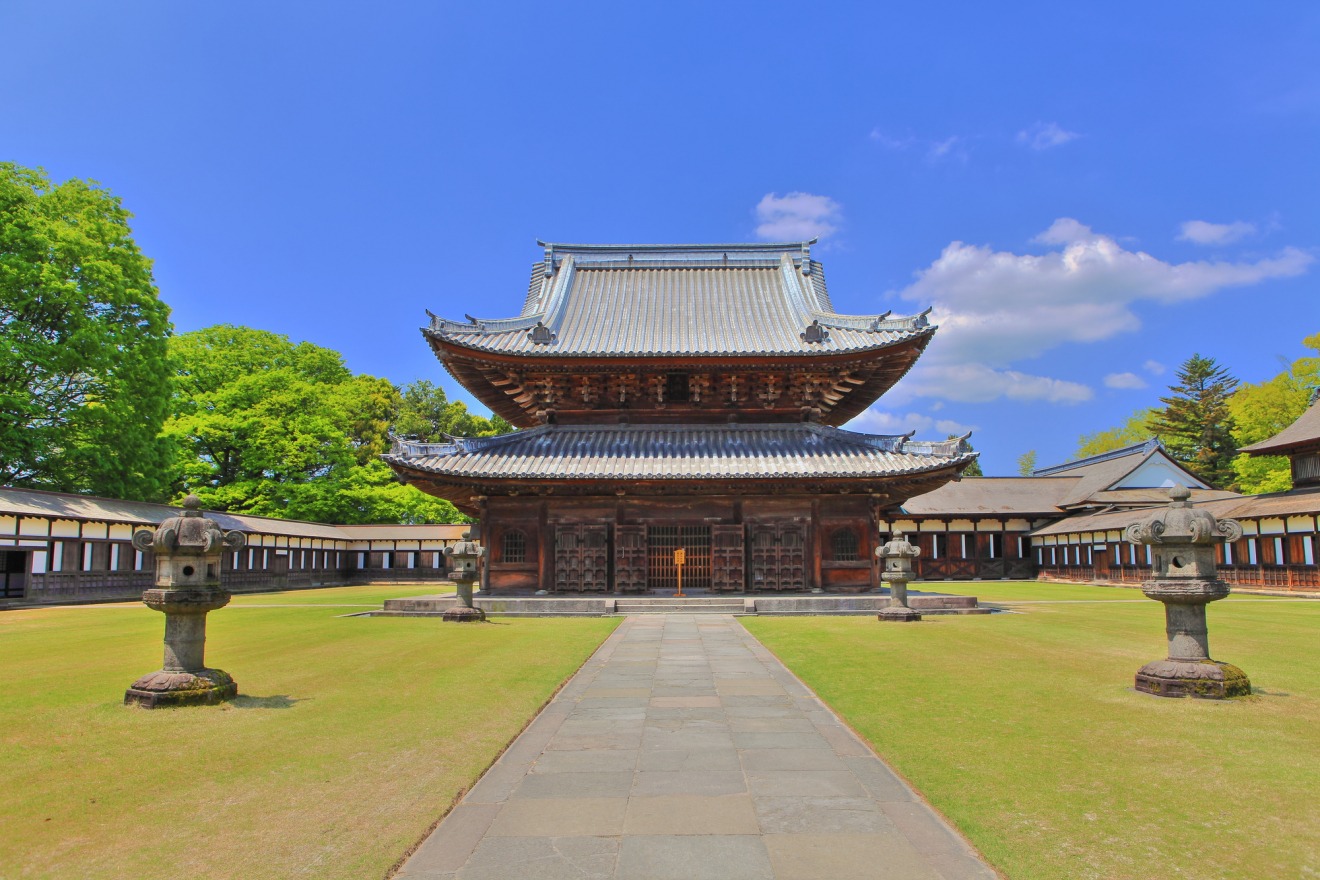
・Zuiryuji Temple (National Treasure)
Built by MAEDA Mitsutaka(3rd lord of Kaga Domain) to honor Toshinaga, known for its symmetrical Zen-style architecture.
・Shōkōji Temple (National Treasure since 2022)
A Pure Land Buddhist temple supported by the Maeda clan, admired for its monumental architecture and decorative craftsmanship.
■ Castle Town Streets Preserved to Today
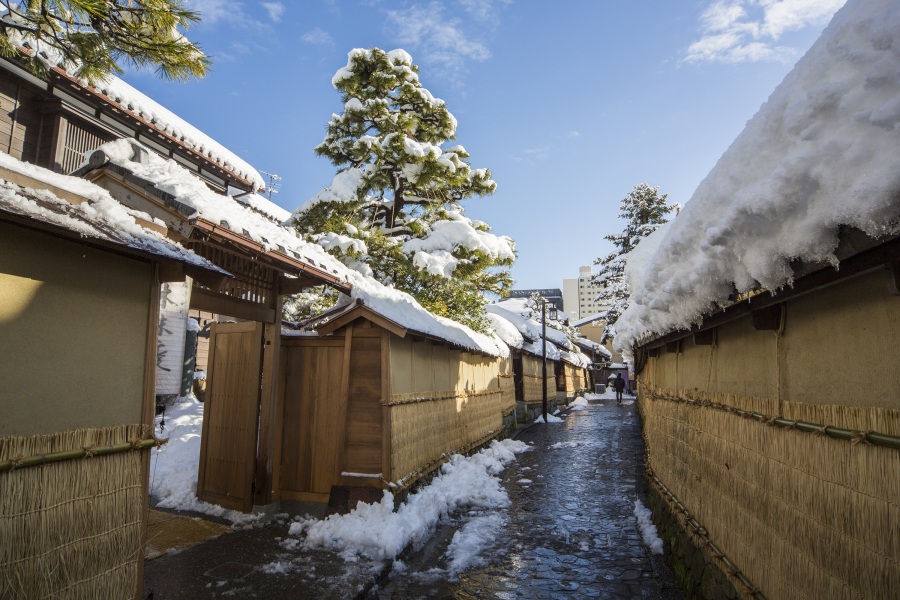
・Nagamachi Samurai District (Kanazawa)
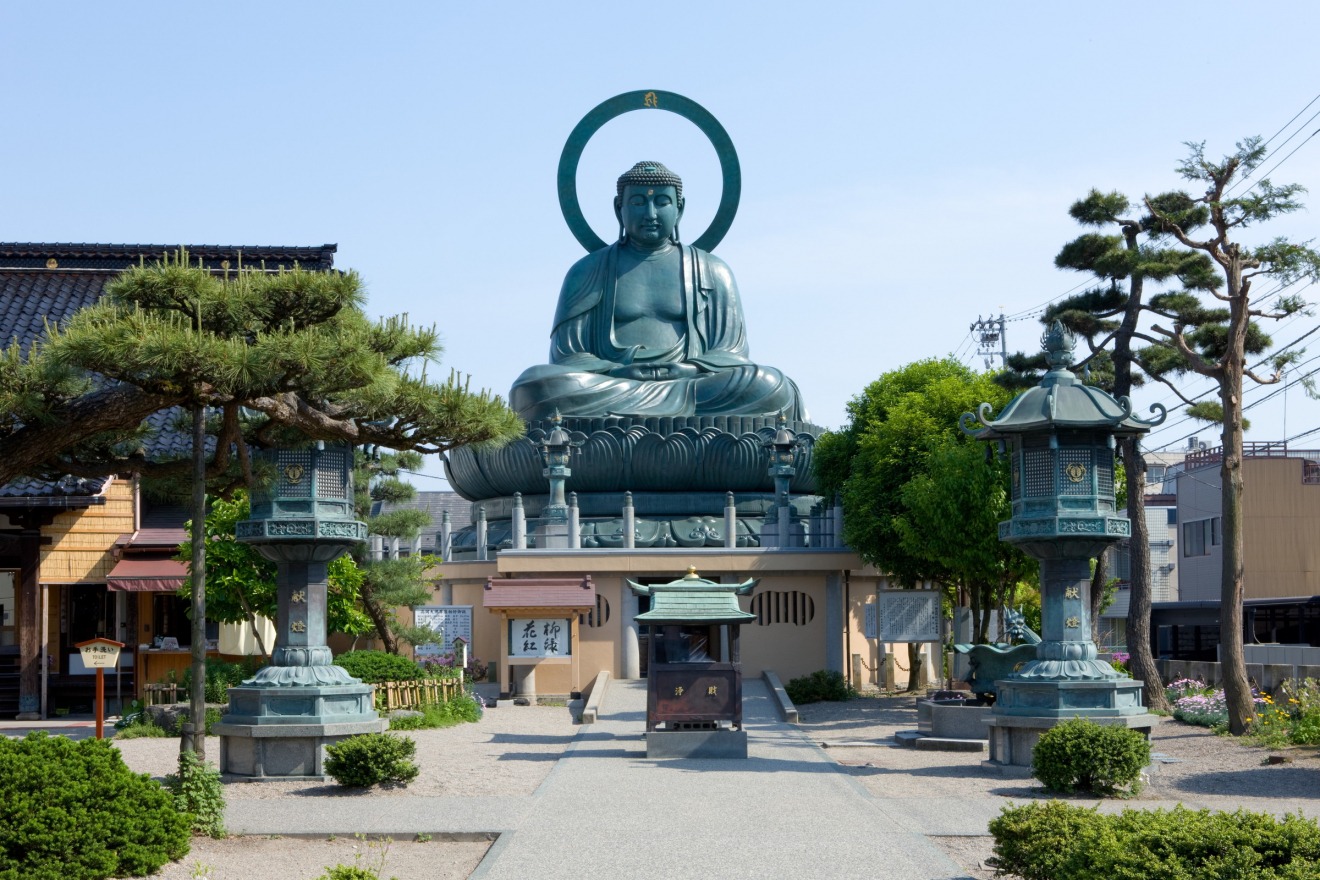
・Yamachosuji Street & Kanayamachi (Takaoka)
These districts preserve the layout and atmosphere of the Edo period, offering a walk through living history.
Craftsmanship Connecting the Two Cities
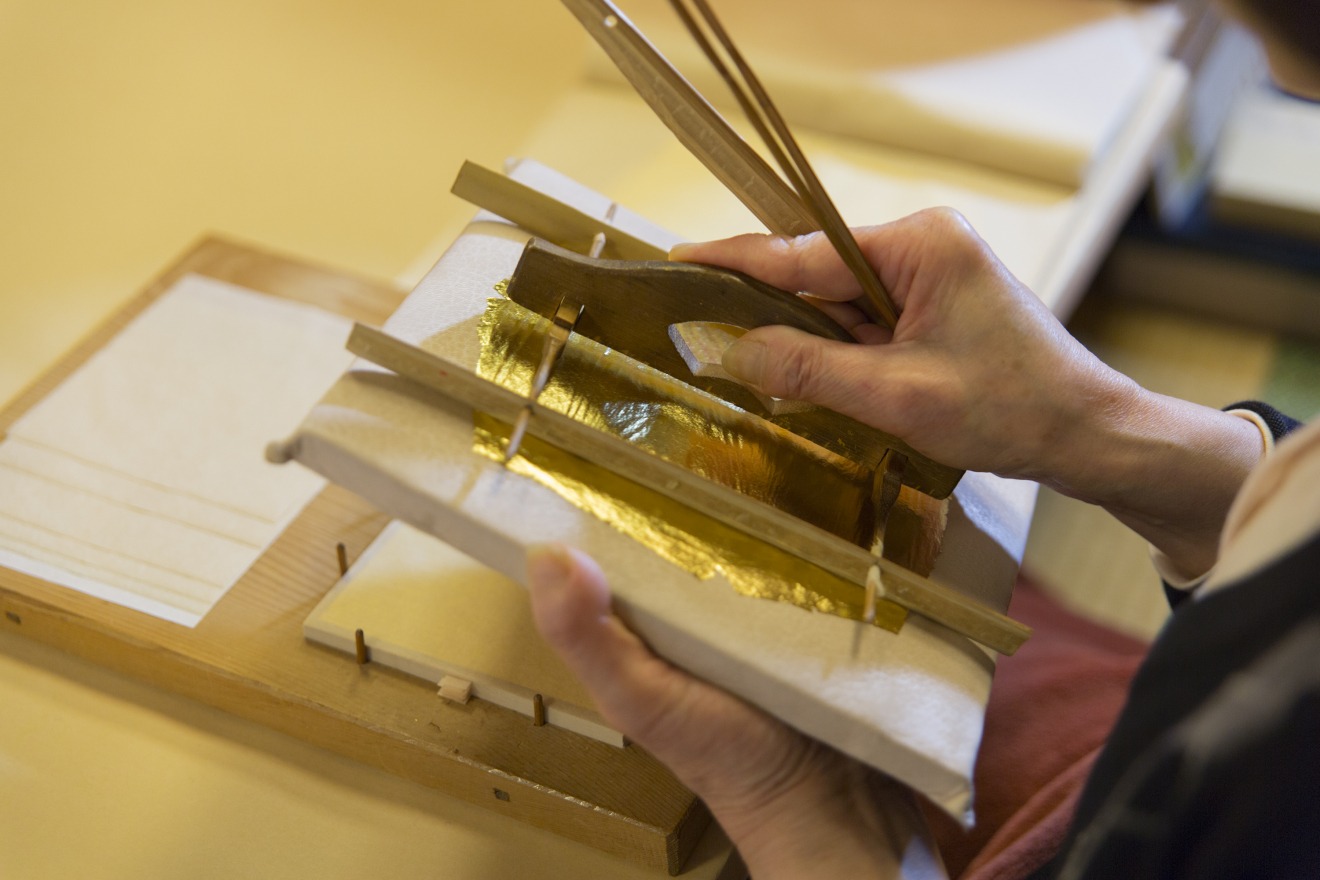
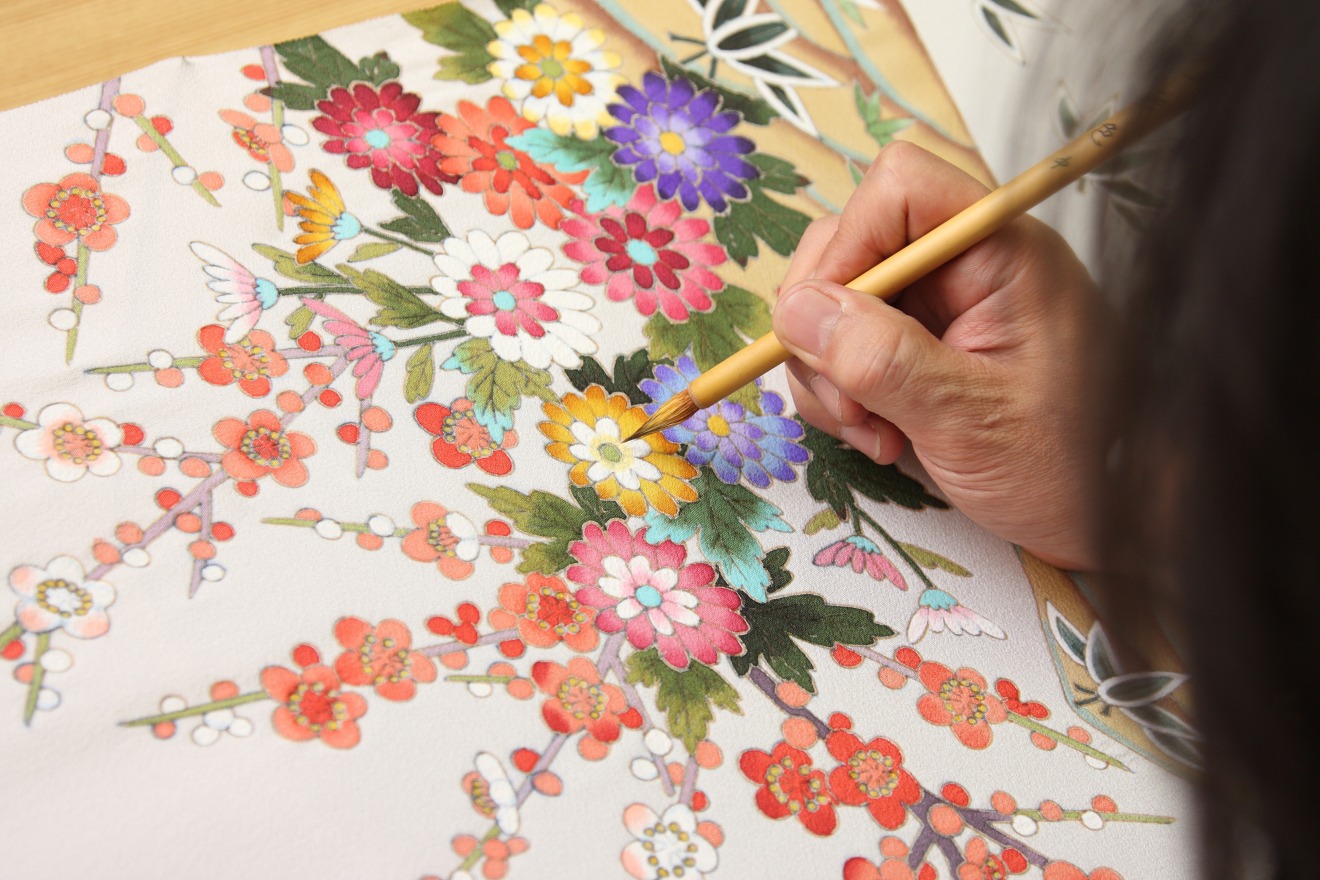
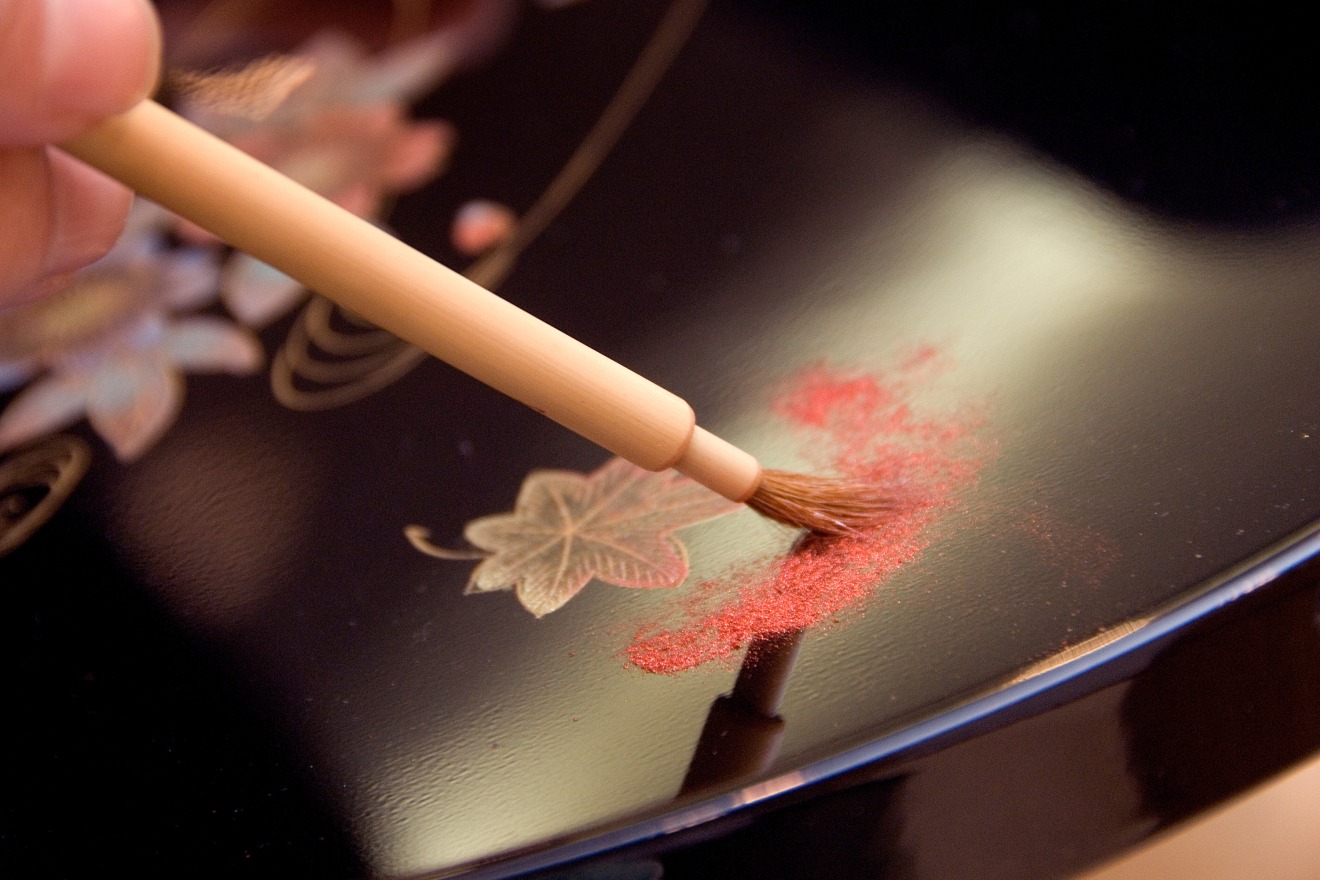
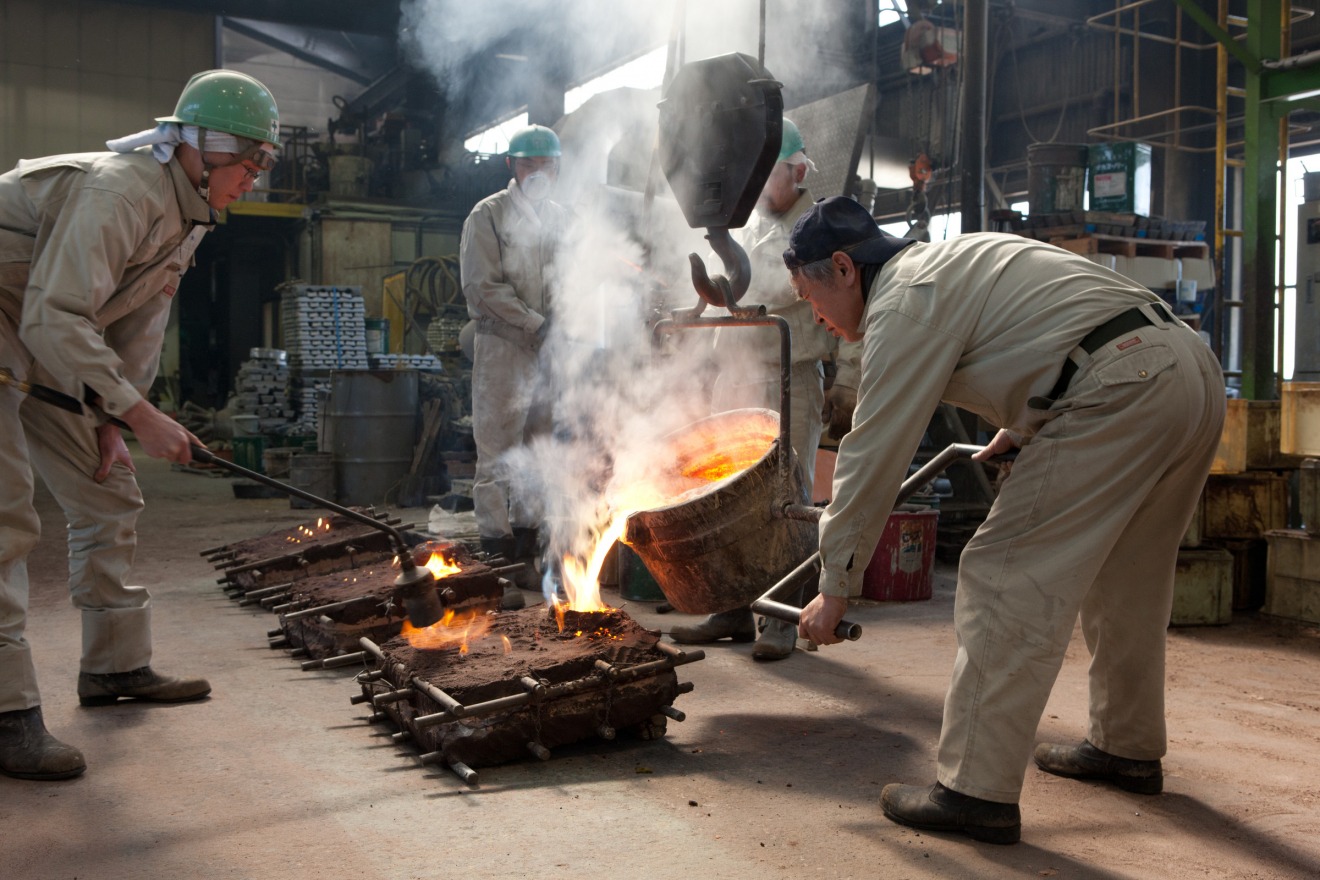
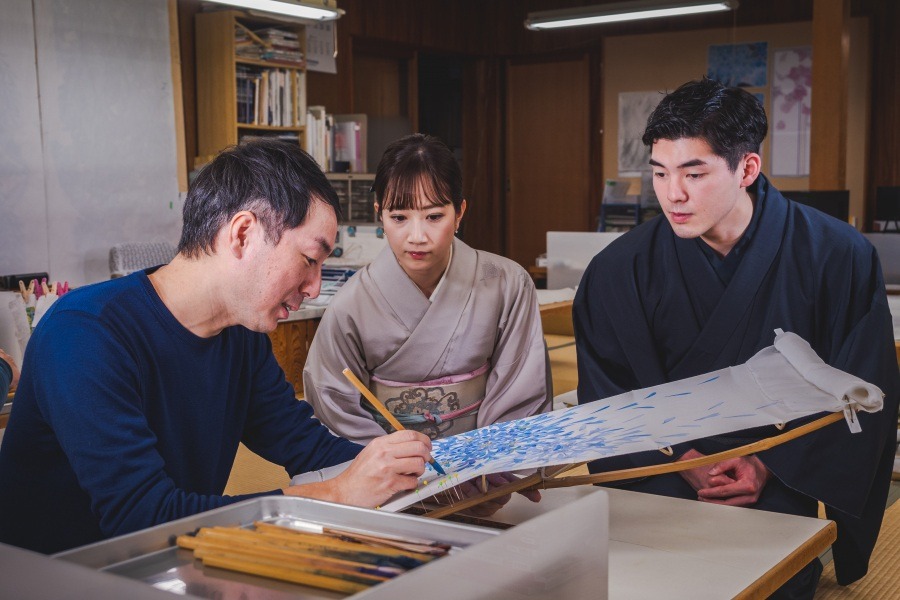
Both Kanazawa and Takaoka are known as “cities of artisans,” shaped by the Kaga Domain’s support for traditional crafts.
In Kanazawa, the focus was on refined beauty: Kaga Yuzen, gold leaf, and Kutani porcelain.
In Takaoka, craftsmanship emphasized materials and structure: bronze casting, lacquer, and tinwork.
Visitors can experience these traditions firsthand:
■ Craft Experiences
Gold leaf application and Kutani painting in Kanazawa
Tin casting at Nousaku, lacquer inlay (chinkin) and mother-of-pearl (raden) in Takaoka
■ Craft Fairs
KOGEI Art Fair Kanazawa, Go for KOGEI
Takaoka Craft Ichibamachi, Takaoka Craft Fair Tsuginote, Takaoka Craft Exhibition
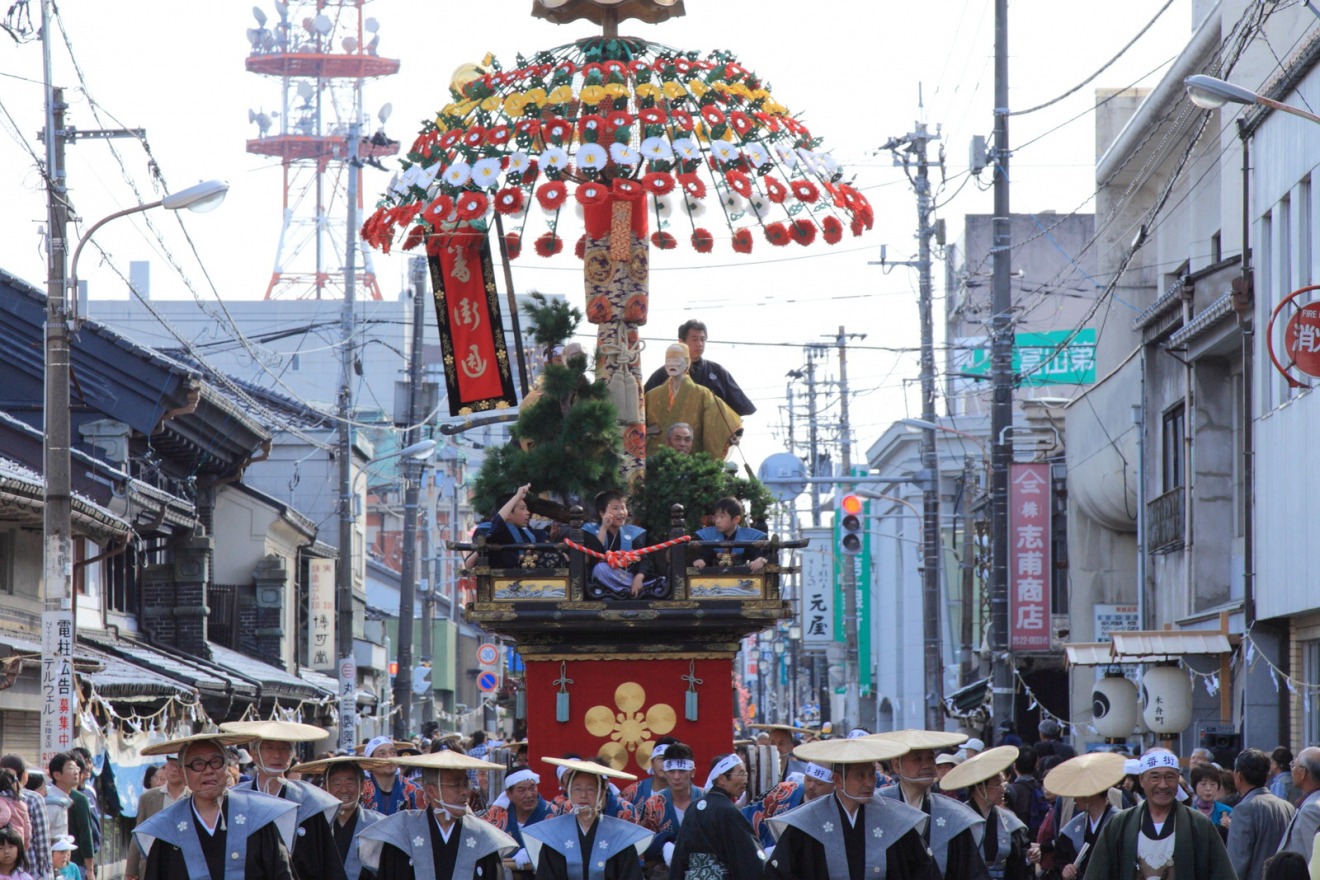
■ UNESCO Intangible Heritage: Takaoka Mikurumayama Festival
The magnificent festival floats combine lacquerware, metalwork, sculpture, dyeing, and more—representing the pinnacle of Takaoka’s artistic skills.
Together, these traditions show how the spirit of craftsmanship continues to thrive in both cities.
Living Cultural Heritage — Traditional Conservation Districts
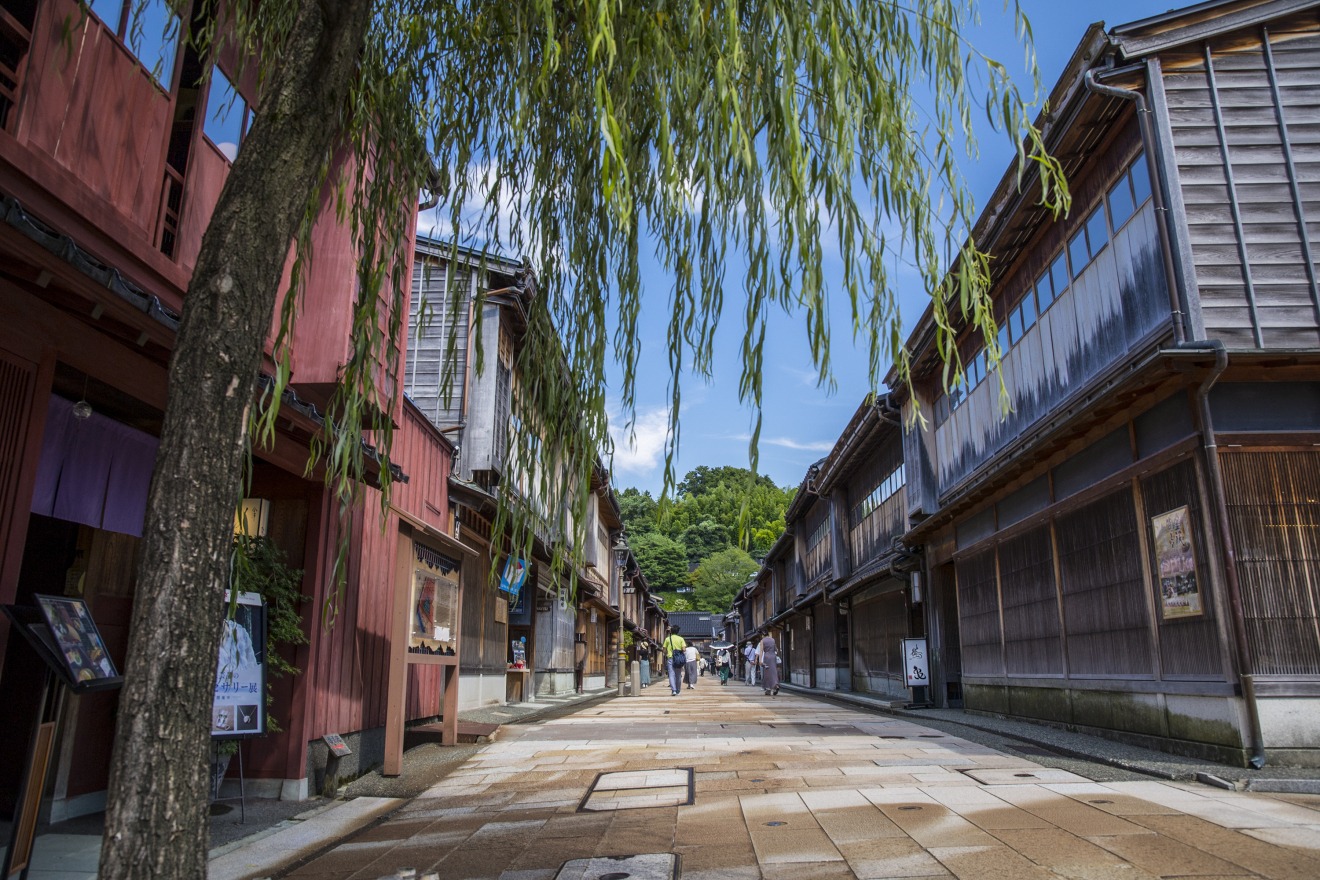
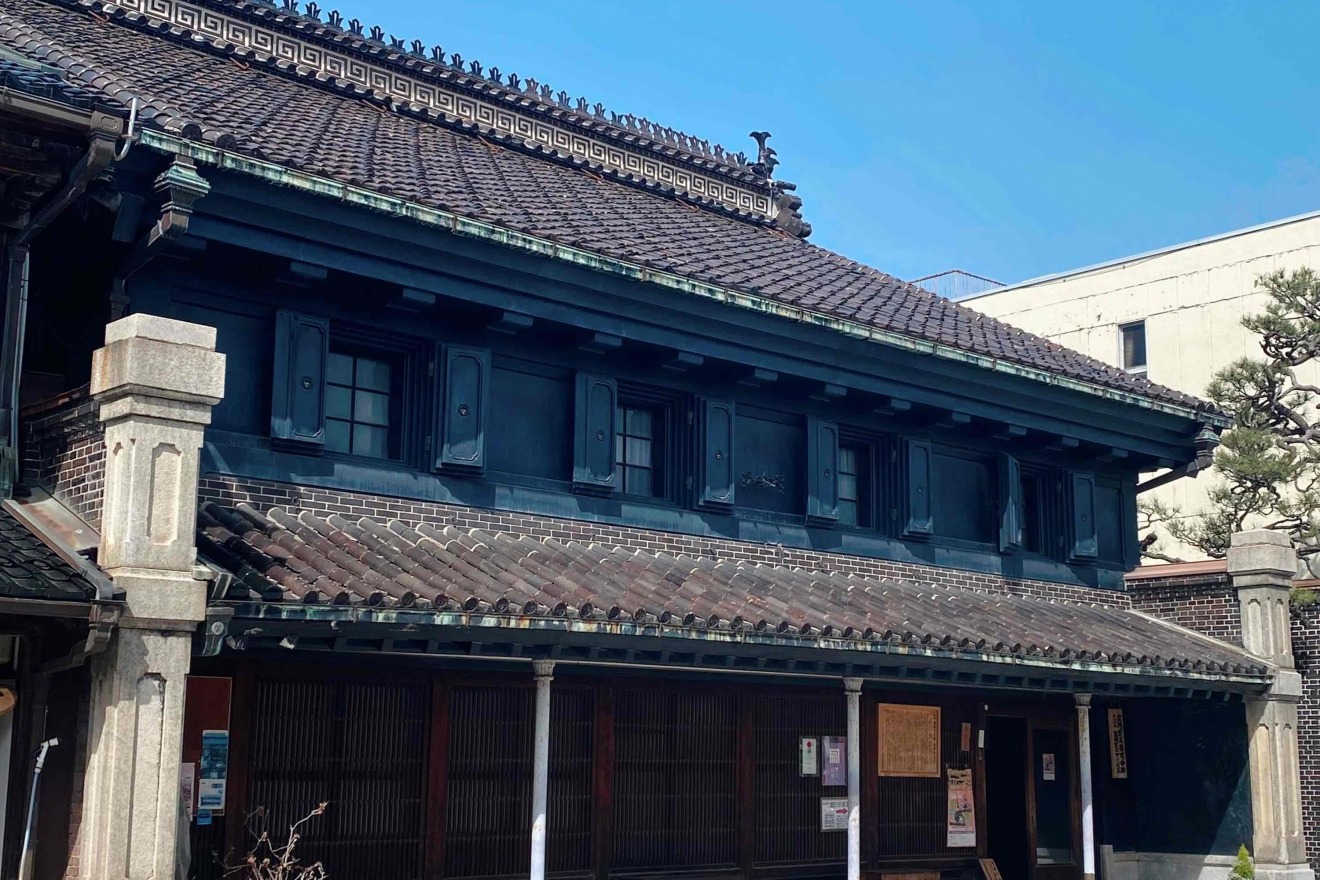
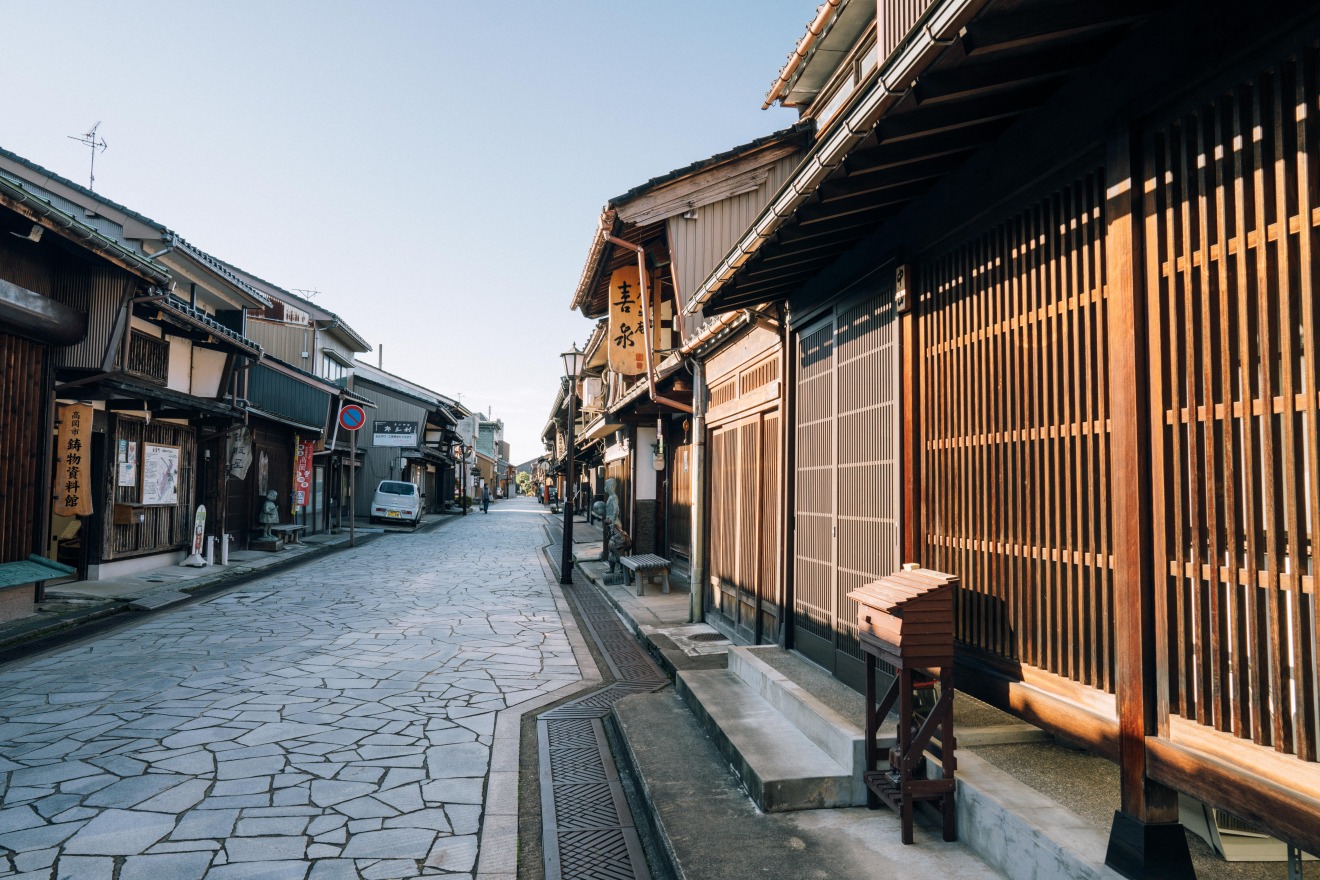
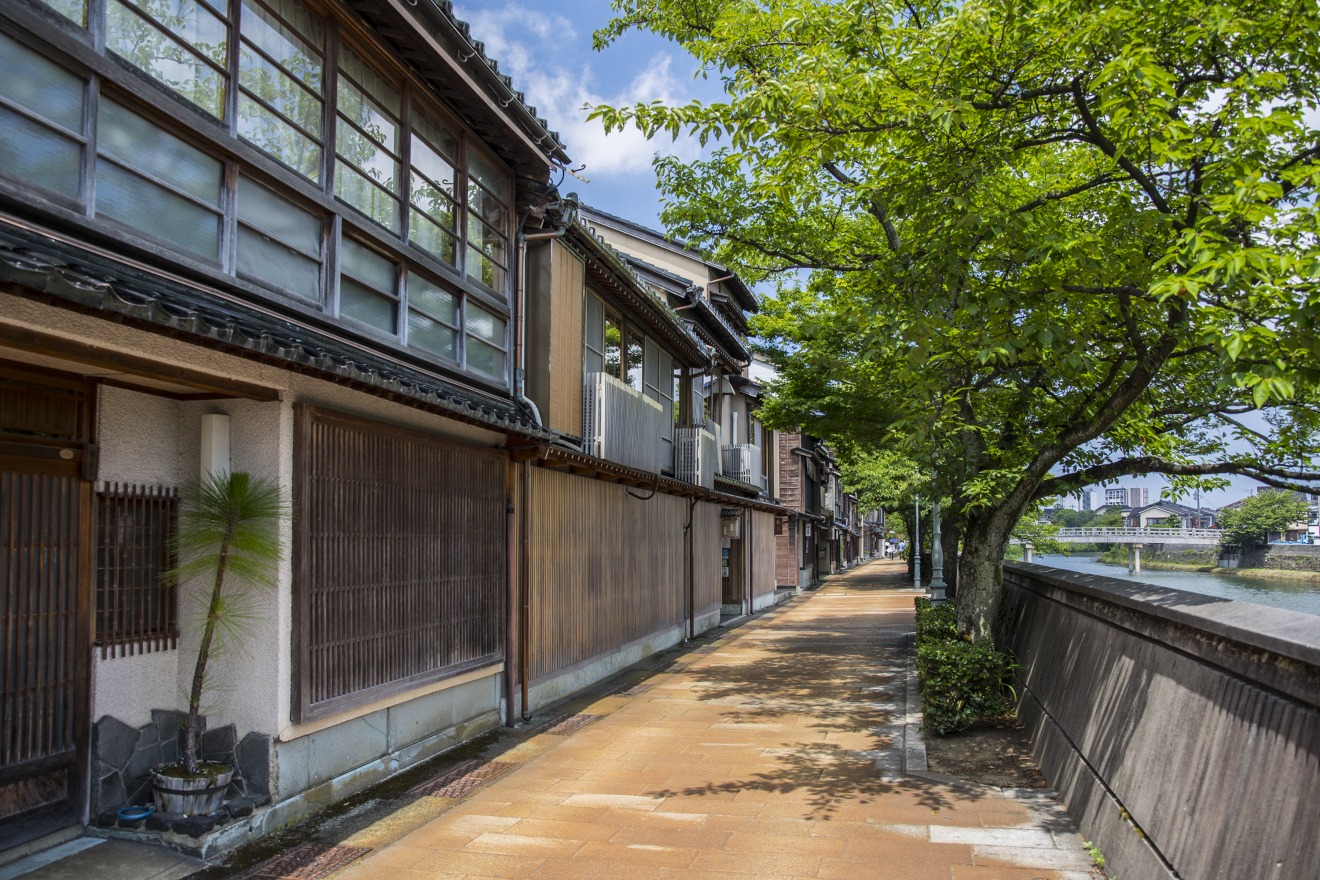
While historical sites tell the story of the Kaga Domain, Kanazawa and Takaoka’s charm lies in how their culture is still part of everyday life.
<Important Preservation Districts for Groups of Traditional Buildings>
■ Kanazawa
■ Takaoka
Walking these streets reveals Japan’s aesthetic values and lifestyles preserved through generations.
A Journey Linking Beauty and Craft
With the Hokuriku Shinkansen, Kanazawa and Takaoka are only 15 minutes apart.
Visitors can explore both in a single day.
Sample Itinerary
Morning: Gold leaf workshop in Kanazawa → Kenrokuen Garden → Higashi Chaya District
Afternoon: Travel to Takaoka → Visit Nousaku → Walk Yamacho Street
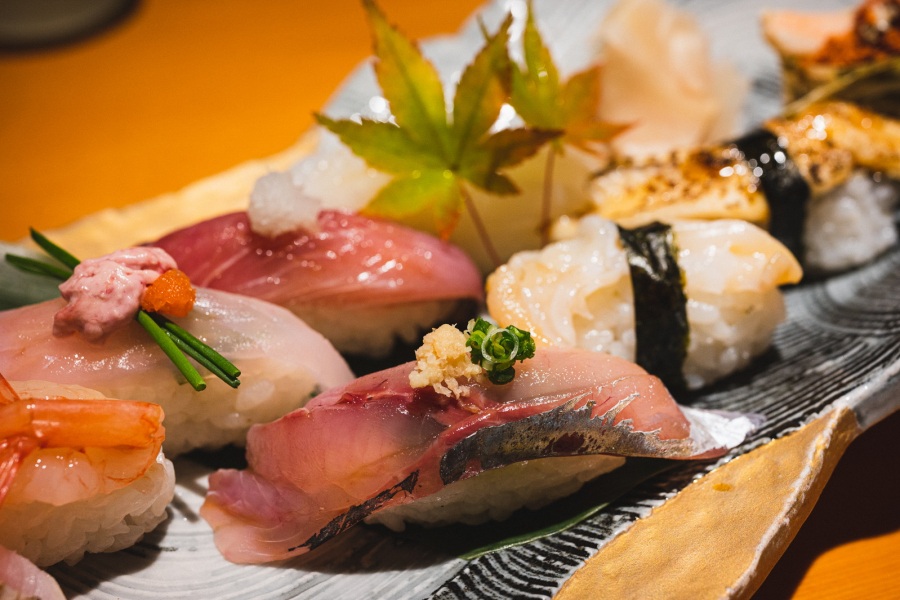
Evening: Enjoy local seasonal cuisine
A short trip across the prefectural border becomes a deep encounter with history and craftsmanship.
Conclusion — Discover the Spirit of Beauty and Craft in Hokuriku
Kanazawa and Takaoka are bound by a single cultural thread woven by the Kaga Domain.
Kanazawa’s gold leaf colors the world; Takaoka’s metalwork supports Japan.
The spirit of “making beautifully and living beautifully” still flows through this region.
Come and experience the heart of Kaga culture—where unseen craftsmanship has shaped Japan for centuries.