Kanazawa’s Tea Culture: Discover the History of the Kaga Domain, Historic Tea Rooms and Matcha Experiences
Kanazawa is a city where the tea ceremony and traditional crafts have developed hand in hand. This cultural heritage flourished under the Maeda clan, the lords of the Kaga Domain, which ruled the region during the Edo period (1603–1868).
Today, historic tea rooms and gardens can still be found throughout the city. Kanazawa is also known for its traditional sweets, many of which are enjoyed with matcha, finely ground green tea.
According to Japan’s 2025 Family Income and Expenditure Survey, Kanazawa ranked first among the surveyed cities for annual household spending on certain types of traditional Japanese sweets. This reflects how deeply these sweets are woven into local life.
From historic tea rooms and beautifully crafted tea utensils to a quiet moment enjoying matcha and Japanese sweets, the culture of tea can be discovered in many parts of Kanazawa. Even if you have never experienced a Japanese tea ceremony, exploring this tradition offers a wonderful way to discover Japanese culture.
1. The History of the Japanese Tea Ceremony and Its Connection to Kanazawa
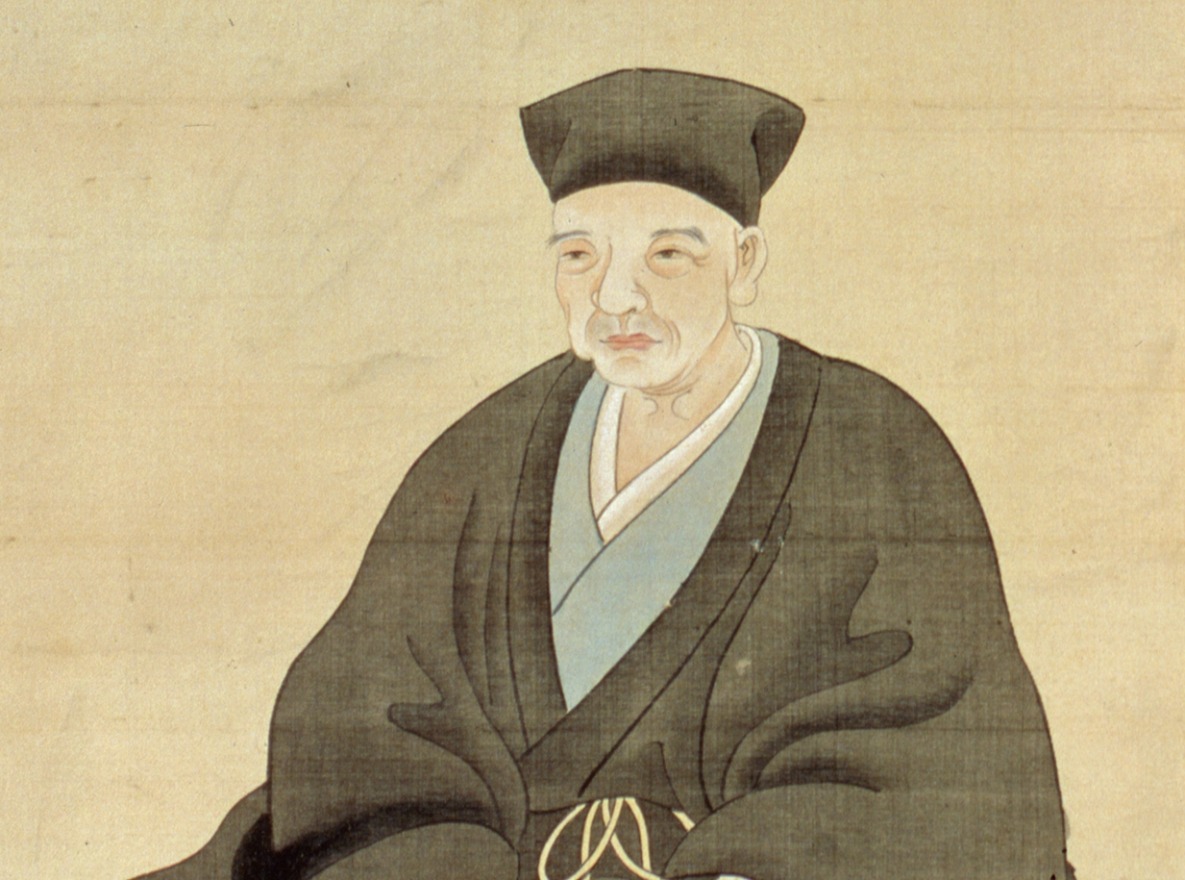
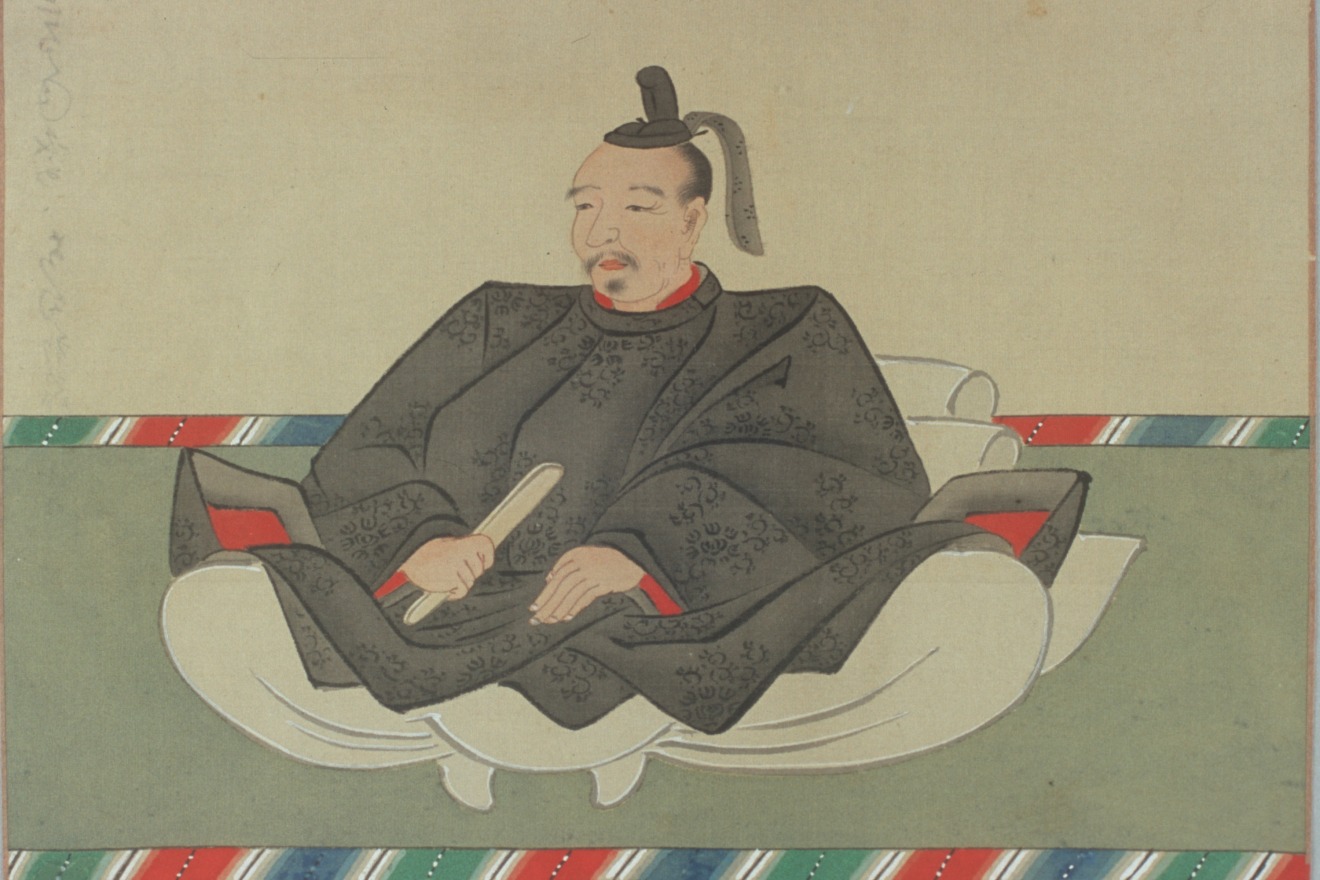
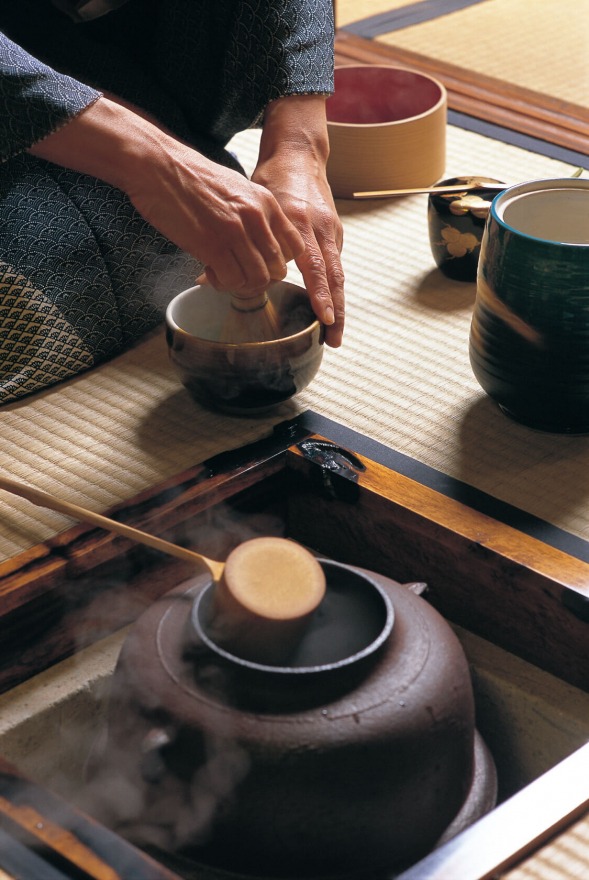
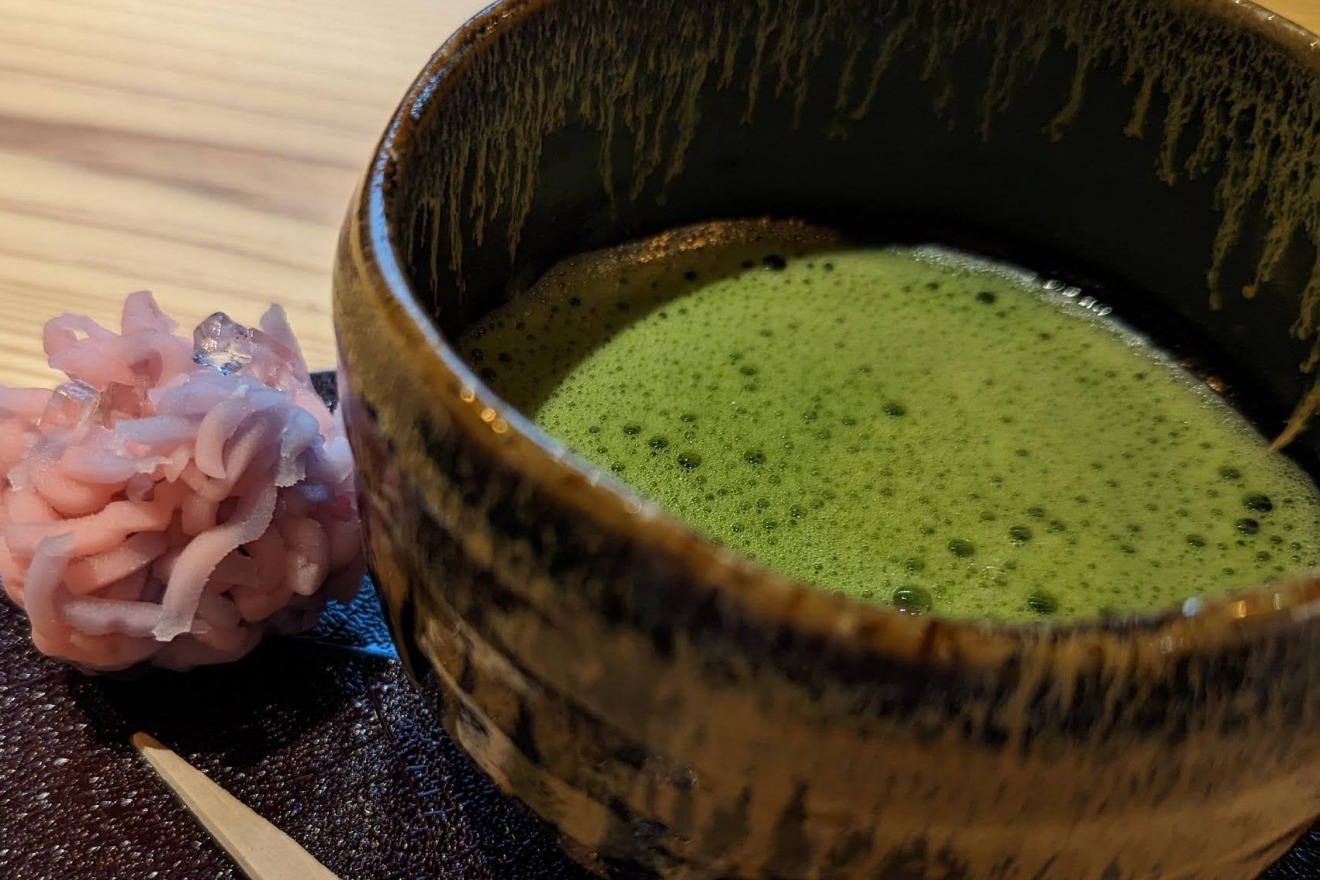
First, a quick look at how the tea ceremony came to flourish in the Kaga Domain.
1. Tea arrives as medicine. Tea came to Japan from China around the 9th century and was first taken as a medicine. In the 13th century, the Zen monk Eisai brought tea seeds back from China and wrote Japan's first book on tea, spreading the custom of tea drinking in Zen temples.
2. From Kyoto to the rest of Japan. Tea cultivation began near Kyoto and soon spread to Uji and other regions. Samurai took to tea as well, enjoying contests in which they guessed where a tea was grown. Fine utensils imported from China became highly prized.
3. The birth of wabi-cha. Influenced by Zen, the tea master MURATA Juko found beauty in the simple and the imperfect. This aesthetic, known as wabi-cha, was refined by TAKENO Joo into a modest, rustic style of tea and passed on to Sen no Rikyu.
4. Sen no Rikyu perfects the tea ceremony. Rikyu brought the tea ceremony to completion. His tea was embraced by the warlords ODA Nobunaga and TOYOTOMI Hideyoshi and spread to feudal lords across Japan, including MAEDA Toshiie, founder of the Kaga Domain. Demand for tea utensils grew, and kilns throughout the country began producing tea bowls and flower vases.
2. How Kanazawa Became a City of Tea
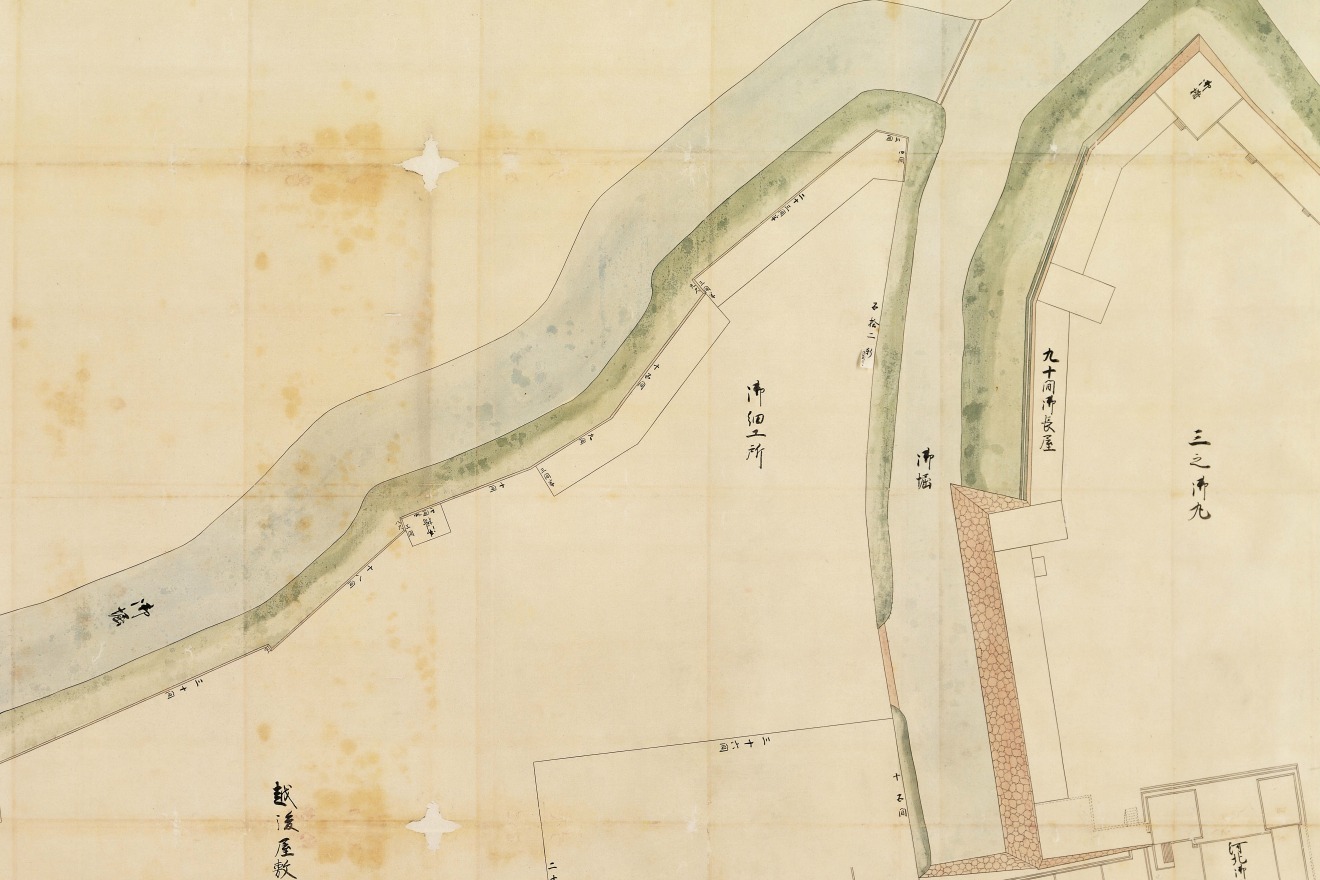
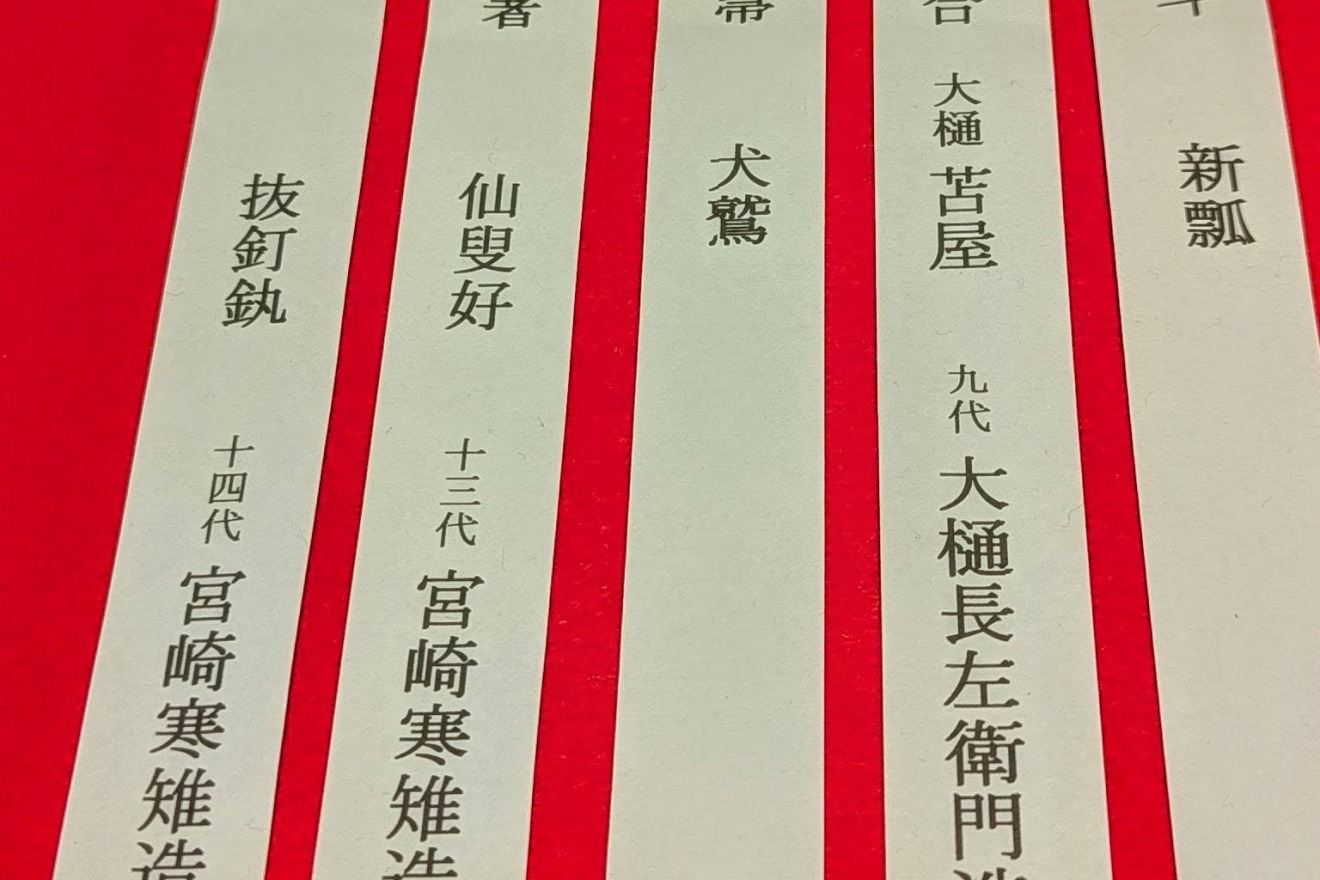
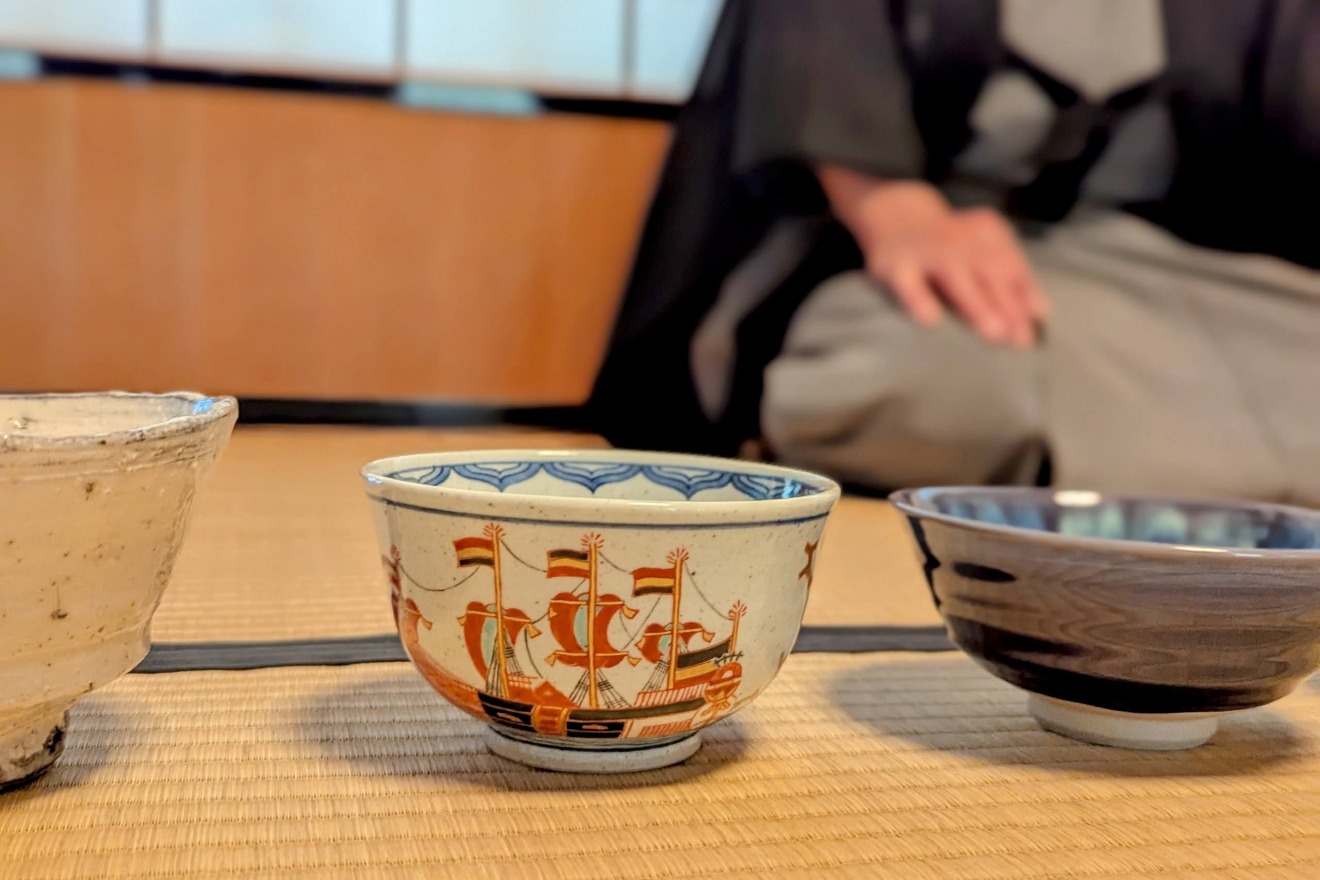
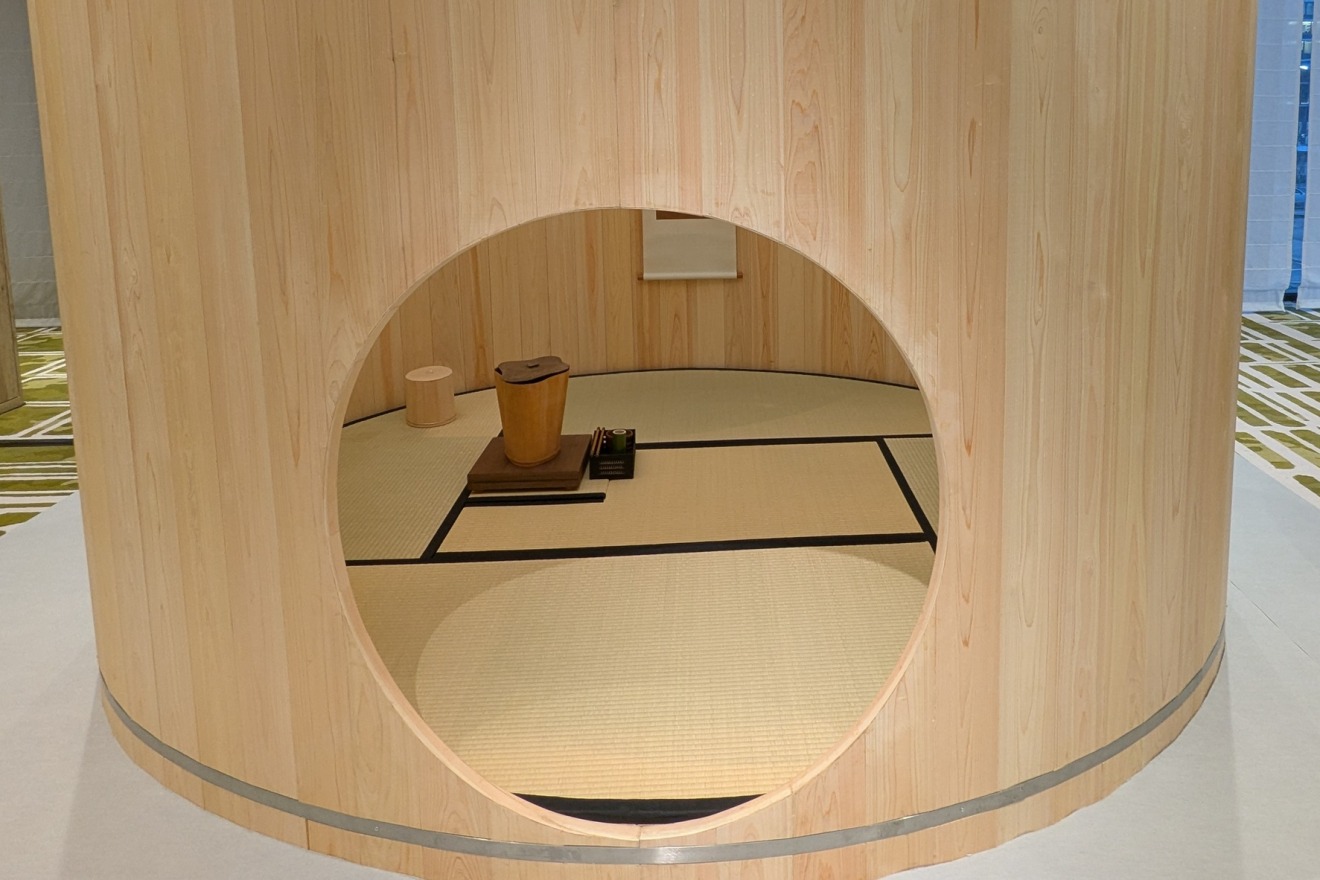
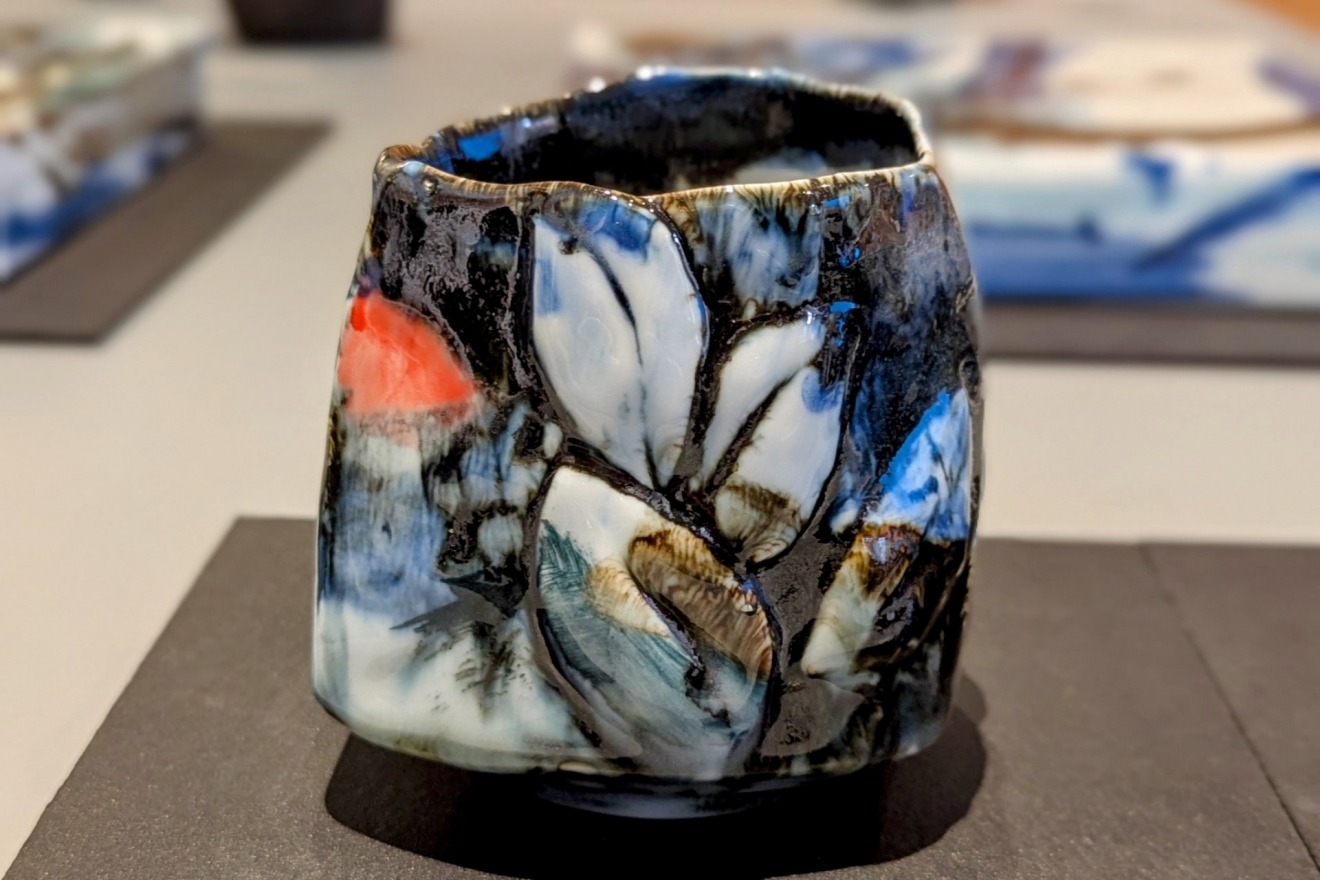
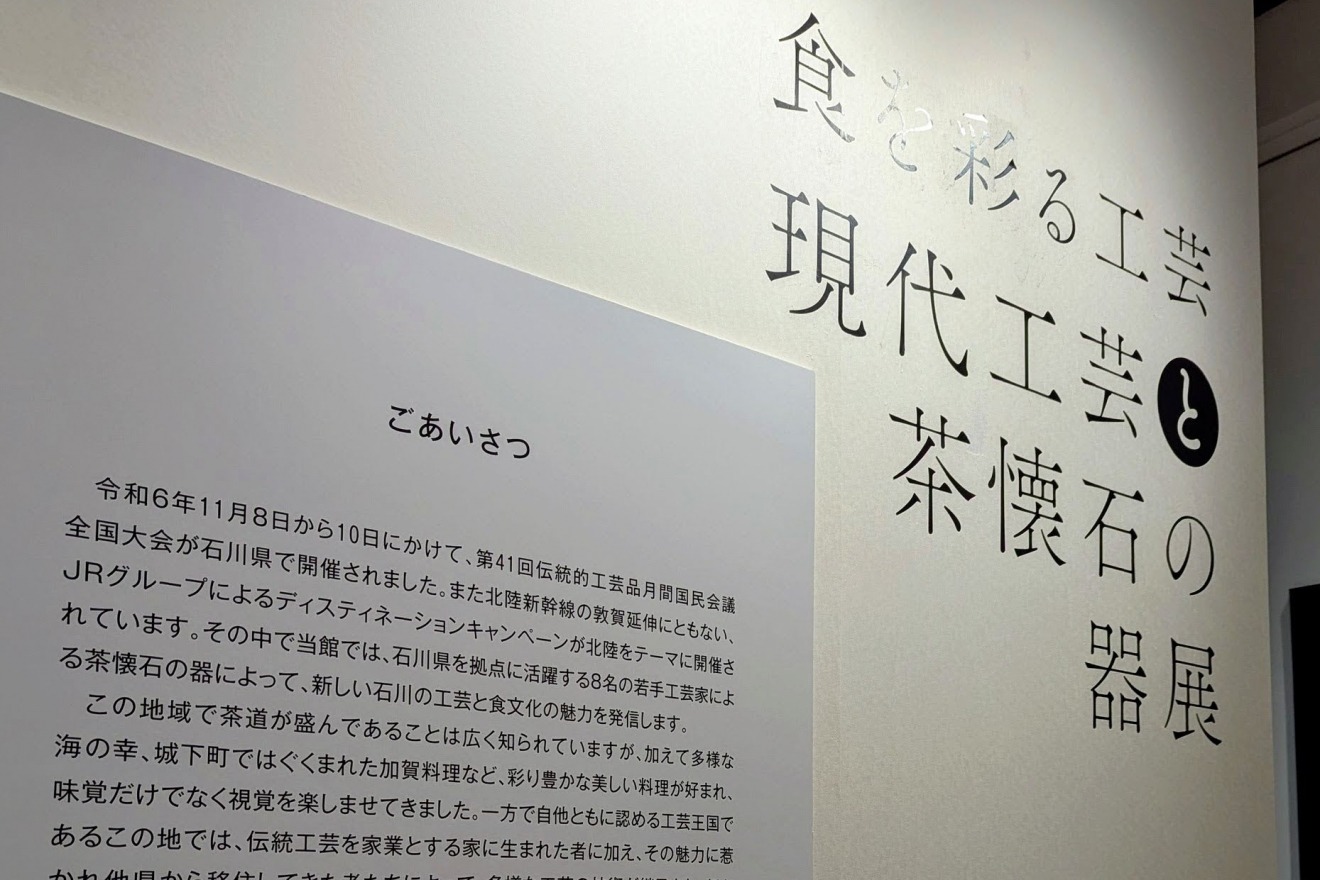
Kanazawa's tea culture grew under the generous patronage of successive Maeda lords, and it is still part of local life today. There are three main reasons.
1. The lords studied tea themselves. MAEDA Toshiie learned from Sen no Rikyu, and the third lord, Toshitsune, from leading masters such as Kobori Enshu.
2. They invited the finest tea masters. Sen Senso Soshitsu, Rikyu's great-grandson and the founder of the Urasenke school, served the domain as its official tea master.
3. They nurtured the artisans who make tea utensils. The domain's own craft workshop, the Osaikusho, along with families of potters and kettle makers, turned Kanazawa into a city of crafts.
Before the MAEDA.
One of the roots of Kanazawa’s tea culture can be traced to the Hatakeyama clan, which ruled part of the Noto Peninsula. The clan invited tea masters from Kyoto and brought refined capital culture to the region. MAEDA Toshiie, who received control of Noto in 1581, also developed an interest in tea.
MAEDA Toshiie, the first lord Toshiie: Laying the Foundations of Kaga Culture
Toshiie entered Kanazawa Castle in 1583 and took part in Hideyoshi's famous Grand Kitano Tea Gathering of 1587. Known in his youth as a flamboyant, unconventional warrior, he became a man of culture in later life, devoted to tea and Noh theater, and laid the foundations of the domain.
MAEDA Toshitsune, the 3rd lord and "father of Kaga culture."
The third lord, Toshitsune, played a pivotal role in developing Kaga culture.
He cultivated relationships with KOBORI Enshu, a prominent tea master, and invited Sen Soshitsu to serve the domain. In 1652, Soshitsu was appointed to oversee tea and tea utensils.
Toshitsune also transformed the domain’s workshop for repairing military equipment into the Osaikusho, where furnishings, decorative objects and works of art were produced for the lord’s residence.
By inviting skilled artisans from Kyoto and Edo (present-day Tokyo), he helped establish Kanazawa as a major craft center alongside these two cultural capitals.
5th Lord MAEDA Tsunanori – The Golden Age of Kaga Tea Culture
Under the fifth lord, Tsunanori, Kanazawa’s tea culture flourished further.
In 1666, Sen Soshitsu was invited to Kanazawa, accompanied by Haji Chozaemon, a distinguished student of Ichinyu, the fourth-generation head of the Raku family of ceramic artists.
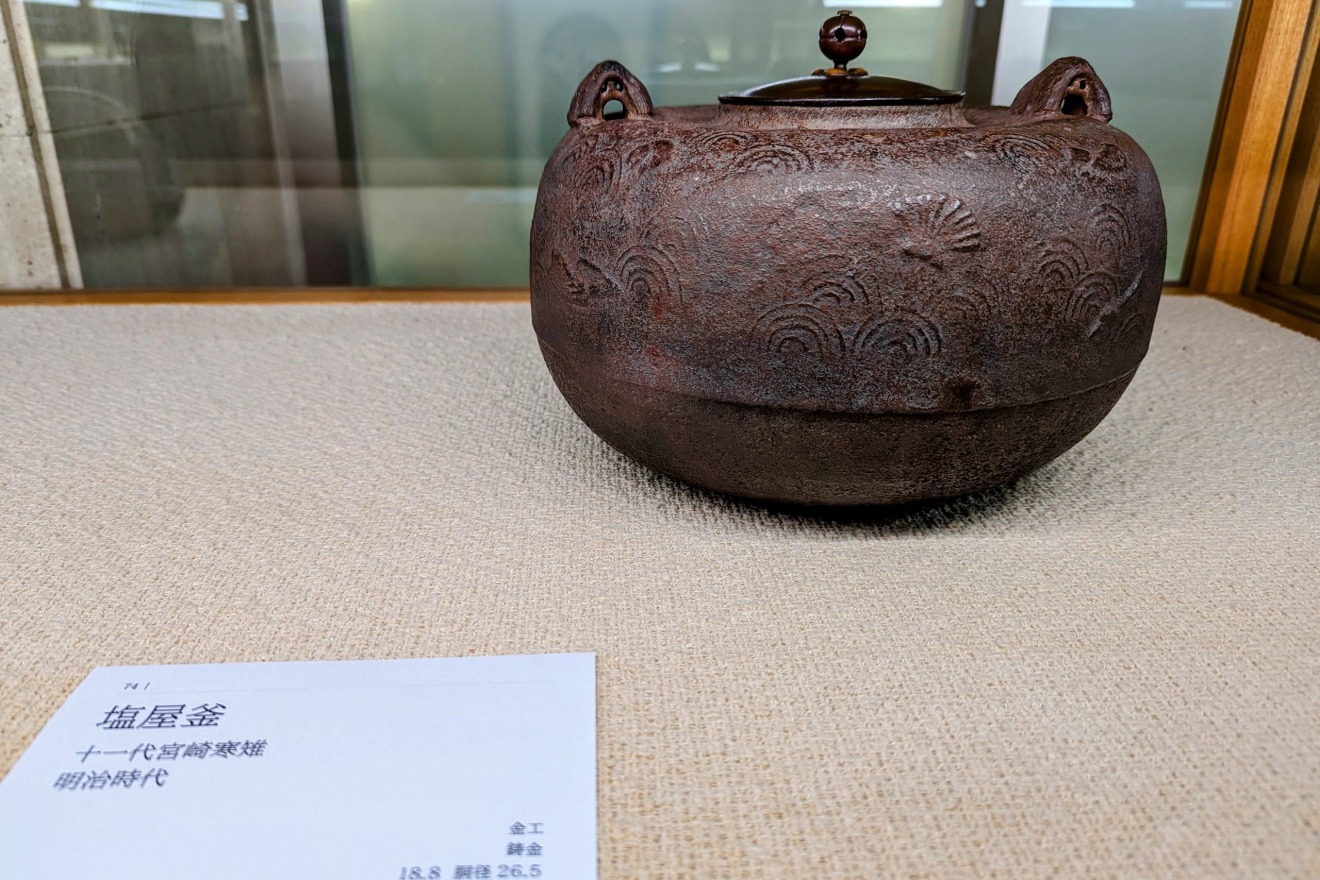
Haji received land in Ohi Village and established what became known as Ohi ware. Iron-kettle maker Miyazaki Kanchi also received the domain’s support.
The patronage of the Maeda family encouraged the creation of exceptional tea utensils and helped establish Kanazawa’s distinctive tea culture.
From the Meiji era onward.
Following the Meiji Restoration of 1868, the feudal domain system was abolished, and tea culture temporarily lost the institutional support it had enjoyed under the Maeda clan.
Leading tea masters, including Gengensai of Urasenke and Rokurokusai of Omotesenke, visited Kanazawa and worked with local practitioners to preserve the tradition.
Local tea enthusiasts also purchased tea utensils and works of art that had left former daimyo collections, helping safeguard important cultural objects.
Through the dedication of tea masters, collectors and local communities, Kanazawa’s tea culture survived and continues to thrive today.
Kanazawa’s Tea Culture Today: By the Numbers
Kanazawa remains one of Japan’s important centers of tea culture.
・Household spending on traditional Japanese sweets: Kanazawa ranked first nationally in 2025 for spending on wagashi, excluding yokan and manju, according to the Statistics Bureau of Japan.
・Tea schools: Kanazawa ranked first nationally in the 2014 Economic Census basic survey.
・Living National Treasures: Ishikawa Prefecture has a particularly high number of these nationally designated holders of important traditional skills relative to its population, according to the prefecture’s 100 Indicators of Ishikawa.
Kanazawa is also home to a wide range of traditional industries, including Kanazawa lacquerware, Wajima lacquerware, Kutani porcelain and Kaga Yuzen silk dyeing.
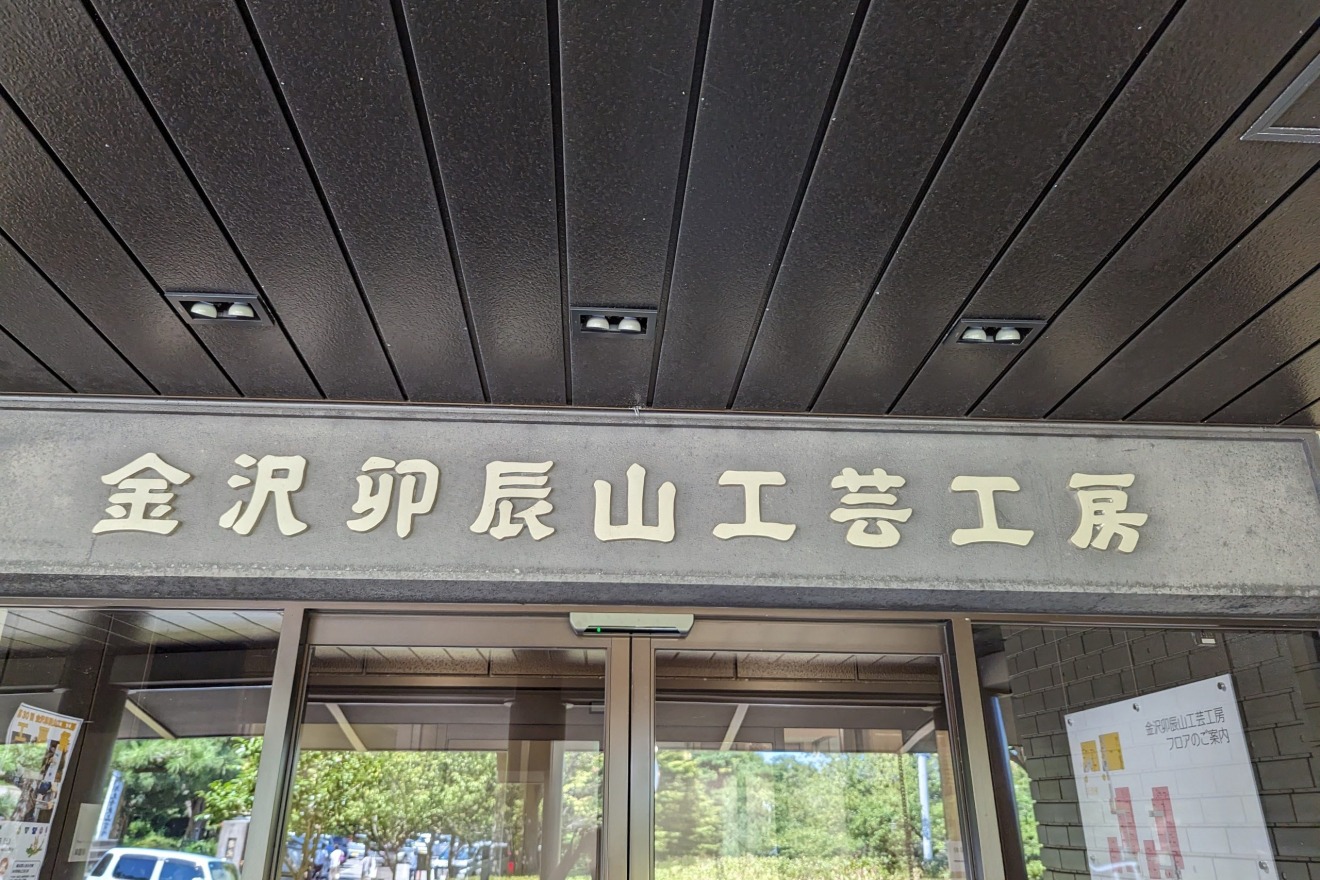
Institutions such as Kanazawa College of Art and the Utatsuyama Craft Workshop support the next generation of artists and craftspeople. Their work continues to evolve while drawing inspiration from the city’s rich heritage.
3.Crafts Born of the Tea Ceremony
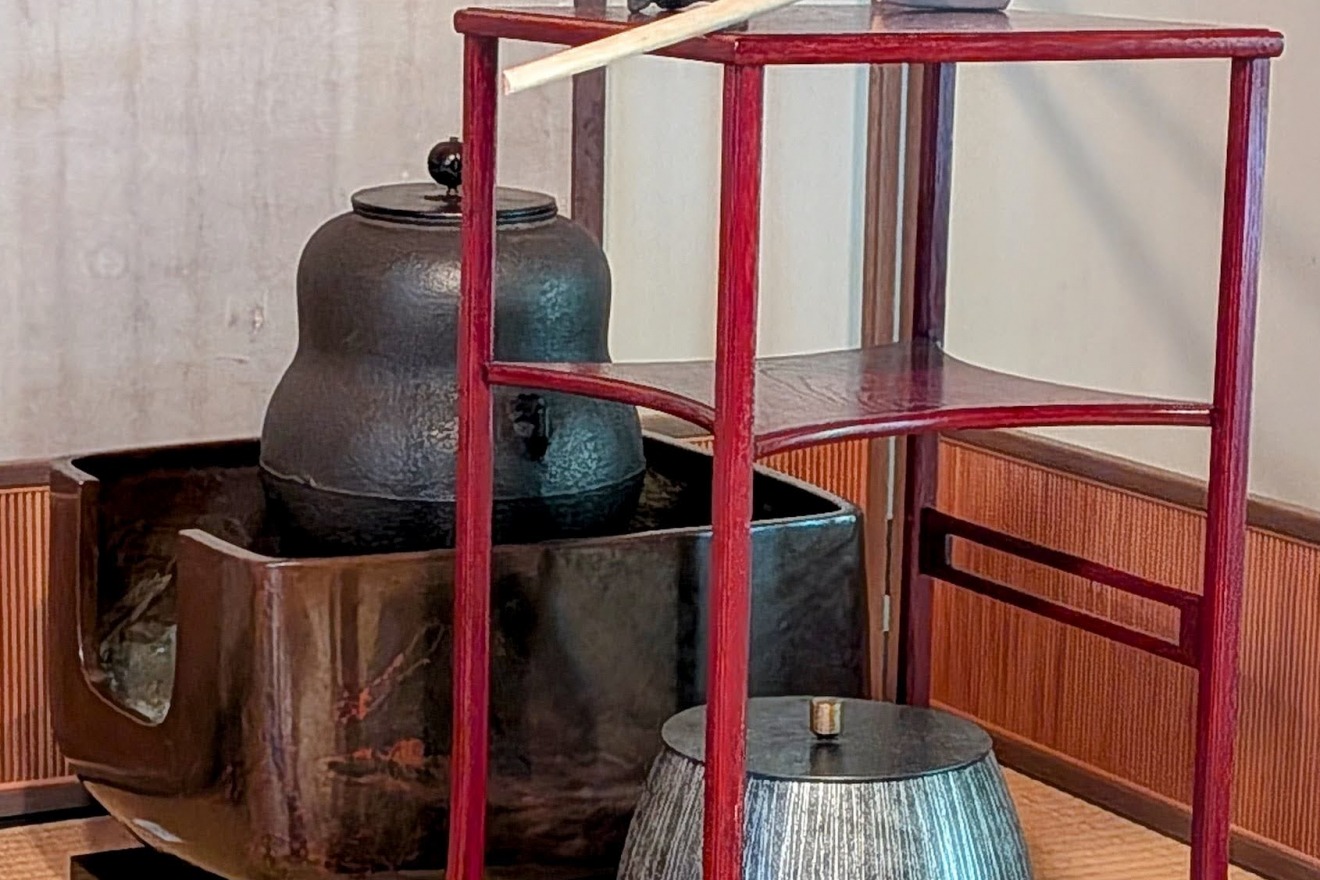
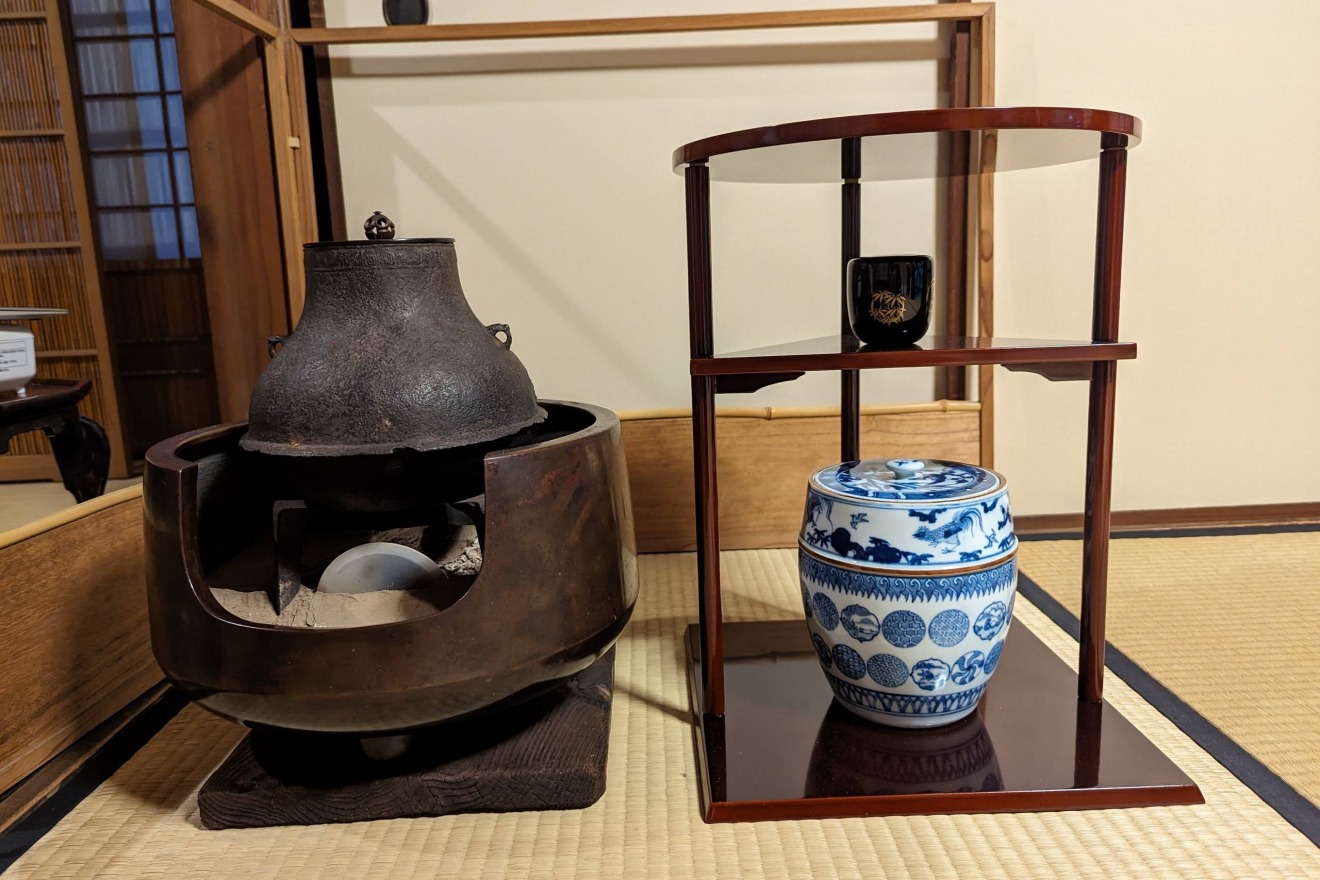
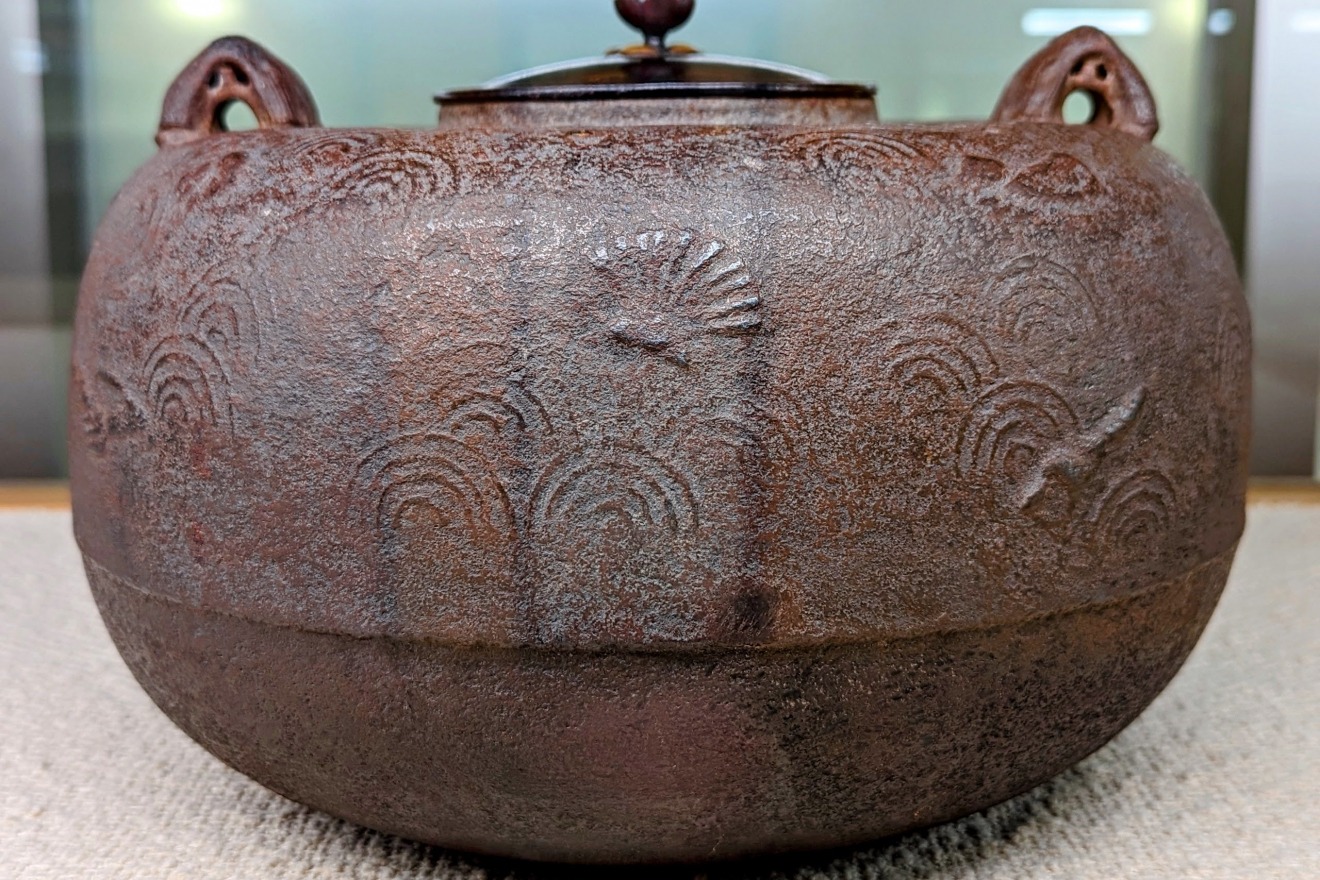
A tea gathering calls for many utensils: tea bowls, kettles, tea caddies, incense containers, hanging scrolls and the dishes for the meal served beforehand. The Kaga Domain invited tea masters to share their tastes and trained artisans in its own workshop. Utensils were refined through use in tea, and that refined skill gave rise to the next masterpiece. This cycle is the foundation of Kanazawa's crafts today.
As you explore the city, you will encounter these tea-related crafts in museums, workshops and shops in the teahouse districts. The bowl you hold in a tea room, the dishes of the meal, the gold-decorated lid of a tea caddy: each carries nearly 400 years of craftsmanship. Knowing which craft made which utensil makes a visit to a tea room or museum all the more rewarding.
Ohi Ware: Pottery Made for Tea Bowls
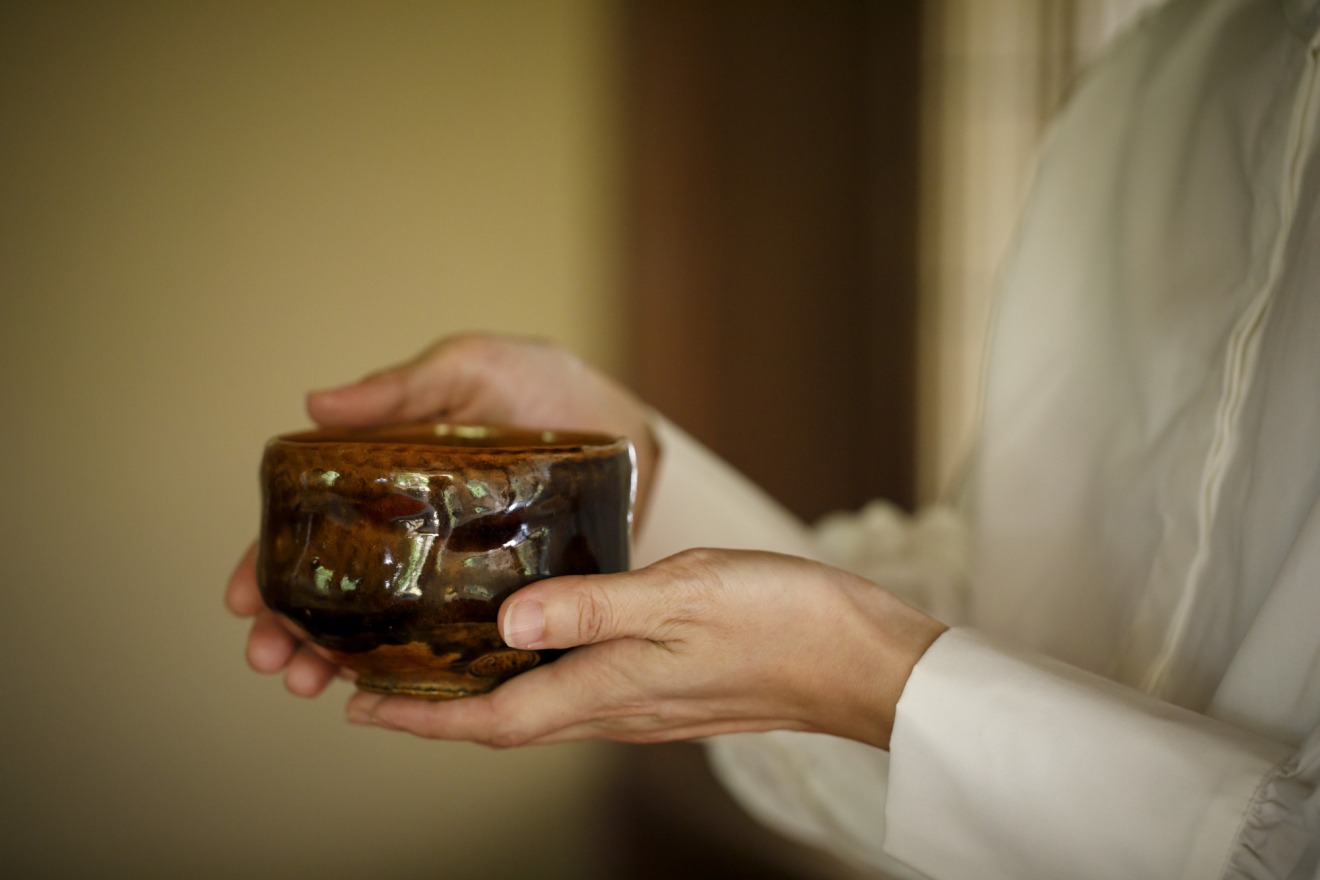
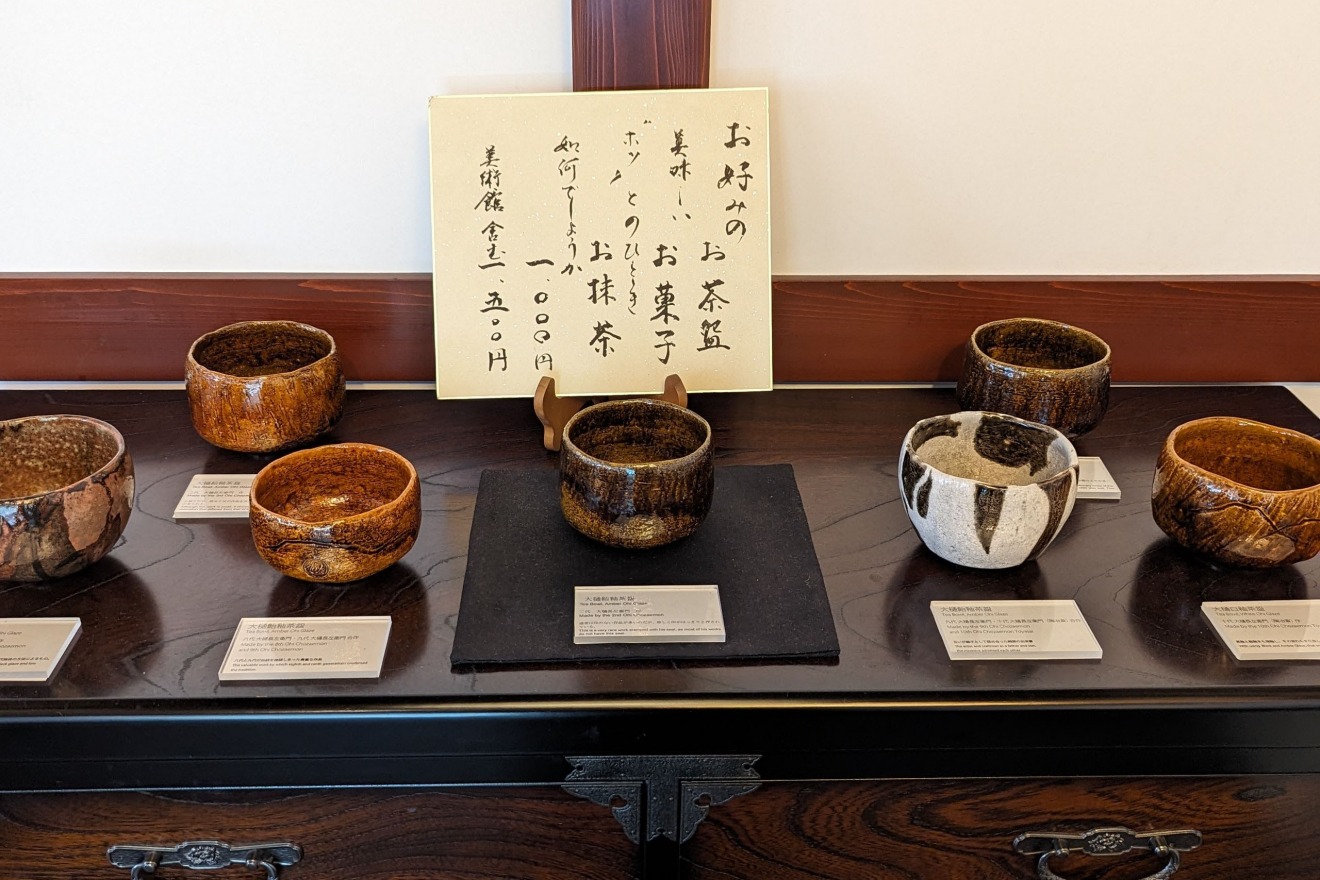
Ohi ware was founded in 1666 by Chozaemon, the disciple of the Raku family who came to Kanazawa with tea master Senso. It is named after Ohi Village, on the outskirts of Kanazawa, whose clay he used. Guided by Senso, it grew into a distinctive local pottery rooted in the Raku tradition.
• Features: Each piece is shaped by hand without a potter's wheel and finished by carving with a spatula. Its warm, amber-colored glaze is its hallmark.
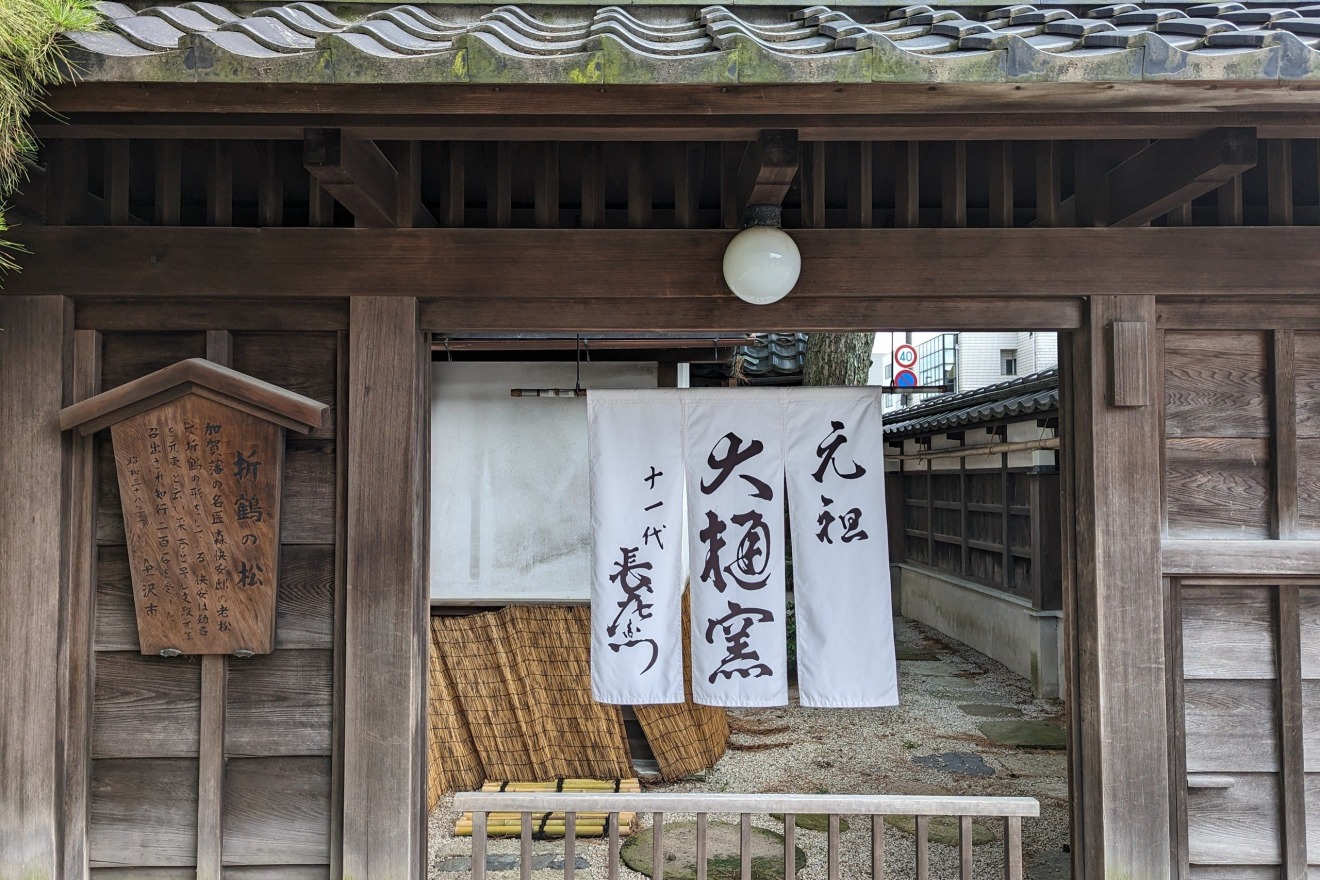
• Today: The Ohi Chozaemon family has continued for about 360 years. The current head is the 11th generation, a member of the Japan Art Academy, and the 10th generation received the Order of Culture.
• Where to see it: Ohi Museum
MIYAZAKI Kanchi: Kettles of Kaga
The kettle used to heat water is the centerpiece of any tea gathering. The first MIYAZAKI Kanchi (c. 1633–1712) was born into a family of metal casters on the Noto Peninsula, trained in Kyoto, and became official kettle maker to the Kaga lords. He first cast weapons and bells before turning to tea kettles, reportedly under Senso's guidance.
• Features: A sandy, slightly rough surface texture, and walls that are thin and light.
• Today: The Miyazaki family has passed down the name Kanchi from generation to generation to the present day.
Kanazawa Lacquerware and Kaga Maki-e
Kanazawa lacquerware began around 1630, when Lord Toshitsune invited a master of maki-e (lacquer decorated with gold and silver powder) from Kyoto to lead the domain workshop. The courtly elegance of Kyoto combined with the strength of samurai culture to create the distinctive Kaga maki-e style.
• Features: Rather than mass production, artisans create one-of-a-kind tea utensils and furnishings, often combining maki-e with mother-of-pearl inlay and other techniques.
• Tip: If you are served tea and see a lacquer tea caddy, take a look at the lid. You may find seasonal flowers or auspicious motifs.
• Where to see it: Ishikawa Prefectural Museum of Art holds fine 17th-century Kaga maki-e.
Kutani Ware: Colorful Dishes for the Tea Meal
Kutani ware is porcelain painted in five bold colors: green, yellow, red, purple and deep blue. In Kanazawa, a kiln was opened in 1807 with a famous Kyoto potter, giving rise to a local style known for finely detailed painting and a distinctive red. Kutani pieces are often used for the meal and tea bowls at tea gatherings.
Gold Leaf and Scroll Mounting
Kanazawa produces more than 99% of Japan's gold leaf, beaten evenly to less than 1/10,000 of a millimeter thick. It is essential for decorating lacquerware, Buddhist altars and ceramics. Kanazawa is also known for its scroll mounting. The hanging scroll in a tea room's alcove expresses the theme of the day's gathering, so the mounter's work quietly supports every tea ceremony.
Where to See Tea Utensils and Crafts
• Ishikawa Prefectural Museum of Traditional Products and Crafts (in Kenrokuen Garden): 36 local crafts, including Ohi ware, kettles, lacquerware and gold leaf
• Ohi Museum: Ohi ware through the generations, plus a gallery designed by architect Kengo Kuma
• Kanazawa Nakamura Memorial Museum: tea utensils including Important Cultural Properties
• Ishikawa Prefectural Museum of Art: masterpieces of Kaga maki-e and other domain-era arts
• National Crafts Museum: modern and contemporary crafts, with exhibitions on tea vessels
4.7 Places to Discover Kanazawa's Tea Heritage
Kanazawa offers many places where you can experience the history and beauty of the tea ceremony. Here are some notable tea-related spots to visit in the city.
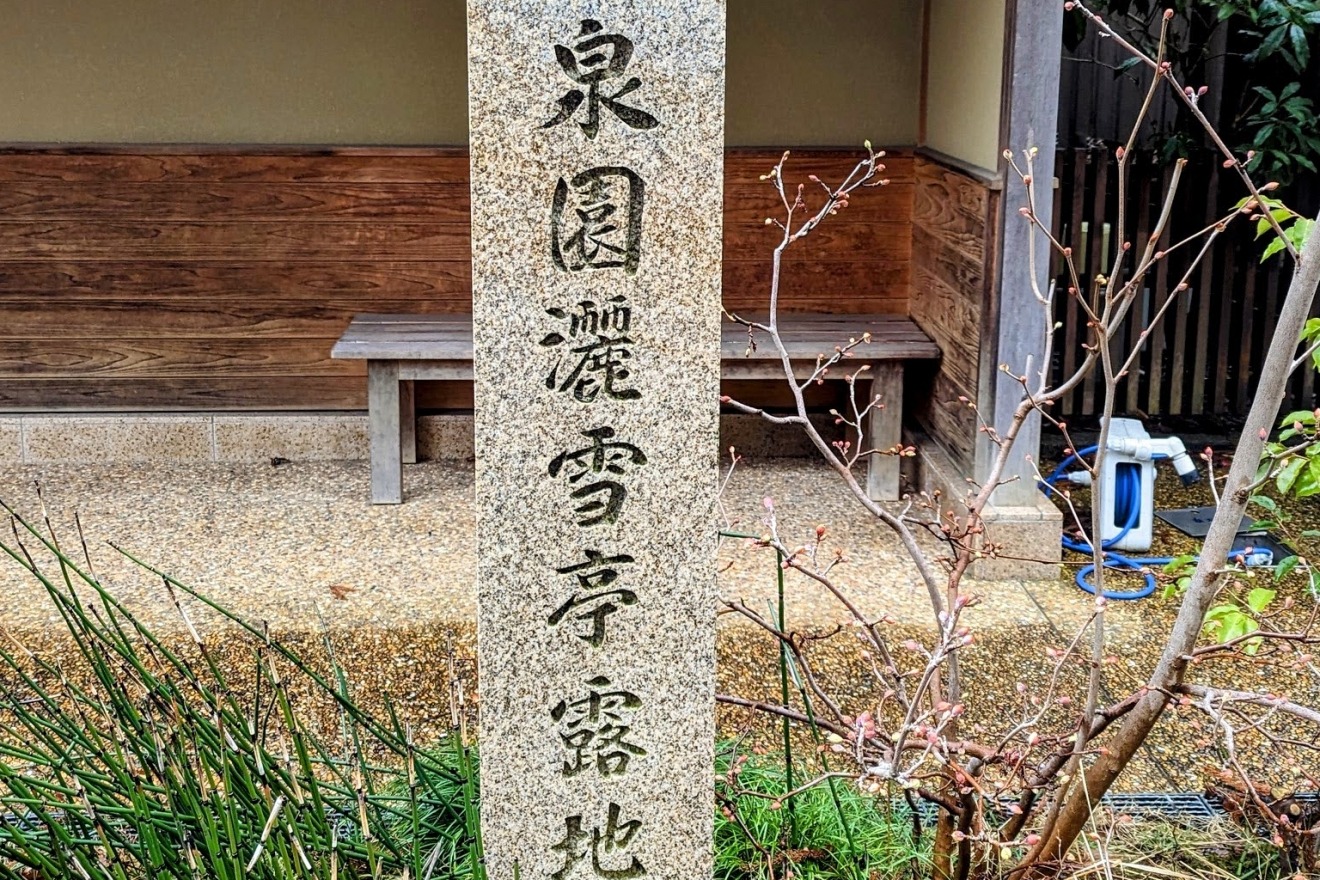
The site of the residence of Senso Sōshitsu (千仙叟宗室居士邸地跡)
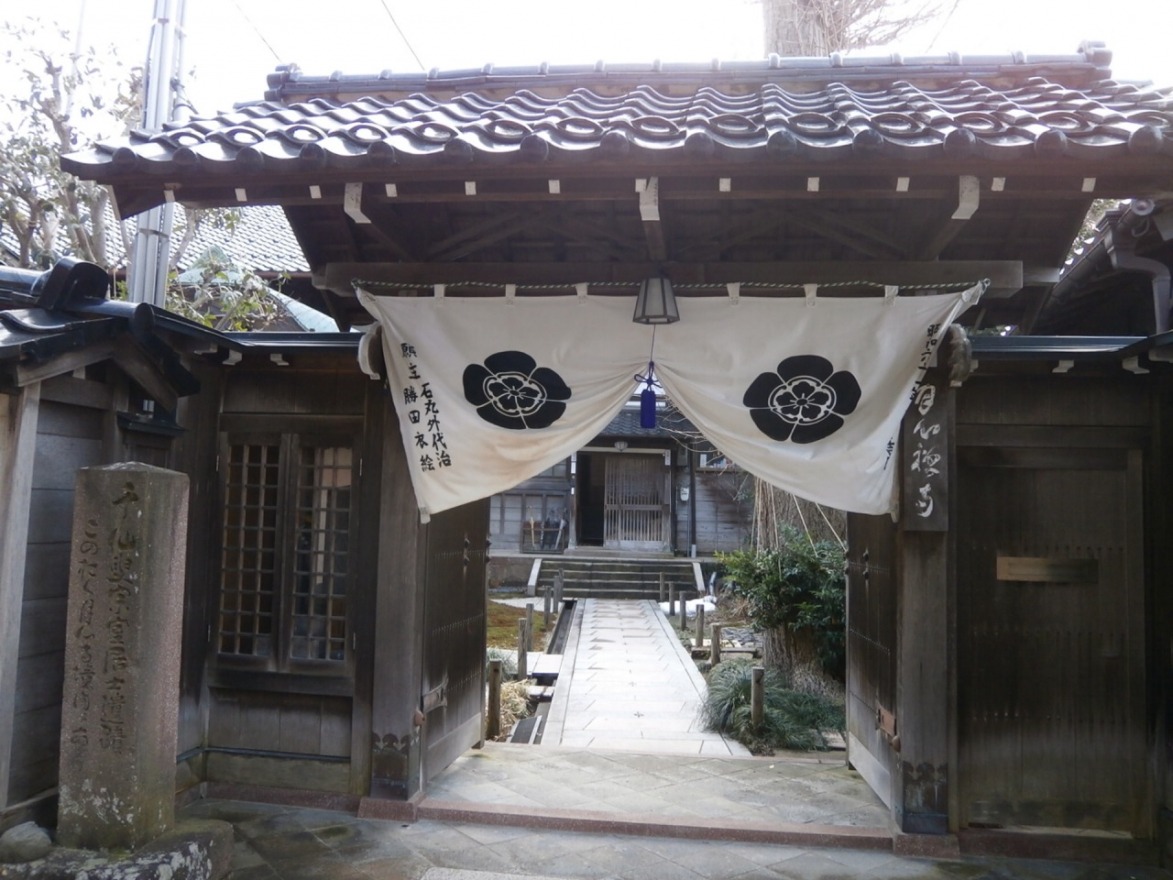
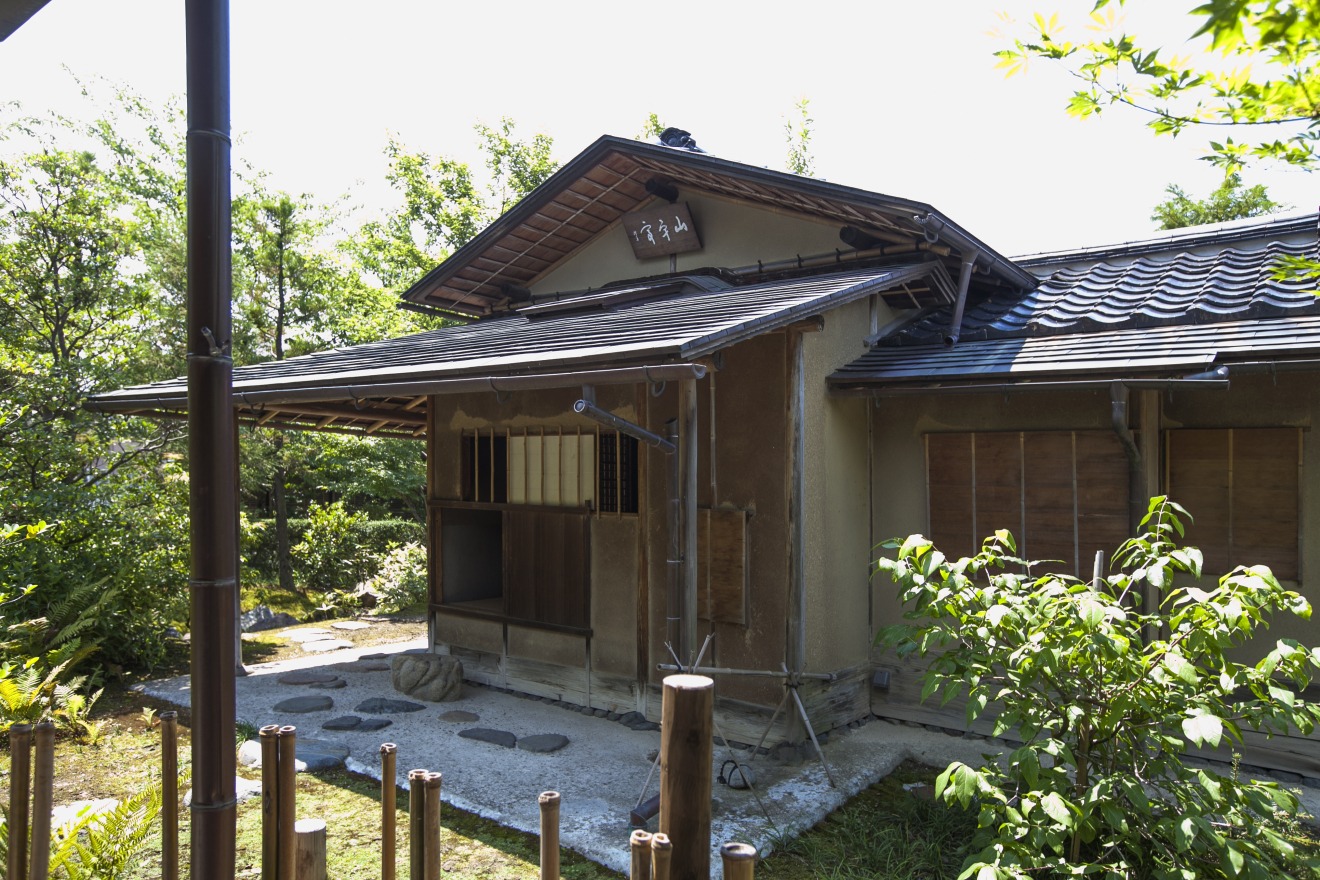
This is where Sen Senso Soshitsu, great-grandson of Sen no Rikyu and founder of the Urasenke school, once lived as the domain's tea master. Here he built a tea room modeled on Rikyu's own. Gates and buildings linked to the Urasenke grand masters and the Maeda family remain today.
Location: Ōtemachi 9-5
Note: Only the exterior is open for viewing.
Gesshin-ji Temple (月心寺)
Tea master Senso and the first Ohi Chozaemon, founder of Ohi ware, both rest at this temple, making it an essential stop in Kanazawa's tea history. A tea gathering is held here on the 23rd of every month, the day of Senso's passing. The temple stands at the foot of Mt. Utatsu, in a nationally designated historic preservation district.
Location: Yamanouemachi 1-43
Note: • Visits by reservation only; the tea rooms are not open to the public.
Ōhi Museum and Ohi Gallery (大樋美術館)
This museum displays Ohi ware from the first generation to the present, letting you compare the work of each potter. In the gallery designed by Kengo Kuma, you can enjoy matcha served in Ohi tea bowls made by successive generations. The Edo-period residence is a protected historic building, and its garden features a magnificent red pine about 500 years old. The museum is rated one star in the Michelin Green Guide.
Location: Hashibacho 2-17
Note: Matcha available, served in historic Ohi Ware.
Kanazawa City Nakamura Memorial Museum (金沢市立中村記念美術館)
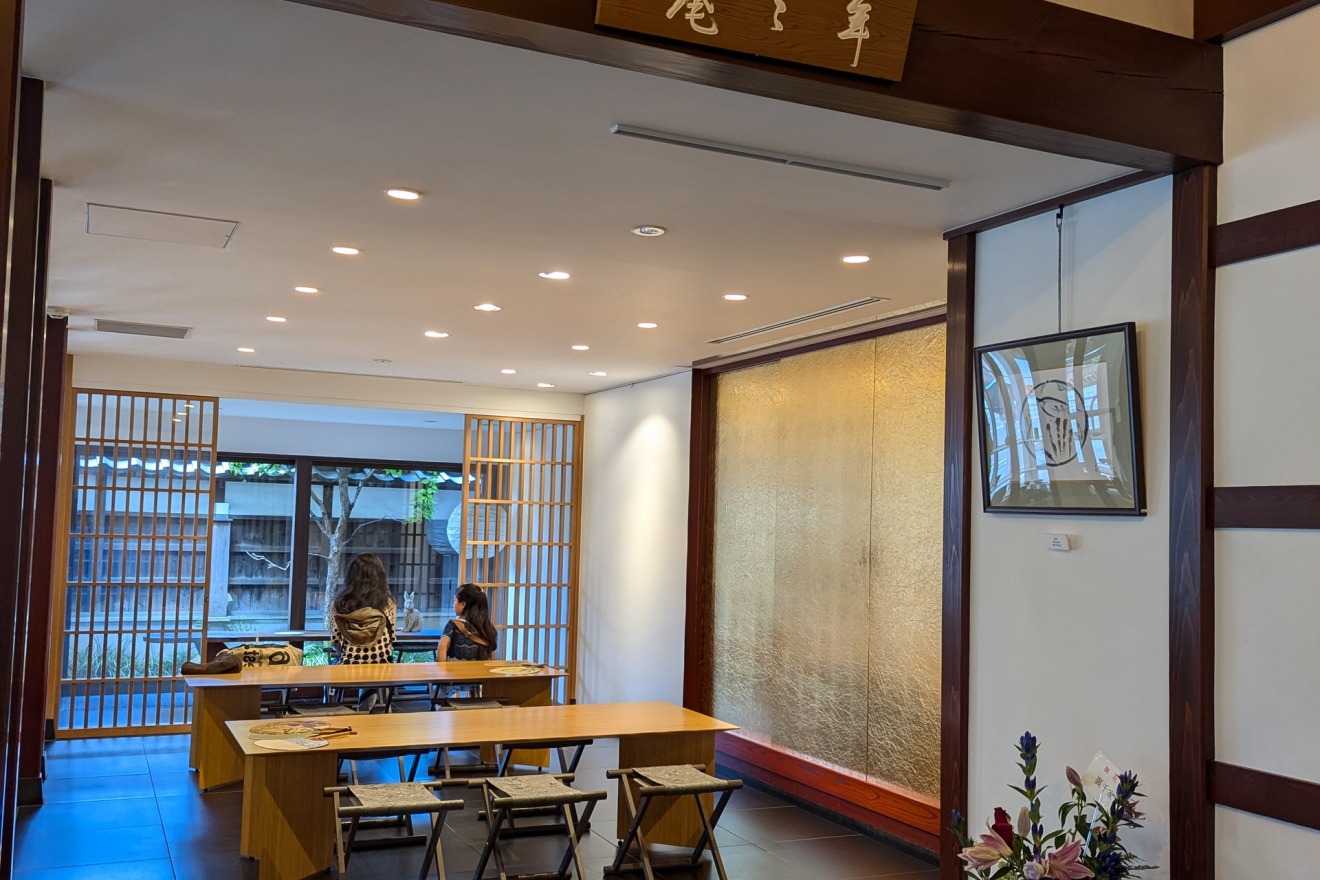
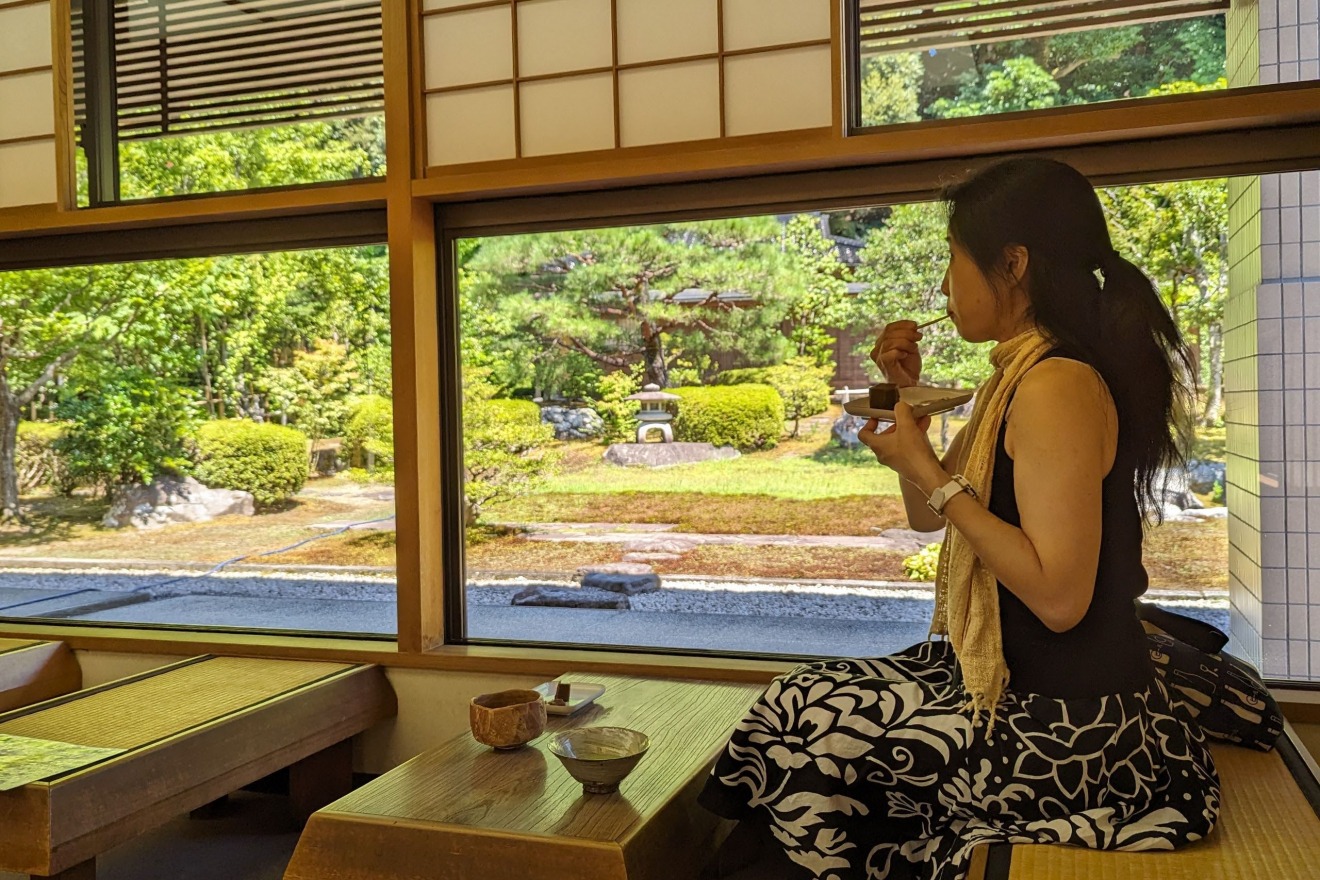
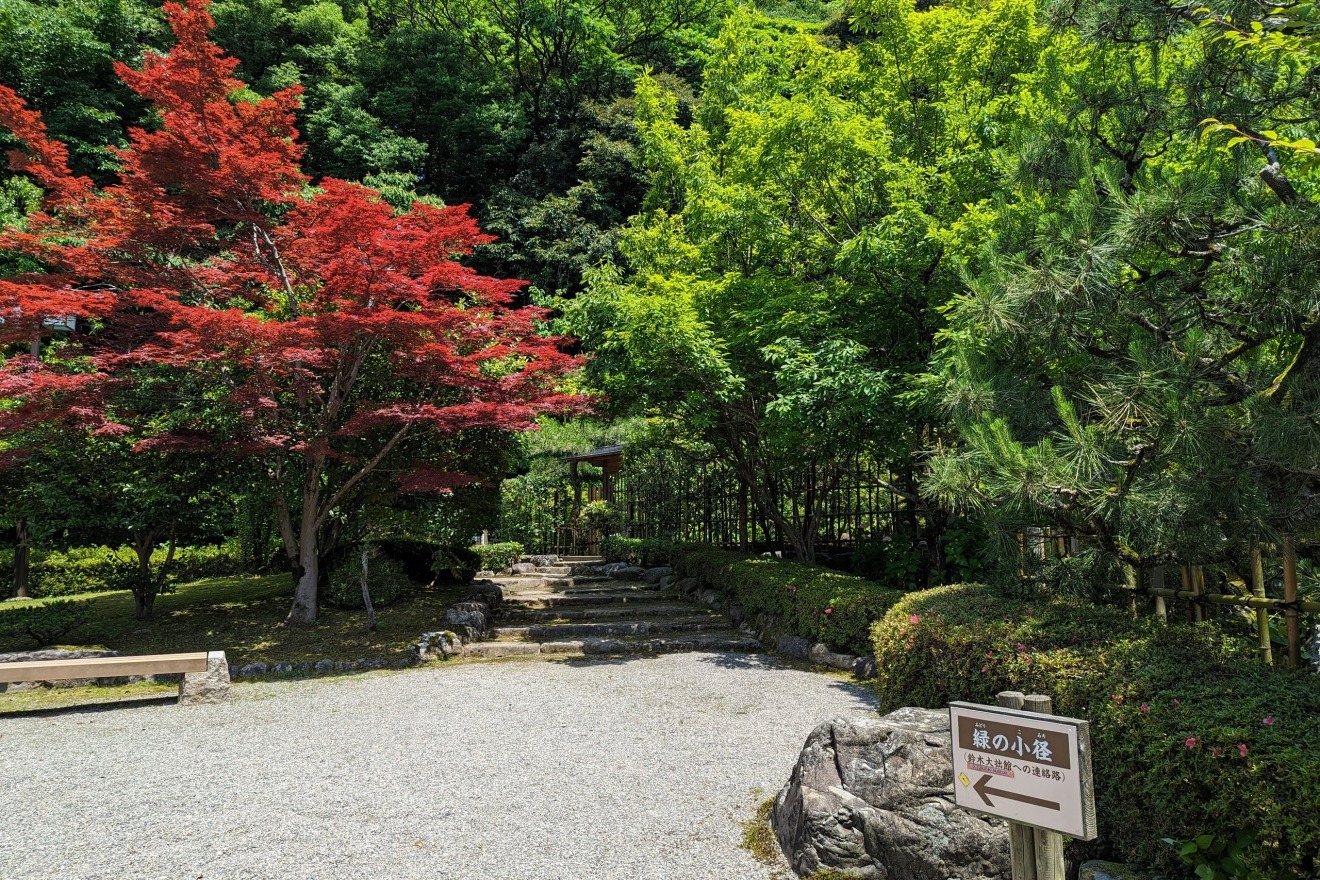
This museum showcases tea utensils collected by NAKAMURA Eishun, a local sake brewer, who donated them in the belief that art belongs to the whole nation. The collection includes Important Cultural Properties. In the tea room, you can choose your favorite bowl and enjoy matcha and a sweet while gazing at the moss garden. Surrounded by the Honda-no-Mori forest, the museum is linked by walking paths to the D.T. Suzuki Museum, the Ishikawa Prefectural Museum of Art and the National Crafts Museum, making it a perfect base for a museum walk.
Location: Honda-machi 3-2-29
Note: Matcha available in the tea room
Shōtō-an (松涛庵)
These two tea houses stand on the grounds of the 21st Century Museum of Contemporary Art, Kanazawa. Shoto-an traveled from Tokyo to Kamakura and finally to Kanazawa, carrying ties to the Maeda family at every stop. Neighboring San'u-tei was relocated from Takaoka, Toyama in 1951 and retains rare original features in its waiting area.
Location: Hiroseka 1-2-1 (inside Kanazawa 21st Century Museum)
Note: Free exterior viewing
Nishida Family Garden / Gyokusen-en (西田家庭園・玉泉園)
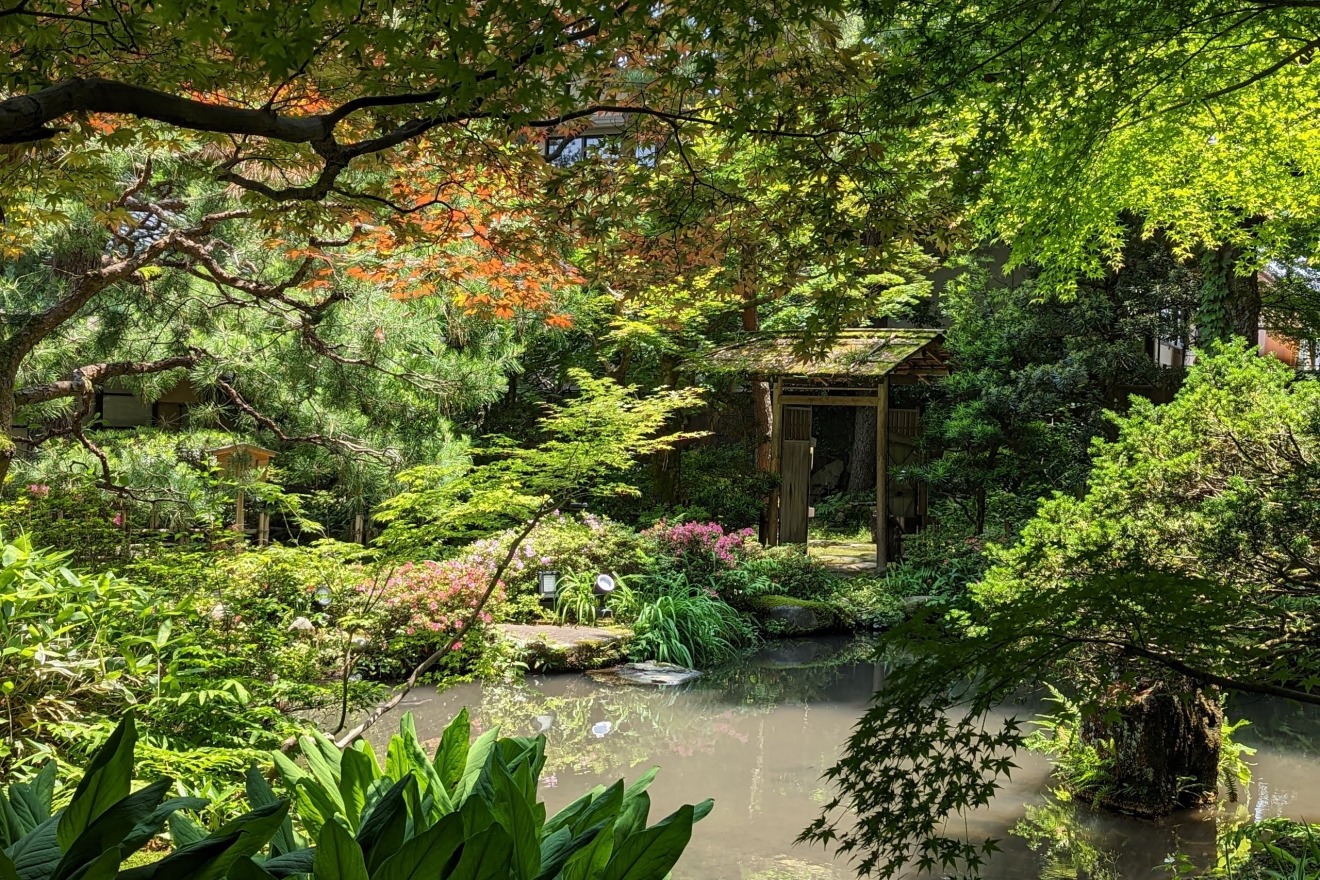
Created about 120 years before Kenrokuen, this is one of Kanazawa's oldest gardens. It is home to Saisetsu-tei, the city's oldest tea room, said to have been designed under Senso's guidance. The pond garden makes clever use of the sloping land, and the stone lanterns and fine rocks along the path are highlights. Shaped over four generations by a family of domain samurai, it is designated a Place of Scenic Beauty by Ishikawa Prefecture. You can enjoy matcha and sweets at Saisetsu-tei, or a meal overlooking the garden at the adjoining restaurant.
Location: Koshō-machi 8-3
Note:Matcha available. Closed in winter.
Seisonkaku / Seikōken Tea Room (成巽閣・清香軒)
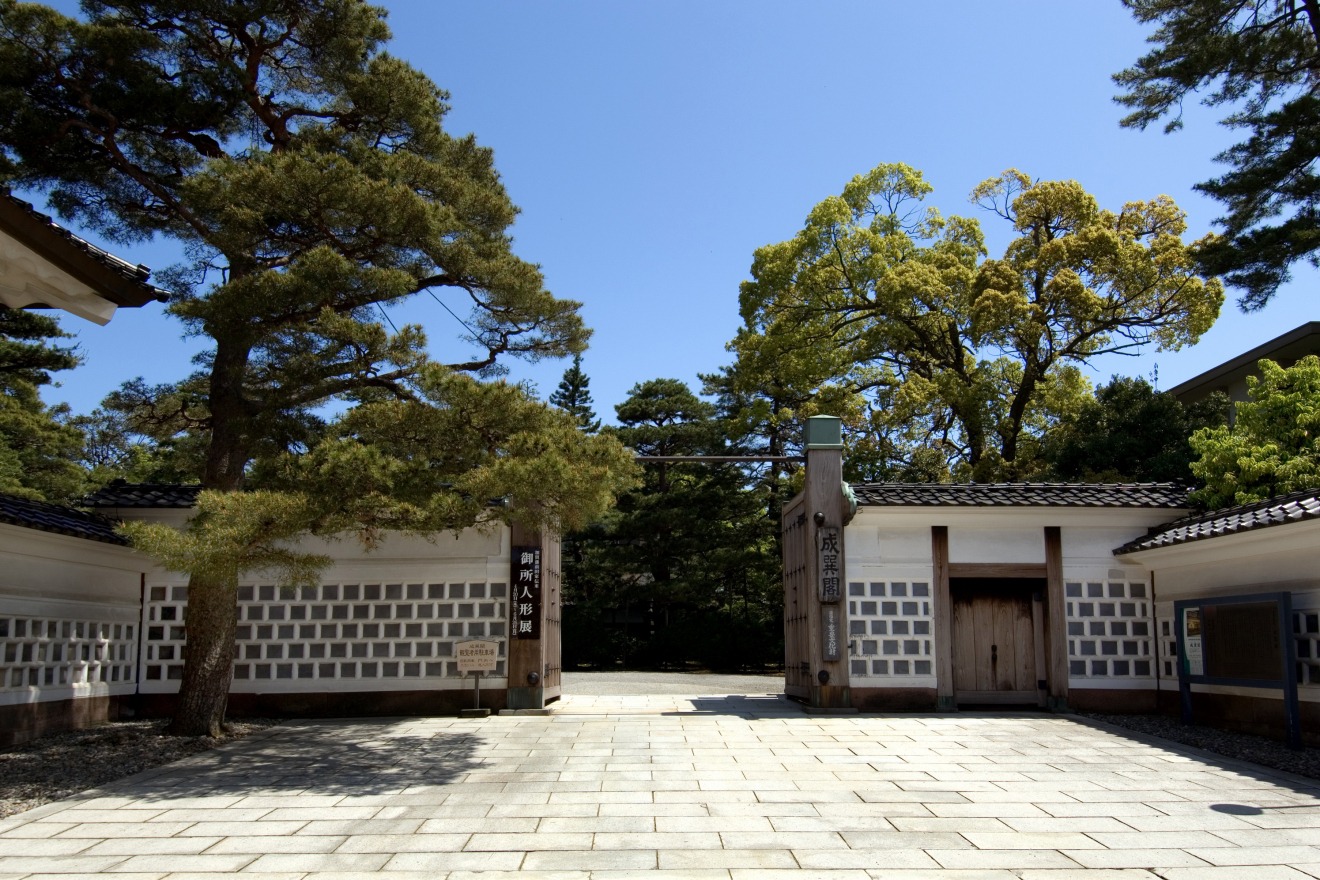
Seisonkaku is an elegant villa that the 13th Maeda lord built for his mother. Designated an Important Cultural Property, it blends formal samurai architecture with the relaxed style of tea houses, and is famous for a room with striking ultramarine walls. Its tea room, Seiko-ken, is open during special viewings. With deep eaves and a stream drawn inside the building, it was designed so that tea could be enjoyed even in the depths of Kanazawa's snowy winters.
Location: Kenroku-machi 1-2 (inside Seisonkaku)
Note: Seiko-ken viewing by advance reservation, April to November only
5.Where to Enjoy Matcha, Area by Area
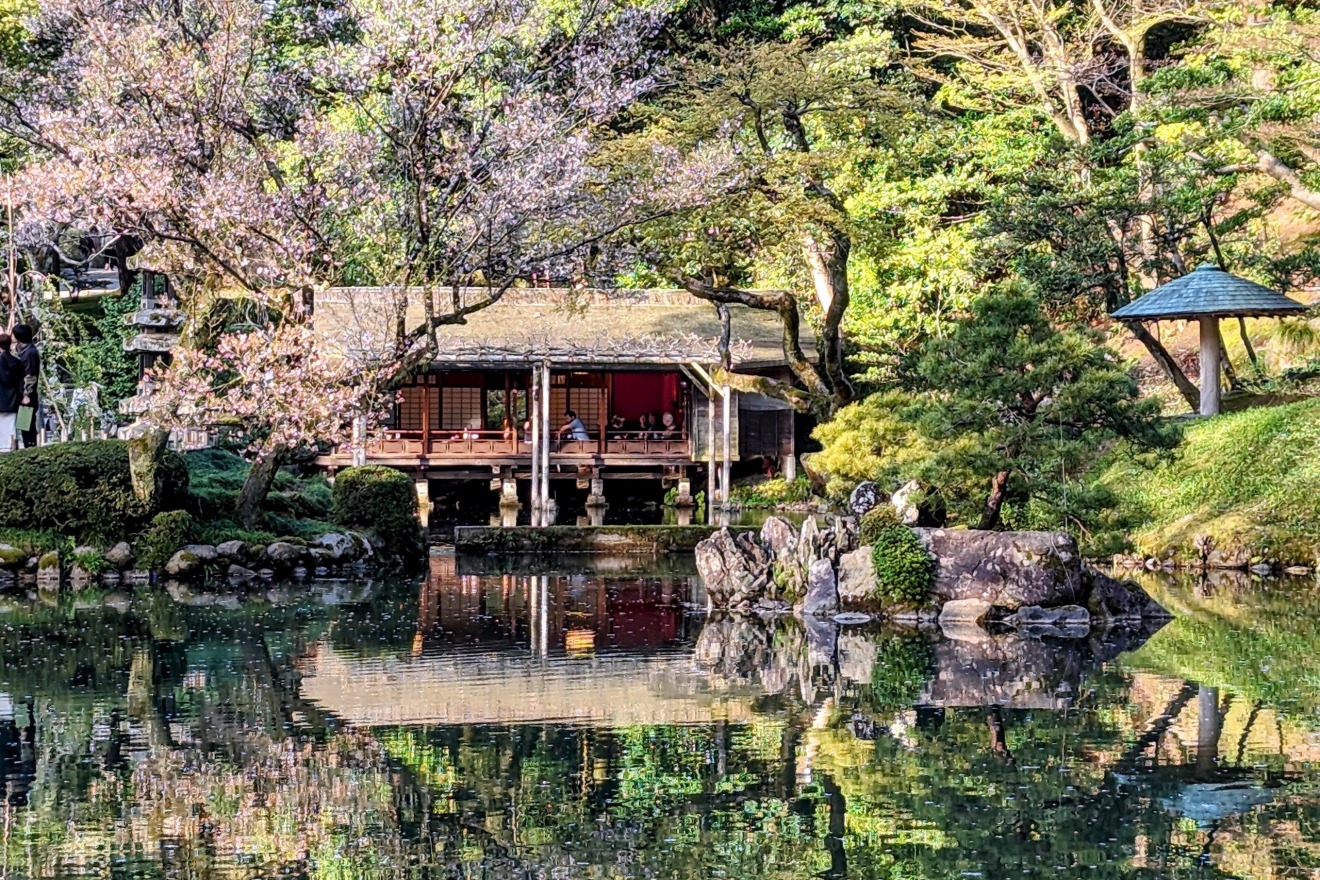
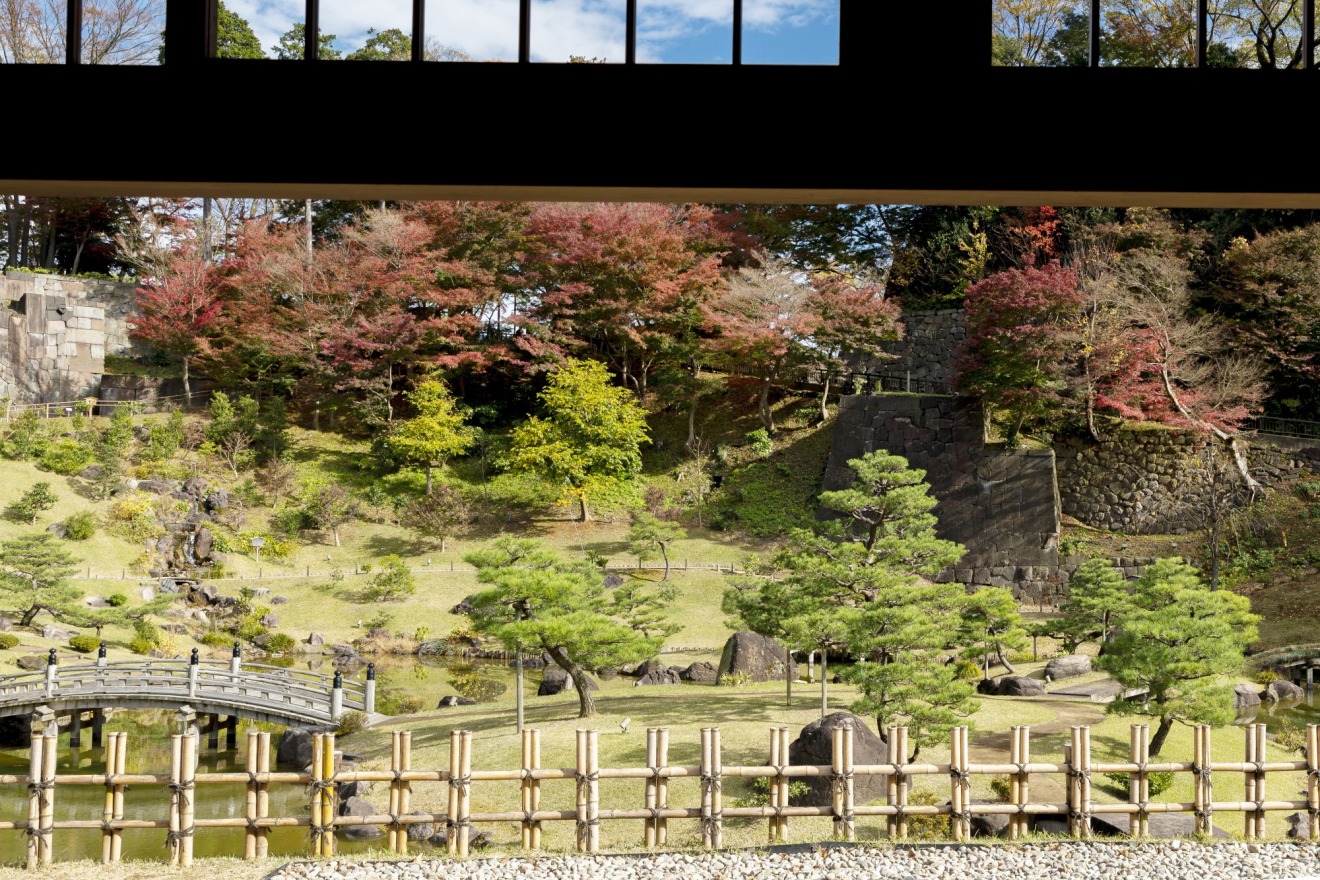
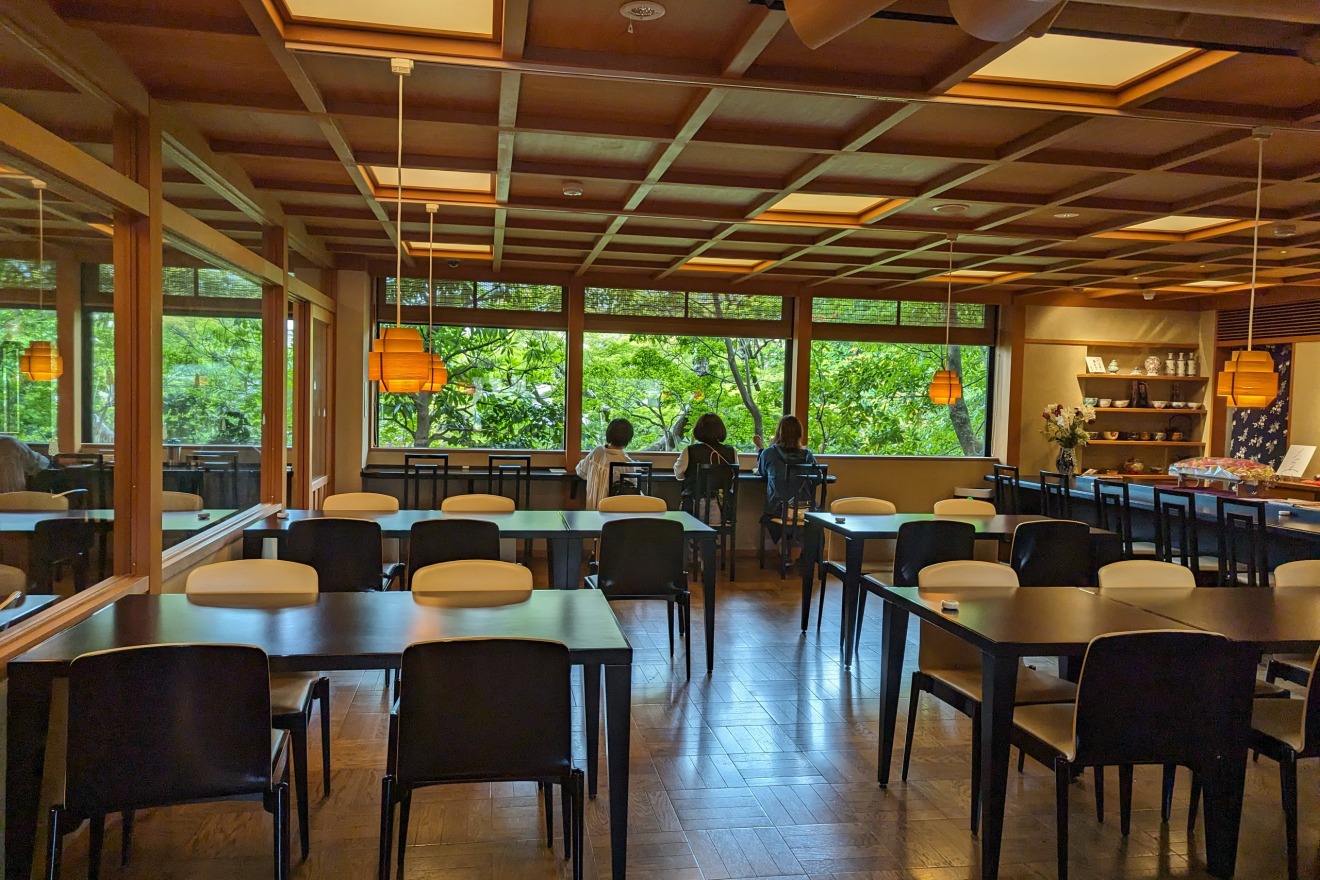
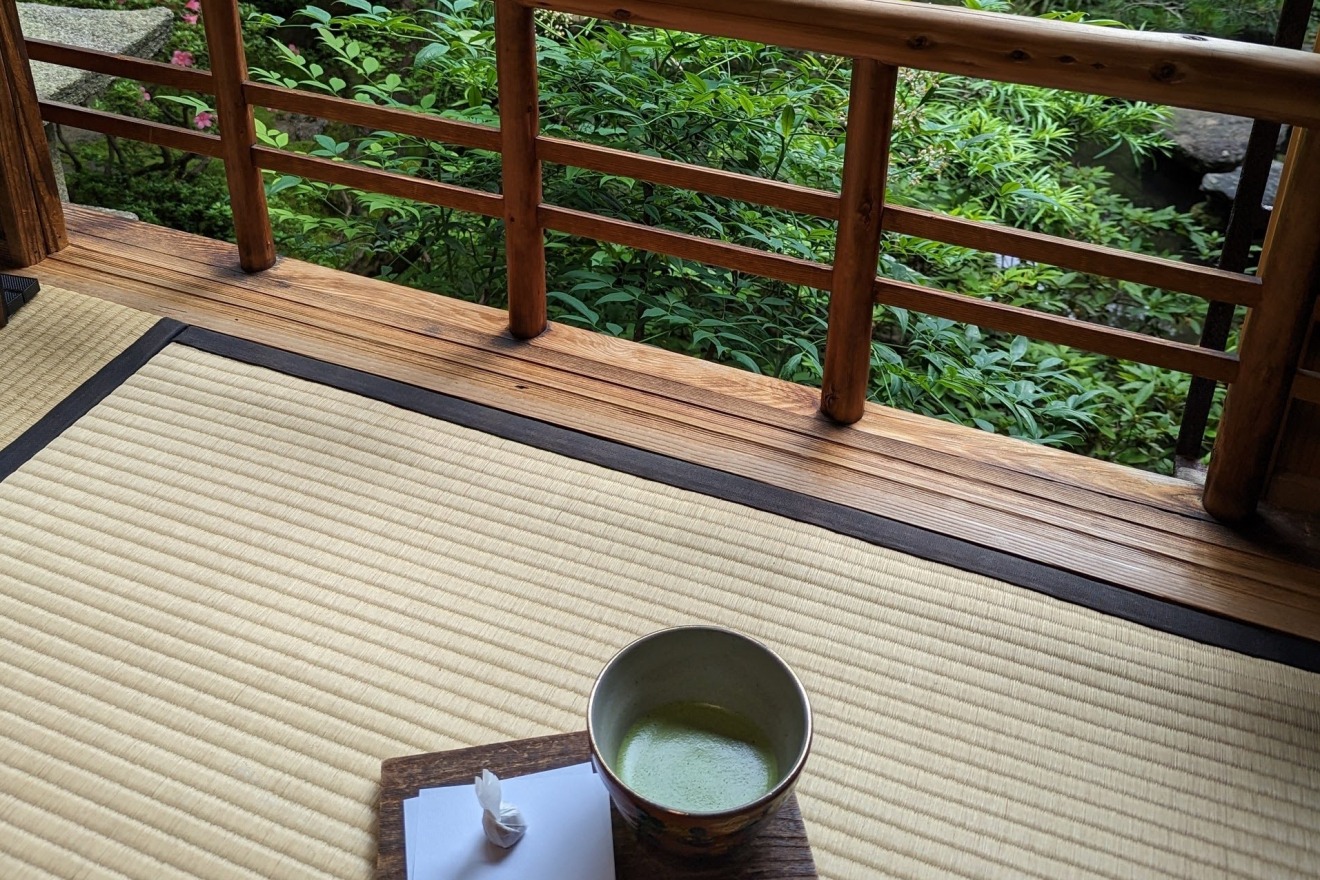
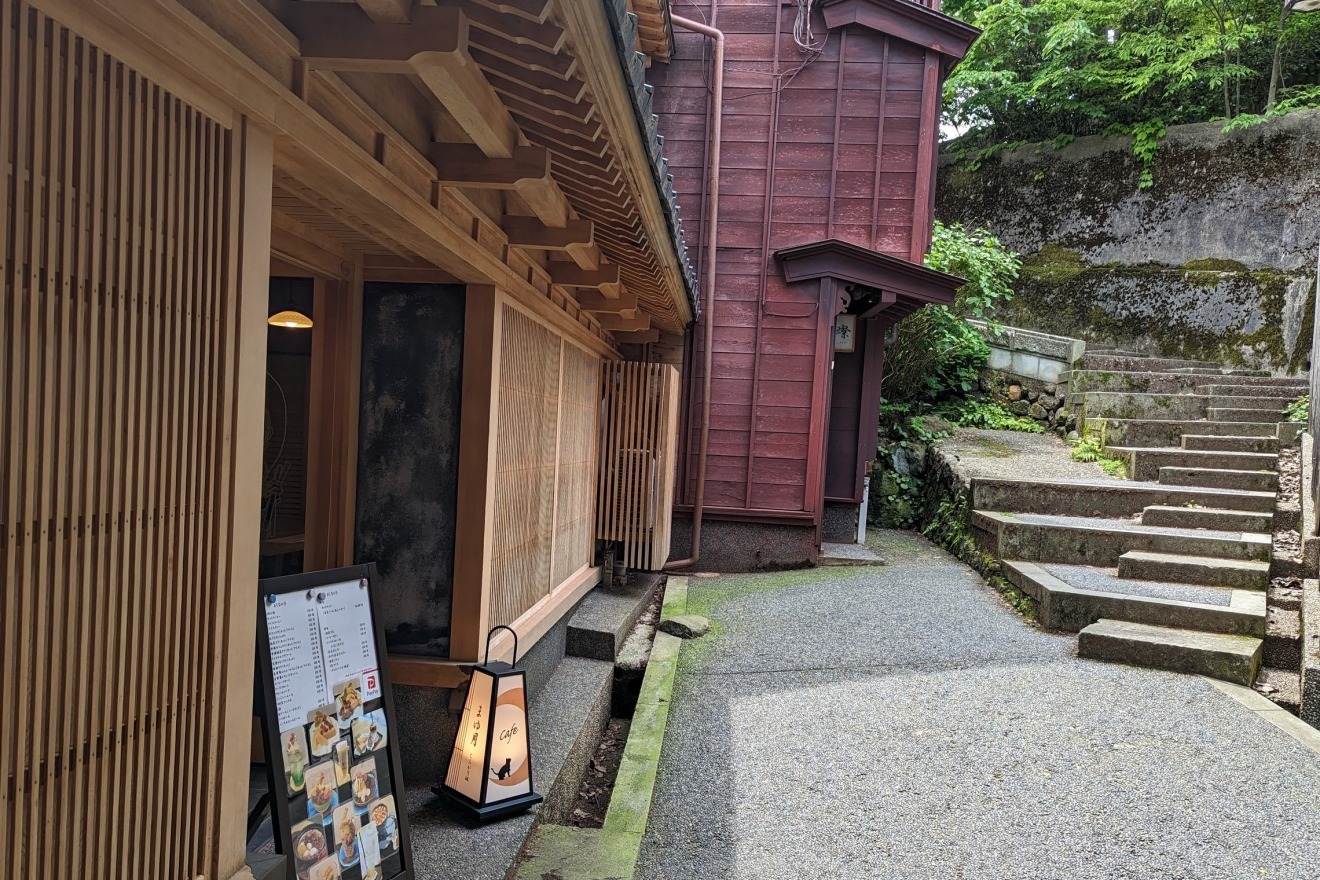
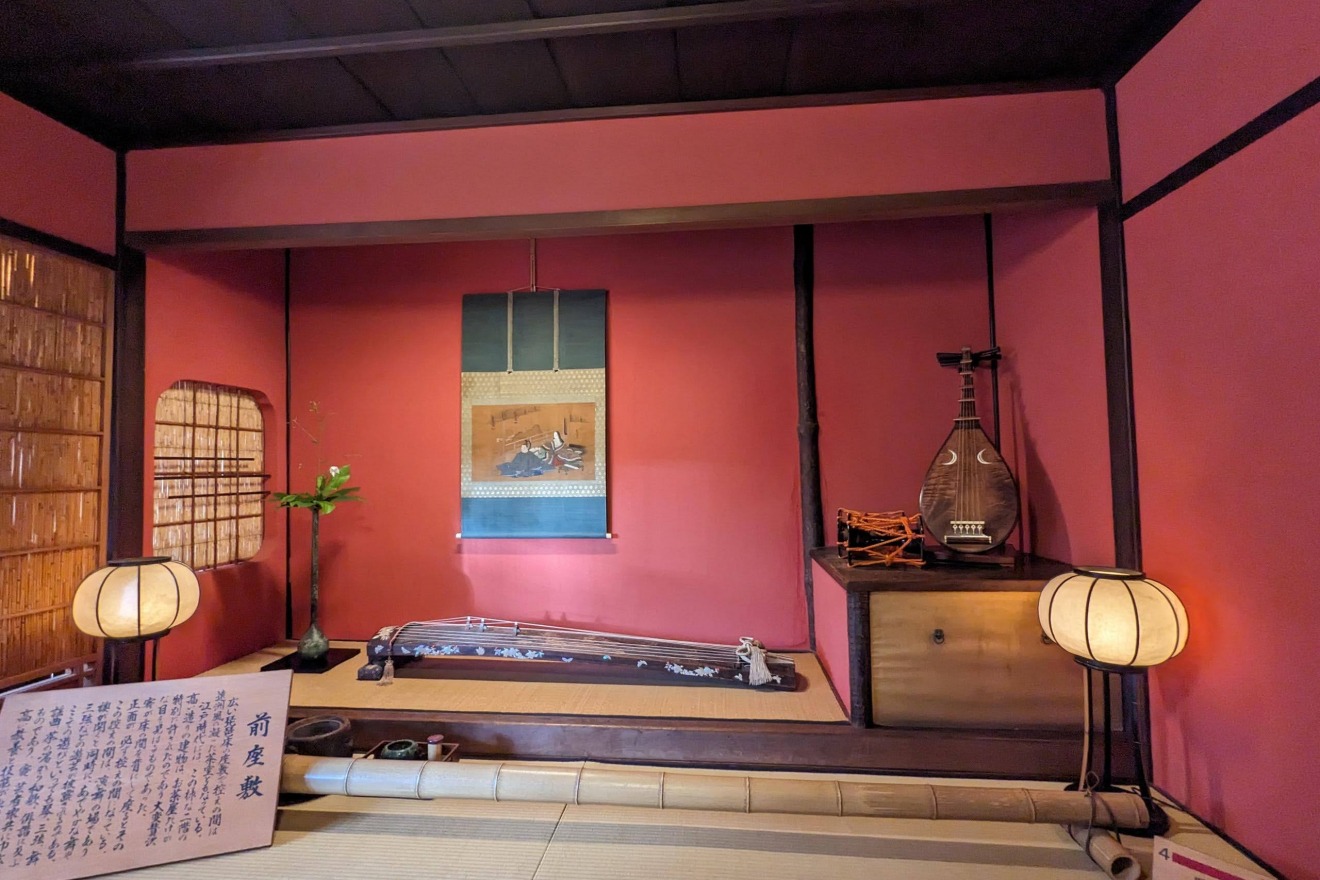
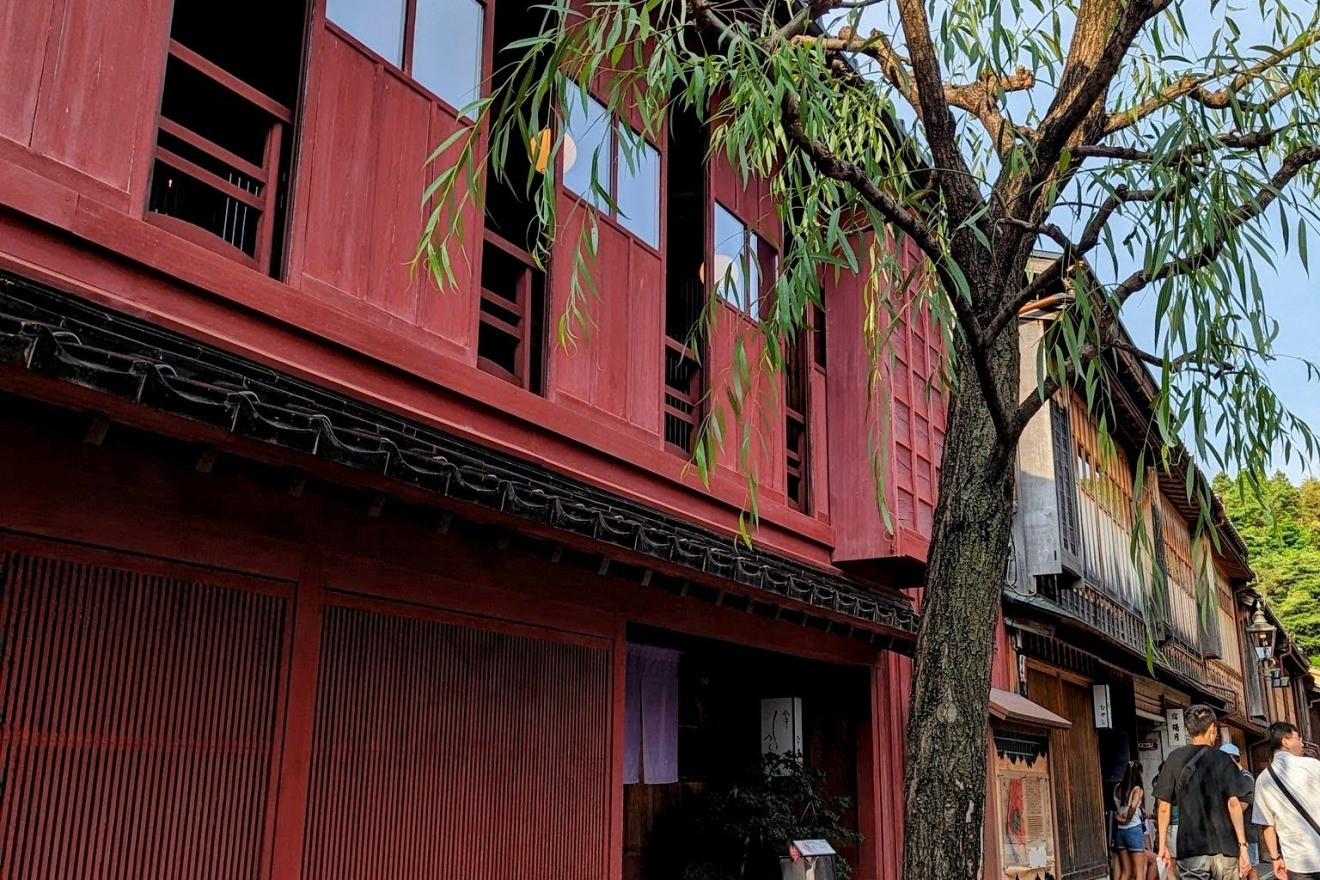
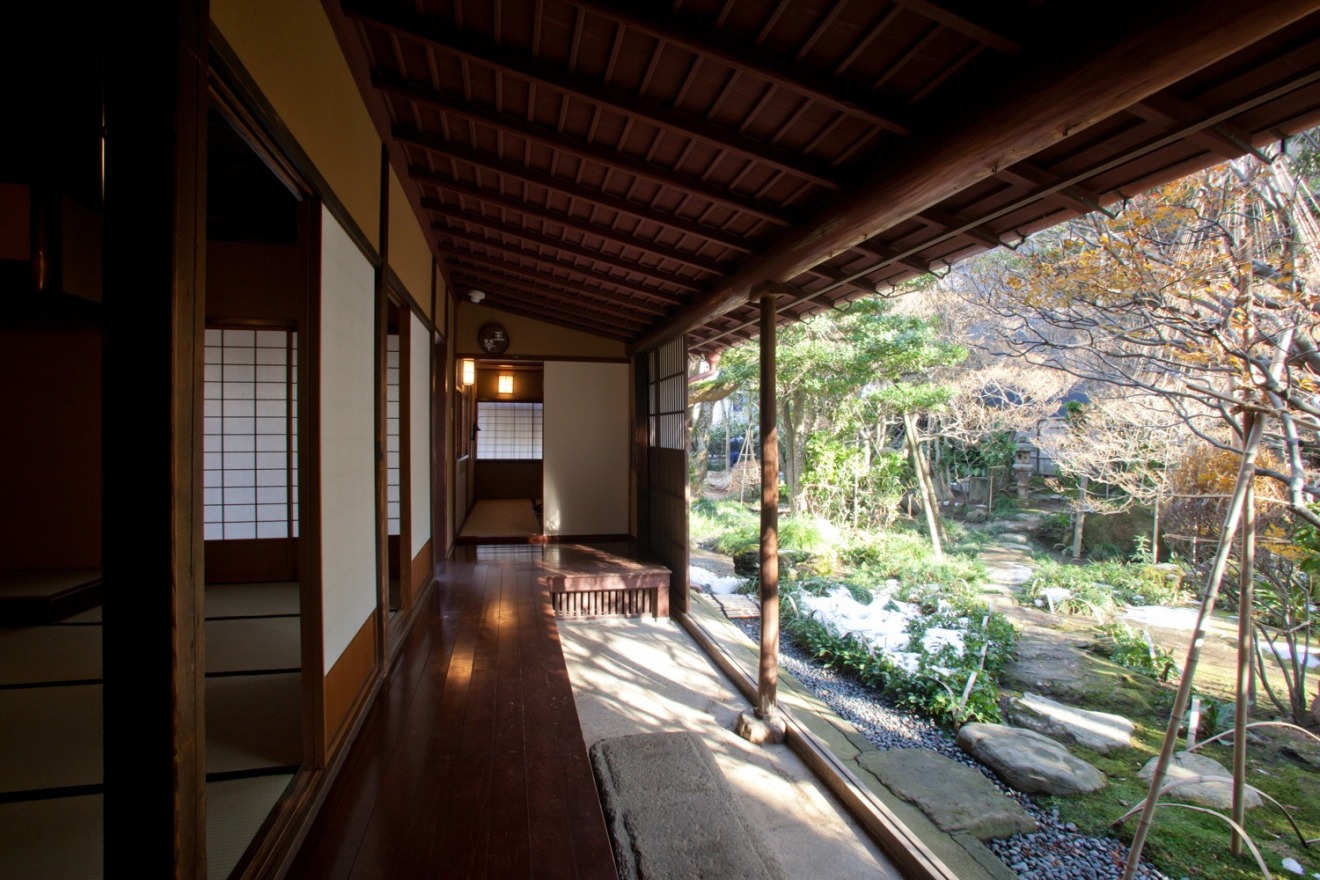
Whether in a traditional tea room or a garden café, here are places to relax over a bowl of matcha. They make a perfect break between sightseeing stops.
Higashi Chaya District: Tea in Historic Teahouses
Shima "Kansouan": An Edo-period teahouse designated an Important Cultural Property. Enjoy an authentic bowl of tea facing its quiet garden.
Kaikaro: A teahouse about 200 years old, with lavish interiors well worth seeing.
Cafe Yanagian: A renovated cafe in a building designated as a cultural asset by Kanazawa City, marked by the symbol of the “Mikaeri Yanagi” (a willow tree) of Higashi Chaya.
Kureha: A charming, traditional merchant house, with a cafe on the second floor and a space displaying Kaga Yuzen(dyeing) textiles.
Ohi Museum: In this gallery designed by world famous architect Kengo KUMA, you can select a tea bowl from the Ohi ware collection and enjoy matcha.
Morihachi / Kanazawa Confectionery Woodblock Museum: In the second-floor "Morihachi Tea Room," you can enjoy matcha while looking out over the garden of Terashima Kurando’s Samurai residence.
Kazuemachi Chaya District, Omicho Market, and Oyama Shrine Area
Mayuzuki Kuragarisaka: Located at the foot of Kuragarisaka(Kuragari Slope), leading to the Kazuemachi Chaya District, this former gallery of the late American woodblock print artist Clifton Karfe is known for its unique interior design.
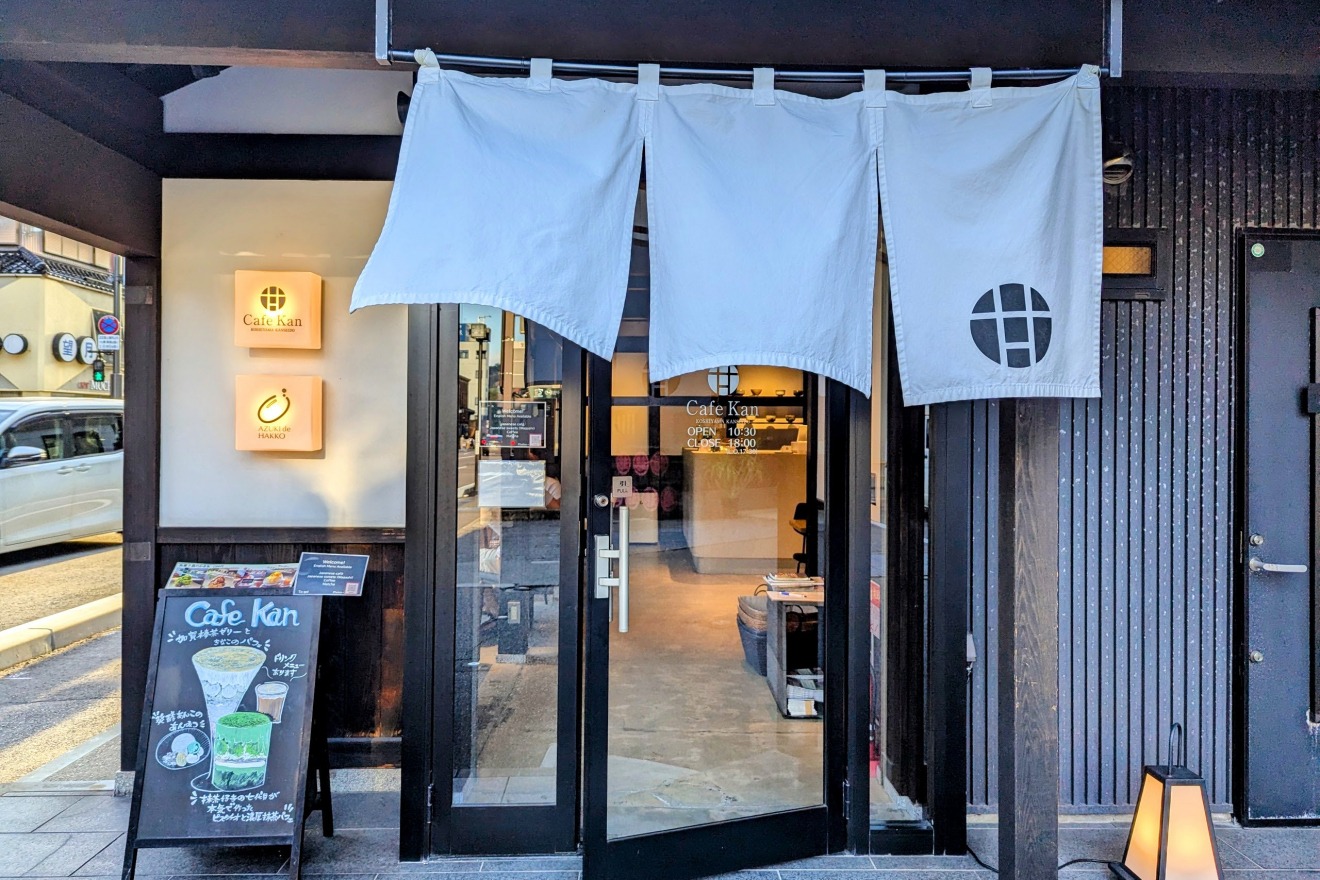
CAFE KAN: A popular and long-established confectionery shop that operates a cafe, offering health-conscious bean paste made from fermented adzuki beans.
Otomoro "Issei-an": The 250-year-old tea room was originally a teaching facility for the tea ceremony of the Kaga Clan, a family renowned for its role in instructing samurai in the art of tea. This tea room allows you to enjoy matcha in a space steeped in history, where the 11th head of the Urasenke school, Gen-gen-sai, once visited.
Kenrokuen and Kanazawa Castle Area
Kanazawa Castle "Gyokusen-an": A tea room located in the Gyokusen-in Maru Garden of Kanazawa Castle Park, where you can enjoy a cup of matcha while admiring the garden.
Kenrokuen "Shigure-tei": A tea room that was relocated and restored from a historical building in the Edo period, designed by the renowned tea room architect, Masao NAKAMURA.
Kenrokuen "Miyoshian": Located by the Hyōike Pond, enjoy matcha while listening to the soothing sound of the Midoridaki Falls.
Nishida Family Garden "Gyokusen-en" "Saisetsu-tei": A tea room said to be the oldest in Kanazawa, where you can enjoy matcha while overlooking the garden.
The old site of Mr. Kurando TERASHIMA's House "Tea Room": A former samurai residence where you can enjoy matcha along with specially crafted "rakugan" sweets shaped like the family crest of the Terashima family.
Nagamachi Samurai District Area
Nomura Family Samurai Residence "Fumoku-an": From the second floor tea room, you can enjoy matcha while looking out over the garden in a serene, peaceful setting.
Honda no Mori Area
Nakamura Memorial Museum "Tea Room": At this museum, you can select your favorite tea utensils. From the tea room, enjoy views of a moss-covered garden.
Kodatsuno Area
This area spreads from the Kodatsuno entrance of Kenrokuen to the Ishikawa Prefectural Library.
Tentokuin: A historic temple dedicated to the wife of the third feudal lord of the Maeda clan, who was the daughter of the second Tokugawa shogun, Hidetada. Here, you can enjoy matcha along with a traditional karakuri puppet performance.
- National Important Cultural Asset SHIMA
-

- The teahouse building remains as it was in the Edo period (1603-1868).
- more
- Kaikaro Teahouse
-

- Savor fine sweets in a historic space.
- more
- Ohi Ware Museum
-
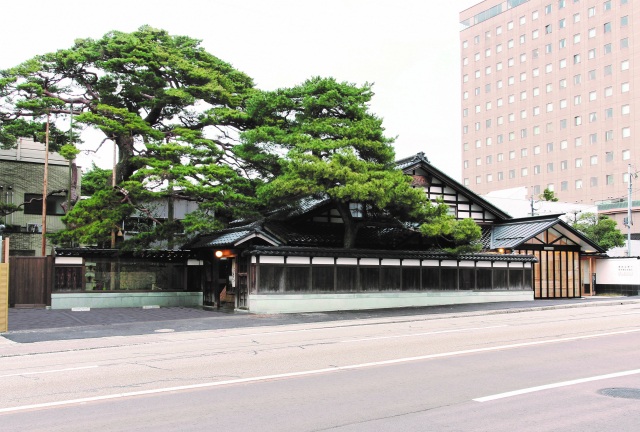
- Museum telling the story of 350 years of history of Ohi-yaki pottery
- more
- Morihachi
-
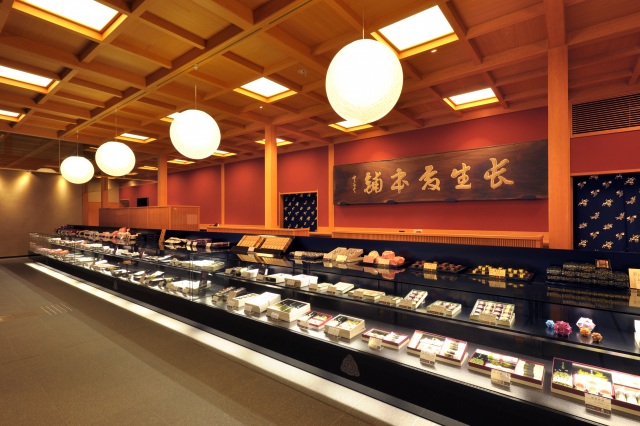
- Japanese sweets store
- more
- Ryotei Ootomoro Isseian
-

- Luxurious boxed lunch and sweets served in a long-standing ryotei's tea room
- more
- Kanazawa Castle Park Gyokusen'inmaru Garden
-
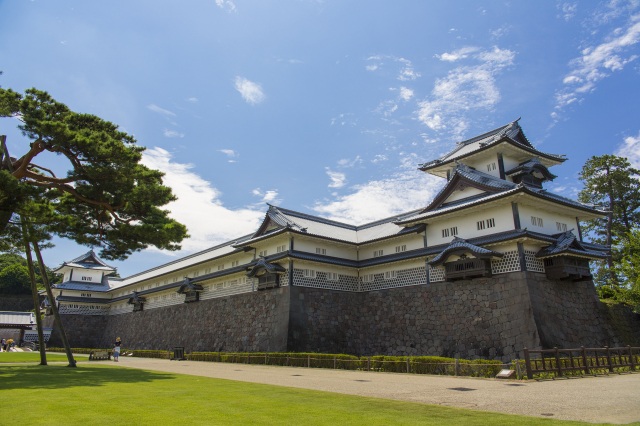
- One of Kanazawa’s key historic landmarks
- more
- Shiguretei
-

- Tea ceremony room in Kenrokuen Garden
- more
- Gyokusen-en Garden
-

- more
- Samurai Residence Kurando Terashima's House
-
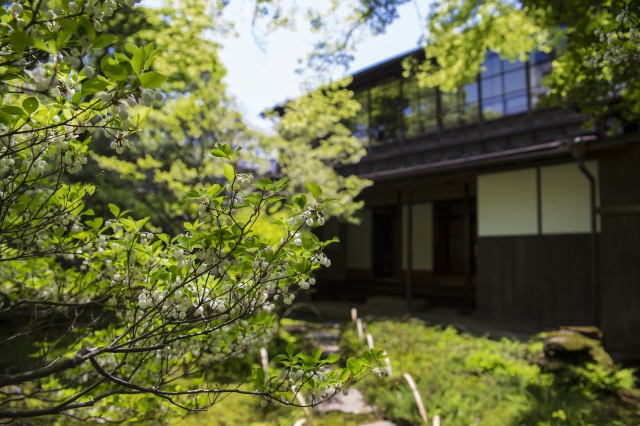
- more
- Nomura Samurai Residence
-
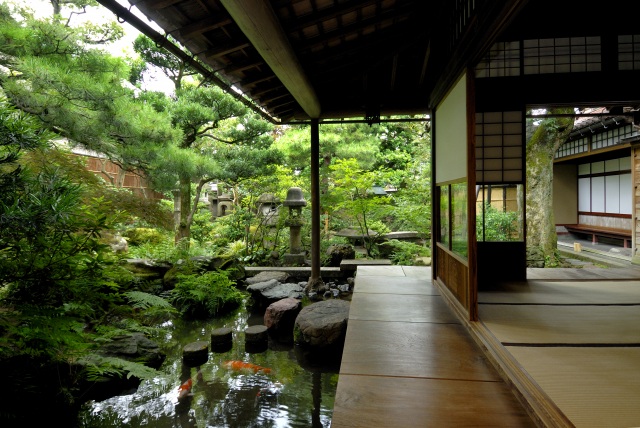
- more
- Kanazawa Nakamura Memorial Museum
-
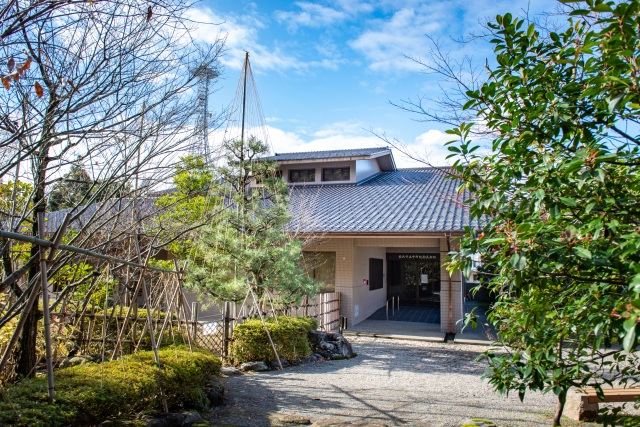
- more
- Tentokuin Temple
-
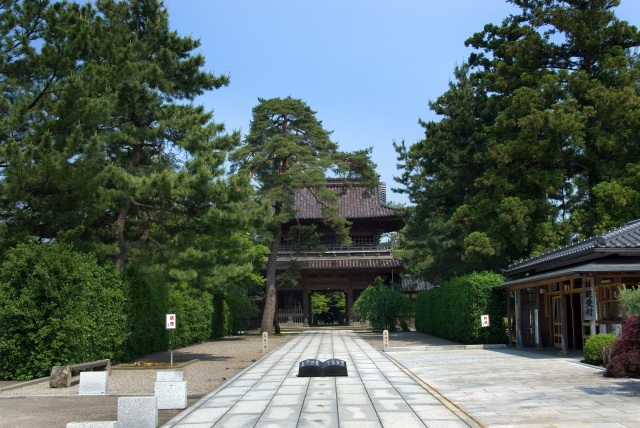
- For prayers for a good marriage and family happiness, go to Tentokuin, the family temple of princess Tamahime.
- more
6. Whisk Your Own Matcha: Beginners Welcome
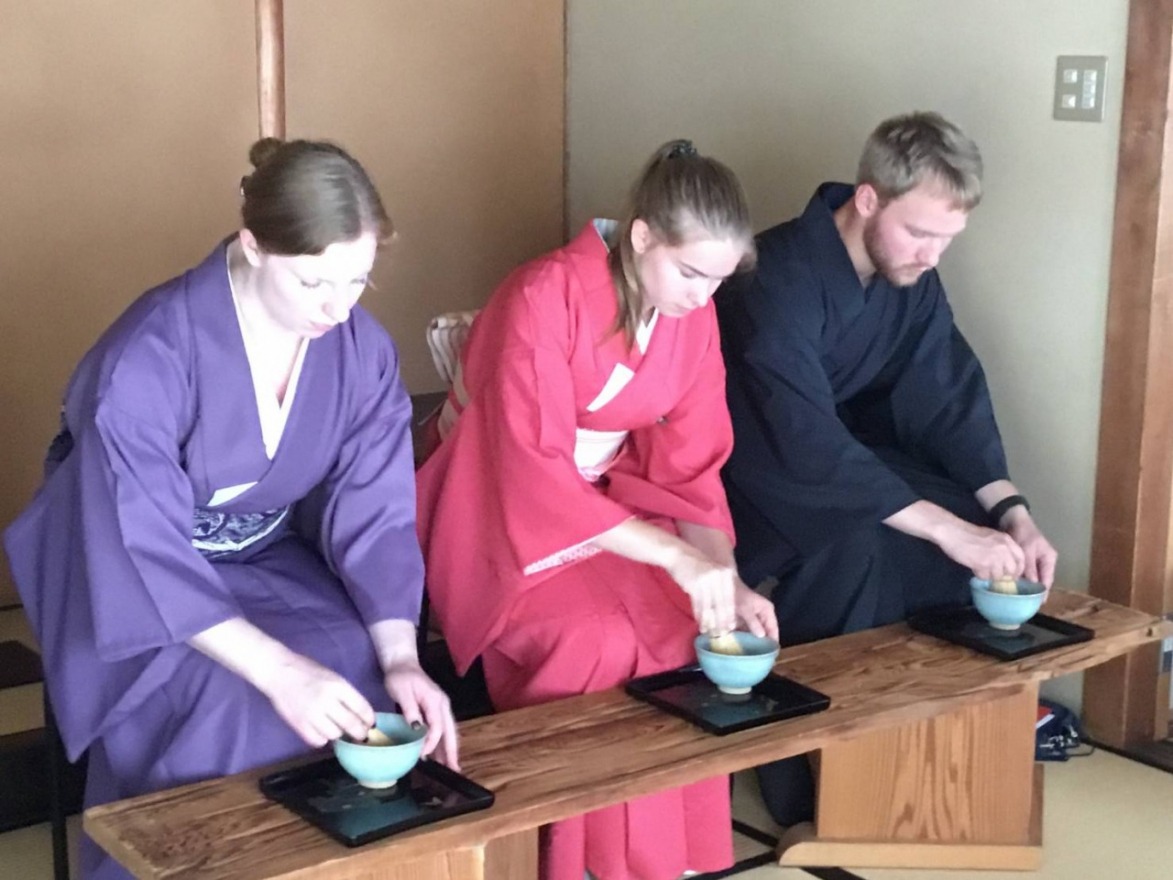
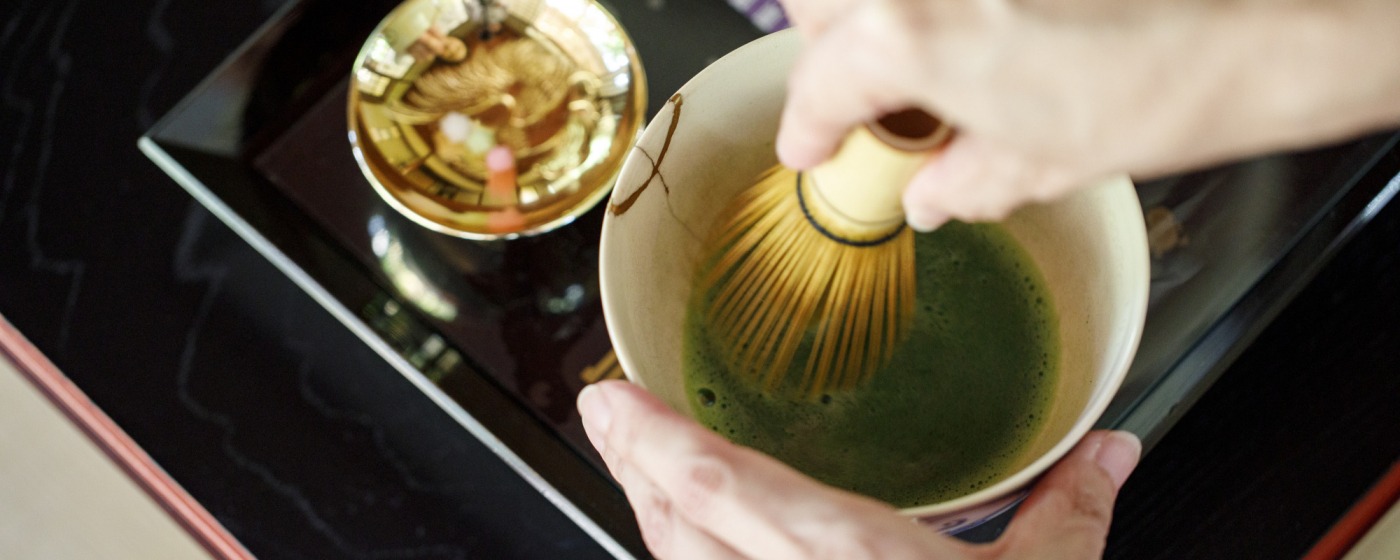
When in Kanazawa, why not try preparing your own bowl of matcha? Whisking the tea into a fine froth with a bamboo whisk brings you closer to the spirit of the tea ceremony. These places offer friendly guidance, so first-timers can relax and enjoy.
Ishikawa Local Products Center
Conveniently located just below Kenrokuen. No reservation needed. You can also try making Japanese sweets or applying gold leaf, perfect for experiencing several traditions at once.
A traditional townhouse near Kenrokuen. Learn the basics of etiquette, from entering the room to greeting your host. Your first bowl is made by the instructor, and your second by you.
A townhouse on a quiet lane near the Higashi Chaya District. Reserve the tea room privately and learn the fundamentals at your own pace.
In the Higashi Chaya District, one of the few places where you can experience thick tea (koicha) as well as the more common thin tea. Ideal for those who want to go deeper.
Saisetsu-tei at Gyokusen-en Garden
Whisk your tea in Kanazawa's oldest tea room while admiring the garden.
In Kenrokuen, facing Japan's oldest fountain, where the lords once entertained important guests. After a demonstration by the host, you prepare your own tea, with explanations of the basics and the utensils.


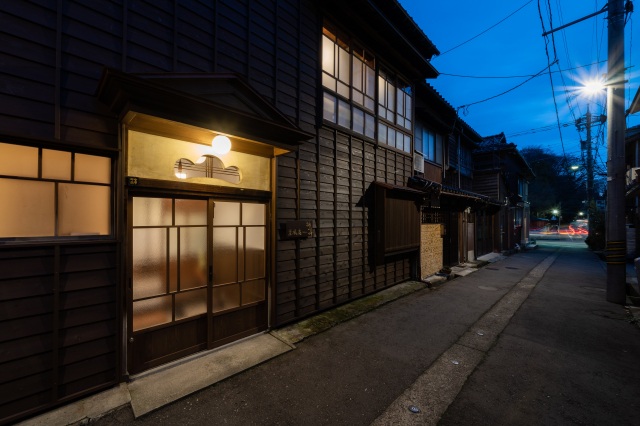
7. Experience a Full Tea Gathering with Kaiseki Cuisine
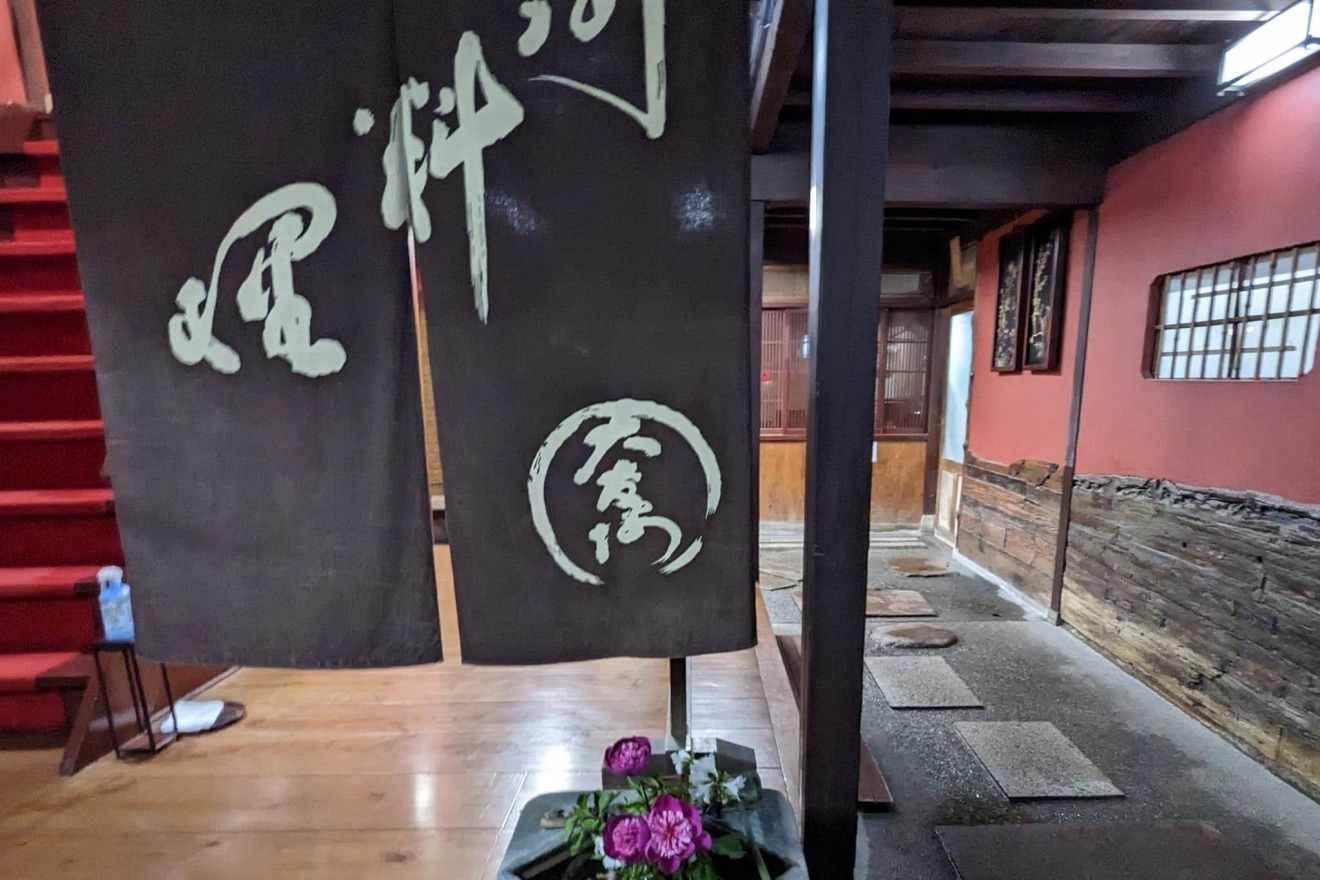
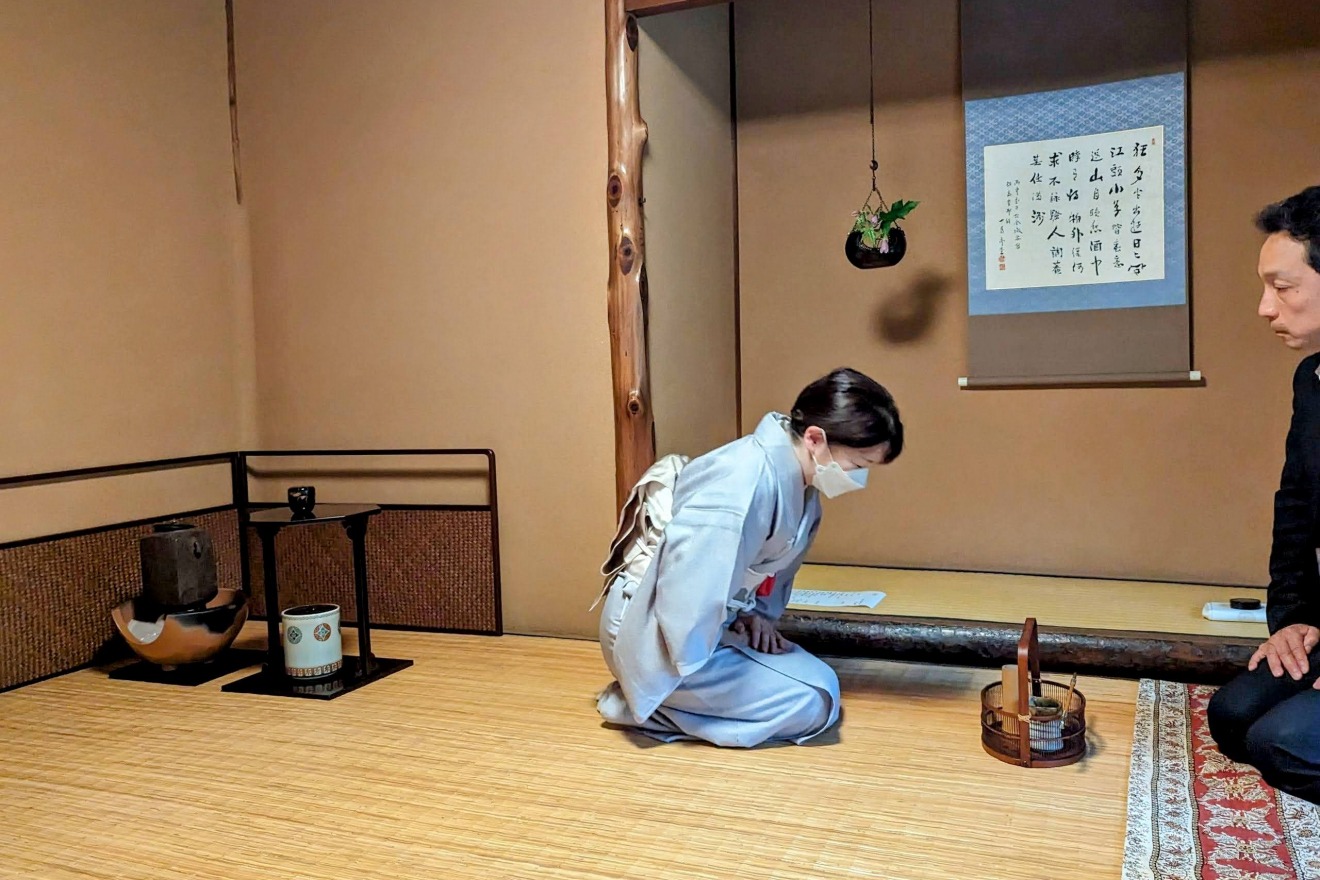
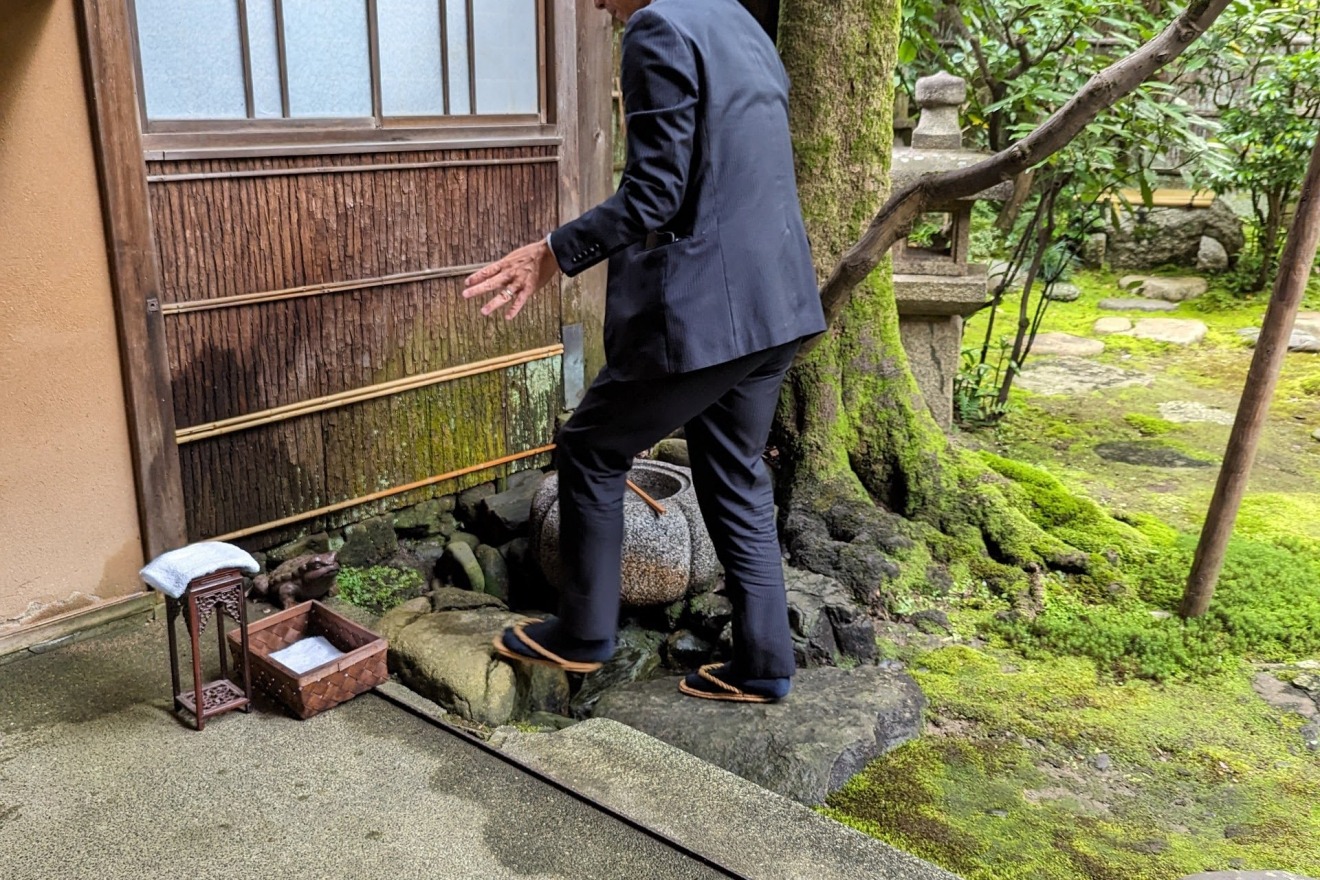
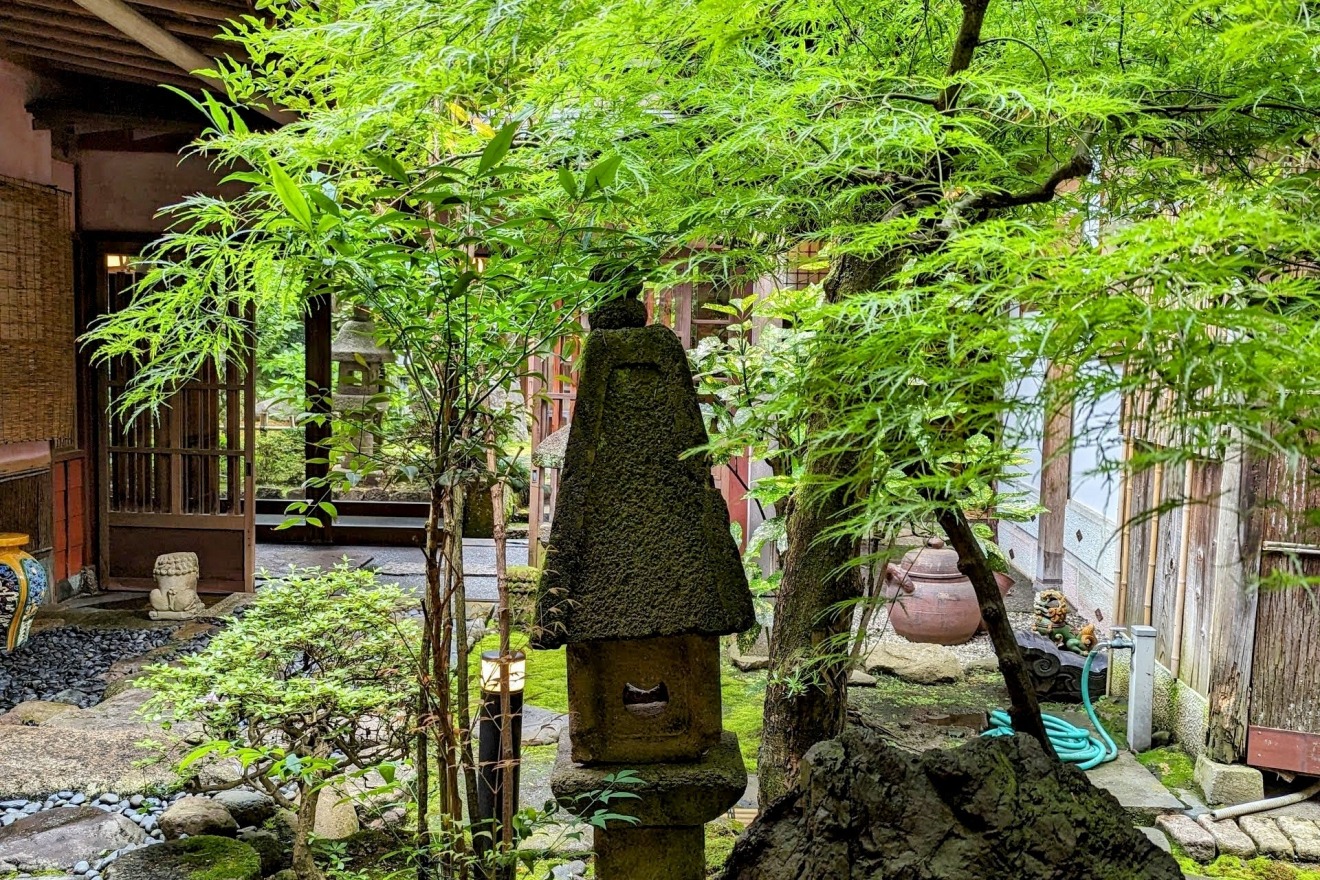
A chaji is the full-course tea gathering: the host welcomes guests with a kaiseki meal followed by thick and thin tea, choosing the food, utensils and garden arrangements to suit the season and the guests. A chaji usually lasts half a day and requires knowledge of etiquette, so it has long been out of reach for most visitors. In Kanazawa, there are places where you can enjoy it in a more approachable way.
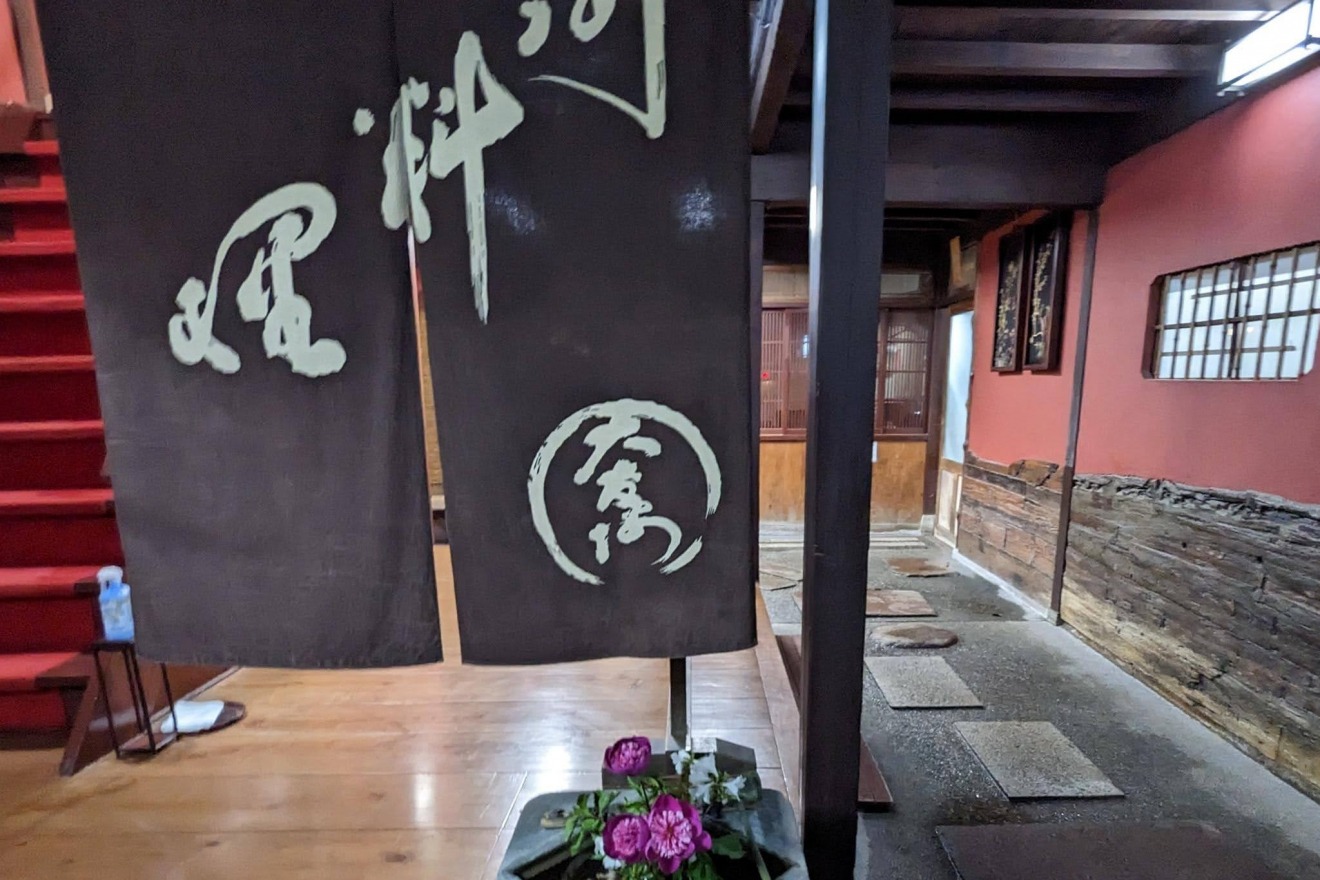
Otomoro: Kaga Cuisine in the Style of Tea Kaiseki
For generations, the Otomoro restaurant served as official chefs to the Kaga lords. Today it offers a chaji experience arranged for beginners, so you can follow the flow of a real tea gathering while savoring traditional Kaga dishes such as jibuni, a simmered duck stew. Available for groups; please inquire in advance.
• Isseian tea room: About 250 years old, once used to teach the tea ceremony in the domain era and visited by Urasenke grand master Gengensai.
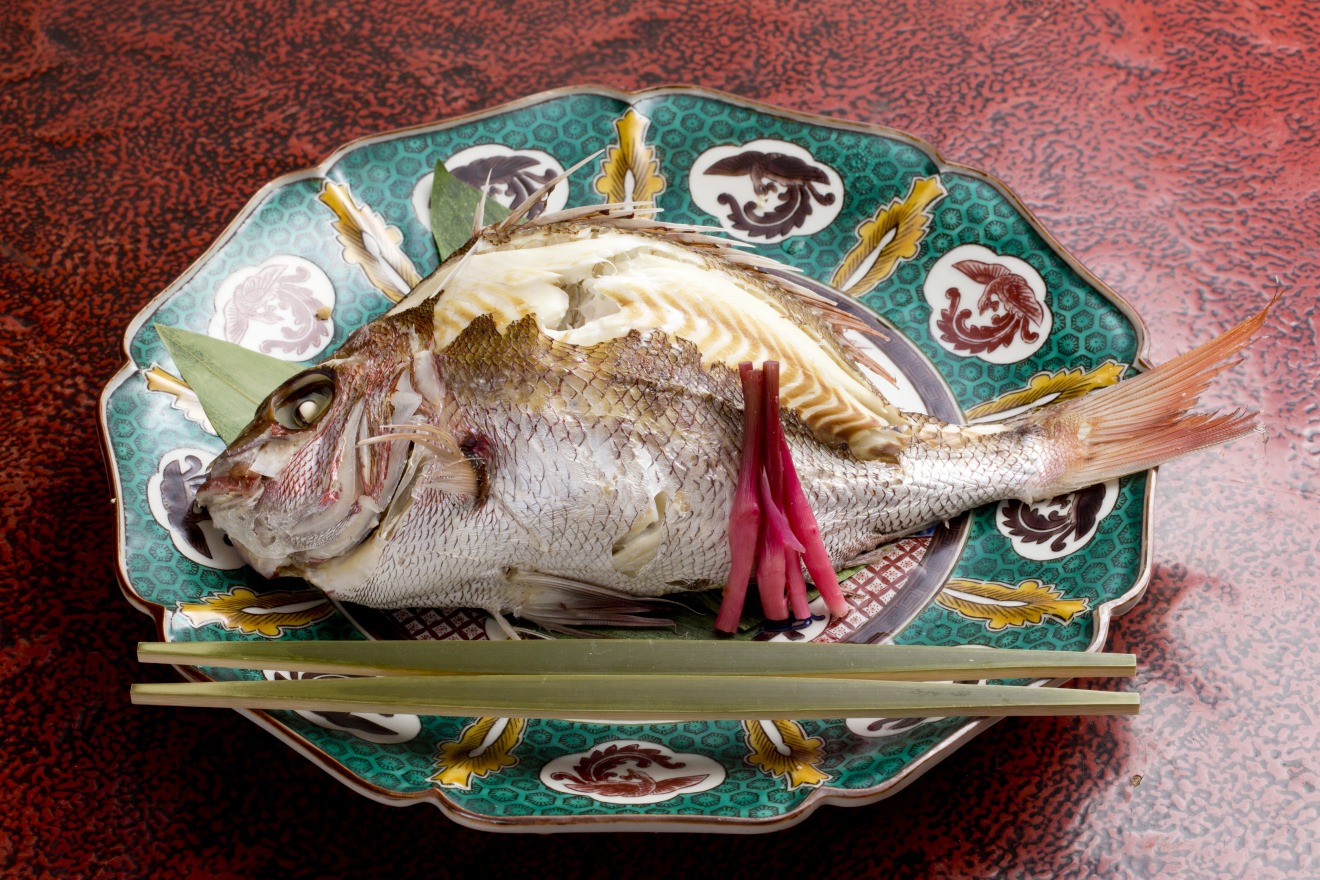
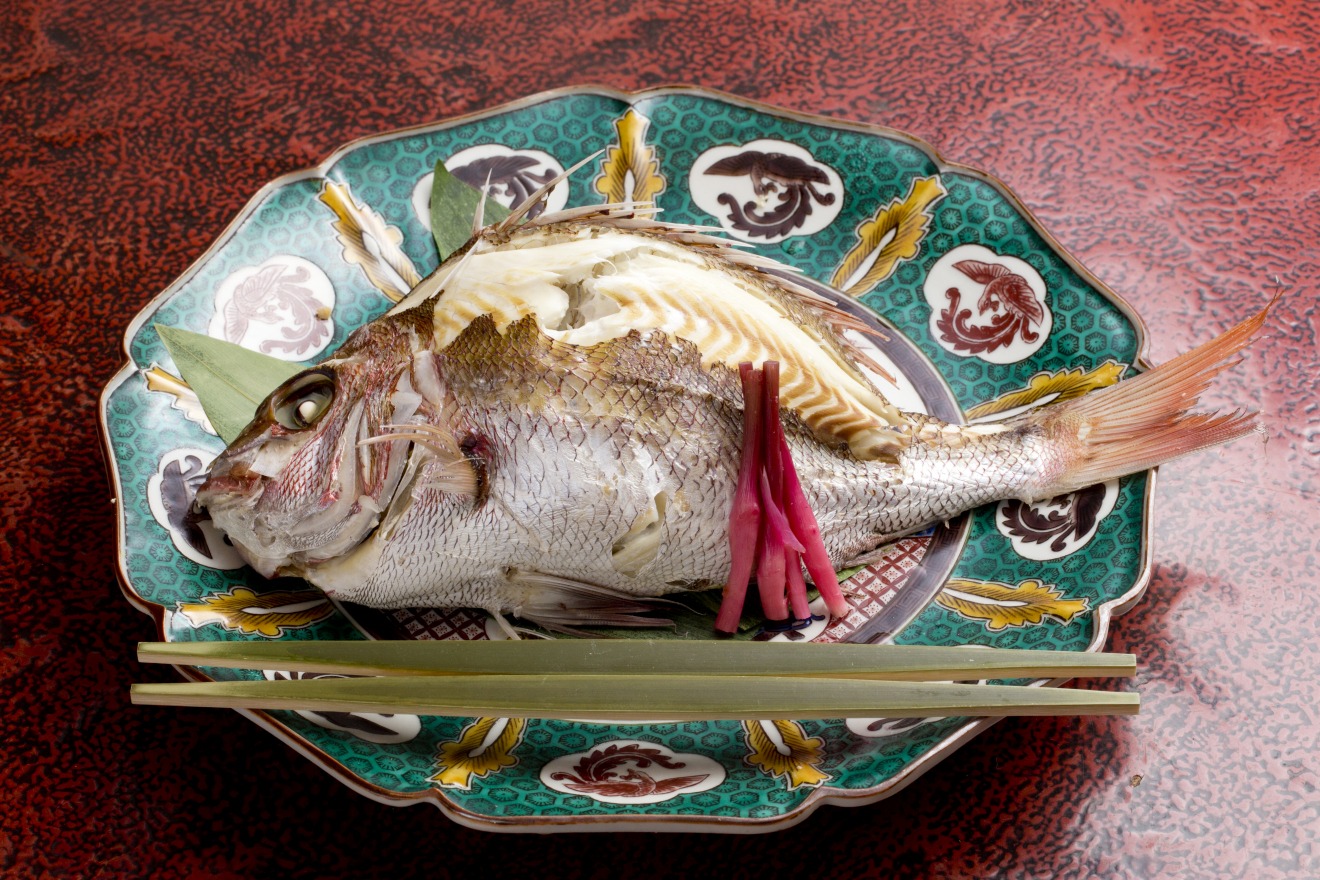
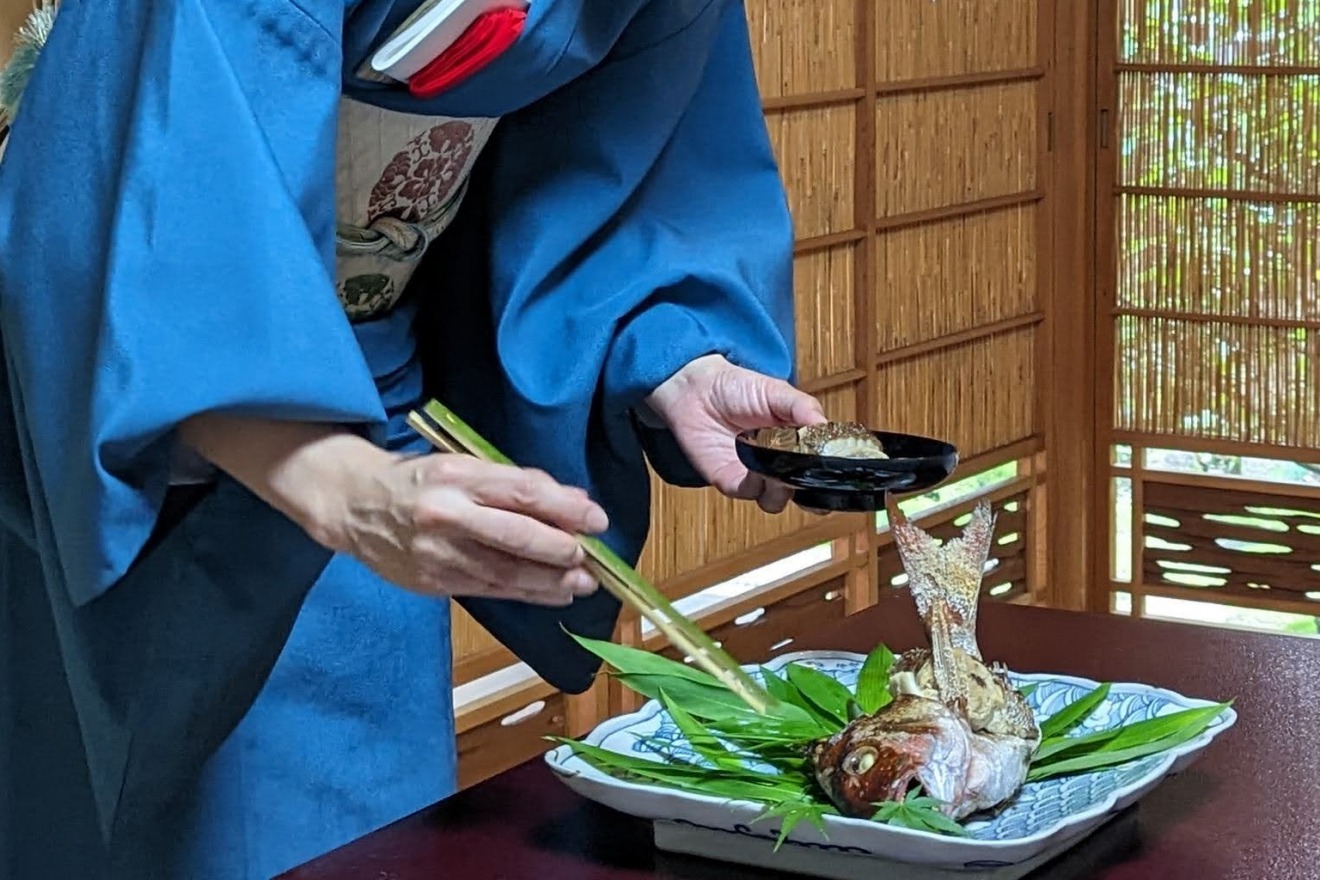
• A spectacular finale: Hot sake is poured over a whole grilled sea bream on a large Kutani platter and set alight, with commentary from the proprietress.
Cha-no-Yu Suzuoki: Breakfast and a Tea Gathering
This acclaimed restaurant from nearby Hakusan City has opened in the Higashi Chaya District, in a townhouse more than 120 years old. Its owner, a certified instructor of the Enshu school of tea, offers a plan combining breakfast with a chaji. It is a fresh way to enjoy a tea gathering in the morning as a natural part of daily life.


8. Tea Gatherings Open to Everyone: Annual Calendar
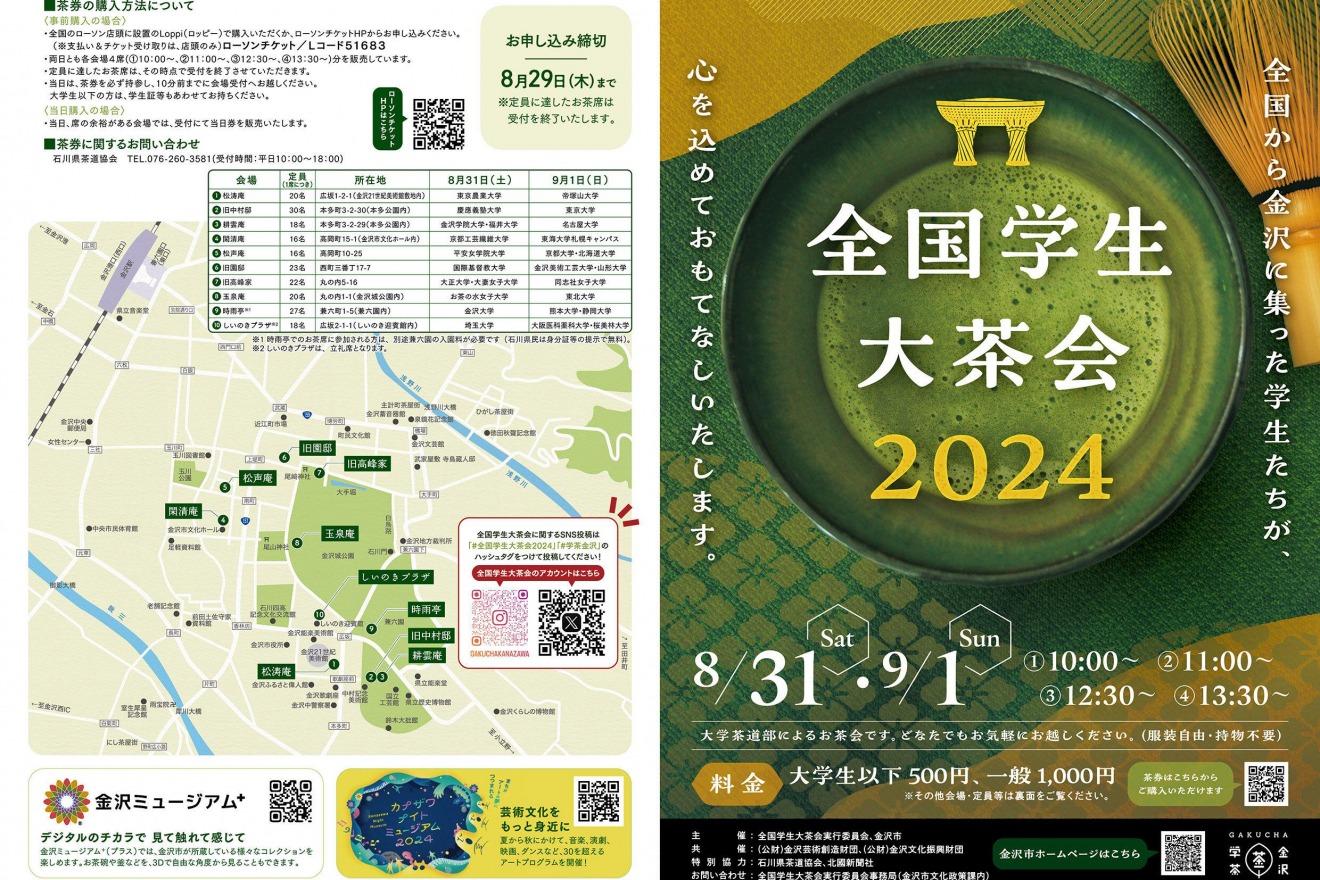
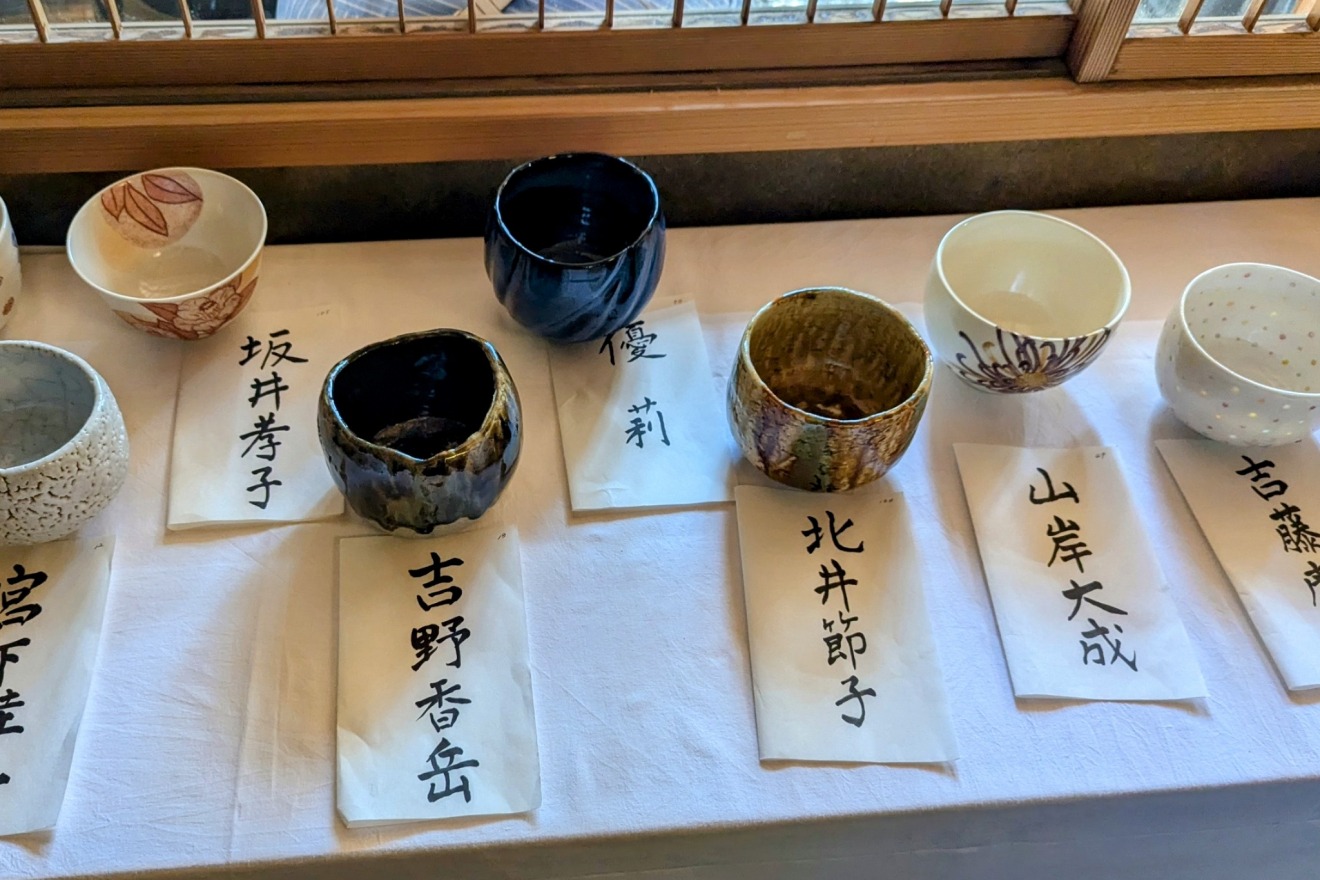
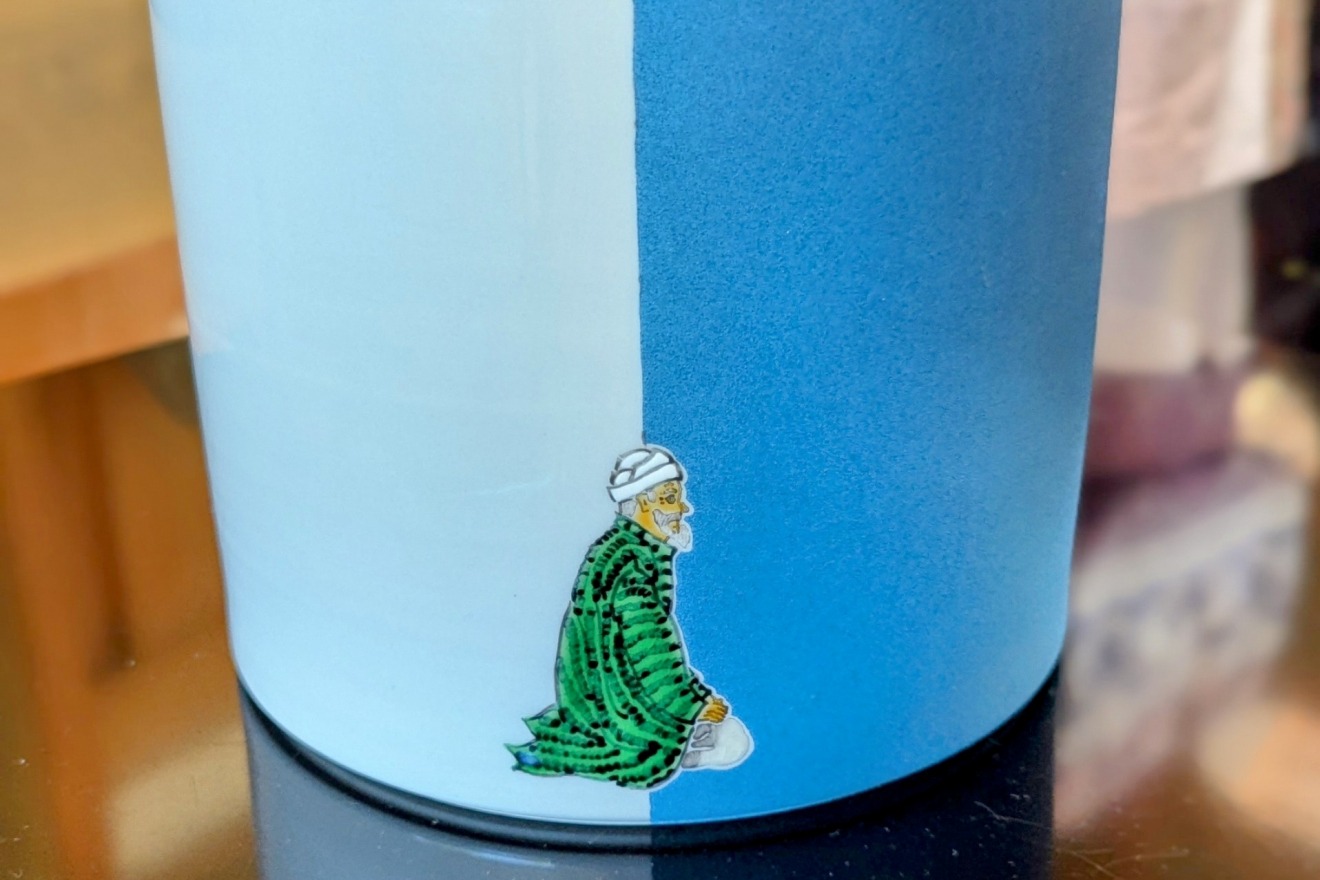
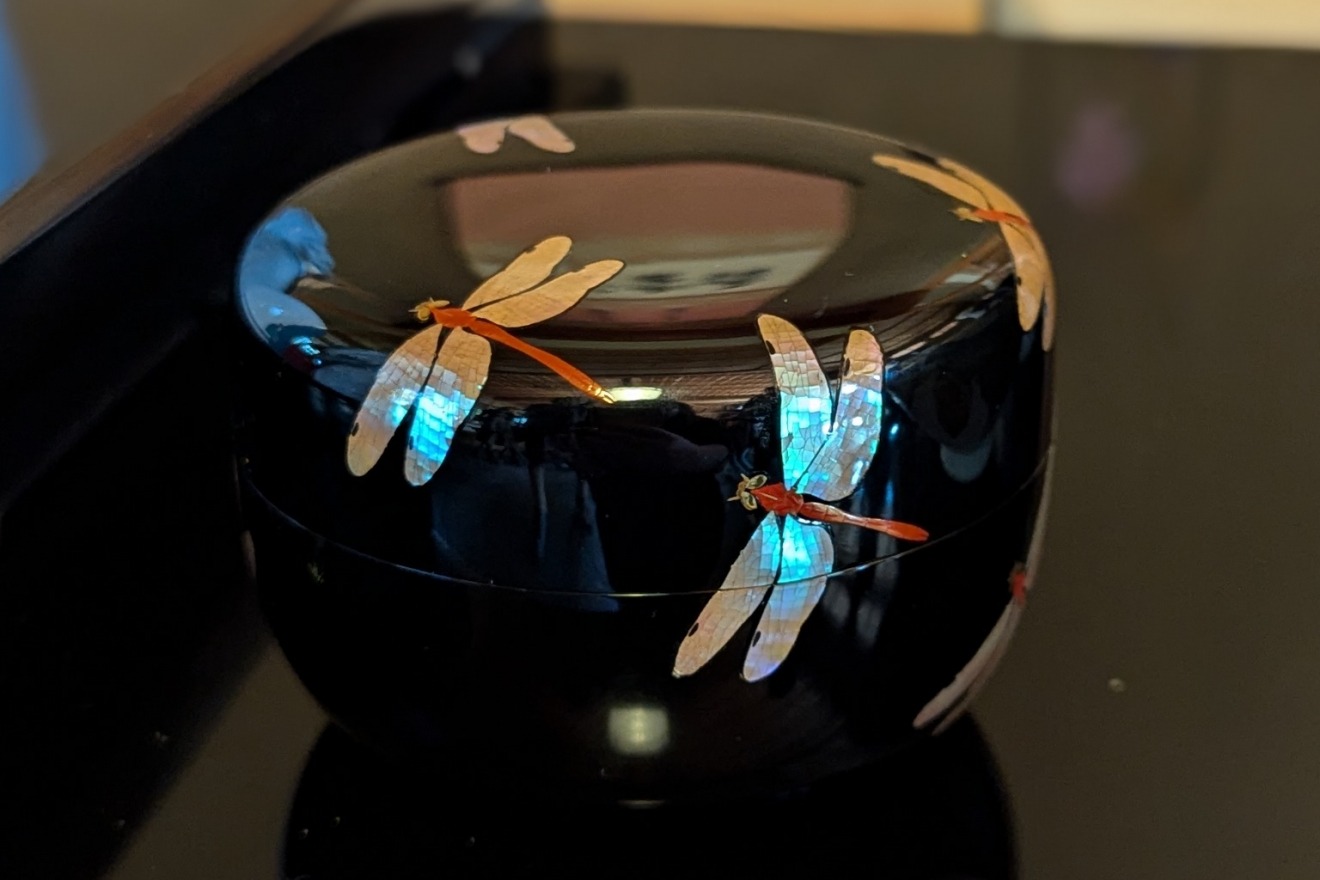
Throughout the year, Kanazawa hosts tea gatherings that anyone can join, with or without experience. No special clothing or utensils are needed; just come as you are and enjoy authentic tea.
Schedules may change. Please check each organizer's official website for the latest information.
Kanazawa Art Club’s Monthly Tea Gathering: “Kanabi no Tsukigama”
Launched in April 2025, this monthly tea gathering hosted by Kanazawa Bijutsu Club offers a special opportunity to experience Kanazawa’s tea ceremony traditions and refined aesthetic sensibilities, passed down through generations. Discover the beauty of the tea ceremony through carefully selected tea utensils and seasonal decorations.
When: Once a month (See the schedule)
Where: Kanazawa Bijutsu Club, just steps from Omicho Market
Highlights: Antique art dealers and other specialists host monthly tea gatherings, each thoughtfully curated with distinctive themes and artistic touches.
Hyakumangoku Tea Gathering
Held in conjunction with the Kanazawa Hyakumangoku Festival, the city’s largest annual festival, this major tea gathering takes place at seven historic tea houses across Kanazawa. During the event, the entire city is filled with the elegant atmosphere of the Japanese tea ceremony.
When: Early June, coinciding with the Kanazawa Hyakumangoku Festival
Where: Seven venues, including Kyū Sono-tei Shōkō-an, the former Takamine Residence, Shigure-tei in Kenrokuen Garden, Gyokusen-an in Kanazawa Castle Park, and Kōun-an and the former Nakamura Residence at the Nakamura Memorial Museum
Highlights: An opportunity to enter historic tea rooms that are not usually open to the public
Featuring Hyakumansan, Ishikawa Prefecture’s official mascot, this tea gathering is especially popular with families. Set in a traditional Japanese setting, it offers a relaxed, welcoming atmosphere where visitors of all ages can participate and enjoy the experience together.
When: Early August
Where: Gyokusen-an, Kanazawa Castle Park
Official Kanazawa Castle Park website: Events
National Student Grand Tea Gathering
University tea ceremony club members from across Japan gather in Kanazawa to share the skills and traditions they have developed through their regular practice. The event is known for its youthful energy and warm hospitality. Venues include the 21st Century Museum of Contemporary Art, Kanazawa, a leading destination for contemporary art.
When: Late August to early September
Where: Multiple venues, including Shōtō-an at the 21st Century Museum of Contemporary Art, Kanazawa; the former Nakamura Residence and Kōun-an at the Nakamura Memorial Museum; Kanseian; Shōseian; Shōkō-an at the former Sono Residence; the former Takamine Residence; Gyokusen-an in Kanazawa Castle Park; Shigure-tei in Kenrokuen Garden; and Shiinoki Cultural Complex
Highlights: Tea gatherings hosted by university tea ceremony clubs from across Japan
Kanazawa Castle & Kenrokuen Grand Tea Gathering
Held in the historic castle grounds and beautiful garden as autumn approaches, this grand tea gathering features tea ceremonies hosted on a rotating daily basis by different tea ceremony schools from Ishikawa Prefecture. Some gatherings feature contemporary tea utensils created by local artists, offering a fascinating blend of tradition and modern creativity.
When: Early October
Where: Shigure-tei in Kenrokuen Garden, Gyokusen-an in Kanazawa Castle Park, Shōtō-an at the 21st Century Museum of Contemporary Art, Kanazawa, and the former Nakamura Residence at the Nakamura Memorial Museum
Highlights: Different tea ceremony schools take turns hosting each day, sometimes using tea utensils made by contemporary artists
Utatsuyama Tea Gathering (Held Every Two Years)
This tea gathering offers a particularly memorable way to experience Kanazawa’s identity as a city of traditional crafts. Visitors can appreciate artistic tea utensils created by emerging craftspeople at the Utatsuyama Craft Workshop and use them while enjoying a bowl of tea.
When: Around December
Where: Utatsuyama Craft Workshop
Tips for Attending a Tea Gathering
There is no need to wear formal attire; neat, casual clothing is generally acceptable at these tea gatherings. If you are concerned about sitting on the floor in the traditional kneeling position, choose a venue that offers ryūrei-seki, a tea ceremony seating arrangement with chairs and tables.
- Kanazawa Art Club
-

- A place where art experts gather
- more