Kitamae-bune: Shaping Kanazawa’s Rich Culinary Culture ~The Maritime Silk Road Connecting the Sea of Japan~
Kanazawa, the castle town of the Kaga Domain, has long been celebrated for its rich culinary culture. One of the key factors behind this tradition is the role of the Kitamae ships (Kitamae-bune), merchant vessels that sailed the Sea of Japan and played a central role in transporting goods and culture between regions.
What Were the Kitamae-bune (Kitamae Ships)?
From the Edo period (1603–1868) to the Meiji era (1868–1912), Kitamae ships operated between Hokkaido in the north and Osaka in the south. These large trading vessels carried a wide variety of goods, including herring, kelp, salmon, furs, rice, salt, sugar, and sake. Kanazawa was one of the key ports along their route, welcoming diverse ingredients and new cultural influences, which helped the city develop into a unique “City of Culinary Excellence.”
for details : please refer here
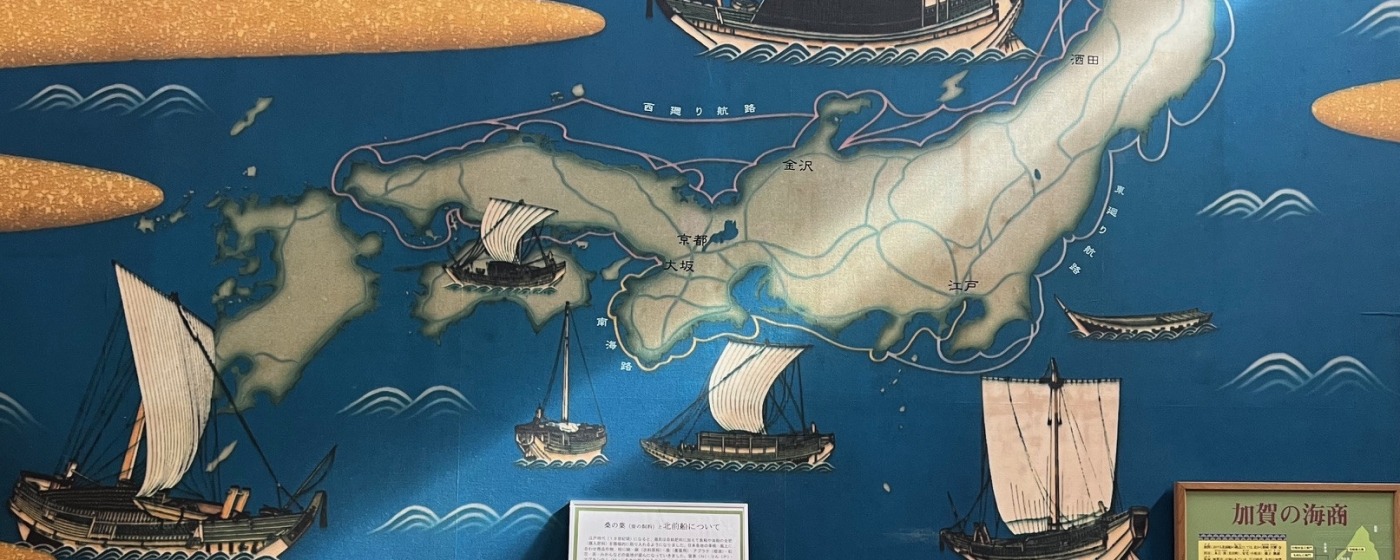
▶The Flavors of Kanazawa Nurtured by Kitamae-bune
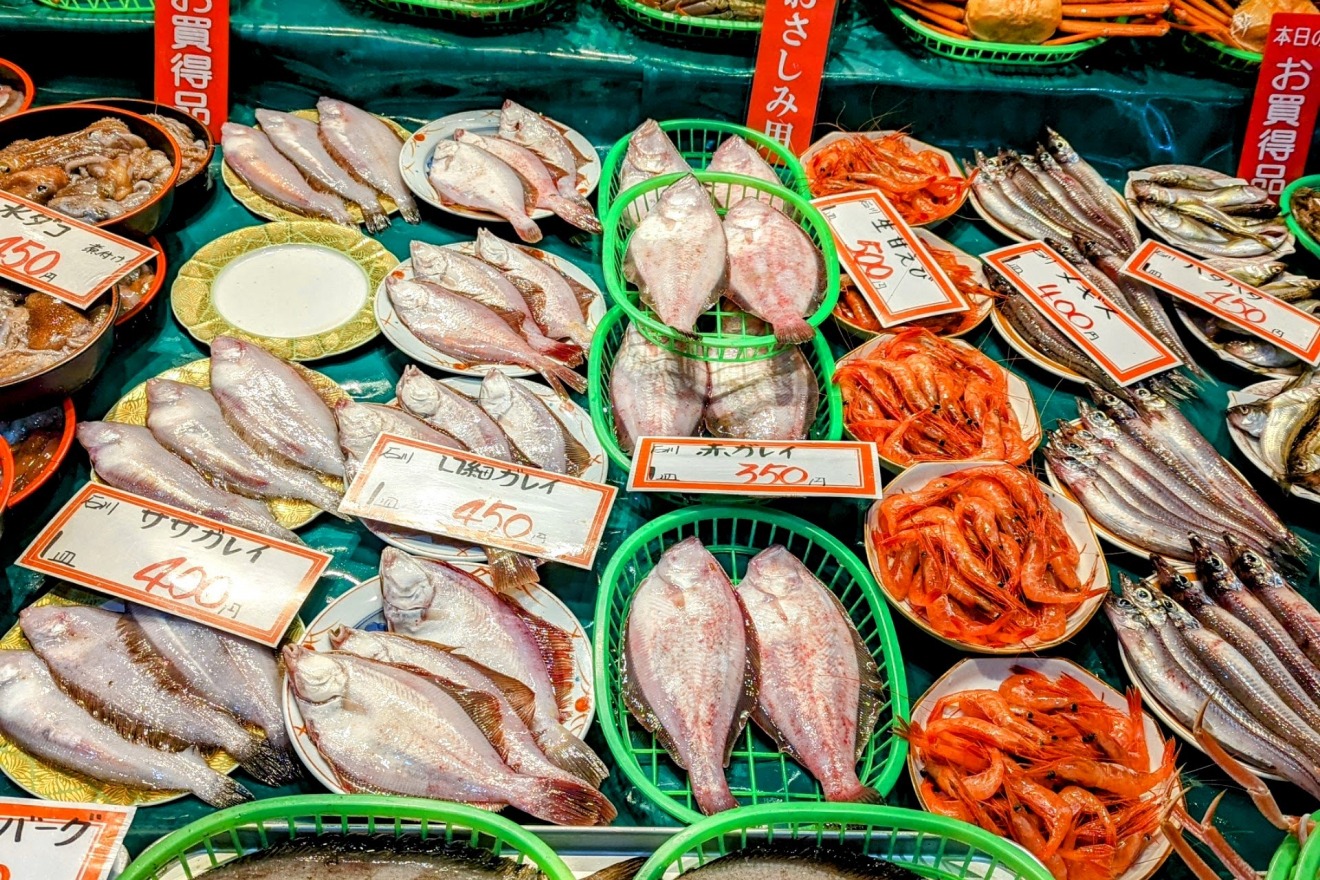
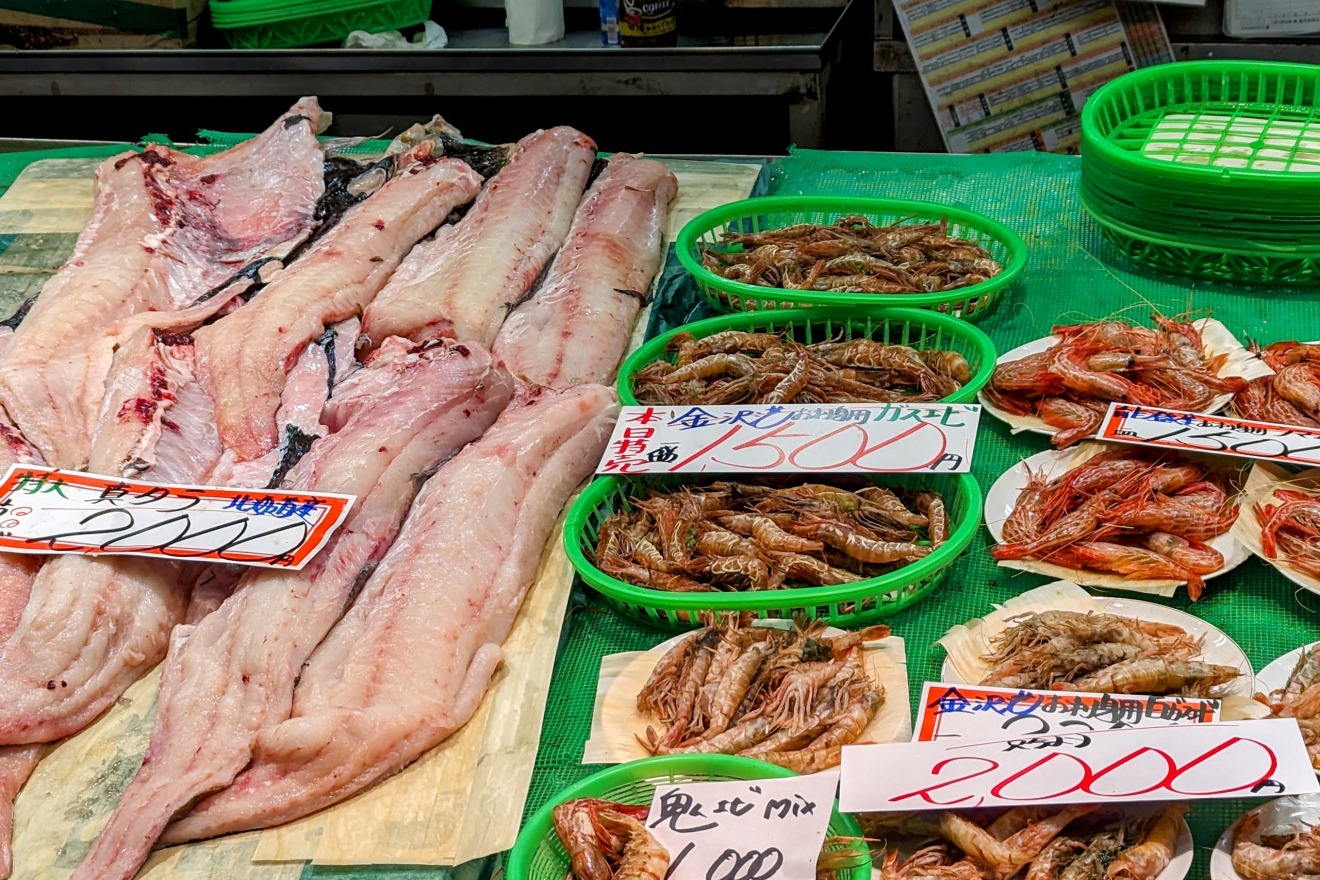
Fresh Seafood from the Northern Seas
Fish such as herring, salmon, and cod were transported from Hokkaido by the Kitamae ships—varieties that were previously uncommon in the Hokuriku region. Their introduction added vibrant new flavors to Kanazawa’s cuisine, dramatically enriching the local diet.
Preserving the Harvest – Salted and Dried Foods
To survive long voyages, seafood had to be preserved through salting and drying. These techniques not only ensured safe transport but also became part of Kanazawa’s culinary tradition. Today, you can still enjoy winter delicacies like kabura-zushi (turnip pickled with fish) and nukazuke (vegetables fermented in rice bran), which carry on the wisdom of these preservation methods.
▶The Rise of Kombu Dashi (Kelp Broth)
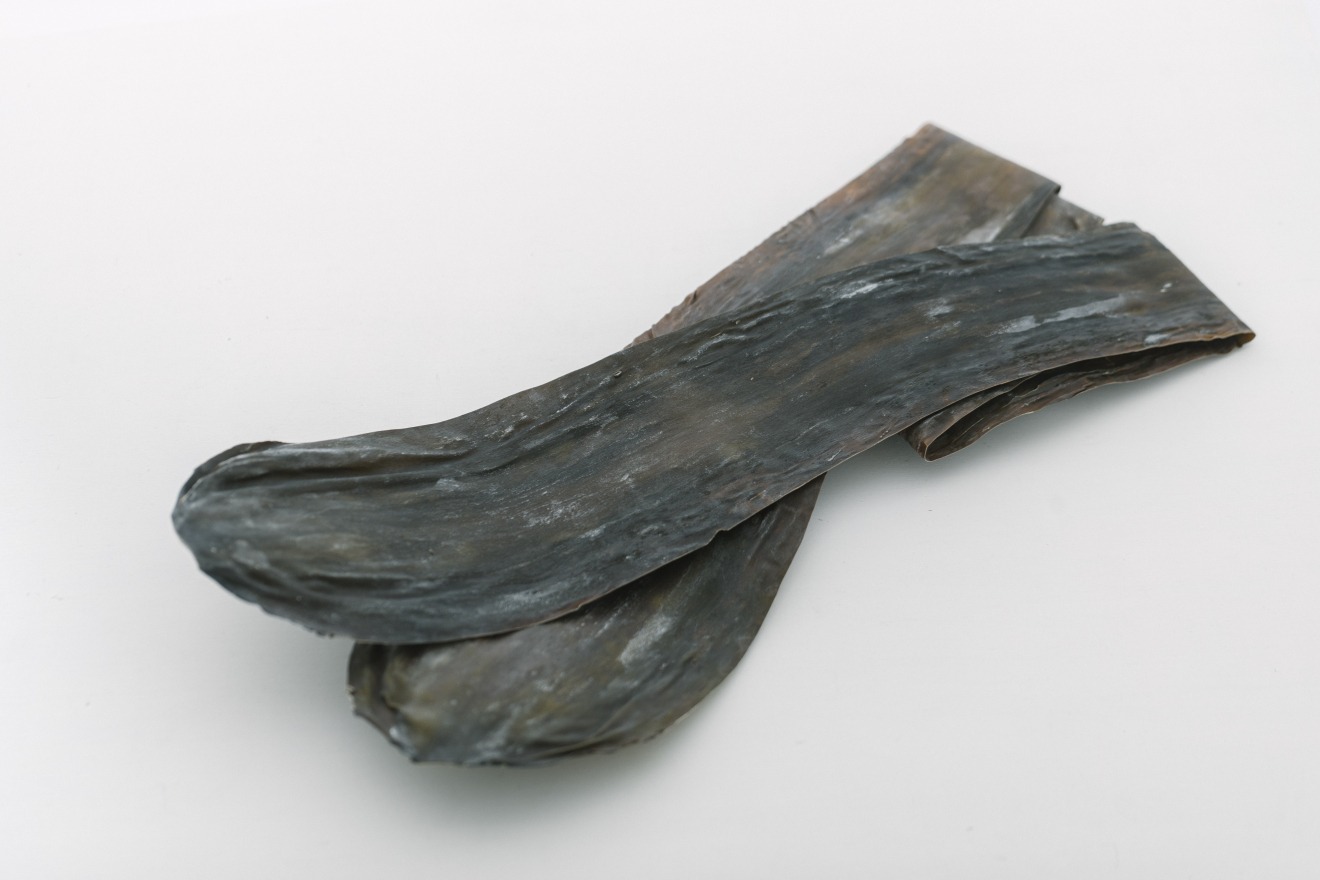
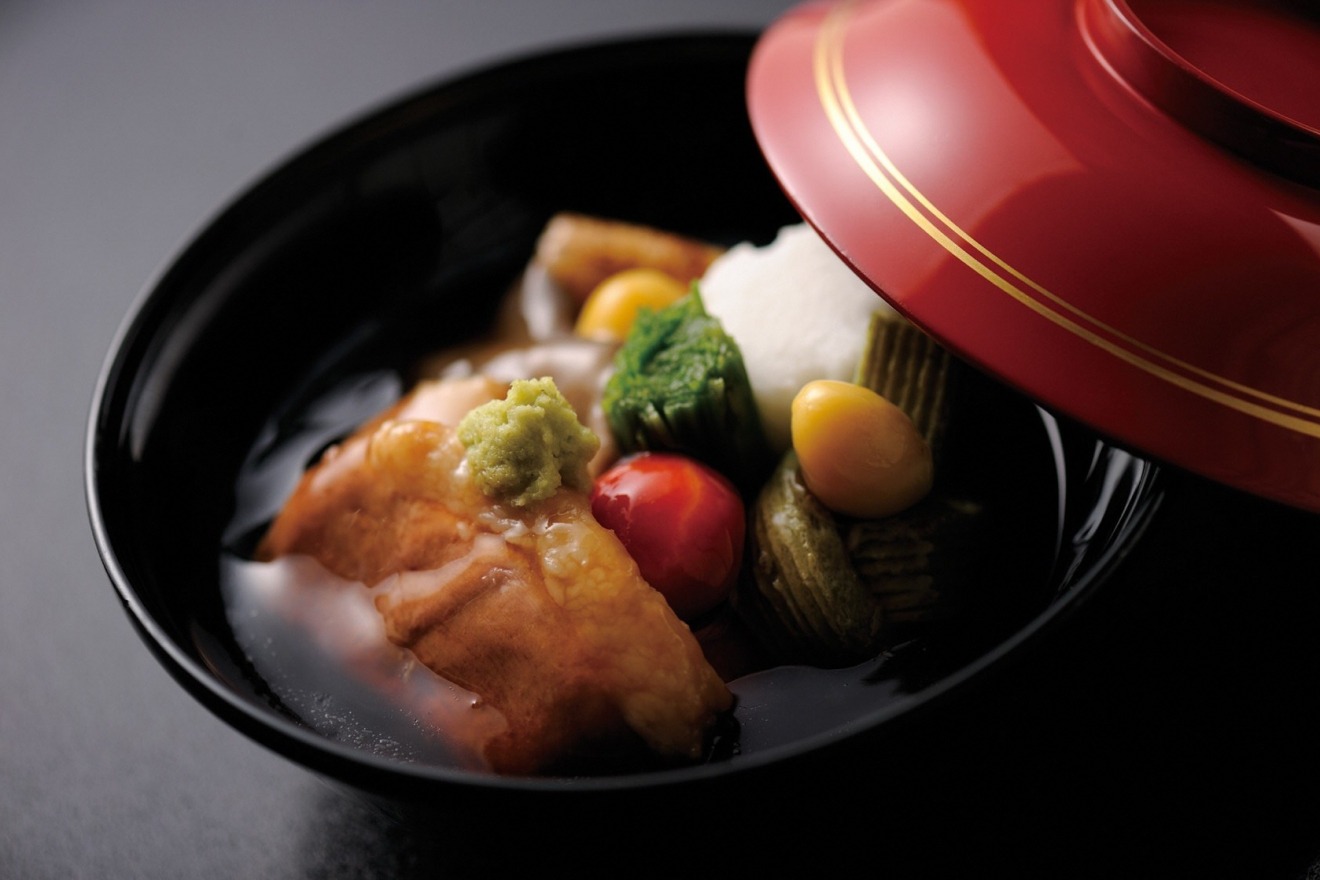
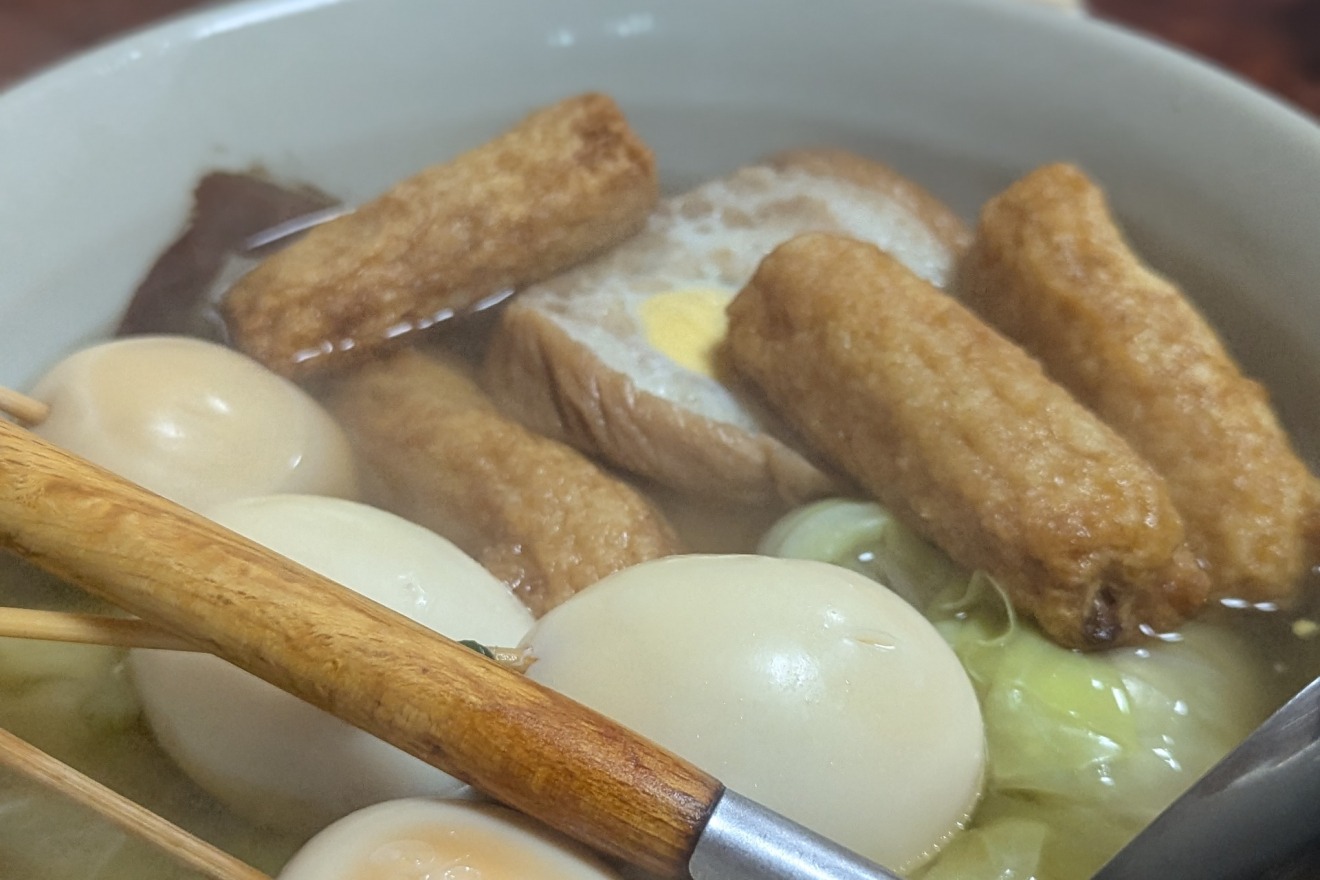
Hokkaido’s kelp, brought in large quantities by the Kitamae-bune, transformed Kanazawa’s cuisine. The rich umami of kombu (kelp), combined with soy sauce, became the foundation of many local dishes, adding depth and subtlety to flavors.
Influence on Local Cuisine
Kombu dashi (kelp broth) has become an essential element in defining the flavors of Kanazawa’s local cuisine, including dishes like kabura-zushi (fermented dish consists of turnip slices stuffed with salted fish), and herring preparations. These dishes are further enriched by the deep umami developed through fermentation, giving them a distinctive taste.
For example, Kanazawa’s jibuni (a simmered dish of duck or chicken) and simmered Kaga vegetables are characterized by a rich kombu-based broth. In jibuni, meat or fish is simmered in kombu dashi and seasoned with soy sauce and mirin, with the kombu providing the flavor foundation, while the umami from fermented seasonings adds further depth.
Kombu is also used in Kanazawa-style oden. Compared to oden in other regions, Kanazawa’s version places particular emphasis on kombu dashi, and the deep umami from fermented ingredients seeps into the various components, creating the uniquely rich taste of Kanazawa oden.
▶The Evolution of Flavor Through Seasonings
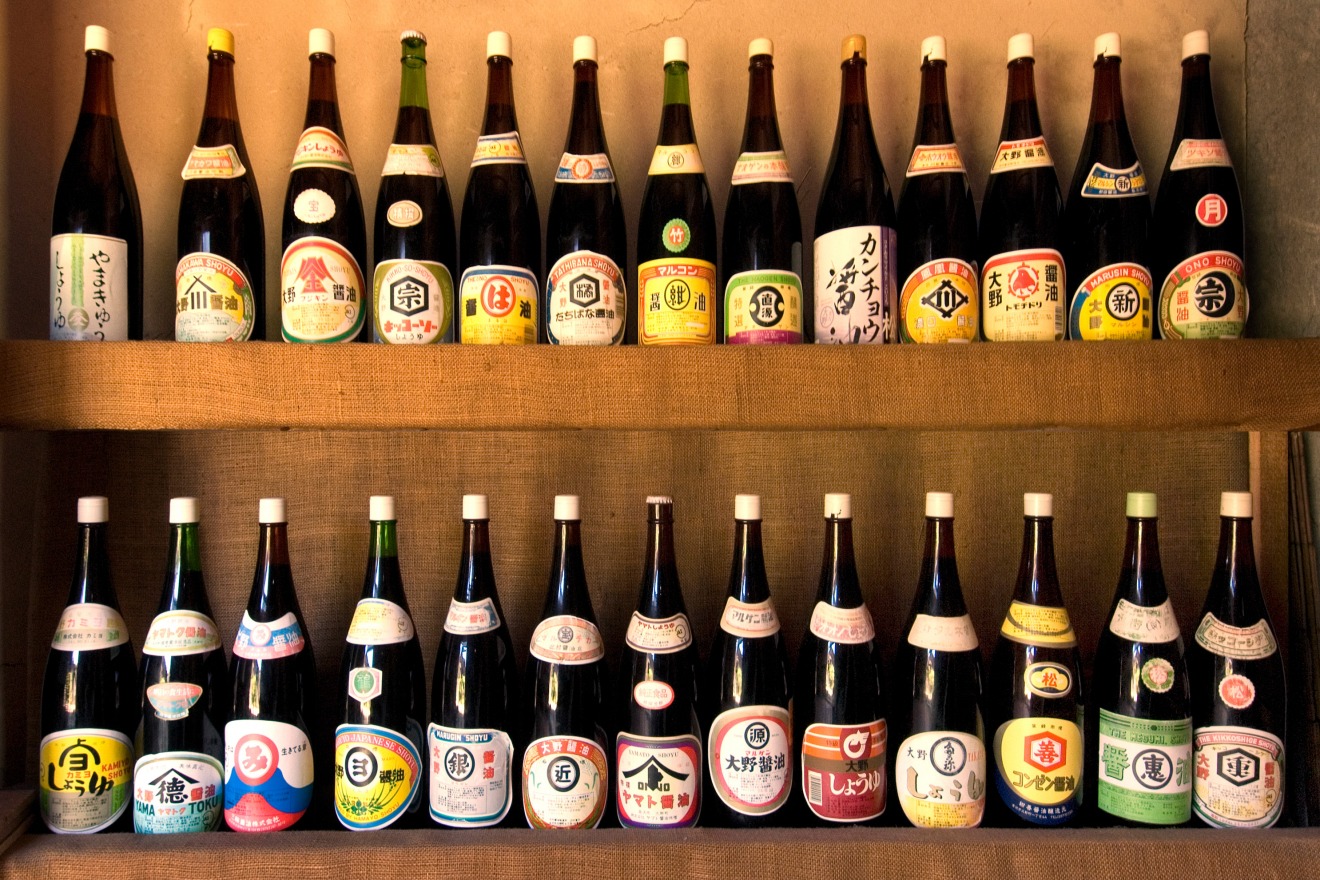
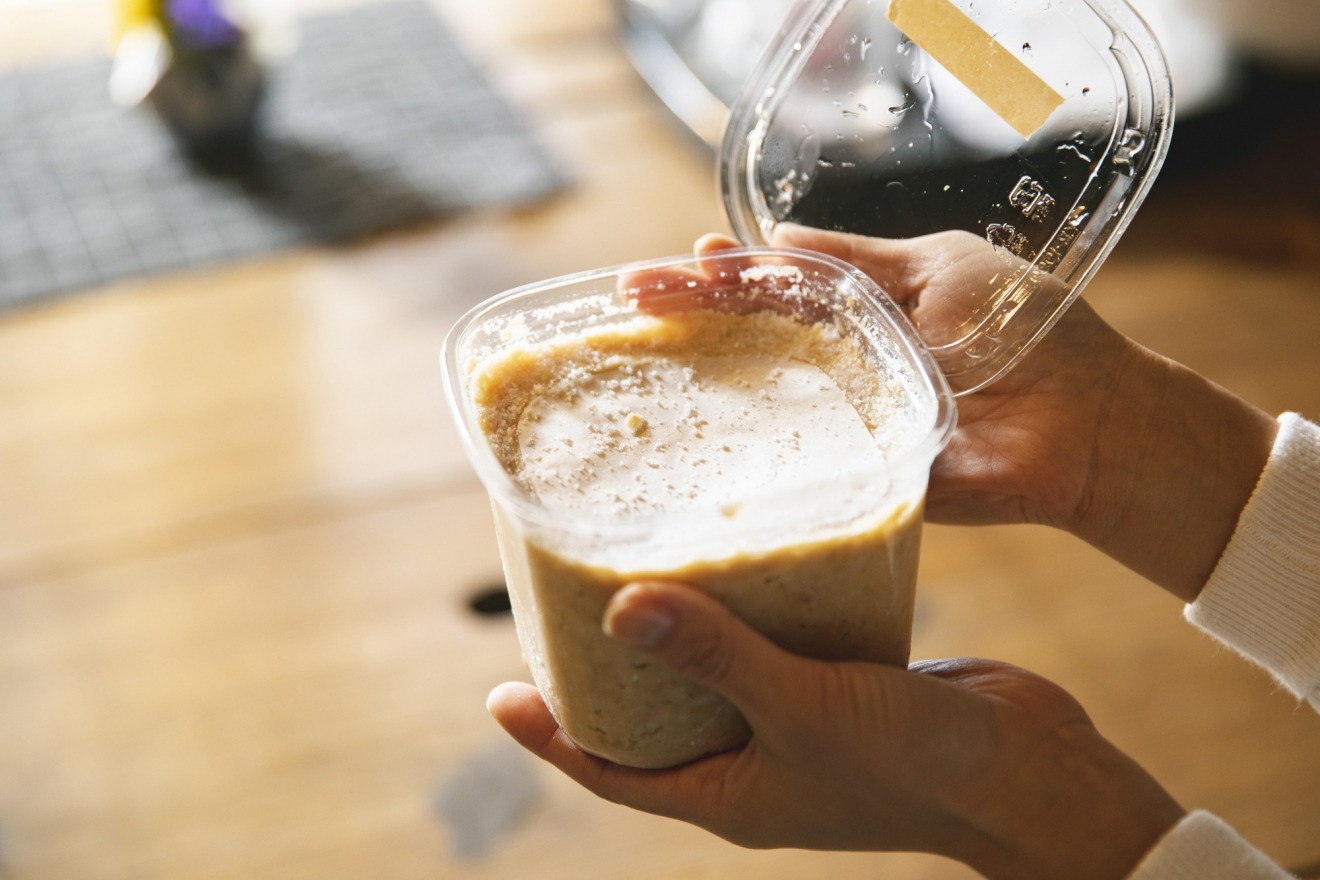
Kitamae-bune did not just bring new ingredients to Kanazawa; it also played a major role in the development of seasoning culture.
The Rise of Soy Sauce
The foundation of Kanazawa’s seasoning culture was laid under the patronage of MAEDA Toshitsune, the 3rd lord of the Kaga Domain, who encouraged the production of soy sauce. He instructed Naoeya, a merchant in the Ono district, to learn soy sauce brewing techniques, marking the beginning of soy sauce production in Kanazawa. Kitamae-bune facilitated the transport of key raw materials, such as barley, soybeans, and salt from the Noto region, and the soy sauce produced in Ono was distributed across Japan using these ships.
Thanks to the Kitamae-bune trade, soy sauce production in the Ono district rapidly expanded. At its peak, over 60 soy sauce breweries operated in Ono, earning the area recognition as one of Japan’s “Five Great Soy Sauce Producing Regions.” Kanazawa soy sauce is known for its mild, slightly sweet flavor, which gives local dishes their distinctive taste.
Diversification of Cooking Techniques
Kitamae-bune also introduced other seasonings such as sugar and vinegar, which further enriched Kanazawa’s cuisine. Incorporating these new seasonings brought deeper, more complex flavors, elevating the local food culture. With the arrival of new ingredients and seasonings, a wide variety of cooking methods—such as simmering, grilling, and frying—developed, creating the unique taste that defines Kanazawa cuisine today.
▶Cultural Exchange and the Formation of Kaga Cuisine
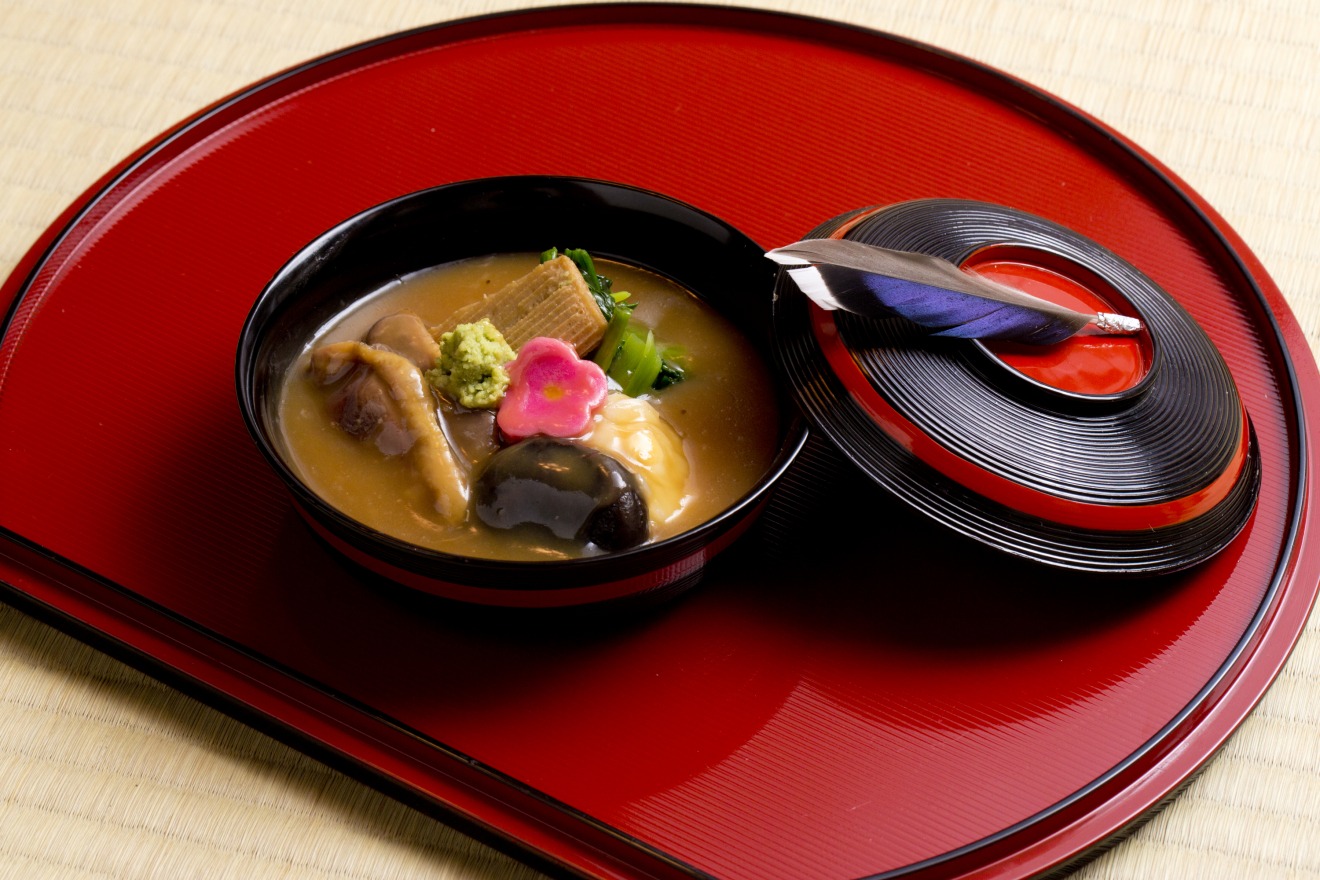
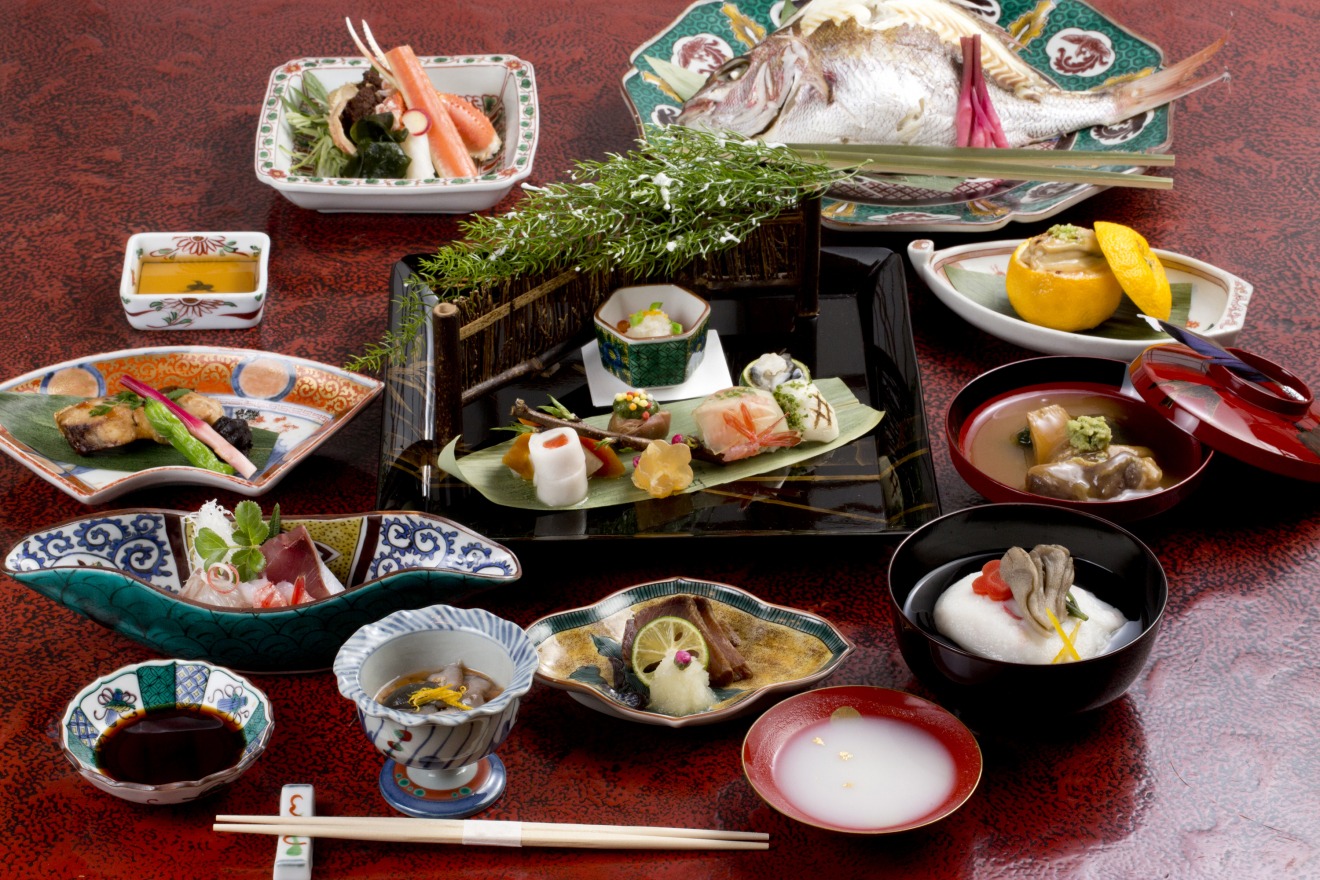
Beyond ingredients and seasonings, Kitamae-bune brought culinary traditions from other regions. Local chefs adapted these techniques and ingredients to the Kanazawa environment, resulting in the evolution of Kaga cuisine. This regional cuisine emphasizes the natural flavors of ingredients through delicate preparation and skillful use of seasonings, embodying the city’s history and rich culinary heritage.
▶Experience the Kitamae-bune Culture in/outside of Kanazawa
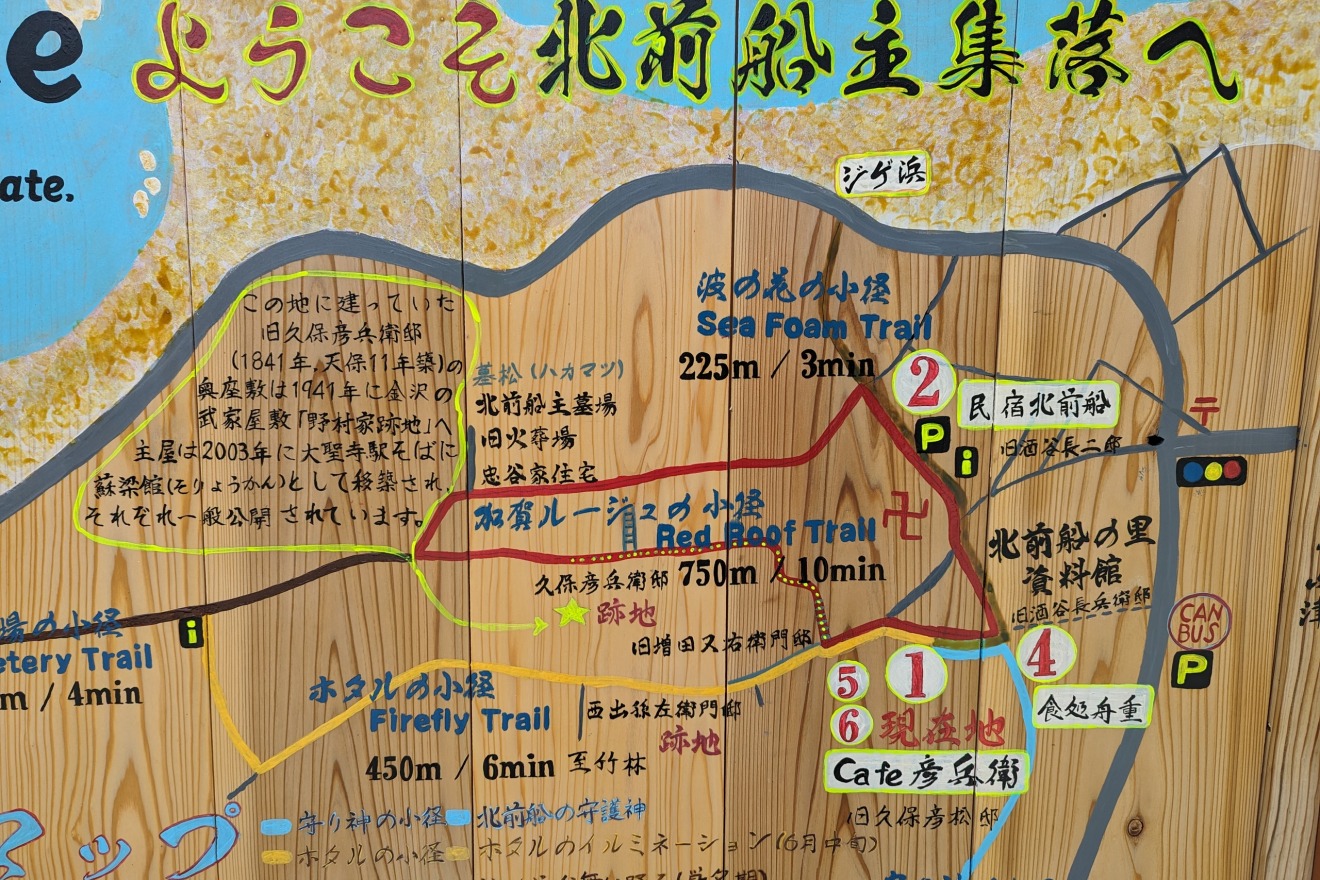
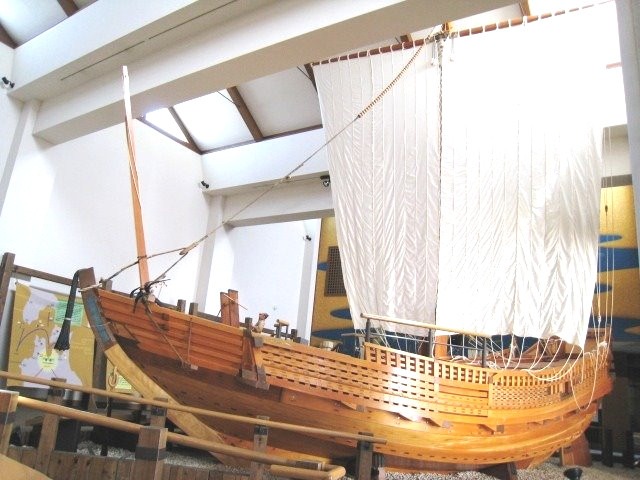
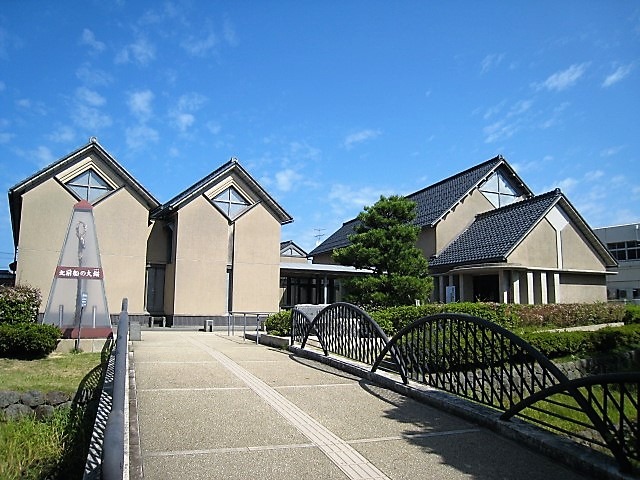
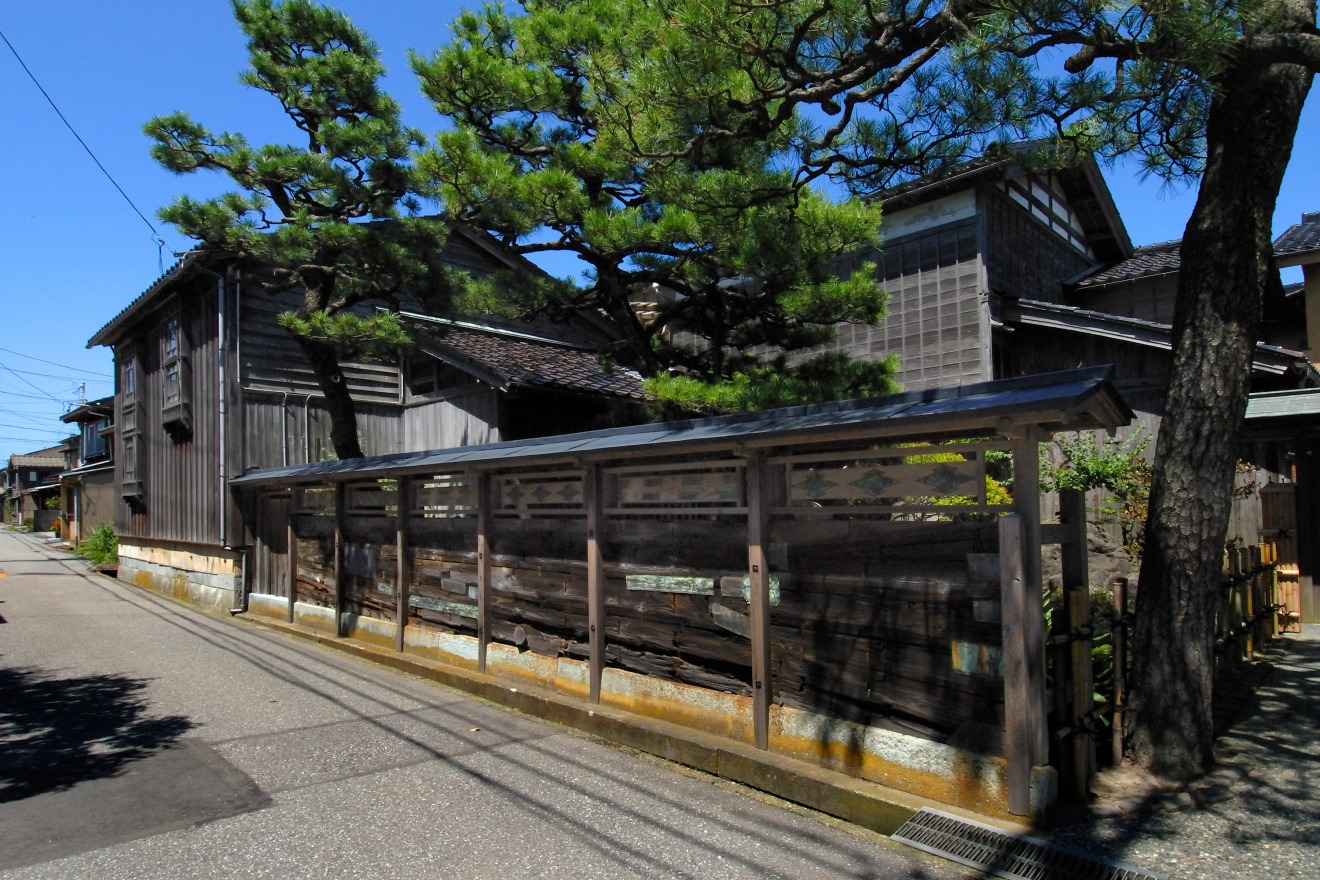
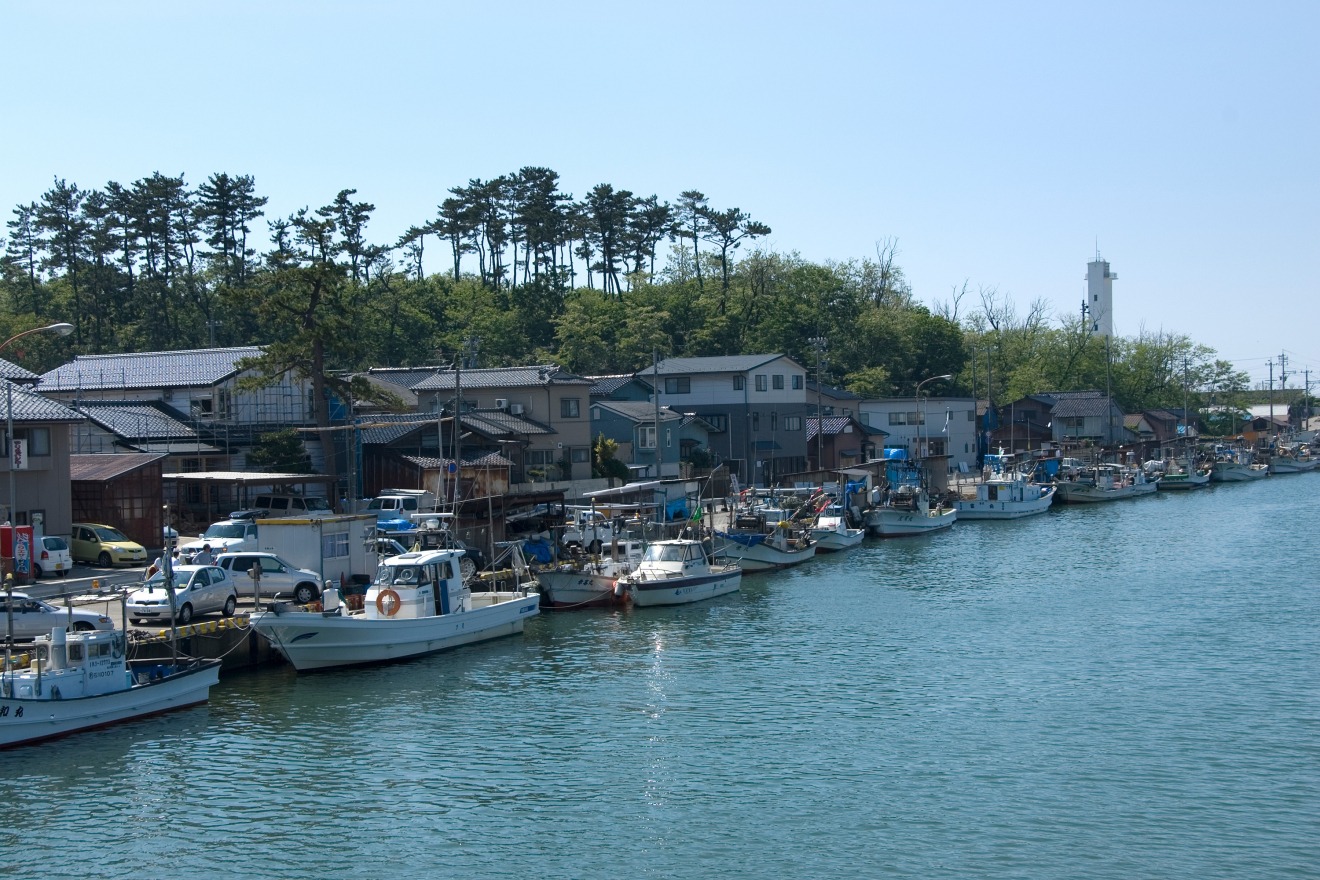
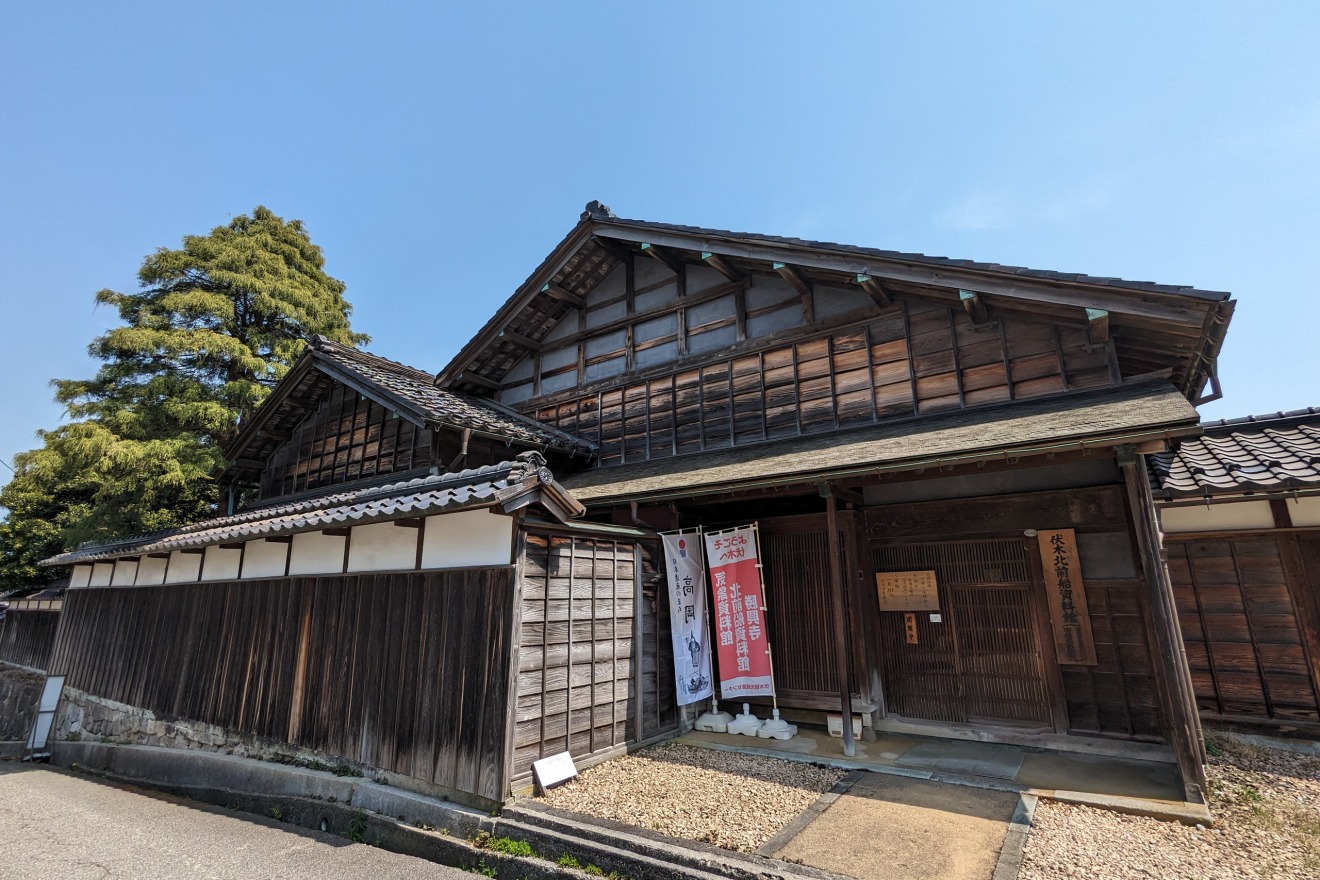
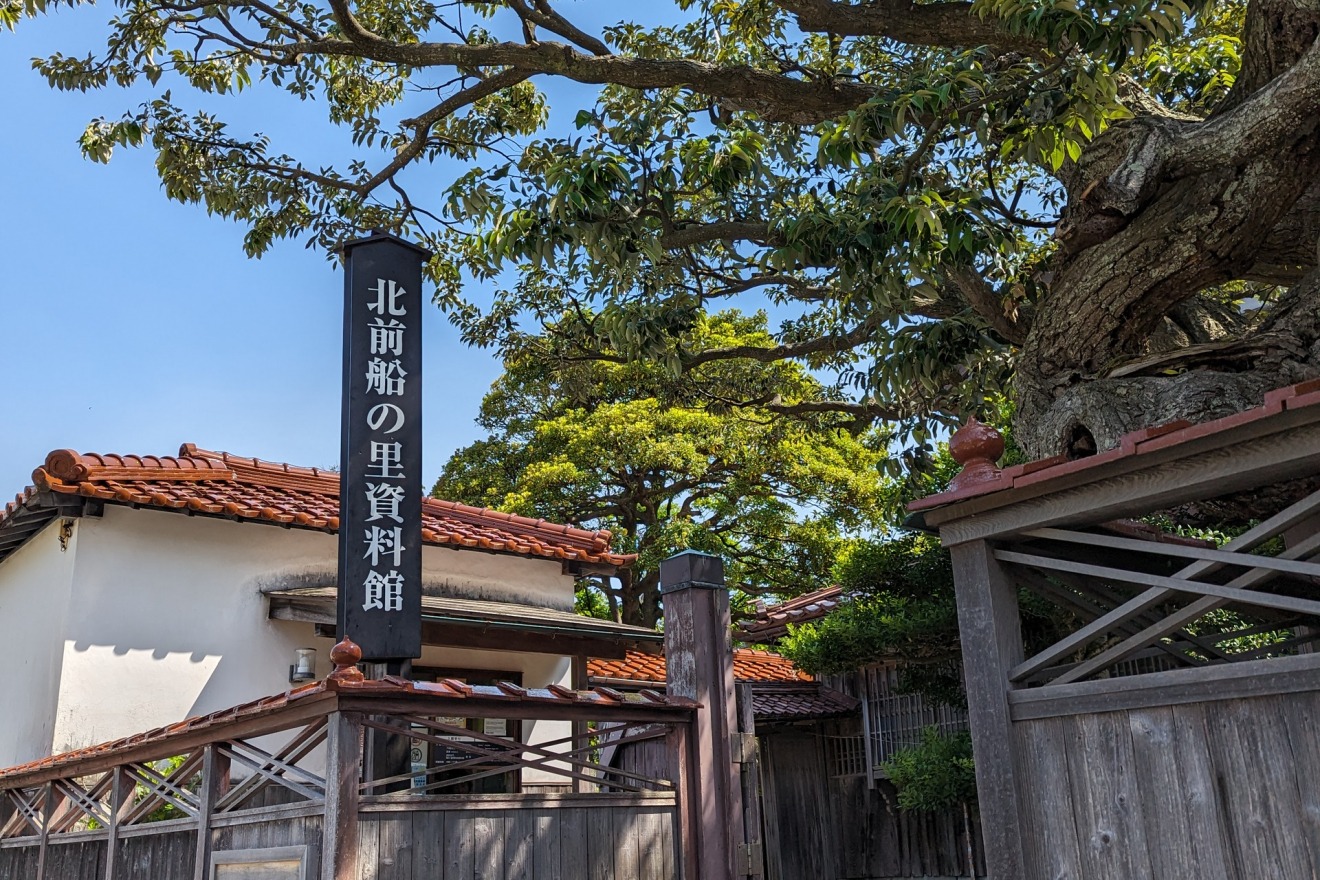
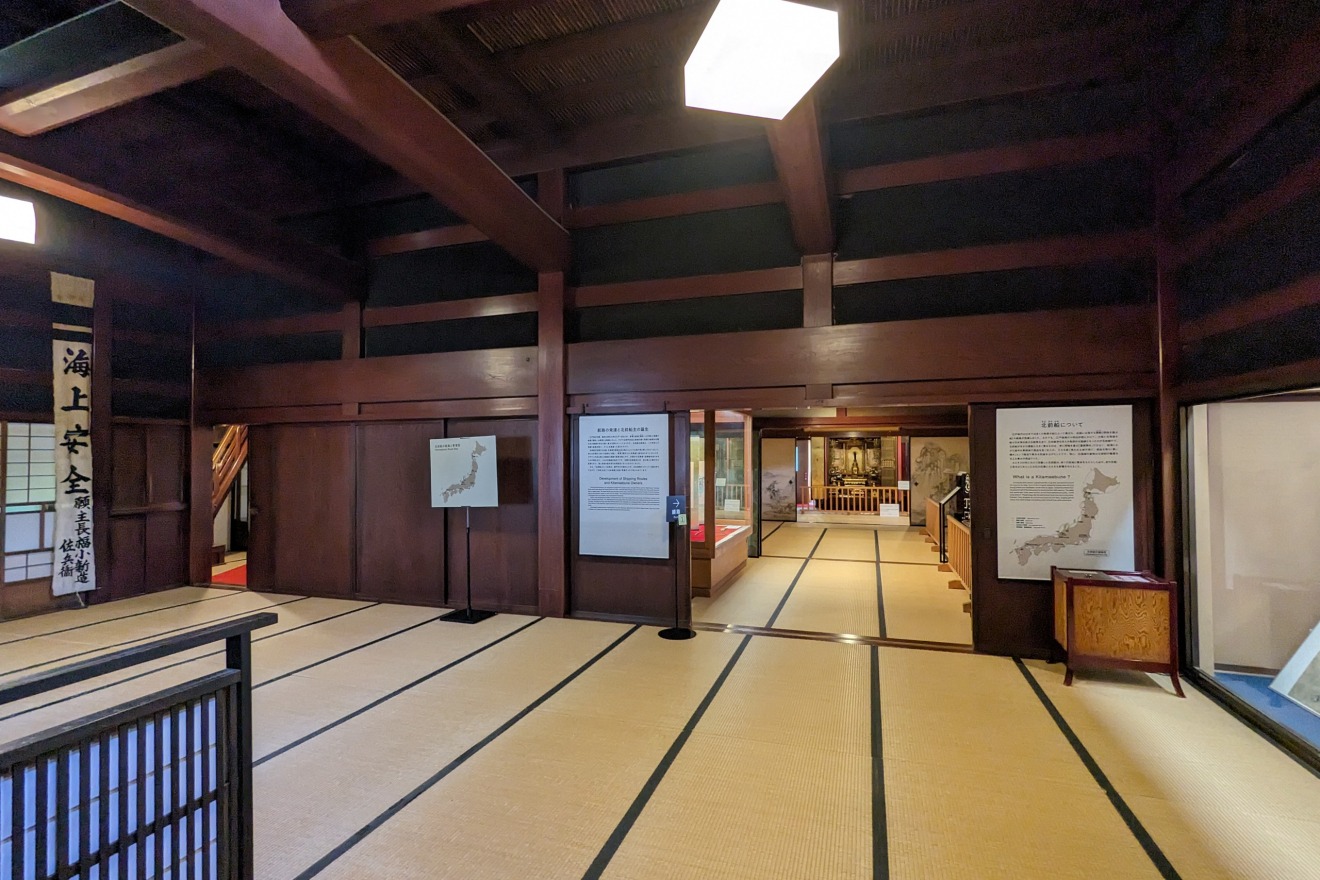
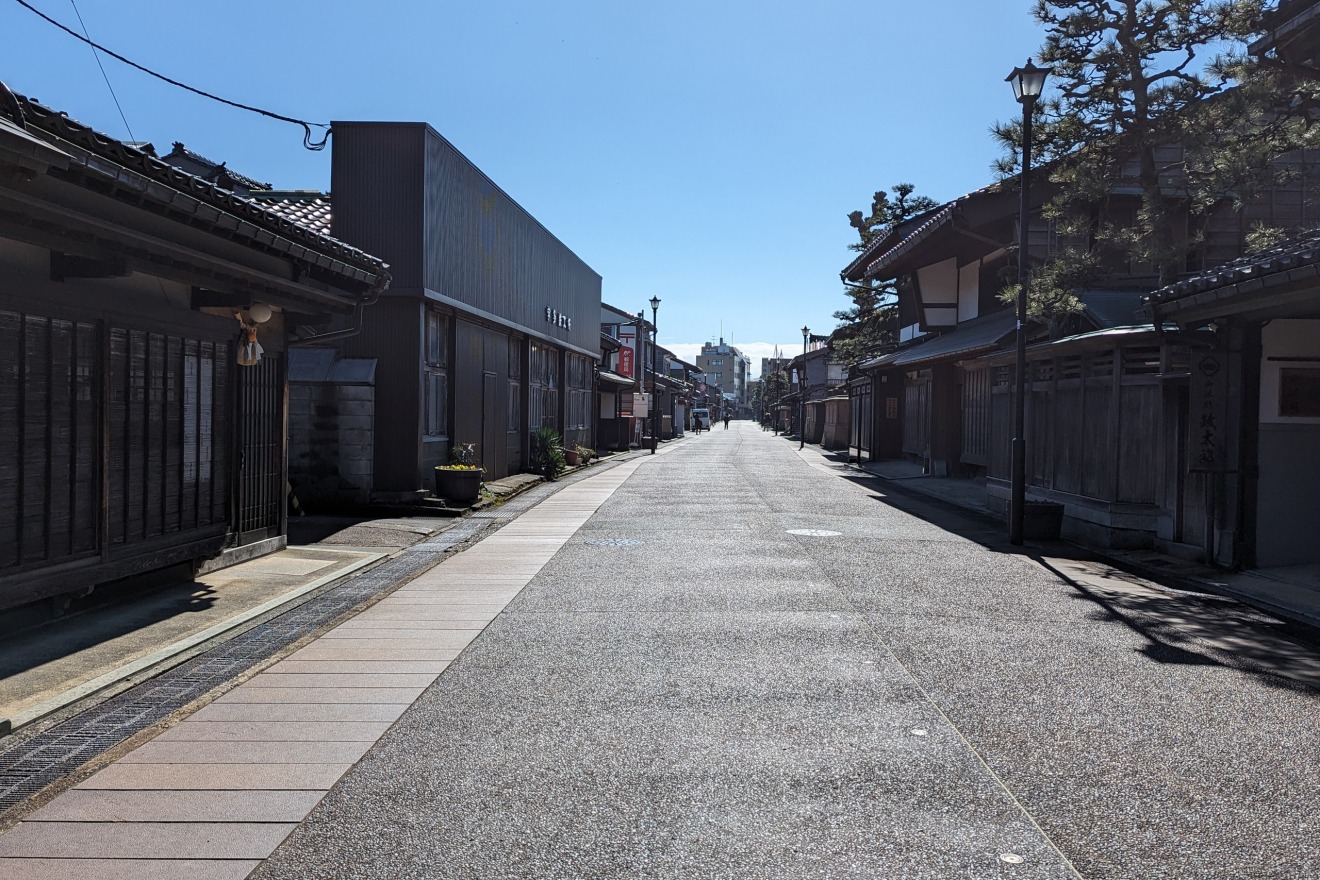
Kanazawa and its surrounding areas still preserve sites connected to the Kitamae-bune. Visitors can explore these historic spots to learn about the lives and culture of wealthy merchants who once thrived here.
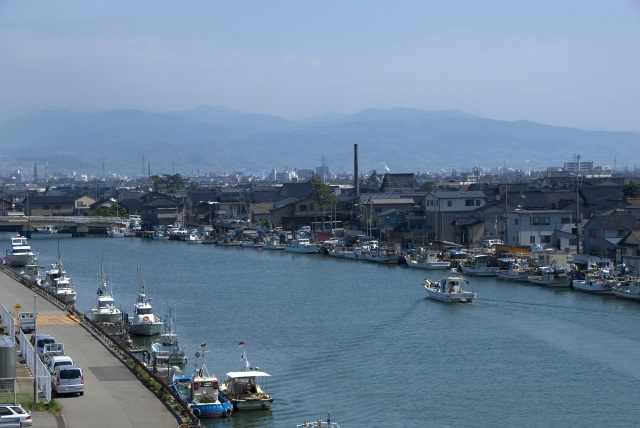
Kanaiwa & Ono Districts (Approx. 15 minutes by car from Kanazawa Station)
This port area was home to prosperous merchants like Zen’iya Gohei, who built immense fortunes through Kitamae shipping. Today, you can visit the Zen’iya Gohei Memorial Museum and walk through streets that retain the historical atmosphere.
Highlights:
Soy Sauce Town: Tour factories like Yamato Soy Sauce & Miso and Naogen Soy Sauce to see traditional production methods.
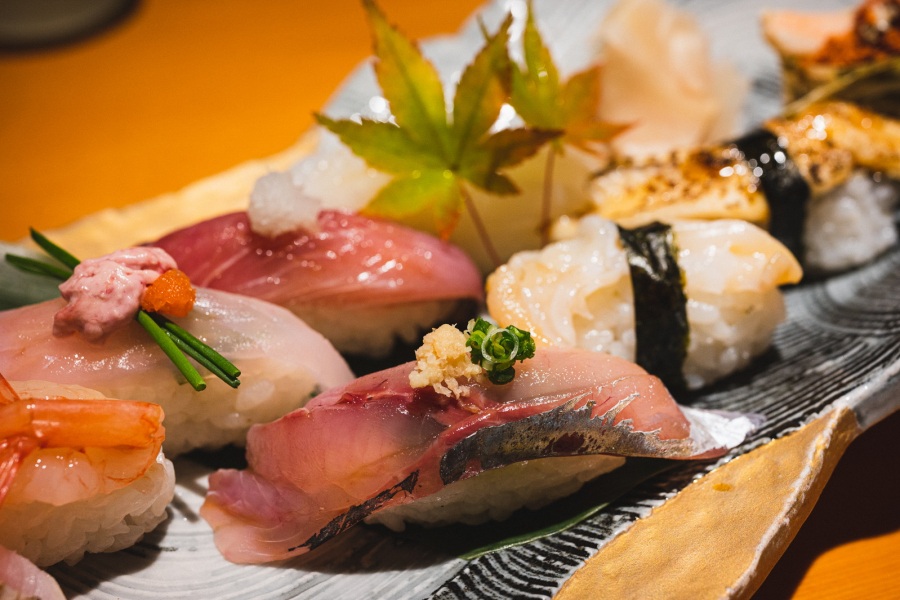
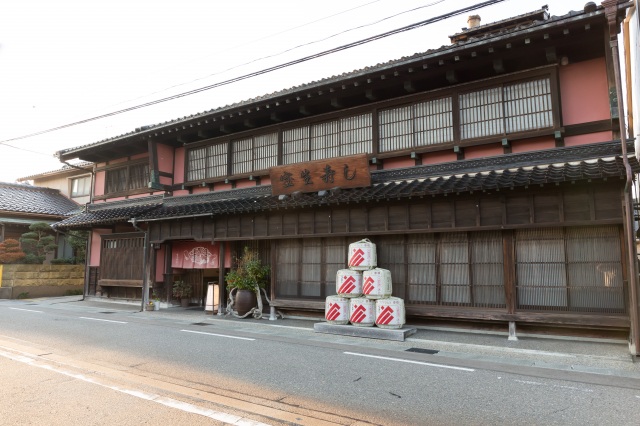
Hōshō Sushi : Enjoy fresh, locally caught seafood prepared with kombu broth in a former Kitamae shipping house, featuring traditional architectural details like latticed windows, white plaster, and vermilion walls.
Ono Minato Shrine: A site where shipowners once prayed for safe voyages, with historic torii gates, lanterns, and guardian statues.
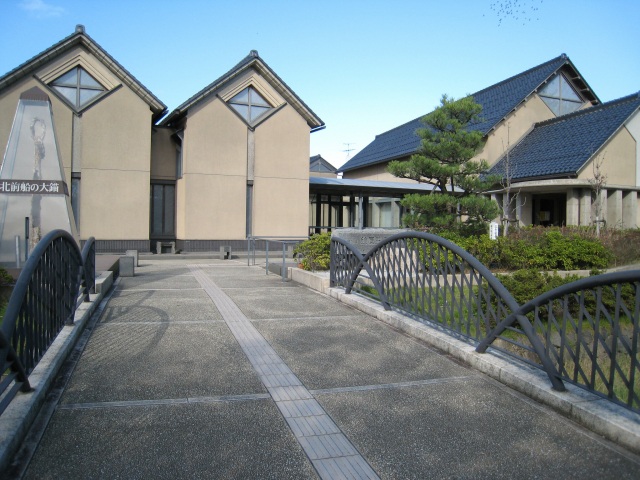
Ishikawa Prefectural Zeniya Gohei Memorial Museum : Learn about the life of this wealthy merchant and the role of Kitamae ships in trade.
Hashidate, Kaga City – Kitamae-bune Museum (Approx. 1 hour by car from Kanazawa Station)
The Hashidate district, once nicknamed “Japan’s richest village,” houses the Kitamae Ship Museum, showcasing a range of artifacts from the Kitamae era. The surrounding streets are part of a designated preservation district, allowing visitors to stroll through the atmosphere of its prosperous past.
Iwase District, Toyama City (Approx. 1 hour 10 minutes by car from Kanazawa Station)
The historic port area of Iwase was another important hub for Kitamae shipping. Traditional merchant houses and warehouses line the streets, creating a picturesque environment perfect for leisurely walks. In recent years, restaurants featured in the Michelin Guide have opened here, attracting food enthusiasts from around the world.
The Kitamaebune ships did more than simply transport goods—they brought a rich culinary culture to Kanazawa. From local dishes flavored with kombu (kelp) broth, to the famous Ono soy sauce, and the wisdom of preserved foods, all these influences came together to shape Kanazawa into the “Gourmet City” it is today.
On your journey, why not visit the historic port towns connected to the Kitamaebune and taste the history that continues to enrich Kanazawa’s dining table?
- Yamato Soy sauce & Miso Co.,Ltd.
-
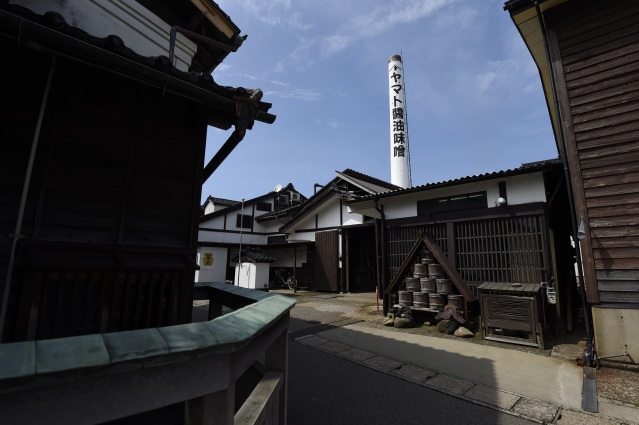
- You can see, feel, and enjoy fermented foods!
- more
- Ishikawa Prefectual Kanazawa Port Ono KARAKURI Memorial Museum
-
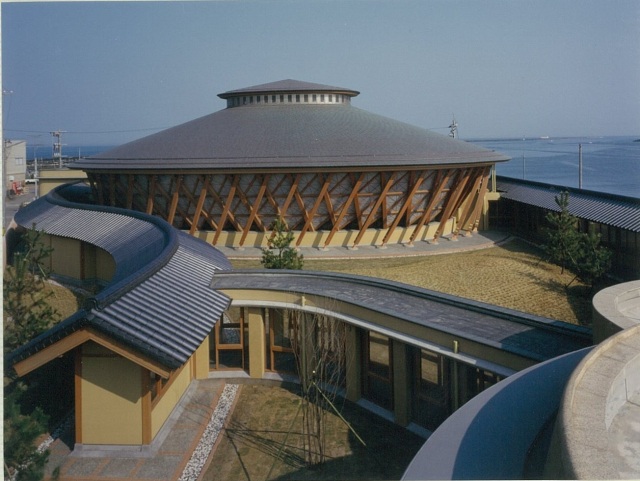
- A Hands-On Karakuri Experience Museum
- more
- Kanaiwa Ono Area
-
- more
- Ishikawa Prefectural Zeniya Gohei Memorial Museum / The House of Zenigo
-
- more
- Hosho Sushi
-
- more