For You, Drawn to Kanazawa.
Why do so many people find their way to Kanazawa?
We believe it's not just the attractions that draw them in, but the rich everyday lives of the people who live here.
Help us preserve the everyday scenes we have cherished for generations.
Such warm consideration will continue to refine and elevate this city.
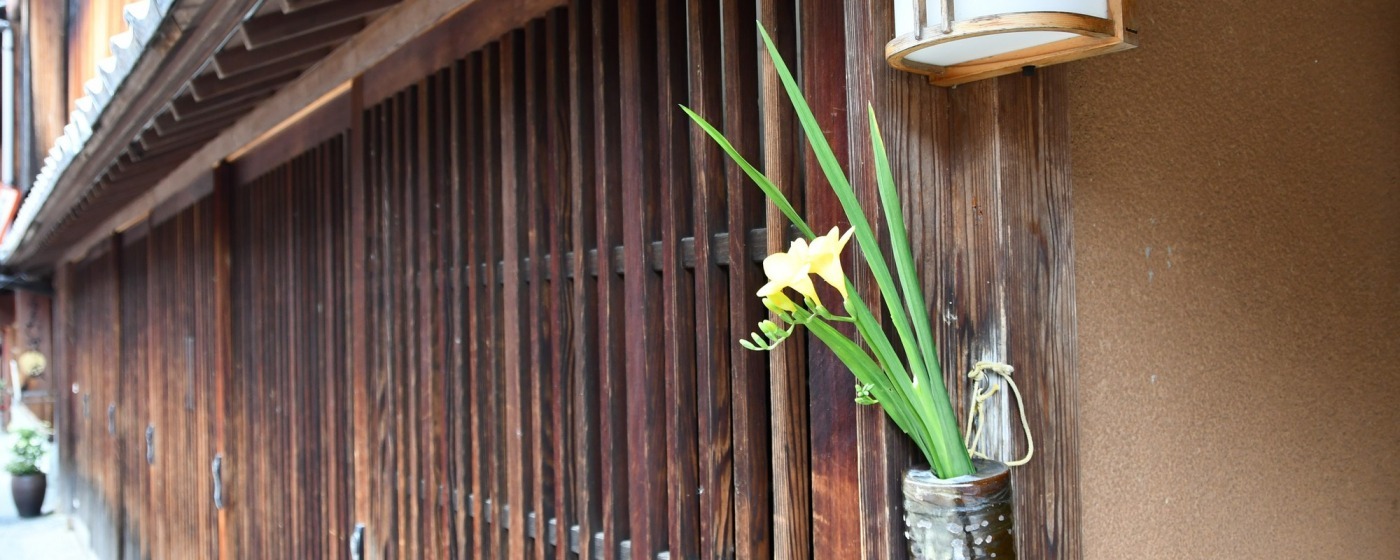
The castle town of Kaga-hyakumangoku, a legacy preserved by the effort and care of its residents across centuries
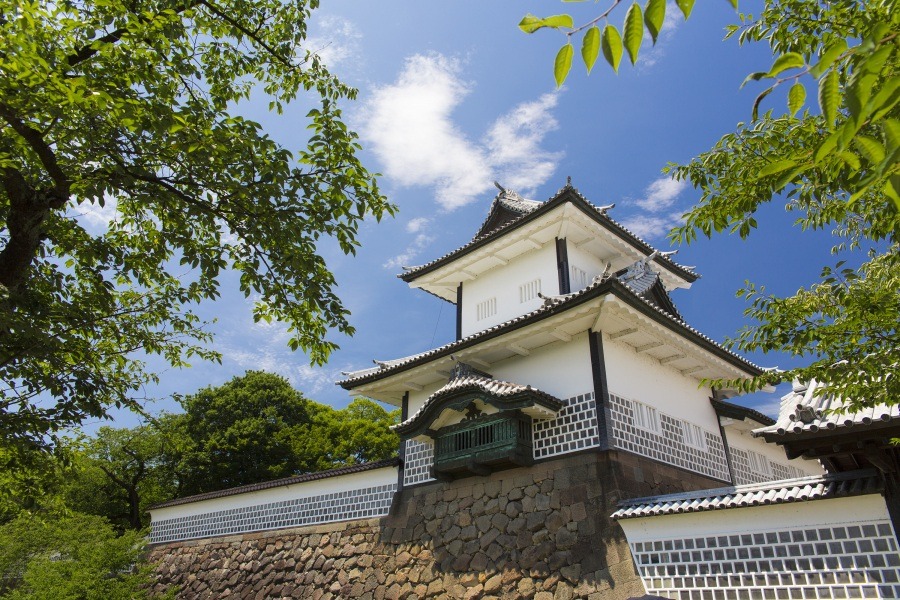
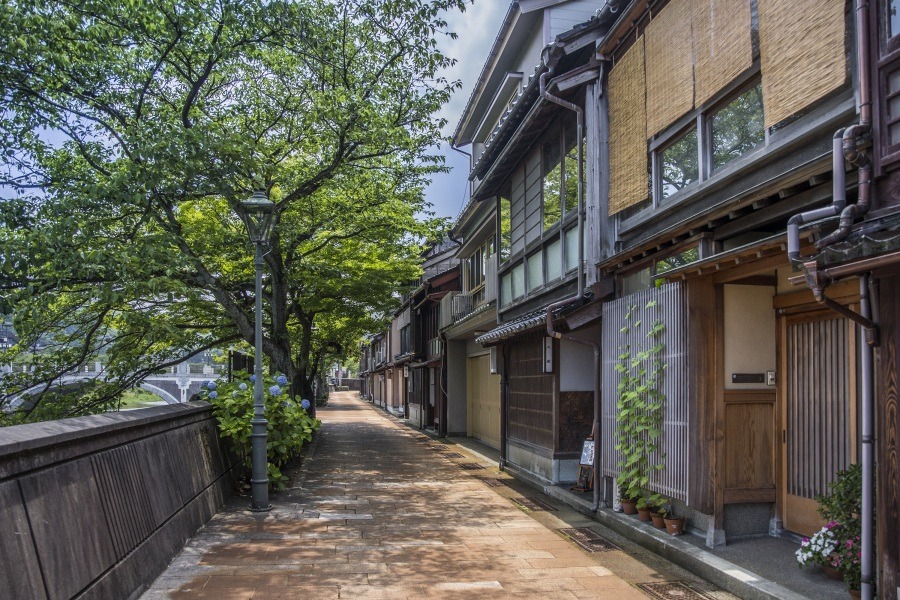
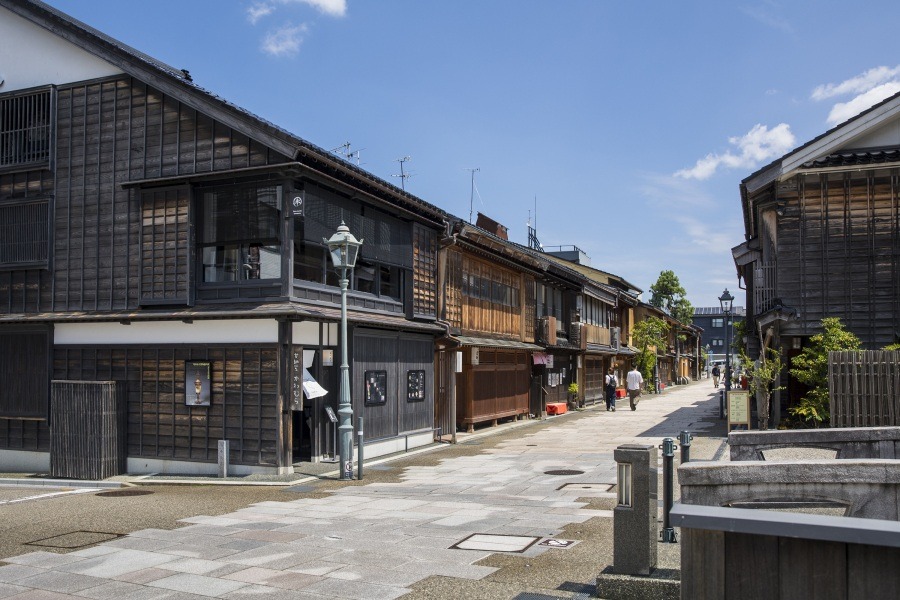
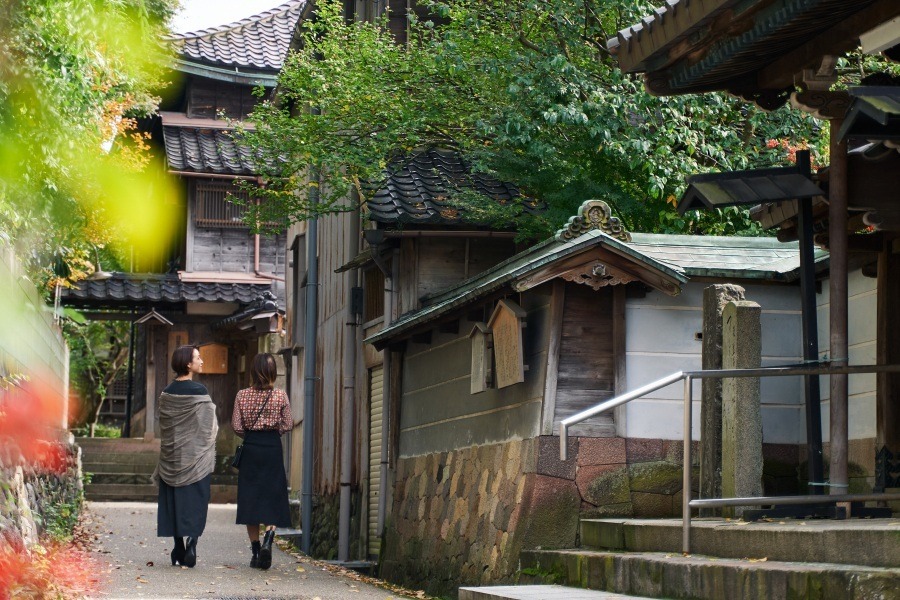
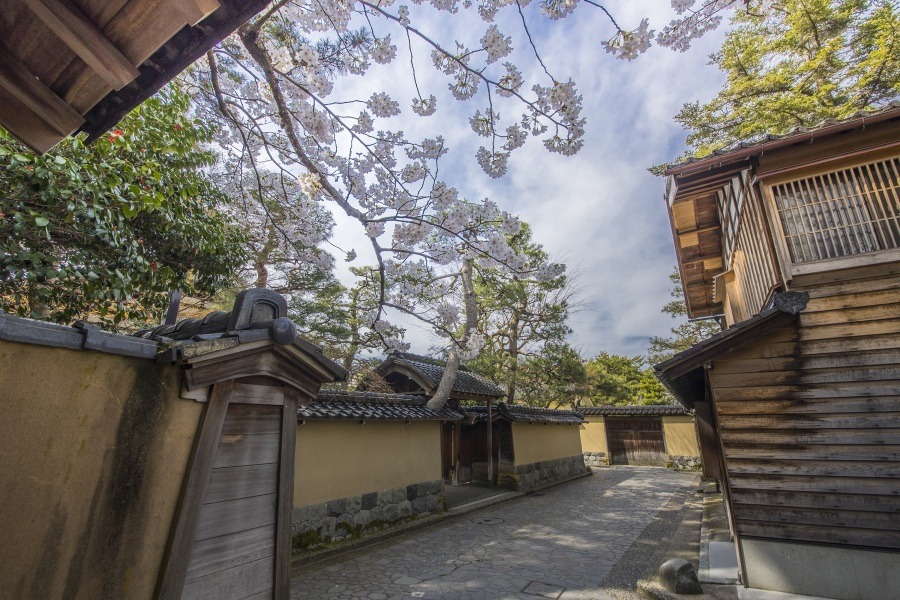
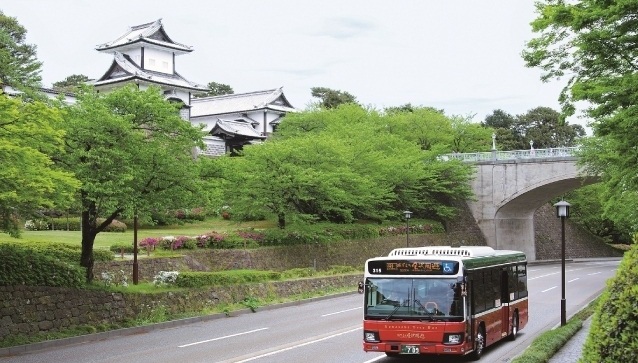
Kanazawa prospered as a castle town during the feudal period from the 12th to the 16th century when Japan was run by a patchwork of feudal lords. It was known as Kaga-hyakumangoku (“Kaga of a million rice bushels”), for its wealth. Kanazawa has retained the stunning Kaga townscape, having been spared from wartime bombardment and natural disasters. It is just as vibrant today, and many are drawn to the way this legacy of centuries is honored in the daily lives of the residents.
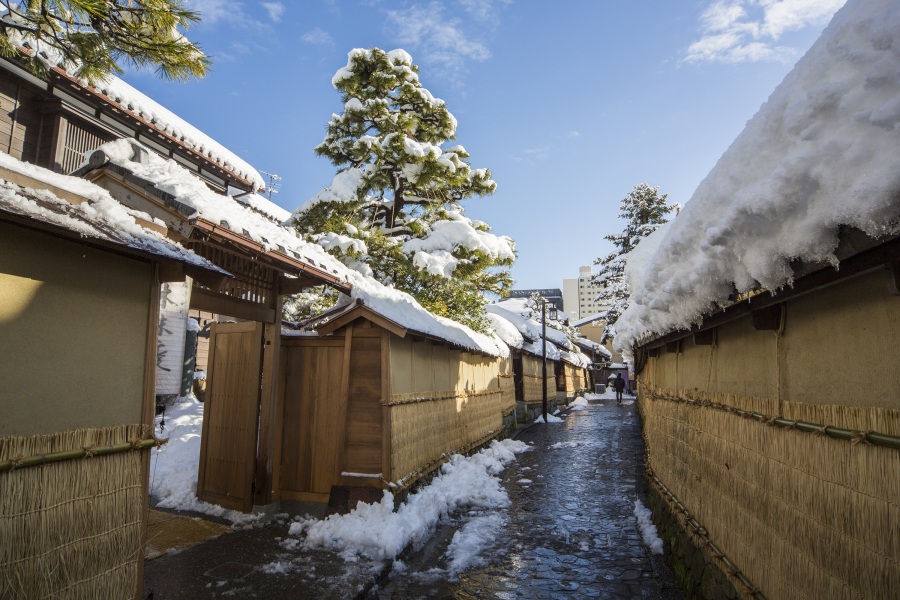
The historic buildings that remain in Kanazawa Castle Park, Nagamachi Samurai District and Chaya districts recall these origins as a feudal castle town. They sit in harmony with modern architecture to create a unique townscape. The charming views encountered when walking around Kanazawa have been preserved by those generations of Kanazawa people who cared so much their city.
Seasonally changing townscapes enlivened by ancient knowledge and techniques
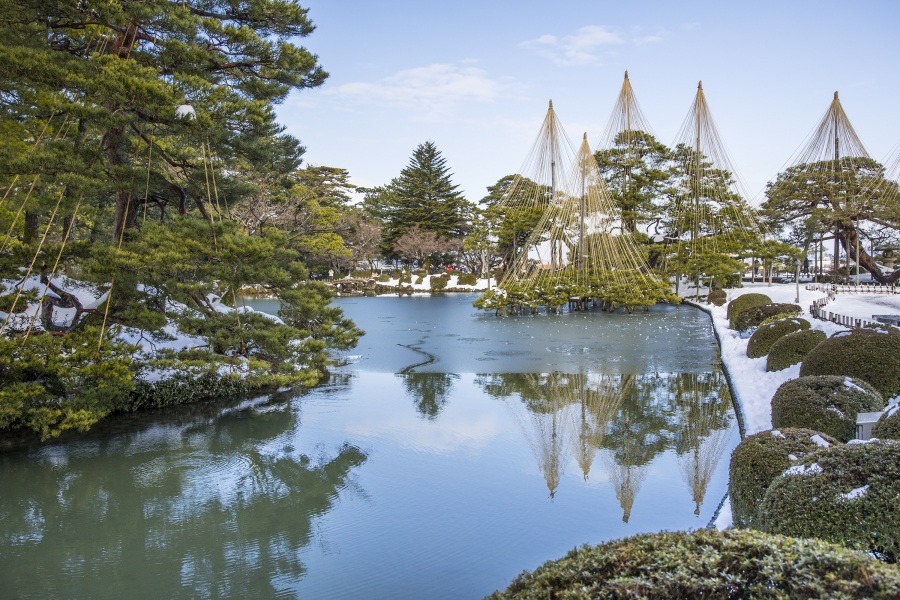
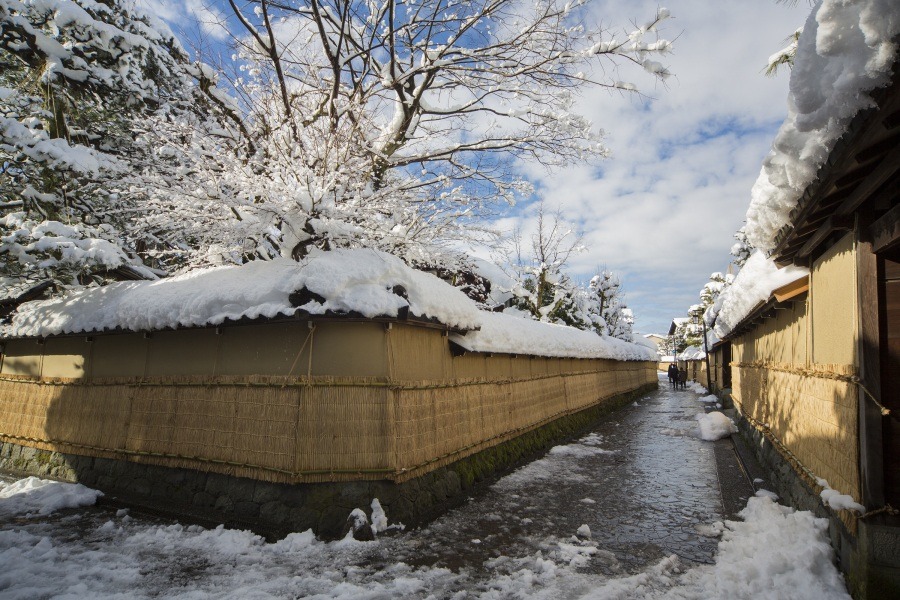
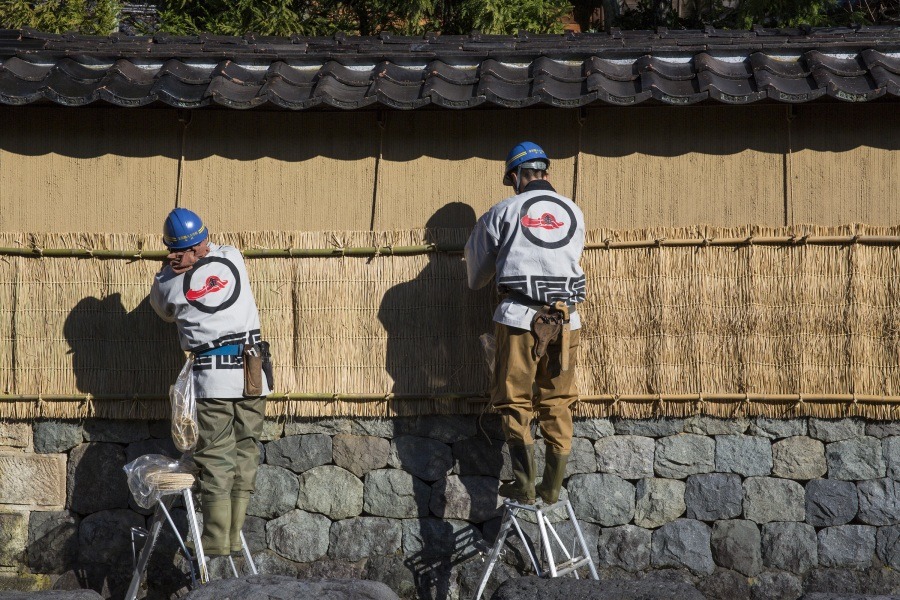
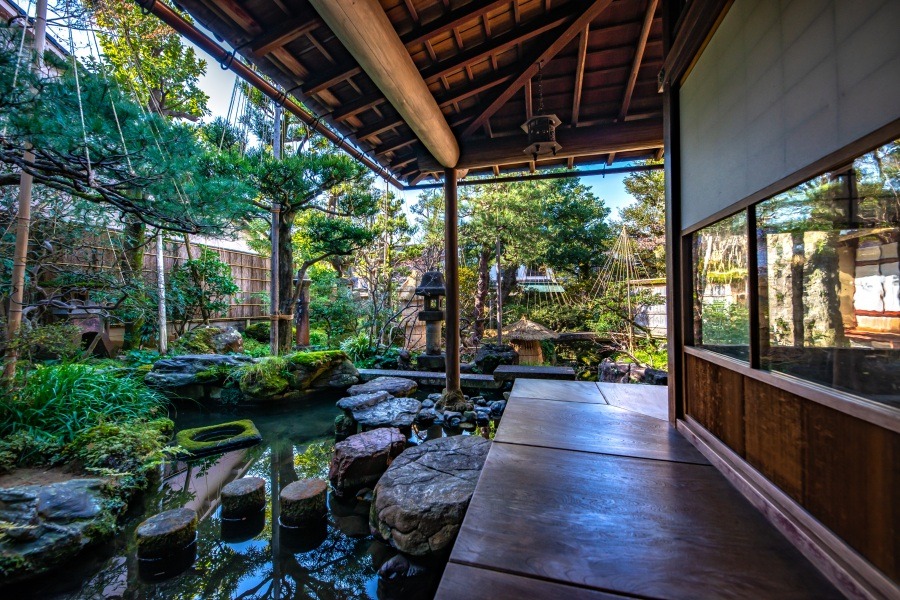
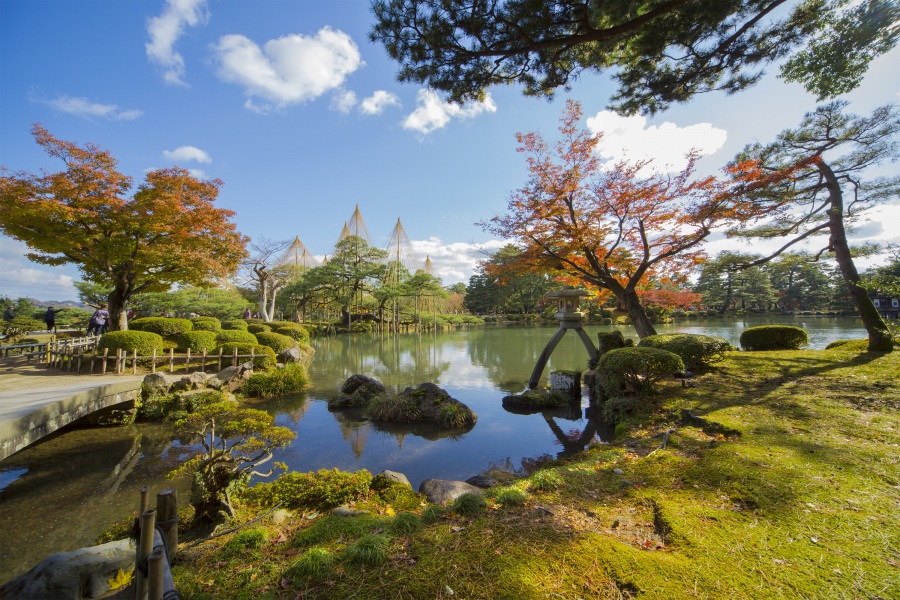
Komokake and yukitsuri are two traditional sights of Kanazawa that were born from its climate of heavy rain and snow during winter. Nagamachi Samurai District, where komokake takes place, is known as a sightseeing spot, but it is also a residential area where those living here have passed down the komokake technique across generations and preserved the culture in daily life. By the same token, yukitsuri is not limited to Kenrokuen Gardens or other tourist areas, it is actually carried out by citizens on trees on their properties, and can be seen all over the city upon the arrival of winter.
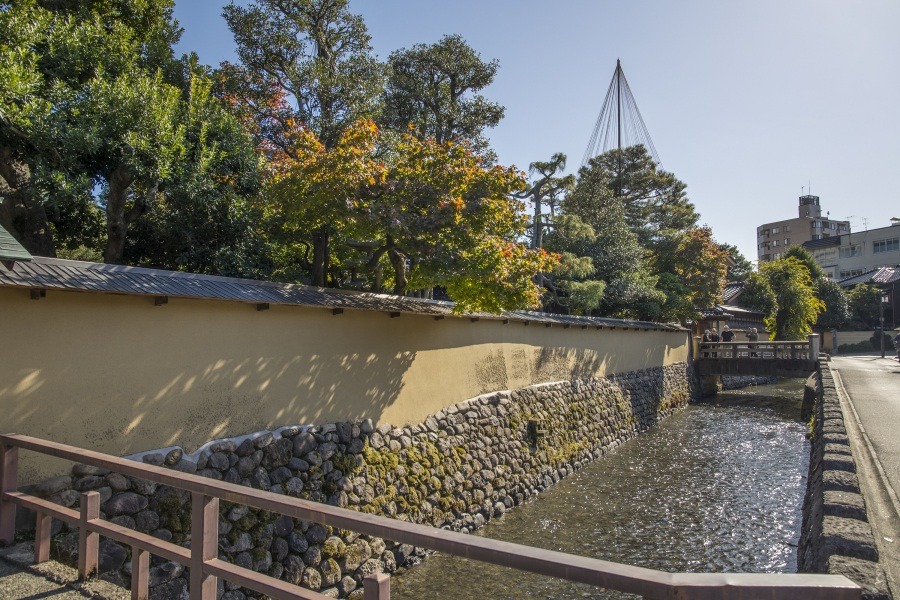
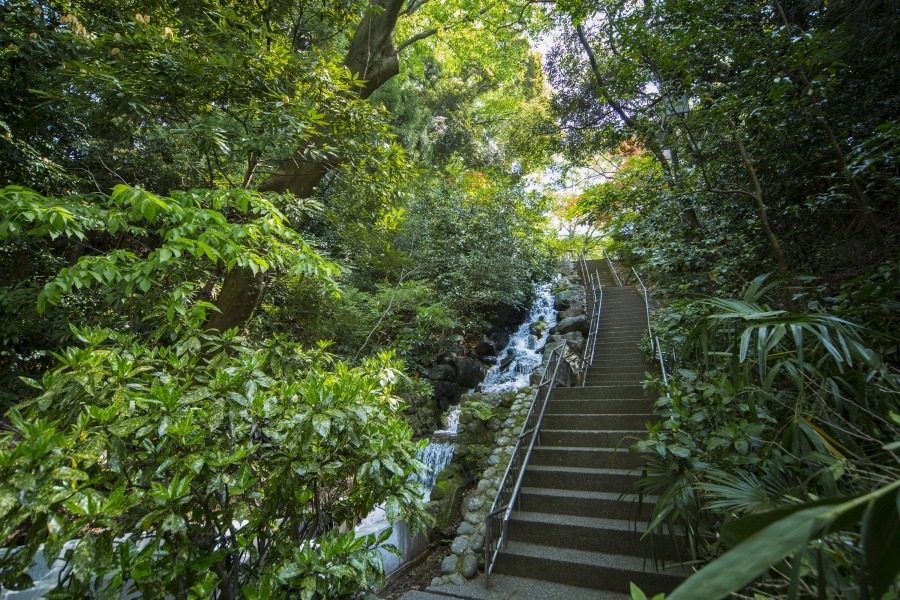
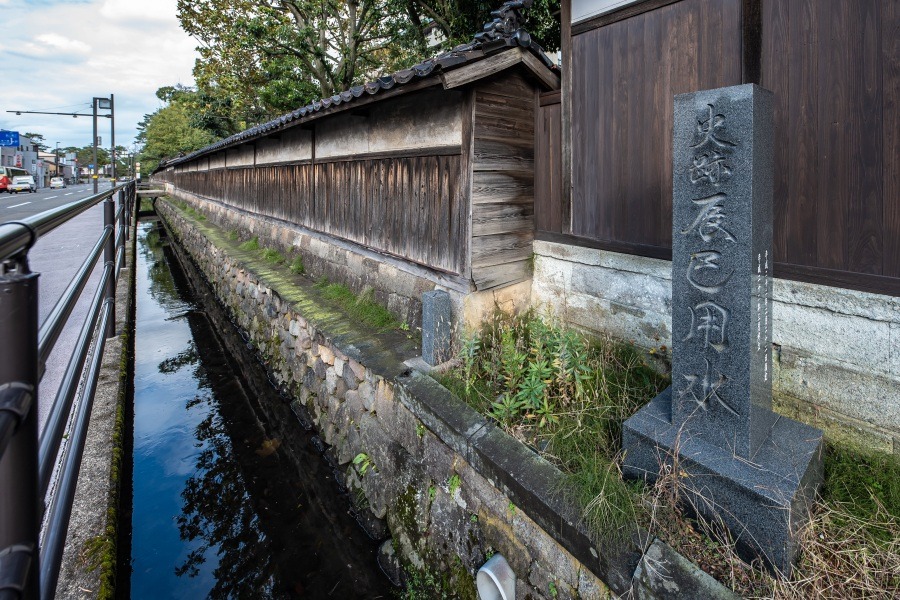
Kanazawa is also a “city of waterways”. Its 55 canals create a water network across the city. Not only do they create serene streetscapes, they have a role in daily life. They are vital to Kenrokuen Garden and in the garden culture of Kanazawa in general, and they have a snow removal function too.
Sample seasonal produce with all five senses, traditional hospitality
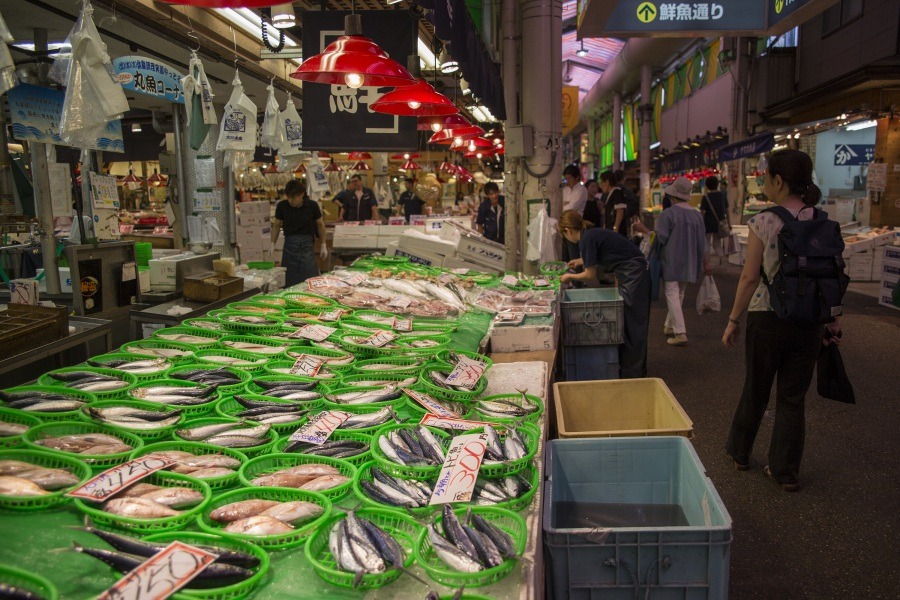
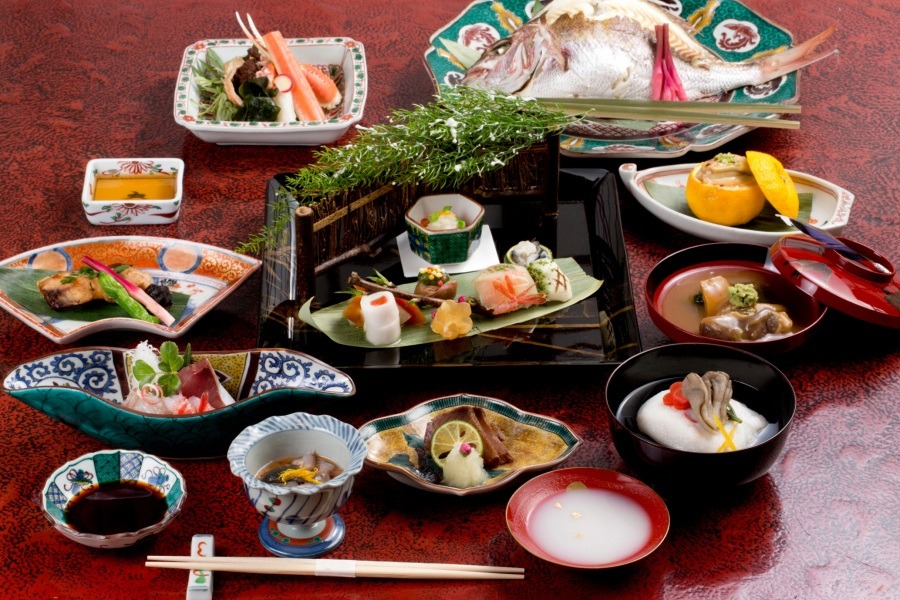
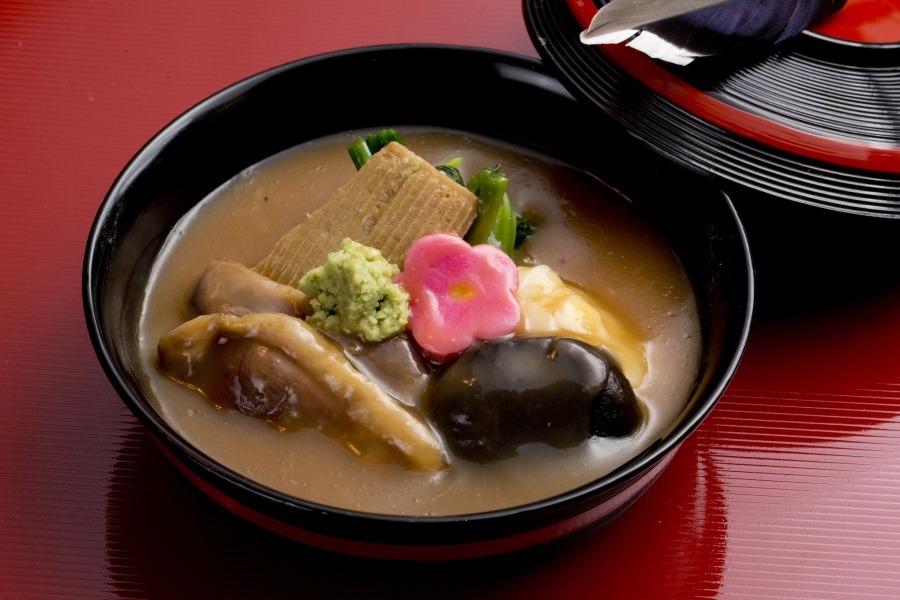
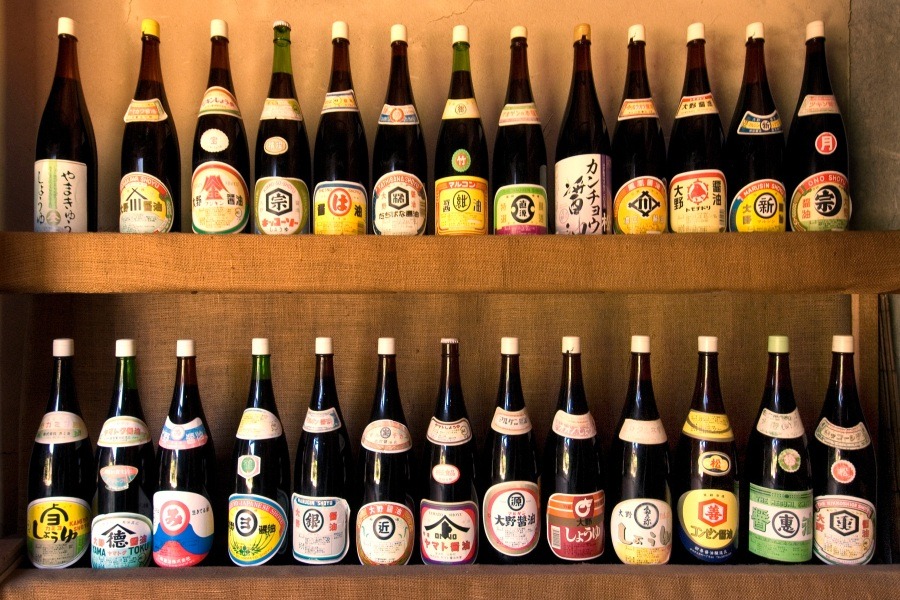
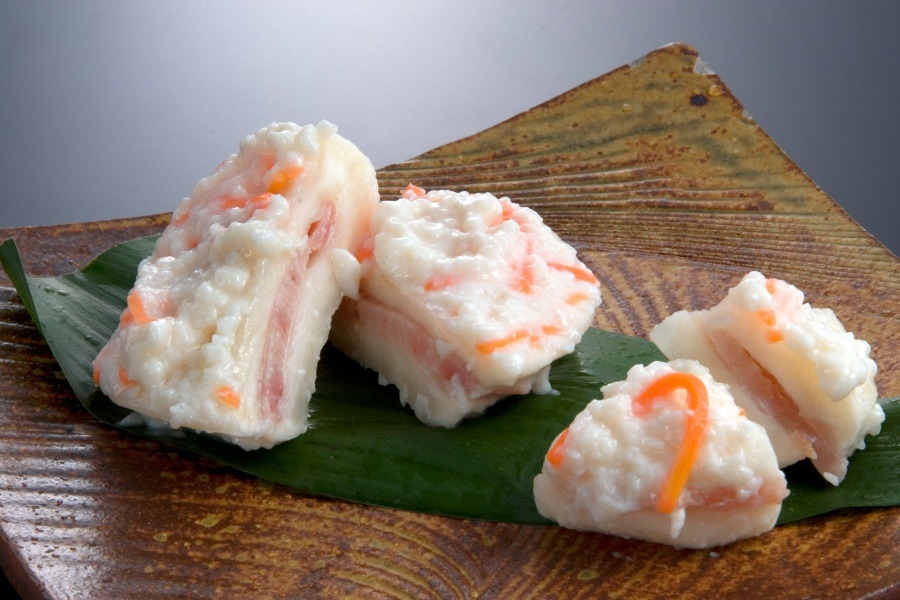
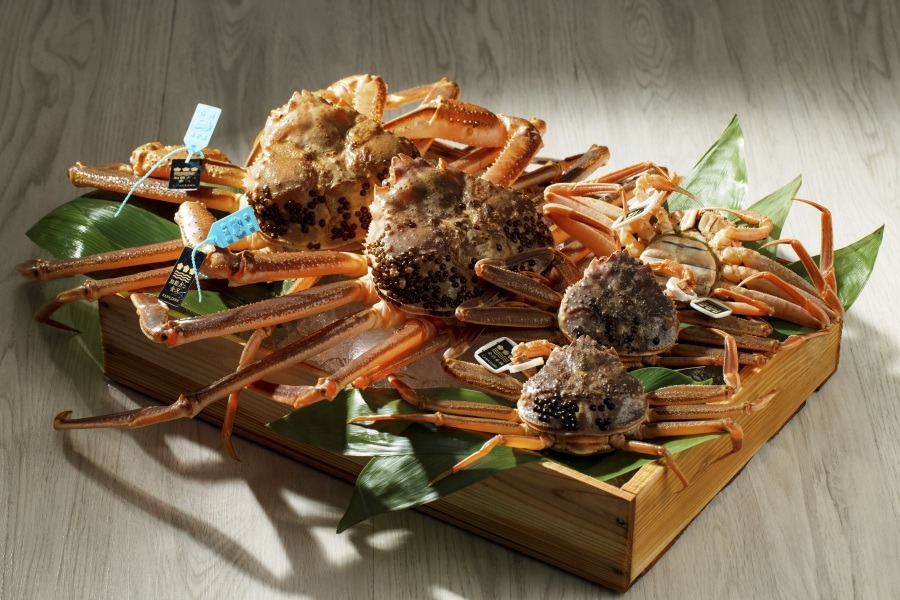
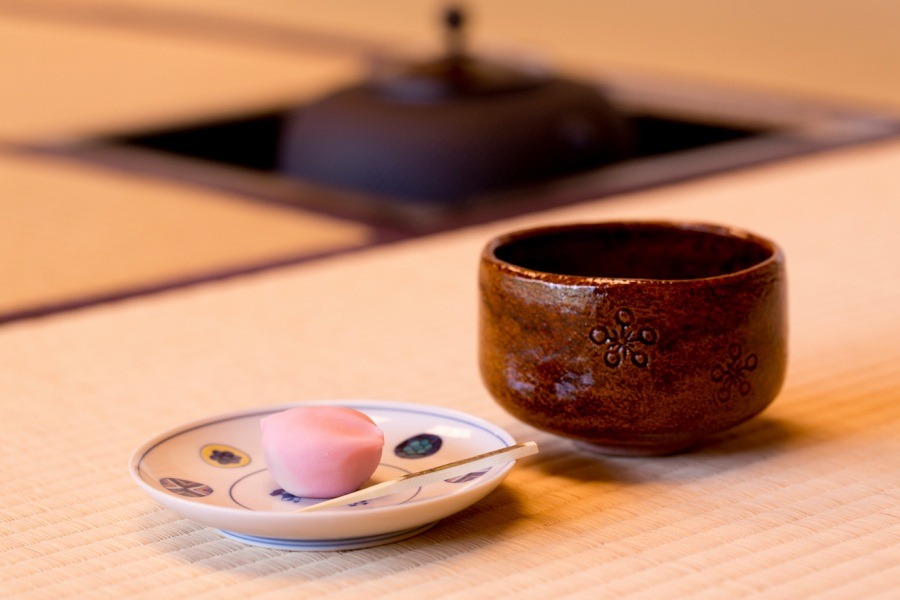
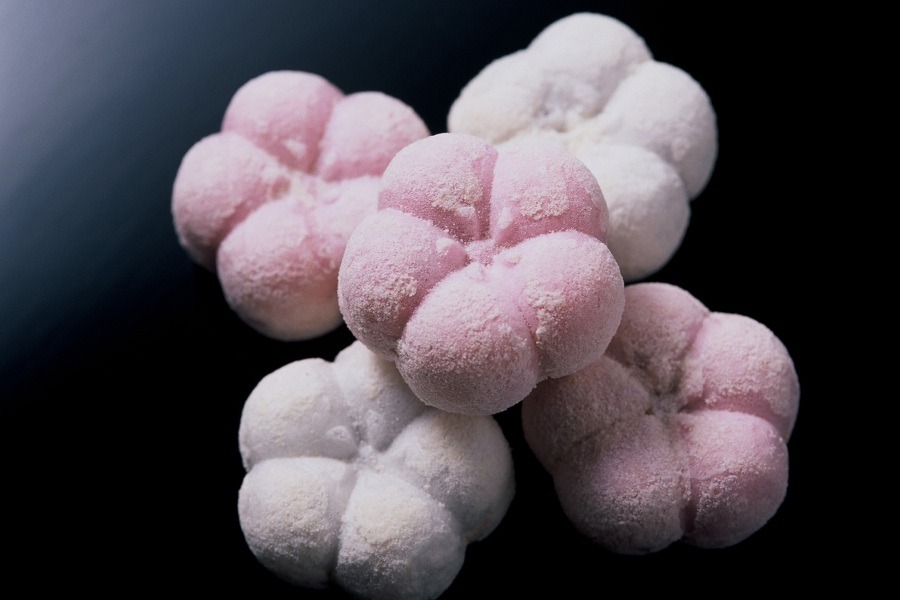
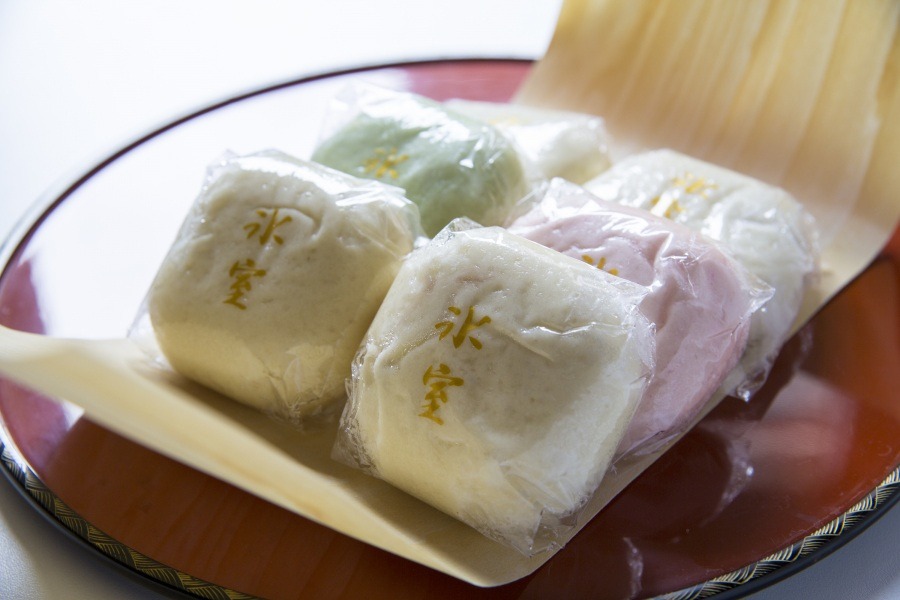
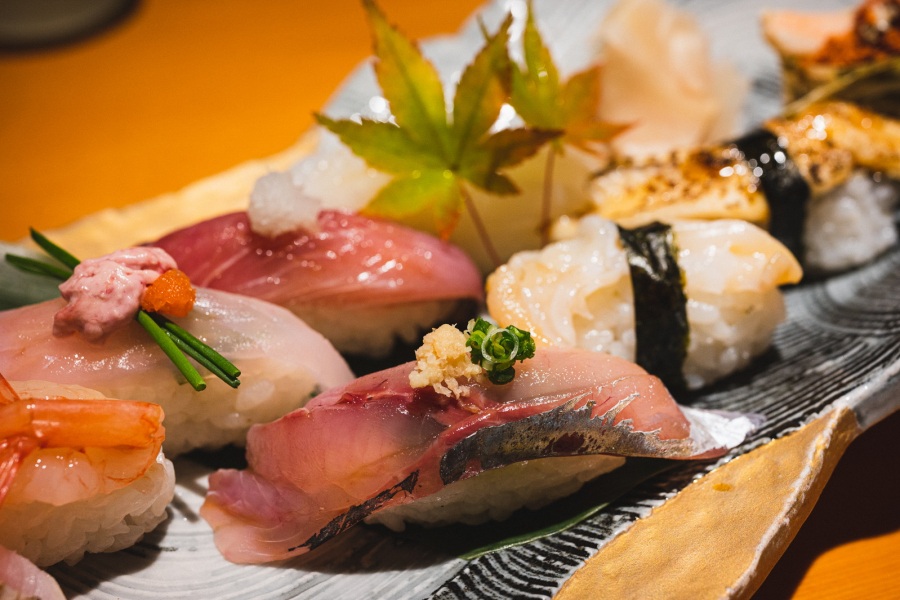
What is the cuisine of Kanazawa? It covers a variety including fresh seafood from the Japan Sea, Kaga vegetables and traditional fermented foods and pickles. As a port along the route sailed by Kitamae-bune merchant ships during the Edo period, Kanazawa became a melting pot for a wide range of cultures and a market for fresh northern seafood and produce, leading to its unique development. In 2005, Kaga cuisine, best known for dishes like jibuni duck stew and tai no karamushi (stuffed steamed red seabream), was officially recognized as a National Intangible Cultural Property of Japan and the culinary culture of Kanazawa has gained increasing celebrity since.
Of all the seafood, it is the snow crab and female snow crab that most excite locals and tourists alike. When the crabbing restrictions are lifted in autumn every year, markets bustle with visitors seeking a taste.
As the Maeda family, feudal lords of the Kaga domain, placed great importance on the tea ceremony, it took root as a tradition of Kanazawa. It also became known as one of the three great wagashi (Japanese confectionery) centers of the country and in every season, locals line up for sweet treats not found anywhere else. Whether it is the fukuume (“happy plum”, a plum-shaped shell filled with sweet red bean) at the New Year or himuro-manju buns for Himuro-biraki (“Opening the ice house” day, July 1), Kanazawa’s sweets follow the seasons. A culture of gifting these to one another continues across the city.
The art and technique of refined living traditions
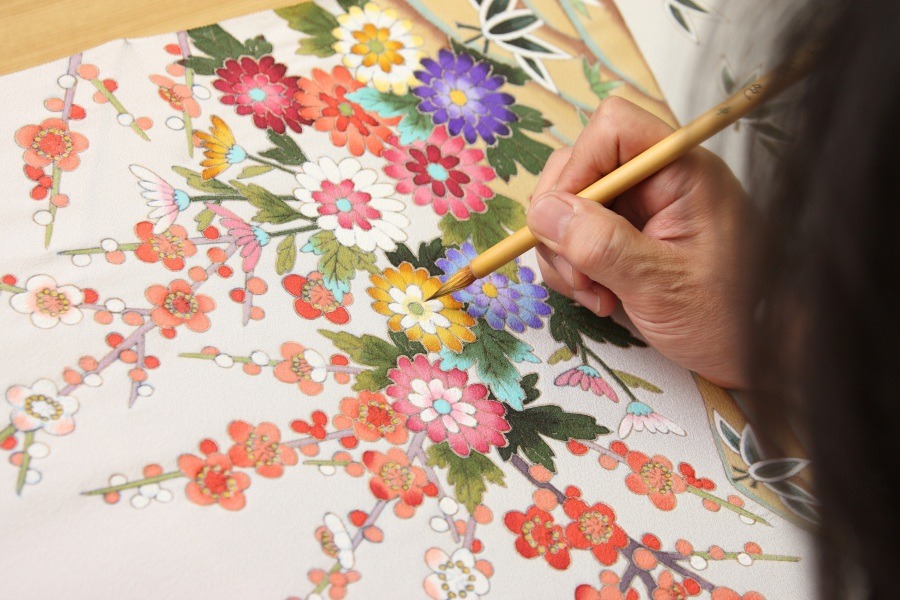
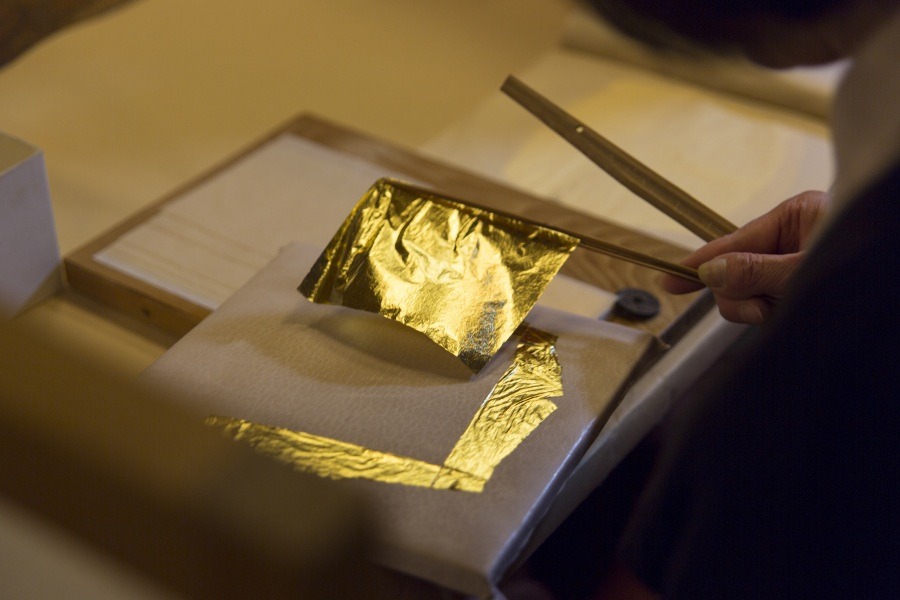
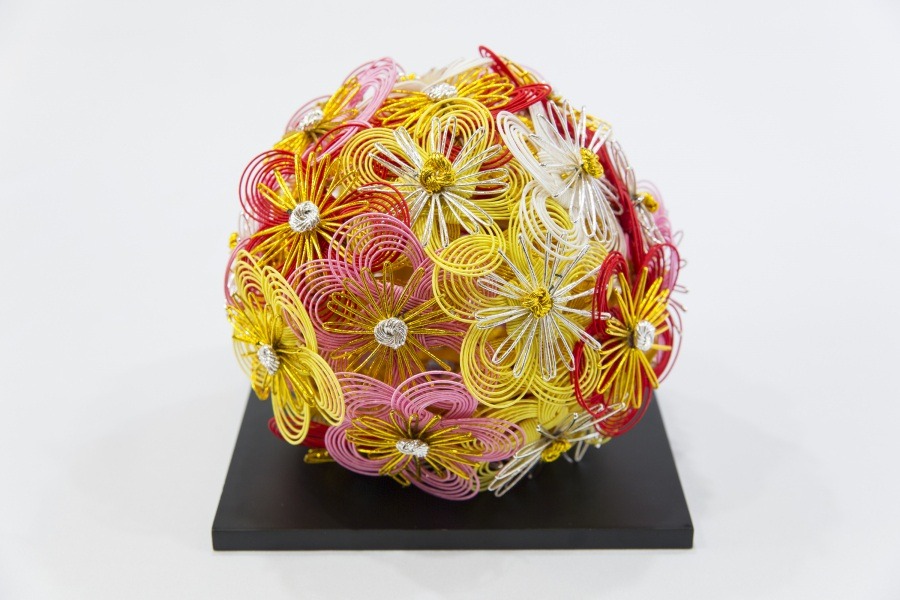
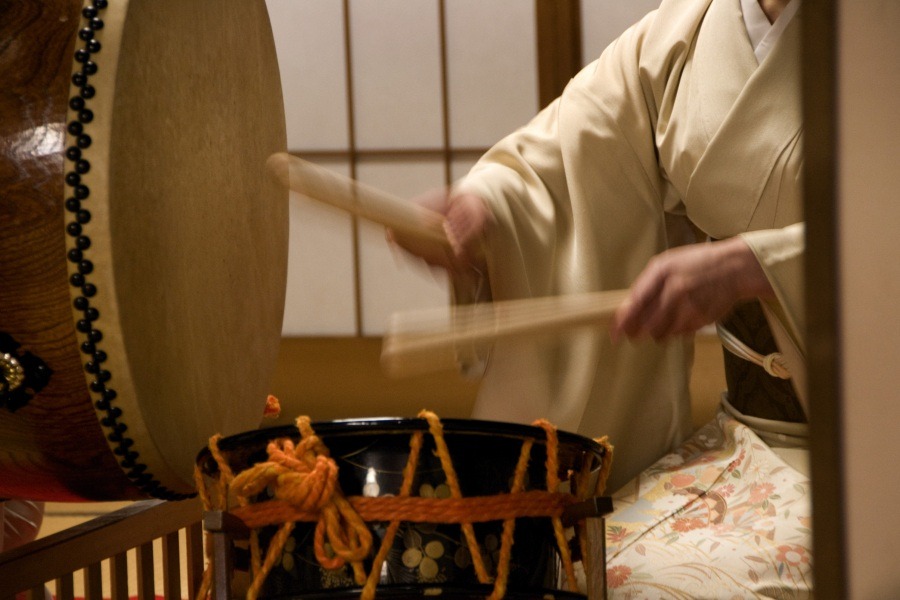
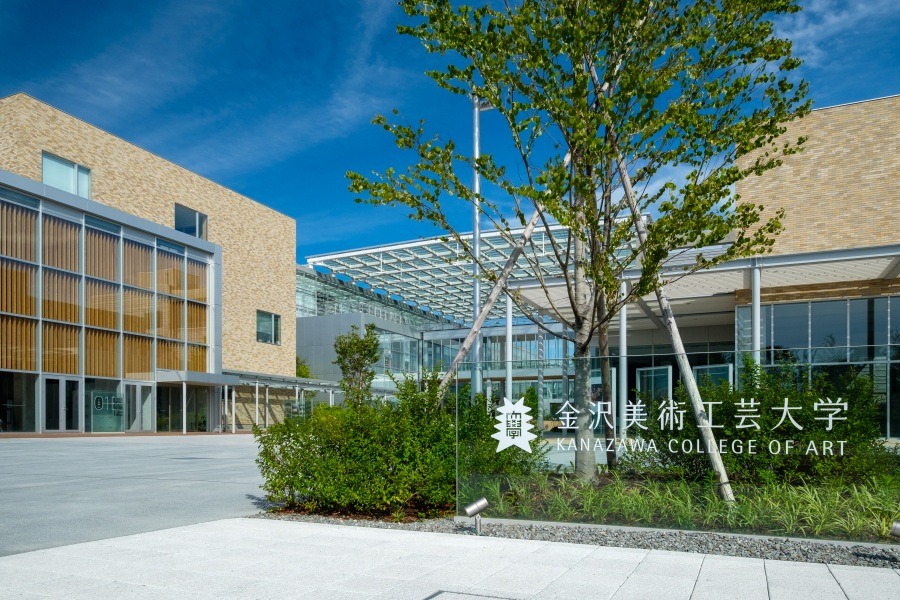
Kanazawa is a thriving center of arts and crafts, where many dedicate themselves to crafts such as Kaga Yuzen dyeing, gold leaf production or Kutani ware decoration. Arts and crafts are also deeply connected with Kaga cuisine and tea ceremony, so their preservation has been assured by continued use in everyday life. Many of those who enrol at Kanazawa College of Art or Kanazawa Utatsuyama Kogei Kobo from around Japan as students or trainees then remain in Kanazawa and from their interaction with artists in other fields, new forms of expression emerge.
As evoked by the expression “Noh songs fall from the sky” in Kanazawa, traditional arts such as Noh and Kaga Manzai live on here. In each of the three Chaya Districts – Higashi, Nishi and Kazuemachi – Kanazawa geiko refine their art every day, carrying on the long-held traditions.
Permanent evolution to preserve heritage. How Kanazawa weaves the future
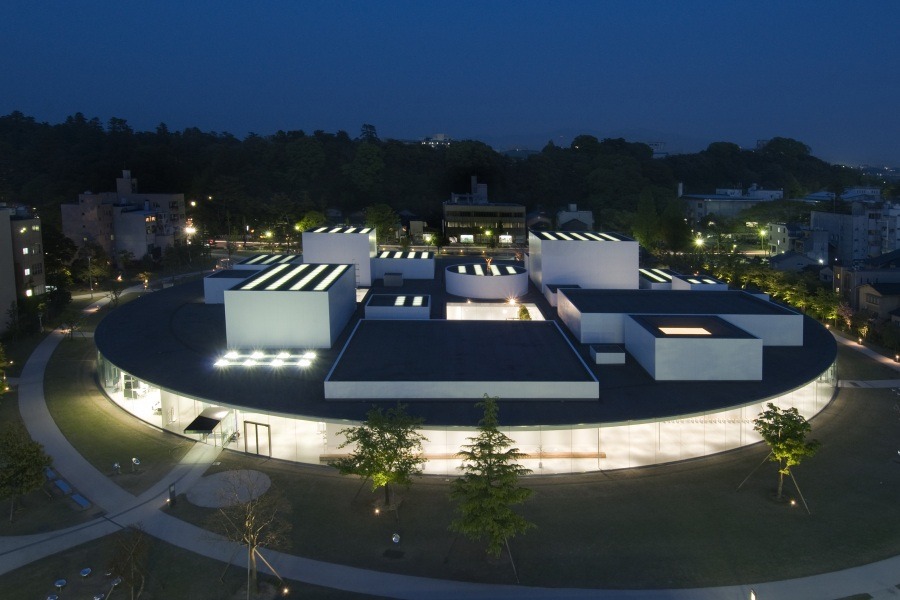
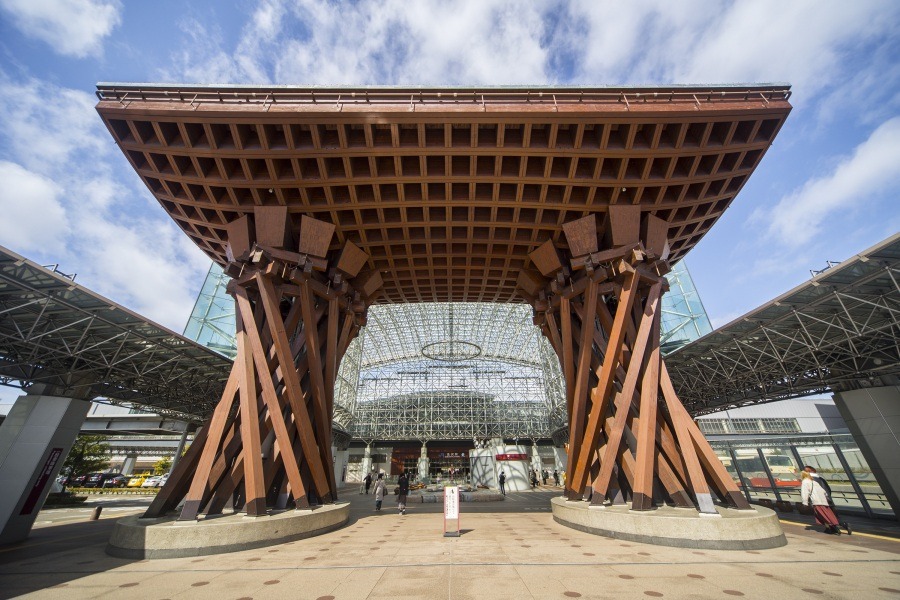
Kanazawa, which has always cherished the heritage of the feudal period, is also a city of tradition and innovation, incorporating the new throughout changing times.
For example, the 21st Century Museum of Contemporary Art, Kanazawa designed as “a museum open to the city like a park”, as well as Kanazawa Station’s Tsuzumi-mon Gate and Motenashi Dome, are symbols of the new Kanazawa. These have become popular travel destinations in themselves.
Kanazawa flexibly accommodates what is new on top of its cherished traditions. Once you realize that this cultural heritage is carried on by its residents, you understand that tradition is authentic and alive here.
The future of Kanazawa is woven by the shared passion arising from the freshness you bring to Kanazawa and our encounters.
We sincerely look forward to your visit.