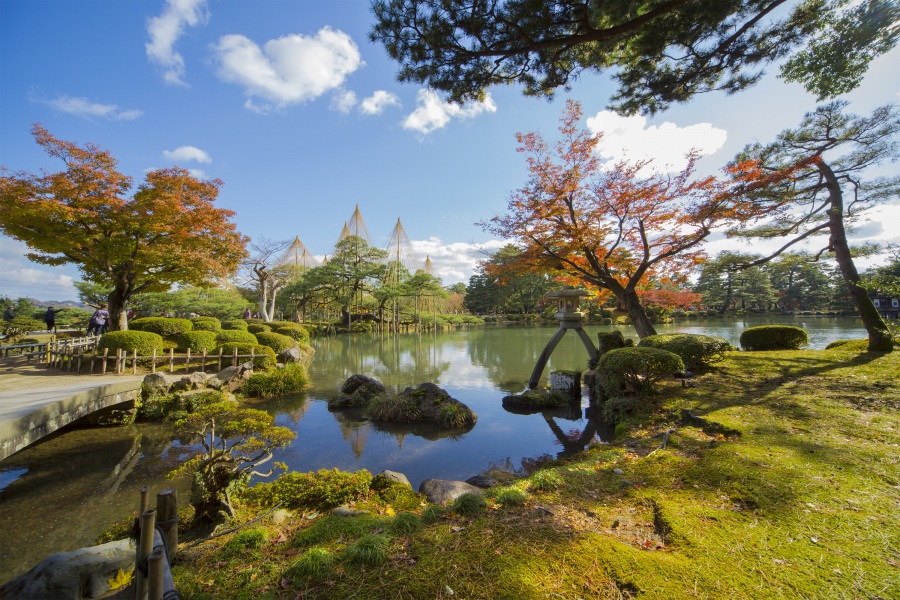
Travel for Support! Accessible Now to Noto from Kanazawa
The Noto Peninsula suffered extensive damage from the earthquake on January 1, 2024, and the heavy rains that began on September 21, 2024, and continued thereafter.
Road restoration work has made significant progress; while some sections remain closed or require detours, travel times to various locations in Oku-Noto have largely returned to pre-disaster levels. The number of tourist facilities, shops, and lodging establishments that have resumed operations is increasing daily, and we eagerly await the return of tourists. Please use this feature as your guide to experience the beautiful sea—unchanged from before the disaster—delicious local specialties from both land and sea, the unique landscapes where you can feel the power of nature firsthand (as expressed in the saying, “Noto makes even the soil gentle”), national highways running along the uplifted coastline, and the popular “Pokémon spots” that have appeared throughout Noto. With our heartfelt support for Noto, we hope you enjoy your journey from Kanazawa to the Noto Peninsula.
(Photos and text by Ken Wakai)
*This article is based on information current as of August 2026. We plan to update it periodically.
*©Pokémon. ©Nintendo / Creatures Inc. / GAME FREAK inc. “Pokémon,” “Pocket Monsters,” and “Pokémon” are trademarks of Nintendo, Creatures, and Game Freak.
Current access from Kanazawa to Noto
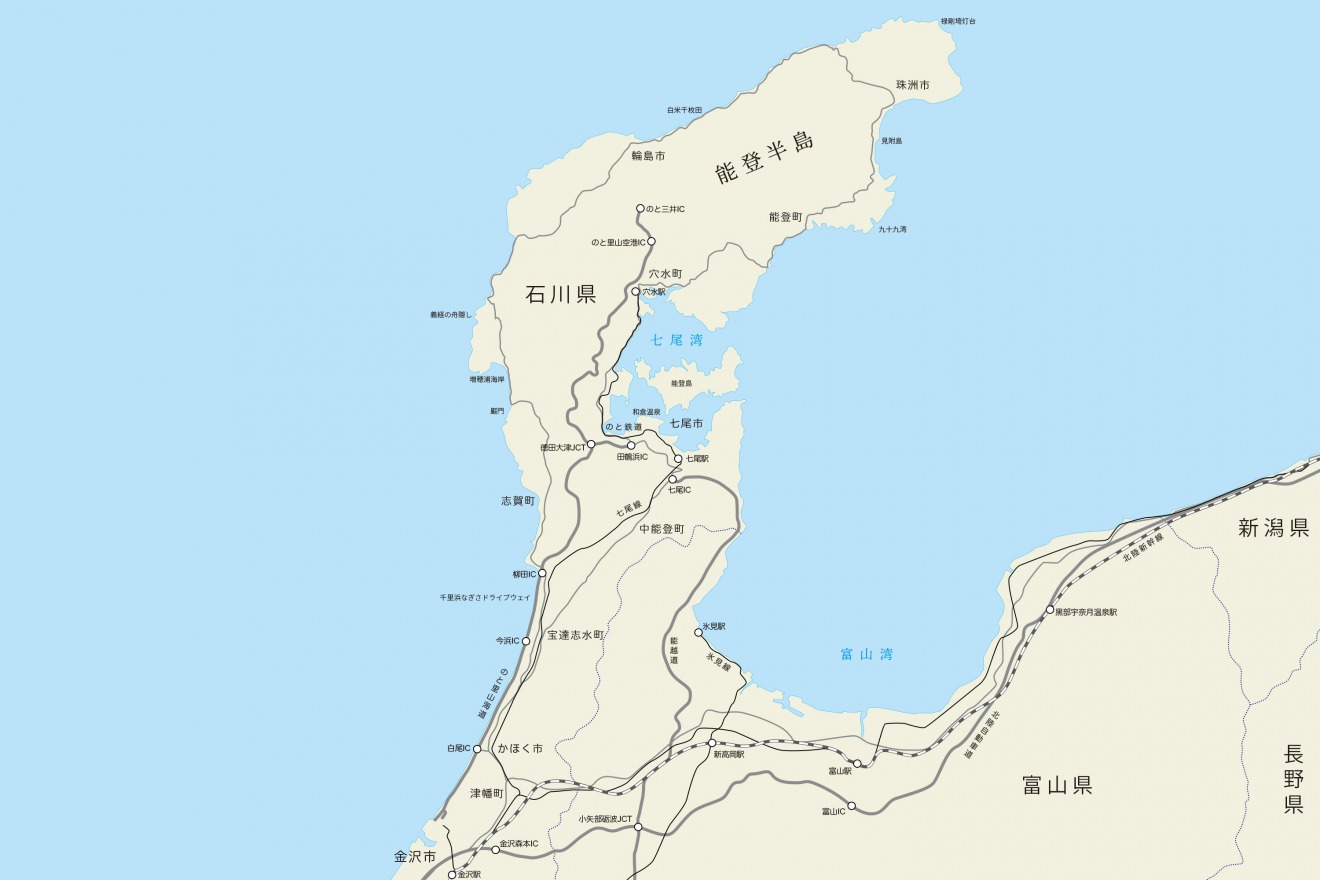
The Noto Peninsula stretches approximately 110 km in a straight line from Kanazawa City to its tip, making it the largest peninsula on the Sea of Japan coast. The Oku-Noto region—comprising Wajima City, Suzu City, Anamizu Town, and Noto Town—suffered particularly severe damage from the earthquake. Furthermore, Wajima City and Suzu City in particular sustained significant damage from the Oku-Noto torrential rains.
While restoration and reconstruction work is still actively underway, the impact on tourism has largely subsided, so please feel free to visit with confidence.
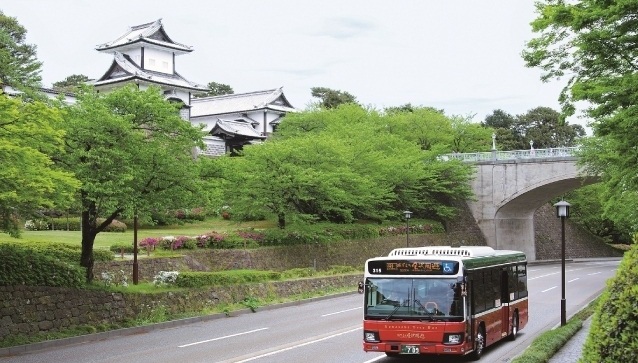
Please note that when taking an express bus from Kanazawa Station or Anamizu Station toward Suzu and Udezu, you will need to transfer at the Noto Satoyama Pokémon With You Airport. Regarding other local bus routes, some sections may be suspended or rerouted, so please check for the latest information.
[Please keep the following in mind and enjoy your trip to Noto]
・Road conditions have improved significantly, but there are still some areas with slight bumps, uneven surfaces, and alternating one-way traffic. Please exercise extreme caution while driving.
・Some areas have uneven ground. Please be very careful when walking.
・Road and bus service conditions change constantly, so please check the latest information on the websites below before you set out.
Ishikawa Road Information Network
https://douro.pref.ishikawa.lg.jp
Hokuriku Railway
http://www.hokutetsu.co.jp
Travel and Support Noto
https://www.hot-ishikawa.jp/notofukko/index.html
The Noto Desk, a reliable source of information for Noto tourism
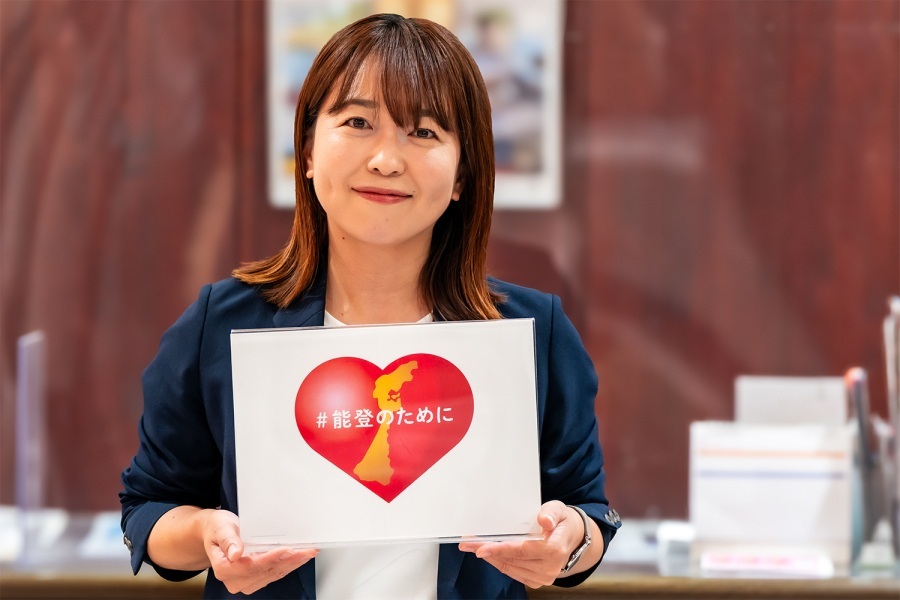
The Noto Desk is set up by the Noto Peninsula Wide-area Tourist Association in the Kanazawa Station Tourist Information Center. Here, you can find the latest information on sightseeing in the Noto Peninsula.
Ms. Chieko Nakayama of the Noto Desk says, “First of all, we would like you to come to Noto and see what is going on, and then please share what you have seen and heard with the people around you."
English-speaking staff are also available from 9:00 AM to 3:00 PM to offer advice on sightseeing in Noto.
Feel the Atmosphere of Noto in Naka-noto Central Area
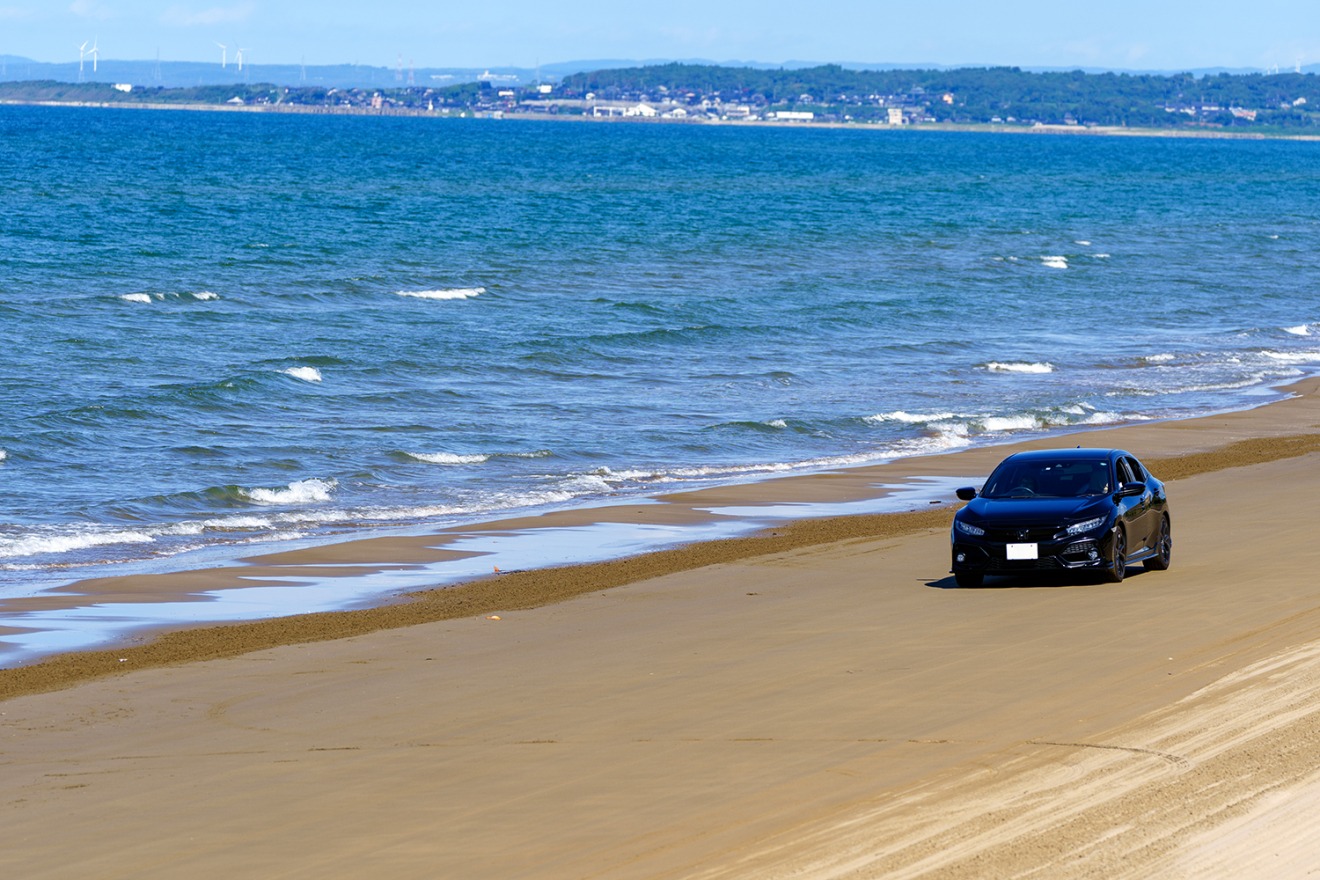
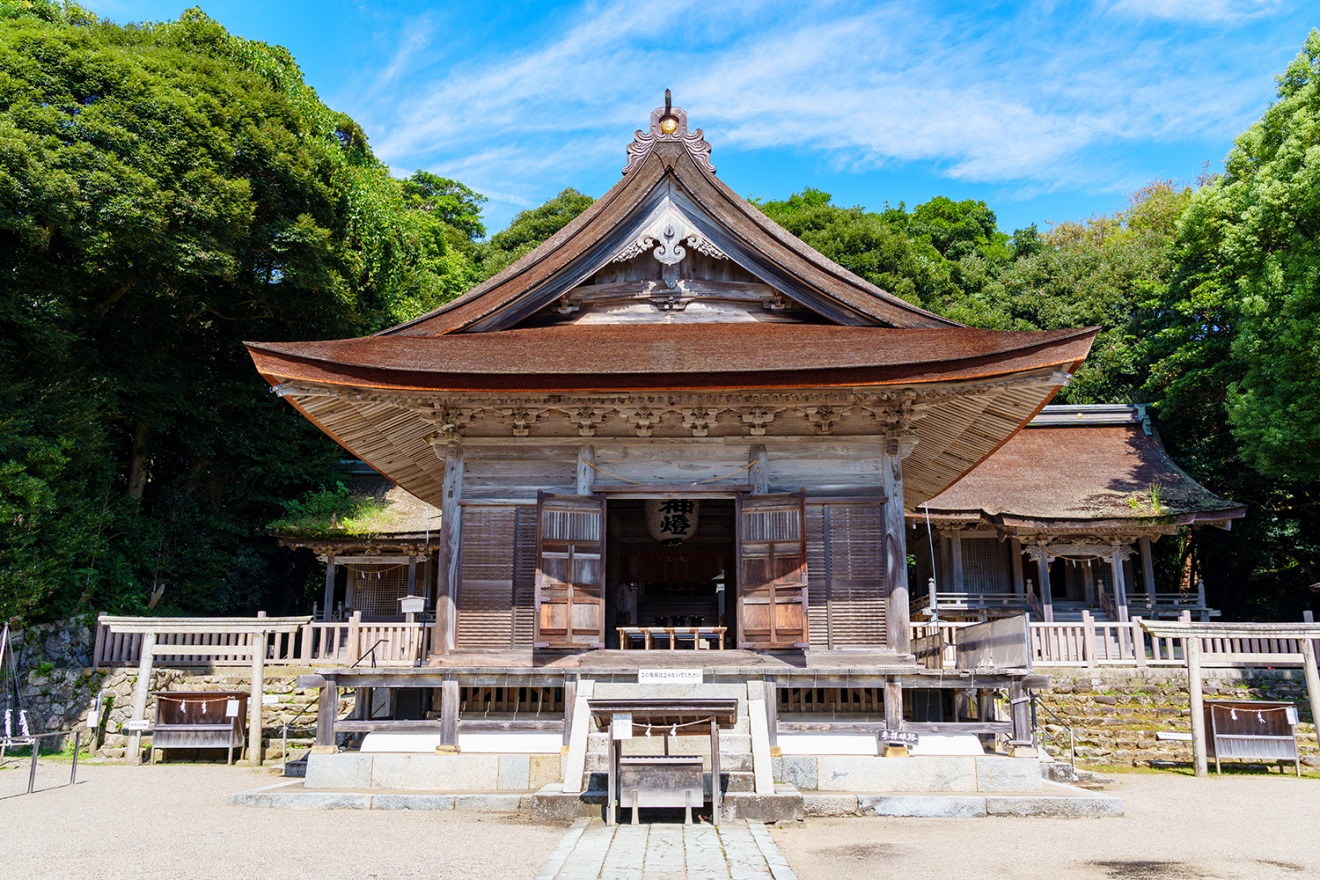
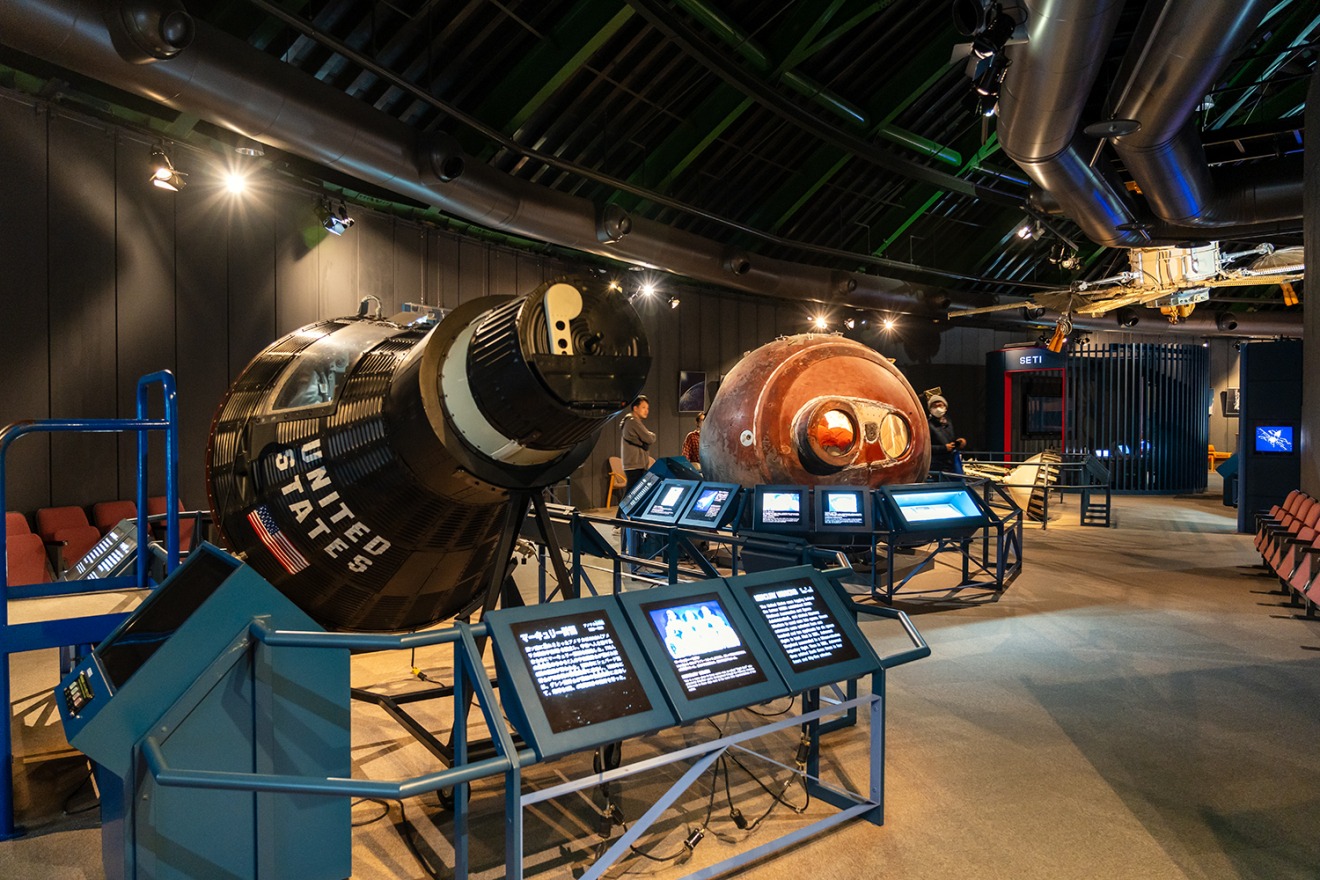
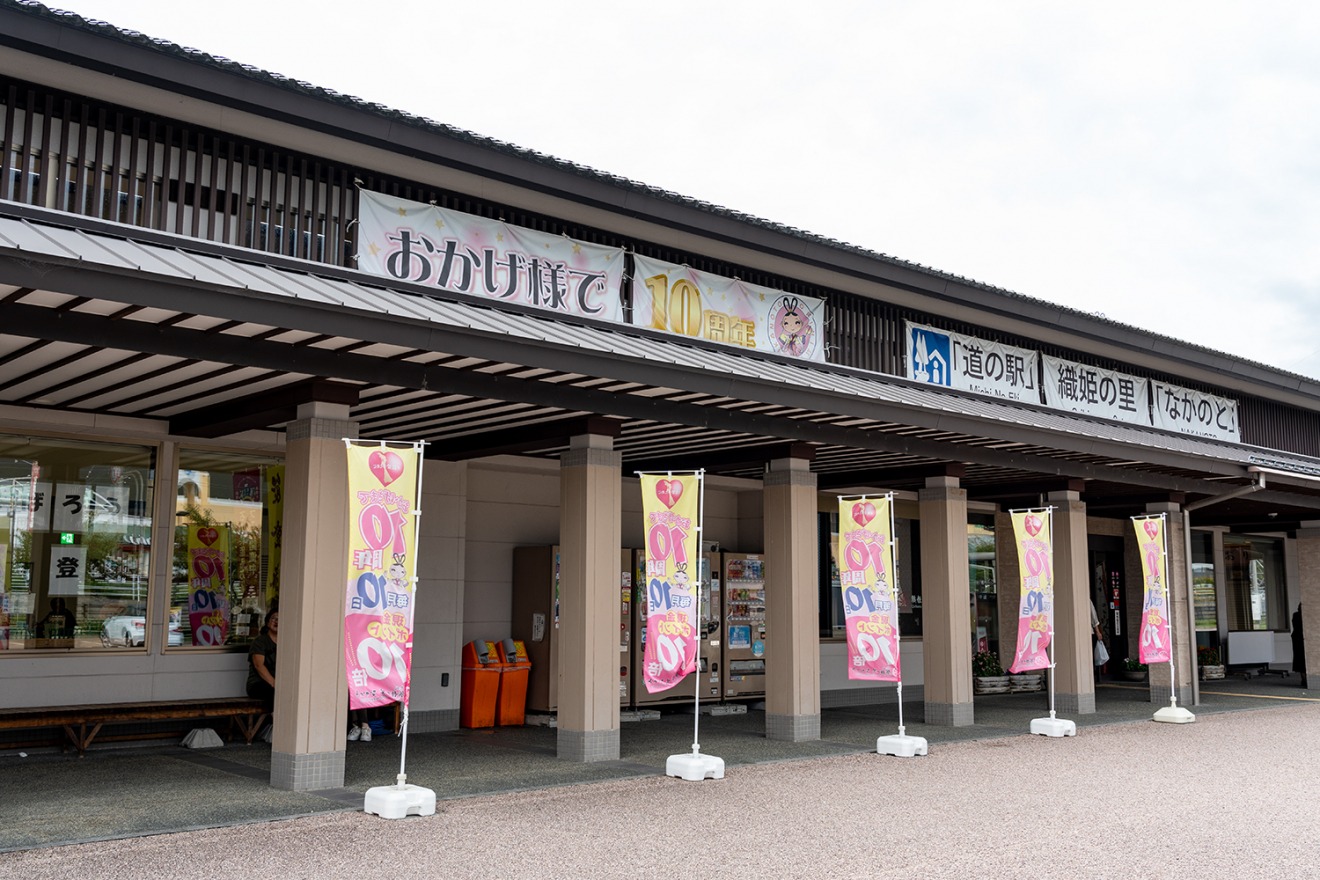
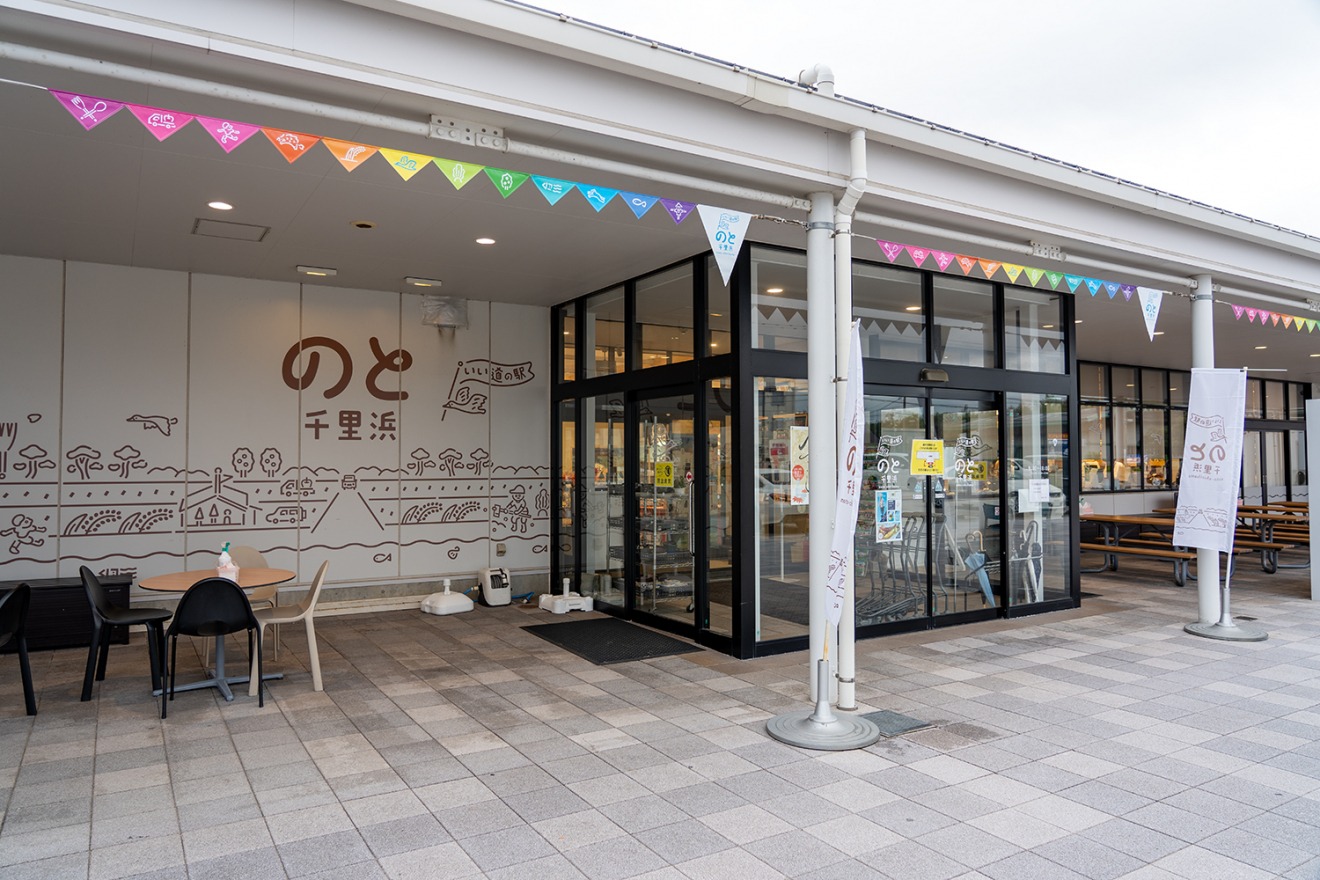
This area sustained minimal damage from the earthquake and was spared from heavy rain, so you can visit without any issues. Since it’s close to Kanazawa, it’s highly recommended for those who want to take a casual trip and get a taste of Noto’s atmosphere.
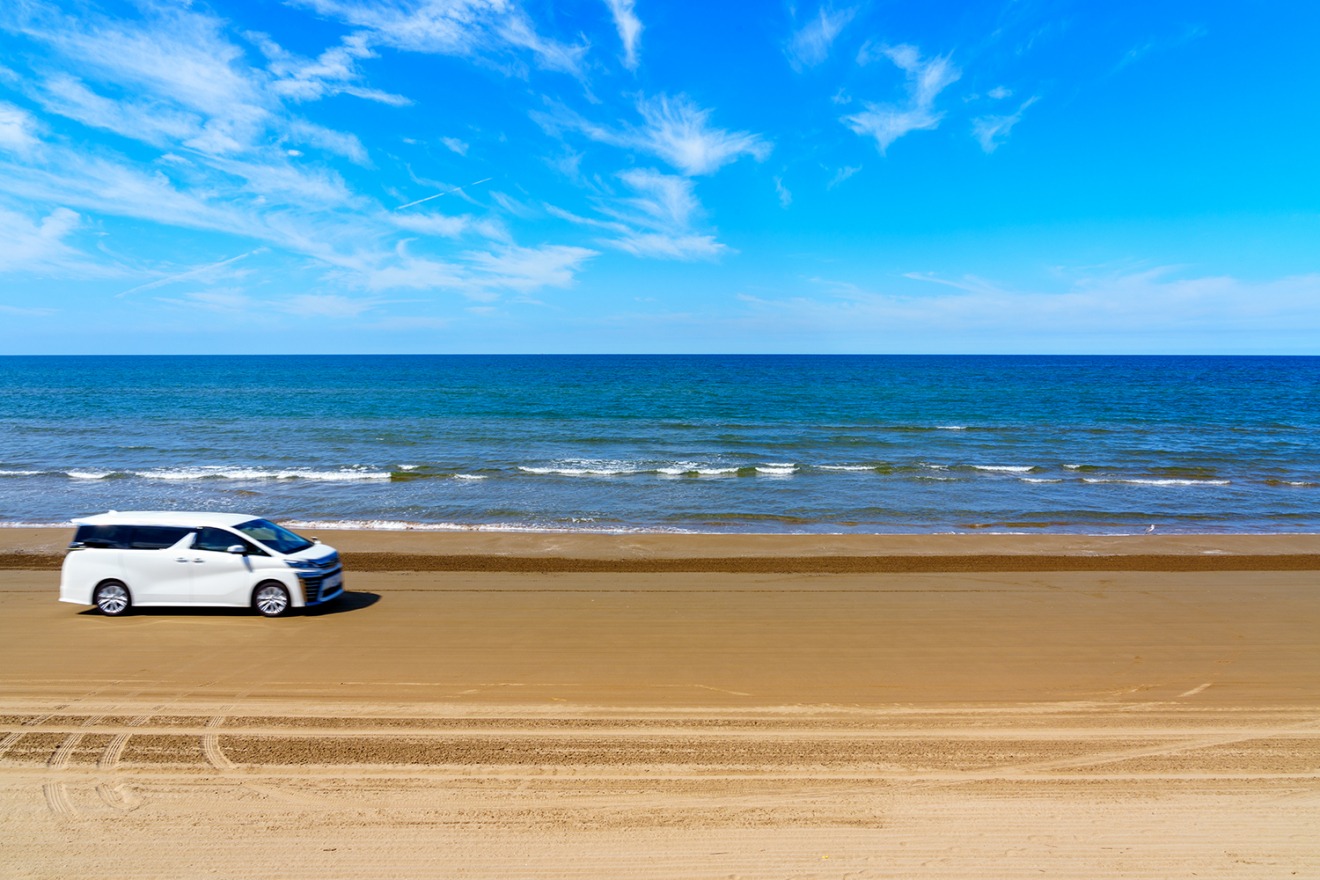
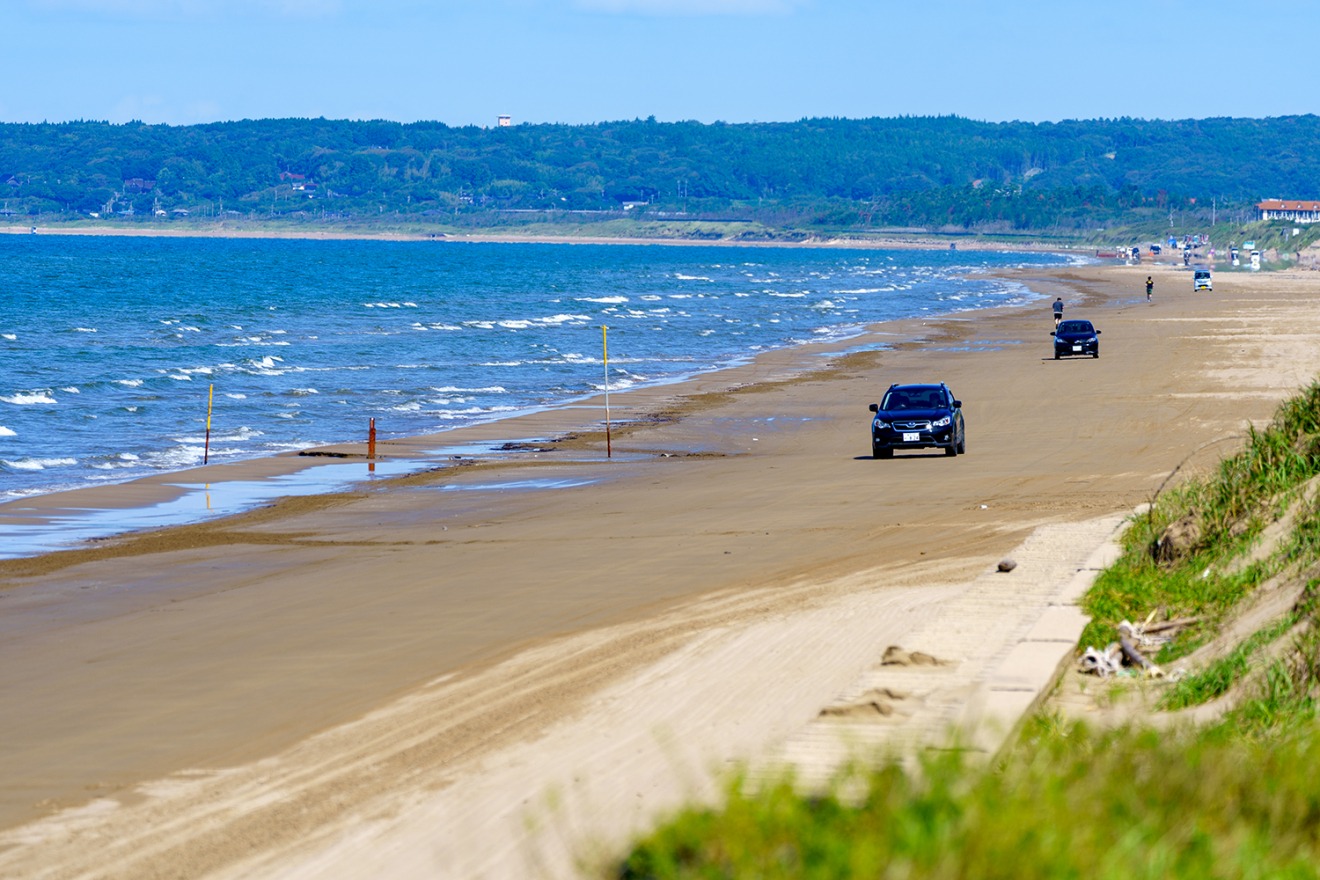
Chirihama Nagisa Driveway (Hōdatsushimizu Town, Hakui City): A coastline where you can drive along the water’s edge in a car, bus, or motorcycle—a rarity even on a global scale. While it was unaffected by the earthquake, the road may be closed due to weather conditions or other factors, so please check the Ishikawa Road Information Network for updates.
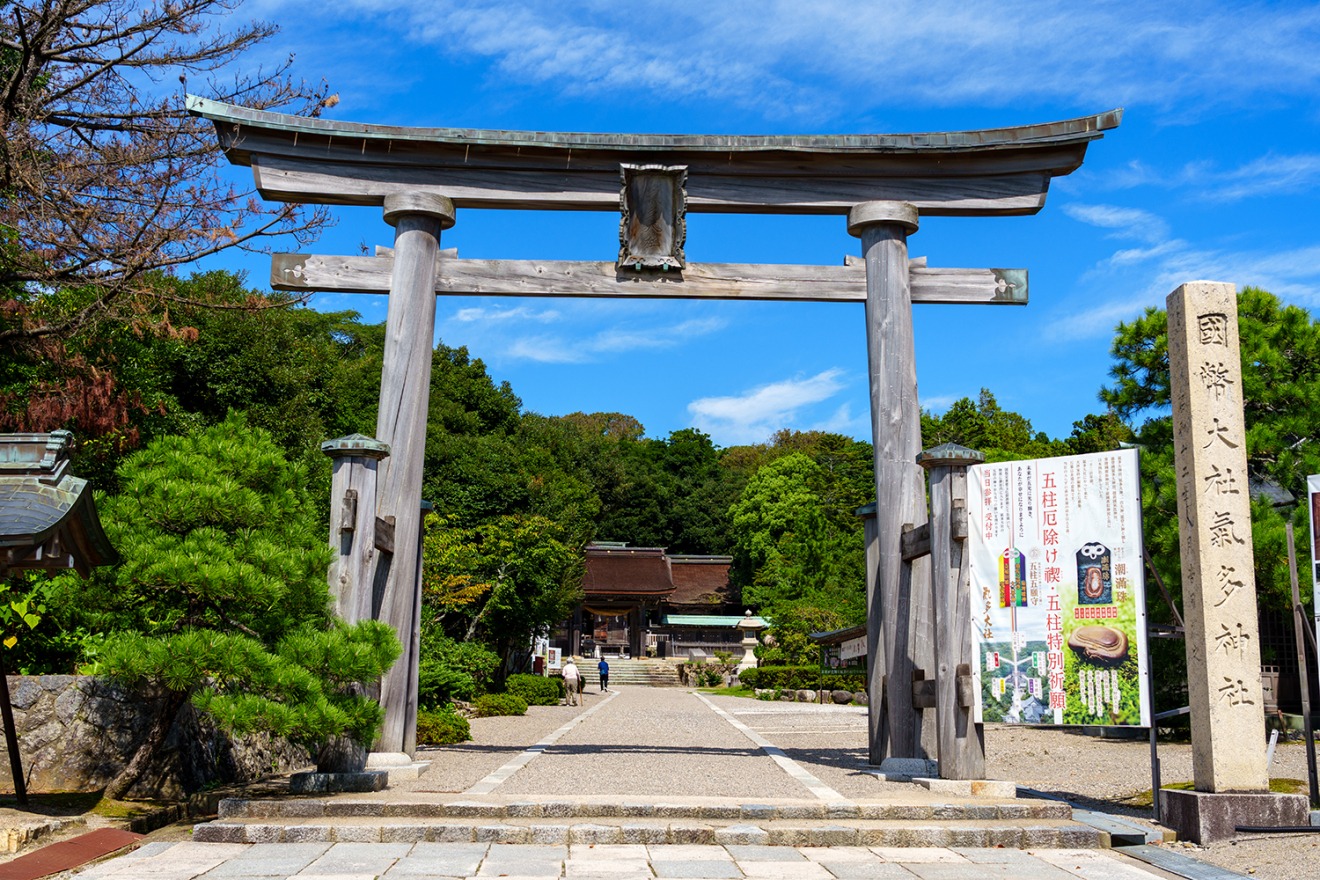
Keta Taisha Shrine (Hakui City): An ancient shrine and the principal shrine of Noto Province. It features five structures designated as National Important Cultural Properties, including the main hall, as well as the “Forbidden Forest,” a sacred area designated as a National Natural Monument. It is also famous as a spot for seeking romantic connections. Why not pay a visit to give thanks for your connection to Noto and pray for the region’s swift recovery?
Cosmo Isle Hakui (Hakui City): The sight of authentic artifacts that have left their mark on human space history—including the former Soviet “Vostok space capsule,” which achieved humanity’s first successful manned flight—and actual spacecraft hulls built as backups packed tightly together is truly spectacular. Although the facility was temporarily closed for a while due to the earthquake, it is now open for business as usual.
Roadside Station Noto Chirihama (Hakui City): This facility features a farmers’ market offering the best products from Hakui City and the Noto region, as well as a restaurant, bakery, and gelato shop. Located right next to the Chirihama Nagisa Driveway and the Noto Satoyama Kaido, it’s a great place to stop by on your way to or from Noto!
Roadside Station Orihime no Sato Nakanoto (Nakanoto Town): Adjacent to National Route 159, which runs from Hodatsushimizu Town to Nanao City, this facility served as a relief hub during the Noto Peninsula Earthquake. It features a food court and a dog park, and is popular for its fresh vegetables, handmade side dishes, and boxed lunches brought in by local producers.
*In addition to the above, there are many other places worth visiting, including Mount Hōdatsu and Omurice Town (both in Hōdatsu-Shimizu Town); Myōjō-ji Temple and Eikō-ji Temple (both in Hakui City); Mount Isurugi; and the Noto Jofu Hall (both in Nakanoto Town).
Enjoy the charms of Central Noto in the "Nanao/Shika" Area
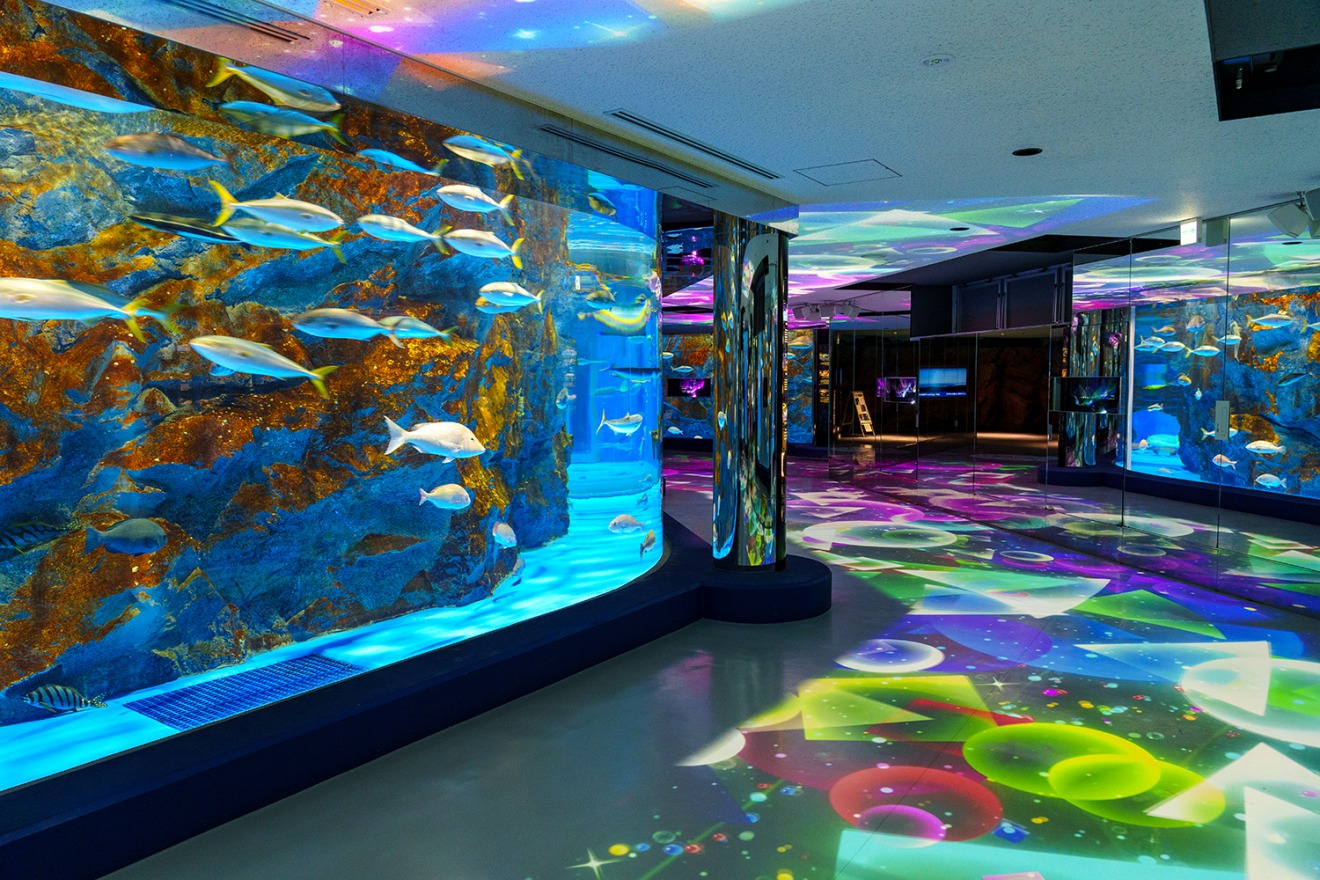
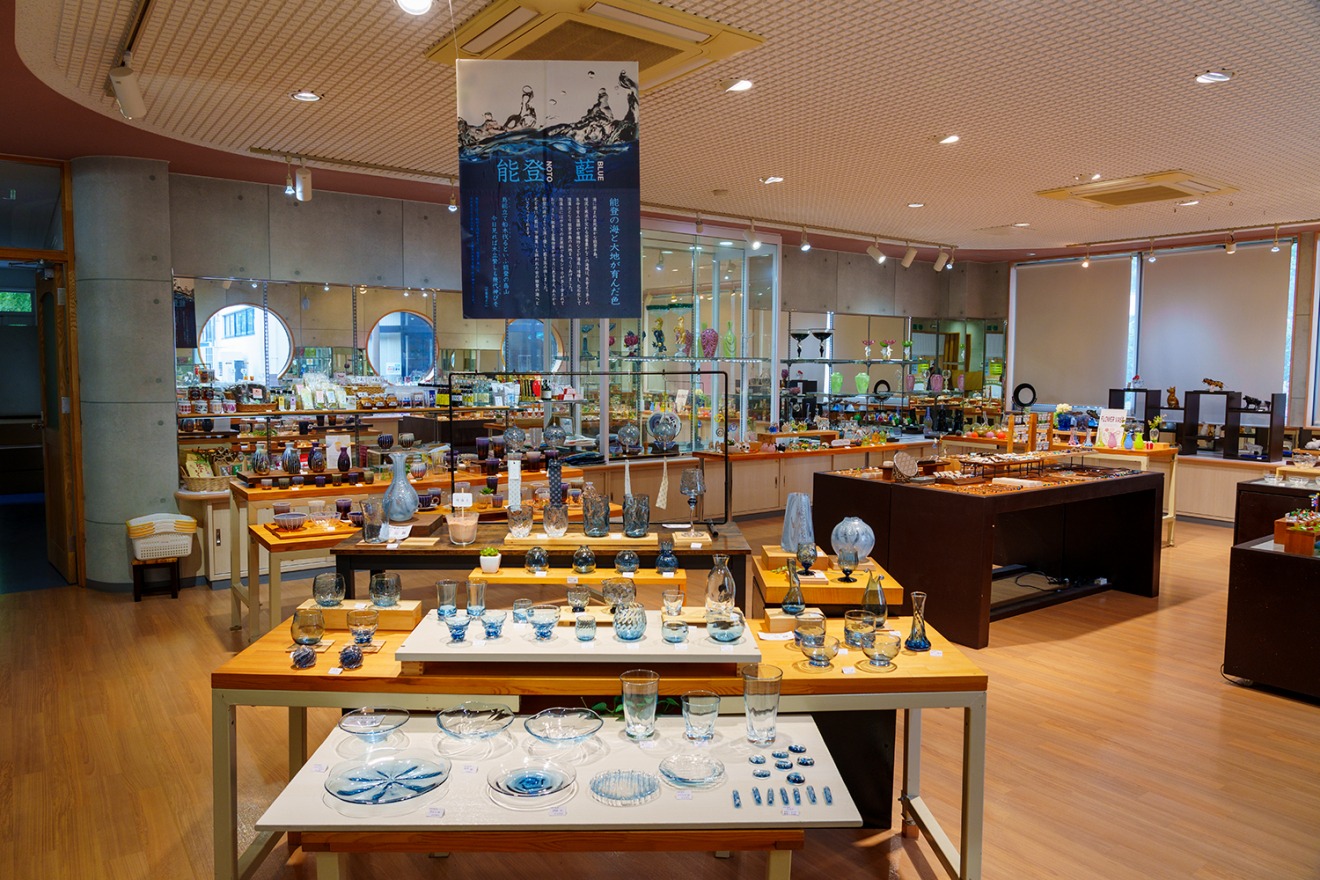
Shiga Town recorded a seismic intensity of 7 and suffered extensive damage. Recovery efforts are well underway in both Nanao City and Shiga Town, and the area is easily accessible from Kanazawa by car or train. Visitors can fully enjoy a trip to Noto, taking in its beautiful ocean and natural scenery, as well as its gourmet cuisine, hot springs, history, and culture.
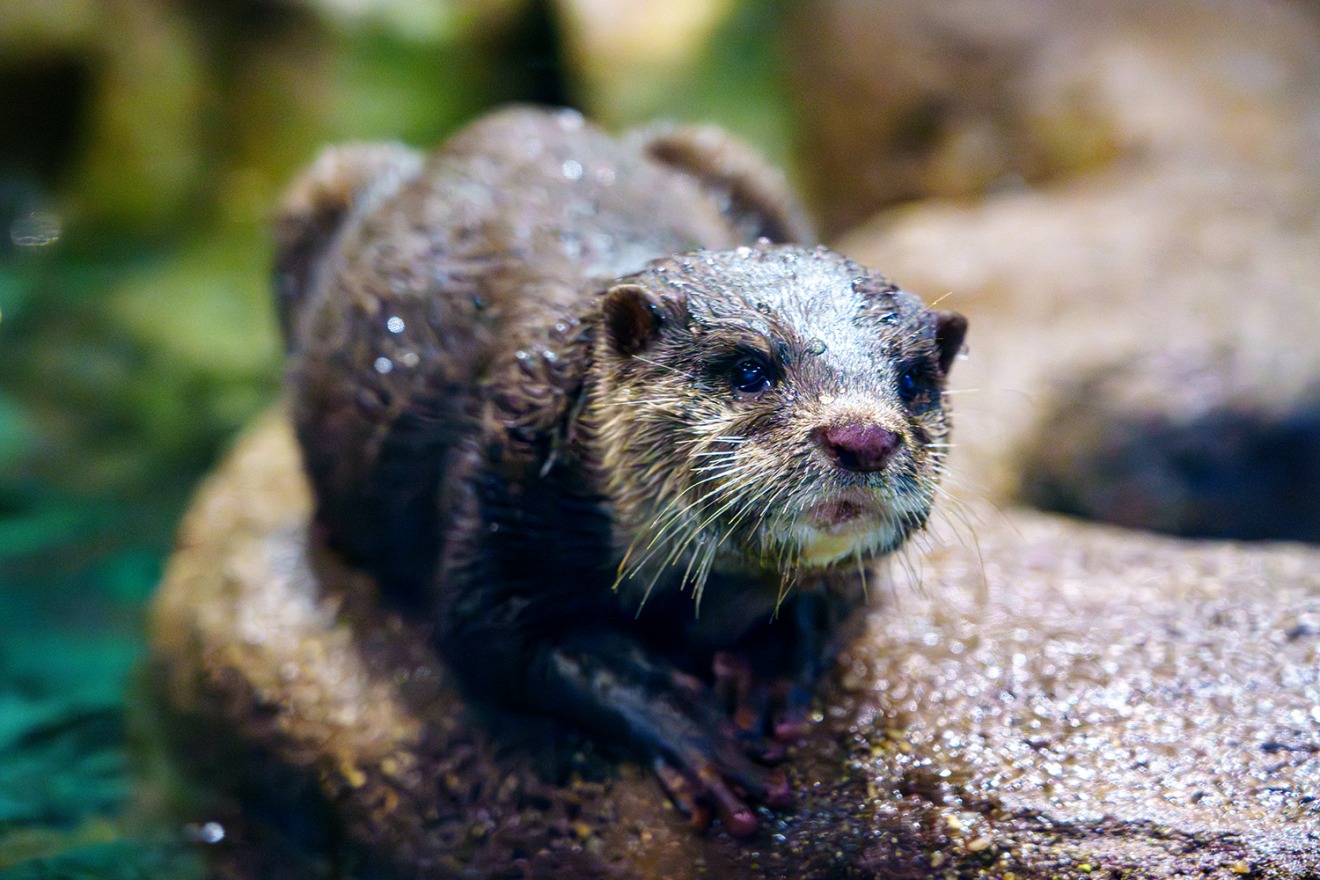
Notojima Aquarium (Nanao City): The aquarium had been closed due to significant damage to its animal enclosures and other facilities caused by the earthquake, but it has fully resumed operations, with the dolphin show restarting in March 2025 and the sea lion show in July.
https://www.notoaqua.jp
Notojima Glass Studio (Nanao City): Located on a hill overlooking Nanao Bay, visitors can not only watch glassblowing demonstrations but also participate in various glass-making workshops. It reopened in March 2024 and is adjacent to the Notojima Roadside Station.
https://notojimaglass.com/
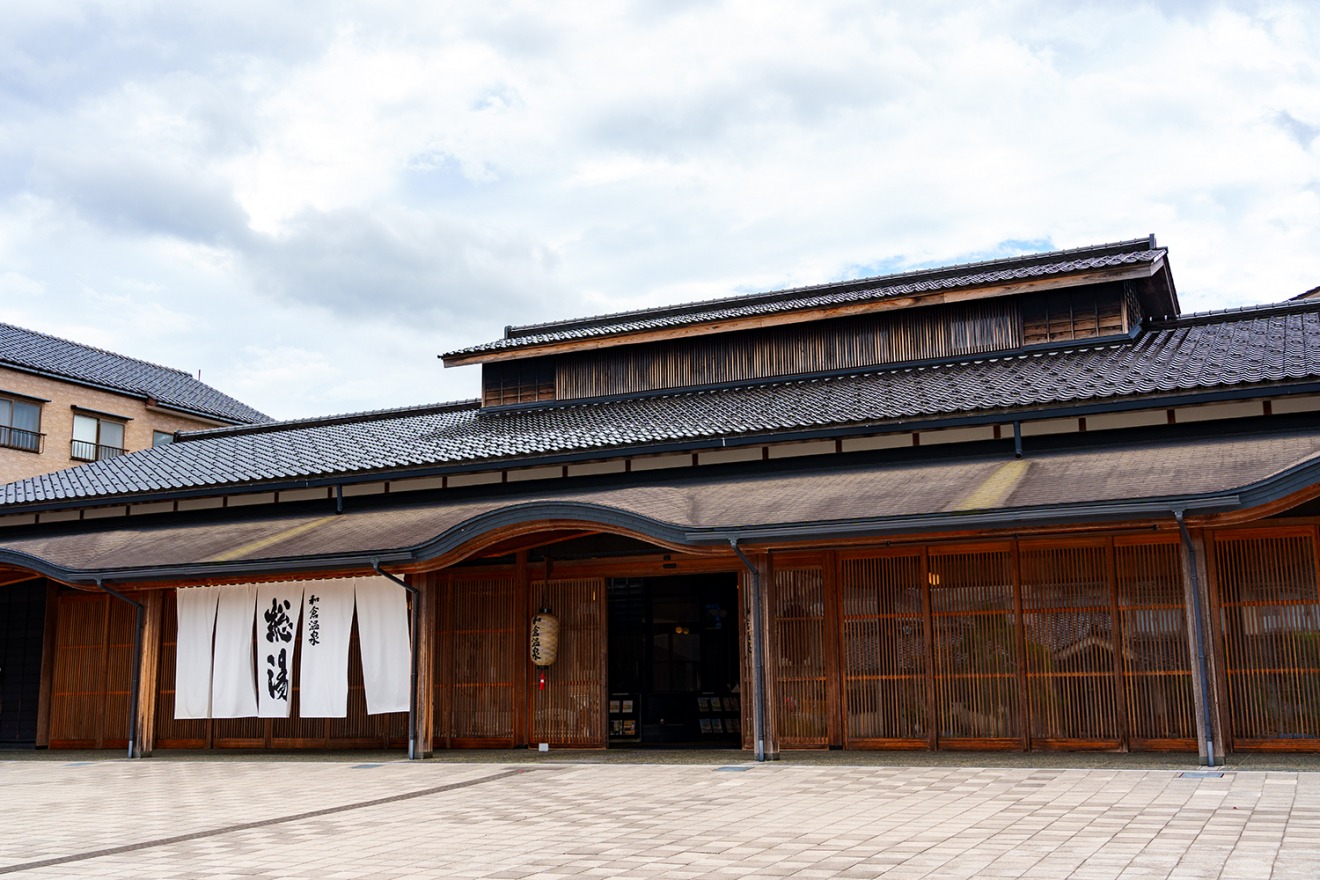
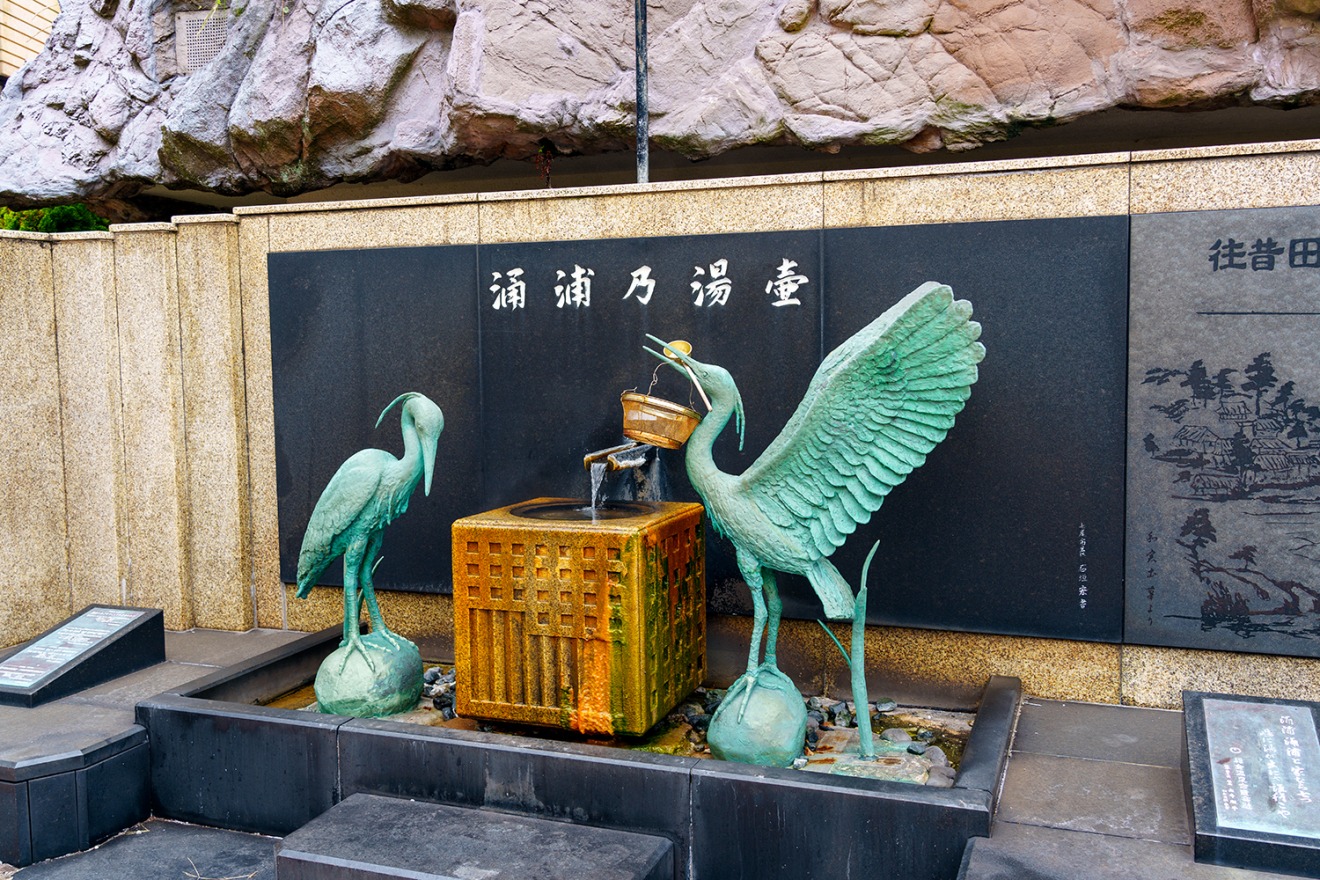
Wakura Onsen Sōyu (Nanao City): A public bathhouse at Wakura Onsen, a renowned hot spring with a history of approximately 1,200 years. While some inns remain closed due to the earthquake, this facility is operating as usual. Feel free to drop by and enjoy the waters of Wakura Onsen.
https://www.wakura.co.jp
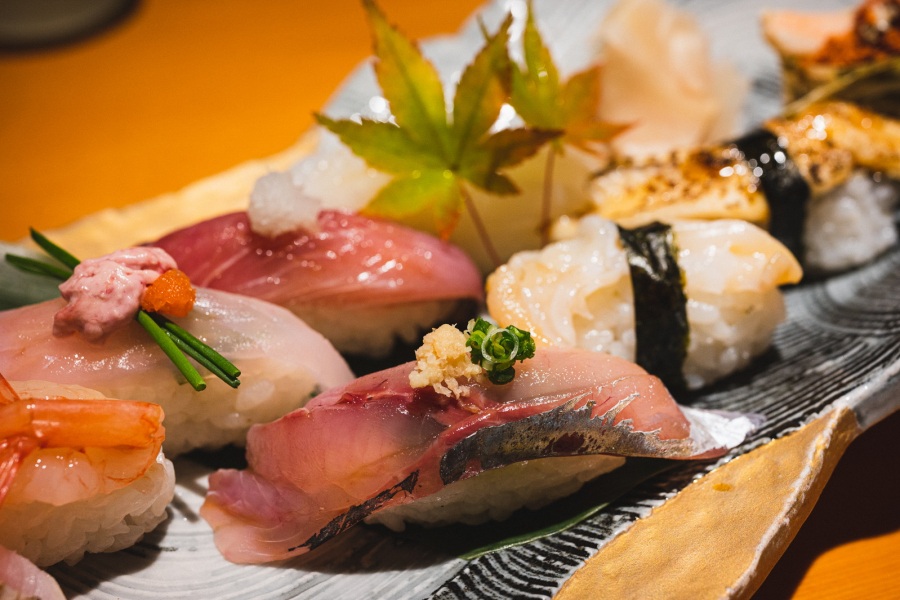
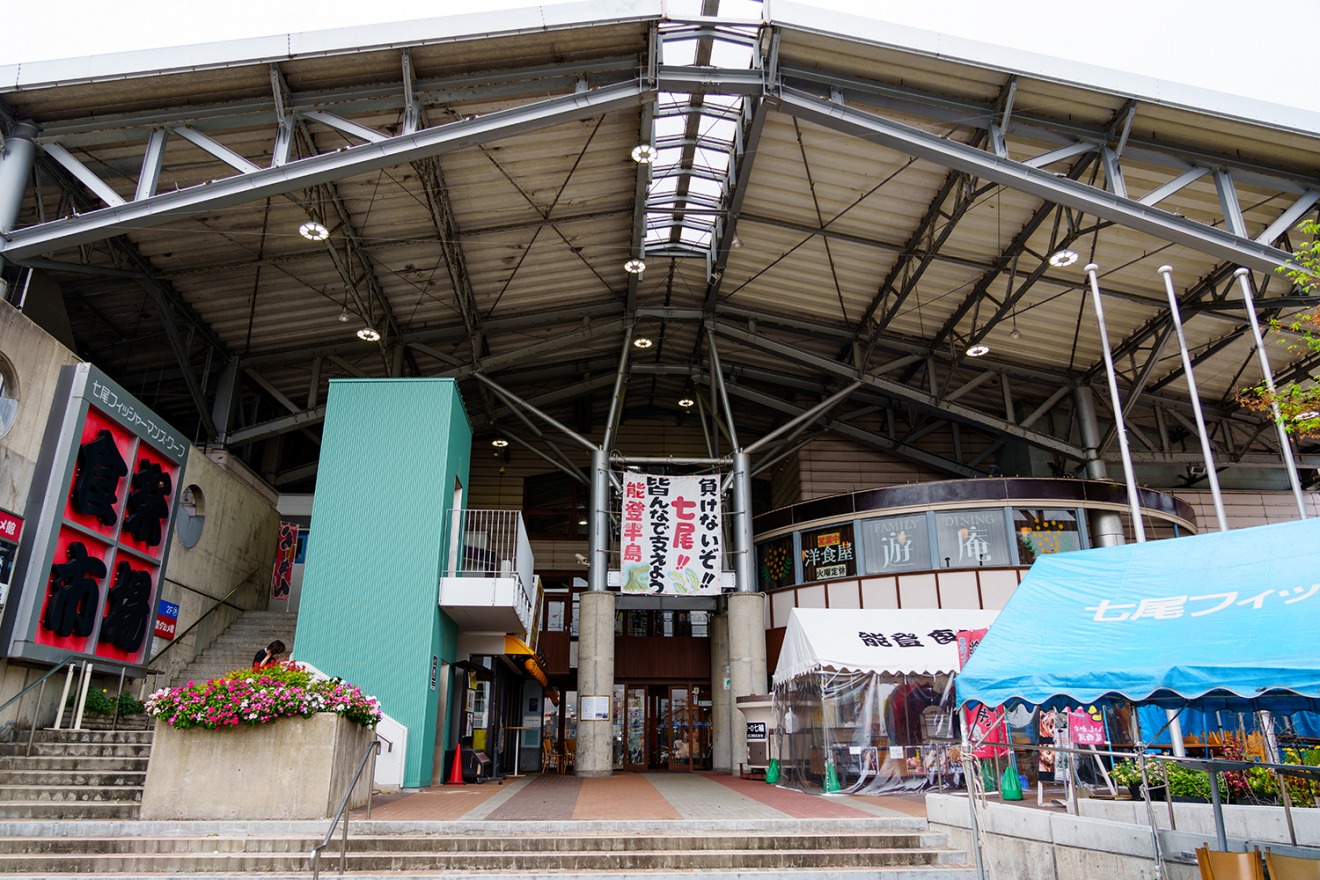
Noto Food Festival Market (Nanao City): A treasure trove of food featuring fresh, morning-caught seafood, Noto specialties, and restaurants. In November 2024, the “Hamayaki” corner—where you can grill and eat seafood right on the spot—will reopen after renovations! Please check the link below for business hours and other details.
http://www.shokusai.co.jp
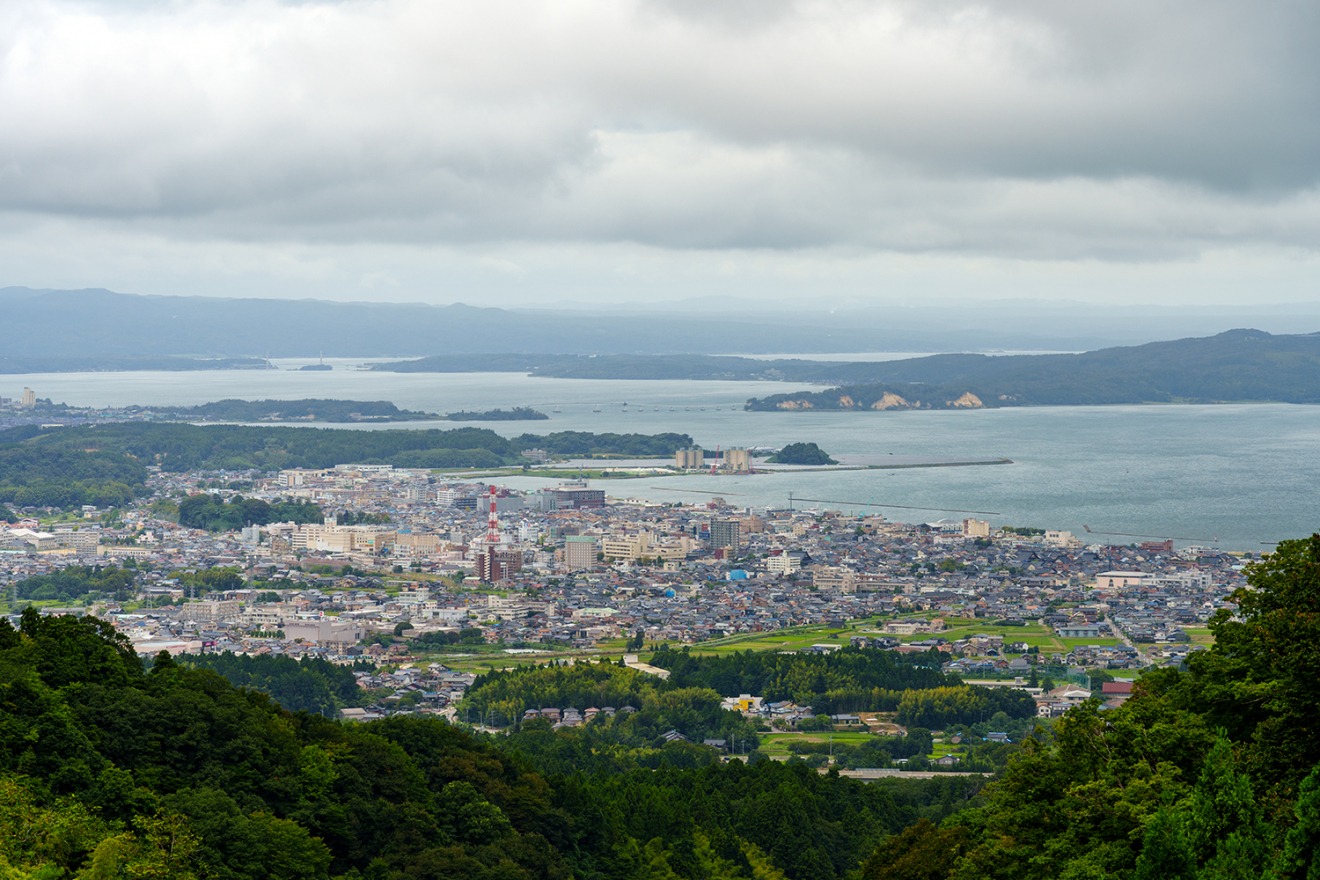
Nanao Castle Ruins (Nanao City): The castle of the Hatakeyama clan, the shugo (provincial governors) of Noto, and one of Japan’s Five Great Mountain Castles. Many of the stone walls surrounding the various bailey areas remain, and the view of Nanao Bay from the Honmaru (main bailey) is spectacular. The main approach road from the Chodo-maru ruins to the Honmaru—which had been closed due to earthquake damage—is now open, and the Shiroyama Observation Deck is also accessible.
https://www.nanaojyou.com/
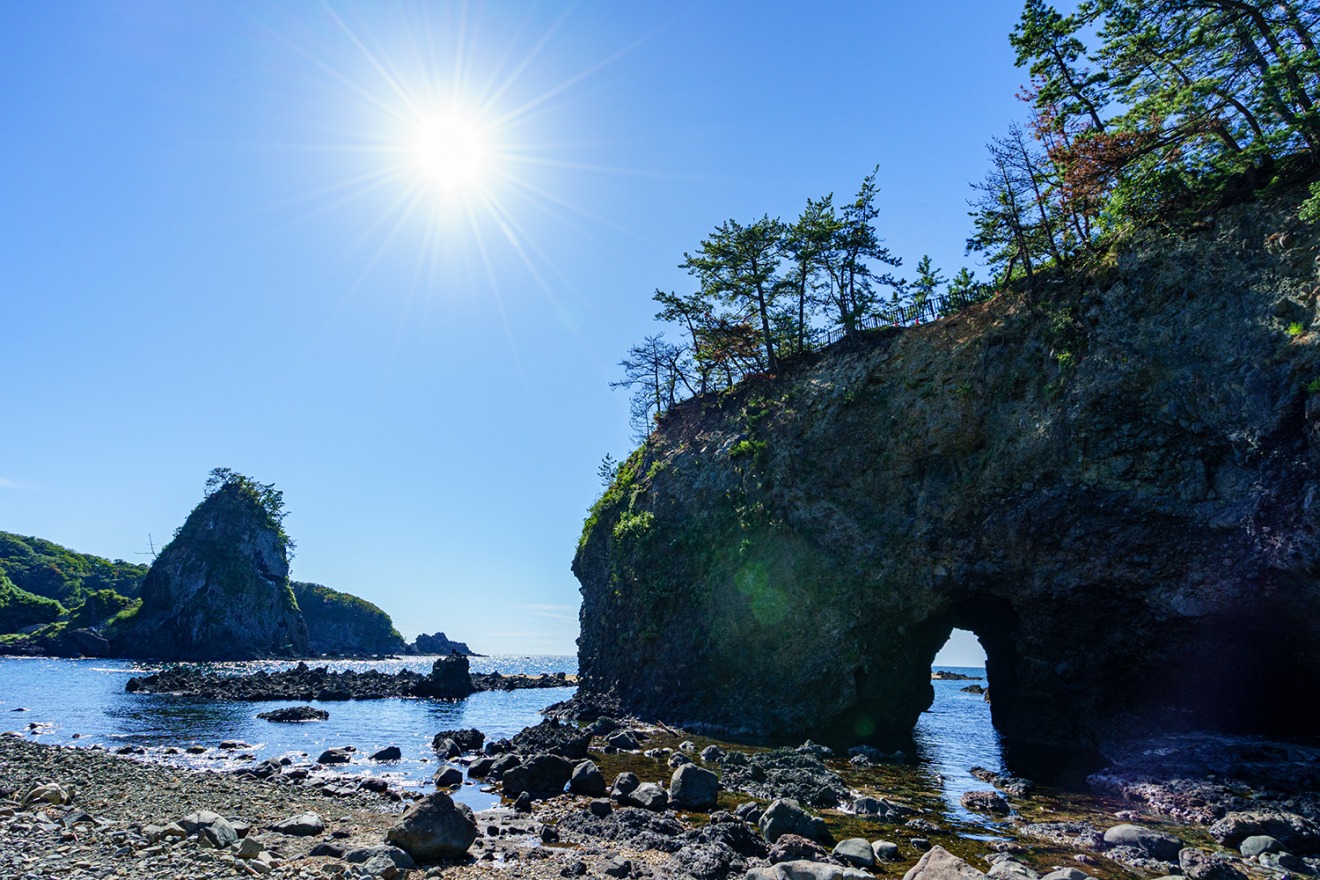
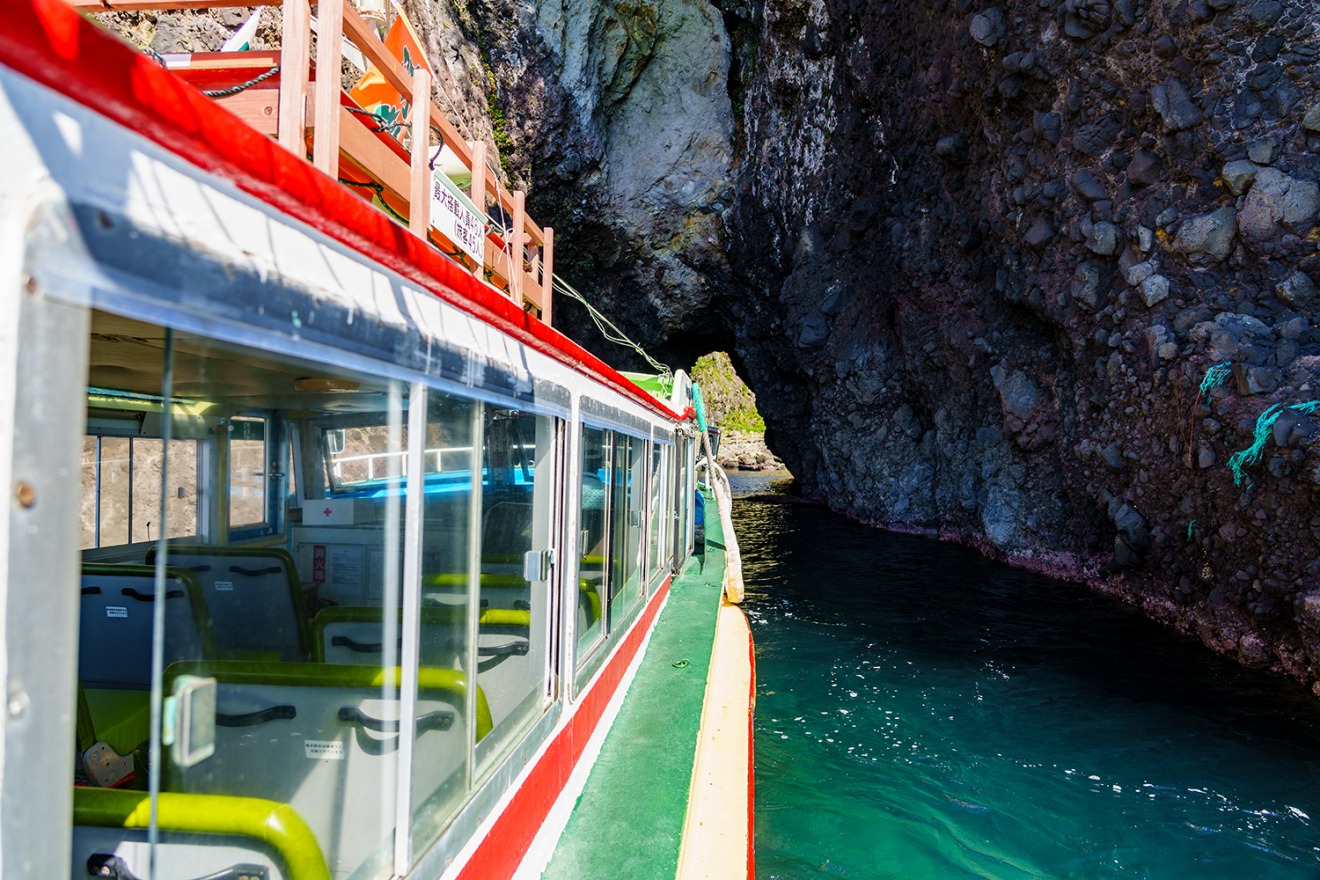
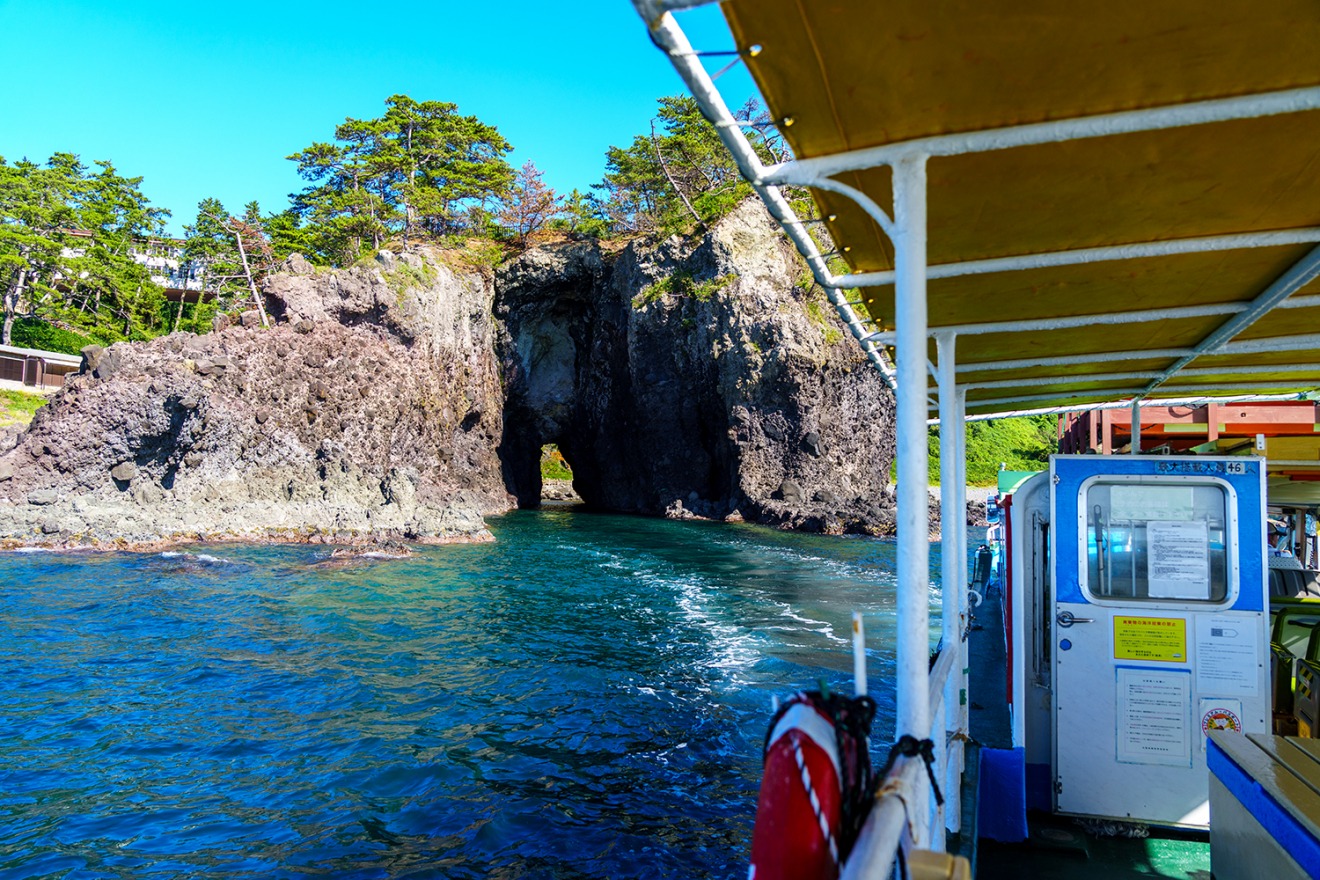
Ganmon and Senjōjiki Rock (Shika Town): Ganmon is the iconic landmark of Noto Kongō, one of the Noto Peninsula’s premier scenic spots. It is a cave approximately 60 meters deep formed by erosion. Neither Ganmon nor the adjacent Senjōjiki Rock—a wave-eroded platform—sustained significant damage from the earthquake.
Noto Kongo Sightseeing Boat (Shika Town): A sightseeing boat that tours Noto Kongo’s Ganmon, Takanosu Rock, Goban Island, and other sites. Although the boat was damaged by the tsunami and operations were suspended for a while, regular service resumed in July 2024. The boat operates from mid-March to mid-November, but service is suspended during the winter and on days when the sea is rough.
https://ganmon.jp
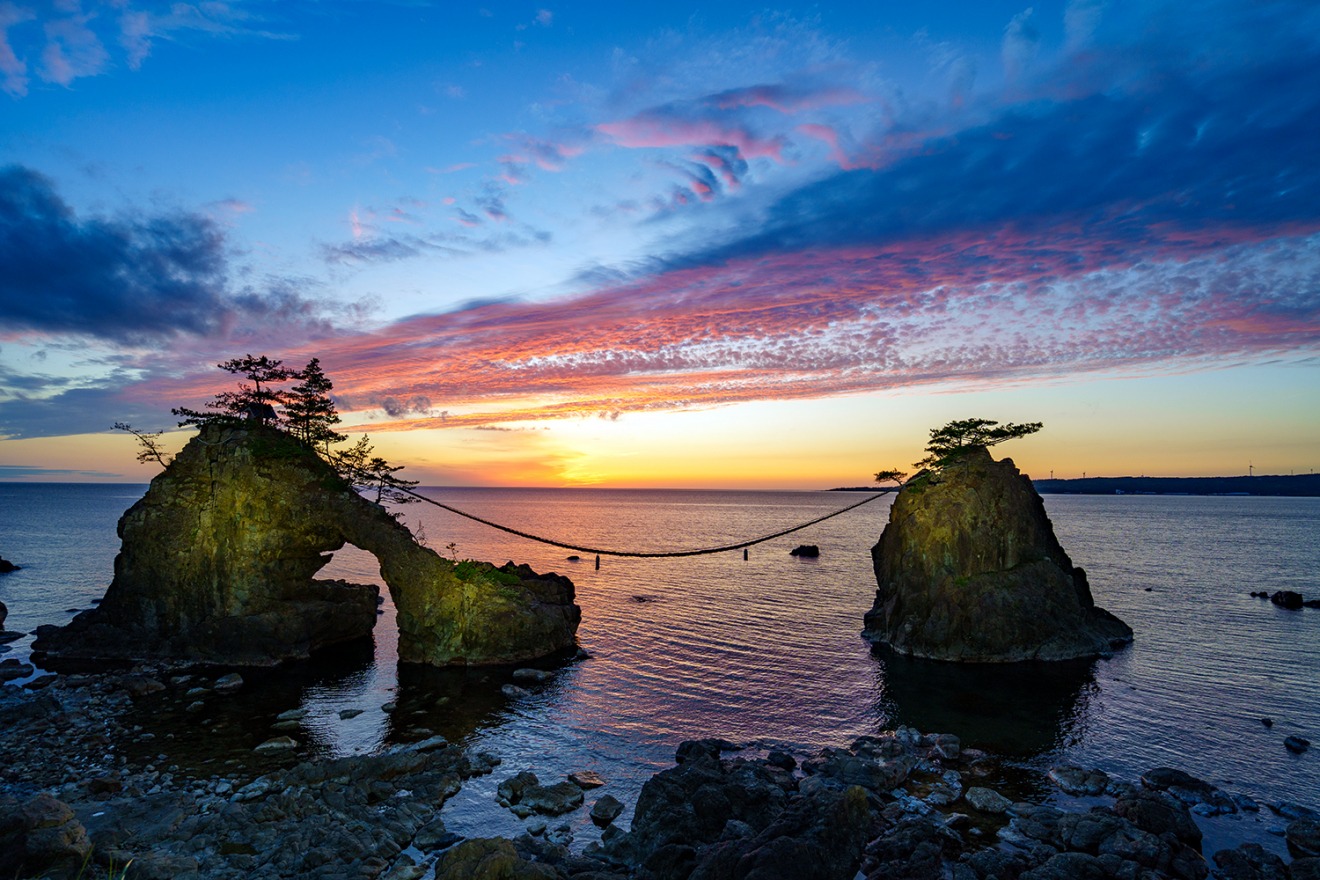
Hatago-iwa (Shika Town): Pronounced “Hatago-iwa,” this is another iconic landscape of Noto Kongo. These “couple rocks,” which gave rise to a legend about the god of weaving, are also known as “Noto Futami” because they resemble the Futami Rocks in Ise. They suffered no significant damage from the earthquake, such as collapse.
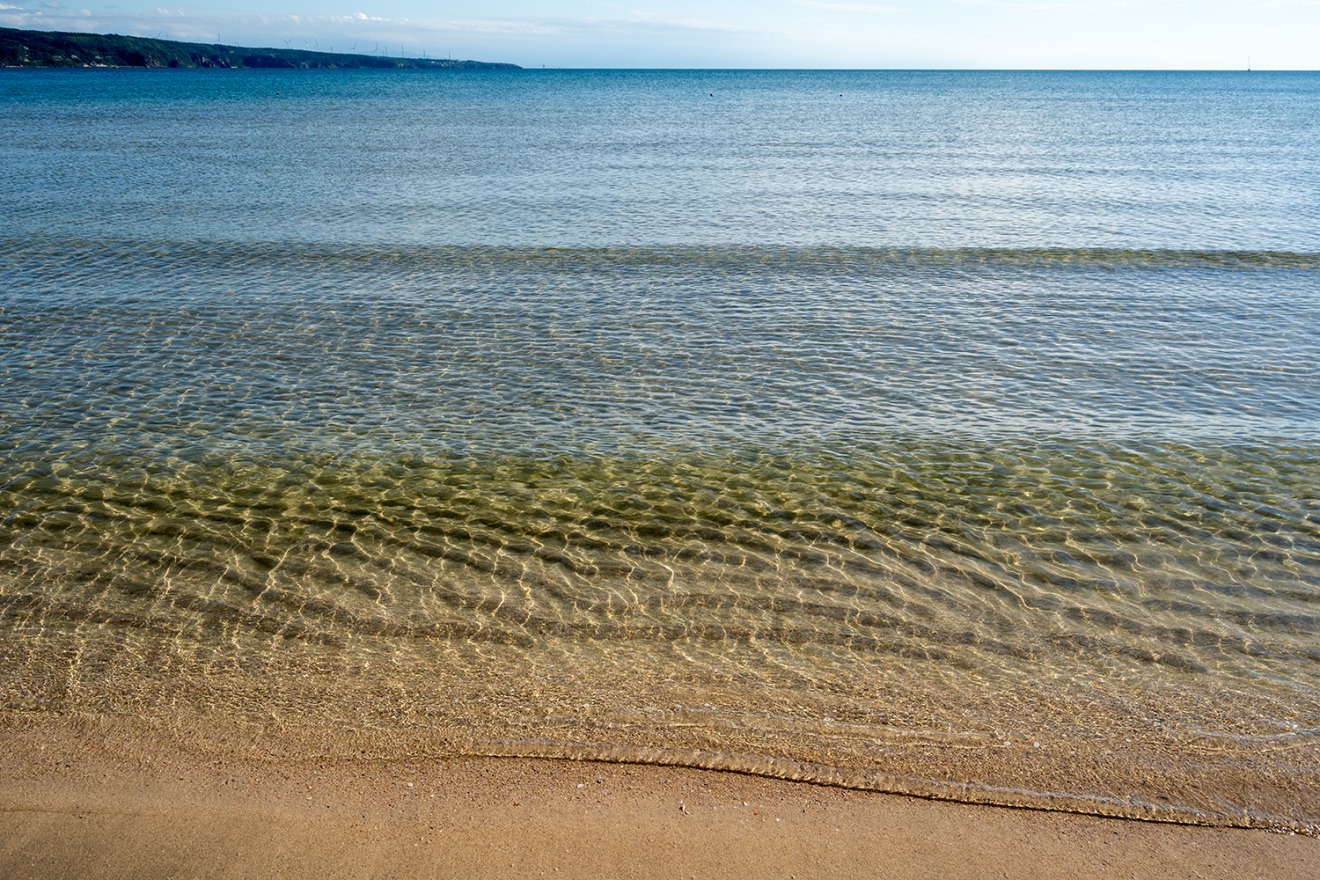
Masuhoura Coast (Shika Town): This approximately 4-kilometer stretch of white sand and green pine trees is said to be one of Japan’s three most famous shell-gathering spots. Visitors can collect various small, beautiful shells, including Sakura clams. It is also home to the “World’s Longest Bench.”
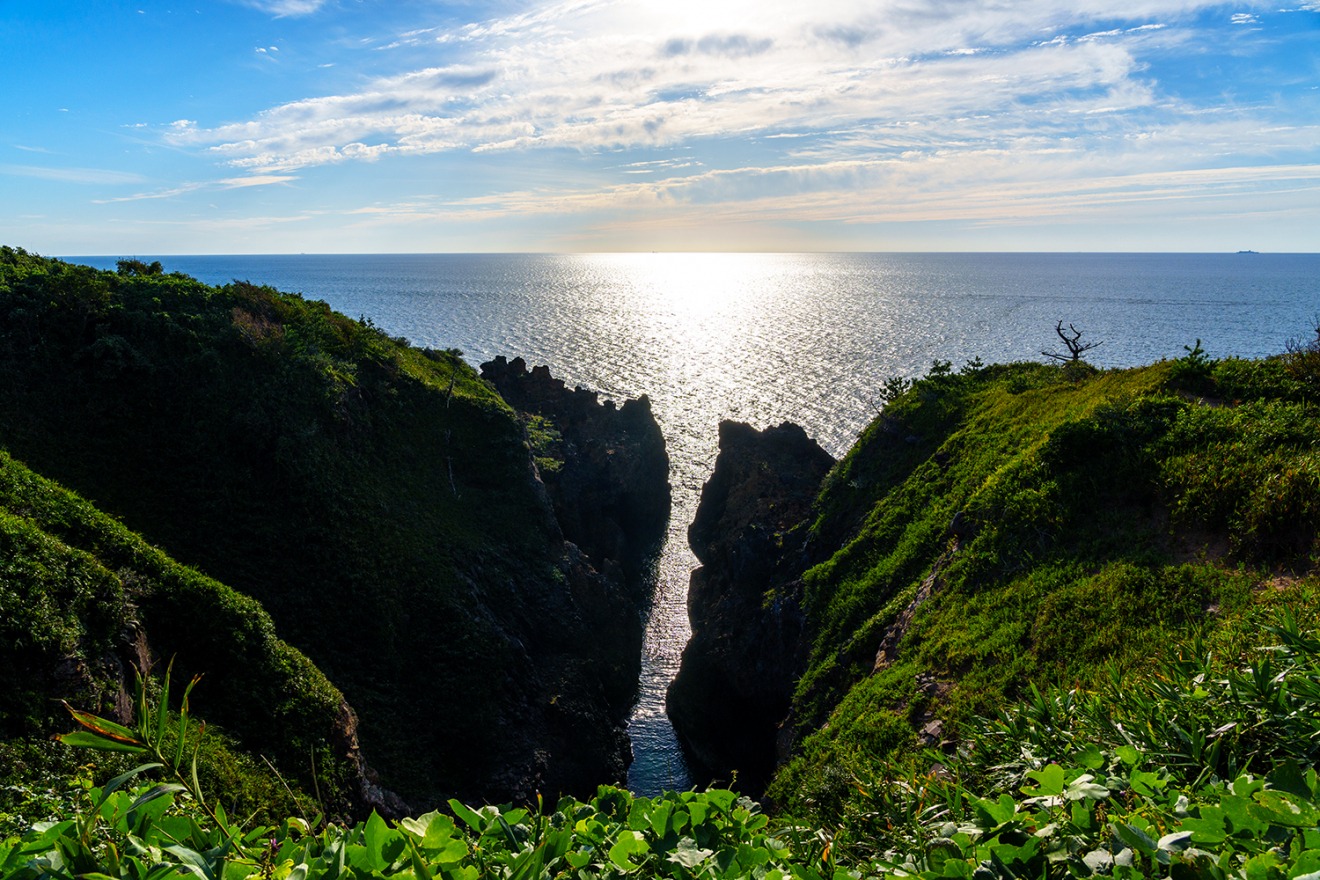
Yoshitsune’s Hidden Boat (Shika Town): This rocky cliff is the site of a legend that Yoshitsune, Benkei, and their companions hid their boat here to avoid rough waves while traveling south to Oshu. It’s a spot you’ll want to visit along with the “Yase Cliffs,” which are connected by a nature trail.
*In addition to the above, there are many other places worth visiting, such as the Hanayome Noren Museum, Ipponsugi-dori Shopping Street [some temporary stores], Wakura Pokémon Footbath, and the Ishikawa Prefecture Notojima Glass Art Museum (all in Nanao City), as well as the Taira Family Garden and Roadside Station Korogaki no Sato Shika (both in Shika Town).
Let's go meet the animals that have returned to Noto!
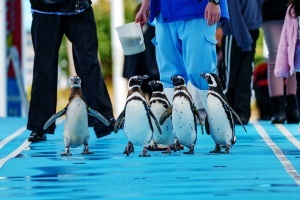
Notojima Aquarium evacuated animals that could no longer be safely cared for due to equipment malfunctions, sending them to aquariums and zoos across Japan. With repairs now completed, the animals that have returned are showing their lively selves once again in Noto. The photo shows the popular "Penguin Walk Time".
Oku-Noto Northernmost Area: Slowly Opening to Visitors Again
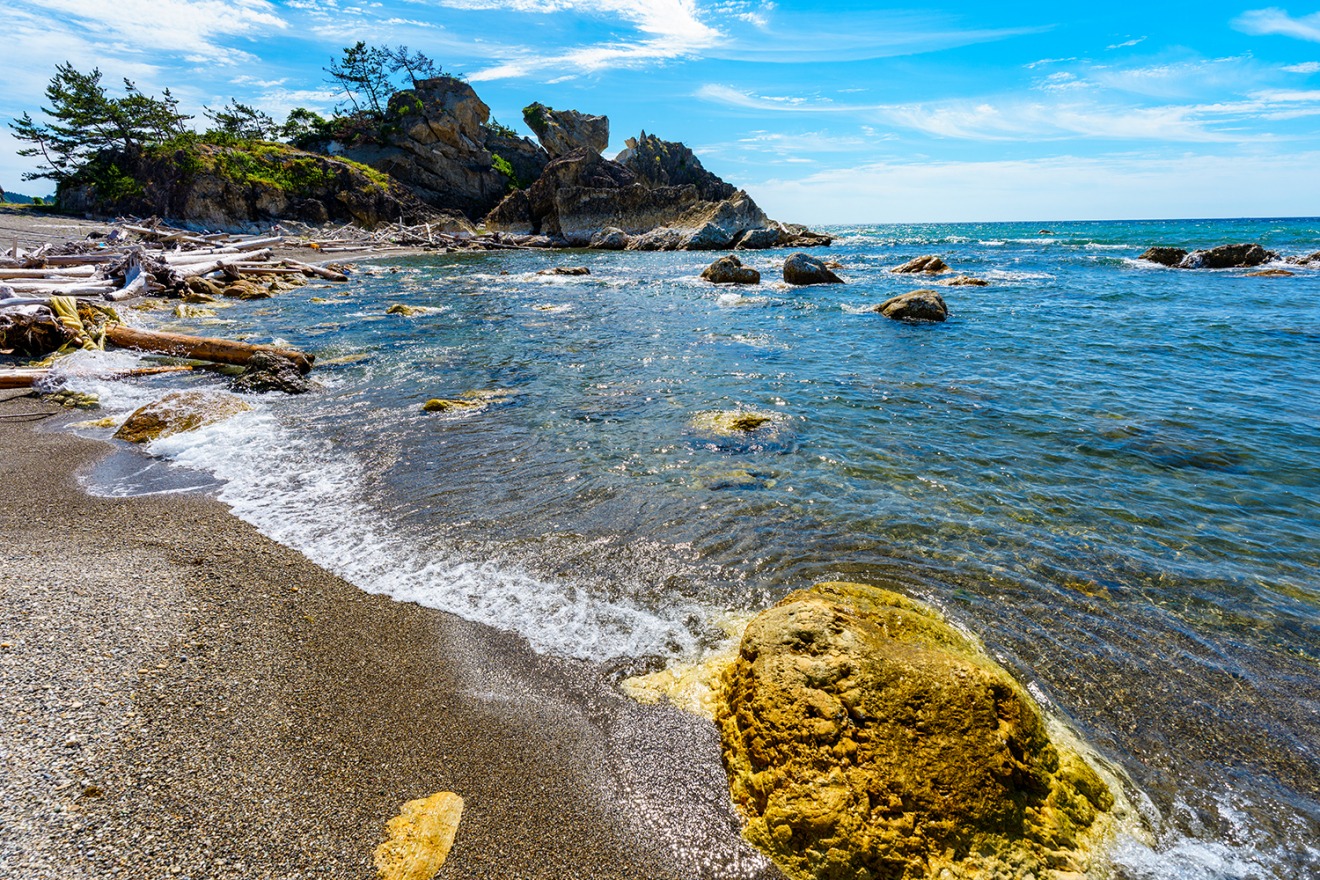
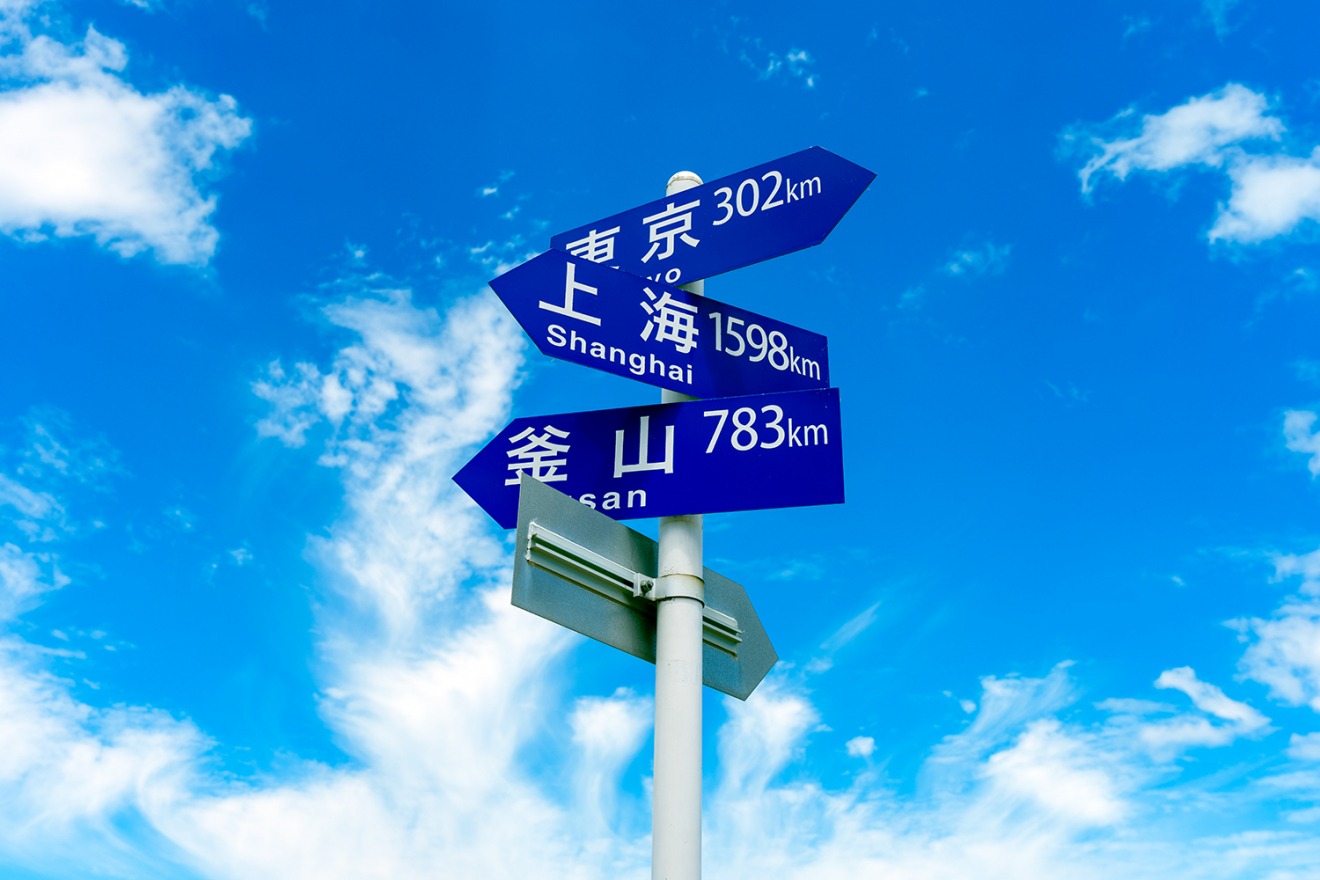
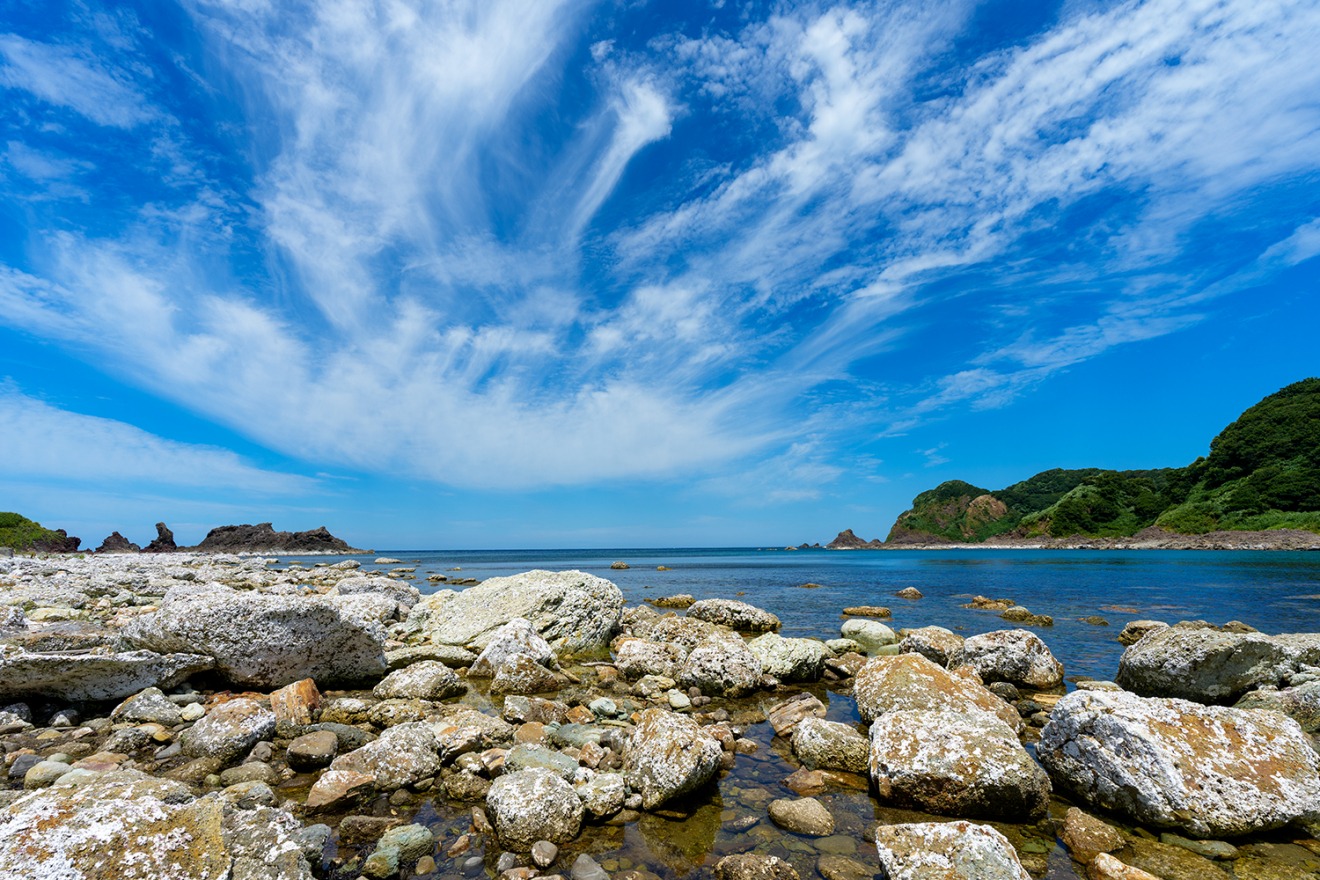
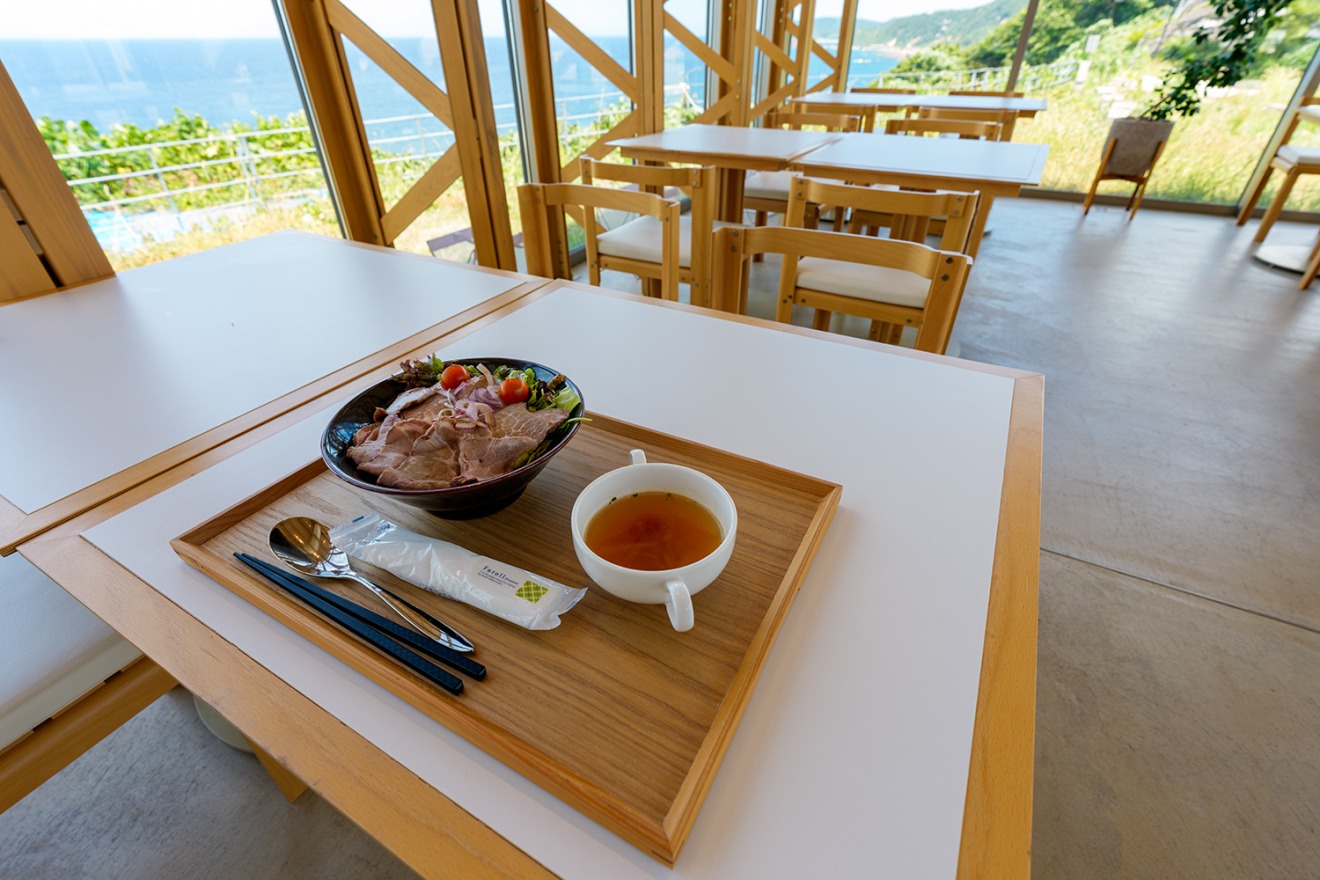
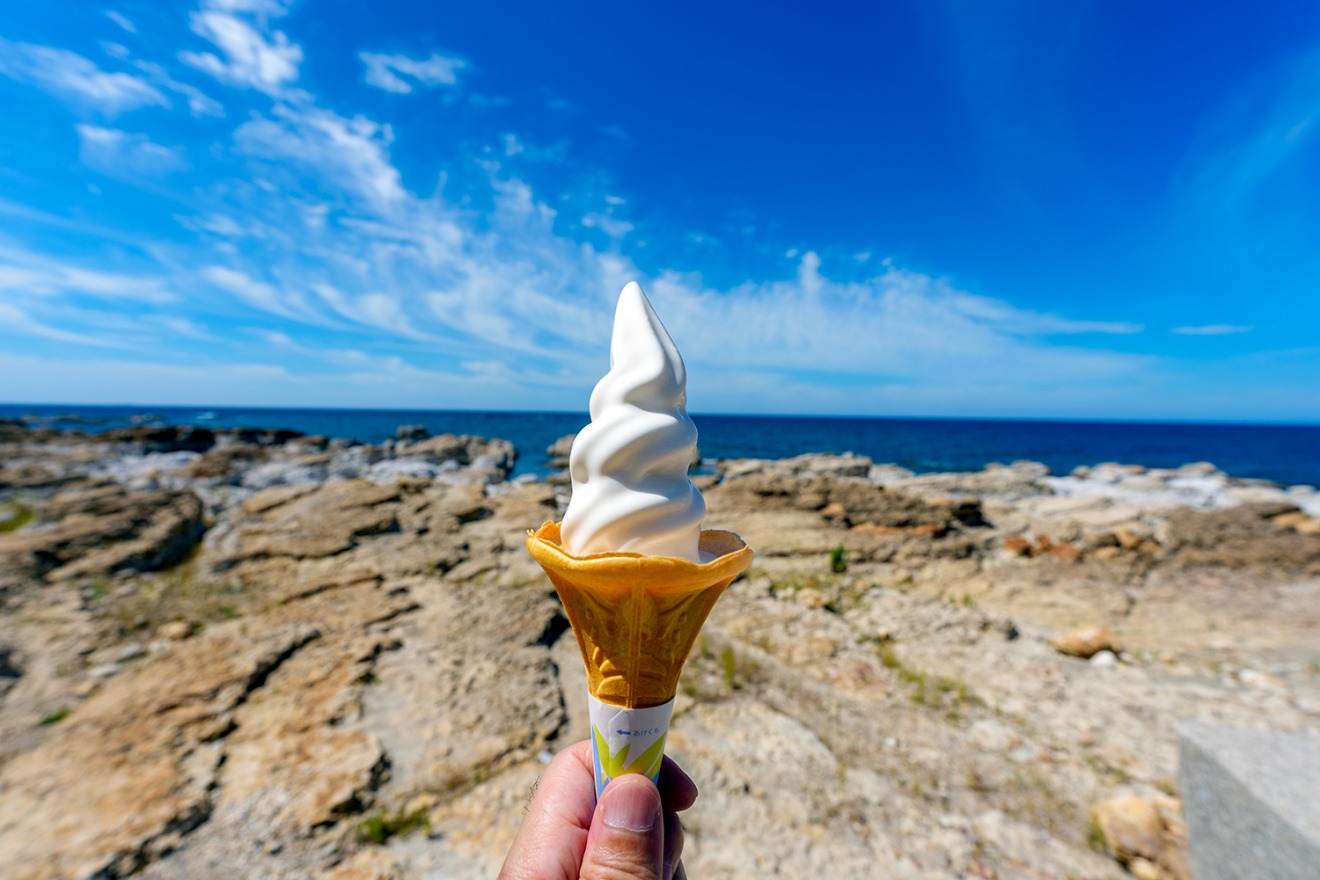
In areas that suffered extensive damage from the earthquake, the heavy rains in Oku-Noto dealt a further blow to many locations. While visitors will undoubtedly see the scars left by the earthquake and flooding, it is also important to take home the feelings you experience upon witnessing the current state of Oku-Noto. Driving along the temporary road built on the raised coastline along National Route 249 in the Soto-ura district, you can truly grasp the sheer power of the earthquake.
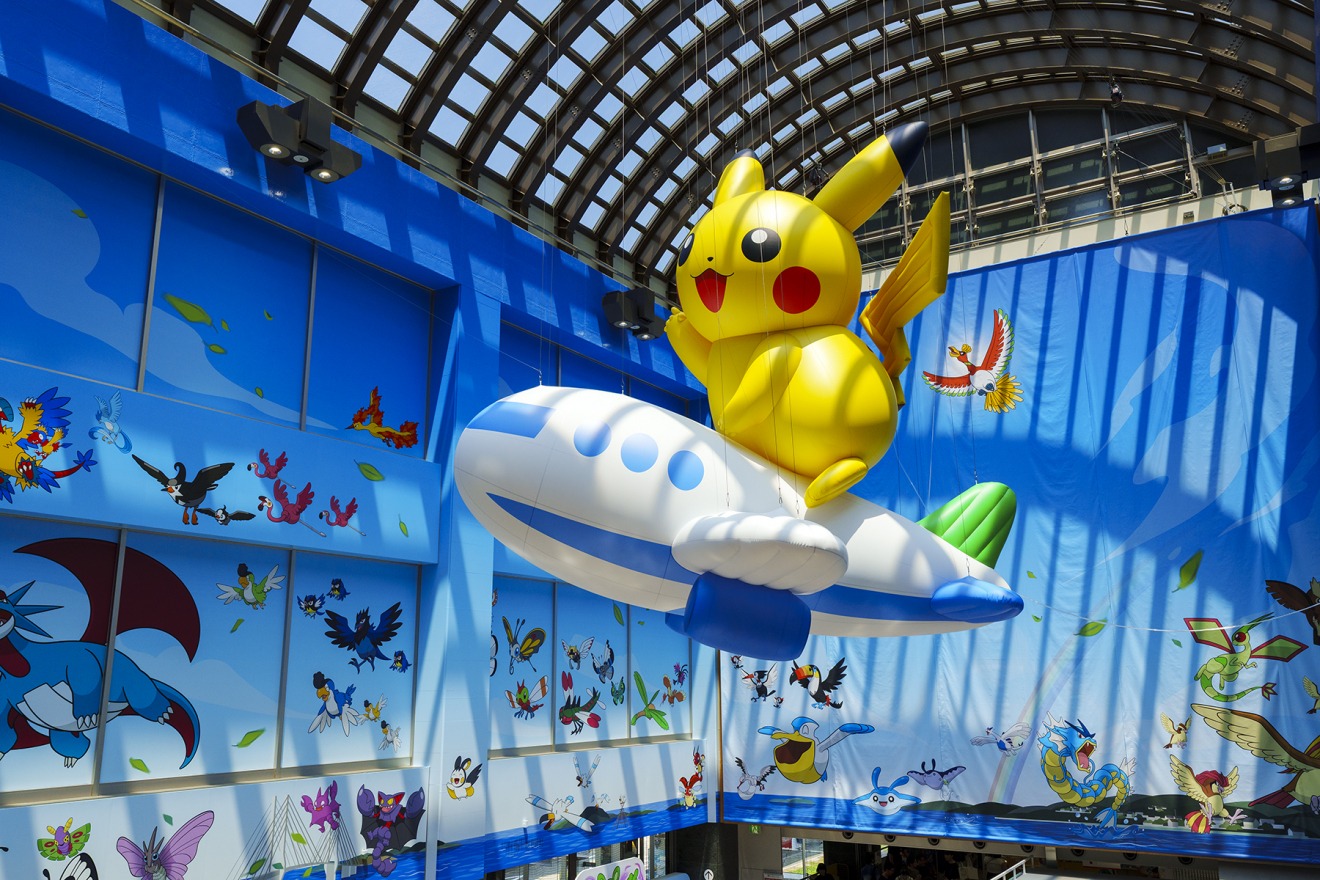
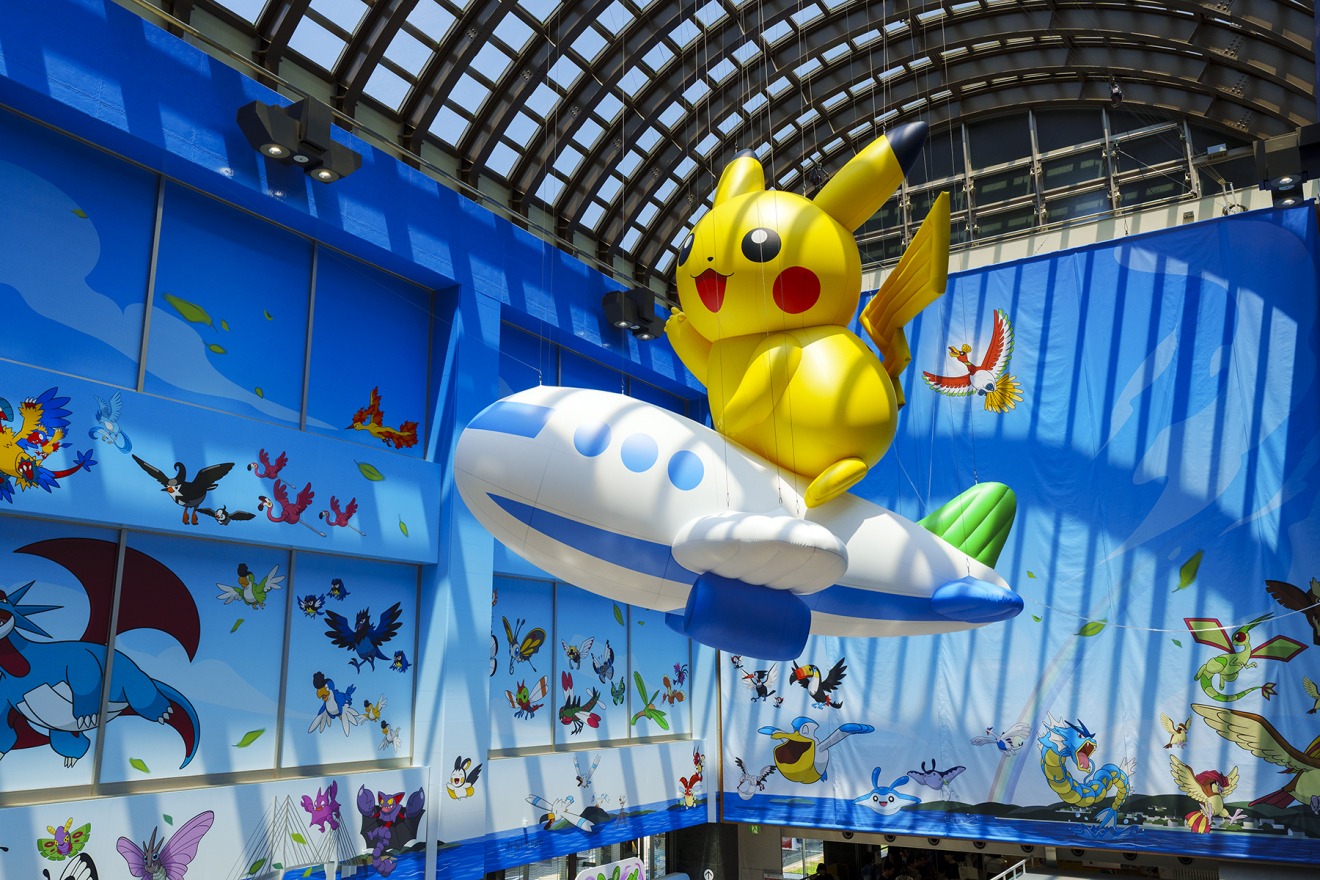
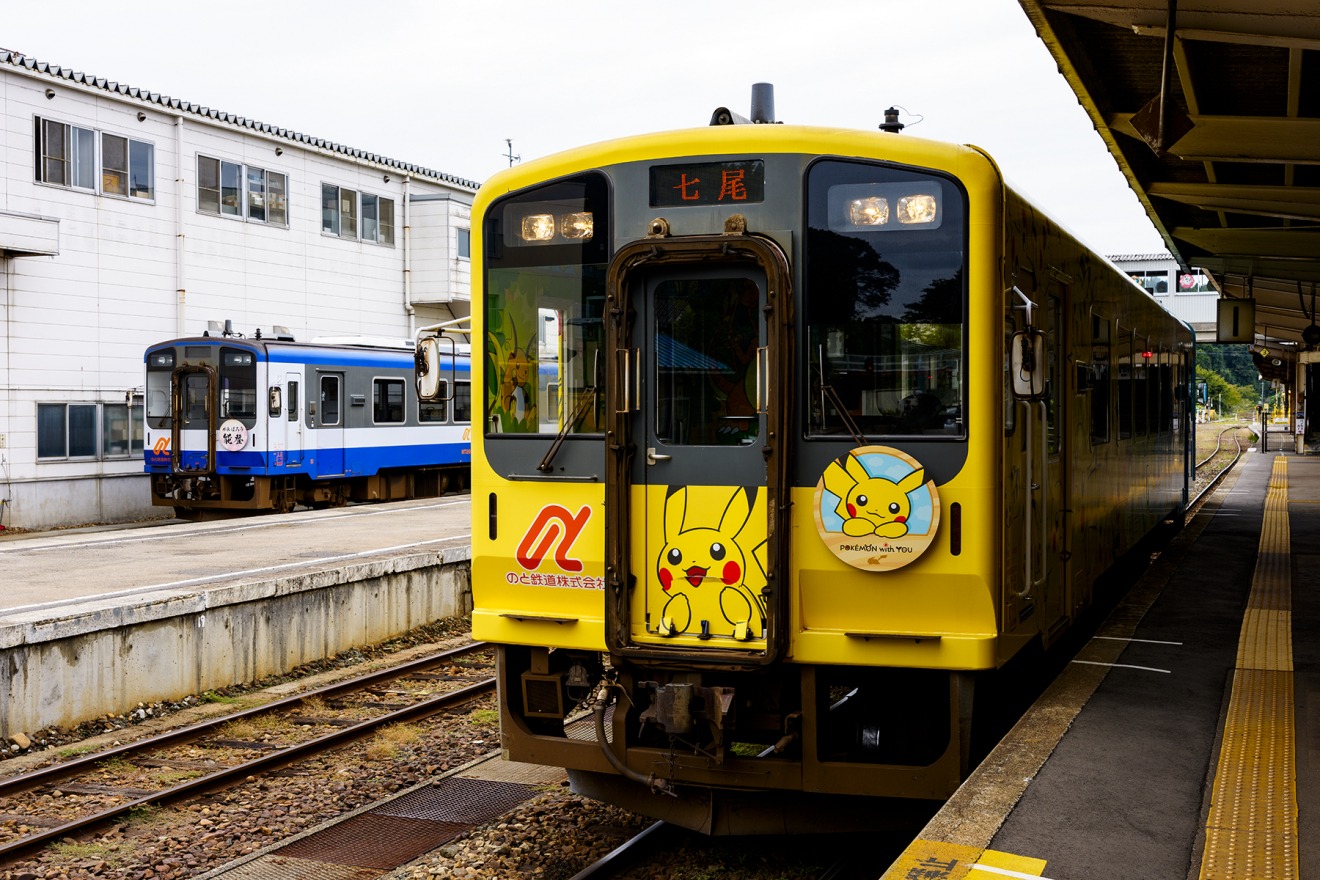
Noto Satoyama Pokémon With You Airport: For a limited time through September 30, 2029, Noto Airport will be known by the nickname “Noto Satoyama Pokémon With You Airport,” and 111 types* of “Flying-type” Pokémon will make appearances throughout the airport. The second-floor shop sells original airport-exclusive merchandise, and the third-floor restaurant features an original Pokémon menu. Playful surprises are scattered throughout the airport, offering fun for both adults and children.
https://noto-pokemon.pref.ishikawa.lg.jp/airport/
*Excluding Mega Evolutions, Regional Forms, etc.
NOTOMORI (Wajima City): A temporary food court that opened in November 2024 within the Noto Satoyama Airport’s Parking Lot 1. It houses six restaurants that were affected by disasters and operates not only for lunch and dinner but also as a café and coworking space.
https://noto-mori.jp
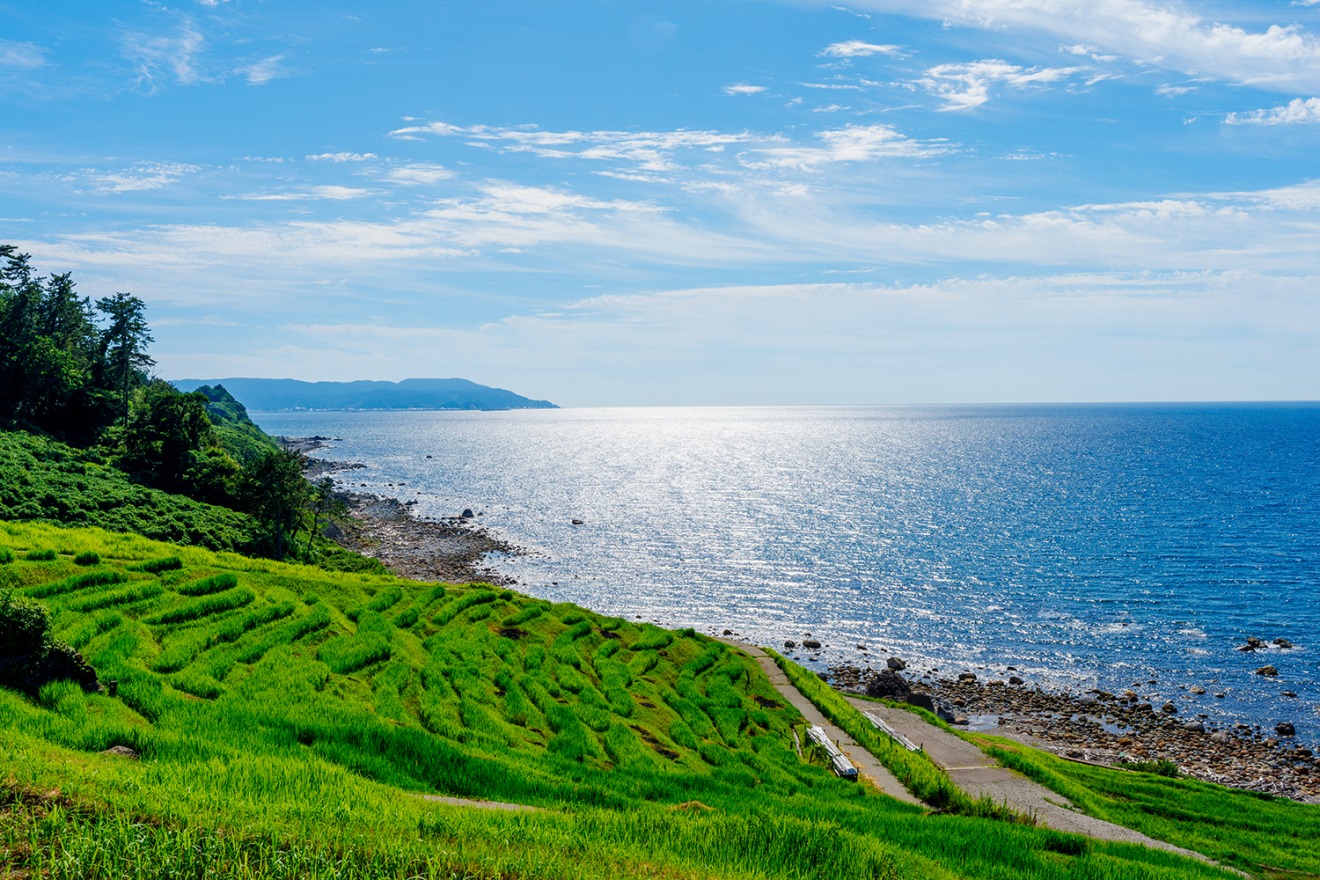
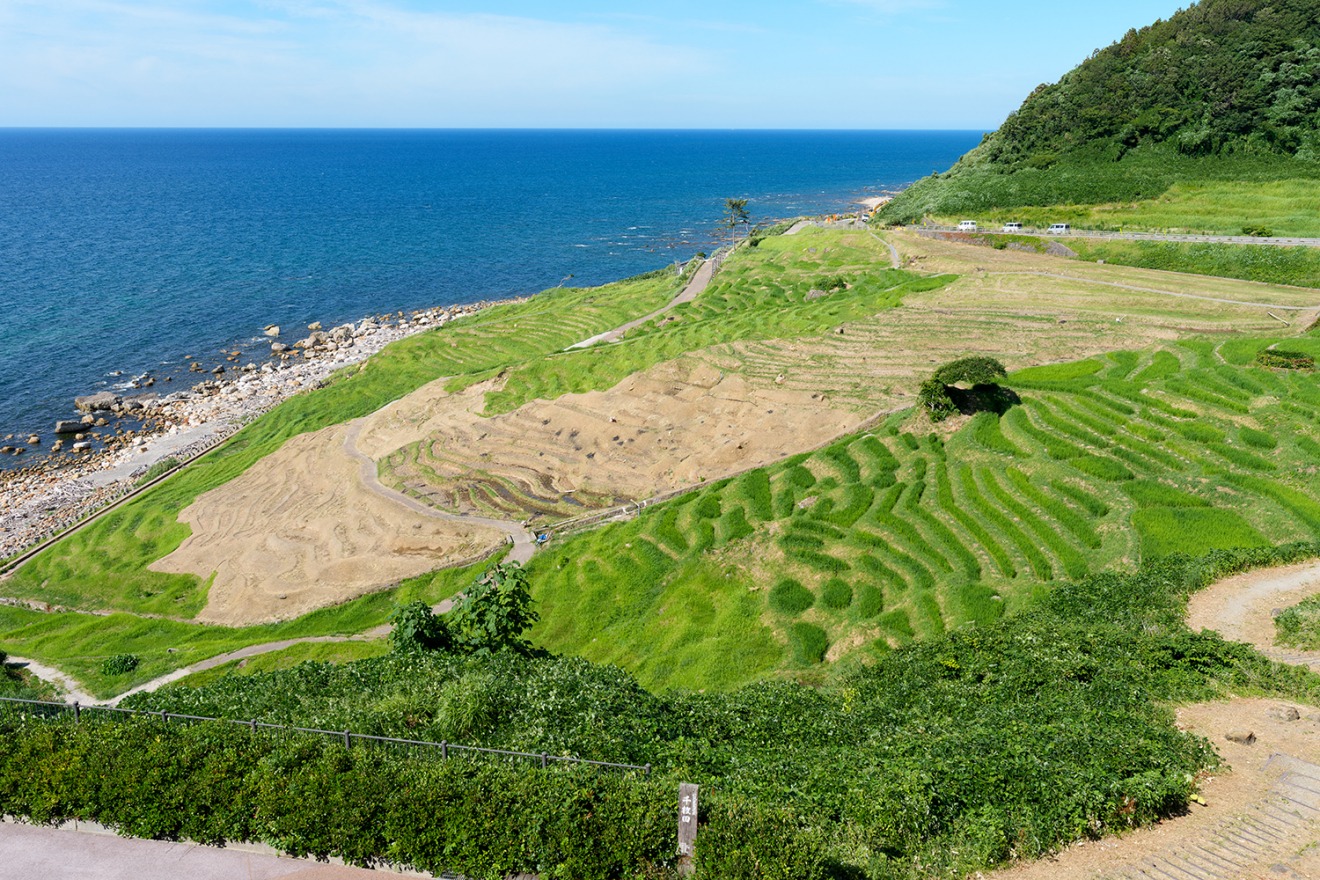
Shiroyone Senmaida (Wajima City): A series of 1,004 rice paddies stretches out toward the Sea of Japan. Although the area suffered significant damage from two disasters, rice cultivation has resumed thanks to the dedicated efforts of the Shiroyone Senmaida Aikōkai and others. The shops and restaurants in the adjacent pocket park are open on Fridays, Saturdays, Sundays, and holidays.
Sozogi Coast (Wajima City): A continuous stretch of breathtaking scenery featuring dynamic cliffs and unique rock formations, such as Tarumi Falls and Madoiwa Rock. The iconic Madoiwa Rock lost its “window” section in an earthquake, but the remaining rock has become a hot topic because it resembles a heart shape. National Route 249, which runs from here to Suzu City, is now open to general traffic, making it easier to reach Roadside Station Suzu Endenmura and Rokkōzaki.
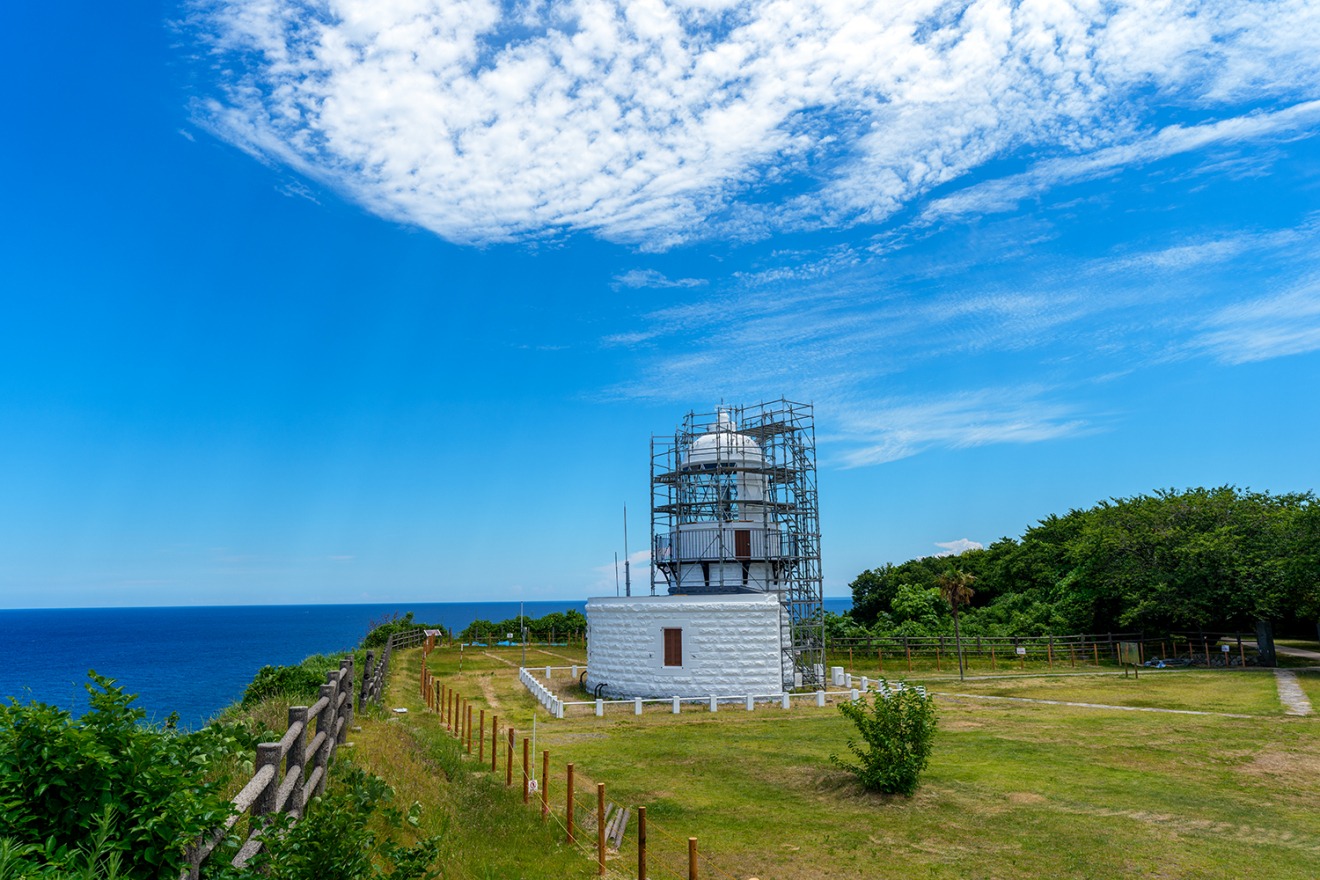
Rokkōzaki (Suzu City): Located at the tip of the Noto Peninsula, where the Uchiura and Soto-ura coasts meet, is Rokkōzaki. Its white lighthouse is listed among Japan’s Top 50 Lighthouses. The signposts pointing toward Tokyo, Shanghai, Busan, and Vladivostok, standing on an observation deck overlooking the Sea of Japan, are a popular photo spot.
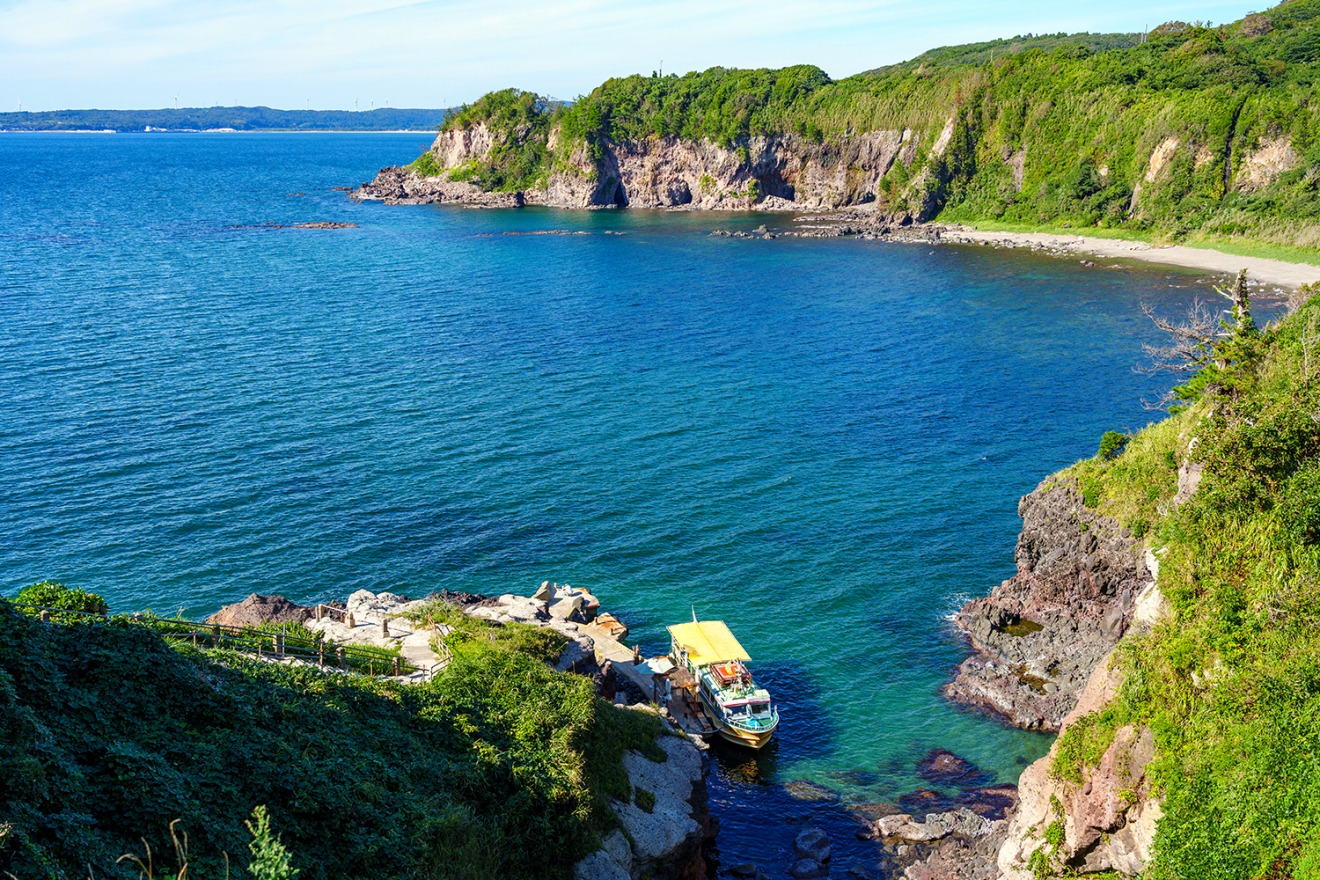
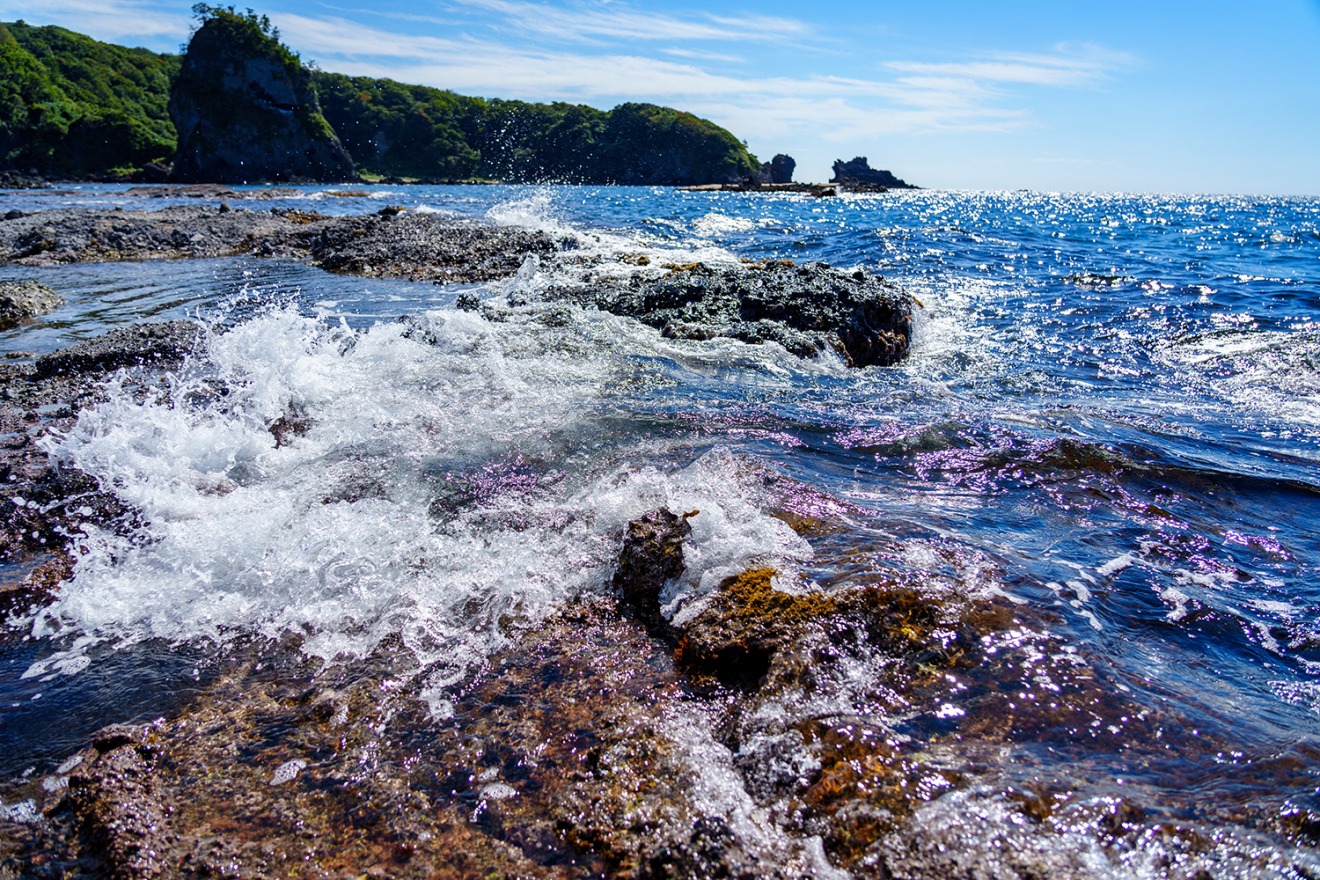
Kinoura Marine Park (Suzu City): Even among the waters of the Noto Peninsula’s Sotoura region—known for its clear seas—Kinoura Marine Park is considered particularly beautiful. Although the area was uplifted by about 2 meters due to an earthquake, the clear, azure sea remains unchanged. The “Kinoura Village” lodging facility is located on high ground, and overnight stays for tourists are permitted here.
https://kinoura-village.com/
Suzu Theater Museum: The museum was closed for a long time after the earthquake caused significant damage to its artworks, but it reopened in July 2026. As the hub for the Oku-Noto International Art Festival, it is helping to build momentum for the region’s recovery. Be sure to visit it along with the adjacent “Shiosai Restaurant.”
https://www.suzu-stm.jp
Shiosai Restaurant (Suzu City): Designed by architect Shigeru Ban for the Oku-Noto International Art Festival 2023, this restaurant offers views of the beautiful Sea of Japan from every seat. After two closures—one due to an earthquake and another due to heavy rains—it reopened in May 2025. It serves dishes made with an abundance of local Noto ingredients.
https://www.instagram.com/shiosai.restaurant
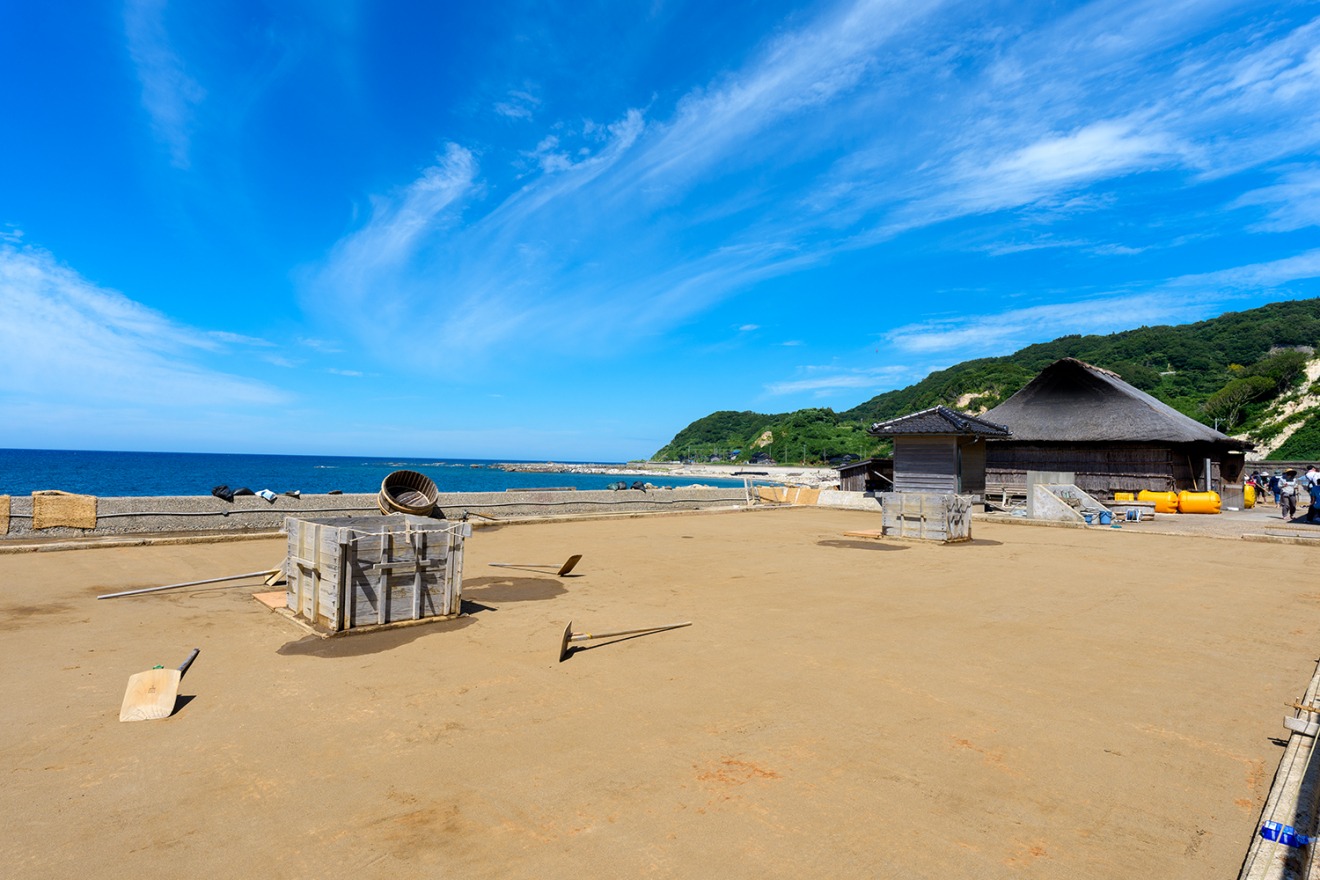
Roadside Station Suzuenden Village (Suzu City): A roadside station located along the “Oku-Noto Scenic Route.” It reopened in March 2025. Here, they practice a 500-year-old salt-making method known as “Agehama-style,” and sell a variety of products made with that salt. The “Salt Milk Soft-Serve Ice Cream” is extremely popular.
https://enden.jp/
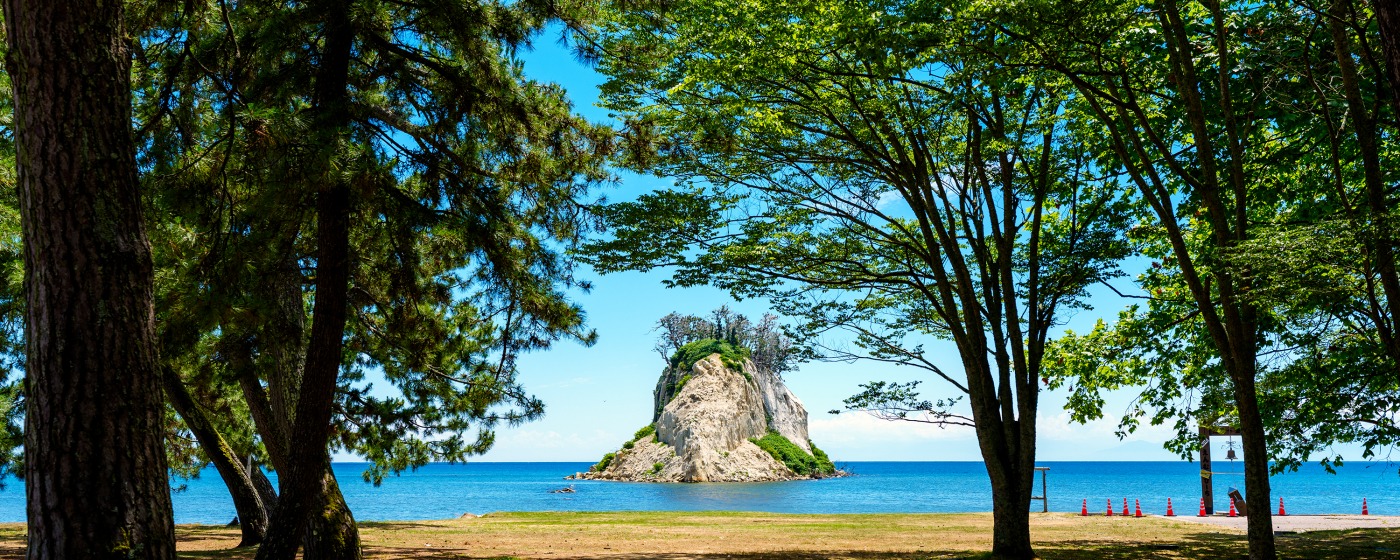
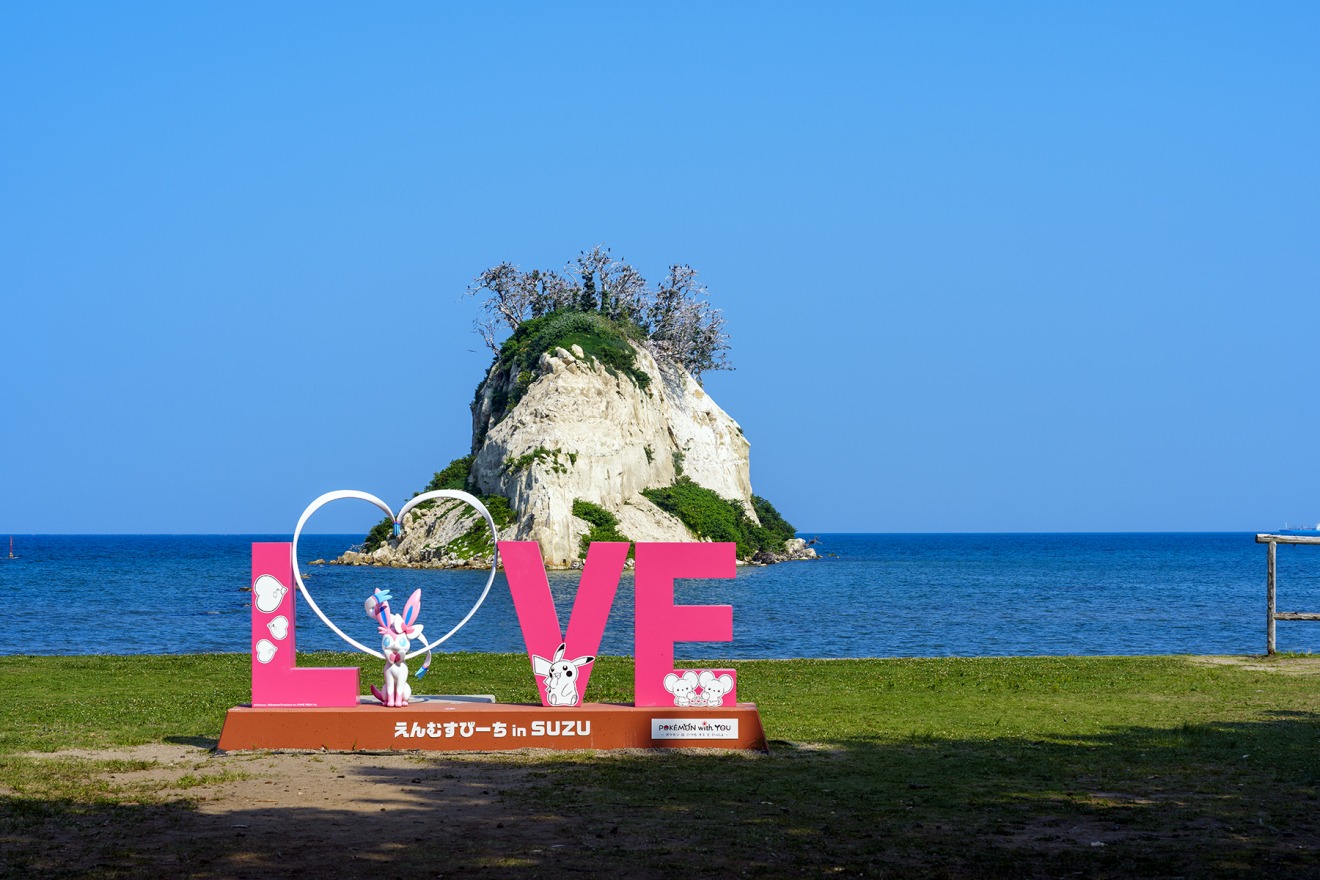
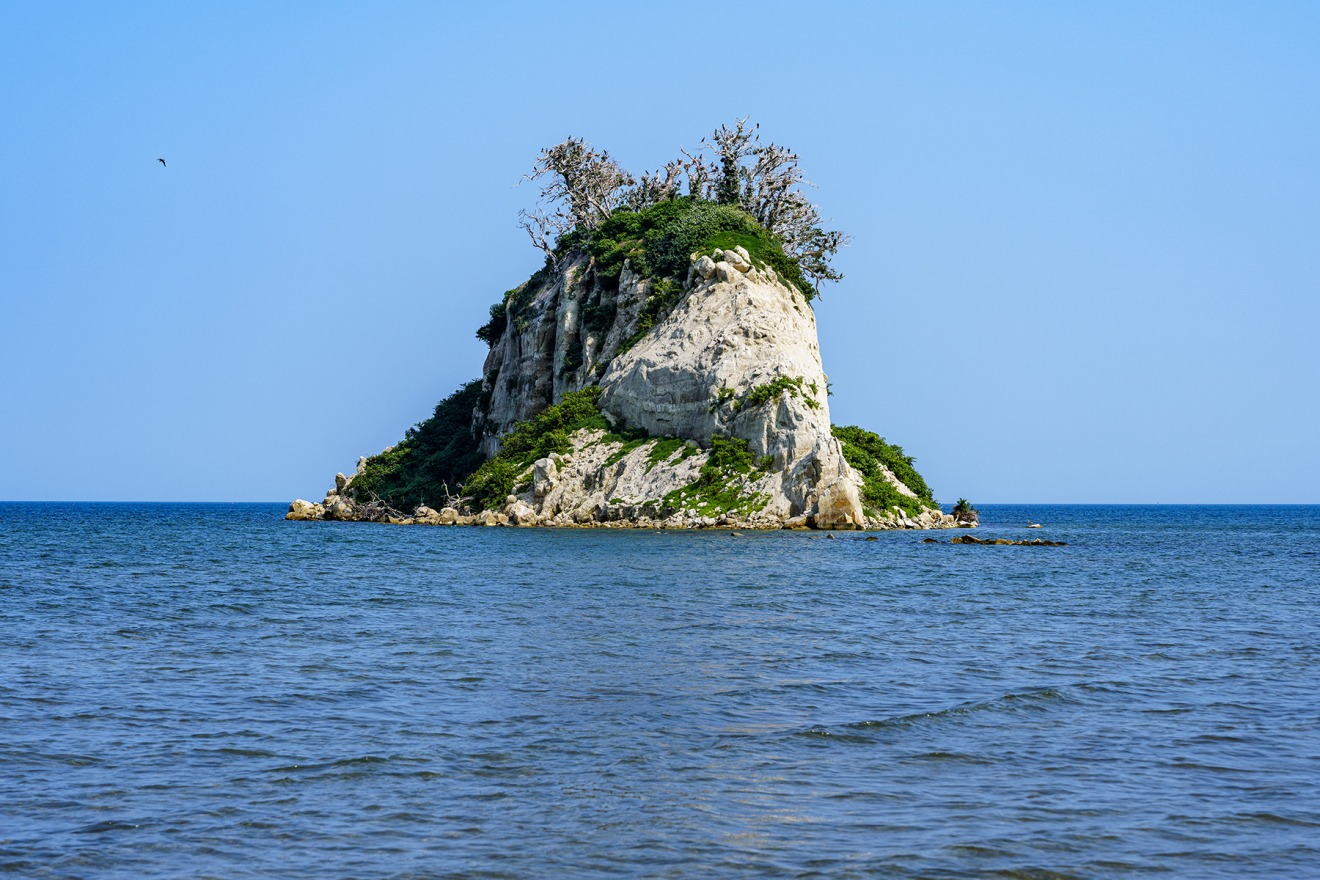
Mitsuke Island (Suzu City): Also known as “Battleship Island,” its striking ship-like shape was once a defining feature, but it collapsed during the earthquake, drastically altering its form. While the large tree at the summit appears to have withered, the greenery on the collapsed slope is lush and vibrant, giving the island a gentle overall appearance. In 2025, the “Nymphia with LOVE” monument was installed, making it a popular spot for people visiting Pokémon locations and taking photos.
Roadside Station Suzunari (Suzu City): It features the Suzunari Hall, which houses a tourist information center and sells local products from Suzu. The “Suzunari Shokudo” restaurant and “Suzu Kitchen” (which sells bento boxes), which opened next door, are also popular.
https://www.facebook.com/notosuzunari/
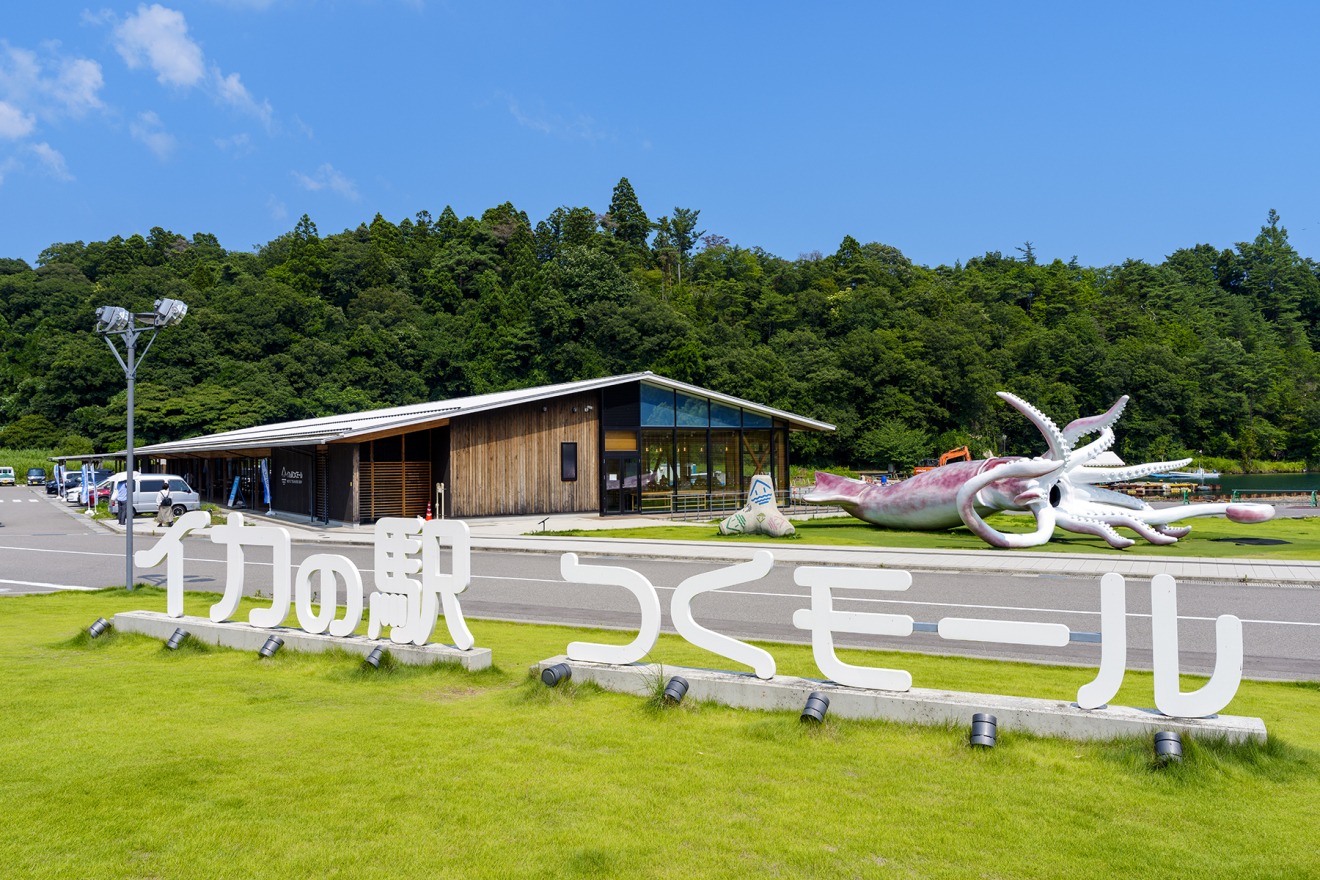
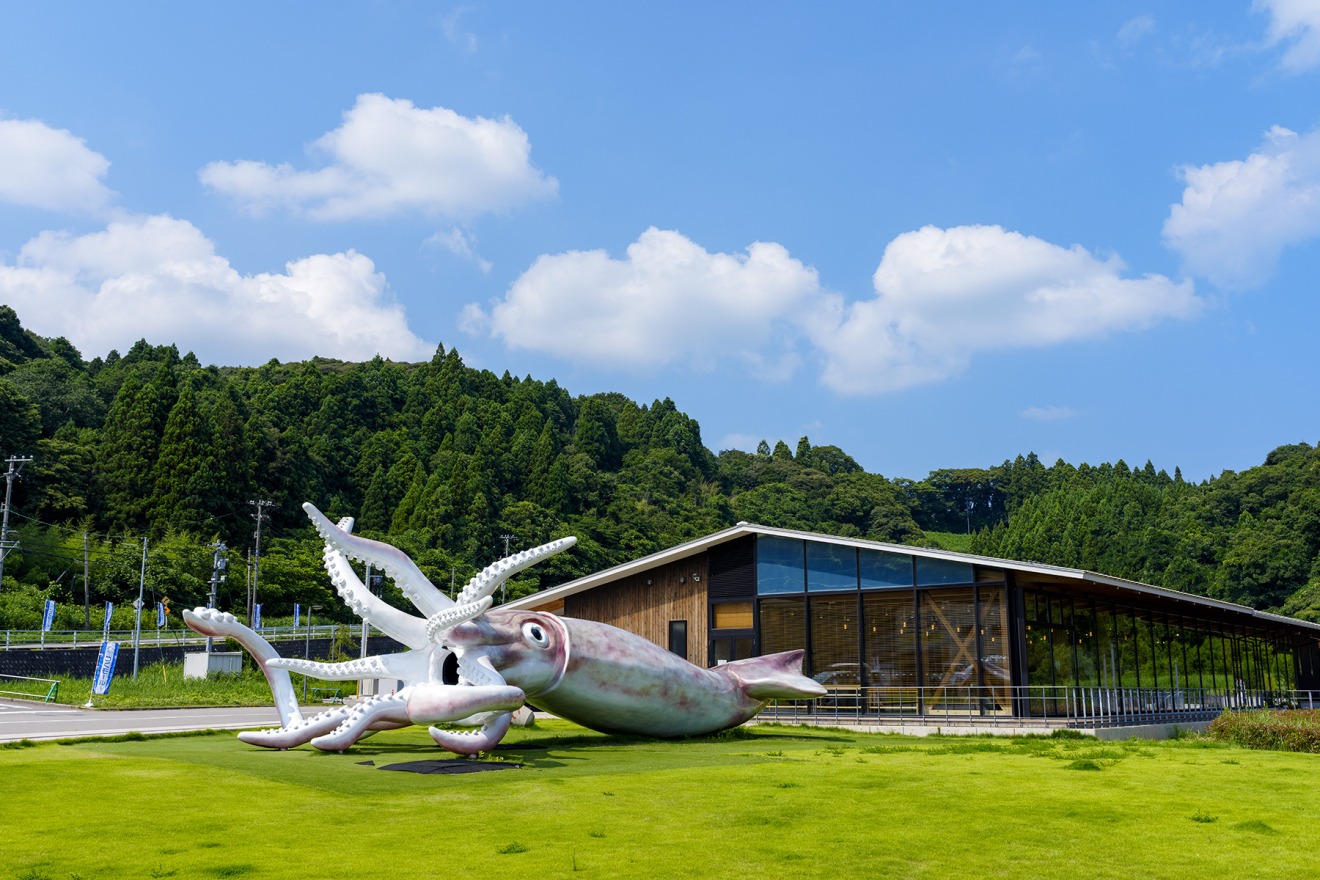
Ika no Eki Tsuku Mall (Noto Town): Its symbol is “Ika King,” a giant monument of a Japanese common squid. While enjoying the beautiful view of Tsukumo Bay, visitors can eat and shop for delicious local specialties, including the region’s famous squid. Sightseeing boats also depart from here, allowing visitors to admire the scenic beauty of Tsukumo Bay not only from the sea surface but also from underwater.
https://ikanoeki.com
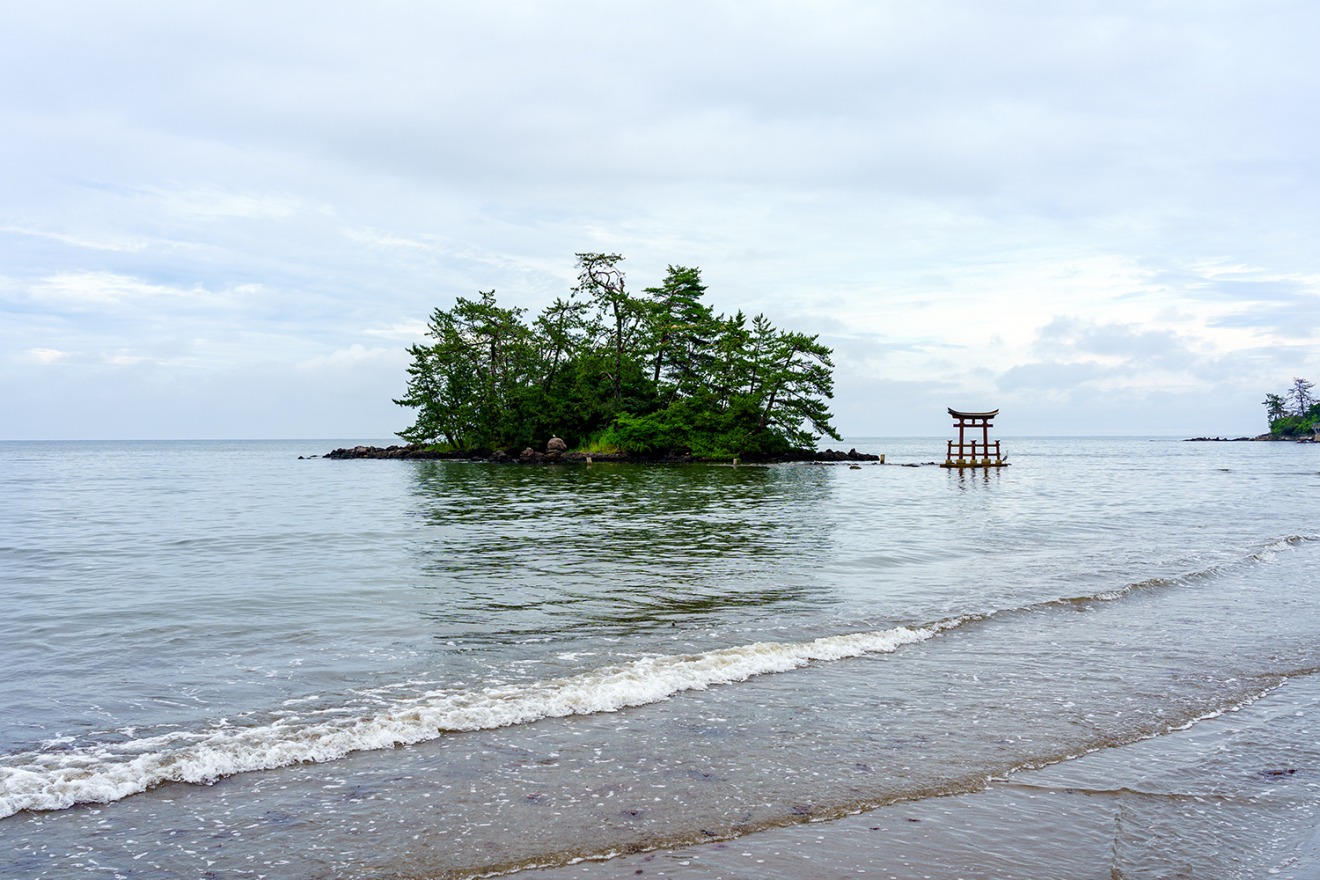
Koiji Coast (Noto Town): The landscape is striking, featuring a sandy beach with calm waves and Benten Island, whose vermilion-painted torii gate catches the eye. A legend of a tragic love story is passed down here, which is why this place is called “Koiji” (Path of Love). The strange rock formation that once towered around the “Bell of Happiness” collapsed in an earthquake.
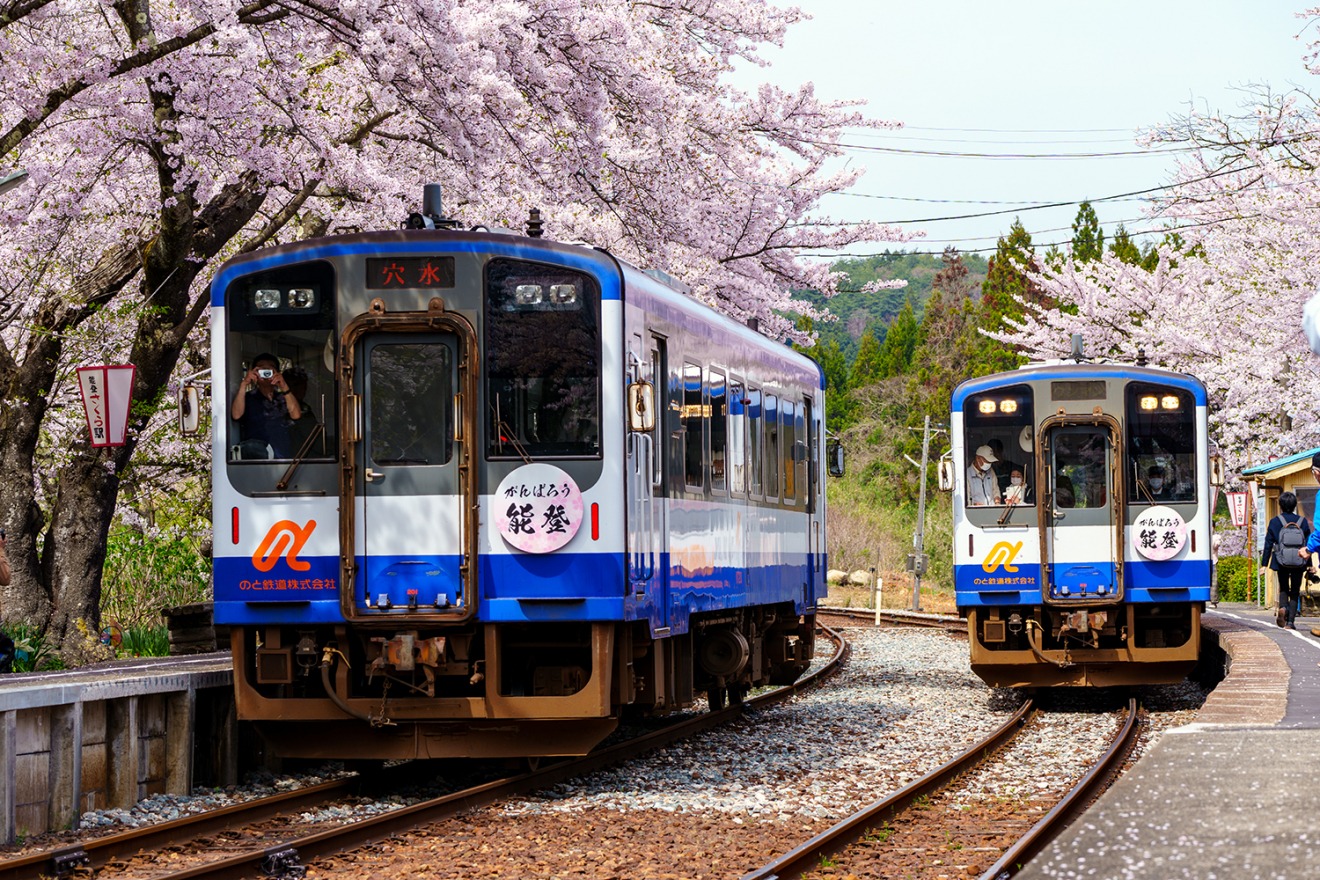
Noto-Kashima Station (Anamizu Town): The platform is lined with about 100 cherry trees, earning it the nickname “Noto Sakura Station.” From the platform, you can enjoy a panoramic view of Nanao Bay. In mid-April, when the cherry blossoms are in full bloom, many visitors come, and street stalls line the area in front of the station.
*In addition to the above, Roadside Station Wajima, Wajima Kobo Nagaya, Kotogahama Beach, and Daihonzan Soji-ji Soin (all in Wajima City), Suzu Horse Park and the Blue Cave (both in Suzu City); Yanagida Botanical Park, the Noto Marine Interaction Center, the Mawaki Ruins Jomon Museum, and Roadside Station Sakura-toge (all in Noto Town); Noto Wine, Bora-machi Yagura, and the Anamizu Town Product Hall Shikisai (all in Anamizu Town) are also available for sightseeing and other activities.
A tour of the disaster-affected areas to learn about disaster preparedness
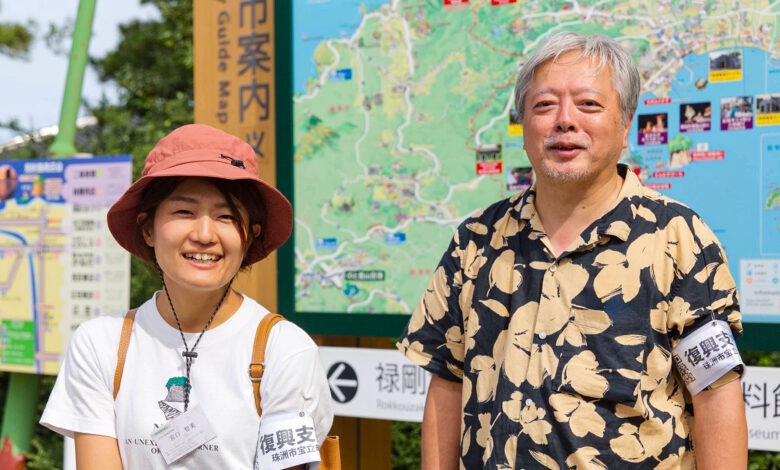
Suzu City, which was hit by three disasters—earthquake, tsunami, and flood—offers a recovery support tour organized by the local group "Reboot Suzu". The guide, who is also a disaster survivor, shares personal stories and experiences from life in evacuation shelters while leading participants around various sites in the city over the course of 2.5 to 3 hours. This tour offers a chance to understand the current state of Noto and reflect deeply on what it means to experience a disaster firsthand. For details, please refer to the Reboot Suzu website.
*Japanese-language guidance only. Please arrange for an interpreter when joining the tour.
Noto Highlights: A Model Itinerary from Kanazawa
Here are some suggested itineraries that let you easily visit the tourist spots featured in this special section in half a day or a full day.
Chirihama Nagisa Driveway and Keta Taisha Shrine [Half-Day Itinerary · By Car]: The trip from Kanazawa Station to Keta Taisha Shrine via the Chirihama Nagisa Driveway takes about one hour. On the way back, be sure to stop by Roadside Station Noto Chirihama and Cosmo Isle Hakui.
Reference: “Noto Satoyama Kaido,” a highway directly connecting Kanazawa and Noto
From Chirihama Nagisa Driveway to Noto Kongo [Full-Day Itinerary · By Car]: Extend the above route to include Ganmon, Masuhoura Coast, and Yoshitsune’s Boat Hiding Place—a journey of just under two hours one way. If the weather is clear, be sure to catch the sunset over the Sea of Japan from Hatago-iwa and other vantage points.
Notojima and the Nanao Area [Half-Day to 1-Day Itinerary, by Car]: Travel from Kanazawa Station to Notojima via the Noto Satoyama Kaido. In about 1 hour and 30 minutes, you’ll arrive at the Notojima Aquarium and the Notojima Glass Studio. If you have time, why not venture out to Wakura Onsen, the Noto Food Festival Market, or Nanao Castle. We also recommend driving along the Chirihama Nagisa Driveway on your way there or back, or stopping by Roadside Station Orihime-no-Sato Nakanoto via National Route 159.
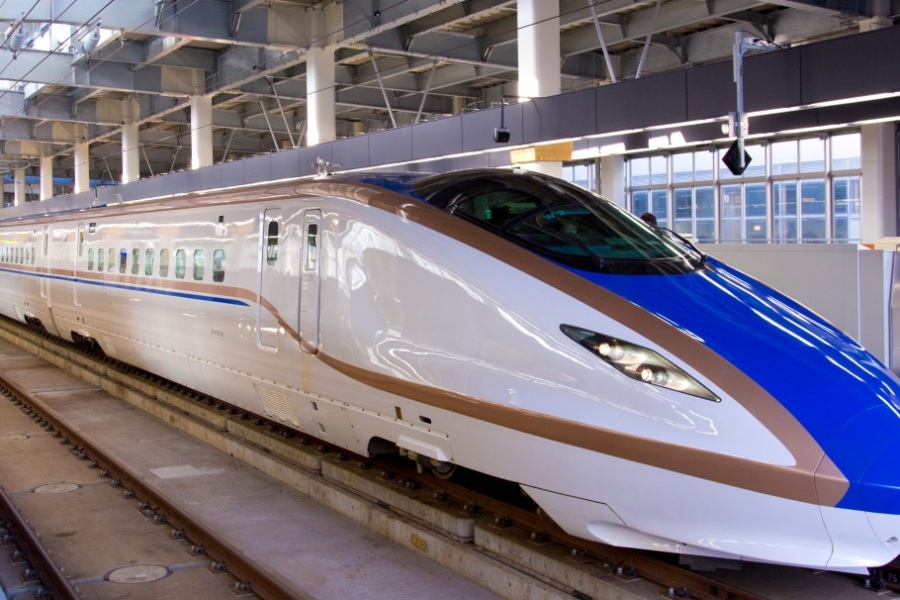
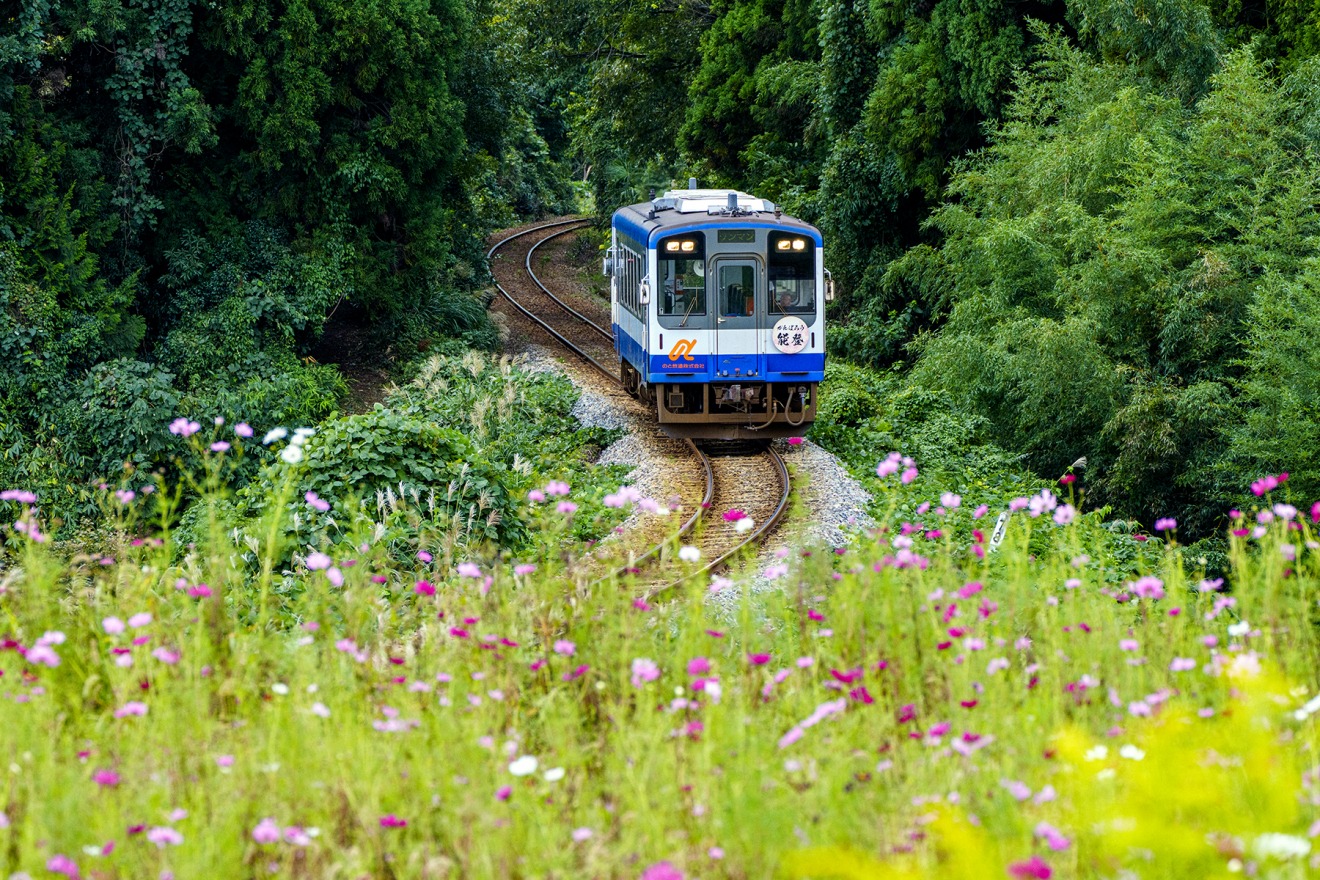
Noto Railway and the Wakura Onsen/Nanao Area [1-Day Itinerary · By Train]: Enjoy a train ride of just under 3 hours from Kanazawa Station to Anamizu Station (during cherry blossom season, be sure to make a stop at Noto-Kashima Station). On the way back, soak in the hot springs at Wakura Onsen Sōyu and pick out souvenirs at the Noto Shokusai Market.
Reference: JR Nanao Line (Kanazawa–Nanao) / Noto Railway (Nanao–Anamizu)
Ika Station, Kujukuri Bay, and Suzunari-kan [1-Day Itinerary · By Bus]: Take the bus from Kanazawa Station bound for Noto Satoyama Airport. At the terminal, transfer to the bus bound for Suzunari-kan and get off at Kujukuri Bay. After enjoying Kujukuri Bay, take the bus to Suzunari-kan.
Reference: Noto Area Limited Express Bus (Hokuriku Railway)
Circumnavigating the Tip of the Noto Peninsula [1-Day Itinerary · By Car]: Depart from Kanazawa Station and travel along the Noto Satoyama Kaido to reach Noto Satoyama Pokémon With You Airport first. Continue on to the tip of the Noto Peninsula—Rokkosaki—while stopping at Ika no Eki Tsuku Mall, Mitsuke Island, and Roadside Station Suzunari. Head toward Wajima while touring spots along the Sotoura Coast, such as the Suzu Theater Museum and Sozogi Beach. This is a long drive of over 300 km, so if you plan to stop frequently at various spots, we recommend staying overnight along the way.