Spring in Kanazawa ★ March-May Travel Guide to Start Your Planning!
Good travel planning starts with getting to knowing your destination.
Prepare well by gathering Gather information on what the necessary clothing and items necessary bring for the season. We'll also present seasonal events and experiences you can only enjoy at that time of year, and must-see spots, in order to craft your perfect itinerary.
Spring is the perfect season for exploring Kanazawa on foot.
We’ll share information that will help you enjoy spring in Kanazawa even more—from what to wear and what to bring during this most vibrant time of the year to must-see events and sights, as well as seasonal delicacies currently in season.
Climate and Clothing
As March rolls around, we start receiving more questions like, “How long will it keep snowing?” Typically, any snowfall, if any at all, is scarce, and melts quickly-- keeping preparations to a minimum.
If you’re driving, however, it is best to stay cautious of the weather conditions in the surrounding mountains. Ensure you are well prepared by actively checking highway information from NEXCO and other sources.
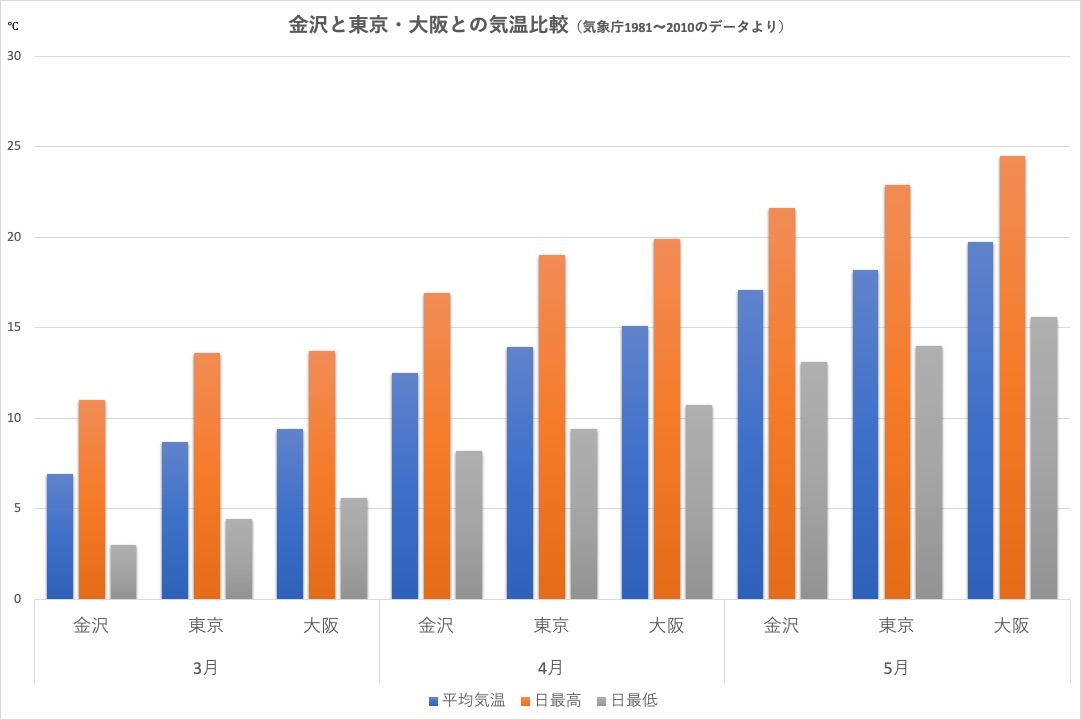
March through May brings pleasant weather and is the best season for travel. However, in the Hokuriku region, the “Föhn effect” often occurs in spring, frequently resulting in summer-like days. There are also days when temperatures drop due to “late-season cold snaps,” making it a bit tricky to choose what to wear. We recommend preparing for both hot and cold conditions.
If you are planning to view cherry blossoms at night or visit illuminated attractions, it can still get chilly in the evening, so don’t forget to layer-up.
Kanazawa ranks among the top cities nationwide for the number of rainy days per year—so much so that there’s a saying, “You may forget your lunch box, but never forget your umbrella.” Most of these rainy days occur in winter; from spring through fall, it isn’t particularly rainy. Still, a folding umbrella is, of course, a must-have. Since the sun’s rays also grow stronger, a sun-and-rain umbrella is your best bet.
<Clothing>
March: Temperatures can drop below 5°C in the mornings and evenings. Bring a coat, jacket, or sweater.
April: Temperatures can drop into the single digits in the mornings and evenings. Wear a jacket and a long-sleeve shirt. Bring a cardigan or sweater for when it gets cold.
May: Wear a light jacket and a long-sleeve shirt. Bring a light jacket for evening outings and a short-sleeve shirt for hot days.
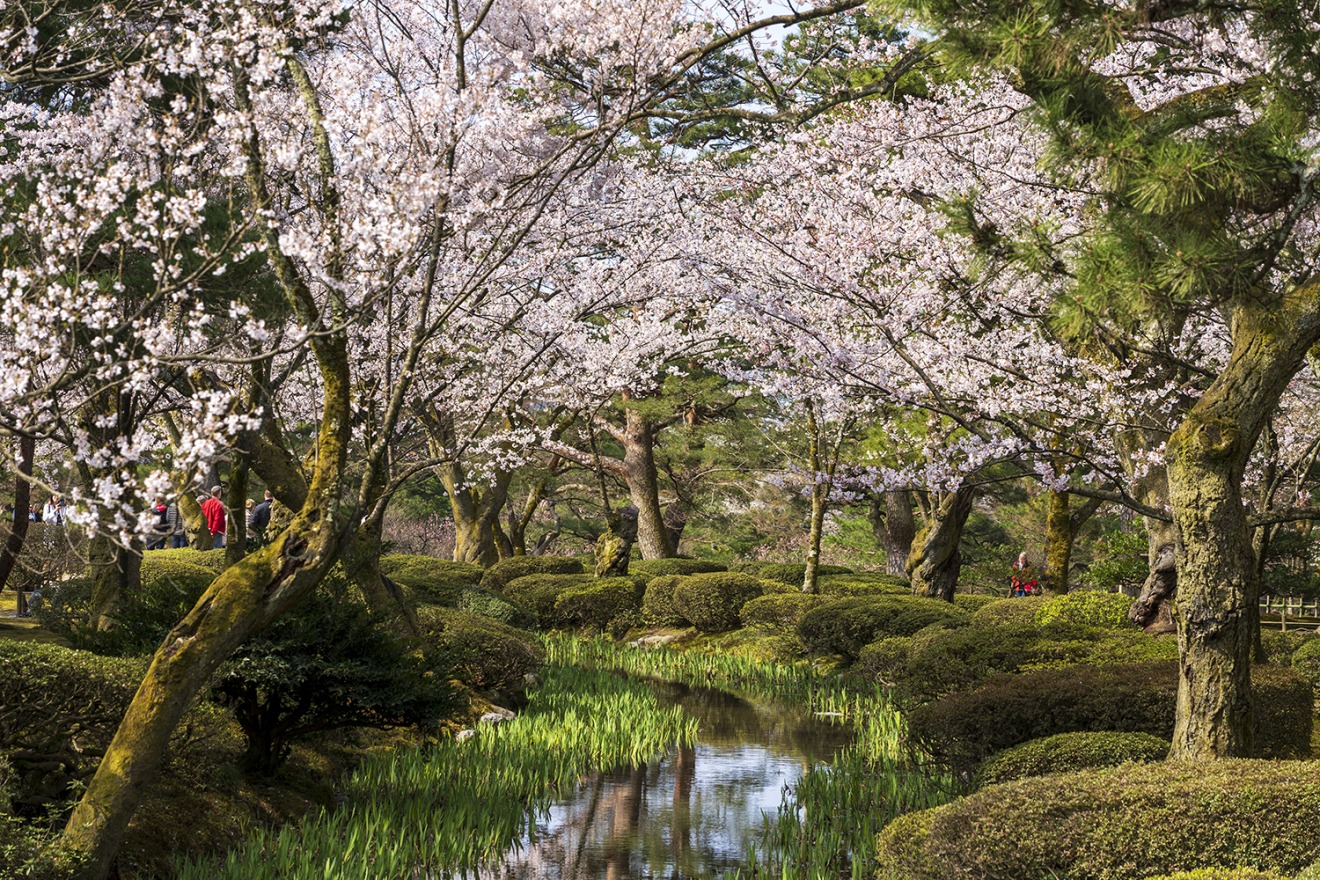
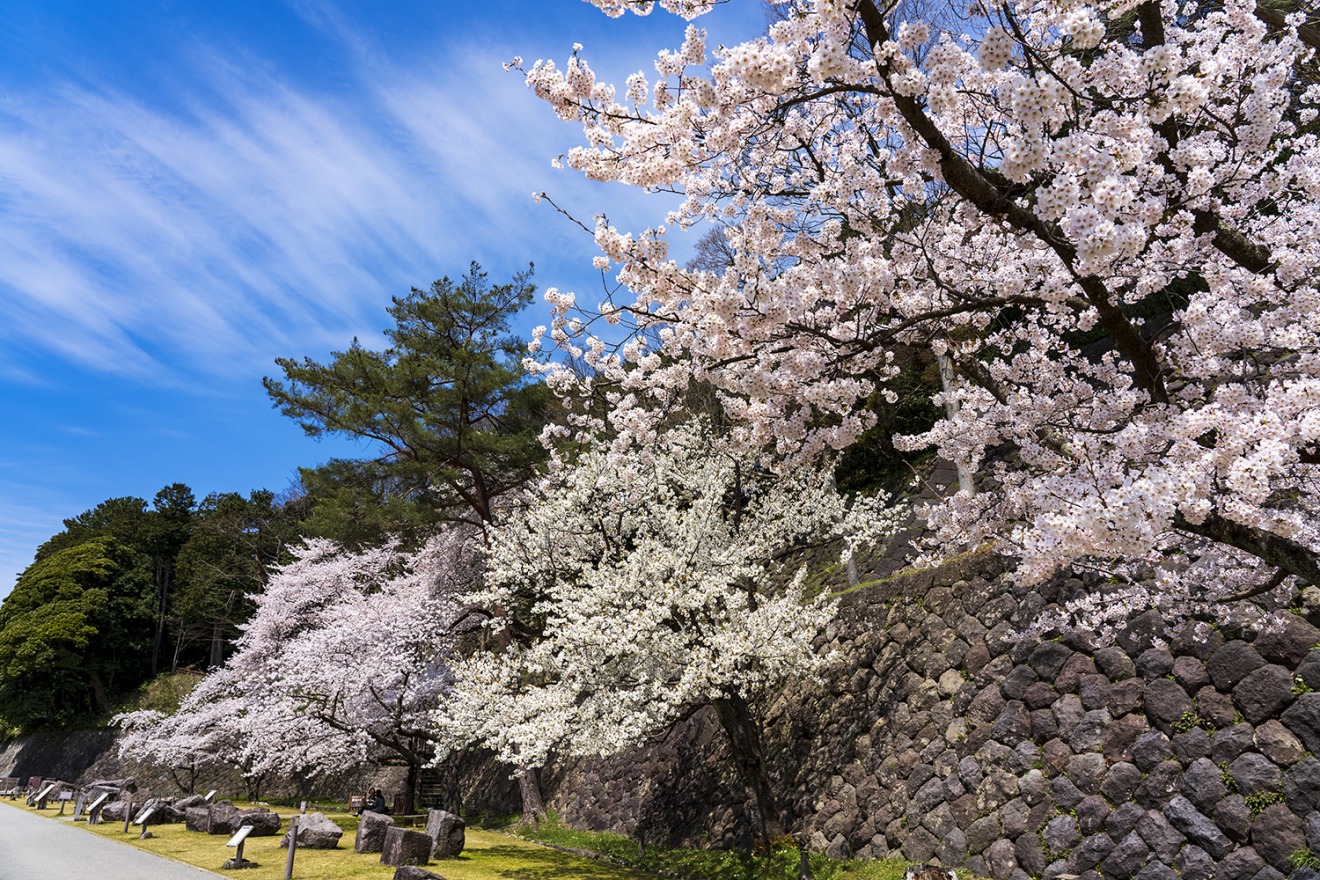
According to the Japan Meteorological Agency’s cherry blossom blooming dates (2012–2026), the range in Kanazawa is quite wide, with the earliest bloom occurring on March 23 (2023) and the latest on April 10 (2012). However, generally speaking, the blossoms open from late March to early April and reach full bloom about a week later. Due to the significant elevation differences in the Hokuriku region, even after the cherry blossoms have finished blooming in Kanazawa, you can still find them in bloom—about one to two weeks later—at the foot of Mount Hakusan, in Gokayama, or in the Okuetsu region of Fukui Prefecture. At Lake Kuzuryu in Fukui Prefecture, Somei-Yoshino cherry blossoms typically reach full bloom during the Golden Week holiday period.
*Recent blooming and full bloom dates for the standard cherry tree (Somei Yoshino) at the Kanazawa Regional Meteorological Observatory
March 29, 2026: Bloomed; April 3: Full bloom
March 29, 2025: Bloomed; April 6, 2025: Full bloom
April 1, 2024: Bloomed; April 8: Full bloom
March 23, 2023: Bloomed; March 30: Full bloom
March 30, 2022: Bloomed; April 5: Full bloom
Spring Event
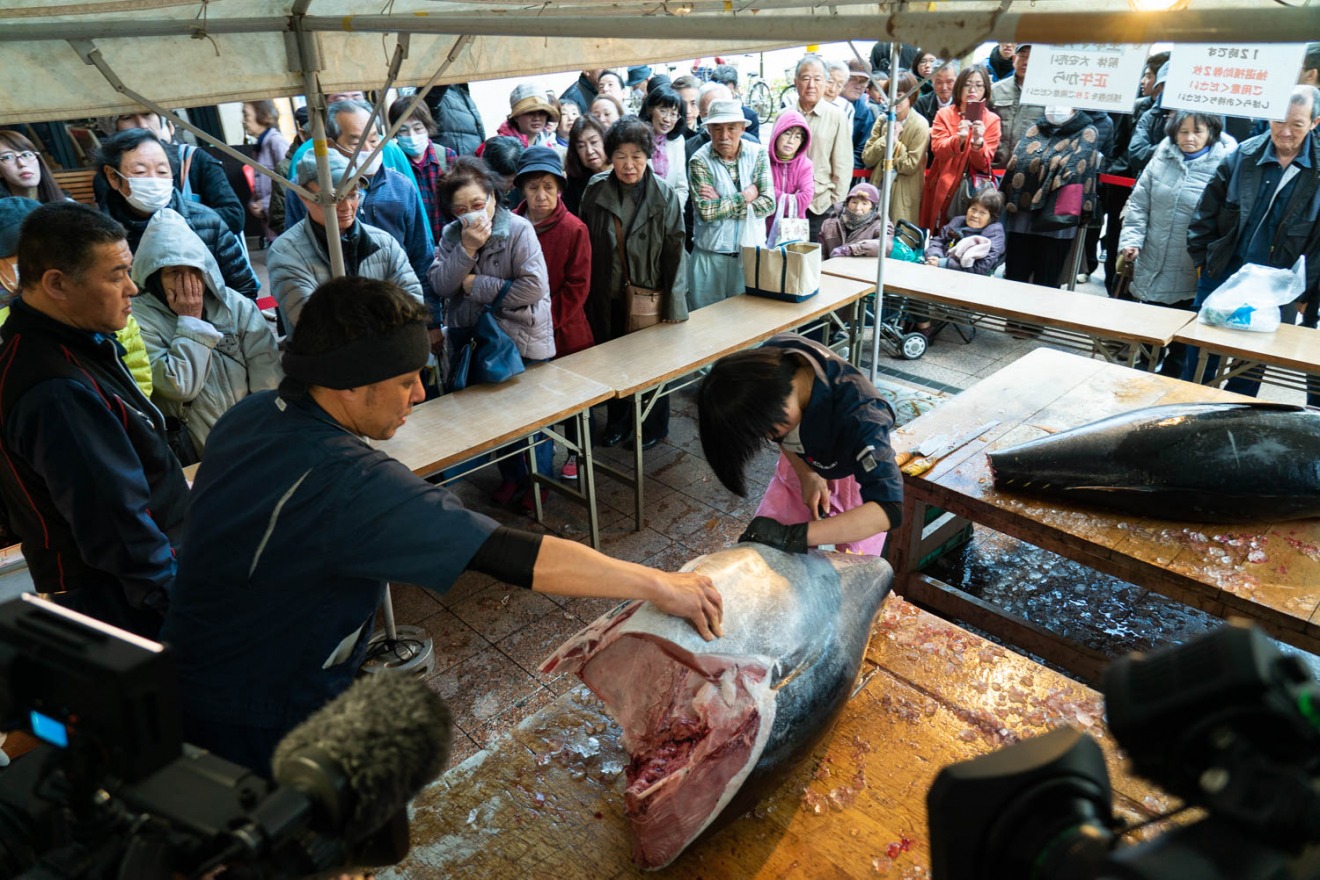
Spring is packed with popular events! Be sure to check them out when you visit Kanazawa!
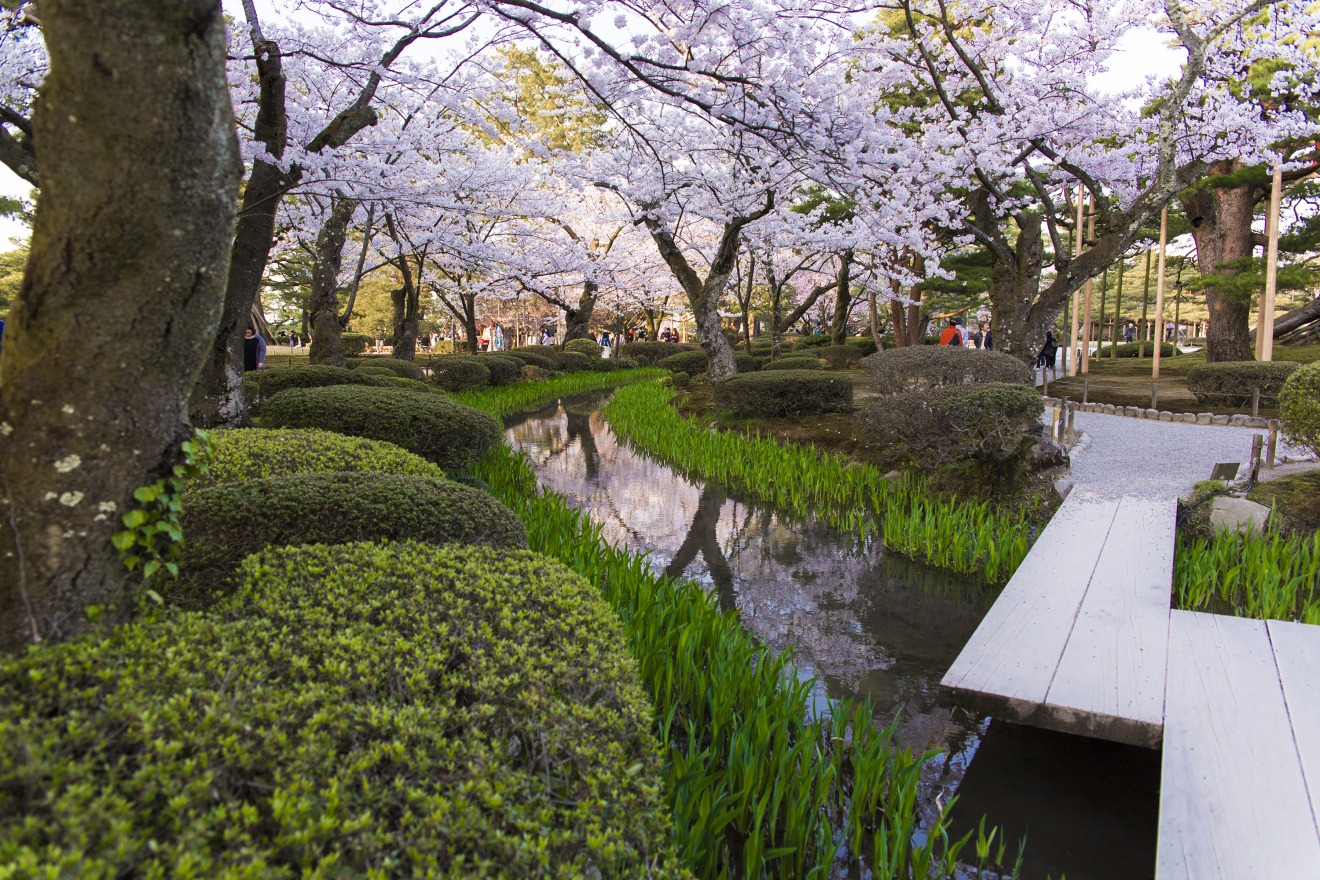
◎Kanazawa Castle and Kenrokuen Garden: A Tale of the Four Seasons (Cherry Blossom Season)
*Subject to change depending on the cherry blossom blooming period / Early April 2026
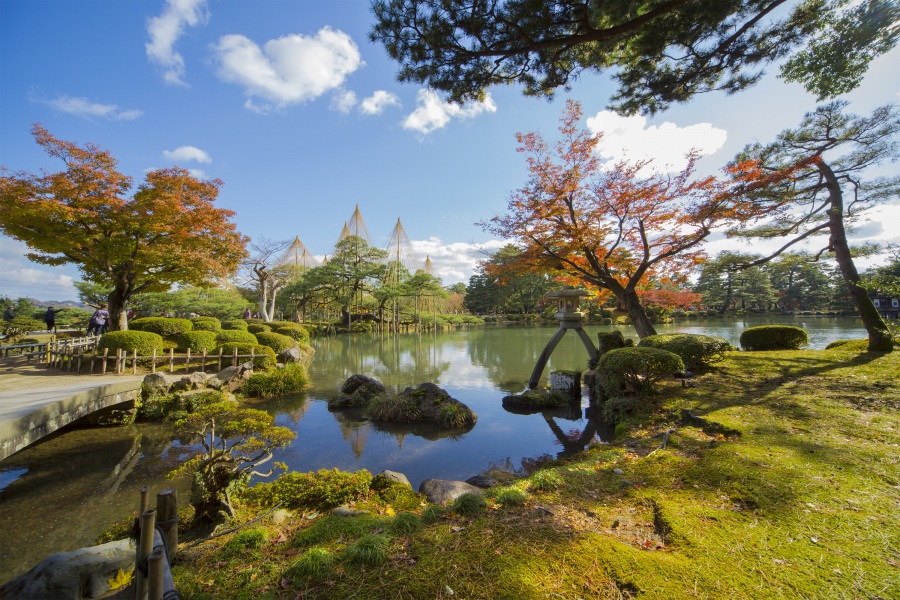
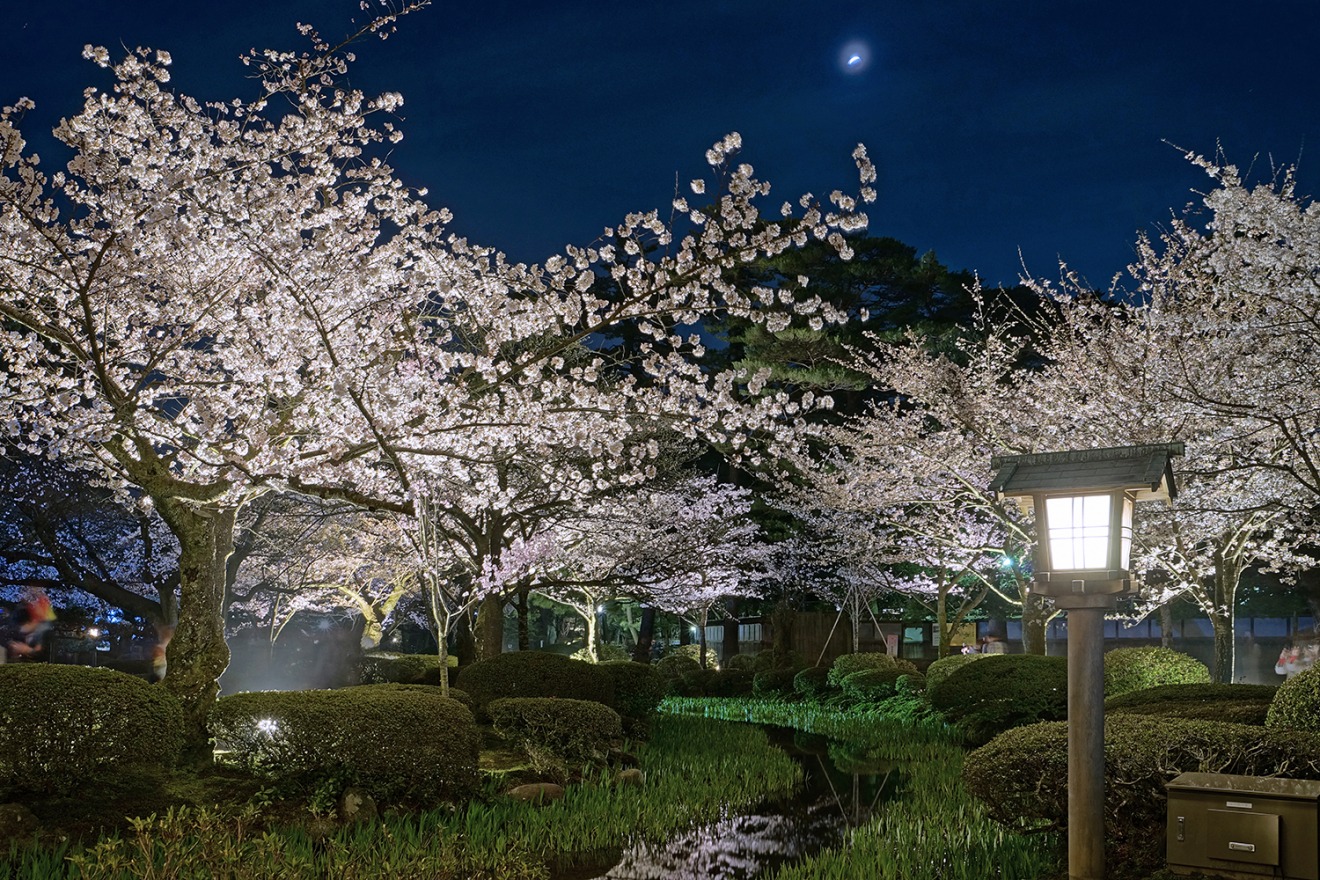
Kenrokuen Garden, home to over 400 cherry trees of approximately 40 varieties, will offer free admission during the cherry blossom season and host a limited-time illumination event at Kenrokuen Garden, Kanazawa Castle Park, Gyokuseninmaru Garden.
◎Omicho Market Spring Festival / April 9 (Thu) – 14 (Tue), 2026
Omicho Market’s annual spring event. Features include a tuna dissection demonstration, special sales on bamboo shoots, and a fun raffle.
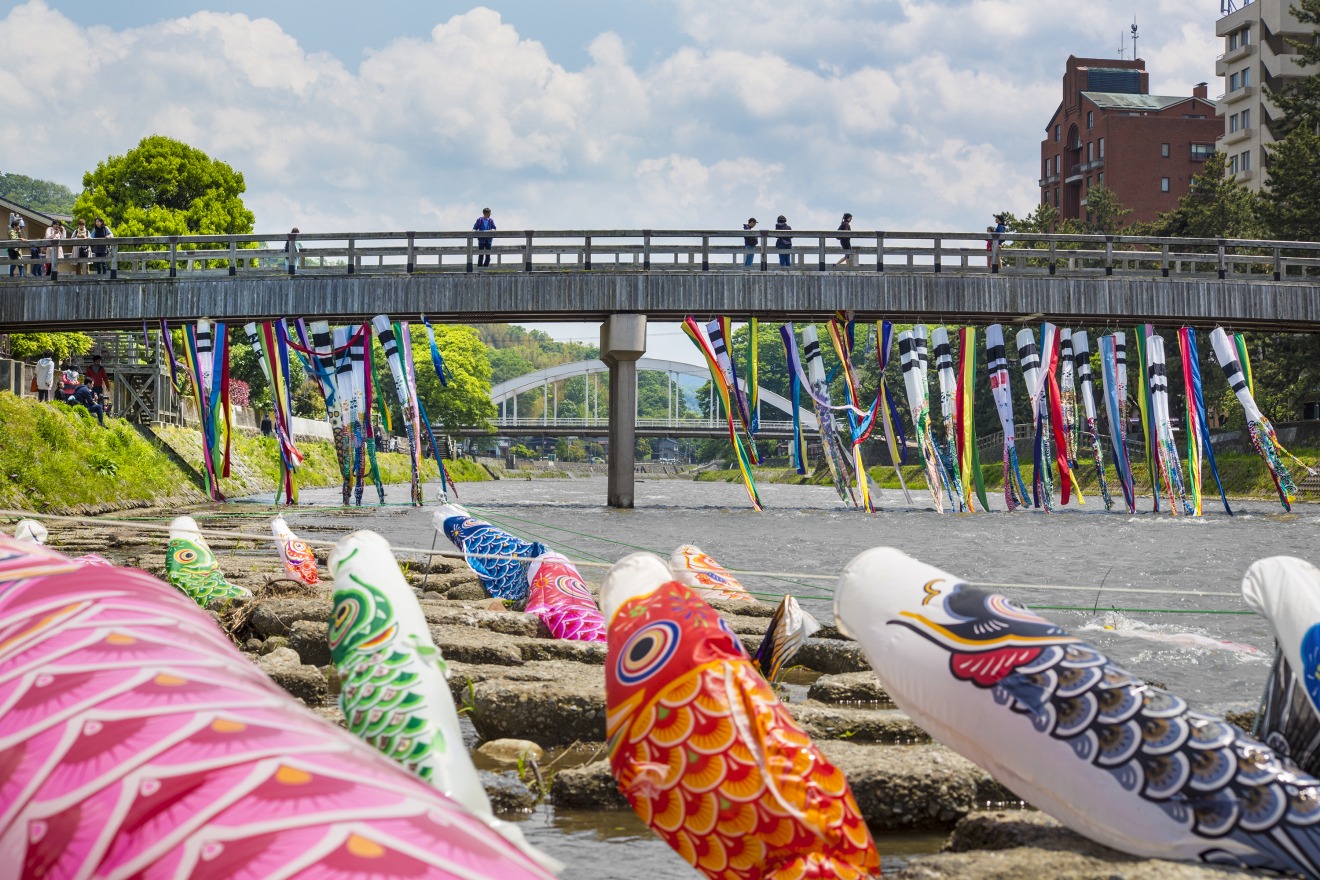
◎Asanogawa Koinobori Floating Festival / May 3, 2026
*Cancelled in case of inclement weather
This is a rare event nationwide, in which numerous Koinobori (carp streamers) are floated down the Asanogawa River from Ume-no Hashi Bridge to Asanogawa Ohashi Bridge. It resembles the Yuzen-nagashi (floating Yuzen textiles) that were once a common sight on the Asanogawa River.
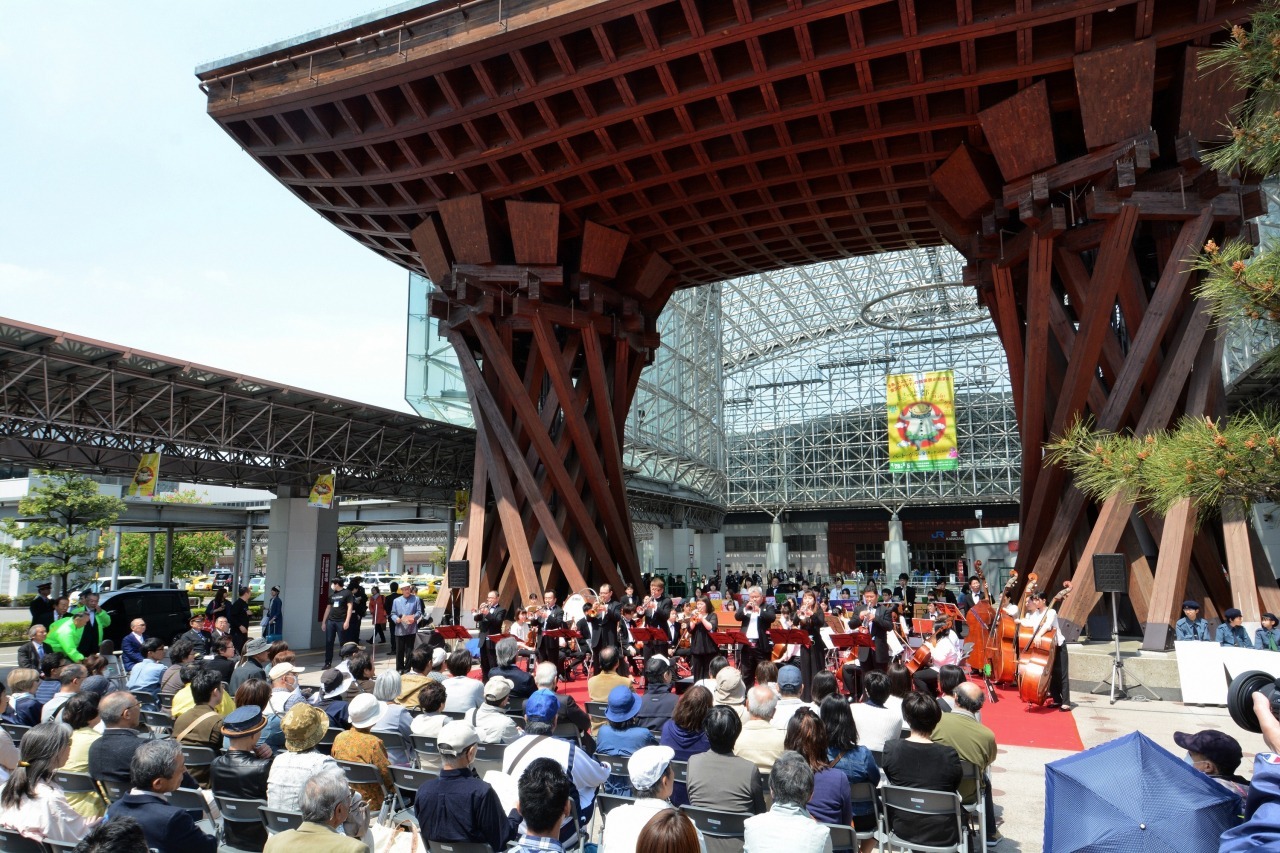
◎Gargantua Music Festival / April 28–May 5, 2026
This annual event fills Kanazawa during Golden Week with music from around the world, including classical music. Artists from around the globe gather in Kanazawa.
*Golden Week: A long holiday period in Japan that typically lasts from late April through early May.
◎Kenrokuen Garden Opening Anniversary / May 7, 2026
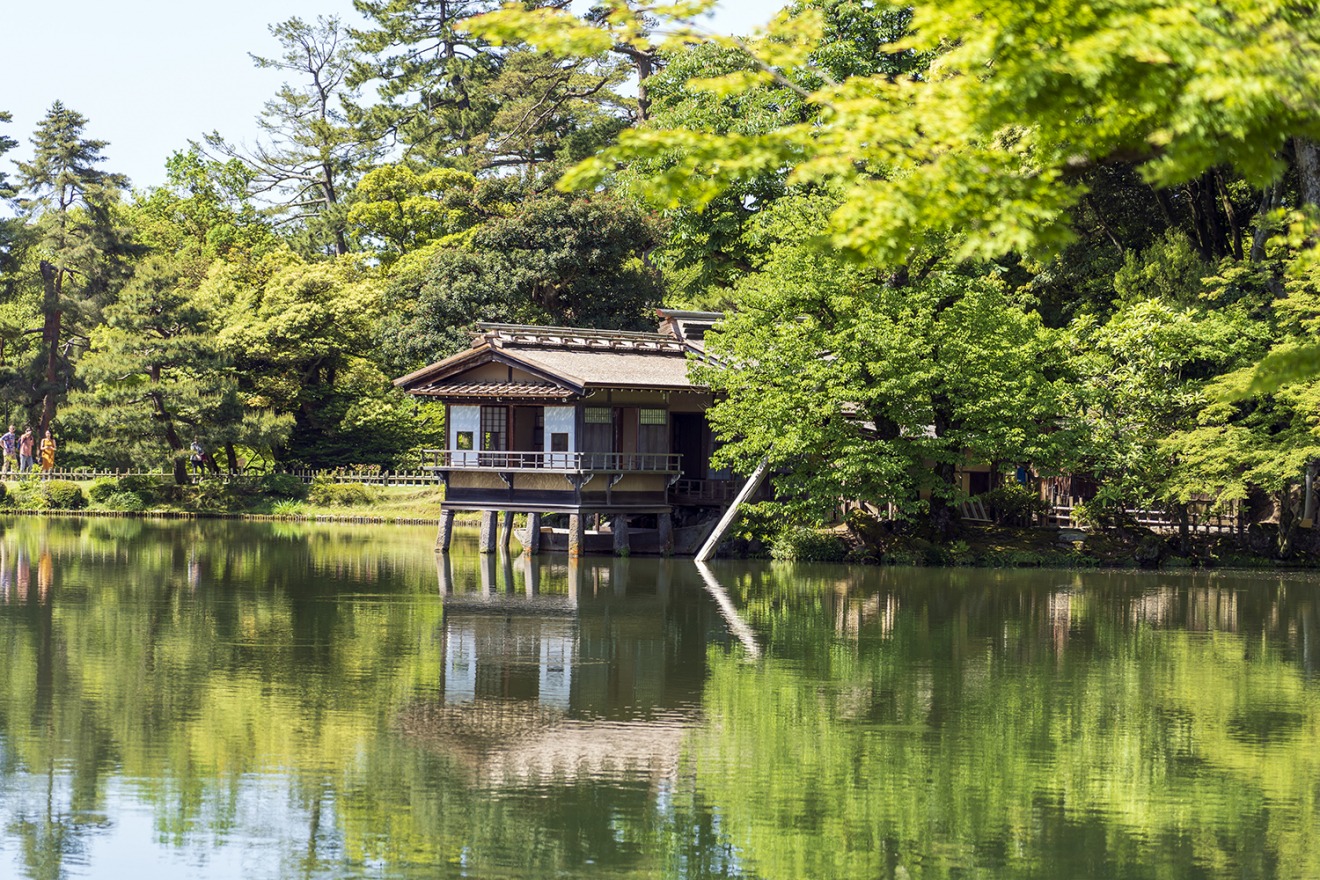
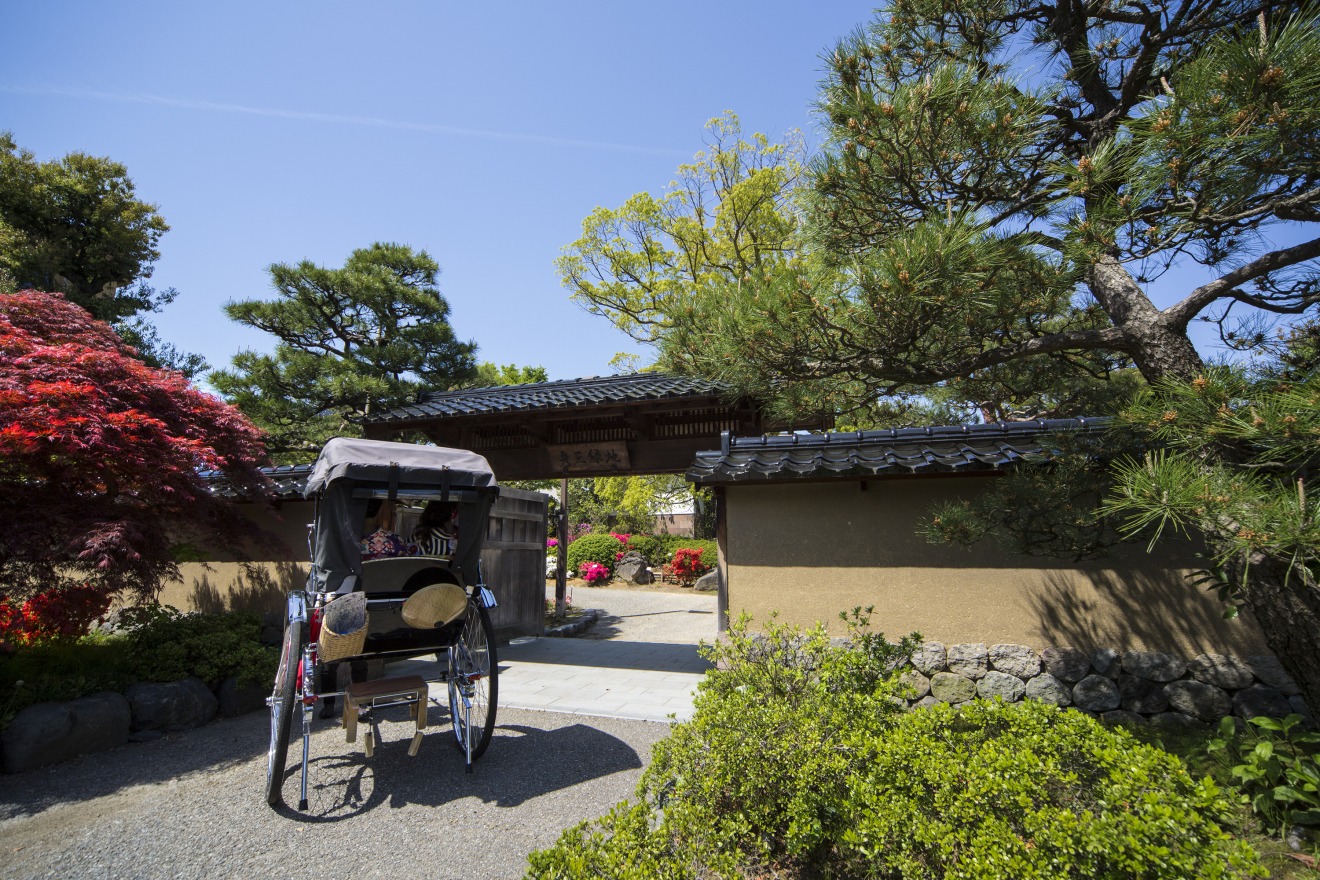
To commemorate the opening of Kenrokuen Garden to the public on May 7, 1874 (Meiji 7), a commemorative tea ceremony is held at Uchihashi-tei, which is open to the public exclusively on this day each year.
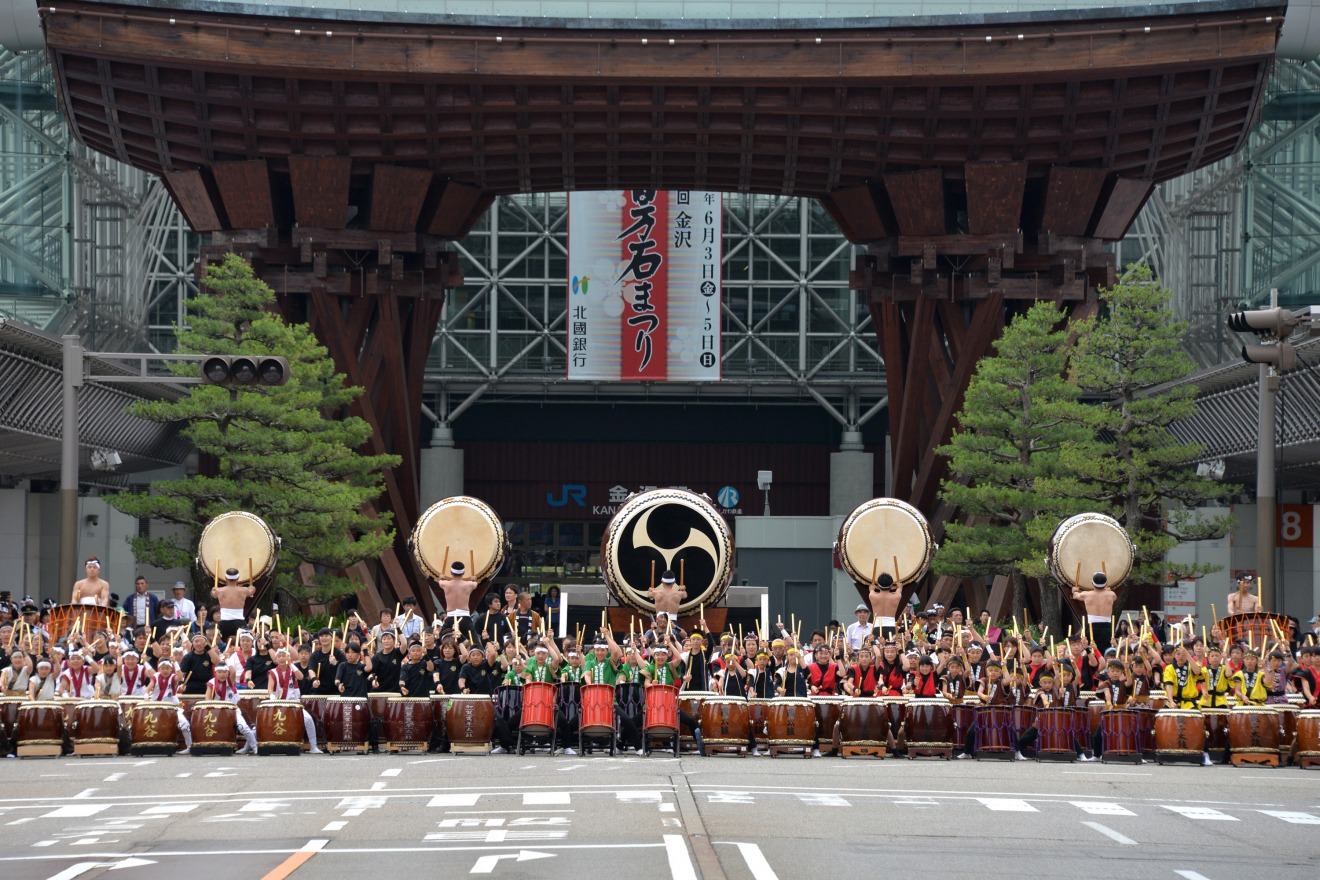
◎Hyakumangoku Festival / June 5 (Fri) – June 7 (Sun), 2026
Kanazawa’s largest festival, commemorating the achievements of MAEDA Toshiie and reenacting his entry into Kanazawa Castle. The main event is the Hyakumangoku Procession on Saturday afternoon. While you can watch from the streets, we recommend the paid viewing seats for a more comfortable experience as you enjoy the procession’s performances.
*Please note that the dates listed are tentative. Events may be canceled or postponed, so please ensure to keep yourself up to date on the latest information.
Kanazawa's Spring Flavors
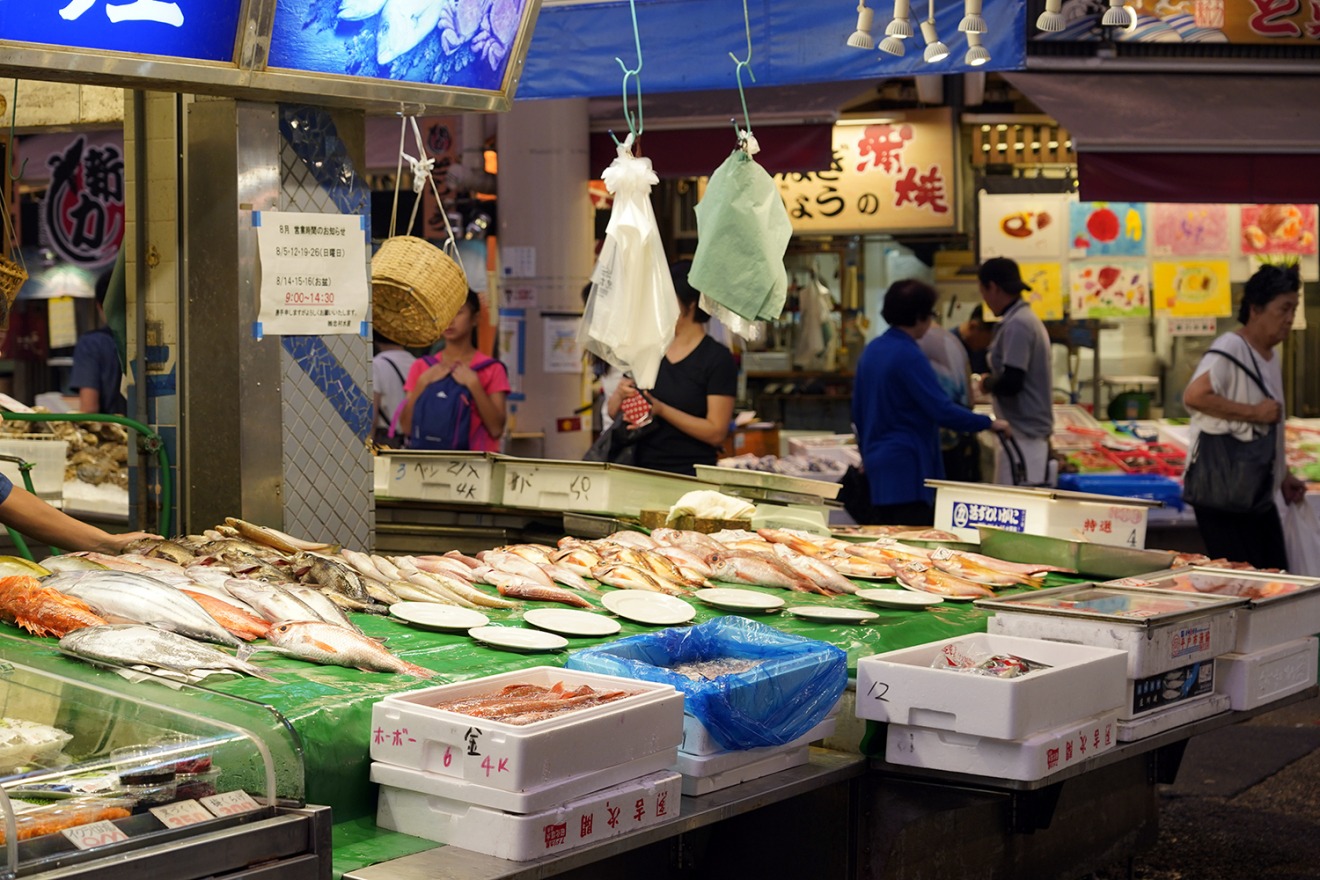
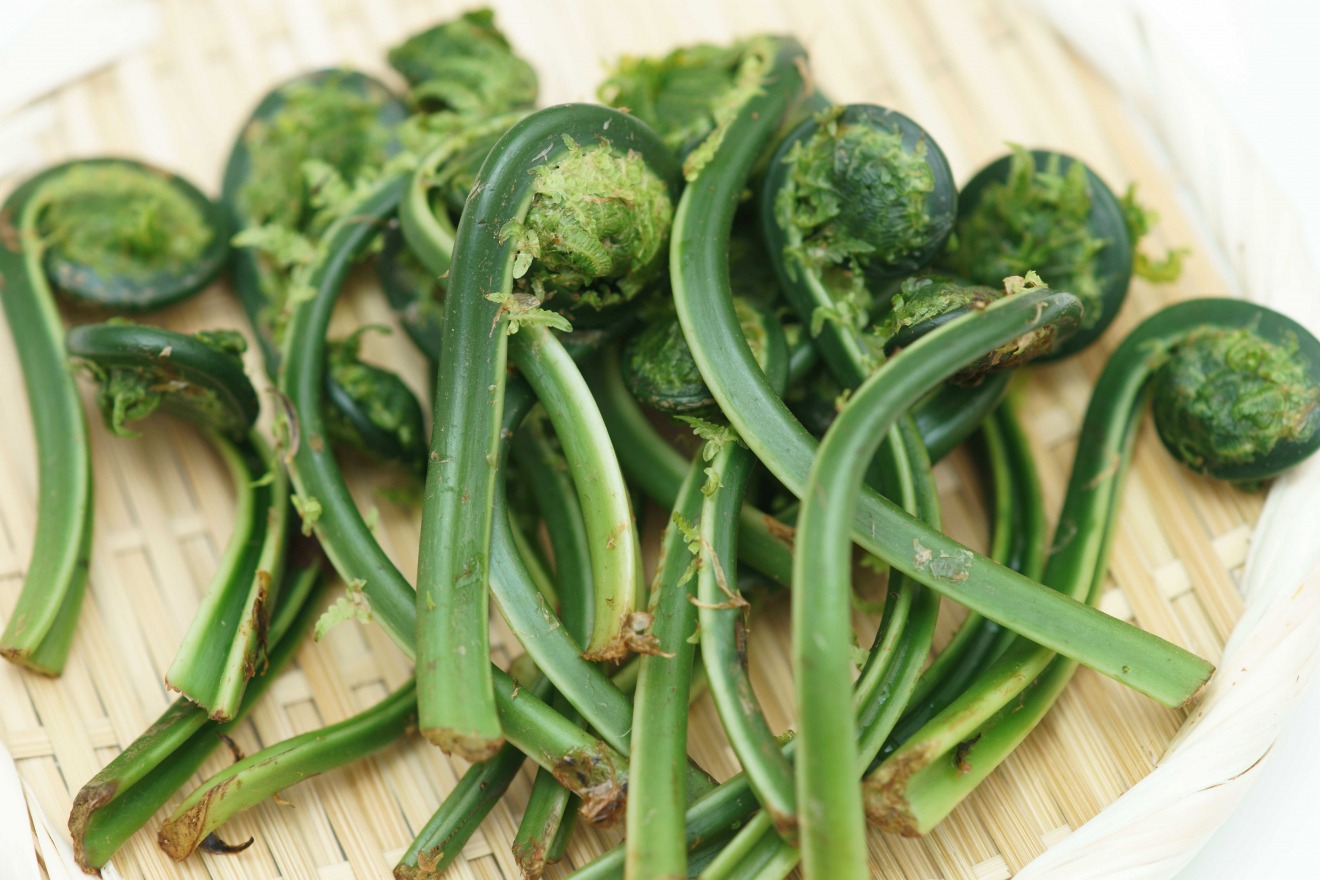
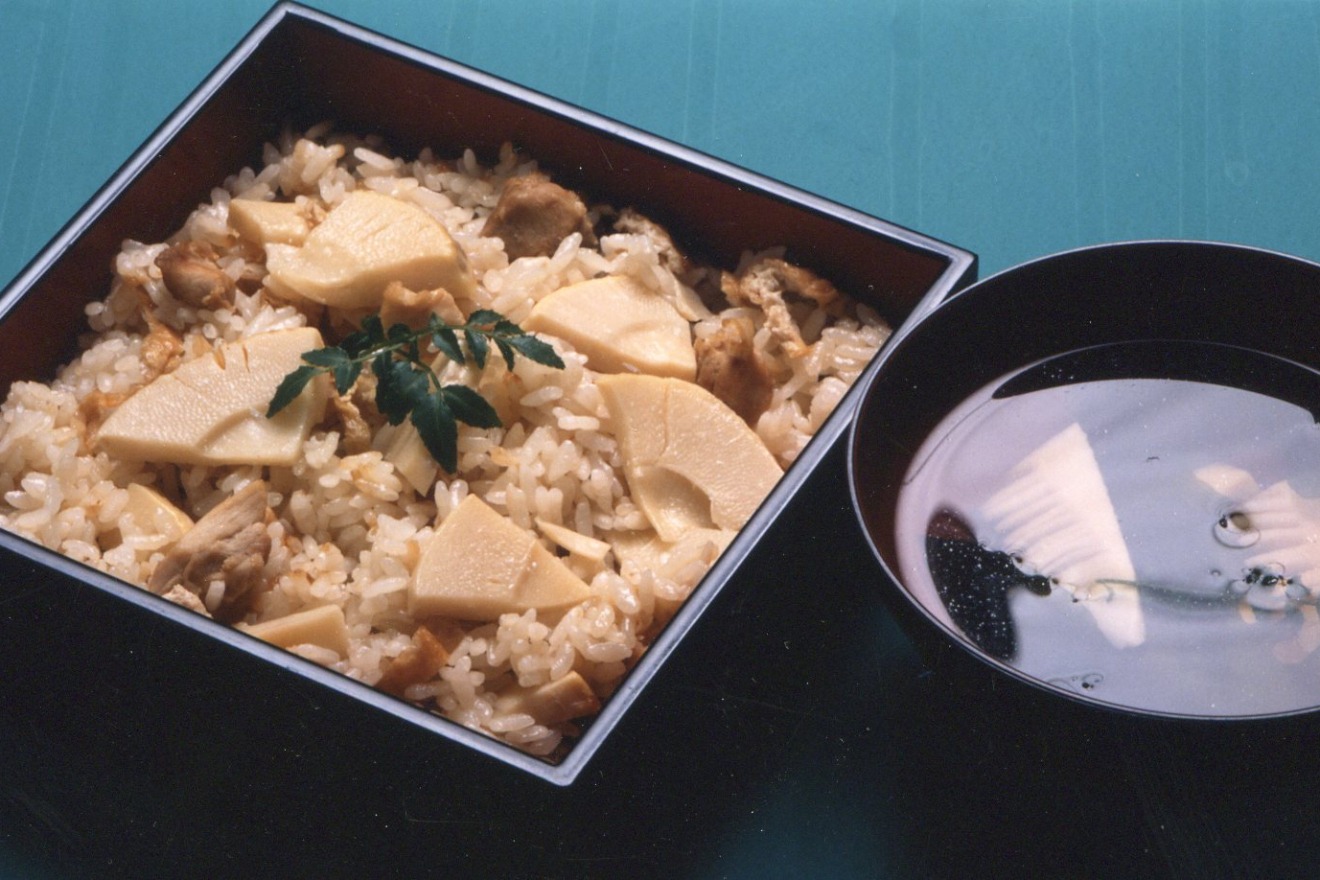
Kanazawa is also called the city of food. Spring is no exception to this with an abundance of spring delicacies to enjoy.
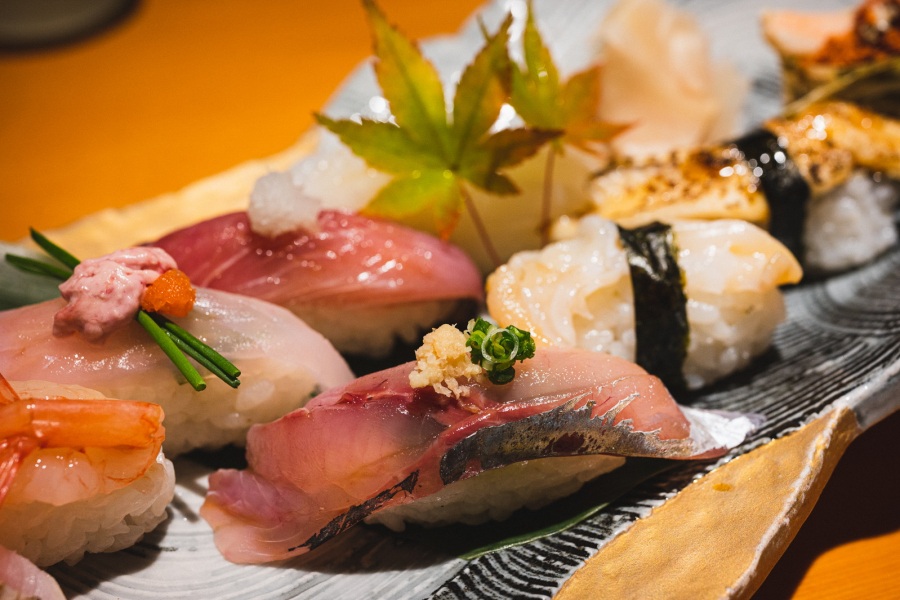
When it comes to seafood in spring, the sayori also known as the “hanami fish”, is one of many to try. It is best enjoyed in the form of sashimi or sushi. And though not as flashy in reputation as winter’s yellowtail or crab—rockfish (also known as “Hachime” in Ishikawa Prefecture), and flounder are abundant during this season and well-loved by locals.
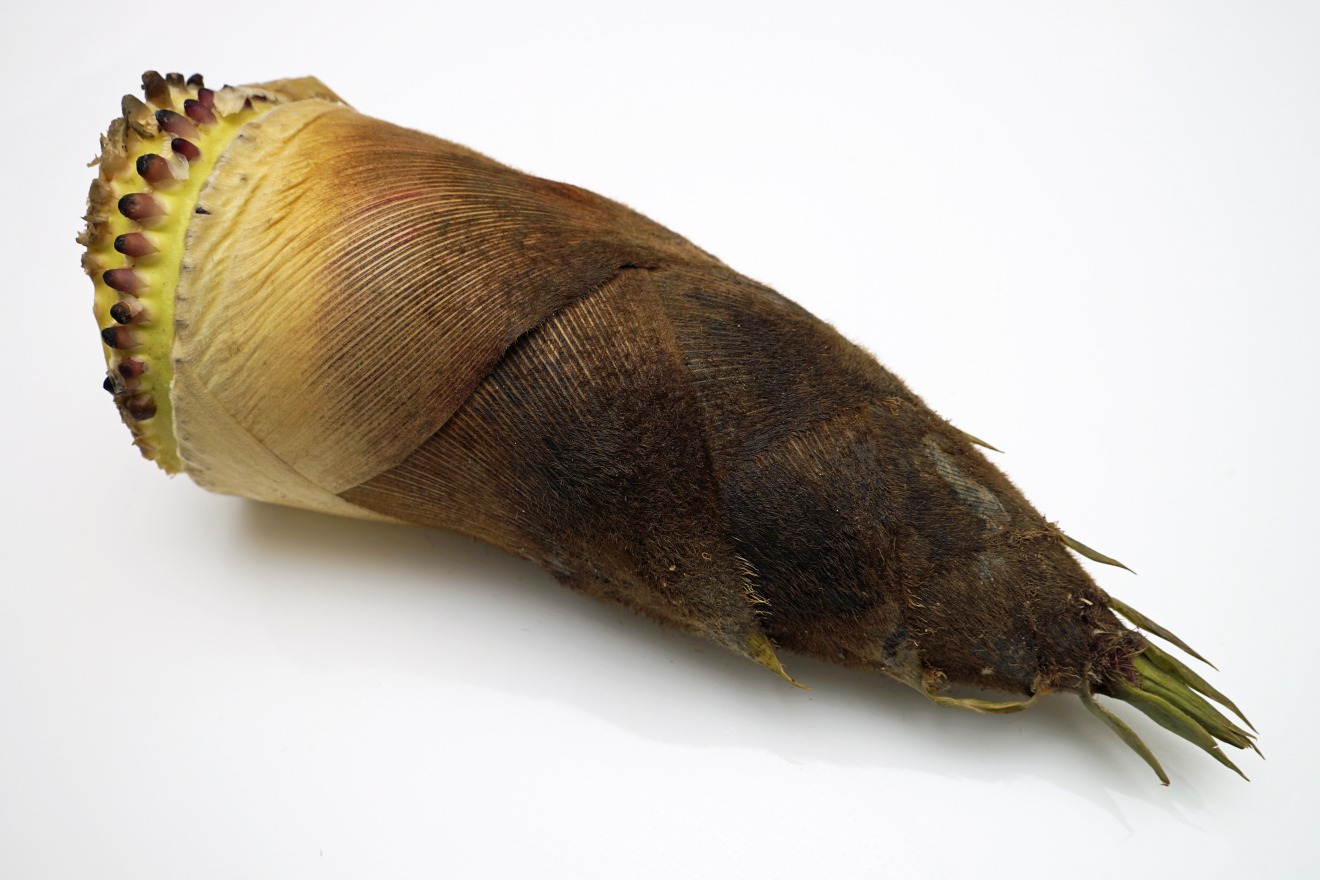
The bounty of the mountains is not to be forgotten. There are plenty of delicious spring-exclusive treats, such as rare wild vegetables and freshly harvested bamboo shoots (one of the Kaga vegetables). Freshly pressed new sake is also widely available during this time.
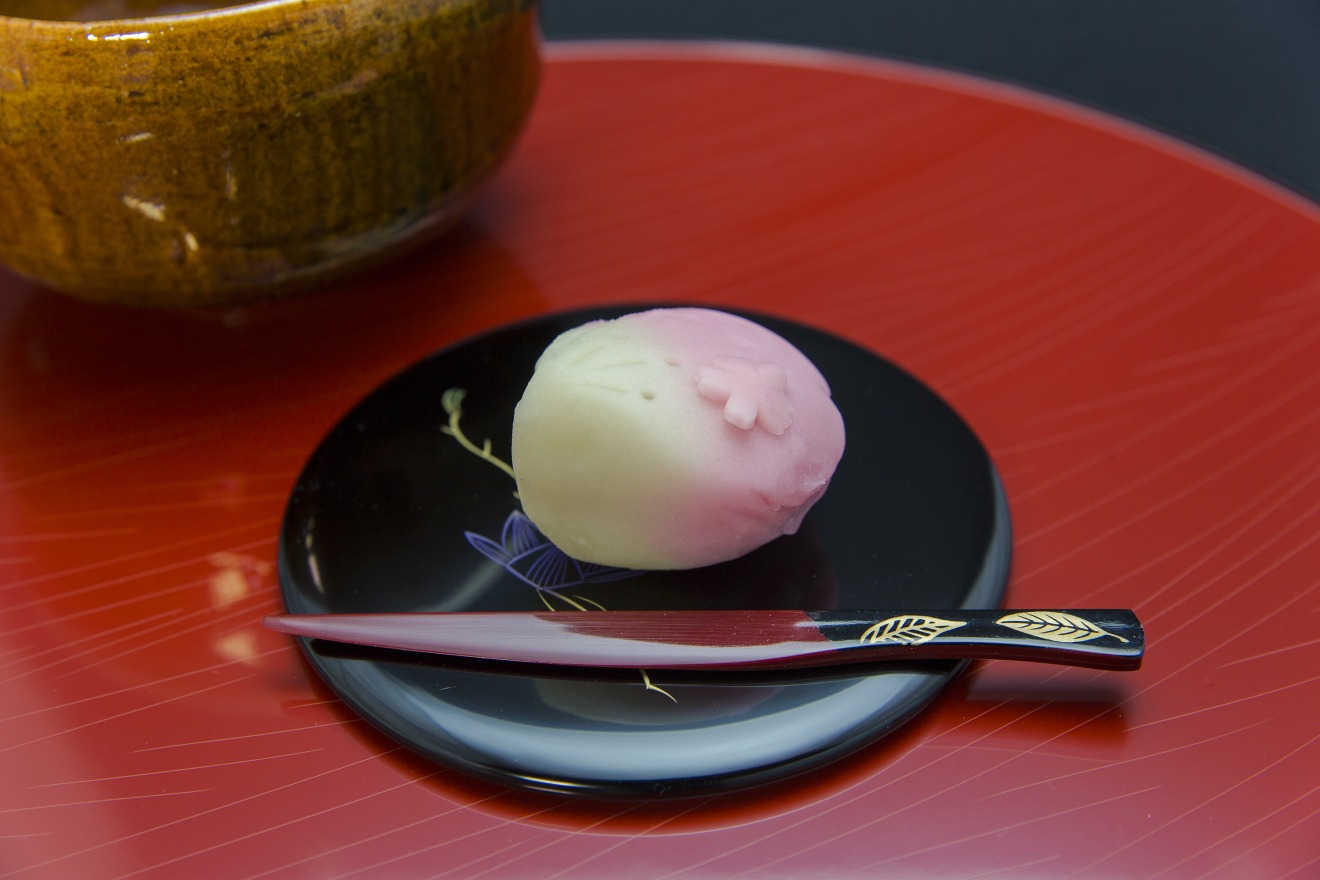
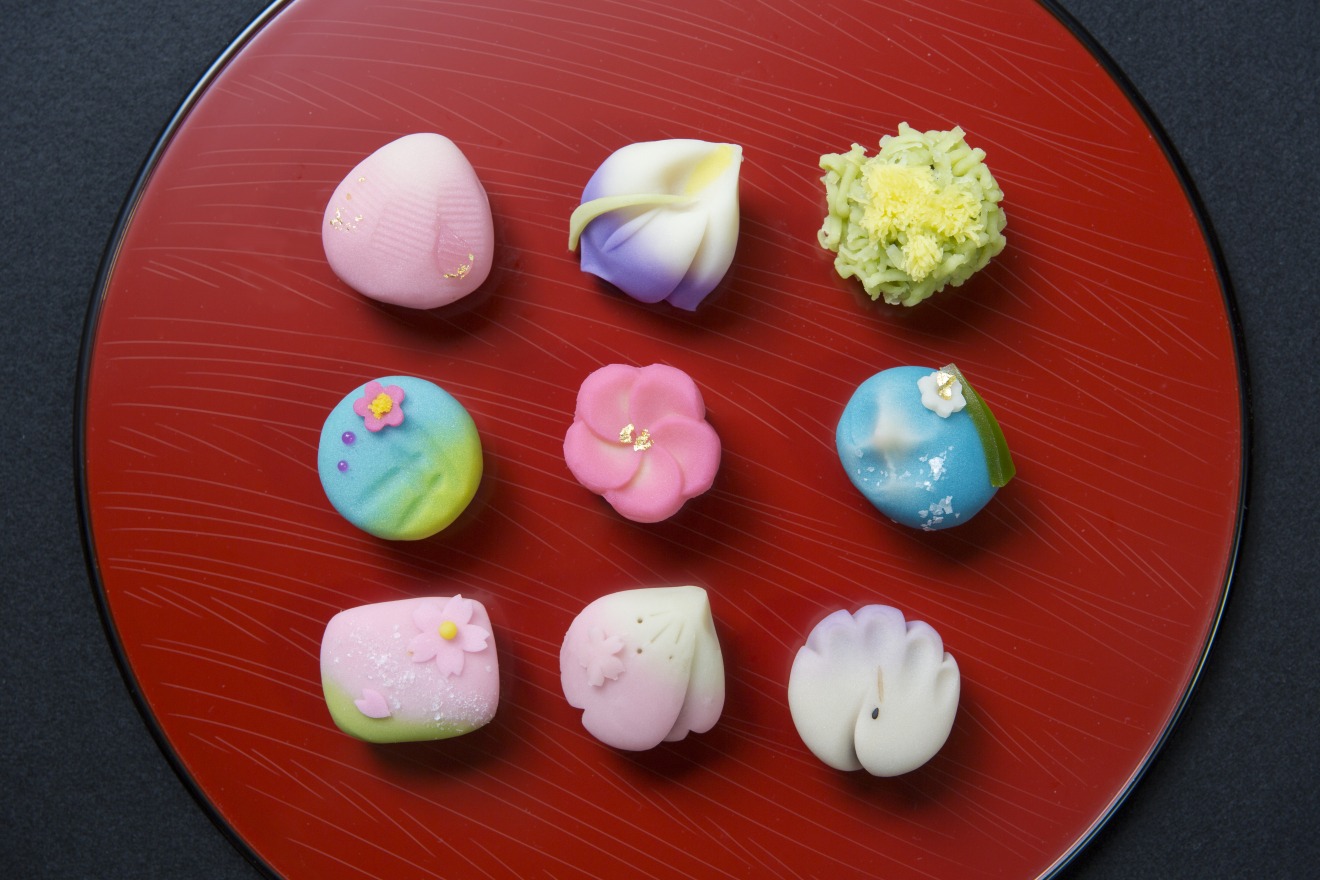
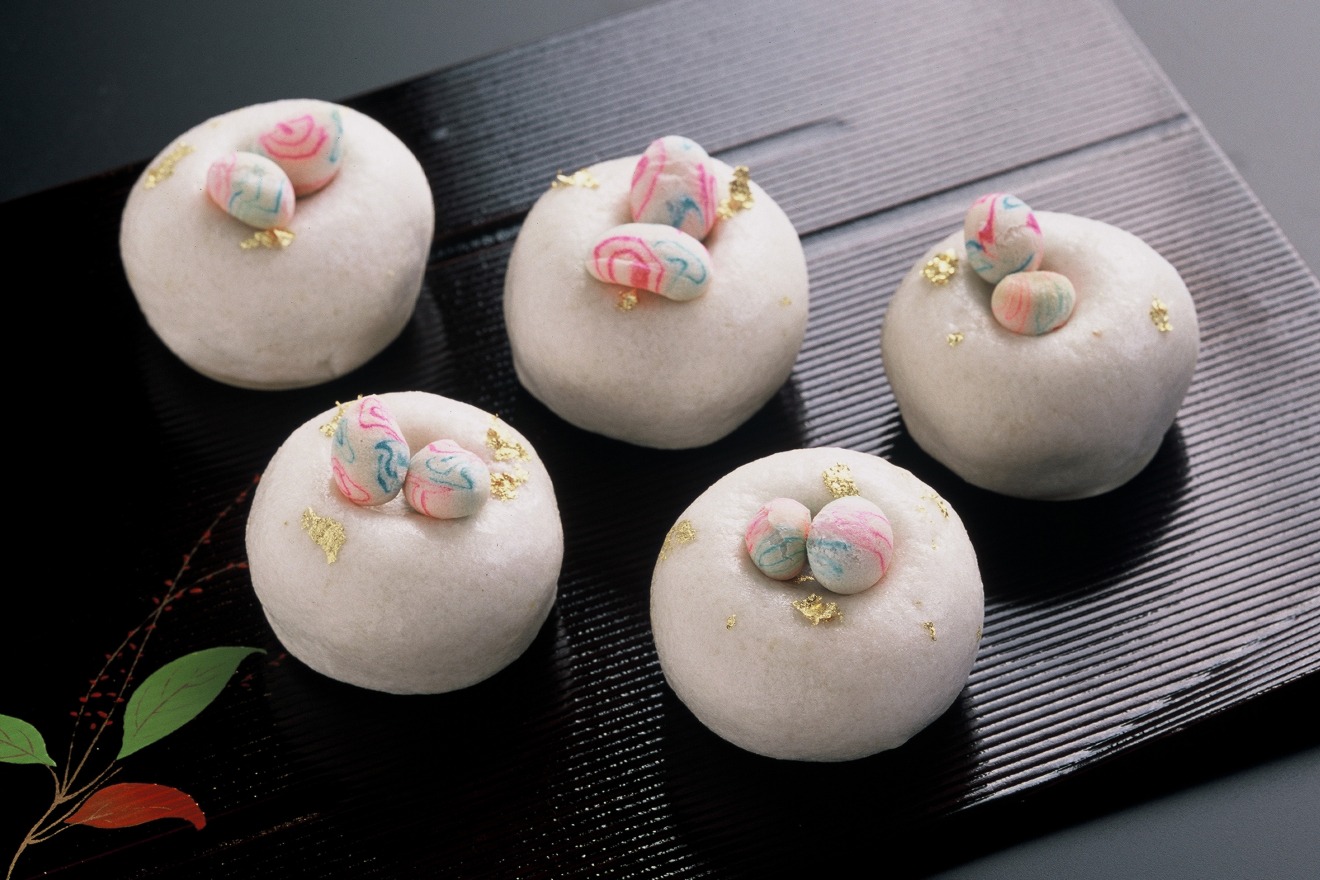
Kanazawa is also well-known as a hub for traditional Japanese sweets. In spring, the shop windows of confectionery stores are adorned with colorful kashiwamochi and other sweets shaped like cherry blossoms, peaches, and other seasonal flowers. You can enjoy them at Japanese-style cafes—so why not experience spring with both your eyes and your palate?
Spring Flower Viewing Tour
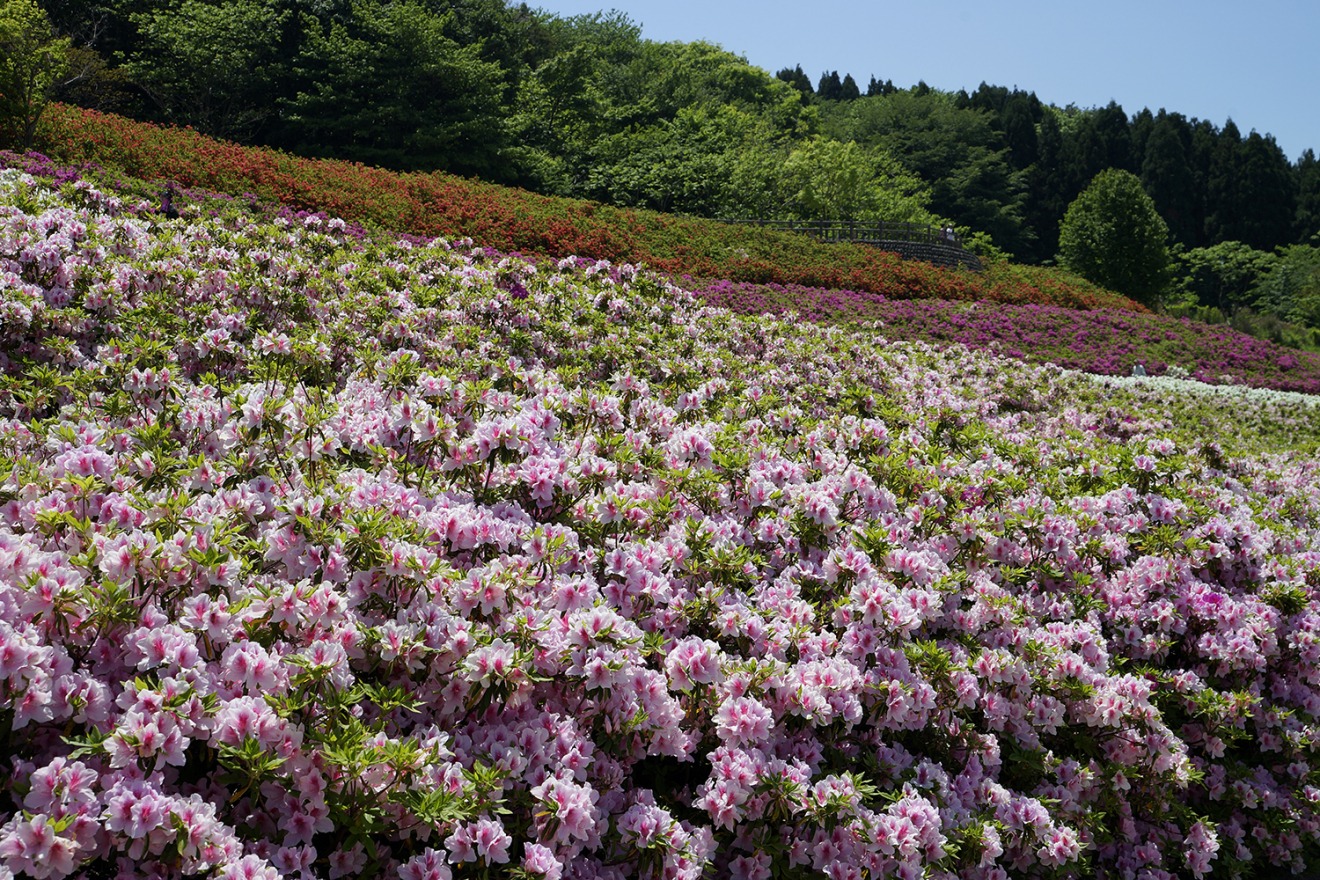
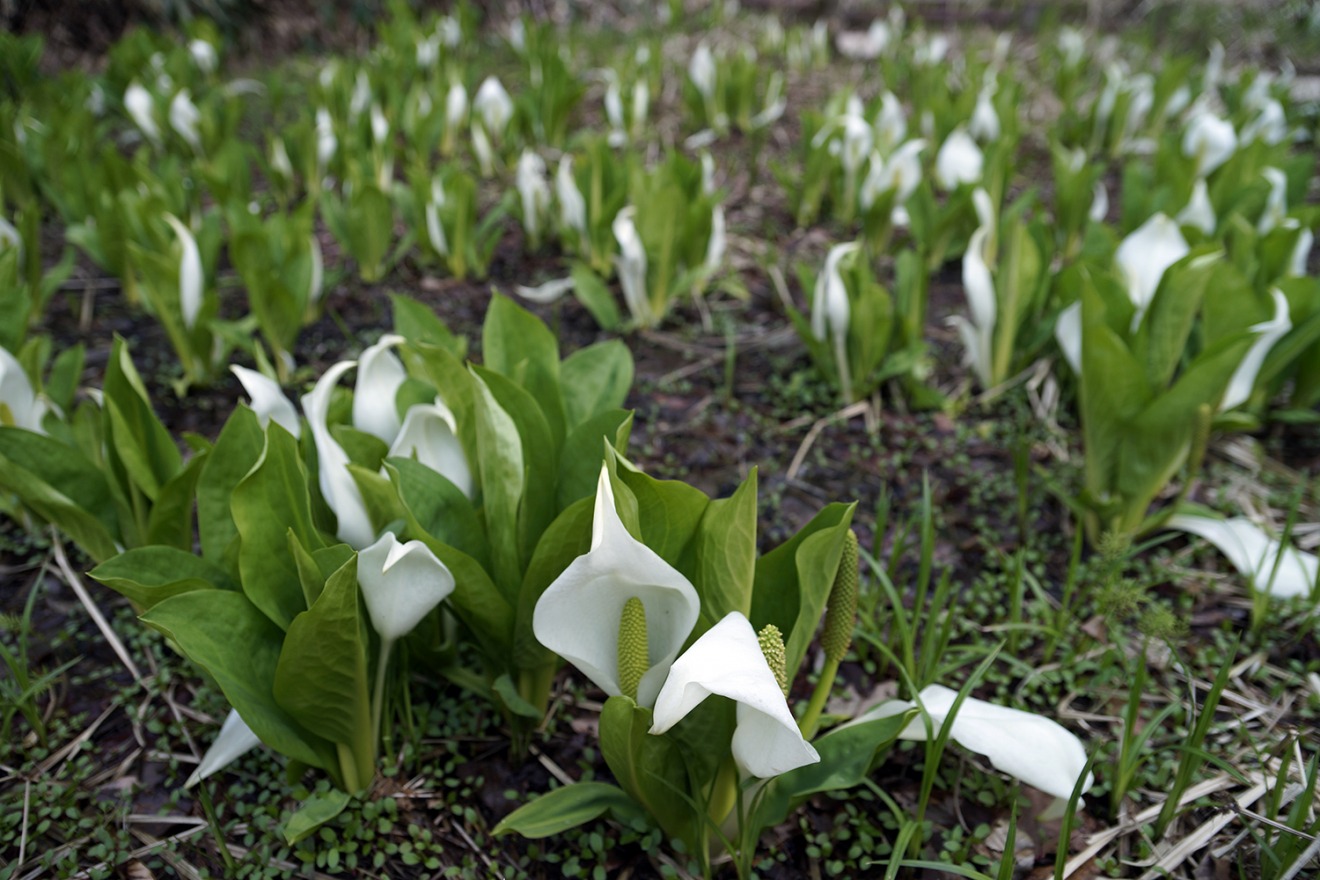
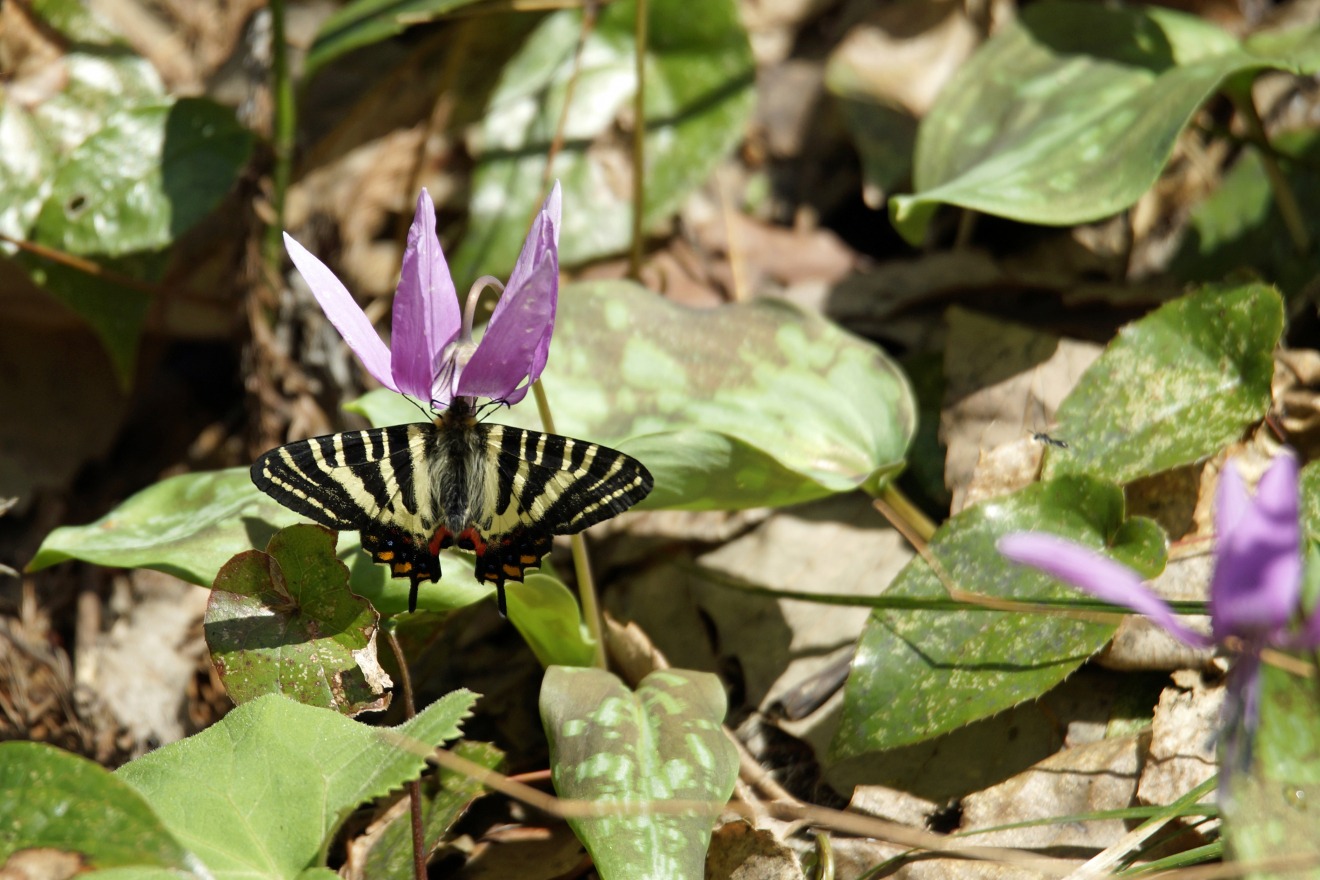
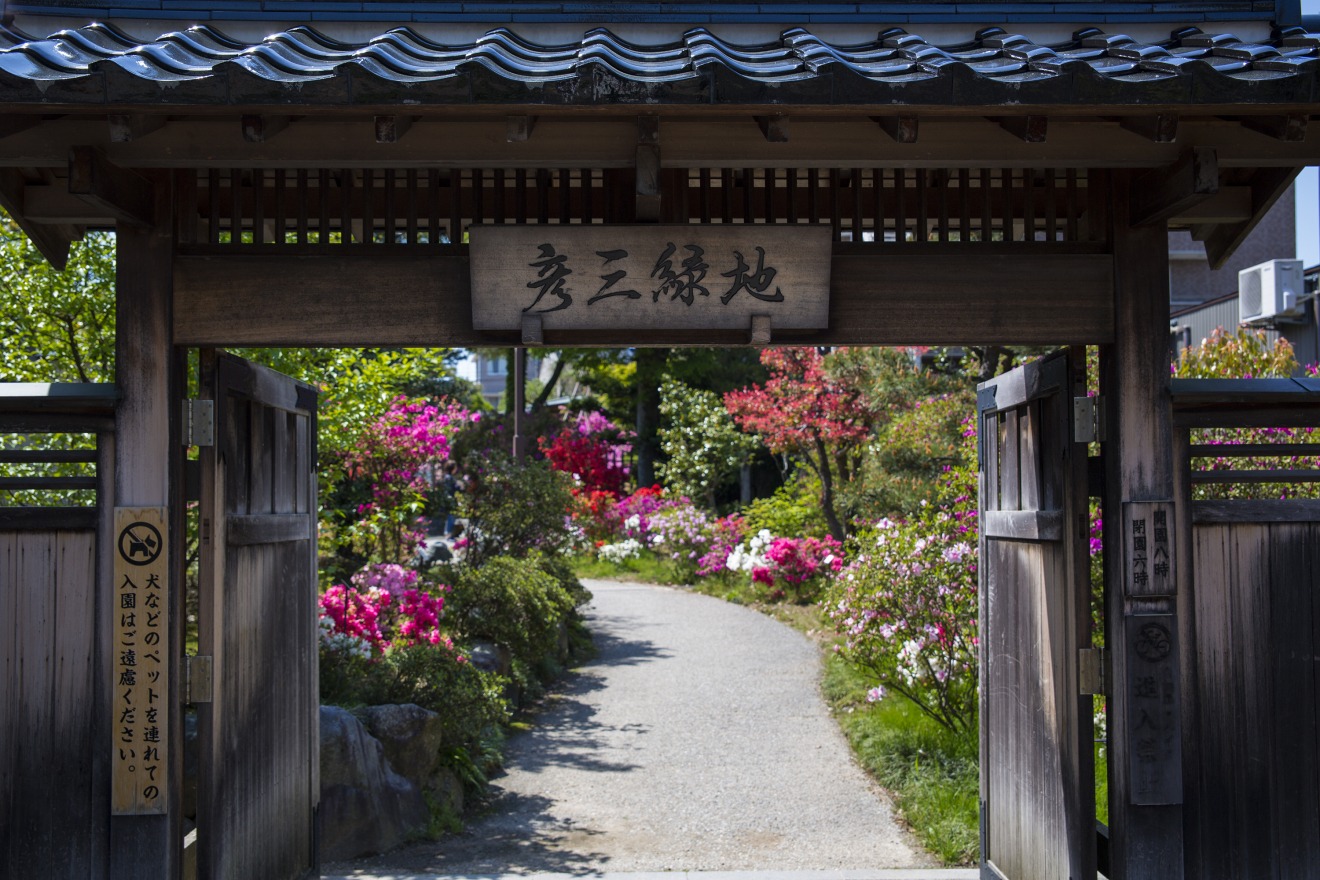
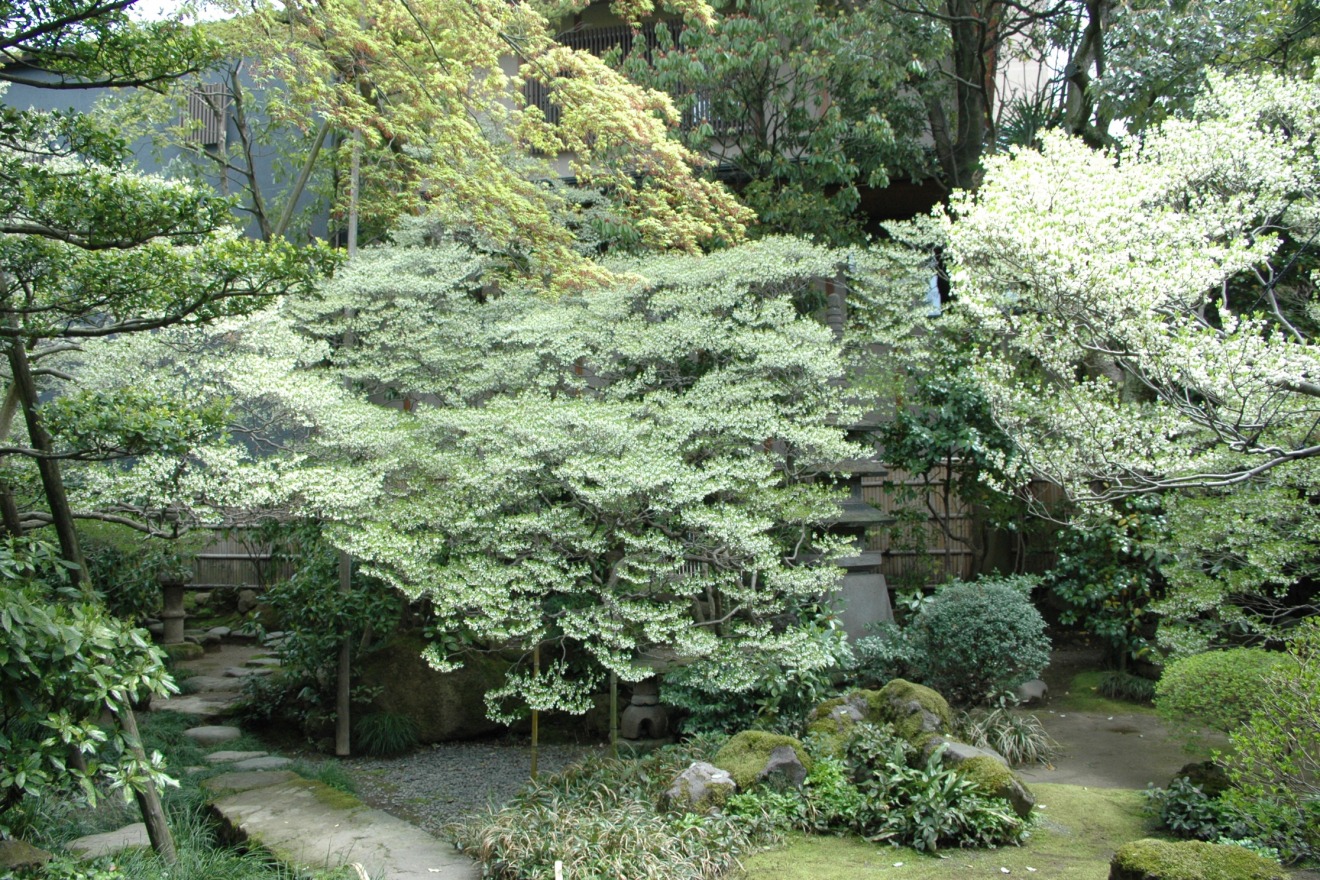
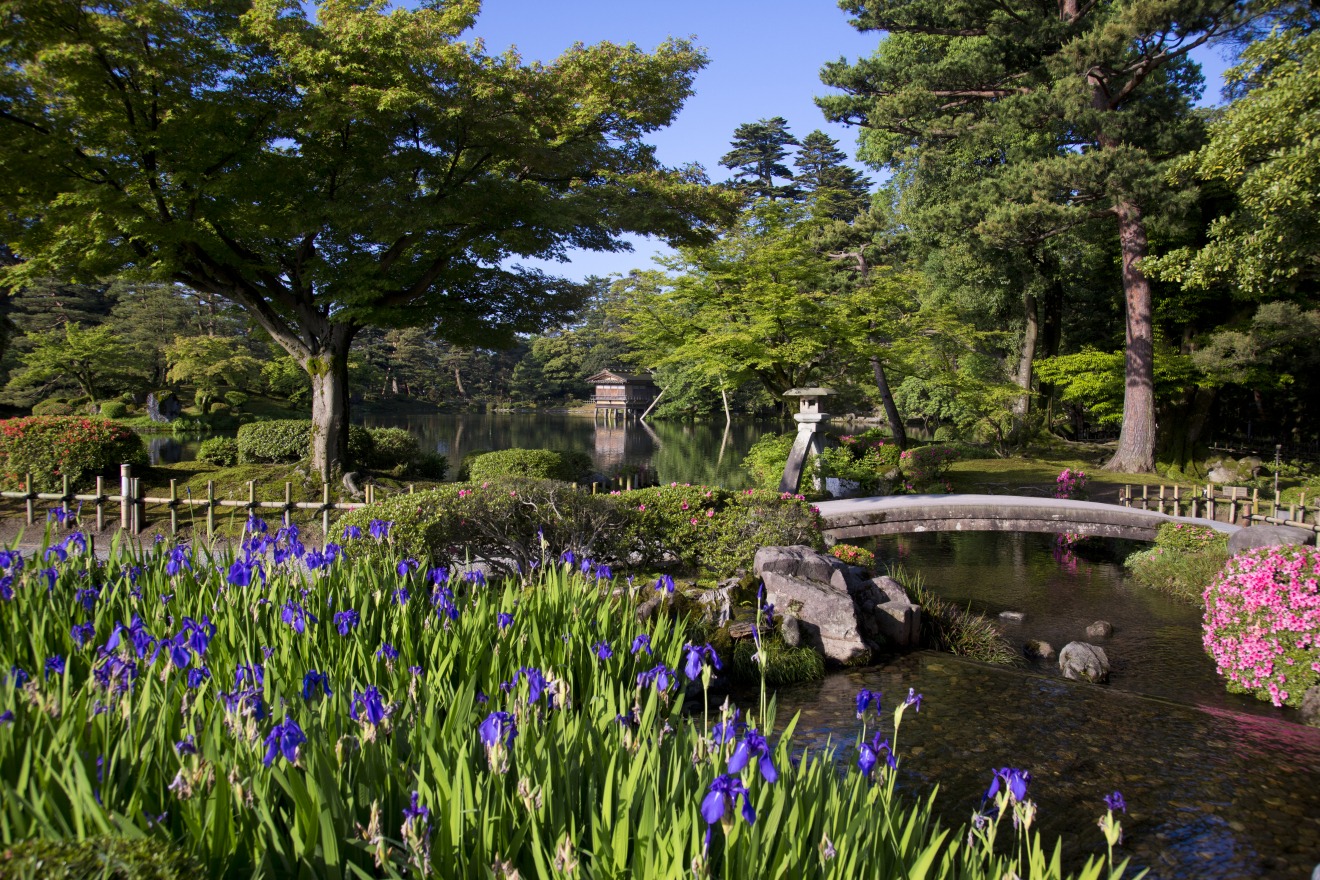
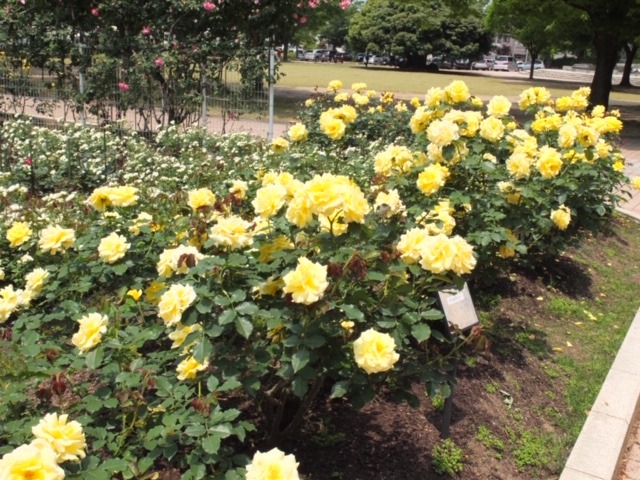
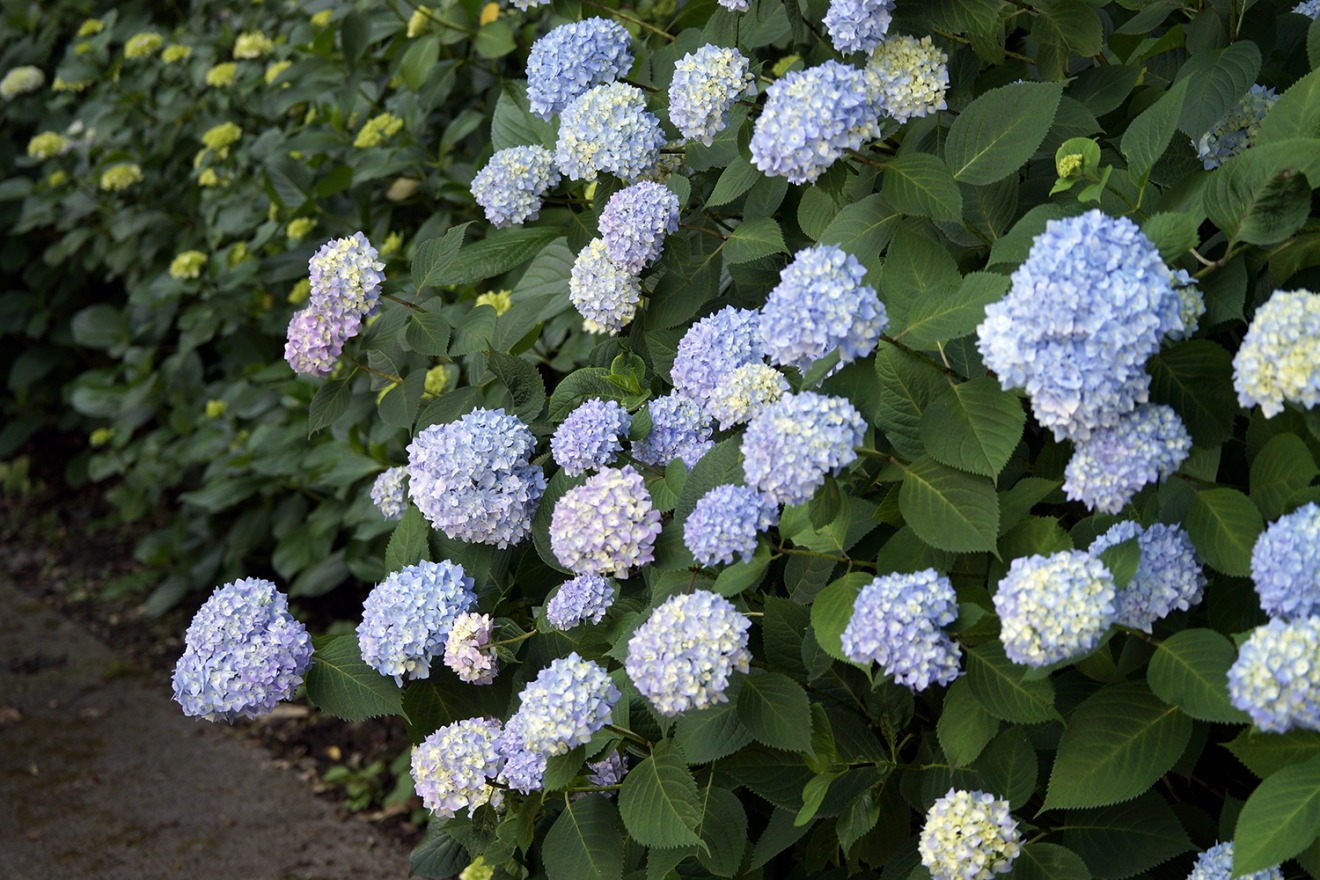
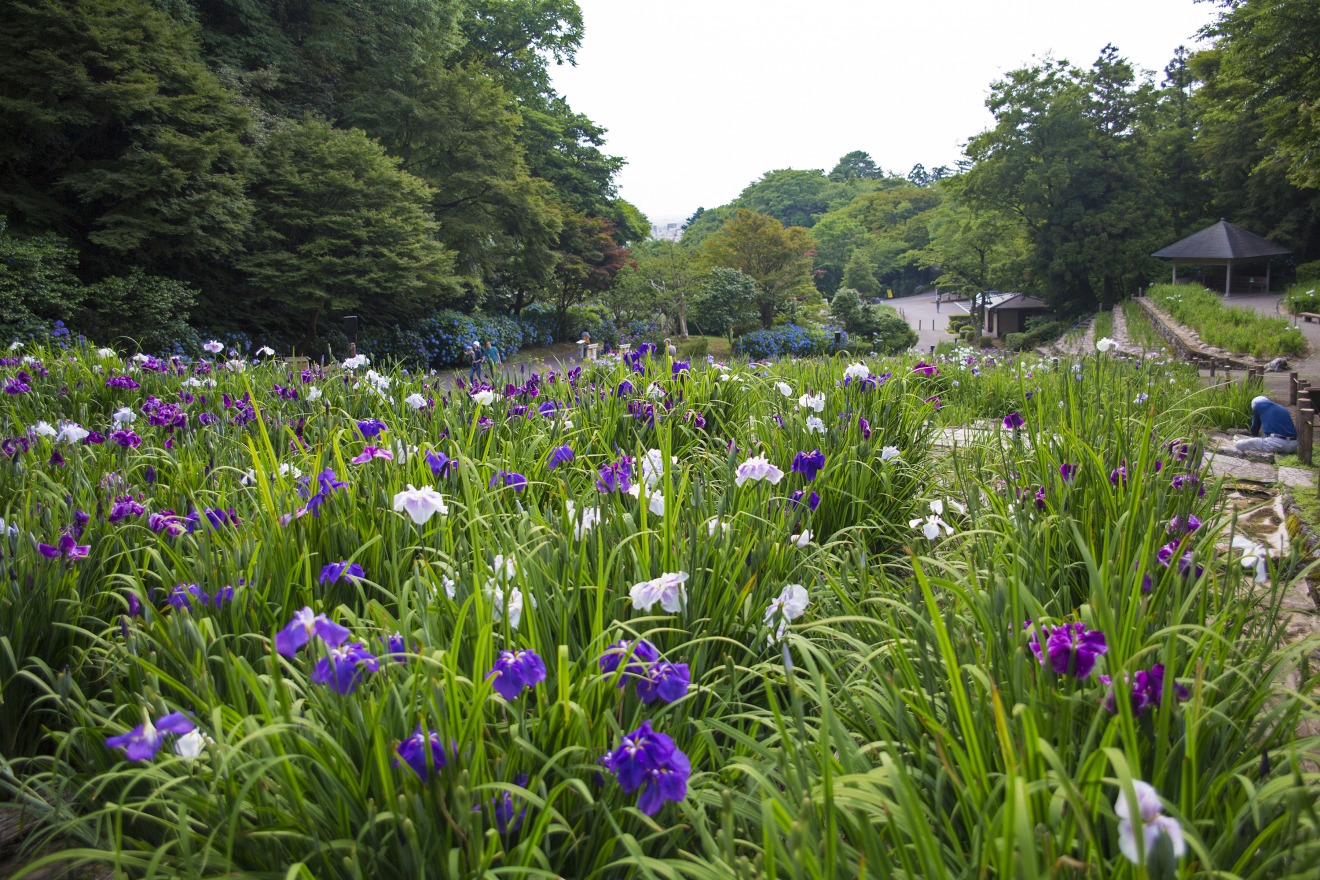
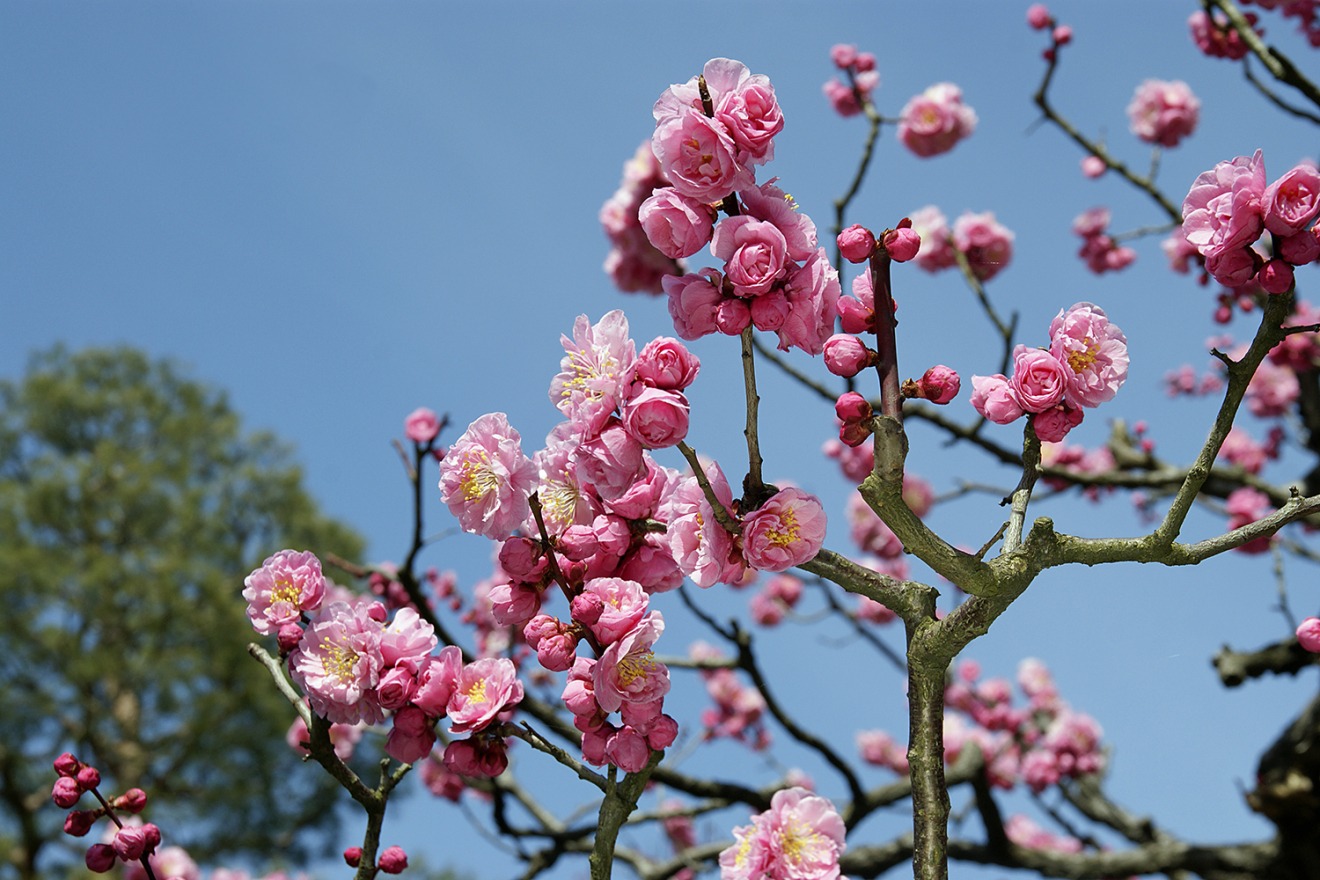
From spring through summer, the best thing to experience on a trip to Kanazawa is, without a doubt, flower viewing.
Regardless of the time you visit, you’re sure to encounter its seasonal flowers.
・Early to late March / Plum blossoms (Kenrokuen Garden)
・Early to mid-April / Skunk cabbage (Higashihara-machi)
・Early to mid-April / Dogtooth violets (Hiraguri Ikoi no Mori)
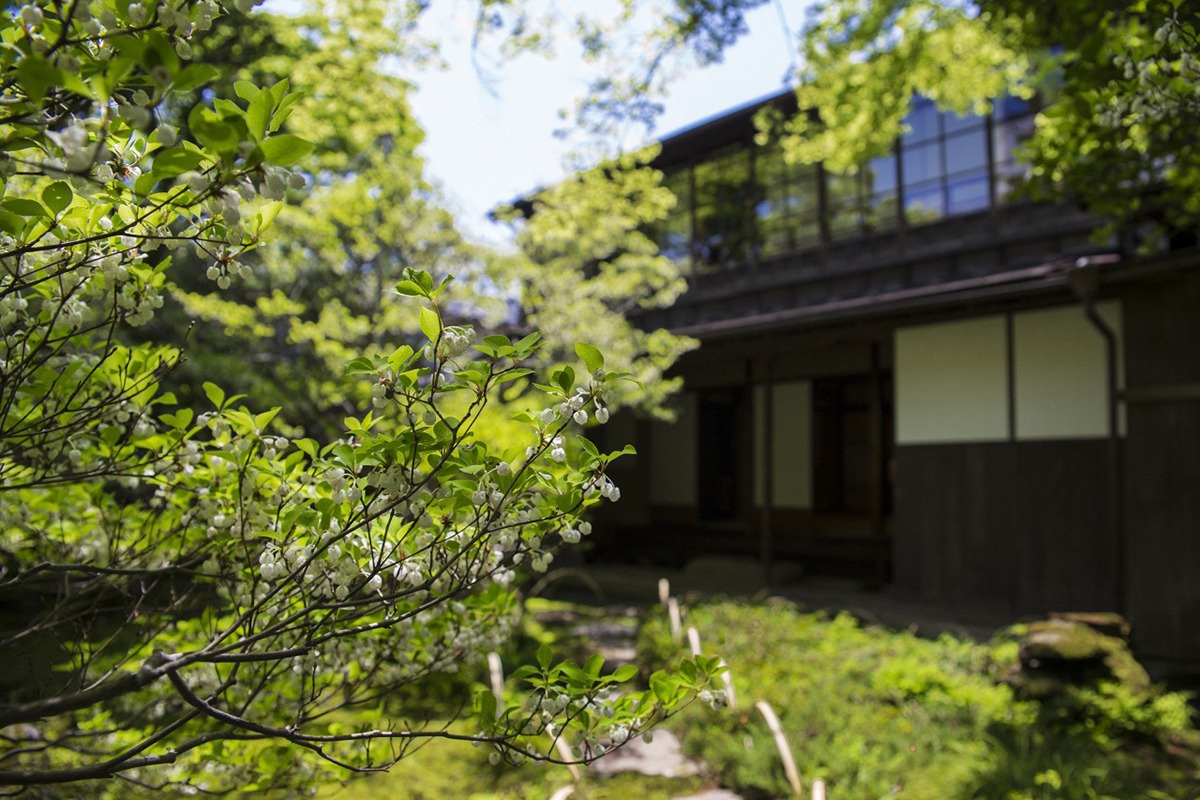
・Mid-April to early May / Enkianthus perulatus (Samurai residence Kurando Terashima's House, Kenrokuen Garden)
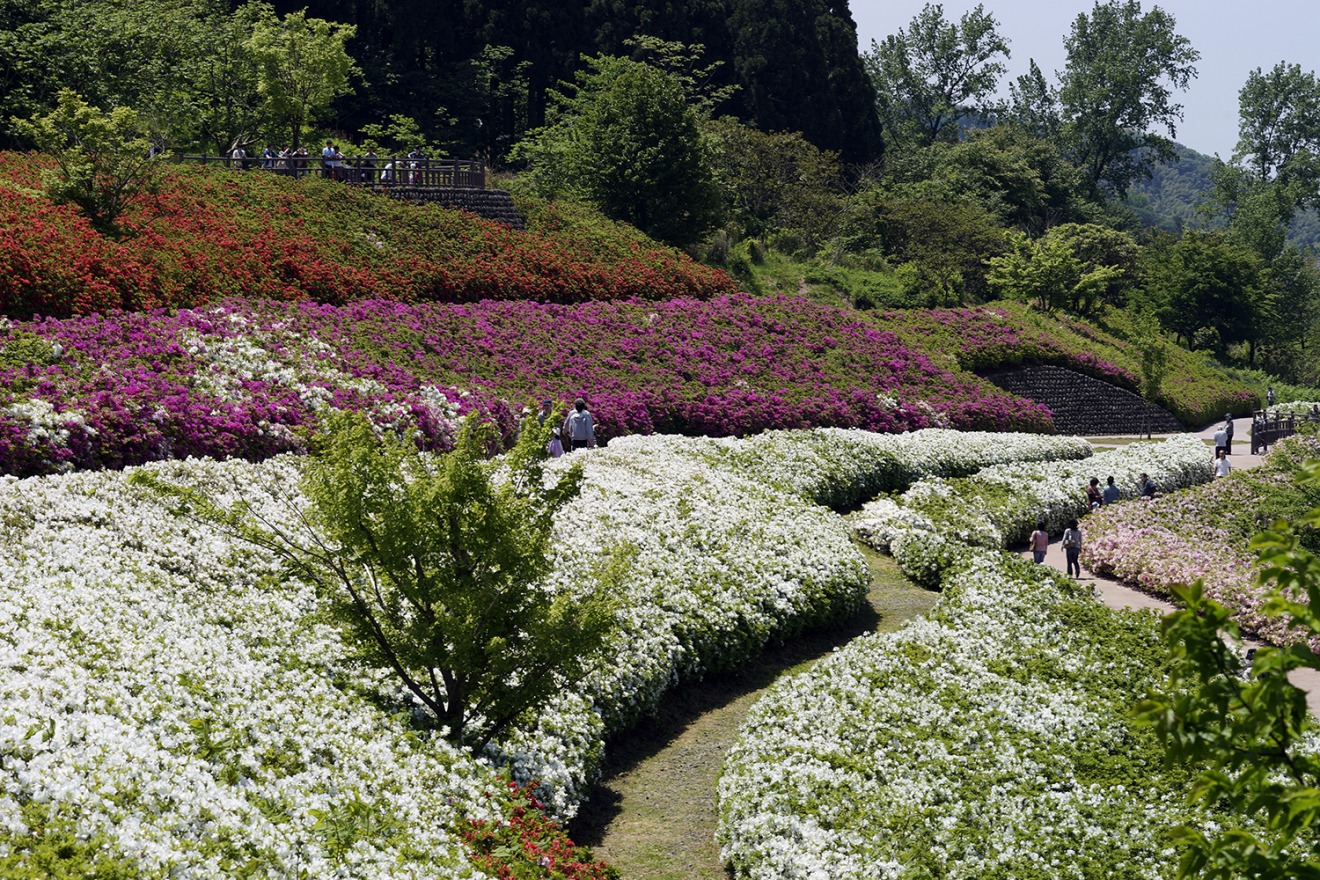
・Late April to mid-May / Azaleas (Daijoji Kyuryo Hillside Park, Kenrokuen Garden, Hikoso Ryokuchi Garden)
・Early May / Peonies (Hikoso Ryokuchi Garden)
・Mid- to late May / Irises (Kenrokuen Garden, Okumatatsuyama Kenmin Park)
・Mid-May to early June / Roses (Kanazawa Minami General Sports Park Rose Garden)
・Mid-June to mid-July / Hydrangeas (Utsuyama Park, Honkoji Temple)
・Mid-June to mid-July / Irises (Utsuyama Park)
・Late July to early August / Lotus flowers (Jimyoin Temple, Konan Waterfront Park)
*The peak blooming periods listed are based on previous years. They can vary significantly from year to year, so please confirm the latest information before visiting.
Firefly Viewing in Kanazawa
In Kanazawa City, where clear irrigation canals and rivers flow through the city center, visitors can see two types of fireflies: the Genji firefly (early to late June) and the Heike firefly (mid-June to late July). Every year, the city publishes the “Kanazawa Firefly Map.” Fireflies can be seen along the Hakuchoro Path in Kanazawa Castle Park, in Nagamachi Samurai District, and in Kenrokuen Garden; viewing events are also held along the Hakuchoro Path and in Kenrokuen Garden.
Spring Day Trips from Kanazawa (Local Tours)
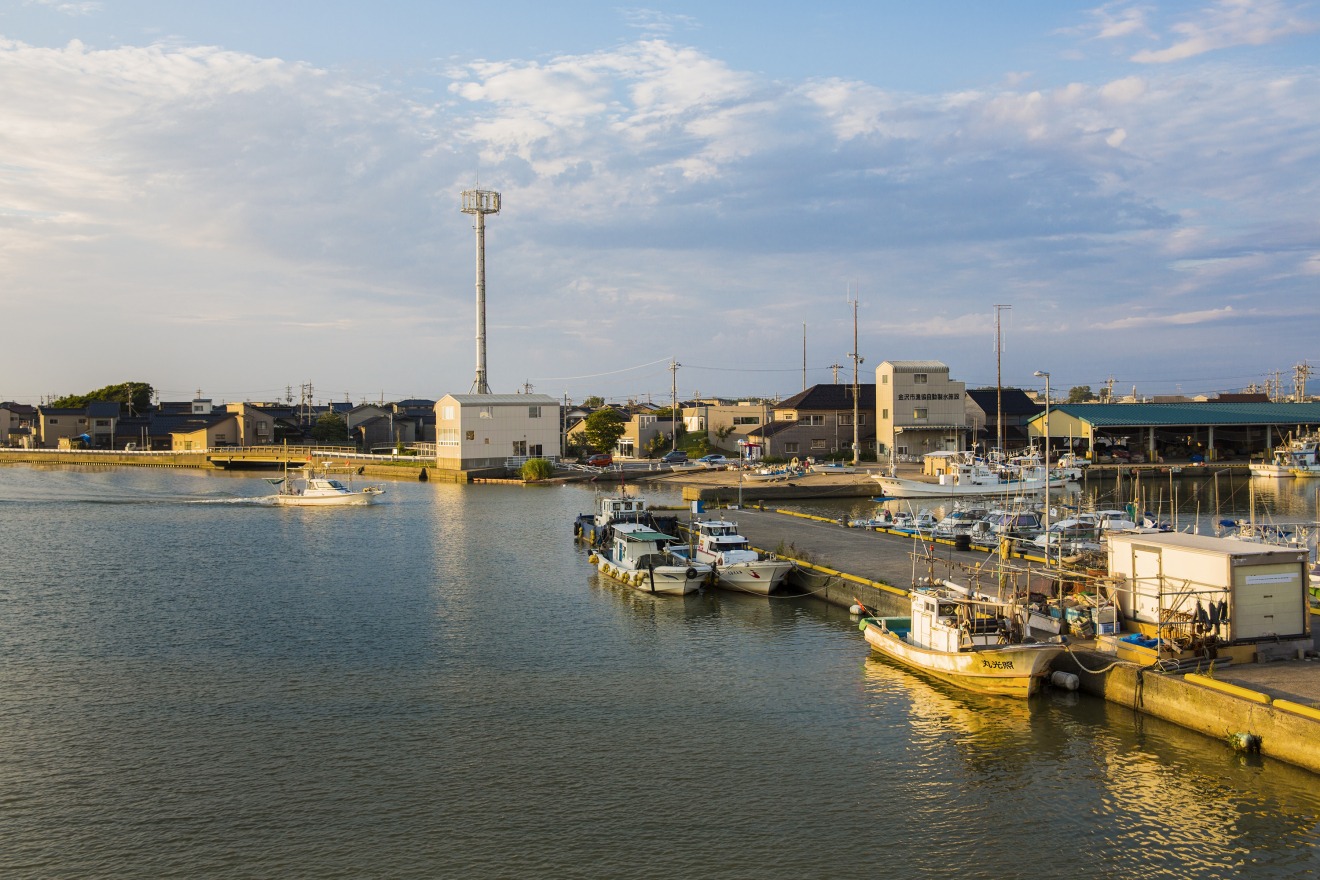
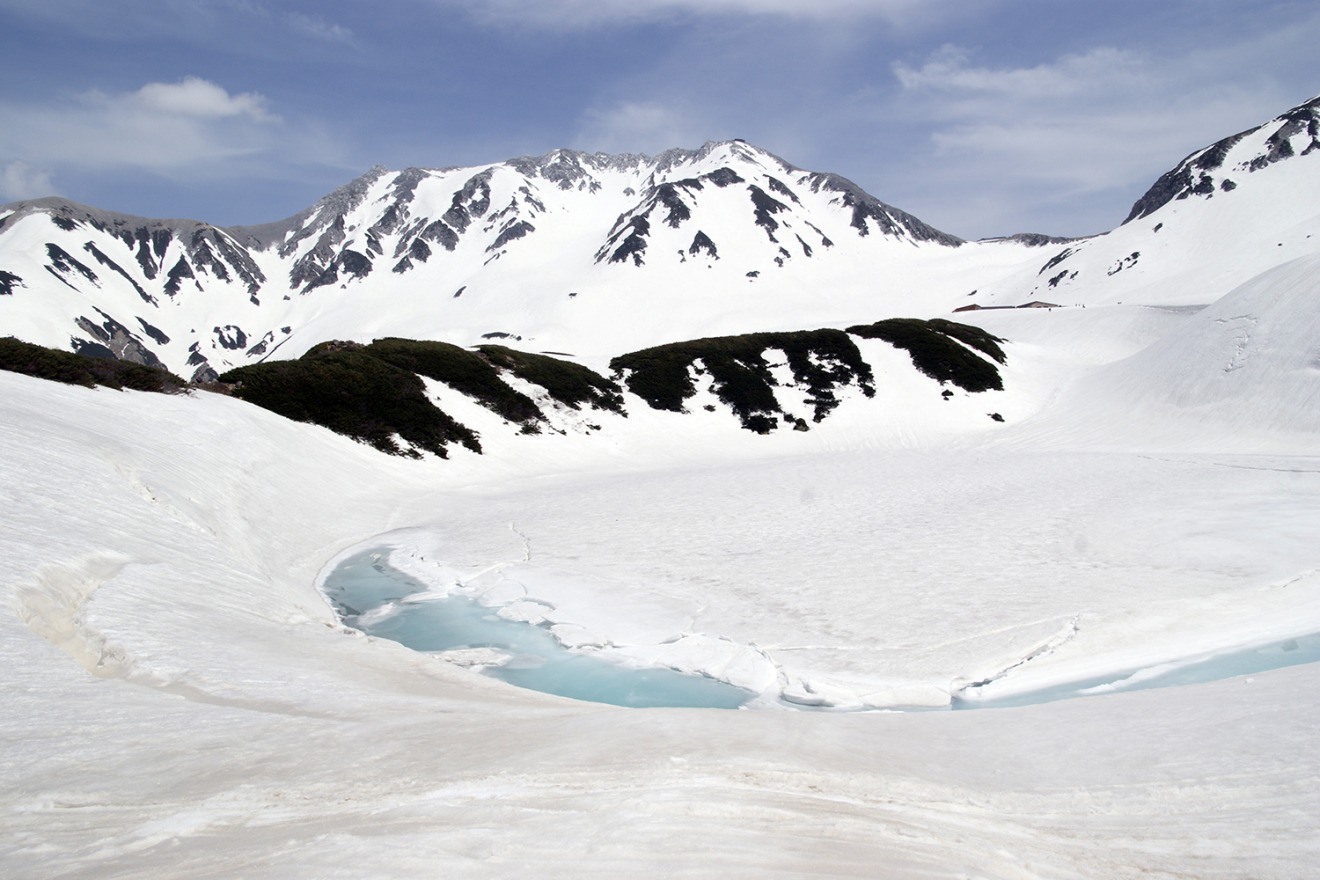
Spring in the Hokuriku region, with its abundant natural beauty, is a season when flowers of all kinds are in full bloom and the fresh greenery glows brilliantly—making it a wonderful time to venture a little further afield from Kanazawa.
Here, we’ll go a step further and introduce some recommended areas that you can visit on a day trip from Kanazawa.
◎Kanazawa’s Port Towns: Kanaiwa and Ono [4-Hour Bike Rental Course]
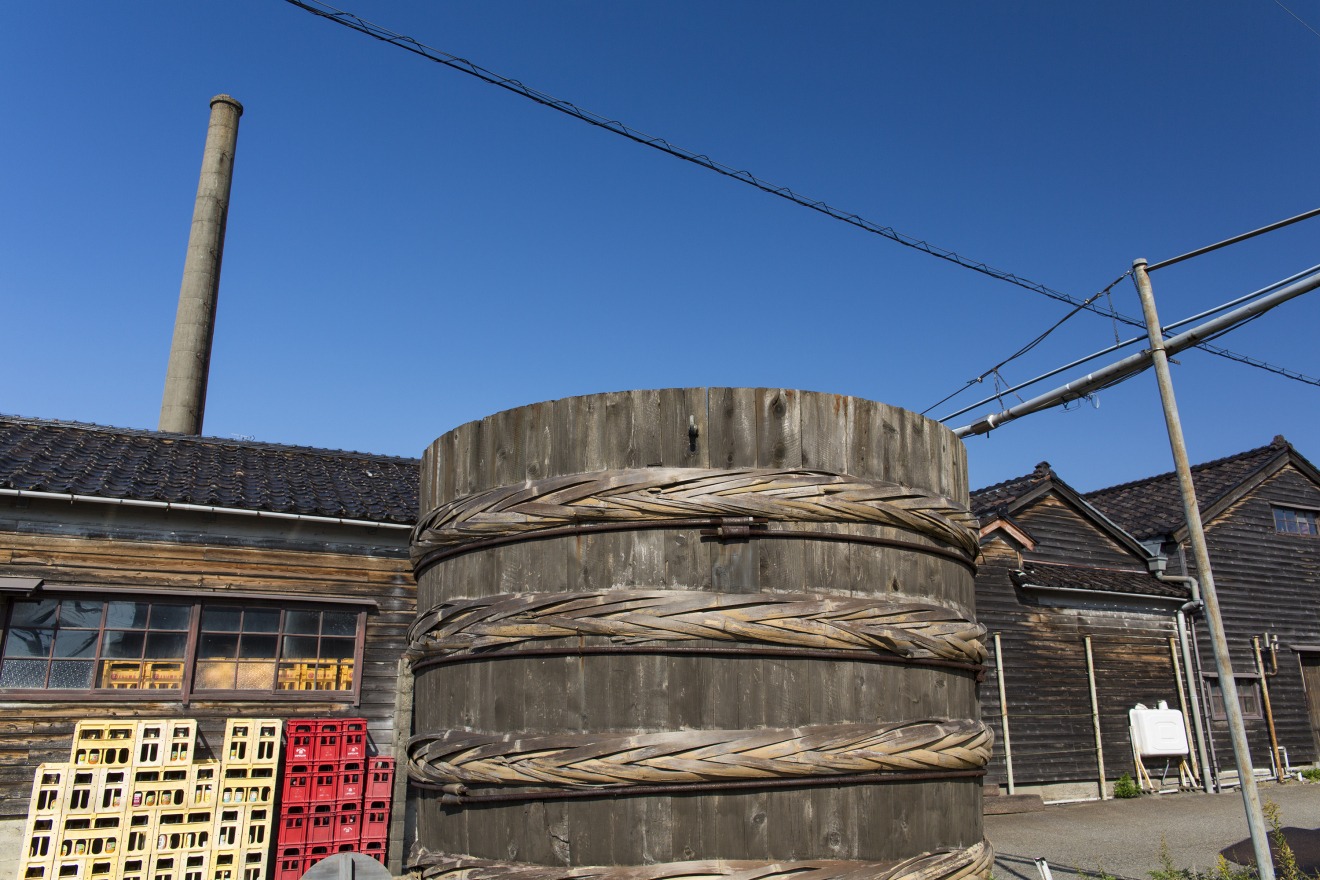
This area serves as Kanazawa’s gateway to the sea and has flourished since the Edo period as a port of call for Kitamae ships. Kanaiwa was a hub for wealthy merchants who made their fortunes through the Kitamae trade, including Zeniya Gohei. Then there is Ono, one of Japan’s leading soy sauce production areas, lined with historic soy sauce breweries. Although it is only about 7 km from Kanazawa Station, the harbor, with its scent of the sea, offers views of the Mt. Hakusan range on clear days, and, if lucky, you may even see large cruise ships docked from around the world. We highly recommend visiting by rental bike along the “Saigawa Cycling Road.”
◎Hakusan Scenic Drive [6-Hour Rental Car Itinerary]
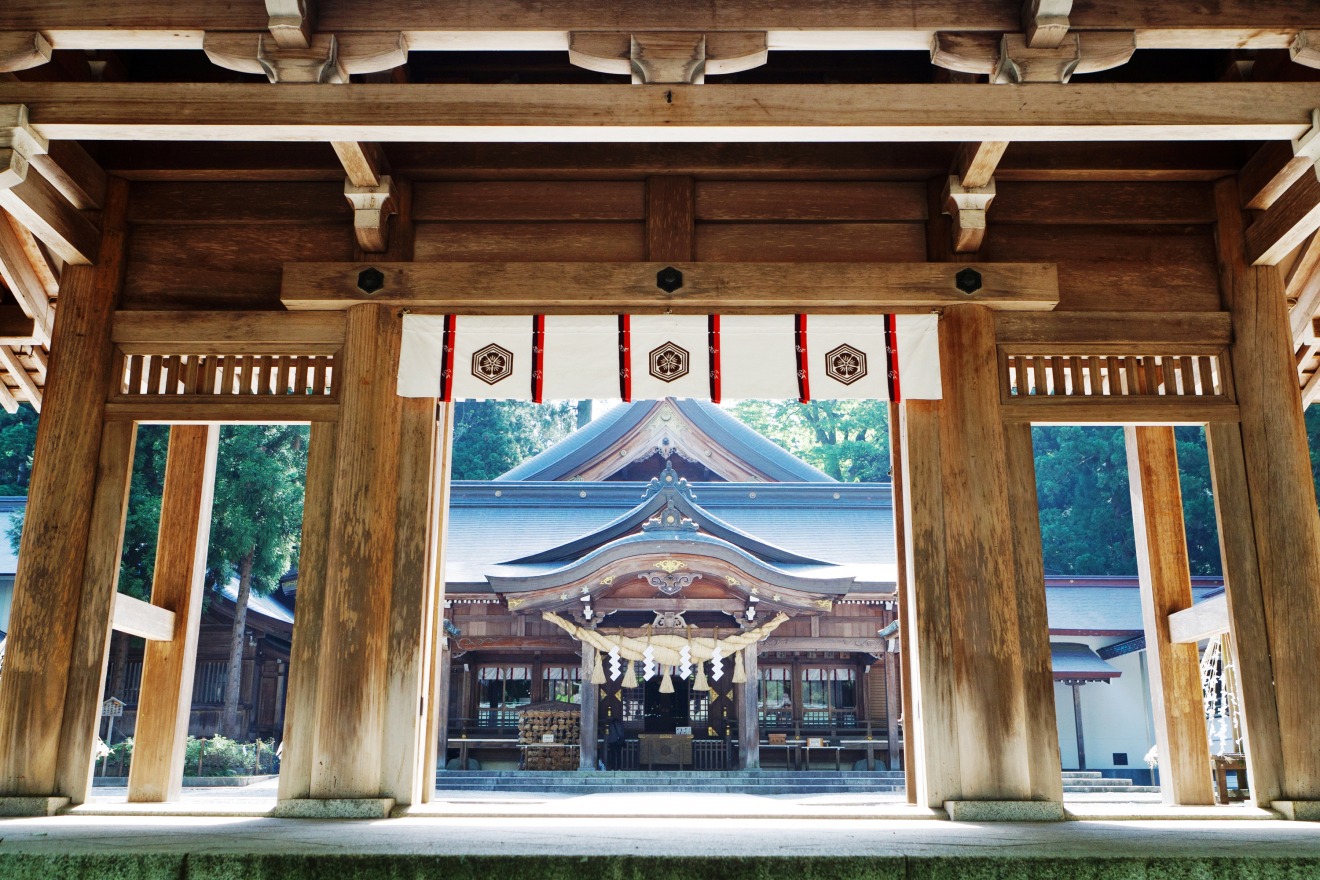
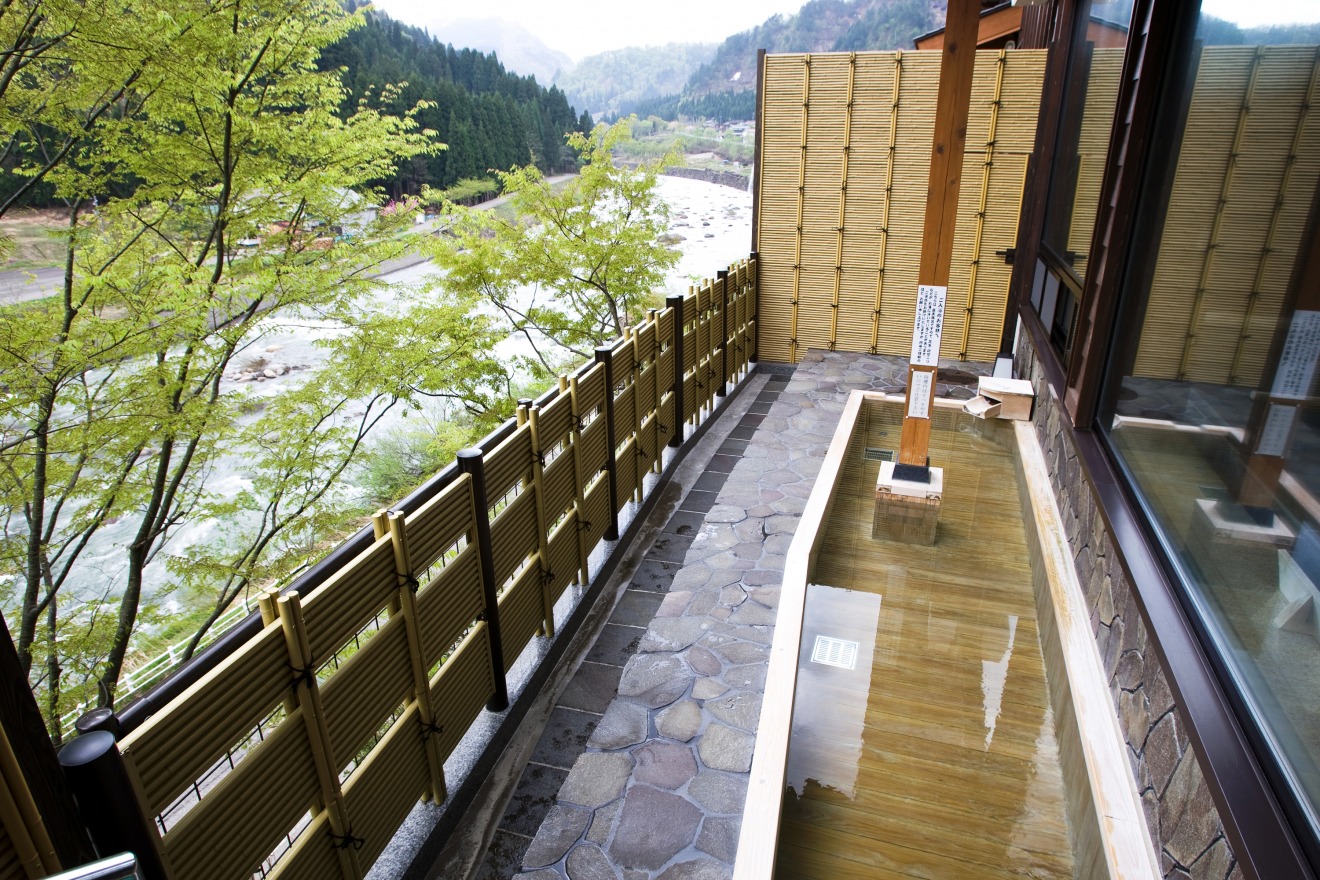
After paying your respects at Hakusan Hime Shrine—the head shrine of the more than 3,000 Hakusan shrines nationwide—take a stroll through the village of Shiramine, which flourished as the gateway to Mount Hakusan and has been designated a National Important Preservation District for Groups of Traditional Buildings. After breathing in plenty of the mountain’s fresh air, savor the local mountain delicacies, soak in the waters of Shiramine Onsen—known for their silky texture—and then return to Kanazawa.
*The summer opening of Mt. Hakusan is on July 1 every year. The climb starts from Betto-deai, located further inland from Shiramine (approx. 5 hours uphill).
◎Notojima Island [10-Hour Train & Bus Tour]
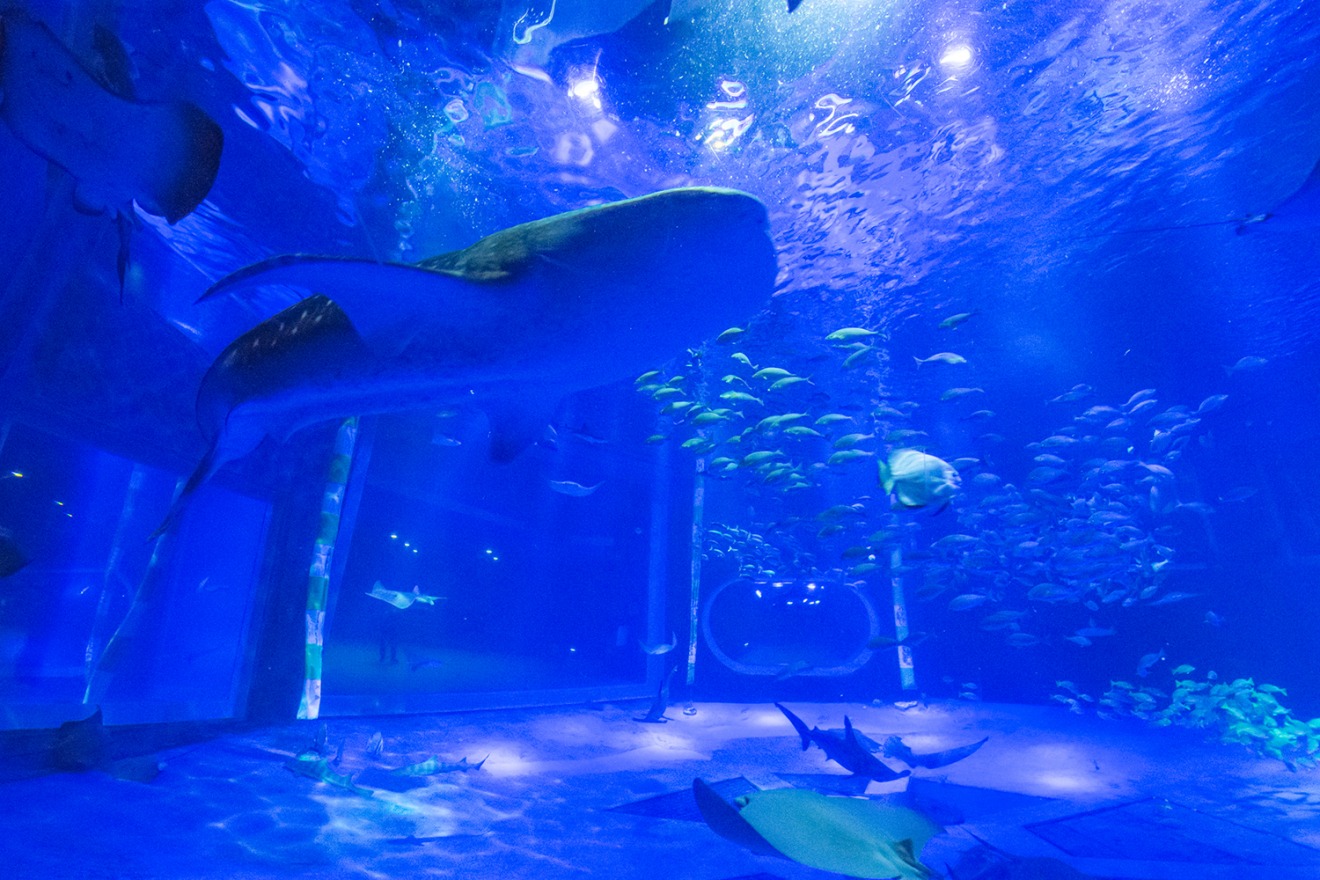
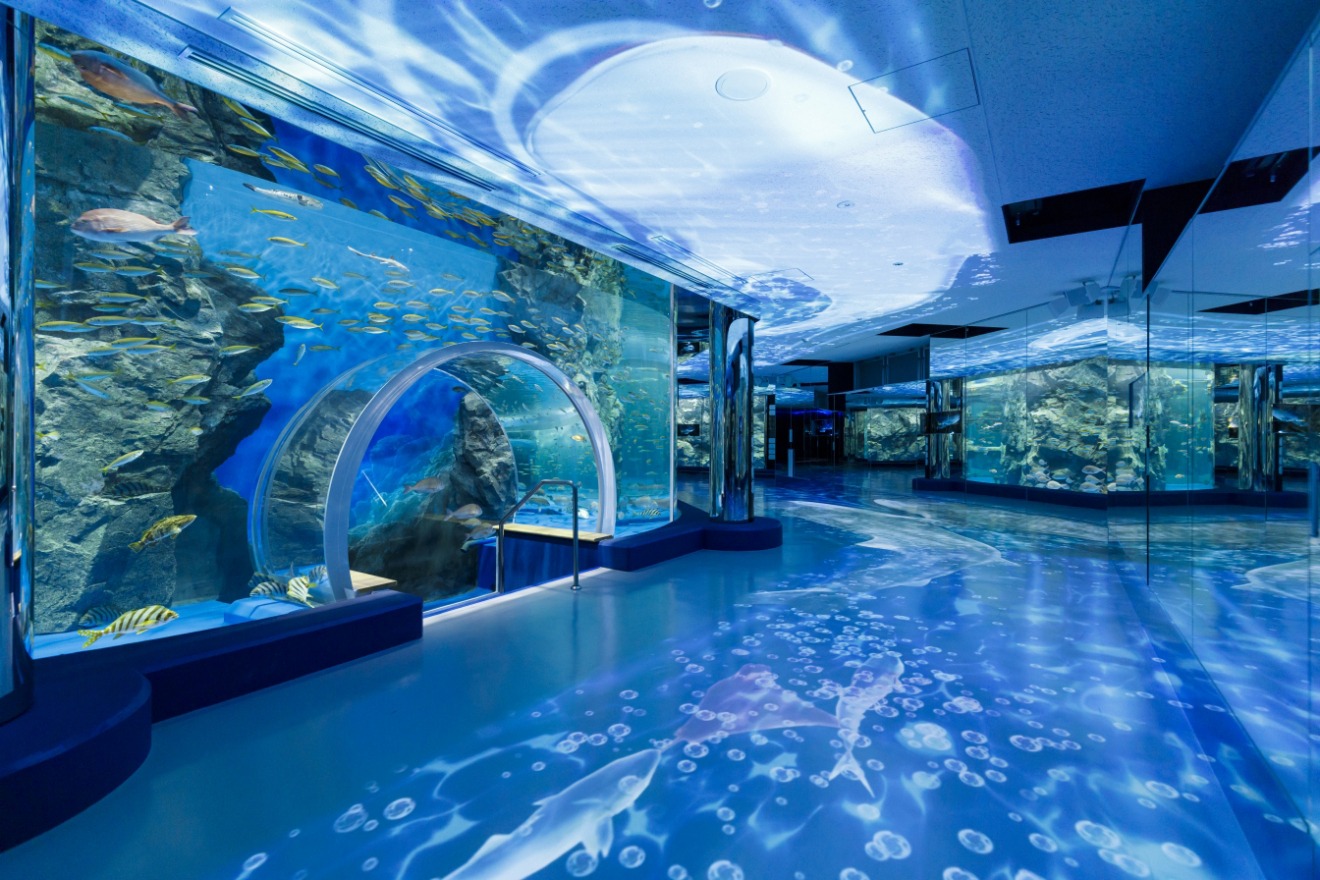
From Kanazawa Station, take the JR Nanao Line and transfer to a bus to reach Notojima Island, located right in the center of the Noto Peninsula and floating in Nanao Bay. Enjoy the beach resort atmosphere by visiting the Notojima Aquarium, where you can watch whale sharks and interact with dolphins; or try your hand at sea fishing at the Sea Fishing Center, or stop by the Wakura Onsen.
◎ World Heritage Sites: Gokayama and Shirakawa-go [5-Hour Bus Tour]
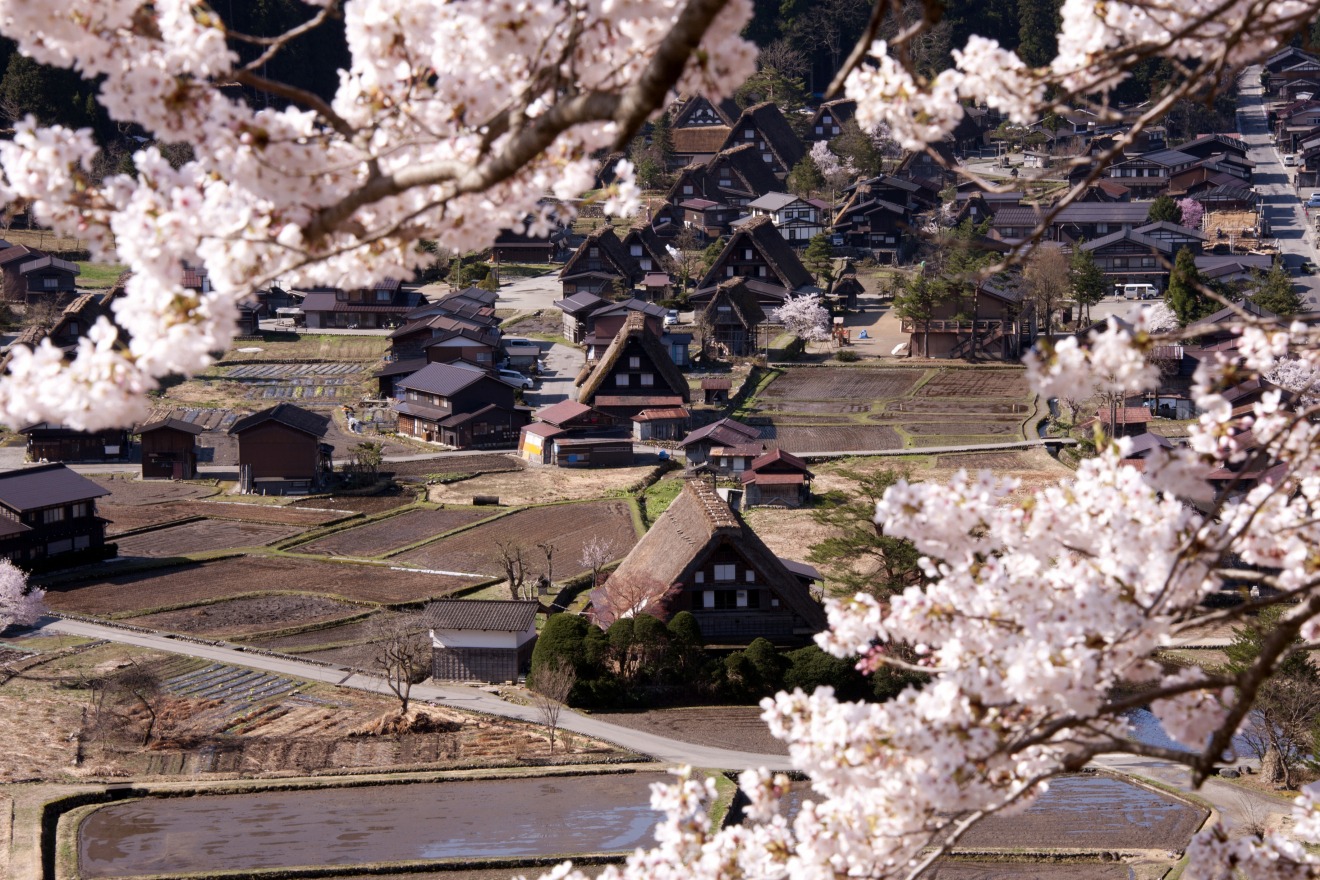
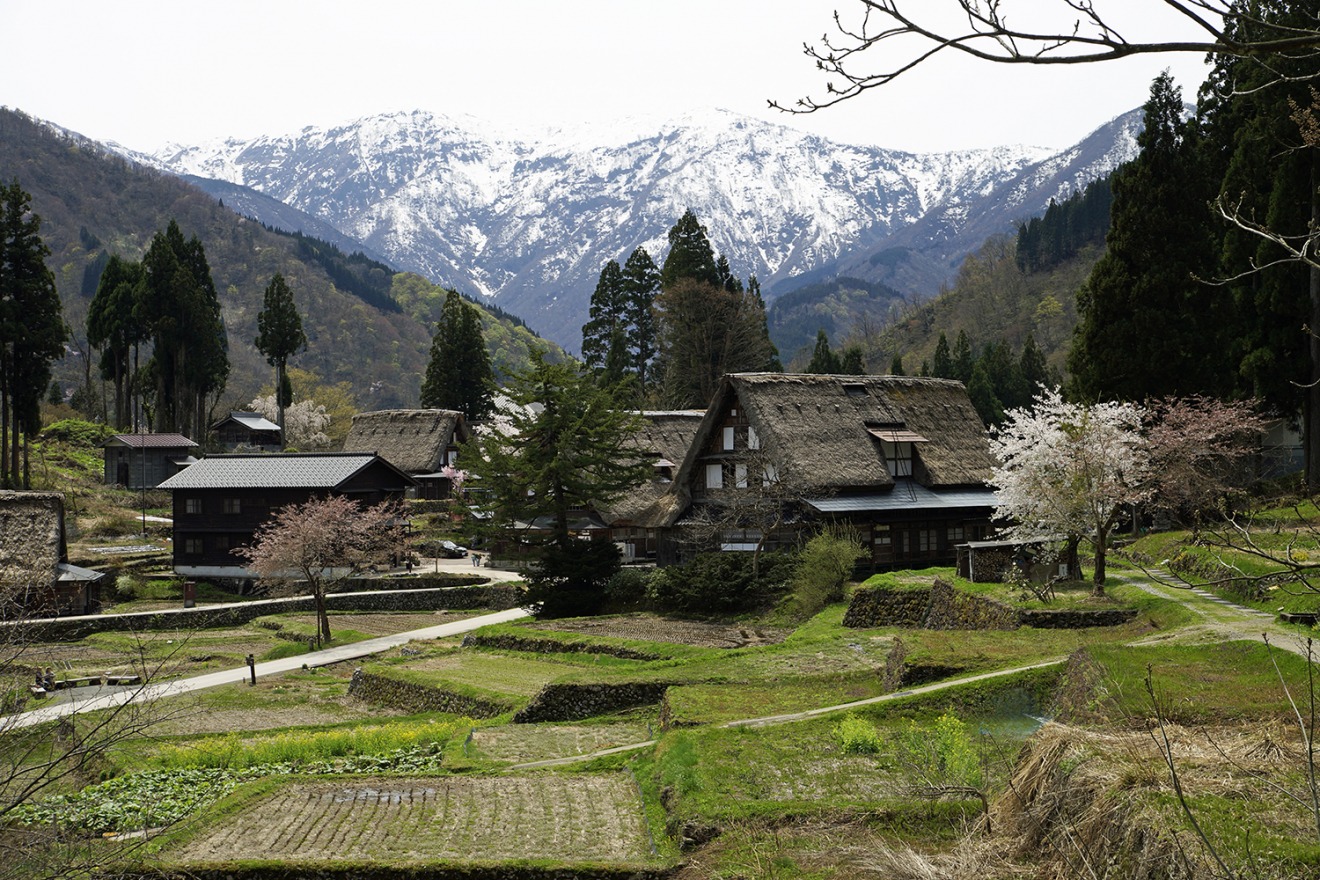
There is a direct express bus from Kanazawa Station to the World Heritage Sites of Shirakawa-go and Gokayama. The trip takes just one hour to Gokayama and one hour and 25 minutes to Shirakawa-go. Take a leisurely stroll through the historic streets lined with traditional Gassho-zukuri houses and sample the region’s unique culinary culture, such as “hoba miso.” This is an area we highly recommend visiting in conjunction with Kanazawa.
◎Tateyama Kurobe Alpine Route [10-Hour Train, Cable Car, and Bus Tour]
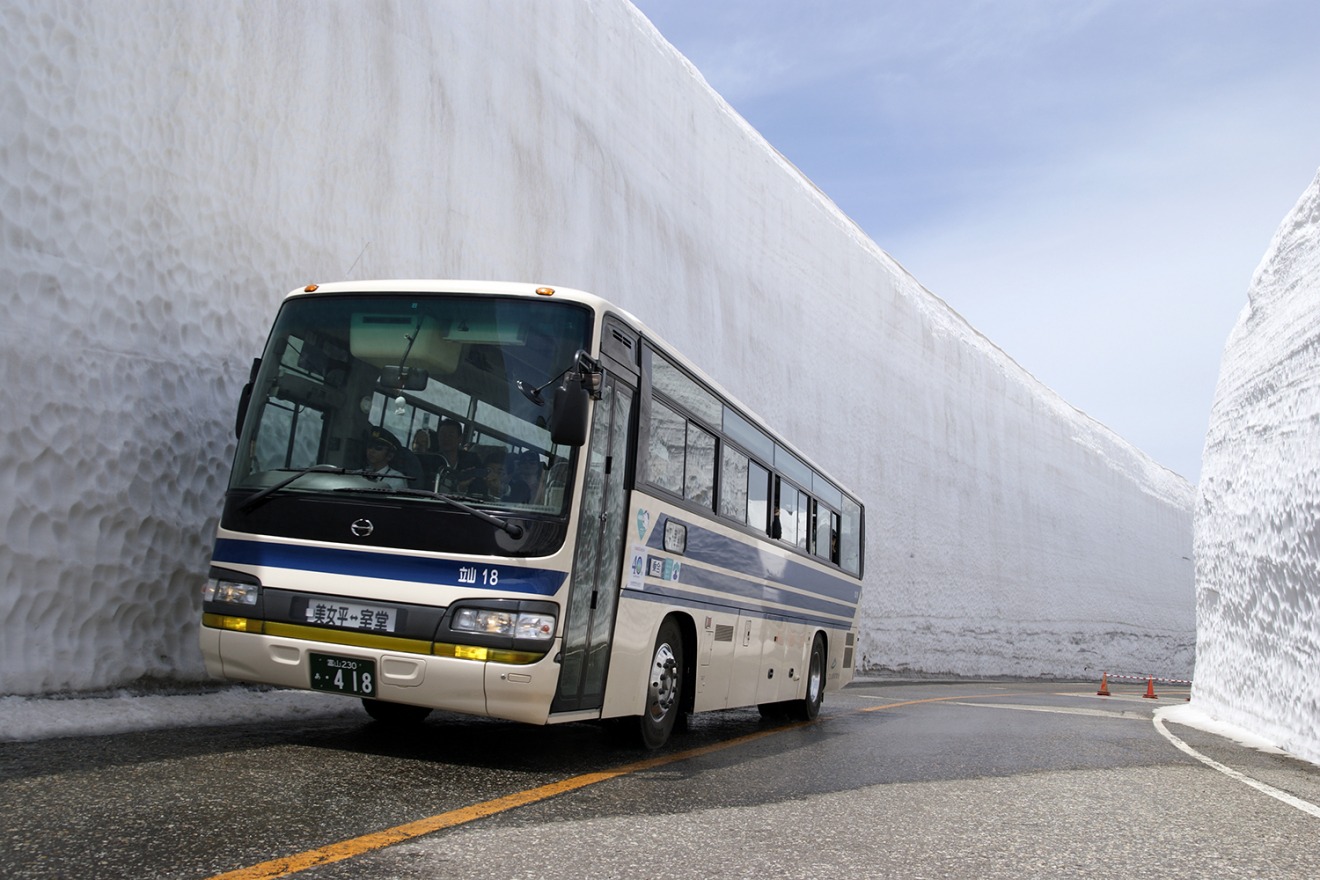
The Tateyama Kurobe Alpine Route, famous for its “Snow Corridor” where buses travel through 20-meter-high walls of snow in the spring, is scheduled to open in full on April 15. Why not enjoy a different world above the clouds by strolling through the Snow Canyon or soaking in the hot springs at Mikurigaike Onsen, Japan’s highest-altitude hot spring? Since long waits for ticket purchases and boarding are common during peak times, we recommend the “Reservation Web Ticket,” which guarantees your seat with a designated boarding time.
(Text by Ken Wakai, Hokuriku Writer)
Explore the sights with ease using bike-sharing
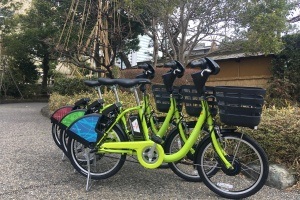
Kanazawa City’s public bike-sharing service, “Machinori,” was revamped in March 2020, and all bicycles are now electric-assist models. You can choose the plan that best fits your needs, such as a single-use pass for 165 yen for the first 30 minutes (110 yen for each additional 30 minutes) or a one-day pass (1,430 yen when purchased at a convenience store) (all prices exclude tax). You can rent and return bikes at any of the approximately 70 cycle ports located throughout the city! We recommend using the service as a convenient way to get around while sightseeing.